9 Best Garden Hand Tools: 2026 Buyer’s Guide & Expert Picks
Our top picks for the best garden hand tools in 2026 are the Fiskars Garden Hand Tools 3-Piece Set (Best Overall), Fiskars Ergo Garden Trowel (Best Budget), Fiskars Bypass Pruning Shears (Best Precision Cutting), Fiskars Deluxe Stand-Up Weed Puller (Best for Limited Hand Strength), Wilcox All-Pro 102S 12″ Trowel (Best Durability), Corona Clipper RazorTOOTH 10″ Folding Pruning Saw (Best for Heavy Pruning), MASAKIYO Weeding Sickle Full Size (Best Compact), Edward Tools Hoe and Cultivator Hand Tiller (Best for Heavy Soil) and WORKPRO 6-Piece Garden Tool Set (Best Rust-Resistant).
Three things separate a tool you keep for years from one you replace each spring: the metal in the head, the shape of the handle and how much care the steel needs. Cast aluminum, stainless steel and high-carbon steel wear differently in hard soil. A padded or offset handle changes how long you can work before your wrist starts to complain.
The usual disappointments are a trowel that bends at the neck in clay, pruners that gum up with sap, and a grip that feels fine in the store but rubs a blister by the second bed. Each of these tools solves one of those problems in its own way. One uses a stand-up design that keeps you off your knees, and another uses a stainless blade that holds its shape in rocky ground.




If you buy only one tool this season, match it to the job you do every week. Get a trowel for planting, pruners for deadheading and shaping, or a weeder for the lawn.
What Hand Tools Does Every Home Gardener Need?
Most yards run on a hand trowel, a hand cultivator, bypass pruners and a hand weeder, with a folding pruning saw added once shrubs and young trees fill in.
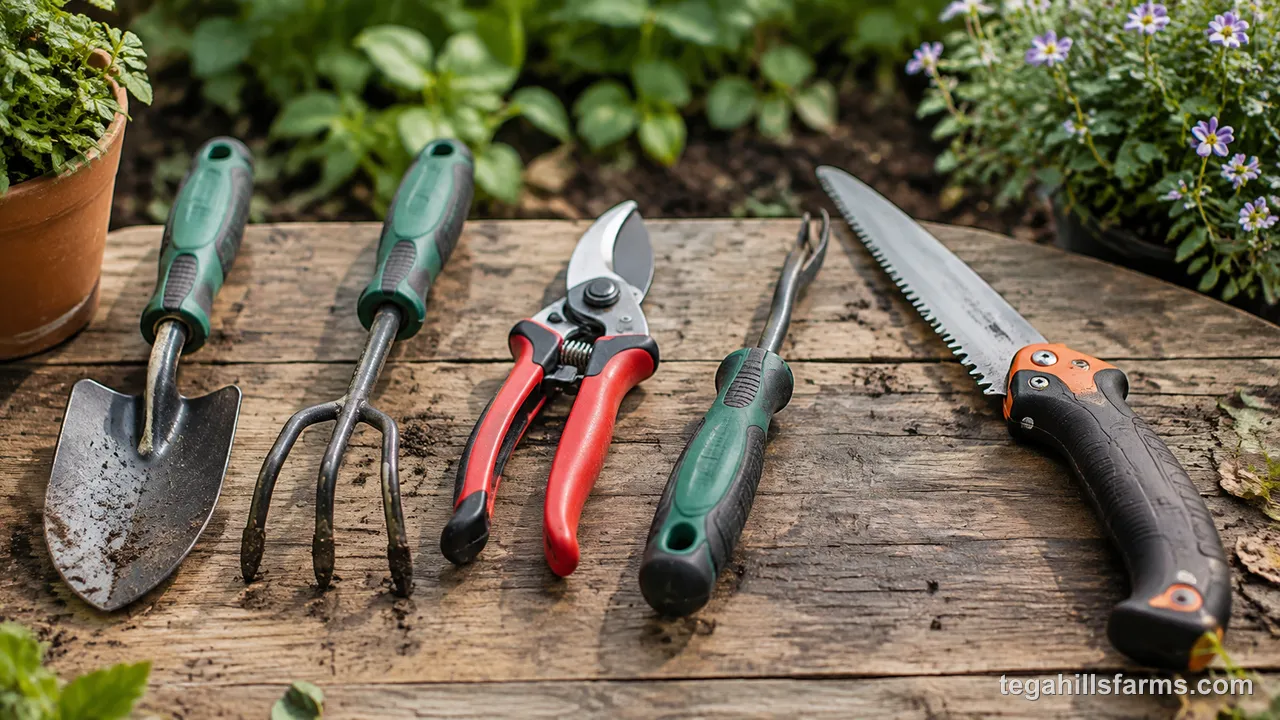
The trowel digs planting holes, sets bulbs and scoops potting mix. A transplanter does the same work in a narrower opening between established plants. A cultivator’s tines break up crusted soil and drag out weed seedlings before they root deeply.
Bypass pruners handle deadheading and shaping on live stems. A dedicated weeder pulls taprooted weeds such as dandelions out whole, so they don’t regrow from a broken root. The saw covers limbs that would strain pruners.
Some jobs cover a whole bed at once, such as leveling soil or clearing leaves. Those call for a long-handled tool, and the best rakes belong in that part of the shed.
What Should You Look for in Garden Hand Tools?
How the head holds up in your soil and how the handle feels after a long session decide whether a tool lasts, more than brand or bundle size does. A trowel that bends in clay, or a grip that rubs a blister by the second bed, sends you shopping again and wears on your wrist in the meantime. The same reasoning applies to long-handled diggers and rakes, which is where the advice on how to choose garden tools picks up.
Which Blade and Head Materials Last Longest?
Stainless steel suits most gardeners. It won’t rust without oiling, and a heavy-gauge stainless blade resists bending when you pry in rocky or clay soil. It holds an edge reasonably well, though it is slower to resharpen than carbon steel.
Cast aluminum is lighter and cannot rust, so it forgives a tool left outdoors. It is also a softer metal. The working edge wears against stones, and a cast head can crack rather than bend if you lever hard under a root.
Carbon steel is the hardest of the three. It takes the keenest edge and sharpens easily, but bare carbon steel rusts unless you dry it and wipe on oil after wet work. A coated or treated carbon steel head narrows that gap, but it still needs the same care.
How Much Do Handle Shape and Grip Matter?
Handle shape and grip decide how long you can keep working before your hand cramps. A few squeezes in a store aisle tell you little. An hour of repetitive digging or cutting shows whether the handle spreads pressure across your palm or concentrates it on a few hot spots.
A soft, textured non-slip grip keeps the tool from twisting when your palm sweats or the handle gets muddy, so you don’t have to clench harder to hold it steady. A handle that is too thin forces a tighter grip. A contoured or slightly fuller one lets the hand relax.
Weight cuts both ways. A light tool tires the forearm less over many strokes, but some head weight helps a cultivator or hoe bite into firm soil. If you garden in gloves, judge the handle with them on, because a grip that fits a bare hand can feel slippery or oversized through a thick glove.
Do Warranty and Upkeep Needs Affect Value?
Yes. A tool that stays sharp and rust-free for years delivers more value than one you replace every spring, and warranty coverage and care habits are what keep it working that long.
A Lifetime Warranty, which the Fiskars picks carry, matters most on tools with cast heads or moving parts. On those tools, a structural failure is the most likely reason to retire them.
Blade coatings, like the low-friction finish on bypass pruners, cut sap buildup and slow rust. They wear thin at the edge, though, so the steel underneath still needs a wipe and a light coat of oil. Uncoated tools need that routine from the first day.
The 9 Best Garden Hand Tools of 2026
The lineup includes the Fiskars Garden Hand Tools 3-Piece Set, Fiskars Ergo Garden Trowel, Fiskars Bypass Pruning Shears, Fiskars Deluxe Stand-Up Weed Puller, Wilcox All-Pro 102S 12″ Trowel, Corona Clipper RazorTOOTH 10″ Folding Pruning Saw, MASAKIYO Weeding Sickle Full Size, Edward Tools Hoe and Cultivator Hand Tiller and WORKPRO 6-Piece Garden Tool Set.
Posture and metal separate them more than brand does. The stand-up weed puller lets you work without kneeling, while the trowels, cultivators and weeders keep you close to the soil. The heads range from cast aluminum to stainless and high-carbon steel, and each metal trades weight, edge and upkeep differently.
#1 Fiskars Garden Hand Tools 3-Piece Set — Best Overall
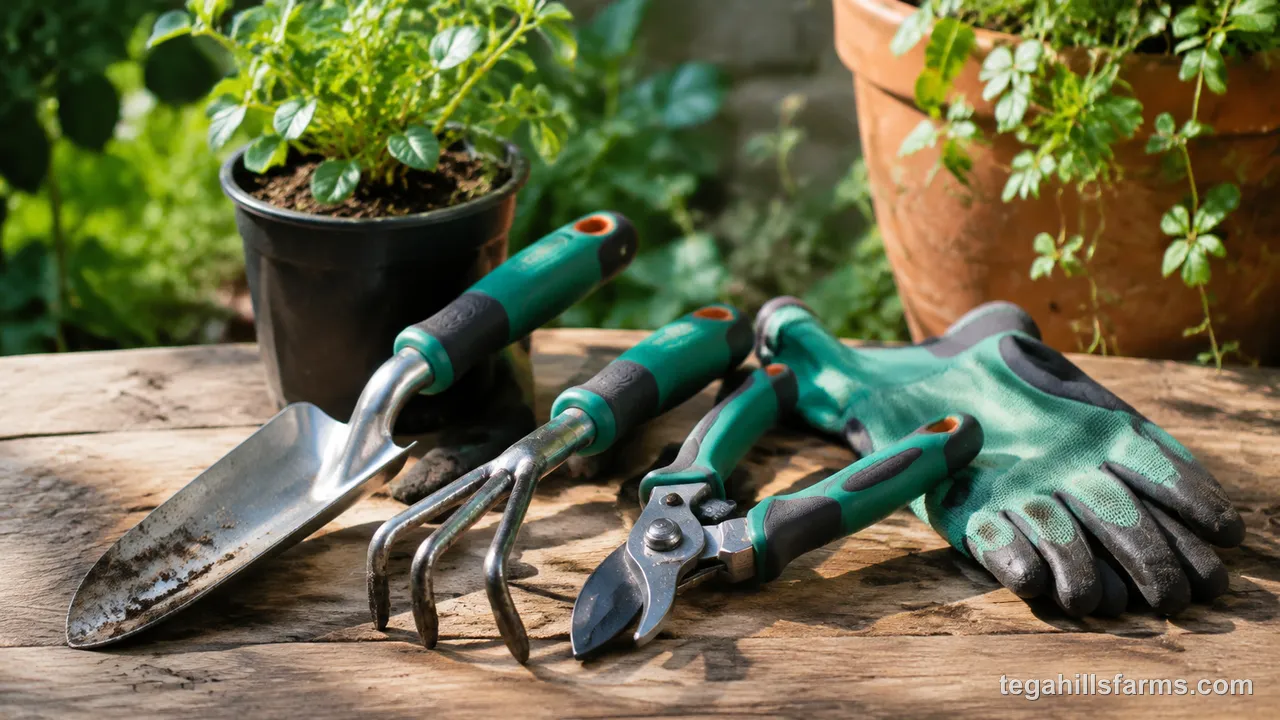
If you want one purchase that handles planting, transplanting and loosening soil in beds and containers, this trowel, transplanter and cultivator trio covers all of it with matching SoftGrip handles. The cast-aluminum heads won’t rust.
Key Specs:
- Pieces: Ergo Trowel, Transplanter, Cultivator
- Heads: Polished cast aluminum
- Handles: SoftGrip ergonomic
- Weight: 1.45 lb
- Model: 384490-1002
- Warranty: Lifetime
Detailed Review:
Each head has its own job. The trowel digs and turns soil, the transplanter moves young plants into place, and the cultivator’s forked tines weed, loosen and aerate the top layer of a bed. All three are cast aluminum, so the set feels consistent from one task to the next.
Fiskars built the heads to drive into tough soil, and the polished heads and forked tines stay sharp through heavy use. That durability matters because these are the tools you reach for every weekend, often in tough, root-filled ground.
SoftGrip handles give each tool a cushioned, controlled hold, which reduces fatigue when you work through several beds in one session. The whole set weighs 1.45 lb, so carrying all three to a raised bed or patio planter takes little effort. The matching handles also mean you don’t have to adjust your grip between tools.
The WORKPRO 6-Piece Garden Tool Set covers more jobs, since this kit has no rakes or crevice weeder. In exchange, this kit’s heads are cast aluminum rather than high-carbon steel, a metal that won’t rust even when the finish wears. A Lifetime Warranty covers all three pieces.
Pros:
- Three tools cover digging, transplanting, weeding and aerating.
- Cast-aluminum heads won’t rust in damp beds.
- SoftGrip handles reduce fatigue during long sessions.
- Lifetime Warranty covers every piece in the set.
Cons:
- Cast aluminum isn’t built for prying rocks or roots.
- No pruning tool, so cutting needs a separate purchase.
Who It’s For:
Gardeners setting up a first kit for beds, borders and patio containers will get steady use from this trio, since it handles nearly every job below the soil line with one consistent grip. If most of your weekend goes to shaping shrubs or cutting stems, a good pair of pruners deserves the first spot on your list.
Editor’s Verdict:
This trio pairs rustproof cast-aluminum heads with cushioned grips. It handles the everyday digging, transplanting and weeding that beds and containers demand.
#2 Fiskars Ergo Garden Trowel — Best Budget
Few tools stretch a small budget as far as a good trowel, and this one pairs a rust-resistant cast-aluminum head with an ergonomic handle that keeps your grip steady in tough soil. It also hangs neatly by its handle hole.
Key Specs:
- Head: Polished cast aluminum
- Handle: Ergonomic comfort grip
- Weight: 0.4 lb
- Storage: Hang hole
- Model: 384220-1001
- Warranty: Lifetime
Detailed Review:
This is the same Ergo Trowel that comes in the Fiskars Garden Hand Tools 3-Piece Set, sold on its own for gardeners who only need a digger. The cast-aluminum head handles tough soil, herb gardens and patio pots, and it turns soil as easily as it opens planting holes.
The aluminum head won’t rust if you forget it in a damp bed, and the polished edge stays sharp through heavy use. At 0.4 lb, the trowel stays light across a long planting session, which counts when you are setting out a full flat of annuals.
The ergonomic handle gives you more control and reduces fatigue. A hang hole lets the trowel live on a pegboard instead of at the bottom of a bucket. For an affordable single tool, it also carries a Lifetime Warranty.
Compared with the Wilcox All-Pro 102S 12″ Trowel, the trade-off is the metal. The Wilcox uses stainless steel built not to bend, while this cast-aluminum head is better kept away from prying out rocks. Gardeners who want other blade shapes can compare the best garden trowels before settling on one.
Pros:
- Cast-aluminum head won’t rust if left in damp soil.
- Ergonomic handle adds control and reduces fatigue.
- Hang hole keeps it on a pegboard, not lost.
- Affordable way to start with a quality trowel.
- Lifetime Warranty backs the trowel.
Cons:
- Aluminum head isn’t suited to prying out rocks.
- Digging only, so weeding needs another tool.
Who It’s For:
Container gardeners and anyone planting herbs, annuals or bulbs in small batches will find this trowel covers the work without paying for tools they won’t touch. If your beds are rocky or knotted with roots, a stainless steel trowel such as the Wilcox All-Pro 102S 12″ Trowel stands up better to prying.
Editor’s Verdict:
Simple and light, this trowel gives container and first-time gardeners a rust-resistant digger with lifetime coverage at a modest cost.
#3 Fiskars Bypass Pruning Shears — Best Precision Cutting
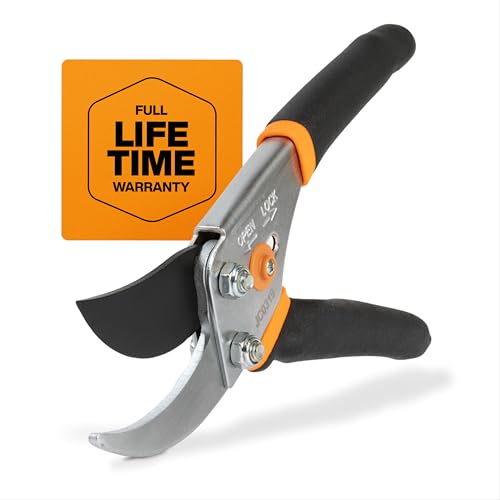
Deadheading roses or shaping perennials goes more cleanly with these bypass pruners, whose blades slide past each other to cut stems and small branches up to 5/8 in across with less crushing. The coated steel resists sap buildup.
Key Specs:
- Cut capacity: 5/8 in diameter
- Blade type: Bypass
- Blades: Precision-ground steel with low-friction coating
- Extras: Sap groove, easy-open safety lock
- Model: 91095935J
- Warranty: Lifetime
Detailed Review:
These pruners are built for live growth. The bypass blades suit delicate flower stems and green wood and help reduce crushing on stems and small branches. Precision-ground steel blades stay sharp through heavy use, and the all-steel construction keeps each cut consistent through a season of regular trimming.
A low-friction coating smooths every cut, limits sap buildup and gumming, and adds rust resistance for a tool that spends its life outdoors. The sap groove keeps the blades from sticking, which matters most when you cut sappy stems back to back.
The non-slip ergonomic handle gives steady control and reduces hand fatigue across repetitive cuts, and those cuts add up when you deadhead a long border. An easy-open safety lock holds the blades closed for carrying in a pocket and for compact storage.
Wiping the blades after use and adding a light coat of oil protects the coating and keeps the pivot moving smoothly. To compare other grip sizes and blade styles, look through the best pruning shears before buying a pair.
Pros:
- Bypass blades cut live stems with little crushing.
- Low-friction coating limits sap buildup and resists rust.
- Sap groove keeps the blades from sticking.
- Non-slip handle reduces fatigue on repetitive cuts.
- Safety lock makes carrying and storage safer.
Cons:
- Thicker branches need loppers or a saw instead.
- Bypass design favors green growth over hard deadwood.
Who It’s For:
Rose growers, perennial gardeners and anyone who deadheads and shapes small shrubs will appreciate how cleanly these pruners finish live stems. If your trimming list is mostly thick, woody branches, a folding saw or long-handled loppers will spare both the blades and your wrist.
Editor’s Verdict:
For clean, controlled cuts on flowers and green growth, these pruners pair coated steel blades and a sap groove with a lock that keeps them safe in a pocket.
#4 Fiskars Deluxe Stand-Up Weed Puller — Best for Limited Hand Strength
Pulling dandelions without kneeling is the whole idea, and the 39-inch shaft and offset handle let you lift weeds and roots from a standing position while sparing your wrist. Serrated claws do the gripping.
Key Specs:
- Length: 39 in
- Claws: 4 serrated stainless steel
- Handle: Offset, long ergonomic shaft
- Features: Foot pedal, viewing window, easy-eject
- Weight: 2.5 lb
- Warranty: Lifetime
Detailed Review:
The serrated stainless steel claws grab the weed and its root as you press the head into the ground. Dandelions, thistles and other invasive weeds come out whole instead of snapping off. The foot pedal lets your body weight drive the claws into tough soil, which moves the effort away from your hands.
An offset handle keeps your wrist in a more neutral line as you lever each weed out. The long shaft saves your knees and back from kneeling and bending. An integrated viewing window shows where the claws will land, so you can center them over the plant before you step down.
Easy-eject action clears each weed from the claws without you touching it, which keeps a steady rhythm across a patchy lawn. The steel claws stay sharp through heavy use, and the puller carries a Lifetime Warranty.
The puller works best in soft to moderately firm, moist ground. In compacted or clay-heavy soil, lightly water the area before you start so the claws penetrate cleanly and pull the full root.
Pros:
- Stand-up design removes weeds without kneeling or bending.
- Offset handle reduces wrist strain while levering.
- Foot pedal lets body weight drive the claws.
- Easy-eject clears weeds without touching them.
- Lifetime Warranty covers the tool.
Cons:
- Hard, dry clay needs watering before the claws grip.
- Long shaft is awkward between closely spaced plants.
Who It’s For:
Gardeners with sore knees, a stiff back or a weak grip who still want a dandelion-free lawn will appreciate how this puller shifts the work to the foot and shoulders. Anyone weeding between tightly planted perennials will find a short hand weeder easier to aim.
Editor’s Verdict:
Standing up and stepping down replaces kneeling and twisting, which makes this puller a practical way to clear lawn weeds root and all.
#5 Wilcox All-Pro 102S 12″ Trowel — Best Durability
Stubborn clay and rocky beds call for a trowel that won’t fold under pressure, and this one is formed from 16-gauge stainless steel built not to bend or break. It’s made in Iowa.
Key Specs:
- Material: 16-gauge stainless steel
- Handle: Heavy-duty plastic coating
- Weight: 0.49 lb (7.8 oz)
- Model: 102S
- Made in: Iowa, USA
Detailed Review:
The 102S is formed from heavy-gauge stainless steel that is light yet rugged, so the blade holds its shape when you lever against roots or hard clods. The stainless construction also keeps rust away without oiling after a wet day.
That strength turns the trowel into a small digging tool rather than a simple scoop. It handles deep bulb planting, breaks up stubborn clods and digs out roots, cutting through hard soil much like a spade or garden hoe.
A heavy-duty plastic coating over the handle gives a tight, comfortable grip whether you’re digging or carrying material across the yard. At 0.49 lb, it slips easily into a backpack or tool box, so it travels to a campsite or a treasure-hunting trip as readily as to the vegetable bed.
I’d hand this trowel to anyone whose beds hide rocks or old roots. A stainless blade tolerates the prying that softer metals can’t handle, so you can lever out a stone without worrying about the neck.
Pros:
- 16-gauge stainless steel resists bending and breaking.
- Stainless blade stays rust-free after wet work.
- Cuts roots and breaks clods like a small spade.
- Packs easily into a backpack or tool box.
- Made in Iowa, USA.
Cons:
- Plastic-coated handle isn’t as cushioned as soft rubber grips.
- Its 12-inch length can feel long in small containers.
Who It’s For:
Anyone fighting rocky, root-filled or clay soil, and anyone who wants one trowel for both the garden and a camping pack, will appreciate how little this one flexes. If you plant mostly in soft potting mix, a trowel with a cushioned grip will feel friendlier in the hand.
Editor’s Verdict:
Built from heavy-gauge stainless steel and made in Iowa, this trowel is the one to grab when the ground fights back.
#6 Corona Clipper RazorTOOTH 10″ Folding Pruning Saw — Best for Heavy Pruning
When a branch is too thick for pruners, this folding saw takes over with a curved 10-inch high-carbon steel blade that keeps more teeth in the cut on every stroke. It locks open for work and closed for carrying.
Key Specs:
- Blade: 10 in curved steel
- Material: High-carbon steel
- Design: Folding, lock-back
- Handle: Contoured, non-slip ergonomic grip
- Model: RS16150B
Detailed Review:
The curved blade keeps more teeth engaged with each stroke, so the saw moves through branches, limbs, green wood and dry hardwood faster and more smoothly with less effort. That makes it the natural next step once a shrub or small tree grows past what hand cutters can manage.
High-carbon steel gives the blade toughness and sharpness that lasts season after season. Wipe it dry before folding it away, since carbon steel spots with rust when stored damp.
The lock-back mechanism holds the blade open while you cut and securely closed for storage, so the saw rides safely in a tool belt, backpack or garden bucket. A contoured non-slip handle stays steady even when wet, muddy or gripped through gloves, which reduces hand fatigue during long pruning sessions.
That same portability makes it useful beyond the garden, from trail maintenance and cutting firewood to camping, biking and backpacking. One saw can serve both the yard and your outdoor gear, and it fits in an emergency kit as well.
Pros:
- Curved blade keeps more teeth cutting every stroke.
- Lock-back holds blade firmly open and safely closed.
- Non-slip handle grips well wet, muddy or gloved.
- High-carbon steel blade stays sharp season after season.
Cons:
- Carbon steel blade needs drying to prevent rust.
- Overkill for twigs that pruners snip in one cut.
Who It’s For:
Homeowners with overgrown shrubs, fruit trees or limbs too thick for pruners to close around will get real use from this saw, and it packs easily for camping or trail work. Gardeners who only deadhead flowers and trim soft growth won’t need its aggressive teeth.
Editor’s Verdict:
Pack this saw for the branches pruners can’t handle. Its curved high-carbon blade and locking fold make thick cuts quicker and carrying it safer.
#7 MASAKIYO Weeding Sickle Full Size — Best Compact
Close weeding in tight spots goes faster with this Japanese sickle, whose high-carbon steel blade stays sharp longer and slices weeds off cleanly. It weighs just 0.37 lb.
Key Specs:
- Blade: High-carbon steel
- Weight: 0.37 lb (5.9 oz)
- Size: Full size
- Origin: Handmade in Japan
Detailed Review:
This sickle is made by hand, one piece at a time, by a Japanese manufacturer that specializes in gardening tools. Its blade is high-carbon steel, which keeps a sharp edge longer, so it shears weeds cleanly instead of tearing them.
That edge is what makes the work quick. A pulling stroke cuts weeds and grass at or just below the surface, which suits shallow-rooted weeds along bed edges, walkways and fence lines where a trowel or hoe feels clumsy.
The full-size sickle is light enough to work one-handed through a long session while your other hand gathers the cuttings. Its slim profile also makes it easy to keep in a bucket or garden tote beside your trowel.
Because the blade cuts rather than lifts, it is less suited to deep taproots like dandelions, which often regrow from the root left behind. A claw-style puller or a narrow weeder handles those better, while this sickle keeps surface growth in check.
Pros:
- High-carbon steel edge stays sharp longer.
- Light enough for long one-handed sessions.
- Made by hand by a Japanese gardening specialist.
- Slim shape stores easily in a bucket or tote.
Cons:
- Cuts weeds off instead of lifting deep taproots.
- Carbon steel blade rusts if stored wet.
Who It’s For:
If you spend a lot of time edging beds, clearing grass from walkways or cutting shallow weeds in tight corners, this sickle’s light weight and sharp edge make the job quick. If you’re battling dandelions and other deep-rooted weeds, a tool that lifts the root will give you cleaner results.
Editor’s Verdict:
Light, sharp and handmade, this sickle keeps edges and corners tidy without the slow work of pulling surface weeds one by one.
#8 Edward Tools Hoe and Cultivator Hand Tiller — Best for Heavy Soil
Breaking up firm soil in flower and vegetable beds takes a head that won’t flex, and this hand tiller pairs a carbon steel blade and head with a solid oak handle for extra strength. A rubber grip keeps it steady.
Key Specs:
- Blade and head: Carbon steel
- Handle: Solid oak with ergonomic rubber grip
- Weight: 0.85 lb
- Uses: Loosening soil, weeding and digging
Detailed Review:
As its name says, this tool combines a hoe and a cultivator on one handle, so you can loosen soil, weed and dig without switching tools. The carbon steel blade and head are built for heavy-duty use, which is what a bed needs after it has packed down over a dry summer or a season of heavy rain.
The hard steel head chops into firm ground and breaks up clods rather than skating over the crust. At 0.85 lb, it carries enough heft to help each stroke bite without tiring your forearm quickly.
Solid oak gives the handle extra strength and durability, and the ergonomic rubber grip is comfortable and grippy, which helps when your hands are damp. The tiller works in flower beds and vegetable gardens alike, from loosening a row before sowing to clearing weeds between established plants. Keep the steel head dry between uses and rub a little oil into the oak now and then so both parts hold up.
Pros:
- Carbon steel blade and head handle heavy-duty use.
- Solid oak handle adds strength and durability.
- Rubber grip feels comfortable and secure.
- Hoe and cultivator combined on one handle.
Cons:
- Carbon steel head needs oiling to stay rust-free.
- Hand-tool reach keeps you kneeling at the bed.
Who It’s For:
Vegetable growers and flower gardeners whose beds pack down hard will appreciate a carbon steel head that chops into the crust instead of skating across it. The oak handle also gives a solid feel for steady, repeated strokes. For light weeding in loose potting mix, this much tool is more than you need.
Editor’s Verdict:
Count on this tiller when beds turn hard: carbon steel up front, solid oak behind it and a rubber grip that keeps your hand in place.
#9 WORKPRO 6-Piece Garden Tool Set — Best Rust-Resistant
One box handles digging, raking, hoeing and crevice weeding, and every head is high-carbon steel made to resist rust and corrosion in damp soil. Contoured handles ease the strain.
Key Specs:
- Pieces: Trowel, 5-tine rake, 9-tine leaf rake, 3-prong double hoe, cultivator, crack crevice weeder
- Material: High-carbon steel
- Handles: Contoured soft rubber with hanging holes
- Weight: 2.9 lb
- Model: W005041A
Detailed Review:
The kit covers six distinct jobs. It includes a trowel for planting, a 5-tine rake and a 9-tine leaf rake for soil prep and small debris, a 3-prong double hoe that reaches deep for tilling and stubborn roots, a cultivator for working larger areas, and a crack crevice weeder for paths and patio joints. Together they handle most bed work without a trip back to the shed.
Every head is high-carbon steel made to resist rust and corrosion, and the tools are built not to bend or break during use. That matters if you leave tools near the beds between sessions, although wiping the heads dry still lengthens their life.
Contoured soft rubber handles fit easily in the hand and reduce the ache of long yard sessions, and each tool is light enough for comfortable handling. Hanging holes in the handles keep the whole set organized on a wall or pegboard instead of scattered in a bucket. The full kit weighs 2.9 lb, so it is easy to carry from shed to bed.
Pros:
- Six tools cover planting, raking, hoeing and crevice weeding.
- High-carbon steel heads resist rust and corrosion.
- Contoured handles reduce hand strain on long sessions.
- Hanging holes keep the set organized on a pegboard.
Cons:
- More pieces mean more cleaning and storage space.
- Hand-sized rakes and hoe keep you kneeling in big beds.
Who It’s For:
New homeowners stocking a shed from scratch, or anyone shopping for a gardening gift, get raking, hoeing and crevice weeding along with the basics in one purchase. If you garden mostly in containers, a single trowel or a smaller kit will cover your needs with less clutter.
Editor’s Verdict:
Six rust-resistant carbon steel tools with comfortable handles make this set a practical starter kit for gardeners who want nearly every bed task covered at once.
Which Hand Tool Fits Which Garden Job?
The task you repeat most often should decide which tool you buy first, because a head shaped for one purpose does poor work at another. A trowel forced to chop weeds, or pruners pushed through a limb, wears out sooner and takes your wrist down with it.
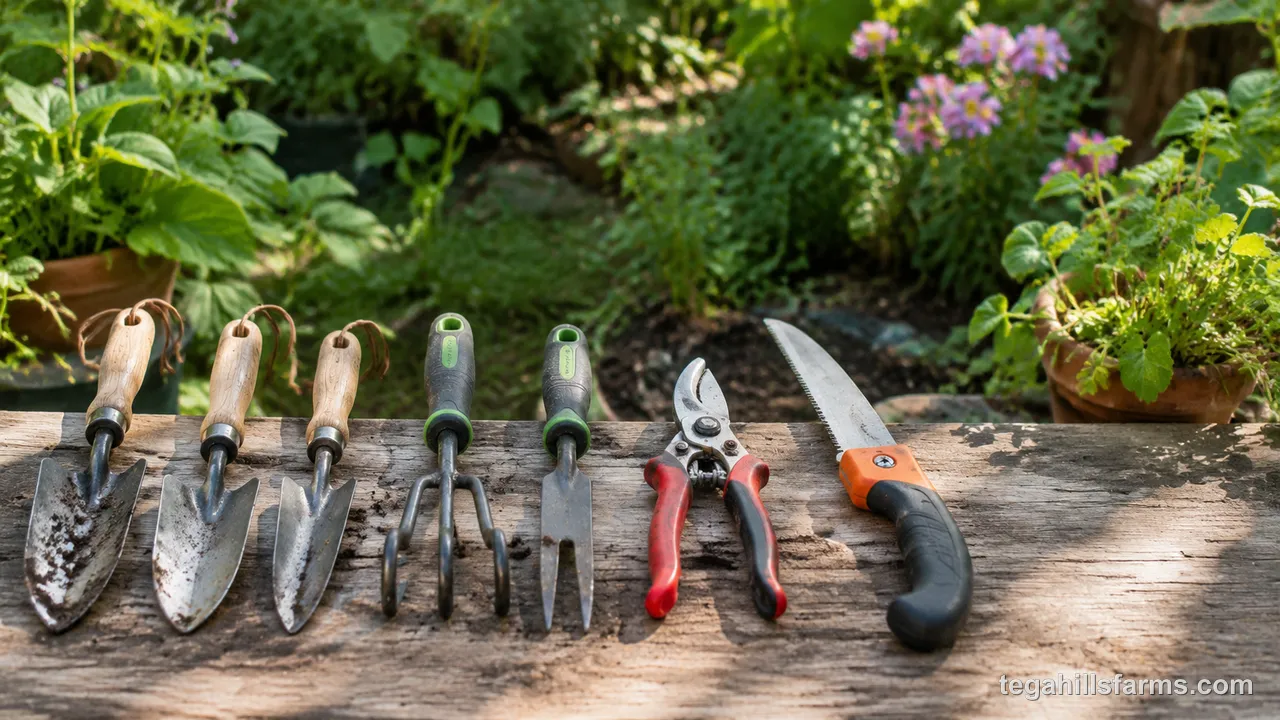
Which Tools Handle Digging and Planting?
Trowels do most planting work. They open holes for annuals, bulbs and perennials, scoop potting mix and turn small patches of soil. A transplanter does similar work in a tighter space, lifting seedlings and sliding new plants between established ones without disturbing their neighbors.
For average beds and containers, the Fiskars Ergo Garden Trowel or the trowel and transplanter in the Fiskars Garden Hand Tools 3-Piece Set cover the job with rust-resistant heads and cushioned handles. Rocky ground and deep bulb holes favor the Wilcox All-Pro 102S 12″ Trowel, whose stainless blade cuts roots and breaks clods without bending. The trowel in the WORKPRO 6-Piece Garden Tool Set suits gardeners who want a digger as part of a broader kit rather than as a separate purchase.
Which Tools Handle Weeding and Loosening Soil?
Weed type and soil firmness decide which tool fits, and every option trades reach against precision. The Fiskars Deluxe Stand-Up Weed Puller pulls taprooted lawn weeds such as dandelions from a standing position, but its long shaft is hard to aim between closely planted perennials.
Kneeling tools give you that precision. The MASAKIYO Weeding Sickle Full Size shears shallow weeds and grass along edges. The cultivator in the Fiskars set, along with the crack crevice weeder and double hoe in the WORKPRO set, works weeds out of crusted soil and paving cracks. When a bed has packed hard, the Edward Tools Hoe and Cultivator Hand Tiller chops through the crust before you try to weed it.
For more claw and blade styles, compare the best manual weeders. If you would rather work upright across longer rows, look at the best garden hoes.
Which Tools Handle Pruning and Cutting?
Bypass pruners handle live stems and small branches, and a folding saw takes over once the wood is too thick for the blades to close around cleanly. Bypass blades slide past each other like scissors and leave a clean cut on green growth. That is why the Fiskars Bypass Pruning Shears suit deadheading, shaping shrubs and trimming perennials.
Forcing pruners through thicker wood leaves crushed, ragged stubs and strains the pivot. The Corona Clipper RazorTOOTH 10″ Folding Pruning Saw fills that gap with a curved high-carbon steel blade that cuts limbs, green wood and dry hardwood. With both on hand, most home pruning is covered: the pruners take the frequent small cuts and the saw takes the occasional heavy limb.
Is a Tool Set Better Than Buying Single Tools?
Buying a kit pays off when you are starting with an empty shed or want matching grips on every tool. Buying piece by piece wins when one job fills most of your week or you want a particular blade metal.
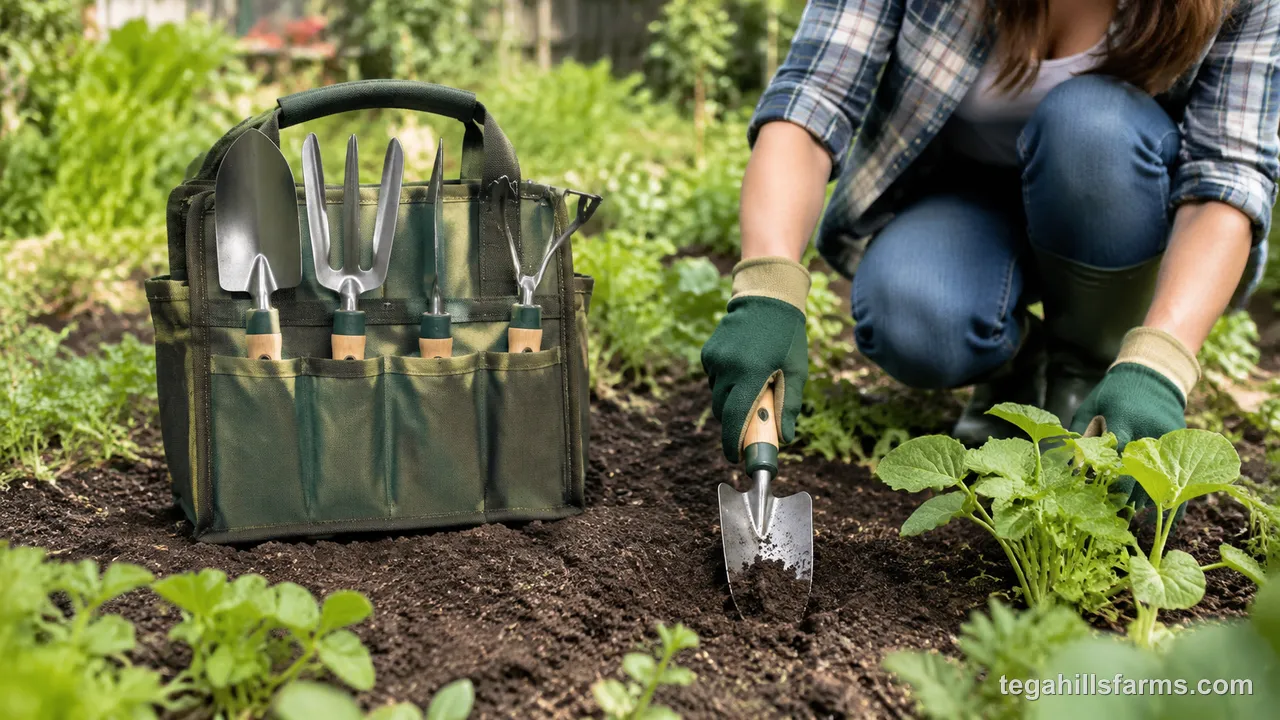
The Fiskars Garden Hand Tools 3-Piece Set gives you the core digging and weeding heads in rustproof cast aluminum. The WORKPRO 6-Piece Garden Tool Set adds rakes, a double hoe and a crevice weeder in high-carbon steel.
If you mostly prune, mostly weed the lawn or mostly dig in rocky ground, a specialist tool will serve you better than a general-purpose kit. That could be the Fiskars Bypass Pruning Shears, the stand-up weed puller or the Wilcox trowel.
Either way, the same checks apply: head material, a grip that stays comfortable after long sessions, and how much care the steel needs. If you want more kits to weigh, you can compare the best garden tool sets side by side.
A season of sap left on pruner blades, damp soil drying on a trowel and a winter on a cold shed floor is enough to dull an edge and pit bare steel without any single moment of damage you would notice. The tool that worked well last fall then tears stems and drags through soil, and your hand pays for it with every cut and every scoop.
How Do You Keep Garden Hand Tools From Rusting and Dulling?
Sap, soil and trapped moisture do most of the damage to hand tools, and they work slowly. That is why a short habit after each session matters more than an occasional overhaul. Because the damage builds quietly, a tool can look fine on its hook and still drag through stems the following spring.
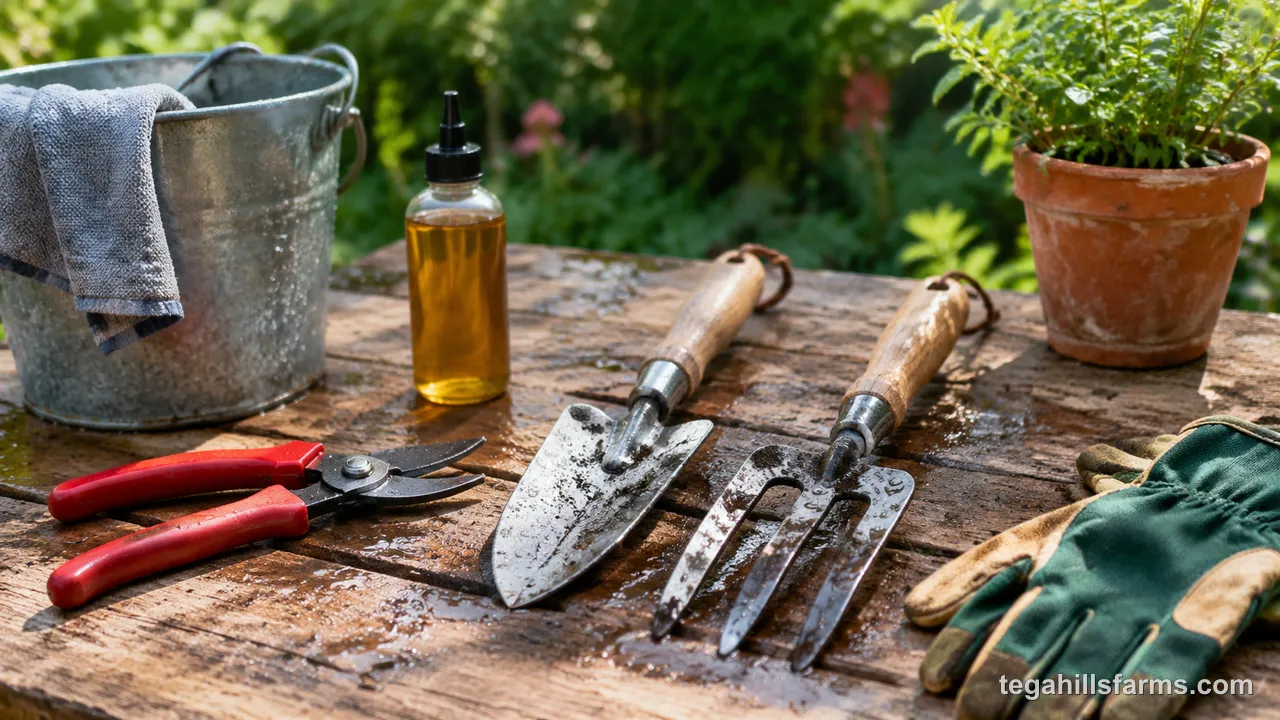
How Should You Clean, Oil and Sharpen Blades?
After each session, knock off the soil, wipe sap from the blades with a damp cloth, and dry the metal before it goes back on the hook. A little rubbing alcohol lifts sticky sap that water leaves behind. A light coat of oil on bare steel and on pruner pivots keeps moisture off, and boiled linseed oil keeps wooden handles from drying out and cracking.
Sharpen when cuts start to tear stems or a trowel edge rounds over. Use a file or whetstone and follow the existing bevel. On bypass pruners, sharpen only the beveled side of the cutting blade.
Before winter, clean and oil everything and store it in a dry spot off a damp floor. A shed corner that sweats through the cold months can pit steel well before spring.
What Signs Mean It Is Time to Replace a Tool?
A tool is past saving when its structure fails rather than its edge. Watch for a bent trowel neck that springs back out of line after you straighten it, a cracked cast head, or a handle that wobbles at the join even after tightening. These keep failing under load and can slip at the worst moment. Peeling coatings with rust spreading underneath, and pitting deep enough to catch your fingernail, weaken the metal and make it drag through soil.
Pruners show wear through the cut. If the blades no longer close cleanly or wobble at the pivot, tighten the pivot nut and sharpen first, because both fixes are quick. Once a blade is chipped, cracked or sprung so it won’t meet its partner, repair stops making sense. If the tool carries a lifetime warranty, report the failure to the maker before you buy a replacement.
What Should Gardeners With Arthritis or Limited Hand Strength Look For?
Tools that spread pressure across the palm, and that let your legs or body weight do the work, take the most strain off weak or sore hands. A padded, non-slip grip lets you hold steady without clenching. Examples include the SoftGrip handles on the Fiskars Garden Hand Tools 3-Piece Set and the non-slip handle on the Fiskars Bypass Pruning Shears.
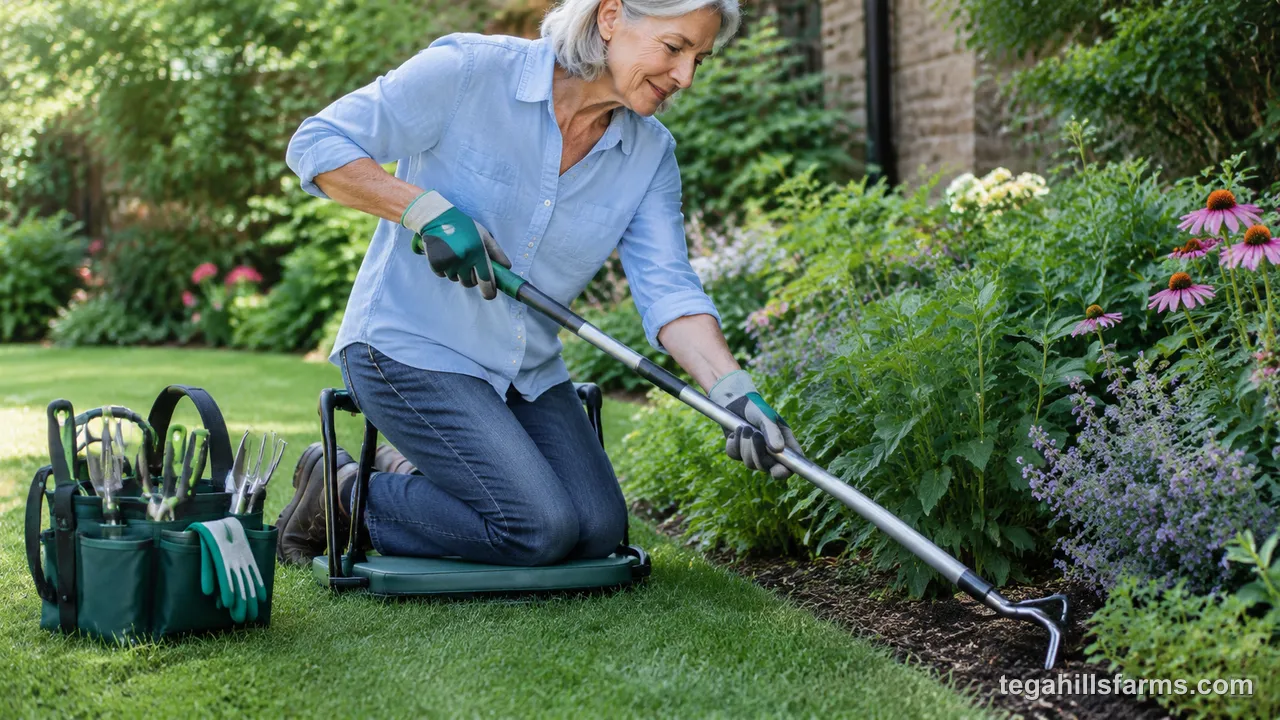
Handle angle and length matter just as much. The offset handle on the Fiskars Deluxe Stand-Up Weed Puller keeps the wrist in a more neutral line. Its foot pedal and long shaft replace kneeling, bending and twisting with a step and a lean. For close work, light tools such as the Fiskars Ergo Garden Trowel and the MASAKIYO Weeding Sickle Full Size ask less of the forearm over a long session.
I’d start with the stand-up puller for lawn weeds and add a cushioned trowel for beds. Judge every handle with your usual gloves on. If pain flares during or after gardening, a physical or occupational therapist can suggest grip aids and ways to pace the work.
When Is a Hand Tool the Wrong Choice?
A hand tool becomes the wrong choice once the job outgrows its size. Thick wood, large holes and long rows turn a precise tool into a slow, straining one, and they wear out the tool along with your wrist.
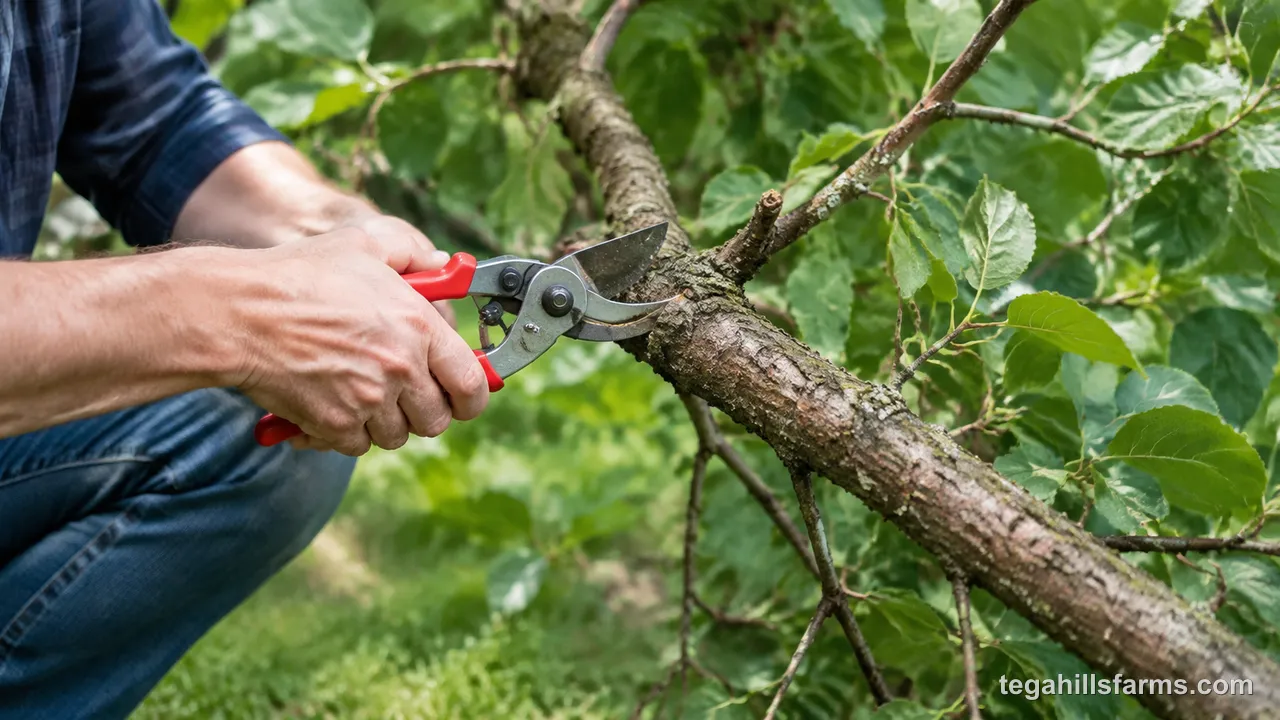
What Happens When Branches Outgrow Hand Pruners?
Forcing hand pruners through wood thicker than their rated capacity springs the blades apart, bruises bark and leaves ragged, crushed stubs that heal slowly and invite disease. The strain also loosens the pivot and dulls the edge faster, and it lands on your hand, wrist and forearm with every squeeze.
The warning signs are easy to spot: you rock the pruners side to side, switch to a two-handed squeeze, or the blades stall halfway through the stem. At that point, longer handles add the leverage your hand can’t, which is why the best loppers take over from pruners on thicker shrub stems. For limbs beyond a lopper’s bite, a folding pruning saw cuts cleanly with steady strokes and no crushing.
When Should You Reach for a Shovel Instead of a Trowel?
A trowel is built for small holes in beds and containers. Once you are planting shrubs, dividing large perennials or digging a new bed, a full-size digging tool finishes the work with far less effort. Scooping a shrub hole by hand means kneeling for a long stretch and making endless small, wrist-driven strokes, and your back pays for it the next day.
A long handle lets you stand, step on the blade and use your body weight instead of your wrist, and the larger blade moves much more soil per load. Keep the trowel for bulbs, annuals and container work. Reach for one of the best garden shovels whenever the hole needs to fit a root ball rather than a seedling.
Garden Hand Tools: Frequently Asked Questions
What is the first garden hand tool a new gardener should buy?
A sturdy trowel comes first, because nearly every planting job starts with a hole. Add bypass pruners next if you have shrubs or perennials to deadhead, then a weeder for the lawn and bed edges. A three-piece starter set covers the digging and cultivating basics in one purchase if you would rather not build a kit piece by piece.
Is stainless steel or carbon steel better for garden hand tools?
Stainless steel suits most home gardeners because it resists rust without oiling and holds up in rocky soil. Carbon steel is harder, takes a keener edge and sharpens more easily, which makes it a strong choice for sickles and saws. Bare carbon steel does need drying and a light coat of oil after wet work.
Which garden tool brands hold up over time?
Fiskars backs its trowel, pruners, weed puller and 3-piece set with a Lifetime Warranty, and Wilcox All-Pro makes its stainless steel tools in Iowa, USA. Corona Clipper and WORKPRO build their saw and kit heads from high-carbon steel. Whatever the brand, look for solid head material, a secure handle join and a grip you can hold comfortably.
Can bypass pruners cut dead branches?
Bypass pruners can cut small dead twigs, but they are designed for live, green growth, where their scissor action leaves a clean cut. Hard, dry wood resists the blades and can strain the pivot. For thicker deadwood, switch to loppers or a folding pruning saw rather than twisting the pruners through the cut.
How often should you sharpen garden hand tools?
Sharpen by feel rather than by the calendar. Pruners need attention when they start tearing stems or leaving a strip of uncut bark. Trowels and hoes need it when the edge rounds over and stops slicing into soil. A quick touch-up before spring and another pass whenever cuts turn ragged keep most tools working well.