

Among garden shovels under $30, my picks are MECHEER Garden Hand Trowel (Best Overall), Kemaier Heavy Duty Hand Trowel (Best Precision Cutting), KOLEIYA Kids Sand Shovel 28in (Best for Limited Hand Strength), SPDTECH Garden Digging Shovel (Best Budget), BlumeTrec Garden Flat Shovel 60in (Best for Large Yards), ZLZLCFZE Stainless Steel Hand Trowel (Also Great), MECHEER Garden Hand Trowel 2-Pack (Also Great) and N/C Mini Kids Digging Shovel 28in (Also Great).
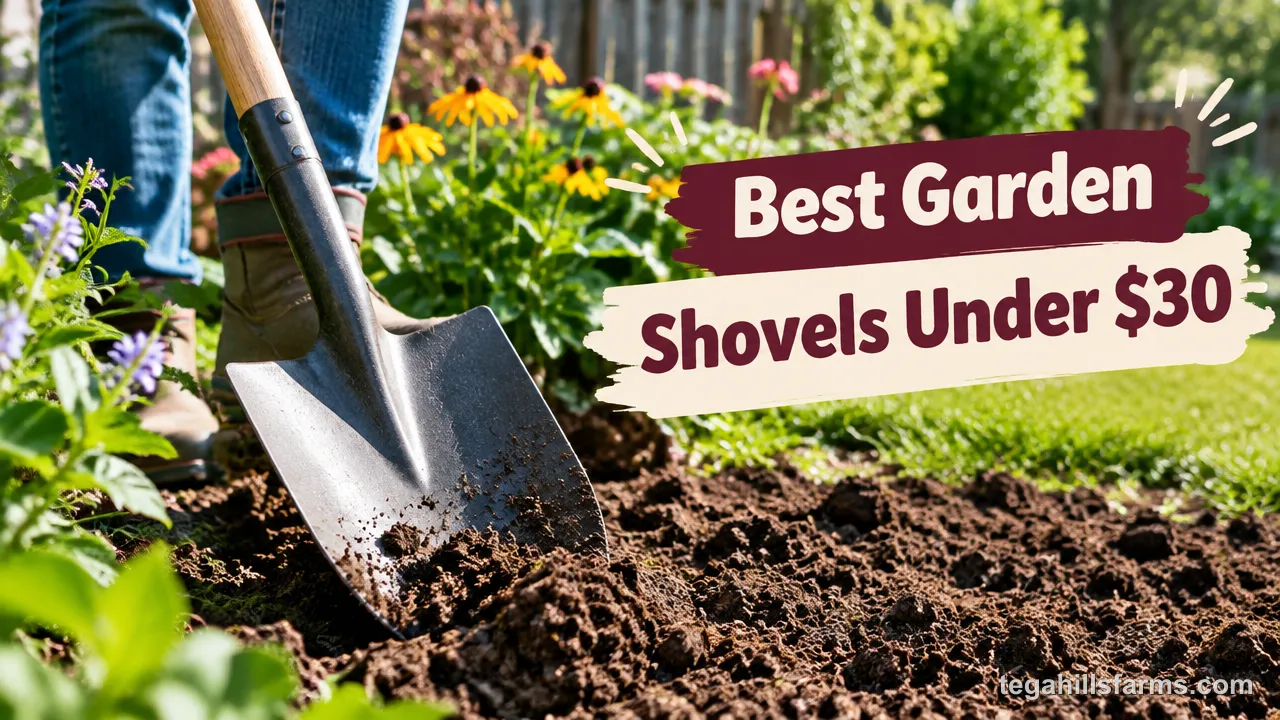
At this price, check three things: the blade metal, how the head is fixed to the handle, and whether the length and weight suit your body. A light aluminum or magnesium alloy trowel spares your wrists. A carbon steel blade holds an edge in clay. And the handle length decides how much you bend over each bed.




A low-cost tool usually fails in one of three ways: the blade bends, the head wobbles loose or the finish rusts through. Each of those comes from putting the tool on the wrong job or skipping basic care. A light trowel forced into rocky ground gives way at the neck, while the same trowel can serve for years in loose bed soil if you dry it after use.
Are Garden Shovels Under $30 Worth Buying?
Yes, when the job is light to moderate and the build suits it: at this price you can still get a working edge, a comfortable grip and a light weight, though not the thick steel of a heavy-duty digger.
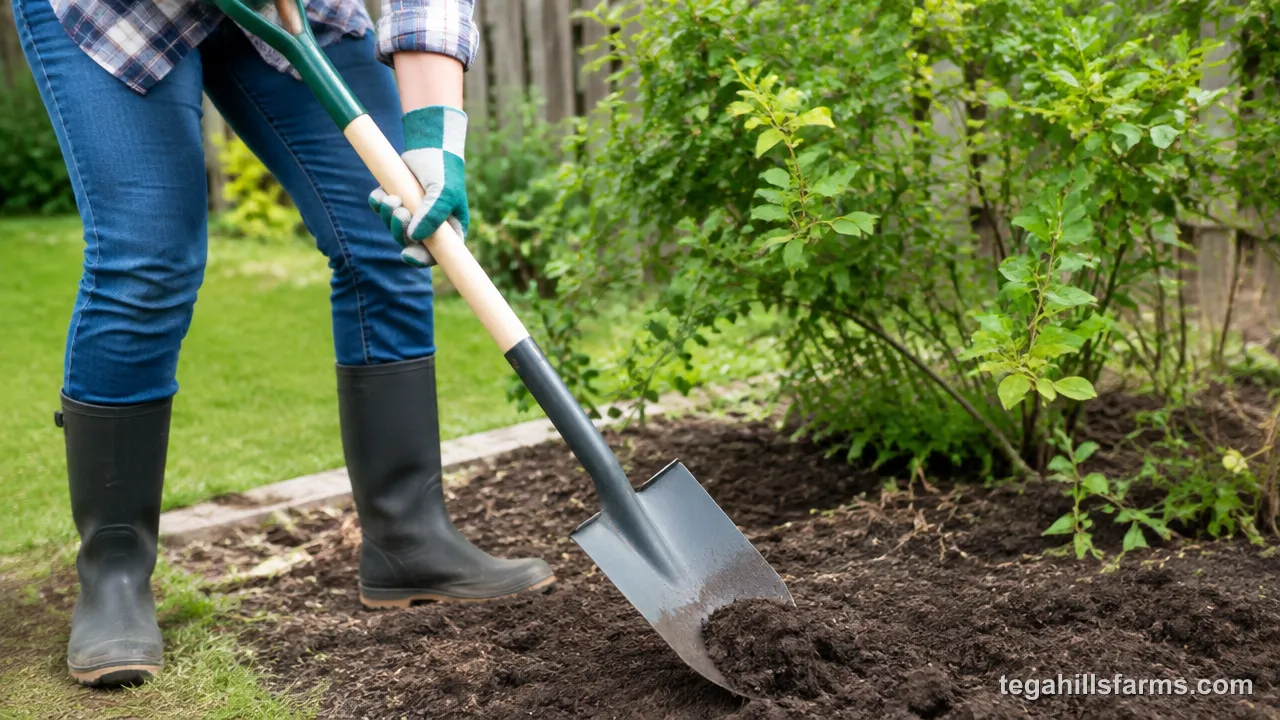
A lower price usually means thinner blade steel, simpler handles of plain wood, plastic or a rubber grip over a light core, and fewer reinforced joints. The head is more often held by screws or a single rivet than by a full weld. That is why an inexpensive tool flexes or wobbles when you lever it against roots or compacted clay. In loose bed soil, potting mix and mulch, that weakness rarely comes into play.
Full-size digging shovels in this price tier tend to use lighter-gauge steel, so they suit turning loose soil and moving mulch better than breaking sod. Mini shovels pair a short handle with a small head for tight beds and raised planters. Hand trowels handle planting, weeding and bulbs, and a small head needs little metal to stay stiff, so in my view this is where a low price buys the most solid tool.
If your ground is heavy clay or you dig new beds every season, thicker steel in a full-size head is worth the step up to garden shovels under $50 or garden shovels under $100. To see how these lighter picks compare with heavier full-size tools, my guide to the best garden shovels covers the wider field.
What Should You Look for in a Garden Shovel Under $30?
What separates a tool that lasts from one that bends in its first season is what the blade and handle are made of, how the size and weight suit your body and how the parts are joined.
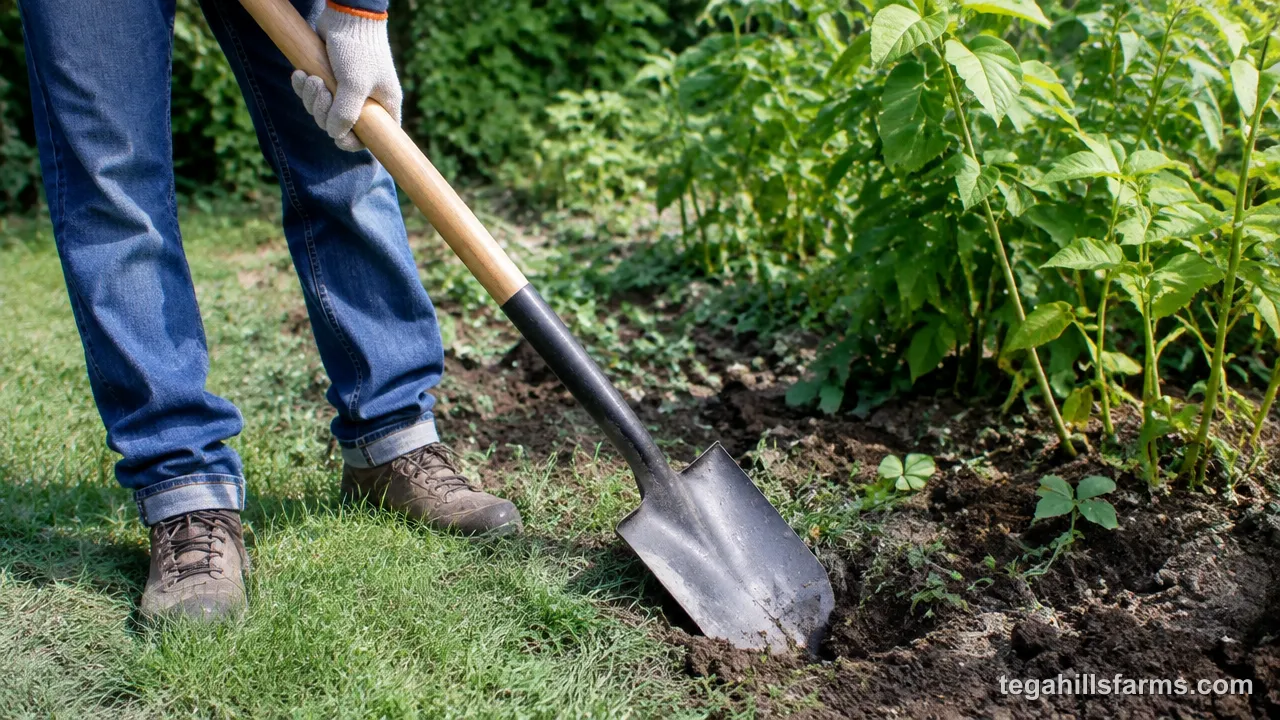
Makers of low-priced tools save money in exactly these places, and you can check each one from the photos and specs before you buy. They decide whether the tool still feels steady in your hand after an hour of work or starts to flex and slip.
Which Blade and Handle Materials Last Longest on a Budget?
Carbon steel holds up under hard use because it keeps an edge and resists bending. Stainless steel holds up against rust with little care. Aluminum or magnesium alloy blades give up some strength in exchange for a much lighter tool. For handles, wood absorbs shock but cracks if it is left wet, steel is strong but heavier and cold in the hand, a rubberized or TPR grip stays non-slip when damp, and fiberglass resists weather without rotting.
The blade metals differ in how they age outdoors and what kind of ground they can take.
| Blade material | Rust resistance | Edge and strength | Weight | Ground it suits |
|---|---|---|---|---|
| Carbon steel | Rusts if stored wet; needs a light oil coat | Holds a sharp edge, resists bending, can be filed sharp again | Heavier | Clay, roots and rocky patches |
| Stainless steel | Resists rust with a rinse and dry | Stiff for planting and weeding; edge needs occasional touch-up | Moderate | Mixed bed soil and damp storage |
| Aluminum or magnesium alloy | Does not rust; polished surfaces clean easily | Softer; bends under prying and dulls sooner | Very light | Loose soil, potting mix and planting |
Thickness and the joint matter as much as the metal. In compacted or rocky ground you lever the blade against resistance. A thin plate flexes under that load and a screwed neck starts to wobble, while a thicker steel plate with a fully welded or one-piece joint passes the force into the handle without giving. If your beds sit on compacted clay or stone, look for that combination among the best garden shovels for hard soil. A thin, light blade is fine for loose soil and planting.
How Do Weight, Size and Handle Length Affect Comfort?
A longer tool gives you reach and leverage. A wider blade moves more soil with each push but takes more force. A lighter tool tires your wrists more slowly, and the handle shape decides how well you can steer and lift. Over an hour of work, these differences show up in your lower back, your forearms and your grip.
A short handle keeps your hands close to the blade, which gives precise control in tight beds, raised planters and containers. The cost is reach, because you kneel or bend for every scoop. A long or adjustable handle lets a taller gardener stand upright and cover a large area, but it is awkward between shrubs and in narrow rows.
Weight cuts both ways. A light tool is easier on weaker wrists and smaller hands because you lift less with each scoop. A heavier head drives deeper with less effort from you, since its mass does part of the pushing.
A D-grip lets your second hand hold the top of the tool with your wrist straight, which helps when you lift and tip a load. A rubberized or TPR grip cushions your palm and stays put when wet, so you need to squeeze less to keep control.
Which Build Details Show a Budget Shovel Is Well Made?
Start with the joint between blade and handle. A welded or one-piece joint stays rigid, several rivets hold well, and a single screw is usually the first part to work loose. A wobbling joint wastes your push and keeps getting worse, because each stroke levers the fastener a little further.
On a full-size tool, look for a foot step wide enough for the sole of your boot. A narrow edge presses into your arch and pushes the force off center. Also check whether the edge arrives sharp and whether the metal can be filed. Steel takes a new edge, while a thin alloy blade is better replaced once it dulls.
A ridged rubber or TPR grip saves you from squeezing hard, which matters in wet or muddy work. The finish matters too. Polished alloy, stainless steel or an intact anti-rust coating keeps moisture off the metal, but once a coating chips, rust starts at that spot and spreads underneath.
The 8 Best Garden Shovels Under $30 of 2026
Across planting, tight beds and open ground, I’d recommend MECHEER Garden Hand Trowel, Kemaier Heavy Duty Hand Trowel, KOLEIYA Kids Sand Shovel 28in, SPDTECH Garden Digging Shovel, BlumeTrec Garden Flat Shovel 60in, ZLZLCFZE Stainless Steel Hand Trowel, MECHEER Garden Hand Trowel 2-Pack and N/C Mini Kids Digging Shovel 28in. Most of them are hand-held trowel tools for planting and small beds. The KOLEIYA and the N/C are compact mini shovels for tight spaces and lighter hands, and the BlumeTrec is a long-handled flat shovel for wide areas, so the right pick depends on your job and your strength. Container and small-bed gardeners, anyone with limited hand or upper-body strength, families who want a tool the kids can use, and homeowners with larger yards will each find a tool that fits the way they work.
#1 MECHEER Garden Hand Trowel — Best Overall
For planting and weeding in beds and containers, this trowel pairs a 0.08-inch aluminum alloy blade with a non-slip TPR grip that eases hand and wrist fatigue. It weighs about 0.4 lb.
Key Specs:
- Weight: about 0.4 lb
- Blade: thickened aluminum alloy, 0.08 in thick
- Head finish: polished, rust resistant
- Handle: ergonomic rubber grip, non-slip TPR
- Storage: hanging hole in the handle for a rope
Detailed Review:
The blade is aluminum alloy thickened to 0.08 inch, which gives a light head enough stiffness to push into bed soil and lift out root balls without flexing. Aluminum does not rust, and the polished head lets damp soil slide off, so a rinse is most of the cleaning it needs. Because aluminum is softer than steel, I would keep it for digging, weeding and loosening soil rather than prying out stones.
The rubber handle is ergonomically shaped and covered in non-slip TPR. You can hold it loosely and still steer the blade, which spares your wrist over a long stretch of transplanting. That matters when your grip strength has faded or your hands are wet from watering.
At about 0.4 lb, the trowel adds little weight to a garden bag. A hanging hole in the handle takes a rope, so you can store it on a hook instead of on the ground. It covers digging, weeding, loosening soil, aerating and transplanting, which makes it the trowel I would reach for first in a bed-and-container garden.
Pros:
- Non-slip TPR grip eases hand and wrist fatigue.
- Polished aluminum head does not rust and rinses clean.
- Light enough to carry all day in a garden bag.
- Hanging hole keeps it off damp ground in storage.
Cons:
- Aluminum blade can bend if used to pry stones.
- Small head moves little soil per scoop.
Who It’s For:
Gardeners who plant, weed and transplant in beds and patio containers every week will find it an easy daily trowel, especially when long sessions leave their wrists sore. It is the wrong tool for prying stones or levering thick roots, where a thicker steel blade holds its shape better.
Editor’s Verdict:
This is a light, rust-free trowel with a grip that stays comfortable through a long planting session, made for steady bed and container work rather than prying.
#2 Kemaier Heavy Duty Hand Trowel — Best Precision Cutting
If your beds hold hard clay, rocky patches or thick weeds, this forged carbon steel trowel, with its 0.1-inch blade and fully welded joint, is built to take the force. The V-shaped edge resharpens quickly.
Key Specs:
- Model: YY-07
- Material: forged carbon steel, precision smoothed
- Blade: V-shaped, 0.1 in (2.5 mm) steel plate
- Joint: handle and blade fully hand-welded into one piece
- Edge: holds sharpness; can be resharpened
Detailed Review:
The V-shaped blade puts all your push on a narrow point, so it starts a cut in clay or a weed’s root crown instead of skating over the surface. Behind that point is a solid 0.1-inch (2.5 mm) carbon steel plate that stays sharp for a long time and resharpens quickly when it dulls.
The MECHEER Garden Hand Trowel uses a 0.08-inch aluminum alloy blade. This one is thicker and made of steel, so it stands up to prying against stones and roots that would bend the lighter metal. The cost is upkeep: carbon steel rusts if it goes back in the shed wet, so drying it and wiping on a light coat of oil become part of your routine.
The handle and blade are hand-welded into one seamless piece, with no rivets or screws to work loose. That reinforced joint lets you lever a stubborn root or a rock out of a planting hole without the trowel snapping or cracking at the neck. I would put it to work on clay, rocky patches and thick weeds, and leave loose potting mix to a lighter trowel.
Pros:
- V-shaped blade starts cuts in clay and weed roots.
- Thick carbon steel plate resists bending under prying.
- Fully welded joint has nothing to loosen.
- Edge can be resharpened with a file.
Cons:
- Carbon steel rusts if stored wet without oil.
- Narrow V-point scoops less soil than a wide blade.
Who It’s For:
Anyone breaking new beds in heavy clay, weeding between rocks or digging around thick roots will want this trowel’s welded, resharpenable steel. If you mostly fill containers with loose potting mix and prefer a tool that only needs a rinse, a rust-free aluminum trowel needs less upkeep.
Editor’s Verdict:
Expect a stiff, sharp trowel that stays in one piece under heavy prying, provided you dry and oil the carbon steel after wet work.
#3 KOLEIYA Kids Sand Shovel 28in — Best for Limited Hand Strength
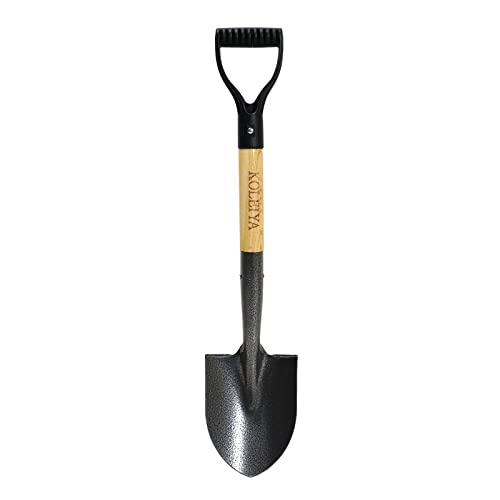
Gardeners with less upper-body strength get more leverage from this shovel’s short handle, which keeps the work close to the body along its 28-inch length. It weighs 1.7 lb.
Key Specs:
- Overall length: 28 in
- Weight: 1.7 lb
- Head: metal spade head, high-temperature quenched, anti-rust coating
- Shaft: solid wood
- Grip: D-shaped, polymer plastic
Detailed Review:
The short handle gives you more leverage and keeps your hands close to the head, so the push from your body goes straight into the blade and you can steer it with little effort. It digs small to medium holes for plants and vegetables, turns compost and levels beds, all without the long lever arm of a full-size shovel.
The spade head is quenched at high temperature to harden it, so it does not deform when it strikes a buried stone, and an anti-rust coating covers the metal. The shaft is solid wood, which softens the jolt of hitting something hard and lasts longer if you dry it and keep it out of the rain.
The D-shaped grip is polymer plastic with a smooth surface. A whole hand fits through it, and it won’t rub your palm over a long job. At 28 inches and 1.7 lb, the shovel fits between shrubs, into raised beds and into a car trunk or camping pack, and in winter it can clear snow from around your tires.
Pros:
- Short handle keeps force close to the blade.
- Quenched head resists deforming against stones.
- D-grip lets your whole hand share the load.
- Compact enough for raised beds and car trunks.
Cons:
- Short handle means bending or kneeling for most digging.
- Wood shaft needs drying to avoid cracking.
Who It’s For:
Older gardeners, and anyone whose shoulders or grip tire quickly on a full-size shovel, can dig planting holes, turn a small compost bin and level beds with less strain. Tall gardeners who want to work standing upright should look at a long adjustable handle instead.
Editor’s Verdict:
Choose this short shovel when your strength, not the ground, sets the limit; it digs real planting holes without asking much of your arms or shoulders.
#4 SPDTECH Garden Digging Shovel — Best Budget
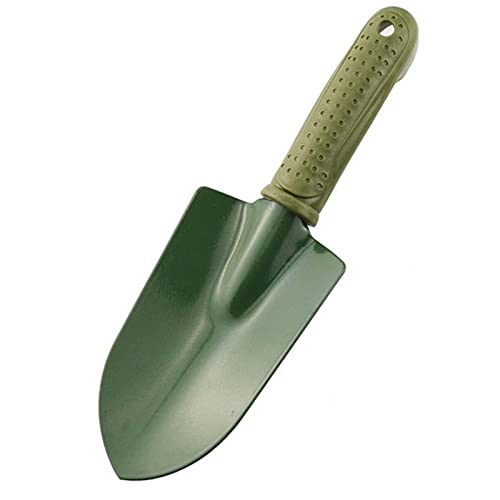
At 0.24 lb, this digger feels almost weightless in your hand. It covers light digging, weeding and transplanting at a low cost, and its rubberized non-slip handle takes strain off your wrist while you work.
Key Specs:
- Model: Green Handle
- Weight: 0.24 lb
- Material: magnesium alloy
- Handle: rubberized, non-slip, ergonomic
- Storage: hanging hole for a rope
Detailed Review:
The body is magnesium alloy, a hard, light metal that keeps the whole tool at 0.24 lb. That is clearly lighter than the MECHEER Garden Hand Trowel at about 0.4 lb and easier on tired wrists, though a lighter tool does less of the pushing for you in firm soil.
The rubberized handle is shaped to minimize wrist pressure, and its non-slip surface keeps the tool from turning in a damp hand while you work a weed loose. A small alloy head like this is meant for light digging, so I would use it in beds and pots rather than in compacted ground.
It handles digging, weeding, loosening soil, aerating and transplanting, and its small size makes it easy to slip into a hiking pack as well as a garden bag. The hanging hole takes a rope, so the tool can hang in the garage or shed instead of getting lost in a bucket. If you want a capable metal digger at a low cost, it covers those everyday jobs.
Pros:
- Very light at 0.24 lb.
- Rubberized grip stays put in a damp hand.
- Hanging hole makes storage tidy.
- Low cost for a metal digging tool.
Cons:
- Small alloy head suits light digging only.
- Light body does less of the pushing for you.
Who It’s For:
For light digging, weeding and transplanting on a tight budget, it is a sensible metal tool to keep by the back door or in a hiking pack. Anyone working heavy clay or rocky ground should look to a carbon steel blade instead.
Editor’s Verdict:
For light digging at a low cost, this alloy digger handles everyday jobs and hangs neatly out of the way between them.
#5 BlumeTrec Garden Flat Shovel 60in — Best for Large Yards
With an 11-inch flat blade and a steel handle that adjusts up to 60 inches, this shovel lets you scrape weeds, moss and debris across a large yard while standing upright. A foot pedal adds force.
Key Specs:
- Model: GCS-001
- Weight: 3.75 lb
- Blade: 11 in wide, flat and sharp, rustproof metal with anti-corrosion coating
- Handle: steel, adjustable up to 60 in, 1.25-inch rod, detachable
- Blade mount: reinforced base with six rivets, two heavy-duty screws
- Foot pedal: built in
Detailed Review:
The 11-inch blade covers a wide strip with each stroke. Its sharp flat edge scrapes weeds from concrete cracks, lifts moss off a patio and slices under shallow weeds in a bed. On open ground that width means fewer passes than any hand tool needs.
The head sits on a reinforced base with six rivets, and two heavy-duty screws fasten it to the handle, so the blade stays steady when you push hard. I would still check those screws at the start of each season. The built-in foot pedal lets you put your body weight behind the edge on compacted soil and stubborn weeds instead of forcing it with your arms.
The steel handle adjusts up to 60 inches on a 1.25-inch-thick rod, so taller gardeners can work without stooping, and it comes apart for storage in a small shed or garage. At 3.75 lb, the tool has enough mass to help the edge bite, and one person can assemble it in under five minutes.
Don’t pry with the blade. It is not made to lever rocks or roots, and forcing it can bend the head. For scraping, slicing and lifting surface weeds, it covers ground no trowel can.
Pros:
- Wide 11-inch blade clears more ground per stroke.
- Six rivets and two screws keep the head steady.
- Foot pedal puts body weight behind the edge.
- Handle adjusts to suit taller gardeners.
- Detachable handle stores in a small space.
Cons:
- Blade cannot be used for prying.
- Flat blade scrapes and slices but does not scoop deep.
Who It’s For:
Homeowners with patios, driveways and wide beds to keep clear can scrape, edge and lift weeds while standing upright, and taller gardeners benefit from the adjustable handle. Container gardeners and anyone working between close-set shrubs will find it too long to maneuver.
Editor’s Verdict:
Count on this flat shovel for wide scraping, edging and weeding jobs; keep it away from prying and the riveted head stays steady.
#6 ZLZLCFZE Stainless Steel Hand Trowel — Also Great
Smaller hands get a better fit from this stainless steel trowel, which is smaller and lighter than usual metal trowels at 0.31 lb. It does not rust.
Key Specs:
- Weight: 0.31 lb
- Material: stainless steel
- Size: smaller and lighter than standard metal trowels
- Tasks: digging, breaking dirt clods, planting, transplanting, weeding, mixing soil and compost, scooping fertilizer
Detailed Review:
This trowel is made of stainless steel, so it can sit in a damp bucket or a tool bag after watering without picking up rust spots. That makes it a forgiving choice if you tend to leave tools outside between jobs, or if you won’t wipe and oil a tool after every use. A rinse and a dry towel keep it clean.
At 0.31 lb, and smaller and lighter than a usual metal trowel, it sits comfortably in a smaller hand. A tool that fits your hand needs less squeezing to control, so your fingers and wrist tire more slowly when you set out a flat of seedlings or work close to established stems.
Steel gives the blade enough stiffness to break up hardened dirt clods and dig into firm soil, and it handles stubborn weeds as well as transplanting. It also mixes soil with compost and scoops fertilizer, so one trowel covers both digging and feeding when you plant up a container. I would pick it for a small bed or patio garden where one rust-free tool does most of the hand work.
Pros:
- Stainless steel does not rust after damp storage.
- Smaller, lighter size suits smaller hands.
- Stiff steel blade breaks up hardened dirt clods.
Cons:
- Compact size moves less soil per scoop.
- Hand-held size means kneeling or bending at every bed.
Who It’s For:
People with smaller hands, beginners setting up a first container garden, and anyone who tends to leave tools out after watering will find this trowel easy to live with. If most of your digging is in tight clay or around thick roots, a thicker forged blade suits the work better.
Editor’s Verdict:
Small, light and rust-free, this trowel handles planting, weeding and compost mixing in beds and pots with nothing more than a rinse afterward.
#7 MECHEER Garden Hand Trowel 2-Pack — Also Great
Bulb planting gets easier with this set, since one trowel has inch and centimeter depth scales and the other has a smooth face for transplanting, both in thickened aluminum alloy. Contoured grips ease hand fatigue.
Key Specs:
- Model: GSS-1
- Weight: 0.64 lb
- Contents: two trowels, one with inch and centimeter depth scales, one with a smooth surface
- Material: thickened aluminum alloy, rust resistant
- Handle: contoured finger grips and palm rest, non-slip TPR
- Storage: hanging hole in the handle
Detailed Review:
One trowel has clear inch and centimeter scales on the blade, so you can dig a bulb or seedling hole to the depth the packet calls for without guessing. The other has a smooth face that releases soil cleanly when you lift small plants and flowers into a new spot.
Both are made of thickened aluminum alloy, which resists rust and is hard to break even in thick roots and rocky soil. Because aluminum is softer than steel, I would still dig around a large stone rather than lever it out.
The handles have contoured finger grips and a palm rest. When you push down, the pressure spreads across your palm instead of collecting in your fingertips, and the non-slip TPR keeps its hold when your hands are wet. That shape matters in a long planting session, such as setting out a bed of bulbs in fall.
Beyond bulbs, the pair handles weed clumps and small saplings, and a hanging hole in the handle takes a rope for storage. Both are light and compact enough to ride in a garden bag together.
Pros:
- Depth scales take guesswork out of bulb planting.
- Smooth-faced second trowel releases transplants cleanly.
- Finger grips and palm rest spread pushing pressure.
- Aluminum alloy body resists rust.
Cons:
- Aluminum is softer than steel for prying stones.
- Two tools means more to clean and store.
Who It’s For:
If you plant bulbs, seedlings and annuals in batches and care about setting each at the right depth, the marked trowel saves measuring and the smooth one handles moving plants afterward. Gardeners whose main job is prying out roots and rocks need one stiff steel blade more than a pair.
Editor’s Verdict:
Two blade shapes and a contoured grip turn this set into a practical planting kit for anyone who sets out bulbs and transplants by hand.
#8 N/C Mini Kids Digging Shovel 28in — Also Great
Planter frames and narrow beds suit this 28-inch shovel, whose drop-shaped carbon steel head starts at a point and widens as it goes into the soil. Its D-handle gives a full-hand grip.
Key Specs:
- Overall length: 28 in
- Weight: 2 lb
- Head: carbon steel, round drop shape
- Handle: D-shaped grip with smooth edges
- Joint: high-strength handle material integrated with the head, resists sun and rain damage
Detailed Review:
The round, drop-shaped head meets the soil with a small contact point that widens as you push, so it opens a hole with less force than a flat edge. The KOLEIYA Kids Sand Shovel 28in has a spade head instead. This point is better for digging pits and transplant holes, while the spade shape gives a straighter edge for leveling beds.
Carbon steel gives the head its strength, and the high-strength handle material is fully joined to it, so the tool holds up to sun and rain over time. Carbon steel will still rust at a scratch, so a wipe and a dry spot in the garage keep the head in shape.
The D-shaped handle lets you wrap a full hand around it for a stronger grip, and its smooth edges do not rub your palm during a long job. At 28 inches and 2 lb, it fits the narrow spaces of a planted bed, where it transplants, works in fertilizer and clears fallen leaves and twigs from small corners.
Because it is metal rather than plastic, it holds up to a child’s beach and snow projects too. The family can share it, so you don’t need to buy a separate lighter tool for the kids.
Pros:
- Drop-shaped head opens holes with less force.
- Carbon steel head is strong for its compact size.
- D-handle gives a full-hand grip.
- Durable enough for children’s beach and snow digging.
Cons:
- Carbon steel head rusts if left wet.
- Short length means stooping for most adult digging.
Who It’s For:
Families who want one real metal shovel for planter frames, small beds and the kids’ sandbox will get steady use from it. Taller gardeners working large beds will tire of the compact length, and for leveling soil the spade head of the KOLEIYA Kids Sand Shovel 28in is the better choice.
Editor’s Verdict:
Keep this compact carbon steel shovel for planter frames and family digging, and give it a dry spot so the head stays free of rust.
Which Shovel Should You Choose for Your Garden Jobs?
Match the tool to the ground and your own strength: hand trowels cover planting and weeding, the short-handled 28-inch models handle tight spaces and weaker arms, and a long-handled flat blade clears wide open areas.
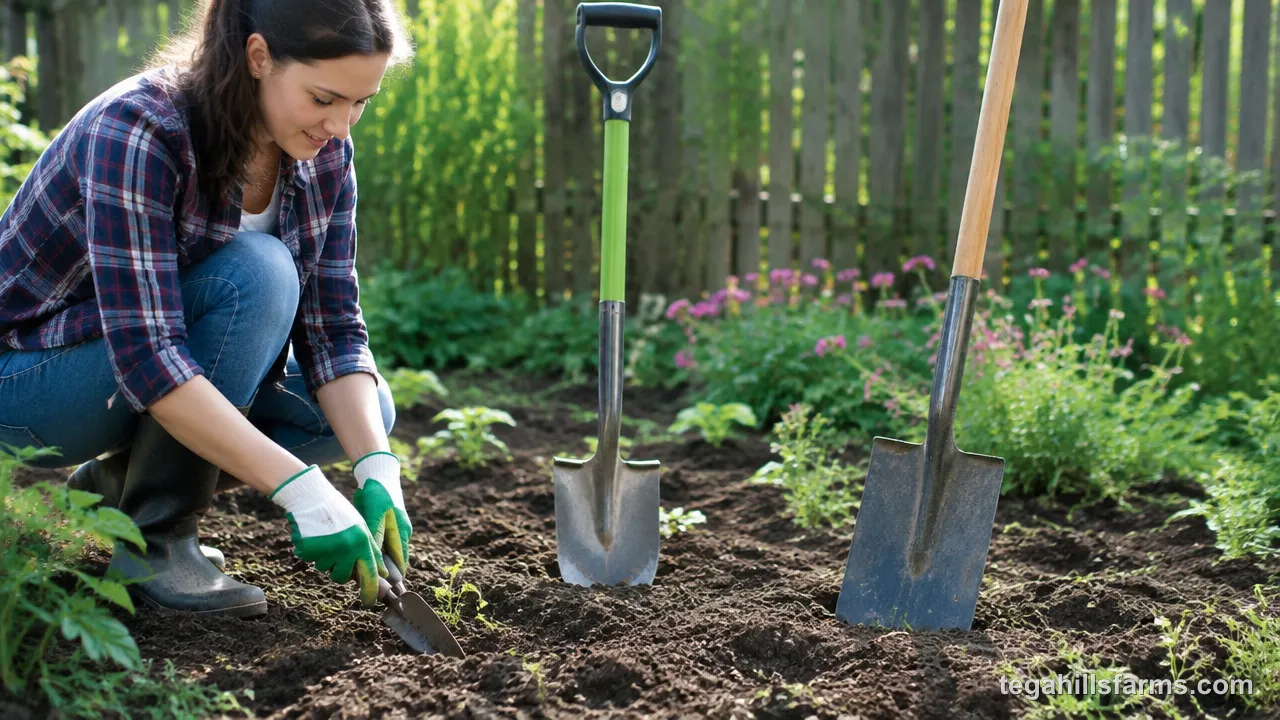
Each common job points to a different tool type, and each type comes with its own trade-off.
| Job | Tool type | Picks | Trade-off |
|---|---|---|---|
| Planting and weeding in beds and containers | Hand trowel | MECHEER Garden Hand Trowel, MECHEER Garden Hand Trowel 2-Pack, ZLZLCFZE Stainless Steel Hand Trowel, SPDTECH Garden Digging Shovel | Kneeling or bending close to the soil |
| Tough, compacted or rocky ground | Carbon steel trowel or flat shovel with foot pedal | Kemaier Heavy Duty Hand Trowel, BlumeTrec Garden Flat Shovel 60in | Steel needs drying and oil; flat blade cannot pry |
| Tight spaces and planter frames | Mini shovel | KOLEIYA Kids Sand Shovel 28in, N/C Mini Kids Digging Shovel 28in | Less reach and more stooping |
| Limited hand strength | Light trowel or short-handled mini shovel | KOLEIYA Kids Sand Shovel 28in, SPDTECH Garden Digging Shovel, MECHEER Garden Hand Trowel | Smaller loads per scoop |
| Wide open areas, patios and driveways | Long-handled flat shovel | BlumeTrec Garden Flat Shovel 60in | Too long for tight beds |
| Shared family use | Mini shovel | KOLEIYA Kids Sand Shovel 28in, N/C Mini Kids Digging Shovel 28in | Short for taller adults |
Hand trowels suit beds and containers because their short reach puts the blade right where your hand is, and their light weight keeps a long planting session from wearing out your wrist. In compacted or rocky ground, a thick steel blade and a joint that cannot work loose matter more than weight. That points to the Kemaier for hand work and to the BlumeTrec, with its foot pedal, for wide stretches of hard soil.
Mini shovels sit in between. Their short handles fit planter frames and narrow beds and give gardeners with less upper-body strength real control, at the cost of bending for each scoop. The BlumeTrec reverses that trade: you stand upright over large areas, but it is too long for tight spaces and should never be used to pry.
Turning compost shows how much size and handle length change a job. A trowel mixes compost into a pot, and the KOLEIYA’s short handle can turn a small bin. A large pile needs a full-size head and a long handle, the kind of tool you’ll find among the best garden shovels for compost.
A shovel put away with damp soil on the blade starts to rust at the edge within weeks, and water that sits in a wooden handle end or around a screwed joint softens it from the inside. Skip a few minutes of care after each job and a low-cost tool can loosen, flake and lose its edge before its second season.
How Do You Keep a Budget Shovel From Rusting and Wearing Out?
Brush or rinse soil off after every use, dry the tool completely, wipe a thin coat of oil onto bare carbon steel, and store it indoors on a hook or rack rather than on damp ground. Stainless steel and aluminum alloy heads don’t need the oil, but they still need drying, because the rivets, screws and handle ends around them can rust or rot.
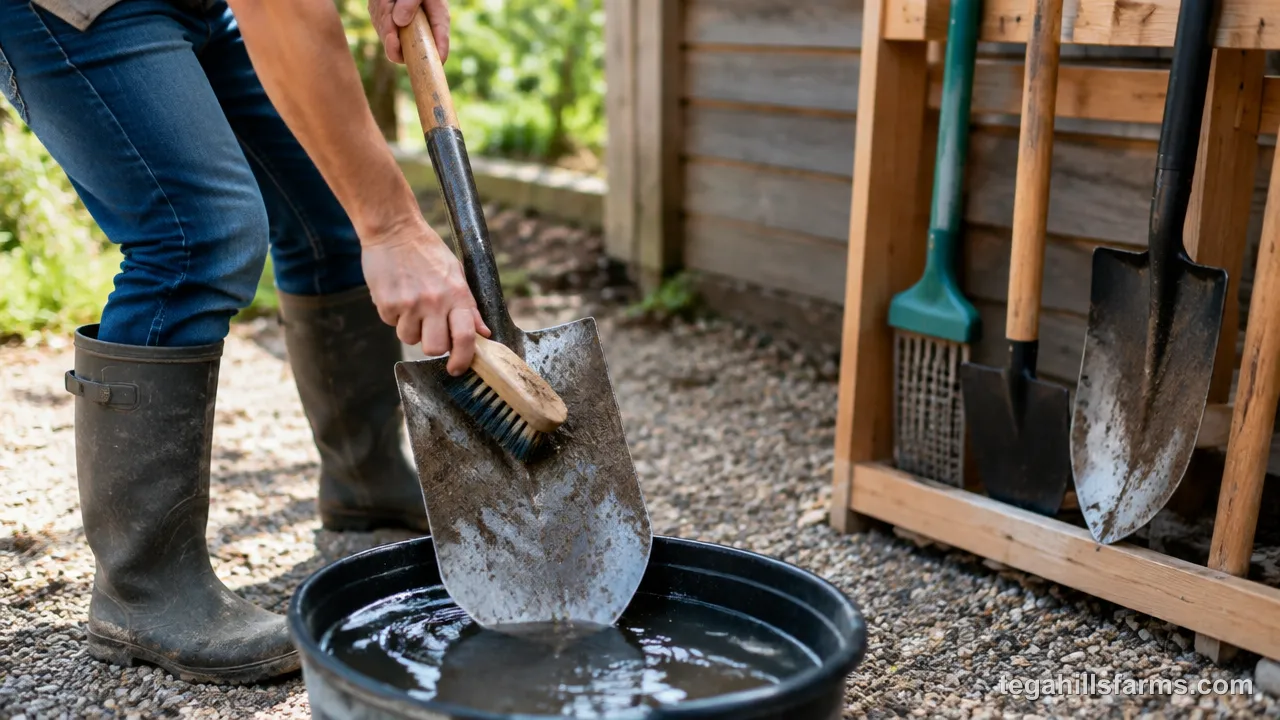
Moisture gets into a handle at its weakest points. Water wicks into the end grain of a wooden shaft and into the gap where it meets the metal, so the wood swells and shrinks until the joint loosens. On a screwed or riveted head, trapped water rusts the fasteners from the inside, where you cannot see it until the head starts to move.
Replace the tool rather than repair it when the blade keeps working loose after you tighten it, when the edge is bent out of line, when the coating flakes and rust spreads underneath, or when the grip cracks and starts to rub your palm. A bent alloy blade will not straighten cleanly, and a cracked grip only gets worse in wet weather.
Can a Garden Shovel Double as a Snow or Sand Shovel?
Compact and flat metal shovels can take on snow, sand and light ice, but hand trowels and thin alloy heads belong in the soil, and no low-cost garden tool should be used to chop or pry frozen ground. The KOLEIYA and N/C mini shovels can clear snow from steps and around tires and dig beach sand, because their short handles and solid heads move small, dense loads. The BlumeTrec’s wide flat blade can push snow and scrape ice off a walk.
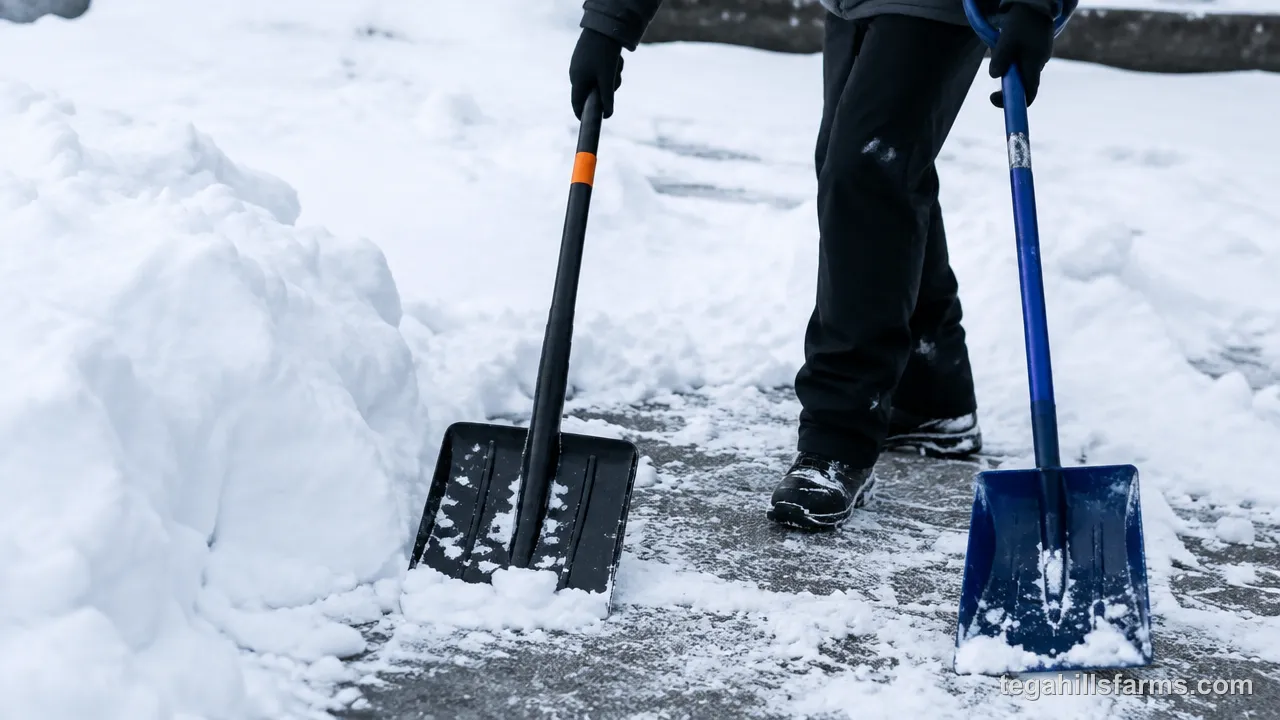
Blade shape decides the task: a wide flat edge scrapes and pushes, while a spade or round head scoops. Handle length decides how far you bend, and the joint decides how much side load the tool can take. Chopping frozen soil sends a hard shock through a thin blade and into a screwed or riveted joint, and one stroke can bend the head or crack the handle.
Write Your Review
No reviews yet. Be the first to share your experience!