10 Best Tillers: 2026 Expert Picks for Every Yard Size
Our top picks for the best tillers in 2026 are the MZK 12-Inch Electric Tiller (Best Overall), Sun Joe TJ604E Electric Tiller (Best for Small Yards), Sun Joe TJ603E Electric Tiller (Best Rust-Resistant), Greenworks 40V 10″ Cordless Tiller (Best Cordless), Mantis 7940 4-Cycle Tiller (Best Lightweight), Earthquake Victory Rear Tine Tiller 209cc (Best for Heavy Soil), Earthquake MC440 Mini Cultivator 40cc (Best Easy-Start), Honda FG110 Mini Tiller (Best for Raised Beds), Earthquake MC33 Mini Tiller 33cc (Also Great), and Pulsar 212cc 20-Inch Rear Tine Tiller (Best Premium).
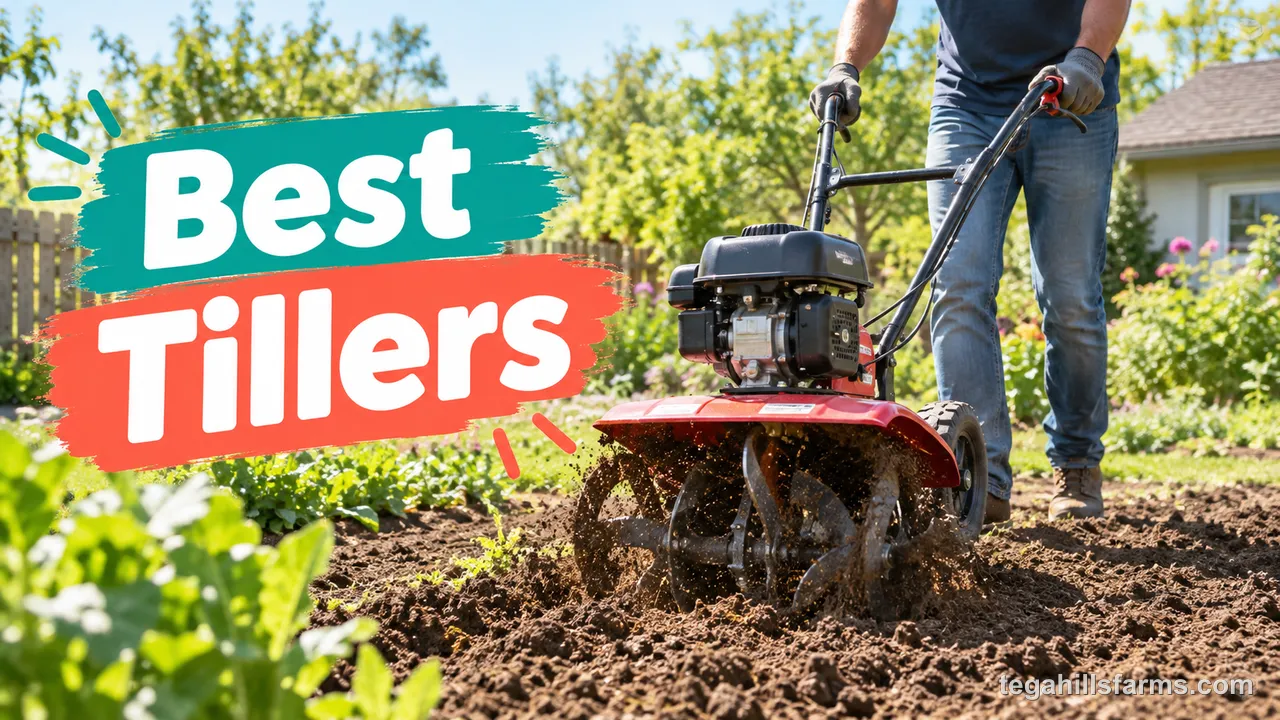
Working width, tilling depth, weight and power source separate these machines more than brand does. They set how many passes you make, how deep the soil gets loosened, and whether you can lift the tiller into a bed or have to roll it up a ramp.
The common mistake is buying for the wrong ground. A light tiller on compacted clay rides up and only scratches the surface. A heavy rear tine model in a small garden becomes a chore to start, turn and store every season.




If your beds were tilled last year, start with the electric and mini gas models. If you’re turning lawn into garden, look at the rear tine machines first.
What Matters Most When Choosing Tillers?
Soil hardness, plot size and power source decide which machine fits, because they set how much digging force you need and how far from an outlet you can work. Hard clay or new ground needs a heavy rear tine model, while loose, established beds only need a light cultivator or an electric unit. Plot size sets the working width worth handling, and weight decides whether you can lift the machine into a raised bed or store it on a shelf. Power source then settles the upkeep: gas brings fuel and oil chores, corded brings a cord to manage, and cordless brings runtime limits. Those factors separate the best tillers for homeowners from machines that sit unused in the shed.
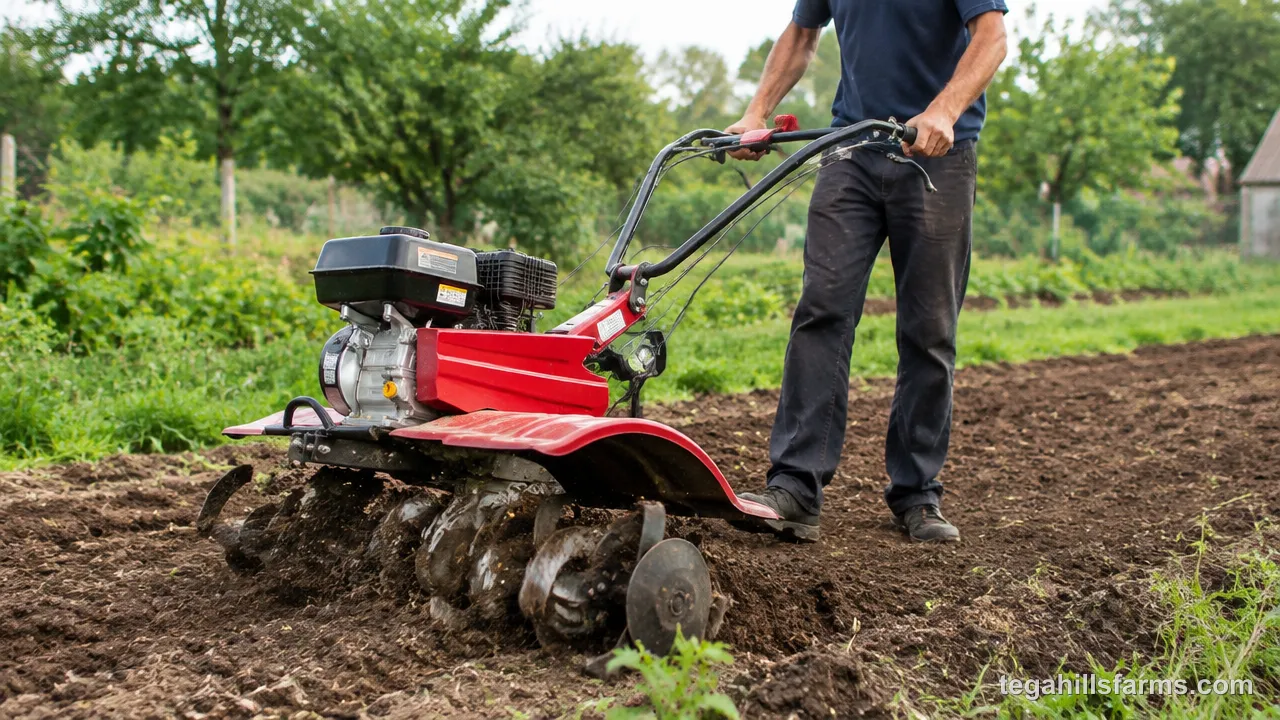
The 10 Best Tillers of 2026
Our top picks for the best tillers in 2026 are MZK 12-Inch Electric Tiller, Sun Joe TJ604E Electric Tiller, Sun Joe TJ603E Electric Tiller, Greenworks 40V 10″ Cordless Tiller, Mantis 7940 4-Cycle Tiller, Earthquake Victory Rear Tine Tiller 209cc, Earthquake MC440 Mini Cultivator 40cc, Honda FG110 Mini Tiller, Earthquake MC33 Mini Tiller 33cc and Pulsar 212cc 20-Inch Rear Tine Tiller. Your soil usually makes the decision. The corded and battery models loosen established beds near the house, the gas cultivators handle weeding and tight rows, and the rear tine machines have the weight to break sod and clay.
#1 MZK 12-Inch Electric Tiller — Best Overall
Start here if your beds sit near an outlet. Its 12-inch cutting width and 8-inch digging depth turn over bed soil for seed sowing, and the plug-in motor leaves you no gas, oil or pull cord to manage.
Key Specs:
- Model: G-AC2501
- Cutting width: 12 inches
- Digging depth: 8 inches
- Motor: 10-amp pure copper, corded
- Tine speed: 430 RPM
- Blades: 4 rust-resistant tines, 16 steel blades
Detailed Review:
The 10-amp copper motor spins the tines at 430 RPM. That speed lets a corded machine chop clods into a fine seedbed instead of just stirring them around. Sixteen steel blades bite the soil on every rotation, so loosened beds break down in fewer passes.
At 12 inches wide, it works a narrower strip than the Sun Joe TJ604E’s 16-inch path. You make extra passes across an open bed, but the narrow width fits between existing vegetable rows or orchard trees without clipping roots on either side.
Plug-in power removes the jobs that make small gas tillers a chore: no fuel going stale, no oil to change, no carburetor to clean before spring. The trade-off is the cord. You have to plan every pass so the cable trails behind you instead of crossing under the tines, and the work area ends where your extension cord does.
That’s where I’d put it to work: vegetable beds, orchard rows and lawn renovation patches, where its depth and blade speed earn their keep. Virgin sod and hard clay are a job for a rear tine machine.
Pros:
- Plugs in and starts without gas, oil or a pull cord.
- 430 RPM tine speed breaks clods into fine seedbed soil.
- 8-inch digging depth suits vegetable and root-crop beds.
- Rust-resistant tines handle storage with damp soil residue.
Cons:
- Corded design limits work to extension-cord reach.
- Narrow width means more passes on open beds.
Who It’s For:
Homeowners with vegetable beds or orchard rows close to the house will get steady use from this tiller, especially if they’d rather plug in than store fuel and oil. Anyone breaking new ground or working a plot far from an outlet should look at a gas rear tine machine instead.
Editor’s Verdict:
Pick this one for near-house beds where plug-in simplicity and fast tine speed matter more than unlimited range.
#2 Sun Joe TJ604E Electric Tiller — Best for Small Yards
Small yards with tight storage suit this machine well. A 13.5-amp motor tills a 16-inch-wide strip up to 8 inches deep, and then the handle folds down so the tiller tucks into a corner of the garage.
Key Specs:
- Model: TJ604E
- Motor: 13.5-amp, corded
- Tilling width: 16 inches
- Tilling depth: up to 8 inches
- Tines: 6 rust-proof, steel-angled
- Weight: 27.08 pounds
Detailed Review:
The 13.5-amp motor drives six angled steel tines across a 16-inch path, so a modest bed gets turned in fewer passes than it would with a narrower machine. Angled tines slice into the soil instead of skating across it, which helps in loam that has been worked before.
This tiller suits a small property mainly because it stores easily. The folding handle collapses the frame for a garage shelf or the back of a car. At 27.08 pounds, you can lift it over edging or up a step without help.
The 3-position wheel adjustment sets how deep the tines run, from shallow passes that mix compost into the top layer to deeper turning. Compared with its sibling, the TJ603E, it has a 13.5-amp motor instead of 12 amps on the same width, depth and weight. That extra motor reserve helps when the soil is heavier.
Hard, compacted ground is where it reaches its limits. A light electric frame tends to ride up on dense clay, so new ground still calls for a heavier machine.
Pros:
- 13.5-amp motor tills a 16-inch path per pass.
- Folding handle shrinks it for tight garage storage.
- Three wheel positions adjust depth for different soils.
- Rust-proof steel tines hold up through seasons outdoors.
Cons:
- Light frame can ride up on compacted clay.
- Cord limits range in larger or distant beds.
Who It’s For:
Gardeners with a compact yard and little storage room will appreciate how this tiller folds away between jobs. It also suits anyone who wants a stronger motor than the TJ603E without changing size or weight. Owners facing compacted clay or untouched sod should look at a rear tine gas model.
Editor’s Verdict:
Choose it when storage space is tight and your beds have already been worked at least once.
#3 Sun Joe TJ603E Electric Tiller — Best Rust-Resistant
Damp sheds are hard on steel. This model’s six rust-proof, steel-angled tines are built for long-lasting service, and its 12-amp motor tills a 16-inch path up to 8 inches deep in beds near an outlet.
Key Specs:
- Model: TJ603E
- Motor: 12-amp, corded
- Tilling width: up to 16 inches
- Tilling depth: up to 8 inches
- Tines: 6 rust-proof, steel-angled
- Weight: 27.08 pounds
Detailed Review:
Rust is a common way tiller tines wear out. Soil holds moisture against the steel through winter and pits the edges until they stop slicing cleanly. Rust-proof tines resist that damage, so the angled edges keep their bite across more seasons of storage.
It shares its frame with the Sun Joe TJ604E: the same width and depth, six tines, folding handle and weight. The motor is the difference. The 12-amp rating sits below the TJ604E’s 13.5 amps, so in heavier soil it has less reserve before the tines slow down.
In loam or in beds tilled the previous year, that gap rarely matters. The 3-position wheel adjustment still lets you set depth for shallow mixing or deeper turning. Electric operation also means no gas or oil sitting in the machine over the off-season.
The folding handle makes the same compact storage possible as its sibling. That pairs well with tines built to resist corrosion, because a tool that stores small and resists rust can live in the corner of an unheated shed for years.
Pros:
- Rust-proof tines resist pitting from damp storage.
- 16-inch path turns beds in fewer passes.
- Folding handle stores it flat against a wall.
- No gas or oil to manage between seasons.
Cons:
- 12-amp motor has less reserve in heavy soil.
- Cord reach limits where you can work.
Who It’s For:
Anyone storing tools in an unheated shed or garage, where moisture works on steel all winter, will get real value from these tines. The tiller fits loam beds near an outlet. If your soil runs heavy, the TJ604E’s stronger motor on the same frame is the safer choice.
Editor’s Verdict:
Buy it for established beds and damp storage, where tine longevity counts for more than extra motor power.
#4 Greenworks 40V 10″ Cordless Tiller — Best Cordless
Owners already running Greenworks 40V tools can add this tiller without buying into a new battery system. It runs up to 40 minutes on a 40V 4.0Ah battery and switches between 8.25-inch and 10-inch widths, so one machine covers narrow rows and open beds.
Key Specs:
- Power: 40V battery (battery and charger not included)
- Runtime: up to 40 minutes with a 40V 4.0Ah battery
- Tilling width: 8.25 or 10 inches
- Tilling depth: up to 5 inches
- Tines: 4 forward-rotating, 8-inch
- Weight: 26.44 pounds
Detailed Review:
Cordless power gets rid of both the cord and the pull start. A push button starts the tines, and with no cable trailing behind, a bed at the far end of the yard is as easy to reach as one by the patio.
Runtime sets the scale of each session. Up to 40 minutes on a 4.0Ah pack covers a cleanup of a few beds, and a second battery keeps you going if you already own one from the 75+ tools on the 40V platform, including trimmers, blowers and chainsaws. The tool ships without a battery or charger, so it makes the most sense for owners already invested in Greenworks.
Four 8-inch forward-rotating tines loosen the ground and lift dirt, and the width toggles for rows or open ground. Depth tops out at 5 inches, shallower than the 8 inches the Sun Joe TJ604E reaches. That makes it better at cultivating and mixing in amendments than at turning a bed deeply for root crops.
Foldable handles shrink it for storage. A 3-year limited tool and battery warranty covers both the machine and the pack.
Pros:
- No cord, so it reaches beds anywhere on the property.
- Push button start replaces pull cords and fuel.
- Adjustable width fits narrow rows or open beds.
- Battery works across the Greenworks 40V tool lineup.
Cons:
- Battery and charger are sold separately.
- Shallow tilling depth limits deep bed preparation.
- Runtime caps how much ground one battery covers.
Who It’s For:
If you already own Greenworks 40V tools, this tiller adds cordless bed work using batteries already on your charger. It suits cultivating beds scattered around the yard, away from outlets. Gardeners who need deep tilling for root crops, or who have no compatible battery, will get more from a corded or gas machine.
Editor’s Verdict:
Add this to an existing 40V setup for cord-free cultivating. Without a compatible battery, its appeal drops quickly.
#5 Mantis 7940 4-Cycle Tiller — Best Lightweight
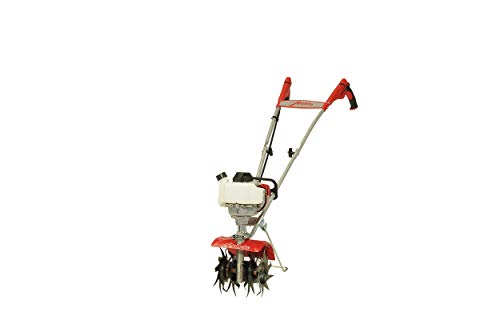
Gardeners working narrow rows will appreciate this one. It weighs 24 pounds yet runs a 25cc Honda 4-cycle engine on straight gas, spinning the tines at up to 240 rpm with no fuel mixing.
Key Specs:
- Model: 7940
- Engine: Honda 25cc 4-cycle, gas only
- Tine speed: up to 240 rpm
- Weight: 24 pounds
- Throttle: finger-controlled, variable speed
- Warranty: 2-year limited
Detailed Review:
Weight is the main reason to buy this machine. At 24 pounds, it lifts over a bed border, rides in a wheelbarrow and swings around at the end of a row without a struggle. In tight rows, the light frame lets you steer the tines close to plants without dragging a heavy chassis through them.
The Honda 4-cycle engine runs on straight gas, so you skip the measuring and mixing a two-cycle cultivator requires. Fast-spinning tines chop soil quickly even with a small engine behind them. The finger-controlled throttle gives infinite speed control, so you can slow down near seedlings and speed up in open soil.
Compared with the Earthquake MC440, which weighs 32 pounds with a 40cc engine, the Mantis gives up engine size for a lighter frame. That suits maintenance tilling and weeding. A light machine with a small engine works hard ground in shallow layers rather than taking it all at once.
A standard kickstand keeps it upright in the shed so it doesn’t topple or sprawl across the floor. It’s made in the USA and covered by a 2-year limited warranty.
Pros:
- At 24 pounds, it carries easily between beds.
- 4-cycle Honda engine runs on straight gas.
- Variable throttle allows slow work near seedlings.
- Kickstand keeps it upright and compact in storage.
Cons:
- Small engine works hard ground only in shallow layers.
- Gas engine still needs oil changes and fuel care.
Who It’s For:
Narrow vegetable rows, perennial borders and beds you have to lift the machine into are where this tiller does its best work. It suits gardeners who want gas power without mixing fuel. Anyone turning sod or heavy clay for the first time needs a rear tine machine with more mass.
Editor’s Verdict:
Expect quick, nimble work in established rows. This machine rewards gardeners who care more about carrying it than about raw digging force.
#6 Earthquake Victory Rear Tine Tiller 209cc — Best for Heavy Soil
Compacted clay and fresh sod need weight and torque. This 209cc rear tine machine has counter rotating tines that spin against the wheels and an instant reverse for turning near fences, so it breaks ground that lighter tillers bounce off.
Key Specs:
- Engine: 209cc 4-cycle Viper
- Tilling width: 16 inches
- Tilling depth: up to 10 inches
- Tines: counter rotating, with instant reverse
- Weight: 154 pounds
- Warranty: 5-year limited
Detailed Review:
Counter rotating tines are the reason this machine handles tough ground. They turn opposite to the wheels, so instead of pulling the tiller forward, they dig against its travel and chew into clay, compacted soil and new ground. The 154-pound weight keeps the tines planted while they work.
The Viper engine drives a heavy-duty cast-iron transmission with bronze gears. The adjustable drag stake holds tilling speed as you dig a 16-inch row up to 10 inches deep. Side tine shields keep dirt off nearby plants, and the trailing rear shield smooths the seedbed behind you.
Instant reverse makes a heavy machine manageable. Pull the handle and it backs out of a corner or away from a fence without stopping to shift gears. The 3-position handlebar also allows one-handed control, so you can walk beside the tilled row instead of leaving footprints in it.
Compared with the Pulsar 212cc, it tills a narrower strip but digs deeper, which favors deep beds over wide plots. The cost is size: it needs dedicated floor space and a ramp or trailer to move, which is worth weighing early if you’re shopping for the best tillers for clay soil.
Pros:
- Counter rotating tines dig into clay and new ground.
- Instant reverse backs out of corners without shifting.
- Digs up to 10 inches deep for full bed preparation.
- Side shields limit dirt thrown onto nearby plants.
- 5-year limited warranty with U.S.-based support.
Cons:
- Heavy frame needs a ramp or trailer to transport.
- Takes far more storage space than mini tillers.
Who It’s For:
Breaking sod, converting lawn into garden or reworking compacted clay every spring are the jobs this machine is built for. It suits owners with garage space and a way to haul it. Gardeners who tend small established beds will find it far more machine than the work requires.
Editor’s Verdict:
Count on it for ground that defeats lighter machines, as long as you have room to store and move it.
#7 Earthquake MC440 Mini Cultivator 40cc — Best Easy-Start
This one starts standing up. You start and stop the 40cc 4-cycle engine from behind the handlebars, it needs no oil-and-fuel mixing, and it runs quieter than two-cycle engines, which suits owners with sore backs or little patience for pull cords.
Key Specs:
- Model: 12802
- Engine: 40cc 4-cycle Viper
- Starting: stand-up start and stop from the handlebars
- Weight: 32 pounds
- Warranty: 5-year limited
- Accessories: optional Edger Kit and Dethatcher Kit (sold separately)
Detailed Review:
Stand-up starting puts the controls at the handlebars, so you start and stop the engine without bending down to the housing. If you have back trouble, or restart often while moving between beds, you’ll notice that convenience every time you use it.
The 4-cycle engine takes straight gas and runs quieter than two-cycle engines. That matters on a small suburban lot where you’re working close to the neighbors’ fence on a weekend morning. The air filter design keeps engine-damaging dirt out, which protects the engine in the dusty conditions every tiller works in.
Set beside the Earthquake MC33, the MC440 has a larger 40cc engine and 4-cycle operation versus the MC33’s 33cc 2-cycle, and it weighs 32 pounds against 29. You get more engine and no fuel mixing in exchange for a little more weight. Optional edger and dethatcher kits make it a lawn-border tool outside tilling season.
As a mini cultivator, it’s built for weeding, mixing and loosening worked soil rather than breaking sod. Hard ground calls for a rear tine machine.
Pros:
- Starts and stops from the handlebars, no bending.
- 4-cycle engine needs no oil-and-fuel mixing.
- Runs quieter than two-cycle cultivators.
- Optional kits add edging and dethatching.
Cons:
- Mini cultivator size limits work in hard ground.
- Heavier than the 2-cycle Earthquake MC33.
Who It’s For:
Owners with bad backs, or with a history of fighting pull-start engines, will appreciate controls that sit at the handlebars. It also suits small lots where engine noise carries to the neighbors. Anyone who needs to break hard new ground should step up to a rear tine machine.
Editor’s Verdict:
Trust it for routine bed work if easy starting and no fuel mixing are your priorities.
#8 Honda FG110 Mini Tiller — Best for Raised Beds
Raised beds and tight plantings suit this mini tiller. Its hybrid tines both dig and cultivate, and removing the outer tines narrows the path from 9 inches to 6, so you can till within 1 inch of plants without damaging them.
Key Specs:
- Model: FG110K1AT
- Engine: Honda GX25 4-stroke, straight unleaded gas
- Tilling width: 9 inches, or 6 inches with outer tines removed
- Tines: patented hybrid digging and cultivating tines
- Weight: 28 pounds
- Warranty: 2-year residential
Detailed Review:
Honda’s hybrid tines split the work: half are angled for digging and half for cultivating. In a raised bed, that combination loosens the soil and mixes in compost in the same pass, so you don’t need a separate cultivating run. The narrow setting lets you work right up against established plants.
The lightweight frame is easy to pick up and set inside planter beds. Two-position transport wheels roll it over smooth or rough ground and come off for tilling, and the handle folds for storage. The adjustable depth bar controls how deep and how fast the tines work, so you can slow down for thorough mixing.
The GX25 engine is known for quick, easy starts and runs on straight unleaded gas with no mixing. The controls are designed to reduce vibration and fatigue during a long session in the beds.
Hard, compacted soil is its limit. When breaking new ground in that kind of soil, it may dig in only a few inches at a time, so it performs best in softer soil and between pre-plowed rows. If you’re comparing the best tillers for raised beds, that soft-soil focus is the point of the design, not a flaw.
Pros:
- Hybrid tines dig and cultivate at the same time.
- Removable outer tines narrow it for tight spots.
- Honda GX25 engine runs on straight unleaded gas.
- Transport wheels roll it over rough ground and detach.
Cons:
- Digs only a few inches at a time in compacted soil.
- Narrow width means many passes in open ground.
Who It’s For:
Raised-bed gardeners and anyone cultivating between established plants will value its narrow mode and compact frame. It fits soil that is already soft or pre-tilled. For breaking hard new ground, a rear tine machine like the Earthquake Victory is built for that job, and this one isn’t.
Editor’s Verdict:
Reach for it when the job is precise work around plants in soft, prepared soil.
#9 Earthquake MC33 Mini Tiller 33cc — Also Great
Weeding, mixing and aerating established garden soil are this mini tiller’s everyday work. Overhand control reduces bouncing so the tines take out weeds and leave your plants alone, and a 33cc Viper engine drives a gear transmission backed by a 5-year limited warranty.
Key Specs:
- Model: 31635
- Engine: 33cc 2-cycle Viper
- Transmission: gear drive
- Wheels: on-board, adjustable for transport and depth
- Weight: 29 pounds
- Warranty: 5-year limited, U.S.-based support
Detailed Review:
Overhand control defines how this cultivator handles. Gripping the handles from above gives you leverage to hold the tines down, which cuts the bouncing and jumping that make small cultivators hard to steer between plants. That control lets you weed close without ripping out what you planted.
The on-board wheels do two jobs. Set for transport, they roll the machine out to the garden. Set for tilling, they act as a depth control, keeping the tines shallow for weeding or letting them run deeper when you mix in compost.
The 33cc Viper is a 2-cycle engine, so oil has to be mixed into the fuel before each fill. That’s the trade-off against the Earthquake MC440’s 4-cycle engine, though the MC33 is lighter at 29 pounds against 32. The engine has enough power for gardens of all sizes when the soil has already been broken.
A U.S.-based support team and a 5-year limited warranty back the machine. Its job is maintenance: weeding, mixing and aerating soil that a bigger machine or last year’s work has already loosened.
Pros:
- Overhand control cuts bouncing near plants.
- Wheels double as transport and depth control.
- Gear drive transmission paired with a Viper engine.
- 5-year limited warranty with U.S.-based support.
Cons:
- 2-cycle engine requires mixing oil into the fuel.
- Built for maintenance, not breaking new ground.
Who It’s For:
Weekend weeders who keep established beds clean and want a small gas cultivator with solid warranty backing are the natural match. Those who would rather skip fuel mixing should consider the Earthquake MC440, which runs on straight gas.
Editor’s Verdict:
Keep it for weeding and mixing in established beds, where its control near plants pays off.
#10 Pulsar 212cc 20-Inch Rear Tine Tiller — Best Premium
Big gardens are its territory. Four 13-inch counter rotating tines cut a 20-inch path up to 6.5 inches deep, powered by a 212cc OHV engine with forward and reverse controls, so large plots get done in fewer passes.
Key Specs:
- Model: PTG1120R
- Engine: 212cc OHV gas
- Tines: four 13-inch, counter rotating
- Tilling width and depth: 20 inches, up to 6.5 inches deep
- Wheels: 13.5-inch tractor style
- Weight: 154 pounds
Detailed Review:
The 20-inch tilling width is what equips this machine for big plots. Each pass covers more ground than the 16-inch Earthquake Victory, which cuts the number of trips across a large vegetable garden. The counter rotating tines turn against the direction of travel, so they dig in instead of pulling the machine forward.
The built-in depth regulator holds a consistent depth from pass to pass. That keeps a wide bed level instead of leaving ridges where the tines rode up. Depth tops out at 6.5-inches, so this tiller is better at working a wide area than at turning soil deeply.
The tractor-style wheels have neutral and drive settings set by cotter pin, and the forward/reverse controls help you back out of corners. It ships with 85W140 gear oil prefilled and 10W-30 engine oil included, which shortens setup.
Its weight and footprint are the trade-off: plan on garage floor space and a ramp or trailer for hauling. For a big vegetable plot, I think the wide, level passes are worth that storage hassle.
Pros:
- 20-inch width covers large plots in fewer passes.
- Counter rotating tines dig into firm soil.
- Depth regulator keeps each pass at a consistent depth.
- Ships with gear oil prefilled and engine oil included.
- Forward and reverse controls ease turns in corners.
Cons:
- Heavy frame demands a ramp or trailer for transport.
- Shallower maximum depth than the Earthquake Victory.
- Needs substantial storage space.
Who It’s For:
Owners of large vegetable gardens, or plots tilled edge to edge each spring, will benefit from the wide path and steady depth control. It also suits buyers who want a premium, full-size machine. Tight beds, narrow rows and small sheds call for something far more compact.
Editor’s Verdict:
Invest in it when wide, level passes across a big plot matter more than easy storage.
Which Type of Tiller Is Right for Your Garden?
Tine position and machine size decide what kind of ground a tiller can handle, which is why matching the type to your soil matters more than any single spec. A machine built to loosen worked beds will struggle in sod, and one built for sod becomes a burden in a narrow row.
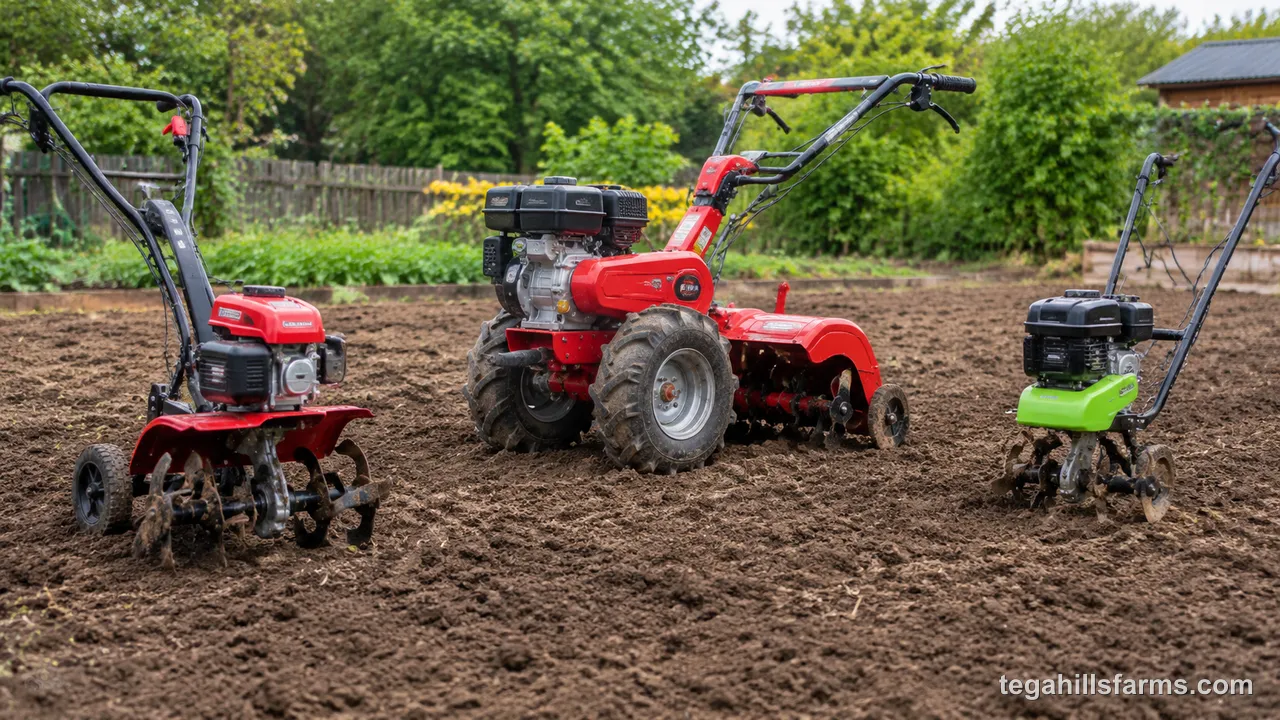
What Are Front Tine Tillers Best For?
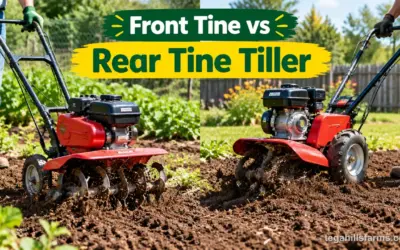
Front tine tillers suit established beds that get worked every season. Their tines sit ahead of the wheels and pull the machine forward as they dig, which makes them easy to steer in loose soil and short enough to turn around in small plots.
That forward pull becomes a weakness in hard ground. When the tines meet compacted clay, they climb out instead of biting, and the tiller lurches or bounces. You end up holding it back by force, and the result is shallow scratching rather than real tilling.
For spring prep in beds that were tilled last year, that problem rarely comes up. This is why the best front tine tillers make sense for maintenance rather than for starting a new garden.
What Are Rear Tine Tillers Best For?
Rear tine tillers are the machines for new ground, compacted soil and larger plots. Their tines sit behind powered wheels, so the wheels set the pace while the tines do the digging. On counter rotating models, the tines spin against the direction of travel and bite into sod and clay instead of riding over them.
That design needs mass to work. The Earthquake Victory and the Pulsar are both heavy machines, and the weight keeps their tines planted. Reverse controls help you turn them in tight spots, but you still steer a lot of steel at every row end.
The cost shows when you put one away. A rear tine machine needs garage floor space, and moving it to a second property means a ramp and a trailer. If your soil fights back every spring, the best rear tine tillers are worth the bulk.
Where Do Mini Tillers and Cultivators Fit?
Mini tillers and cultivators are maintenance tools. They weed, mix compost into loose soil and work tight rows between plants. They’re light enough to lift into a raised bed and narrow enough to run between crops, which no rear tine machine can do.
What they can’t do is break ground. A small engine and a light frame give the tines little to push against, so in compacted soil they skim the surface or dig down a little at a time. The Honda FG110, for instance, may manage only a few inches per pass in hard, unbroken ground.
Treat a cultivator as the second tool you use after the soil has been broken, not the first.
Gas, Corded or Cordless: Which Power Source Is Better?
Distance from an outlet, soil hardness and tolerance for engine upkeep decide which power source fits, because each type trades strength, runtime and maintenance differently. Noise matters too on small lots where neighbors are close.
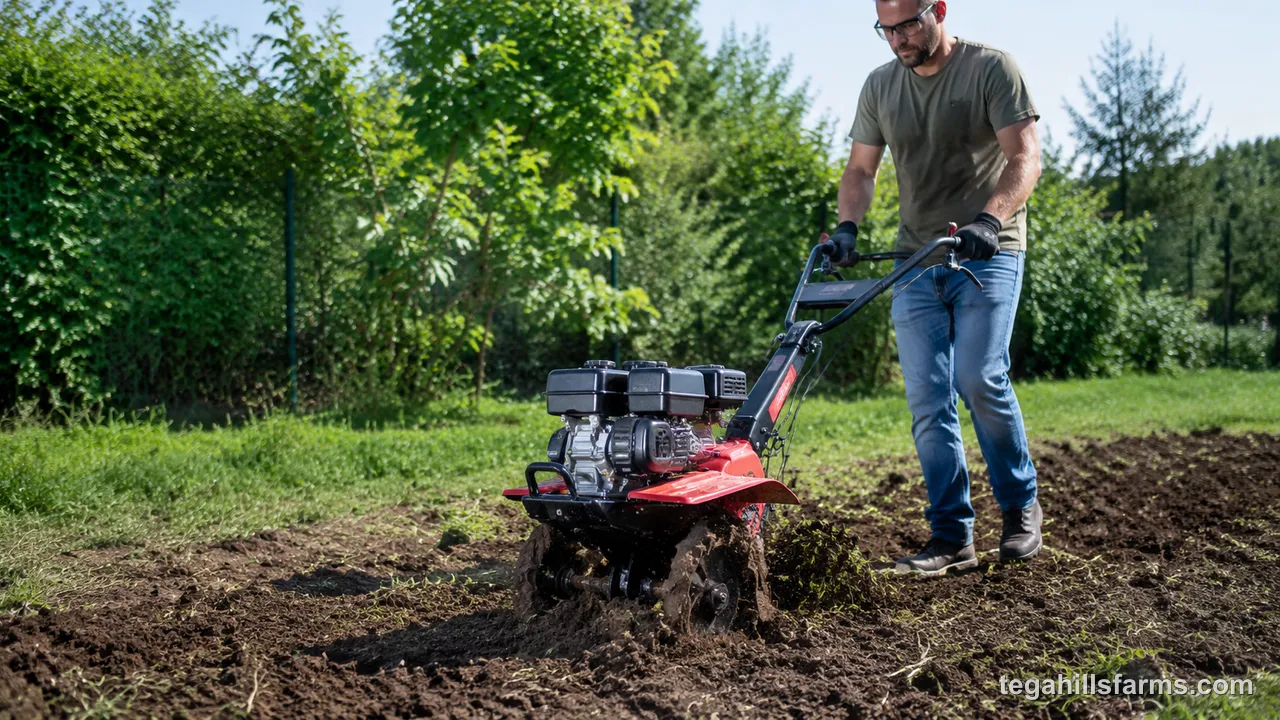
Gas Tillers: Power and Upkeep
Gas is the practical choice when the soil is hard, the plot is large or the beds sit far from the house. An engine delivers steady power with no cord to drag and no battery to run down, but you take on its upkeep.
Two-cycle engines, like the one on the Earthquake MC33, burn a mix of oil and gas, so every fill means measuring oil into the fuel can. Four-cycle engines run on straight gas and keep their oil in a separate crankcase. They skip the mixing and run quieter, but that oil has to be changed on schedule.
Either type needs fresh fuel, a clean air filter and a spark plug that fires. Starting is the weak point: a cold engine with old fuel can take many pulls. If those chores don’t bother you, the best gas tillers give you the force to work ground that electric models can’t.
Corded Electric Tillers: Simple and Steady
A corded electric tiller makes sense for a plot within extension-cord reach of the house. There’s no fuel, no oil, no spark plug and no pull cord. The motor runs as long as the outlet supplies power, so a session never ends because a battery died.
The limits come from the cord. Plug into a GFCI-protected outdoor outlet, use an outdoor-rated extension cord heavy enough for the motor’s amp draw, and plan your passes so the cable trails behind you instead of crossing in front of the tines.
Beds at the back of a big lot or in a community garden plot are out of reach. Dense clay can also bog down an electric motor that a gas engine would push through, so corded models are best kept to loose, near-house beds.
Cordless Tillers: Battery Platform and Runtime
Cordless tillers are worth it when you already own batteries from the same tool line and your beds are spread out or far from outlets. You get push-button starting and no cord, but each charge covers a set amount of work, and the battery and charger may be sold separately, as they are with the Greenworks.
Two numbers shape real use. Voltage tells you which tools share the battery, and amp-hours set runtime, so a higher-capacity pack at the same voltage keeps the tines turning longer. Charging time matters too, because a dead pack ends the session until it’s recharged.
The platform is the deciding factor. If your trimmer and blower run on the same batteries, a second charged pack lets you keep working while the first recharges. Starting from scratch means buying into a whole system for one seasonal tool, which is why the best battery tillers make sense mainly for owners already invested in a platform.
Which Tiller Specs Actually Matter?
Tilling width, tilling depth and weight tell you more about real garden work than peak power figures, because they decide how many passes you make, how deep the bed gets and whether you can control the machine. Power ratings matter too, but only when you compare within the same power type.
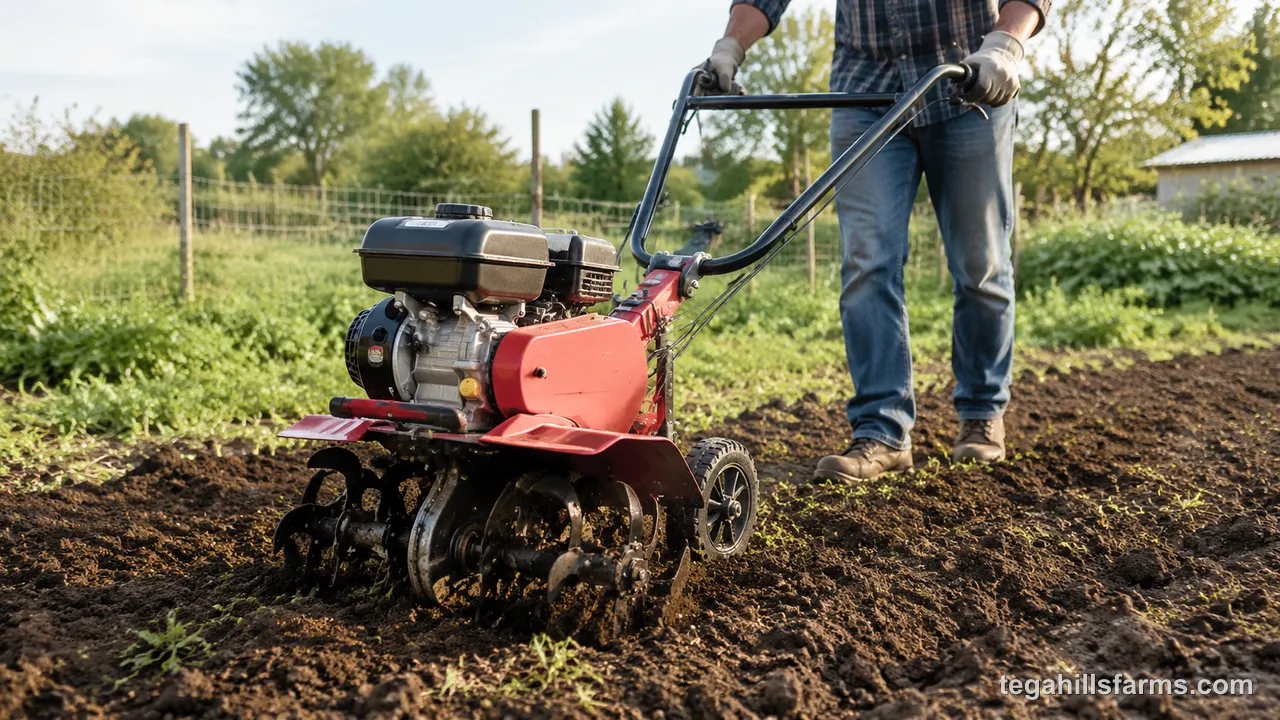
Tilling Width and Depth
Choose width by the space between your rows and depth by what you plant, not by the largest figure on the box. A wide path finishes an open bed in fewer passes but can’t fit between established rows. A narrow path fits between rows, but it means more walking across open ground.
That’s why some machines adjust their width. The Honda FG110 narrows when you remove its outer tines, and the Greenworks toggles between two settings, so one tiller can handle rows and open beds.
Depth sets how far down the soil gets loosened. Shallow work mixes compost into the top layer and handles weeding. Root crops like carrots and potatoes need loose soil deeper down, which is where a machine with more depth pays off. Tilling deeper than the bed needs only brings weed seeds and subsoil to the surface.
Engine Size, Motor Amps and Battery Voltage
Engine cubic centimeters, motor amps and battery volts each describe power within one type only, so you can’t line them up against one another. A gas engine’s cc rating, a corded motor’s amp rating and a battery’s voltage measure different things.
Engine displacement in cc reflects how much air and fuel the engine burns per cycle. On a rear tine machine, a larger engine supplies the torque to drive heavy tines through compacted soil. Between two gas cultivators, a step up in cc means more reserve before the tines slow.
Motor amps on a corded tiller measure current draw, which tracks with how much work the motor can sustain. The Sun Joe pair shows this well: on an identical frame, the higher-amp model has more reserve in heavier soil.
Battery voltage indicates the platform and the power class, and amp-hours set runtime. Compare tine width, depth and design alongside any rating, because a strong motor driving shallow tines still makes a shallow bed.
Weight and Handling
A lighter tiller is easier to control, lift and store, while a heavier one stays planted in hard ground. Mini tillers and cultivators can be lifted into a raised bed, carried in a car trunk and hung on a wall, which suits gardeners with limited strength or storage.
Light machines pay for that with bounce. With less mass over the tines, they ride up on compacted soil and have to be held down. Heavy rear tine models stay in the dirt but demand a ramp and floor space.
If carrying and storing matter more to you than breaking sod, the best lightweight tillers are the better fit.
Which Tiller Fits Your Soil and Garden Size?
Plot size and soil hardness together point to the right machine, since a large clay plot and a handful of raised loam beds call for opposite designs. Match your situation first, and the type follows.
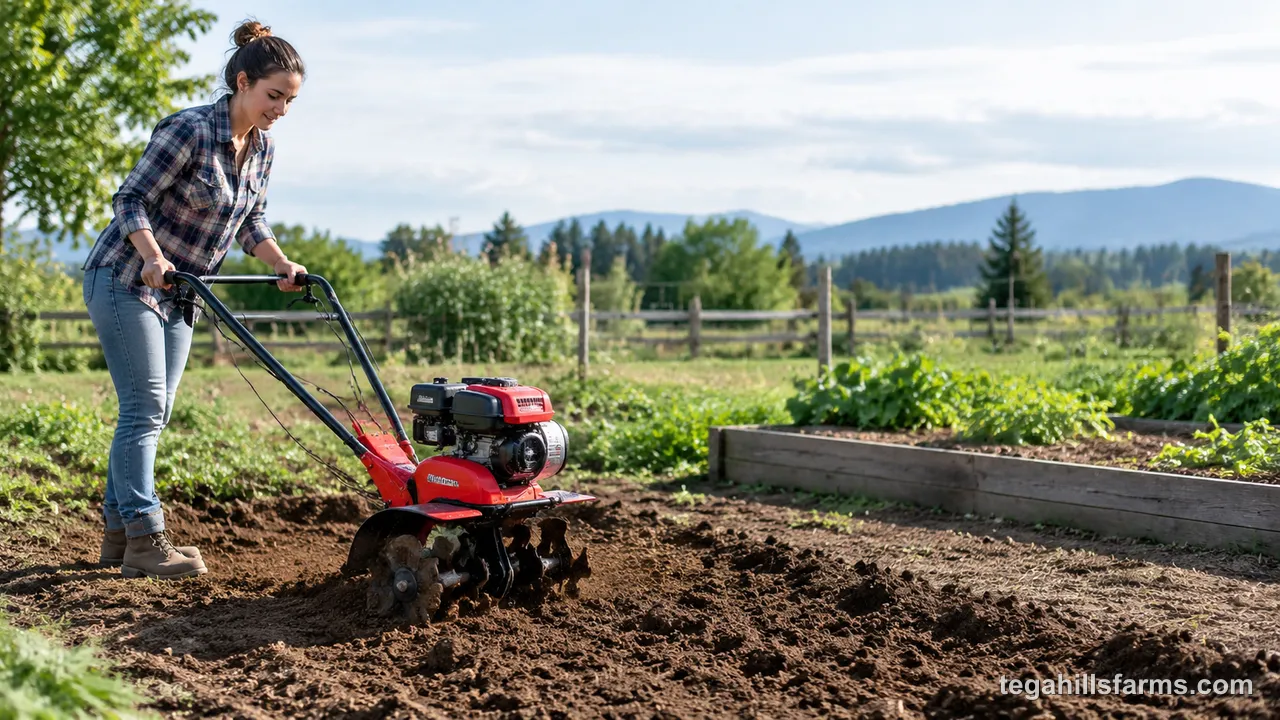
Small Gardens and Raised Beds
Small gardens and raised beds call for a compact, light machine with a narrow path. A mini tiller or corded electric unit lifts into a bed, turns within its walls and works close to plants without damaging them, then stores on a shelf. Wide rear tine machines can’t get into raised beds at all.
Soil in small beds is usually amended and loose, so precision matters more than digging force. Many of the best tillers for small gardens are corded or battery models for that reason: they’re quiet, simple to start and easy to put away.
Large Gardens and New Ground
Larger plots and ground that has never been tilled need a stronger, wider machine, usually a rear tine gas tiller. Width cuts the number of passes across a big garden, and engine power plus mass lets the tines break sod instead of skipping over it.
The trade-offs are storage and effort. These machines need garage floor space, a ramp for hauling and a firm hand when turning at row ends, though reverse controls help. Once a rear tine machine has broken the ground, a cultivator can take over the yearly upkeep.
The best tillers for large gardens prioritize width and steady depth over portability.
Hard Soil and Clay
Hard soil and clay need counter rotating tines, weight and reverse, while a mini machine will only scratch the surface. Counter rotating tines turn against the wheels, so they dig down instead of pulling the tiller forward, and reverse lets you back out when the machine stalls in a dense patch.
Light cultivators lack the mass to hold their tines in clay and may dig only a little at a time. Timing helps as well. Clay worked when slightly moist breaks into crumbs, while wet clay smears into clods that dry hard.
A gas tiller put away with fuel still in the tank often refuses to start in spring, because gasoline goes stale over the winter and leaves gummy deposits in the carburetor. Batteries and cords have their own off-season failure points. Skip a few minutes of storage prep, and the first warm planting weekend turns into a trip to the repair shop or an earlier replacement than you planned.
How Do You Keep a Tiller Running and Spot Wear Early?
Reliability comes down to how a tiller spends the off-season and how quickly you notice wear on the tines and engine. Most failures start as small fixes that get ignored until spring.
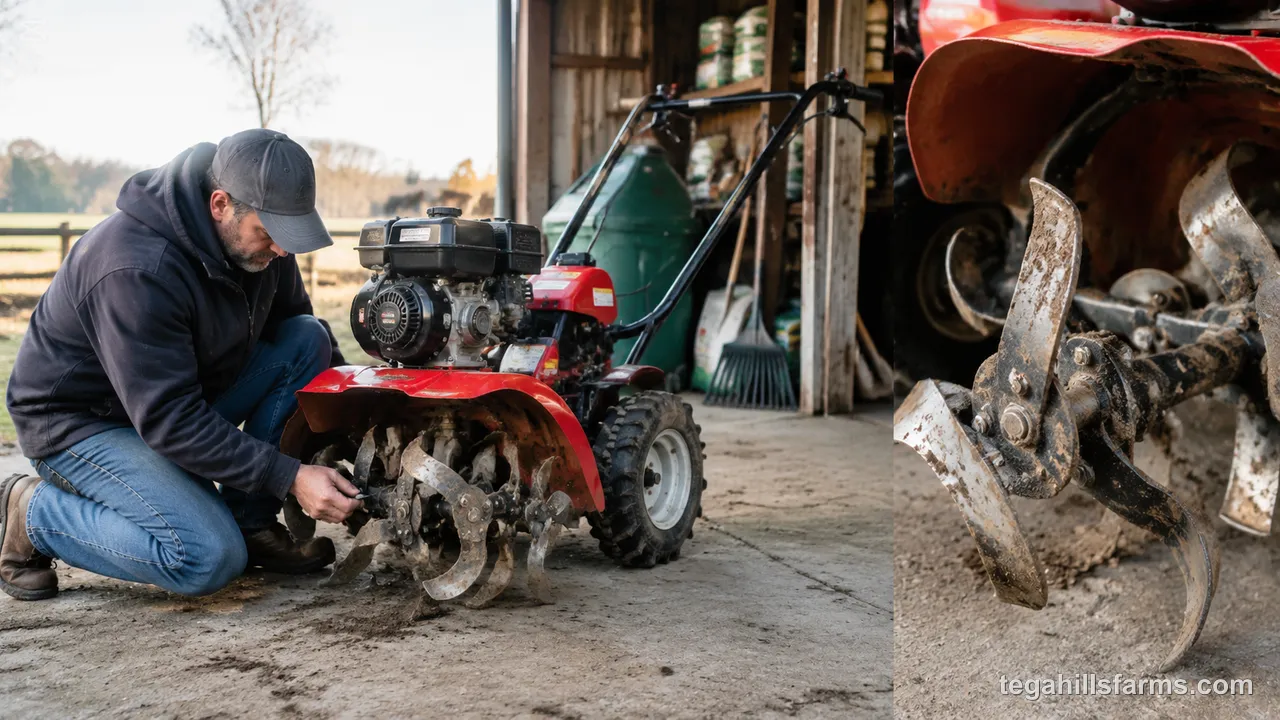
Off-Season Storage for Gas and Battery Models
Gas tillers need their fuel dealt with before storage. Either run the tank dry, or add fuel stabilizer and run the engine briefly so treated fuel reaches the carburetor. Change the oil on four-cycle engines so used oil doesn’t sit in the crankcase, clean the air filter, and knock caked soil off the tines before it holds moisture against the steel.
Battery models fail differently. Store batteries indoors, away from freezing temperatures, partially charged rather than full or empty, and follow the maker’s storage guidance for that pack.
Corded units need the least care. Wipe them down, coil the cord loosely, and check it for cuts or crushed spots before next season.
Warning Signs It Is Time to Repair or Replace
Worn, bent or chipped tines are usually worth fixing. Tines that have rounded off or lost length dig shallower and bounce more, and replacement tines restore the machine’s bite.
On a gas engine, hard starting, surging or power that fades under load point to the fuel system, spark plug or air filter, and a carburetor cleaning often brings it back. On electric models, the warning signs are a motor that hums without turning, a cord with damaged insulation, or a battery that runs down well before it used to.
Repair stops making sense when the transmission grinds or slips, the engine loses compression, or a cordless unit needs a new battery and you have no other tools on that platform. Weigh the repair against the machine’s age and how much life is left in the rest of it.
Is a Bigger Tiller Always the Better Buy?
No. Extra size only pays off when the soil is hard or the plot is large. In established beds, a bigger tiller adds weight to move, floor space to give up and an engine to maintain, without doing the job any better.
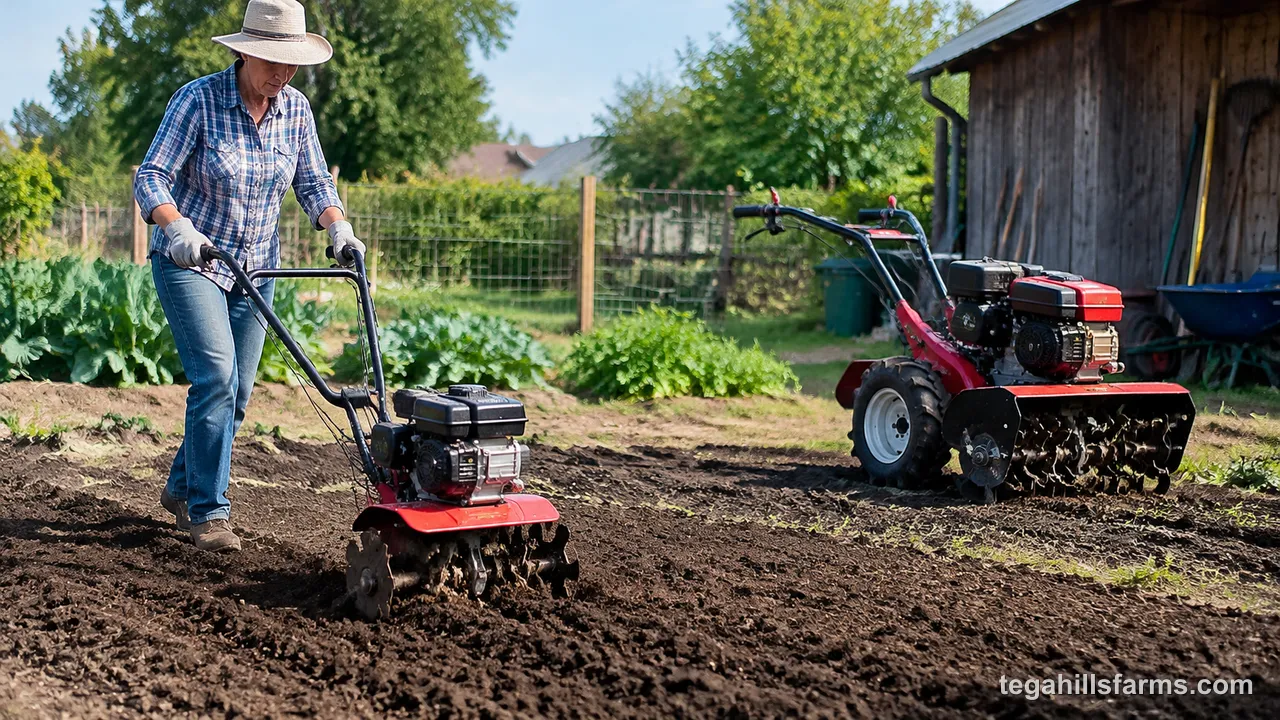
A rear tine machine can’t fit inside a raised bed, and a wide path in narrow rows tears up the plants you’re tilling around. You also carry its upkeep every season: more oil, a bigger fuel tank to stabilize, heavier tines to replace.
For weeding, mixing compost and loosening soil that was tilled last year, the best mini tillers do the work with a fraction of the bulk. For small beds and containers, the best handheld tillers cover what a machine would overdo. Buy for the hardest ground you’ll till regularly, not the hardest you might till once. Renting a rear tine machine for a single sod-breaking job saves you storing one all year.
How Do You Avoid Overtilling Your Soil?
Stop when the soil is loose and crumbly, and only till when it’s moist but not wet. Extra passes and the wrong moisture are what turn good soil into dust or clods.
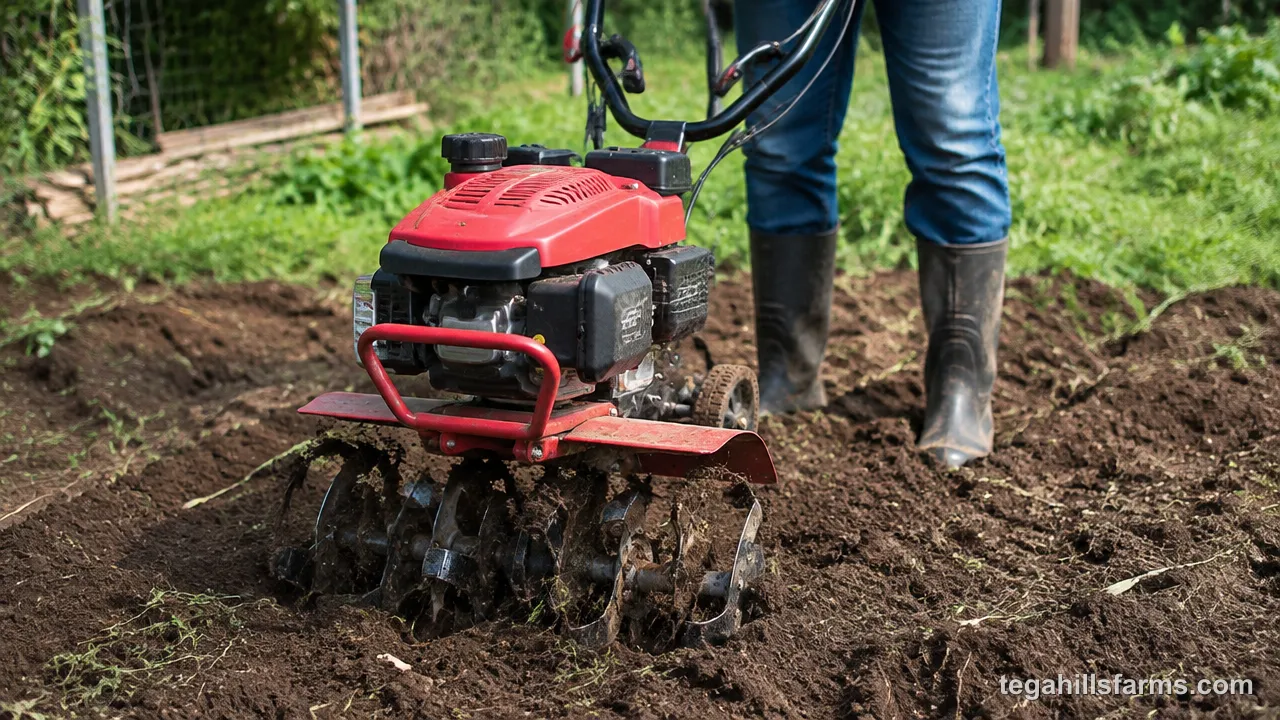
Each pass shatters more of the clumps that hold air and water. Overworked soil goes powdery, seals into a crust after the first rain, and compacts along the tines’ path. Before you start, squeeze a handful. If it crumbles, it’s ready. If it holds a sticky ball, wait. If it’s dust-dry, water it and give it time to soak in.
Keep tilling depth to what the planting needs. Running deep every year brings buried weed seeds up and can form a hardpan just below the tine depth. In established beds, a single shallow pass to mix in compost is often enough.
Tiller FAQs
What are the best tiller brands?
Honda, Mantis, Earthquake, Sun Joe and Greenworks all build dependable machines, and the right one depends on the type you need. Honda and Mantis are strong in compact gas cultivators, Earthquake covers mini and rear tine models with long warranties, and Sun Joe and Greenworks focus on corded and battery units. Compare tiller brands by warranty and parts support.
Which type of tiller is best for beginners?
A corded electric tiller or a small four-cycle cultivator is the easiest place to start, because neither requires fuel mixing and both are light enough to control. Electric models start at the push of a button. For a step-by-step walk through soil, plot size and power source, see how to choose a tiller.
Is an electric tiller powerful enough?
For established beds, raised beds and loam that gets tilled every year, an electric tiller has enough power. It struggles with compacted clay, sod and ground that has never been broken, where a gas rear tine machine with counter rotating tines does the work. Once that ground is broken, electric can handle yearly upkeep.
How often should you till your garden?
Most established gardens need tilling once or twice a year: in spring before planting, and optionally in fall to work in leaves or compost. Tilling more often breaks down soil structure. Between those passes, a cultivator handles weeding. The best tillers for vegetable gardens are built around that spring prep and in-season weeding cycle.
Can a tiller break up sod?
Yes, if it’s a rear tine tiller with counter rotating tines and enough weight to keep them in the ground. Mini tillers and light electric units bounce over sod and only scratch the top. Mowing the grass short first and making several passes at increasing depth helps any rear tine machine get through.
More Guides on Best Tillers
- Best 16 Inch Electric Tillers
- Best 18 Inch Electric Tillers
- Best Tillers Under $100
- Best Tillers Under $200
- Best Tillers Under $300
- Best Tillers Under $500
- Best Front Tine Gas Tillers
- Best Quiet Electric Tillers
- Best Tillers for Hard Soil
- Best Rear Tine Gas Tillers
- How to Choose a Tiller
- Best Electric Tillers
- Best Corded Tillers