
Best Tillers Brands: Expert Picks for Hard Soil & Gardens 2026
Troy-Bilt and Husqvarna lead for breaking hard soil, Honda engines set the standard for easy starting, Craftsman and Champion deliver gas power at value prices, Greenworks and EGO lead battery tilling, Sun Joe covers budget electric plots, and Mantis and Earthquake specialize in lightweight cultivators.
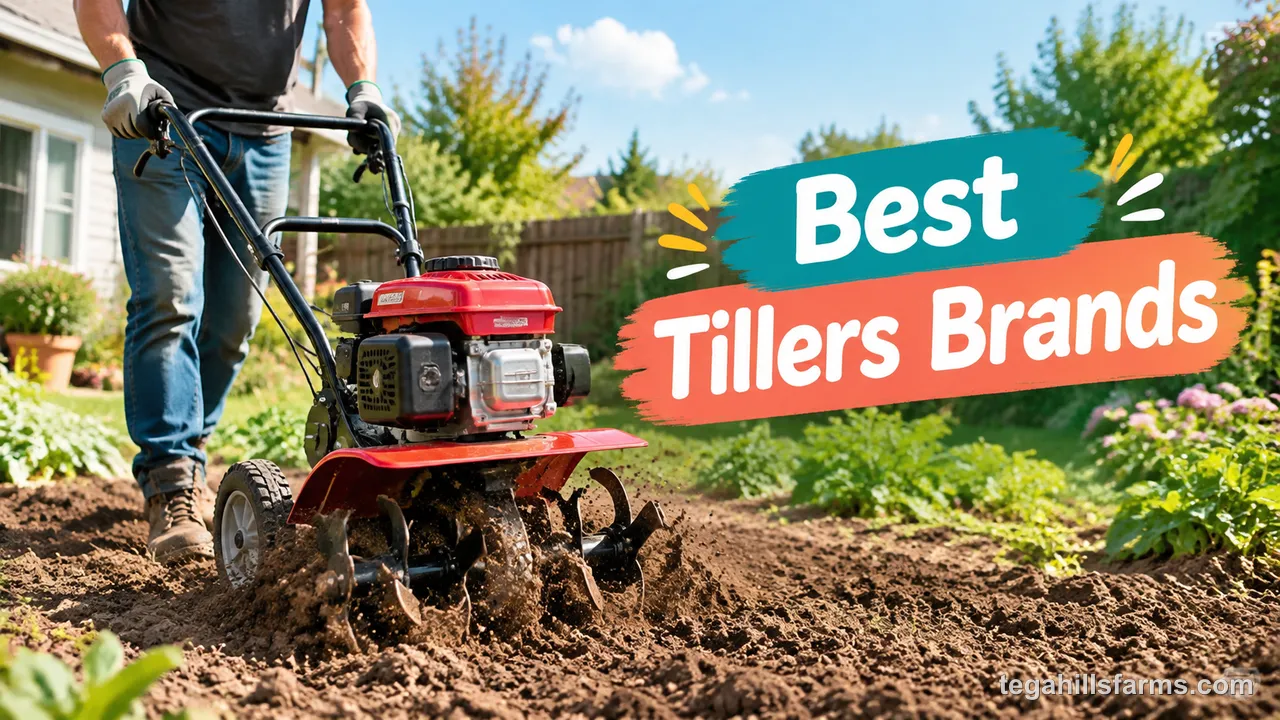
What separates these makers is tine layout, power source and how long the company keeps parts available. A rear-tine machine and a mini cultivator can carry the same badge and still suit completely different yards.
The real risk is buying a machine that fights your soil. A light front-tine tiller skips across clay, and a heavy rear-tine unit is too much machine to lift into a raised bed or squeeze into a crowded shed.
Start with the soil you have and the battery or fuel you already keep in the garage, then pick the maker that serves both.
What Defines the Best Tiller Brands in 2026?
The names worth trusting pair a tine layout matched to your soil with an engine or battery that starts reliably and replacement parts you can still order years later.
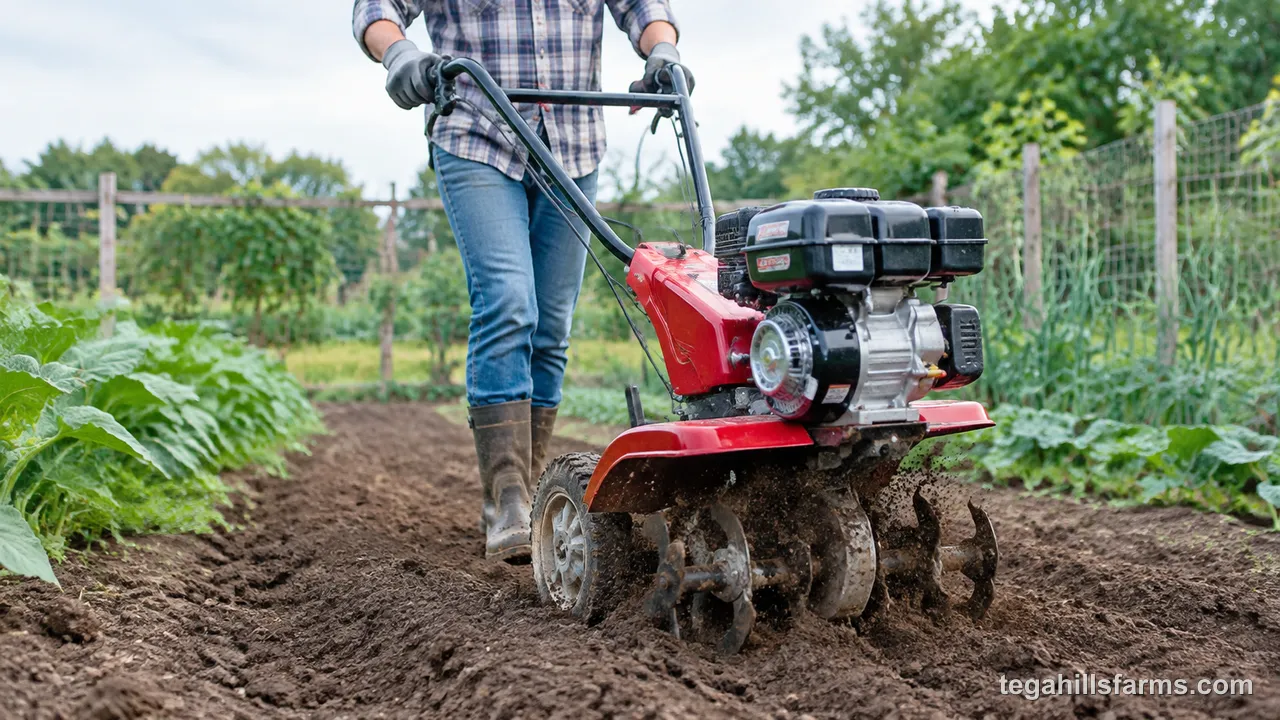
Tine layout carries the most weight because it decides whether the machine digs or bounces. Rear-tine tillers with powered wheels chew through compacted ground, while front-tine models and cultivators work best in soil that has been tilled before.
Power source comes next. Gas engines hold torque through clay, and battery units trade that force for quiet, push-button starts and no fuel to store. Parts support decides how long you keep the machine, because tines, belts and pull cords all wear out eventually. Settle tine layout and power first, since learning how to choose a tiller by those two factors cuts the list of makers down quickly.
The leading brand groups split along tine type, power, soil and garden size, and their price tiers follow the same split.
| Criterion | Troy-Bilt and Husqvarna | Honda-powered models | Craftsman and Champion | Greenworks and EGO | Sun Joe | Mantis and Earthquake |
|---|---|---|---|---|---|---|
| Main tiller types | Rear-tine and front-tine | Rear-tine and cultivators | Front-tine and rear-tine | Cordless cultivators | Corded and cordless cultivators | Mini cultivators |
| Power source | Gas | Gas | Gas | Battery | Electric | Mostly gas |
| Best soil | Clay, hardpan, new ground | Any, matched to tine type | Previously tilled beds | Loose, worked soil | Loose, worked soil | Loose bed soil |
| Best garden size | Large plots | Any size | Medium gardens | Small and raised beds | Small plots | Beds and narrow rows |
| Price tier | Mid-range to premium | Premium | Value | Mid-range to premium | Budget | Mid-range |
When you’re ready to compare individual machines instead of names, our list of the best tillers sorts top models by soil type and garden size.
Which Tiller Types Do Leading Brands Offer?
Tine position splits nearly every lineup: front-tine machines cultivate soil that’s already been broken, while rear-tine machines with powered wheels open new ground and compacted clay.
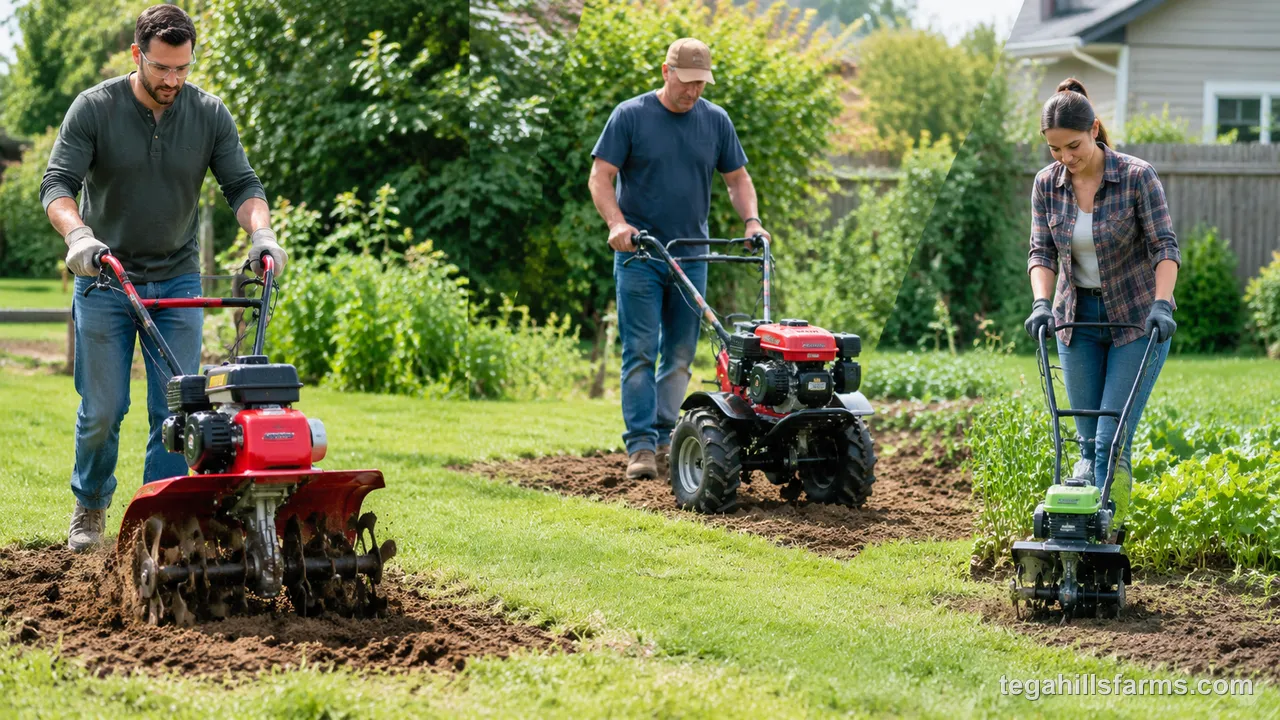
Most makers lean toward one layout or built their reputation on it, so knowing which layout your yard needs tells you which names deserve a closer look. Getting it wrong costs more than money, because the wrong machine either can’t dig your soil or is too heavy to maneuver and store.
Why Choose Front-Tine Brands for Established Gardens?
Front-tine tillers suit gardens that are already established, and Craftsman, Champion, Husqvarna and Troy-Bilt all sell them for that job. The tines sit ahead of the wheels and pull the machine forward, which keeps the frame lighter and lets you pivot at the end of a row or swing around a bed corner without much effort.
That same design becomes the weakness on hard ground. With no powered wheels driving the machine, the tines climb on top of compacted clay or sod and bounce instead of biting, and you end up holding the tiller down with your arms.
In a bed that gets turned every spring, the soil is loose enough that the tines mix in compost and chop old roots without a fight. If your beds are already worked, the best front tine tillers handle spring prep with less weight to move and store than a rear-tine machine.
Which Rear-Tine Brands Break Hard Ground Best?
Troy-Bilt is the name most tied to rear-tine tilling, with Husqvarna and Craftsman also building rear-tine machines for breaking sod and hardpan. The tines sit behind powered wheels, so the wheels drive the tiller forward at a steady pace while the tines work the soil, and you steer it rather than restrain it.
Tine rotation matters as much as the badge. Counter-rotating tines, marked CRT in Troy-Bilt model names, spin against the direction of the wheels, so they claw downward into the ground instead of pushing the machine ahead. That’s the setup to want for clay and first-time digs. Forward-rotating tines spin with the wheels and leave a finer finish in soil that’s already loose, and some models switch between both directions.
The trade-off is size, because a rear-tine tiller needs garage floor space and a way to haul it. When your ground is hard and you till a big plot every year, the best rear tine tillers save the most effort per pass.
When Is a Mini or Handheld Cultivator Brand the Smarter Pick?
A mini cultivator is the smarter pick when your soil is already loose and the work is weeding between rows, loosening raised beds or freshening flower borders. Toro’s 10″ 2-Cycle Cultivator shows the scale: a 43cc engine and 33 pounds of weight, tilling 6 to 10 inches wide and up to 8 inches deep.
That’s light enough to lift over a bed wall or carry down porch steps, and the adjustable width lets it slip between tomato rows without tearing into the plants.
It stops being the smart pick on sod and untouched clay. A machine that light rides up on hard ground, so you’d spend the afternoon making shallow passes that a rear-tine tiller would finish once. Battery cultivators from Greenworks and EGO fill the same role with quieter, fuel-free operation.
Which Brands Lead for Gas Power and Hard Soil?
Troy-Bilt and Husqvarna come out ahead on clay, hardpan and new ground because their heavy rear-tine machines keep digging where lighter tillers stall.
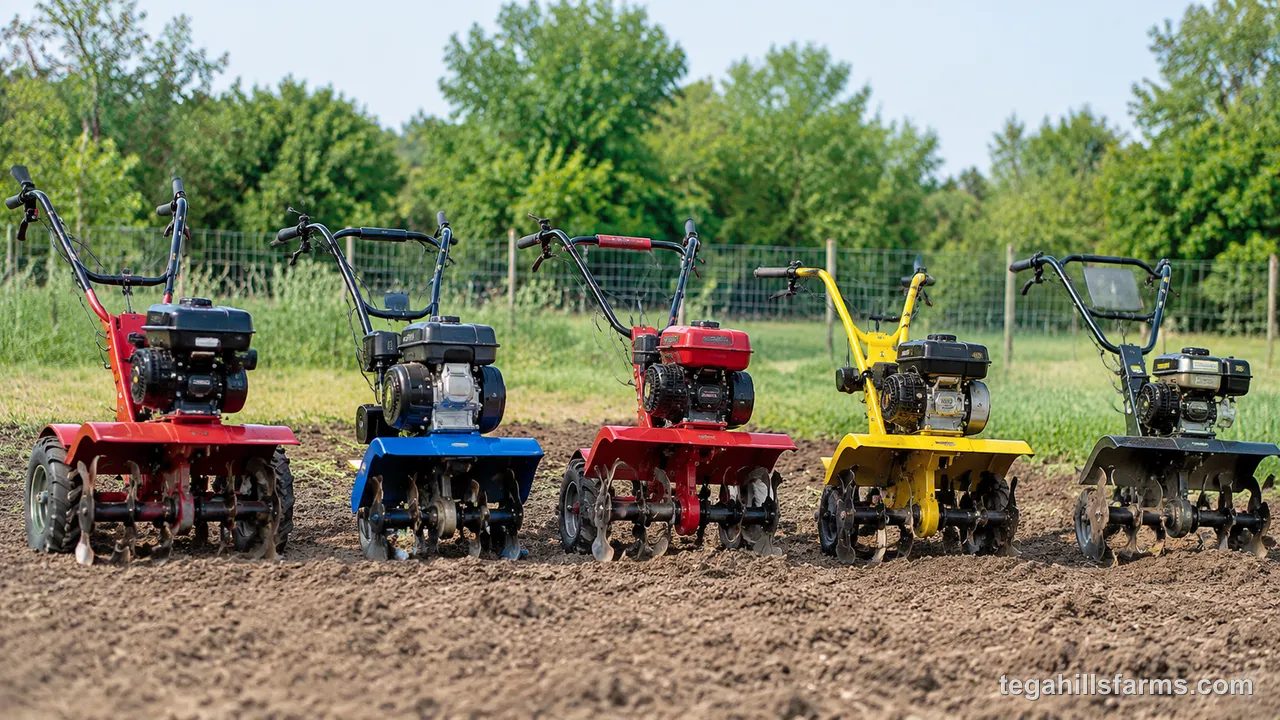
Gas still earns its place for this work, since an engine holds steady torque through a long session in dense soil and refuels on the spot. The engine behind the badge and the company’s parts support separate a tiller that runs for years from one that ends up parked by a stubborn carburetor.
Troy-Bilt and Husqvarna: Workhorse Brands for Large Gardens?
Troy-Bilt’s Super Bronco CRT shows what a workhorse rear-tine tiller looks like: a 208cc engine, counter-rotating tines that cut 16 inches wide and 6 inches deep, and 184 pounds of weight.
That weight is the point, because mass keeps the tines buried in clay instead of riding up. It also means you’ll want a ramp or trailer if the tiller ever leaves your property. The width covers a large garden in far fewer passes than a cultivator, and the depth loosens enough soil for most vegetable beds.
Husqvarna builds rear-tine and front-tine tillers and sells them through servicing dealers as well as home centers, which matters when a belt or tine shaft needs a professional. Choose Troy-Bilt if you want a long rear-tine lineup with parts easy to find at big-box stores. Choose Husqvarna if a local dealer you trust carries it and can handle repairs.
Honda and Honda-Powered Brands: Why Pay for Engine Reputation?
Paying for Honda’s engine reputation makes sense when you till every season and want the machine to start without a fight years from now. Honda’s GC and GX small engines show up on tillers from several makers, including Mantis and a number of heavier rear-tine machines, so the Honda name often appears on the engine rather than the tiller.
The premium buys smoother running and less vibration through the handlebars, which your wrists notice after a long session in clay. It also buys a widely supported engine, since spark plugs, air filters and carburetor parts for Honda engines are easy to find at small-engine shops.
The premium makes less sense for a tiller that comes out briefly each spring. Untreated gasoline gums up any carburetor over winter, Honda included, so fuel stabilizer or a dry tank matters more than the badge. I’d pay for the Honda engine only when the tiller will see heavy use every year.
Craftsman and Champion: Value Gas Brands Worth Considering?
Craftsman and Champion are worth a look when you want gas power for an established garden without paying for a premium engine name. Craftsman sells front-tine and rear-tine tillers through home centers, so replacement parts and service options are easy to track down. Champion, better known for generators, builds front-tine tillers powered by its own engines.
The savings come from simpler engines and fewer dealers, which matters little in a garden you till each spring but shows up when you’re breaking hard ground for hours. Compare the best craftsman tillers if you want a rear-tine option at a value price. The best champion tillers fit homeowners who mostly cultivate worked beds and already run a Champion generator.
Which Brands Are Best for Battery and Electric Gardens?
Greenworks and EGO lead cordless tilling, largely because one battery also runs their mowers, trimmers and blowers.
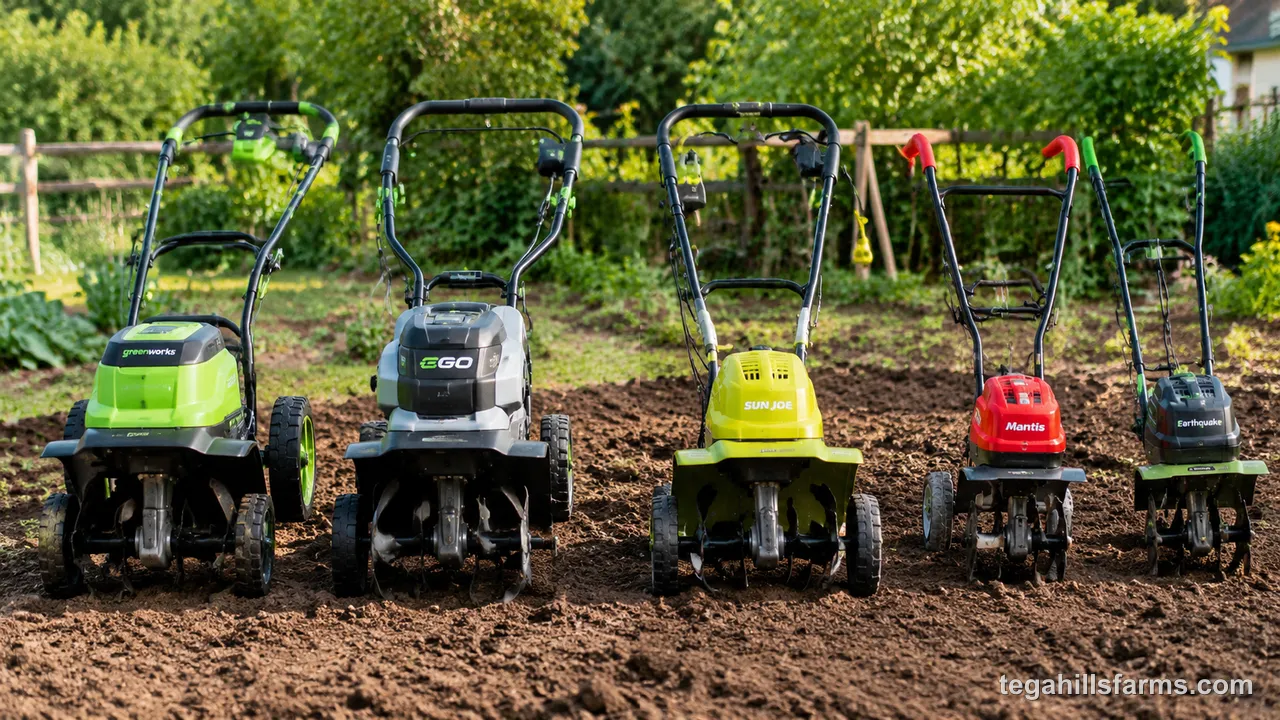
Electric tillers from any maker work best in soil that’s already loose, since they lack the weight and sustained torque of a gas rear-tine machine. In return they start instantly, run quietly enough for early mornings in a tight neighborhood, and skip oil changes and stale fuel entirely. The battery or cord you already use often decides the brand before any spec does.
Greenworks and EGO: Which Battery Platform Fits Your Yard Tools?
Greenworks makes sense if you already own its tools, and EGO makes sense if your garage runs on EGO batteries, because a tool-only cultivator from your existing platform costs far less than a kit with a new battery and charger. The Greenworks 40V cultivator tills a 10-inch path on a 4.0 Ah battery. That amp-hour rating sets runtime, so a larger pack keeps the tines turning longer between charges, which matters more in a full vegetable bed than in a few raised beds.
Greenworks runs several battery voltage lines, and packs don’t cross between them, so match the cultivator to the line your mower already uses. EGO keeps its yard tools on one battery system, which makes sharing simpler.
Both brands’ batteries should spend winter indoors rather than in a freezing garage. If you’re already on one platform, compare the best greenworks tillers or the best ego tillers for models that share your packs.
Sun Joe: Best Budget Electric Brand for Small Plots?
Sun Joe is a sensible budget pick for small plots with an outdoor outlet nearby, because its corded tillers never stop for a recharge and are light enough to tuck into a corner of the garage. Its electric models suit loosening soil in established beds and raised beds, and the brand also offers cordless versions on its own battery system.
The limits come from the cord and the motor. You’ll need an outdoor-rated extension cord plugged into a GFCI outlet, and dragging it across a bed takes care to keep it clear of the tines.
A corded motor also lacks the push to break sod. Sun Joe fits only where the ground has already been worked.
Mantis and Earthquake: Lightweight Cultivator Specialists?
Mantis and Earthquake suit gardeners who weed between rows, freshen flower beds or would rather not wrestle a heavy machine, including older gardeners and anyone with a sore back. Mantis’s 25cc cultivator tills a 9-inch path, narrow enough to work between established plants without chewing into the roots along the row edge.
Earthquake’s cultivator steps up to a 43cc engine and a 10-inch tilling width, and the larger engine gives it more pull in bed soil that has firmed up over a season. That makes Mantis the better fit for tight perennial borders where the narrower path keeps tines away from plants. Earthquake fits beds that need more power to break a crusted surface.
Both are compact enough to store in a small corner, and neither replaces a rear-tine tiller on new ground.
How to Pick the Right Brand for Your Yard Size and Budget?
Soil hardness sets the tine layout and plot area sets the width and weight, which together leave only a few makers worth comparing.
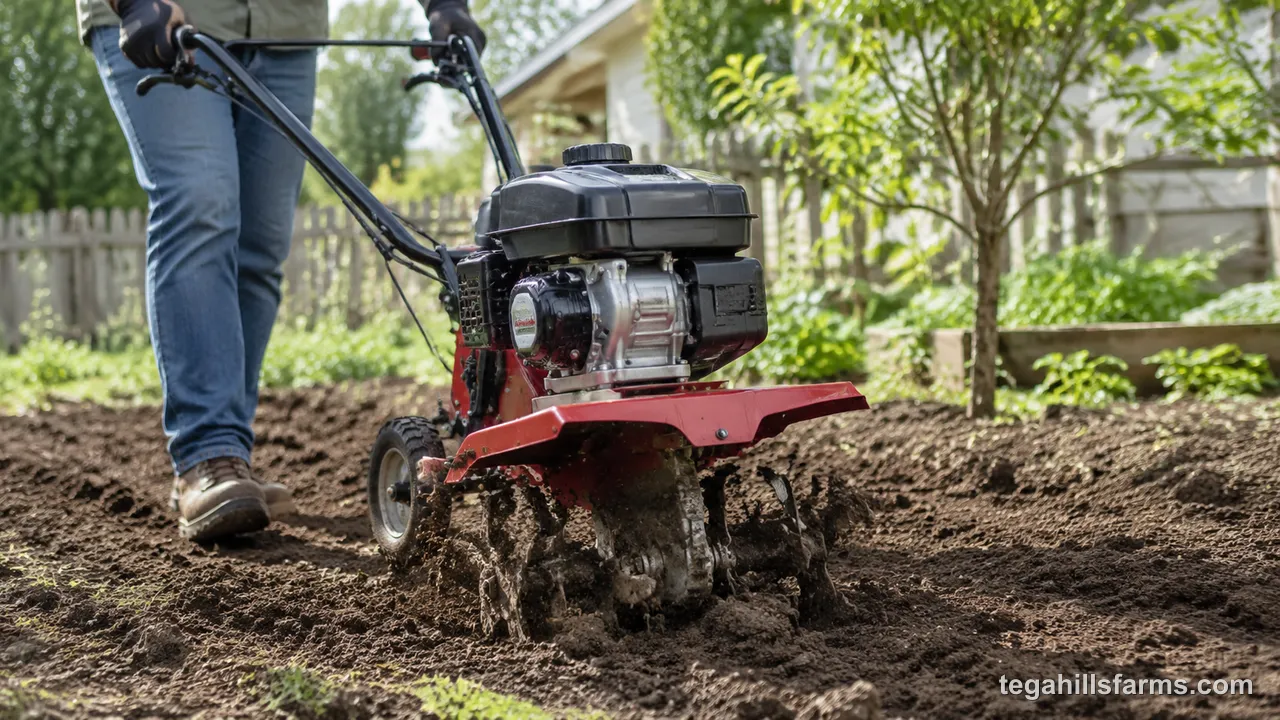
Many brand-name tillers sell for roughly $250 to $750, and where a machine lands in that range tracks its weight, engine and tine layout more than its logo. Your own strength matters too, because a machine you can’t control or lift safely won’t get used.
Matching Brand Power to Soil: Clay, Hardpan, and Sandy Loam
Hard and clay soils call for a rear-tine machine with counter-rotating tines, while loose and sandy soils let lighter front-tine and cultivator brands do the work.
- Clay and hardpan: choose a Troy-Bilt or Husqvarna rear-tine model, and till when the soil crumbles in your hand rather than smearing, since wet clay dries into hard clods.
- Previously tilled loam: choose a front-tine tiller from Craftsman or Champion if the bed gets turned every spring.
- Sandy loam and raised beds: choose a Mantis, Earthquake, Greenworks or EGO cultivator, because loose soil doesn’t need weight or wheel drive.
For machines built specifically for compacted ground, the best tillers for hard soil narrow the field to rear-tine and heavy-duty models.
Matching Brand Size to Garden: Small Beds vs Half-Acre Plots?
Garden size decides how much width and weight are worth buying and storing, from cultivators for beds up to rear-tine tillers or tow-behind gear for half-acre plots.
- Small beds and raised beds: choose a battery or corded cultivator from Greenworks, EGO or Sun Joe if storage space is tight.
- Medium vegetable gardens: choose a front-tine tiller from Craftsman, Champion or Husqvarna if you want a wider path without rear-tine bulk.
- Half-acre plots: choose a Troy-Bilt or Husqvarna rear-tine tiller, or pull a disc cultivator behind a lawn tractor. Agri-Fab’s disc cultivator uses eight 11-inch discs and works the ground without you walking behind a machine.
Plots on the bigger end deserve a look at the best tillers for large gardens, where width and wheel drive pay off most.
Tines wear down against rocks and clay, and belts stretch after seasons of hard pulling, so every tiller eventually needs parts from the company whose name is on it. Look-alike machines sold under unfamiliar names often copy the shape of known models but use components no dealer stocks, and a single bent tine on one of them can leave the tiller parked through planting season.
How to Verify a Genuine Brand Tiller and Find Replacement Parts
A genuine brand tiller carries a model and serial number plate that matches the brand’s own parts lookup, and buying through an authorized seller is the surest way to get one. Check these points before you pay:
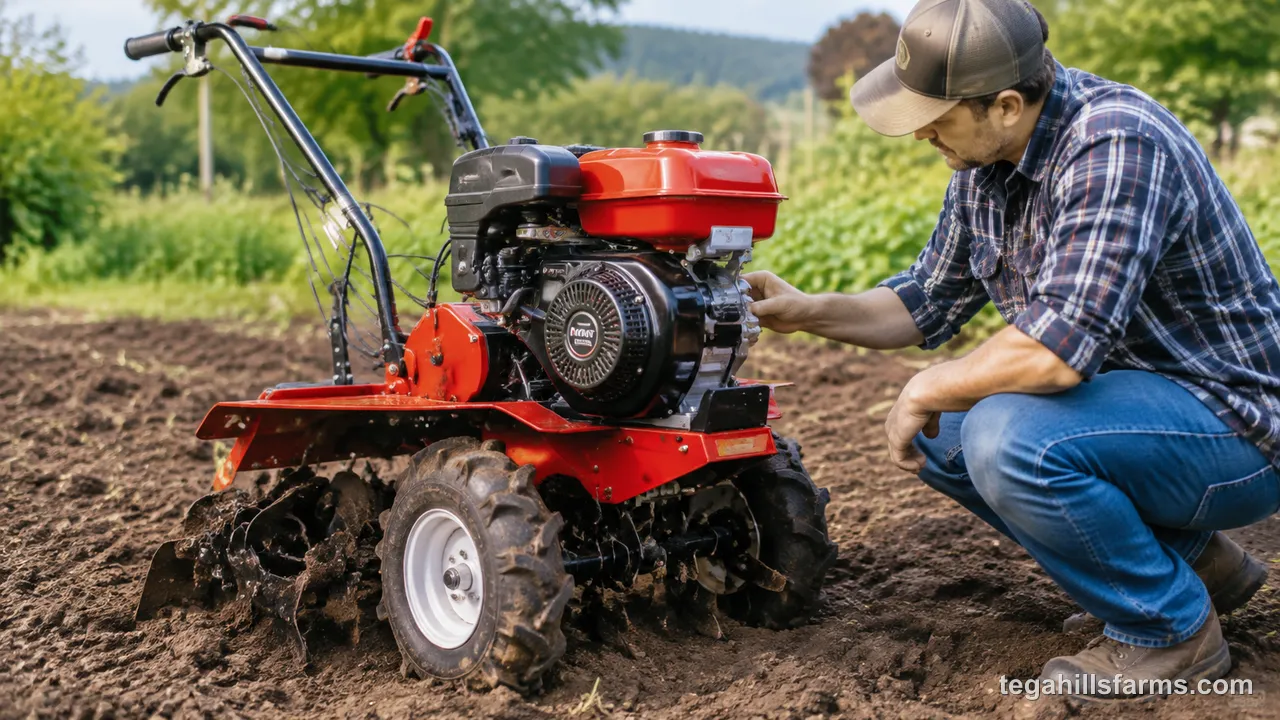
- Model plate: find the model and serial numbers on the frame or engine, then enter them in the brand’s parts finder. A match pulls up parts diagrams and part numbers.
- Seller: buy from the brand’s site, a listed dealer or a major home center. Marketplace listings that pair a brand name with words like “compatible” or “fits” are usually selling something else.
- Engine label: confirm the engine maker printed on the machine matches the listing, especially when you’re paying extra for a Honda engine.
- Manual and registration: genuine models have a downloadable owner’s manual and a warranty registration page on the brand’s website.
Once the tiller is home, save the model number on your phone so you can order tines, belts and pull cords by number instead of by photo.
Quick Answers: Brand Durability, Noise, and Storage
Which tiller brands hold up the longest?
Longevity depends more on upkeep and parts support than on the badge. Makers with dealer networks and widely supported engines, like Troy-Bilt, Husqvarna and Honda-powered models, are easier to keep running, but any tiller lasts longer with fresh oil, clean air filters and stabilized fuel.
Are battery tillers quieter than gas tillers?
Yes. Battery and corded tillers have no combustion or exhaust noise, so you mostly hear the motor and the tines hitting soil. That makes them easier to run early in the morning or near close neighbors, and the best quiet electric tillers are built around that advantage.
How should I store a tiller over winter?
For gas models, add fuel stabilizer and run the engine briefly so it reaches the carburetor, or run the tank dry, then change the oil. For battery models, keep the pack indoors in a cool, dry spot instead of a freezing garage, and scrape dried soil off the tines.
Do tiller tines need sharpening?
Usually not. Tiller tines chop and churn soil rather than slicing it, so a dull edge barely changes performance. Replace tines when they’re worn noticeably shorter, bent or cracked, and order them by your model number so the shape and bolt pattern match.
More Guides on Best Tiller Brands
- Best Earthquake Tillers
- Best Sun Joe Tillers