9 Best Garden Spades (2026): Expert Picks Reviewed
Our top picks for the best garden spades in 2026 are the Fiskars 46″ Transplanting Spade (Best Overall), the VNIMTI Spade Shovel 45in D-Grip Wood Handle (Best Budget), the Fiskars Solid Pointed Spade 46in (Best for Heavy Soil), the Fiskars Pro Garden Shovel 44″ (Best Premium), the Truper Tru Pro Square Point Shovel D-Handle 30″ (Best for Professionals), the HANTOP Flat Spade (Best Precision Cutting), the VNIMTI Spade Shovel D-Handle 45in (Best Durability), the Root Slayer 22011 Garden Shovel (Best for Heavy Pruning), and the Spear Head Spade SHFD3 40″ Garden Spade (Best Ergonomic Design).
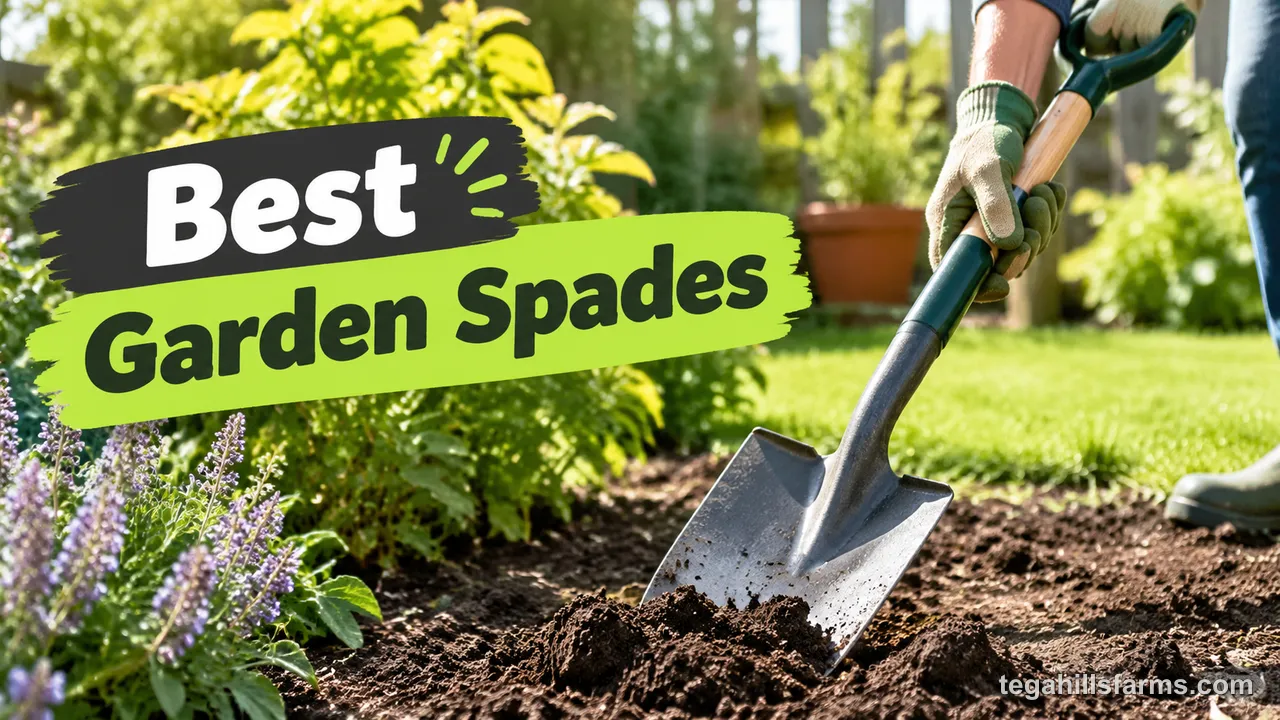
These spades differ in three places that matter once you’re a few holes into a planting day: the shape of the blade tip, the steel and finish that keep the edge working, and the handle your hands hold for the whole job.
A spade usually fails where the blade meets the handle, and a grip that doesn’t fit your hand turns an hour of digging into sore wrists the next morning. Both problems are built in at the factory, so they’re worth checking before you buy rather than after the first season.
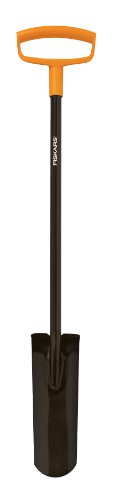


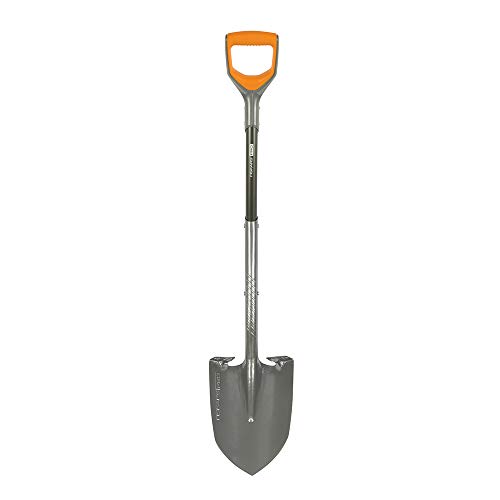


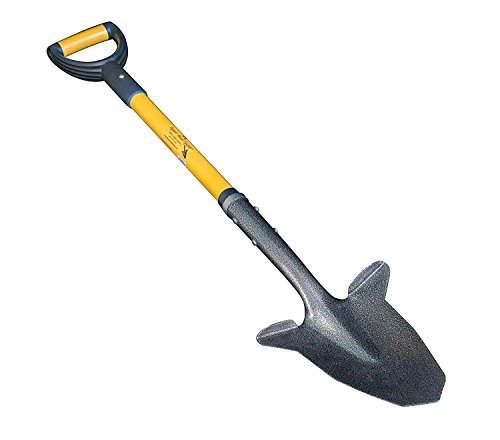
Match the blade to your worst patch of ground, not your best. A tip that handles stony clay will also work loose bed soil, but a blade made for soft beds won’t hold up in rock.
What Is a Garden Spade and How Is It Different From a Shovel?
A flat, straight-edged blade slices, lifts, edges and plants, while a shovel’s rounded, dished scoop is shaped to carry loose material such as mulch, gravel and compost.
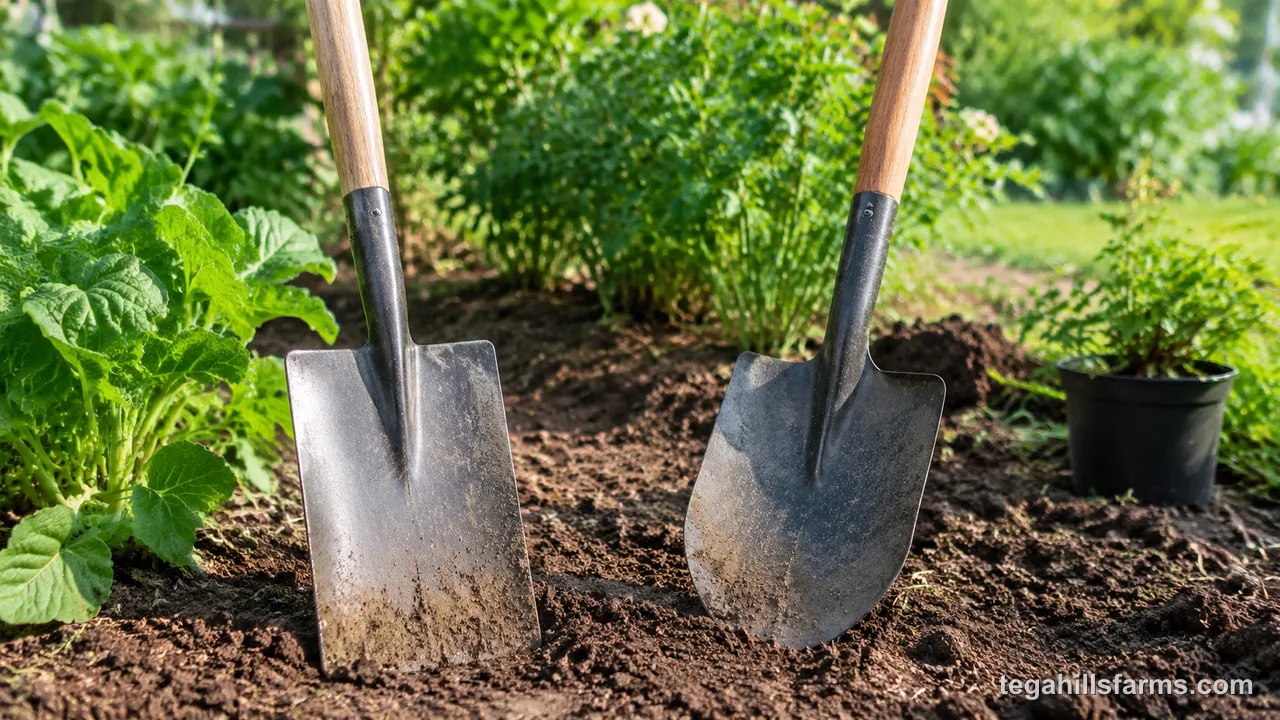
That flat face is why a spade cuts clean sides on a planting hole, severs turf along a bed edge and lifts a perennial with its root ball intact. A shovel’s curve holds more loose material per lift, so it wins when you’re moving a pile from one spot to another rather than cutting into undisturbed ground. Product names blur the line: several square-point and pointed tools sold as shovels behave like spades in the bed, and for true scooping work it’s worth comparing the best garden shovels as their own category.
For a wider look at the digging, cutting and raking gear every yard needs, see our guide to the best garden hand tools.
What Should You Look for in a Garden Spade?
The blade’s contact with the soil and the handle’s fit in your hands decide how hard each dig feels and how many seasons the tool lasts. A spade that pierces your ground easily but rusts at the edge, or leaves your palms aching, still costs you effort every time you pick it up. Those two contact points are also where cheap construction shows first, usually as a dull edge, a flexing shaft or a grip that slips once your gloves get damp.
Which Blade Shape and Edge Digs Best in Your Soil?
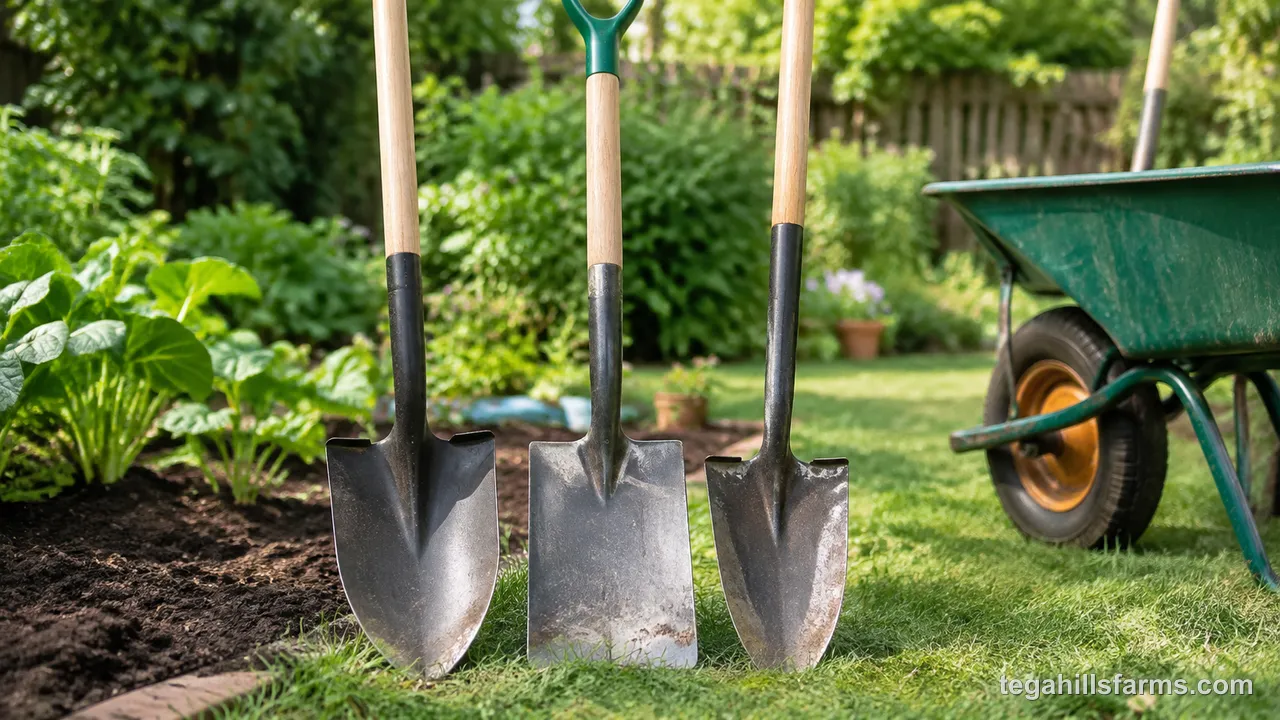
Pointed tips break into compacted, stony ground most easily, while flat or square-point blades give the cleanest cuts in soil that is already workable. A pointed tip focuses your weight on a narrow area, so it slides between stones and splits clay where a flat edge would bounce back.
A flat blade does the opposite job well. It cuts straight bed edges, squares off trench walls and leaves a level hole bottom, but it stalls when it meets rock. Narrow transplanting blades go deep without disturbing nearby roots, which suits dividing perennials in a crowded bed. Serrated edges and inverted V-shaped root-cutting tips saw through fibrous roots and thick turf instead of pushing them aside.
Whatever the shape, a sharpened edge and a tread for your foot do most of the work. The edge lowers the force needed to start the cut, and a wide tread spreads your boot pressure so you drive the blade with body weight instead of arm strength.
Which Blade Steel and Coating Resist Rust and Wear Best?
Hardened steel keeps an edge longest in stony ground, stainless steel resists rust best, and plain carbon steel sharpens most easily but needs the most care. Carbon steel takes a keen edge and files back into shape quickly, yet it rusts if you put it away wet. Hardened steel has been heat-treated so it resists bending and dulling, which stretches the time between sharpenings.
Stainless steel shrugs off rust and lets sticky clay slide off the face, though it usually won’t hold an edge as long as good carbon steel. If low upkeep matters more to you than a razor edge, compare the best stainless steel spades.
Powder coating and epoxy finishes protect carbon steel from moisture and help soil release, but they wear off the cutting edge first. That bare edge is the part to dry and oil after each use, because rust starts there and pits the steel you’ll later sharpen.
Which Handle Material and Grip Style Is Most Comfortable?
Wood absorbs shock best, fiberglass is lightest and ignores weather, and steel or aluminum resists breaking under a heavy lift. Ash and other hardwoods flex slightly, which softens the jolt when the blade hits a stone and feels warmer in cold hands, but wood needs oil and can split if it lives outdoors. Fiberglass stays smooth and rot-free in any weather; its weak point is prying, where a sideways load can crack it. Steel and aluminum shafts don’t flex, so you feel more vibration, but they won’t snap when you lever a root ball out of the hole.
A D-handle gives your top hand a closed loop to steer and lift with, leaves room for a gloved fist and works the same for left- and right-handed diggers. A T-handle is more compact but gives your hand nothing to hook under, so a full load of wet soil tips more easily as you raise it, and your wrist works harder to keep it level.
The 9 Best Garden Spades of 2026 Ranked
In ranked order, the picks are the Fiskars 46″ Transplanting Spade, the VNIMTI Spade Shovel 45in D-Grip Wood Handle, the Fiskars Solid Pointed Spade 46in, the Fiskars Pro Garden Shovel 44″, the Truper Tru Pro Square Point Shovel D-Handle 30″, the HANTOP Flat Spade, the VNIMTI Spade Shovel D-Handle 45in, the Root Slayer 22011 Garden Shovel and the Spear Head Spade SHFD3 40″ Garden Spade. The choice between them turns on whether your ground needs a point to pierce it or a flat or serrated edge to cut it, and on how much weight and shock your hands and wrists can comfortably absorb over a full afternoon of digging.
#1 Fiskars 46″ Transplanting Spade — Best Overall
Gardeners who plant bulbs and set perennials in deep, narrow holes will get the most from it. Its welded 14-gauge steel blade and 18-gauge steel shaft won’t flex the way fiberglass can, and the extra-large D-handle keeps two gloved hands firmly in control.
Key Specs:
- Overall length: 46 in
- Blade: welded 14-gauge steel, sharpened edge
- Shaft: 18-gauge steel, teardrop-shaped profile
- Handle: extra-large D-handle
- Model: 96546925J
Detailed Review:
Steel from tip to grip is what gives this spade its staying power. A welded 14-gauge blade joined to an 18-gauge steel shaft has no wooden handle to work loose and no fiberglass to flex, so the force you put into the handle reaches the tip instead of bending the tool.
The blade is made for transplanting work: small, deep holes, lifting bulbs and setting plants into a bed without widening the hole more than needed. Its sharpened edge starts the cut in hardened soil and splits dried clods, so you spend less effort chopping at the surface before the blade bites.
The handle end is where the comfort comes from. The extra-large D-handle leaves room for a gloved hand, and the teardrop-shaped shaft follows the natural curve of your grip, so your lower hand doesn’t have to clamp hard to stop the blade from twisting. That matters most late in a session, when grip strength fades and a round shaft starts rolling in the palm.
Steel does carry vibration straight to your hands when the blade strikes a buried stone. Padded gloves take the edge off that jolt.
Pros:
- Welded steel blade and shaft won’t flex under load.
- Extra-large D-handle fits two gloved hands comfortably.
- Teardrop shaft resists twisting in a tired grip.
- Sharpened edge breaks up hardened clods easily.
Cons:
- Steel shaft passes stone strikes straight to your hands.
- Blade built for small holes moves less soil per lift.
Who It’s For:
Gardeners who spend spring dividing perennials, setting new shrubs and lifting bulbs will appreciate a spade that goes deep without flexing. It also suits anyone who digs in gloves and wants a handle roomy enough for both hands. If you mostly move loose mulch or compost, a scoop-shaped shovel serves you better.
Editor’s Verdict:
Expect a rigid, comfortable transplanting spade whose all-steel construction should outlast wood-handled tools in a busy planting bed.
#2 VNIMTI Spade Shovel 45in D-Grip Wood Handle — Best Budget
A tight perennial border is where this narrow spade feels at home. At 3 lb with a solid wood handle and steel D-grip, it slips a long blade below root systems and lifts a clean plug without disturbing the neighbors, and it asks little of older hands.
Key Specs:
- Overall length: 45 in
- Weight: 3 lb
- Blade: long, narrow transplanting blade
- Handle: solid wood with steel D-grip
- Foot plates: corrugated
Detailed Review:
The narrow blade shapes everything about how this spade works. Because the width is small, your body weight lands on less steel, which drives the tip into clay, hard soil and thick grass with less effort. The same width lets you cut a round plug around a perennial and lift it without slicing into the plant next door.
At 3 lb, it is noticeably lighter than the Fiskars Solid Pointed Spade 46in at 4.3 lb, so your arms and shoulders tire less over a long morning of transplanting. That makes it a practical pick for older gardeners or anyone with limited strength.
The D-grip gives good leverage for lifting soil out of a deep hole, and the corrugated foot plates hold your boot without slipping on wet mornings. The solid wood shaft feels warm in the hand; like any wood handle, it lasts longer with an occasional coat of oil.
The narrow blade that helps in tight beds also limits it on bigger jobs, because each lift carries less soil, and it is built for light and medium work rather than heavy prying. If price decides the purchase, weigh it against other garden spades under $50.
Pros:
- Narrow blade lifts clean plugs in crowded beds.
- Light weight suits gardeners with limited strength.
- Corrugated foot plates reduce boot slippage.
- Solid wood shaft feels warm in cold hands.
Cons:
- Narrow blade carries less soil per lift.
- Wood shaft needs oiling to resist drying and splitting.
Who It’s For:
Anyone who divides perennials and moves small plants between crowded beds will find this spade easy to steer and easy to lift. Older gardeners and those with limited hand or arm strength get an affordable tool that still breaks into clay. Heavy trenching and prying call for a sturdier build.
Editor’s Verdict:
Choose it for precise transplanting work where a narrow blade and light build matter more than raw digging power.
#3 Fiskars Solid Pointed Spade 46in — Best for Heavy Soil
If your beds sit on hard, stony ground, this is the spade to reach for. Its sharp, hardened pointed blade with a tread surface lets you step the tip into compacted soil and between rocks instead of jabbing with your arms.
Key Specs:
- Overall length: 46 in (116.6 cm)
- Weight: 4.3 lb (1.94 kg)
- Blade: hardened steel, pointed, with tread surface
- Handle: D-handle
- Materials: steel and plastic
- Model: 1066716
Detailed Review:
The pointed, hardened blade handles ground that stops flatter heads. A point concentrates your weight on a small area, so it finds gaps between stones and splits packed clay, and the hardened steel keeps that point from dulling as it grinds against rock. It also slices through roots and cuts lawn edges cleanly.
The tread surface on the blade gives your boot a firm place to push. That shifts the effort from your arms to your legs, which is how you want to dig in heavy soil, because leg muscles carry the load far longer than wrists and shoulders.
The overall length puts the D-handle at a working height that keeps your back upright rather than hunched, and the D-handle sits comfortably in large and small hands alike. At 4.3 lb, it carries enough mass to drive the point down without feeling clumsy between holes.
Heavy clay is where it pays off; for more options built around that problem, compare the best garden spades for clay soil. The pointed tip leaves a rounded hole bottom, so it suits less well for cutting square trench walls.
Pros:
- Hardened pointed tip splits packed clay and stony ground.
- Tread surface lets leg strength drive the blade.
- Working height supports an upright, back-friendly posture.
- Cuts through roots and lawn edges cleanly.
Cons:
- Pointed tip leaves rounded holes, not square edges.
- Pointed blade scoops less loose soil than a flat face.
Who It’s For:
Homeowners stuck with compacted clay, rocky fill or root-laced ground will feel the difference a hardened point makes. Gardeners of any height can work at a comfortable posture with it. Those who mostly edge beds or dig neat, square trenches will get cleaner results from a flat blade such as the HANTOP Flat Spade.
Editor’s Verdict:
Pick this one when hard, stony soil is the daily obstacle; the hardened point and tread turn tough digging into steady, leg-driven work.
#4 Fiskars Pro Garden Shovel 44″ — Best Premium
This one is built for gardeners who pry as hard as they dig. A heavy-gauge sharpened steel blade holds its edge through heavy use, the aluminum D-handle adds strength at the grip, and a lifetime warranty backs the whole tool.
Key Specs:
- Overall length: 44 in
- Weight: 5.6 lb
- Blade: heavy-gauge steel, sharpened edge
- Handle: aluminum D-handle, teardrop-shaped shaft
- Warranty: lifetime
- Model: 397960-1001
Detailed Review:
This is the spade I’d hand to someone who levers out root balls and old shrubs rather than just digging holes. The heavy-gauge blade is built to dig and pry without separating from the shaft, which is the joint that gives way on lighter tools when you lean back on the handle.
The sharpened edge penetrates tough soil and stays sharp through heavy use, so turning a whole bed doesn’t mean stopping halfway to file. An aluminum D-handle adds strength at the top, where your hand pulls hardest, and the teardrop-shaped shaft gives the lower hand a profile that won’t roll.
The trade-off is weight. At 5.6 lb, it is heavier than the Fiskars Solid Pointed Spade 46in at 4.3 lb, and that extra mass adds up across an afternoon of lifting full loads. It helps when driving the blade into hard ground, but older gardeners or anyone with weak wrists will feel it.
The lifetime warranty backs the sturdier construction, which matters when a spade is meant to stay in the shed for many seasons rather than being replaced after a few.
Pros:
- Heavy-gauge blade pries without separating from the shaft.
- Sharpened edge stays sharp through heavy use.
- Aluminum D-handle adds strength at the grip.
- Lifetime warranty covers the whole tool.
Cons:
- Extra weight tires arms during long lifting sessions.
- The premium build means a heavier, more robust tool than a basic wood-handled spade, which some gardeners may not need for light jobs.
Who It’s For:
Yards with old shrubs to remove, tough soil to turn and roots to lever out call for a rigid tool like this. It rewards gardeners who dig often and want one premium spade to last. If light weight and easy lifting come first, the VNIMTI Spade Shovel 45in D-Grip Wood Handle is easier on the arms.
Editor’s Verdict:
Buy it if you pry, lever and turn soil hard every season and want a lifetime-backed spade that holds together under that load.
#5 Truper Tru Pro Square Point Shovel D-Handle 30″ — Best for Professionals
Landscape crews and hard-working homeowners get a tool tuned for control at close range. The 30-inch North American white ash handle with a D-grip keeps the square-point blade balanced, while a double-riveted extended socket holds the heavy 14-gauge steel head firmly in place.
Key Specs:
- Handle: 30-inch North American white ash, D-grip
- Blade: 14-gauge steel, square point
- Socket: double riveted, extended
- Model: 31210
Detailed Review:
The socket is where many wood-handled tools fail first, and it is this one’s standout feature. A double-riveted, extended socket wraps more of the ash handle and pins it in two places, so the head stays tight through the repeated prying and shock of daily use.
White ash gives a good balance of strength and flex, which means the handle absorbs some of the jolt from hitting buried rock instead of passing it all to your hands. The heavy 14-gauge steel blade adds toughness for scraping, trenching and squaring off hole bottoms with its flat front edge.
The 30-inch handle changes how the tool works. Your hands sit closer to the blade, which gives precise control in trenches, against foundations and around tight plantings. The cost is reach and leverage: you bend more to work, and you have less length to pry with when lifting a full load.
For long stints of open digging, a full-length handle is easier on the back. Where accuracy and a joint that won’t loosen count more than leverage, this build makes sense.
Pros:
- Double-riveted extended socket keeps the head tight.
- White ash handle absorbs shock and resists breaking.
- Square point leaves flat trench and hole bottoms.
- Short handle gives precise control in tight spaces.
Cons:
- Short handle forces more bending during long digs.
- Less leverage for prying out large root balls.
Who It’s For:
Work in trenches, along foundations and between established plantings favors a short, controllable tool like this one. Professionals and frequent diggers who need a handle that takes daily abuse will value the riveted socket. Taller gardeners doing long sessions of open digging may prefer a full-length handle.
Editor’s Verdict:
Count on it for precise, repeated work in tight spots, where a riveted socket and ash handle matter more than reach.
#6 HANTOP Flat Spade — Best Precision Cutting
Edging and turf cutting are where this flat spade shines. Its sawtooth 1050MN steel head bites into hard soil and breaks up dried clods, while the widened foot platforms let you drive straight down with your full weight.
Key Specs:
- Dimensions: 7.5 x 2 x 43 in
- Weight: 4.5 lb
- Blade: flat sawtooth head, 1050MN steel
- Handle: fiberglass with PP grip
- Footrests: widened foot platforms
Detailed Review:
A flat blade with a sawtooth edge is what makes this spade so good at clean cuts. The flat face drives straight down to leave vertical bed edges and trench walls, and the teeth catch and tear through matted turf and hardened clods that a smooth edge tends to skate over.
The widened foot platforms matter for precision as much as for power. With a broad surface under your boot, you can press evenly along an edging line and keep the blade vertical, rather than rocking it and widening the cut.
The fiberglass handle shrugs off rain and won’t rot if the spade lives in an open shed, and the PP grip stays comfortable in damp gloves. At 4.5 lb, it is heavier than the VNIMTI Spade Shovel D-Handle 45in at 3.7 lb; the gap is minor in edging work but noticeable over a long afternoon of trenching.
Fiberglass is the weak link if you use the spade to pry. A sideways lever on a stuck root can crack the shaft, so cut roots free rather than levering against them.
Pros:
- Sawtooth edge tears through thick turf and dried clods.
- Flat face leaves clean, vertical edges and trench walls.
- Wide foot platforms keep the blade straight while pushing.
- Fiberglass handle won’t rot in wet weather.
Cons:
- Fiberglass shaft can crack under heavy prying.
- Flat blade stalls when it meets buried rock.
Who It’s For:
Tidy bed borders, new lawn edges and narrow irrigation trenches are the jobs that suit it. Gardeners who leave tools in a damp shed will appreciate a handle that doesn’t rot. If your ground is full of stones, a pointed blade such as the Fiskars Solid Pointed Spade 46in breaks in more easily.
Editor’s Verdict:
Reach for it when the job calls for straight lines, such as edges, trenches and turf strips, cut cleanly with steady foot pressure.
#7 VNIMTI Spade Shovel D-Handle 45in — Best Durability
Wet, heavy soil is hard on steel, and this square-head spade is built to keep working in it. The high-strength steel blade carries a rust-resistant coating, and the solid wood D-handle is made to resist breaking when you dig or move heavy loads.
Key Specs:
- Overall length: 45 in
- Weight: 3.7 lb
- Blade: high-strength steel, flat square head, rust-resistant coating
- Handle: solid wood, ergonomic D-shaped grip
- Treads: non-slip
- Model: HT_004
Detailed Review:
The rust-resistant coating is what gives this spade its long service life. Wet soil is what pits a bare blade and dulls its edge, and the coated surface keeps moisture off the high-strength steel so the blade stays sharp even after heavy use.
The solid wood handle runs the full 45 inches and is built not to break when you dig or carry heavy material. That length keeps you standing more upright, which reduces strain on the lower back. The ergonomic D-shaped grip gives a firm hold, and the non-slip treads on the head steady your boot as you drive the blade down.
Next to the VNIMTI Spade Shovel 45in D-Grip Wood Handle, this model trades a long, narrow transplanting blade for a flat square head and weighs 3.7 lb against that spade’s 3 lb. The flat head suits edging, turf cutting and general digging; the narrow one is better for lifting plugs in tight beds.
Wood still asks for a little care to reach its full lifespan. Wipe the handle dry after wet days and oil it before winter storage.
Pros:
- Rust-resistant coating protects the blade in wet soil.
- Solid wood handle resists breaking under heavy loads.
- Non-slip treads steady your foot while digging.
- Flat head handles edging, turf cutting and digging.
Cons:
- Wood handle needs drying and oiling to last.
- Flat square head struggles in rocky ground.
Who It’s For:
If your garden stays damp for much of the year, a coated blade and a sturdy wood handle will save you replacement trips. It suits adults who want one dependable spade for digging, edging and turf work. Gardeners who mainly transplant small plants in tight beds may prefer a narrower blade.
Editor’s Verdict:
Trust it for years of wet-soil digging, as long as you keep the wood handle oiled and the coated blade clean.
#8 Root Slayer 22011 Garden Shovel — Best for Heavy Pruning
Root-choked beds call for a blade that cuts rather than pushes. The serrated carbon steel blade and sharpened inverted V-shaped tip saw through stubborn roots and packed dirt, letting you clear old plantings or set new shrubs without hacking at the ground.
Key Specs:
- Weight: 5 lb
- Blade: serrated carbon steel, powder-coated finish
- Tip: sharpened inverted V-shaped root-cutting point
- Shaft: resin-encased steel
- Model: 22011
Detailed Review:
The inverted V tip does the heavy root work. Instead of a single point that a thick root can deflect, the notch of the V centers the root and slices it as you push, and the serrated edge keeps sawing through fibrous masses on the way down.
That cutting action also makes it easier on the hands and wrists in compacted ground. The ergonomic design improves leverage and control, so you can slice down beside a shrub or through matted beds without wrenching the handle back and forth.
The carbon steel blade carries a powder-coated finish that resists rust in outdoor conditions, and the resin-encased steel shaft adds strength for soil cutting and root removal. At 5 lb, it has enough heft to keep the serrations biting as you work.
The real trade-off is that it isn’t meant for prying or heavy leverage. Cut the roots around a stump or root ball first, then lift with a spade built to pry, because levering against this shaft risks damaging it.
Pros:
- Inverted V tip centers and slices stubborn roots.
- Serrated blade saws through packed dirt and fibrous masses.
- Powder-coated carbon steel resists rust outdoors.
- Cutting action reduces strain on hands and wrists.
Cons:
- Not intended for prying or heavy leverage.
- Its weight tires arms over long sessions.
Who It’s For:
Clearing an overgrown bed, removing old shrubs or planting into root-laced soil near trees is exactly the work this tool handles. Gardeners whose wrists ache from chopping at roots will feel the difference. Anyone who needs to pry out stumps or rocks should pair it with a sturdier prying tool.
Editor’s Verdict:
Use it as your root cutter first and your digger second, and keep a stiffer spade nearby for anything that needs prying.
#9 Spear Head Spade SHFD3 40″ Garden Spade — Best Ergonomic Design
Comfort over a long day of digging is the point of this design. Forward-bent footrests, a cushioned UV-resistant D-grip and a steel-reinforced fiberglass handle on a 3.6 lb tool keep your stance steady and your hands relaxed while the spear-shaped blade works through rocky soil.
Key Specs:
- Overall length: 40 in
- Weight: 3.6 lb
- Blade: 9 x 11 in spear-shaped carbon manganese steel, beveled
- Handle: steel-reinforced fiberglass, cushioned UV-resistant D-grip
- Footrests: forward-bent
- Finish: powder coat with epoxy resin
Detailed Review:
The forward-bent footrests are the detail I’d point to first for anyone who digs often. They give your boot a secure platform and help the blade carry more soil with each scoop, so every push and lift feels steadier and you make fewer trips per hole.
The spear-shaped blade follows the path of least resistance in rocky soil, and its carbon manganese steel is thicker and harder than standard digging blades. The powder-coated head is finished in epoxy resin that wears away with use, exposing the pre-sharpened edge underneath, so the blade keeps a working edge with less filing.
The steel-reinforced fiberglass handle keeps the whole tool at 3.6 lb while standing up to sun and rain. That’s lighter than the HANTOP Flat Spade at 4.5 lb, which also uses a fiberglass handle, and the difference shows over a long session of transplanting shrubs and separating perennials.
The 40-inch length suits gardeners of most sizes, though taller diggers will bend a little more than they would with a longer handle.
Pros:
- Forward-bent footrests steady your foot and carry more soil.
- Spear-shaped blade slips between rocks with less effort.
- Self-sharpening coating exposes a fresh edge over time.
- Steel-reinforced fiberglass handle resists weather.
Cons:
- Shorter overall length means more bending for tall gardeners.
- Spear point leaves less tidy edges than a flat blade.
Who It’s For:
Long weekends of planting shrubs, dividing perennials and digging in rocky beds go easier with a tool shaped for comfort. Gardeners who want low-maintenance edge upkeep will value the self-sharpening finish. Those who mostly cut straight bed edges may be happier with a flat blade.
Editor’s Verdict:
Consider it a comfortable, weather-resistant choice for frequent diggers who want a sharp edge without much upkeep.
Long Handle or Short Handle: Which Spade Fits You Better?
A long handle adds leverage, reach and an upright stance, while a short handle gives tighter control in crowded beds and stores more easily. Length works like a lever: the farther your top hand sits from the blade, the less force it takes to pop a root ball loose, and the less you bend to reach the ground. That suits taller gardeners and big digging jobs, which is where the best long handle spades earn their keep. A short shaft, such as the 30-inch ash handle on the Truper Tru Pro Square Point Shovel D-Handle 30″, puts your hands close to the blade for trenching along foundations or working between shrubs, though it means more bending; if that close work fills your weekends, look at the best short handle spades.
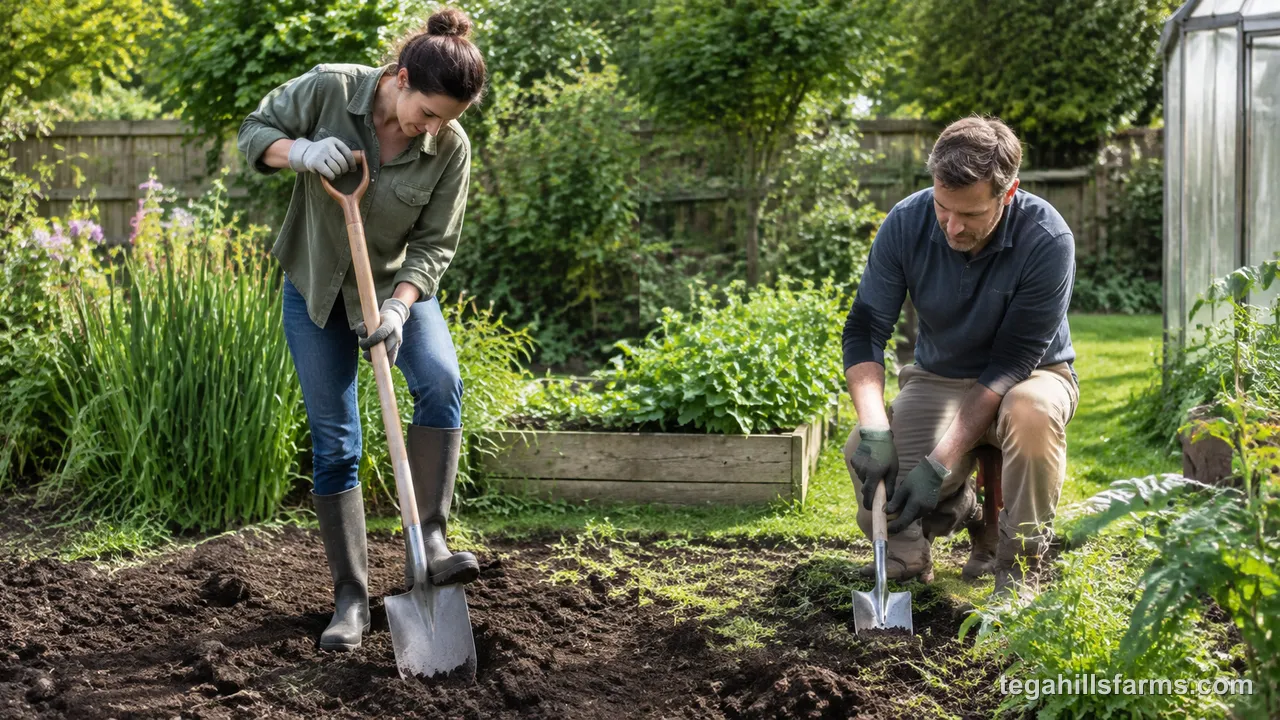
A spade rarely dies at the blade; the trouble starts where steel meets handle, as a socket that wobbles or a shaft that keeps a slight bend after one hard pry. That small give grows with every load of wet clay, and the handle tends to snap halfway through lifting a shrub you can’t simply set down.
How Can You Tell a Durable Spade From One That Will Fail Early?
The earliest warning signs show up at the joint between blade and handle: a socket that rocks, rivets that loosen, or a shaft that holds a slight bend after prying. A loose rivet or wobbling socket can often be fixed by tightening or replacing the rivet, but a bent steel shaft or a cracked socket has lost its strength and should be replaced before it fails under load.
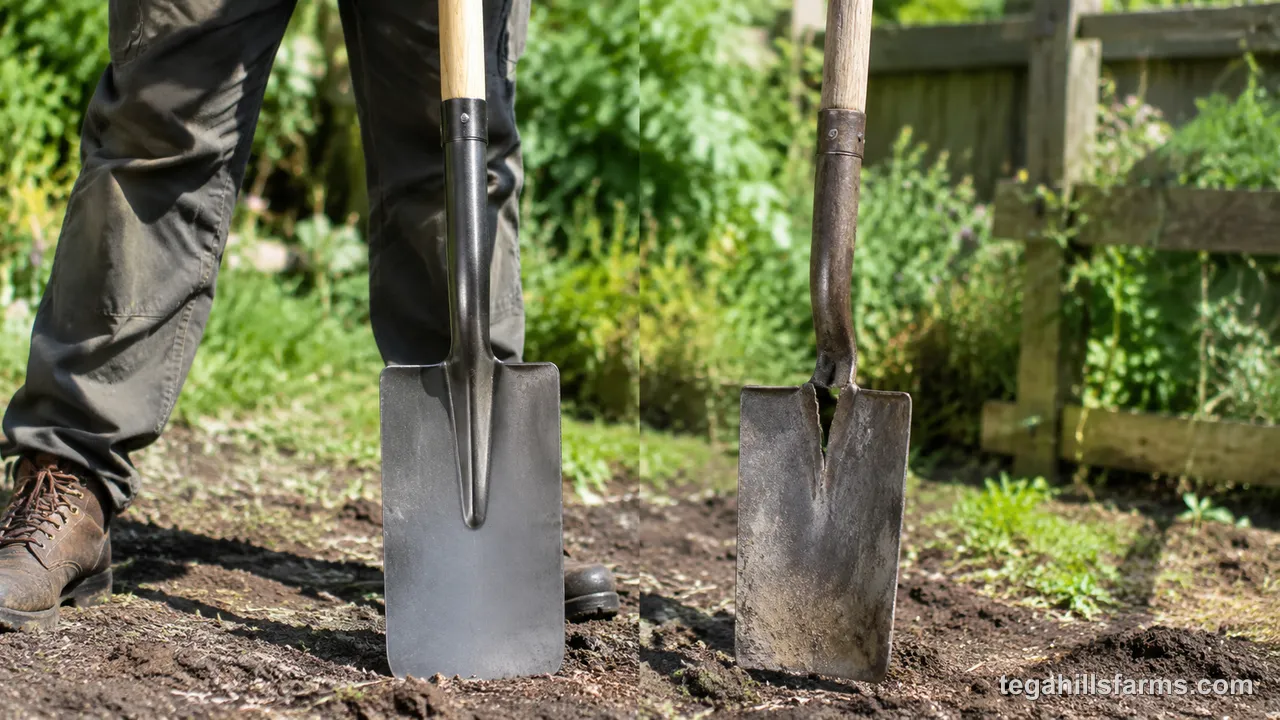
Wood handles give clear notice. Fine surface checks can be sanded smooth and oiled, while a split running along the grain, especially near the socket, means the handle will break, so swap the handle or the whole tool. Fiberglass shows trouble as hairline cracks or fraying fibers, and there’s no reliable repair for either.
Coatings and edges are the forgiving end. A flaking powder coat leaves bare steel open to rust, so sand away the loose spots and keep that area oiled. A dull edge is normal wear: file it back, and the spade bites into the ground again.
How Do You Keep a Garden Spade Sharp, Clean and Rust-Free?
A short routine after each dig does most of the work: knock off the soil, dry the blade, touch up the edge when it starts to drag, and oil both steel and wood. Soil holds moisture against the steel, so scrape it off with a stick or stiff brush, rinse if needed and let the spade dry before you hang it up.
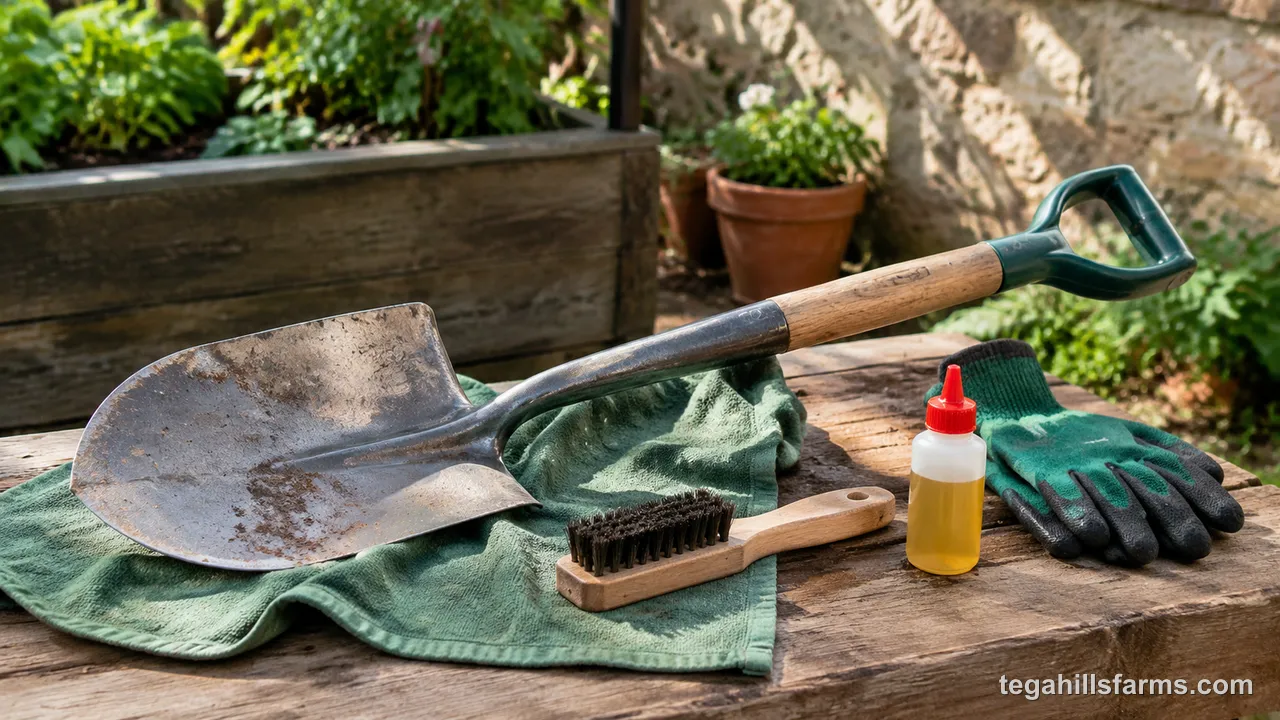
When the blade starts to skid instead of slicing, run a mill file along the existing bevel in smooth, even strokes until the edge feels keen again. A sharp edge means less force through your wrists on every push, so this small job pays back over a whole season.
A thin coat of oil on the bare steel stops rust from starting at the edge, and boiled linseed oil rubbed into a wood handle keeps it from drying out and splitting. Before winter, store the spade indoors in a dry spot, hanging or resting on its handle so the blade isn’t sitting on damp concrete.
How Can You Reduce Hand and Back Strain While Digging?
Letting your legs and body weight drive the blade, keeping your back straight and choosing a spade light enough to lift comfortably all reduce strain. Step on the tread rather than pushing down with your arms, bend at the knees to lift, and turn your feet instead of twisting your spine when you toss soil aside.
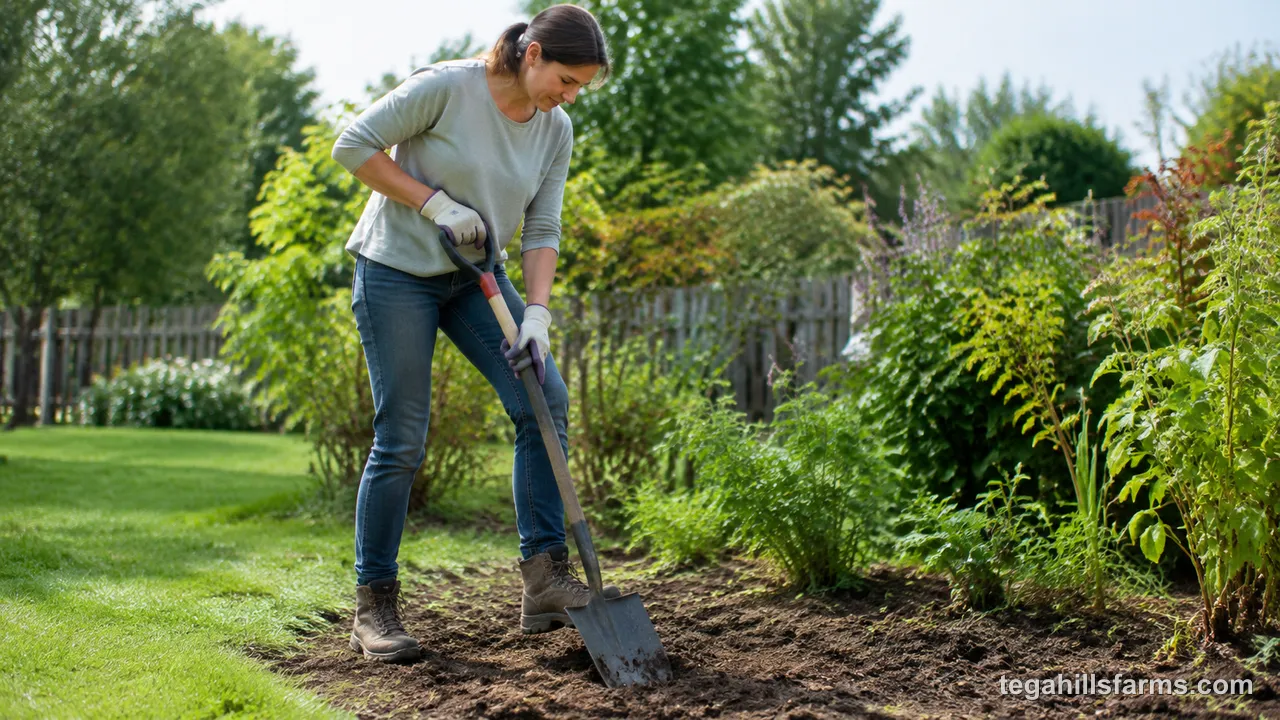
Grip matters as much as posture. A D-handle should leave room for a gloved hand without forcing your fingers into a tight curl, because a cramped grip tires the forearm quickly. D-handles work the same for left- and right-handed gardeners, so switch your lead hand now and then to share the load.
For older gardeners or anyone with limited hand strength, a lighter spade with a sharp edge accomplishes more than a heavy one with a dull edge. A spade that fits your body lets you keep a steady pace for the whole job, while one that’s too heavy or too short pulls you into a hunch and wears out your wrists early. The same fit-first thinking applies to every tool in the shed, and it’s the core of how to choose garden tools for your own hands.
Frequently Asked Questions About Garden Spades
Can a garden spade replace a shovel?
For most planting, edging and digging jobs, yes. A spade cuts cleaner holes and straighter edges, but its flat blade carries less loose material per lift, so a scoop shovel is still faster for moving mulch, gravel or compost from a pile. Keeping one of each covers both kinds of yard work.
Is a wood or fiberglass handle better on a spade?
Wood absorbs shock and feels warmer in the hand, but it needs oil and can split if stored outdoors. Fiberglass weighs less and stands up to rain and sun, though it can crack under heavy prying. Pick wood for comfort and prying strength, fiberglass for low upkeep.
Do serrated or self-sharpening blades still need sharpening?
They need less attention, but not none. A self-sharpening coating exposes fresh edge as it wears, and serrations keep cutting after a smooth edge dulls, yet both still benefit from cleaning and drying after use. Touch up any section of edge that starts to drag, using a round file between serrations.
Do I still need a trowel if I own a spade?
Yes, for small planting jobs. A spade is too large for setting annuals, tucking bulbs into containers or planting herbs in tight pockets, and working on your knees with a trowel gives far more control at that scale. If you’re shopping for one, compare the best garden trowels alongside your spade.