10 Best Loppers: 2026 Buying Guide and Top Reviews
Our top picks for the best loppers in 2026 are Corona Clipper X Series Lopper 2-1/4in (Best Overall), Fiskars PowerGear2 Bypass Loppers 32″ (Best for Heavy Pruning), Fiskars Bypass Loppers 28″ (Best Budget), Fiskars PowerGear Anvil Loppers 15″ (Best Compact), FELCO F211-60 Loppers 24″ (Best Lightweight), FELCO F22 Loppers 33.1″ (Best Durability), Corona Clipper DualLINK 29-1/2-37-1/2 Lopper (Best for Large Yards), Corona Tools (Best Large Capacity), Fiskars Ratchet Drive Anvil Loppers 32″ (Best for Limited Hand Strength), and Fiskars 28″ Bypass Loppers (Best Value).
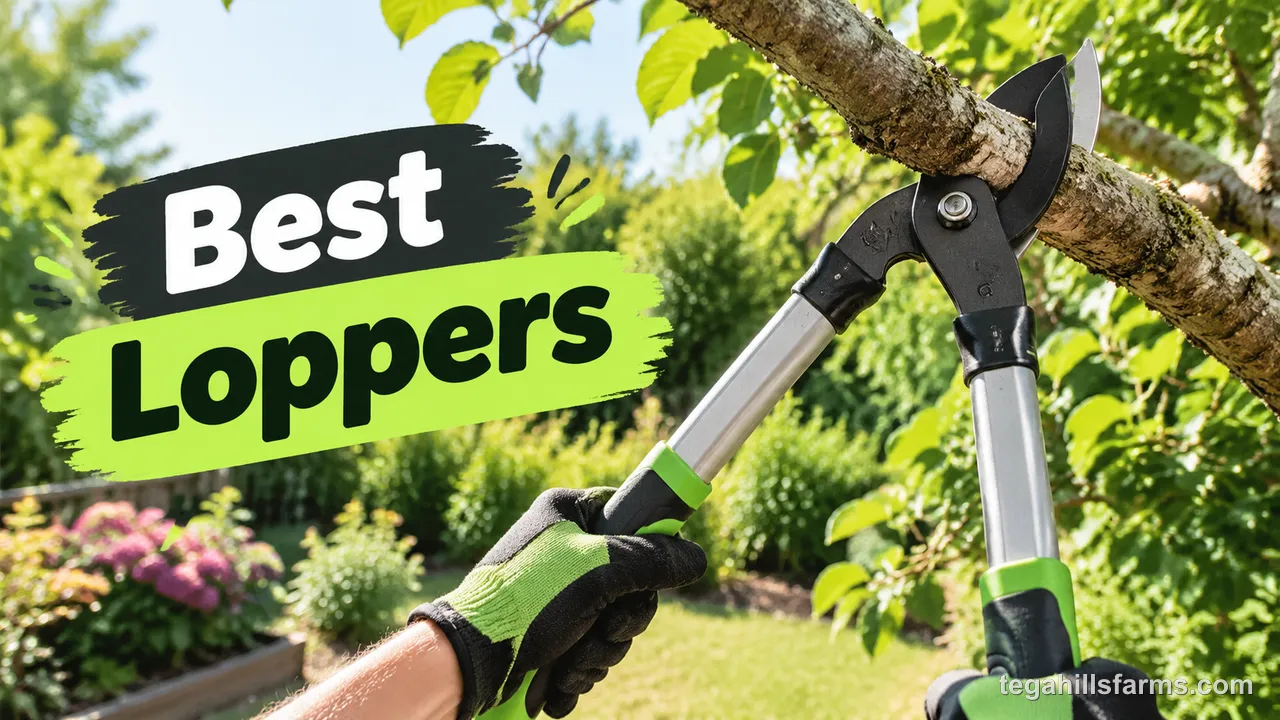
The right choice depends on blade style, rated cutting capacity, handle length, and whether the tool multiplies your force through gears, a compound lever or a ratchet. Grip comfort and blade coating then decide how the lopper feels late in a pruning session and how well it handles sap and rust.
A poor match costs you twice. A lopper that is too heavy or needs a hard squeeze wears out wrists and shoulders before the shrub is finished. A dull or wrong-style blade tears bark, and the plant then has to seal that damage over.


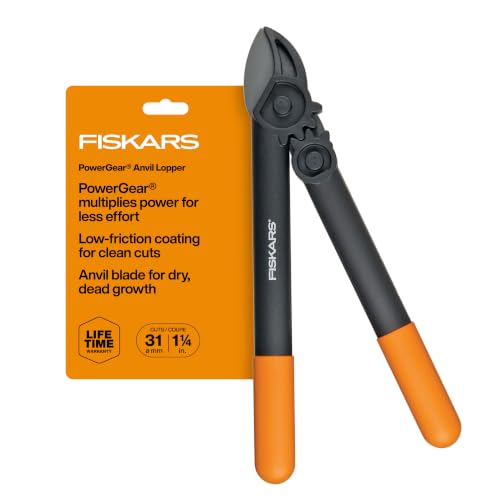


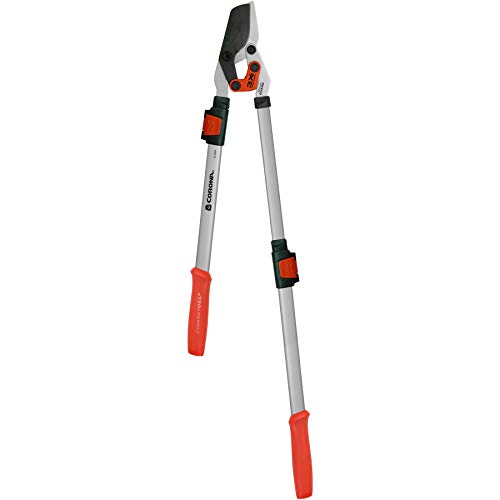


If most of your pruning is on live shrubs and fruit trees, start with a bypass model. Keep an anvil lopper for deadwood cleanup.
What Is a Lopper and When Do You Need One?
It’s a long-handled pruning tool that cuts branches too thick for hand pruners, and it gets its leverage from handle length instead of relying on grip strength alone. Both hands work the handles, so the force comes from your arms and shoulders rather than your fingers. That is why a lopper can get through wood that would stall a one-hand pruner.
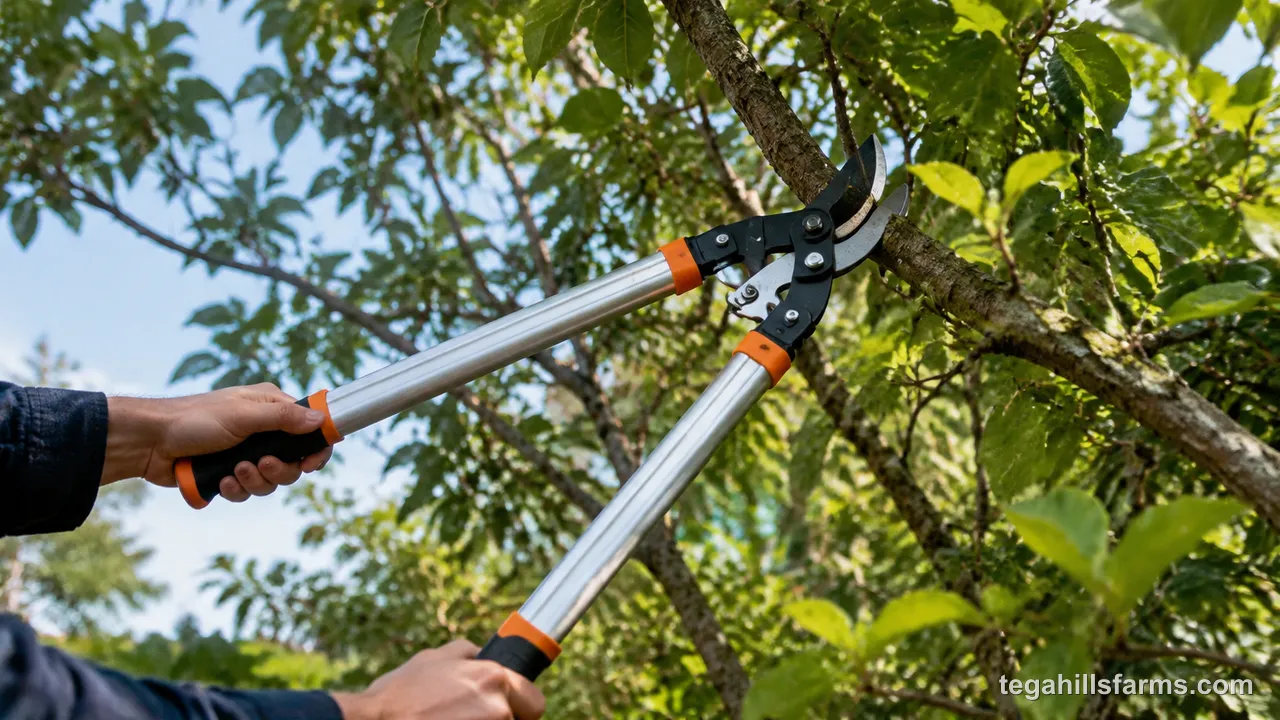
The long handles also give you reach. You can get into the center of a dense shrub, thin crossing stems on a young fruit tree, or take out an old cane at its base without kneeling into thorns. Loppers fill the gap between hand pruners and pruning saws, which makes them one of the most useful picks among the best garden hand tools for shrubs and small trees. When a branch is too thick for the blades to close without strain, use a saw.
The 10 Best Loppers of 2026
The loppers I recommend for 2026 are Corona Clipper X Series Lopper 2-1/4in, Fiskars PowerGear2 Bypass Loppers 32″, Fiskars Bypass Loppers 28″, Fiskars PowerGear Anvil Loppers 15″, FELCO F211-60 Loppers 24″, FELCO F22 Loppers 33.1″, Corona Clipper DualLINK 29-1/2-37-1/2 Lopper, Corona Tools, Fiskars Ratchet Drive Anvil Loppers 32″, and Fiskars 28″ Bypass Loppers.
Blade style separates them more sharply than size. The PowerGear and Ratchet Drive anvil models are made for dry, dead wood, and the bypass models belong on live growth, so if you mostly clear deadwood, start with the anvils. The next decision is force. Geared, compound and ratchet actions ask less of your grip, which matters most if your hands tire before your arms do.
#1 Corona Clipper X Series Lopper 2-1/4in — Best Overall
This lopper suits homeowners who prune trees and overgrown shrubs on live wood. Its precision bypass blade slices cleanly through limbs up to 2-1/4 inches thick, and ergonomic handles add leverage so heavy cuts don’t depend on grip strength alone.
Key Specs:
- Model: AL16249
- Blade type: Precision bypass
- Cutting capacity: 2-1/4 in
- Weight: 4.6 lb
- Construction: Heavy-duty, pro-grade build
- Handles: Ergonomic, shaped for grip and leverage
Detailed Review:
Live wood is where this lopper earns its place. The precision bypass blade slices green limbs with a scissor action instead of crushing them. A clean wound leaves the tree or shrub less damaged tissue to seal over, which helps it recover faster after pruning.
Its capacity covers large limbs and dense woody growth. That means it can take on structural cuts that a lighter lopper would leave for a saw, such as removing a crossing limb from a young shade tree or cutting an old stem out of an overgrown lilac.
The ergonomic handles give a secure grip and extra leverage, so both arms share the work and the wrists carry less of it. Over a long session, each cut stays manageable, and hand and forearm fatigue builds more slowly while you work through a row of shrubs.
At 4.6 lb, this is a substantial tool to hold at shoulder height or above. The heavy-duty, pro-grade construction accounts for the weight and stands up to repeated use. Anyone with limited arm strength will feel it during overhead work, though, so I’d save it for jobs where capacity matters and use something lighter for quick tidying.
Pros:
- Bypass blade slices live wood cleanly without crushing it.
- Cuts limbs up to 2-1/4 inches thick.
- Ergonomic handles add leverage and reduce arm fatigue.
- Heavy-duty construction stands up to repeated use.
Cons:
- Heavy build tires the arms during overhead pruning.
- Bypass blade is less suited to brittle deadwood.
Who It’s For:
Homeowners with mature shrubs, fruit trees and larger yards, where thick live limbs need clean cuts, will get full use from this lopper’s capacity and leverage. If your pruning is mostly light tidying near the house, the extra heft is more tool than the job needs.
Editor’s Verdict:
Pick this lopper when thick live limbs make up most of your pruning. The clean bypass cut and leveraged handles justify the extra weight.
#2 Fiskars PowerGear2 Bypass Loppers 32″ — Best for Heavy Pruning
Pruning sessions full of thick branches go faster with this lopper. Its PowerGear2 gears and cam mechanism multiply leverage through the middle of a branch, which is the hardest part of the cut, and the 32-inch length adds reach into dense shrubs and lower tree limbs.
Key Specs:
- Model: 394801-1003
- Length: 32 in
- Cutting capacity: 2 in
- Weight: 3.9 lb
- Blade: Fully hardened steel bypass with low-friction coating
- Warranty: Lifetime
Detailed Review:
The PowerGear2 mechanism is the reason to buy this lopper. Modified gears and a cam change the leverage as the blade closes, so the extra force arrives mid-branch, where the wood is densest. You can finish a cut in one steady motion instead of working the handles back and forth, and that rocking is what tends to tear bark.
The fully hardened bypass blade has a low-friction coating that reduces sap gumming and adds rust resistance. When you are pruning sappy wood for a long stretch, you stop less often to wipe the blade. A quick cleaning and a drop of oil at the pivot afterward still keep the action smooth.
Rounded handles with SoftGrip give a cushioned, controlled hold, and the length lets your arms and shoulders do the work instead of your fingers. Compared with the Corona Clipper X Series Lopper 2-1/4in, this lopper is lighter but has a little less capacity. That trade makes sense if you prune for hours rather than making a handful of big cuts. Among the best loppers for thick branches, this one puts its extra force where the cut is hardest.
Pros:
- Geared leverage powers through the dense middle of branches.
- Low-friction coating resists sap buildup and rust.
- SoftGrip handles cushion the hands during long sessions.
- Cuts branches up to 2 inches thick.
- Backed by a lifetime warranty.
Cons:
- Long handles are awkward near walls and fences.
- Bypass blade isn’t meant for brittle, dead branches.
Who It’s For:
If your yard has overgrown shrubs, hedgerows or young trees that need regular cutting back, the geared leverage keeps heavy sessions from wearing out your hands. In tight beds or close to the house, the long handles can be harder to maneuver than a shorter tool.
Editor’s Verdict:
Choose it for long pruning days on thick live wood. The geared leverage and coated blade keep each cut smooth.
#3 Fiskars Bypass Loppers 28″ — Best Budget
Light shrub and hedge pruning is what this lopper does well. A steel bypass blade with a low-friction coating handles branches up to 1-1/2 inches thick, and at 2.9 lb it stays easy to control through a long afternoon of trimming.
Key Specs:
- Model: 391461-1003
- Length: 28 in
- Cutting capacity: 1-1/2 in
- Weight: 2.9 lb
- Blade: Steel bypass with low-friction coating
- Warranty: Lifetime
Detailed Review:
This is a straightforward bypass lopper. Its steel blades stay sharp through heavy use, and the coating reduces gumming and adds rust resistance. For trimming foundation shrubs, cutting back small branches and opening up crowded perennials, that keeps cuts clean through the season.
Non-slip grip handles give steady control, and shock-absorbing bumpers with SoftGrip touchpoints soften the jolt when the blades close. That cushioning matters because the snap at the end of each cut is what aggravates sore wrists over a long session.
An affordable price comes with less capacity. Compared with the Fiskars PowerGear2 Bypass Loppers 32″, this model handles thinner branches but weighs noticeably less, so it fits regular shrub care better than clearing heavy limbs. Dense wood near its limit takes real effort, and that is when to switch to a geared lopper or a saw.
Pros:
- Low-friction coating reduces sap gumming and rust.
- Light enough to control easily through long trimming jobs.
- Shock-absorbing bumpers soften the impact at each cut.
- Affordable option for regular shrub care.
- Backed by a lifetime warranty.
Cons:
- Smaller capacity limits it to light and moderate branches.
- Dense wood near capacity takes noticeable hand effort.
Who It’s For:
Gardeners who look after foundation shrubs, perennial beds and small ornamental trees get an affordable, dependable lopper here. If you regularly clear thick limbs or overgrown hedgerows, a tool that adds leverage will be easier on your hands.
Editor’s Verdict:
Buy it for routine shrub trimming on live wood. It keeps cuts clean and weight manageable without paying for capacity you won’t use.
#4 Fiskars PowerGear Anvil Loppers 15″ — Best Compact
Deadwood in tight spots is what this short anvil lopper handles best. At 15 inches long and 0.9 lb, it fits between crowded stems and uses PowerGear leverage to cut dry branches up to 1-1/4 inches thick.
Key Specs:
- Length: 15 in
- Cutting capacity: 1-1/4 in
- Weight: 0.9 lb
- Blade: Steel anvil with low-friction coating
- Frame: DuraFrame construction
- Warranty: Lifetime
Detailed Review:
The anvil blade is designed for dry, dead growth, such as the brittle stems and twigs left inside shrubs after winter. PowerGear multiplies leverage compared with a traditional design, so even short handles provide enough force to close on hard deadwood without straining.
At 0.9 lb, it weighs far less than the Fiskars Bypass Loppers 28″. The short frame reaches into the center of a crowded shrub, a container planting or a narrow bed along a fence, where long handles would knock into everything nearby. For patio gardens and tight foundation plantings, that maneuverability makes it the easier tool to pick up.
Rugged DuraFrame construction adds strength while keeping weight down, and the coated steel blades resist gumming and rust. Short handles do give up reach and leverage on thicker limbs, and an anvil can crush live stems. I’d keep this one for cleanup work rather than shaping living shrubs.
Pros:
- Short frame reaches into crowded shrubs and narrow beds.
- Very light, so it’s easy on wrists and shoulders.
- PowerGear leverage adds force despite the short handles.
- Low-friction coating resists sap buildup and rust.
- Backed by a lifetime warranty.
Cons:
- Anvil blade can crush live green stems.
- Short handles limit reach into tall shrubs and trees.
Who It’s For:
Patio gardeners, container growers and anyone clearing deadwood from small shrubs will appreciate a lopper that fits where long handles won’t. Skip it if most of your cuts are on live branches or high limbs, because both the anvil blade and the short reach work against those jobs.
Editor’s Verdict:
Keep this lopper for deadwood cleanup in tight spaces, where its low weight and geared leverage make quick work of brittle stems.
#5 FELCO F211-60 Loppers 24″ — Best Lightweight
If your forearms and shoulders tire before the pruning is done, this Swiss-made lopper deserves a close look. Aluminum handles keep it to 2.4 lb.
Key Specs:
- Model: F211-60
- Length: 24 in
- Weight: 2.4 lb (1.07 kg)
- Handles: Aluminum, I-beam design
- Blade: Curved bypass, carbon steel
- Adjustment: Micrometric mechanism; all parts replaceable
Detailed Review:
The aluminum handles keep this lopper light, which matters most when you hold it up and out for long stretches. With less weight at the end of your arms, your shoulders and wrists do less work on each cut, and fatigue builds more slowly across a full bed of shrubs. If weight is your main concern, it holds its own among the best lightweight loppers without giving up a precise edge.
The carbon steel blades are chosen for edge retention, so cuts stay clean longer between sharpenings. Carbon steel needs a quick wipe and a light oiling after use. I’d accept that routine for a tool I plan to keep for years.
The micrometric adjustment mechanism lets you set blade tension precisely and makes blade replacement simple, and every part can be replaced or serviced. Phthalate-free grips complete the design. When the blade wears, you replace the part and keep handles you already know, instead of discarding the whole lopper.
Pros:
- Aluminum handles keep weight down for overhead work.
- Carbon steel blades hold a sharp edge.
- Micrometric adjustment makes blade replacement simple.
- Every part can be replaced or serviced.
- Grips are phthalate-free and durable.
Cons:
- Carbon steel needs regular wiping and oiling to prevent rust.
- Shorter handles give less reach for high branches.
Who It’s For:
Older gardeners, and anyone whose shoulders give out before the pruning does, will benefit from the aluminum handles and serviceable design. It also suits people who would rather maintain one quality tool than replace a worn-out one every few years.
Editor’s Verdict:
Expect a precise, easy-to-hold lopper that can be adjusted and rebuilt instead of thrown away, as long as you keep the carbon steel clean and oiled.
#6 FELCO F22 Loppers 33.1″ — Best Durability
Built to be repaired rather than replaced, this lopper suits gardeners who want to keep one tool for many seasons. Its forged aluminum handles carry a lifetime warranty.
Key Specs:
- Model: F 22
- Length: 33.1 in
- Handles: Forged aluminum, lifetime warranty
- Blade: Carbon steel, replaceable
- Adjustment: Micrometric mechanism
- Grips: Phthalate-free
Detailed Review:
Forged aluminum handles give this lopper a stiff, strong frame, and the lifetime warranty on them shows how long that frame is expected to last. Stiffness matters on a lopper this long, because handles that flex under load waste effort and can let the blades twist out of line on a hard cut.
The carbon steel blades hold an edge well. The micrometric adjustment mechanism lets you take up play at the pivot and change blades without guesswork. Because every part is replaceable or maintainable, a worn blade or grip becomes a repair instead of a reason to buy another lopper.
Next to the FELCO F211-60 Loppers 24″, the longer handles add reach and leverage for thicker branches but are less maneuverable in tight beds. The serviceable design does ask for upkeep, since carbon steel needs to be wiped down and oiled to stay free of rust. If you already clean and sharpen your tools through the seasons, I’d expect this lopper to keep cutting cleanly long after a sealed design has worn out.
Pros:
- Forged aluminum handles carry a lifetime warranty.
- Carbon steel blades hold a sharp edge.
- Every part can be adjusted, replaced or serviced.
- Long handles add reach and leverage.
- Swiss-made construction throughout.
Cons:
- Carbon steel needs regular oiling to stay rust-free.
- Long handles are clumsy in tight, crowded beds.
Who It’s For:
Gardeners who sharpen, oil and store their tools carefully will get the most from this lopper, because every part can be serviced instead of replaced. If you want a grab-and-go tool that needs no upkeep, a coated blade will suit you better.
Editor’s Verdict:
Treat it as a long-term tool. Forged handles, a lifetime warranty and replaceable parts mean it can be rebuilt rather than retired.
#7 Corona Clipper DualLINK 29-1/2-37-1/2 Lopper — Best for Large Yards
On a bigger property, branches grow at every height. Extendable steel handles reach out to 37-1/2 inches, and DualLINK compound cutting magnifies your input force so each cut takes 35 percent less effort.
Key Specs:
- Model: SL 4364
- Handle length: Extendable steel, up to 37-1/2 in
- Cutting capacity: 1-1/2 in
- Weight: 4.0 lb
- Blade: Bypass, cuts green or dry branches
- Grips: ComfortGEL with integrated ShockGUARD bumper
Detailed Review:
The extendable steel handles are what make this lopper practical on larger yards. With the handles shortened, the tool is easy to manage on shrubs near the ground. Lengthened, it reaches higher limbs and the center of wide shrubs without a step stool.
DualLINK compound cutting multiplies the force you put into the handles. That added leverage keeps a long tool from feeling sluggish when the handles are fully extended. The bypass blade cuts both green and dry branches, so one lopper covers more of the jobs on a big lot.
ComfortGEL grips cushion your hands, and the integrated ShockGUARD bumper absorbs the snap at the end of each cut, which reduces shoulder strain over a long session. At 4.0 lb, it is fairly heavy when held fully extended overhead.
Its capacity is modest compared with the Corona Clipper X Series Lopper 2-1/4in, so heavy limbs still call for a saw or a higher-capacity lopper. The trade-off is reach and lower effort per cut on the everyday branches that make up most yard work.
Pros:
- Extendable handles adjust reach for low and high branches.
- Compound action reduces cutting effort.
- Bypass blade handles both green and dry branches.
- Shock-absorbing bumper reduces shoulder strain.
- ComfortGEL grips cushion the hands.
Cons:
- Fairly heavy when held fully extended overhead.
- Modest capacity limits it on thick limbs.
Who It’s For:
Owners of larger properties with hedgerows, mixed shrubs and trees of different heights can handle most of their pruning with one adjustable tool. If you mainly prune small shrubs at waist height, you won’t need the extra reach or weight.
Editor’s Verdict:
Count on it when your pruning moves from low shrubs to overhead limbs in a single afternoon. Adjustable reach and compound leverage keep the effort steady.
#8 Corona Tools — Best Large Capacity
Orchard owners cutting big limbs will like how this lopper combines reach and capacity. Its 36-inch elliptical aluminum handles and forged Dual Arc bypass blade handle branches up to 2-1/4 inches in diameter, and the whole tool weighs 2.8 lb.
Key Specs:
- Model: AL 8482
- Handle length: 36 in, elliptical aluminum
- Cutting capacity: 2-1/4 in
- Weight: 2.8 lb
- Blade: Dual Arc bypass, forged and fully heat-treated steel
- Hook: Forged, slant-ground, with self-cleaning sap groove
Detailed Review:
The Dual Arc bypass blade is forged and fully heat-treated. Forging compacts the steel, so the edge stays sharp longer and resharpens easily. The blade design also reduces the force needed to cut, which matters most on the thick limbs this lopper is built for.
The high-strength elliptical aluminum handles make this long lopper far lighter than the Corona Clipper X Series Lopper 2-1/4in, which has the same capacity. You can work at shoulder height along a row of fruit trees without your arms tiring early. The trade-off is that the heavier Corona Clipper’s ergonomic handles are shaped for leverage, while this model gives up some heft for longer handles.
The forged, slant-ground hook has a deep sap groove that clears itself as you work, so less resin builds up on the blade during orchard pruning. An improved locking nut removes the need for a nut-retaining clip. Because the blade can be resharpened or replaced, the tool stays in service after hard seasons.
Pros:
- Forged blade holds its edge and resharpens easily.
- Aluminum handles keep weight down for a long lopper.
- Self-cleaning sap groove limits resin buildup.
- Blade can be resharpened or replaced.
Cons:
- Long handles are awkward in tight beds and containers.
- More tool than light shrub trimming requires.
Who It’s For:
Fruit growers and homeowners with mature shade trees will make good use of the long reach and large capacity on limbs a shorter lopper can’t handle. If you mostly prune small shrubs near the house, a shorter tool will be easier to handle.
Editor’s Verdict:
Reach for it when the job is big limbs on fruit or shade trees. The forged blade and light aluminum handles make heavy cuts manageable.
#9 Fiskars Ratchet Drive Anvil Loppers 32″ — Best for Limited Hand Strength
If squeezing hard hurts your hands, a ratchet makes the job easier. This lopper builds force through a series of easy squeezes, so a dry branch up to 2 inches thick gives way in stages instead of demanding one hard pull.
Key Specs:
- Model: 376811
- Length: 32 in
- Cutting capacity: 2 in
- Blade: Anvil, fully hardened precision-ground steel with low-friction coating
- Construction: Steel with riveted handles
- Mechanism: Ratchet Drive
Detailed Review:
Each squeeze advances the blade and adds force, so a thick branch gives way over several easy strokes instead of one hard pull. Spreading the load across short, gentle motions is easier on sore wrists and weak grips. The cost is time, because big cuts take more strokes to finish.
The anvil blade matches what the mechanism is built for: thick, dry, dead branches. The fully hardened, precision-ground steel stays sharp longer, and the low-friction coating glides through wood, keeps sap and debris from gumming the blade, and adds rust resistance.
Steel construction with riveted handles gives the tool a solid, rigid feel. Set against the Fiskars PowerGear Anvil Loppers 15″, it handles thicker deadwood and reaches farther, but it loses that model’s easy fit in tight beds.
On live stems, an anvil can crush tissue, so I’d use this lopper for deadwood removal and storm cleanup and pair it with a bypass tool for shaping living shrubs.
Pros:
- Ratchet action builds force through several easy squeezes.
- Anvil blade bites into thick, dry and dead branches.
- Low-friction coating prevents sap gumming and adds rust resistance.
- Precision-ground blade stays sharp longer.
Cons:
- Big cuts take several strokes to finish.
- Anvil blade can crush live green stems.
Who It’s For:
People with weak grips, sore wrists or reduced hand strength can still clear thick deadwood with this lopper, because the ratchet spreads the effort over gentle squeezes. If your pruning is mostly shaping live shrubs, a bypass lopper will leave cleaner cuts.
Editor’s Verdict:
Rely on it for heavy deadwood when your grip tires before the branch gives. The ratchet turns one hard cut into several easy ones.
#10 Fiskars 28″ Bypass Loppers — Best Value
The Power-Lever compound lever on this compact bypass lopper adds real cutting power for everyday yard pruning. It cuts branches up to 1-3/4 inches thick.
Key Specs:
- Model: 391381-1014
- Length: 28 in
- Cutting capacity: 1-3/4 in
- Weight: 3.2 lb
- Blade: Steel bypass with low-friction coating
- Handles: Rounded, with SoftGrip touchpoints and non-slip grips
Detailed Review:
Power-Lever technology uses a compound lever that gives more cutting power than a traditional design, without making the lopper longer. At this length, the added force lets it take on branches beyond what a basic shrub trimmer handles comfortably.
Relative to the Fiskars Bypass Loppers 28″, it is the same length, slightly heavier, and has more cutting capacity. The extra weight buys you a lopper that cuts thicker live branches before you need a geared tool or a saw.
The steel blades stay sharp through heavy use, and the low-friction coating reduces gumming and rust. Rounded handles with SoftGrip touchpoints and non-slip grips keep control steady, which helps when you cut overhead or at an awkward angle.
As a single lopper for most yard jobs, it is a sensible value. It is short enough for beds and strong enough for small trees, so one tool can cover shrub shaping, fruit-tree thinning and the occasional storm-damaged branch.
Pros:
- Compound lever adds cutting power in a compact size.
- Low-friction coating reduces gumming and rust.
- SoftGrip touchpoints and non-slip grips improve control.
- Handles a wide range of everyday pruning jobs.
Cons:
- Slightly heavier than the Fiskars Bypass Loppers 28″.
- Bypass blade is less effective on brittle deadwood.
Who It’s For:
For a homeowner who wants one lopper for shrubs, fruit trees and the occasional thicker branch, the compound lever adds real help without extra bulk. If you mainly cut dry deadwood, an anvil design will serve you better.
Editor’s Verdict:
Go with it if you want one dependable lopper for most yard work. The compound lever adds cutting power without adding length.
Bypass or Anvil: Which Lopper Blade Is Right for You?
Choose bypass for live, green wood and anvil for dry, dead branches, because each blade style leaves a different kind of cut. On a living branch, a clean slice lets the plant seal the wound quickly. Crushed tissue at the cut edge gives decay and disease an easier way in. Deadwood has no wound to heal, so a blade that bites hard into brittle wood is the better choice there.
How Do Bypass Blades Cut Live Wood?
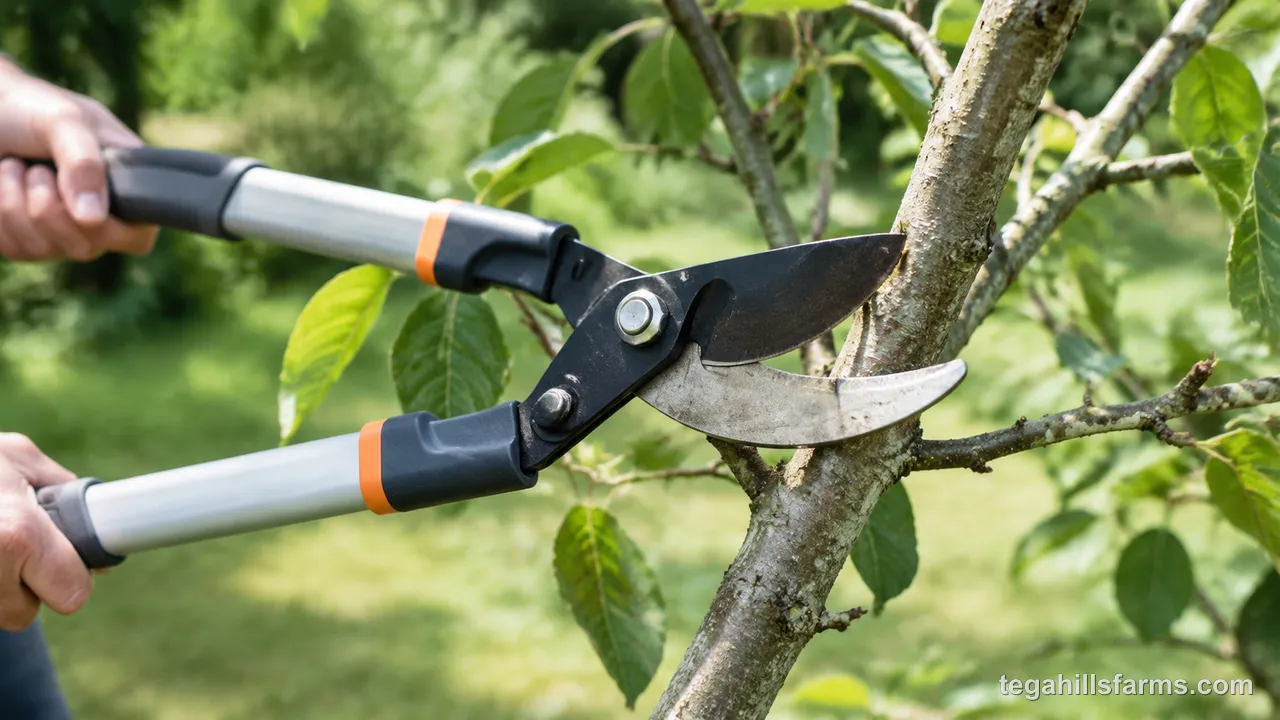
Like scissors, the sharpened upper blade slides past a hooked lower jaw and slices the stem along one clean line instead of squeezing it. On green growth, that leaves less bruised bark and a wound the plant can close over smoothly.
Blade placement affects the result. Keep the sharp blade on the side of the cut that stays on the plant and the hook on the side you’re removing. The smooth face then ends up on the shrub, and any slight compression from the hook falls on the piece going to the compost pile.
Dry, hard deadwood is where bypass blades struggle. Brittle wood resists slicing, and forcing the cut can push the blades apart and loosen the pivot over time. For live-wood pruning, the best bypass loppers pair a sharp blade with a tight, adjustable pivot that keeps both blades in contact through the cut.
When Do Anvil Blades Make More Sense?
Dry, dead and brittle branches are where anvils work best. A sharp blade closes onto a flat surface, much like a knife meeting a cutting board, and that direct pressure bites into hard deadwood that tends to deflect a bypass blade.
The same pressure is the risk on living stems. Green tissue compresses before it splits, so an anvil can leave a crushed, ragged edge on the part that stays on the plant, and that damage slows healing. A dull anvil blade makes this worse because it squeezes more than it cuts.
Keep anvil models for removing dead growth, storm-damaged limbs and old canes you plan to discard. Hard, dry wood takes force, which is why the best anvil loppers often add geared or ratchet leverage to the basic design.
How Much Cutting Capacity, Reach, and Leverage Do You Need?
Start from the thickest branches you cut regularly, then add reach and a force-multiplying mechanism only if your yard or your hands need them. These specs interact. Longer handles add leverage but also weight, and a gear or ratchet adds force but changes the stroke. Getting the balance right is what keeps a lopper comfortable at the end of a session, not just on the first cut.
Why Does Rated Cutting Capacity Differ From Real-World Results?
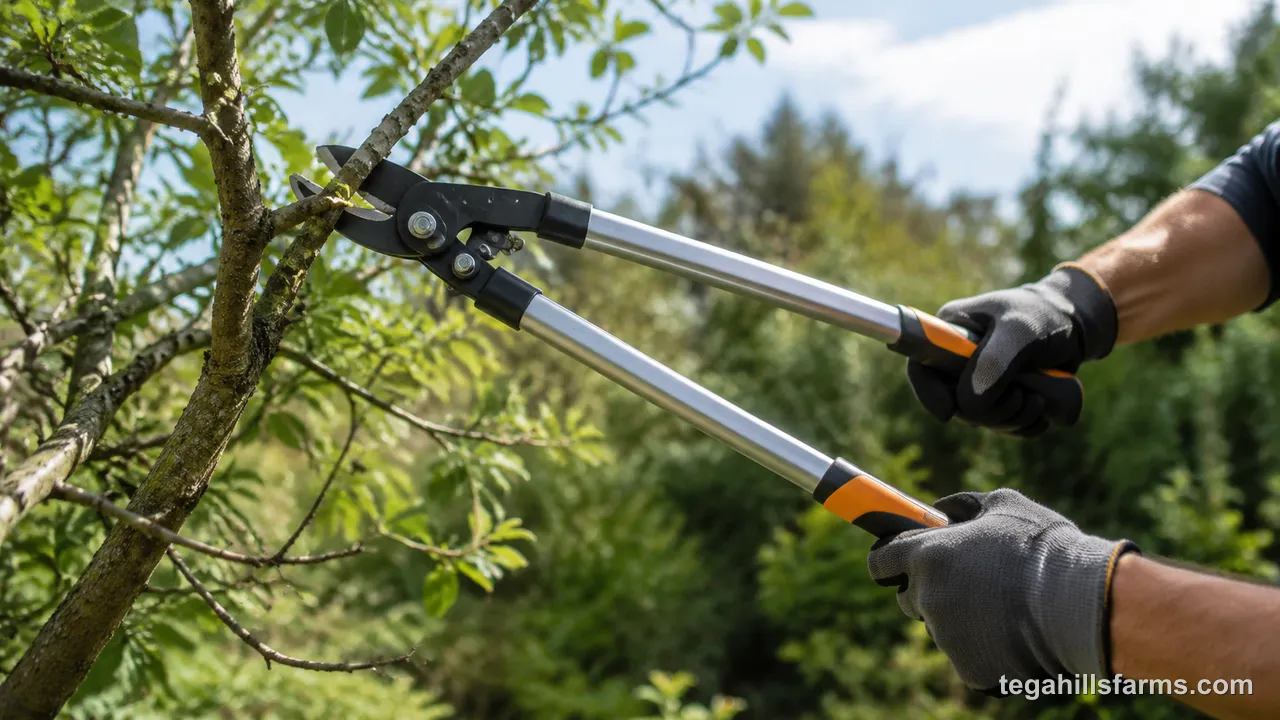
The capacity on the label is the thickest branch the blades can close around under good conditions, not a size you’ll cut comfortably all afternoon. Near that limit, each cut takes much more force, and the pivot and handles carry their heaviest load.
The wood itself changes the effort. Green growth on soft species parts easily, while dense hardwoods such as oak or hickory resist the blade at the same diameter. Dead branches that have dried and hardened can be tougher still, which is one reason anvil and ratchet designs exist.
Plan your regular cuts well below the rating and treat the top of the range as an occasional job. If a branch makes you rock the handles, brace one against your knee, or twist the blades to finish, switch to a pruning saw. Forcing an oversized cut bends blades, loosens the pivot and leaves a torn wound on the plant.
How Do Handle Length and Weight Change the Way a Lopper Feels?
Longer handles give more leverage and reach, but they add weight your shoulders lift on every cut, so the right length is the shortest one that comfortably reaches your branches. Leverage increases with handle length because your hands sit farther from the pivot, which is why long loppers close on thicker wood with less squeezing.
That same distance moves the tool’s center of gravity away from your body. Holding the weight at shoulder height along a row of shrubs is what tires the forearms and upper back. Short handles are quicker and easier to aim in a crowded bed, but they give up both force and reach.
Extendable handles offer a middle ground. Keep them short for shrubs at waist height, then lengthen them for limbs above your head. The best extendable loppers lock firmly at each length, because a handle that slips under load wastes your effort and throws off the cut.
What Do Compound and Ratchet Mechanisms Add?
Each of these designs multiplies the force from your hands, and each pays for it with a longer or slower stroke. Geared systems such as PowerGear change the leverage during the stroke so the most help arrives mid-branch, where wood is densest. Compound levers like DualLINK and Power-Lever add a linkage between handles and blade that magnifies your input, which suits anyone doing frequent, heavy cuts.
Ratchets go further. You close the handles partway, the blade holds its position while the handles reset, and the cut finishes over several squeezes. That is slower than a single stroke, but no squeeze ever needs much grip.
The best ratchet loppers suit gardeners whose hands give out before their arms do, especially on thick deadwood. If your grip is strong and you value speed, a geared or compound bypass model is the better fit.
What Build Details Decide How Long a Lopper Lasts?
Two loppers with the same capacity can last very different lengths of time, because edge retention, corrosion resistance and serviceability decide whether a tool still cuts cleanly after years of sap, rain and hard leverage. These details are what to look for in loppers once blade style and size are settled. Over time, they matter more than any single spec on the label.
How Do Blade Steel and Coatings Affect Sharpness and Rust?
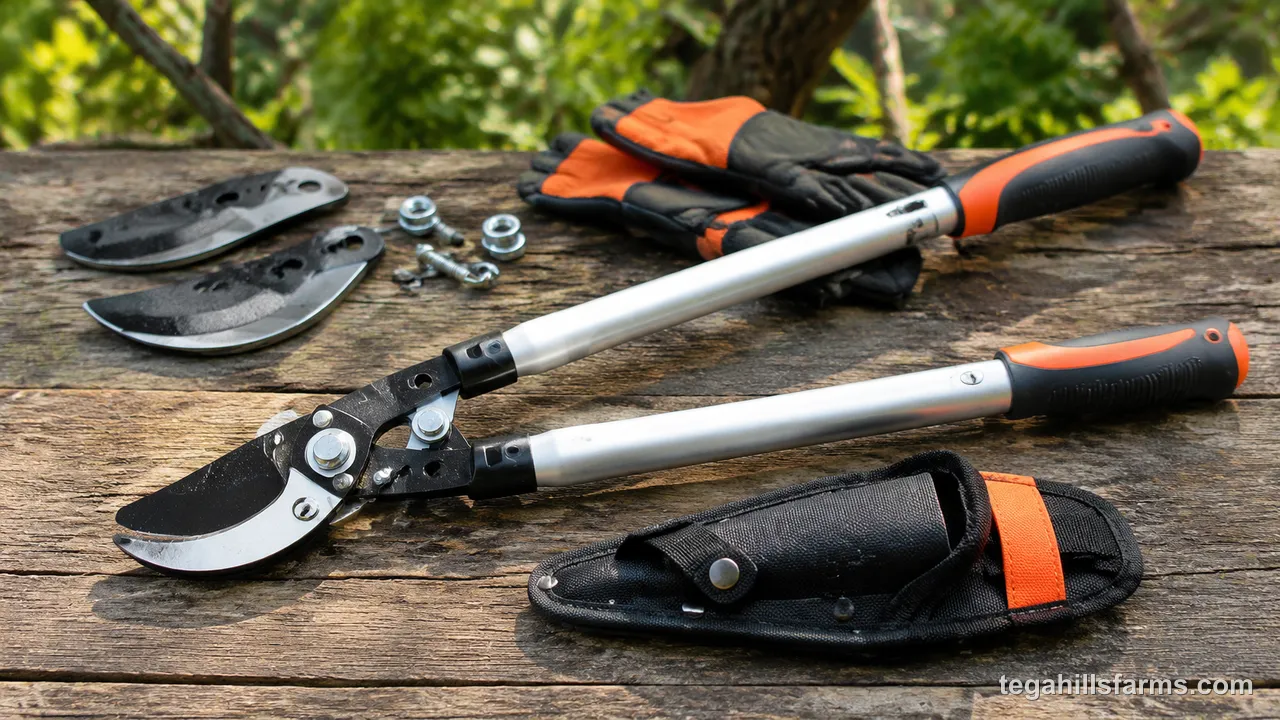
Uncoated carbon steel holds a keen edge and sharpens easily but rusts if you put it away wet or sticky with sap. Low-friction coated blades shed sap and resist rust with much less care. The FELCO F211-60 Loppers 24″ and FELCO F22 Loppers 33.1″ use carbon steel for edge retention, and most of the Fiskars models rely on a low-friction coating.
Each needs different upkeep. Carbon steel needs a wipe after every session, a dry towel, and a light coat of oil before storage, or surface rust will dull the edge. Coated blades need less attention, but sharpening removes coating along the bevel, and that freshly exposed steel still benefits from oil.
Forged, heat-treated steel such as the Corona Tools blade holds its edge longer between sharpenings because forging compacts the metal. Whichever steel you choose, cleaning off sap promptly matters, since dried resin drags on every cut and traps moisture against the blade.
Which Handle and Grip Features Reduce Hand Fatigue?
Cushioned grips, rounded handle shapes and light but stiff handle materials do the most to reduce fatigue, because they spread pressure across the palm and cut the weight you lift on every stroke. Soft grip materials such as SoftGrip and ComfortGEL absorb some of the shock when the blades close and keep hard edges from pressing into your fingers.
Non-slip surfaces matter more than they seem. When a handle feels secure, you don’t over-grip it, and that constant clenching is what tires the forearms first.
Aluminum handles, used on the FELCO models and the Corona Tools lopper, keep weight down on long tools, and forging makes them stiff enough that leverage goes into the cut instead of into flexing. Steel handles are strong but heavier to hold overhead. Shock-absorbing bumpers between the handles stop the closing snap from reaching your wrists and shoulders.
Why Do Replaceable Parts and Warranty Coverage Matter?
A lopper with replaceable blades and an adjustable pivot can be renewed as it wears, while a sealed design usually ends up in the trash once the edge is gone or the joint loosens. Micrometric adjustment on the FELCO models takes up play at the pivot, which keeps the blades cutting together instead of pinching stems between them.
Replaceable, resharpenable blades on the FELCO and Corona Tools models let you restore a worn edge without replacing handles you already like.
Warranty coverage adds another layer. Several Fiskars models carry a lifetime warranty, as do the forged handles on the FELCO F22 Loppers 33.1″. Warranties generally cover defects rather than normal blade wear, so serviceable parts and coverage work best together.
Which Lopper Fits Your Garden and Your Hands?
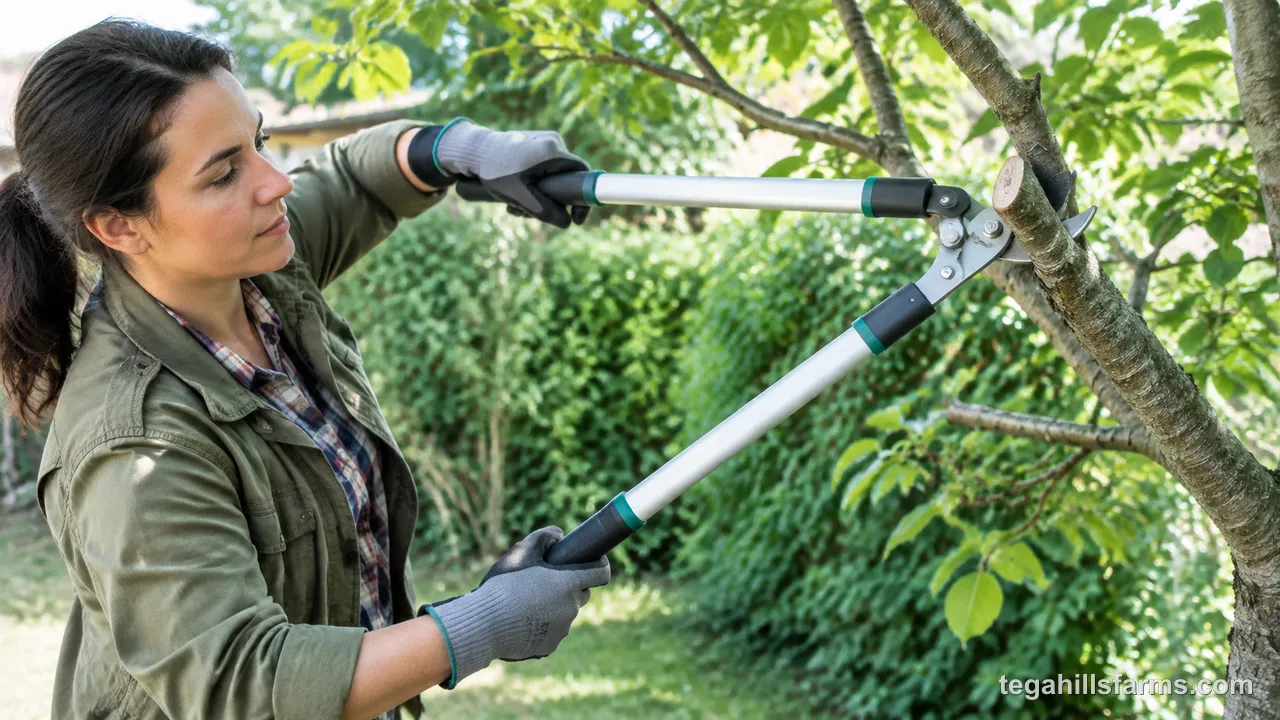
Your hands and your workload matter more than any headline spec, because the same lopper can feel effortless to one gardener and exhausting to another. A tool that suits your grip and your yard gets used. One that hurts stays in the shed while branches outgrow the bed.
What Should Beginners and Small-Garden Owners Look For?
A light bypass lopper with moderate capacity and comfortable grips covers most of what a small garden needs, and it is forgiving while you learn where and how to cut. Occasional shrub shaping, perennial cutback and a few small tree branches rarely push a big lopper to its limits, so extra capacity mostly adds weight.
The Fiskars Bypass Loppers 28″ and Fiskars 28″ Bypass Loppers fit this role, and their coated blades need little upkeep. If your beds are tight or you mostly clear deadwood from small shrubs, the Fiskars PowerGear Anvil Loppers 15″ is easier to aim. Put grip comfort ahead of maximum capacity, because you’ll prune more often with a tool that doesn’t wear you out.
Which Loppers Suit Older Gardeners or Limited Hand Strength?
Ratchet and geared designs suit limited hand strength best, because they multiply force so the cut no longer depends on a hard squeeze. Light handles and padded grips reduce strain further.
The Fiskars Ratchet Drive Anvil Loppers 32″ builds force over several gentle squeezes for deadwood, and the Fiskars PowerGear2 Bypass Loppers 32″ uses geared leverage on live branches. For shoulders that tire quickly, the FELCO F211-60 Loppers 24″ keeps weight down with aluminum handles.
The shock-absorbing bumper on the Corona Clipper DualLINK 29-1/2-37-1/2 Lopper eases the jolt that travels up the arms at the end of each cut. Cushioned grips matter too, since they spread pressure away from finger joints during longer sessions.
What Matters for Large Yards and Professional Work?
Durability, serviceability, reach and comfort over a full day matter most when pruning is frequent or covers a large property, because a small weakness becomes a real problem over a long day of cuts.
The FELCO F22 Loppers 33.1″ stands out for forged handles and fully replaceable parts. The Corona Clipper DualLINK 29-1/2-37-1/2 Lopper adjusts its reach for branches at different heights. The Corona Tools lopper pairs long, light handles with large capacity for orchard work.
The best loppers for professional use share a pivot you can tighten, a blade you can resharpen or replace, and grips that stay comfortable after hours of work. The heavy-duty Corona Clipper X Series Lopper 2-1/4in fits crews that make big structural cuts on live wood.
Loppers lose their edge and loosen at the pivot so gradually that the change is easy to miss, and the first sign is often a cut that ends in a strip of torn bark instead of a clean face. On a live shrub, that ragged wound stays open longer and gives disease an easy way in, so a tool you still trust can be damaging every plant you prune with it.
How Can You Tell When a Lopper Needs Sharpening or Replacement?
Torn bark, stems that fold instead of parting, and blades that need extra force on branches they used to cut easily all point to a dull edge. Side-to-side wobble, or blades that no longer meet cleanly, point to a loose pivot. Close the blades and hold them up to the light. On a bypass lopper, a visible gap or a twig that gets pinched instead of cut means the pivot needs tightening.
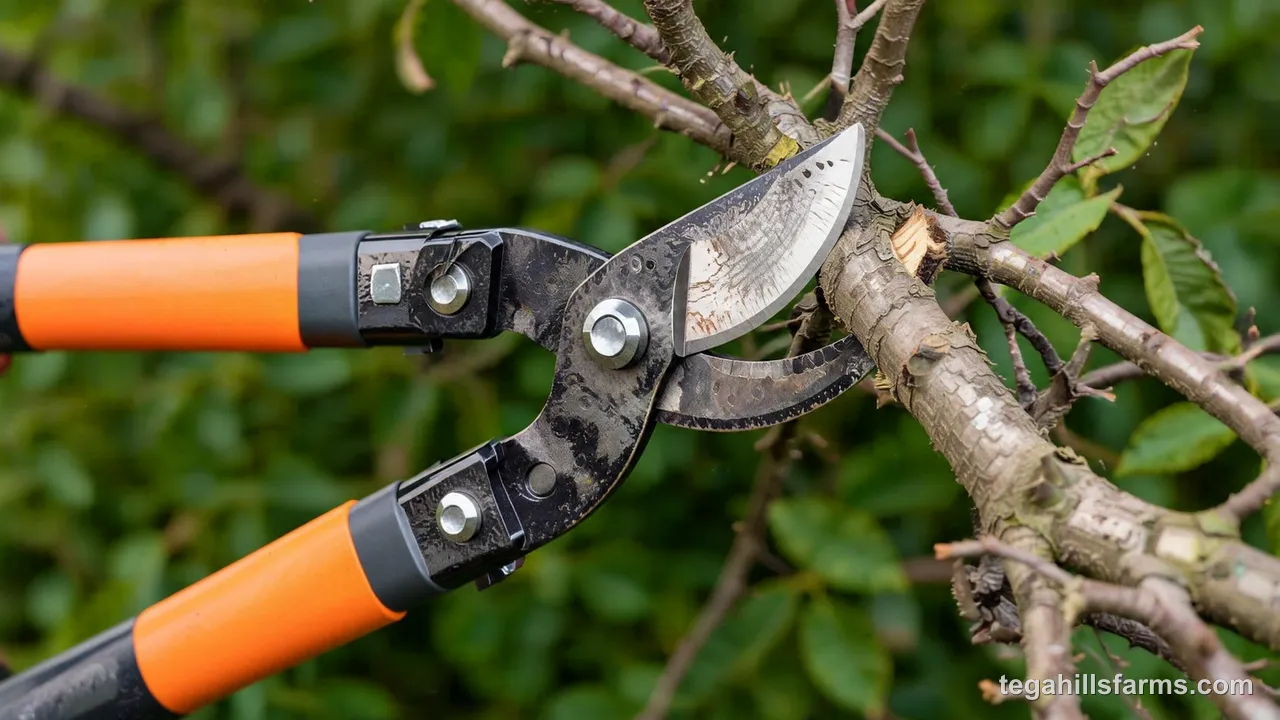
A dull edge is the easiest fix. The process for how to sharpen loppers comes down to following the factory bevel with a file or sharpening stone and leaving the flat back of a bypass blade flat. Pivot play calls for adjustment, which is simple on models with an adjustment mechanism or locking nut.
Replace the blade when it is chipped, cracked or worn past its bevel, if parts are available. Replace the whole tool when a handle bends or the frame twists, because a warped frame can’t hold the blades in line.
Routine care slows all of this down. Wipe off sap after each use, dry the blades, and oil the pivot so grit doesn’t wear it loose.
How Do You Cut Branches Without Tearing the Bark or Straining the Tool?
Cut just outside the branch collar, the slightly swollen ring where a branch meets the trunk, with the sharp blade on the side that stays on the plant. Stop forcing any branch the blades can’t close through smoothly. Together, those habits protect the bark, the tool and your wrists.
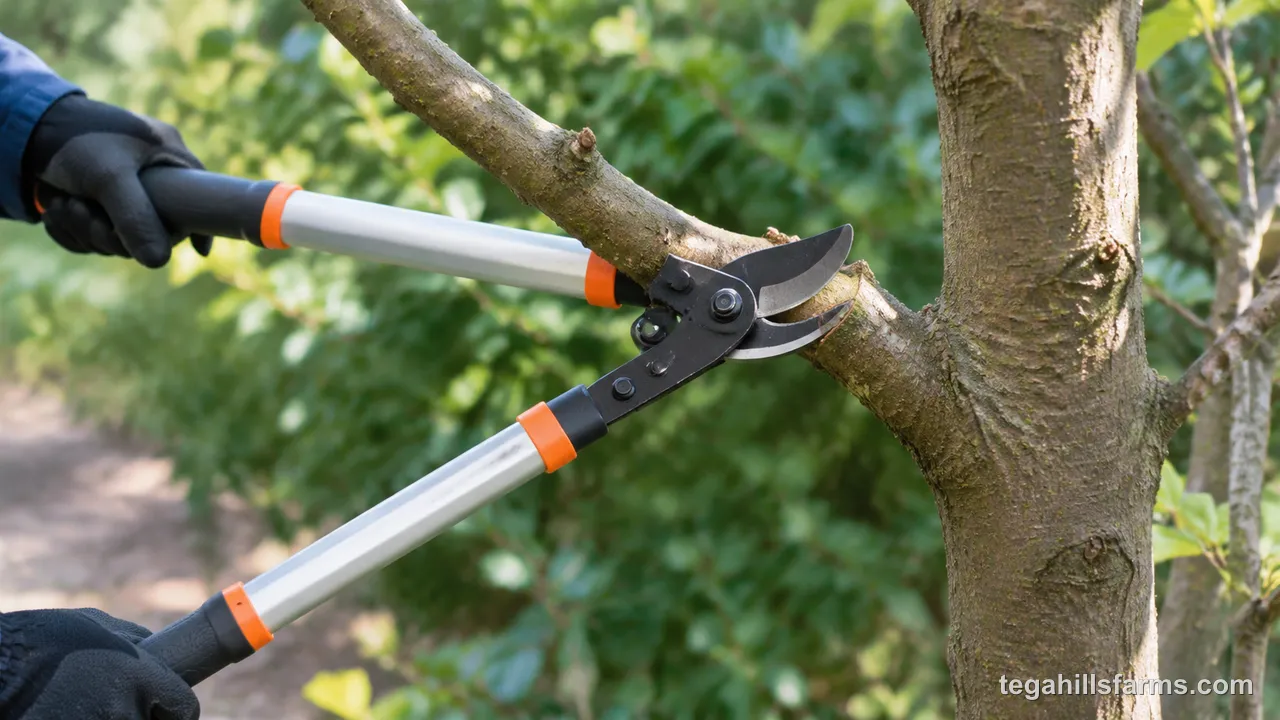
Open the blades fully and set the branch deep in the jaws near the pivot, where leverage is greatest. Close in one steady motion without twisting or rocking. Twisting pries the blades apart and tears the bark you are trying to protect. For a heavy limb, cut from below first or switch to a saw, because the falling weight can strip a long tongue of bark down the trunk.
Timing affects recovery. Most deciduous shrubs and trees respond well to pruning while dormant in late winter, and spring bloomers such as lilac and forsythia are best pruned right after they flower. The exact window shifts with your USDA Hardiness Zone. Wear gloves and eye protection, keep stable footing, and never prune near power lines.
Frequently Asked Questions About Loppers
What is the difference between loppers and pruners?
Pruners are one-hand tools for small stems, deadheading and fine shaping. Loppers use long handles and both arms to cut thicker branches and reach into shrubs. Choosing between loppers versus pruners comes down to branch size and reach, and most gardens are easier to maintain with both.
Can loppers cut through roots?
A bypass lopper can cut exposed woody roots when you divide shrubs or clear an old planting, but soil and grit dull the blade quickly. Wash and dry the blades afterward. If you dig through roots often, keep a dedicated root saw or an older lopper for that job.
Are loppers good for pruning roses and other thorny shrubs?
Yes. The long handles keep your hands and forearms away from the canes while you remove old wood at the base. Use a bypass blade on live canes, wear long gauntlet gloves, and save fine trimming near buds for hand pruners, which give more precise control.
How should loppers be stored over winter?
Clean off sap and soil, dry the blades completely, and wipe a light coat of oil on the blades and pivot. Store them in a dry shed or garage, hung up or closed, so moisture and bumps don’t rust or nick the edges before spring pruning.
More Guides on Best Loppers
- Best Loppers for Softwood Branches
- Bypass vs Anvil Loppers
- Best Loppers Under $30
- Best Loppers Under $50
- How Much Does a Loppers Cost
- How to Choose Loppers