

Among the best ratchet loppers for 2026, my choices are Fiskars Ratchet Drive Anvil Loppers 32in (Best Overall), Kimura Pro Anvil Lopper 25-37in (Runner Up), Spear & Jackson 8290RS Ratchet Loppers (Editor’s Choice), STEELHEAD Gear-Bypass Lopper 27-40in (Best Budget), EZ Kut G2 Ratcheting Branch Cutter 42in (Best for Limited Hand Strength), EZ Kut BranchCutter Sub Compact Loppers (Best Compact), Spear & Jackson Kew Gardens Ratchet Loppers (Also Great), Spear & Jackson 8100RS Anvil Lopper (Also Great) and Gardena 8773-U Ratchet Lopper Smart Cut (Also Great). Each one turns a single hard squeeze into several short ones, and that is what makes thick branches manageable for tired or arthritic hands.
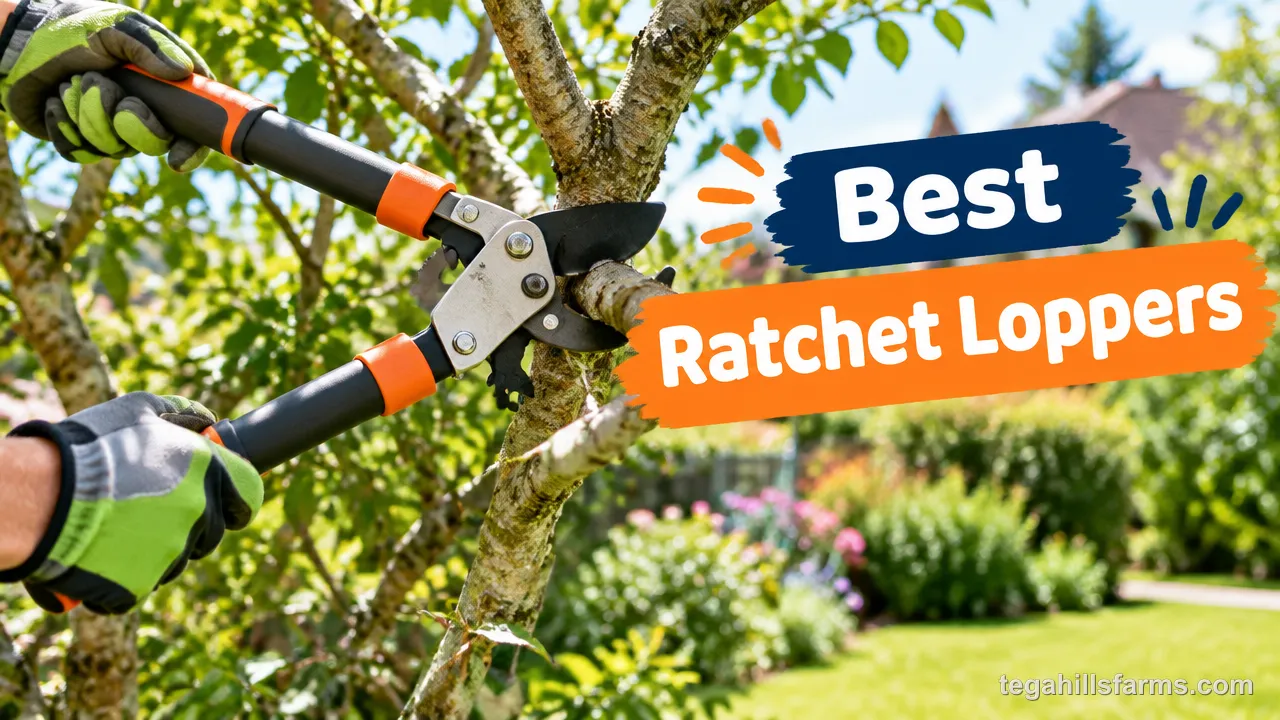
The first thing to get right is the jaw. An anvil jaw grips dry, dead limbs, and a bypass jaw slices living shrubs without crushing them. Handle length matters next, because telescopic handles let you reach high branches from the ground. After that, the blade steel, coating and grip padding decide how the lopper feels after an hour and how it ages.




Any ratchet trades effort for time and extra parts. Each cut takes several strokes. A ratchet packed with sap can slip a notch just as the blade bites. The extra hardware also adds weight you hold at arm’s length through every cut.
How Do Ratchet Loppers Work?
Each squeeze of the handles drives the blade one notch deeper into the branch, and a spring-loaded pawl locks it in place when you open your hands, so the cut moves forward in short strokes instead of springing back.
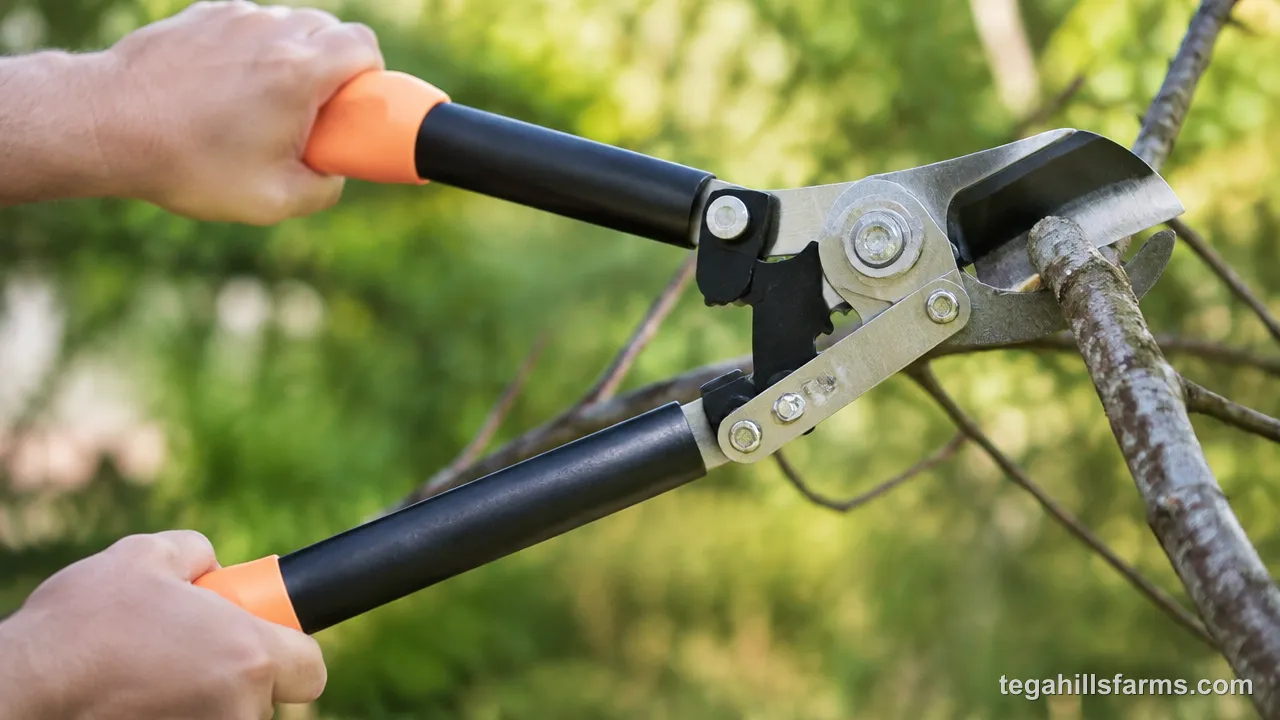
You squeeze, open the handles to a comfortable spread, and squeeze again until the blade passes through. Each stroke delivers only part of the total cutting force. Your hand and wrist never have to supply the whole effort in one push, and you can keep the handles in the range where your grip is strongest.
A standard lopper has to cut through the branch in one closing stroke, so all the force comes from your arms at once. Compound-action designs multiply force through gears or extra pivots, but they still finish in one stroke. A ratchet spreads the work across several strokes instead, which takes longer but asks less of a weak grip. To weigh ratchet designs against other jaw styles and handle lengths, the guide to the best loppers covers the wider field.
Are Ratchet Loppers Any Good?
Yes, for thick, hard branches and for sore joints, arthritis or a weaker grip, since each short squeeze takes little force from the hand.
The benefit grows with the difficulty of the cut. On a dry limb near the jaw’s capacity, a plain lopper demands one hard push. A ratchet lets you close the cut in stages, so hands that would give out halfway can still finish the job.
Those stages cost time, because every cut takes several strokes, and that adds up along a long hedge of thin growth. The mechanism also has to stay clean. Sap and grit in the teeth can make the ratchet stick or skip a notch, and the load drops back onto your hands at the worst moment. The extra parts make many models heavier in the hand, and you feel that weight over a long session with your arms out.
A plain or compound-action lopper is the better choice when most of your cuts are green, mid-sized stems that close in one squeeze. For that work, speed and a lighter tool matter more than reduced force. The best lightweight loppers will get through routine shaping faster and tire your arms less.
What Should You Look for in Ratchet Loppers?
The mechanism works much the same across brands, so what sets one model apart is how well it suits the wood you cut and the hands that hold it.
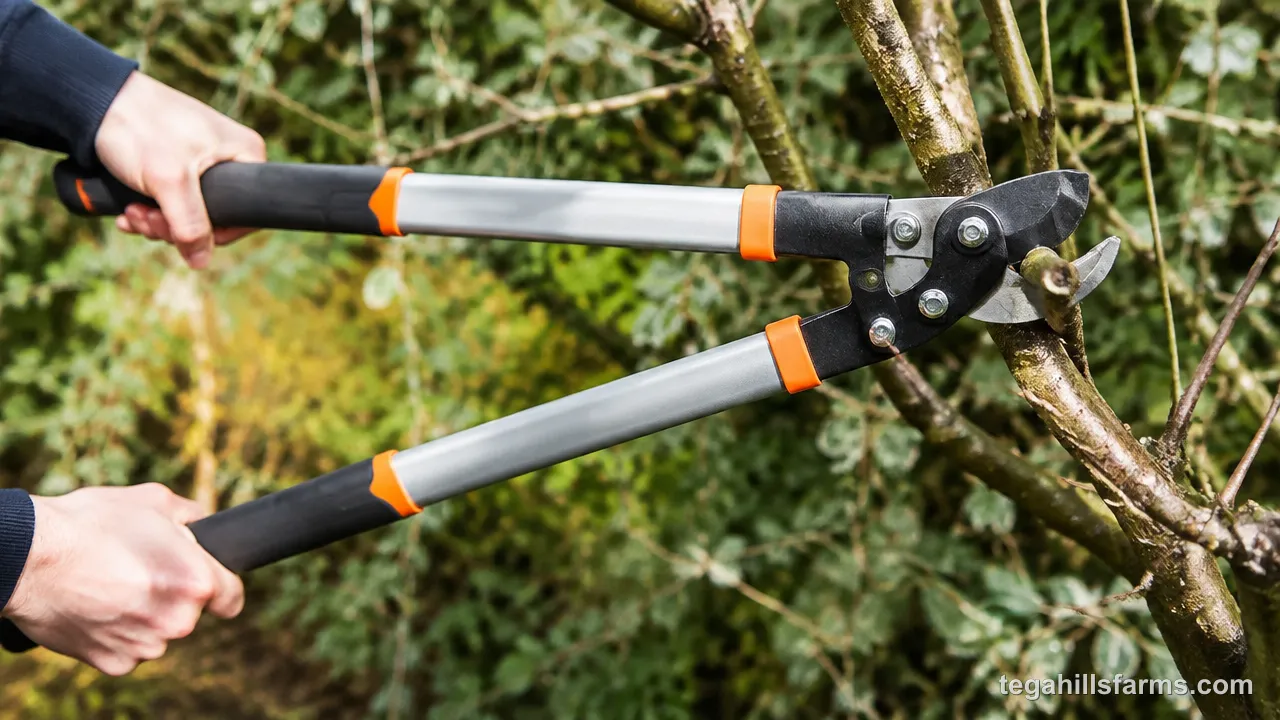
A good match keeps each cut light through an hour of work and keeps the ratchet working season after season. A poor match turns a tool bought to spare your hands into one that wears them out.
Should You Choose an Anvil or Bypass Ratchet Lopper?
Choose an anvil jaw for dry, dead and hard wood and a bypass jaw for green, living stems. Ratchet action comes on both, so the wood you cut most decides.
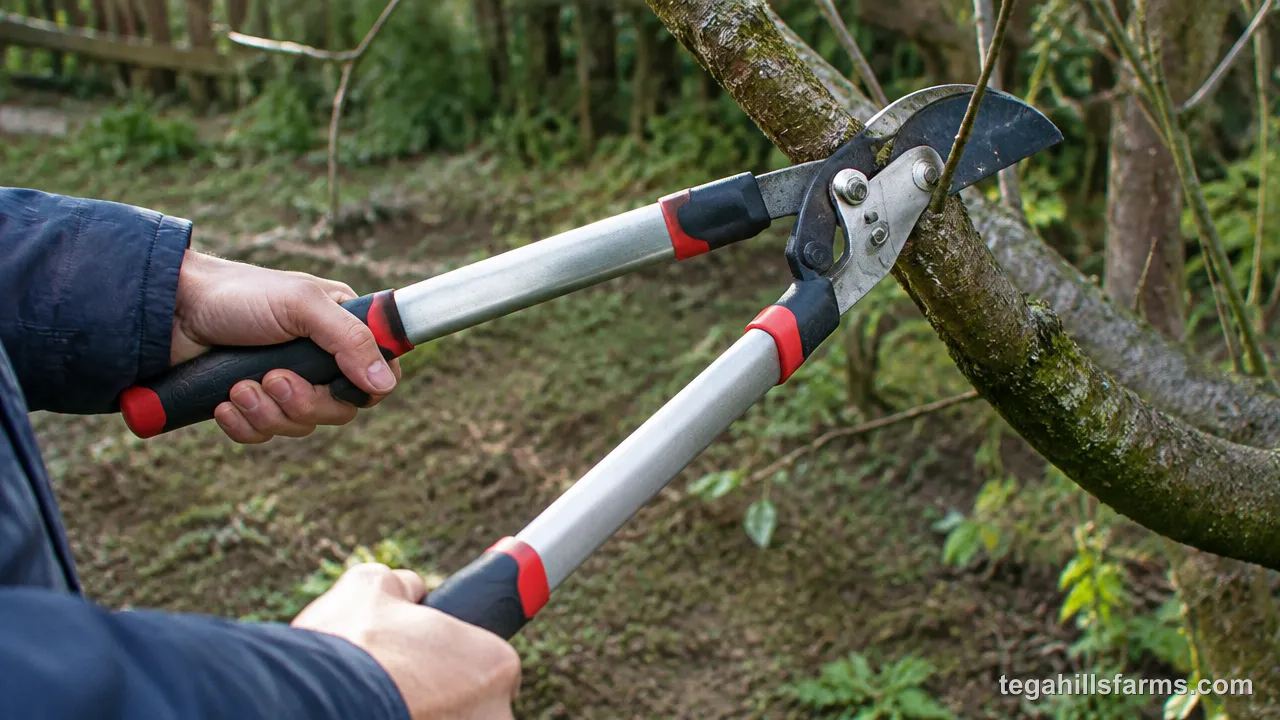
An anvil blade closes onto a flat plate. The plate holds a brittle branch firmly while the edge presses straight through it. On a living stem, the same pressure crushes the bark and the growing tissue under it on the anvil side. The plant seals that ragged wound more slowly, and disease has an easier way in.
A bypass jaw works like scissors: the blade slides past a hooked lower jaw. Cuts on live wood come out clean and heal faster. On hard deadwood, though, the thinner bypass blade can bind or twist in the fibers.
Upkeep follows the jaw too. A bypass jaw only cuts cleanly while the pivot is snug enough to keep the blades close. An anvil blade has to meet the plate squarely, and it slowly dulls from striking it. If your yard is mostly deadwood, the best anvil loppers are worth comparing; for roses and live shrubs, look at the best bypass loppers.
How Much Cutting Capacity Do You Need?
Rated cutting capacity is the thickest branch the jaws can open around and close through. Cuts stay easy when your usual branch is well below that rating.
Near the limit, the jaws barely fit around the wood. The blade starts the cut at a poor angle, and the ratchet needs more strokes, each heavier than the last. That load runs through the edge and the pivot. This is how blades chip and pivots loosen on tools pushed to their rating every weekend.
Pick a lopper whose rating leaves clear headroom above the branches you cut most often, and keep a pruning saw for anything thicker. Ratings vary between models and between jaw styles, so check the figure for each tool rather than assuming a ratchet raises it.
Do You Need Telescopic Handles?
Telescopic handles are worth having if you prune branches above head height. They add reach without a ladder and extra leverage on stubborn wood. Cutting from the ground with both feet planted is safer than balancing on a ladder with both hands on the tool.
The locking collar or twist lock has to hold firmly under load. A handle that slips mid-cut throws off your grip and changes the blade’s angle. Extended tubes also add weight and some flex, which you feel as wobble at full length. Fixed handles are stiffer and lighter, so they suit low shrubs and beds where you never need the reach.
Telescopic models help most if you have tall hedges or small trees, or you’d rather not climb. If you prune between knee and shoulder height, you can skip them.
Which Blade, Handle and Grip Details Matter Most?
Hardened carbon steel, a non-stick coating, light handles and padded grips do the most for comfort and lifespan. Bumpers, rivets and replaceable parts add years of service.
- Hardened carbon steel blades resist rolling and denting, so the edge stays sharp through more cuts and needs sharpening less often.
- A non-stick coating such as PTFE lets sap slide off instead of building into a tacky layer, and it slows rust between sessions.
- Aluminum handles keep the weight down for overhead work. Steel handles are stiffer under heavy levering but heavier to hold.
- Grip padding spreads pressure across your palm, which you notice most after an hour of repeated squeezes.
- Bumpers absorb the jolt when the blade breaks through, sparing your wrists and elbows.
- Riveted joints stay tight through seasons of levering. Replaceable blades or springs let you fix wear without buying a new tool.
The 9 Best Ratchet Loppers of 2026
The ratchet loppers I recommend for different hands and yards are Fiskars Ratchet Drive Anvil Loppers 32in, Kimura Pro Anvil Lopper 25-37in, Spear & Jackson 8290RS Ratchet Loppers, STEELHEAD Gear-Bypass Lopper 27-40in, EZ Kut G2 Ratcheting Branch Cutter 42in, EZ Kut BranchCutter Sub Compact Loppers, Spear & Jackson Kew Gardens Ratchet Loppers, Spear & Jackson 8100RS Anvil Lopper and Gardena 8773-U Ratchet Lopper Smart Cut. They all spread a hard cut across several squeezes, so what changes your experience is the jaw, the reach and the weight you hold up. Arthritic hands need padding and a finely stepped ratchet. Work between crowded plants needs a short body. High or dry, thick limbs call for telescopic handles or an anvil jaw built for hard wood.
#1 Fiskars Ratchet Drive Anvil Loppers 32in — Best Overall
If most of your pruning is old, dead wood that has turned hard, this anvil lopper’s ratchet compounds your force through a series of easy squeezes. Its low-friction blade coating keeps sap from gumming the cut.
Key Specs:
- Jaw: anvil
- Cutting capacity: 2 in diameter
- Length: 32 in
- Blade: fully hardened, precision-ground steel with low-friction coating
- Handles: steel, riveted
- Model: 376811
Detailed Review:
The jaws take branches up to 2 in thick. The anvil holds a brittle branch steady against a flat surface, so each ratchet step presses straight through hard, seasoned wood without the branch rolling out of the jaw. That steadiness matters most on deadwood, where dry fibers resist a single squeeze.
The blade is fully hardened and precision-ground, so it holds its edge longer before cuts start needing extra ratchet strokes. A sharp edge matters more on an anvil design, because a dull one mashes wood against the anvil instead of cutting it. The low-friction coating glides through the wood, keeps sap and debris off the blade and adds rust resistance, so you spend less time scraping residue after a long cleanup.
Durable steel construction and riveted handles keep the head and handles firmly joined through seasons of levering. I’d keep this lopper for dormant-season deadwood work, when branches are dry and hard and an anvil jaw has nothing living to bruise. For heavy limbs where you’d also consider non-ratchet designs, compare the best loppers for thick branches.
Pros:
- Ratchet action splits hard cuts into short, light squeezes.
- Anvil jaw holds dry, dead branches steady during the cut.
- Low-friction coating sheds sap and resists rust.
- Hardened, precision-ground blade keeps its edge longer.
- Riveted steel handles stay firm through seasons of levering.
Cons:
- Anvil jaw crushes living green stems instead of slicing them.
- Several squeezes per thick cut slow down big cleanups.
Who It’s For:
Deadwood cleanup in mature shrubs and fruit trees is the work this lopper suits, since the anvil jaw and ratchet handle hard, seasoned branches well. If your pruning is mostly live growth on roses or ornamental shrubs, a bypass jaw will treat the stems more gently.
Editor’s Verdict:
A dependable anvil ratchet for dry, dead wood, with a coated, hardened blade that stays sharp and slick through seasons of cleanup.
#2 Kimura Pro Anvil Lopper 25-37in — Runner Up
Twist locks extend the aluminum handles from 25 to 37 in, which brings branches above head height within reach while you stay on the ground. Soft TPR grips cushion each squeeze.
Key Specs:
- Jaw: anvil, Japanese SK5 steel blade with PTFE coating
- Handle length: 25 to 37 in, telescopic with twist locks
- Cutting capacity: 2 in
- Weight: about 2.8 lb
- Grips: soft TPR on aluminum handles
- Warranty: lifetime
Detailed Review:
The ratchet multiplies your force by up to 5 times, and the jaws take branches up to 2 in thick with that reduced effort. The twist locks let you change length between cuts without setting the tool down.
At about 2.8 lb, with the weight spread evenly between the blades and handles, the head doesn’t pull your wrists forward when the handles are extended. Next to the Spear & Jackson 8290RS Ratchet Loppers, the Kimura is noticeably lighter but stops a few inches shorter at full extension. That trade is worth making if your shoulders tire before you run out of reach.
The Japanese SK5 steel anvil blade holds its edge through repeated trimming of trees, hedges and shrubs. The PTFE coating keeps sap from building up and slows rust. Anti-rust components and riveted handles support the steel construction, and a lifetime warranty covers the purchase. Reach is the reason to choose it, and if you want to weigh it against non-ratchet telescopic designs, compare the best extendable loppers.
Pros:
- Twist locks change handle length quickly between cuts.
- Even weight distribution keeps the head from feeling top-heavy.
- Soft TPR grips cushion the hands during repeated squeezes.
- PTFE-coated SK5 blade resists sap build-up and rust.
- Lifetime warranty covers the purchase.
Cons:
- Anvil jaw can crush soft, living stems.
- Telescopic joints add some flex at full length.
Who It’s For:
If your hedges and small trees have branches just past arm’s reach, this lopper lets you extend instead of climb. Its light aluminum build suits gardeners who tire quickly with heavy tools. If you mostly shape fresh green shoots, a bypass jaw will serve you better.
Editor’s Verdict:
Light, evenly balanced and extendable, it makes overhead anvil cuts manageable for gardeners who want reach without extra heft.
#3 Spear & Jackson 8290RS Ratchet Loppers — Editor’s Choice
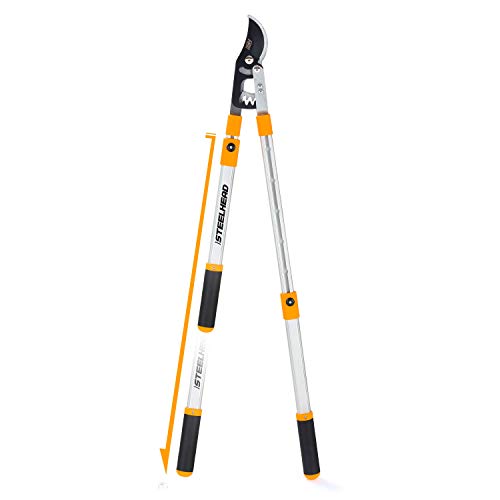
For hard, thick branches that grow high, this lopper pairs a ratchet that cuts in short steps with tubular aluminum handles that extend from 28 to about 40½ in. The upper blade is SK5 carbon steel.
Key Specs:
- Jaw: anvil, SK5 carbon steel upper blade with PTFE coating
- Handle length: 28 to 40½ in, telescopic tubular aluminum
- Weight: about 4.2 lb
- Grips: soft-feel, non-slip
- Storage: locking catch
- Guarantee: 10 years
Detailed Review:
The SK5 carbon steel upper blade keeps this lopper cutting cleanly through hard wood season after season. A sharp edge starts each cut with less force, so the ratchet needs fewer steps per branch and the handles stay in a comfortable squeeze range.
The tubular aluminum handles are light for their strength, and full extension adds leverage as well as reach on thick, stubborn limbs. At about 4.2 lb, though, the tool feels heavy once you hold it extended overhead, so rest your arms between cuts. The Spear & Jackson 8100RS Anvil Lopper is shorter and lighter. The 8290RS reaches much further, which makes it the one for high work, while the 8100RS is the easier tool to carry around shrubs.
A PTFE coating protects the blade from rust. The soft, non-slip grips keep your hands from sliding when you squeeze hard at full length. The locking catch holds the jaws closed for safe storage, and a 10-year guarantee backs the tool. I’d choose it over a lighter lopper when the branches are both high and hard.
Pros:
- SK5 carbon steel upper blade keeps a lasting edge.
- Long telescopic reach brings high limbs within range.
- PTFE coating protects the blade from rust.
- Locking catch keeps the jaws closed in storage.
- A long guarantee backs the tool.
Cons:
- Carried weight builds quickly during long overhead sessions.
- Anvil jaw leaves a pressed edge on living stems.
Who It’s For:
Homeowners with mature trees and tall shrubs whose hard, woody limbs need cutting back from the ground will appreciate the long reach and the edge-holding blade. If you have weak shoulders, the extra heft may tire you overhead, and the lighter Kimura Pro Anvil Lopper 25-37in suits you better.
Editor’s Verdict:
Choose it when hard branches sit high, because the SK5 edge and long telescopic reach solve both problems at once.
#4 STEELHEAD Gear-Bypass Lopper 27-40in — Best Budget
If you’re cutting back overgrown, living shrubs, this lopper gives you a gear-bypass jaw, which slices green wood cleanly instead of pressing it against a flat plate. The arms telescope to 40 in.
Key Specs:
- Jaw: compound-ratcheting gear-bypass
- Cutting capacity: 1¾ in
- Handle length: 27 to 40 in, tool-less telescoping
- Blade: forged high-carbon steel with non-stick, corrosion-resistant finish
- Grips: overmolded DuraGrip handles
- Support: lifetime US-based support
Detailed Review:
The compound-ratcheting gear-bypass fulcrum multiplies your cutting force, so the jaw does far more of the work. That cuts effort, fatigue and shock through your hands, wrists, shoulders and arms. With a bypass jaw, the extra force goes into clean cuts on stubborn, living branches up to 1¾ in thick.
The telescoping arms need no tools: unlock them, slide them to the length you want and lock them again. The extra length gives you leverage on tough limbs as well as reach into the tops of tall shrubs.
Overmolded DuraGrip handles give a secure hold and better leverage, and they fit a wide range of hand sizes, from large to small. The blades are forged from high-carbon steel with a non-stick, corrosion-resistant finish. It keeps sap, gunk and debris from building up and eating into the metal season after season. Lifetime support from a team in Atlanta, Georgia, backs the purchase. If you’re watching your budget, this is an affordable way into ratchet cutting on live wood.
Pros:
- Gear-bypass jaw slices living wood cleanly.
- Ratcheting gear fulcrum multiplies cutting force up to three times.
- Tool-less telescoping arms adjust length quickly.
- Overmolded grips fit both large and small hands.
- Non-stick finish keeps sap and gunk off the blades.
Cons:
- Bypass blades rely on a snug pivot to cut cleanly.
- Bypass jaw can bind in brittle, dead wood.
Who It’s For:
Anyone shaping overgrown living shrubs and small trees who wants a ratchet without paying premium prices will do well with this lopper. The overmolded grips suit large and small hands alike. If your pruning is mostly brittle deadwood, an anvil jaw holds that kind of branch more securely.
Editor’s Verdict:
An affordable route to ratchet cutting on live wood, with a gear-bypass jaw and telescoping arms that reach into taller shrubs.
#5 EZ Kut G2 Ratcheting Branch Cutter 42in — Best for Limited Hand Strength
Six ratchet stages break each cut into small pushes, and cushioned handles with shock-absorbing pads soften every stroke for sore wrists or arthritic hands. The handles extend to 42 in.
Key Specs:
- Ratchet: 6-stage
- Cutting capacity: 1.5 in
- Handle length: telescopic aluminum, extends to 42 in
- Blade: hardened SK5 carbon steel with non-stick coating
- Frame: cast aluminum, reinforced anvil design
- Weight: 3.5 lb
Detailed Review:
The multi-stage ratchet multiplies your force with each squeeze, so no single stroke has to do much of the cut. The black cushioned, anti-slip handles with shock-absorbing pads take the jolt out of the moment the blade breaks through. Together they help reduce hand fatigue, wrist strain and the repetitive-motion injuries that long pruning sessions can cause.
The jaws cut tough branches, dry or green, up to 1.5 in in diameter. An all-metal body, a cast aluminum frame and a reinforced anvil keep the head stiff under repeated ratchet loads. The hardened SK5 carbon steel blade has a non-stick coating that keeps cuts clean and consistent over time.
The strong but lightweight aluminum handles extend smoothly and lock securely, so you can reach high branches without a ladder and gain leverage at full length. Compared with the Kimura Pro Anvil Lopper 25-37in, this cutter reaches further, while the Kimura is lighter and takes thicker branches. If arthritis or carpal tunnel shapes how you garden, I’d start with this cutter.
Pros:
- Multi-stage ratchet keeps each squeeze light.
- Shock-absorbing pads soften the jolt at the end of cuts.
- Telescopic aluminum handles lock securely at length.
- Hardened SK5 blade with non-stick coating cuts consistently.
Cons:
- Smaller cutting capacity limits it on heavier limbs.
- More ratchet stages mean more squeezes per cut.
Who It’s For:
If you live with arthritis, carpal tunnel or a weak grip, you’ll find the padded handles and stepped ratchet kind to your joints. The telescopic reach also spares you a ladder. If you mostly cut heavy limbs, the Fiskars Ratchet Drive Anvil Loppers 32in takes thicker wood.
Editor’s Verdict:
Built around strain relief, it turns hard pruning into a series of light, cushioned squeezes that weak or painful hands can manage.
#6 EZ Kut BranchCutter Sub Compact Loppers — Best Compact
At 18 in long and 1.75 lb, this lopper fits a back pocket and works in tight spots between canes, stems and fence lines. You can ratchet or single-squeeze.
Key Specs:
- Length: 18 in
- Weight: 1.75 lb
- Jaw: anvil
- Cutting capacity: up to 2 in with the ratchet
- Cutting modes: ratchet or single squeeze
- Blade: SK5 hardened steel, non-stick coated
Detailed Review:
Short handles give little leverage, and the ratchet makes up for it by splitting a hard cut into steps, so the jaws still take branches up to 2 in. When the stem is thin, the single-squeeze mode finishes it in one stroke, which keeps light trimming quick.
You can work inside a dense shrub, between crowded plants or along a fence without long handles catching on anything. The cutter also packs into a bag for trail work. Compared with the Gardena 8773-U Ratchet Lopper Smart Cut, which weighs about the same, this one is several inches shorter. It slips into tighter gaps, while the Gardena’s longer arms give a little more leverage.
The SK5 hardened steel blade has a non-stick coating that keeps debris off. Rolled steel construction gives the small body heavy-duty strength. The components are replaceable, so you can swap a worn part instead of the whole tool, which suits a cutter that gets carried around and used hard.
Pros:
- Compact length slips into tight spots and back pockets.
- Switch between ratchet and single-squeeze cutting.
- Ratchet still takes branches up to 2 in.
- Replaceable components extend service life.
Cons:
- Short handles give little leverage or reach.
- Close-in cutting puts your hands near thorny growth.
Who It’s For:
Hikers, trail crews and gardeners working inside dense shrubs or crowded beds will value a cutter this small, and it rides in a pocket between jobs. For branches overhead, a telescopic model with long handles will serve you better.
Editor’s Verdict:
Small enough to carry anywhere, it still ratchets through thick branches in spots where long handles won’t fit.
#7 Spear & Jackson Kew Gardens Ratchet Loppers — Also Great
For older, woodier growth you want to reach from the ground, this lopper pairs a ratchet that cuts in short steps with twist-and-lock handles that extend to about 40½ in. A locking catch keeps it shut for carrying.
Key Specs:
- Jaw: anvil
- Cutting capacity: 2 in (50 mm)
- Handle length: 28 to 40½ in, telescopic
- Extension: twist-and-lock mechanism
- Weight: about 4.2 lb
- Storage: locking catch
Detailed Review:
The twist-and-lock mechanism lets you extend the handles for extra reach and lock them, and once locked they stay put as you load the ratchet. That firm hold matters at full length, where a slipping handle would change the blade’s angle mid-cut.
The ratchet works in short steps that suit older, woodier growth, and the jaws take branches up to 2 in thick. Fully extended, the long handles add leverage, so each step needs less squeeze. The ratchet also holds its position between strokes while you reset your grip.
At about 4.2 lb, the head sits far from your hands once the handles are extended, and you feel that in your wrists during overhead work. Resting the tool between cuts or working from shoulder height keeps the load manageable. The locking catch keeps the jaws shut for safer carrying and storage, so the blade isn’t exposed on the way back to the shed.
Pros:
- Twist-and-lock handles hold firm at full extension.
- Ratchet steps through older, woodier growth up to 2 in.
- Locking catch keeps the jaws shut while carrying.
Cons:
- Extended handles put noticeable weight on your wrists overhead.
- Anvil jaw suits woody growth more than soft shoots.
Who It’s For:
If your garden has established shrubs and small trees with old, woody stems, this lopper gives you reach and a steady ratchet without a ladder. The locking catch makes it easy to carry between beds. If you mostly prune soft, fresh growth, a bypass jaw will serve you better.
Editor’s Verdict:
Expect steady, stepwise cuts through woody growth at full reach, with a locking catch that makes the tool safer to carry.
#8 Spear & Jackson 8100RS Anvil Lopper — Also Great
Woody branches stay put in this anvil jaw instead of twisting as the blade closes, so each ratchet step lands where you aimed it. Handles extend from 18 to 28¼ in.
Key Specs:
- Jaw: anvil
- Blades: C50 carbon steel, hardened and tempered, PTFE coated
- Handle length: 18 to 28¼ in, twist-and-lock telescopic
- Handles: lightweight aluminum with non-slip comfort grips
- Weight: about 3.5 lb
- Model: 8100RS/09
Detailed Review:
The anvil action minimizes stem twisting on woody branches. That matters with a ratchet, because a branch that rolls between steps strains the pivot and your wrist and tears the cut. Here the branch stays seated, and the progressive ratchet works through it under control.
The C50 carbon steel blades are hardened for wear resistance and tempered to reduce brittleness, so the edge stands up to repeated ratchet loads. A PTFE coating adds rust resistance and helps the blade slide smoothly through wood, so sap doesn’t slow the later ratchet steps.
The twist-and-lock telescopic mechanism adjusts the length over a short range, which suits shrubs and hedges more than tall trees. Lightweight aluminum handles keep the tool at about 3.5 lb, and the non-slip comfort grips keep it steady in your hand. I lean toward this model for hedge and shrub-border work, where reach is rarely the problem.
Pros:
- Anvil jaw stops woody stems from twisting mid-cut.
- Hardened, tempered C50 blades stand up to repeated ratchet loads.
- PTFE coating smooths cuts and fights rust.
- Non-slip grips keep control steady on aluminum handles.
Cons:
- Short extension range limits overhead reach.
- Anvil jaw can bruise soft, green stems.
Who It’s For:
Shrub borders and hedges with woody stems you can reach from the ground are where this lopper earns its place. It suits gardeners who want a shorter tool that still adjusts. If your branches sit well overhead, a longer telescopic model will serve you better.
Editor’s Verdict:
Keep it for woody shrub work at moderate height, where the anvil’s grip and tempered C50 blades give steady, controlled ratchet cuts.
#9 Gardena 8773-U Ratchet Lopper Smart Cut — Also Great
The ratchet on this lopper, which is about 23 in long overall, engages automatically when a branch gets thick, so you can cut light stems and heavy ones the same way. It weighs 1.76 lb.
Key Specs:
- Ratchet: 4-step, engages automatically on thick branches
- Total length: about 23 in
- Weight: 1.76 lb
- Blades: hardened, non-stick coated
- Lever arms: oval aluminum with soft handles
- Model: 8773-U
Detailed Review:
The smart cut ratchet switches on by itself when the branch is thick. Thin growth closes in one normal squeeze, and the ratchet takes over only when the wood resists. You never stop to choose a mode, which keeps a mixed session of light shaping and heavier cuts moving at a steady pace.
The short overall length keeps the lopper nimble inside shrubs and along crowded beds. Shorter arms give less leverage than long handles, and the ratchet steps make up that difference on thicker stems. At this weight, holding it out at arm’s length inside a shrub tires your shoulders far less than a heavy long-handled tool.
Oval aluminum lever arms keep the build light, and the soft handle components cushion your palms through repeated squeezes. The hardened blades have a non-stick coating, so sap slides off instead of building up on the steel between cuts. I’d reach for it on quick rounds through the beds, where cuts vary from light twigs to stubborn stems.
Pros:
- Ratchet engages automatically when branches get thick.
- Light weight stays easy on arms and shoulders.
- Soft handles on aluminum arms cushion the palms.
- Hardened, non-stick coated blades shed sap.
Cons:
- Short arms leave high branches out of reach.
- Gives less leverage than long-handled models on stubborn wood.
Who It’s For:
If you move quickly between thin trims and the occasional thick stem, you’ll appreciate not having to decide when to ratchet. The light build is also easy to hold in smaller hands. If most of your branches grow overhead, a telescopic model suits you better.
Editor’s Verdict:
Pick it for fast, mixed trimming close to the ground, where an automatic ratchet and a light frame keep the work moving.
Which Ratchet Loppers Fit Your Yard and Hands?
Match the jaw to your wood and the handle length to your branches, then weigh how much tool you can hold up; the mechanism itself works much the same on every model.
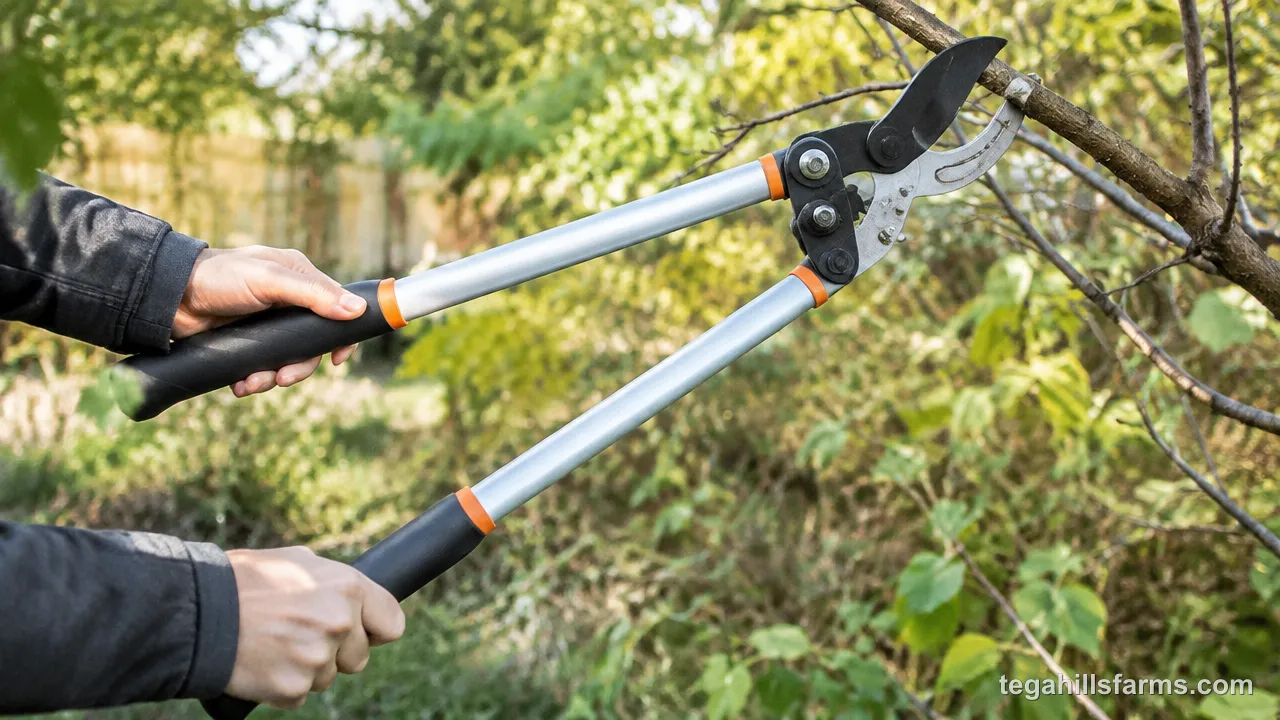
- Weak or painful hands: the EZ Kut G2 Ratcheting Branch Cutter 42in pairs a multi-stage ratchet with cushioned, shock-absorbing handles.
- High branches: the Kimura Pro Anvil Lopper 25-37in, Spear & Jackson 8290RS Ratchet Loppers and Spear & Jackson Kew Gardens Ratchet Loppers all extend, and the Kimura weighs noticeably less than either Spear & Jackson.
- Tight spaces and carrying: the EZ Kut BranchCutter Sub Compact Loppers or the Gardena 8773-U Ratchet Lopper Smart Cut.
- Dry, thick deadwood: the Fiskars Ratchet Drive Anvil Loppers 32in, or the Spear & Jackson 8100RS Anvil Lopper for woody shrub stems that tend to twist.
- Live shrubs: the STEELHEAD Gear-Bypass Lopper 27-40in, which is also the budget-friendly way into a ratchet design.
For occasional mixed trimming, the Gardena’s automatic ratchet keeps things simple. If you prune for long hours every week, compare the best loppers for professional use as well. When a strict spending limit outweighs every other factor, loppers under $50 form a wider field to compare.
Sap from live cuts dries into a tacky film, and grit from dead bark packs into the ratchet teeth along with it, so the pawl stops seating cleanly in each notch. A gummed ratchet that skips mid-cut sends the full load back to your hands, and it wears the teeth and pivot faster every season you leave it.
Ratchet Lopper Maintenance and Wear
A ratchet lopper has more moving parts than a plain lopper. The pawl, the toothed rack, the pivot and the edge all need to stay clean and dry to work as designed. A few minutes after each session keeps every cut light. Skipping that care turns a tool meant to spare your hands into one that fights them. Knowing which problems come from dirt and which come from wear also keeps you from replacing a lopper that only needed an evening’s attention.
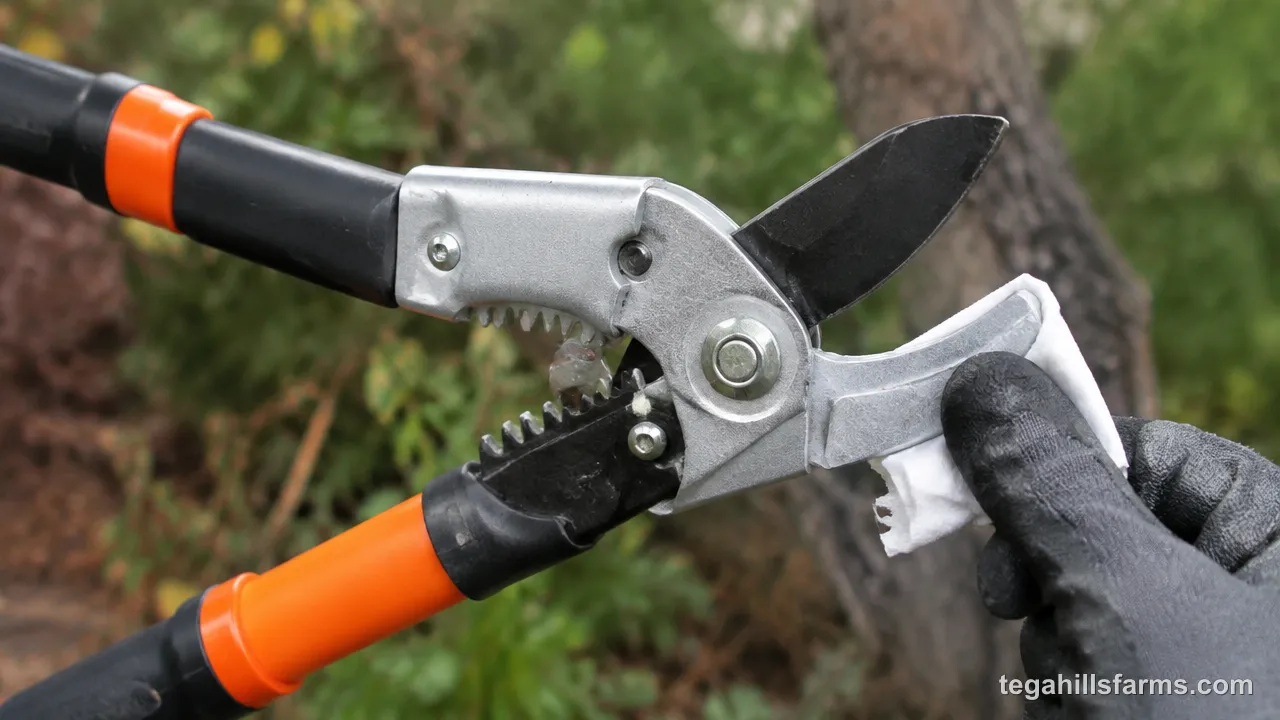
How Do You Clean, Sharpen and Oil Ratchet Loppers?
Wipe sap and debris off the blades and ratchet after every session, oil the ratchet teeth and pivot, and store the lopper dry. Sharpen as soon as cuts start needing extra ratchet steps.
Sap hardens as it dries, so it comes off much more easily right after use with a rag dampened in warm soapy water or rubbing alcohol. Dry the metal fully, put a few drops of light machine oil on the teeth, the pawl and the pivot, and work the handles to spread it. Store the lopper indoors with the locking catch engaged, away from damp floors that encourage rust.
A bypass blade is sharpened on its beveled side only, with the flat back kept flat so it still passes tight against the hook. An anvil blade is sharpened on both sides so the edge meets the anvil squarely along its length. A sharp edge starts each cut with less force, so the ratchet needs fewer steps to finish it. If you’ve never put a file to a blade, start with how to sharpen loppers.
What Are the Signs a Ratchet Mechanism Is Wearing Out?
Skipped notches, a jaw that slips back between squeezes, a wobbly pivot and a bent or nicked blade are the signs to watch. A thorough cleaning tells you whether you’re dealing with dirt or wear.
Skipping and a stiff, gritty action usually come from sap and debris packed into the teeth, and they go away after a cleaning and fresh oil. If the jaw still slips back between squeezes once the teeth are clean, the pawl or its spring has worn and needs replacing. A pivot that still wobbles after you tighten the bolt, on designs that allow it, points to a worn bushing or hole.
You can file out a small nick. A bent blade no longer meets the anvil or the opposing blade squarely and should be replaced. Replaceable components, like those on the EZ Kut BranchCutter Sub Compact Loppers, let you swap the worn part and keep the rest of a sound tool working for more seasons.
How Do You Use Ratchet Loppers Safely and Without Wasted Effort?
Set the branch deep in the jaws near the pivot and keep the cut straight. Open the handles fully to release the ratchet before you reposition, and stop when a branch is thicker than the rated capacity.
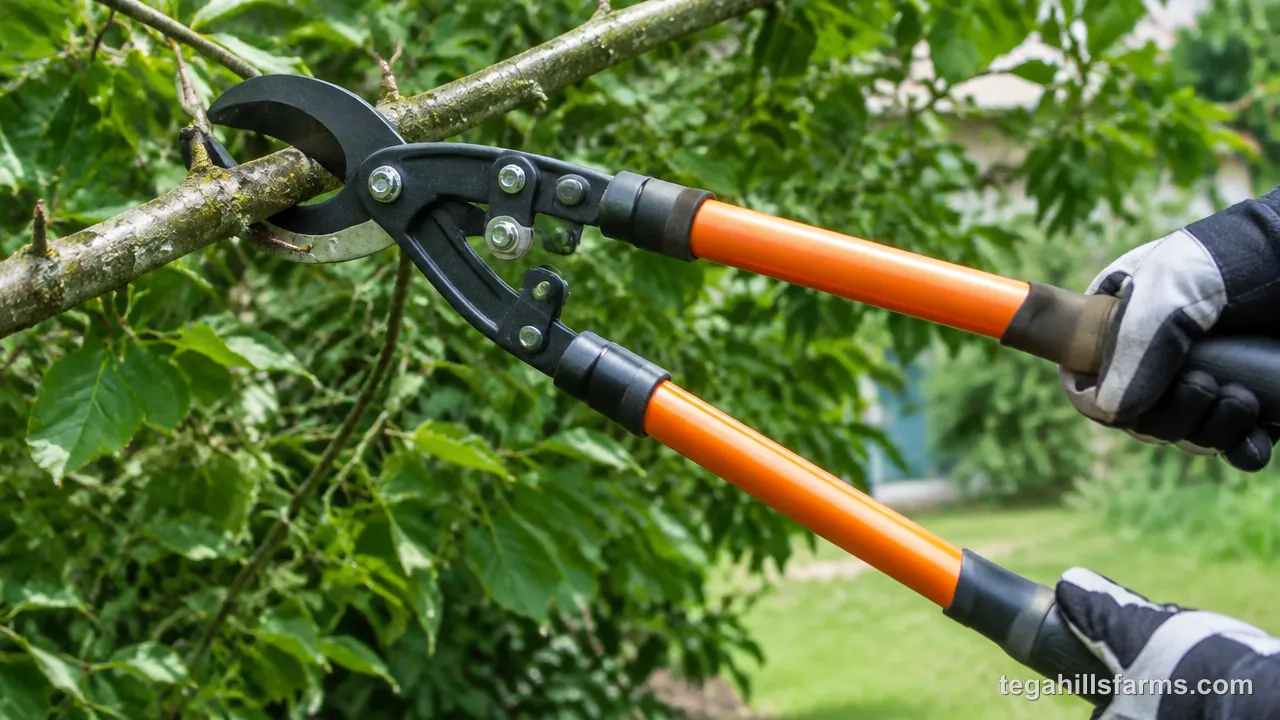
Wood deep in the jaws sits where leverage is greatest and the blades spread least, so each ratchet step does more work. Twisting the handles to hurry a cut bends the blade sideways, strains the pivot and tears bark, especially on live wood. Opening the handles fully lets the ratchet reset, so the jaws don’t grab while you move to a new spot. A branch beyond capacity pushes the blade and pawl past what they were built for, so switch to a pruning saw.
With extended handles overhead, you also have a falling branch to watch for. Stand to the side of the limb rather than under it, check where it will drop, and keep well away from power lines. Safety glasses keep bark and debris out of your eyes, and gloves protect your hands from splinters and thorns. Lock the telescopic collars before every overhead cut, and engage the locking catch before you carry the lopper or hang it up.
Write Your Review
No reviews yet. Be the first to share your experience!