

Our top picks for the best 18 inch chainsaws in 2026 are Seesii 18-Inch Chainsaw (Best Overall), EGO Power+ CS1815 18 in (Best Premium), Oregon CS1500 (Best Easy Assembly), Husqvarna Power Axe 350i 18 in (Best Lightweight), BLACK+DECKER CS1518 18-Inch Corded Chainsaw (Best Easy-Start), and Greenworks 80V 18 in Chainsaw (Best Cordless).
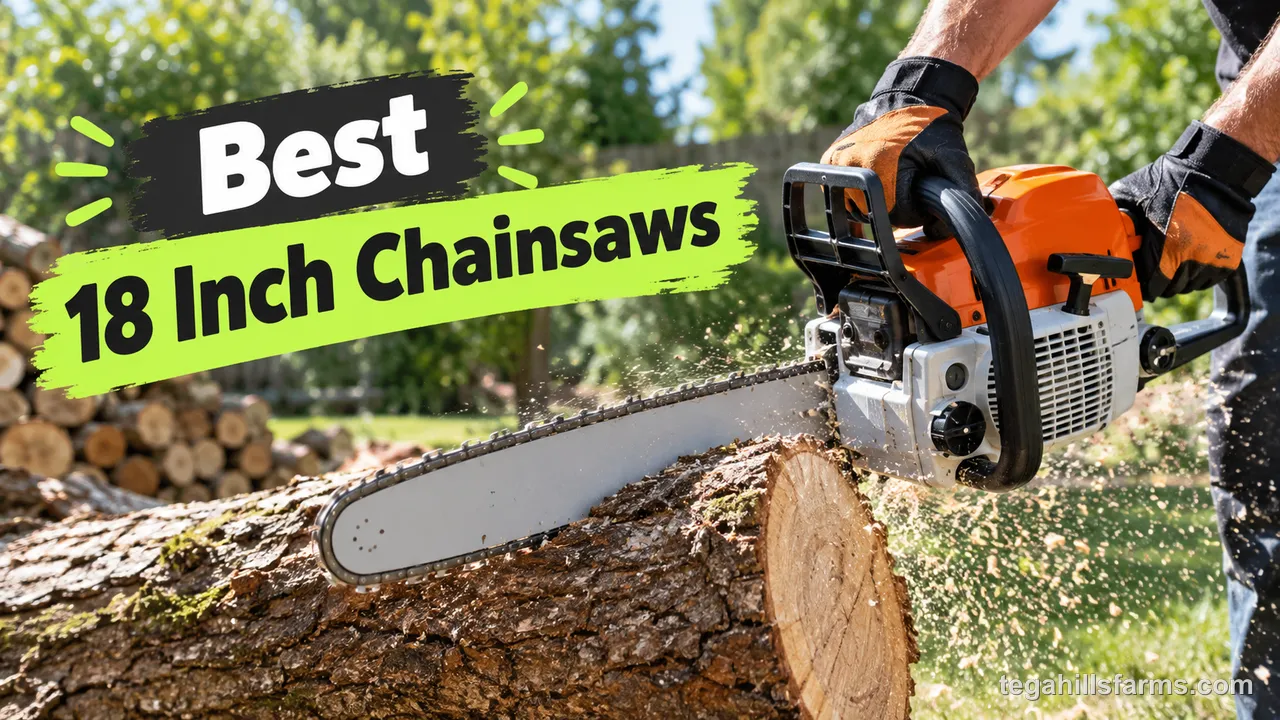
Every saw here carries the same bar length, so they differ in how they are powered, how much weight you hold up all afternoon, and how much upkeep they ask of you. The battery models run on 40V, 56V and 80V platforms. The two corded saws plug into an extension cord and start the moment you pull the trigger.
Most owners worry about two things with a saw this size. The first is whether it can pull a long chain through hardwood without bogging down halfway through a round. The second is whether it will start after sitting in the shed since the last storm. A long bar on a weak motor cuts slowly, and a saw that won’t start is just weight on a garage shelf.




If you already own batteries from one brand, start with the saw on that platform. A battery you already charge every week is easier to keep using than a second charger system you have to learn and store.
What Can an 18 Inch Chainsaw Actually Cut?
An 18 inch bar cuts logs and trunks somewhat thinner than the bar itself in a single pass, which covers firewood bucking, limbing and storm debris for most homeowners.
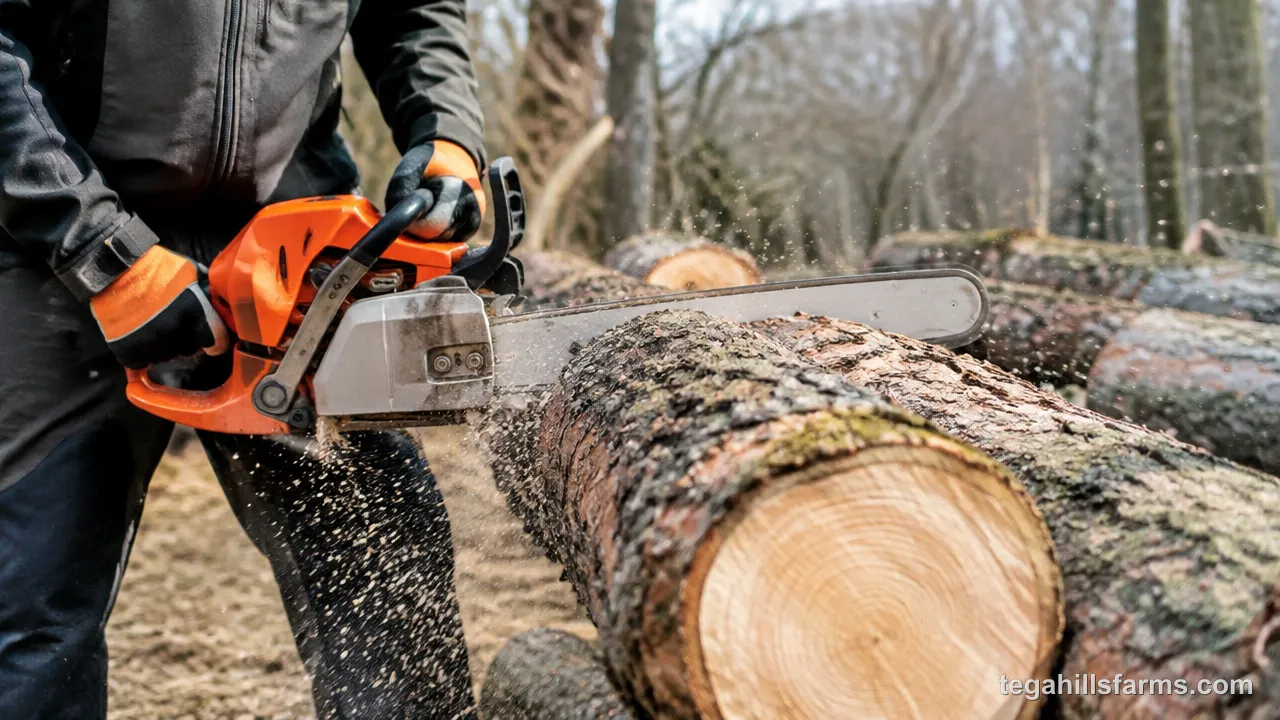
The usable cutting depth is shorter than the bar’s listed length. Part of the bar sits against the saw body and bumper spikes, and the rounded nose doesn’t cut cleanly. Wider wood can be cut from two sides, but that takes more skill and puts the kickback-prone tip into play.
The extra length helps with dense hardwood rounds, downed trunks after a storm, and limbing a felled tree where you need to reach across the log. It only helps if the motor or engine can keep a longer chain moving, so power matters more here than on a shorter saw.
If you mostly prune limbs and small trees, a shorter bar is lighter and easier to steer, and the best 16 inch chainsaws are the better fit. If you regularly drop large trees or buck thick trunks, the best 20 inch chainsaws give you the reach this bar lacks.
If this bar length is more or less saw than your yard needs, the best chainsaws, sorted by use and power type, are a better place to start.
The 6 Best 18 Inch Chainsaws of 2026
The saws covered here at this bar length are Seesii 18-Inch Chainsaw, EGO Power+ CS1815 18 in, Oregon CS1500, Husqvarna Power Axe 350i 18 in, BLACK+DECKER CS1518 18-Inch Corded Chainsaw and Greenworks 80V 18 in Chainsaw. Since the bar is the same across the group, the power source and the weight in your hands decide which one fits. Homeowners already on a battery platform should start with the cordless models. Anyone who wants a plug-in saw with no battery or fuel to maintain should look at the corded pair. If you are still deciding on bar length, the best chainsaws for homeowners cover a wider range of sizes.
#1 Seesii 18-Inch Chainsaw — Best Overall
Seesii’s kit fits a homeowner who wants to buy one box and start cutting, since it ships with two 5.0Ah batteries and two chargers. The brushless motor has real pull for this bar length.
Key Specs:
- Motor: 2200W brushless
- Platform: 40V, two 5.0Ah batteries included
- Chain speed: 30 ft/s
- Oil tank: 2.7 fl oz (80 ml)
- Weight: 8.6 lb with both batteries installed
- Kit: two chargers, two chains, protective gear
Detailed Review:
A 2200W brushless motor drives the chain at 30 ft/s, and that combination keeps an 18-inch bar moving through dense hardwood instead of stalling halfway through a round. Brushless motors lose less energy to heat, so more of each charge goes into the cut.
Seesii rates a full charge at up to 200 cuts on 4-inch softwood logs. Hardwood and wet logs will use the battery faster. With two batteries and two chargers in the kit, one pack charges while the other runs, which keeps a firewood afternoon going.
The EGO Power+ CS1815 18 in moves its chain at 72 ft/s, so the Seesii cuts more slowly through big, dense wood. In exchange, you get a complete kit with a second battery, a spare chain and protective gear. At 8.6 lb with both batteries in place, it stays easy to hold out for limbing.
The automatic oiler feeds the bar from its tank, and the tool-less knob takes up chain slack in the field without a wrench. Plan on some setup out of the box, since the bar and chain need fitting and tensioning before the first cut.
Pros:
- Two 5.0Ah batteries and two chargers come in the box.
- Brushless motor keeps the full bar moving through hardwood.
- Tool-less knob adjusts chain tension in the field.
- Kit adds a spare chain and protective gear.
Cons:
- Needs assembly and tensioning before the first cut.
- Chain speed trails the EGO’s in thick, dense logs.
Who It’s For:
Homeowners starting from scratch with no battery platform will get the most from this kit, because everything needed for a long cleanup day arrives together. If you already own battery tools from another platform, a saw that shares those batteries will save you a second charging system.
Editor’s Verdict:
A complete, well-equipped battery kit with enough motor for an 18-inch bar, and the second battery is what makes it practical for real firewood sessions.
#2 EGO Power+ CS1815 18 in — Best Premium
Owners already on EGO’s 56V platform should look here first. The CS1815 runs its chain at up to 72 ft/s from a 2500W brushless motor, and the included 6.0Ah battery works in every other EGO tool you own.
Key Specs:
- Motor: 2500W brushless, rated equivalent to a 50cc gas saw
- Chain speed: up to 72 ft/s (22 m/s)
- Battery: 56V 6.0Ah ARC Lithium, 80-minute charge on the included CH3200 charger
- Chain: 3/8-inch low profile, 62 drive links
- Warranty: 5-year tool, 3-year battery
Detailed Review:
Chain speed is where the CS1815 pulls ahead. At 72 ft/s, the chain clears chips fast enough that an 18-inch bar buried in a hardwood round keeps cutting instead of slowing. EGO rates it as equivalent to a 50cc gas saw, the class built for large branches, stumps and tall trees.
The battery is rated for up to 330 cuts on a 4×4 and recharges in 80 minutes on the included charger. That rating comes from dimensional lumber, so dense logs will drain it sooner. Since the pack fits every EGO tool, it also runs your mower or blower once the cutting is done.
The color display shows cut speed, battery charge, the LED light status and whether the chain brake is engaged, so you aren’t guessing about charge mid-job. The adjustable LED work light helps at dusk or during emergency cleanup after a storm knocks the power out. Tensioning takes a twist of a dial.
Note the 3/8-inch low-profile pitch and drive-link count before buying a spare chain. A 5-year tool warranty and 3-year battery warranty back the saw.
Pros:
- Fast chain speed keeps the bar cutting in dense wood.
- Battery works across EGO’s 56V tool lineup.
- Display shows charge, brake status and cut speed.
- LED work light helps with cuts at dusk.
- Backed by a 5-year tool warranty.
Cons:
- One included battery means charging breaks on long sessions.
- Premium cost makes most sense if you own EGO tools.
Who It’s For:
If your garage already holds EGO 56V tools, this saw turns those batteries into firewood and storm-cleanup capacity without another charger to manage. Buyers who want gas-class cutting from a battery saw and plan to use it hard will get their money’s worth. Someone trimming a few branches a year won’t.
Editor’s Verdict:
Expect fast, strong cutting and a battery that works across a full tool lineup, which makes the higher cost easy to justify for EGO owners.
#3 Oregon CS1500 — Best Easy Assembly
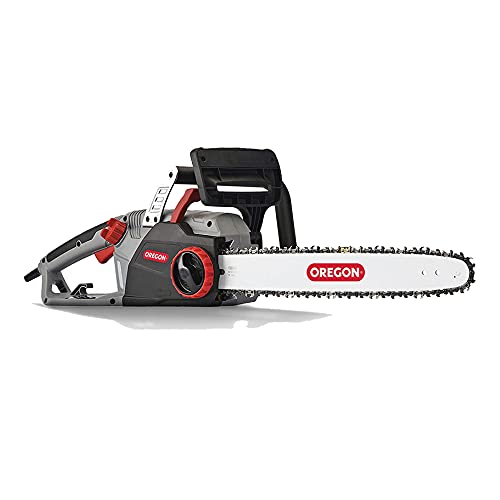
Take it out of the box, fill the oil and plug it in. The Oregon CS1500 ships pre-assembled with a 15A motor and a PowerSharp system that sharpens the chain in 3 to 5 seconds, so an owner working near an outlet spends very little time on setup or upkeep.
Key Specs:
- Motor: 15A corded electric
- Sharpening: integrated PowerSharp, 3 to 5 seconds
- Weight: 12.6 lb
- Assembly: none, ships pre-assembled
- Certification: UL Certified
- Warranty: 2-year Oregon
Detailed Review:
PowerSharp is the reason to pick this saw. It sharpens the chain on the bar in a few seconds, so a dull chain means a short pause instead of a session with a file. For an owner who cuts a few times a season and never learned to sharpen by hand, that keeps the saw throwing chips instead of dust.
Because it is corded, the motor starts instantly with no battery to charge and no fuel to go stale over winter. It also runs quieter than a gas saw, which matters when you are cutting close to the house or the neighbors. The catch is reach, since you work within extension cord distance of an outlet.
The tool-free tensioning keeps the chain snug without a wrench. An automatic oiler feeds the bar and chain from the tank, which cuts friction and extends chain life, and a chain brake is built in.
At 12.6 lb, it is a saw you will notice on long limbing jobs, though that weight sits close to your hands rather than out on the bar. UL certification and a 2-year warranty round it out.
Pros:
- Arrives pre-assembled and ready to cut.
- PowerSharp sharpens the chain in seconds on the bar.
- Starts instantly with no battery or fuel.
- Runs quieter than a gas saw near the house.
Cons:
- Cutting stays within extension cord reach.
- Cord trails through brush while you work.
Who It’s For:
Anyone who cuts around the house, garage or shop and hates fiddling with chain files will like this saw, since sharpening happens right on the bar. It also suits owners who want nothing to charge or mix. Skip it if your cutting happens out past where an extension cord reaches.
Editor’s Verdict:
Pick this one when a sharp chain and zero setup matter more than going cordless. It stays ready for occasional jobs near an outlet.
#4 Husqvarna Power Axe 350i 18 in — Best Lightweight
At 7.72 lb, this saw is easy to carry all afternoon. A brushless motor and a Boost Mode that adds 25 percent more power at the push of a button keep that low weight from costing you cutting ability when the wood gets thick.
Key Specs:
- Weight: 7.72 lb
- Motor: brushless
- Boost Mode: 25 percent more power on demand
- Chain: X-Cut
- Kit: battery and charger included
- Model: 970601202
Detailed Review:
At 7.72 lb, the Power Axe 350i is easy on the arms, and the difference shows most when limbing, where you hold the saw away from your body and keep moving it. A lighter saw stays easier to control late in the day, which is when tired arms make mistakes.
The brushless motor runs efficiently and quietly. Boost Mode adds 25 percent more power with a button press when the bar hits a knot or a thicker round. Husqvarna rates its cutting power above comparable gas saws, so the light build is not a sign of a weak motor.
The X-Cut chain is built to hold its edge, which means sharpening comes around less often. The tool-less tensioning system makes slack adjustments quick when the chain stretches during its first cuts.
Battery and charger ship in the same box, so it is ready to run without a separate purchase. With one battery in the kit, plan charging around longer jobs or add a second pack if firewood is on the schedule.
Pros:
- Light 7.72 lb weight for limbing and carrying.
- Boost Mode adds extra power on demand.
- X-Cut chain holds its edge between sharpenings.
- Battery and charger ship in the same box.
Cons:
- One included battery limits long cutting sessions.
- Light build suits limbing more than all-day bucking.
Who It’s For:
Homeowners who tire quickly holding a saw out at arm’s length will feel the difference here, especially when limbing downed trees or trimming along a fence line. If you plan full days bucking firewood, a kit that includes a second battery suits that work better.
Editor’s Verdict:
Choose it for control and low carried weight. Boost Mode gives enough reserve that the light build rarely feels like a compromise in ordinary yard work.
#5 BLACK+DECKER CS1518 18-Inch Corded Chainsaw — Best Easy-Start
Press a button and it runs. The BLACK+DECKER CS1518 pairs that push-button start with a 15-amp motor, a low-kickback bar and chain, and an oil-level window, which makes it an easy, predictable saw for pruning and cutting branches near the house.
Key Specs:
- Motor: 15-amp corded electric
- Capacity: branches up to 18 in thick
- Weight: 12.5 lb
- Start: push button
- Oiling: automatic, with oil level indicator window
- Warranty: 2-year limited
Detailed Review:
The push-start button is the whole appeal for anyone who has fought a pull cord. There is no priming and nothing to coax, so the saw starts whenever it has power. The 15-amp motor handles pruning and branches up to 18 in thick.
The low-kickback bar and chain reduce both the force and the frequency of kickback, which counts for an owner who picks up a saw only a few times a year. Tool-free tensioning removes slack quickly and keeps the chain seated on the bar.
Auto-oiling keeps the chain lubricated, and the indicator window shows the oil level before the tank runs dry, which protects the bar and chain from heat and wear. An extension cord retainer keeps the plug from pulling loose mid-cut, a small detail that saves a lot of walking back to reconnect.
A guide bar scabbard covers the chain in storage and in the truck bed, and a 2-year limited warranty backs the saw. At 12.5 lb, you will feel it during longer limbing work.
Pros:
- Push-button start works without pulls or priming.
- Low-kickback bar and chain suit less experienced owners.
- Oil level window shows when to refill.
- Cord retainer stops accidental unplugging mid-cut.
- Scabbard protects the chain in storage.
Cons:
- Work stays within extension cord reach.
- Cord can snag on brush and limbs.
Who It’s For:
First-time owners and anyone who dreads a pull cord get a saw that starts with a button and has a low-kickback setup working in their favor. It fits pruning and cleanup around the house, shed or driveway. Owners clearing wood far from an outlet need a cordless saw instead.
Editor’s Verdict:
Count on it for simple, predictable starts and sensible safety features. It is a dependable plug-in saw for occasional pruning close to the house.
#6 Greenworks 80V 18 in Chainsaw — Best Cordless
For strong cordless output with nothing to plug in, the Greenworks 80V saw pairs an 80V battery with a brushless motor that the maker rates as equivalent to a 50cc gas engine. Storm cleanup is a natural fit.
Key Specs:
- Platform: 80V, 4.0Ah battery and charger included
- Motor: brushless, rated equivalent to a 50cc gas engine
- Weight: 9.48 lb
- Chain brake: mechanical
- Oiling: automatic
- Model: CS80L417
Detailed Review:
The 80V brushless motor puts this saw at the strong end of cordless, and Greenworks claims double the torque from its brushless motor technology. Torque keeps the chain moving when the bar is buried in a thick round, so a long chain doesn’t stall as easily in hardwood.
The EGO Power+ CS1815 18 in carries the same 50cc-equivalent rating, so the real difference between them is the battery. Greenworks includes a 4.0Ah pack on an 80V platform, while EGO ships a 6.0Ah pack on 56V. The choice comes down to which tool lineup you would rather build on.
A mechanical chain brake adds a safety backstop if the bar kicks. The automatic oiler keeps the chain lubricated, and side-access tensioning makes bar and chain maintenance easier between jobs.
At 9.48 lb, it is manageable to carry through scattered storm debris and across a yard full of downed limbs. Greenworks pitches it for felling, firewood, storm cleanup, limbing and pruning, which covers most of what a homeowner asks of this bar length.
Pros:
- Brushless motor rated equivalent to a 50cc gas engine.
- Mechanical chain brake adds a safety backstop.
- Side-access tensioning simplifies bar and chain upkeep.
- Battery and charger come in the box.
Cons:
- One battery means charging breaks on long jobs.
- Heavier than the Husqvarna for overhead limbing.
Who It’s For:
If you already run Greenworks 80V tools, this saw keeps you on the same voltage platform. It also fits anyone who wants gas-like pull for storm cleanup and firewood without fuel cans in the garage. People who only trim a few branches will be carrying more saw than they need.
Editor’s Verdict:
Buy it when you want strong cordless pull for storm and firewood work, and plan on a second battery if your sessions run long.
Should You Choose Battery, Corded, or Gas at This Bar Length?
Choose by where you cut and for how long: battery saws trade runtime for convenience, corded saws trade reach for near-zero upkeep, and gas trades noise and maintenance for unlimited runtime. With an 18-inch bar, sustained output matters more than it does on a small pruning saw, because a long chain asks more of the motor in every cut. Distance from an outlet, the length of a typical session, how much upkeep you will actually do, and how close the neighbors live narrow the choice quickly.
How Do Battery Saws Handle Real Yard Work?
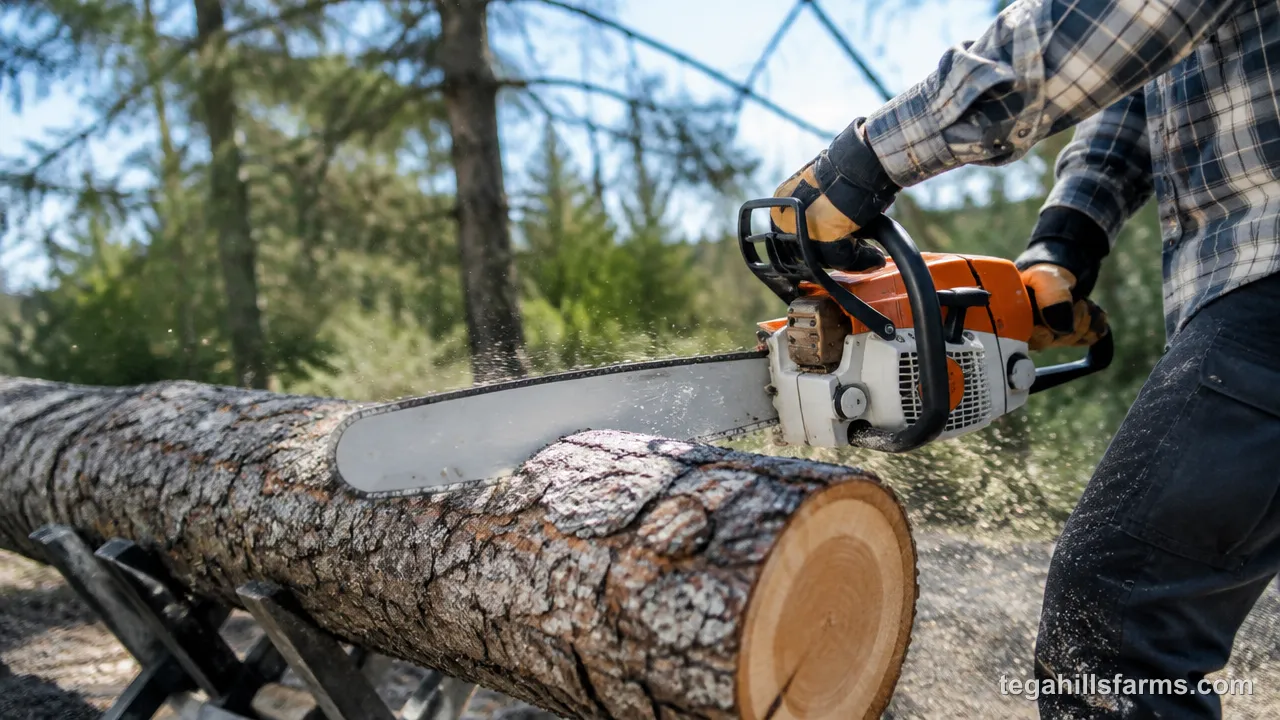
Battery saws handle most homeowner cutting well as long as you match battery capacity to the job. Voltage tells you how much power the motor can put into pulling the chain, while amp-hours tell you how long a charge lasts, so a high-voltage pack with low amp-hours cuts hard but runs out sooner.
A shared platform matters because the same battery runs your mower, trimmer or blower, which spreads the cost of packs across your whole tool shed. Batteries do add weight that sits in the saw body. In exchange, there is no fuel to mix or go stale over winter, and the saw is quiet enough for early mornings.
The limit shows in long sessions of dense wood, where you need a spare battery to keep cutting. To compare models outside this bar length, the best battery chainsaws cover the wider field.
When Does a Corded Saw Make Sense?
A corded saw makes sense when your cutting happens near the house, a shed or a workshop. It starts the instant you squeeze the trigger, never runs a battery down, and leaves nothing in the tank to go bad between seasons. The amp rating sets its power, and both corded saws here run 15-amp motors.
The limits are practical. You can only work as far as your extension cord reaches, and the cord trails through the work area where it can catch on brush or get nicked by the chain. Use a cord rated for outdoor use and the saw’s amp draw, and plug into a GFCI outlet. On remote property, along a back fence line or at a hunting cabin, a cord simply doesn’t work.
Is Gas Still Worth It for Heavy Cutting?
Gas still earns its place for people cutting long stretches away from any power source. A full fuel can means unlimited runtime, and larger engine displacement gives strong, steady output in dense or large wood without watching a charge meter.
Owning one is real work. A two-stroke engine runs on gas mixed with oil at the ratio the maker specifies, and that mix goes stale if it sits in the tank over winter. The air filter clogs with sawdust and needs regular cleaning, the spark plug needs occasional replacement, and cold starts take more pulls. Gas saws are also louder and vibrate more, which wears on your hands over a long day.
For land clearing, heavy firewood seasons or rural property, that upkeep is worth it. The best gas chainsaws are the place to compare engines and sizes.
What Should You Look for in an 18 Inch Chainsaw?
For most owners, power matched to the bar and carried weight decide the purchase, with chain conveniences and safety features separating saws that are otherwise close. A long bar on an underpowered saw cuts slowly no matter how good its features are. Weight determines how long you can work before fatigue makes the saw harder to control. The conveniences and safety features matter after those two are settled, because they shape your weekly upkeep and how forgiving the saw is when something goes wrong.
How Much Power Do You Really Need?
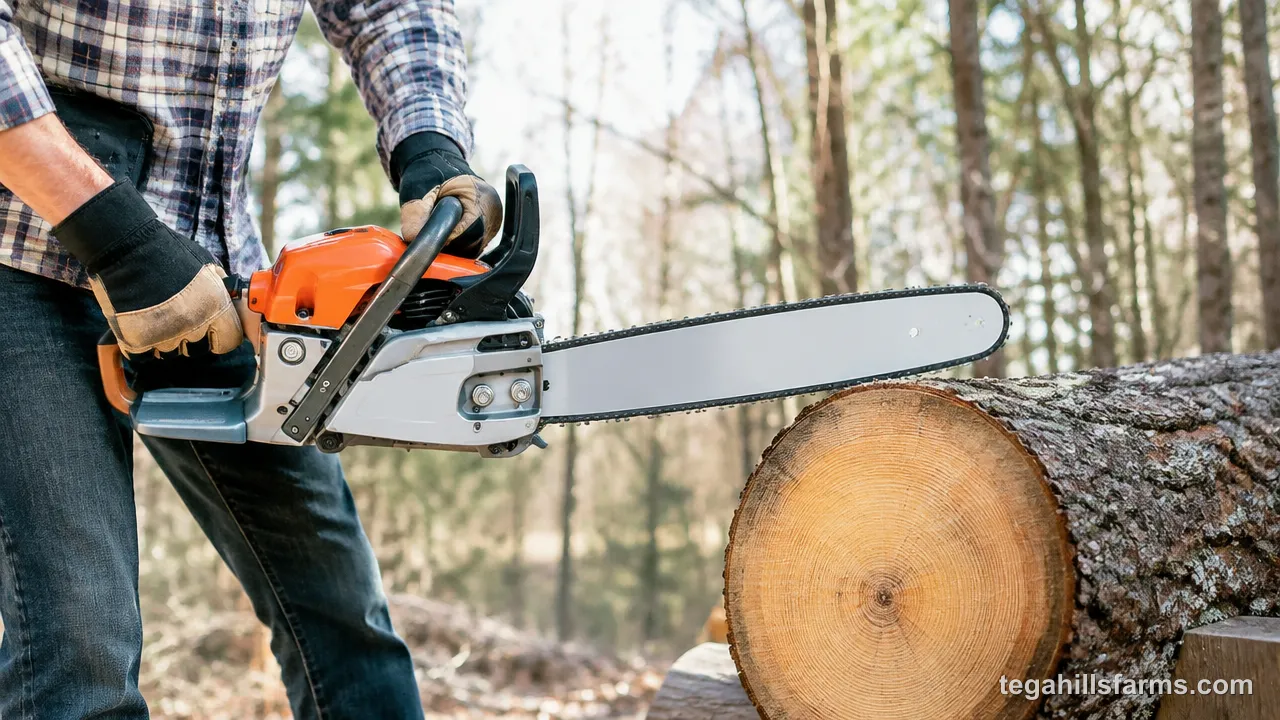
Enough to keep an 18-inch chain moving in dense wood without bogging, which is more than a pruning saw needs. Each power type signals that differently. Gas saws list engine displacement in cc, and more displacement means more output. Battery saws list voltage and amp-hours, where voltage relates to power and amp-hours to runtime. Corded saws list amperage, and battery saws sometimes list motor wattage.
Chain speed is a useful cross-check, because a faster chain clears chips quickly and keeps the cut moving. A low-output saw with a long bar works, but it cuts slowly and stalls when you lean on it.
Treat gas-equivalent claims on battery saws as marketing shorthand rather than a guarantee. They hint at the class a saw competes in, not how it will perform in your wet oak. For a full walk through the specs, see how to choose a chainsaw.
How Much Does Weight and Balance Matter?
Weight matters more at the end of a long session than in the first cut. A saw that feels fine for ten minutes wears on your shoulders and forearms by the time you are limbing the last tree, and a tired grip loses control just when kickback is most likely.
Balance changes with the power source. A battery adds weight to the saw body, which can make the saw feel steadier in a bucking cut but heavier when held out. A cord adds drag that pulls on the saw as you move. Overhead cuts and limbing along a trunk punish a heavy saw the most because you hold it away from your body.
Owners with limited arm strength, or anyone who limbs more than they buck, should favor the lightest options. The best lightweight chainsaws focus on that trade-off.
Which Chain and Bar Features Save You Hassle?
Tool-free tensioning and an automatic oiler with a visible oil level save the most routine work. A new chain stretches during its first cuts, and a dial or knob lets you take up that slack in the field instead of hunting for a wrench. Automatic oiling keeps the bar and chain lubricated, and a level window lets you refill before the tank runs dry and the bar overheats.
Self-sharpening systems and chains built to hold their edge cut down on trips to the file. They matter most for owners who never learned to sharpen by hand.
Before buying spare chains, check the pitch, gauge and drive-link count of the one on your saw, because all three must match the bar and sprocket. A chain that is close but not exact will not seat or cut properly.
What Safety Features Actually Change the Choice?
For a first-time owner, the chain brake and a low-kickback bar and chain are the features that change outcomes. Kickback happens when the upper tip of the bar catches wood and throws the saw back toward you. A chain brake, whether inertia or mechanical, stops the chain in a fraction of a second when that happens, which reduces how badly a kickback ends.
A low-kickback bar and chain reduce how often and how hard kickback happens in the first place. A full hand guard protects your front hand and doubles as the brake lever on many saws. A dual-action switch keeps the chain from starting if you bump the trigger.
Experienced owners rely on technique more than these features. Someone picking up a saw a few times a year should treat them as a deciding factor.
Which 18 Inch Chainsaw Fits Your Yard Work?
How often and how long you cut matters more than maximum cutting capacity, because every saw here carries the same bar. A saw used twice a season needs to start reliably after months in storage. A saw used every weekend in fall needs runtime and a chain that holds up. Matching the saw to your workload is what keeps it from becoming either overkill or a frustration.
Occasional Cleanup and Limb Trimming
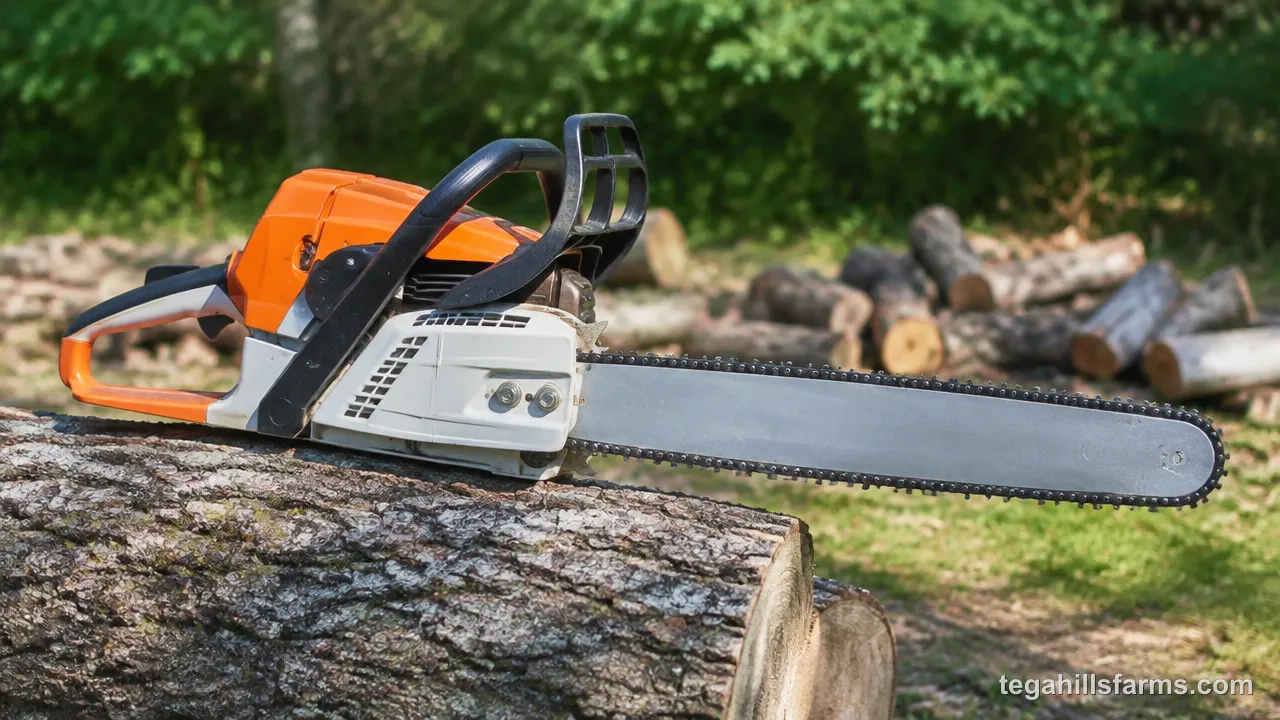
For a few cutting days a season, the Oregon CS1500, the BLACK+DECKER CS1518 18-Inch Corded Chainsaw and the Husqvarna Power Axe 350i 18 in demand the least upkeep. A saw that sits in the shed for months favors no fuel at all, because mixed gas goes stale and gums up a carburetor over the off-season.
Both corded saws start the moment they are plugged in. The Oregon sharpens its own chain, which helps when you never get around to filing it. The BLACK+DECKER starts with a button and has a low-kickback setup, which suits owners who are less confident with a saw.
If your trimming happens beyond extension cord reach, the Husqvarna is light enough to carry around the property and needs only a charged battery to be ready.
Firewood and Farm Cutting
Long sessions bucking logs demand battery capacity, a strong motor and a chain that holds up through hardwood. The EGO Power+ CS1815 18 in has a chain speed of up to 72 ft/s, and its battery runs across EGO’s tool lineup. The Seesii 18-Inch Chainsaw ships with two batteries, so one can charge while the other cuts. The Greenworks 80V 18 in Chainsaw brings strong torque but needs a second pack for full days.
Battery saws still have a ceiling. If you heat your home with wood and cut cords of it every year, a gas saw keeps running as long as you have fuel, and that matters more than quiet operation. I’d steer anyone cutting that volume toward gas. The best chainsaws for cutting firewood cover gas and battery options for that workload.
Storm Debris and Heavy Clearing
Storm cleanup means cutting through tangled limbs and dirty wood, often far from an outlet and sometimes with the power out entirely. A corded saw is useless when the grid is down, so cordless output and portability matter most.
The Greenworks 80V 18 in Chainsaw and the EGO Power+ CS1815 18 in have the strongest output here, and the EGO’s LED work light helps when cleanup runs into the evening. Dirt and grit in storm-downed wood dull a chain fast, so expect to sharpen more often than you would cutting clean firewood.
Runtime is the weak point after a big storm, when there is more wood than one battery can handle. A spare battery, or a fuel saw kept for emergencies, is worth having. The best chainsaws for storm cleanup go deeper on that kind of work.
A long bar on a modest motor will bog in dense wood even when everything else is right, and a dull chain or clogged filter makes any saw feel that way. Owners often blame the saw and shop for a bigger one when the real problem sits on the bar or in the oil tank. Skip the basic checks and you spend the next firewood season fighting a saw that only needed sharpening.
Why Does an 18 Inch Saw Cut Slowly, and How Do You Fix It?
A dull chain is the most common reason. A sharp chain pulls out coarse chips, while a dull one makes fine dust and forces you to push the saw into the wood. Check the sawdust first. If it looks like flour, sharpen or replace the chain. Good chainsaw sharpeners make that a short job, and quality chainsaw chains hold their edge longer in dirty or hard wood.
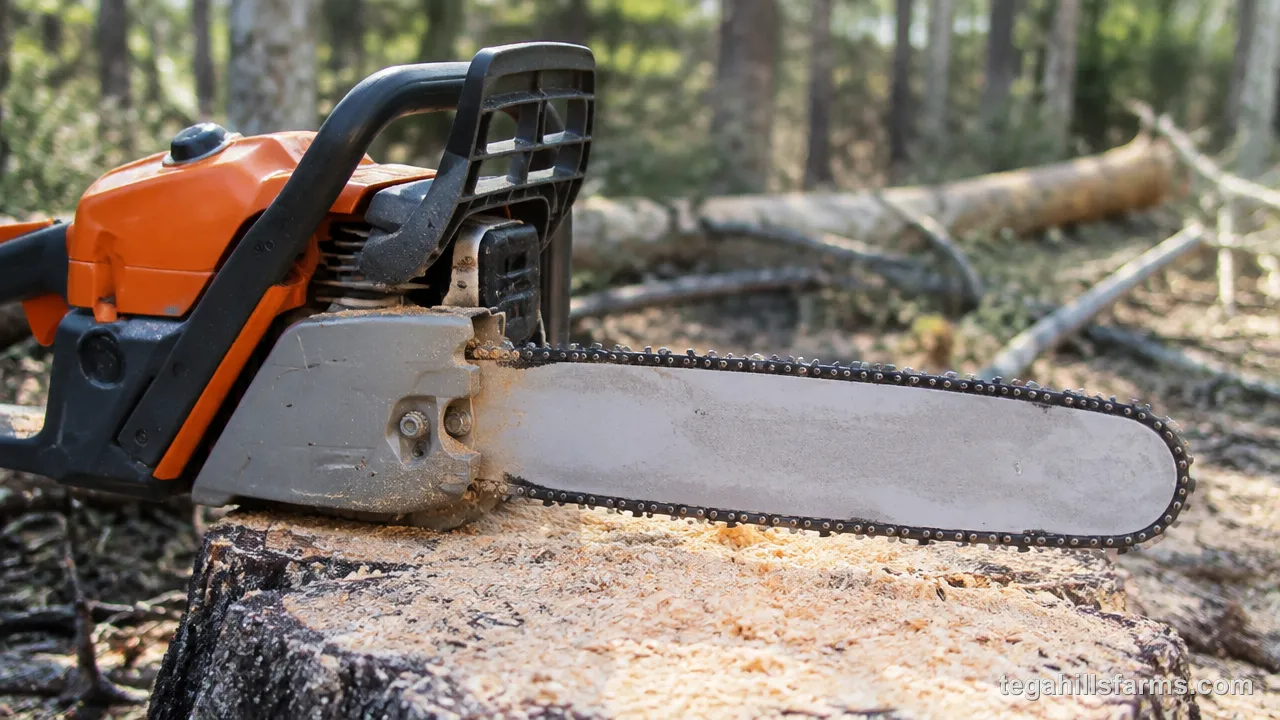
Next, check chain tension. A loose chain drags and can derail, while an overtightened one binds and heats the bar. Then check the oil. A dry bar creates friction that slows the chain and wears the bar rail.
On a gas saw, check the air filter, because sawdust clogs it and starves the engine. Old fuel left in the tank causes the same sluggish behavior.
If the chain is sharp, tensioned and oiled and the saw still bogs, the motor may simply be underpowered for pulling a long bar through hardwood. At that point, a shorter bar or a stronger saw is the fix.
How Reliable Are Gas-Equivalent Power and Cuts-Per-Charge Claims?
Treat them as best-case figures. Makers measure cuts per charge on small softwood logs or dimensional lumber, under ideal conditions with a sharp chain. Hardwood, wet wood and larger rounds take far more energy per cut, so real runtime in your yard will be shorter.
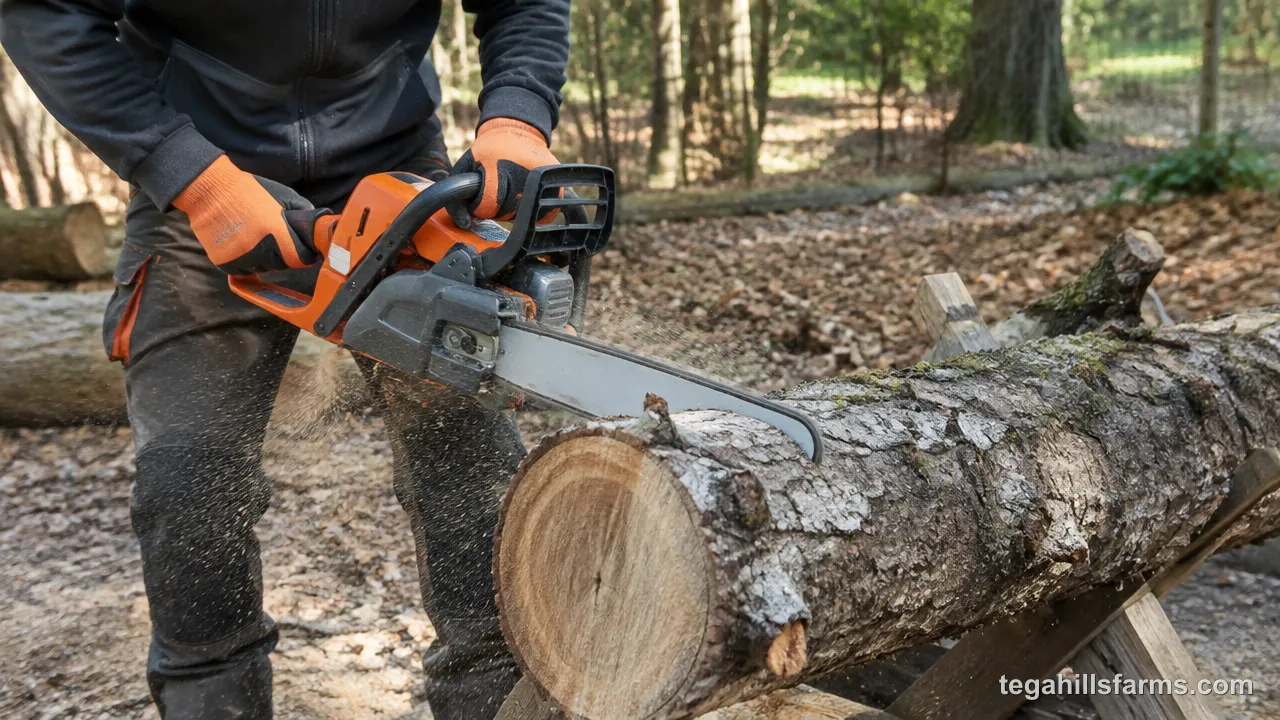
Gas-equivalent claims work the same way. They suggest a saw competes with a certain engine class, but the comparison usually reflects peak output, not how the saw holds up across a long session in dense wood. A battery saw rated against a mid-size gas engine can match it for a few cuts and still run out well before a tank of fuel would.
Realistic expectations come from specs you can compare across brands. Look at voltage with amp-hours for power and runtime, a brushless motor for efficiency, and chain speed for how quickly the saw clears a cut. When a maker states its test wood, use that to judge the claim. A rating on small softwood says little about what happens in oak.
What Protective Gear Do You Need Before the First Cut?
Every chainsaw owner needs eye protection, hearing protection, work gloves, cut-resistant leg protection and sturdy boots, plus a helmet when cutting overhead or felling. Some kits include part of this gear. The Seesii kit ships with protective gear, while most saws arrive with nothing, so check what you have before your first cut.
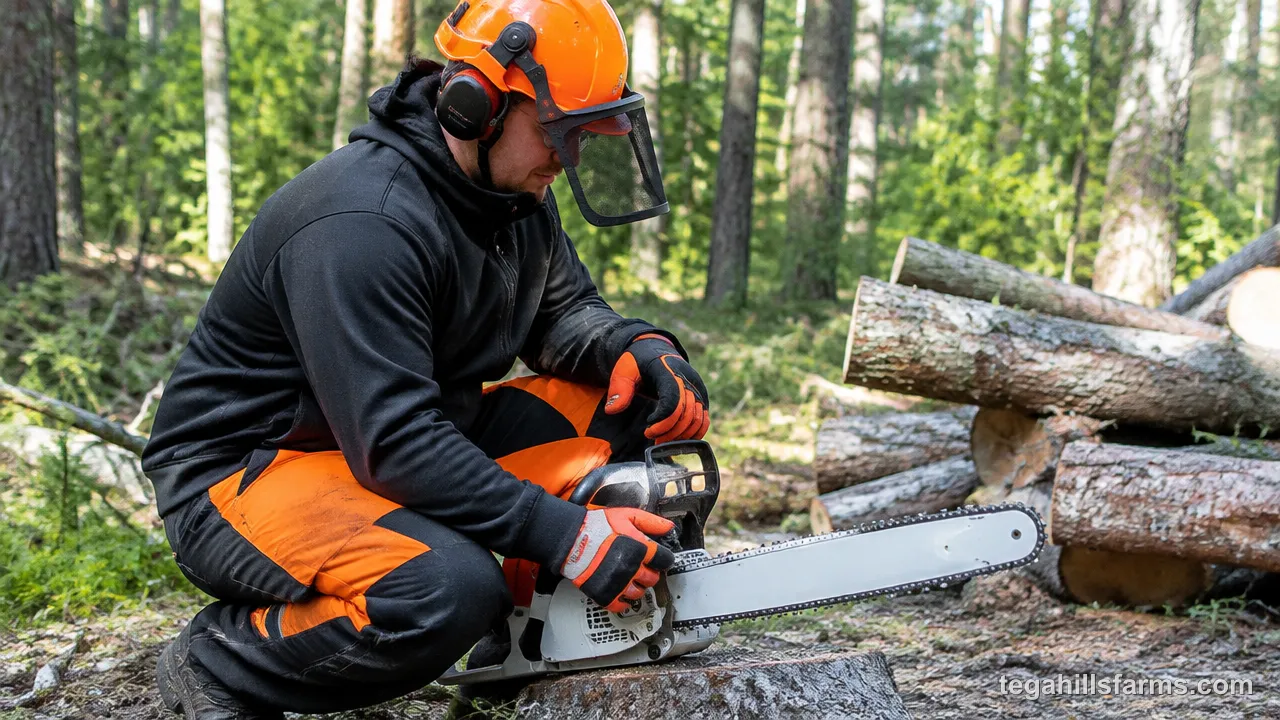
Cut-resistant chaps or pants matter most. Limbing and low cuts put the bar near your legs, and if the chain touches the fabric, its fibers pull into the sprocket and stop the chain before it reaches skin. Regular jeans do nothing.
Safety glasses keep chips out of your eyes, and earmuffs or earplugs matter even on quieter battery saws during long sessions. Gloves improve grip and protect against bar burrs. Boots with good traction keep your footing on wet logs. The best chainsaw accessories include gear worth buying alongside the saw.
18 Inch Chainsaw FAQ
What diameter of wood can an 18 inch chainsaw cut?
In a single pass, an 18 inch saw cuts wood somewhat thinner than the bar, because part of the bar sits against the saw body. Larger logs can be cut from two sides, but that takes more skill and brings the kickback-prone tip into play. For regular cuts through big trunks, a longer bar is the safer choice.
Should I get a battery or gas chainsaw in this size?
Battery suits most homeowners who cut a few times a season or within a day’s charge, especially if they already own batteries from one brand. Gas suits people who cut for long stretches away from power, like heavy firewood seasons or rural land clearing, and who don’t mind fuel mixing and engine upkeep.
Is an 18 inch chainsaw worth it over a shorter one?
It is worth it if you buck firewood, clear storm-downed trunks or cut dense hardwood regularly, since the extra length lets you handle thicker wood in fewer passes. If you mostly prune limbs and small trees, a shorter bar is lighter, easier to control and less tiring to carry around the yard.
Which chainsaw brands are generally trusted?
Established chainsaw brands with dealer networks and parts support are the safer bet, because chains, bars and batteries need replacing over a saw’s life. Husqvarna, EGO, Oregon, Greenworks and BLACK+DECKER all have wide retail availability. Long warranties and easy access to replacement chains matter more than the badge itself.
How should I store a chainsaw between seasons?
Clean sawdust off the bar, chain and housing, then cover the chain with its scabbard. Store batteries indoors, partly charged and away from freezing temperatures. For a gas saw, drain the fuel or use a fuel stabilizer, because stale mix gums up the carburetor. Keep the saw in a dry spot.
How do I start a gas chainsaw reliably?
Start with fresh fuel mixed at the maker’s ratio, since stale fuel causes most hard starts. Engage the chain brake, set the choke, press the primer bulb if equipped, and pull until the engine pops. Then move off full choke and pull again. A clean air filter and a good spark plug keep starts easy.
Write Your Review
No reviews yet. Be the first to share your experience!