How to Choose a Chainsaw: Gas vs Battery vs Corded Guide
Choosing the right chainsaw starts with matching the tool to your yard and your experience, not chasing the biggest engine on the shelf. That means weighing power source, bar length and power rating, and safety and comfort features against the diameter of the wood you actually cut and how often you cut it.
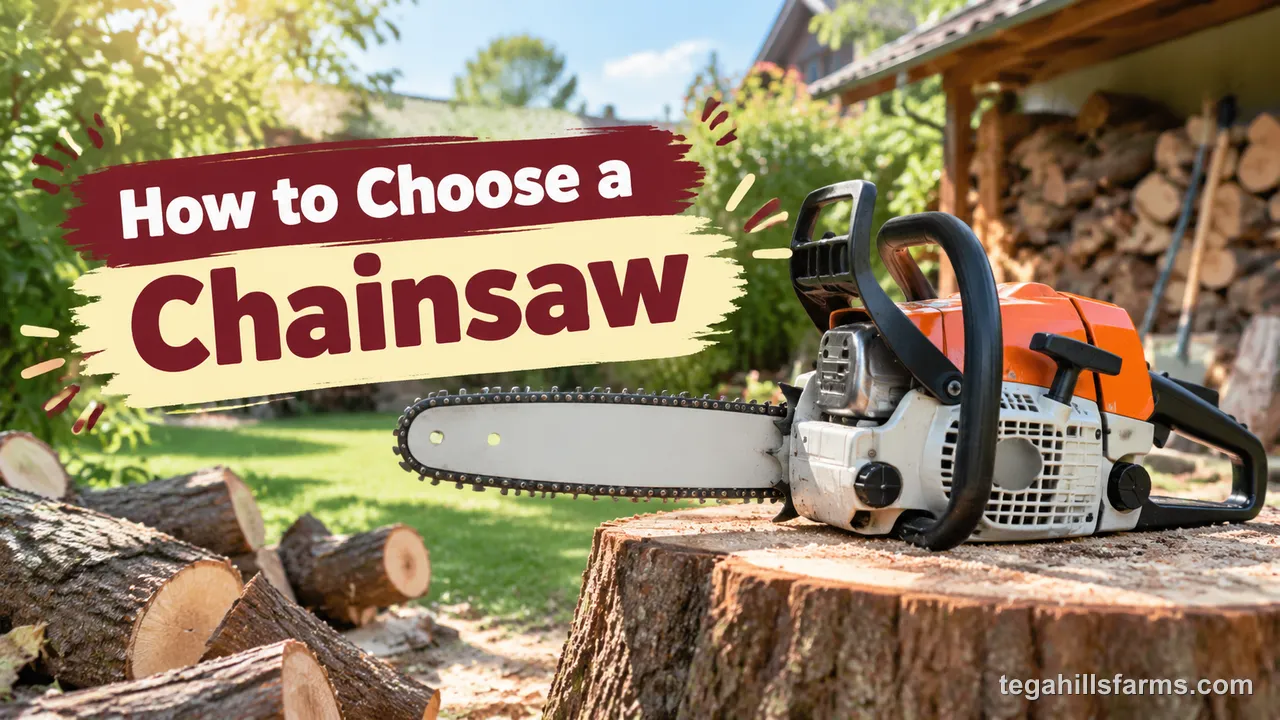
For most homeowners, a 16 to 18-inch bar on a modern battery platform handles limb cleanup, storm downfalls, and firewood bucking without the fuel mixing and pull-start routine of gas. Larger acreage, hardwood felling, and frequent cutting still lean toward gas for sustained power and faster refueling.
The frustrating part is not the cut itself but the ownership around it — hard starts after winter, heavy vibration on longer jobs, chain maintenance you did not expect, and noise that limits when you can work. Getting these factors right up front prevents buying twice.
Below, each section answers one piece of that decision so you can narrow quickly from type to specific size, features, and budget.
What Does Choosing the Right Chainsaw Actually Involve?
Choosing the right chainsaw means matching power type, bar length, and safety features to your yard size and typical cut diameter rather than buying maximum power. A small suburban lot rarely needs the same bar and engine as a few acres with mature oaks.
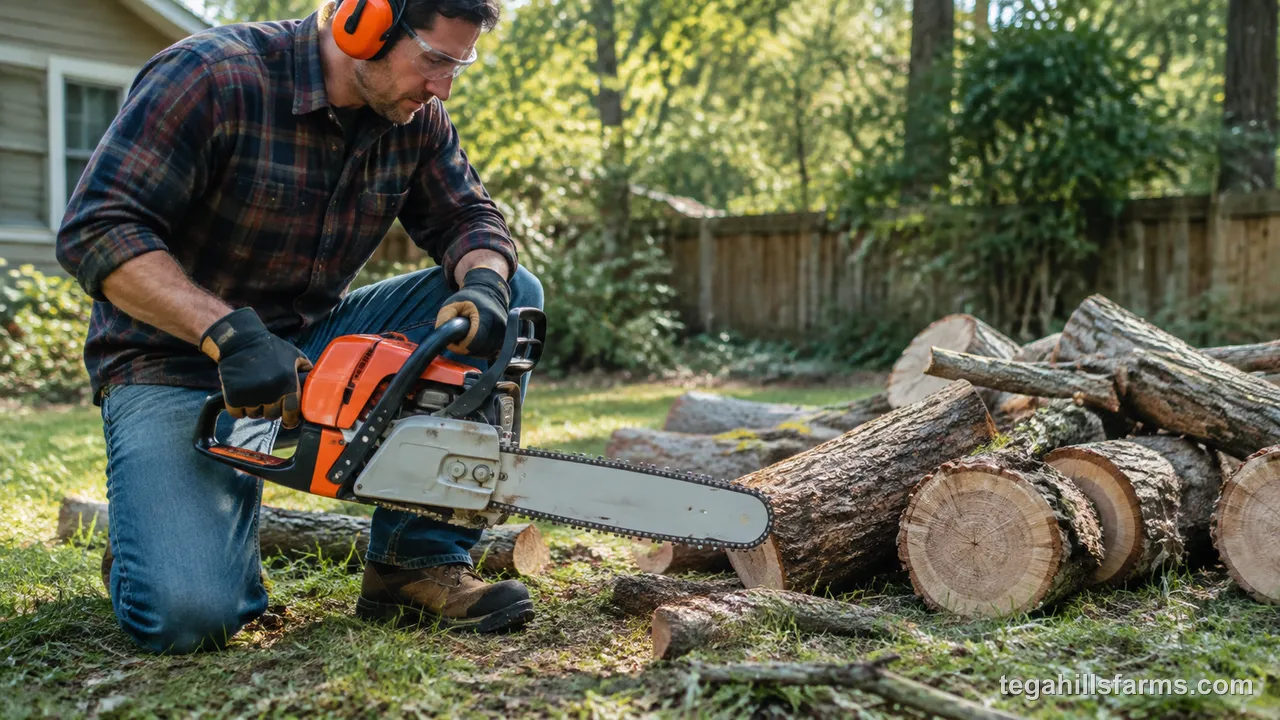
From there, the decision is practical. Gas trades raw cutting stamina for more weight, noise, and seasonal maintenance. Battery trades instant starts and lighter handling for runtime limits tied to your battery. Corded trades reach for unlimited runtime and the simplest upkeep near an outlet. Bar length then follows wood diameter, while kickback protection, chain tensioning, and vibration control decide how comfortable and controllable the saw feels day to day.
If you want a deeper checklist before you shop, see our guide on what to look for in a chainsaw for the full feature breakdown. If you want a broader view of top-rated options after understanding the basics, explore our roundup of the best chainsaws to compare models side by side.
Gas vs Battery vs Corded: Which Power Source Fits Your Work?
Gas wins sustained cutting power and fast refueling, battery wins instant starts, low noise, and lighter routine care, and corded wins unlimited runtime with the lightest weight and simplest maintenance near an outlet. Your property size and how often you cut decide which tradeoff matters most.
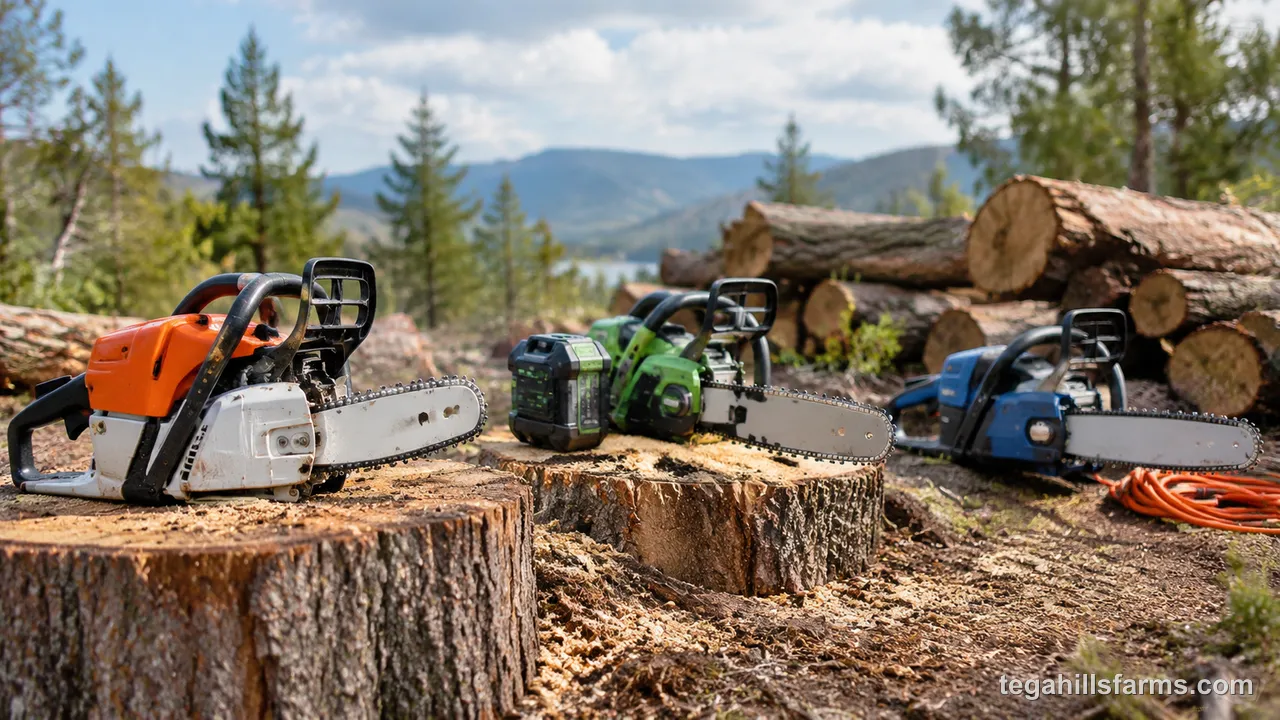
The three types overlap on limbing and light bucking, but they diverge quickly when wood gets larger, jobs run longer, or you work far from power. Consider weight you can carry safely, noise tolerance, and whether you want to handle fuel and winterizing.
When Is a Gas Chainsaw the Better Choice?
A gas chainsaw is the better choice for heavy, frequent cutting on large properties and hardwood felling where sustained power and quick refueling outweigh noise and upkeep. Its engine delivers consistent torque through thick logs without battery swaps.
That advantage comes with tradeoffs every owner feels. Gas saws typically weigh more, vibrate more, and run loud enough to need hearing protection. They also ask for fuel mixing for two-stroke models, air filter cleaning, spark plug checks, and proper winter storage to prevent stale fuel issues. If you already own other gas yard tools and are comfortable with that routine, a gas saw remains the workhorse. For a closer look at top options in this class, see our guide to the best gas chainsaws.
When Does a Battery Chainsaw Make More Sense?
A battery chainsaw makes more sense for most homeowners who want instant starts, quieter operation, and minimal seasonal maintenance for intermittent limbing, pruning, and storm cleanup. You press a button and cut, with no fuel to mix or carburetor to fuss over.
Runtime depends on voltage and amp-hours and the hardness of the wood, so keeping a second battery charged extends the work window. Staying inside one battery platform across your mower, trimmer, and blower saves money and keeps batteries interchangeable, which is why many homeowners standardize. Weight and vibration are usually lower than gas, making longer overhead or cleanup sessions less fatiguing. Explore our picks for the best battery chainsaws if cordless convenience is your priority.
Where Does a Corded Electric Chainsaw Still Win?
A corded electric chainsaw still wins for small yards within extension-cord reach where you want unlimited runtime, the lightest weight, and the lowest upkeep. Plug in and you can cut as long as the cord reaches, with no charging or fuel.
The cord is also the limit. Reach, cord management, and outdoor outlet placement restrict you to driveways, patios, and nearby trees, and dragging a cord through brush adds snag risk. For light limbing, cutting small logs for kindling, and occasional homeowner tasks close to the house, that constrained reach is a fair trade for simplicity and consistent power without batteries to manage.
What Bar Length and Power Do You Need for Your Cuts?
Choosing bar length and power means matching bar length to cut diameter and matching engine cc or battery volts to wood hardness and job duration. Get those two translations right and the saw feels correctly sized instead of underpowered or unwieldy.
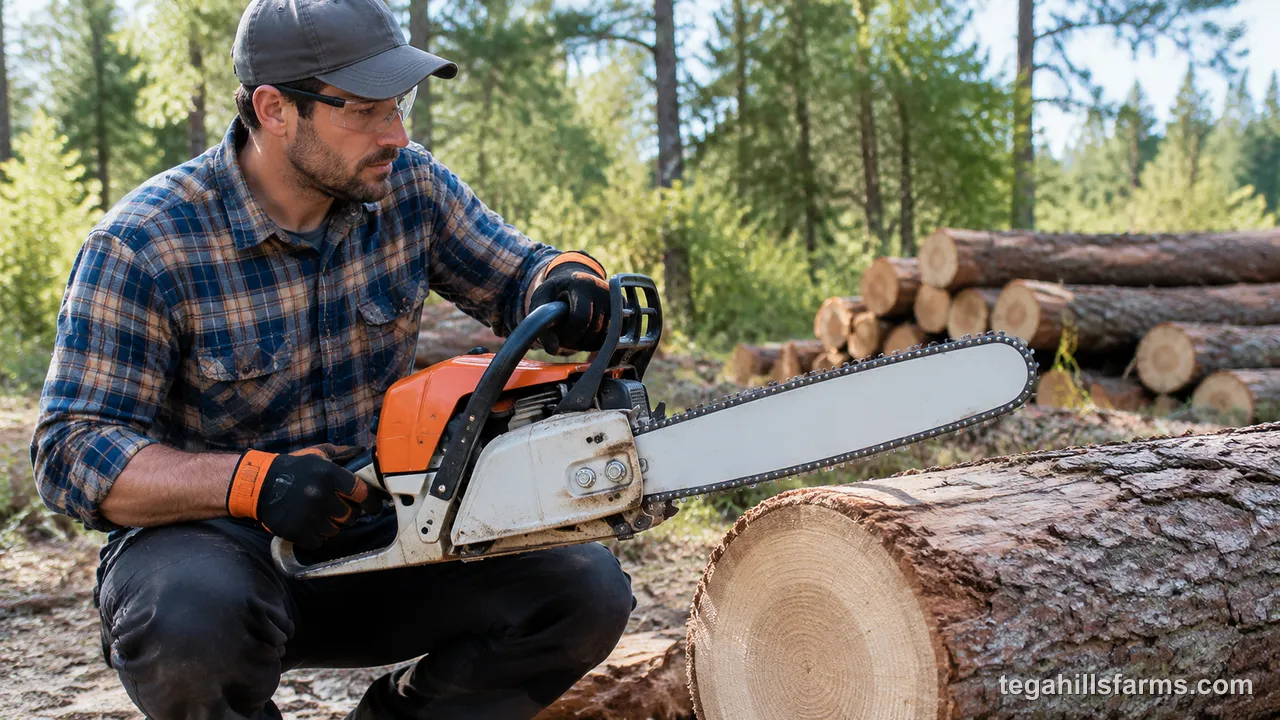
A bar that is too short forces risky plunge cuts, while an oversized bar adds weight and kickback exposure you do not need. Likewise, displacement and voltage do not tell you much alone — they matter in how they keep chain speed up in hardwood versus softwood.
How to Match Bar Length to Tree Size
Match bar length by choosing a bar about 2 inches longer than the thickest wood you regularly cut, with 16 to 18 inches covering most homeowner tasks. That extra length lets the chain clear the cut without burying the tip.
For example, if your typical limb or log is 12 inches across, a 14-inch bar clears it, but a 16-inch bar gives comfortable margin and better leverage. Small-yard pruning and cleanup often live happily at 14 to 16 inches, while general property maintenance and firewood bucking settle at 16 to 18. Longer bars help with occasional felling but add weight and demand more control. If you are deciding between the two most common homeowner sizes, compare the best 16 inch chainsaws and best 18 inch chainsaws to see how weight and handling change.
What Do CC and Volts Mean in Real Cutting Power?
Engine cc and battery volts translate to sustained chain speed under load: higher cc holds speed longer in hardwood and large logs, higher volts and amp-hours hold speed longer per charge in cordless cutting. Neither is just a peak number.
In gas saws, displacement roughly tracks torque — useful when the chain is buried in oak or maple. In battery saws, voltage sets the platform’s power class while amp-hours set runtime; cutting hardwood drains packs faster than soft pine, so a higher-capacity battery matters on longer sessions. For mixed homeowner use with softwood and occasional hardwood, mid-range power in either system keeps cuts steady without the weight and fuel use of a pro-sized engine.
Which Chainsaw Is Right for Your Experience and Yard Size?
The right chainsaw for your experience and yard size pairs lighter weight, easy starting, and stronger kickback protection for beginners with bar length and power class scaled to lot size from suburban to acreage. Comfort and control matter more than raw power when you are learning.
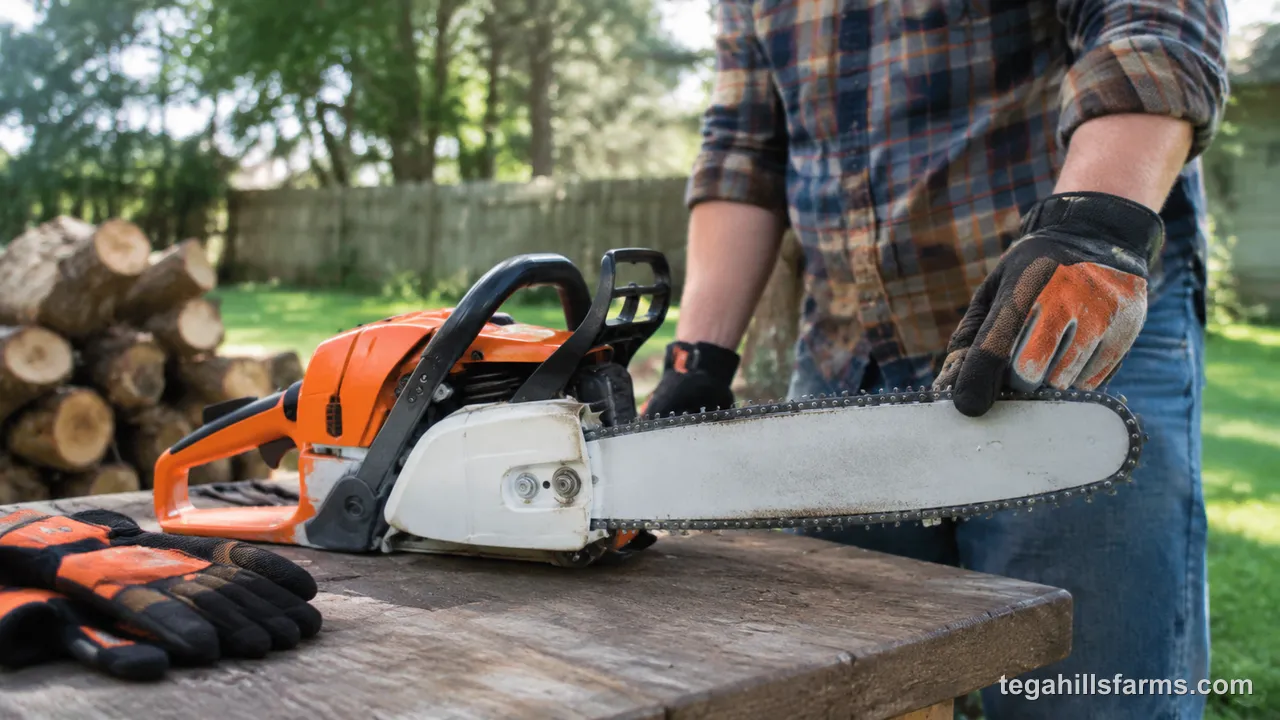
First-time users benefit most from features that reduce mistakes, while yard size decides whether cordless convenience covers the work or gas reach makes more sense.
What Should Beginners Prioritize First?
Beginners should prioritize yes — easy starting, an effective chain brake, low-kickback chain, and tool-less chain tensioning because these features reduce the most common first-time risks and frustrations. Quick, reliable starts mean you are not troubleshooting before the first cut.
Look for a clearly marked chain brake that stops the chain on kickback, a low-kickback chain and guide bar, and a tensioning system you can adjust without separate tools. Lighter weight and good balance help you keep the tip under control. If you are new to chainsaws entirely, start with our guide to the best chainsaws for beginners for models that emphasize these safeguards.
How Does Yard Size Change the Recommendation?
Yard size changes the recommendation by shifting small suburban lots toward lighter cordless or corded saws with 14 to 16-inch bars, larger suburban to few-acre lots toward 16 to 18-inch battery or gas, and farm or ranch acreage toward longer-bar gas saws. Distance from power and frequency of use drive the split.
On a small lot, cordless covers most cleanup and you stay within one battery platform. On larger properties with scattered trees and regular cutting, the longer runtime and refueling speed of gas outweigh battery swaps, and a longer bar reduces repositioning on bigger logs. For homeowners matching a saw to routine property care, see the best chainsaws for homeowners for use-case picks by lot size.
What Safety and Comfort Features Actually Change Daily Use?
Daily use comes down to kickback protection and weight, vibration and noise control. These determine fatigue, control, and whether the saw starts when you need it.
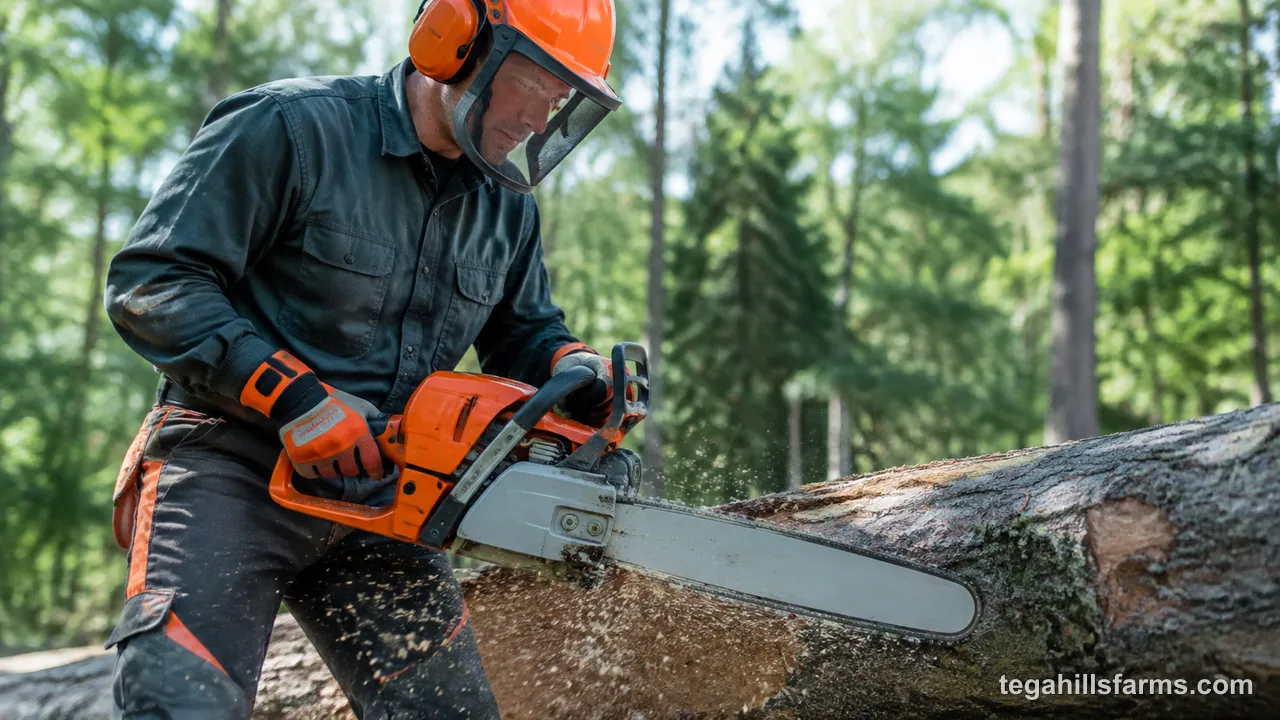
A powerful saw that is heavy, loud, and hard to start gets left in the garage. Features that keep the chain controlled, hands steadier, and ears less strained have outsized impact across a season of use.
How Important Is Kickback Protection?
Kickback protection is critically important, especially for beginners, because sudden tip contact can drive the bar up and back toward the operator. A chain brake, low-kickback chain, and proper technique together lower that risk.
Kickback happens when the moving chain at the bar tip grabs or pinches, and the most effective guard is a chain brake that stops the chain quickly when activated. Pair it with a low-kickback chain design and mindful tip placement. Understanding the mechanics helps you avoid it in the first place, so review our explainer on chainsaw kickback and keep the broader chainsaw safety tips in mind before each session.
How Do Weight, Vibration and Noise Affect Longer Jobs?
Weight, vibration, and noise affect longer jobs by increasing fatigue, hand strain, and hearing risk, which reduces control and cutting accuracy over time. Lighter, better-damped saws let you work steadier for longer.
Gas saws typically transmit more vibration through the handles and run loud enough to require hearing protection every time. Battery and corded models tend to run quieter with less vibration, so you can work earlier or later without disturbing neighbors and without the same hand fatigue. If you have slopes, overhead limbs, or extended limbing, prioritize balance and anti-vibration features alongside raw power.
How Much Should You Budget and Does Battery Platform Matter?
Budget for a chainsaw by choosing a tier — budget-friendly, mid-range, or premium — based on power class and features, and factor in battery platform to save on batteries and chargers. Staying in one platform often saves more than chasing the lowest tool-only price.
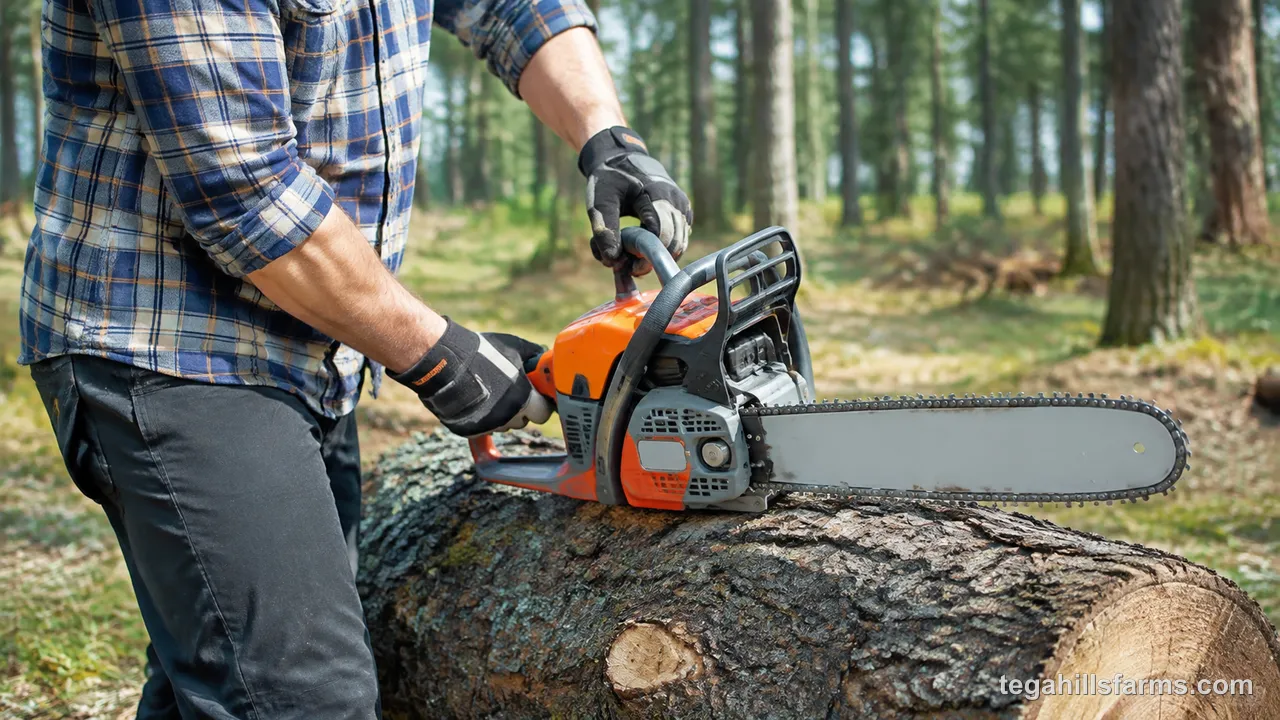
Entry tiers cover light, occasional use with shorter bars and simpler features. Mid-range adds better balance, easier tensioning, and stronger kickback protection for regular homeowner work. Premium buys larger bars, higher power, and pro-oriented durability for frequent use. To calibrate expectations, see our guide on how much does a chainsaw cost and browse the best affordable chainsaws if you want capable performance without premium extras. If you already own batteries from a mower or trimmer, choosing a saw in that same voltage platform lets you share packs and avoid buying duplicate chargers.
You have now seen how power source, bar length, yard size and comfort features narrow the field from the three main chainsaw types above.
Choosing well saves money up front, but keeping the saw sharp, oiled and stored properly is what determines whether it starts reliably years from now.
The next sections cover those long-term ownership details that rarely make the spec sheet yet decide real satisfaction.
Rarely Mentioned Details That Decide Long-Term Satisfaction
Long-term satisfaction depends on chain tension and sharpness and proper storage more than peak power. These quiet habits decide whether the saw feels strong next season.
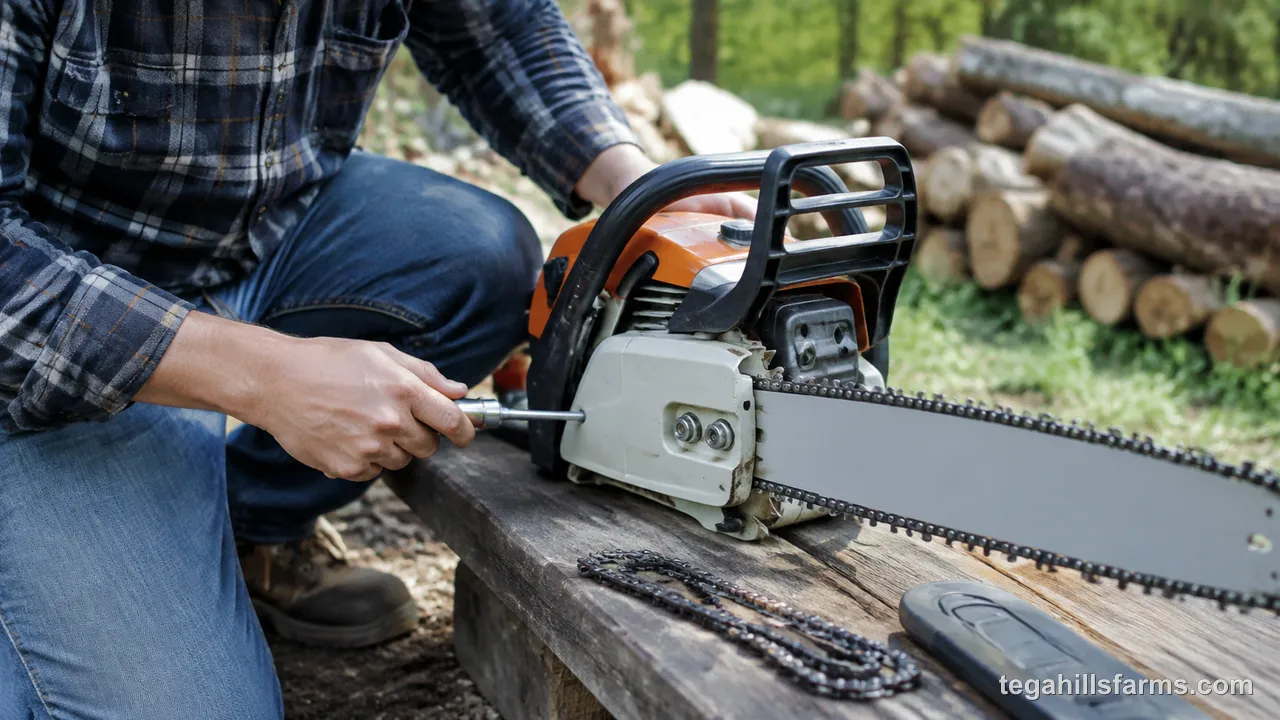
Manufacturers highlight engine size or voltage, but owners feel maintenance first. A well-kept chain and bar do more for cut quality than a step up in power.
Why Chain Tension and Sharpness Matter More Than Peak Power
A dull or loose chain makes any chainsaw feel underpowered, cut slower, and increase kickback and wear risk regardless of engine size or voltage. Sharp cutters and correct tension keep the chain pulling itself through wood instead of forcing it.
Check tension so the chain lifts slightly but does not sag, and sharpen when you see fine dust instead of chips or the saw requires extra push. A sharp chain also lowers vibration and heat at the bar. For technique and intervals, see our guide on how to sharpen a chainsaw and keep the right chainsaw bar oil in the reservoir to reduce friction and extend bar and chain life.
How to Store Your Saw So It Starts Next Season
Storing your saw correctly means yes — winterize gas saws to prevent stale fuel and corrosion, and store batteries charged to about half and kept dry at moderate temperatures. Good storage is what makes next-season starts easy.
For gas, run or drain fuel, clean the bar and chain, and store dry to avoid gum in the carburetor. For battery, remove the pack, clean debris from the bar groove and sprocket, lightly oil the chain, and keep the battery indoors rather than in freezing sheds. Those small steps prevent the no-start frustrations that send many saws to the shop.
Quick Answers to Common Choosing Questions
Quick answers to common choosing questions are that most homeowners can decide between a chainsaw and a lighter alternative by task, and balance cost versus longevity. These points close gaps outside the main flow.
Use them to sanity-check your short list before you buy.
Is a Pole Saw a Better Fit Than a Chainsaw for Pruning?
A pole saw is a better fit than a handheld chainsaw for high branches and light pruning where reach matters more than bucking power. It keeps you on the ground for limbs you would otherwise need a ladder to reach.
If your work is mostly overhead trimming and storm cleanup of smaller limbs, a pole saw reduces ladder risk and fatigue. If you also buck logs or fell small trees, a standard chainsaw with a 16 to 18-inch bar remains more versatile.
How Long Should a Homeowner Chainsaw Last and Is Expensive Always Better?
A homeowner chainsaw lasts years with regular chain care, bar oil, and proper storage, and expensive is worth it only when you use the extra power and durability often enough to justify it. Build quality and maintenance habits determine lifespan more than the price tier alone.
If you cut a few times a year, a mid-range model that fits your yard size often outlasts a premium saw that is heavier than you need. Learn what typically limits service life in how long do chainsaws last and weigh whether frequent, heavy cutting justifies stepping up in are expensive chainsaws worth it.
More Guides on How to Choose a Chainsaw
- How to Fell a Tree
- How to Clean a Chainsaw Carburetor
- How to Tension the Chain
- How to Winterize a Chainsaw
- How to Mill With a Chainsaw
- How to Transport a Chainsaw
- Why a Chainsaw Won’t Stay Running
- How to Assemble a Chainsaw
- Why a Chainsaw Starts Then Dies
- Safety Gear for a Chainsaw
- Gas vs Battery Chainsaws
- How to Clean a Chainsaw
- How to Start a Chainsaw
- How to Store a Chainsaw
- Why a Chainsaw Blows Smoke
- Why a Chainsaw Overheats
- Chainsaw vs Pole Saw
- Why a Chainsaw Won’t Start
- How to Change a Chainsaw Spark Plug
- How to Tune up a Chainsaw
- Why a Chainsaw Surges
- Chainsaw Chaps