

Chainsaw chaps are protective leg coverings with internal fiber layers designed to tangle and stall a moving chain on contact with your thigh or calf.
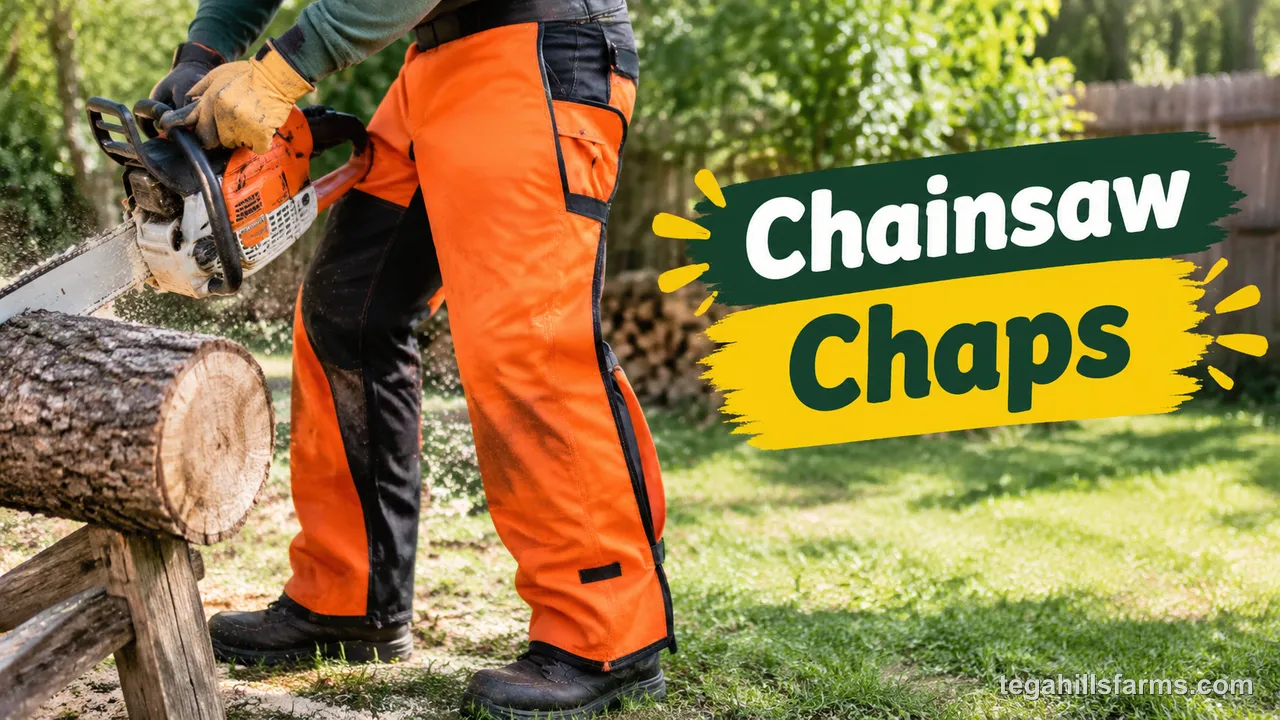
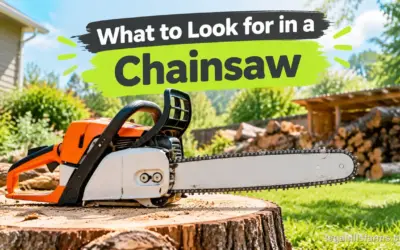
When a chain touches the outer shell, long synthetic fibers pull out, wrap around the drive sprocket and stop the chain in a fraction of a second, which is why most injuries happen to the left leg and why chaps focus protection there. If you are still deciding on the saw itself, our guide on how to choose a chainsaw pairs naturally with picking the right leg protection.
Beyond the stopping mechanism, chaps differ widely in coverage, certification and comfort, so the right choice comes down to how much leg is covered, what standard is on the label and whether you will actually wear them for every cut. Our take on chainsaw safety equipment and practical chainsaw safety tips later in this guide helps you match that protection to how you work.
Below, we break down how chaps stop a chain, which types to compare, and how to size and spec a pair you will keep wearing.
What are chainsaw chaps and how do they protect your legs?
Chainsaw chaps protect your legs by using tangled fiber layers that clog the drive sprocket to stop the chain, but stopping power depends on gas vs electric chainsaw torque and chain speed.
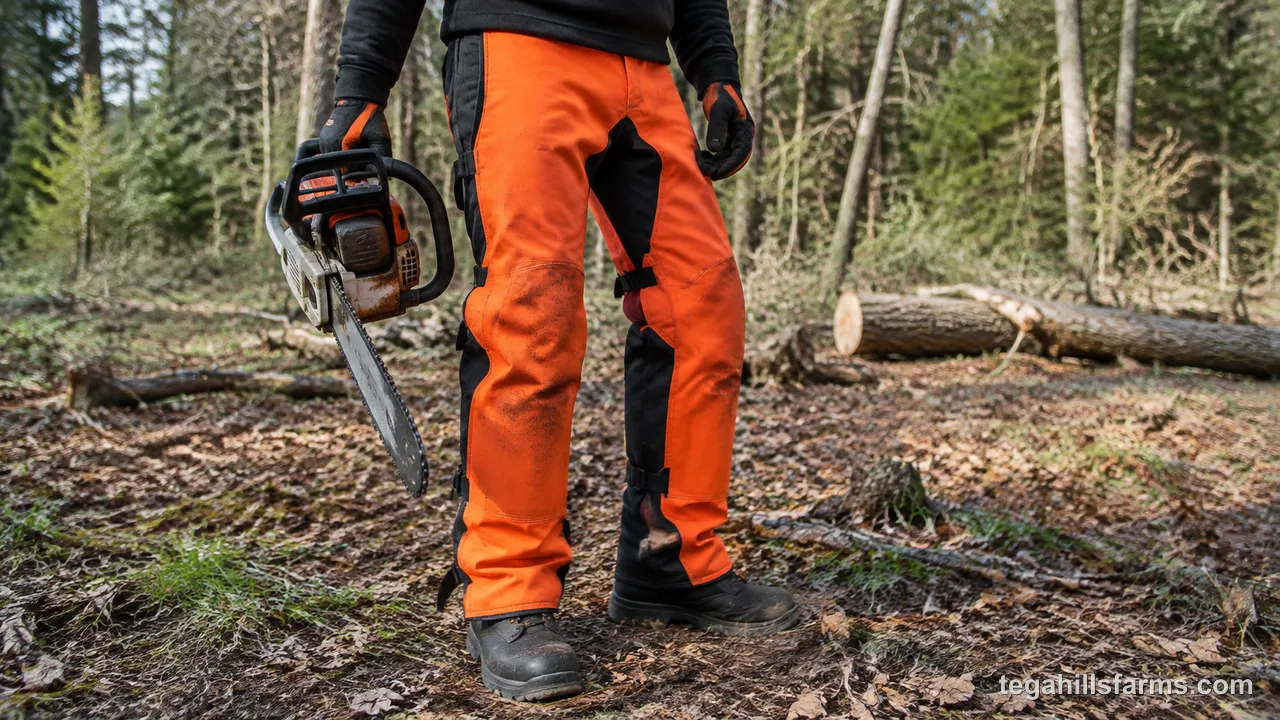
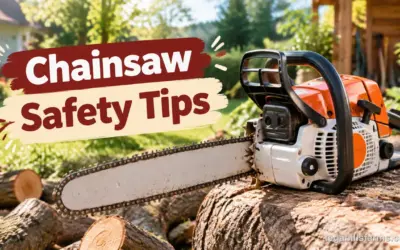
That distinction matters because not all saws stall the same way, so understanding the mechanism helps you pick realistic protection. For context on power and risk, see how chainsaw safety equipment fits into your overall setup and the broader chainsaw safety tips that reduce leg strikes in the first place.
How do chainsaw chaps actually stop a moving chain?
Chainsaw chaps stop a chain with multiple layers of loose, long synthetic fibers that pull free and jam the sprocket when cut.
The outer shell resists the initial cut just long enough for the inner fibers — typically ultra-high-molecular-weight polyethylene, polyester, or blends like Kevlar and nylon — to be drawn into the drive system. Once those fibers wrap the sprocket and bar nose, friction spikes and the chain stops, often before it reaches skin. This is not armor that deflects the chain; it is an entanglement system that needs layers to work.
In practice, that means layer count and fiber length matter more than a thick outer fabric alone. Chaps are tested to a chain speed threshold, not to being cut-proof, and a hit always damages the protective layers.
Do chaps work the same on gas and electric chainsaws?
No, chaps do not work the same on high-torque electric saws as on gas saws because battery and corded electric chainsaws maintain torque and can cut through fibers before stalling.
Gas saws lose speed quickly when fibers drag on the clutch and sprocket, which gives chaps time to jam. Many modern electric saws use brushless motors that sense drag and feed more torque to keep chain speed up, so lower-speed chaps may be overwhelmed. Look for models rated to higher chain speeds and specifically marked as tested for electric saws.
That does not mean chaps are useless on electric saws, but choose a higher-rated, multi-layer pair and treat any contact as a reason to replace them.
Which types of chainsaw chaps should you compare?
You should compare chainsaw chaps across Apron vs Wrap-Around and Calf Wrap coverage, Class A vs Class B protection, and chaps vs chainsaw pants for daily wear.
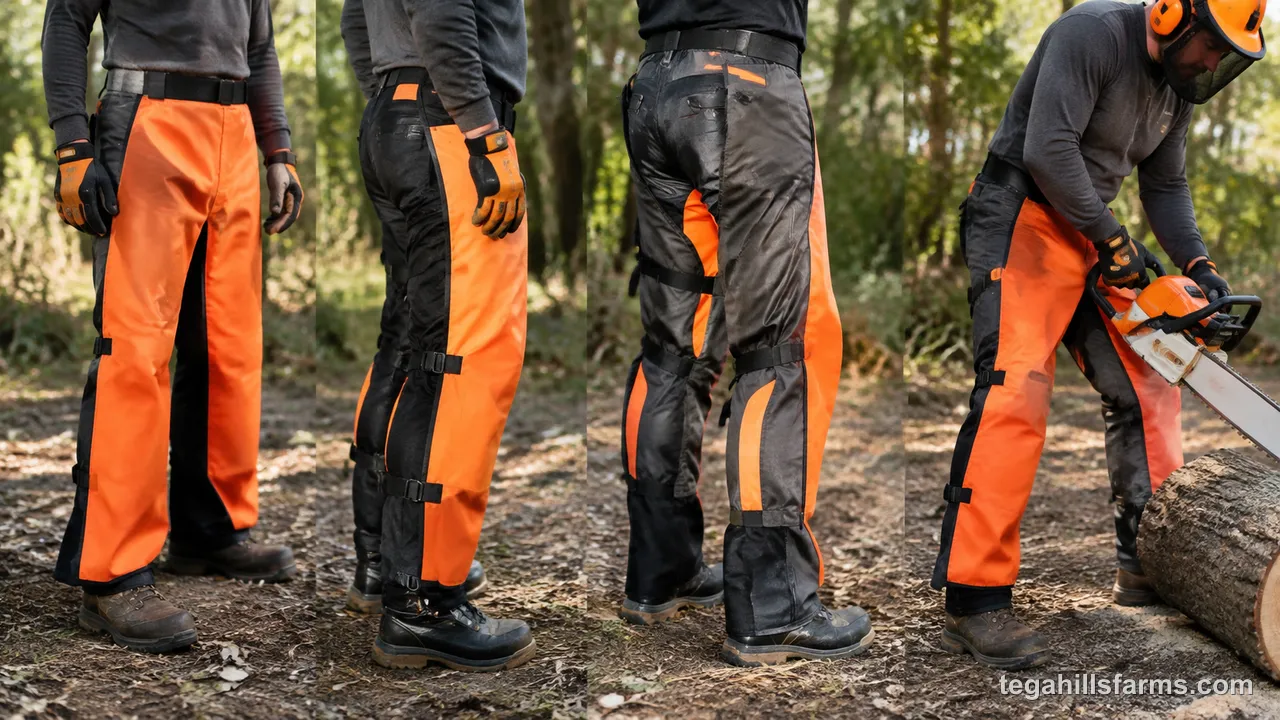
Each choice trades protection area, weight and convenience, so the best type depends on how you move and how often you cut.
Apron Style vs Wrap-Around and Calf Wrap: which coverage do you need?
Apron Style covers only the front of the thigh and shin, while Wrap-Around and Calf Wrap add side and calf protection with straps around the leg.
Apron chaps are lighter, cooler and faster to put on over work pants, which makes them popular for occasional limbing or backyard cleanup. By contrast, Wrap-Around models extend protective material around the sides and add calf wraps that secure behind the leg, covering deflections and angled cuts that hit off-center. Calf Wrap is a hybrid — apron in front with an added wrap at the lower leg where many glancing strikes land.
If you walk through brush, cut on slopes, or frequently reposition, the extra wrap reduces exposed gaps when you twist. For quick, front-facing bucking on flat ground, an apron is often enough if you keep good footing.
Class A vs Class B: what is the difference in protection?
Class A and Class B differ in where protection is placed, with Class A on the front and Class B adding more rear and lateral coverage.
Under European-influenced classifications often referenced by brands, Class ratings also tie to chain speed thresholds — for example, Class 1 at 20 m/s is the common baseline, with higher classes rated for faster chains. In the US market, you will see ASTM/UL speed ratings in feet per minute instead, but the concept is the same: a higher rating means tested against a faster chain.
For most homeowners, a front-focused Class A-style chap rated to at least 3,400 ft/min (about 20 m/s) covers the highest-risk zone. If you fell, limb in tight quarters, or work where the saw can swing behind the leg, the added coverage of a Class B-style design is worth the weight.
Should you choose chaps or chainsaw pants?
Choose chaps for easy on/off over work clothes and chainsaw pants for all-day, full-leg protection without extra layers.
Chaps use waist belts and leg straps so you can pull them on at the woodpile and take them off when done, which keeps heat down and fits over jeans or work pants. Chainsaw pants integrate the same fiber system into the trousers themselves, covering front, sides and often the back of the leg more consistently, with better balance and less snagging in brush. They are warmer and you must wear them as your pants, not as an add-on.
If you cut once or twice a week, chaps are more practical. If you run a saw most of the day, pants stay in place and are more likely to be worn correctly.
How to choose the right certification, size and build?
Choosing the right pair means checking certifications that prove tested chain-speed protection, waist and outseam fit that covers to the boot, and layer count and outer fabric built for your conditions.
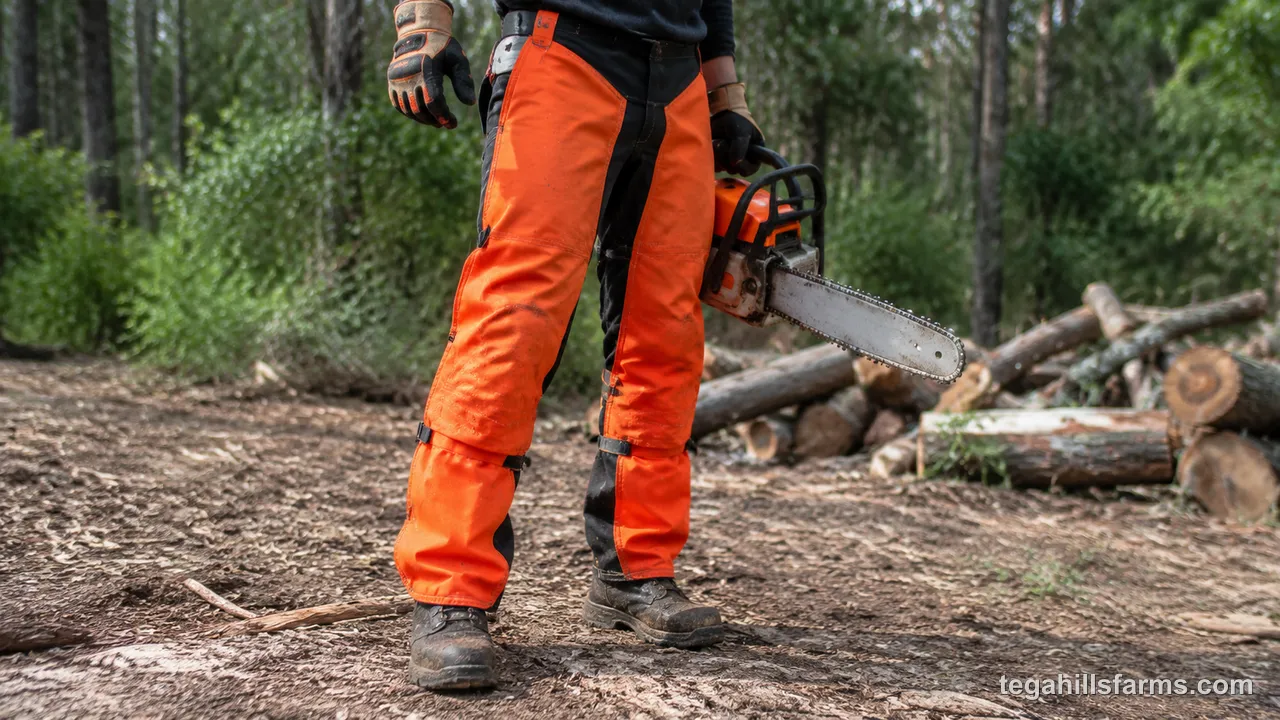
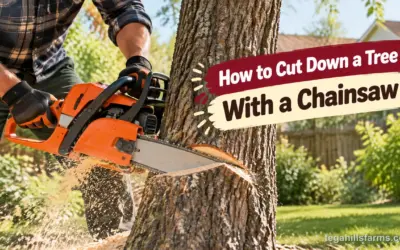
Those three details decide whether chaps actually protect you when a cut goes wrong, especially during tasks like how to cut down a tree with a chainsaw where stance and footing raise leg exposure, and where understanding chainsaw kickback shows why lower-leg coverage matters.
What certifications prove real leg protection?
Real leg protection is proven by ASTM F1897, ASTM F3325 and UL Classification to a stated chain speed, with OSHA 1910-266 requiring leg protection on the job.
ASTM F1897 is the US specification for leg protection for chainsaw users, defining construction and test methods. ASTM F3325 adds electric-saw considerations in newer evaluations. A UL Classification mark means the model was independently tested to stop a chain at a labeled speed, usually shown as ft/min — for example, 3,400 ft/min or 3,600 ft/min. Higher numbers indicate testing against a faster chain.
OSHA 1910-266 requires leg protection for logging operations and is the benchmark many employers follow. For homeowner use it is not law, but the same labels tell you the chap was actually tested rather than just marketed as “chainsaw resistant.” Check the sewn-in label, not just the hang tag.
How do you find the right waist and length fit?
The right fit covers from waist to the top of the boot with adjustable waist and leg straps without dragging on the ground.
Waist sizing is typically via a belt that fits over your pants — measure your waist where you wear work pants and choose a size that overlaps with room for layers. Outseam length should place the bottom hem at or just over the boot instep when standing, so the front fibers cover the shin and the top of the foot area while walking. Too long and they catch; too short and the lower leg is exposed.
Adjustable waist belts and calf straps let you fine-tune over winter layers or chaps-over-boots setups. Put your boots on first, then fit the chaps and walk, kneel and lift a leg to confirm no gap opens at the side.
How many layers and which outer fabrics matter most?
Protection depends on 6 to 9 inner fiber layers and an outer shell of 600D to 1200D polyester or nylon with water and oil resistance.
More layers generally raise the tested chain speed, but add weight and heat. Most homeowner chaps use 6 to 8 layers for a 3,400 ft/min rating; pro-oriented models add a layer or denser fiber blend for higher speeds or electric-saw testing. Outer denier measures abrasion resistance — 600D is lighter and cooler, 1000D to 1200D resists thorns and saw chips better but holds more heat.
Water and oil repellency helps because soaked fibers clump and do not pull as cleanly, and oily shells wear faster. Look for a tight weave, reinforced hems and covered straps rather than chasing layer count alone.
What makes top-rated chaps comfortable, durable and worth the price?
Top-rated chaps stay wearable because they balance all-day comfort from lighter weight and ventilation against durable shells and stitching that survive brush and chips, which is where budget vs premium brands diverge.
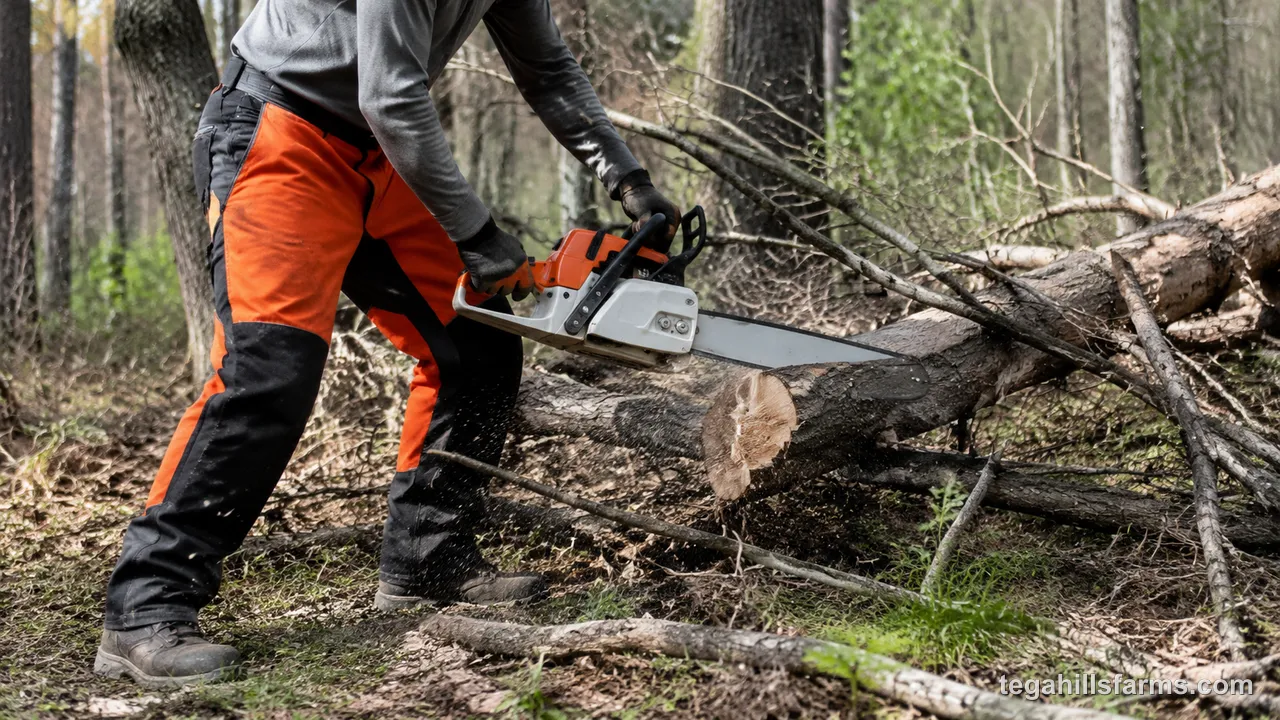
Price tier often tracks those material choices, much like how much does a chainsaw cost reflects build and features, and whether are expensive chainsaws worth it depends on how often you cut.
What makes chaps comfortable enough to wear all day?
Chaps stay comfortable when they offer lighter total weight, breathable shells and secure adjustability over boots.
Weight under about 3 pounds per pair reduces fatigue when walking between cuts, and a less crinkly shell with mesh or vented backing dumps heat better in summer. Wide waist belts and multiple calf straps keep the protective panel centered so it does not shift when you kneel or step over logs. A cut that allows boot coverage without bunching also helps, since chaps that ride up expose the shin.
If you run hot, prioritize fewer but effective layers and a lighter denier shell; if you push through brambles, trade a bit of weight for a tougher outer.
How do budget and premium brands compare on durability?
Budget and premium brands differ in shell denier, fiber density and hardware, with Yardmaris and Zelarman focusing on value, and Clogger, STIHL, Husqvarna, Forester, Notch and Oregon emphasizing tested durability.
Budget models often use 600D shells, simpler buckles and 6-layer fills that meet the baseline speed rating but fray faster and absorb water sooner without re-proofing. Premium options typically add higher denier, taped seams, metal or heavy-duty plastic buckles, extra layers and labeling that states UL/ASTM speed and electric-saw testing clearly. Clogger and Notch tend to emphasize fitted cuts and breathability for long wear, while STIHL, Husqvarna and Oregon align closely to their saw lines for consistent sizing.
For occasional use, a well-rated budget pair worn correctly protects well; for frequent cutting, the tougher shell and hardware pay back in life and in how often you actually wear them.
With the coverage styles, certification labels, sizing and material trade-offs covered above, you have a clear shortlist for leg protection.
The next details zoom in on the micro-decisions that determine whether those chaps actually get worn and last — how to wash them, when a strike means replace, and how to spot a genuine UL/ASTM label versus marketing copy.
Those rarely covered points are next, so you buy once and stay protected season after season.
Rare details that decide long-term protection
Rare details decide long-term protection through proper washing, a one-strike replacement rule and verifying a sewn-in UL/ASTM label.
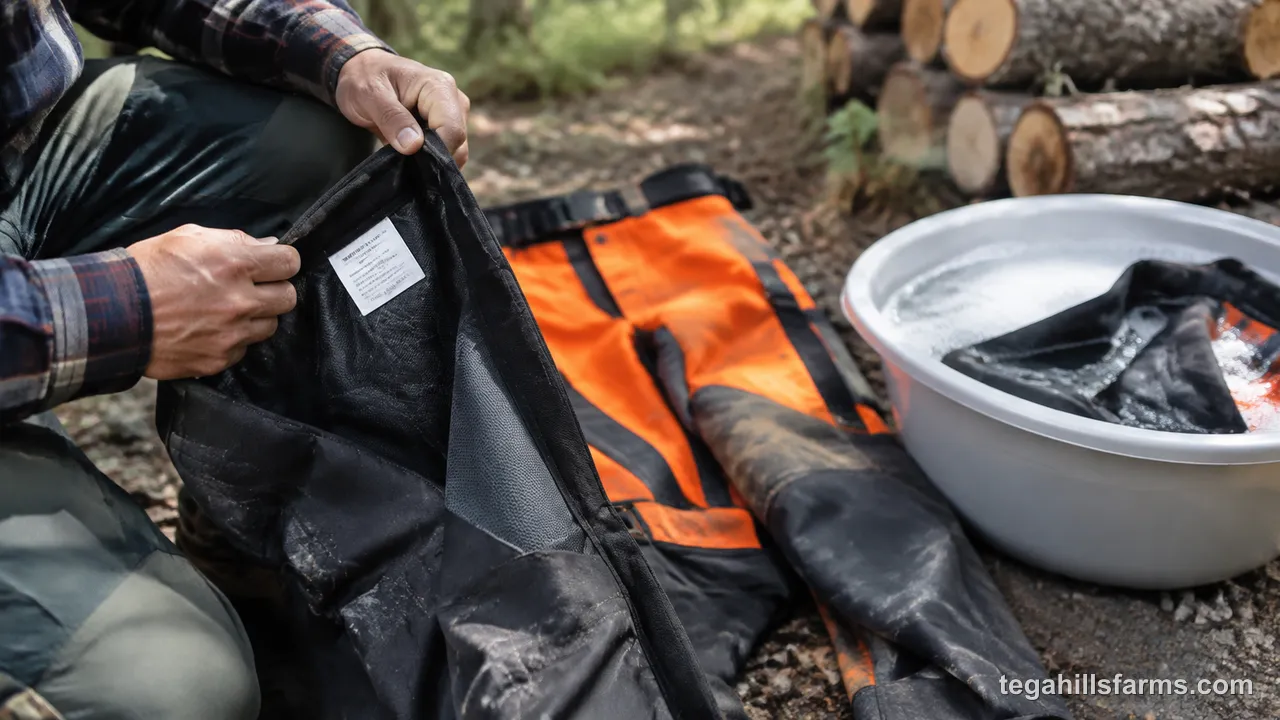
Never cut protective fibers to trim length and never machine-wash with fabric softener — softener coats fibers so they do not pull freely, and high heat can melt synthetic layers. Hose off chips, hand-wash with mild detergent in cool water, and air-dry away from direct heat, much as you would after you learn how to clean a chainsaw and keep oil and sap from degrading gear. After any chain contact, even if skin was not reached, replace the chaps — the entanglement layers are spent and a second hit in the same spot will cut through.
To verify authenticity, look inside for a permanent label stating the standard (ASTM F1897 or F3325), the tested chain speed in ft/min, the UL Classification symbol, size, and manufacturer — not just a cardboard tag. Store hung or loosely rolled in a dry place; prolonged UV and gasoline fumes break down fibers faster than normal wear.
Quick answers before you buy chaps in 2026
Are chainsaw chaps required by law for homeowners?
Homeowners are not generally required by law to wear chaps, but OSHA 1910-266 requires leg protection for professional logging, and many training courses mandate them. Even where not legally required, chaps are the single most effective way to reduce leg injuries and are widely recommended as essential chainsaw safety equipment for any cutting.
Can you wash chainsaw chaps in a washing machine?
You can machine-wash some chaps on gentle/cold only if the label explicitly allows it, but hand-washing is safer for most models. Use mild detergent, no bleach or fabric softener, rinse thoroughly, and air-dry. Heat from dryers can damage fiber layers and shells.
How long do chainsaw chaps last before replacement?
Chaps last 3 to 5 seasons of occasional use with proper care, and must be replaced immediately after any chain strike. Replace sooner if the outer shell is torn to the inner layers, straps fail, or fibers are oil-soaked, matted or UV-faded, since damaged fibers may not deploy correctly.
Do chaps protect against kickback?
Chaps partially protect against kickback to the leg but do not prevent kickback itself. They can reduce injury if the bar kicks back into the thigh, yet they do not cover hands, arms or upper body. Kickback control still depends on chain brake, technique and sharp chain.
What length should chaps be with boots?
Chaps should reach the top of the boot and cover the instep when standing, without dragging on the ground. If you wear tall boots, fit chaps over them; if low shoes, ensure the shin and ankle are covered. Most brands size by outseam, so measure waist-to-instep in boots.
Are chainsaw pants safer than chaps?
Chainsaw pants are more consistently protective for all-day use because integrated fibers stay aligned, while chaps are equally protective when correctly sized and strapped. Pants cover more of the leg rear and do not shift, but well-fitted chaps tested to the same speed rating offer comparable front-leg protection for intermittent cutting.
Write Your Review
No reviews yet. Be the first to share your experience!