

A well-maintained gas chainsaw typically lasts 10 to 20 years with regular use, while battery models generally serve 5 to 10 years before battery degradation makes replacement more practical than repair. The exact lifespan depends on three controllable factors: how often you run it, how consistently you maintain it, and how you store it between seasons. Below is a breakdown of what determines chainsaw longevity and how to get the most years from whichever model you own or plan to buy.
What Affects How Long a Chainsaw Lasts?
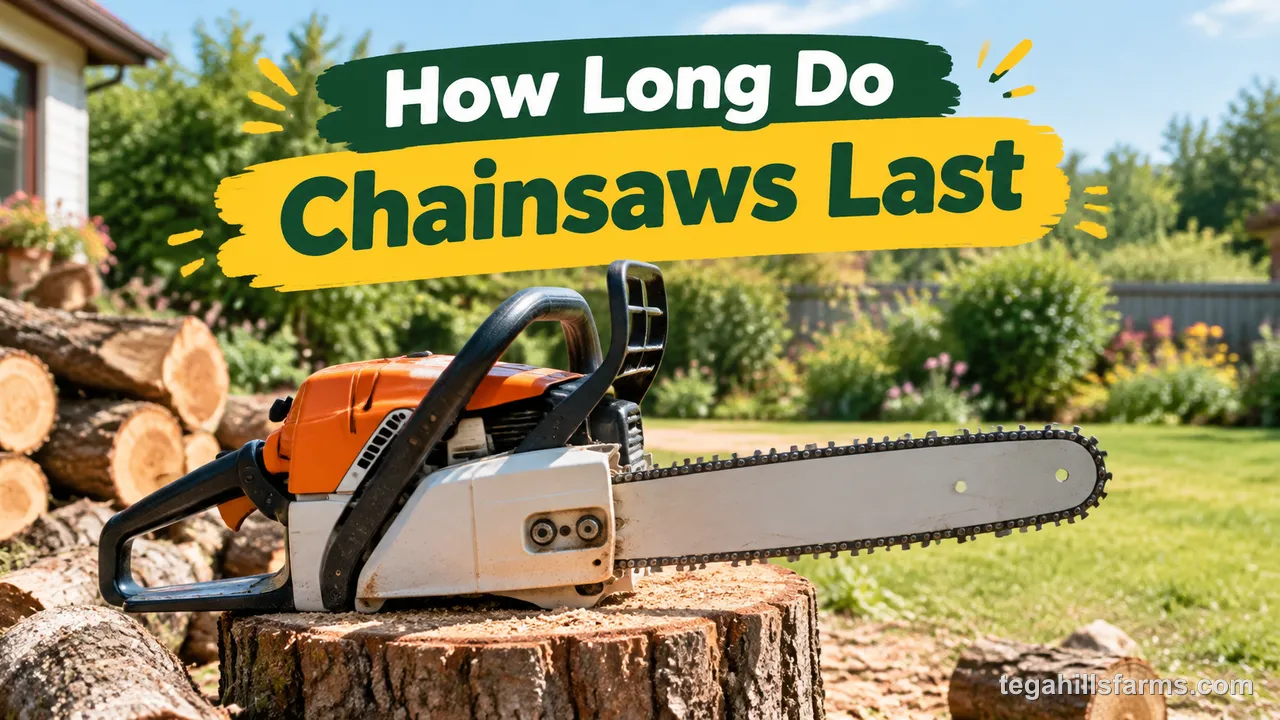
Chainsaw lifespan comes down to how often you use it, maintenance quality, and storage conditions — in that order of impact. You cannot control how often a previous owner ran a saw before you bought it, but every factor from this point forward falls under your control. Understanding what wears a saw down helps you set realistic expectations for how long a chainsaw lasts under your care.
How Often You Use It Matters Most
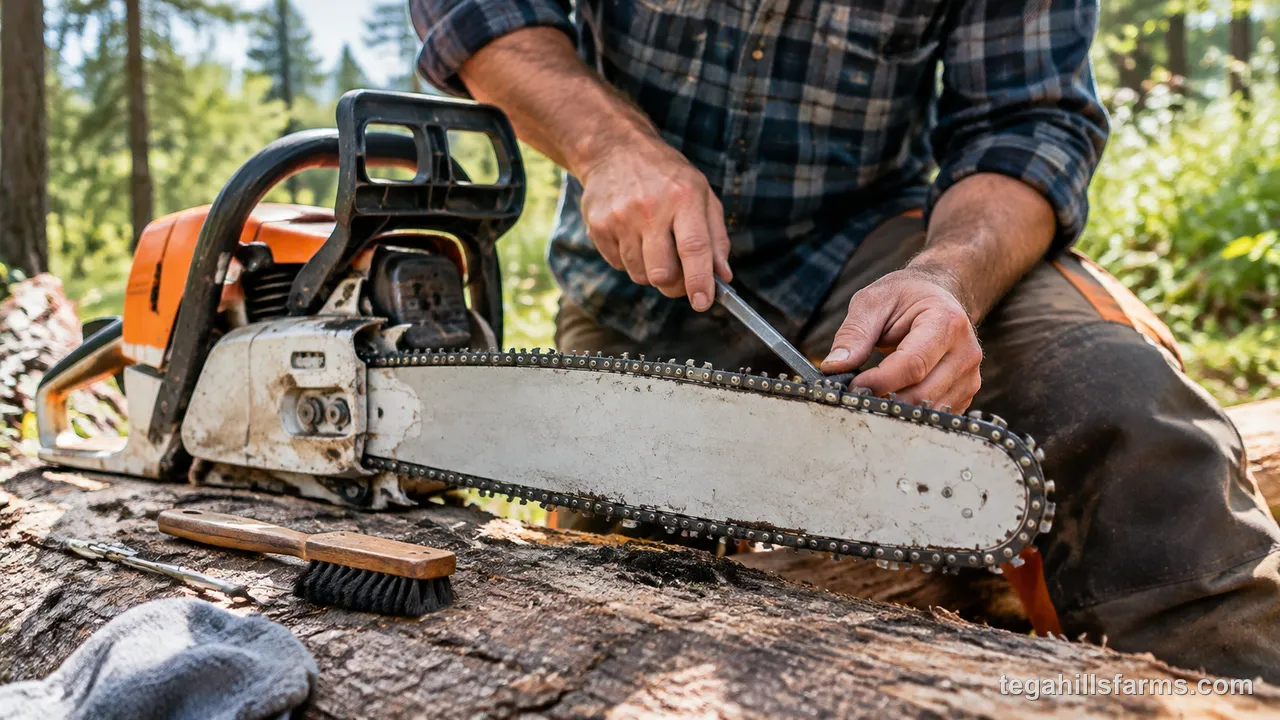
A chainsaw’s lifespan is measured in engine hours or charge cycles, not calendar years. A saw used professionally every day for eight hours will wear out in a fraction of the time that same model sitting in a garage for occasional storm cleanup would last decades later. Homeowners who run their saw a few times per year to trim a few fallen branches will get far more years from the same model than a property manager clearing fence lines weekly. Usage frequency drives wear on the cylinder, piston, chain, and bar at a rate that no amount of maintenance can fully offset. If you find yourself asking whether you need to sharpen more often, that is a sign the chain has seen enough work that sharpening alone will not restore it to good condition.
Maintenance Quality Determines Usable Life
Consistent, routine maintenance can meaningfully extend chainsaw lifespan by preventing the cascading failures that start with one neglected component. A saw that receives regular chain sharpening, bar oil checks, air filter cleaning, and fuel system care will outlast an identical model that is run until something breaks — not because the maintenance is complicated, but because it catches wear before it compounds. Keeping the chain properly tensioned, the air filter clean, and the fuel fresh prevents the kind of internal damage that requires a full engine rebuild to fix. Routine cleaning prevents residue buildup that accelerates wear on moving parts.
Storage Conditions Affect Long-Term Reliability
Improper storage shortens chainsaw life even when the saw is not in use, because degradation does not pause between seasons. Leaving fuel in the tank causes gummed-up carburetors; exposing a saw to moisture leads to rust on the bar, chain, and internal fasteners; and temperature swings crack seals and degrade plastics over time. A saw stored in a dry, climate-controlled space between uses will outlast the same model kept in a damp shed or an outdoor storage box through winter. The off-season is when many saws sustain the damage that shows up as hard-starting or loss of power the following spring.
Realistic Lifespan Expectations by Chainsaw Type
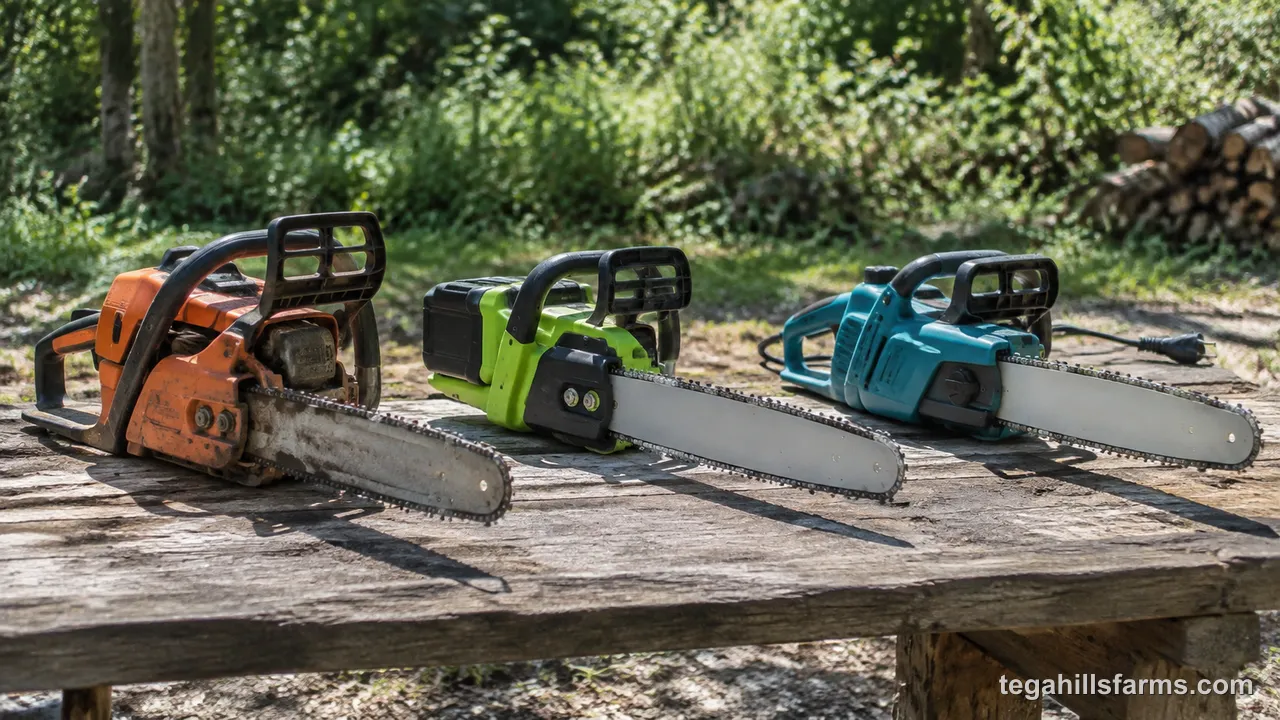
Chainsaw lifespan ranges vary significantly by power source, with gas models offering the longest total service life, battery saws limited primarily by cell degradation, and electric corded saws lasting indefinitely pending motor or component failure. The right expectation for your saw depends on which type you own and how you plan to use it. Comparing gas and battery models side by side helps clarify which tradeoffs affect longevity versus everyday convenience.
Gas Chainsaws: Years of Heavy Work
Gas chainsaws typically deliver 10 to 20 years of reliable service under homeowner use, with professional-grade models in this class pushing past 20 years with diligent maintenance. The engine is the limiting factor — specifically the wear on the cylinder and piston walls — which progresses with every hour of run time. A homeowner running a quality gas saw for 20 to 30 hours per year on storm damage, fence clearing, and seasonal trimming can expect a decade or more of service before major engine work becomes necessary. Professional users logging hundreds of hours annually will see meaningful wear within 5 to 7 years, but the built-up fatigue in the engine does not mean the saw is done — a professional tune-up can restore compression and extend usable life significantly. Learning proper starting technique prevents unnecessary strain on the recoil system and flywheel each time you pull the starter rope.
Battery Chainsaws: A Different Durability Equation
Battery chainsaw lifespan differs fundamentally from gas, because the limiting factor is the battery pack, not the motor or drivetrain. Most lithium-ion cells retain usable capacity for 300 to 500 full charge cycles before dropping below 75% of original performance — which for a homeowner running the saw a few times per month translates to roughly 5 to 10 years before the battery no longer holds enough charge for practical work. The saw body itself, motor, and bar last considerably longer, often 10 to 15 years with basic care, making the battery the recurring cost and eventual limiting factor. This changes the repair-versus-replace math compared to gas models, since replacing a $200 battery pack may not make sense when the rest of the platform is aging.
Why Brand Reputation Influences Longevity
Professional-grade brands consistently outlast consumer models because higher-quality components and tighter manufacturing tolerances reduce wear rates across every subsystem. The difference is not cosmetic — it shows up in the engine block casting, the quality of the bar and chain steel, the precision of the carburetor, and the durability of the clutch. A homeowner who buys a professional-grade saw and maintains it properly will often pass it on to the next owner long after a comparable consumer model has been scrapped. The upfront cost is higher, but the cost per year of service is frequently lower when you divide the purchase price by the years of reliable operation.
When to Repair vs Replace a Chainsaw
The repair-versus-replace decision depends on clear signs your chainsaw needs repair versus when replacement is the smarter choice. For gas saws, engine work under $200 often makes sense if the saw is otherwise sound; for battery saws, battery replacement costs that exceed half the price of a new saw shift the math toward replacement. Understanding what repair costs to expect helps you evaluate whether professional service is worth it before you commit. A proper chainsaw tune-up addresses the wear items that accumulate across a season of use, restoring performance without the cost of a full engine rebuild.
Clear Signs Your Chainsaw Needs Repair
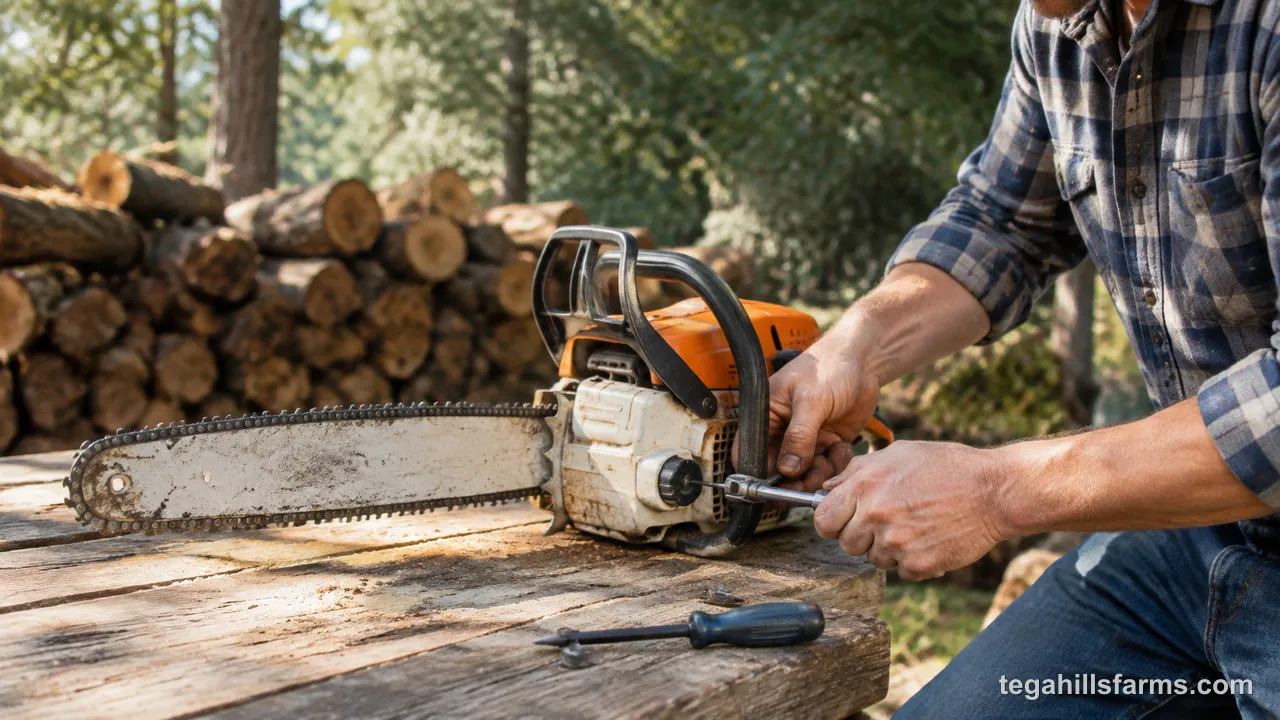
Certain symptoms reliably indicate repairable problems rather than terminal failure, and recognizing them early prevents minor issues from becoming major ones. Hard starting that improves after a tune-up points to a fixable fuel or ignition issue. A saw that stalls under load but idles smoothly likely has a clogged fuel filter or carburetor needing cleaning. Noticeable oil leaks around the bar or chain suggest worn seals that are simpler to replace than the internal bearings they protect. If the chain slips on the bar even after proper tensioning, the clutch or drive sprocket may be worn but serviceable. Each of these problems has a known repair path with a clear cost ceiling — unlike engine failure, where the repair cost often approaches the value of the whole saw.
When Replacement Is the Smarter Choice
Replacement becomes the smarter choice when repair estimates exceed half the cost of a comparable new saw, or when the saw has sustained structural damage that compromises safety under load. A cracked crankcase, a bent crankshaft, or severe compression loss in an older engine signals the end of economically viable repair — not because the saw cannot technically be rebuilt, but because the total cost exceeds what a reliable replacement would cost. For battery saws, if the platform itself is discontinued and replacement batteries are unavailable or priced near the cost of a new saw, replacement wins on practical grounds. Buying a new saw also gives you access to newer safety features and efficiency improvements that older models lack.
Maintenance Practices That Add Years to Your Chainsaw
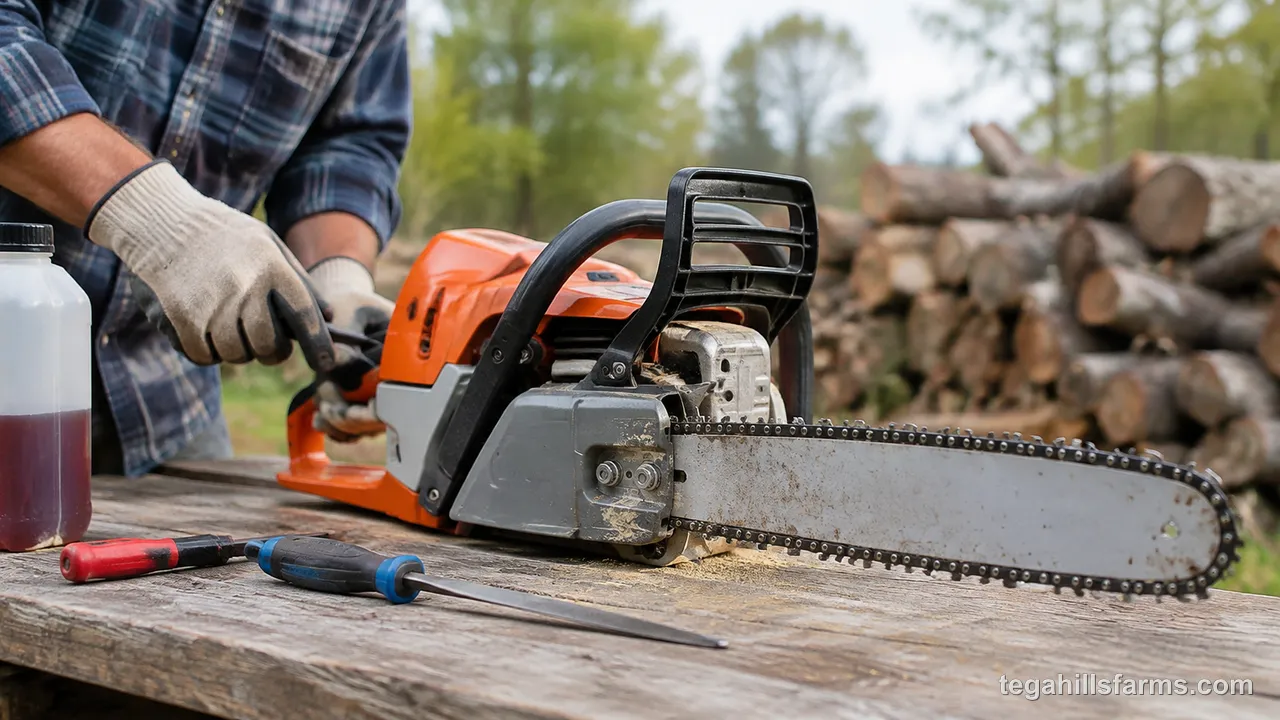
Three maintenance practices demonstrably extend chainsaw service life: chain and bar care, fuel system maintenance, and seasonal storage. These are not complicated procedures, but they are cumulative — skipping them even for one season compounds into wear that shows up years later. Keeping the bar properly oiled reduces friction wear on both the bar and chain, extending the serviceable life of both components and reducing the load on the motor.
Chain and Bar Care: The Highest-Impact Maintenance
Chain and bar condition directly affects overall saw longevity because these two components bear the full cutting load, and worn or neglected parts transfer excess stress to the motor, clutch, and drive train. Dull chains accelerate wear on the bar nose, sprocket, and engine by forcing the motor to work harder on every cut. Running a saw with a dry bar — even briefly — overheats the bar nose bushing and can seize it, requiring full bar replacement. Keeping the chain properly tensioned prevents the chain from stretching and jumping the rims, which damages the clutch and sprocket. Routinely cleaning sawdust and pitch from the bar groove and oiling the bar nose extends its usable life by years compared to leaving it to accumulate.
Fuel System Care Prevents Engine Death
Fuel-related maintenance prevents the costly engine failures that result from stale fuel, clogged carburetors, and varnish buildup in the fuel lines. Leaving ethanol-blended fuel in a saw for more than 30 days allows the ethanol to attract moisture and separate, creating deposits that clog the carburetor jets and damage the needle valves. Draining the fuel tank and running the carburetor dry before extended storage eliminates this failure mode almost entirely. Replacing the fuel filter annually prevents the slow degradation that restricts fuel flow under load and causes the saw to stall or run poorly without an obvious cause. These tasks take under ten minutes but prevent repair bills that run ten times the cost of the preventive materials.
Seasonal Storage That Preserves Performance
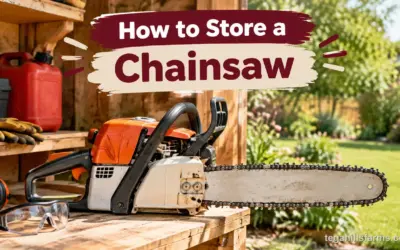
Off-season steps that prevent degradation between uses are straightforward but easy to skip when the saw is stored with good intentions. Running the saw dry of fuel is the single most important step for gas models — not just draining the tank, but running the engine until the carburetor is empty, because that is where fuel residue causes the most damage over time. Removing the chain and bar, coating them in bar oil or wax, and storing them separately prevents surface rust and keeps the chain edges sharp until the next use. Disconnecting the battery on battery models prevents the slow discharge that degrades lithium-ion cells over winter storage. A saw that goes into storage clean, dry, and fuel-free will start easily and perform reliably when you need it next season.
Safe Operation and Longevity Are Connected
Safe operation practices directly affect how long a chainsaw lasts, because the forces involved in kickback, binding, and improper cutting technique are absorbed by the saw’s structural components — and that accumulated damage shortens service life even when no immediate failure occurs. This is not about being overly cautious; it is about understanding that every abusive technique leaves a mark on the saw that compounds over time. Protecting yourself and protecting your saw are the same set of habits.
How Kickback Damages Your Saw Over Time
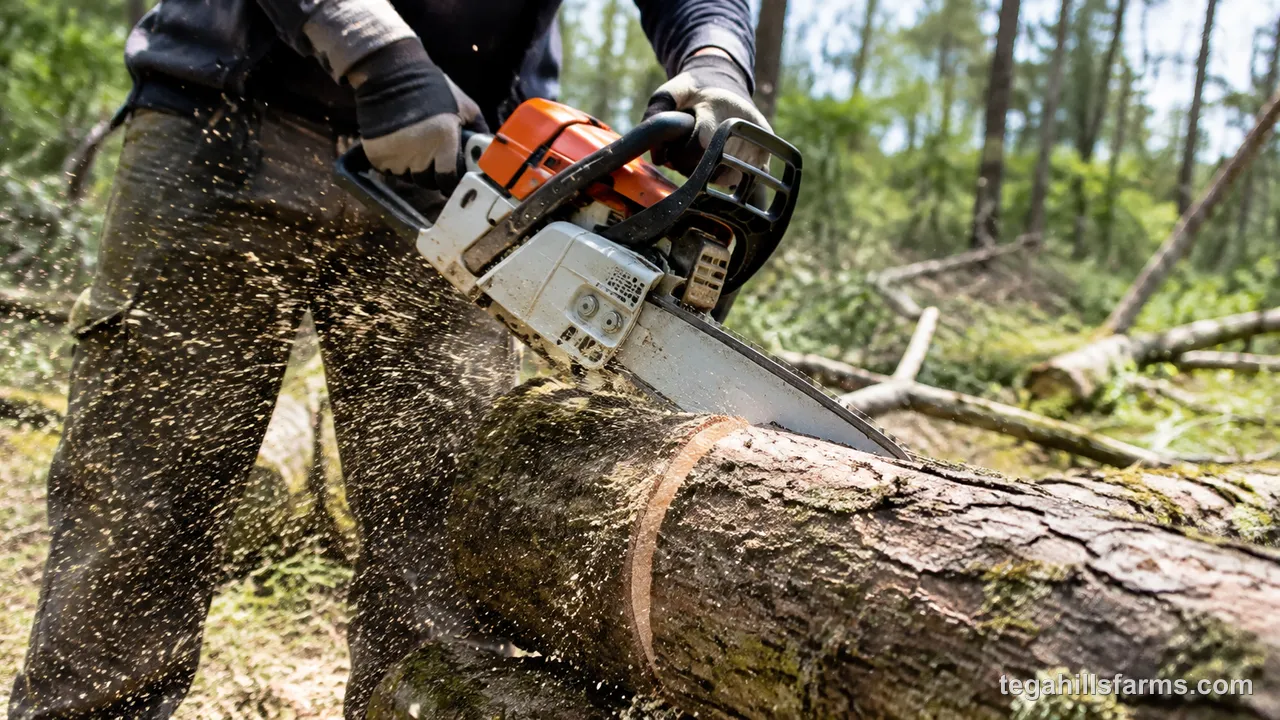
Kickback events cause mechanical consequences on chainsaw components that accumulate even when the saw appears to survive the incident unscathed. The sudden rotational force on the bar end stresses the clutch, the bar mount bearings, and the sprocket interface — and each kickback accelerates wear on all three simultaneously. A saw that has experienced multiple kickback events will show increased play in the bar mount and reduced clutch engagement quality years before those components would normally wear out. Beyond the immediate safety hazard, kickback is one of the primary mechanisms by which careless operation shortens a saw’s useful life. Understanding how to recognize and avoid kickback situations protects both you and your equipment.
Cutting Techniques That Reduce Wear
Operational habits that minimize stress on chainsaw components extend service life without requiring additional maintenance or parts. Letting the chain do the work — rather than forcing the bar through a cut — reduces the load on the engine and clutch with every cut. Using proper bucking techniques, such as planning the sequence of cuts to prevent the log from pinching the bar, avoids the binding that stresses the bar, chain, and clutch simultaneously. Taking the time to set up each cut properly, including repositioning for better geometry, costs a few minutes but saves wear on every component that transfers power from the engine to the wood.
The sections above cover what determines chainsaw lifespan and how maintenance shapes the years you get from a saw. Where brand choice gets interesting is in the details—how professional-grade manufacturers engineer longer life into their machines, and whether that difference justifies the price gap for different users. For buyers trying to decide between the two most trusted names in chainsaws, those engineering differences are worth understanding before you spend.
Stihl vs Husqvarna: Which Chainsaw Lasts Longer?
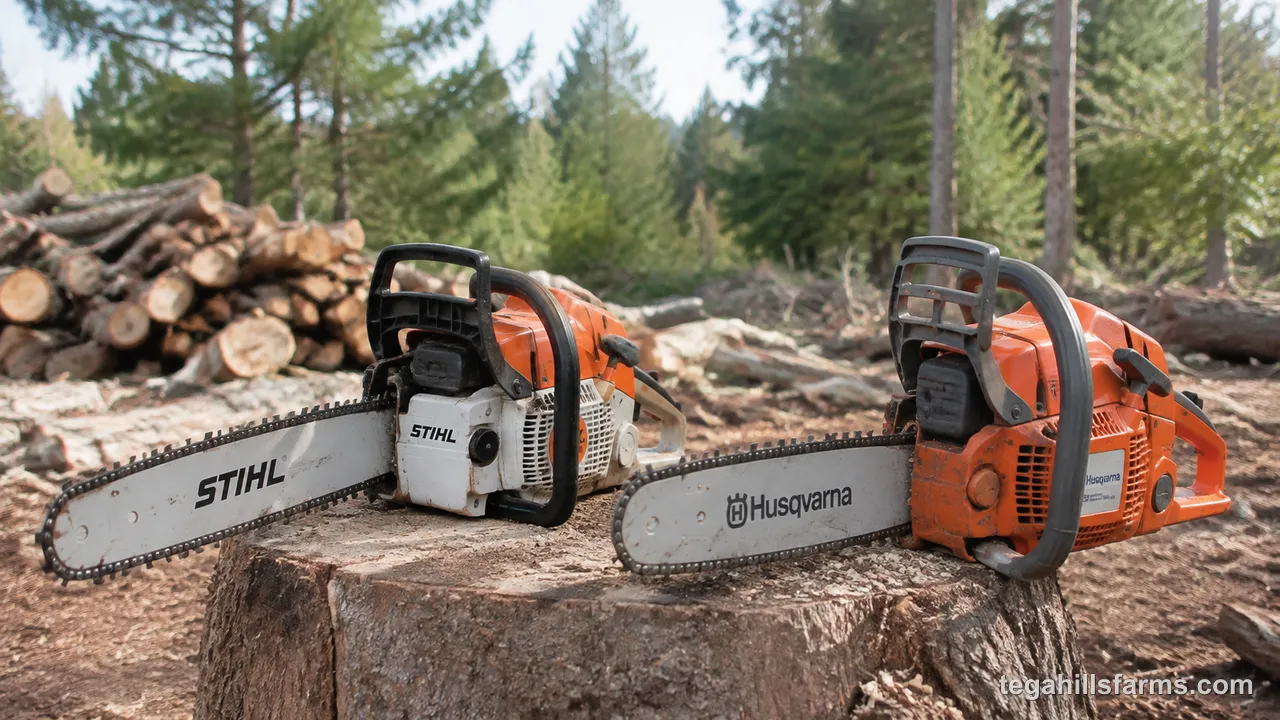
Stihl and Husqvarna both build chainsaws that routinely outlast competitors in the same class, but they take different engineering approaches to durability, with Stihl favoring simplicity and serviceability while Husqvarna pushes higher displacement and heavier-duty components in equivalent classes. Neither approach is objectively superior — the right choice depends on your usage pattern, your maintenance willingness, and whether you value easier field service over raw power-to-weight ratios.
Stihl’s Approach to Long-Term Reliability
Stihl designs chainsaws with serviceability and component availability as core principles, meaning the saw is built to be repaired with widely available parts rather than requiring proprietary components or specialized tools. The anti-vibration system uses isolated engine mounts rather than rubber grommets that degrade over time, maintaining smooth operation through more hours of use. Stihl engines run at slightly lower displacement than comparable Husqvarna models in the same class, which reduces internal stress per hour of operation and extends the time between major rebuilds. The chain brake mechanism is engineered for positive engagement and easy reset, reducing the likelihood of a failed brake compounding into a more serious safety or mechanical issue.
Husqvarna’s Approach to Long-Term Reliability
Husqvarna builds chainsaws with heavier-duty internal components — stronger bearings, thicker-walled engine blocks, and more robust filtration systems — that tolerate harder use at the cost of higher weight and more complex maintenance. The X-Torq engine design delivers more power per displacement while reducing fuel consumption and exhaust heat, which reduces thermal stress on the piston and cylinder during extended operation. Husqvarna bars and chains use proprietary hardened steel alloys and chrome-plated rails that resist wear longer than standard materials, though this comes with a higher replacement cost when the time comes. The centrifugal air injection system keeps debris out of the engine without relying on paper filters that need periodic replacement, which is a durability advantage in dirty cutting conditions.
Which Brand Actually Lasts Longer in Real Use?
In practice, both brands deliver comparable total service life when maintained consistently, but the breakdown of that longevity differs by user type. Homeowners who run their saw 20 to 40 hours per year tend to get more years from a Stihl because the simpler maintenance and wider parts availability make it easier to keep on top of service items. Professionals logging 500+ hours per year often favor Husqvarna for its higher thermal margins and heavier-duty internals that handle sustained hard use without the frequency of service intervals. For most buyers, the brand that lasts longer is the one they will maintain — and Stihl’s design makes routine maintenance slightly less daunting for non-mechanics. If you are already comfortable with basic tune-up tasks, Husqvarna’s heavier construction holds up marginally better under sustained professional abuse.
Frequently Asked Questions About Chainsaw Lifespan
How many years can I expect from a homeowner-grade chainsaw?
A homeowner-grade gas chainsaw typically lasts 8 to 15 years with regular maintenance, while a battery model in the same class serves 5 to 10 years before battery replacement becomes economically impractical. Professional-grade models in either category push those ranges higher by 5 to 10 years, but the maintenance quality matters more than the price tier — a well-maintained consumer saw will outlast a neglected professional model.
Does using a chainsaw every day shorten its lifespan?
Yes — usage frequency directly determines how quickly a chainsaw reaches the wear limits of its engine or battery. Running a saw 8 hours daily for professional work compresses years of wear into months, meaning a saw that would last 15 years for a homeowner may need major service within 3 to 5 years of professional use. Battery saws degrade fastest with daily deep-discharge cycles.
Can a chainsaw last 30 years?
A well-maintained gas chainsaw can last 30 years or more in homeowner use, but only if it receives consistent routine maintenance and is not stored with fuel between seasons. The most common reason a saw dies young is not engine wear but fuel-system damage from stale ethanol-blended gas — a preventable failure that takes out otherwise sound saws within a few seasons.
Is it worth rebuilding an old chainsaw?
Rebuilding an old chainsaw is worth it when the saw has a quality frame and the repair cost is under half the price of a comparable new model. Engine rebuilds on professional-grade saws are often justified by the remaining useful life of the bar, chain, and drivetrain components. On consumer-grade saws, a full engine rebuild frequently costs more than the saw is worth.
How do I know if my chainsaw engine is worn out?
Compression loss that does not improve after a tune-up, combined with excessive oil consumption and blue exhaust smoke, indicates the engine is worn beyond routine service. A simple compression test reads under 100 PSI on a worn two-stroke cylinder, compared to 125 to 150 PSI on a healthy unit.
Write Your Review
No reviews yet. Be the first to share your experience!