

Our top picks for the best chainsaws under $300 in 2026 are EGO Power+ CS1613 16 in (Best Overall), Husqvarna 130 16 in (Best Easy-Start), Greenworks 80V 18 in Chainsaw (Best Premium), Greenworks 40V 16 in Cordless Chainsaw (Best Budget), WORX WG385 40V 16 in (Best Battery Life), Husqvarna 135 Mark II 16 in (Best Lightweight), and ECHO Commercial Rear Handle 34.4cc 16 in (Best for Professionals). The mix splits between cordless saws and small gas engines, all sized for homeowner work rather than logging.
Choosing among them comes down to a handful of specs that change how a saw behaves in your yard: bar length against the wood you cut, engine size or battery voltage as a power signal, how much the saw weighs at the end of your arms, and how much effort it takes to start. Upkeep belongs on that list too, because a gas engine and a battery pack ask very different things of you between jobs.
The worry I hear most from homeowners is simple: a saw that refuses to start after sitting in the shed since last fall, or a battery that dies halfway through a fallen limb. Weight is the other complaint, since a saw that tires you out in ten minutes tends to stay on the shelf.




If you already run cordless yard tools, start with the battery platform in your garage. A saw that takes the same packs as your mower or trimmer saves the cost of a second battery system and means one charger handles everything.
Is a Chainsaw Under $300 Good Enough for Yard Work?
Yes, for limbing, cutting up small fallen trees and bucking occasional firewood, a saw at this budget does the job well; it stops being the right tool for sustained heavy felling or all-day cutting.
The budget buys one of two things: a small gas engine, in the 34.4cc to 38cc range across these picks, or a cordless saw with a mid-size battery and a brushless motor. The gas side gives you staying power, because a refill takes a minute and the engine keeps pulling as long as there is fuel in the tank. The cordless side gives you a push-button start, no fuel to go stale and almost no seasonal upkeep, at the price of runtime per charge and usually more weight in your hands.
That split is why the best chainsaws for homeowners rarely look like the saws a tree crew carries. A homeowner cuts a few times a year, so a machine that starts reliably and fits the wood in the yard matters more than raw output. For a view across every price tier, browse our picks for the best chainsaws.
The 7 Best Chainsaws Under $300 of 2026
The saws worth buying at this level are EGO Power+ CS1613 16 in, Husqvarna 130 16 in, Greenworks 80V 18 in Chainsaw, Greenworks 40V 16 in Cordless Chainsaw, WORX WG385 40V 16 in, Husqvarna 135 Mark II 16 in and ECHO Commercial Rear Handle 34.4cc 16 in, a mix of cordless and gas models. The gas saws start with a priming and choke routine and ask for fuel mixing and spark plug care, while the cordless saws start at a button press but tie you to a battery platform and generally weigh more. That covers first-time owners, people trimming limbs and small trees, occasional firewood cutters, households facing storm cleanup, and buyers who already own or want a battery platform.
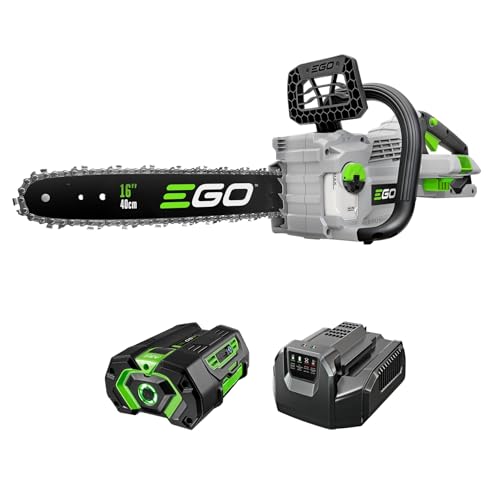
#1 EGO Power+ CS1613 16 in — Best Overall
This saw suits owners who want gas-class cutting with no fuel to mix. Its brushless motor matches the output of a 40cc gas engine and drives the chain at up to 66 ft/s, which keeps cuts clean in hardwood and softwood alike.
Key Specs:
- Power: brushless motor, rated equal to a 40cc gas saw
- Bar and chain: 16 in bar, 3/8 in pitch, 0.043 in gauge, 56 drive links
- Chain speed: up to 66 ft/s (20 m/s)
- Runtime: up to 130 cuts on a 4×4 with the included 56V 4.0Ah battery
- Weight: 20.94 lb
- Weather rating: IPX4
Detailed Review:
The brushless motor delivers power on par with a 40cc gas saw, and that chain speed clears chips fast enough that you guide the bar instead of leaning on it. Paired with a 3/8 in pitch, 0.043 in gauge chain on the 16 in bar, it handles limbs, storm debris and firewood rounds without bogging.
Chain tension adjusts with a twist of a dial, so taking up slack mid-job doesn’t mean loosening bar nuts or digging for a scrench. The dial sits low on the body, which lets you cut flush to the ground when trimming a downed trunk or clearing brush at its base.
The included 4.0Ah battery is good for up to 130 cuts on a 4×4, and every EGO 56V ARC Lithium battery fits, so an EGO mower or blower already in your garage shares its packs. IPX4 weather resistance means a damp morning won’t end the session early.
The cost is weight: this is a heavy saw to hold at shoulder height for any stretch. For ground-level cutting I’d still steer most owners here, but if your work is mostly overhead, a lighter saw will treat your arms better.
Pros:
- Brushless motor matches a 40cc gas saw.
- Dial tensioning needs no tools.
- Runs on every EGO 56V ARC Lithium battery.
- IPX4 rating handles damp working conditions.
- Low-profile dial allows cuts flush to the ground.
Cons:
- Heavy to hold overhead for long.
- Ties you to EGO battery packs.
Who It’s For:
Homeowners who already run EGO 56V tools get the most from this saw, since the battery and charger slot straight into their lineup. It also fits anyone who cuts mostly at ground level and wants gas-class power with no fuel to store. People who do most of their cutting overhead will find it tiring to hold.
Editor’s Verdict:
Pick this saw for strong, fuel-free cutting and painless tension adjustments, as long as its weight suits the way you work.
#2 Husqvarna 130 16 in — Best Easy-Start
For a non-mechanic whose saw sits for months between jobs, the fuel pump and combined choke/stop control make cold starts far less fussy. Flooding becomes much less likely.
Key Specs:
- Engine: 38cc, 2 HP X-TORQ
- Bar: 16 in (recommended for 14 to 16 in bars)
- Weight: 5.67 lb
- Starting aids: fuel pump and combined choke/stop control
- Safety: inertia-activated chain brake
- Lubrication: automatic oiler
Detailed Review:
Starting is where this saw earns its place. The fuel pump primes fuel to the carburetor before you pull, and the single choke/stop control sets the engine for a cold start with one lever, which keeps a stubborn start from turning into a flooded engine and a spark plug pulled on the tailgate.
The X-TORQ engine is built to keep its power at low RPMs, so the chain holds its pace when it hits a knot or a wet round instead of stalling. Air Injection spins larger dust and debris out of the intake air before it reaches the filter, which protects the engine during sawdust-heavy firewood work and stretches the time between filter cleanings.
LowVib dampeners soak up engine vibration, so your hands stay steadier on a long limbing job. The inertia-activated chain brake trips when kickback throws the bar toward you, which matters on a saw aimed at people who don’t cut every week.
It is still a gas saw, so plan on mixing two-cycle fuel, swapping the spark plug now and then, and draining or stabilizing the tank before winter. If that routine doesn’t bother you, this is the gas saw I’d hand to someone who dreads pull-starting.
Pros:
- Fuel pump primes the engine before the first pull.
- Combined choke/stop control reduces flooding risk.
- X-TORQ engine keeps power at low RPMs.
- Air Injection extends air filter life.
- LowVib dampeners reduce hand fatigue.
Cons:
- Needs two-cycle fuel mix and seasonal fuel care.
- Limited to bars no longer than 16 in.
Who It’s For:
If your saw lives in the garage most of the year and only comes out after a windstorm or for a fall limb cleanup, this one fits, because its starting aids are built around that kind of cold start. Owners who refuse to mix fuel or service an engine should look at a cordless saw instead.
Editor’s Verdict:
Expect dependable cold starts and steady low-RPM pull from this saw, provided you keep up with fresh fuel and basic engine care.
#3 Greenworks 80V 18 in Chainsaw — Best Premium
Storm cleanup and thick limbs call for more bar and more pull than most homeowner saws bring, and this cordless saw delivers both with an 18 in bar and output Greenworks rates as equal to a 50cc gas engine. It sits at the premium end of the range.
Key Specs:
- Bar: 18 in
- Power: brushless motor, rated equal to a 50cc gas engine
- Weight: 9.48 lb
- Battery: 80V 4.0Ah, charger included
- Safety: mechanical chain brake
- Maintenance: automatic oiler, side-access tensioning
Detailed Review:
Every other pick runs a 16 in bar, so this is the saw that finishes wider trunks and storm-downed limbs in fewer passes. A longer bar drags more chain through the wood, and the brushless motor, rated for twice the torque and power equal to a 50cc gas engine, supplies the muscle to keep that chain moving in hardwood.
The automatic oiler keeps the bar and chain lubricated while you work, which saves the bar rails from the heat and wear of a dry chain. Side-access tensioning puts the adjustment where you can reach it quickly, and the mechanical chain brake gives you a manual stop when the bar starts climbing.
It is also much lighter than the EGO Power+ CS1613 16 in, so overhead limbs are easier to manage despite the longer bar. The included 4.0Ah battery and charger make it a complete kit, but the 80V pack only shares with Greenworks 80V tools, not the brand’s lower-voltage line.
You pay a premium for the longer bar and higher voltage, and that only makes sense when storm cleanup or bigger limbs are a regular part of your year. I’d point a suburban owner trimming a few branches toward something smaller.
Pros:
- 18 in bar handles wider trunks in fewer passes.
- Brushless motor rated equal to a 50cc gas engine.
- Battery and charger included in the box.
- Side-access tensioning speeds up chain adjustments.
- Automatic oiler keeps the chain lubricated.
Cons:
- Premium cost makes little sense for light pruning.
- 80V batteries don’t fit Greenworks 40V tools.
- Longer bar is more saw to control overhead.
Who It’s For:
Households that deal with downed limbs after storms, or cut bigger wood than a short bar handles comfortably, will get the most from this saw. Anyone already running Greenworks 80V mowers or blowers can share batteries across the set. Light pruners and buyers on a tight budget are better served by a smaller, simpler saw.
Editor’s Verdict:
Choose this one when bar length and gas-class pull matter more than cost; it is a strong cordless answer to heavy yard cleanup.
#4 Greenworks 40V 16 in Cordless Chainsaw — Best Budget
First-time owners with light yard cutting get an easy start here: push-button start, no gas, no carburetor, no spark plug and no starter rope to deal with. Sold as a bare tool, it suits anyone already holding Greenworks 40V packs.
Key Specs:
- Bar: 16 in
- Power: brushless motor
- Runtime: up to 100 cuts on 4×4 lumber per charge
- Weight: 9.7 lb
- Starting: push button
- Included: saw, scabbard and operator’s manual (battery and charger sold separately)
Detailed Review:
There’s almost nothing to maintain on the power side. With no carburetor, spark plug or starter rope, the saw that sat on a shelf all summer runs the moment you press the button, which is exactly what a first saw should do.
The brushless motor delivers more torque and runs quietly, and a full charge covers up to 100 cuts on 4×4 lumber, enough for a pile of pruned limbs or a small cleanup. The mechanical chain brake, automatic oiler and pro-style tensioning cover the basics of safe cutting and easy chain care.
The WORX WG385 40V 16 in is rated for up to 150 cuts per charge on 4×4 hardwood, so if runtime is your priority, that saw goes further. This one stays the simpler pick for short sessions.
A 40V motor on a 16 in bar is sized for limbs and small trees; feed it a large hardwood round and the cut slows to a crawl. Because it ships tool-only, the buy-in stays low if you own a Greenworks 40V battery, while buyers starting from zero need to add a battery and charger.
Pros:
- Push-button start with nothing to prime or pull.
- No carburetor or spark plug to service.
- Up to 100 cuts on 4×4 lumber per charge.
- Mechanical chain brake and automatic oiler built in.
Cons:
- Battery and charger are sold separately.
- Slows down in thick hardwood rounds.
Who It’s For:
A first-time owner who trims limbs, drops small trees and tidies up after a windy night will find this saw easy to live with. It fits best for anyone who already owns Greenworks 40V batteries. People who regularly buck thick hardwood need a saw with more power behind the chain.
Editor’s Verdict:
Buy this as a simple, low-upkeep first saw for light work, and pair it with a 40V battery you already own.
#5 WORX WG385 40V 16 in — Best Battery Life
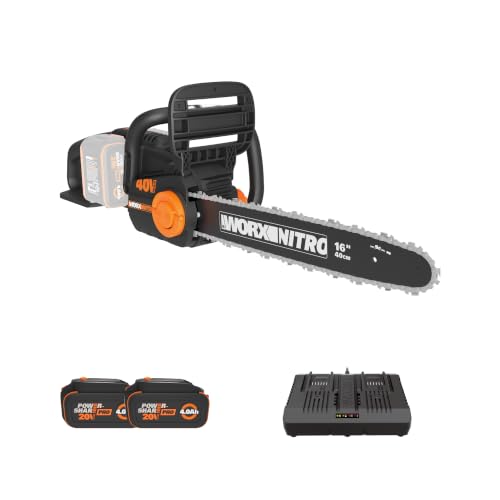
Cleanup days that run through a whole stack of logs are where this saw shines. It is rated for up to 150 cuts on 4×4 hardwood per charge, and the kit includes two 20V 4.0Ah batteries plus a 4A dual charger that refills both packs together.
Key Specs:
- Power: brushless motor, rated better than a 45cc gas saw
- Bar: 16 in, rated for bucking and felling wood up to 28 in
- Chain speed: 59 ft/s
- Runtime: up to 150 cuts on 4×4 hardwood per charge
- Batteries: two 20V 4.0Ah PowerShare packs, 4A dual charger
Detailed Review:
The runtime figure is measured on hardwood, not soft lumber, which makes it more useful for real firewood and storm work. Two 20V packs run the saw together at 40V, so a long cleanup keeps going without stopping to swap batteries.
The brushless motor drives the chain at 59 ft/s and is rated to cut 12 pieces in 30 seconds. The EGO Power+ CS1613 16 in runs its chain faster at up to 66 ft/s, so it clears chips a little quicker, while this saw arrives with a second battery in the box.
Chain tension adjusts and the chain releases at the turn of a button, and automatic lubrication keeps the chain oiled to extend its life. The chain stops immediately when kickback occurs, and a charge indicator shows remaining power, so you know whether to start one more long cut.
The saw is rated for bucking and felling wood up to 28 in, but large trunks still drain a battery faster than a gas tank empties under the same load. On big wood, plan to recharge between sections rather than push the packs flat.
Pros:
- Up to 150 cuts on 4×4 hardwood per charge.
- Two batteries and a dual charger in the box.
- Button-adjusted chain tension, no tools needed.
- Chain stops immediately when kickback occurs.
- Charge indicator shows remaining battery power.
Cons:
- Both packs need charging before every session.
- Large trunks drain the packs quickly.
Who It’s For:
When your weekend job is a pile of logs or a long cleanup, this saw keeps working through the stack. WORX 20V PowerShare owners can share batteries with their trimmers and blowers. If you cut big trunks often, a gas saw suits that work better.
Editor’s Verdict:
Count on this saw for long runtime on hardwood and simple chain care; it rewards owners who cut in volume.
#6 Husqvarna 135 Mark II 16 in — Best Lightweight
Long limbing sessions wear out your arms before they wear out the saw, which is why this 4.7 lb gas saw with a 38cc, 2.1 HP engine makes sense for steady trimming work. Smart Start keeps pulls easy.
Key Specs:
- Engine: 38cc, 2.1 HP X-TORQ
- Bar: 16 in (recommended for 14 to 16 in bars)
- Weight: 4.7 lb
- Starting: Smart Start, choke/stop control
- Safety: inertia-activated chain brake
- Lubrication: automatic oiler
Detailed Review:
This saw is lighter than the Husqvarna 130 16 in, which weighs 5.67 lb, and it carries a slightly stronger 2.1 HP engine. Less weight out at the end of your arms means you can keep limbing longer before your grip and shoulders start to fade.
Smart Start lets the engine fire with minimal pull effort, and the choke/stop control reduces the risk of flooding on a cold start. The X-TORQ engine keeps its power at low RPMs, so the chain doesn’t stall the moment it meets a knot.
The side-mounted tensioning system puts slack adjustments where you can reach them without wrestling the saw, and LowVib dampeners cut the buzz that numbs your hands on a long session. Air Injection throws dust and debris out before it reaches the air filter, which helps the engine last.
The upkeep is the gas routine. An occasional user has to mix two-cycle fuel, stabilize or drain it before storage, check the spark plug and clean the air filter, so this saw rewards owners who don’t mind a few minutes of engine care each season.
Pros:
- Light weight cuts fatigue during long limbing.
- Smart Start makes pull-starting easier.
- Side-mounted tensioning simplifies slack adjustments.
- LowVib dampeners reduce vibration in your hands.
Cons:
- Gas engine needs fuel mixing and seasonal care.
- Limited to bars no longer than 16 in.
Who It’s For:
Anyone who spends a morning working through a line of overgrown limbs, or feels arm strain quickly with a heavier saw, will appreciate how little this one asks of your shoulders. It also suits owners comfortable with basic engine upkeep. Those who want zero fuel handling should go cordless.
Editor’s Verdict:
Reach for this saw when comfort through a long trimming session counts most, and set aside a few minutes for fuel and filter care.
#7 ECHO Commercial Rear Handle 34.4cc 16 in — Best for Professionals
This is the saw for a homeowner who values durability over gadgets. Its 34.4cc commercial-grade engine pairs with an i-30 starter that reduces starting effort by 30 percent, so cold pulls take less muscle.
Key Specs:
- Engine: 34.4cc commercial-grade gas
- Bar: 16 in
- Layout: rear handle
- Weight: 8.16 lb
- Starter: i-30, reduces starting effort by 30 percent
- Vibration control: 3-point spring system
Detailed Review:
A commercial-grade engine is built for working use, so in a homeowner’s hands it runs well inside its limits. That margin is what you want from a saw you expect to start every season without surprises.
The i-30 starter lowers the pull effort, which helps on cold mornings and for anyone who struggles with a stiff cord. The 3-point spring vibration reduction system isolates the handles from engine buzz, so your hands stay steadier through a long stack of rounds.
The air injection air cleaner sends cleaner air to the filter and cuts down on maintenance. The rear-handle layout is the standard design for two-handed ground work, giving you a full grip behind the bar for bucking and limbing.
It is heavier than either Husqvarna gas saw, the Husqvarna 135 Mark II 16 in at 4.7 lb and the Husqvarna 130 16 in at 5.67 lb, and its 34.4cc engine is smaller than their 38cc. What it offers in return is a commercial-grade build. Daily upkeep is the usual gas routine of fuel mix, plug and filter.
Pros:
- Commercial-grade engine built for regular use.
- i-30 starter reduces starting effort by 30 percent.
- Three-point spring system dampens vibration.
- Air injection cleaner cuts filter maintenance.
Cons:
- Heavier than the Husqvarna gas saws.
- Still needs fuel mixing and engine upkeep.
Who It’s For:
Buyers who value a sturdier engine over convenience extras will appreciate this saw, especially if they cut every season and want gentler pulls on cold mornings. It fits owners comfortable mixing fuel. Anyone shopping mainly for low weight should look at a lighter gas saw.
Editor’s Verdict:
Treat this as a dependable, low-fuss gas saw for regular seasonal work; the gentler starter is a real bonus.
What Should You Look for in a Chainsaw Under $300?
Matching the saw to the wood you actually cut matters more at this budget than chasing the biggest number on a spec sheet. A saw rated far beyond your work only adds weight and cost, while one that is too small bogs down and wears out its chain. The specs below decide which side of that line a saw lands on for your yard.
How Long Should the Bar Be for the Wood You Cut?
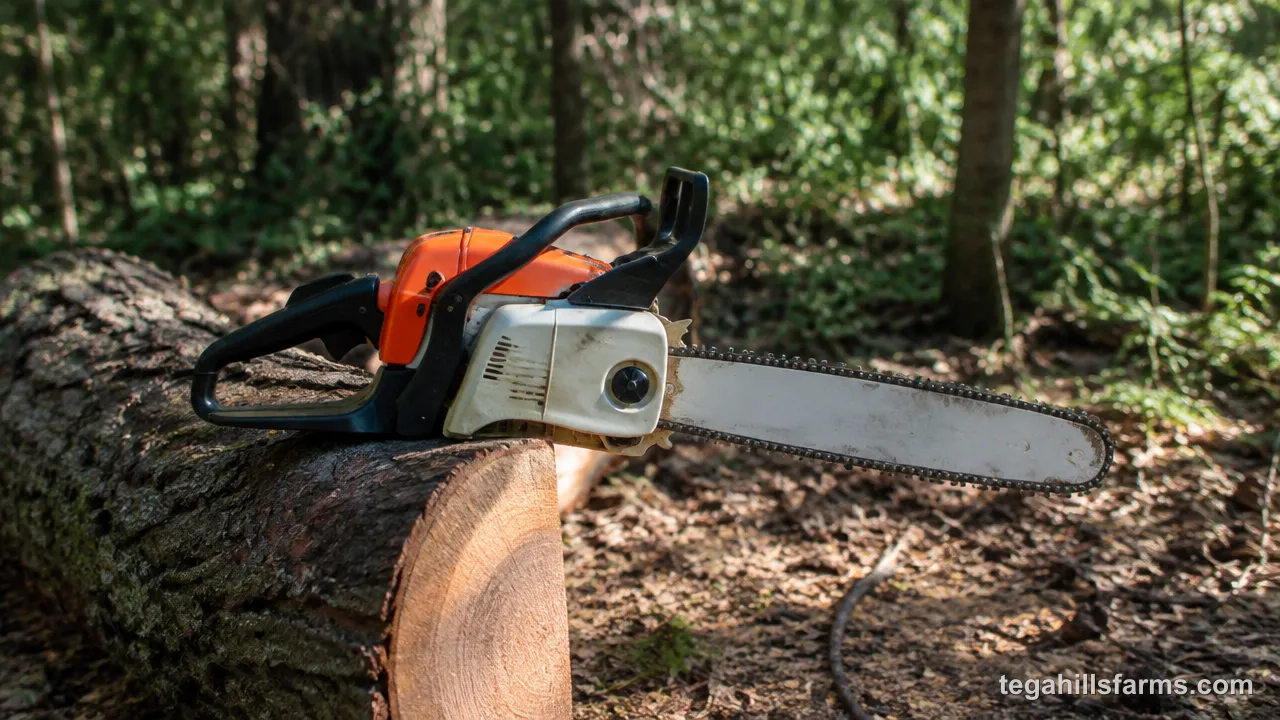
Bar length sets the thickest limb or log you can cut in a single cut, and it also sets how much saw you hold out in front of you. A shorter bar is lighter at the tip and easier to control, which helps when pruning or working near the ground. A longer bar reaches through wider trunks but drags more chain through the wood, so it needs more power behind it.
For pruning and small trees, a shorter bar is the easier tool. For firewood rounds and typical storm limbs, a 16 in bar covers most homeowner work, which is why nearly every pick here runs one. Oversizing the bar on a small engine just slows the chain, and Husqvarna limits both of its saws to 14 to 16 in bars for that reason. The same logic runs through how to choose a chainsaw at any size.
What Do Engine Size and Voltage Mean for Cutting Power?
Engine displacement in cc is a rough signal of a gas saw’s pull, and voltage plus a brushless motor plays the same role for a battery saw. Neither guarantees how a saw cuts, which is why cordless makers often add a gas-equivalent rating.
An underpowered saw tells you quickly. The chain slows in wet or hardwood logs, the engine or motor bogs, and you end up leaning on the saw to finish the cut, which wears the chain and your patience.
On battery saws, voltage sets the platform and contributes to torque, while amp-hours act like tank size and decide runtime. A higher-voltage saw with a small pack can still run out early, so check both numbers before you buy.
How Much Do Weight and Starting Effort Matter?
Weight decides how long you can hold a saw at shoulder height on a limb, and starting method decides whether the saw gets used after months in the shed. A saw that is tiring to hold or hard to start tends to sit unused.
Cordless saws generally run heavier than comparable gas models, mostly because of the battery. Owners with smaller frames or less shoulder strength feel that difference most, and it is the main thing I’d weigh when picking among the best chainsaws for seniors.
Starting systems range from a primer and choke routine on gas saws, through assisted pull systems that cut cord effort, to the push-button start of a battery saw. If you dread pull cords, the assisted or push-button route keeps the saw in service.
Which Safety Features Should a Beginner Saw Have?
A chain brake is the feature that matters most, because it stops the chain when kickback throws the bar toward you. Some saws trip it by inertia, and all let you set it with the front hand guard. Kickback stops on cordless saws do the same job electronically.
An automatic oiler keeps the bar and chain lubricated without you remembering to pump oil, which prevents a dry chain from binding or jumping. Weather sealing on cordless models lets you finish a job in damp conditions.
The personal gear matters as much as the saw. Safety glasses or a face screen block flying chips, hearing protection guards against engine noise, gloves improve grip, and cut-resistant chaps can stop a chain before it reaches your legs.
Gas vs Battery Chainsaws: Which Is the Better Buy at This Budget?
Battery saws win on starting, noise and upkeep, while gas saws win on staying power and lower weight for the same bar length. Corded electric saws also sell at this level, but the extension cord ties you to an outlet, which rules them out for most yards with trees beyond the patio. For occasional suburban cutting, a battery saw is the better buy; for frequent work in heavy wood, gas still earns its upkeep.
When Does a Gas Saw Make More Sense?
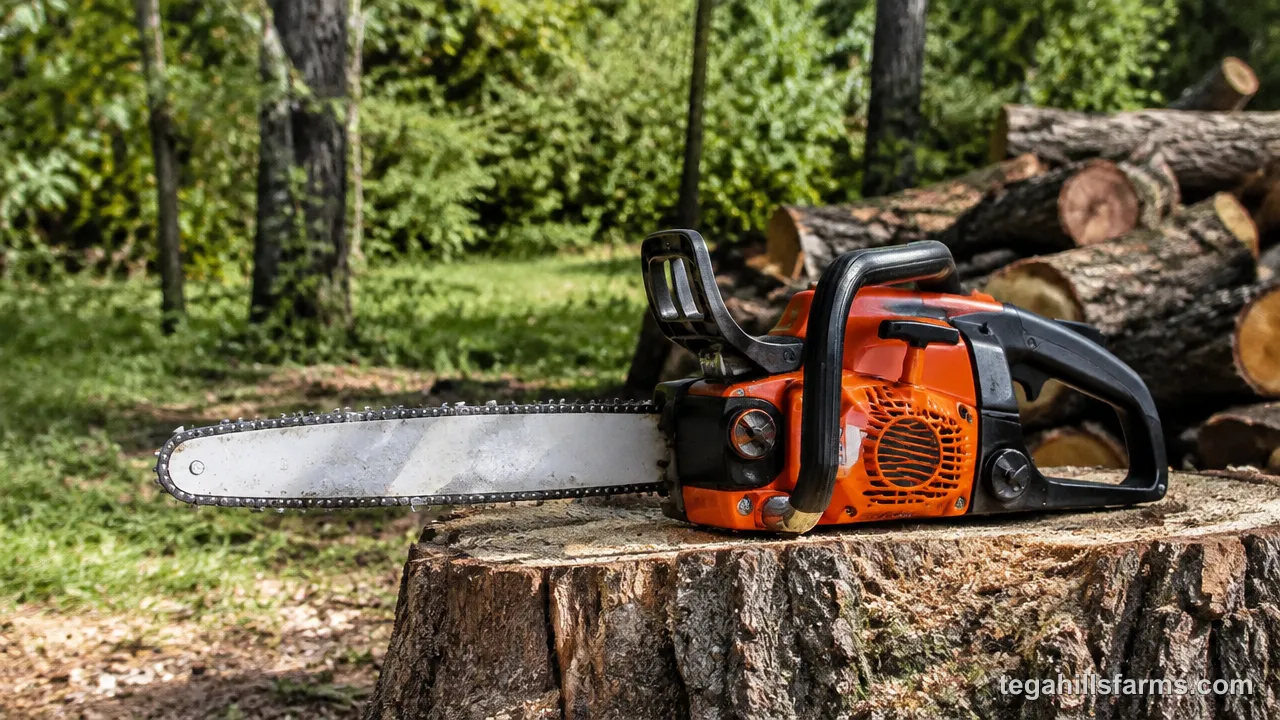
A gas saw keeps cutting as long as you refill it, which suits heavy, wet wood and long cleanup days where a battery would fade. Gas saws also tend to weigh less than cordless saws with a similar bar, because there’s no battery pack hanging under the motor.
The trade is upkeep. Two-cycle fuel has to be mixed at the ratio in the manual, and fuel left in the tank over winter goes stale and gums up the carburetor. The spark plug and air filter need periodic attention, and the chain needs sharpening on either type.
Owners who cut often, live on larger lots, or already maintain a gas mower usually accept that routine without much thought. If that sounds like you, the best gas chainsaws give you more engine for the same effort.
When Does a Battery Saw Make More Sense?
A battery saw starts at the push of a button, runs quietly, produces no exhaust, and needs almost no seasonal upkeep beyond chain care. That combination suits suburban yards, close neighbors and owners who cut only a few times a year.
The limits are runtime per charge, recharge time between sessions, and the weight of the pack. A big cleanup can outlast a single battery, so a second pack or a quick charger changes how much work you finish in one go.
The platform matters as much as the saw. Staying on one battery system that also runs your mower and trimmer cuts the cost of every future tool and keeps one charger on the shelf. For more cordless options outside this budget, see the best battery chainsaws.
Which Chainsaw Fits Your Job: Limbing, Firewood or Storm Cleanup?
The job decides the saw, because cutting time, wood diameter and how far you carry the saw change which strengths count. A saw that feels perfect for an hour of pruning can feel underpowered on a stack of firewood, and a strong storm saw can feel like a brick overhead.
Trimming Limbs and Small Trees
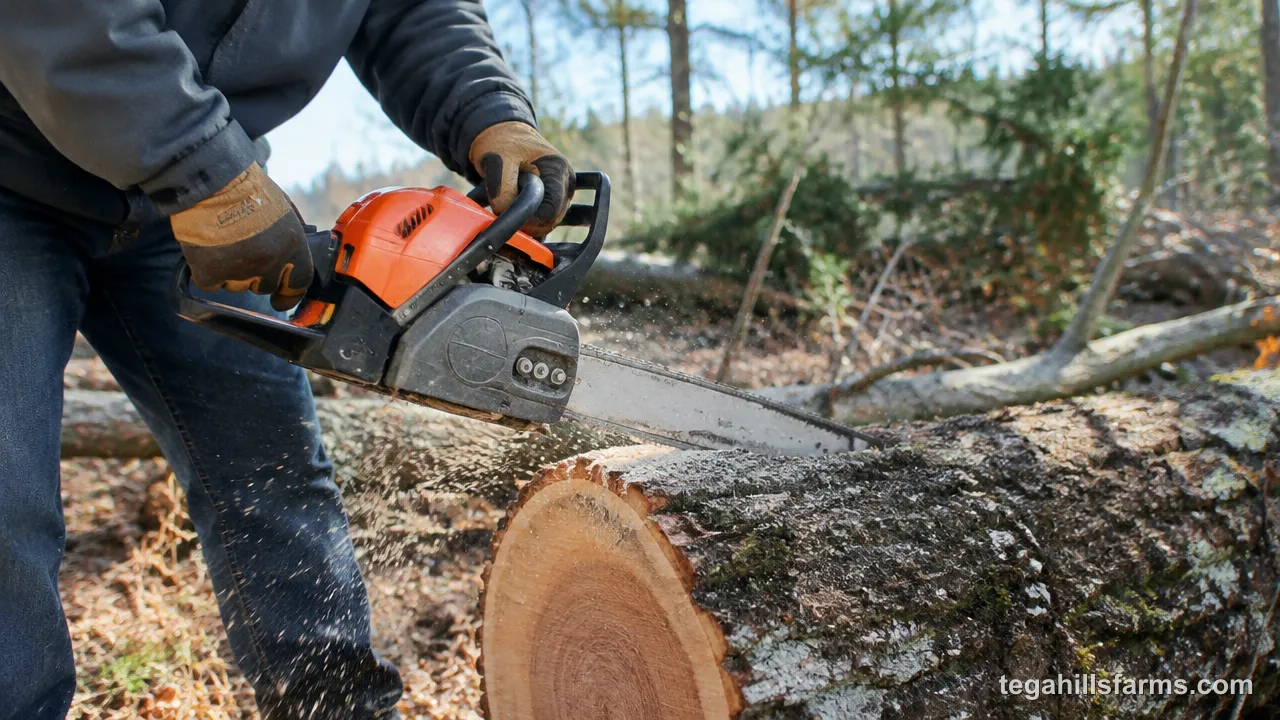
Light, well-balanced saws win here, because reaching and overhead cuts punish every extra pound. The Husqvarna 135 Mark II 16 in and Husqvarna 130 16 in are the easiest to hold up for a long stretch, and the Greenworks 40V 16 in Cordless Chainsaw handles small trees with a push-button start.
A shorter bar and a lighter body beat raw power on pruning, since thin limbs don’t need much torque and a light saw is easier to stop and reposition. I’d keep the EGO Power+ CS1613 16 in for ground-level work, where its weight matters less.
Cutting Firewood
The saws that hold up through a stack of rounds are the ones with long runtime or a refillable tank: the WORX WG385 40V 16 in on the cordless side, and the Husqvarna 130 16 in or ECHO Commercial Rear Handle 34.4cc 16 in on gas.
A dull chain slows a firewood session more than a small engine does, because it scrapes dust instead of cutting chips and forces you to push. A pinched bar from an unsupported log does the same, so prop rounds so the cut opens as you go.
If you heat with wood and cut cords every year, the volume pushes you toward a bigger engine than this budget buys. For that kind of work, look at the best chainsaws for cutting firewood.
Storm Cleanup and Fallen Trees
A downed tree favors longer bars and higher output: the Greenworks 80V 18 in Chainsaw reaches through wider trunks, and the EGO Power+ CS1613 16 in brings gas-class power without fuel. The gas models, especially the ECHO Commercial Rear Handle 34.4cc 16 in, can run a full afternoon on refills.
The realistic limit is size. Large trunks and tangled limbs under tension are dangerous for any homeowner saw, because wood that springs loose can pinch the bar or throw the saw. Cut what is on the ground and free of tension, and call a tree service for anything hung up or leaning on a structure. For bigger wood, compare the best chainsaws for cutting logs.
A used pro-grade gas saw with a bigger engine often sells for about what a new entry-level saw costs, and it will out-cut anything new at this level. Buy one with a scored piston or a worn sprocket, though, and the first repair lands on you with no warranty to cover it.
Is a Used Pro Saw a Better Buy Than a New Budget Saw?
A used pro saw is the better buy only if you can judge an engine’s condition before paying; if you can’t, a new, simple saw is the safer choice. The used saw brings more power, but no warranty and no known history.
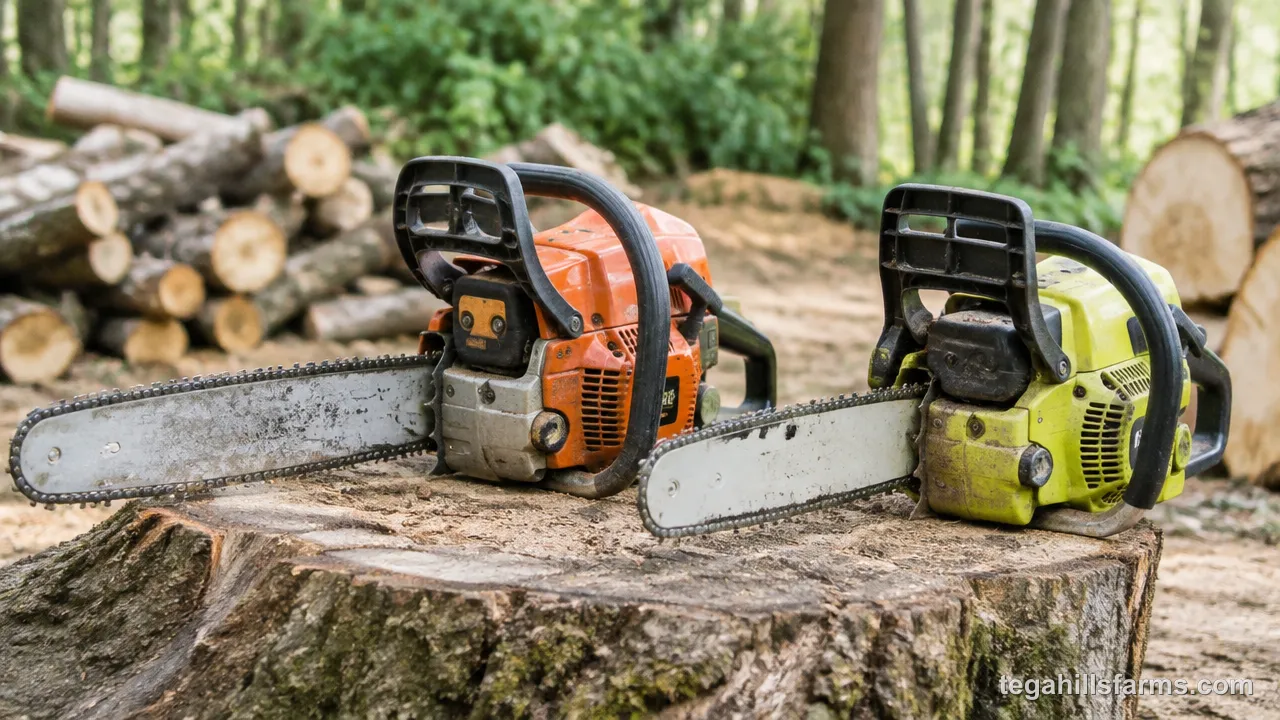
Start with compression: pull the cord slowly and feel for firm, steady resistance, since a saw that pulls easily all the way through may have a worn piston or rings. Look into the exhaust port with a flashlight for scoring on the piston. Check the bar rails for wear and burrs, and the sprocket for pointed or grooved teeth.
Set the chain brake and make sure it locks the chain crisply. Inspect the fuel lines for cracks or hardening, then ask to start the saw cold. It should fire within a few pulls, idle without the chain creeping, and rev cleanly.
Listings on eBay and Craigslist carry the most risk, while local dealers often sell traded-in saws they have already serviced. If diagnosing an engine isn’t something you want to learn, buy new.
How Long Does a Budget Chainsaw Last, and When Should You Replace It?
A budget saw lasts many seasons with basic care, and most early failures come from neglect rather than the price tag. A dull chain forces a hard feed, a dry bar wears its rails, stale fuel gums up a gas saw’s carburetor, and a battery left drained fades early.
Replace or sharpen the chain when it throws fine dust instead of chips, pulls to one side, or needs you to push. Replace the bar when the rails are worn uneven, the groove is spread, or the chain wobbles even when tensioned. On a cordless saw, a battery that delivers clearly less runtime than it did when new is due for replacement.
Replace the whole saw when repairs approach the cost of a new one, or when an engine has lost compression.
Storage habits stretch the life of either type. Run a gas saw’s tank dry or add stabilizer before winter, clean the saw, and oil the bar. Store batteries indoors, partly charged, away from freezing garages and summer heat.
Chainsaw Under $300 FAQs
Is Echo as good as Stihl for a homeowner?
For homeowner cutting, both build reliable gas saws, and the bigger difference is where you buy and service them. Stihl sells mainly through servicing dealers, while Echo is sold through dealers and big-box stores. Echo’s commercial-grade engines at this level give a homeowner plenty of durability for seasonal work.
Which brand gives the most value at this level?
Value depends on what you already own. If a battery platform sits in your garage, a saw from that brand saves buying a second battery system. For gas, Husqvarna and Echo both offer homeowner saws with easy-start features. Pick the brand with service and parts available near you.
What protective gear does a first chainsaw need?
Start with cut-resistant chaps, safety glasses or a face screen, hearing protection and sturdy gloves. A helmet with a mesh visor protects against falling limbs during storm cleanup, and leather boots with good tread keep your footing on wet ground. Gear matters on cordless saws too, since the chain cuts just as fast.
Can a battery chainsaw cut hardwood?
Yes. A brushless cordless saw with a sharp chain cuts oak, maple and other hardwoods well, and several cordless saws carry ratings measured against hardwood. Expect fewer cuts per charge in dense wood than in softwood, and keep the chain sharp, because a dull chain drains the battery faster.
Should you buy a chainsaw from a dealer or online?
A dealer assembles the saw, starts it, and handles warranty service and parts, which matters most on gas saws whose carburetors may need tuning. Online retailers like Amazon offer wider selection and home delivery, which works well for cordless saws that need little setup. Check whether a nearby shop services your brand.
Write Your Review
No reviews yet. Be the first to share your experience!