

The strongest lawn mower brands are Toro and Honda for gas walk-behinds, Ego Power+, Ryobi, Greenworks, Stihl and Milwaukee for battery mowers, and John Deere for riding mowers, with Troy-Bilt and Craftsman as widely sold mainstream names.
A good brand has a track record of mowers that keep starting, a warranty that covers more than the first season, and parts you can actually buy. For battery lines, it also needs a battery platform that stays in production. Each of those matters more than a spec-sheet peak.
The real worry is paying for a familiar badge and getting a machine that fails early or can’t be serviced. Runtime is the other concern. A battery mower that quits halfway across the lawn is a poor fit no matter whose logo is on it.
Before comparing logos, decide between battery and gas, then walk-behind or riding. Power type and mower type narrow the field faster than brand does, and they keep you from paying for capacity your yard never uses.
What Makes a Lawn Mower Brand Worth Buying?
A lawn mower brand worth buying has a solid reliability record, strong warranty terms, easy access to parts and service, and, for battery lines, a deep battery platform that fits the mower type you need.
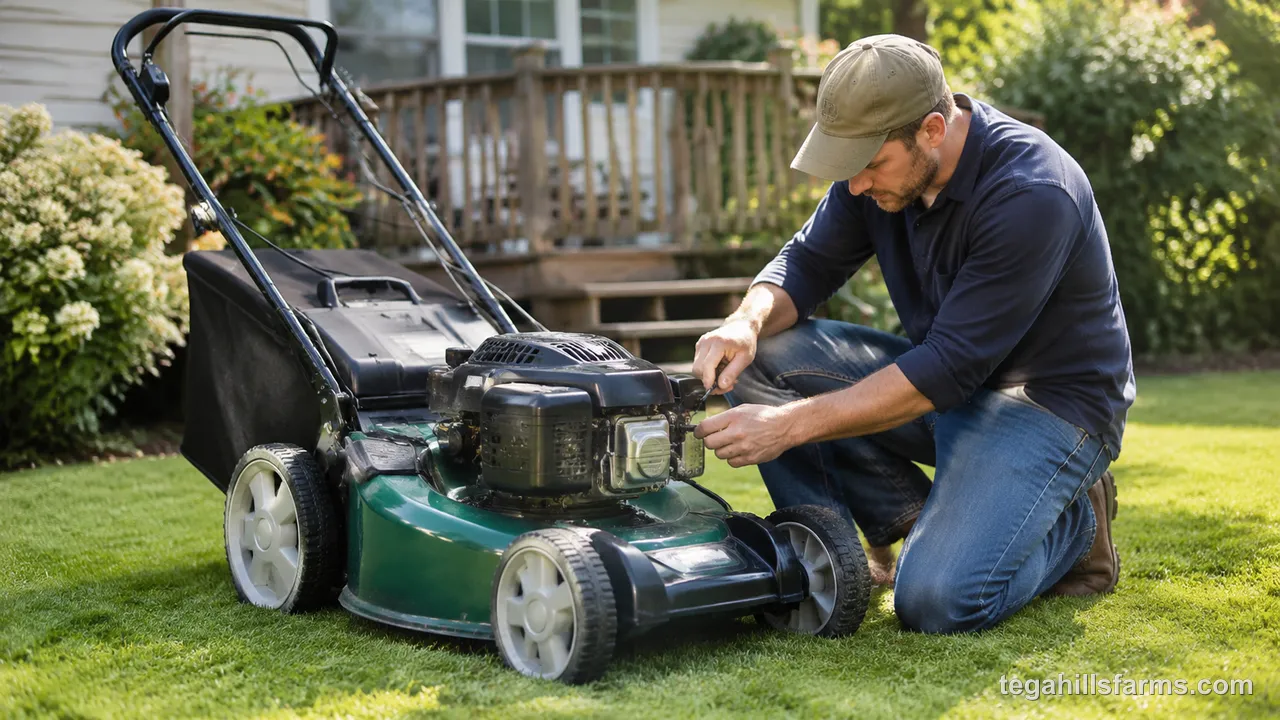
Reliability comes first, because a mower that fails in its third season costs more than any warranty recovers. Warranty length shows how much the maker expects to stand behind. Parts and service access decide whether a broken belt or blade spindle is a one-week fix or a lost summer.
For battery brands, platform depth matters as well. If the same battery runs your trimmer and blower, the mower is cheaper to own.
If you would rather shop by model than by brand, our roundup of the best lawn mowers lists individual machines for every kind of yard. If you are still deciding what you need, start with how to choose a lawn mower.
Which Lawn Mower Brands Rank Highest at a Glance?
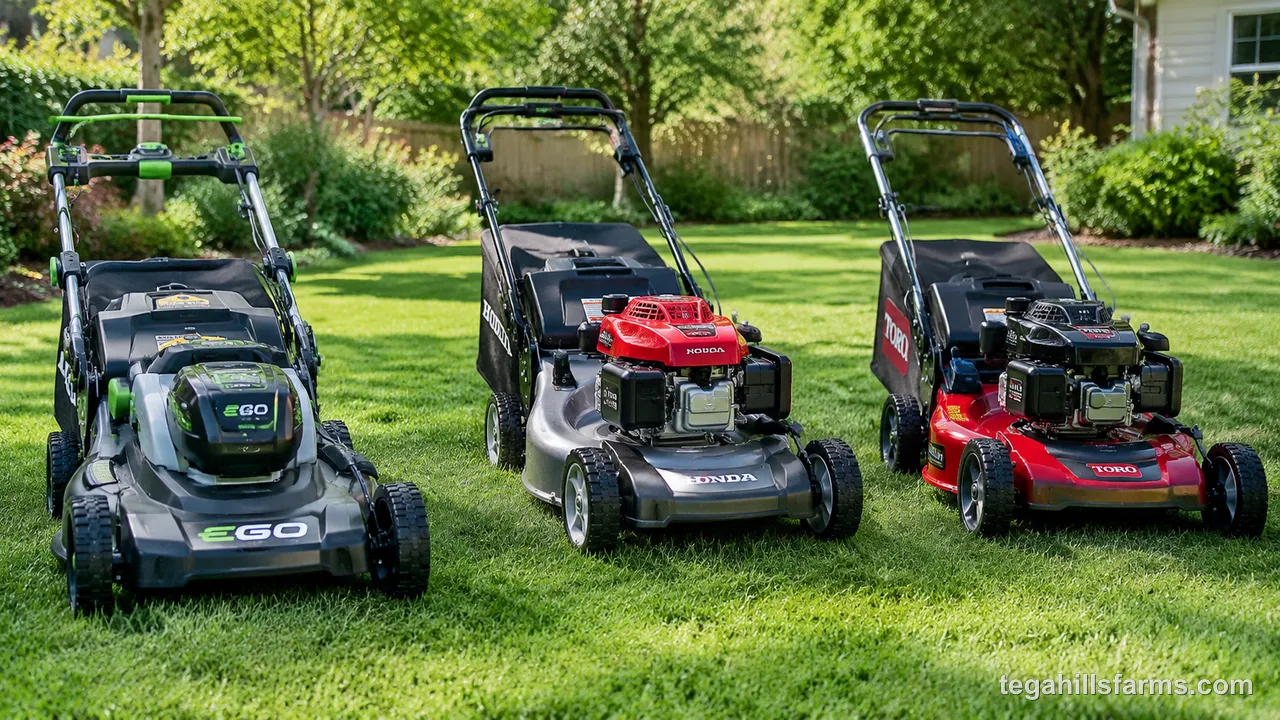
Ego Power+ stands out for self-propelled battery performance, Honda for gas engine reputation, and Toro for broad dealer familiarity across both power types.
| Brand | Power type | Strongest mower type | Reliability reputation | Support |
|---|---|---|---|---|
| Toro | Gas and battery | Walk-behind mulching mowers | Familiar name with a large owner base | Wide dealer reach; 2-year mower warranty on the 60V Recycler |
| Ego Power+ | Battery | Self-propelled walk-behind | Well regarded for drive performance | 56V battery shared with the maker’s other tools |
| Ryobi | Battery | Push and self-propelled on a shared 40V platform | Little survey detail | 5-year mower and 3-year battery and charger warranty on the 40V HP 21-inch |
| Greenworks | Battery | Compact push mowers | Little survey detail | 40V and 60V batteries shared across its tools |
| Honda | Gas | Self-propelled walk-behind | Strong engine reputation | Dealer-based service |
| Stihl | Battery and gas | Pro-style self-propelled | Pro-tool reputation | Dealer-based; fast charging on the RMA 460 V |
| Milwaukee | Battery | Self-propelled walk-behind | Pro-tool reputation, thin mower history | M18 batteries shared with its tools |
| Troy-Bilt | Gas | Push and riding mowers | Mixed owner feedback | Wide big-box availability |
| Craftsman | Gas | Push and riding mowers | Owners often question it | Confirm parts and service by model |
| John Deere | Gas | Riding mowers and lawn tractors | Strong name in riding | Dealer network |
Use power type as your first filter. A great gas brand is irrelevant if you want push-button starting, and a great battery brand is a poor choice for several acres. Then compare support, since a long mower warranty or a nearby dealer is a better tie-breaker than a reputation you can’t verify.
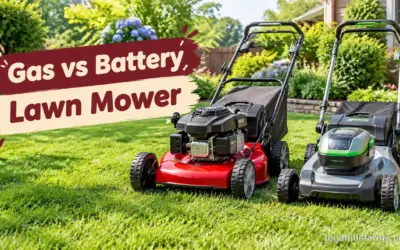
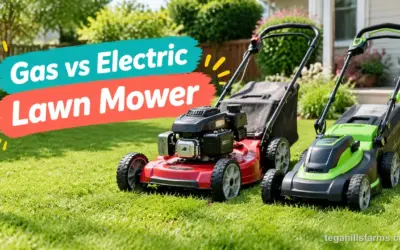
Battery vs Gas: Which Power Type Fits Your Yard?
Battery mowers suit smaller, quieter, low-upkeep yards, while gas mowers suit large, thick or wet lawns and long mowing sessions.
Pick the power type first. It decides which brands are even on your list.
Where Battery Mowers Pull Ahead
Battery mowers start with a button, run quieter than gas engines and need no oil changes, so upkeep shrinks to cleaning the deck and sharpening the blade.
That suits a typical suburban lot where you mow in short sessions. There is no fuel to store, no spark plug to swap, and no gas smell in the garage. Storage is easier too, since many models fold or stand upright.
Runtime and charging are the limits. The Greenworks 60V 17-inch ran about 40 minutes, while the Ryobi 40V HP 21-inch ran about 75 minutes. Charging takes time as well. Ryobi’s takes about 60 minutes per battery, and Toro’s 60V Recycler takes about 130 minutes.
If your lawn takes longer than one battery lasts, you need a second battery. For shortlists across brands, see our picks for the best battery lawn mowers.
Where Gas Mowers Still Win
Gas mowers keep the edge in long continuous mowing, heavy or wet grass and quick refueling on large lawns.
A gas engine keeps cutting until the tank is empty, and topping it up takes a minute. That matters on a lot where a battery would need a recharge in the middle of the job. Thick, damp grass loads an engine harder than it loads a motor, and gas power tends to hold up under that strain.
The cost is upkeep. Plan on annual oil changes, a fresh spark plug, a clean air filter and a sharp blade. Winter needs attention too: either run the tank dry or add fuel stabilizer, because old fuel is a leading cause of hard starting in spring.
I’d call gas the practical choice when the lawn is big or the grass stays wet. To compare models, start with the best gas lawn mowers.
Which Battery Lawn Mower Brands Rank Highest?
Four groups lead in battery mowing: self-propelled performance from Ego Power+, mulching from Toro, accessible platforms from Ryobi and Greenworks, and pro-tool battery systems from Stihl, Milwaukee and DeWalt.
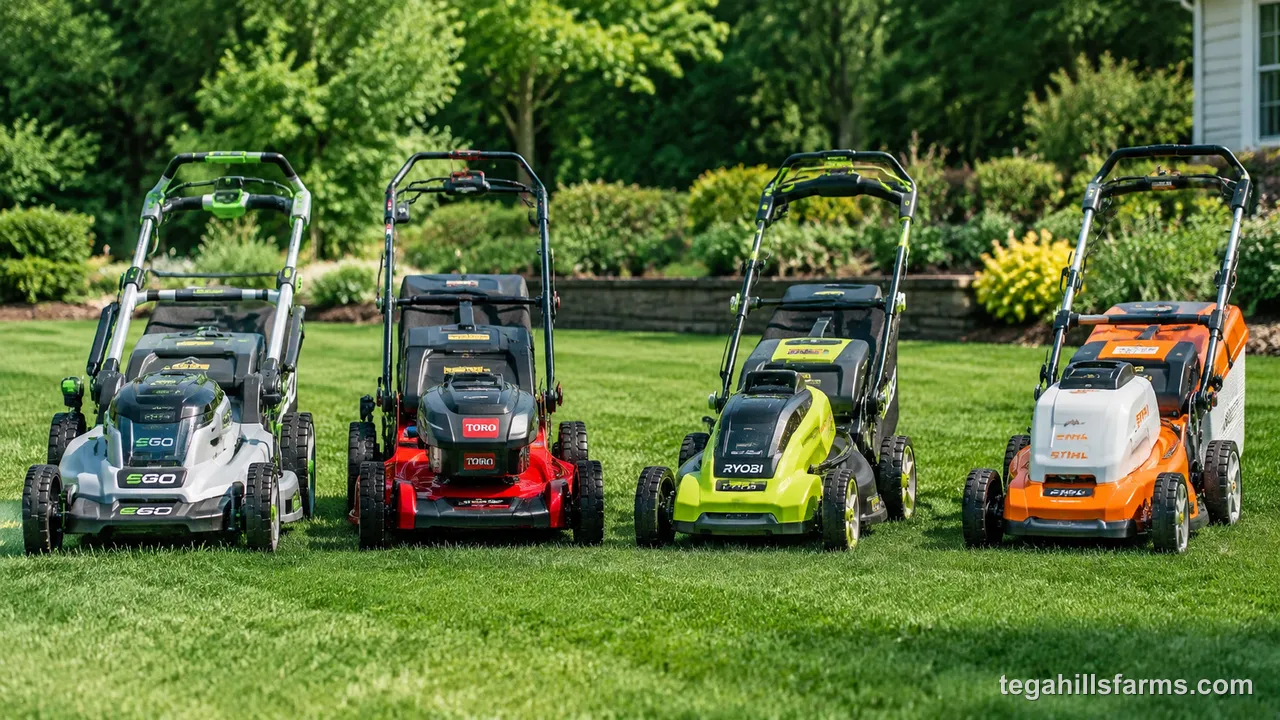
Each group fits a different buyer.
Ego Power+: Strong Self-Propelled Performance
Ego Power+ builds strong self-propelled battery mowers, and the 56V 22-inch model produces 11 lb-ft of motor torque.
That torque keeps the drive wheels pulling when the bag fills or the grass thickens. Speed is adjustable from 1 to 3 mph with a thumb dial at the center of the handle, so you can match your walking pace instead of fighting the mower.
The trade-off is weight. The 22-inch model weighs 91.3 pounds with one 10-Ah battery. On a flat lot the drive makes that weight easy to ignore. If you carry a mower up steps or store it on a shelf, a lighter machine will serve you better.
For model-by-model options, see the best ego lawn mowers.
Toro: Recycler Models Built Around Mulching
Toro’s battery Recycler line is built around mulching, which returns fine clippings to the lawn instead of bagging them.
The 60V 22-inch Recycler ran about 50 minutes per charge, and a full charge takes about 130 minutes. That is long compared with Ryobi’s 60 minutes per battery, so a second battery makes sense if your lawn takes more than one run.
Warranty terms are modest. The mower is covered for 2 years, while battery parts and labor carry 90 days. Toro’s strength is familiarity. Dealers and big-box stores stock the brand, and parts and advice are easy to find.
It suits owners who mulch regularly and want a brand with local support. See the best toro lawn mowers for the full lineup.
Ryobi and Greenworks: Accessible Battery Platforms
Ryobi and Greenworks offer affordable battery platforms where one battery can run several tools.
Greenworks leans compact. The 60V model has a 17-inch deck, ran 40 minutes and measured 78 decibels. The 40V 16-inch sits under $300. That fits a small lot, but you will make more passes than with a wider deck.
Ryobi’s 40V HP 21-inch runs longer at about 75 minutes, and its warranty is longer too: 5 years on the mower and 3 years on batteries and chargers. The 40V 21-inch weighs 79.2 pounds with two 6-Ah batteries.
The shared batteries are the real value. If you already own either brand’s trimmer or blower, the mower costs less to add. Without those tools, the savings disappear.
Stihl, Milwaukee and DeWalt: Pro-Tool Brands in Mowing
Pro-tool brands bring fast charging and drive range, and they make the most sense if you already own their batteries.
Stihl’s RMA 460 V 19-inch ran about 60 minutes and charges in about 20 minutes per battery. That turnaround is much shorter than Toro’s, and it helps if you mow in the evening and need the battery back by morning. Its self-propel range is 1 to 3 mph.
Milwaukee’s M18 Fuel 21-inch tops out at 4 mph and cuts as low as 1 inch, which suits fast walkers and shorter lawns.
DeWalt plays in the same pro-tool space, and the same logic applies: its mowers pay off when its batteries already fill your garage. Without them, a mower-specific platform usually offers better value.
Which Gas Lawn Mower Brands Are Worth Buying?
Gas buyers choose among Honda for engine reputation, Briggs & Stratton as the engine behind many brands, and Toro, Troy-Bilt and Craftsman as mainstream gas options.
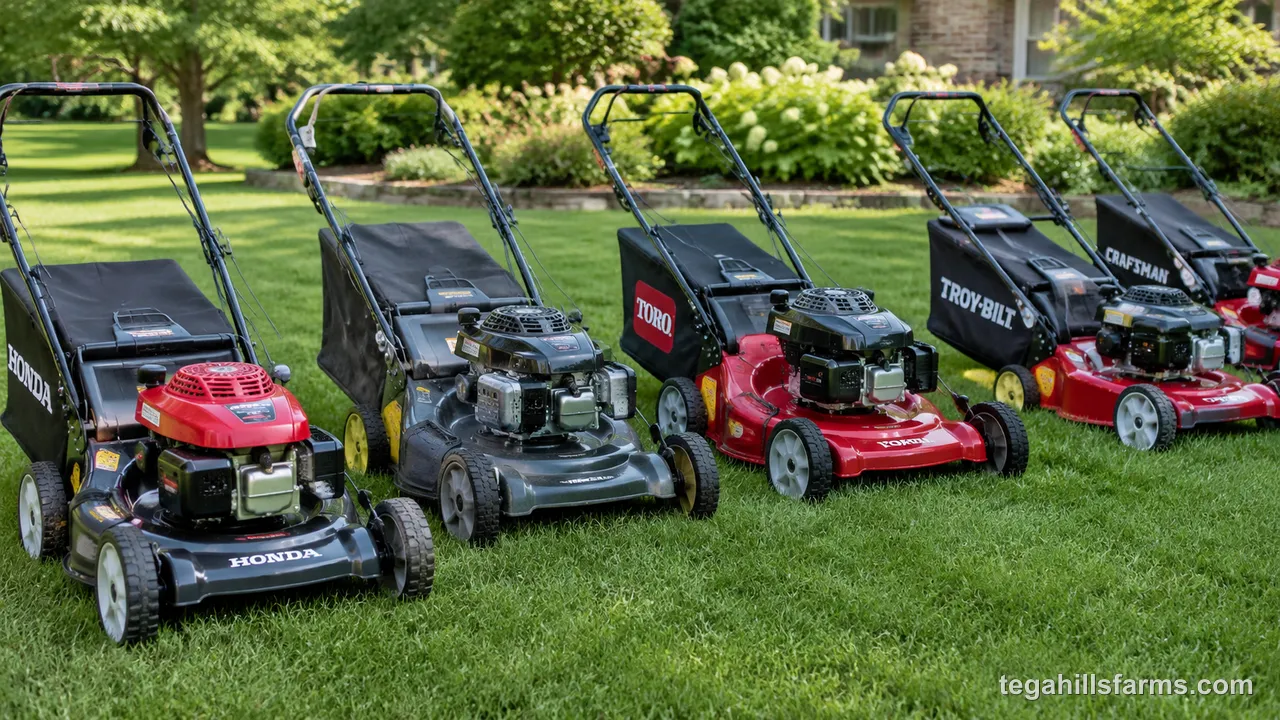
Knowing who makes the engine and who makes the deck helps you read what you are buying.
Honda: Engine Reputation and Self-Propelled Models
Honda is a common pick among gas buyers for engine quality, reliable starting and a self-propelled lineup.
Honda makes its own engines, and owners often cite easy starts after a winter in the garage. That counts for more than horsepower, because most gas-mower frustration is a mower that won’t start on Saturday morning.
It makes sense if you have a mid-size to large lawn, hate fussing with carburetors and plan to keep a mower for many years. If your lot is small and you mow on a quick schedule, a cheaper engine will likely do the job, and the premium for Honda’s name won’t pay back.
Compare models in our guide to the best honda lawn mowers.
Briggs & Stratton: The Engine Behind Many Mower Brands
Briggs & Stratton is an engine maker, not a mower brand, and its engines power mowers sold under many other names.
That distinction matters when you read a spec label. The engine label tells you who supplies engine parts and service. The deck, wheels, handle and warranty come from the mower brand.
So two mowers with the same engine can differ a lot in build quality. Check the engine model number so you can look up parts, and check the brand’s warranty so you know who to call when the deck cracks.
Toro, Troy-Bilt and Craftsman: Mainstream Gas Options
Toro, Troy-Bilt and Craftsman are widely sold gas brands with broad lineups, easy parts availability and mixed owner feedback.
Toro has the strongest dealer familiarity of the three. Troy-Bilt and Craftsman sit mainly at big-box retailers, which makes them easy to buy and easy to return.
Owner feedback is less consistent. Some owners report years of service, others complain about early failures, and the spread usually tracks the model tier rather than the badge. Compare the specific model’s warranty and parts support instead of relying on the name.
For this tier, start with the best troy bilt lawn mowers.
Which Lawn Mower Brands Are the Most Reliable?
Reliability evidence is uneven and thin: survey data shows broad brand patterns, and warranty terms give a concrete tie-breaker.
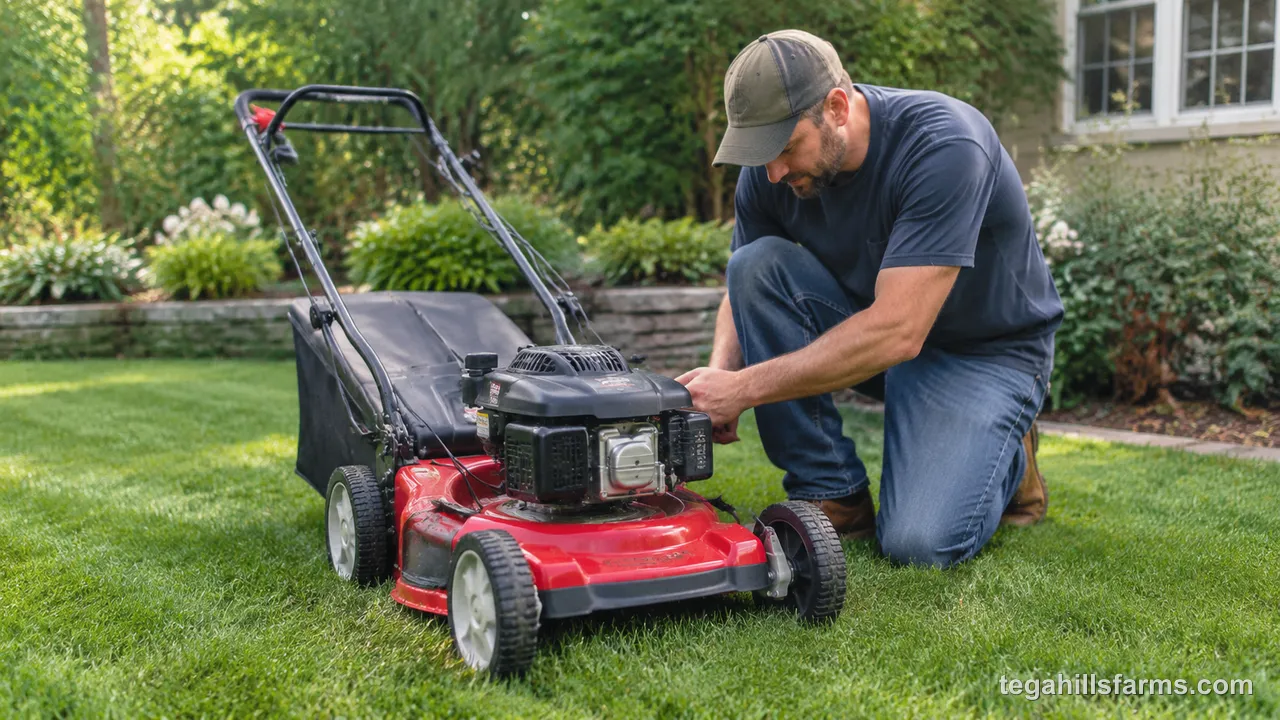
No single source settles which brand lasts longest, so use both.
What Do Reliability Surveys Say About Brands?
Consumer Reports surveys its members on brand reliability, and the results depend on mower type and how long the owner has had the mower.
That means a brand can rank well for gas push mowers and poorly for riding mowers. Ownership length matters too, because a three-year-old mower tells you more than a one-year-old one.
Coverage is thin for newer battery lines. Few years of ownership history exist, so there is little data to separate the brands. For those, lean on warranty terms and owner feedback.
Owner opinion on Reddit and YouTube is useful but different. It shows common complaints and fixes, though it comes from self-selected posters and can’t measure failure rates. Treat it as a way to find questions to ask, not as a ranking.
How Do Warranty Terms Compare Between Brands?
Ryobi’s 40V HP 21-inch carries 5 years on the mower and 3 years on batteries and chargers, while Toro’s 60V 22-inch Recycler has 2 years on the mower and 90 days on battery parts and labor.
A long warranty signals that the maker expects the machine to hold up. It also gives you a direct tie-breaker between otherwise similar mowers.
Read the exclusions. Warranties usually leave out wear parts such as blades, belts and tires, and battery coverage is often shorter than mower coverage. Lawn mower warranties can also change if you use the mower commercially, so check the terms for your situation.
Which Brands Lead Each Mower Type?
Walk-behind buyers should start with Toro, Honda and Ego Power+, rider and tractor buyers with John Deere, Cub Cadet and Husqvarna, and zero-turn buyers with Cub Cadet, Husqvarna and Toro.
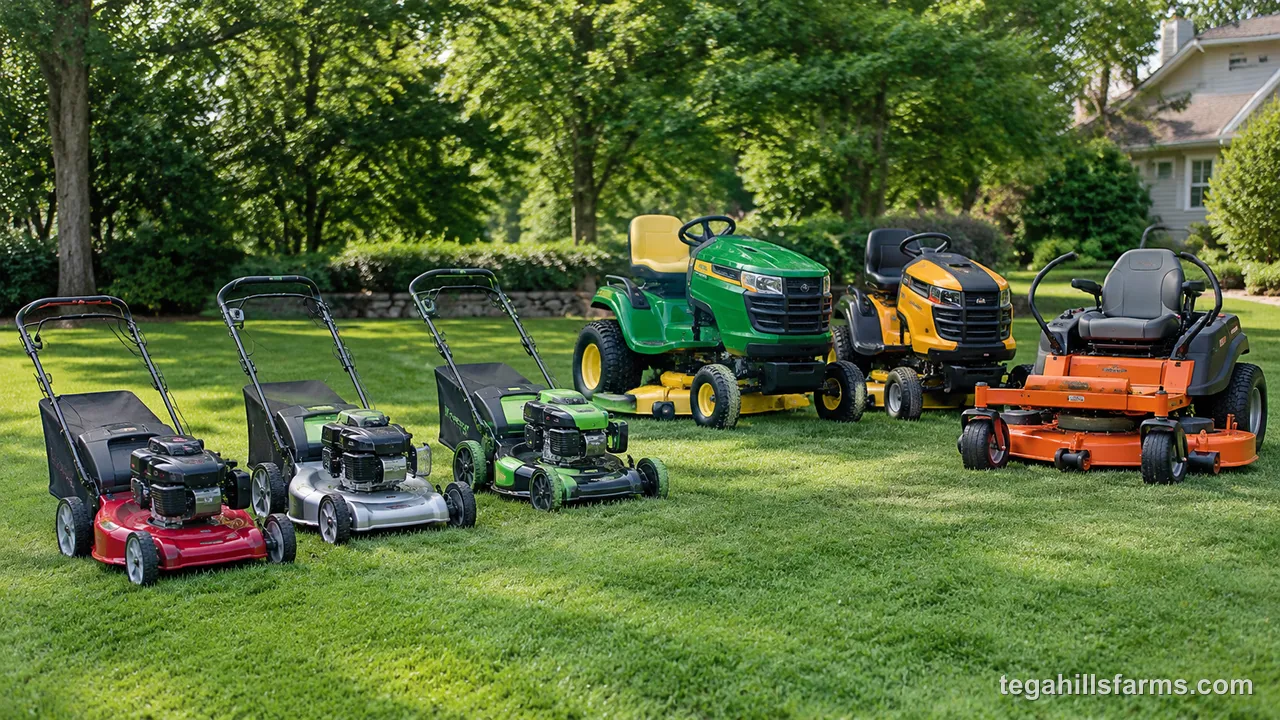
Pick the type before the brand.
Push and Self-Propelled Mower Brands
Toro, Honda and Ego Power+ stand out among walk-behind mowers, and self-propelled drive is worth paying for on larger or sloped lots.
A basic push mower is fine on a small, flat lawn. Self-propelled drive pays off when the lot is larger, the grass is thick or you mow often. Ego’s drive runs 1 to 3 mph, Stihl’s matches that range, and Milwaukee’s tops out at 4 mph.
Weight matters when you move the mower around. The Toro 60V 21-inch weighs 83 pounds with an 8-Ah battery and bag, and the Ego 22-inch weighs 91.3 pounds. Heavier mowers are steadier on turns but harder to lift.
For drive-equipped models, see the best self propelled lawn mowers.
Riding Mower and Lawn Tractor Brands
For riding mowers and lawn tractors, shortlist John Deere, Cub Cadet, Husqvarna, Craftsman and Troy-Bilt, which commonly offer 42 to 54 inch decks.
Consumer Reports lists lawn tractor decks at 42 to 54 inches, with top speeds typically reaching 6 to 7 mph. A wider deck cuts fewer passes, but it needs more room to turn and a bigger storage space.
Brand differences show up in dealer support and parts. John Deere and Husqvarna lean on dealer service, while Craftsman and Troy-Bilt sell mainly through big-box stores. Choose based on who will fix it near you.
See the best riding lawn mowers to compare models.
Zero-Turn Mower Brands
Cub Cadet, Husqvarna and Toro are prominent in zero-turn mowers, which turn in place and trim tightly around obstacles.
A lawn tractor swings wide at turns, while a zero-turn pivots around a tree or flower bed. That cuts trimming time on open lawns with a few obstacles. Speed also helps on large, open lots.
Zero-turns have limits. The lever steering takes practice, and slopes need extra care because traction can drop. On a cluttered, hilly or tight lawn, a tractor may be the better pick.
Which Brand Fits Your Yard Size and Terrain?
Small and medium yards suit lighter battery push mowers, while large lawns and slopes call for wider decks, more traction or a riding machine.
Yard size and terrain matter more than brand loyalty.
Small and Medium Yards
Small and medium yards suit lighter battery push mowers that are quiet and easy to store.
Compact decks such as the 16-inch and 17-inch Greenworks models are easier to maneuver around beds and corners. Brands with shared batteries, such as Ryobi, Greenworks and Ego, let you add a trimmer or blower later without buying a new charger.
Self-propel is often unnecessary on a flat lot, and it adds weight. Skip it unless you have a mild slope or a bad back. If you want a shortlist, see the best lawn mowers for small yards.
Large Lawns and Slopes
Large lawns and slopes need wider decks, better traction and enough runtime to finish the job.
The Greenworks Pro 60V 25-inch has the widest deck among the mowers CNET tested, which cuts passes on a big lawn. But runtime is the limit for battery push mowers: 40 to 75 minutes on a charge covers a modest lot, not several acres.
Traction decides how a mower behaves on a hill. Self-propelled drive helps pull weight up a slope. Ryobi’s 40V HP also cuts power if the deck tilts past 45 degrees, a useful safety cut-off, though not a measure of how steep a slope you can mow.
Once you cross into multi-acre territory, a rider or tractor makes more sense than a walk-behind. See the best lawn mowers for large lawns for options.
A mower can carry a name your parents trusted and still arrive with an engine, deck and warranty from different companies. When a belt snaps in June, that mix decides whether the part ships in days or you spend a weekend searching forums for a match. How do you tell a badge with real backing from one that only looks familiar?
Which Lawn Mower Brands Should You Be Cautious About?
A brand is risky when parts, service and warranty support are hard to confirm before you buy.
Warning signs include thin parts supply, vague warranty terms, ownership changes and rebadged lines, where the same mower is sold under several names with different support. None of these proves a brand is bad, but each is a reason to ask questions.
Owner threads on Reddit and YouTube regularly question long-running names such as Craftsman. That is opinion rather than survey data, and models vary, so use it as a prompt to check, not a verdict. Our guide to the best craftsman lawn mowers covers the lineup model by model.
Before buying any unfamiliar or relabeled model:
- Find the manufacturer and the engine maker on the label.
- Look up parts diagrams online to see whether common wear parts are listed.
- Read the warranty in writing, including battery and commercial-use terms.
- Confirm a service location within a reasonable drive.
If you can’t answer those questions in ten minutes, the support is probably weak.
Does a Shared Battery Platform Help or Lock You In?
A shared battery platform pays off only if you will actually use the maker’s other tools.
The benefit is simple. One 40V, 56V or 60V battery runs the mower, trimmer and blower, so extra batteries and chargers cost less than a second set from another maker. Ryobi, Greenworks, Ego, Stihl and Milwaukee all build their lineups around this idea.
The trap is lock-in. You commit to one maker’s batteries for years, and if the platform shrinks or the model you own is discontinued, replacements may get harder to find. Batteries also age: capacity fades, and a five-year-old pack won’t run as long as a new one.
Winter storage matters. Store batteries indoors, partly charged, away from freezing temperatures, and don’t leave them on a charger for months. Buying into a platform you won’t use again wastes money, so choose the mower first and the ecosystem second.
Which Robot Mower Brands Are Worth Watching?
Robot mowers are a separate purchase: they cut on a schedule inside a boundary instead of replacing the push or riding mower you steer.
Husqvarna, Mammotion and Worx are the names that come up most. See our picks for the best robot lawn mowers and the best husqvarna robotic mowers for model detail.
A robot suits fairly open lawns where you want steady, light trimming without doing the work. It handles a regular schedule well, but thick overgrowth, tight obstacle-filled yards and steep ground are harder, and you still need a trimmer for edges.
Installation also takes effort, because most models need a boundary set-up, and some use wire while others use satellite positioning. Long-term ownership feedback is thinner than for push and riding mowers, so be cautious about durability claims. If you want to cut grass yourself, a robot is a different purchase and not a substitute.
Lawn Mower Brands FAQ
Which lawn mower brand is the most reliable?
No single brand is the most reliable across every type. Consumer Reports surveys show results vary by mower type and ownership length. Honda has a strong engine reputation among gas buyers, so compare reliability within the type you plan to buy.
What is the number one selling lawn mower brand?
No public source breaks out mower sales by brand cleanly, so any “number one” claim is shaky. Toro, Troy-Bilt, Craftsman and Honda are among the most visible brands at retail, and visibility is not the same as reliability.
Do battery or gas lawn mowers last longer?
Neither wins outright. Gas mowers last as long as you keep up with oil, plugs and fuel care. Battery mowers have fewer moving parts to service, but the battery fades with age and eventually needs replacing.
Should I buy a mower for its engine or its deck?
Buy for both, but weigh the deck and brand support more than the engine label. Honda engines have a good reputation, but a poor deck or weak warranty still causes problems. Check who supplies parts and service for the whole mower.
More Guides on Best Lawn Mowers Brands
- Best Greenworks Lawn Mowers
Write Your Review
No reviews yet. Be the first to share your experience!