

Most lawns need mowing about once a week while the grass is actively growing. Fast-growing lawns at their seasonal peak can need a pass every few days, and a lawn in a dry spell or a slow season can go two weeks without harm. The interval that fits your yard depends on grass type, season and the height you cut to.

The schedule that keeps grass dense comes from watching growth, not the calendar. Grass type sets the pace. The season speeds growth up or slows it down. Cutting height decides how much growth you can let build before the next cut.
Lawns get hurt at the extremes. Mowing too often at a low setting wears the grass thin. Stretching the gap too long forces a heavy cut that scalps the turf and leaves it brown while it recovers.
How Often Should You Mow the Lawn?
Once a week is the usual baseline during the growing season, but the real schedule follows the grass’s growth rate, so fast-growing lawns need more passes and slow-growing lawns can wait longer. A calendar date tells you nothing about how much the blades have grown since the last cut. That height gain is what decides whether the next pass is a light trim or a damaging chop.
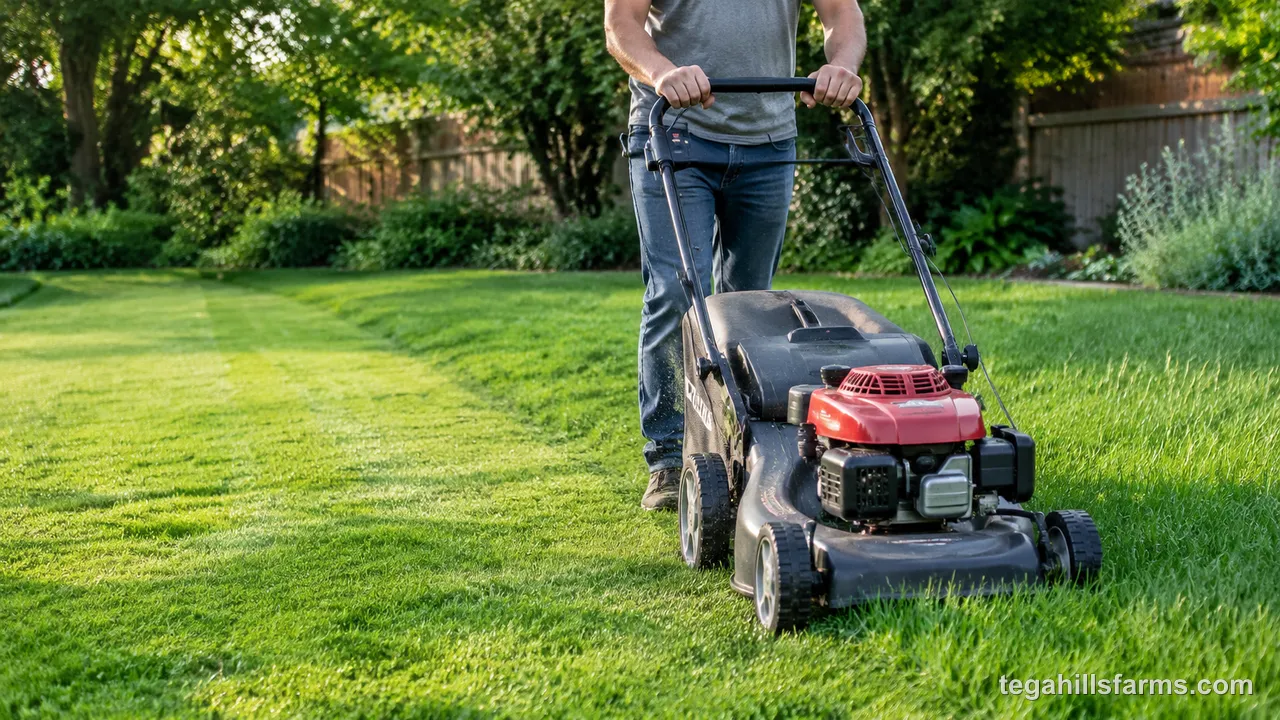
Three things move the schedule most. Grass type sets the baseline pace, because cool-season and warm-season grasses grow fastest at different times of year. The season speeds that growth up or slows it down. Cutting height decides how much growth the lawn can carry before it needs a cut, since a taller setting gives you more room between mows.
If your mowing routine feels like more work than it should, it may help to revisit how to choose a lawn mower that suits your yard size and grass type.
How Often to Mow Based on Grass Type?
Cool-season and warm-season grasses put on their fastest growth in different parts of the year, so the group covering your yard decides when the busiest mowing weeks come. Get the group wrong and you end up mowing hard during the grass’s stress period and falling behind during its growth spurt, which costs the lawn density either way.
Cool-Season Grasses: Kentucky Bluegrass, Ryegrass and Tall Fescue
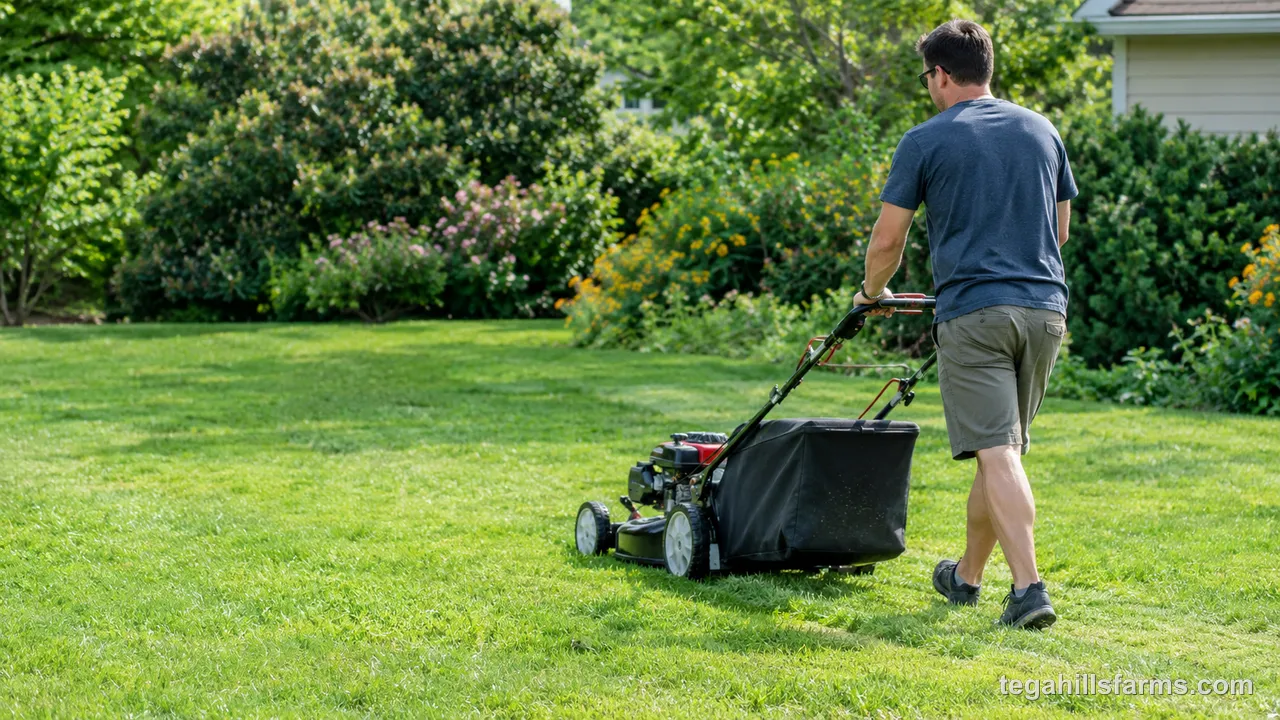
Cool-season grasses such as Kentucky bluegrass, perennial ryegrass and tall fescue usually need mowing once every 5–7 days in spring and fall. Those are the two stretches when mild, moist weather pushes their fastest growth, so the busy mowing weeks come at the start and end of the season.
Summer heat slows these grasses down. Blade growth drops, and many lawns can go longer between cuts without getting overgrown. In a hot, dry summer, a cool-season lawn may barely grow at all. Mowing it on the spring schedule would only clip grass that is already stressed.
The three species differ in how they behave. Kentucky bluegrass spreads by underground rhizomes and fills thin spots. Perennial ryegrass establishes quickly. Tall fescue handles heat better than the other two, which can keep it growing a little longer into summer.
Warm-Season Grasses: Bermudagrass, Zoysia and St. Augustine
Bermudagrass, Zoysia and St. Augustine grass grow fastest in summer heat, and at their peak they can need mowing every 3–5 days. They wake up as the weather warms in late spring and then put on aggressive growth through the hottest months, which is when a weekly schedule falls behind.
Bermudagrass is the most vigorous of the three and the most likely to need the shorter interval. Zoysia grows dense but slower, so it often tolerates a longer gap. St. Augustine spreads by thick above-ground stolons and grows quickly when it gets heat and steady water.
As temperatures cool in fall, growth tapers off and the gaps between mows stretch out. Once frost arrives, these grasses turn tan and go dormant, and the mowing season ends until spring warmth returns.
Which Grass Group Does Your Lawn Belong To?
Where you live is the quickest clue. Lawns across the northern US, from New England through the Midwest to the Pacific Northwest, are mostly cool-season grass. The South, from the Gulf Coast through Florida and into the desert Southwest, is mostly warm-season.
Between them runs the transition zone, a band across the middle of the country where summers are too hot for some cool-season grasses and winters too cold for some warm-season ones. Tall fescue and Zoysia are both common there.
The grass itself confirms the group. A lawn that stays green into early winter but slows in August is cool-season. One that browns after frost but thrives in July is warm-season. Mixed lawns, such as Bermudagrass creeping into fescue, follow whichever grass is growing fastest at the time.
How Often Should You Mow in Each Season?
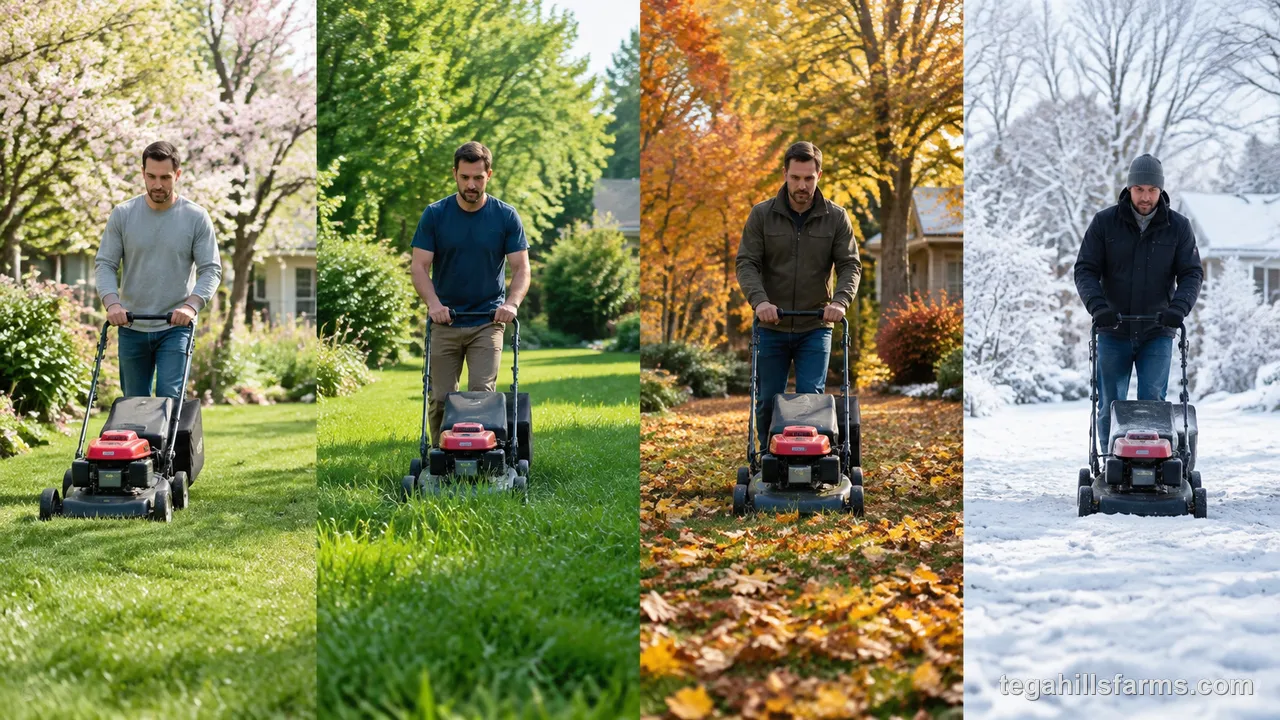
The mowing rhythm rises and falls with temperature and growth, peaking when your grass group is in its active stretch and easing as it heads toward dormancy. Tying the schedule to what the lawn is doing rather than to calendar dates keeps you from mowing stressed grass in a heat wave or letting a growth flush get ahead of you.
Spring and Summer Mowing Schedule
Spring is the busiest period for cool-season lawns, because the growth flush after winter can add height faster than a relaxed weekly routine handles. Warm-season lawns start slowly as they green up, then take over the heavy work once summer heat arrives.
Summer splits the two groups. Cool-season grass slows in the heat, so the gap between mows can widen. Raising the cutting height helps it through, because longer leaves shade the soil and hold moisture. Warm-season grass does the opposite and needs its tightest schedule during the hottest weeks.
During hot, dry stretches, either group can stall. When growth slows, wait for the grass to actually gain height before you mow instead of cutting on a fixed day. Mowing a drought-stressed lawn that has barely grown only wears down the blades and the crowns, and it leaves the lawn less able to bounce back when rain returns.
How Often to Mow in Fall
Keep cool-season lawns on a regular schedule in fall for as long as the grass keeps growing, which often runs well into the season. This is their recovery period after summer stress, and steady mowing at the normal height helps them thicken before winter. Warm-season lawns slow as nights cool, so the gaps lengthen until growth stops.
Leaf cover is the other fall job. A light scatter of leaves can be mulched by the mower and left in place. A thick mat blocks light and holds moisture against the grass, which invites disease, so clear it before it piles up.
For the final mows, keep the deck at your usual setting. Dropping it low to “finish the season” scalps the turf just before winter.
Do You Need to Mow in Winter?
Most lawns need no mowing in winter, because cold temperatures stop blade growth in both grass groups. In northern regions, the mowing season ends once the lawn stops gaining height in late fall. Warm-season lawns in the South turn tan after frost and stay put until spring.
The exception is a mild stretch in the far South or along the coasts. A warm-season lawn overseeded with ryegrass, or any lawn during an unseasonably warm spell, can keep growing slowly and may need an occasional trim.
Once the season ends, the mower is about to sit for months. Knowing how to store a lawn mower properly, with the fuel or battery and the deck taken care of, keeps it ready to start in spring.
What Is the One-Third Rule for Mowing?
The rule says to remove no more than one-third of the grass blade’s height in a single mow, which is why the lawn’s growth, not the calendar, sets how often you mow. Taking a third or less leaves enough leaf to keep feeding the roots, so the grass recovers quickly. Cutting more strips away the green tissue the plant depends on.
How the One-Third Rule Tells You When to Mow
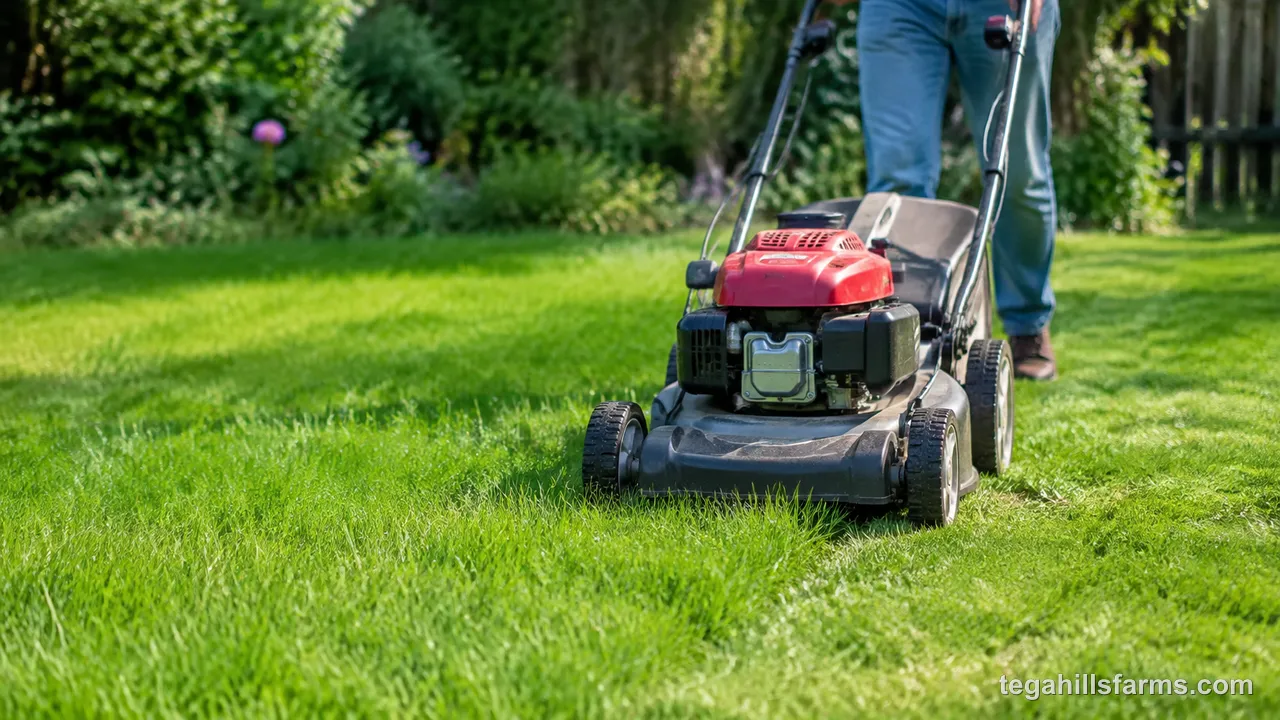
The practical trigger is the height at which cutting back to your setting removes about a third. With an ideal lawn height of 3 inches, mow when the grass reaches about 4.5 inches. Below that point you are trimming less than the safe amount. Above it, every extra day of growth means the next pass takes too much.
Cutting a tall lawn down in one pass is where real damage starts. The grass loses most of its green leaf at once and exposes pale stems that brown in the sun. The plant then pulls stored energy from its roots to regrow leaf instead of deepening those roots. High spots and bumps get scalped down to the crown. The lawn thins, weeds find bare soil, and the heavy clippings left behind smother the grass underneath.
Ideal Cutting Height for Each Grass Type
Cool-season grasses do best near the top of a mower’s height range, Bermudagrass and Zoysia handle the lower settings, and St. Augustine grass belongs with the tall group. Tall fescue and Kentucky bluegrass have upright blades that need leaf length to stay dense and shade out weeds. Bermudagrass and Zoysia spread low and stay tight when cut shorter, which is why they tolerate a lower deck. St. Augustine has broad blades and coarse runners that weaken when cut low, so it stays tall.
Height also sets frequency. A third of a short blade is a small amount of growth, so a lawn kept low reaches its trigger height sooner and needs more frequent mowing than the same grass kept tall. Raising the deck buys more time between cuts and gives the roots more leaf to feed them.
The right answer for how short to cut grass also shifts with shade and season, so match the deck to the grass you actually have and adjust it through the year.
Is Mowing Every 3 Days or Every 2 Weeks Okay?
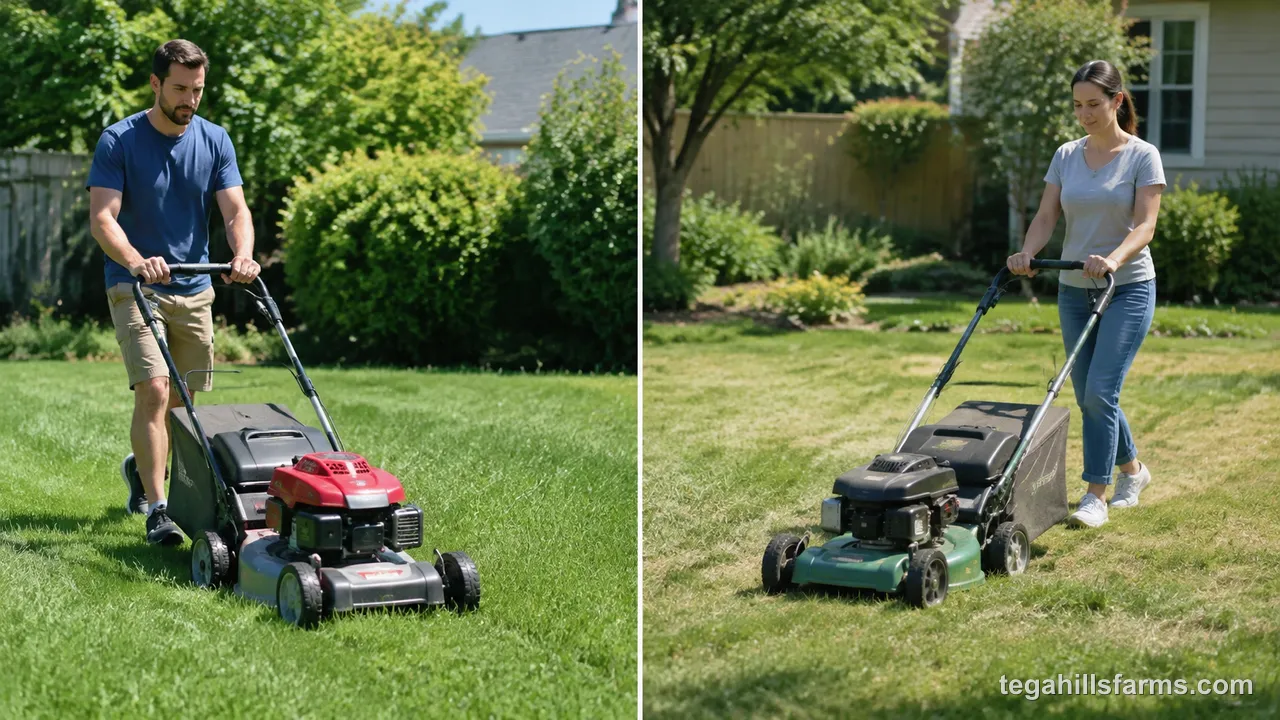
Both work in the right lawn: a twice-weekly pace suits a warm-season lawn at peak summer growth, and a biweekly gap suits a slow-growing or dry-season lawn, as long as neither breaks the one-third rule. Trouble starts when either schedule is applied out of habit instead of being matched to how fast the grass is growing.
Is Mowing Every 3 Days Too Often?
Mowing every 3 days is right for a fast-growing warm-season lawn in peak summer, such as Bermudagrass in July. At that pace, the grass would otherwise outgrow the one-third limit before a weekly mow comes around. For a cool-season lawn in summer, or any lawn that is barely growing, the same schedule adds stress without any benefit.
Frequent light cuts have one clear upside. Short clippings drop into the canopy, break down quickly and return nutrients to the soil, which is the whole idea behind grasscycling. Deciding on mulching vs bagging gets easier when each cut is small, since short clippings don’t clump on the surface.
The downsides appear when the lawn isn’t growing much. Each pass runs the wheels over the same tracks, compacting soil and wearing paths into the turf. More passes also mean more hours on the engine or battery and a blade that dulls faster. At the right cutting height, and only when the grass has grown enough to need it, frequent mowing does no harm.
Is Mowing Every 2 Weeks Too Seldom?
A biweekly schedule works when the grass grows slowly: cool-season lawns in midsummer heat, any lawn during a drought, and slower growers like Zoysia late in the season. In those conditions, two weeks of growth can still fall within the one-third limit, and fewer passes spare a stressed lawn from extra wheel traffic.
During the spring flush or warm-season summer growth, two weeks is too long. The grass shoots well past its trigger height, so the next mow either removes too much blade at once or leaves the lawn shaggy. Removing that much scalps the turf, exposes stems and leaves heavy, wet clippings that mat down on the surface.
To bring an overgrown lawn back, cut it down in stages. Set the deck high for the first pass so you take off only a third, then lower it a notch on each following mow, spaced a few days apart, until the grass is back at its normal height. Bag or rake the heavy clippings from the first cuts so they don’t smother the grass, and water if the weather is dry.
When Should You Not Mow the Lawn?
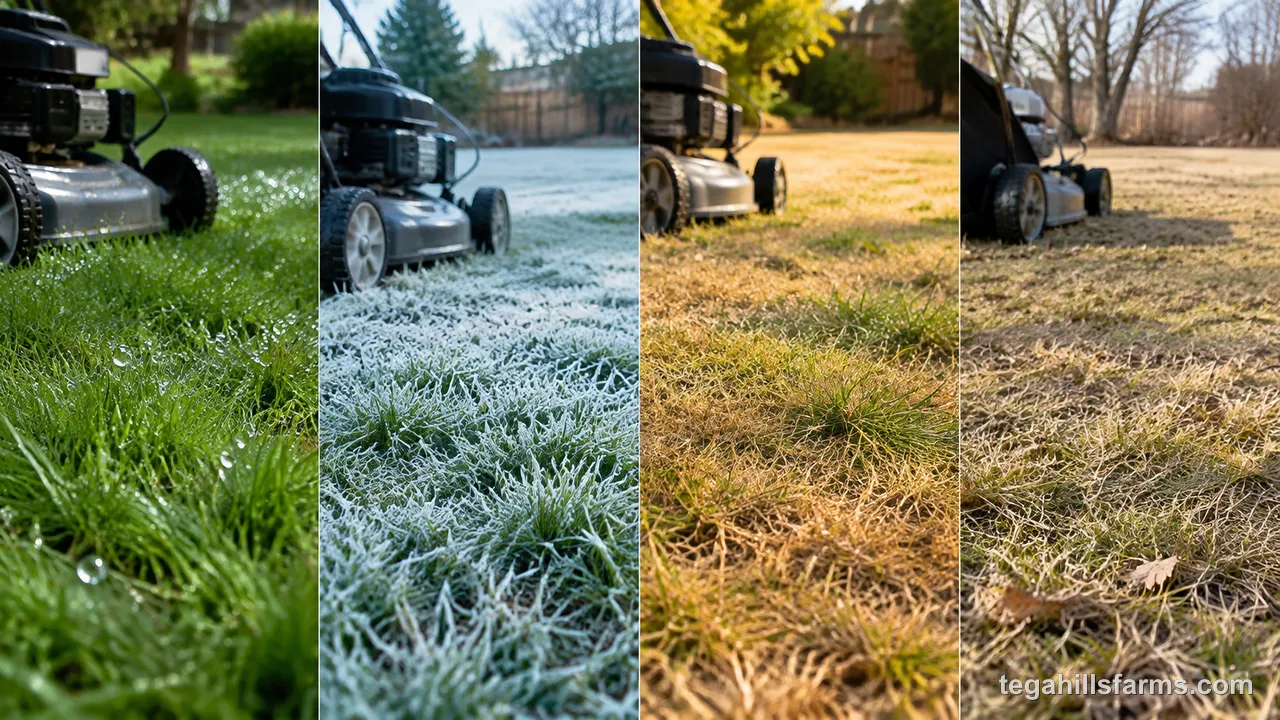
Skip the cut when the grass is wet, frozen, heat-stressed, drought-stressed or dormant, because mowing then damages the lawn and, on wet ground, puts you and the mower at risk. Waiting a day costs little, while a mow in the wrong conditions can leave ruts, torn blades and brown patches that take weeks to grow out.
Can You Mow Wet Grass or After Rain?
Wait until the grass is dry, which usually means after the dew burns off or once rainwater has drained and the soil no longer squishes underfoot. Wet blades bend over instead of standing up for the cut, so the mower leaves a ragged, uneven finish.
Wet clippings stick together, clump on the lawn and pack under the deck, which chokes airflow and makes the engine or motor work harder. Soft soil takes wheel ruts, and wet grass on a slope makes footing slippery.
If you have to mow, raise the deck, walk slowly, use a sharp blade and empty the bag often. Afterward, scrape out the packed clippings; a routine for how to clean a lawn mower keeps that wet buildup from rusting the deck.
Should You Mow During Frost, Heat or Drought?
Hold off when the grass is frosted, during extreme heat or in a drought, because the blades are fragile in all three conditions. Frozen blades break when wheels or feet press on them, leaving brown tracks once the lawn thaws, so wait until the frost has melted. In extreme heat, fresh cuts lose moisture quickly and the plant is already stressed, so mowing in the hottest hours browns the tips. During drought, grass slows down to survive, and cutting removes leaf it needs to shade the soil.
Adjust instead of mowing on habit. Raise the cutting height through heat and dry spells, mow in the cooler part of the day and skip a week when the lawn hasn’t grown. Keep the blade sharp so each cut is clean rather than torn.
Do Dormant Lawns Need Mowing?
Dormant lawns don’t need mowing, because the grass has stopped growing. Cool-season lawns can go dormant in summer drought, turning straw-colored while the crowns stay alive, and they slow to a stop again in winter. Warm-season lawns go dormant after the first frosts and stay tan through winter.
Mowing a dormant lawn grinds down crowns that can’t regrow, and wheel traffic on brittle grass leaves marks. Start mowing again when the lawn wakes up and new green blades begin gaining height. Keep the first mow after dormancy light, taking off only the fresh growth.
A lawn that got fertilizer and steady water last week can put on more height in a few days than it did in the whole stretch before. That spurt pushes the grass past its trigger height ahead of the usual mowing day, and sticking to the calendar means the next cut takes off far more blade than the lawn can spare.
What Else Changes How Often You Need to Mow?
Growth conditions in your own yard shift the real schedule away from the baseline set by grass type and season. Shade is the simplest example: a lawn under trees grows more slowly and can wait longer between cuts than the sunny side of the same yard. Treat the base schedule as a starting point, and move each mow earlier or later as conditions change.
How Fertilizing and Watering Affect Mowing Frequency
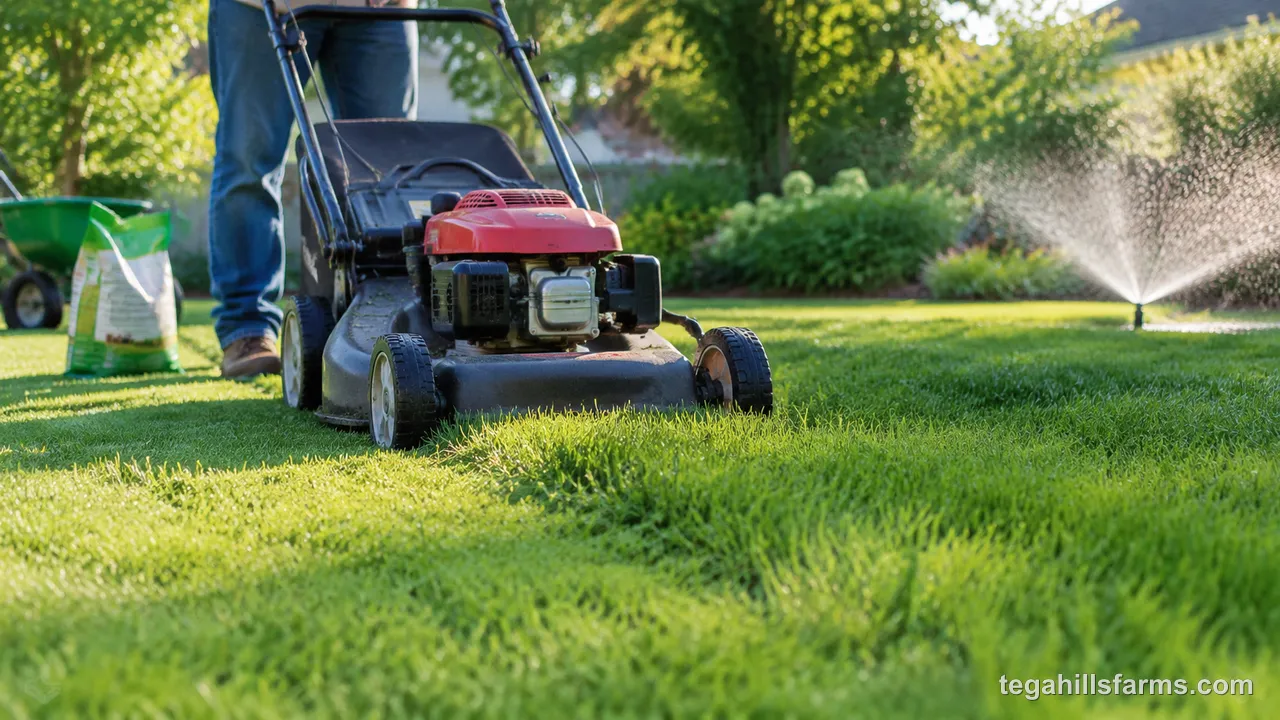
Fertilizer, especially nitrogen, speeds blade growth, so a freshly fed lawn often needs its next cut sooner than its usual interval. Quick-release products cause a sharper spurt than slow-release ones, which is worth keeping in mind if you don’t want to mow constantly during the spring flush.
Water works the same way on a smaller scale. Steady irrigation keeps growth going through dry weather, which keeps the mowing schedule busy. A lawn left to dry out slows down and stretches the gap between mows.
After feeding, let the fertilizer get watered in and the grass dry off, then mow by height rather than by the number of days since the last cut. Mow before you water rather than right after, so the blades are dry and stand up for a clean cut.
What Is the Best Time of Day to Mow?
Mid-morning, after the dew has dried, or late afternoon, once the midday heat eases, usually suits the lawn best. Early-morning grass is still wet with dew, which causes the same clumping and uneven cut as mowing after rain. Midday heat stresses freshly cut blades as well as the person behind the mower.
Late afternoon gives the grass a cooler evening to recover. Mowing right at dusk, though, leaves less light to spot toys, sticks and rocks. After rain, go by how dry the surface is rather than by the clock.
Before starting, walk the lawn to clear debris, wear closed-toe shoes and eye protection, and keep kids and pets inside. The basics of how to use a lawn mower safely don’t change with the hour. If you run a gas mower early, check local noise rules.
How Can You Tell Your Mowing Schedule Is Off?
The grass shows when the schedule is off, usually within a couple of mows, and the symptoms point in opposite directions depending on whether the cuts come too close together or too far apart. Reading them lets you move the next mow earlier or later instead of guessing.
Signs You Are Mowing Too Often
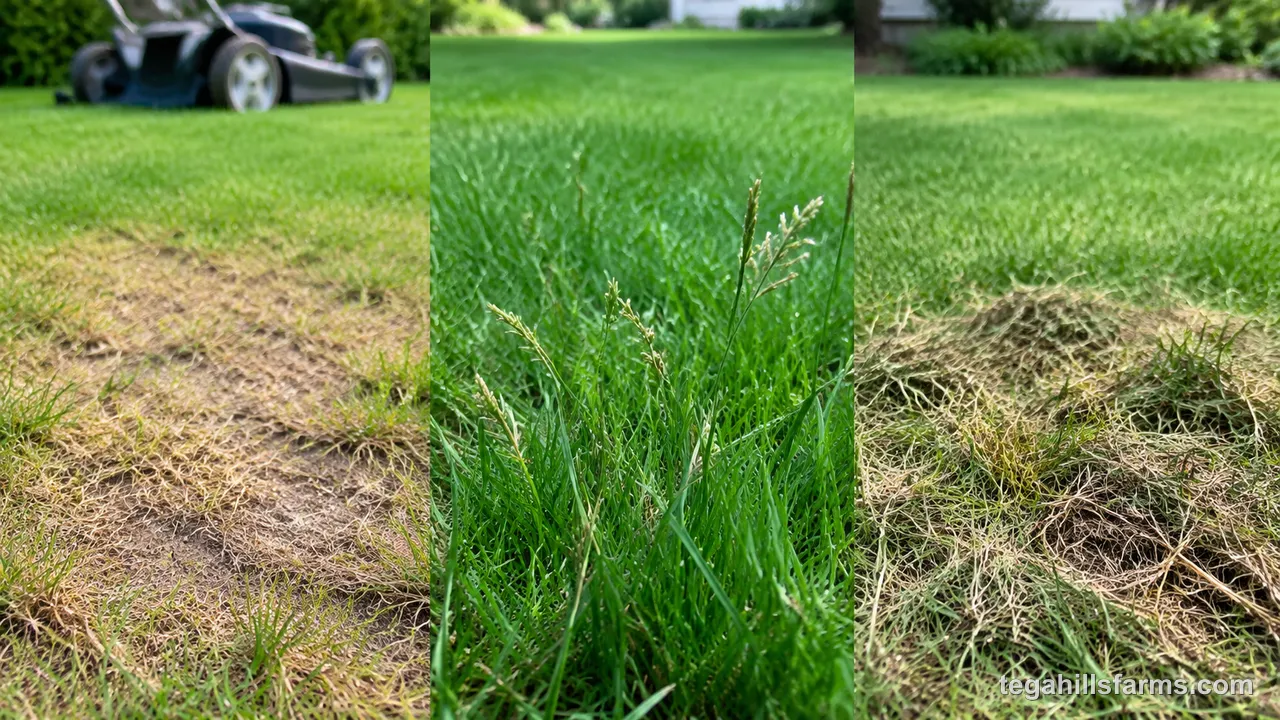
Scalped patches, browning and thinning turf are the clearest signs of mowing too often or too low. Scalping shows up as pale or bare spots on high points and along the edges of beds, where the deck dips lower. Frequent low cuts keep removing leaf before the grass recovers, so the lawn browns, thins out and lets weeds and moss move into the gaps. Wheel tracks that stay visible between mows point to too many passes on soft ground.
A dull blade makes the damage look worse. Instead of slicing, it tears the grass tips, which turn white or brown and give the whole lawn a gray cast. If the tips look shredded, fix the blade before changing the schedule; how to sharpen lawn mower blades is a short job that makes every later cut cleaner.
Signs You Are Mowing Too Little
Clumpy clippings, seed heads, thatch buildup and uneven growth show the lawn has gone too long between mows. Long grass leaves heavy clippings that sit in rows or clumps on top of the turf, blocking light and leaving yellow patches underneath. Uncut grass and weeds send up seed heads, which gives dandelions and crabgrass a chance to spread. Dead stems and matted clippings pile up faster than they break down, adding to thatch. Growth also turns patchy, with spots near downspouts or richer soil shooting ahead of the rest.
To bring the lawn back, shorten the interval and lower the height gradually. Start with a high deck setting and drop it over the next few mows. Rake or bag the heavy clippings from the first passes. If thatch is thick, dethatch during the grass’s active growing season so it can recover quickly.
How Often Should a Robot Mower Run?
A robot mower should run in short, frequent sessions spread through the week rather than one big weekly pass, because it trims only a small amount of blade each time. Those light trims hold the lawn at a steady height and drop fine clippings that break down quickly, so the one-third rule takes care of itself as long as the schedule keeps pace with growth.
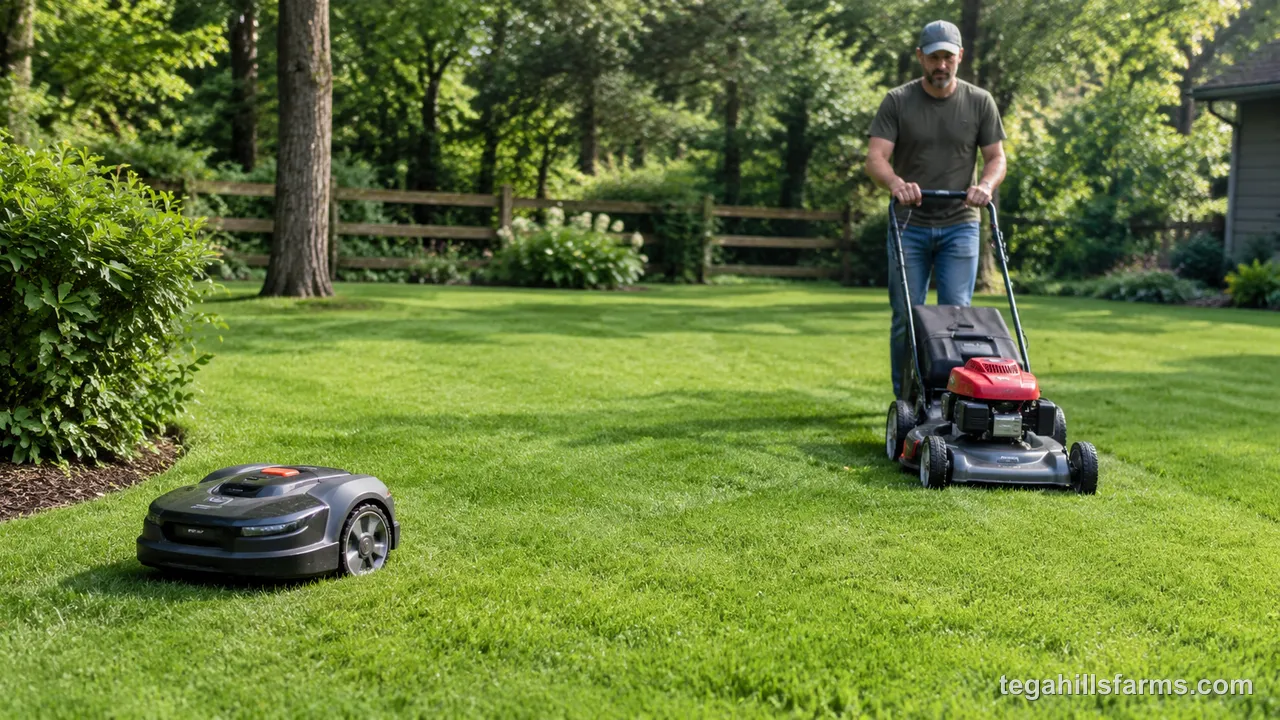
Scheduling still follows the season. Plan more sessions during the spring flush or warm-season summer growth, and fewer during heat stress, drought or the fall slowdown. Set the robot to skip rainy periods, since wet grass cuts poorly for a robot just as it does for a push mower.
Cutting height decides how much work each run does. The Sunseeker S4, for example, adjusts from about 0.8 to 2.4 inches (20 to 60 mm), a range worth checking against the height your grass prefers. Models such as the Mammotion LUBA 3 AWD and Mammotion YUKA mini 2 work on the same principle of frequent light cuts. Height range and schedule controls belong near the top of what to look for in a lawn mower when a robot is on the shortlist.
Mowing Frequency FAQ
What affects how long it takes to mow a lawn?
Lawn size, the mower’s cutting width and your walking or driving speed set the base time, but grass height matters too. A lawn mowed on schedule goes quickly in one pass. Overgrown or wet grass slows the mower, fills the bag faster and may need a second pass, while slopes, obstacles and edging add time on top.
Does mowing more often make grass thicker?
Regular mowing at the right height encourages many grass types to spread sideways and fill in, so a lawn mowed on time usually looks denser than one cut irregularly. The benefit comes from consistency and correct height, not from extra passes. Mowing too often or too low thins the turf instead of thickening it.
Is it bad to skip a week of mowing?
Skipping one week rarely hurts a slow-growing lawn, such as cool-season grass in summer heat. During fast growth, a skipped week can push the grass well past its trigger height. In that case, raise the deck for the next mow and bring the height back down over a couple of cuts instead of all at once.
How soon should you mow after fertilizing?
Wait until the fertilizer has been watered in and the grass is dry, then mow based on grass height rather than a set number of days. Fertilizer speeds growth, so the lawn often needs its next cut sooner than usual. Leaving the clippings on the lawn returns some of those nutrients to the soil.
When should you mow a new lawn for the first time?
Let new grass reach at least 2 inches tall before the first mow, and set the blades to the highest setting so the cut only tips the young grass. Make sure the soil is firm and dry enough that the wheels won’t leave ruts or pull up seedlings, and use a sharp blade.








Write Your Review
No reviews yet. Be the first to share your experience!