
7 Best Riding Lawn Mowers, Reviewed & Ranked (2026)
Our top picks for the best riding lawn mowers in 2026 are the EGO Power+ Z6 ZT5216L 52″ Zero Turn (Best Overall), EGO Power+ TR4204 42″ Lawn Tractor (Best Durability), EGO Power+ Z6 ZT4214L 42″ Zero Turn (Best for Hilly Terrain), EGO Power+ ZT5207L 52″ Zero Turn (Best Premium), Greenworks MaximusZ 60V 54″ Zero Turn (Best Ergonomic Design), EGO Power+ ZT4204L 42″ Zero Turn (Best Performance), and Husqvarna TS 140X 48″ Lawn Tractor (Best Budget).
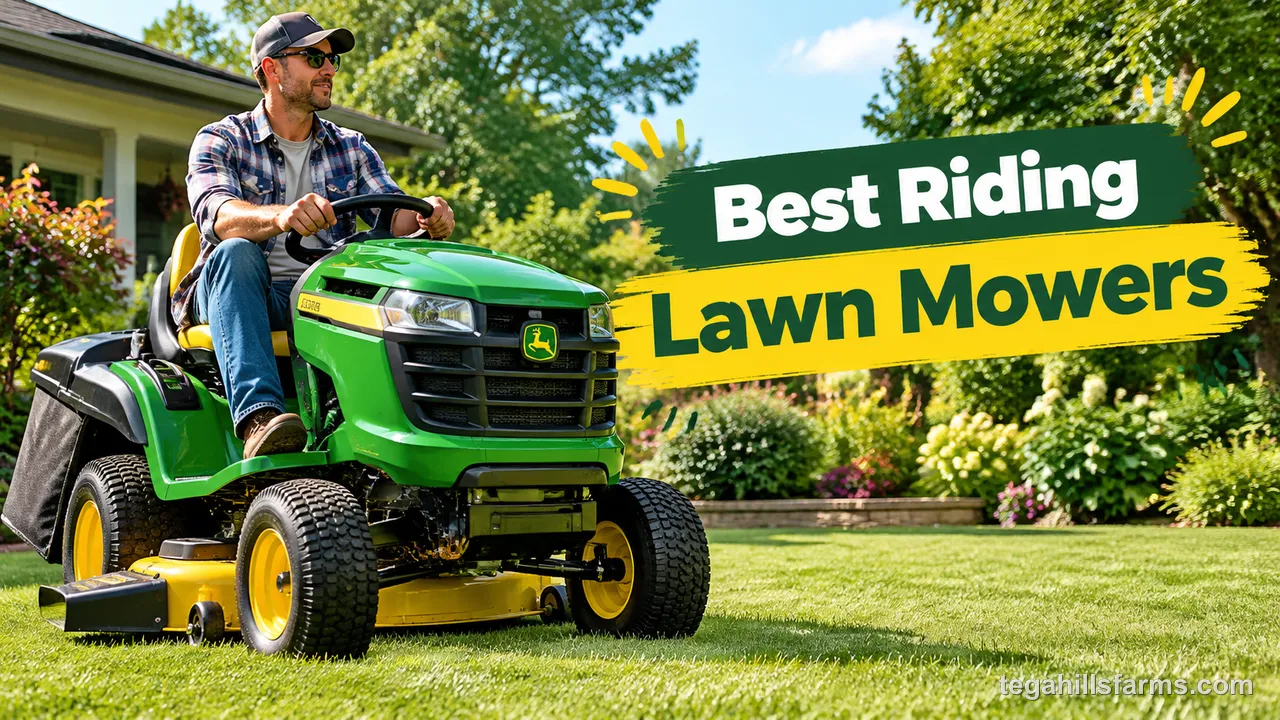
Deck width, coverage per charge or tank, steering style and frame weight separate these machines more than raw horsepower does. A 42-inch deck turns tightly around beds and fits a smaller shed. The 52- and 54-inch decks take fewer passes across open ground but need more room to store and maneuver.
A riding mower is a big machine to own, and the real question is whether it starts and keeps cutting season after season without becoming a repair project. Battery riders drop the oil changes, spark plugs and fuel that a gas engine needs. A gas tractor still suits owners who want to refuel and keep mowing through a long day.


If your trimmer and blower already run on EGO batteries, the EGO riders here use the same 56V ARC Lithium packs, so the battery side of the purchase works across your whole tool shed.
What Are the Main Types of Riding Lawn Mowers?
The three designs are lawn tractors, zero-turn mowers and rear-engine riders, and each steers, carries its deck and covers a yard differently.
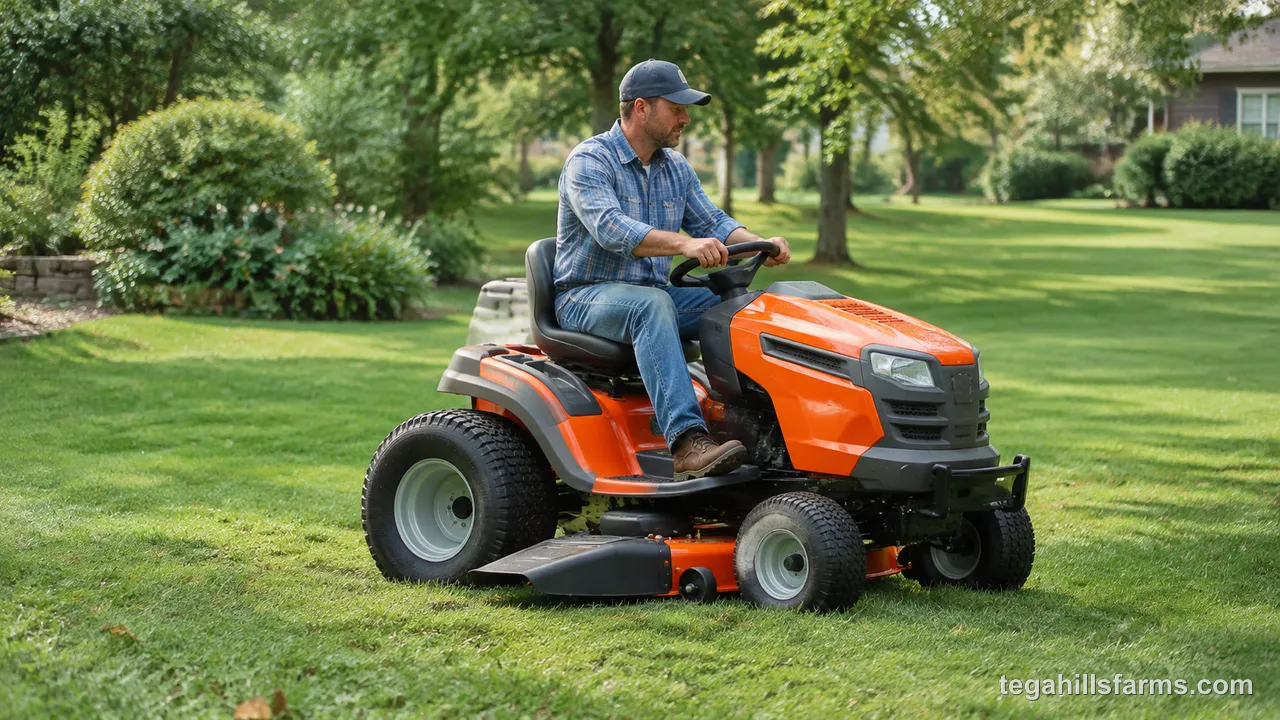
A lawn tractor puts the engine or battery bay up front, steers the front wheels with a steering wheel, and hangs the deck under the middle of the frame. Many carry a rear hitch, so the tractor doubles as a utility machine for hauling. Shoppers who want that utility side can compare the best lawn tractors as their own group.
A zero-turn steers with two lap bars and pivots in place, with the deck mounted out front. That layout speeds up open stretches and lets you cut close to beds and trees.
Rear-engine riders are the compact option, with a small deck and the motor behind the seat, built for small lots where a tractor feels oversized. Power source cuts across all three designs: battery models swap the gas tank for packs that recharge between sessions.
Our guide to the best lawn mowers compares riders with push and self-propelled models if you are still weighing mower categories.
The 7 Best Riding Lawn Mowers of 2026
The best riding lawn mowers for 2026 are the EGO Power+ Z6 ZT5216L 52″ Zero Turn, EGO Power+ TR4204 42″ Lawn Tractor, EGO Power+ Z6 ZT4214L 42″ Zero Turn, EGO Power+ ZT5207L 52″ Zero Turn, Greenworks MaximusZ 60V 54″ Zero Turn, EGO Power+ ZT4204L 42″ Zero Turn and Husqvarna TS 140X 48″ Lawn Tractor. Steering splits them first: the zero-turns pivot around trees and beds, while the tractors steer with a wheel and track steadily across open ground. Deck size splits them next, because the 42-inch machines slip through tighter gates and sheds than the 52- and 54-inch models that cut big lawns in fewer passes.
#1 EGO Power+ Z6 ZT5216L 52″ Zero Turn — Best Overall
If you mow a big, open property and want to leave gas behind, start here. Six included 56V 10.0Ah batteries combine for the power of a 27-horsepower gas engine and cut up to 3.0 acres on a single charge, which makes it a true replacement for a gas zero-turn.
Key Specs:
- Deck: 52-inch, triple-blade cutting system
- Power: up to six 56V ARC Lithium batteries, equivalent to a 27-hp gas engine
- Runtime: up to 3.0 acres per charge with six included 10.0Ah batteries
- Speed: up to 8 mph, three driving modes
- Cutting height: 10 settings, 1.5 to 4.5 inches
- Weight: 685 lb
Detailed Review:
Six 56V ARC Lithium batteries feed this mower together, and that pooled supply is what lets it match a 27-horsepower gas engine on a 52-inch, three-blade deck. Blade speed adjusts from 2,500 to 3,600 RPM, so you can run it slower and quieter on a routine cut and turn it up when spring growth gets thick.
The color screen shows speed, driving mode, blade speed and battery status, and the EGO Connect app adds charge time and battery monitoring on your phone. Control, Standard and Sport modes let a new rider start gentle before working up to the 8 mph top speed, which matters on a lap-bar machine that reacts to small hand movements.
A wide frame keeps the mower balanced on slopes, and the deck suspension system keeps the cut quiet. The cost of that build is mass: at 685 lb, it outweighs the 42-inch ZT4214L at 610 lb, so it needs sturdier ramps for hauling and more caution on soft, wet turf.
The included batteries also run every EGO 56V power tool, and the warranty covers the mower for five years or 300 hours, with up to five years on batteries when registered within 90 days. I’d weigh that battery sharing heavily if your trimmer and blower are already EGO.
Pros:
- Matches a 27-hp gas engine on battery power.
- Cuts up to 3.0 acres per charge.
- Adjustable blade speed tunes the cut to grass conditions.
- Included batteries also run EGO handheld tools.
- Three driving modes ease new riders in.
Cons:
- 685 lb frame needs firm ground and strong ramps.
- 52-inch deck needs more storage space than compact riders.
- Lap-bar steering takes practice for longtime tractor owners.
Who It’s For:
Homeowners with large, open lawns who want gas-level cutting without engine upkeep will get the most from it, especially if their trimmer and blower already run on EGO 56V batteries. Owners of tight, wooded lots or soft, often-wet ground may find its size and weight more than the yard calls for.
Editor’s Verdict:
Buy it if you want battery convenience without giving up the cutting width and coverage a big property demands.
#2 EGO Power+ TR4204 42″ Lawn Tractor — Best Durability
For owners who would rather mow than maintain, this battery tractor drops belts entirely. Dual brushless cutting motors spin the blades under a 42-inch stamped steel deck, and a rear tow hitch lets it haul loads around the property between cuts.
Key Specs:
- Deck: 42-inch stamped steel, dual brushless cutting motors
- Power: up to 20,000 watts from six 56V ARC Lithium batteries, equivalent to a 21-hp gas engine
- Runtime: up to 1.5 acres per charge with six included 6.0Ah batteries
- Speed: up to 6 mph, three drive speeds, cruise control
- Weight: 640 lb
Detailed Review:
Belt-driven decks wear out belts and pulleys that need checking and replacing, and this tractor skips that system by giving each blade its own brushless motor. Fewer moving parts in the cutting system means less to inspect each spring, and the 42-inch stamped steel deck surrounds those motors with a steel housing.
Up to six 56V ARC Lithium batteries combine for 20,000 watts, the equivalent of a 21-horsepower gas engine, and the six included 6.0Ah packs cover up to 1.5 acres per charge. The digital LCD offers three blade settings and three drive speeds, and cruise control holds your pace on long, straight passes so your foot can rest.
Its 6 mph top speed trails the faster EGO zero-turns, and wheel steering trades their agility for steady tracking. The rear tow hitch earns that trade back with chores like hauling mulch or firewood, and LED lights, a USB charging port and Bluetooth come standard.
A 5-year tool warranty covers the tractor. It also works with any EGO 56V ARC Lithium battery, so packs from your other EGO tools can serve as spares.
Pros:
- Belt-free dual brushless motors cut routine maintenance.
- Stamped steel deck adds long-term durability.
- Rear tow hitch handles hauling chores.
- Cruise control eases long, straight passes.
- Twelve cutting heights allow fine adjustment.
Cons:
- Wheel steering leaves more trimming around obstacles.
- 6 mph top speed slows coverage on open ground.
Who It’s For:
Anyone who wants a dependable battery tractor that also hauls should look here, particularly households that value fewer service chores over mowing speed. Owners of tree-dotted yards who dislike trimming may prefer a zero-turn that pivots around obstacles instead of circling them.
Editor’s Verdict:
Choose this tractor when low upkeep and a working hitch matter more to you than finishing the lawn quickly.
#3 EGO Power+ Z6 ZT4214L 42″ Zero Turn — Best for Hilly Terrain
Sloped yards call for stability first, and this compact zero-turn pairs a wide frame built for balance on grades with a 42-inch deck that stays nimble around beds. It covers up to 1.5 acres per charge.
Key Specs:
- Deck: 42-inch, dual-blade cutting system
- Power: up to six 56V ARC Lithium batteries, equivalent to a 24-hp gas engine
- Runtime: up to 1.5 acres per charge with six included 6.0Ah batteries
- Speed: up to 8 mph, three driving modes
- Cutting height: 10 settings, 1.5 to 4.5 inches
- Weight: 610 lb
Detailed Review:
A wide frame keeps this zero-turn balanced on slopes, and on a hillside that stance matters more than deck width, because a machine that feels planted lets you hold a steady line instead of fighting the lap bars. The deck suspension system keeps the cut quiet as well.
On a grade, I lean toward Control mode, since it softens the mower’s response before you step up to Standard or Sport and the 8 mph top speed on flat ground. The color screen shows speed, mode, blade speed and battery status, and the EGO Connect app tracks charge time.
Against the 52-inch Z6 ZT5216L, the trade-off is clear: this model weighs 610 lb to that machine’s 685 lb and drives two blades at 2,300 to 3,200 RPM instead of three at 2,500 to 3,600. Its six 6.0Ah batteries cover up to 1.5 acres rather than 3.0, so a big property means more passes and more charging, while a slope means less mass to manage.
The included batteries run every EGO 56V power tool. Coverage includes a 5-year mower warranty (or 300 hours), up to five years on batteries with registration, and five years on the charger.
Pros:
- Wide frame keeps it balanced on slopes.
- 42-inch deck turns tightly around beds and trees.
- Control mode suits careful driving on grades.
- Shares batteries with EGO handheld tools.
Cons:
- 6.0Ah batteries cover less ground than larger-capacity sets.
- Dual-blade deck needs more passes on open acreage.
Who It’s For:
Hillside homeowners who want a zero-turn that feels settled on a grade should start here, as should EGO 56V owners adding a rider to their tool lineup. Large, flat properties are better served by a wider-deck machine that covers more ground on each charge.
Editor’s Verdict:
Pick this one when slopes and tight landscaping shape your mowing more than sheer acreage does.
#4 EGO Power+ ZT5207L 52″ Zero Turn — Best Premium
This zero-turn is built for big properties. Six included 56V 12.0Ah batteries cut up to 4 acres on a single charge and deliver the equivalent of a 25-horsepower gas engine to a 52-inch deck.
Key Specs:
- Deck: 52-inch, zero-turn radius
- Power: up to six 56V ARC Lithium batteries, equivalent to a 25-hp gas engine
- Runtime: up to 4 acres per charge with six included 12.0Ah batteries
- Speed: 4–8 mph
- Weight: 527.4 lb
Detailed Review:
The 12.0Ah batteries are the reason to step up to this model: six of them hold more stored energy than the 10.0Ah set on the Z6 ZT5216L, and the payoff is up to 4 acres per charge against that model’s 3.0. On a property where the last acre would otherwise mean a recharge break, that extra reach lets you finish in one session.
Peak Power technology pools up to six 56V ARC Lithium batteries for the equivalent of a 25-horsepower gas engine. The 4–8 mph speed range lets you slow down near beds and fences and open it up across long, clear stretches.
At 527.4 lb, it weighs less than the 685-lb Z6 ZT5216L despite sharing its deck width, which puts less load on soft turf and trailer ramps. It runs on any EGO 56V ARC Lithium battery, so packs from your trimmer or blower can fill in.
As a premium-tier rider, it pays off when coverage per charge is the main problem to solve. A smaller lawn won’t use the reach those 12.0Ah batteries provide.
Pros:
- Cuts up to 4 acres on one charge.
- 12.0Ah batteries extend each mowing session.
- Weighs 527.4 lb, lighter than the 52-inch Z6.
- Runs on any EGO 56V ARC Lithium battery.
- 4–8 mph speed range suits beds and open runs.
Cons:
- Premium pricing outruns the needs of smaller lawns.
- 52-inch deck needs generous storage space.
Who It’s For:
Owners of sprawling lawns who resent stopping to recharge, and who already run EGO 56V tools, will get full value from it. On a modest yard, the battery capacity goes largely unused, and a smaller EGO zero-turn handles the job with less machine to store.
Editor’s Verdict:
Spend up for this model only if your property is big enough to use the full reach of its battery set.
#5 Greenworks MaximusZ 60V 54″ Zero Turn — Best Ergonomic Design
Long mowing days on large lawns go easier in this zero-turn, which seats you on an adjustable suspension seat with lumbar support and foldable armrests. It cuts with a 54-inch, 10-gauge steel deck.
Key Specs:
- Deck: 54-inch, 10-gauge fabricated steel, 4-in-1 (mulch, bag, rear and side discharge)
- Power: 60V brushless motor system, equivalent to a 31-hp gas engine
- Runtime: up to 3.5 acres per charge with two 20.0Ah and four 8.0Ah batteries
- Blade speed: constant 17,900 ft/min tip speed from three brushless hub motors
- Towing: 300 lb capacity, front and rear hitch capability
- Weight: 1,091 lb
Detailed Review:
The operator’s seat sets this machine apart: it adjusts, adds lumbar support, and the armrests fold out of the way when you climb on and off. Dual LED headlights and an LCD round out the controls, which matters when a big lawn keeps you in the seat into the evening.
Three brushless hub motors hold the blade tips at a constant 17,900 ft/min, and SmartCut Technology adjusts to grass conditions so the deck doesn’t bog down in thick or wet growth. The 10-gauge fabricated steel deck switches between mulching, bagging, rear and side discharge, so one machine handles both a tidy front lawn and an overgrown back field.
The 60V system delivers the equivalent of a 31-horsepower gas engine, and two 20.0Ah plus four 8.0Ah batteries cover up to 3.5 acres; the 1,500W wall charger recharges the full set. These are Greenworks 60V packs, so they won’t swap with EGO 56V tools.
At 1,091 lb, it far outweighs the 685-lb EGO Z6 ZT5216L, which calls for a sturdy storage floor and care on soft ground. A 300 lb towing capacity and a 4-year warranty add utility and backup.
Pros:
- Suspension seat with lumbar support eases long sessions.
- 4-in-1 deck mulches, bags, and discharges two ways.
- SmartCut keeps blades from bogging in wet grass.
- Front and rear hitch capability with 300 lb towing.
Cons:
- 1,091 lb frame needs firm ground and sturdy storage.
- 60V batteries don’t swap with EGO 56V tools.
Who It’s For:
If you spend long stretches in the seat on a big property, this one rewards you, particularly when Greenworks 60V tools already sit in your garage. Buyers who need a lighter machine for soft turf or a cramped shed should keep shopping.
Editor’s Verdict:
Comfort and a versatile steel deck make it the rider to get if long mowing sessions leave your back sore.
#6 EGO Power+ ZT4204L 42″ Zero Turn — Best Performance
Medium to large lawns that need a quick turnaround between jobs suit this zero-turn well. Its four 56V 10.0Ah batteries recharge in about two hours on the included Z6 wall charger, and the mower reaches up to 8 mph with the equivalent of a 22-horsepower gas engine.
Key Specs:
- Deck: 42-inch stamped steel, 3-in-1 (mulch, bag, side discharge)
- Power: equivalent to a 22-hp gas engine
- Runtime: up to 2 acres per charge with four included 10.0Ah batteries
- Recharge: about two hours with the included Z6 wall charger
- Speed: up to 8 mph, three driving modes
- Weight: 620 lb
Detailed Review:
A two-hour recharge on the four included 10.0Ah batteries changes how you plan a mowing day: cut in the morning, charge over lunch, and the mower is ready again by mid-afternoon. Speeds up to 8 mph and the equivalent of a 22-horsepower gas engine keep the cutting itself moving at a steady clip.
Battery count is the feature to watch, because the four included packs cover up to 2 acres and adding more extends that to 3, 4, 5 acres or beyond. You can size the battery set to your lawn now and grow it later instead of buying every pack at once.
Compared with the ZT4214L, which ships with six 6.0Ah batteries rated for up to 1.5 acres, this model’s four 10.0Ah packs reach 2 acres on the same 42-inch deck width. The stamped steel deck adjusts across 10 positions from 1.5 to 4.5 inches and handles mulching, bagging and side discharge.
The LCD interface puts Standard, Control and Sport modes a button press away. At 620 lb, it sits close to the ZT4214L’s 610 lb, so the extra runtime adds almost no heft.
Pros:
- Recharges in about two hours on the included charger.
- Expandable battery count scales coverage with your lawn.
- Reaches up to 8 mph.
- 3-in-1 stamped steel deck mulches, bags and side discharges.
Cons:
- 42-inch deck takes more passes on open acreage.
- Bigger lawns require adding extra batteries.
Who It’s For:
Busy owners who mow in short windows and want the machine ready again the same day will appreciate it, as will anyone planning to grow an EGO 56V battery collection over time. Buyers who want a wide deck for big, open fields should look at the larger zero-turns instead.
Editor’s Verdict:
Expect quick turnarounds and room to grow, which makes this a smart fit for owners who mow on a tight schedule.
#7 Husqvarna TS 140X 48″ Lawn Tractor — Best Budget
This is the gas tractor for buyers who want simple, affordable mowing. A Briggs & Stratton 24 HP 724cc V-Twin engine drives a 48-inch, three-blade stamped deck, and the pedal-operated transmission keeps both hands on the wheel.
Key Specs:
- Engine: Briggs & Stratton 24 HP 724cc V-Twin
- Deck: 48-inch stamped, 3 blades
- Transmission: pedal-operated
- Model: 970846801
Detailed Review:
A Briggs & Stratton 24 HP 724cc V-Twin drives this tractor, and splitting the work across two cylinders tends to keep power delivery smoother than a single-cylinder engine when the deck hits thick grass. That figure is real engine horsepower rather than a battery equivalent, so gas buyers get familiar fueling and a familiar engine.
The pedal-operated transmission handles speed and direction with your feet, so both hands stay on the wheel while you steer around trees and along beds. For anyone new to riders, that setup feels natural because it drives much like a car.
Its 48-inch, three-blade stamped deck is wider than the 42-inch deck on the EGO TR4204, which means fewer passes across an open lawn. The trade-off against that battery tractor is upkeep: this gas engine brings oil changes, spark plugs and air filters, while the TR4204’s brushless motors skip them.
As the budget-friendly pick, it suits buyers who want plenty of cutting width for a modest spend and don’t mind routine engine care. Shoppers comparing gas and battery tractors in this tier can browse the best riding lawn mowers under $3000.
Pros:
- Briggs & Stratton V-Twin delivers smooth gas power.
- 48-inch three-blade deck covers ground in fewer passes.
- Pedal transmission keeps both hands on the wheel.
- Refuels quickly from a gas can.
Cons:
- Gas engine requires oil, filter and spark plug upkeep.
- Engine noise is louder than the battery riders.
Who It’s For:
Gas loyalists who want an affordable tractor with simple pedal controls and a wide deck should start here, especially those who don’t mind an oil change each season. Anyone hoping for quiet early-morning mowing or less engine upkeep is better off with a battery model.
Editor’s Verdict:
Go with this tractor if gas power, foot-pedal driving and a wide deck appeal to you more than battery convenience.
How Do You Choose the Right Riding Lawn Mower?
The right rider is the one sized and built for your specific ground, not the one with the biggest spec sheet. A machine that fits your lawn’s size and layout finishes sooner, scalps less and stores easily, while an oversized one adds weight and handling trouble you deal with every week. Getting the fit right also decides how much trimming, charging or refueling each cut demands.
Which Deck Width and Charge Capacity Fit Your Yard?
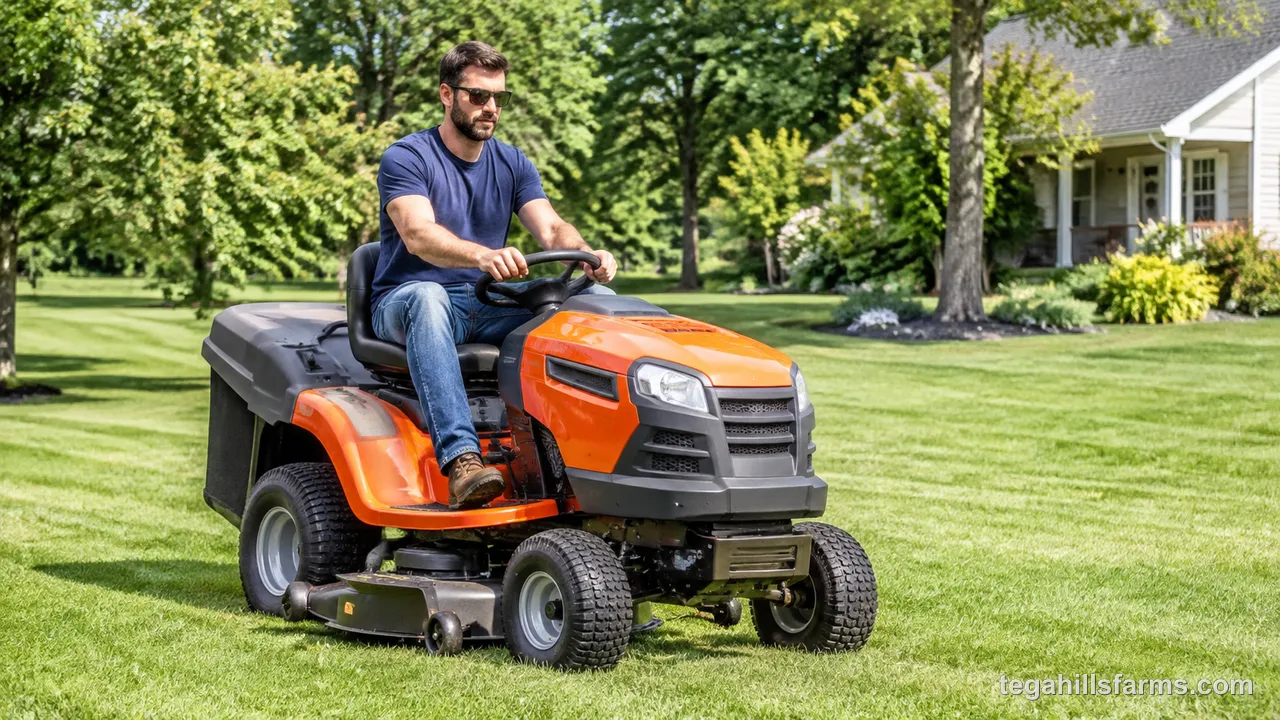
Size the deck and battery set to the lawn you actually mow, because a wider deck saves time only where there is open ground to use it. On a big, open property, extra deck width removes passes, so a 52- or 54-inch deck finishes noticeably sooner than a 42-inch one. In a smaller yard broken up by beds and trees, a wide deck spends more time turning than cutting, and the trimmer still has to clean up the edges.
Coverage per charge works the same way. Among the EGO zero-turns, the 52-inch models also carry larger battery sets and cover more acreage per charge than the 42-inch ones, so the right pick depends on whether your whole lawn fits inside one charge with room to spare. Gas riders sidestep that limit with a refill, but they still benefit from a deck matched to the lawn. Owners of big properties can compare the best riding lawn mowers for large yards, where deck width and runtime decide most of the choice.
Which Mower Type Handles Slopes and Obstacles Better?
Zero-turns handle obstacles better, while lawn tractors usually feel steadier on slopes, though a wide-framed zero-turn narrows that gap. Because a zero-turn steers by driving each rear wheel at a different speed, it pivots in its own footprint and cuts close to trees, beds and fence posts, which cuts down string-trimmer time. The same steering is its weakness on a hillside: the front casters swivel freely and do little to hold the machine, so traction rests on the rear tires.
A lawn tractor steers through its front wheels like a car, which keeps it tracking straight across a grade and makes small corrections easier. Its wider turning circle leaves rings of uncut grass around obstacles, adding trimming after every mow. Weight cuts both ways on either design: more mass presses the tires down for grip, but it also builds momentum heading downhill. Whatever you buy, follow the slope limits and mowing direction in the operator’s manual.
Which Comfort and Convenience Features Are Worth Having?
A supportive seat, a clear digital display and the right deck discharge options make a real difference week to week, while lights, cruise control and a tow hitch earn their place only when your routine calls for them. Owners who mow for hours on a large property feel seat support most, since an adjustable suspension seat absorbs the jolts that wear on your back across a long session. A display showing battery status and blade speed helps any battery owner plan a cut without guessing.
Cruise control suits long, straight runs on a tractor, and LED lights matter if you mow at dusk. A rear hitch turns the mower into a yard hauler for anyone moving mulch, firewood or garden carts. Discharge options decide what happens to clippings: mulching returns them to the lawn, bagging keeps a manicured lawn clean, and side discharge handles tall growth.
Should You Buy a Battery or Gas Riding Mower?
The deciding factor is how your mowing day runs: battery riders reward a steady weekly routine, while gas suits owners who mow in long, unpredictable stretches or across properties too big for one charge. Picking the wrong power source shows up every week, either as a mower waiting on a charger or as engine chores you never wanted.
How Do Runtime and Refueling Compare?
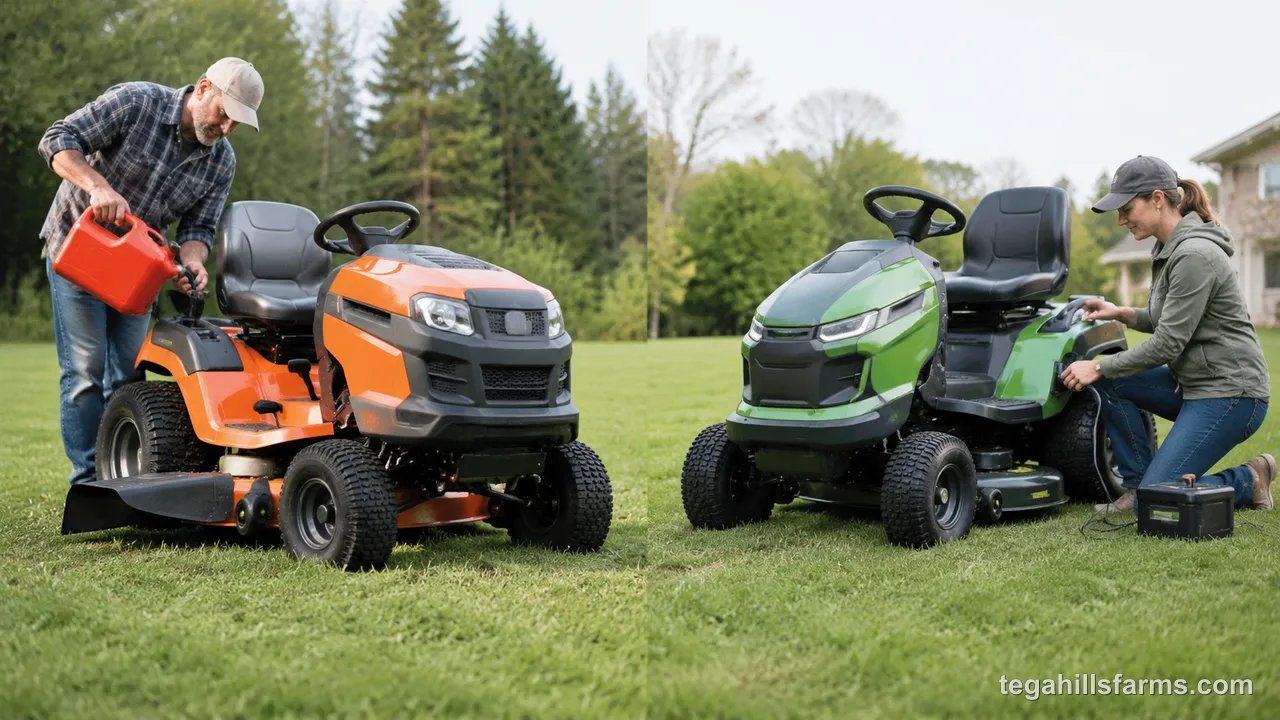
A gas tank refills in minutes and the mower goes straight back to work, while a battery set covers a fixed amount of ground per charge and then needs time on a charger. That difference rarely matters when your lawn fits inside one charge, because the batteries recharge between mowing days without any effort from you. It matters on a long day across a big property, where a gas rider keeps going on another can of fuel and a battery rider has to stop.
Expandable battery systems narrow the gap. Some battery riders accept extra packs to stretch coverage, and owners with spare packs from the same platform can swap them in. Fast wall chargers shorten the wait, but the planning still differs from gas: you size the battery set to the lawn up front instead of carrying a fuel can. Comparing the best battery lawn mowers in push and riding formats shows which battery platform can cover the rest of your yard tools too.
How Do Maintenance and Noise Compare?
Battery riders need far less routine care and run quieter, which changes both your weekend chores and the hours you can mow. A gas engine asks for oil changes, spark plugs, air filters and fresh fuel each season, and belt-driven decks add belts and pulleys to inspect. Brushless electric systems drop the engine work entirely, leaving blade sharpening, deck cleaning and battery care as the main jobs.
Noise follows the same split. Without an engine running, a battery rider is far less likely to bother neighbors early or late in the day, and you can hear people nearby while you cut; check local noise rules either way. Gas still makes sense for owners who do their own small-engine upkeep and like the refuel-and-go routine, and they can compare the best gas lawn mowers across push and riding styles.
Spindle bearings, deck belts and battery packs lose condition gradually, and a rider can still cut a passable lawn for weeks while one of them is on its way out. Miss the early signs and the machine quits at the height of mowing season, when the grass keeps growing and a small repair has already turned into a bigger one.
How Can You Tell a Riding Mower Is Wearing Out Before It Fails?
Vibration, an uneven cut, slower drive response and shorter runtime are the early signals, and each one points to a specific part. New vibration through the seat or deck usually means a bent or unbalanced blade or a worn spindle bearing, while a squeal or burning smell from a belt-driven deck points to a slipping or glazed belt.
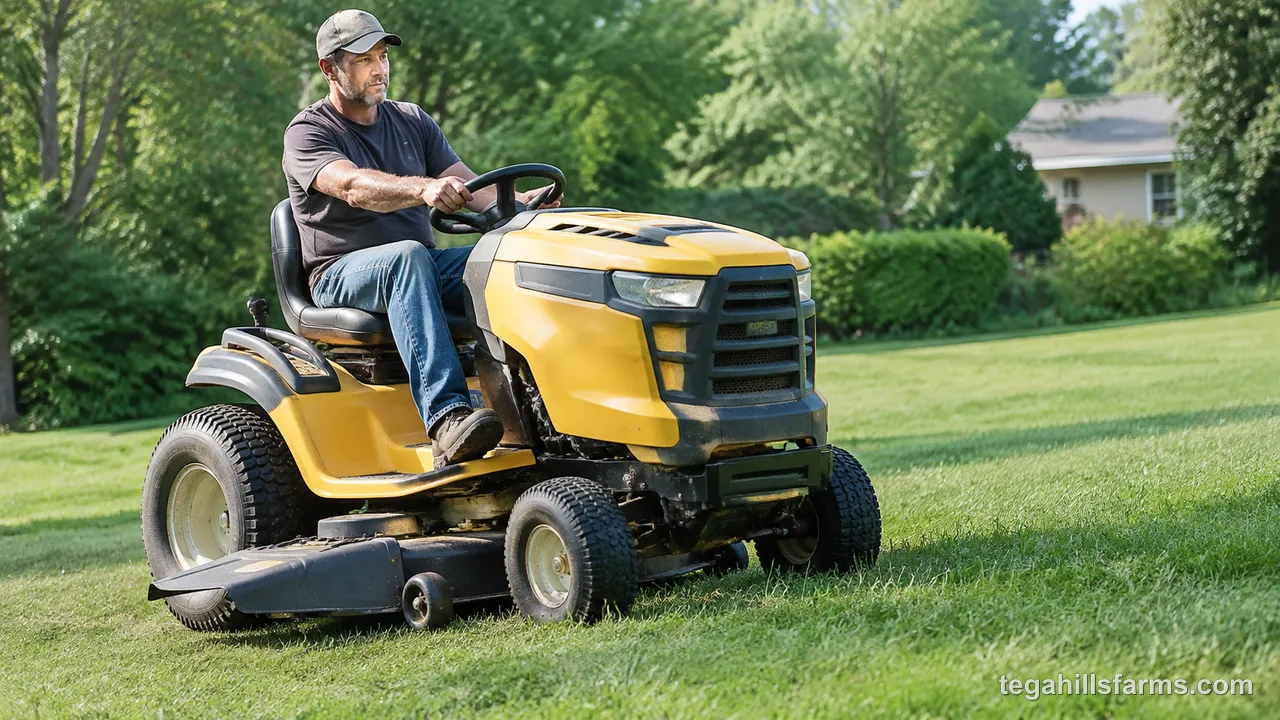
Ragged cutting that blade sharpening doesn’t fix suggests a worn spindle or a deck that has lost its level. Drive problems show up as a mower that hesitates on hills or pulls to one side, which can come from low or worn tires as well as drive components. On battery riders, a pack that covers noticeably less ground than it did last season is aging, and an onboard battery status display makes that trend easy to track.
Repair makes sense while the frame, deck and drive system are sound. When a cracked deck, a failing transmission or several worn packs stack up at once, replacement is usually the more practical route.
When Does a Bigger Riding Mower Waste Money?
A bigger mower wastes money when your yard can’t use its deck width or battery capacity, because you pay for acreage you never mow and live with the extra weight and storage demands every week. A wide deck on a lawn broken up by beds, trees and narrow side yards spends its time turning and backing up, and it may not fit through gates a smaller rider passes easily.
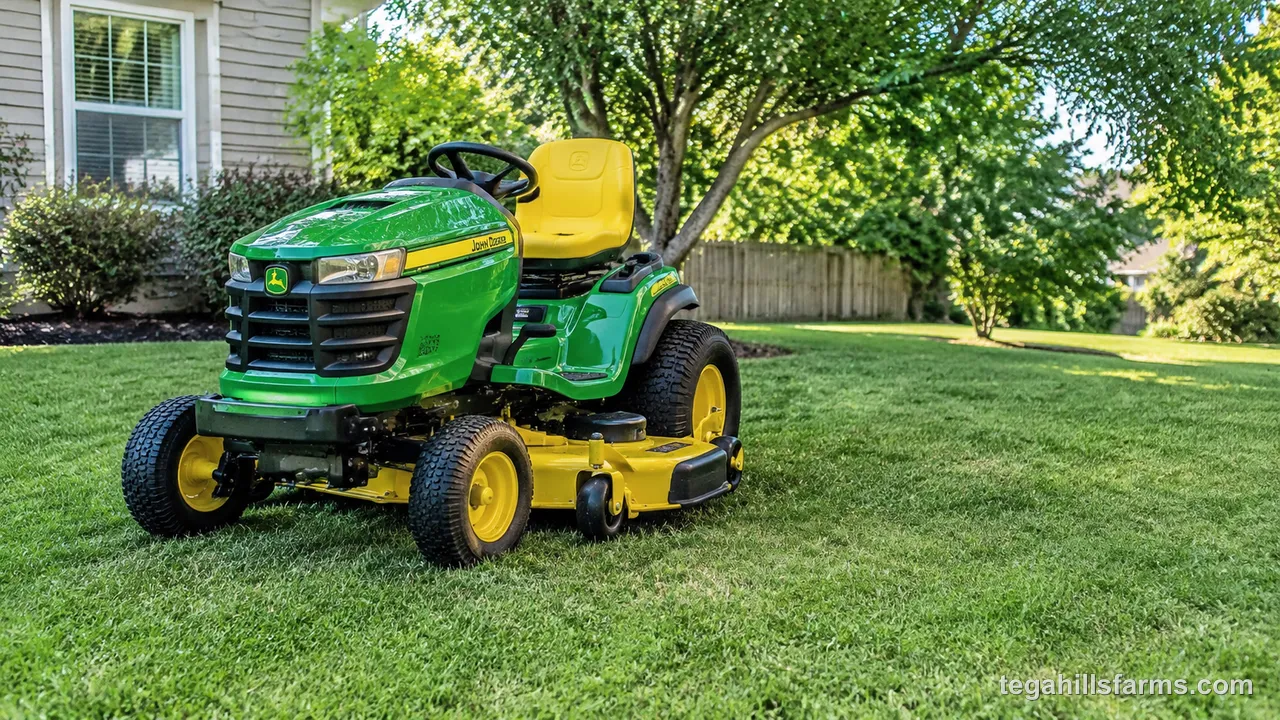
Extra battery capacity has the same problem: packs sized for acreage you don’t have add weight and sit idle, since the lawn is done long before the charge runs out. Heavier machines also press harder on soft turf and need sturdier ramps or trailers.
Stepping up still pays for some owners. If your lawn sits close to the limit of a smaller machine’s charge, if you expect to add property, or if you also mow a neighbor’s lot, the extra width and runtime save real time each week.
Which Attachments Make a Riding Mower Useful Year-Round?
A rear hitch matters most, since it lets a rider pull a dump cart, spreader, lawn sweeper or aerator well beyond mowing season. Carts move mulch, firewood and garden debris; spreaders lay down seed and fertilizer in even passes; sweepers gather fall leaves without a blower.
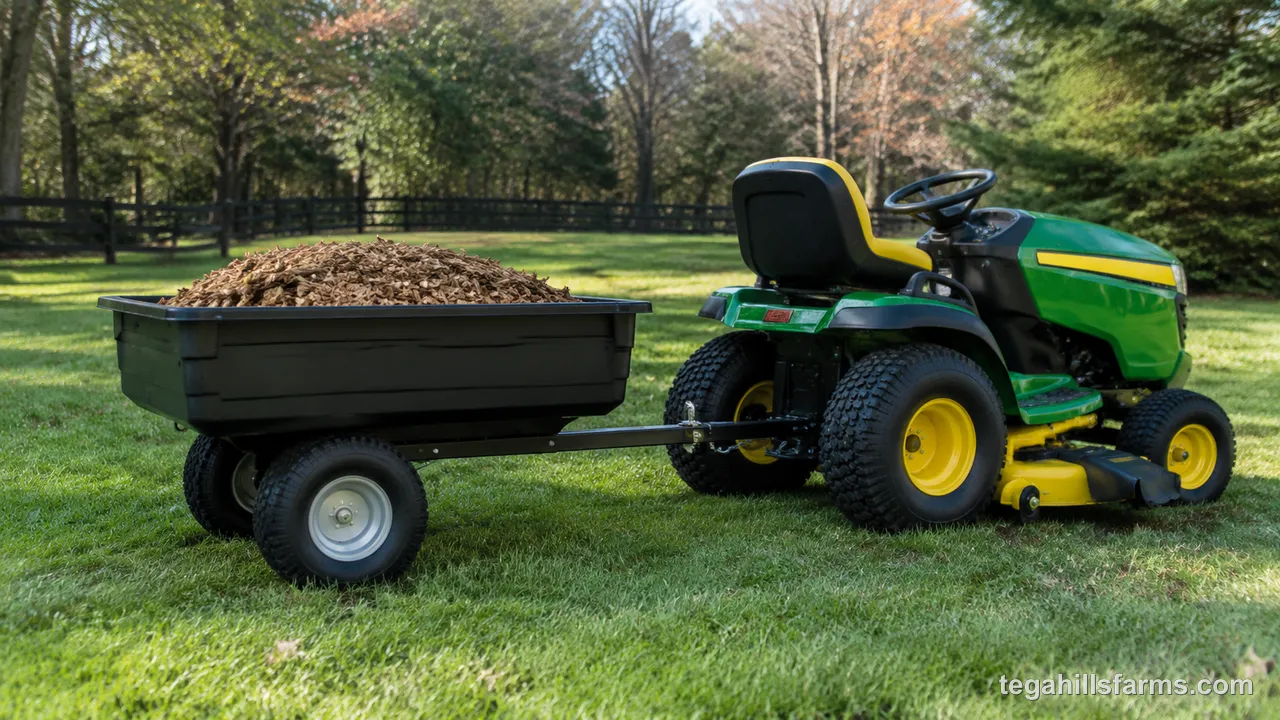
Seasonal equipment goes further on some tractors, with front-mounted blades and snow throwers turning a summer mower into a winter tool. Buyers who want that range can compare the best riding lawn mowers with attachments, and those in snow country can look at riding lawn mowers with snowblowers.
Before relying on any add-on, check the rated towing capacity and hitch type in the operator’s manual, since overloading a hitch strains the drive and makes braking on slopes harder. Not every rider carries a hitch, so confirm it before you plan your seasonal chores around one.
How Should You Store a Riding Mower Over Winter?
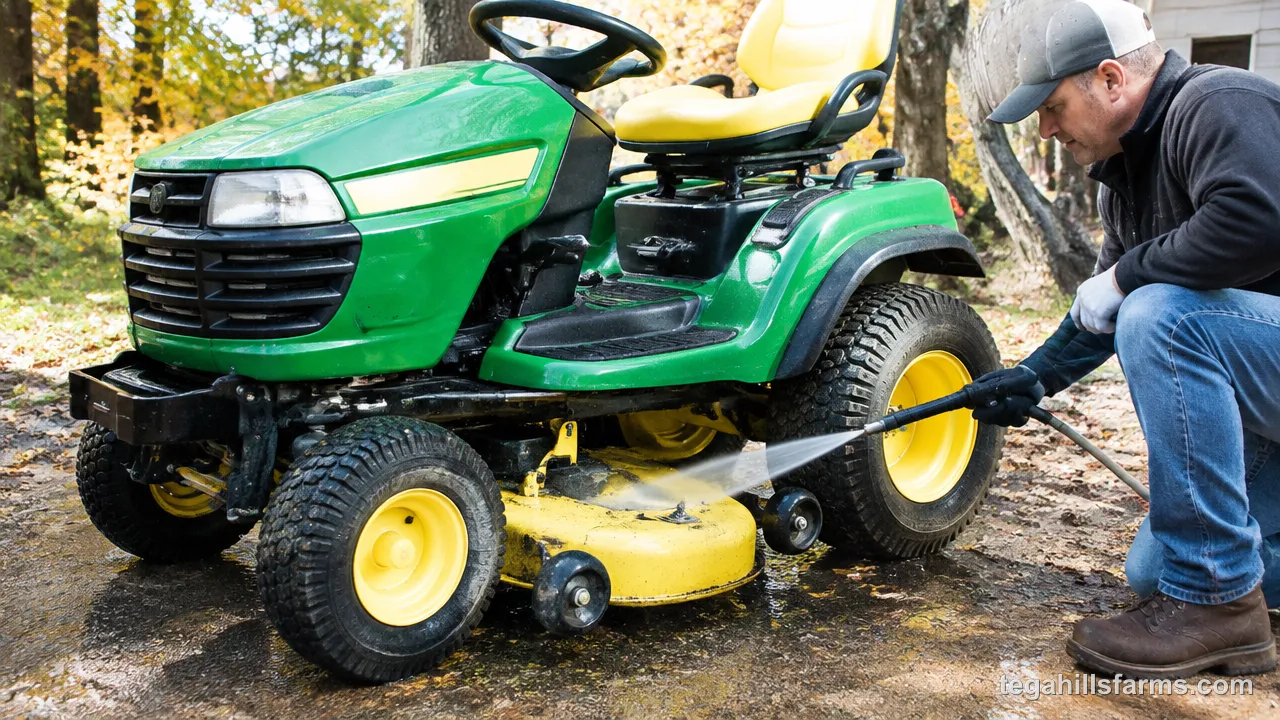
What you do before the last mow of fall decides whether the machine starts cleanly in spring, and the steps split by power source because batteries and engines degrade in different ways over a cold season. Both types benefit from a clean deck, properly inflated tires and a dry, covered spot out of the weather.
How Should You Store Battery Packs in Cold Months?
Bring the packs indoors to a dry, temperate spot such as a basement or climate-controlled room instead of leaving them in an unheated shed or on the mower. Lithium-ion cells age faster when stored fully charged or fully drained, and freezing or very hot spaces speed that wear, so store them at the partial charge the manufacturer recommends.
Check the packs once or twice through winter and top them up if the charge has dropped, following the charger’s instructions. Before the first spring mow, look for cracks or swelling on each pack, clean the contacts, and charge the full set so every battery starts the season ready.
How Should You Store a Gas Engine Mower?
Treat the fuel first, because gasoline left in the tank over winter breaks down and gums up the carburetor, a frequent cause of spring no-starts. Either add fuel stabilizer to a full tank and run the engine long enough to carry treated fuel through the system, or run the tank dry, following the engine manual.
Change the oil before storage so dirty oil doesn’t sit against engine parts for months, and clean or replace the air filter at the same time. Remove the starting battery or connect a battery maintainer to keep it charged through the cold. Skipping these steps usually leaves you with stale fuel, a dead battery and a carburetor cleaning before the first cut.
Riding Lawn Mower FAQs
How do you mow slopes safely on a riding mower?
Mow slopes only within the limit listed in your operator’s manual, keep your speed low, avoid sharp turns on the incline and stay off wet grades. Wet grass cuts traction on any rider, and a mower that starts sliding is hard to stop. Ground steeper than the manual allows is a job for a walk-behind or string trimmer.
Should you charge riding mower batteries after every use?
Recharging after each mow keeps the packs ready for the next session, and lithium-ion batteries don’t need to run flat before charging. Let hot packs cool before plugging them in, charge in a dry area, and follow the charger’s instructions. Over winter, switch to the storage charge level the manufacturer recommends instead of keeping them full.
How do you know if a riding mower will fit your yard?
Measure the narrowest gate, door or path the mower must pass through and compare it with the machine’s overall width, which runs wider than the deck size in its name because of the wheels and discharge chute. A narrow side yard can rule out a big deck even when the main lawn suits one.
When is a riding mower better than a walk-behind?
A rider makes sense once mowing with a walk-behind wears you out, or when the lawn includes long, open stretches a wide deck crosses quickly. Small, tightly landscaped lots usually stay with a walk-behind, which is lighter, easier to store and simpler to steer around beds. Our guide on how to choose a lawn mower walks through that decision.
More Guides on Best Riding Lawn Mowers
- Best Riding Lawn Mowers Under $4000
- Best Riding Lawn Mowers for Landscaping
- Best Commercial Riding Mowers