

Most homeowners pay about $95 to $405 for a leaf blower, and the final number depends on power source, design and airflow. Simple corded models sit near the bottom, while gas backpack and walk-behind machines climb far beyond that range.
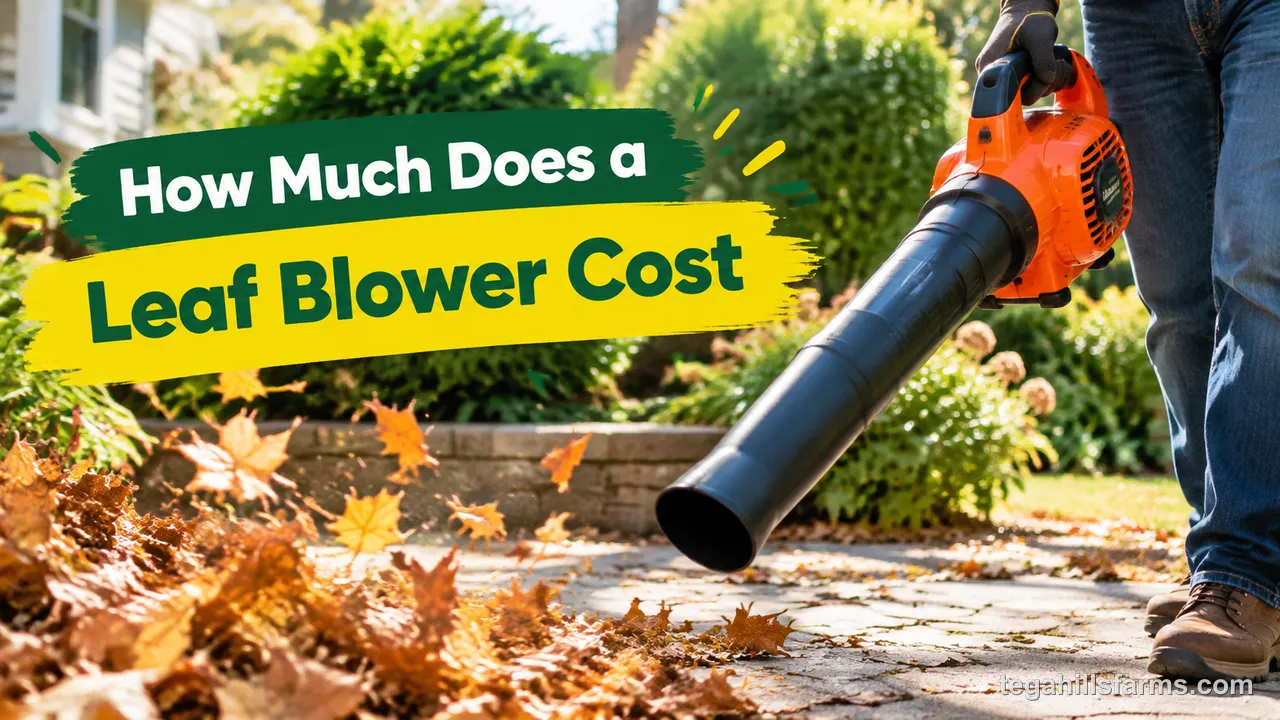
Four things move the price: how the machine is powered, whether you carry it in your hand, on your back or push it, how much air it moves, and what extras come with it. Your yard decides which of those are worth paying for.
The real worry is paying for power you never use, or buying so little that every fall cleanup drags on for hours. Both mistakes cost money.
Before you compare prices, decide how far your outlets reach and how long you will actually be moving leaves. Those two answers narrow the field faster than any brand name.
How Much Does a Leaf Blower Cost?
A leaf blower typically costs $95 to $405, which is the range most homeowners land in. The spread comes from power source, design type and airflow output.
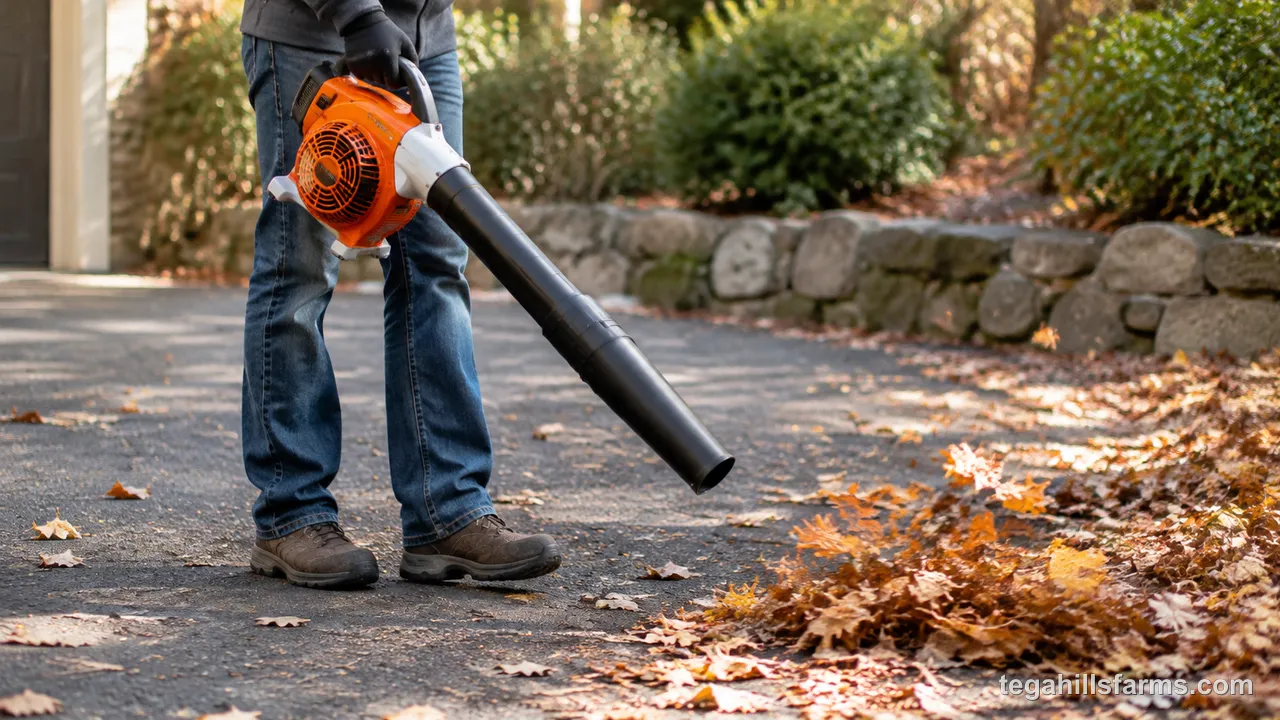
Corded models start very low, and large gas machines can cost several times the typical figure. That is why no single price fits every yard. A small lot rarely needs what an acre of oak leaves demands, and the right spend follows your property, not the average.
Plan the budget around your yard first and the spec sheet second. If you’re still weighing type, power and features before setting a budget, our guide on how to choose a leaf blower covers the full decision.
How Much Does a Leaf Blower Cost by Power Source?
Corded electric blowers average about $80 to $180, battery-powered ones about $130 to $200, and gas ones about $250 to $425. Power source separates prices more clearly than any other factor.
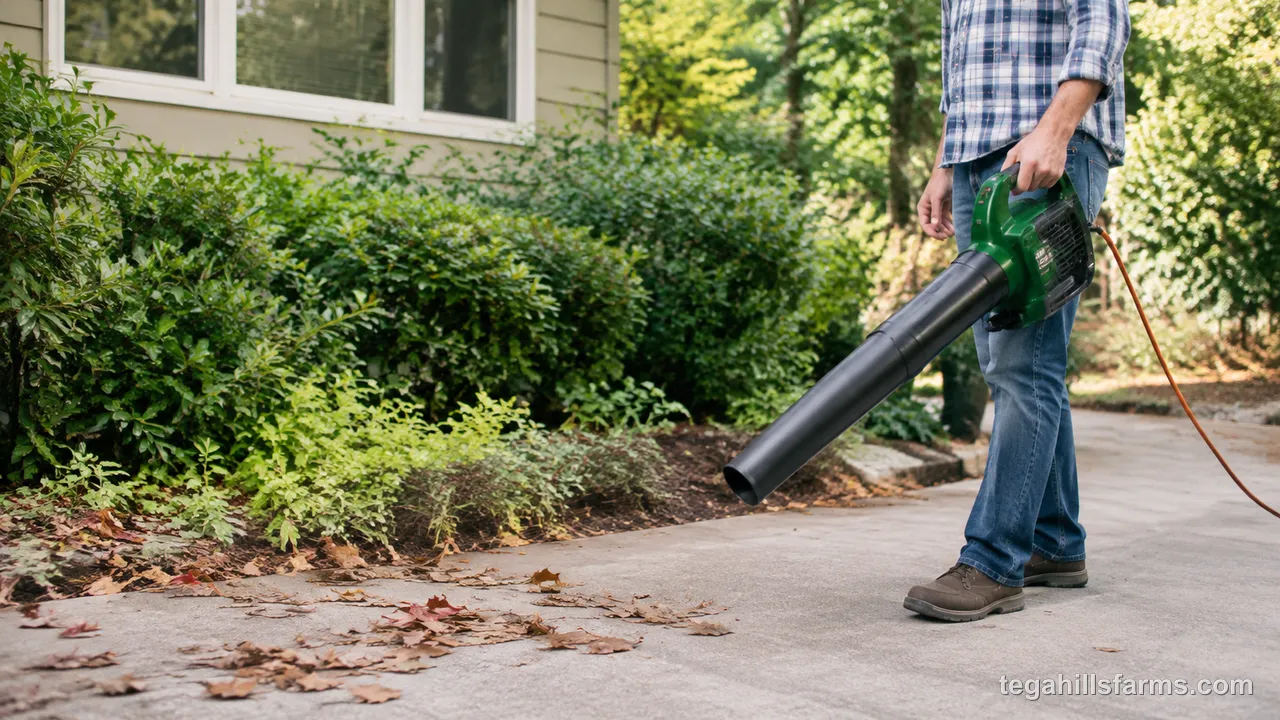
Each type also shapes how you work, so the price is only part of the choice.
Corded Electric Leaf Blowers
Corded electric leaf blowers usually cost about $80 to $180, and the simplest models can start around $20. That makes them the cheapest way into owning a blower.
The price creeps up with a stronger motor and with extras such as a vacuum kit. You are not paying for a battery or an engine, so more of your money goes into the motor itself.
The catch is reach. You are tied to an outlet and the length of your extension cord, so the blower only makes sense where the cord can cover the whole job. Dragging a cord around trees, fences and flower beds gets old fast.
For a small yard close to the house, though, a corded model is hard to beat on cost. There is no charging, no fuel and almost nothing to maintain.
Battery-Powered (Cordless) Leaf Blowers
Battery-powered leaf blowers typically cost about $130 to $200. Much of the price difference between two similar-looking cordless blowers sits in the battery and charger, not the blower itself.
Voltage and battery capacity are the main drivers. A higher-voltage platform with a larger battery costs more, but it also runs longer and blows harder. The brand’s battery platform matters too, because batteries from the same family often power its other tools.
Bare-tool versions sell the blower without a battery or charger. They look cheap, but they only make sense if you already own a compatible battery. A kit with battery and charger costs more up front and works out of the box.
Cordless gives you freedom from outlets and fuel, with quiet operation as a bonus. Runtime is the trade-off, so a bigger battery is often the upgrade worth paying for.
Gas Leaf Blowers
Gas leaf blowers generally cost about $250 to $425, and the top of the market can reach around $2,400. They usually cost more than mainstream cordless models because you are paying for the engine.
Engine size, a backpack frame and higher output all push the price up. In return you get power that doesn’t fade with a battery and the ability to work as long as you have fuel.
The downside is upkeep. Fuel, spark plugs and air filters need attention, and stale gas is the usual reason a leaf blower won’t start after sitting through winter. If you don’t enjoy small-engine maintenance, that is a real cost beyond the sticker price.
Choose gas when you need sustained power on a bigger property. For a small lot, it is more machine than you need.
How Much Do Handheld, Backpack and Walk-Behind Leaf Blowers Cost?
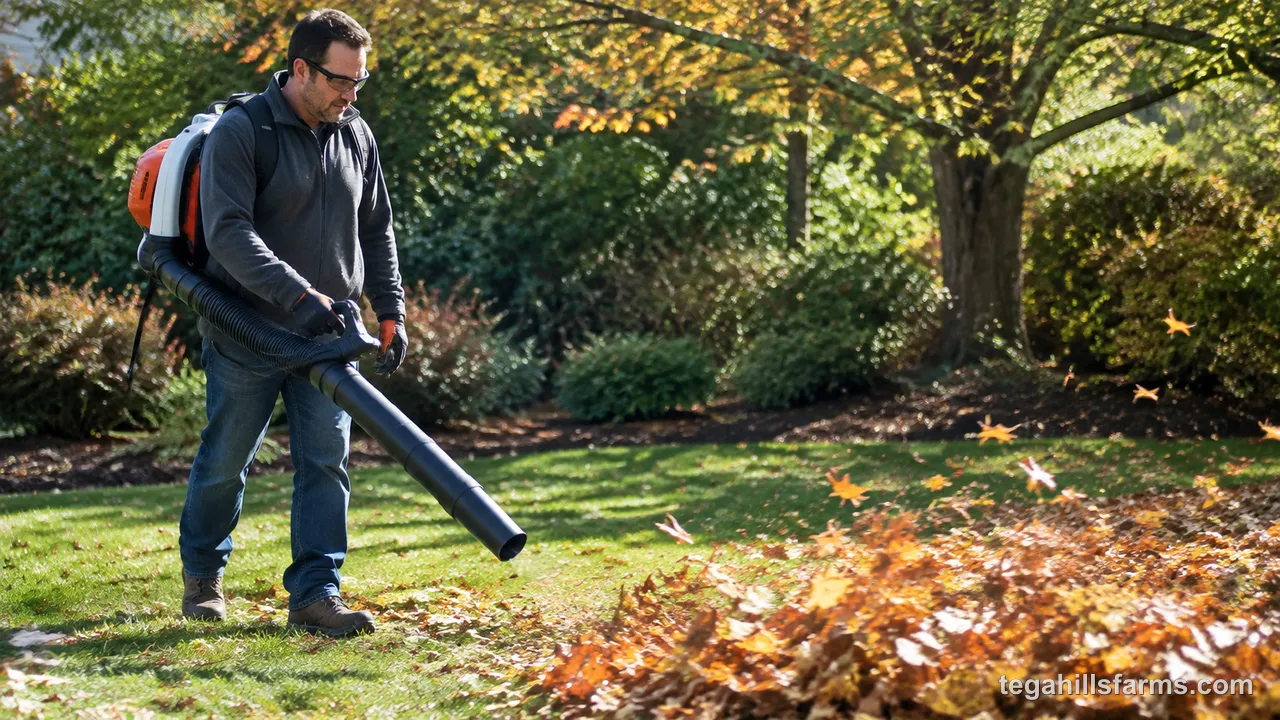
Handheld blowers run about $100 to $725, backpack blowers about $260 to $1,070, and walk-behind blowers about $460 to $1,680. Each step up in price buys more airflow and more endurance.
The jump matters only if your yard can use it.
Handheld Leaf Blowers
Handheld leaf blowers usually cost about $100 to $725, with typical airflow of 200 to 500 CFM and air speed of 70 to 260 MPH. This is the most common design for small to medium yards.
Price moves with power source, brand and output. A basic electric handheld sits near the bottom of the range, while a strong gas model sits near the top.
CFM is the volume of air, and MPH is how fast it moves. Volume pushes piles along, and speed lifts stuck-on debris. For routine fall cleanup on a typical lot, a mid-range handheld handles it.
Paying for the top of the range only pays off if you clear wet, heavy leaves often. For most suburban yards, it is money better kept in your pocket.
Backpack Leaf Blowers
Backpack leaf blowers typically cost about $260 to $1,070, with airflow of 400 to 750 CFM and air speed of 150 to 250 MPH. They cost more than handhelds because of the larger engine or battery and the harness.
That harness is the real upgrade. The weight rides on your hips and shoulders instead of your wrist, so you can work for much longer without fatigue.
You also get more airflow, which moves big piles faster across a wider area. That saves time on a yard with a lot of tree cover.
The extra cost makes sense when cleanup takes a long stretch of your weekend. If you only blow for a short while, a handheld does the job for less.
Walk-Behind Leaf Blowers
Walk-behind leaf blowers usually cost about $460 to $1,680, with airflow of 1,500 to 4,000 CFM and air speed of 150 to 200 MPH. Their airflow is far beyond the other two designs.
The price reflects a bigger engine, wheels and a larger frame. You push it like a mower and it clears wide swaths in one pass.
This is a tool for large properties. On a normal lot, the machine is oversized, hard to store and hard to justify.
If you have an open acreage with leaves spread across a big area, a walk-behind can beat a backpack on speed. Otherwise, a backpack gives you most of the benefit for less.
How Much Should You Spend Based on Your Yard Size?
Small suburban lots need roughly $80 to $200, average yards with mature trees need about $130 to $425, and large lots and acreage call for about $260 to $1,680. Spend to match your yard, because extra power is wasted and too little slows every cleanup.
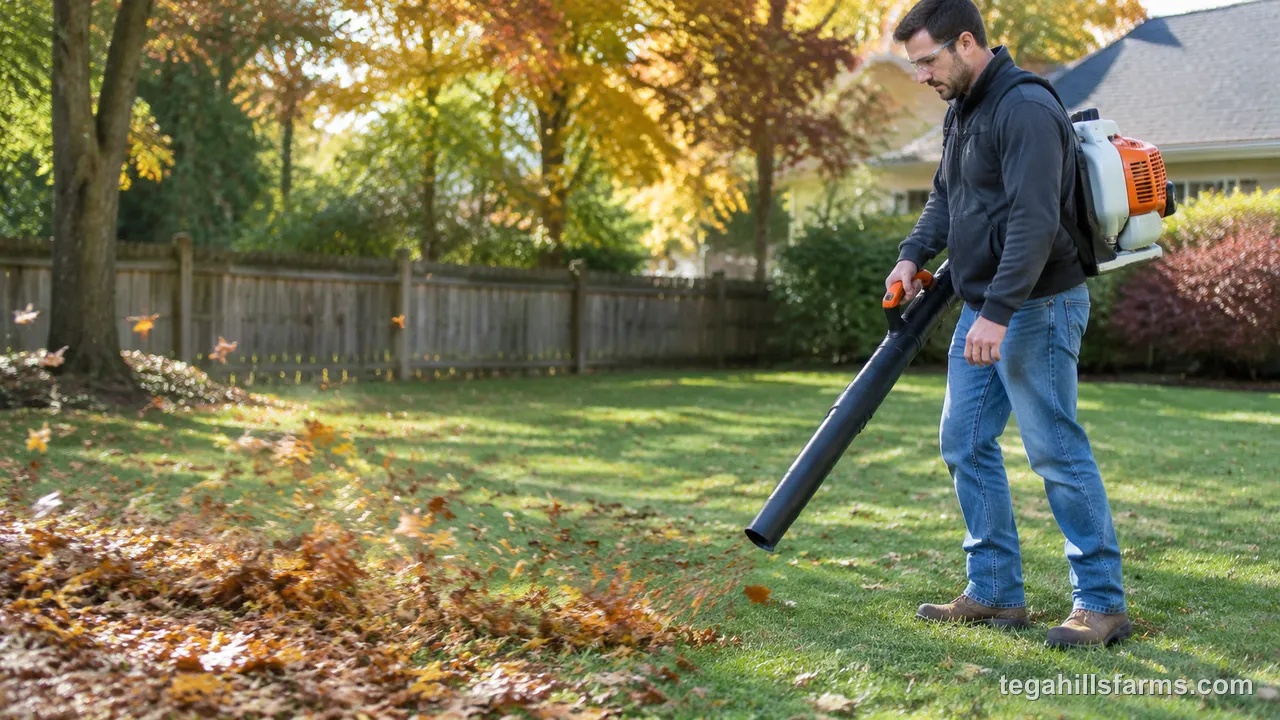
Small Suburban Lots
A small suburban lot is well served by a corded electric blower at about $80 to $180 or a cordless model at about $130 to $200. Big power is wasted here.
You are clearing a limited area, so airflow beyond the basics adds cost without saving time. What helps more is a light machine that is quiet and easy to store in a garage or shed.
Corded works well if outlets are close, since you skip the battery entirely. Cordless is the better pick if you want to walk the whole lot without a cord.
A vacuum or mulching mode can be handy, but only buy it if you will use it. For a small yard, keep the spend modest and the machine simple.
Average Yards With Mature Trees
An average yard with mature trees fits a stronger cordless model at about $130 to $200 or a handheld gas blower at about $250 to $425. This is where the balance between power, weight and cleanup time matters most.
Heavy leaf drop and wet leaves push you toward more output. A larger battery or a gas engine keeps airflow up when the piles get thick.
Cordless is the easier machine to live with if its runtime covers your yard. It is lighter, quieter and has no fuel to manage.
Gas makes sense if you clear leaves often or can’t stop to recharge. The price goes up with bigger batteries and higher output, so pay for the runtime you really need. I’d rather see most homeowners in this group buy one solid machine than stretch for the top model.
Large Lots and Acreage
Large lots and acreage call for a backpack blower at about $260 to $1,070 or a walk-behind at about $460 to $1,680. Engine size and airflow drive most of that cost.
At this scale, comfort and speed matter. A backpack frame lets you work long sessions, and a walk-behind covers open ground fast.
The extra money buys output that smaller machines can’t match. It also buys more weight, more fuel to manage and more to store.
Hiring a pro is worth a look when leaf fall is heavy and your time is short. Professional leaf removal typically runs about $103 to $420, which can beat buying a large machine you’d use a few times a year.
What Makes a Leaf Blower Cost More or Less?
Three things set the price: airflow power, brand and battery platform, and extra features, weight and noise. Knowing which ones you need keeps you from overpaying for the rest.
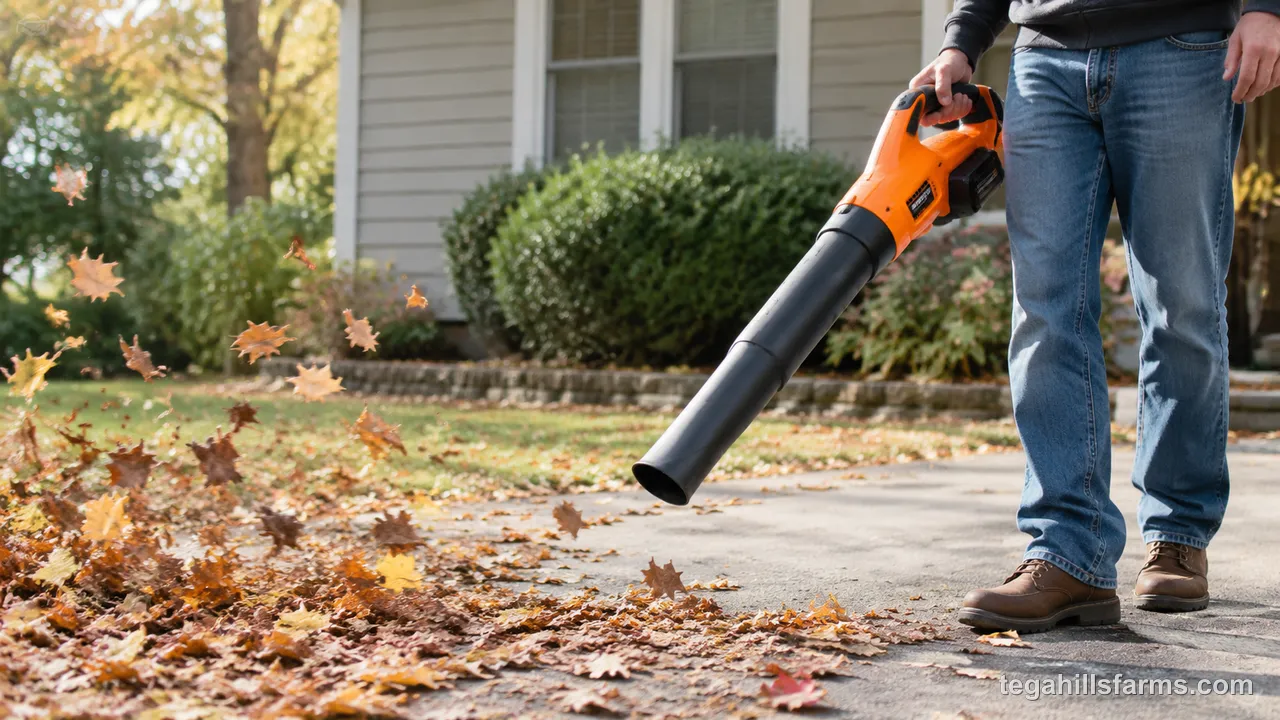
Airflow Power: CFM and MPH
Airflow is the biggest price driver. Blowers rated 0 to 100 CFM average about $70 to $160, while those at 301 to 400 CFM average about $90 to $280.
Higher output costs more. Blowers at 601 to 700 CFM average about $170 to $340, and at 701 to 800 CFM about $180 to $770.
Air speed follows the same pattern. Models at 51 to 100 MPH average about $80 to $160, and those at 201 to 250 MPH about $235 to $650.
These numbers show what extra power costs, not what you need. A small yard rarely uses peak figures, so buy for the leaves you actually clear.
Brand and Battery Platform
Brand and battery platform shape price in a qualitative way. Names such as Stihl, EGO, DeWalt, Ryobi, Husqvarna and Makita each sit at different points, and the premium brands usually charge more for build and support.
For cordless blowers, the battery platform often matters more than the badge. If you already own batteries from one brand, a bare tool in that family can save real money.
Sharing a battery across your trimmer, saw and blower also means fewer chargers and less clutter. That convenience is worth paying for when you will use the whole set.
If you own nothing yet, a lower-cost platform is fine for a small yard. Pay more for a brand only when you want its tool range or service network.
Extra Features, Weight and Noise
Extra features add to the price. Blowers with a vacuum kit average about $155, and those with mulching average about $170.
Variable speed, a padded harness, lighter weight and quieter operation also raise the cost. Some of these you will feel every week.
A lighter machine and a comfortable harness reduce fatigue, and a quieter motor keeps neighbors happy. Mulching only pays off if you want to shrink leaves into compost or lawn cover.
Ask what you will use weekly. Features you touch once a season are the easiest place to save.
Where Should You Buy a Leaf Blower for a Fair Price?
Home Depot, Lowe’s, Amazon, Walmart, Harbor Freight and Ace Hardware all sell leaf blowers, but they differ in product range and price tier. Choosing the right one depends on whether you want a wide selection, a budget pick or in-person help.
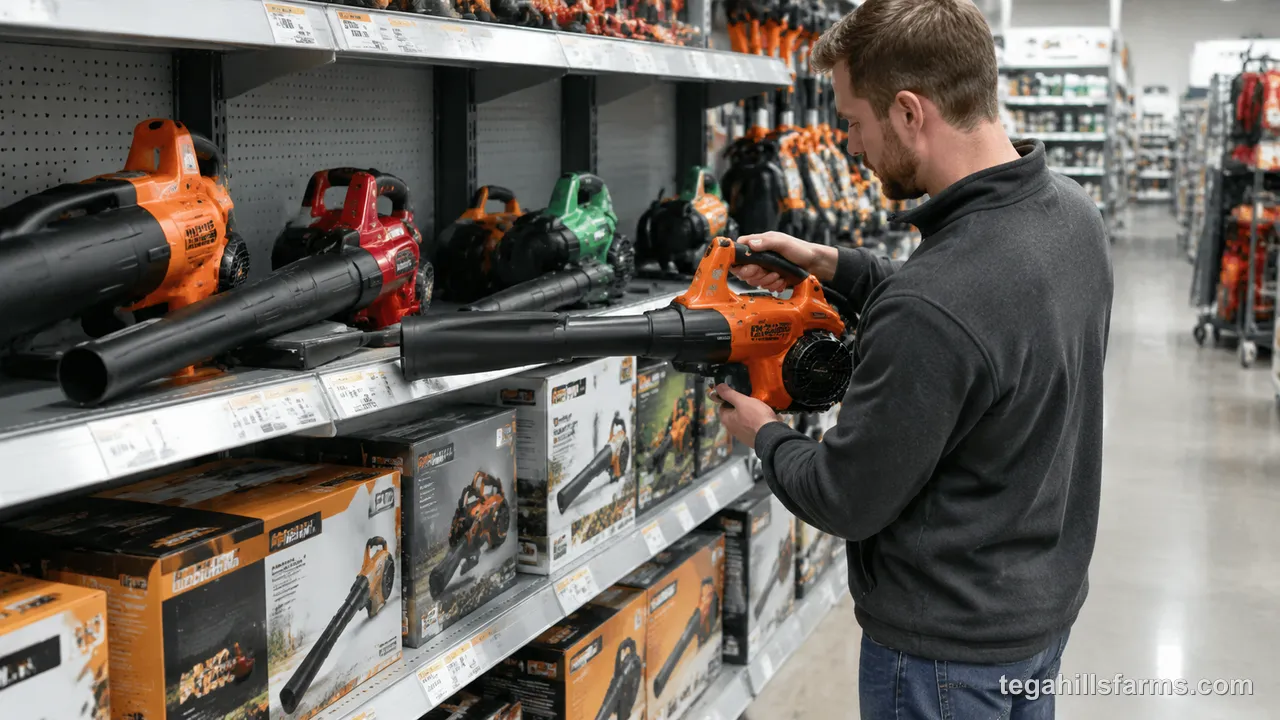
Big home improvement stores tend to carry the broadest mix of gas and battery models across several brands. That helps when you are comparing platforms side by side.
Amazon offers a wide spread of brands, so it works well for comparing options online. Walmart and Harbor Freight lean toward lower-priced cordless choices, which suit a small yard. Ace Hardware is handy for local support and smaller selections.
Compare the same power source and similar airflow across stores before deciding. That keeps the comparison fair, and it keeps you from paying more for the same machine.
Is a Leaf Blower Worth the Money?
Yes, a leaf blower is worth the money for most homeowners with regular leaf fall, because it saves time, reduces strain and costs less than repeated hiring. The case is strongest on yards with mature trees.
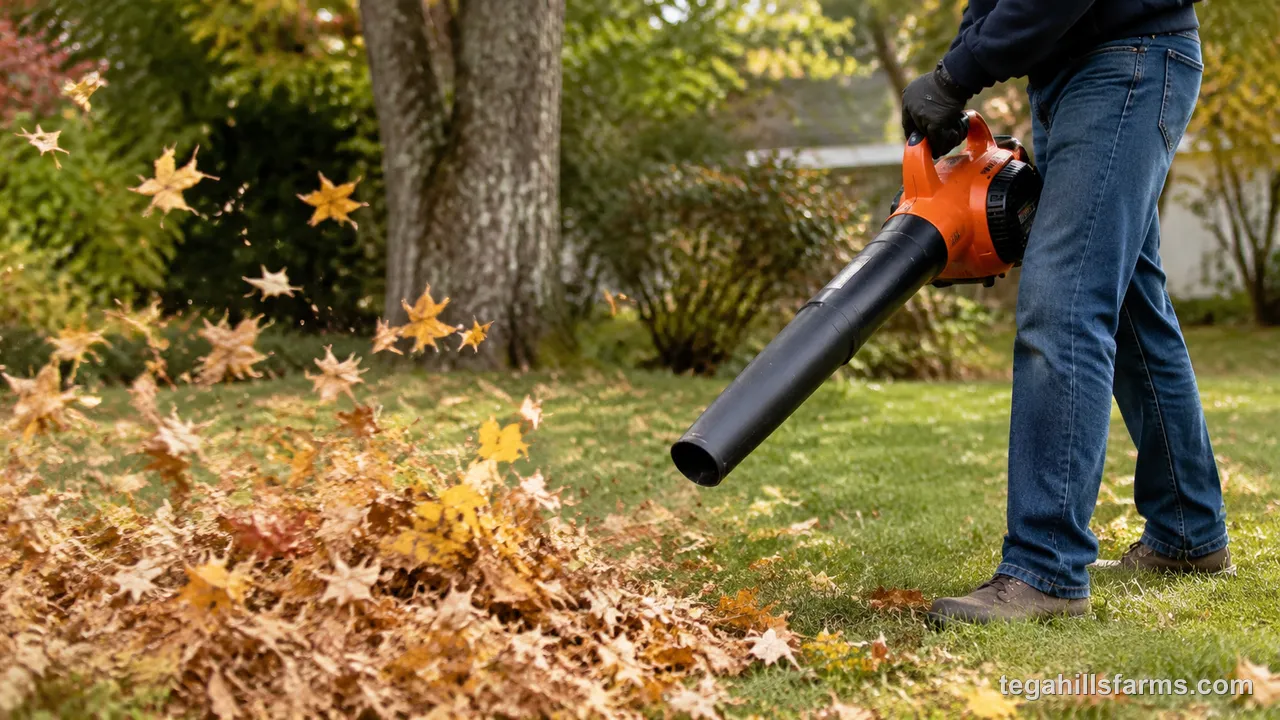
Raking by hand costs nothing upfront but takes time and wears on your back. Professional leaf removal typically runs about $103 to $420 per service, which adds up if you need it every fall.
For a tiny yard with little leaf drop, a rake may be enough. For anything bigger, a blower pays off in time saved.
Lifespan matters when deciding how much to spend. Knowing how long do leaf blowers last helps you decide whether a pricier, sturdier machine will earn its cost over several seasons.
A blower that quits after one season doesn’t save you anything, it just sends you back to the store in October with a pile of wet leaves waiting. Entry-level machines often cut corners on the motor, the housing and the battery cells. What actually fails first, and how do you spot it before the money is spent?
Why Do the Cheapest Leaf Blowers Wear Out Early?
The cheapest leaf blowers wear out early because of thin housings, weak motors and low-grade battery cells. Those corners are cut to hit a low price.
Watch for cracked plastic, a motor that struggles or smells hot, and a battery that holds less charge each season. Loose or brittle parts around the nozzle are another warning sign.
Replace the machine when repair costs approach the cost of a new one, or when the motor or battery is the failed part. A fix that costs nearly as much as a replacement isn’t a fix.
Buying right means paying a bit more for a sturdier build and a battery platform you can reuse. Buying wrong means paying twice. A mid-range machine used for years often costs less than a bargain model replaced every season.
Can Good Upkeep Stretch a Cheaper Leaf Blower’s Life?
Yes, simple upkeep can stretch a cheaper blower’s life, mainly by keeping the intake clear, storing batteries properly and handling fuel correctly. These habits take minutes and protect what you paid.
Clear grass and debris from the air intake so the motor doesn’t overheat. Knowing how to clean a leaf blower the right way keeps airflow strong and prevents strain on the motor.
For cordless models, store batteries indoors over winter at a partial charge, away from extreme cold. For gas models, use fresh fuel and drain it before long storage so the carburetor stays clean.
Using it correctly helps too. Learning how to use a leaf blower with steady passes, rather than forcing it through wet piles, cuts wear on the machine. Good habits are the cheapest upgrade you can buy.
Do Noise Rules Change Which Leaf Blower You Should Buy?
Yes, noise rules can change your choice, because most gas blowers run at least 70 dB while the EPA recommends outdoor noise below 55 dB. That gap is why quieter battery models can be worth the money.
Local rules or neighbors may limit when and how loudly you can run a blower. If your area has limits, a gas machine can become a problem rather than a bargain.
A cordless or corded electric blower runs much quieter, so you can work earlier or later without complaints. That convenience has real value on a tight suburban street.
If you live on acreage with few neighbors, noise matters less and gas power stays practical. If you live close to others, factor noise into your budget before you commit to a loud engine.
Leaf Blower Cost FAQs
What is the cheapest type of leaf blower?
Corded electric leaf blowers are the cheapest, with simple models starting around $20 and typical prices running about $80 to $180. They suit small yards near an outlet. The main limit is cord length, so check that it reaches your whole work area.
Do cordless leaf blowers come with a battery and charger?
It depends on the listing. Some are sold as kits with a battery and charger, while bare-tool versions come without either. Check what is included before buying, and confirm the battery matches your platform if you already own tools from the same brand.
Why are gas leaf blowers usually more expensive?
Gas blowers typically cost about $250 to $425 because you are paying for the engine and the output it delivers. Backpack frames and higher power push prices up further. You also take on fuel and upkeep, so factor in the work as well as the price.
Is a backpack leaf blower worth the extra money?
It is worth it when you blow leaves for long stretches or have a larger yard. Backpack models cost about $260 to $1,070 and carry the weight on your hips and shoulders. For short jobs on small lots, a handheld is usually enough.
What should I check before buying a discounted cordless blower?
Check the battery voltage, whether a battery and charger are included, and whether the platform works with other tools you own. A lower price helps only if the machine fits your yard and your batteries. Match the airflow to your lot before the deal.

Write Your Review
No reviews yet. Be the first to share your experience!