

Yes, an expensive hedge trimmer is worth it for long, dense or frequently trimmed hedges. For a few small shrubs trimmed now and then, it rarely is.
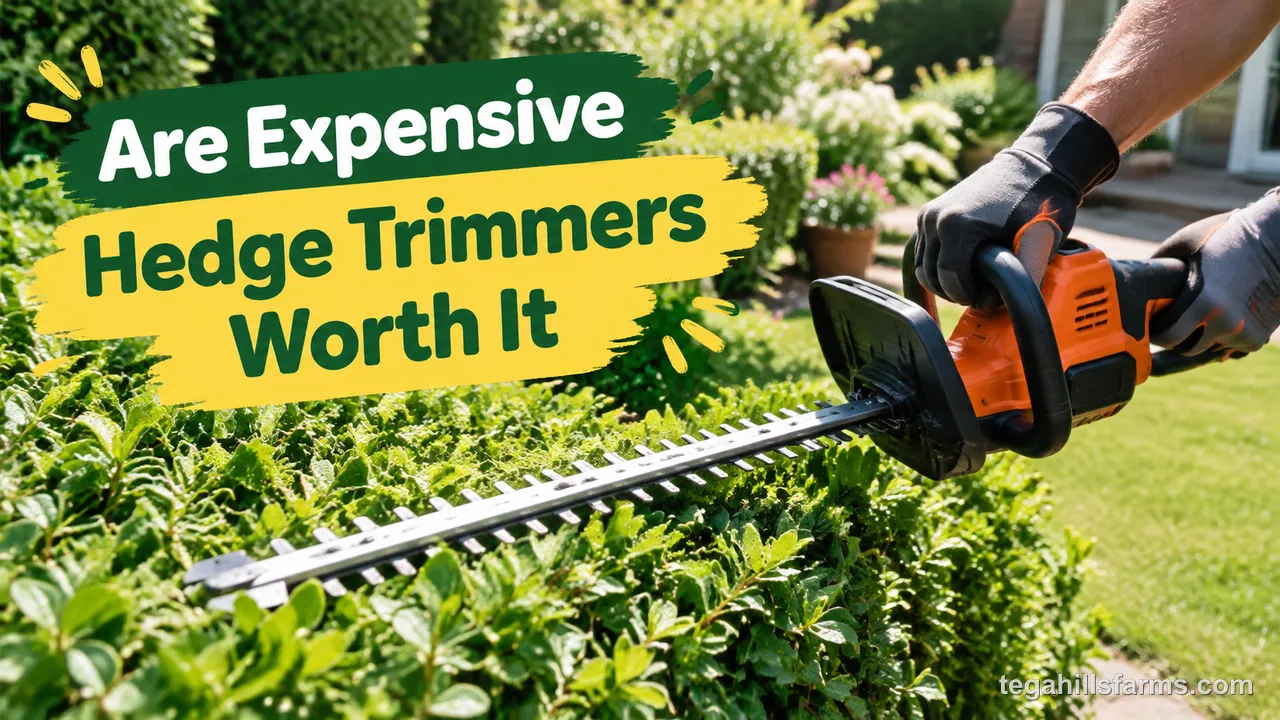
What decides it is how big the hedge is, what it’s made of, how often you cut it and which power source you run. A long privet hedge cut every month is a different job from three boxwoods shaped each spring.
The real worry is paying for capacity you never use, or buying cheap and replacing the trimmer after a couple of seasons. Both mistakes are common, and both are easy to avoid once you know what the extra money buys.
Before you look at any spec sheet, measure your longest hedge and find the thickest stem you expect to cut.
Are Expensive Hedge Trimmers Worth It for a Typical Home Yard?
Yes, but only for some yards: an expensive hedge trimmer pays off on long, dense or frequently cut hedges, where it brings less fatigue, longer run time and fewer replacements.
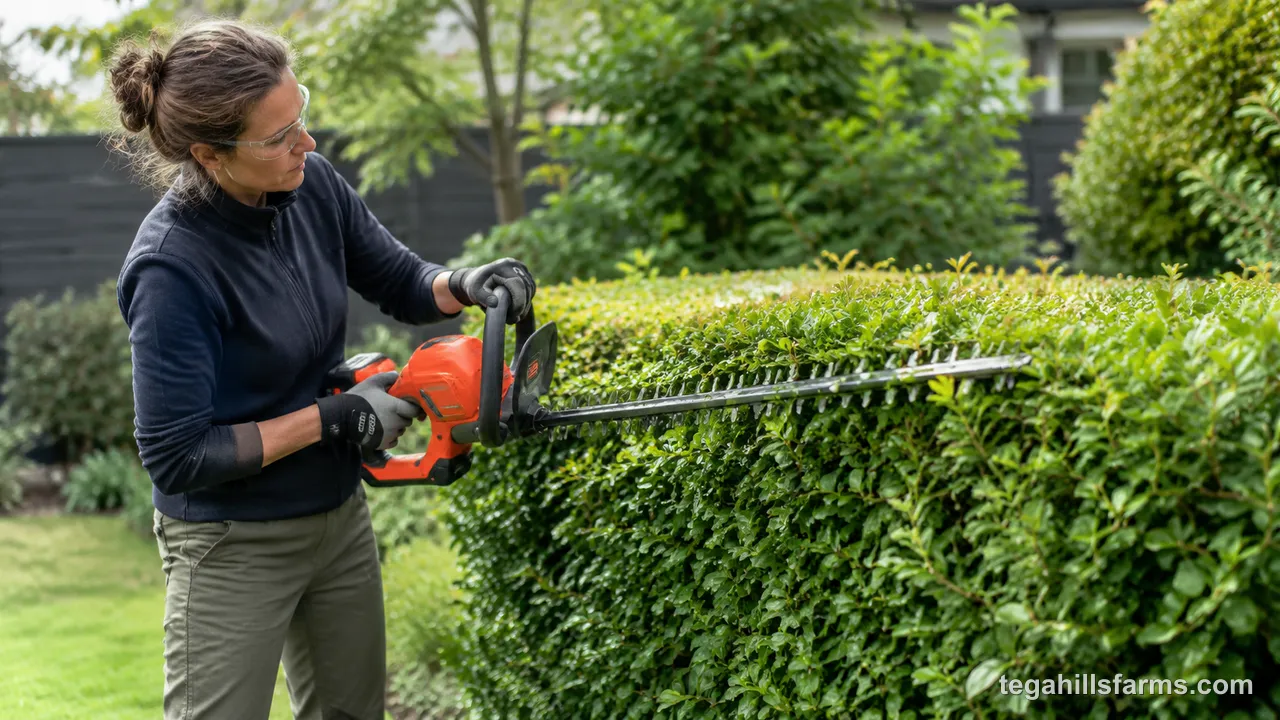
On a few short shrubs trimmed twice a year, most of that extra capability sits idle. Four factors settle it: hedge size, hedge type, cutting frequency and power source.
Higher-end models earn their place through better blades, stronger motors and batteries, and steadier handling. If you are still weighing size, power and features, start with our guide on how to choose a hedge trimmer.
What Do You Get When You Spend More on a Hedge Trimmer?
A higher price mostly buys four things: better blade design, a stronger motor and battery, easier handling comfort and sturdier build and warranty support. Each one shows up as a cleaner cut, a longer session or fewer repairs, and that is what you are really paying for.
Does a Better Blade Make a Cleaner Cut?
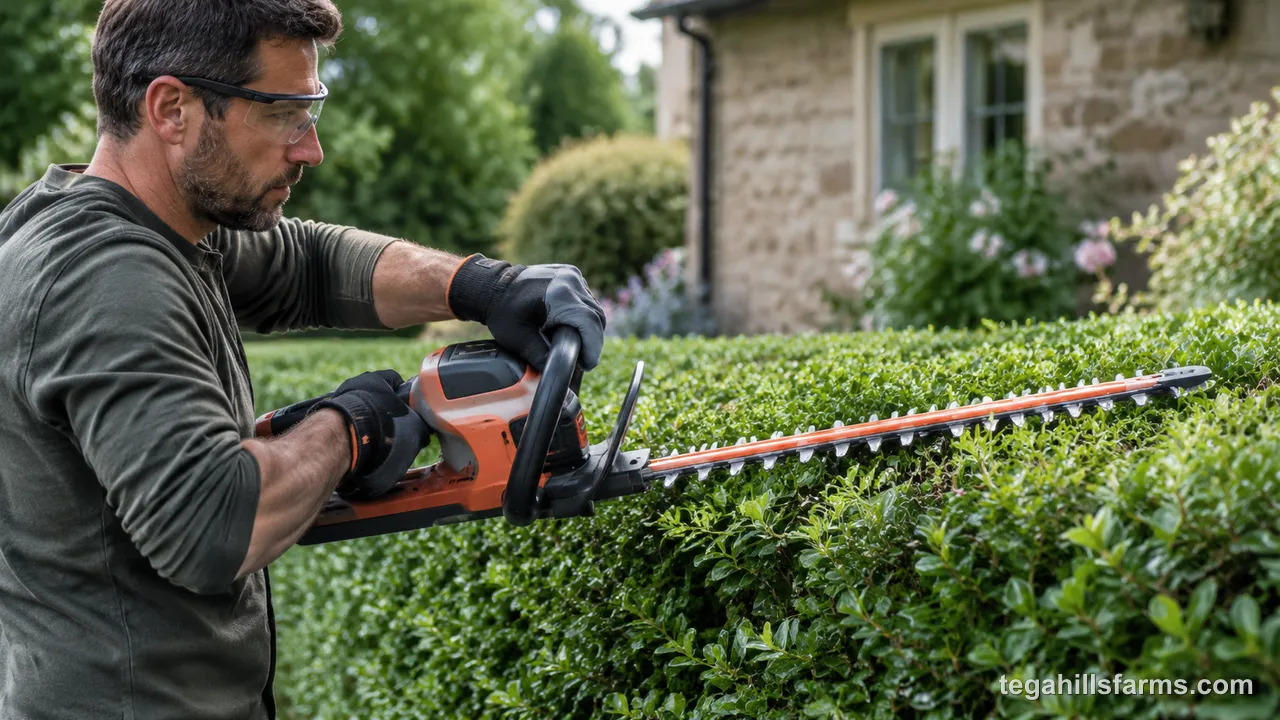
Laser-cut, high-carbon steel blades hold a cleaner edge longer than stamped steel, and diamond-ground edges refine that further.
Blade action matters too. Single-action blades move one blade against a fixed one and vibrate more. Double-action blades move both, which cuts smoother with less shake.
Tooth spacing runs from about 1/2 to 1-1/2 inches. Tight spacing leaves a finer finish on soft growth, and wide gaps swallow woodier stems. A common guideline puts ideal cutting thickness at 1/2 to 3/4 inch, but the real limit depends on blade type and plant. A double-action blade with wide teeth copes with woody privet far better than a stamped single-action blade on the same stem.
Plan to sharpen once a season. Dull teeth tear leaves and leave brown edges. Blade type is the first item on any list of what to look for in a hedge trimmer.
Why Do Motor Power and Battery Quality Raise the Price?
The motor decides whether the blade keeps its speed in thick growth, and the battery decides how long you can cut. Those two parts drive most of the price on battery and gas models.
Run time varies a lot. Some batteries last up to two hours on a full charge, but 30 to 45 minutes of continuous cutting is typical for most. That covers roughly 40 to 80 square meters of hedge per charge (about 430 to 860 square feet).
A larger battery means finishing a long hedge in one go instead of stopping to recharge. A weak motor bogs down under load and drains the battery faster. A faster charger or a spare battery shortens the wait between passes.
Do Weight, Vibration and Noise Improve With a Higher Price?
Higher-end trimmers tend to win on balance and vibration control, while weight depends more on blade length and battery type than on price.
Battery models in one common range weigh around eight to nine pounds, and a longer bar or bigger battery pushes that up. Weight matters most overhead, where arms tire quickly.
Vibration is where better handles and double-action blades help most. Less buzz means less numbness in long sessions. Noise follows the power source: the loudest machines reach about 103 decibels, and gas units are generally the louder type. Balance makes repeated overhead cuts easier to keep up.
What Do Build Quality and Warranty Add?
Better construction shows up in four places: housing and gearbox, handle design, warranty coverage and service support.
Sturdier housings and gearboxes tolerate the shock of hitting a hidden wire or a stiff stem. Rotating rear handles make angled cuts less awkward.
Warranty terms vary by model, and battery coverage often differs from coverage on the body, so read both. Nearby dealer support means a repair is possible instead of a replacement. For anyone who keeps a trimmer for many seasons, those details decide whether it ages well.
Which Hedge Jobs Justify a Higher-End Trimmer?
A premium trimmer is overkill for small, tidy hedges, starts paying off on long or dense hedges, and matters most on overgrown hedges with thick branches, where even a good trimmer may need help from another tool. Hedge size, plant type and cutting frequency place your yard in one of these groups.
Is a Premium Trimmer Overkill for Small, Tidy Hedges?
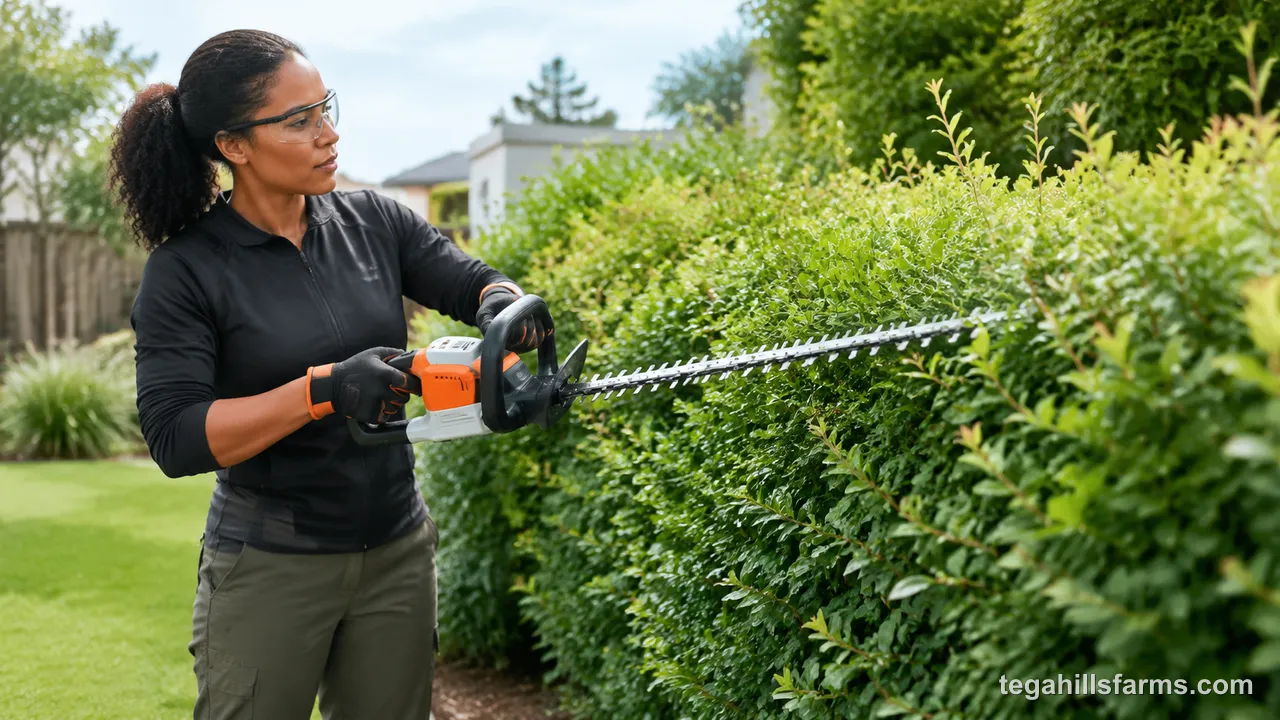
Yes, a premium trimmer is overkill for short, regularly trimmed hedges with soft new growth, because a mid-range or entry-level model already cuts them cleanly.
At this level, light weight and easy storage deserve more attention than raw power. A trimmer you can grab and put away in a minute gets used on schedule.
The extras go unused here: big-capacity batteries, heavy-duty motors and tough gearboxes built for hours of cutting. Spend the difference on a spare battery for a platform you already own, or on a good pair of shears.
When Do Long or Dense Hedges Justify Spending More?
On long or dense hedges, a higher-end trimmer pulls ahead on run time, blade durability and less fatigue.
Short sessions hide the differences. Long ones expose them: a budget battery dies mid-hedge, a dull blade starts tearing, and your arms tire sooner. As sessions get longer and more frequent, the better parts start paying for themselves.
Blade length should follow the hedge, not the price tag. Most gardens suit roughly 18 to 24 inches (45 to 60 cm), and the full range runs from five to 26 inches. A 26-inch cutting bar, like the one on the Greenworks 2212002, covers more ground per pass on wide, flat-topped hedges. On a small hedge it is just harder to control.
What Should You Buy for Overgrown Hedges and Thick Branches?
Three tools cover woody growth: a trimmer with wide tooth spacing and a strong motor for stems within its limit, loppers or pruners for thicker stems, and a pruning saw for the heaviest branches.
Forcing a cheap blade through a branch it wasn’t built for bends teeth, stalls the motor and can kick the trimmer back at you. A better blade and motor widen the margin, but they don’t remove the limit.
Technique matters as much as the machine, and how to use a hedge trimmer on woody growth starts with light passes and letting the blade do the work. Basic hedge trimmer safety tips, such as keeping both hands on the handles and checking for hidden wire, matter most here. Cut the thick branches out with loppers first, then trim.
Which Power Source Gets the Most From a Higher-End Trimmer?
Spending more pays off most on battery models, least on corded electric ones, and on gas only for heavy, frequent work.
Is a Premium Cordless Trimmer Worth It if You Share Batteries?
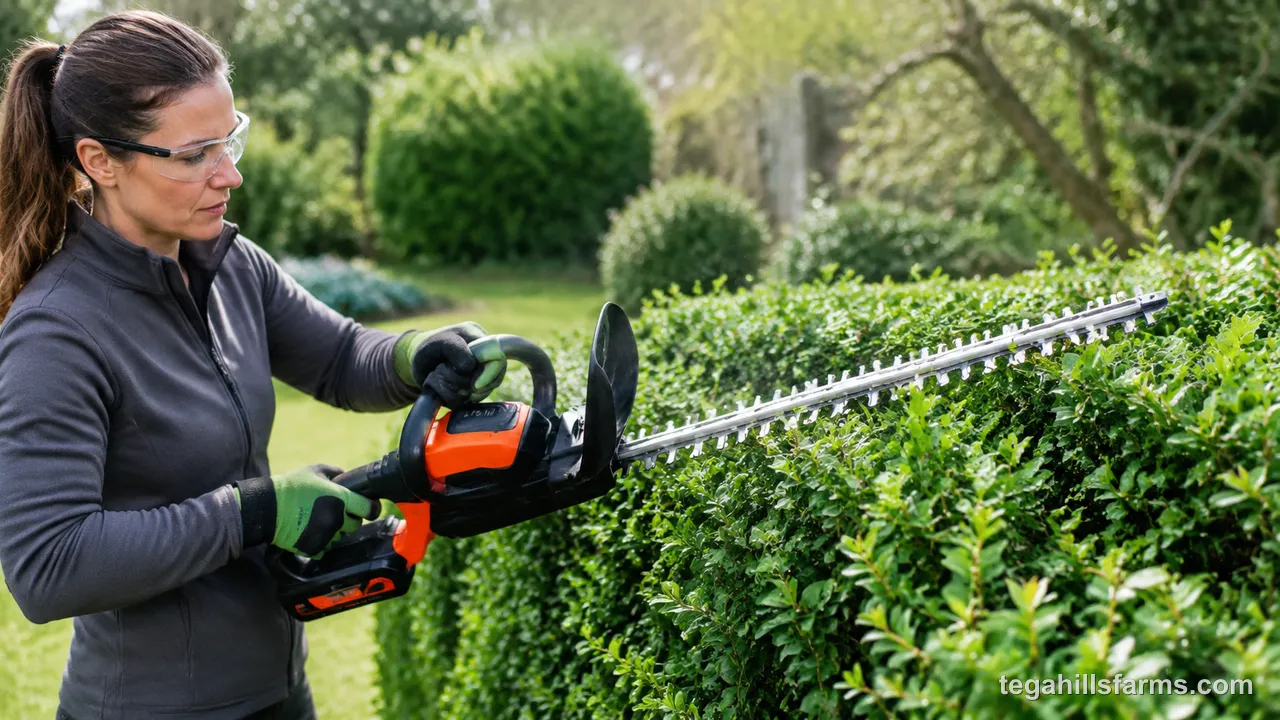
Often yes: battery trimmers run roughly $150 to $400, and a premium one pays off when you already own batteries from the same platform and cut large hedges often.
Platforms such as EGO, Ryobi ONE+ and Greenworks share batteries across mowers, trimmers and blowers. Some brands also join cross-brand battery alliances. A shared battery cuts the real cost of a better motor, because the most expensive part is already in your garage.
A cheaper cordless model is enough for a small hedge cut a few times a year. A stronger motor and bigger battery matter once the hedge is long or you cut it often, and the run time decides whether you finish in one session.
Does a Corded Trimmer Need to Be Expensive?
No. Corded electric trimmers, roughly $30 to $200, give the least extra benefit from spending more.
A better corded model still helps with cutting quality, comfort and cable handling, such as a cord retainer that keeps the plug from pulling loose. But there is no battery to upgrade, and the motor is rarely the limit on a normal hedge.
The real limits are cord reach and outlet access. If the hedge sits far from the house, an extension cord adds hassle that no premium model fixes.
Is Paying More for a Gas Trimmer Worth It?
Only for heavy, remote or frequent cutting. Gas trimmers run roughly $150 to $600, and the higher end suits long sessions far from an outlet.
The trade-offs stay the same at any price: noise, vibration, fuel mixing and upkeep. Professional-oriented lines from brands such as STIHL and Husqvarna are built for this kind of work. I’d still weigh the maintenance honestly before choosing gas for a single hedge near the house, where battery is usually enough.
Do Expensive Hedge Trimmers Last Longer?
Higher-end trimmers generally hold up longer, and the gap shows up in professional versus home use and in replacement parts and repairs. Blades wear first, then batteries, then motors and gearboxes. Owners often ask how long do hedge trimmers last, and the answer depends on type, use and care.
Does Higher-End Durability Only Matter for Professional Use?
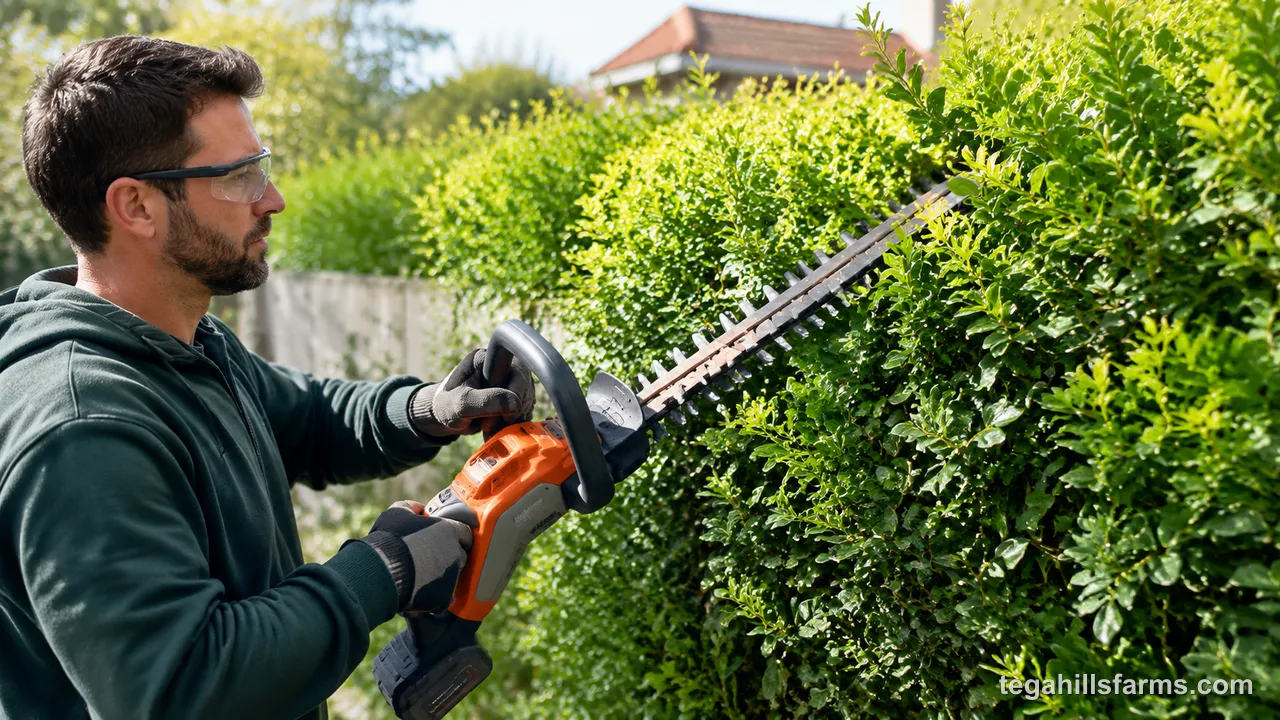
No. Professionals lean on higher-end gas and battery lines because they cut for hours, but a homeowner with a large or frequently trimmed hedge benefits from the same durability.
Brands such as STIHL and Husqvarna are the names most often associated with professional use. Check the specific model rather than relying on the badge.
For occasional home use, durable parts rarely wear out before the trimmer ages out. For a long hedge cut every few weeks, blades, gearbox and battery take real punishment, and sturdier parts stay useful for more seasons.
How Do Replacement Parts and Repairs Compare?
Higher-end models tend to win on replaceable blades, batteries and service access, while budget models often come with thinner parts and service support.
Being able to buy a new blade or battery years later keeps a good trimmer in use. So does a dealer nearby who can fix the gearbox or switch.
A repair option changes the math on an older trimmer. If parts and service exist, a worn blade or tired battery is a cheap fix. If they don’t, the same problem usually means replacing the whole machine.
Do You Need a Hedge Trimmer at All, or Will Hand Shears Do?
Hand shears do the job for a few small shrubs with light growth: they need no fuel or charging, give precise shaping and store in a drawer.
Effort is the catch. Shears get tiring fast on a long hedge, and the cut gets uneven as your arms fade. Once the hedge is long or you trim it often, any powered trimmer is the better choice.
A string trimmer or chainsaw is not a stand-in. Neither cuts a flat, even hedge face, and a chainsaw is risky for fine shaping.
How Do You Decide When to Spend More on a Hedge Trimmer?
Spend more when hedges are long, dense or cut often, stay mid-range when hedges are moderate and trimmed seasonally, and keep an entry-level model for a few small shrubs.
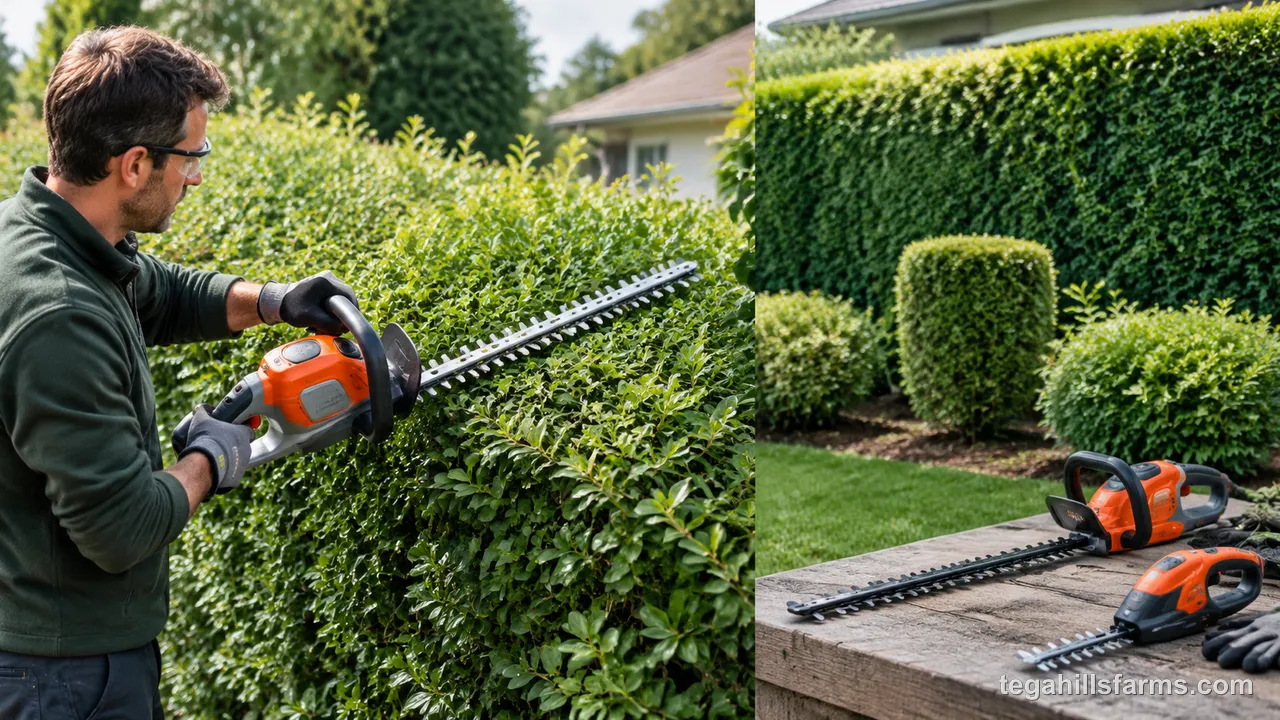
- Spend more: long runs, dense or woody growth, frequent cutting, or batteries you already own on a strong platform.
- Mid-range: a moderate hedge cut a few times a year, where run time and blade length cover the job in one session.
- Entry-level: short, soft hedges and occasional use, where weight and storage matter more than power.
For price ranges by type, the guide on how much does a hedge trimmer cost does the sorting.
A premium trimmer bought for three small hedges spends most of the year on a shelf, its bigger battery and tougher gearbox never pushed. The same money could have covered a second battery or a good pair of shears. The opposite mistake shows up later: a bargain trimmer bought for a long, woody hedge can wear out in a season and need replacing.
Which Hedge Trimmer Purchases Waste Money?
Money gets wasted two ways: buying premium capacity for light work, and buying a bargain trimmer for heavy use that needs early replacement.
You can spot overspending before checkout. If your hedges are short and soft and you cut them a few times a year, a bigger battery and tougher gearbox are capacity you won’t use. Ask whether a mid-range model’s blade length and run time cover your longest hedge in one session. If they do, stop there.
Underspending shows up differently. Woody stems, long runs, batteries that die before you finish and torn leaves are all signs the trimmer is too light for the job.
Before buying, write down your longest hedge, your thickest stem and how often you cut. Two other mistakes are common: choosing a blade length that doesn’t fit the hedge, and starting a new battery platform when you already own one.
How Can You Tell a Hedge Trimmer Is Wearing Out?
Dull or bent blade teeth, shorter battery run time, a weakening motor and harder starting are the main signs a trimmer is wearing out.
Blades show it first: torn leaves, brown edges, and sharpening that no longer restores a clean cut. Battery fade is the next sign, with sessions ending earlier than they used to. A motor that hesitates, overheats or smells hot is nearing the end.
Starting trouble differs by type. When a hedge trimmer won’t start, check fuel, the spark plug or the battery charge before writing it off. On electric models, look at the cord and switch.
A repair is reasonable when the part is available and the body is sound, as with a blade, a battery or a spark plug. Replace the trimmer when the motor or gearbox is failing, parts are hard to find, or the fix is approaching the cost of a new unit. A better trimmer shows its value in how slowly it reaches that point.
Is a Bare Tool or a Kit the Better Buy?
A bare tool makes sense if you already own same-brand batteries and a charger, while a kit suits first-time buyers. Battery trimmers run roughly $150 to $400.
Inside a battery platform, the bare tool lets you spend on the motor and blade instead of paying again for a battery you may not need. A second battery can be useful, but a duplicate charger is dead weight.
First-time buyers need a battery and charger anyway, so a kit avoids mismatched parts. Check the battery size and charger speed in the box, because those set your run time and wait time.
Street price can differ from the recommended retail price, so the cheaper listing isn’t always the better value. Compare what’s included, not just the headline number.
Expensive Hedge Trimmers: Frequently Asked Questions
Why does hedge trimming equipment cost what it does?
Price follows the parts you can’t see: blade steel, motor, battery capacity and gearbox build. Battery and gas models carry a power source that corded ones don’t, and professional lines add durability and service support. Each part matters most on long, dense or frequent jobs.
Which hedge trimmers do professionals use?
Professionals commonly choose higher-end gas and battery lines from brands such as STIHL and Husqvarna, built for hours of daily cutting. Homeowners rarely need that duty cycle, though a large hedge cut often can justify similar durability. Check the specific model rather than the badge.
Which hedge trimmers cut thick branches?
Models with double-action blades, wide tooth spacing and a strong motor handle woody stems best, but every trimmer has a limit. Past that limit, loppers or a pruning saw are the safer tool, and they spare the blade from bending or chipping.
Is a premium hedge trimmer quieter or lighter?
Not automatically. Weight follows blade length and battery size, and noise follows the power source, with battery models quieter than gas. Premium models more often improve balance and vibration, which makes a long session feel easier even when the weight is similar.
Do higher-end trimmers still need blade sharpening?
Yes, on a regular schedule whatever the price. Better steel holds its edge longer, but dull teeth still tear leaves and strain the motor. Clean and oil the blades after each use so they keep cutting cleanly between sharpenings.

Write Your Review
No reviews yet. Be the first to share your experience!