

A hedge trimmer that gets cleaned, stored properly and used within its limits lasts many seasons, and its power type sets the pace. On a cordless model the battery pack usually wears out before the body does. Corded and gas models depend on wear parts and fuel handling instead.
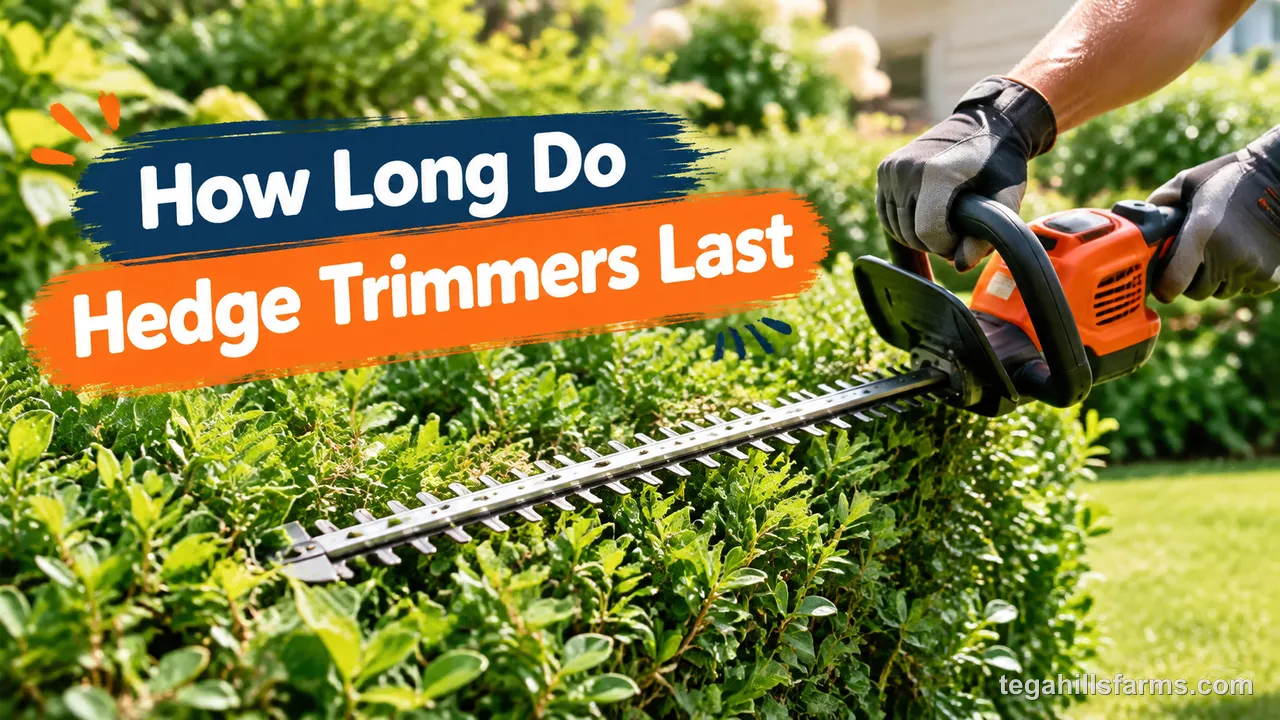
Three things decide how long yours will run: how it’s powered, how well it’s built and how it’s looked after. Most owners can influence the last one.
The worry behind most of these questions is a trimmer that quits mid-season, with a battery that won’t hold a charge or an engine that sulks after winter. These failures are rarely sudden. They usually announce themselves weeks earlier.
If your trimmer has a few seasons behind it, wipe down the blades and check the battery’s charge level before the first cut of spring. That five-minute check catches most problems while they’re still easy to fix.
How Long Do Hedge Trimmers Last on Average?
A well-kept hedge trimmer typically lasts several seasons of regular use, though the exact number shifts with how it’s powered, built and maintained.
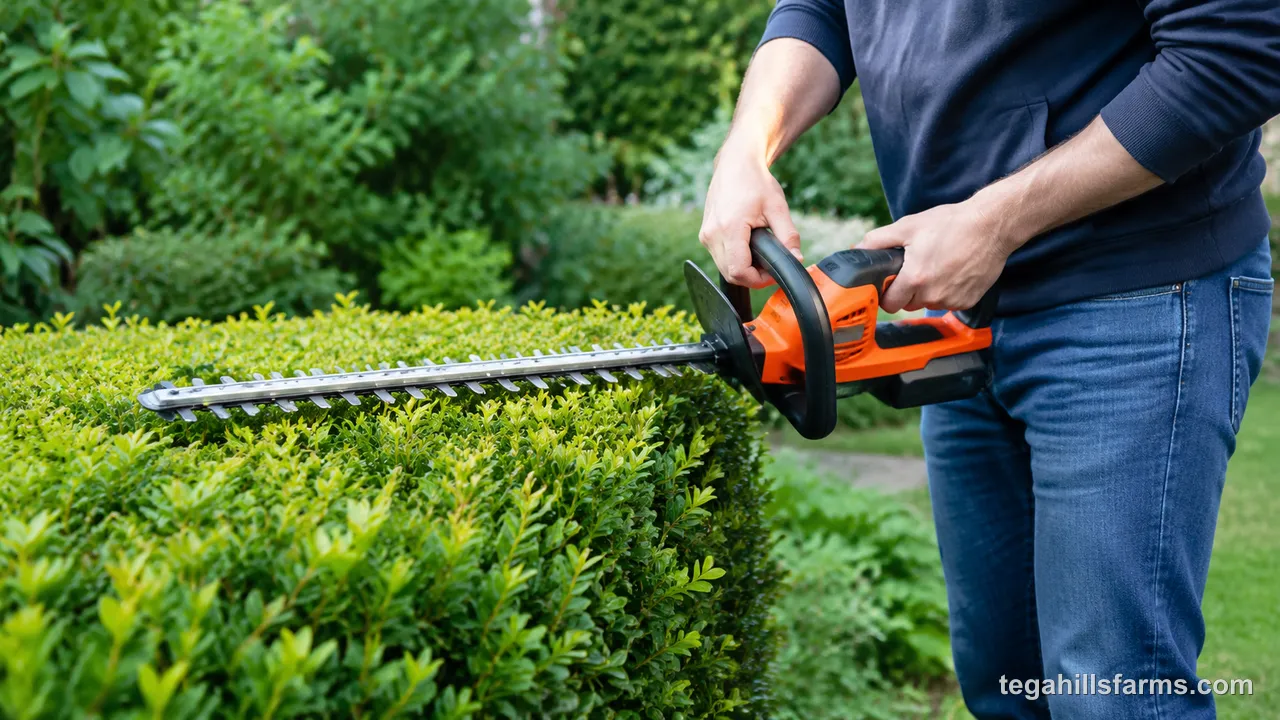
No single figure fits every machine. A trimmer that sees a handful of hours each season ages very differently from one that works every weekend, which is why service schedules are counted in operating hours. Owner reports are the best guide to real-world years, and they point to a range rather than a promise.
Power type matters first, since a battery fades on its own clock while a gas engine cares about fuel. Build quality comes next, then upkeep. The machine you buy sets the ceiling, which is why knowing how to choose a hedge trimmer matters before you commit to one.
Which Power Type Lasts Longest: Battery, Corded, or Gas?
No power type wins outright: cordless trimmers are limited by the battery pack, corded electric trimmers have no battery to fade, and gas trimmers last as long as fuel and ignition care allow.
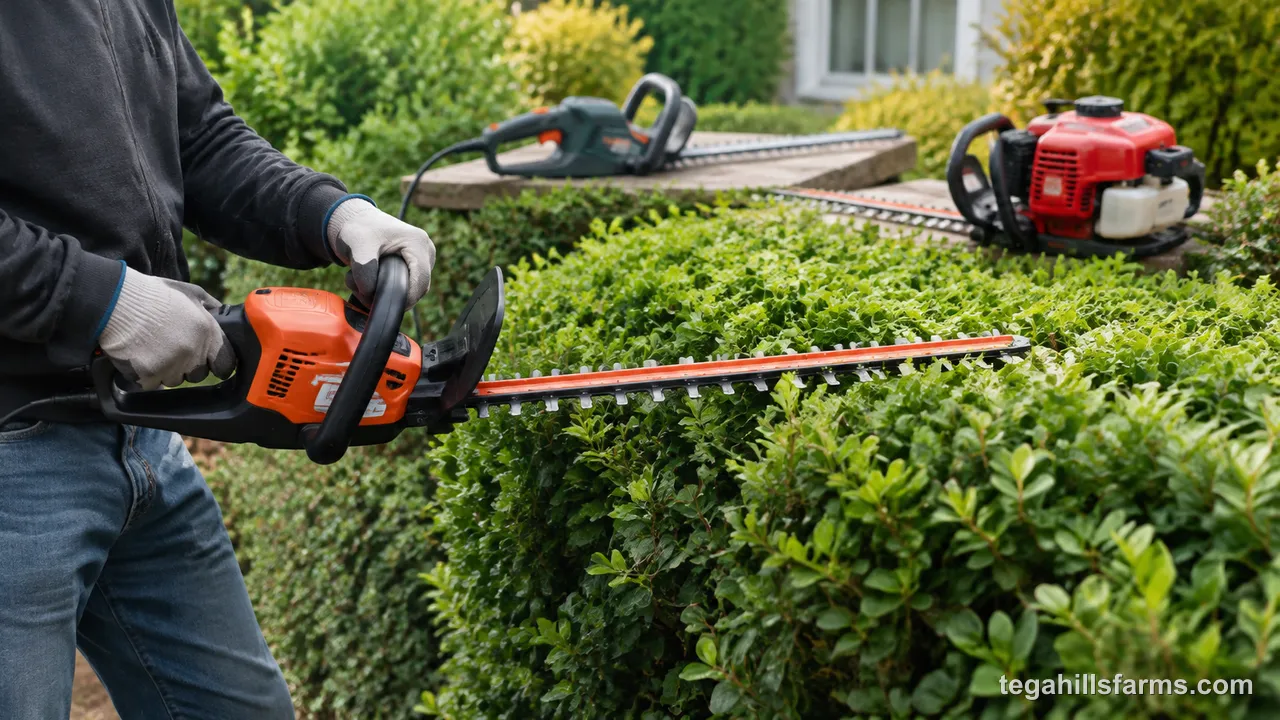
Which one lasts longest for you depends on how much you trim and how much upkeep you’ll put up with.
How Long Does a Cordless Hedge Trimmer Last?
STIHL owners report 3 to 4 years from a cordless trimmer used for roughly two months a year, and the battery is usually the first part to give out.
The motor and cutting head don’t age much from sitting. Battery chemistry does. That’s why a cordless body can outlast its first pack, and why a tired battery shouldn’t automatically retire a sound trimmer when replacement packs are sold separately.
Heavier seasons shorten that range and lighter ones stretch it. Cutting thick growth often works the pack and motor harder, so someone with a long hedge sees the fade sooner than someone shaping a small front hedge. I’d treat it as a fair expectation for casual use rather than a hard limit.
How Long Does a Corded Electric Hedge Trimmer Last?
A corded electric hedge trimmer has no battery to degrade, so its life is decided by wear parts such as carbon brushes and the gear unit.
That makes it the simplest type to keep going. Brushes wear down with use, and the gear unit and connecting rod carry the mechanical load of every cut. A dealer checks both on a set operating-hour schedule, and both can be serviced without replacing the machine.
The cord is the other weak point. Nicks and kinks from dragging it through gravel or catching it in the blades are a common reason these trimmers retire early. Keep the cord behind you and clear of the cutting path.
How Long Does a Gasoline Hedge Trimmer Last?
A gas-powered, or gasoline, hedge trimmer can run for years on fresh fuel, a clean spark plug and a drained tank before long storage.
Fuel handling does most of the damage when it goes wrong. Old fuel left through a long idle spell gums up the carburetor, and a fouled spark plug turns every pull of the cord into a chore. Both are cheap to prevent.
If your model uses mixed fuel, mix it at the ratio in the manual and use it fresh. Run the trimmer regularly in season, since engines do better being used than parked. Vibration also loosens fasteners over the years, so a quick check of the bolts and air filter is worth the minute.
How Long Does a Cordless Hedge Trimmer Battery Last?
A cordless trimmer battery is judged two ways: one charge lasts tens of minutes of cutting, and the pack itself stays useful for years.
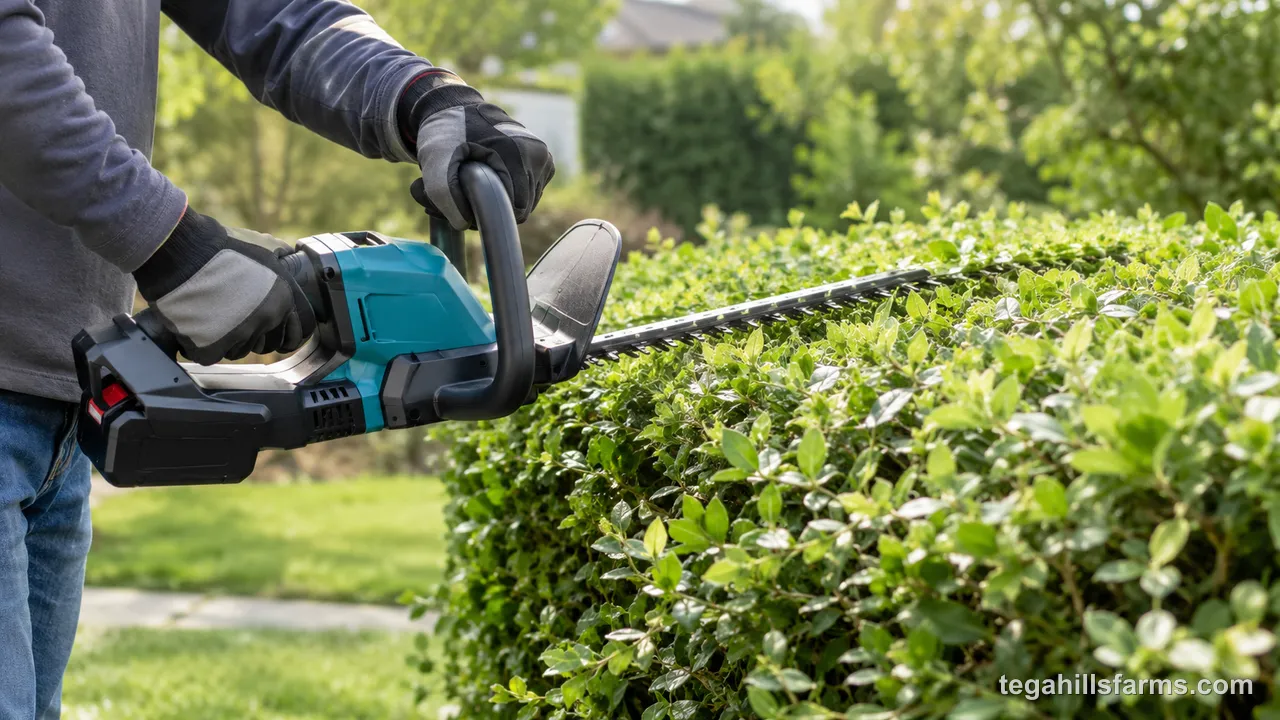
Runtime shapes your session, while pack age decides when you buy a replacement.
How Long Does One Charge Last?
A 2.0Ah pack gives about 30 to 40 minutes of continuous cutting, while a 4.0Ah pack can stretch to 60 to 80 minutes.
Three things move those numbers. Cutting load matters most, because dense, woody growth drains a pack faster than light shaping. Battery capacity sets the baseline, and tool size affects how hard the motor works per pass.
In practice, a small formal hedge fits comfortably on one charge. A long row of privet along a property line may call for a second battery or a mid-job break. Capacity is one spec among several, so it pays to know what to look for in a hedge trimmer before you pick a pack size.
How Many Years Does the Battery Pack Last?
A lithium-ion pack stays useful for many years, and owners with early STIHL packs from 2008 report 10 to 12 years of service.
Those owners rarely track charge cycles, so treat that as proof of what’s possible rather than a promise. Capacity fades slowly from heat, deep discharges and long stretches sitting fully charged. What you’ll notice first is shorter runtime and a trimmer that bogs down sooner.
Storage habits help most. Keep the pack off the machine and store it at 40 to 60% charge in a cool, dry spot. Don’t leave it in a hot truck or a freezing shed between sessions.
How Does Maintenance Affect Hedge Trimmer Lifespan?
Maintenance extends a trimmer’s life mainly through clean, sharp blades, a greased gear unit with fresh wear parts, and sound off-season storage.
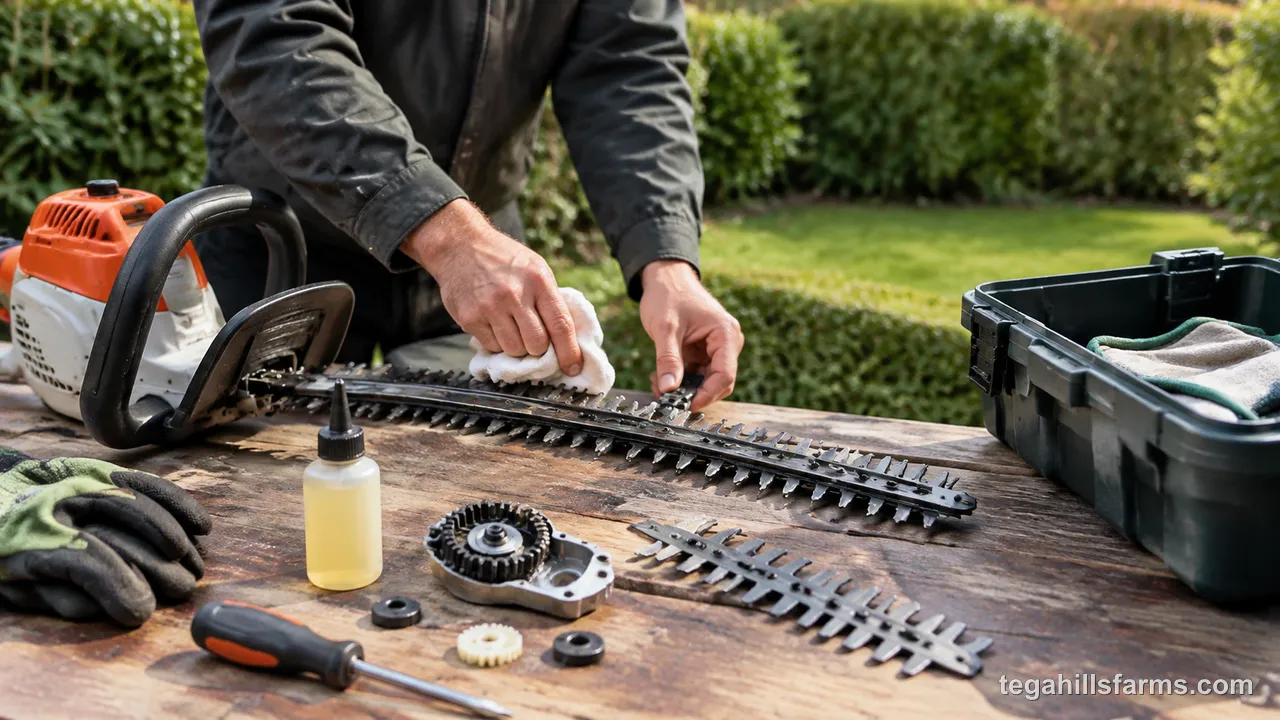
Cordless models need the least attention, and gas models need the most. Corded trimmers sit in between, with brushes and the gear unit as the parts to watch.
Cleaning, Oiling and Sharpening the Blades
Sap and debris on the blades make the motor work harder, so wiping, oiling and sharpening them protects both the cutting edge and the machine.
Wipe the blades after each session and add a light coat of oil. Sharpen when the cut turns ragged or stems start tearing instead of slicing. A dull blade drags, and that drag lands on the motor and gear unit.
For cordless trimmers, a full maintenance session is due every six months with occasional use and every three months with frequent or professional use. Always remove the battery or unplug the cord before cleaning, which is also the first of the hedge trimmer safety tips worth following every time.
Gear Unit Grease and Wear Parts
The gear unit needs grease at the interval your manual gives, and the spark plug and carbon brushes are small wear parts you can replace before the machine itself gives out.
On gas trimmers, replace the spark plug at 100 operating hours. On electric models, a dealer checks the carbon brushes at 100 operating hours, and the gear unit and connecting rod at 50 operating hours.
These parts are designed to be serviced. A worn brush or plug is a routine fix, not a reason to scrap a trimmer that still cuts well. Use the grease type the manufacturer specifies, since gear units are built around a particular lubricant.
Storing a Trimmer Between Seasons
Store a trimmer clean and dry, with cordless packs partly charged and gas tanks emptied if the machine will sit unused for a long stretch.
For a gas trimmer, empty the tank if it won’t run for three months or more. Fuel left in the tank is what turns a tidy machine into a project in spring. Cordless packs should come off the trimmer and sit at a middle charge, not full and not flat.
Oil the blades and cover them with the blade guard. Skipping these steps is the usual reason a hedge trimmer won’t start after winter.
When Should You Replace a Hedge Trimmer?
A hedge trimmer is ready for replacement when several wear signs appear together, such as weak cutting, hard starting and overheating, and when repair is not practical.
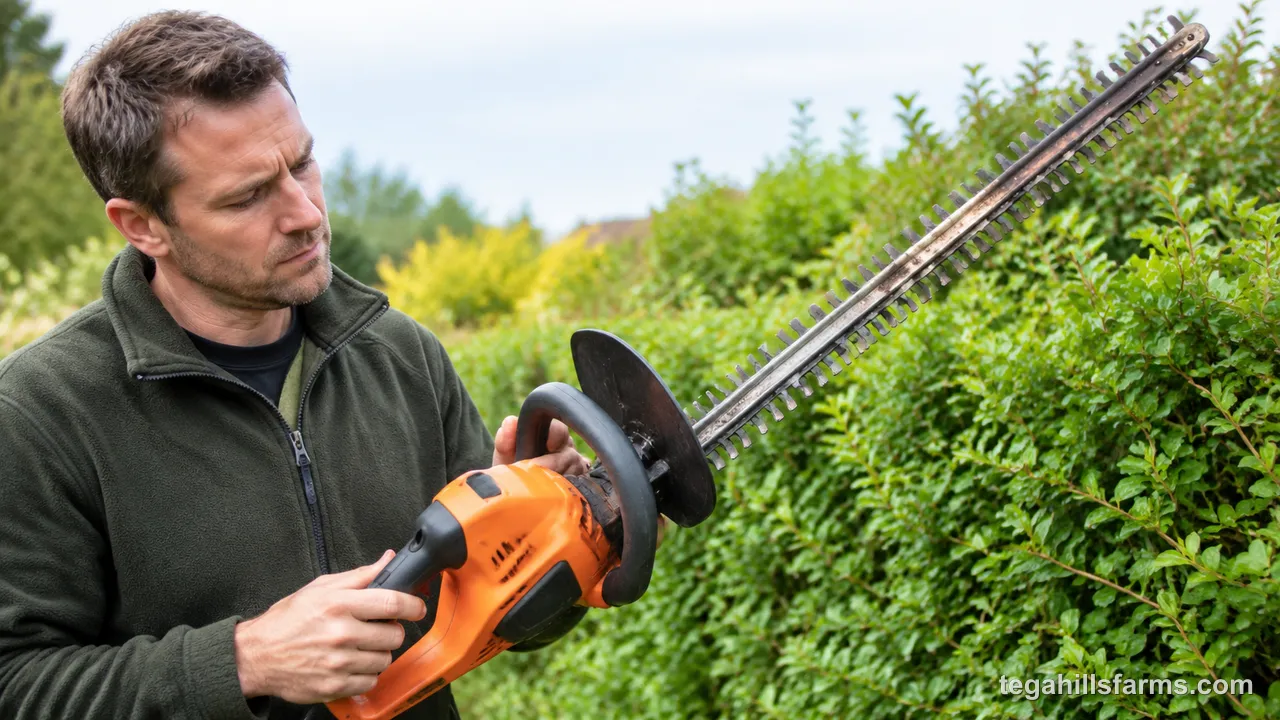
One weak symptom alone usually has a simple upkeep fix. The pattern is what matters.
What Signs Show a Trimmer Is Wearing Out?
Five signs point to real wear: ragged cutting, hard starting, overheating, unusual noise, and a battery that no longer holds a useful charge.
Each one points somewhere different:
- Ragged cutting: dull or damaged blades, which sharpening often fixes. If it persists on sharp blades, the gear unit may be worn.
- Hard starting: stale fuel or a fouled plug on gas models, which is fixable. A tired battery or worn brushes on electric ones.
- Overheating: clogged vents or dull blades first. A worn motor if cleaning doesn’t help.
- Unusual noise: grinding or rattling usually means the gear unit.
- A fading battery: the pack is finished, but the trimmer may not be.
Is It Better to Repair or Replace?
Repair wins when a single wear part like a blade, plug or brush has failed, and replacement wins when the gear unit, motor or engine is worn.
Three things tip the decision: which part failed, how well the machine is built, and whether parts and packs are still available. A quality trimmer with a serviceable gear unit and a supported battery platform is worth fixing. A budget unit with a worn motor usually isn’t. I lean toward repairing a sound, well-built machine when the fix is one part.
Two questions usually follow: how much does a hedge trimmer cost against your repair quote, and are expensive hedge trimmers worth it when parts and service are easier to find? Weigh the failed part first and the price second.
Two neighbors can buy the same trimmer, and one is still cutting cleanly years later while the other is shopping for a replacement. The gap often starts the first time someone shoves a woody branch into blades built for new growth. If you’ve ever heard a motor groan on a stem, that sound is the motor and gears taking the strain, and there’s no warning light to show how much damage it’s doing.
Does the Way You Use a Trimmer Change How Long It Lasts?
Yes, how hard you push the trimmer often matters more than its age, because habits that respect the blade limit extend its life and habits that force it shorten it.
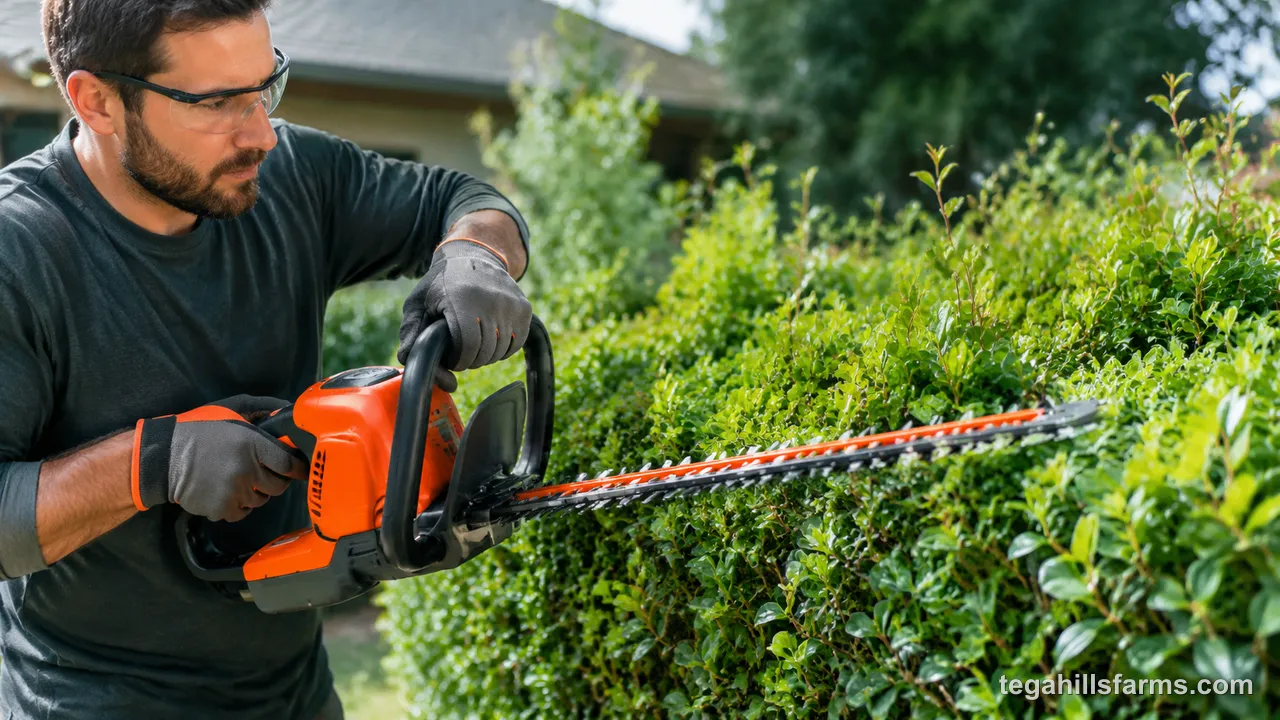
Trimmers that last tend to get steady, unforced passes. They cut only what the blades are meant for, get cleaned after the job, and rest when the motor runs warm. Steady, unforced passes are the core of how to use a hedge trimmer without punishing it.
Trimmers that wear out early get the opposite treatment. Branches thicker than the blades can handle strain the gear unit and motor. Running continuously until the housing is hot bakes the windings. Dropping the machine, or letting it bang against fence posts and stones, knocks blades out of alignment and loosens fasteners.
The fix is mostly restraint. Use loppers or a pruning saw for thick wood, and give the trimmer a short break between long runs.
How Can You Tell a Built-to-Last Trimmer From One That Wears Out Early?
A trimmer built to last shows its quality in parts you can service and replace, not in headline power figures.
Start with the gear unit. A well-built one is designed to be lubricated and checked, which tells you the maker expects the machine to be around for years. Blade material is a second signal, since hardened steel holds an edge longer and needs sharpening less often.
For cordless models, look at the battery platform. A pack that fits other tools from the same brand is more likely to stay available, and a replacement pack beats replacing the whole trimmer. A brand with a nearby service network and clear warranty terms is another good sign, because it means someone can actually repair your machine.
Be cautious of spec-sheet claims you can’t verify. Durability shows up in serviceability, support and construction you can inspect in person.
Hedge Trimmer Lifespan FAQ
How often should you grease a hedge trimmer’s gear unit, and with what?
Use the grease type your manual specifies and follow its interval, since the gear unit is built around that lubricant. Electric models also get a dealer inspection of the gear unit on a set operating-hour schedule. Heavy or professional use means checking sooner than light weekend use does.
Can you replace just the battery on a cordless hedge trimmer?
Usually yes. Most brands sell packs separately, so a faded battery doesn’t have to retire a sound trimmer. Match the voltage and the brand’s battery platform, and consider a larger-capacity pack if runtime was your complaint. If the body is also worn, a new pack won’t fix cutting problems.
Does a dull blade shorten a trimmer’s motor life?
Yes. Dull or gummed blades tear at stems instead of slicing them, so the motor and gear unit work harder for the same cut. That extra strain adds heat and wear over time. Regular cleaning, oiling and sharpening keeps the load down and the cut clean.
How long can a hedge trimmer sit unused?
A prepared trimmer can sit through a full off-season. Clean and oil the blades, store cordless packs partly charged and away from the machine, and empty the fuel tank of a gas model before a long idle spell. Unprepared machines are the ones that fail after months in a shed.





Write Your Review
No reviews yet. Be the first to share your experience!