

A well-maintained leaf blower typically keeps running for many seasons of regular homeowner use. The exact number depends on power type, how hard you work it and how you store it.
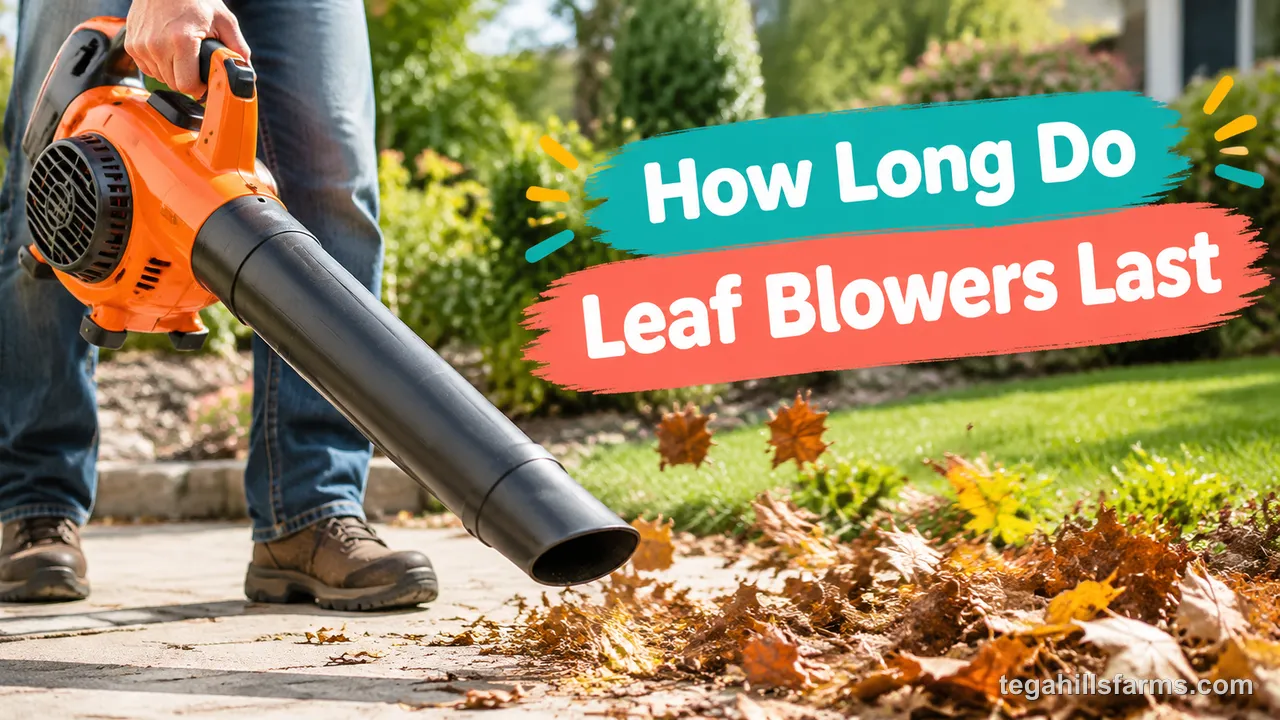
Gas, corded and battery models age in different ways. A gas blower wears out through its fuel system and engine. An electric one mostly depends on its motor, and a cordless one on its battery pack.
The real worry is buying a machine that quits after a few seasons, or tossing one that only needed a cheap fix. Both mistakes are common, and both are avoidable.
Before you spend on a replacement, check the air filter, spark plug and fuel, or the battery pack. Those are the usual suspects when a blower sputters or goes quiet.
How Many Years Does a Typical Leaf Blower Last?
A well-maintained leaf blower lasts many seasons of homeowner use, as long as it gets routine upkeep and dry, sensible storage. There is no single fixed age at which a blower is done.
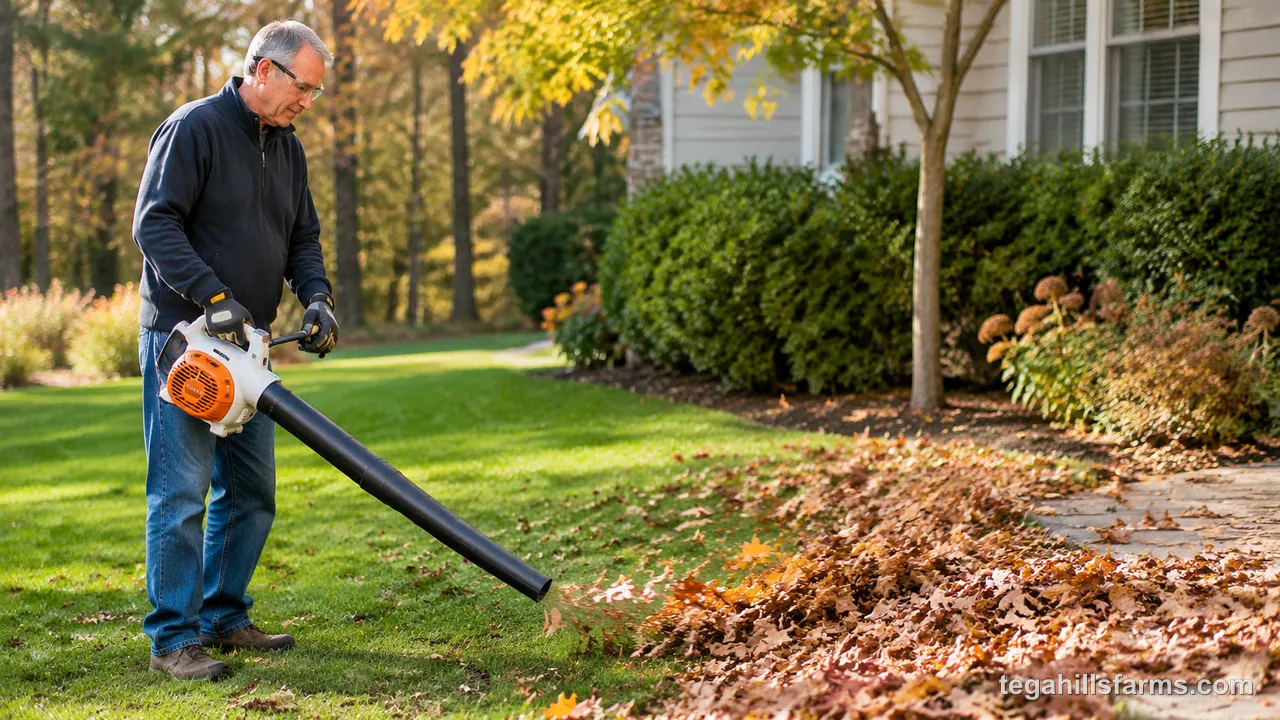
Power type sets the baseline. Gas engines have more parts that wear and more that can foul. Electric motors are simpler, though a cordless unit is tied to its battery.
Workload comes next. A blower that clears a small suburban lot for a few weekends each fall ages far slower than one that runs for hours every week. Upkeep is the third piece, and it is the one you control.
Lifespan is only one factor, and our guide on how to choose a leaf blower shows how it fits with power type, yard size and budget.
Does Power Type Change How Long a Leaf Blower Lasts?
Power type changes the wear points: gas blowers age through the engine and fuel system, electric blowers have simpler motors that tend to outlast them, and engine cycle and fuel mix decide how gently a gas engine ages.
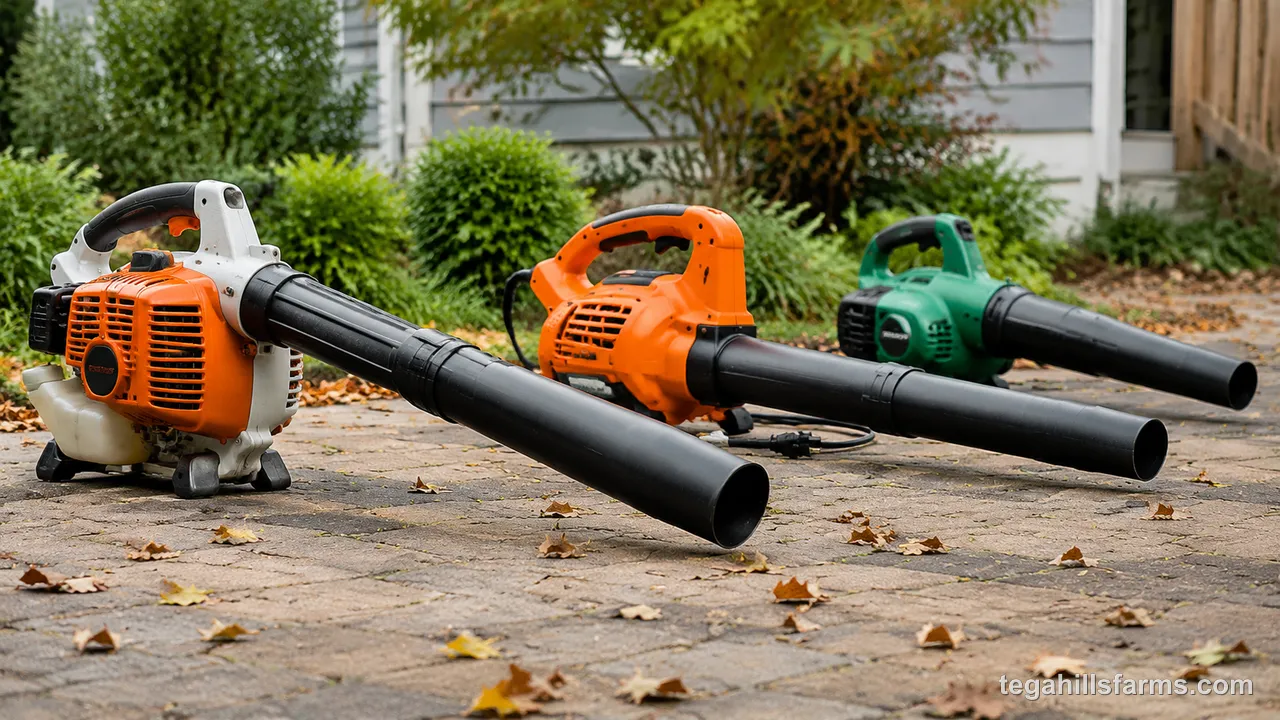
Electric models are generally the lower-wear option because they have fewer moving parts. If you are still weighing gas vs battery leaf blower choices, lifespan is one piece of that decision, not the whole thing.
How Long Do Gas Leaf Blowers Last?
A gas blower’s life is set by its carburetor, fuel system, spark plug and air filter, and an engine that gets regular upkeep can run for many seasons.
The carburetor is the usual weak spot. Fuel left in the tank turns stale and leaves residue in the tiny passages that meter fuel. The result is hard starting, stalling and weak power.
The spark plug and air filter are cheap and easy to service. A dirty filter makes the engine run rich and hot. A fouled plug makes it hard to start.
There is no universal lifespan figure for gas blowers. Owner experience varies a lot, and the gap between a well-kept machine and a neglected one is wide. A gas blower that is cleaned, fed fresh fuel and stored properly can outlast one that sits dirty with old gas.
How Long Do Corded and Cordless Electric Leaf Blowers Last?
Electric motors have fewer wearing parts than small engines, so on a cordless blower the battery pack is usually what ends service life first.
A corded blower is the simplest machine of the group. There is no fuel system, no spark plug and no pack to fade. What fails is usually the cord, the switch or a motor choked with dust.
A cordless model adds a lithium-ion battery and a charger. The motor can stay healthy for years while the pack slowly loses capacity. Once a pack no longer holds enough charge to finish a yard, the blower feels finished even though nothing else is wrong.
That is why battery condition decides when a cordless unit is done. It also makes the pack the first thing to check when a cordless blower seems weak.
Do Engine Type and Fuel Mix Affect Gas Blower Life?
Engine cycle type decides whether you mix oil into the fuel, and a correct fuel-oil mixture on a two-stroke engine is one of the wear factors you control directly.
Two-stroke engines get their lubrication from oil mixed into the gasoline. Too little oil means more friction and heat inside the engine. Too much leaves carbon deposits and fouls the plug.
Four-stroke engines keep oil in a separate sump. That means no mixing, but you do have to check and change the oil.
For either type, follow the manufacturer’s instruction for your model. Measure the mix instead of eyeballing it, and mix only what you will use soon. Old premixed fuel is a common cause of gummed carburetors.
How Long Does a Cordless Leaf Blower Battery Last?
A cordless blower battery has two lifespans: runtime per charge and years of pack health. Readers often mix them up.
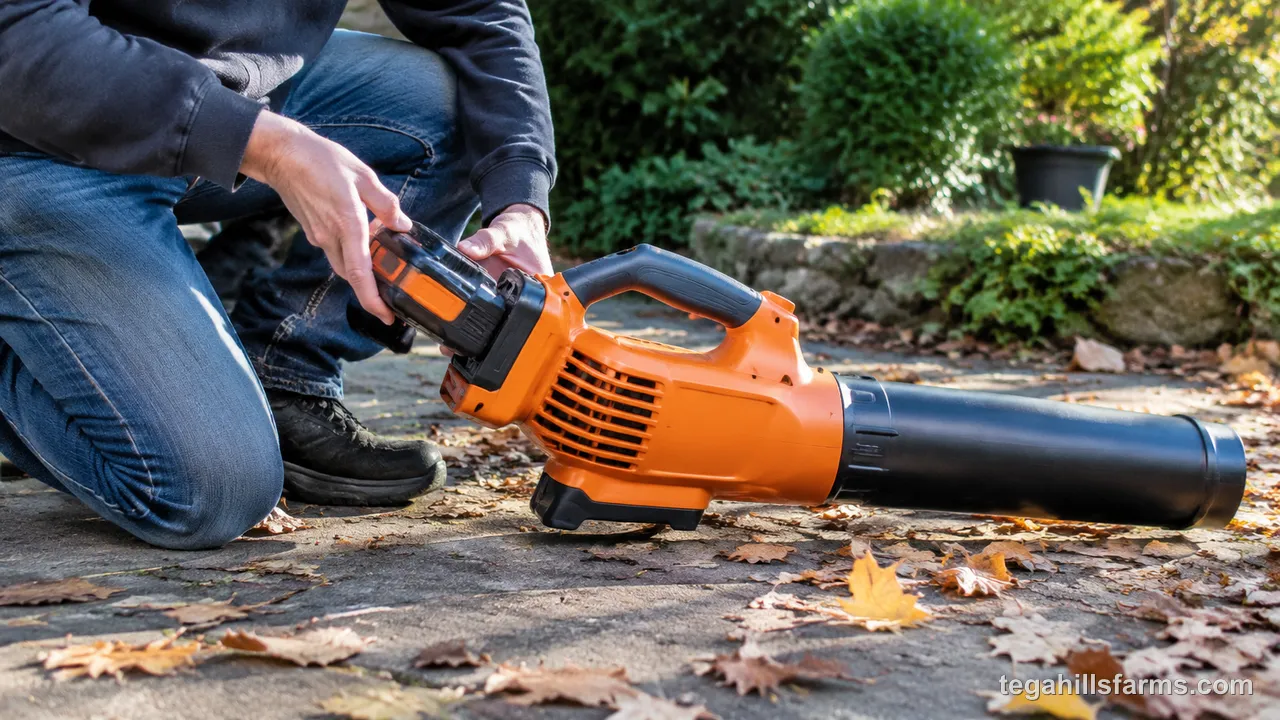
Runtime tells you how long one charge clears leaves. Pack health tells you how many seasons before the battery fades and needs replacing.
What Decides Runtime on a Single Charge?
Runtime comes down to battery amp hours, voltage and speed setting. A bigger pack stores more energy, and a higher setting drains it faster.
That is why quoted runtimes vary so widely. A number measured on a low setting tells you little about how the blower behaves at full speed. Always check which setting a runtime refers to.
Capacity differs by blower style. Most handheld battery models ship with a 2.5-amp-hour pack. Many backpack models use 5.0-amp-hour packs, and some go up to 7.5-amp-hour. More amp hours generally means more time between charges, though weight and cost rise with it.
Debris type matters too. Wet leaves and packed material force the motor to work harder than dry, loose leaves. Running at the highest setting for the whole job shortens runtime sharply, so use it for stubborn spots and drop down for open lawn.
When you compare models, look at voltage, amp hours and the setting used for the runtime claim together. Any one of them alone can mislead.
How Many Years Does a Leaf Blower Battery Pack Last?
A lithium-ion battery pack ages with both charge cycles and calendar time, so a pack that sits unused still fades slowly.
Every full charge and discharge uses up a little capacity. Heat speeds that up. Leaving a pack in a hot garage or a sun-baked shed is hard on it. Running it completely flat again and again is hard on it too. Long idle stretches at a very low or very full charge add wear as well.
The signs of a fading pack are easy to spot. Runtime drops compared with when the pack was new. The blower loses power sooner under load. The pack gets unusually warm or stops taking a full charge.
Treating the pack well stretches its life. Avoid extreme heat, don’t drain it to nothing every time and store it with some charge. A pack that is clearly fading is often cheaper to replace than the whole blower, provided a replacement is available.
What Upkeep Helps a Leaf Blower Last Longer?
The habits that matter most are gas engine upkeep, cleaning after use, battery and cord care and off-season storage. Each one prevents a specific failure.
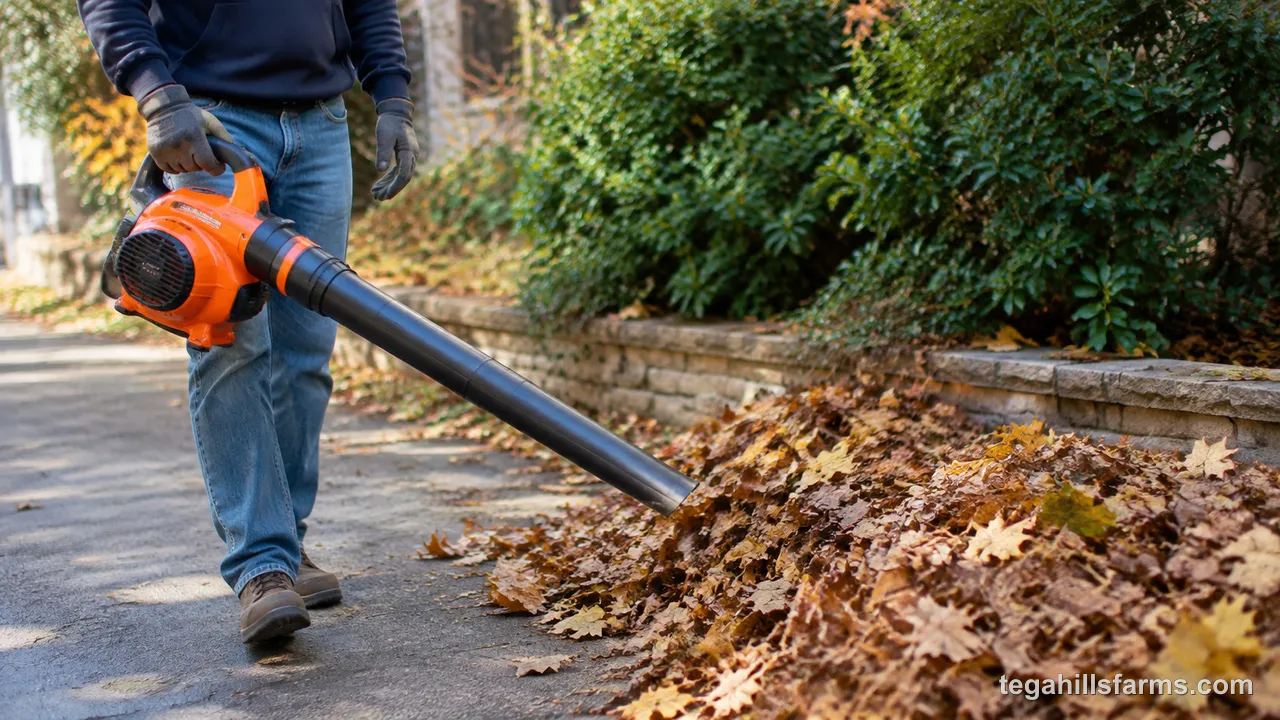
How Do You Maintain a Gas Leaf Blower?
Three items protect a gas engine: a clean air filter, a good spark plug and fresh, correctly mixed fuel. All three are within reach of a non-mechanic.
The air filter keeps dust out of the engine. When it clogs, the engine runs rich, loses power and wears faster. Tap it clean or wash it as the manual directs, and replace it when it is torn or hopelessly dirty.
The spark plug is the other quick job. A fouled or worn plug causes hard starting and rough running. Swapping it takes a basic socket and a few minutes.
Fuel is where most owners slip. Use fresh gasoline, mix oil exactly as the manufacturer specifies for two-stroke models, and don’t keep premixed fuel around for months. Fresh fuel does more for engine life than almost anything else you can do.
Leave deeper jobs, like carburetor rebuilds or internal engine work, to a repair shop unless you are comfortable with small engines.
How Should You Clean a Leaf Blower After Use?
Clearing debris from the intake, housing and cooling vents keeps airflow open, and airflow is what keeps the motor or engine cool.
Packed leaves, grass and dust restrict the air a blower pulls in. Less airflow means more heat, and heat is what wears motors, engines and plastic housings. Dust in the vents of an electric motor also causes it to run hotter than it should.
The habit is simple. After each use, wipe the housing, clear the intake screen and knock loose any packed material around the vents. Do it with the blower off, the spark plug wire disconnected on a gas model, or the battery removed on a cordless one.
If you want a fuller routine, knowing how to clean a leaf blower thoroughly takes only a few minutes and pays off in cooler running and fewer surprises.
How Do You Care for Batteries and Cords?
Good charging habits and sensible handling protect battery packs and power cords, which are the parts that limit electric blowers.
For batteries, use the charger made for your pack, and don’t leave a pack baking in a hot truck or freezing in an unheated shed. Let a pack that has been in the cold or heat return to room temperature before charging. Heat and deep discharge are what shorten a pack’s life.
For corded models, inspect the cord before each use. Look for cuts, crushed spots or exposed wire, and check the plug for bent prongs. A damaged cord is a safety problem as well as a wear problem.
Keep the outlet within 100 feet of the work area, and use an extension cord rated for outdoor use so the motor isn’t starved of power. Coil cords loosely instead of wrapping them tight around your arm, which kinks the wiring.
How Should You Store a Leaf Blower for the Off-Season?
Proper storage prevents the two most common off-season problems: stale fuel in gas models and neglected battery packs.
Gas left in a carburetor over winter breaks down and leaves gummy residue. Either run the tank and carburetor dry, or add fuel stabilizer and run the engine briefly so the treated fuel reaches the carburetor. Either approach keeps the passages clear for spring.
For cordless blowers, remove the pack from the tool. Store it with a partial charge, away from freezing temperatures and strong heat. A cool, dry spot indoors beats an uninsulated shed.
Clean the machine before it goes away. Dried debris holds moisture and invites corrosion. Store the blower upright in a dry place, off the bare floor if your garage tends to be damp.
Why Do Leaf Blowers Stop Working or Wear Out Early?
Blowers die early mostly from fuel and carburetor problems or from overheating, clogged intakes and rough use. Each cause shows up as a symptom you can recognize.
How Do Fuel and Carburetor Problems Cut a Gas Blower’s Life Short?
Stale fuel and a gummed carburetor lead to hard starting, stalling and, if ignored, eventual engine damage.
Gasoline degrades as it sits, especially with ethanol blends. It leaves varnish-like deposits in the carburetor’s small passages. The engine then gets the wrong amount of fuel, so it starts hard, idles rough, surges or dies under load.
If your leaf blower won’t start after sitting, old fuel is the first thing to suspect. Drain the tank, refill with fresh mix, and check the air filter and spark plug while you are at it. Those steps fix a lot of cases.
If the engine still runs badly, the carburetor may need cleaning or rebuilding. That is where a repair shop is often the better route, because the parts are small and the adjustment is fussy.
The prevention is the same as in storage: use fresh fuel and don’t leave it sitting. A lean-running engine from fuel starvation also runs hot, which adds to wear.
How Do Overheating, Clogged Intakes and Rough Use Wear a Blower Down?
Blocked airflow, constant full-speed running and drops or impacts add strain that shortens service life even when upkeep is good.
An intake clogged with debris starves the motor or engine of cooling air. The machine runs hotter and wears faster. Running flat out for an entire job does the same, since most yard work doesn’t need top speed.
Impacts matter too. Dropping a blower or knocking the housing can crack plastic, loosen fasteners or damage the fan. A cracked housing can let in debris and throw the fan off balance.
Better habits are easy to adopt. Learning how to use a leaf blower with lower settings for open lawn, full power only where needed, and short breaks on hot days reduces heat and wear. Keep the intake clear while you work, and set the blower down gently instead of tossing it.
Does Professional Daily Use Shorten a Leaf Blower’s Life?
Yes. Professional daily use shortens a blower’s life because hours of operation, sustained heavy load and rougher handling wear it faster than calendar age does.
A seasonal home blower and a daily crew blower age very differently. The homeowner machine may run a modest number of hours each year and spend months in storage. A crew machine can log more hours in a week than a homeowner does in a season.
There is no firm standard for how much shorter a crew blower’s life is. Reports from owners and crews are informal and vary by brand, model and how well the equipment is kept.
What does hold up is the logic. More run time means more wear on engines, motors, switches and fans, and less time to cool between jobs. Pros often accept that and replace machines on a schedule.
For a homeowner, that means a blower is unlikely to wear out from hours alone. Age shows up through neglect: stale fuel, a fading battery, a clogged intake. Those problems are much easier to prevent than hours are to avoid.
A blower that starts hard and loses power often hides one cheap fault, like a dirty filter or a tired spark plug, and replacing it would be an expensive way to find that out. The opposite mistake costs weekends: you keep repairing a machine whose engine or motor is truly worn out. How do you tell which one is sitting in your garage?
How Do You Know When to Repair or Replace a Leaf Blower?
Repair a blower when the symptom points to a cheap, replaceable part such as the filter, plug, fuel or battery pack. Replace it when the machine shows terminal wear like low compression, a damaged housing, a failed motor or unavailable parts.
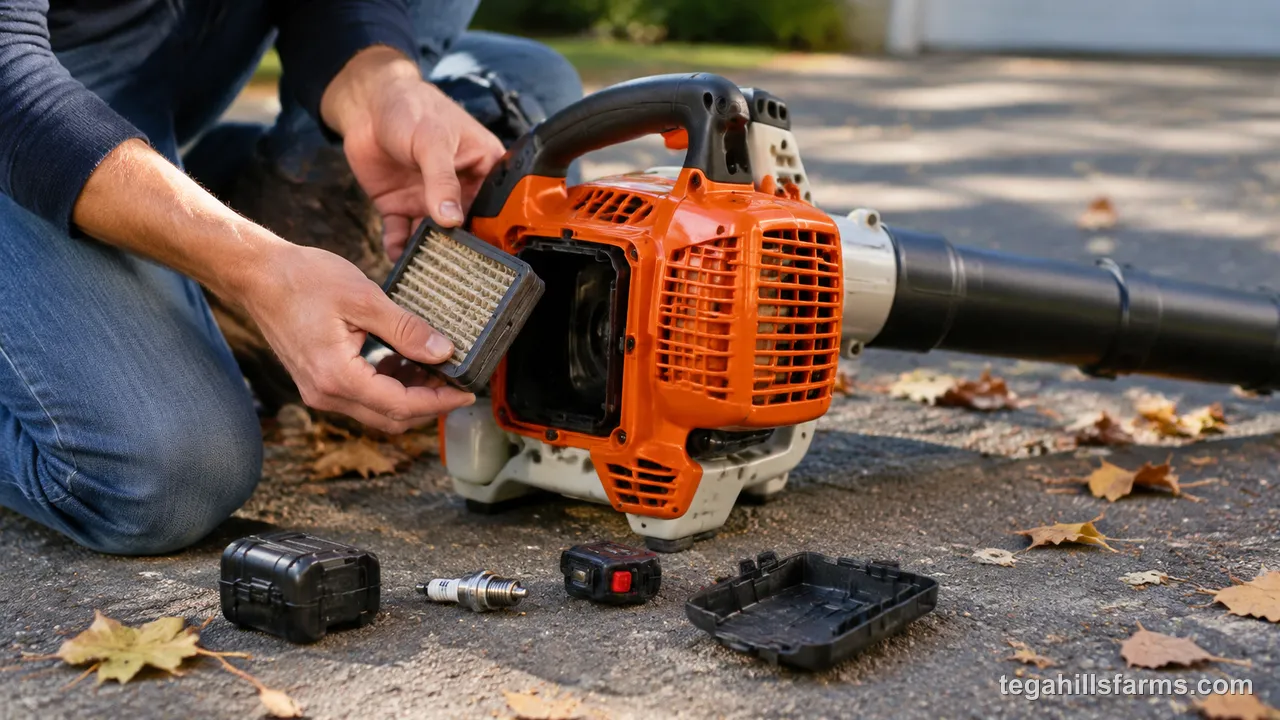
Cheap fixes usually show up as starting trouble, weak power or short runtime. A clogged air filter, a fouled spark plug, old fuel or a faded battery pack can each cause them. Try those first, since they cost little.
Terminal wear looks different. Low compression in a gas engine means internal wear that is rarely worth chasing. A cracked or warped housing, a motor that won’t spin, or a model where parts are no longer made all point toward replacement.
Then weigh the repair quote against a new unit of the same type. Consumer Reports puts typical gas handheld blowers at about $110 to $350, battery handheld models at about $100 to $650 and corded electric blowers at about $60 to $100. When a repair quote approaches the price of a new machine in your category, replacing usually makes more sense.
Before you decide, ask: how much does a leaf blower cost in the style you actually need? That keeps the comparison fair.
Do Some Leaf Blower Brands Last Longer Than Others?
Brand reputation, such as the names STIHL, Husqvarna and Black+Decker, is mostly owner opinion, not verified durability data. Checkable signals are a better guide.
You will hear strong views for and against every major brand. Some owners swear by a name because their machine ran for years. Others had the opposite experience with the same brand. Neither tells you how a specific model will hold up.
Look at things you can verify instead. Parts and service availability matters: can you buy a filter, plug, carburetor kit or replacement pack for this model, and is there a service shop nearby? Warranty terms for your exact model show how much the maker stands behind it.
Build class counts as well. Homeowner-grade, prosumer and professional-grade machines are built for different workloads, and heavier-duty builds tend to be made for more hours of use. Match the class to how often you will really run it.
Can a Battery Platform Decide How Long You Keep a Blower?
Yes. A cordless blower can outlive its usefulness if the battery platform becomes hard to support, even when the motor is fine.
The reasons are practical. Shared platforms let one battery and charger run several tools, which makes replacement packs easier to justify. A blower on a platform you already own is cheaper to keep running.
Replacement pack availability matters just as much. If a maker discontinues a pack or changes platforms, you can end up with a good motor and no affordable power source. Charger compatibility is part of the same problem, since a pack needs a matching charger.
Before you buy a cordless blower, check whether the brand has a broad battery lineup and whether packs for your model are sold separately. A blower tied to a thin or fading platform can end its useful life long before the motor does.
Leaf Blower Lifespan FAQs
Can fuel sit in a leaf blower over winter?
It can, but it shouldn’t. Fuel breaks down over a long idle period and leaves gum in the carburetor. Either run the tank and carburetor dry before storage, or add fuel stabilizer and run the engine briefly so the treated fuel reaches the carburetor.
Can a leaf blower battery stay on the charger?
Many modern chargers stop charging when the pack is full, so a short stay is usually fine. Leaving a pack on for long periods, especially in a warm spot, adds needless wear. Check your manual, and remove the pack once it is charged.
Can an old leaf blower be revived?
Often, yes. Most old gas blowers that won’t run need fresh fuel, a clean carburetor, a new spark plug or a new air filter. A cordless one may just need a new pack. If the engine has low compression or the motor has failed, replacing it makes more sense.
Do electric leaf blowers really outlast gas ones?
Often, because electric motors have fewer wearing parts than small engines and no fuel system to foul. The catch is cordless models, where the battery pack can end useful life first. A well-kept gas blower can still run for many seasons.


Write Your Review
No reviews yet. Be the first to share your experience!