

Our top picks for the best lightweight chainsaws in 2026 are the DEWALT DCCS623B 8-Inch Pruning Chainsaw (Best Overall), EGO Power+ CS1611 16″ Chainsaw (Best Cordless), Greenworks 24V 6″ Mini Chainsaw (Best for Beginners), Husqvarna 120 Mark III 16″ (Best Gas-Powered), Greenworks 40V 12in Cordless Chainsaw (Also Great), EGO Power+ CS1613 16 in (Best Battery Life), RYOBI 18V Brushless 8″ Pruning Mini Chainsaw (Best Lightweight), Greenworks 24V 10″ Chainsaw (Also Great), and Chain Saw, Gas, 12 In. Bar, 26.9CC (Best Premium).
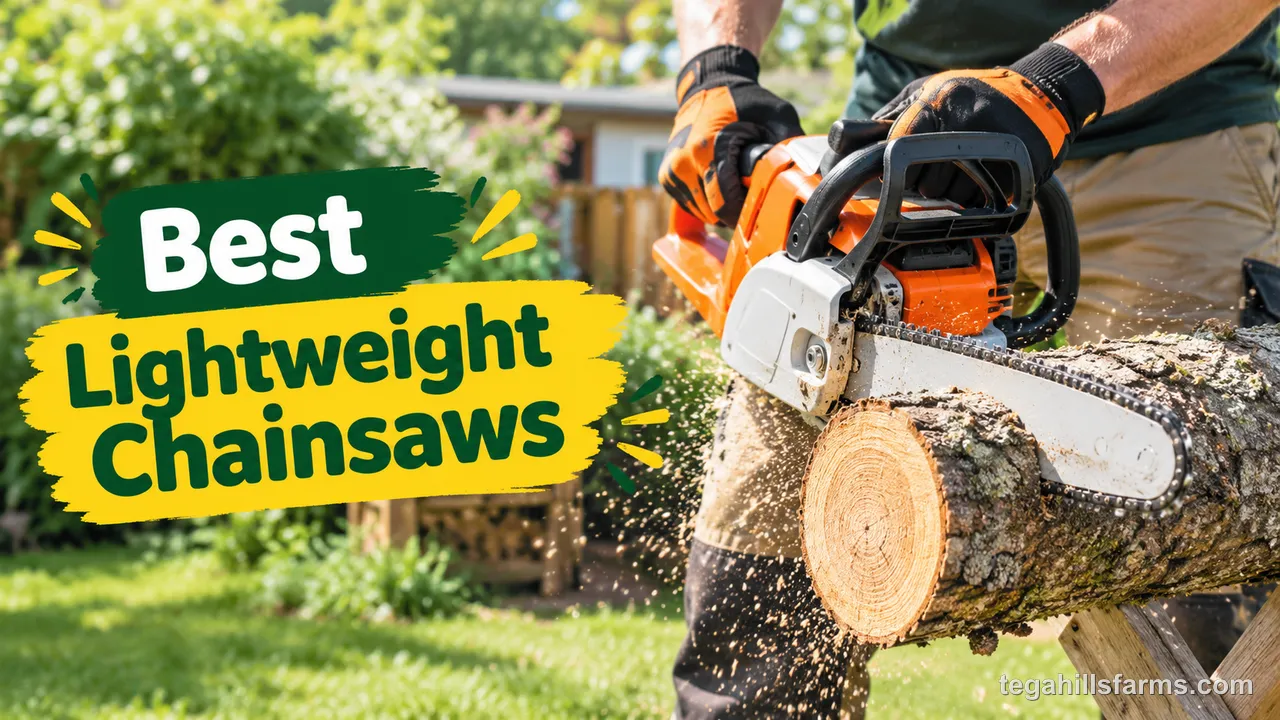
Picking among them comes down to four things: how the saw feels when you hold it out at arm’s length, whether the bar is long enough for the wood you actually cut, which battery platform or fuel it runs on, and how much effort starting and chain care take.





The real risk with a light saw is buying the wrong size. If it’s too heavy for overhead pruning, your arms tire and your control slips. If it’s too small for storm limbs, you end up making three cuts where one should do, and a long cleanup day turns into a slog.
What Makes a Chainsaw Lightweight?
A saw counts as light when its short bar, compact body and small motor or engine let you hold it away from your body through a full session before your arms give out.
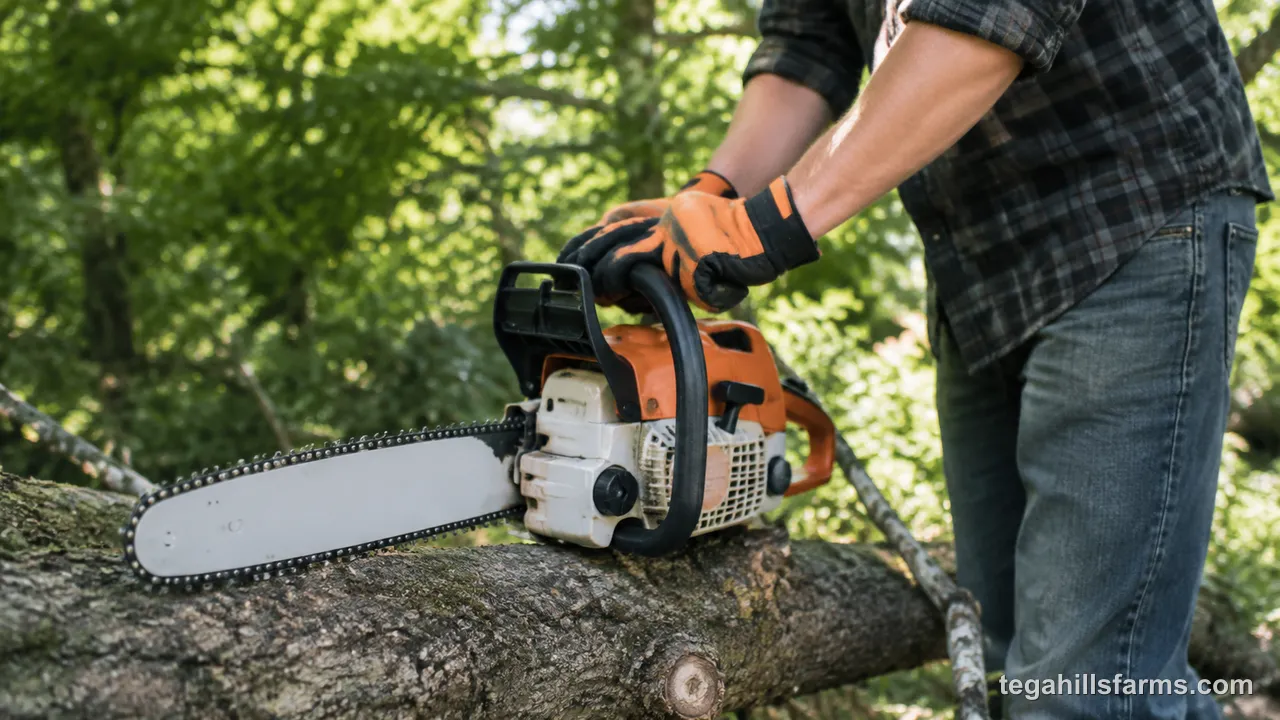
That matters because you spend more time holding a chainsaw than cutting with it. This is especially true when pruning, where the saw sits at shoulder height or above while you line up each cut. Once your forearms fatigue, your grip loosens and your control over the bar tip drops, and the bar tip is where kickback starts. A lighter saw keeps you steady longer, so the last cut of the afternoon goes as cleanly as the first.
Weight is one factor among several when you sort through the best chainsaws, but for occasional yard work it often decides whether you actually use the tool or leave it in the shed.
The 9 Best Lightweight Chainsaws of 2026
Our picks for 2026 are the DEWALT DCCS623B 8-Inch Pruning Chainsaw, EGO Power+ CS1611 16″ Chainsaw, Greenworks 24V 6″ Mini Chainsaw, Husqvarna 120 Mark III 16″, Greenworks 40V 12in Cordless Chainsaw, EGO Power+ CS1613 16 in, RYOBI 18V Brushless 8″ Pruning Mini Chainsaw, Greenworks 24V 10″ Chainsaw, and ECHO’s Chain Saw, Gas, 12 In. Bar, 26.9CC.
The real split is bar length. The 6- and 8-inch pruning saws are light enough for overhead work. The 16-inch EGO and Husqvarna models carry more weight, and in exchange they can buck firewood and clear storm-downed trees.
#1 DEWALT DCCS623B 8-Inch Pruning Chainsaw — Best Overall
If most of your cutting happens above your shoulders or deep inside a shrub, this compact 4.6-lb saw keeps fatigue down where heavier models wear you out. The brushless motor stretches run time between charges.
Key Specs:
- Bar length: 8 in
- Weight: 4.6 lb (bare tool)
- Motor: Brushless, DEWALT 20V MAX
- Runtime: Up to 70 cuts per charge on 4×4 pressure-treated pine with a DCB230 battery (sold separately)
- Lubrication: Automatic oiling
- Extras: Tip guard for stability during upcuts
Detailed Review:
The DCCS623B gets its strength from its weight and shape. At 4.6 lb as a bare tool, it is light enough to hold at arm’s length while you work through a hedge or a fruit tree. The compact body also slips between branches that a full-size saw would snag on.
Runtime comes from the brushless motor, which loses less energy as heat than a brushed design does. That means a charge goes further and the motor lasts longer. The saw is rated for up to 70 cuts through 4×4 pressure-treated pine on a DCB230 battery. The EGO Power+ CS1611 is rated for up to 130 cuts on a 4×4, so the DEWALT gives up some cutting per charge, but it weighs 4.6 lb against the EGO’s 9 lb.
Auto-oiling keeps the bar and chain lubricated without a manual pump. The tip guard steadies the bar during upcuts, the awkward underside cuts that pruning a limb cleanly requires.
The trade-off is the bare-tool package. You need a 20V MAX battery and charger, so the saw makes the most sense in a garage that already runs yellow-and-black tools. I’d put it at the top of the list for anyone already invested in that platform, because it adds a pruning saw for the cost of the tool alone.
Pros:
- 4.6 lb bare weight keeps arm fatigue low overhead.
- Compact body reaches into tight branch clusters.
- Brushless motor extends run time and motor life.
- Tip guard steadies the bar during upcuts.
Cons:
- 8-inch bar limits it to limbs, not logs.
- Battery and charger are sold separately.
Who It’s For:
Weekend pruners who already run DEWALT 20V MAX tools and spend their yard time shaping fruit trees, thinning shrubs or clearing low limbs will get the most out of it. Anyone planning to buck firewood or take down small trees should go for a longer-bar saw instead.
Editor’s Verdict:
A light, nimble pruning saw that makes the most sense when a DEWALT battery is already sitting on your shelf.
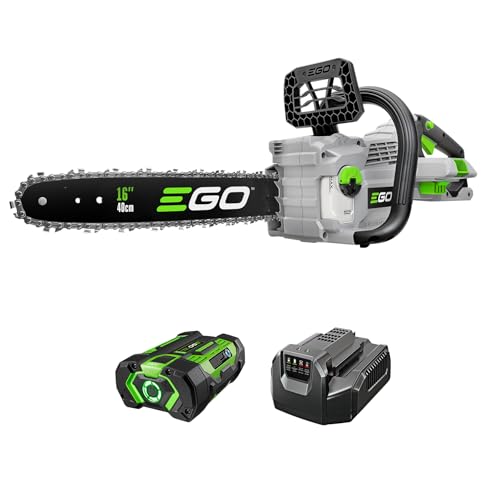
#2 EGO Power+ CS1611 16″ Chainsaw — Best Cordless
When you’re stepping up from pruning to real log work, this saw pairs a 16-inch bar with power rated equivalent to a 40cc gas engine, so there are no pull cords or fuel cans involved. It stays easy to handle.
Key Specs:
- Bar and chain: 16 in, 3/8-in pitch, .043-in gauge, 52 drive links
- Weight: 9 lb
- Power: 40cc gas equivalent; 56V 2.5Ah ARC Lithium battery included
- Chain speed: 66 ft/s (20 m/s)
- Runtime: Up to 130 cuts on a 4×4 per charge
- Build: IPX4 weather-resistant construction
Detailed Review:
This saw handles like a mid-size gas saw because its output is rated equivalent to a 40cc engine. The 66 ft/s chain speed keeps the cutters biting through firewood rounds and storm limbs instead of bogging down. With a 16-inch bar, it covers the bucking and limbing jobs a pruning saw can’t reach.
The included 2.5Ah battery is rated for up to 130 cuts on a 4×4, so one pack gets through a good pile of cuts before it needs the charger. The EGO Power+ CS1613 ships with a 4.0Ah pack instead, which means this kit stops sooner on a long cleanup day.
Routine care is quick. Tool-free tensioning adjusts the chain without a wrench, automatic oiling handles lubrication, and the spill-free reservoir keeps bar oil from dripping in the truck bed. The low-kickback chain has a brake indicator that shows when the brake is engaged, and IPX4 weather resistance means a damp morning won’t keep it in the garage.
The cost is weight. At 9 lb it carries noticeably more than the DEWALT DCCS623B at 4.6 lb, so your arms will tire sooner during overhead cuts.
Pros:
- 40cc gas-equivalent power handles firewood rounds.
- Rated for up to 130 cuts per charge.
- Tool-free tensioning skips the wrench.
- Spill-free oil reservoir prevents messy refills.
Cons:
- Extra heft tires arms during overhead pruning.
- 2.5Ah battery runs out sooner on long cleanups.
Who It’s For:
If you want gas-saw cutting ability without mixing fuel or pulling a starter rope, this saw fits firewood bucking, storm cleanup and limbing on a larger property. EGO 56V owners can run it on batteries they already have. Gardeners who mostly prune will find it more saw than they need.
Editor’s Verdict:
Choose this one when you want real cutting capacity from a battery and can accept a little extra heft.
#3 Greenworks 24V 6″ Mini Chainsaw — Best for Beginners
Nervous first-timers should start here. It weighs 3.4 lb with the battery and starts with a push button, which takes the pull cord, the fuel and much of the intimidation out of small pruning jobs.
Key Specs:
- Bar length: 6 in
- Weight: 3.4 lb with battery
- Motor: Brushless
- Battery: 24V 2.0Ah, charger included
- Tensioning: One-handed, tool-free
- Safety: Security lock, anti-slip handles, safety baffles
Detailed Review:
Weight is the main appeal here. At 3.4 lb with the battery installed, you can hold this saw steady with a relaxed grip. That matters because a nervous beginner tends to clench, and a clenched grip tires fast. The 6-inch bar cuts through logs up to 6 inches thick, which is the right reach for pruning, trimming deadwood and prepping campfire wood.
The safety features suit someone new to chainsaws. A security lock prevents accidental starts, anti-slip handles keep your grip secure, and safety baffles block splashes. There’s no gas, carburetor, spark plug or pull rope, so there’s no engine to flood and no fumes to breathe.
One-click tensioning lets you adjust the chain with one hand. That makes chain tension, a maintenance step beginners often skip, easy to keep up with. The 24V battery also runs Greenworks’ lineup of more than 200 indoor and outdoor tools, so it can grow into a small cordless kit.
The trade-off is reach. Storm limbs and firewood rounds outgrow the short bar quickly, so this works best as a detail saw rather than your only saw.
Pros:
- 3.4 lb with battery feels easy to control.
- Push-button start with no fumes or pull rope.
- Security lock prevents accidental starts.
- Tool-free tensioning works with one hand.
Cons:
- 6-inch bar limits it to small limbs.
- Storm cleanup goes slowly with the short bar.
Who It’s For:
First-time chainsaw buyers, gardeners with limited hand strength and anyone who wants to tidy shrubs or prep campfire wood without fuss will appreciate how little this saw asks of them. Greenworks 24V owners can share batteries with it. If storm limbs or firewood are your main jobs, a longer-bar saw will serve you better.
Editor’s Verdict:
Few saws make a first cut feel this unintimidating, and that’s exactly what a hesitant beginner needs.
#4 Husqvarna 120 Mark III 16″ — Best Gas-Powered
With a 38cc X-Torq engine, this gas saw keeps cutting as long as you have fuel, so a big cleanup day never stalls while you wait on a charger. It starts easily.
Key Specs:
- Engine: 38cc, 1.8 HP, 2-cycle X-Torq
- Bar length: 16 in
- Weight: 10.7 lb
- Starting: Air purge, combined choke/stop control
- Safety: Inertia-activated chain brake
- Vibration: LowVib dampeners
Detailed Review:
The 120 Mark III’s advantage is endurance. Topping off the tank keeps it running, which matters when a storm drops several trees or you’re working through a winter’s firewood in one weekend. The 38cc, 1.8 HP X-Torq engine pairs with a 16-inch bar for bucking rounds and felling small trees.
Husqvarna addressed the starting problems that put people off gas saws. The air purge primes the fuel system, and the combined choke/stop control lowers the risk of flooding the engine, which is the usual reason a gas saw won’t start. A centrifugal air cleaning system throws off larger debris before it reaches the air filter, which helps the engine last.
At 10.7 lb, it outweighs the EGO Power+ CS1611 at 9 lb while running the same bar length, and you feel that difference during long sessions. LowVib dampeners reduce the buzz reaching your hands, and an inertia-activated chain brake stops the chain if the bar kicks back.
Gas also brings upkeep that a battery saw skips: mixing fuel with two-stroke oil, cleaning the air filter and eventually replacing the spark plug. If you already maintain a gas mower, that routine will feel familiar.
Pros:
- Quick refueling keeps it cutting through long days.
- Air purge and combined choke simplify cold starts.
- LowVib dampeners reduce hand fatigue.
- 16-inch bar handles firewood and small trees.
Cons:
- 10.7 lb weight tires arms on long sessions.
- Two-stroke engine needs fuel mixing and filter care.
Who It’s For:
Rural homeowners, anyone who heats with wood and people who face regular storm cleanup will value a saw that never waits on a charger. If noise, fumes and engine upkeep bother you, or you mostly prune, a battery saw suits you better.
Editor’s Verdict:
Pick this gas saw for long cutting days. Its easy-start system removes the usual pull-cord frustration.
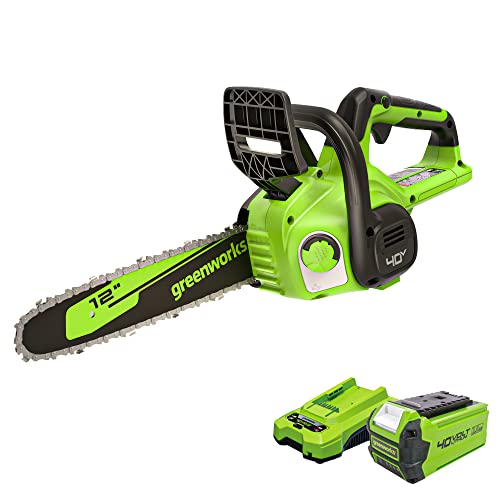
#5 Greenworks 40V 12in Cordless Chainsaw — Also Great
For a mix of pruning and storm cleanup, the 12-inch bar hits a useful middle ground, and the saw weighs just 6 lb. Its battery doubles as a phone charger.
Key Specs:
- Bar length: 12 in, low-recoil chain
- Weight: 6 lb
- Battery: 40V 2.0Ah, charger included
- Runtime: Up to 50 cuts per charge on 4×4 treated wood
- Tensioning: Tool-free auto-tensioning
Detailed Review:
This saw sits between the pruning minis and the 16-inch models. The 12-inch low-recoil chain reaches through storm limbs and modest firewood rounds that an 8-inch bar can’t, while the 6 lb weight and wrapped grip keep it easy to carry around the yard or pack for a camping trip.
Runtime is where it compromises. The saw is rated for up to 50 cuts per charge on 4×4 treated wood. The EGO Power+ CS1611 is rated for 130 cuts on a 4×4, so bigger jobs here go better with a second battery on hand.
Safety and upkeep are well handled. The dual safety start needs both the lock and the trigger, auto-tensioning adjusts the chain without tools, and the auto-oiler protects the bar and chain from wear. The 40V 2.0Ah battery also works as a power bank for phones and tablets, which is a useful extra during a power outage.
The battery fits Greenworks’ 40V platform, and the 3-year warranty covers both the tool and the battery. For a saw that may sit between storms, that coverage is reassuring.
Pros:
- 12-inch bar covers pruning and storm limbs.
- 6 lb weight with a wrapped, comfortable grip.
- Battery doubles as a phone and tablet charger.
- Three-year warranty covers tool and battery.
Cons:
- Rated runtime makes big cleanups slower.
- 40V battery won’t fit Greenworks 24V tools.
Who It’s For:
Suburban yards with a handful of trees, campers and households that want a backup saw for storm season will like its balance of reach and carry weight. It also suits anyone already invested in Greenworks 40V tools. If you cut a lot of firewood, you’ll drain its battery too quickly.
Editor’s Verdict:
Expect a well-balanced, middle-ground saw that handles occasional cleanup without the bulk of a full-size model.
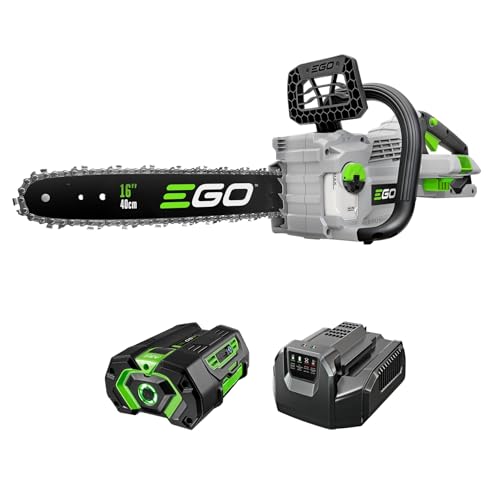
#6 EGO Power+ CS1613 16 in — Best Battery Life
Long cleanup days favor this saw because its 4.0Ah battery holds more charge than the pack in EGO’s smaller CS1611 kit. Fewer swaps mean more cutting.
Key Specs:
- Bar and chain: 16 in, 3/8-in pitch, 0.043-in gauge, 56 drive links
- Power: Brushless motor, 40cc gas equivalent
- Battery: 56V 4.0Ah ARC Lithium, charger included
- Chain speed: 66 ft/s (20 m/s)
- Build: IPX4 weather resistance, low-profile tension dial
Detailed Review:
The CS1613 matches the EGO Power+ CS1611’s 40cc gas-equivalent power and 66 ft/s chain speed, so the difference comes down to the battery. Its 4.0Ah pack stores more energy than the CS1611’s 2.5Ah pack. That means longer cutting between charges when you’re working through a downed tree or a winter’s firewood pile.
The 16-inch bar runs a 3/8-inch pitch, 0.043-inch gauge chain with 56 drive links, made for hardwood, softwood and branches alike. The brushless motor turns more of the battery’s energy into cutting rather than heat, which is part of how this saw gets more work out of each charge.
The low-profile tension dial is a smart detail. You tighten the chain with a twist, and the dial sits flat enough to let you cut flush to the ground, which helps with stumps and logs lying in grass. IPX4 weather resistance covers damp mornings and light rain.
Any EGO 56V ARC Lithium battery fits. If you own an EGO mower or blower, you can move packs between tools and keep cutting while one charges.
Pros:
- 4.0Ah battery extends time between charges.
- Twist-dial tensioning needs no tools.
- Low-profile dial allows flush cuts near the ground.
- Accepts every EGO 56V ARC Lithium battery.
Cons:
- 16-inch bar feels clumsy for tight pruning.
- Full-size layout is awkward inside dense shrubs.
Who It’s For:
Big storm cleanups and a season’s worth of firewood are where this saw pays off, because you cut longer before recharging. EGO 56V owners can share batteries across their mowers and blowers. If your work is mostly light pruning, a compact saw will feel easier in tight spots.
Editor’s Verdict:
Buy it for stamina. The bigger battery turns a stop-and-charge cleanup into steady, uninterrupted work.
#7 RYOBI 18V Brushless 8″ Pruning Mini Chainsaw — Best Lightweight
Overhead pruning gets easier with a 4.4-lb saw built 30% more compact, so the 8-inch bar fits into tight branch unions. The variable speed trigger helps.
Key Specs:
- Bar length: 8 in
- Weight: 4.4 lb (tool only)
- Motor: Brushless, 18V
- Cutting capacity: Limbs and branches up to 6 in diameter
- Control: Variable speed trigger
- Safety: Chain guard against kickback
Detailed Review:
Next to the DEWALT DCCS623B, which weighs 4.6 lb as a bare tool, the RYOBI comes in at 4.4 lb with the same 8-inch bar length. That small edge adds up when you hold a saw over your head through a long pruning session. The body is 30% more compact, so it reaches into crowded fruit-tree crotches and ornamental shrubs where bigger saws snag.
The 8-inch bar and chain handle limbs and branches up to 6 inches in diameter, which covers shaping trees and clearing deadwood. The variable speed trigger lets you start a cut slowly to seat the chain and then speed up. That gives you more control on delicate cuts close to the trunk.
A chain guard protects against kickback, and the brushless motor draws efficiently from the 18V battery. The saw comes as a bare tool, so it makes the most sense if RYOBI 18V packs already sit in your garage.
For careful pruning around ornamentals, I lean toward this saw over the bigger cordless models. Fine control matters more there than raw cutting power.
Pros:
- 4.4 lb tool weight eases overhead cuts.
- Compact body reaches into tight branch unions.
- Variable speed trigger gives fine cutting control.
- Handles limbs up to 6 inches thick.
Cons:
- Battery and charger are sold separately.
- 8-inch bar can’t take on firewood rounds.
Who It’s For:
Gardeners who prune fruit trees, ornamental shrubs or overhanging limbs and already use RYOBI 18V tools get a saw that drops right into their kit. Precision matters more than raw cutting here, so if you’re clearing storm debris or bucking logs, look at a longer-bar model.
Editor’s Verdict:
Count on this saw for careful overhead pruning, where its low weight and trigger control make a real difference.
#8 Greenworks 24V 10″ Chainsaw — Also Great
Beginners who outgrow a mini saw get a 10-inch bar with a low-kickback chain and hand guard, which brings storm limbs and light firewood within reach. Setup is simple.
Key Specs:
- Bar length: 10 in, low-kickback chain
- Weight: 5.7 lb
- Battery: 24V 2.0Ah, charger included
- Oiling: Automatic
- Tensioning: Tool-less
- Included: Scabbard, battery, charger, operator’s manual
Detailed Review:
The 10-inch bar is the reason to pick this saw over smaller pruning models. It cuts through limbs that the 6-inch bar on the Greenworks 24V 6″ Mini would have to work at piece by piece, while the whole saw weighs 5.7 lb. That covers storm cleanup, pruning and light firewood work without stepping up to a full-size machine.
The safety basics are solid for a newer user. The low-kickback chain reduces the jolt when the bar tip catches, and the added hand guard shields your front hand during a cut. Electric start does away with the pull rope, fumes, carburetor and spark plug that make gas saws intimidating.
Upkeep stays light. The automatic oiler feeds the bar and chain when needed, which extends component life, and tool-less tensioning means you don’t have to hunt for a wrench. The kit includes a scabbard, battery and charger, so it’s ready to cut out of the box.
Because it uses the same 24V platform as the smaller mini saw, the two make a natural pair: one saw for detail work and one for cleanup.
Pros:
- 10-inch bar handles storm limbs and light firewood.
- Low-kickback chain and hand guard add protection.
- Ships with battery, charger and scabbard.
- Tool-less tensioning simplifies chain adjustments.
Cons:
- Bar is too short for larger trunks and rounds.
- Heavier than the 6-inch mini for overhead pruning.
Who It’s For:
When a yard needs more than pruning but less than a full-size saw, this one fits: storm cleanup, limb removal and occasional firewood. Greenworks 24V owners can reuse batteries they already have. If you fell trees or cut large rounds regularly, look for a longer bar.
Editor’s Verdict:
Consider it the practical step up from a mini saw, with enough reach for cleanup and maintenance that stays simple.
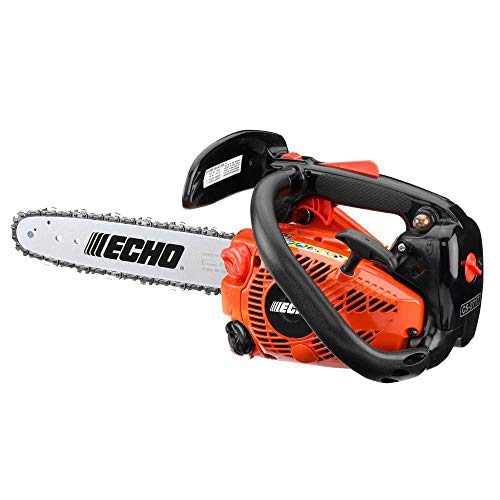
#9 Chain Saw, Gas, 12 In. Bar, 26.9CC — Best Premium
Experienced hands doing elevated or precision tree work get a top-handle gas saw built for easy starting, with digital ignition and the i-30 system reducing pull effort. Control is the point.
Key Specs:
- Model: ECHO CS-271T-12
- Engine: 26.9cc gas
- Bar length: 12 in
- Layout: Top handle
- Starting: Digital ignition, purge bulb, i-30 reduced-effort starting
- Safety: Inertia-type chain brake
Detailed Review:
The CS-271T-12 is a top-handle saw, a layout designed for tree work by trained arborists rather than for first-time owners. The 26.9cc engine and 12-inch bar keep it compact for limbing and pruning, where you constantly reposition the saw between cuts.
ECHO put real attention into starting. Digital ignition, a purge bulb, and an integrated choke with a fast idle that releases with the trigger make cold starts more predictable. The i-30 starting system reduces how hard you have to pull, which matters on a gas saw you may restart many times through a day of pruning.
An inertia-type chain brake engages if the saw kicks back, and the vibration-reduction system eases the buzz in your hands over long sessions. The side-access chain tensioner lets you adjust the chain from the side of the saw, which makes quick adjustments faster.
Gas power still brings fuel mixing and engine care. The premium build makes the most sense for people who use a top-handle saw often enough to value its refinement.
Pros:
- i-30 starting system reduces pull effort.
- Digital ignition and purge bulb aid cold starts.
- Vibration reduction eases hand fatigue.
- Side-access tensioner speeds chain adjustments.
Cons:
- Top-handle layout requires training and experience.
- Gas engine needs fuel mixing and regular upkeep.
Who It’s For:
Trained arborists, tree-care pros and experienced owners who do frequent precision pruning will appreciate its compact control and dependable starting. Beginners and anyone without top-handle training should choose a rear-handle saw instead.
Editor’s Verdict:
Reserve this saw for skilled hands. In that role, its easy starting and low vibration justify the premium.
What Should You Look for in a Lightweight Chainsaw?
The jobs you actually do, whether that’s pruning overhead, clearing storm limbs or cutting firewood, should drive your choice, because a saw sized for the wrong work ends up too heavy to hold or too small to finish.
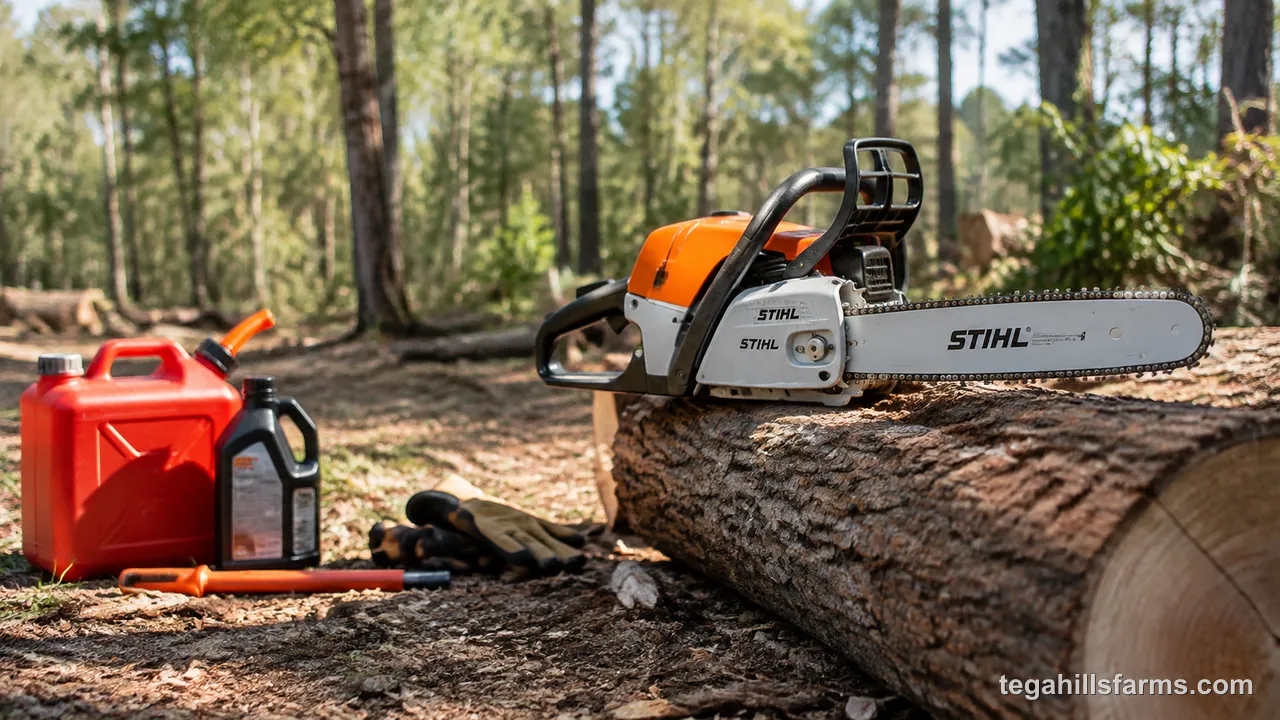
The broader logic of how to choose a chainsaw still applies, but a light saw shifts the priorities toward balance and reach over raw power. Start with the work you do most often rather than the biggest job you might face once a year, then let fuel and batteries narrow the field from there.
Gas vs Battery: Which Power Source Is Right for You?
For short, frequent jobs around the house, battery power is the better choice. The saw starts with a button press, runs quietly, makes no fumes and has no engine to maintain. Gas earns its place when you cut for long stretches far from an outlet, because refilling a tank is much faster than recharging a pack.
The maintenance gap is real. A two-stroke engine needs fuel mixed with oil, periodic air filter cleaning and a spark plug now and then. Fuel left sitting in the carburetor over winter can gum it up and cause a hard spring start. A battery saw skips all of that. Its limit is runtime, which you manage by carrying a spare pack. If cordless is where you’re headed, the best battery chainsaws extend the same trade-offs to longer bars and bigger jobs.
How Do You Match Bar Length to Your Cutting Tasks?
Choose a bar somewhat longer than the thickest wood you cut regularly, because that lets the chain get through each cut cleanly instead of working from both sides. Bar length sets your practical cutting diameter, and it also changes how the saw handles.
Short bars in the 6- to 8-inch range suit pruning. The Greenworks 6-inch handles logs up to 6 inches thick, and the RYOBI’s 8-inch bar takes limbs up to 6 inches in diameter. Mid-length bars around 10 to 12 inches cover storm limbs and light firewood. The 16-inch saws handle bucking rounds and felling small trees.
A shorter bar also keeps more of the saw’s weight close to your hands. That makes it easier to steer through branches and less tiring to hold out in front of you, which is why pruning saws feel so much lighter in use than their specs alone suggest.
Why Does Battery Platform Matter?
The platform decides which batteries fit the saw, and that matters as much as the saw itself. Voltage identifies the platform: a 56V EGO pack won’t fit a 24V Greenworks tool. Amp-hours (Ah) measure how much energy a pack stores, so a higher-Ah battery on the same platform runs longer before it needs recharging.
The two EGO saws show this clearly. They share the same motor rating and chain speed, but the CS1613 ships with a 4.0Ah pack and the CS1611 ships with a 2.5Ah pack, so the CS1613 cuts longer per charge. If you already own batteries for a platform, a bare-tool saw on that platform skips buying another charger and pack, and your existing batteries effectively give the new saw extra runtime.
Every cordless saw here locks into one brand’s battery, and that same pack also runs that brand’s mowers, blowers and trimmers. Buy a saw on a platform you don’t own, and you end up with a second charger, a second set of batteries and a garage split between two systems that never share a pack.
Which Battery Platforms Work Across Multiple Brands?
None of them cross brands. An EGO 56V, DEWALT 20V MAX, RYOBI 18V ONE+ or Greenworks battery only fits tools from its own maker, so the platform you buy into shapes your tool purchases for years. What separates them is how broad each lineup is and what kind of tools it leans toward.
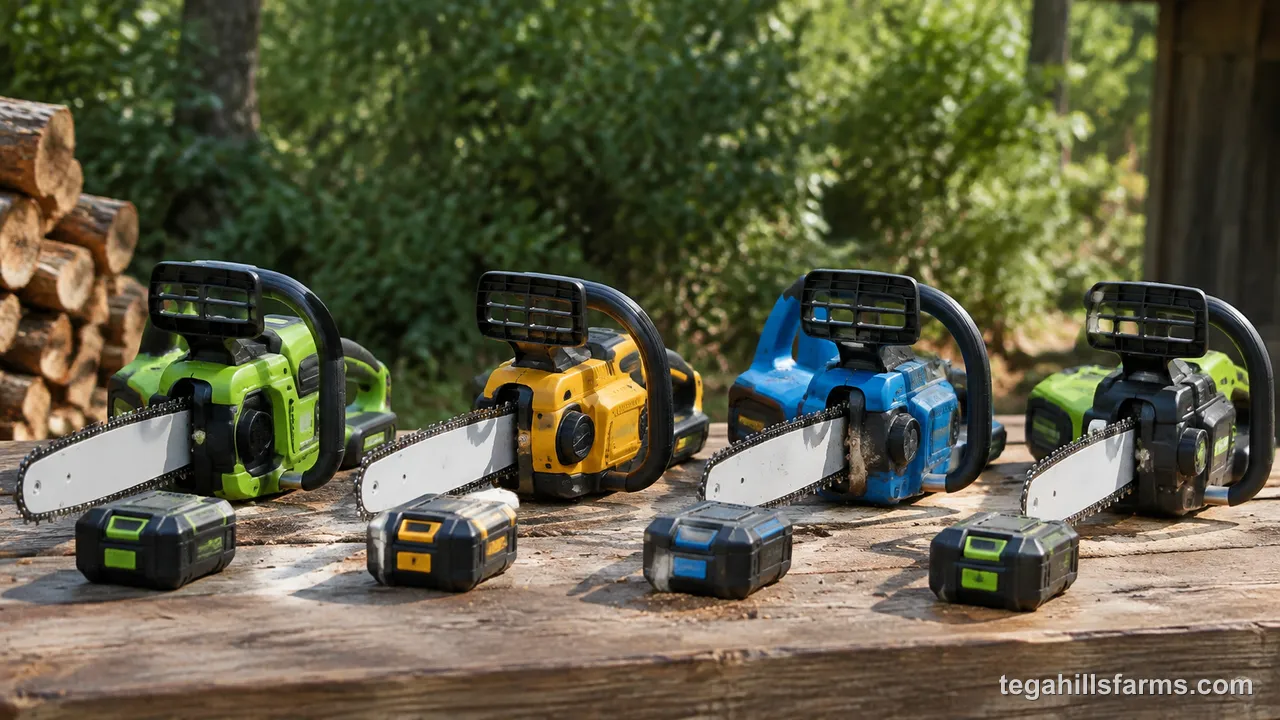
EGO’s 56V ARC Lithium platform centers on outdoor power equipment, including mowers, blowers, trimmers and both EGO saws here, which makes it a strong fit if the yard is your main concern. DEWALT 20V MAX and RYOBI 18V ONE+ both span large power-tool catalogs, so a pruning saw on either platform slots in next to drills and drivers you may already own.
Greenworks splits its range into separate 24V and 40V systems, and those batteries don’t interchange even within the brand. The 24V side covers a wide lineup of indoor and outdoor tools. The 40V side leans toward heavier yard equipment, so pick the Greenworks voltage that matches the mower or blower you’ll want next.
What Maintenance Do Lightweight Chainsaws Actually Need?
Battery power removes engine upkeep but not chain care. You skip fuel mixing, spark plugs, carburetor tuning and air filters, but every saw on this list still needs a sharp chain, correct tension, bar oil and a clean bar.
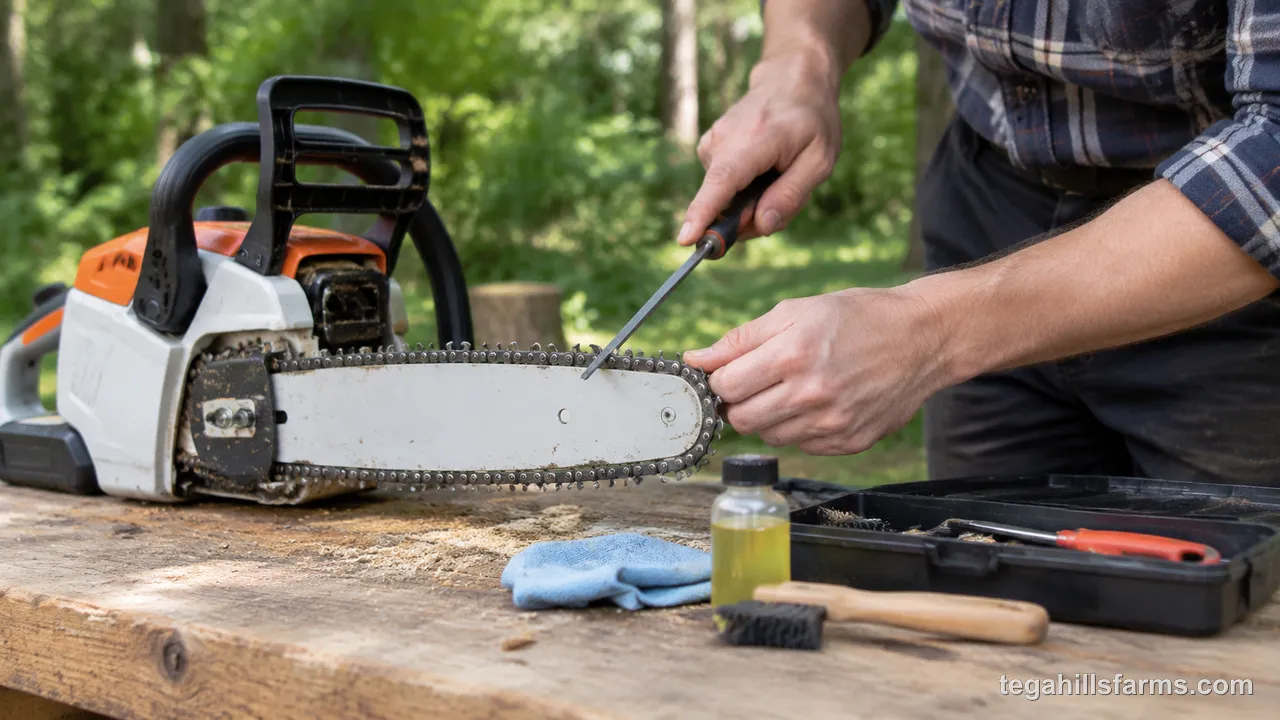
A dull chain is the most common reason a saw seems to lose power. It makes dust instead of chips and forces you to push harder, which also raises kickback risk. Touching up the cutters regularly keeps cuts fast, and chainsaw sharpeners make that a quick bench job instead of a trip to a shop. Auto-oilers still draw from a reservoir you fill with bar and chain oil, so check it each time you swap batteries or refuel.
After a session, clear sawdust from the bar groove and the oil port so the oiler can keep feeding the chain. Store batteries indoors, away from freezing temperatures and summer heat, and don’t leave them sitting fully drained. Gas saws need their fuel stabilized or drained before a long off-season.
Frequently Asked Questions
How much does a lightweight chainsaw weigh?
There’s no industry cutoff. A saw counts as light when you can hold it out from your body through a full session without your arms failing first. Compact pruning saws with short bars are the lightest category, while 16-inch battery and gas saws carry noticeably more weight in exchange for cutting thicker wood.
Can you use a mini chainsaw with one hand?
No. Keep both hands on the handles every time, even with a small pruning saw. One-handed cutting leaves you unable to control the bar if the tip catches, and that’s how kickback injuries happen. Top-handle saws are built for trained arborists working in trees, not for one-handed yard cuts.
What is the best lightweight chainsaw for a beginner?
The Greenworks 24V 6″ Mini Chainsaw is the easiest starting point, thanks to its push-button start, security lock and very low weight. If you want more reach for storm cleanup, the Greenworks 24V 10″ Chainsaw shares the same battery and adds a low-kickback chain and hand guard.
Should I get a pole saw instead of a lightweight chainsaw?
Choose a pole saw if most of your limbs are above head height, because it keeps you on the ground instead of on a ladder with a running saw. The best pole saws reach high branches safely but are awkward for ground-level cutting, where a compact chainsaw is quicker and easier to control.
How long does a battery chainsaw run on one charge?
Runtime is usually rated in cuts rather than minutes, and it depends on battery capacity, wood hardness and how sharp the chain is. Higher-amp-hour packs on the same platform last longer, and a dull chain drains a battery faster. A spare battery is the simplest way to extend a cleanup session.



Write Your Review
No reviews yet. Be the first to share your experience!