

Our top picks for the best chainsaws for women in 2026 are DEWALT DCCS623B 8-Inch Pruning Chainsaw (Best Overall), EGO Power+ CS1611 16″ Chainsaw (Best Premium), Greenworks 24V 6″ Mini Chainsaw (Best Budget), Greenworks 40V 12in Cordless Chainsaw (Also Great), CRAFTSMAN V20 CMCCS620M1 12in Chainsaw (Best Battery Life), WORX WG322 20V 10″ Cordless Chainsaw (Best Lightweight), BLACK+DECKER 20V MAX LCS1020B 10″ Chainsaw (Best for Beginners), and WORX WG327 6″ Mini Chainsaw (Best Compact).
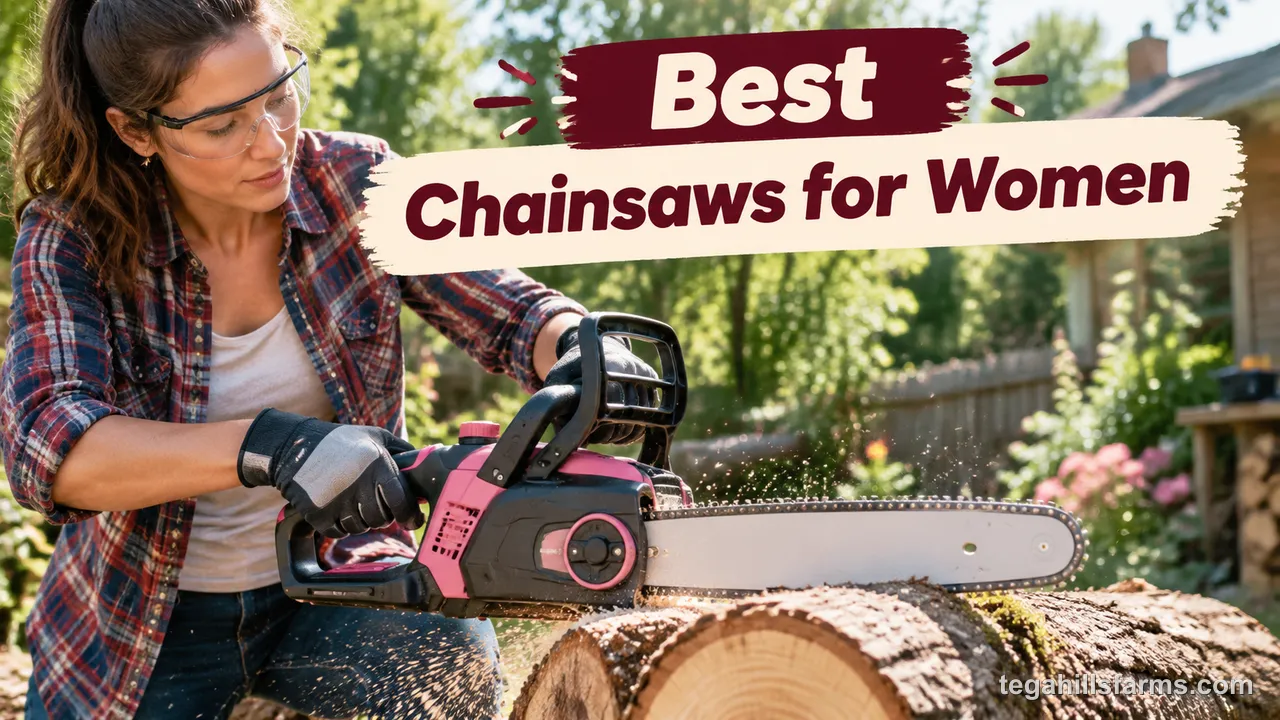
Every saw here runs on a battery, so the choice comes down to bar length, weight with the battery in place, and how much setup the saw asks of you before each cut. A saw sized to the branches in your yard stays easier to control than one built for trees you will never fell.
The worry most first-time buyers carry is kickback and losing control of a running chain. Push-button starts, safety locks, low-kickback chains and tool-free tensioning all reduce that risk, and the saws differ in which of those they carry.


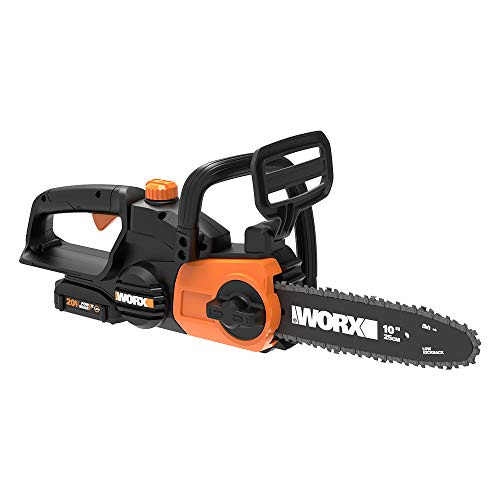


If you already own batteries from DEWALT, EGO, Greenworks, CRAFTSMAN, WORX or BLACK+DECKER, start with that brand’s saw, since a matching tool keeps one charger in the garage and puts your spare packs to work.
What Makes a Chainsaw Good for Women?
Low carried weight, steady balance and a start that needs no pull cord decide how long anyone can run a saw with control, and those traits outrank raw cutting power for most yard work.
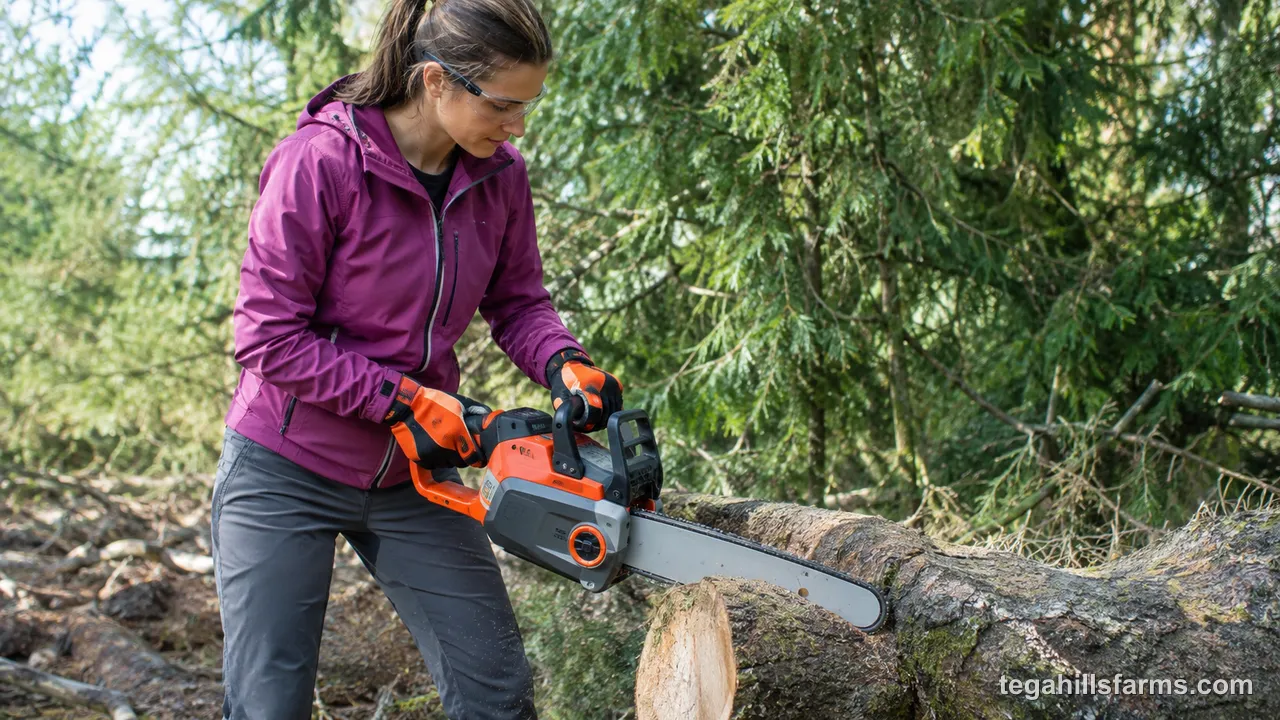
Weight matters most because every pound sits in your arms for the whole cut, and tired arms let the bar wander. Balance decides whether the saw hangs level or tips nose-down, which sets how hard your wrists work to hold it steady. Electric motors also vibrate less than a gas engine, so your hands stay steadier over a long session. None of this is about gender; it is about matching the saw to the person and the wood.
A lightweight saw that starts without a fight with a pull cord is what works for most people buying a first saw, which is why battery models now fill so many spots among the best chainsaws for any user. The same thinking drives how to choose a chainsaw in general: size the bar to your branches first, then pick the lightest saw that still clears them.
The 8 Best Chainsaws for Women of 2026
These 8 saws are DEWALT DCCS623B 8-Inch Pruning Chainsaw, EGO Power+ CS1611 16″ Chainsaw, Greenworks 24V 6″ Mini Chainsaw, Greenworks 40V 12in Cordless Chainsaw, CRAFTSMAN V20 CMCCS620M1 12in Chainsaw, WORX WG322 20V 10″ Cordless Chainsaw, BLACK+DECKER 20V MAX LCS1020B 10″ Chainsaw and WORX WG327 6″ Mini Chainsaw. The mini and pruning saws trade cutting capacity for a weight you can hold at shoulder height, while the 10- to 16-inch models carry more mass but take on storm limbs and firewood rounds, so the right pick depends on whether most of your cutting happens overhead or on the ground.
#1 DEWALT DCCS623B 8-Inch Pruning Chainsaw — Best Overall
Pruning overhead or working inside a tangle of shrubs goes easier with a saw this size. At 4.6 lb as a bare tool, with a brushless motor driving an 8-inch bar, it stays light enough to lift above shoulder height without the arm burn heavier saws bring on.
Key Specs:
- Bar length: 8 in
- Weight: 4.6 lb (bare tool)
- Platform: DEWALT 20V MAX (battery sold separately)
- Motor: Brushless
- Runtime: Up to 70 cuts per charge on 4×4 pressure-treated pine with a DCB230 battery
- Lubrication: Automatic oiling
Detailed Review:
Low weight is what sets this saw apart for reach and overhead work. At 4.6 lb before the battery goes on, the DCCS623B lets you hold the bar steady against a limb above your head, and a steady bar cuts straighter and binds less. The compact body also slips between branches where a longer saw would snag.
A brushless motor drives the chain, wasting less energy as friction and heat than a brushed design, so more of each charge goes into cutting and the motor lasts longer. DEWALT rates it at up to 70 cuts through 4×4 pressure-treated pine on a DCB230 battery, which covers a solid round of trimming along a fence line or garden bed.
The tip guard is the detail I like most for newer users. It braces the saw against the wood during upcuts, where the top of the chain tends to push the saw back toward you. Auto-oiling keeps the bar and chain lubricated without stopping to refill by hand mid-job.
It ships as a bare tool, so the battery and charger are separate purchases unless you already run DEWALT 20V MAX packs. The 8-inch bar also keeps it in limb and small-log territory; firewood rounds call for a longer saw.
Pros:
- Light 4.6 lb bare weight eases overhead pruning.
- Brushless motor stretches runtime and motor life.
- Tip guard steadies the saw during upcuts.
- Compact body reaches into tight branch clusters.
Cons:
- Battery and charger are sold separately.
- Short 8-inch bar limits it to limbs and small logs.
Who It’s For:
Homeowners who spend most of their saw time shaping trees, clearing shrubs and cutting limbs above head height will get the most from it, especially anyone already running DEWALT 20V MAX batteries. Buyers who need to buck firewood or take down small trees should look for a longer bar.
Editor’s Verdict:
Pick this saw when control above your head matters more than bar length; its light bare weight, brushless motor and tip guard keep pruning cuts steady.
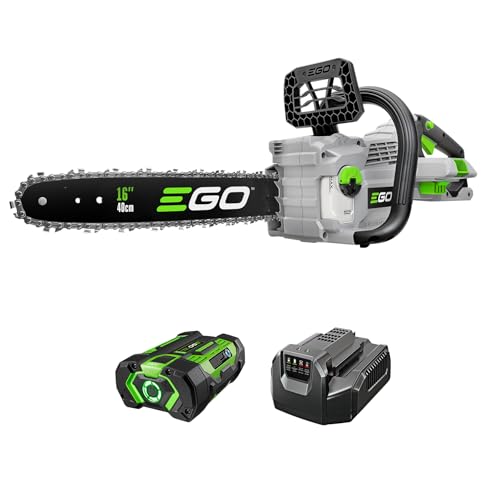
#2 EGO Power+ CS1611 16″ Chainsaw — Best Premium
Firewood is where this saw earns its place. With a 16-inch bar, a 40cc gas-equivalent rating and a 66 ft/s chain speed, it bucks rounds and storm logs with a squeeze of the trigger instead of a pull cord and a can of fuel mix.
Key Specs:
- Bar length: 16 in
- Weight: 9 lb
- Power: 40cc gas equivalent; 66 ft/s (20 m/s) chain speed
- Battery: 56V 2.5Ah ARC Lithium, charger included
- Runtime: Up to 130 cuts on a 4×4 per charge
- Weather rating: IPX4
Detailed Review:
The 16-inch bar is the reason to buy it, since bar length sets how thick a log you can cut in a single pass. A 66 ft/s chain speed and a 40cc gas-equivalent rating keep that long bar pulling through firewood rounds instead of bogging down, and the 56V battery and charger come in the box.
That capacity comes with 9 lb of saw, so it is a tool for waist-height bucking rather than overhead pruning. Against the Greenworks 40V 12in Cordless Chainsaw, it rates up to 130 cuts on a 4×4 per charge versus 50, which means fewer stops to recharge during a long storm cleanup, though the Greenworks weighs 6 lb.
Upkeep stays light for a saw this size. Tool-free tensioning adjusts the chain without a wrench, automatic oiling handles lubrication, and the spill-free reservoir makes refills less messy. The low-kickback chain and brake indicator add a safety margin that grows more important as bar length increases.
IPX4 weather resistance lets you keep cutting through a damp morning or light rain. Replacement chain is easy to match at 3/8-inch pitch, .043-inch gauge and 52 drive links, and the premium build shows in these details.
Pros:
- 16-inch bar handles firewood rounds and storm logs.
- 56V battery and charger come in the box.
- Tool-free tensioning speeds chain adjustments.
- IPX4 rating tolerates damp working conditions.
- Low-kickback chain with a brake indicator.
Cons:
- At 9 lb, it tires arms during overhead cuts.
- Premium cost is hard to justify for occasional pruning.
Who It’s For:
Anyone heating with a woodstove, cleaning up after storms or working a wooded lot will put the long bar to use, and owners of EGO 56V tools can share batteries. If most of your cutting happens overhead or inside shrubs, a lighter pruning saw will be easier to handle.
Editor’s Verdict:
Choose it when gas-saw capacity is the goal; it delivers long-bar bucking with tool-free upkeep and weather resistance, at a weight suited to ground-level work.
#3 Greenworks 24V 6″ Mini Chainsaw — Best Budget
Light pruning and campfire prep are where this mini saw shines. Weighing 3.4 lb with its 2.0Ah battery attached, it starts with a push button and lets you tighten the chain by hand, so there is nothing to pull, mix or wrench before you cut.
Key Specs:
- Bar length: 6 in
- Weight: 3.4 lb with battery
- Battery: Greenworks 24V 2.0Ah, charger included
- Motor: Brushless
- Cutting capacity: Logs up to 6 in
- Start: Push-button with security lock
Detailed Review:
At 3.4 lb with the battery in place, this saw handles more like a hedge trimmer than a full chainsaw, which makes it easy to hold steady near a branch and spares your wrists between cuts. The 6-inch bar slices logs up to that diameter, covering limbs, shrub trunks and kindling.
The safety features suit a saw meant for casual users. A security lock blocks accidental starts, anti-slip handles hold your grip when hands get damp, and safety baffles guard against splashes. The push-button start skips the pull cord, carburetor and spark plug entirely.
One-click chain tightening is the most practical touch, since you can reset tension with one hand in the middle of a job and keep the chain seated and cutting cleanly. The brushless motor helps the modest battery go further per charge.
The battery fits a Greenworks 24V lineup of more than 200 tools, so it can do double duty in a trimmer or blower. As an affordable entry point, it gives up the reach of longer bars, and thicker wood is beyond it.
Pros:
- Weighs 3.4 lb with the battery installed.
- Push-button start with a security lock.
- One-click chain tightening by hand.
- Battery shared with 200+ Greenworks 24V tools.
Cons:
- 6-inch bar rules out thicker logs and rounds.
- Short bar keeps your hands closer to each cut.
Who It’s For:
Gardeners who mainly tidy shrubs, trim fruit trees and prep campfire wood will find it easy to control, and Greenworks 24V owners can reuse their packs. People cutting storm limbs or stacking firewood will outgrow it quickly.
Editor’s Verdict:
Expect a light, simple saw for small wood rather than a firewood tool; within that scope, the push-button start and hand-tightened chain make every job quick to begin.
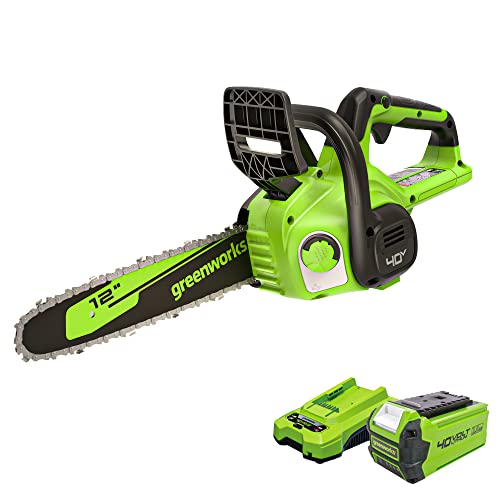
#4 Greenworks 40V 12in Cordless Chainsaw — Also Great
Storm cleanup and everyday pruning both fit inside this saw’s range. It weighs 6 lb, runs a 12-inch low-recoil chain for up to 50 cuts on 4×4 treated wood per charge, and its 40V battery doubles as a power bank for your phone during an outage.
Key Specs:
- Bar length: 12 in
- Weight: 6 lb (2.7 kg)
- Battery: Greenworks 40V 2.0Ah, charger included
- Runtime: Up to 50 cuts on 4×4 treated wood per charge
- Safety: Dual start (lock + trigger), low-recoil chain
Detailed Review:
A 12-inch bar is a sensible middle ground: long enough for downed limbs and small logs after a storm, short enough to keep the saw balanced during pruning. At 6 lb with a wrapped grip, it stays manageable through a longer session, and the low-recoil chain softens the jolt when the bar bites into wood.
The dual safety start needs the lock and trigger together, so a bumped trigger alone won’t spin the chain. Tool-free auto-tensioning adjusts the chain without a wrench, and the auto-oiler keeps lubrication steady, which extends chain life.
The battery is the clever part. Besides running the saw, the 40V 2.0Ah pack charges phones and tablets, which makes this a handy tool to keep ready when storms knock the power out. It also fits the wider Greenworks 40V lineup.
The CRAFTSMAN V20 CMCCS620M1 12in Chainsaw carries the same bar length with a larger 4.0Ah pack, but it weighs 9.9 lb against 6 lb here, so the choice comes down to carry weight versus pack capacity. A 3-year tool and battery warranty rounds out the package.
Pros:
- Light 6 lb build with a wrapped grip.
- Battery charges phones and tablets in an outage.
- Lock-plus-trigger start prevents accidental chain spin.
- 3-year tool and battery warranty.
Cons:
- 2.0Ah pack means recharging during bigger cleanups.
- 12-inch bar falls short on thick firewood.
Who It’s For:
Households that lose power in storms and want one saw for limb cleanup and seasonal pruning get a lot of use from it, and Greenworks 40V owners can share batteries. If you split firewood often, the EGO Power+ CS1611 16″ Chainsaw suits that work better.
Editor’s Verdict:
Keep this saw ready for storm season; its mid-length bar, lock-plus-trigger start and phone-charging battery cover cleanup and pruning without fuss.
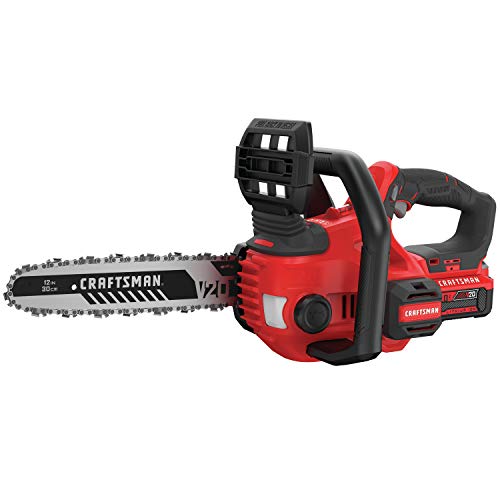
#5 CRAFTSMAN V20 CMCCS620M1 12in Chainsaw — Best Battery Life
Runtime comes first with this saw. A high-capacity 4.0Ah battery ships in the box, and a bubble level on the body helps you keep cuts square when you’re bucking logs into even rounds or trimming posts to height.
Key Specs:
- Bar length: 12 in
- Weight: 9.9 lb
- Battery: CRAFTSMAN V20 4.0Ah, charger included
- Maintenance: Auto oiling, tool-free tensioning
- Replacement parts: Chain CMZCSC12, bar CMZCSB12
- Warranty: 3-year limited
Detailed Review:
The 4.0Ah battery is the reason to choose it. Amp-hours measure how much energy a pack stores, so this high-capacity pack keeps the 12-inch chain running longer between charges than a smaller pack on the same platform, which pays off on days spent clearing a fence row or a pile of storm limbs.
The bubble level is a small feature with a real payoff. It shows when the bar sits level, which helps you cut firewood rounds that stand flat and trim posts or beams evenly. Auto oiling and tool-free tensioning keep upkeep to a quick check before work.
Weight is the trade-off. At 9.9 lb, it suits waist-height cutting rather than overhead pruning, and that heft deserves a hard look if grip strength or shoulder fatigue limits how long you can hold a saw.
An integrated hook hangs the saw on a VERSATRACK wall system, keeping it off a crowded garage floor. Replacement chain CMZCSC12 and bar CMZCSB12 make parts easy to order, and the 3-year limited warranty backs the tool.
Pros:
- High-capacity 4.0Ah battery included with charger.
- Bubble level helps keep cuts square.
- Auto oiling and tool-free tensioning cut upkeep.
- Integrated hook hangs it on VERSATRACK walls.
Cons:
- 9.9 lb weight tires arms on overhead cuts.
- 12-inch bar struggles with thicker logs.
Who It’s For:
Owners facing long cleanup sessions, like clearing a fence line or working through a pile of fallen limbs, will appreciate fewer trips to the charger, and CRAFTSMAN V20 owners can reuse their batteries. Anyone who prunes mostly above shoulder height should consider something lighter.
Editor’s Verdict:
Buy it for stamina: the 4.0Ah pack, bubble level and low-maintenance chain system make long ground-level sessions easier, as long as the weight suits you.
#6 WORX WG322 20V 10″ Cordless Chainsaw — Best Lightweight
At 6.2 lb, about the weight of a 2-liter soda bottle, this saw stays comfortable through a long session of limbing and cleanup around the yard. Auto-tension keeps the chain set correctly on its own.
Key Specs:
- Bar length: 10 in
- Weight: 6.2 lb
- Chain speed: 12.5 ft/s
- Platform: WORX 20V PowerShare, battery and charger included
- Chain care: Automatic tensioning, automatic oiling with level indicator
Detailed Review:
Light weight is the whole pitch, and 6.2 lb behind a 10-inch bar is a manageable balance for limbing downed branches or cutting small logs before your forearms give out. Less mass also means less effort holding the bar steady through a cut, so you stay in control longer.
The auto-tension system suits anyone who doesn’t want to fuss with a chain. It holds tension correctly without tools, so the chain is less likely to loosen mid-job. Automatic lubrication pairs with an oil level indicator that shows when to refill before the bar runs dry.
Chain oil does not come in the box, so fill the tank and run the chain for a few seconds before the first cut to spread oil along the bar. The 12.5 ft/s chain speed is modest; the WORX WG327 6″ Mini Chainsaw lists 33 ft/s, so expect this saw to cut steadily rather than quickly.
The battery belongs to the PowerShare family of more than 75 WORX tools across 20V, 40V and 80V, the same packs that run WORX mowers.
Pros:
- Weighs 6.2 lb with a 10-inch bar.
- Auto-tension keeps the chain set without tools.
- Oil level indicator shows when to refill.
- Battery fits more than 75 PowerShare tools.
Cons:
- Chain oil is sold separately.
- 12.5 ft/s chain speed cuts at a slow pace.
Who It’s For:
If grip strength or shoulder fatigue limits how long you can run a heavier saw, this one keeps sessions comfortable, and WORX 20V PowerShare owners can share batteries. Buyers who want quick cuts through thick wood will find its pace slow.
Editor’s Verdict:
Go with it for low-effort cutting: auto-tension, the oil level indicator and a light build keep yard cleanup simple from start to finish.
#7 BLACK+DECKER 20V MAX LCS1020B 10″ Chainsaw — Best for Beginners
Learning to run a chainsaw is easier on a saw that keeps adjustments simple. Tool-free chain tensioning and an 8-inch cut capacity on a 10-inch bar give a first-time owner room for yard limbs without the setup routine of a gas saw.
Key Specs:
- Bar length: 10 in
- Cut capacity: 8 in
- Weight: 7.59 lb
- Platform: 20V MAX (battery and charger not included)
- Chain care: Tool-free tensioning, oiling system
- Included: Guide bar scabbard
Detailed Review:
Setup is about as simple as chainsaws get. Tool-free tensioning lets you tighten the chain by hand, which matters for beginners because a chain stretches as it warms up and needs a quick adjustment during the first sessions. The oiling system lubricates the bar and chain, so there is no separate routine to learn.
An 8-inch cut capacity on a 10-inch bar covers fallen limbs and small logs around a typical suburban yard. At 7.59 lb, it is comfortable at waist height for a beginner still building confidence, though it is not a saw for long stretches of overhead work.
It runs on BLACK+DECKER 20V MAX batteries, which are not included, so it makes the most sense if you already own a pack from a drill, trimmer or blower. Starting from nothing means buying a battery and charger before the first cut.
The included guide bar scabbard covers the chain for storage and carrying, a simple safety habit worth starting on day one. Few controls and no gas mean less to remember each time you pull it off the shelf.
Pros:
- Tool-free tensioning for quick hand adjustments.
- 8-inch cut capacity covers common yard limbs.
- Guide bar scabbard included for safe storage.
- Works with existing 20V MAX batteries.
Cons:
- Battery and charger are sold separately.
- Not built for thick firewood rounds.
Who It’s For:
New saw owners who want a straightforward tool for fallen branches and light cleanup will find little to learn here, especially if BLACK+DECKER 20V MAX batteries are already in the garage. Those starting with no batteries at all may prefer a kit that includes them.
Editor’s Verdict:
Start here if simplicity matters most; hand-tightened tensioning, built-in oiling and a bar scabbard make the first season with a chainsaw low-stress.
#8 WORX WG327 6″ Mini Chainsaw — Best Compact
Tight pruning jobs reward a saw you can steer with a single hand. Weighing 3.1 lb with a brushless motor and a 33 ft/s chain, it handles limbs up to 6 inches and rates up to 160 cuts on 2-inch branches per charge.
Key Specs:
- Bar length: 6 in (limbs up to 6 in)
- Weight: 3.1 lb
- Chain speed: 33 ft/s
- Runtime: Up to 160 cuts on 2-in branches per charge
- Battery: WORX 20V 2.0Ah PowerShare, charger included
- Motor: Brushless
Detailed Review:
At 3.1 lb, this pruning saw is light enough for one-hand operation, which keeps fatigue down as you work along a hedge row or a line of fruit trees. The 33 ft/s chain speed moves through limbs up to 6 inches quickly, so you spend less time holding the saw in position for each cut.
A brushless motor helps the 2.0Ah battery reach as many as 160 cuts on 2-inch branches per charge. That figure is useful because pruning is many small cuts rather than a few big ones, and it is the cut count that decides whether you finish the job on one charge.
An upper safety guard and hand guard shield your hands from the chain and from flying debris, which matters on a saw small enough to invite close-in work. The included blade cover keeps the chain covered in storage.
Compared with the WORX WG322 20V 10″ Cordless Chainsaw, it gives up the longer bar for a much lighter body, 3.1 lb against 6.2 lb, so it suits pruning more than bucking logs. The battery joins the WORX PowerShare system, working across 20V tools and combining for 40V and 80V models.
Pros:
- 3.1 lb weight allows comfortable one-hand pruning.
- 33 ft/s chain speed delivers quick, clean cuts.
- Up to 160 cuts on 2-inch branches per charge.
- Upper safety guard and hand guard included.
- Battery, charger and blade cover come in the box.
Cons:
- 6-inch capacity rules out larger logs.
- Short bar keeps hands close to the cutting area.
Who It’s For:
Yard owners who trim fruit trees, ornamental shrubs and overgrown hedges will find it easy to carry from job to job, and WORX 20V PowerShare owners can share batteries across tools. Those who need to buck firewood will want a longer bar.
Editor’s Verdict:
Reach for this one when pruning is the main job; its light build, quick chain and safety guards make small cuts fast and easy to control.
What Should You Look for in a Chainsaw?
Fit to your actual cutting work matters more than peak power: the right saw is the smallest, lightest one that still clears the wood in your yard, because extra capacity you never use is weight you always carry.
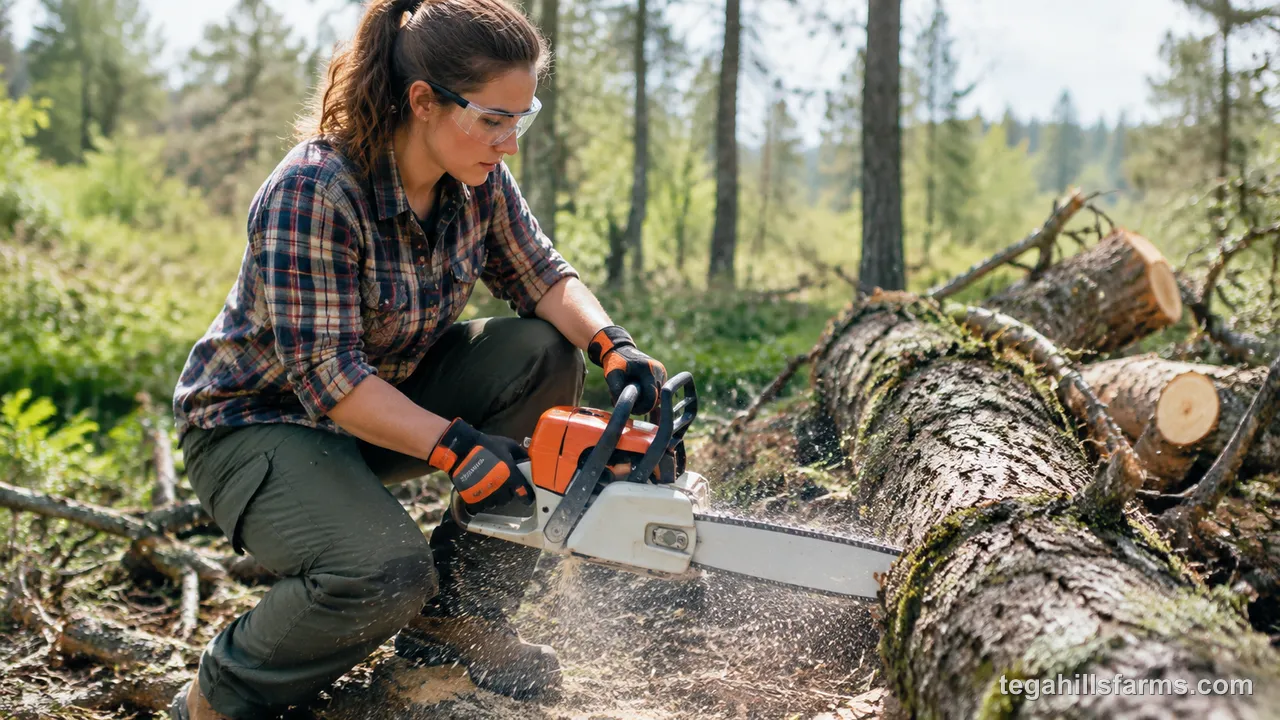
That principle shapes every spec on the box, from the bar out front to the battery in the handle. Comparing the best battery chainsaws side by side shows how much a few pounds or a few inches of bar change the feel of a saw in your hands, and how the safety and convenience features decide whether the saw stays pleasant to use after the first season.
Bar Length: Match the Saw to the Job
Pick a bar a little longer than the thickest wood you usually cut, since a bar that spans the log lets you cut straight through without having to work from both sides. Mini saws with 6-inch bars handle branches and limbs up to that diameter, 10- and 12-inch bars cover storm cleanup and small logs, and a 16-inch bar is where firewood rounds become routine work.
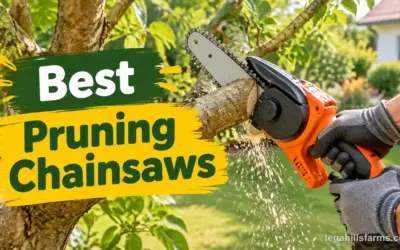
If your cutting is mostly shaping trees and shrubs, the best pruning chainsaws keep the bar short on purpose, because every extra inch of bar adds weight out front. You feel that weight most on overhead cuts, where a long bar pulls your wrists forward and makes the tip harder to place precisely.
Weight and Balance
Weight decides how long you can hold a saw steady, and steadiness matters more for safe cutting than motor power. Check the weight with the battery installed: some brands give bare-tool weight, and a battery pack adds noticeable heft that rides at the back of the saw.
Balance matters as much as the number on the scale. A saw that hangs level in your hand, with the battery offsetting the bar, takes less wrist effort to hold in position, especially when you cut at shoulder height or above. Wrapped or anti-slip grips help keep control when gloves get damp. A heavier saw with a long bar is fine for waist-height bucking but becomes tiring the moment you lift it to trim a limb.
Safety Features That Matter
A chain brake and a low-kickback chain do the most to prevent injury, because kickback, when the upper tip of the bar catches wood and throws the saw back toward you, causes the classic chainsaw accident. A low-kickback chain reduces how hard that tip grabs, and a chain brake stops the chain almost instantly when triggered.
A safety lock or lock-plus-trigger start keeps a bumped trigger from spinning the chain, and a hand guard shields your front hand from the chain and debris. Some pruning saws add a tip guard that steadies the saw during upcuts. Check which of these a saw carries before you buy, since a saw that skips them leaves more of the margin for error with you.
Ease-of-Use Features
Tool-free tensioning and automatic oiling remove the two routine chores that trip up new owners: a chain that loosens and a bar that runs dry. Tool-free systems replace the wrench-and-screw adjustment with a hand control, and auto-tension designs hold the setting on their own, so the chain stays seated without you checking it every few minutes.
Automatic oiling feeds bar oil while you cut, and an oil level indicator tells you when the tank is low before the bar overheats. Push-button start removes the pull cord, which is the most physical part of running a gas saw. Brushless motors round out the list by stretching runtime and motor life on the same battery.
Battery vs Gas Chainsaws: Which Is Better for You?
Battery saws win for occasional yard work thanks to quiet running, push-button starts and almost no engine upkeep, while gas saws still win for all-day cutting and thick timber where runtime and sustained power matter.
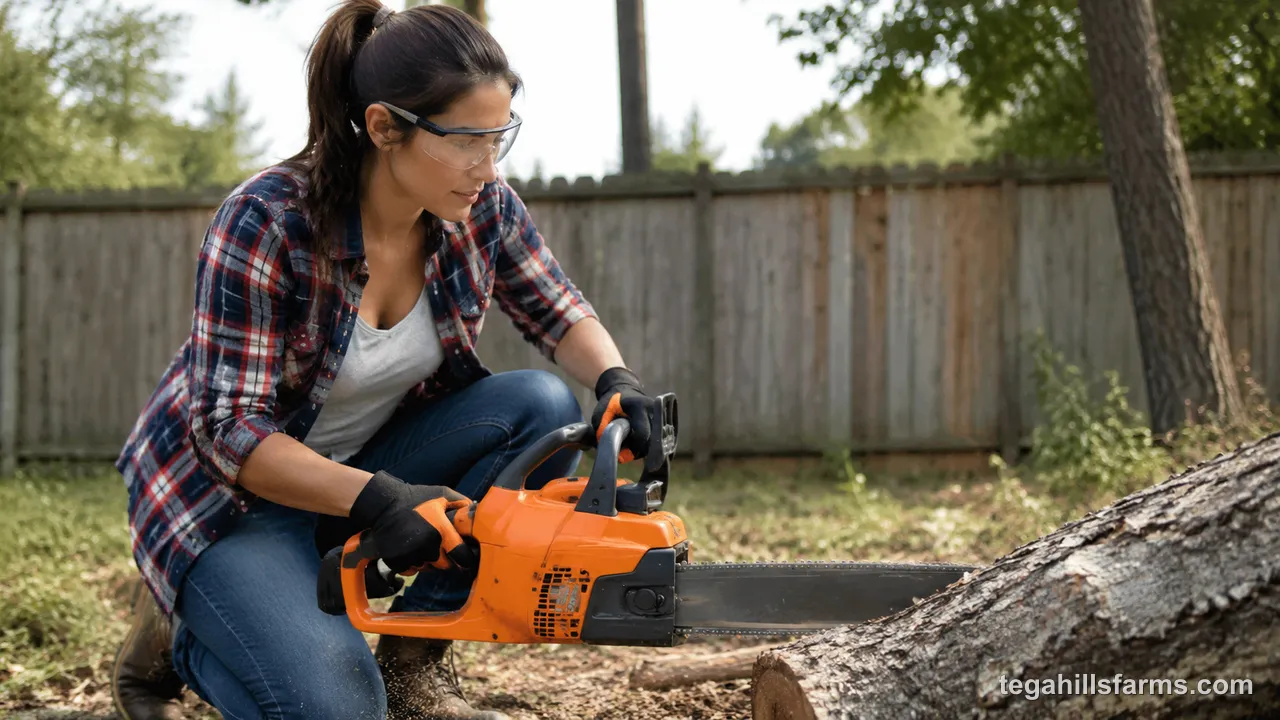
How often you cut and how big the wood is should decide the question, not habit or brand loyalty. A saw that sits unused most of the year rewards a different design than one running every weekend through the heating season.
When Battery Makes Sense
Battery power fits suburban and small rural lots where cutting happens now and then through the year: storm limbs, pruning and a modest firewood pile. A battery saw has no fuel mix to go stale between uses, no carburetor to gum up, no spark plug to replace and no pull cord to fight, so it starts the same way after months on a shelf.
It also runs far quieter than a gas engine, which makes early-morning cleanup easier on the neighbors. The biggest long-term advantage is the battery platform: one set of packs can run your saw, string trimmer, blower and sometimes your mower, so each new tool adds capability without adding another engine to maintain.
When Gas Still Wins
Gas makes sense when you cut for hours at a stretch, heat your home with wood, or clear land far from an outlet. Refueling takes moments and the saw keeps running as long as you have fuel, while a battery saw needs charged spares waiting.
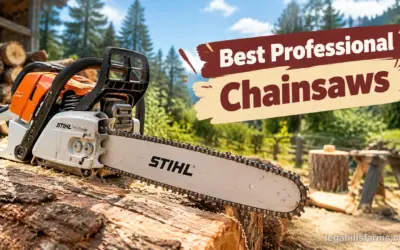
Large-diameter timber also favors gas, since long bars and sustained power under load are where gas engines still have the edge. The trade-off is upkeep: mixing fuel, cleaning the air filter, replacing spark plugs and draining or stabilizing fuel before storage. A gas saw is also heavier to start and louder to run, so hearing protection becomes essential rather than wise.
Cordless saws start every time, but they only run as long as the pack in the handle. A cleanup day after a storm often stretches past what a single battery delivers, and without a charged spare waiting, the job stops while the drained pack sits on the charger for longer than it took to empty it.
How to Manage Battery Runtime
A spare battery is the simplest fix for runtime, so plan on buying one if your sessions go beyond light pruning. With two packs in rotation, one charges while the other cuts, and the break to swap batteries doubles as a rest for your arms.
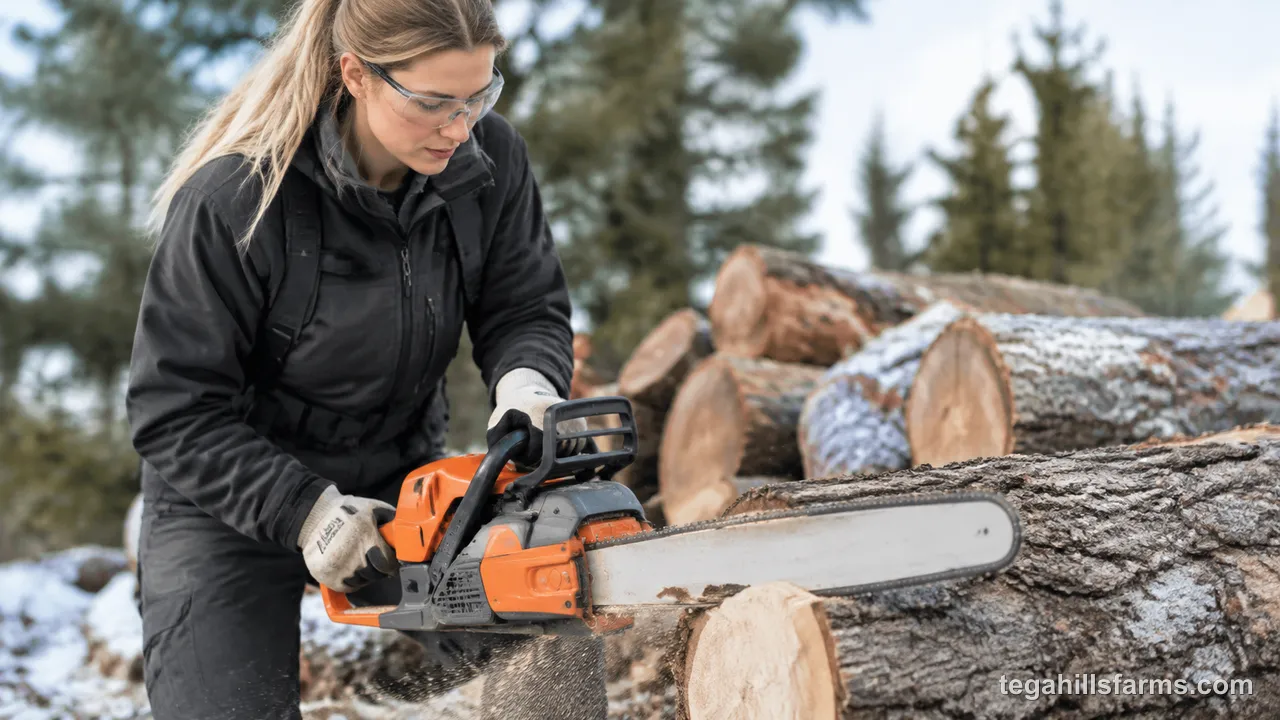
Read manufacturer cut counts as a comparison tool rather than a promise. Each figure comes from a specific test piece, such as 4×4 lumber or small branches, and real logs with knots, hardwood or wet bark take more energy per cut. Amp-hours tell you how much energy a pack stores, while voltage tells you which tool platform it belongs to, so higher amp-hours on the same platform means longer runtime.
Cold weather reduces battery output, so keep spare packs indoors or in a warm cab until you need them. Store batteries inside between seasons, and let a hot pack cool before charging it.
Keeping Your Chain Sharp and Tensioned
Check tension before every session and whenever the chain sags off the bottom of the bar; sharpen when the saw throws fine dust instead of chips or starts pulling to one side in the cut. Those two habits keep a battery saw cutting fast and drawing less power from the pack.
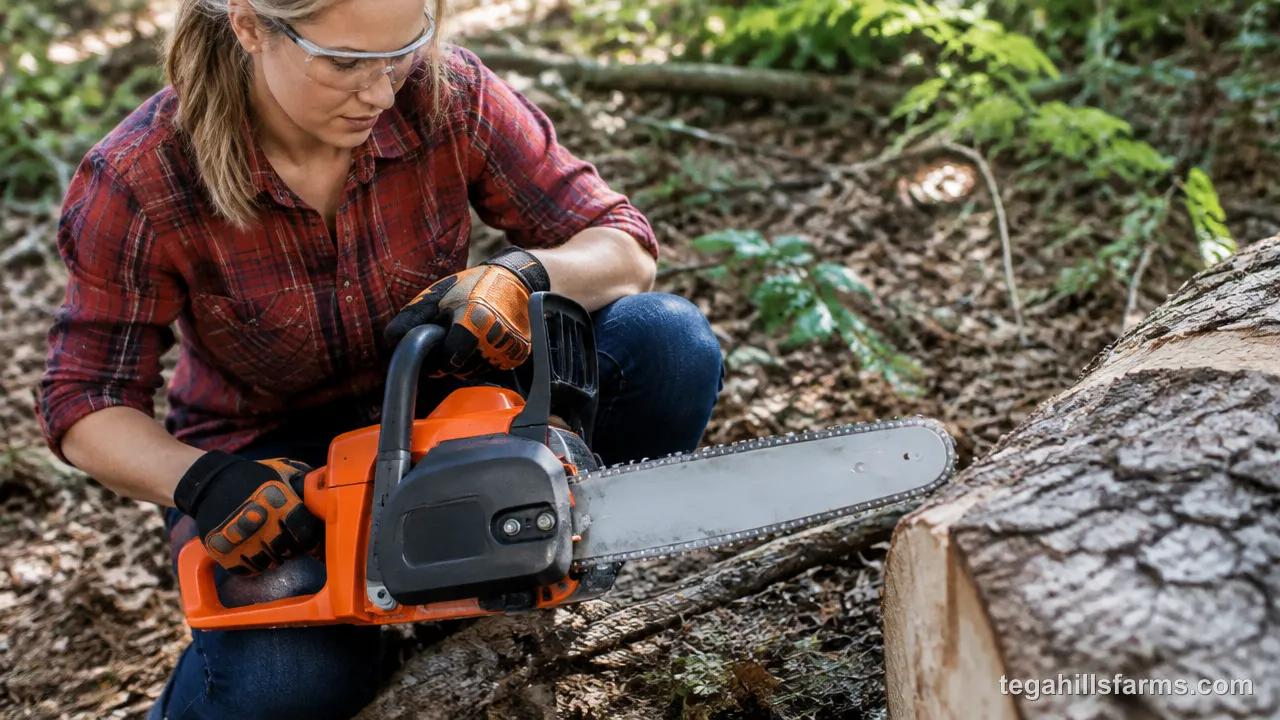
A correctly tensioned chain sits snug against the bar but still pulls freely along it by hand with gloves on. Chains stretch as they warm up, so new chains and long sessions need a recheck. A loose chain can jump off the bar, while an overtightened one wears the bar and sprocket and drains the battery faster.
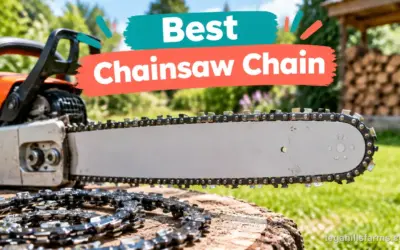
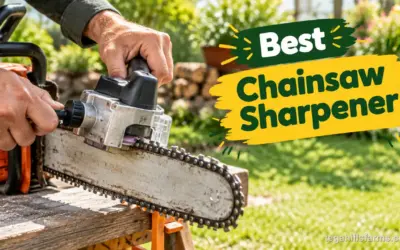
A dull chain forces you to push the saw into the wood, which tires your arms, produces crooked cuts and raises the chance of kickback. Touch it up with a round file and guide, or use one of the chainsaw sharpeners built for home use. When the cutters are worn back or damaged, replace it with chainsaw chains that match your saw’s pitch, gauge and drive-link count.
Mistakes to Avoid When Buying Your First Chainsaw
The most common mistake is buying more saw than the job needs. A long bar and big motor add weight you carry on every cut, while a smaller saw would have cleared your limbs comfortably and stayed easier to control.
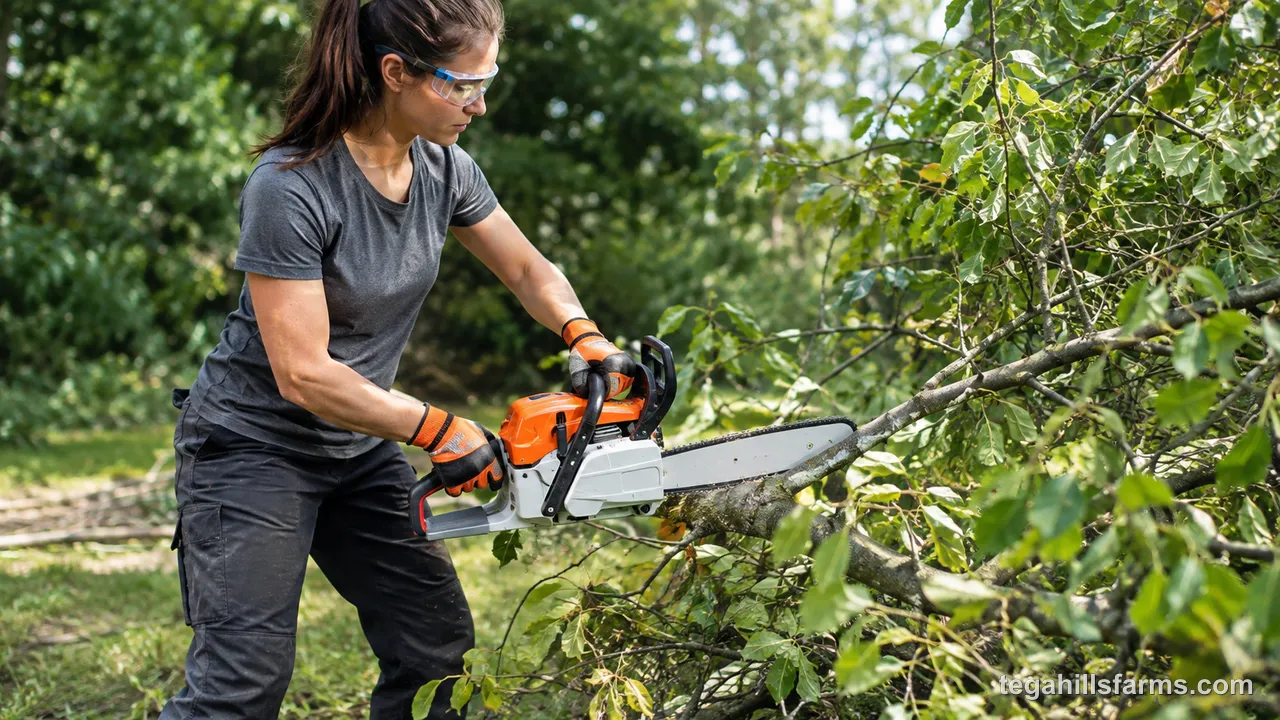
Ignoring the battery platform is the next trap. A saw sold as a bare tool only makes sense if you already own that brand’s packs; otherwise you end up adding a battery and charger anyway, and possibly a second platform in the garage. Check whether the box includes the battery and charger before deciding.
Listed weight causes confusion too, since some brands quote the tool without the battery. Compare saws with their batteries installed. I’d also treat automatic oiling and tool-free tensioning as must-haves for a first saw, because they handle the two maintenance tasks new owners most often neglect.
Finally, budget for protective gear along with the saw, since chaps, eye protection and gloves matter from the first cut.
Frequently Asked Questions
Do women need a different chainsaw than men?
No chainsaw is built for one gender; what matters is weight, balance, grip and start method for the person holding it. A light battery saw with a push-button start reduces fatigue and keeps the bar steady for anyone, which improves both cut quality and safety. Size the saw to your branches, not to the biggest motor.
Are mini chainsaws safe for beginners?
Mini chainsaws are safe when you treat them with the same care as any saw: firm footing, eye protection, gloves and attention to where your hands are. Their short bars cut less wood per pass, but the chain still moves fast. The best mini chainsaws add hand guards, safety locks and blade covers for extra protection.
What protective gear do I need to run a chainsaw?
Wear safety glasses or a face screen, hearing protection, cut-resistant gloves, chainsaw chaps or pants, and sturdy boots. A helmet with a face shield matters for any work under trees or above your head. Battery saws run quieter than gas models, but ear protection is still wise during longer sessions.
Is a lightweight chainsaw a good choice for older users?
Yes, for most yard work. Lower weight and push-button starts ease strain on wrists, shoulders and backs, the same traits that set apart the best chainsaws for seniors. Pair a light saw with a bar sized to your branches, and take breaks before fatigue starts to loosen your grip on the handle.
How should I store a battery chainsaw between seasons?
Clean chips and sawdust off the bar and housing, handle the bar oil reservoir as the manual directs, and slip the cover over the chain. Remove the battery and store it indoors, away from extreme heat and cold, following the manufacturer’s guidance on charge level for long-term storage. Hang or shelve the saw off a damp floor.
Write Your Review
No reviews yet. Be the first to share your experience!