

A hedge trimmer costs next to nothing for manual shears, a modest amount for corded electric models, more for battery-powered ones, and the most for gas machines. The power source sets the price tier before anything else does.
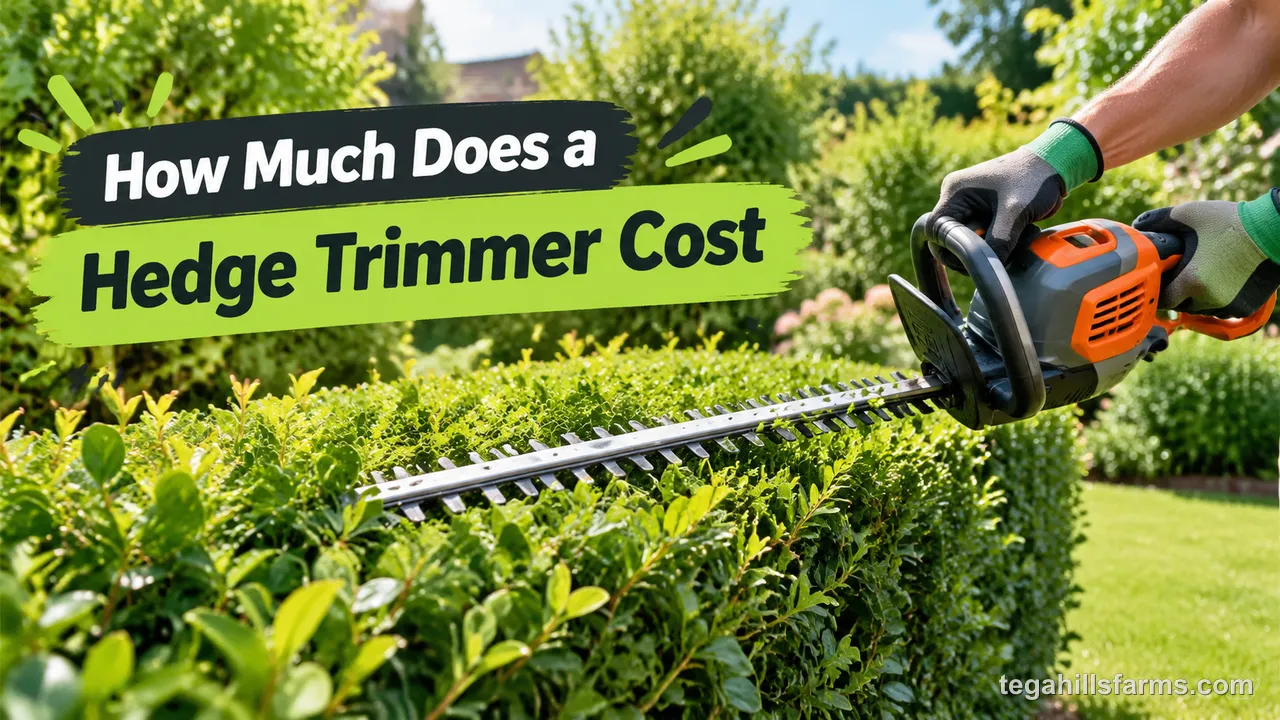
Blade length, brand and battery setup nudge the price up or down within each tier. For cordless buyers in particular, those factors matter more than the sticker suggests.
The price tag is only part of what you spend. A cordless trimmer may arrive without a battery or charger, a gas model needs fuel and upkeep, and a bargain pick that stalls on thick branches gets replaced sooner than you planned.
Before you compare prices, check what the box actually includes and how thick your toughest branches are. Those two details tell you more about the right budget than a brand name does.
What Is the Average Price of a Hedge Trimmer?
The average hedge trimmer price falls between $33 and $227, and the power source does most of the work in deciding where a given model lands. Manual shears sit at the bottom and gas models at the top.
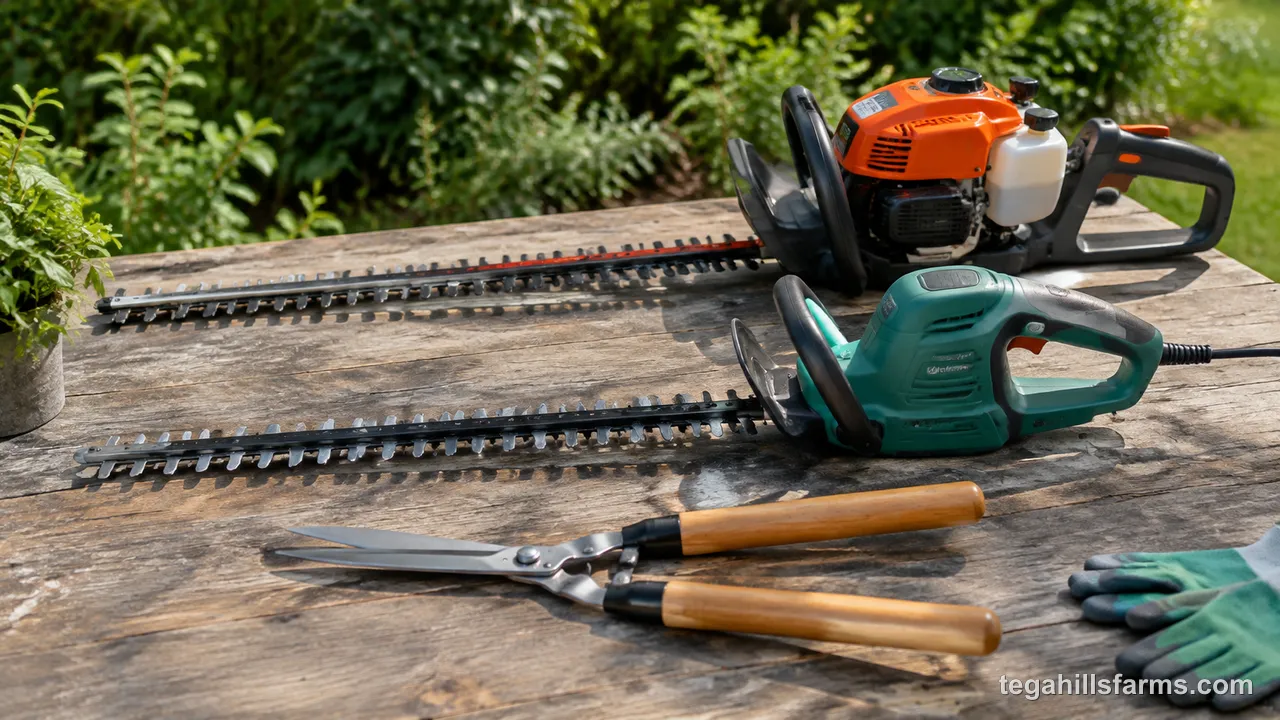
The extremes stretch further, from basic hand shears to a gas model that tops out at $620. Blade length, brand and battery setup move the price too, but only within the band set by the power type. Still weighing power types and blade sizes? Our guide on how to choose a hedge trimmer covers that decision in more depth.
How Much Does Each Type of Hedge Trimmer Cost?
Hedge trimmer cost climbs with the power source: manual shears are cheapest, corded electric models stay affordable, battery-powered trimmers cost more, and gas models top the range.
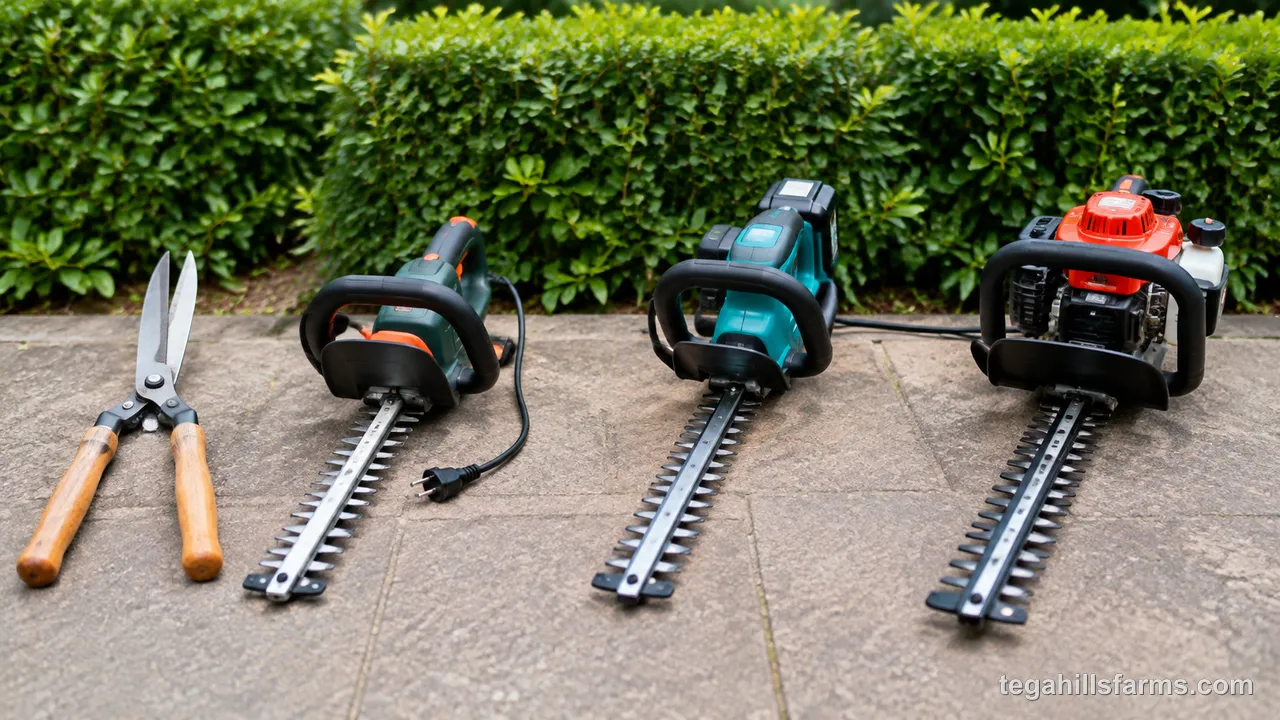
At the low end you give up time and effort. At the high end you pay for capacity.
Manual Hedge Shears and Clippers
Manual hedge shears cost about $33 on average, and most pairs land between $24 and $42. That makes them the lowest entry point in the category, with extremes running from $9 to $120.
The price stays low because there is no motor, battery or fuel system to pay for, only steel blades and handles. Sharpening them yourself costs next to nothing.
The trade-off is time and effort. A few boxwoods or a short privet row are fine. A long hedge turns into a sore-forearm job, and keeping the top line level by hand takes patience. If your hedges are small and you trim a few times a year, shears may be all the tool you need.
Corded Electric Hedge Trimmers
Corded electric hedge trimmers average $52, and most sell between $48 and $57. Extremes run from $30 to $100.
Prices stay low because there is no battery to buy and the motor is simple. The catch is the cord. You are tied to an outlet or a long outdoor-rated extension cord, which limits how far from the house you can work and means keeping the cord behind you as you cut.
For a small yard with hedges near the house, that limit rarely matters. Beyond that, the savings start costing you in time spent rerouting cord. Think of corded as the low-cost powered option for tidy, close-to-the-house hedges.
Battery-Powered Hedge Trimmers
Battery-powered hedge trimmers average $83, with most priced between $49 and $118. The range runs from $23 at the bottom to $399 at the top.
Cordless costs more than corded because you are paying for the battery. Capacity and voltage platform push the price up, along with a brushless motor that runs cooler and wears less. Whether you buy a kit with battery and charger or the bare tool changes your real spend, so check which one the listing sells.
What you get for the extra money is freedom: no cord, no fuel, and a machine quiet enough for a Saturday morning. Store the battery indoors over winter, since a cold shed shortens its life.
Gas Hedge Trimmers
Gas hedge trimmers average $227, and typical prices run from $185 to $268, the highest of the four types. Models range from $115 up to $620.
The engine, greater cutting capacity for thick branches and a professional build drive that price. Gas also changes how you own the machine. Most run on a fuel and oil mix, and fuel goes stale over winter. When a gas hedge trimmer won’t start in spring, old fuel is the usual suspect.
Gas makes sense for long, thick or overgrown hedges far from an outlet, where runtime matters more than weight or noise. For a small suburban hedge, you would be paying for power you never use.
Which Hedge Trimmer Brands Cost the Most?
Black+Decker and similar entry-level brands cost the least, Ryobi, EGO POWER+ and Worx sit in the middle, and STIHL and Husqvarna cost the most.
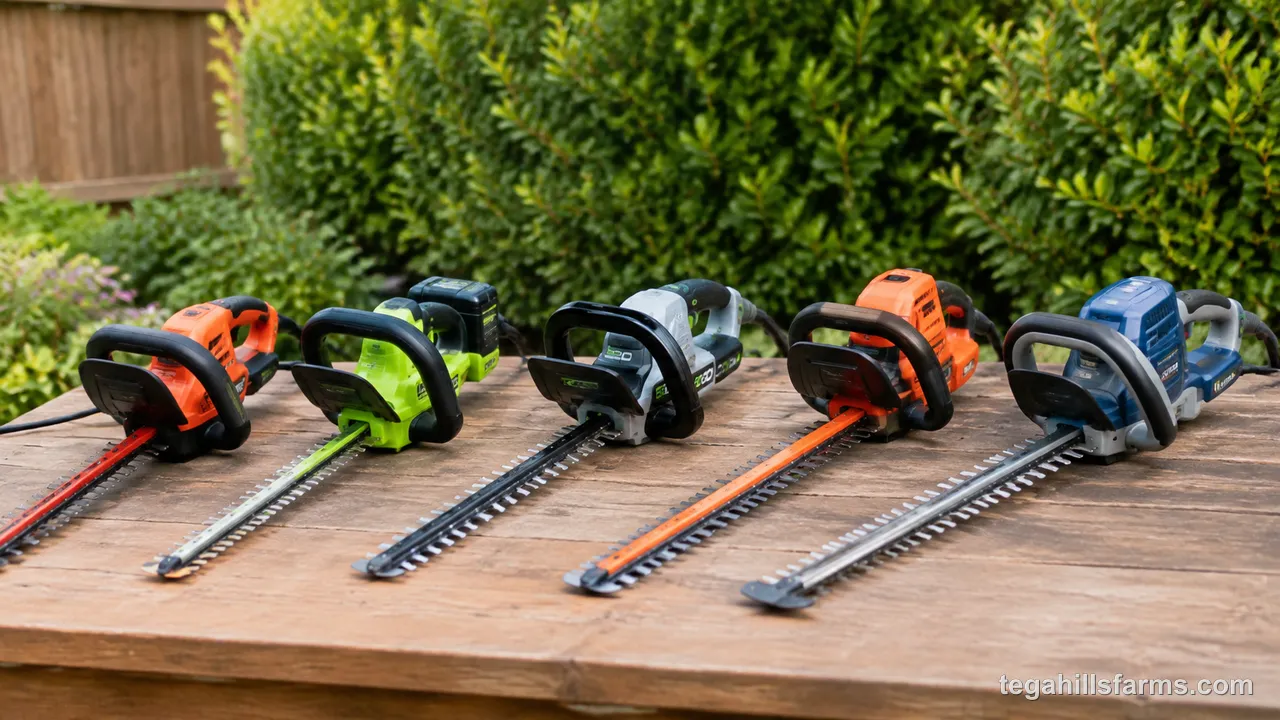
Price follows build quality and battery platform more than the name on the housing. Each tier buys something different.
Budget-Friendly Corded Brands
Entry-level corded trimmers, the category where Black+Decker is a familiar name, typically cost $48 to $57. That price covers a light motor, a shorter blade and a plastic housing.
It handles soft, regular growth well. A hedge you trim often keeps its branches thin, and a light trimmer glides through them.
The low price limits blade size and cutting capacity. Once branches turn woody and thick, a budget corded motor bogs down and you end up making repeated passes. These models suit small hedges near an outlet and owners who trim on a regular schedule rather than rescuing overgrown shrubs.
Mid-Range Cordless Platforms
Mid-range cordless options include the Ryobi ONE+ HP 18-Volt at $199 and the Worx Nitro 40V 24-Inch at $216. EGO POWER+ is another platform buyers weigh in this tier.
Price differences between these brands come mostly from the battery platform. The battery and charger are shared across a whole line of tools, so you are really buying into a system.
If you already own batteries from one platform, the bare tool from the same brand is usually the smart buy. Switching brands means paying for a new battery and charger you do not need. Check the voltage on your existing batteries first, because that decides which trimmers you can run without extra purchases.
Premium and Professional Brands
STIHL and Husqvarna price from lighter homeowner models to professional ones. The STIHL HSA 26 is $119.99 as a bare tool and $189.99 as a set with the AS 2 battery and AL 1 charger. The STIHL HSA 60 is $329.99 as a unit and $409.99 as a set with the AK 10 battery and AL 101 charger.
The Husqvarna Hedge Master 320iHD60 is $319, and the STIHL HS 56 sits near the top at $529.99.
Durability, dealer support and cutting capacity push these prices up. Dealer support matters when a trimmer needs service, because you can bring it to a shop instead of shipping it away.
Professional-grade brands pay off for large hedges and frequent use. A homeowner who trims once a season is paying for capacity that mostly sits unused.
What Else Affects Hedge Trimmer Price Besides Type and Brand?
Beyond type and brand, price moves with blade length and cutting capacity, how the battery and charger are packaged, and whether you need pole reach or commercial build.
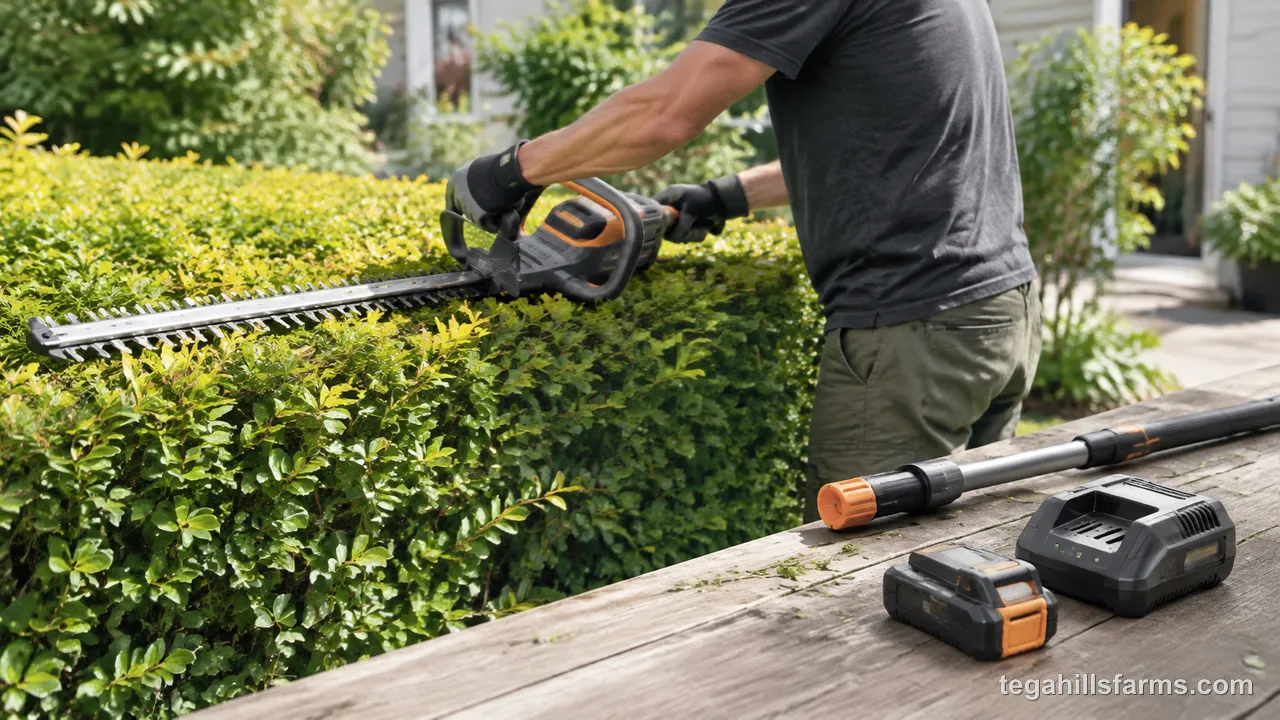
Each factor raises or lowers the price inside a given power type.
Blade Length and Cutting Capacity
A longer blade and wider cutting capacity add to the price within any power type, yet they only pay off on big or thick hedges. A longer blade needs more motor and weighs more, which gets tiring when you hold it at shoulder height.
For a small shrub row, a shorter, lighter blade is easier to control and cheaper. Cutting capacity is the thickest branch the blades can bite through, so match it to the woody growth your hedges actually produce.
Matching blade size to your hedge is part of knowing what to look for in a hedge trimmer, since paying for unused length is the easiest way to overspend. Buy for the hedge you have, not the one you might grow in five years.
Batteries, Chargers and Tool-Only Pricing
A cordless trimmer’s listed price can mislead because the battery and charger are often sold separately from the tool-only unit. STIHL shows how wide that gap can be. The HSA 26 is $119.99 tool only and $189.99 as a set, and the HSA 60 is $329.99 tool only and $409.99 as a set.
If you already own batteries from the same platform, the bare tool is all you need to buy. New to the platform, and you must price the kit, because a bare tool without a battery cannot cut anything.
Compare kits to kits and tool-only to tool-only. Mixing them makes one trimmer look cheaper than it really is.
Pole, Long-Reach and Commercial Models
Pole and long-reach hedge trimmers, along with commercial-grade models, cost more than standard handheld trimmers of the same power type. The extended shaft, a larger engine or battery system and a heavier build all add to the price.
A pole model lets you reach tall hedges from the ground and skip the ladder, which is a safety gain as much as a convenience. The trade-off is weight at the end of a long shaft, which wears out your arms on big jobs.
Commercial models are built for daily work, with sturdier gearboxes and longer service life. A homeowner with one tall hedge may do better renting a pole unit for the day than buying one.
Is It Cheaper to Rent, Buy Used or Hire a Pro?
Renting is cheapest for a single overgrown cleanup, buying used stretches a tight budget, and hiring a pro makes sense for tall or very long hedges.

Each option fits a different situation, and the right one depends on how often you trim.
Renting a Hedge Trimmer
Renting a hedge trimmer costs about $38 for four hours and $54 for a day, which beats buying for a one-time cleanup. A full week runs $216.
Renting makes the most sense for overgrown hedges you will not trim that heavily again. You skip the purchase, the storage and the maintenance.
Rental units are often gas models, and that may be unfamiliar territory. Ask for a quick walkthrough at the counter and read hedge trimmer safety tips before the first cut. Check the blade guard and the fuel mix, and confirm how the throttle lock works. A rented machine you do not know is a poor place to learn on the job.
Buying a Used Hedge Trimmer
Used hedge trimmers generally cost well below new, but the savings hold only if the machine is in sound condition. A worn unit can turn a bargain into a repair bill fast.
Start with the blades. They should be straight, with no deep nicks and no loose play at the bolts. Run the trimmer and listen for grinding, which can mean a worn gearbox.
On a corded model, inspect the cord and plug for cuts. On a battery model, ask about the battery’s age and how long it holds a charge, since it is the costliest part to replace. On a gas model, check for cracked fuel lines and confirm it starts without a struggle. If the seller will not let you run it, walk away.
Hiring a Professional Trimming Service
A professional trimming service typically costs $2.50 to $4 per foot for hedges 6 feet tall or under, and $4 to $6 per foot for taller ones. A typical job runs $200 to $600, with a national average around $429.
Hedge length, height and overgrowth push the bill up or down. A tall, neglected hedge costs more than a tidy short one.
Paying a service is more sensible than owning a machine when hedges are tall or long and you only need them cut once or twice a year. You skip buying, fueling, storing and sharpening. If you would rather do it yourself, learning how to use a hedge trimmer keeps cuts even and avoids costly mistakes.
How Much Should You Budget for Your Hedge Trimmer?
Match your budget to the yard: a few small shrubs need a manual or corded trimmer, a modest suburban hedge line fits a battery-powered model, and long or thick hedges justify a gas trimmer.
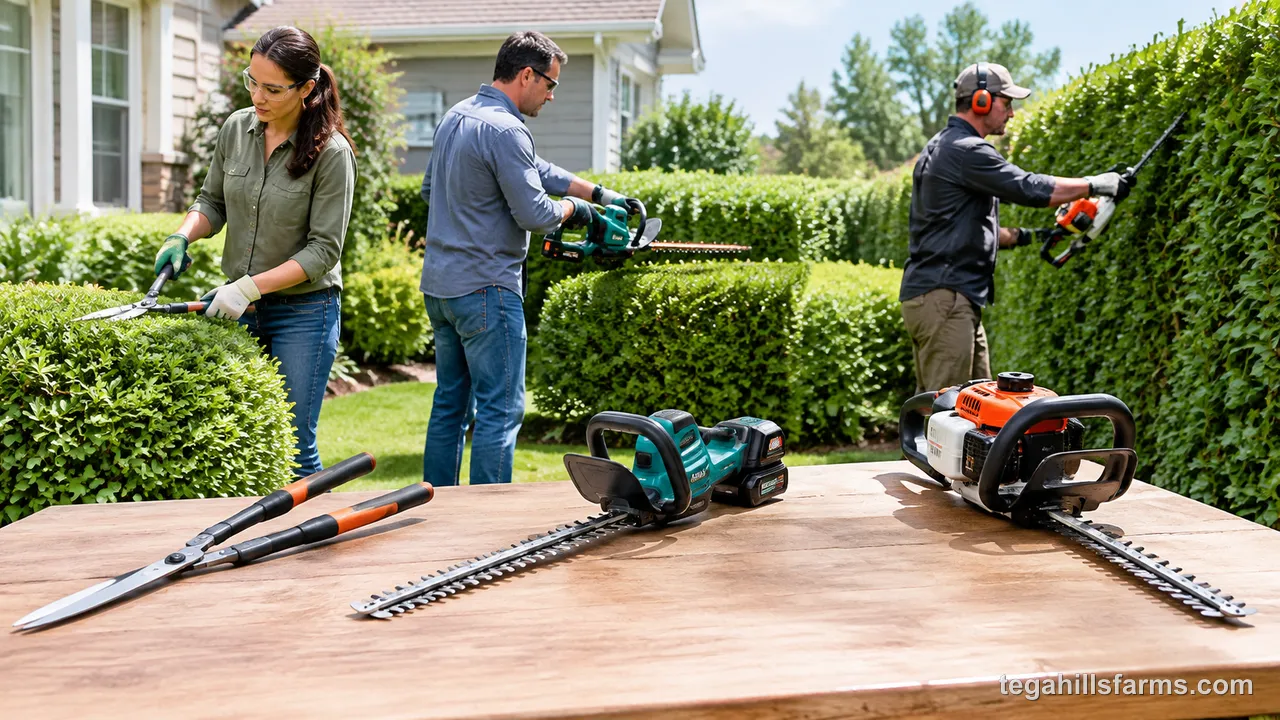
- A few small shrubs: manual shears at the typical $24 to $42 do the job, or a corded electric at $48 to $57 if an outlet is close.
- A modest suburban hedge line: a battery-powered trimmer, typically $49 to $118, gives you cordless freedom without engine upkeep.
- Long or thick hedges: a gas trimmer, typically $185 to $268, handles heavy cutting far from an outlet.
If you are new to a battery platform, budget for the battery and charger on top of the tool. If you trim only once a year, a rental or a service may beat buying anything at all.
A bargain trimmer usually feels fine on the first pass over soft new growth. Then it meets the woody branch at the back of the hedge, the blade bogs down, and the motor starts to smell hot. Buy underpowered and you may be shopping again mid-season, so the real question is where cheap stops saving money.
When Does a Cheap Hedge Trimmer Become a Wasted Purchase?
A cheap hedge trimmer becomes a wasted purchase when it stalls on branches your hedge actually grows, or when the battery runs out before the job is done.
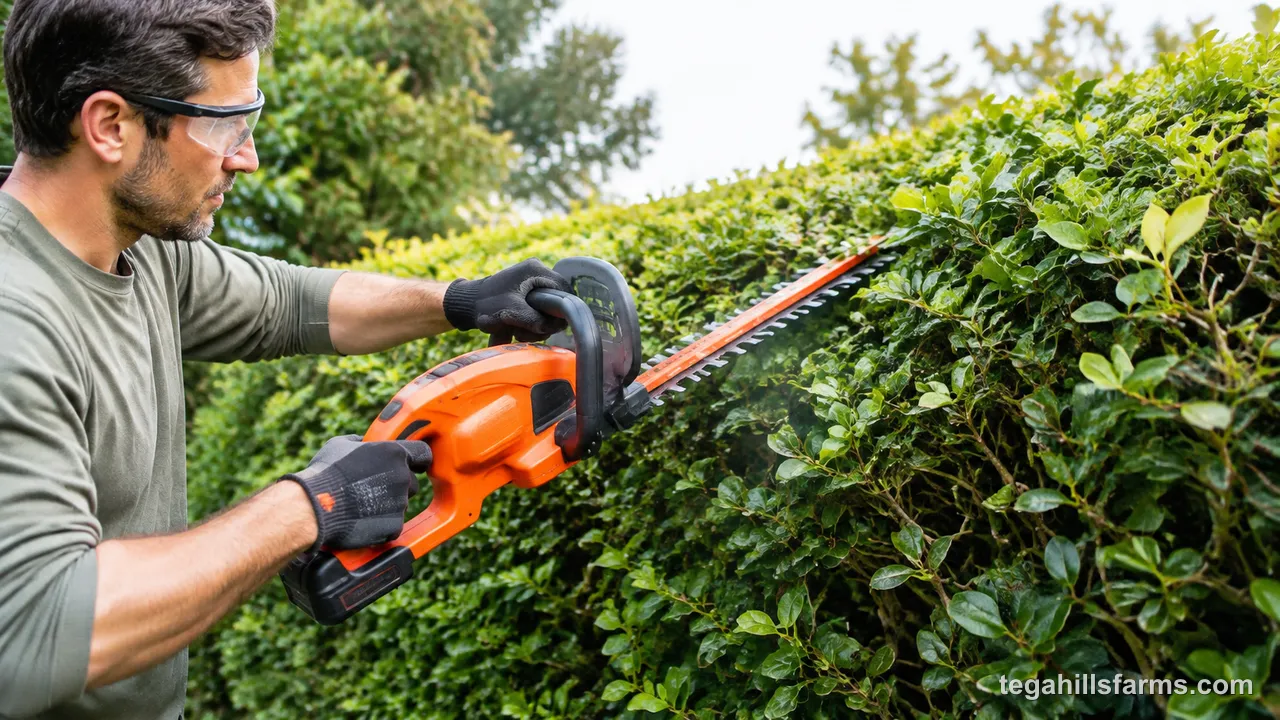
Watch for repeated passes over the same branch, a blade that clogs, or a motor that gets hot after a short stretch. Those are signs the trimmer is too light for your hedge.
Spending more saves money when your hedges have thick, woody growth or when the line is long enough that a weak machine drags the job out. Mid-tier cordless trimmers, like the Ryobi and Worx examples at $199 to $216, cost noticeably more than bargain models but handle heavier cutting without bogging down.
The broader question, are expensive hedge trimmers worth it, comes down to hedge size and how often you cut. A small hedge rarely justifies premium pricing. A big one trimmed every few weeks usually does.
What Are the Signs a Hedge Trimmer Is Wearing Out?
A hedge trimmer is wearing out when its blades stay dull or damaged even after sharpening, its battery runtime drops, or it runs rough and vibrates more than it used to.
Dull blades tear branches instead of cutting them cleanly, leaving brown, ragged tips. Weak runtime on a cordless model usually points to an aging battery, which you can replace. Rough running on a gas model often means fuel or carburetor trouble.
Repair stops making sense when the fix costs close to a new unit, which is common with budget trimmers. A premium model with dealer support is often worth repairing, since a new blade or gearbox costs less than starting over.
People often ask how long do hedge trimmers last, and the honest answer is that storage and workload decide most of it. A well-kept machine outlasts a neglected one by years.
Do Gas Hedge Trimmer Restrictions Affect What You Should Buy?
Yes. Some states and cities, including California, restrict or phase out gas-powered yard equipment, which can make a gas hedge trimmer a risky purchase.
Rules vary by place and change often. Some limit sales of new gas tools, others limit when or where you can run them, and a few add noise or emission rules. Any of these can leave you with a machine you cannot legally replace or use as freely.
Check your state, city and any homeowners association rules before paying for a gas model. If restrictions are likely where you live, a battery-powered trimmer avoids the risk and covers most residential hedges well. Gas still suits heavy-duty work where it is allowed, but confirm that first.
Hedge Trimmer Cost FAQs
Does a hedge trimmer come with a battery?
Not always. Many cordless trimmers are sold both as kits with a battery and charger and as bare tools. Look for “tool only” or “bare tool” in the listing, because the bare version will not run without a compatible battery you already own.
Is a hedge trimmer cheaper at Harbor Freight than at Home Depot or Lowe’s?
Harbor Freight leans on its own house brands, while Home Depot and Lowe’s each carry a broader mix and tie into particular battery platforms. Compare comparable specs and check what is included in the box rather than assuming one store is cheaper.
Are sales worth waiting for?
Often, yes, if you are not in a hurry. Retailers tend to discount tools around holidays and at the end of the season. If your hedge needs cutting now, rent a trimmer for the day instead of waiting for a deal.
Is a cheaper corded trimmer enough for a small yard?
It can be. For small hedges near the house with soft, regular growth, a corded model handles the work at a low price. It falls short once branches turn thick and woody, or when the hedge sits far from an outlet.
Should I buy a trimmer or hire someone if I cut hedges once a year?
If your hedges are tall or long and you cut them once a year, a service or a short rental usually makes more sense than buying and storing a machine. Owning pays off when you trim often enough to use it regularly.






Write Your Review
No reviews yet. Be the first to share your experience!