

Most homeowner trimmers run on line between 0.065 and 0.095 inch. Corded and compact battery models work best at the thin end, mainstream battery trimmers take the middle sizes, and gas or commercial machines can step up to 0.105 inch and thicker. The size your trimmer head is rated for is the size to buy.
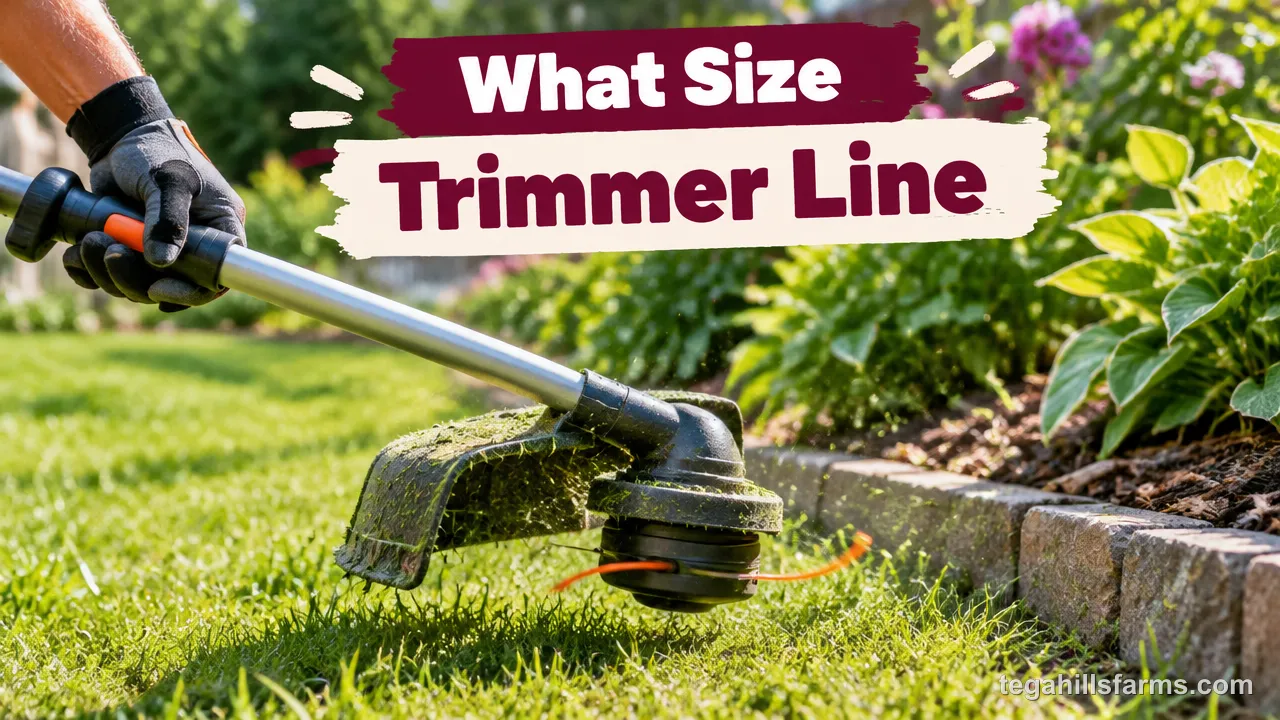
Three things decide that number: the power source driving the head, the maximum diameter the head accepts, and the kind of growth you cut. A trimmer that edges a suburban walkway every week has different needs than one clearing a fence line that went unmowed all summer.
Wrong-size line causes most of the problems people blame on the trimmer. Line that’s too thick jams in the eyelets, bogs the motor, and drains a battery early. Line that’s too thin snaps against every fence post and leaves ragged edges in thick weeds.
The fastest way to get it right is to check the line size printed on the trimmer head or listed in the manual before you buy a spool. The heaviest line on the shelf won’t help if the head can’t feed it.
What Are the Standard Trimmer Line Sizes?
Trimmer line is sold by diameter in decimal inches, and US retail sizes run from 0.065 inch for light trimming up to 0.155 inch for commercial work. Each step up adds mass and stiffness, which changes how the line cuts and how much power it takes to spin. Line diameter matters most after you’ve matched the trimmer itself to your yard. If you’re still deciding between models, start with how to choose a string trimmer that fits your lot size and the density of growth you cut.
How Line Diameter Is Measured
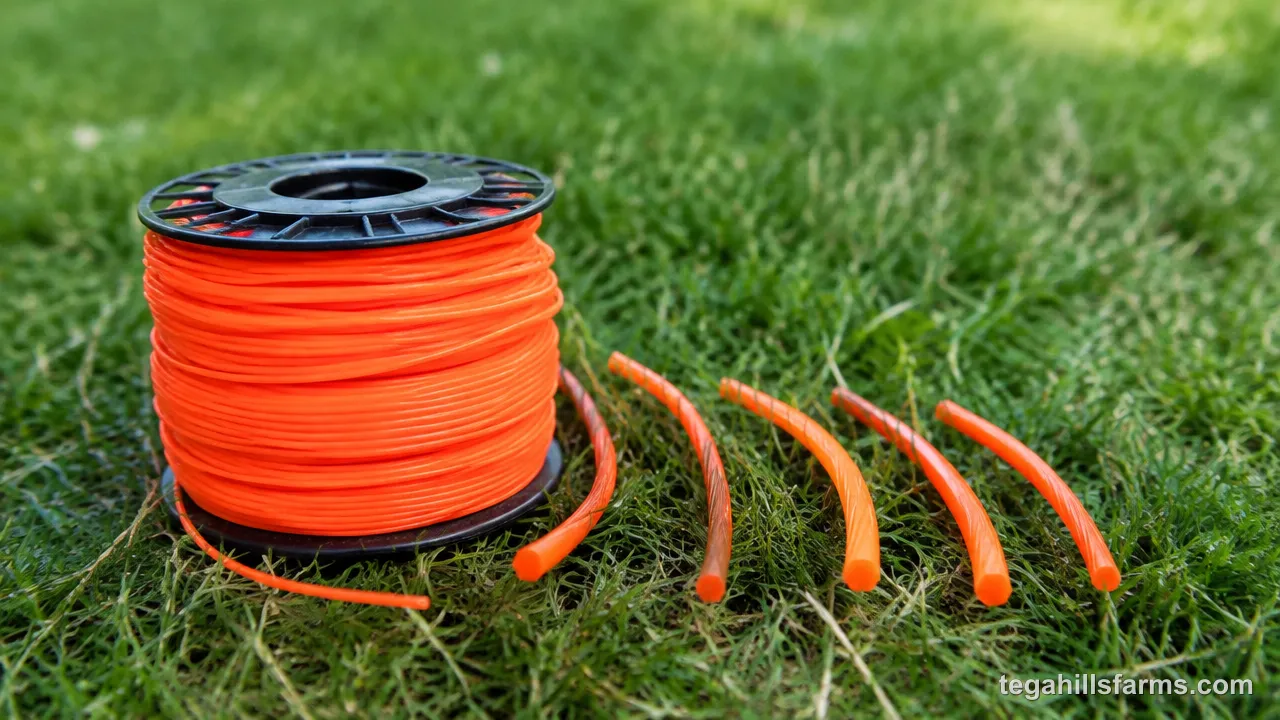
The number on the package is the line’s thickness written as a decimal inch. A spool marked .080 holds line eighty-thousandths of an inch across, and most packaging prints the metric equivalent beside it. Trimmer line sizing runs opposite to electrical wire gauge, where higher numbers mean thinner wire. With trimmer line, a bigger number always means thicker line.
For round line, the figure is the straight distance across the cross-section. For square, star, and twisted line, it’s the nominal size the trimmer head is designed around. Manufacturers list the largest diameter a head accepts in the owner’s manual, and many print it on the head or spool cover. That rating is the ceiling, because line above it won’t pass through the eyelets or wind cleanly on the spool.
Common Residential Sizes
Homeowners mostly shop three sizes: 0.065, 0.080, and 0.095 inch. Light-duty line covers 0.065 to 0.080 inch (1.65–2.03 mm), and standard residential line covers 0.080 to 0.095 inch (2.03–2.41 mm).
The 0.065 size suits corded trimmers and small battery models that tidy edges along walks, beds, and patios. Grass there is soft, and a light motor can keep thin line at full speed.
The 0.080 size sits where the light and standard ranges overlap, so more homeowner trimmers can run it than any other size. It handles regular lawn edges and occasional thicker weeds without overloading a mid-size motor.
The 0.095 size is the top of the residential range. It belongs on stronger battery and gas trimmers that cut tall grass, weedy fence lines, and growth that gets ahead of a weekly schedule.
Heavy-Duty and Commercial Sizes
Heavy-duty and commercial line runs from 0.105 to 0.155 inch (2.67–3.94 mm). The 0.105 size is the usual step up for gas trimmers working overgrown lots. The 0.130 and 0.155 sizes are for professional machines clearing roadsides, ditches, and dense weeds day after day.
Thick line carries enough mass to snap tough stems and hold up against concrete and chain-link without constant feeding. That mass also needs torque to spin, so these sizes only make sense on a trimmer with a head rated for them. In a residential head, they jam the feed and stall the motor long before they cut anything.
How Do You Match Line Diameter to Your Trimmer?
The maximum diameter listed for your trimmer head is the size to buy, because that rating reflects how much line weight the motor can swing at cutting speed. The power source sets that limit. A small electric motor loses speed quickly as line gets heavier, while a gas engine has torque to spare. Going under the rating costs you some cutting ability. Going over it strains the motor, feeds poorly, and on battery models cuts runtime. Line capacity is also worth checking before you buy a new machine, along with the other specs covered in what to look for in a string trimmer.
Light-Duty Electric and Small Battery Trimmers
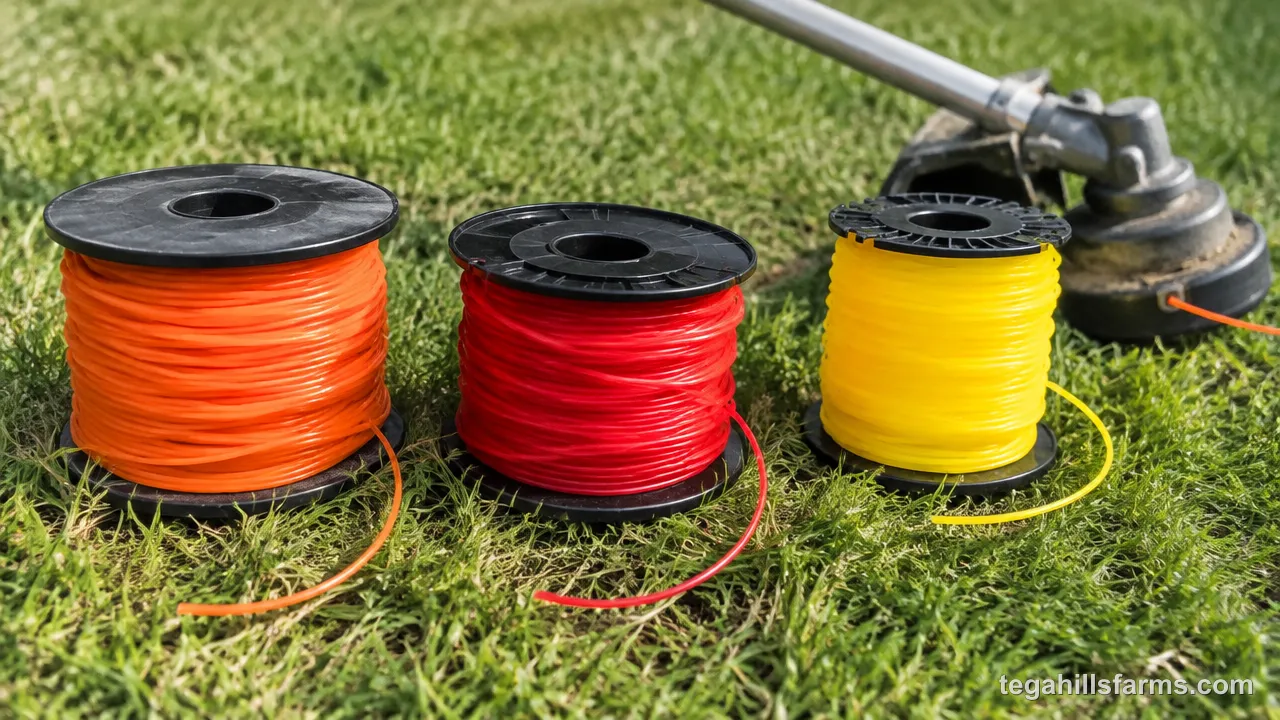
Corded electric trimmers and compact battery trimmers below the 40V class belong in the light-duty range, 0.065 or 0.080 inch. Their motors are built for edging and touch-up work, and their heads are generally sized for line in that range.
Thicker line adds weight and air drag at the tip. A small motor answers that load by slowing down. Slower line tears grass instead of slicing it, and on a battery model the motor draws more current to keep up, which empties the pack sooner.
These trimmers fit small lots where the job is edging along driveways, beds, and fences after mowing. If you load one with 0.095 line to “add power,” expect the opposite: the line feeds badly, the head bogs in thick grass, and the motor runs hotter. When a small trimmer can’t keep up with your yard on the line it was built for, the trimmer is the limit, not the line.
Standard Battery Trimmers
Battery trimmers in the 40V to 60V range, the class most homeowners own, run well on 0.080 or 0.095 inch line. These motors have enough power to keep either size at speed, so the choice comes down to what you cut and how long you need the battery to last.
The 0.080 size is the efficient pick for regular lawn edges. It cuts soft grass cleanly and puts less load on the motor, so each charge covers more ground.
The 0.095 size earns its place on overgrown corners, weedy fence lines, and stems that thinner line bounces off. It wears more slowly against pavement and fence posts too, so you bump-feed less often. The cost is runtime, because the motor works harder to swing heavier line.
For a lawn trimmed every week, I’d stay with 0.080 and save 0.095 for the stretches that get out of hand. Before you switch, confirm the head is rated for 0.095. Some compact heads on this class of trimmer top out lower.
Gas and Commercial Trimmers
Gas trimmers have the torque to keep heavier line at speed, so they’re the machines that can move beyond residential sizes. Most homeowner gas models run 0.095 inch well and step up to 0.105 inch for tall weeds, brushy fence rows, and lots that are mowed only now and then.
Straight-shaft gas trimmers built for heavy use are the most likely to have heads rated for 0.130 line. Commercial crews use those sizes because thick line survives hours of contact with curbs, rocks, and fencing, and it snaps tough stems in one pass instead of several.
Thicker line still costs something on gas equipment. The engine works harder to swing it, which means more fuel per hour and more strain if the head is overloaded. The head rating sets the limit here too. A gas engine with plenty of power can’t push 0.130 line through a head built for 0.095.
Does Line Thickness Affect Cutting Performance?
Thicker line breaks less often and cuts tougher growth, while thinner line spins faster on less power and leaves a cleaner edge on soft grass. Neither wins outright, because the right thickness depends on what’s in front of the trimmer and what’s powering it. Technique changes the result as much as diameter does. Cutting with the tip of the line and keeping it off concrete, habits covered in how to use a string trimmer, stretch a spool of any size.
When Thin Line Works Better
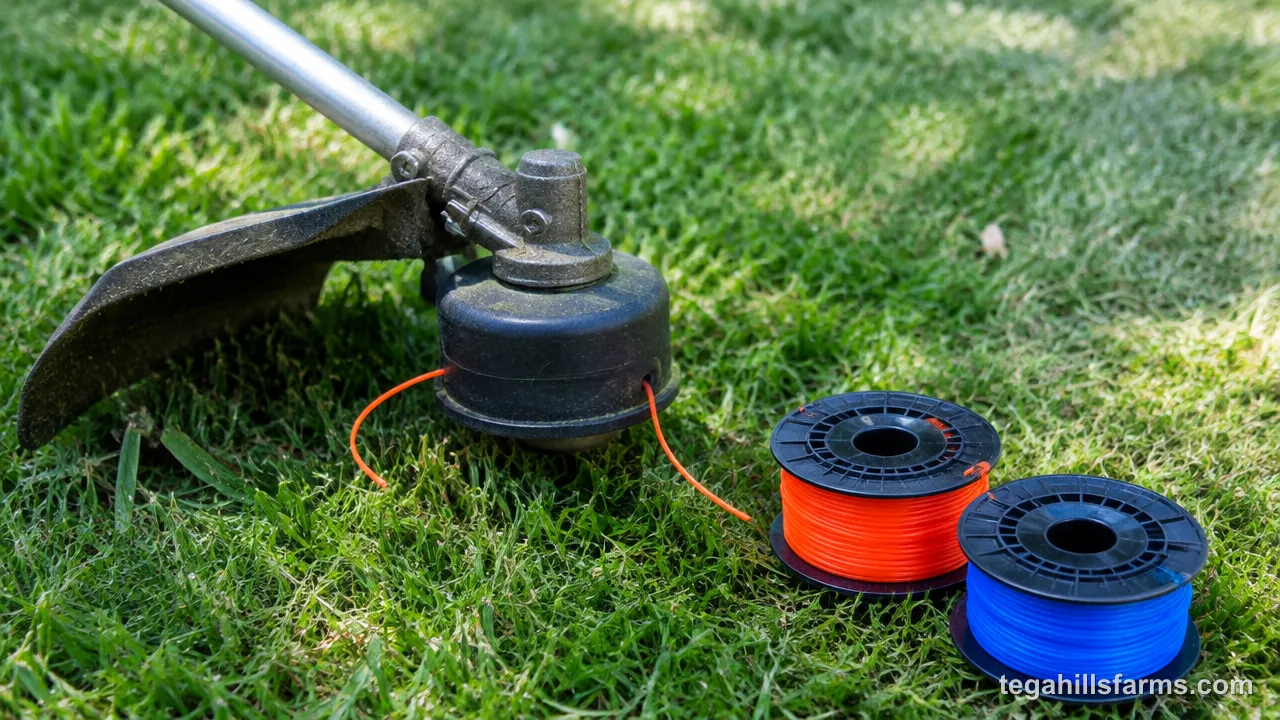
Thin line suits lawns kept on a regular schedule, where the trimmer edges soft grass along walks, beds, and fences. At 0.065 or 0.080 inch, the line is light enough that the motor brings it to full speed quickly and holds it there. Fast-moving line slices grass blades cleanly instead of shredding them, which leaves a neater edge and fewer browned tips a few days later.
Light line also puts less load on the motor, so a battery trimmer runs longer per charge. That matters most on battery platforms, where runtime is the main limit on how much yard one pack covers.
Thin line is gentler near landscaping, too. When it touches tree bark or a soft border, it does less damage than heavy line swinging with more mass. The tradeoff is wear: thin line breaks more often against hard edges, so expect to feed it more often.
When Thick Line Works Better
Thick line pays off where growth is dense, tall, or stemmy. At 0.095, 0.105, or 0.130 inch, the line has enough mass to snap thick-stemmed weeds and push through overgrowth that makes thin line flutter and bounce off.
Durability is the other gain. Heavier line holds its shape against concrete edges, chain-link, rocks, and fence posts, so it frays and breaks less often. That means fewer stops to bump-feed or rewind the spool, which adds up on a long fence line or a lot that only gets trimmed a few times a season.
Thick line is worth its extra power draw and higher cost when the job is clearing, not tidying. If your trimming is mostly weekly edging on a maintained lawn, thick line wears out more slowly but adds load the work doesn’t need.
Power and Runtime Tradeoff
Stepping up to thicker line on a battery trimmer can cut runtime by 15 to 20% compared with standard gauges. Heavier line has more mass and a larger profile cutting through the air, so the motor needs more current to keep the head at speed. That current comes straight out of the battery, and each charge covers less ground.
The load shows up in other ways too. A motor working near its limit runs hotter, and a head overloaded with line too heavy for it slows down in thick grass, which makes the cut worse rather than better.
Gas trimmers pay the same cost in fuel and engine strain. For battery owners, the practical answer is to run thicker line only for the jobs that need it and switch back to standard line for routine edging.
What Line Shapes Should You Consider?
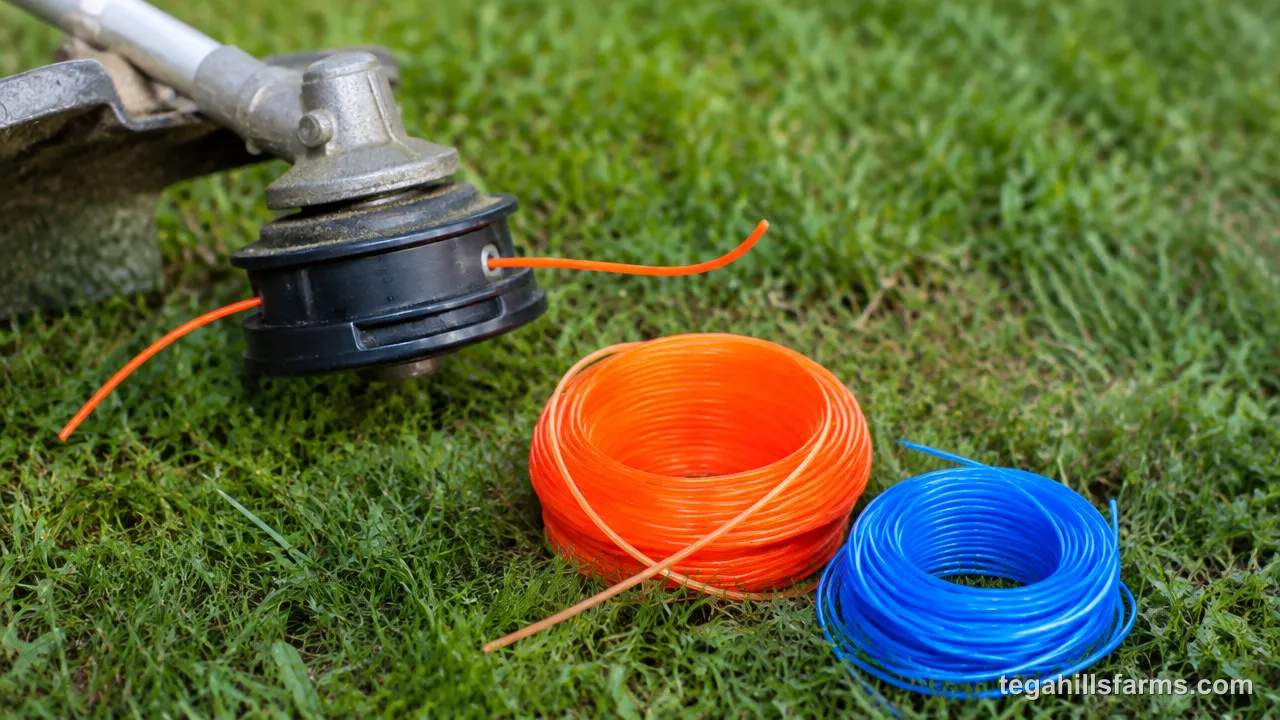
Round line is the all-purpose default, while square, twisted, star, and serrated shapes add cutting edges for tougher growth. Shape changes how the line meets a grass blade or weed stem: a round profile tears through, and an edged profile slices. That difference matters in dense or woody weeds and barely shows on a maintained lawn. Shaped line also costs more and wears differently, so it’s worth knowing which shape fits your trimming before paying extra for it.
Round Line
Round line is the standard for most homeowners because it works in nearly every trimmer head and holds up well against hard surfaces. With no edges to chip, it wears evenly when it hits concrete, fence posts, or brick borders. It also feeds smoothly through bump heads and automatic-feed spools, which is why many manufacturers ship trimmers with it.
Round line cuts by impact, so it tends to tear grass rather than slice it cleanly. On a lawn trimmed every week, that difference is minor. For general edging and routine trimming, round line in the right diameter does the job at the lowest cost.
Square, Twisted, and Star Line
Non-round shapes add edges that slice vegetation instead of striking it. Square line has four sharp corners and cuts aggressively through thick weeds. Star-shaped line has more edges for a similar effect. Serrated line adds small teeth along the surface, working more like a saw on tough stems.
Twisted line spirals along its length and is designed to move through the air with less drag and noise. That can ease the load on battery motors slightly.
The edges that make shaped line cut well also make it wear faster against hard surfaces. Corners chip on concrete and fencing, so square and star line suit open weedy ground better than trimming along hardscape. Shaped line costs more per foot. It’s worth paying for when you regularly cut dense weeds. For grass edging, round line costs less and does the same job.
How Shape and Diameter Work Together
Diameter comes first, and shape is a refinement within that size. A square 0.080 line still puts the load of 0.080 line on the motor and still has to fit a head rated for that diameter. Switching shape doesn’t let you exceed the head’s rating.
Shaped line can also behave differently in the head. Edged profiles can bind in some bump-feed spools where round line feeds smoothly. Choose the diameter your trimmer is rated for, then pick a shape that matches your vegetation, and stay with round if feeding becomes a problem.
After a season or two, most spools have lost their original label, and the old line left in the trimmer head is often the only record of what size the machine takes. Buying replacement line by eye tends to end with a spool that jams in the eyelets or line too thin to last past the first fence post.
How to Measure Your Current Trimmer Line
A digital caliper gives the quickest accurate reading. Clamp it on a fresh piece of line and match the result to the nearest standard size: 0.065, 0.080, 0.095, 0.105, or 0.130 inch. Calipers read in thousandths of an inch, which is the precision trimmer line sizes need.
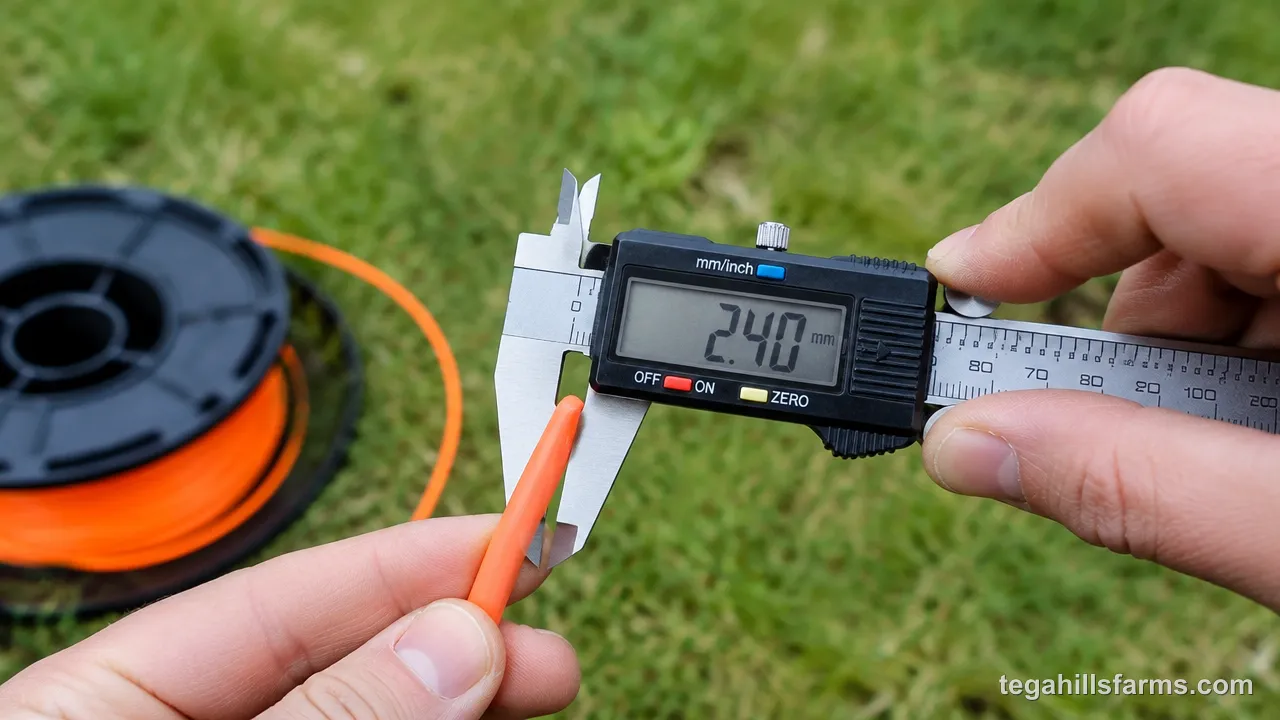
Measure an unused section pulled from the spool, not the worn tip. Line that has been striking pavement flattens and frays, which throws off the reading. For square or star line, measure across the flat sides as a starting point, then confirm against the size printed in the manual.
A standard ruler can’t resolve differences of fifteen-thousandths of an inch, so it won’t separate 0.080 from 0.095. Without calipers, bring a short piece to the store and compare it against the labeled line samples many hardware stores keep on display. Once you know the size, the steps in how to restring a weed eater cover winding new line onto the spool.
When Should You Replace Your Trimmer Line?
Line wears every time it strikes the ground, and nylon also dries out and stiffens while it sits in a shed between seasons. Spotting worn line early matters because damaged line cuts poorly and makes the head and motor work harder for the same result. Fresh line is cheap upkeep compared with that extra wear, which plays into how long string trimmers last.
Visible Wear and Breakage
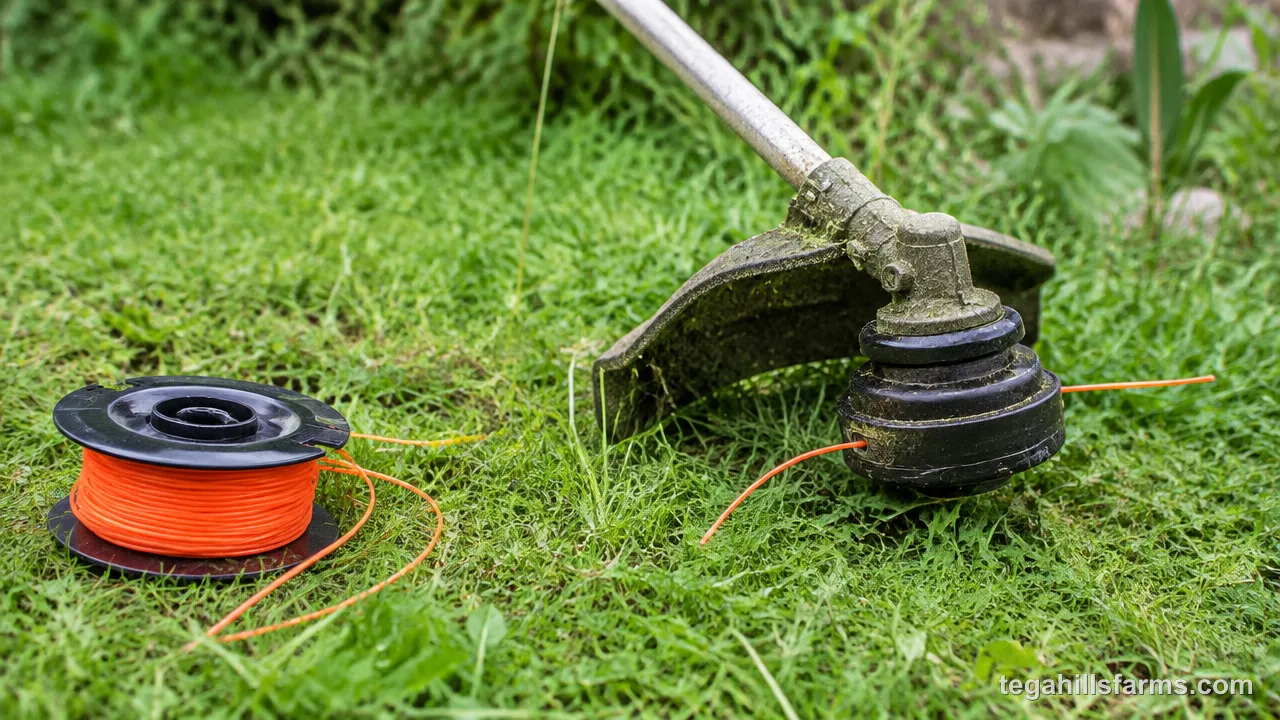
Frayed, split, or mushroomed tips are the first sign the line has taken too many hits against hard surfaces. Line that has fused together on the spool, which can happen from friction heat or a hot storage space, won’t feed and needs replacing.
Check how the line bends. Fresh nylon flexes and springs back, while old line cracks or snaps when you bend it sharply. A chalky, faded surface usually means the line has dried out. If the spool is down to short stubs that won’t reach the eyelets, it’s time for a rewind regardless of condition.
Performance Decline
Line can look intact and still cut poorly. The clearest sign is constant breakage: if you’re bump-feeding every few minutes on growth the trimmer used to handle, the line has likely gone brittle.
Watch the cut itself. Worn or stiff line tears grass rather than slicing it, leaving ragged edges that brown within a few days. Line that whips off in short pieces instead of wearing down gradually has lost the flexibility that lets it absorb impact.
When cutting gets worse but the motor sounds normal, swap in fresh line before blaming the trimmer.
Common Questions About Trimmer Line Size
Can I use thicker line than my trimmer recommends?
No. Line thicker than the head’s rated maximum won’t pass through the eyelets or wind cleanly, and if it does fit, it overloads the motor. On battery trimmers that means shorter runtime and more heat. Stay at or below the diameter listed in your manual or printed on the trimmer head.
Is brand-name line better than universal line?
Universal line in the correct diameter and shape works in most trimmer heads. STIHL, Husqvarna, and Ryobi all sell their own line matched to their heads. STIHL Premium Round Line, for example, comes in .065, .080, .095, .105, and .130 sizes. Match the diameter and shape first, and the brand matters far less.
How should I store trimmer line between seasons?
Keep it in a sealed bag or container in a cool, dark spot, away from sunlight and the heat of a shed roof. Nylon dries out and turns brittle when it sits exposed. If older line feels stiff, soaking it in water overnight before winding can restore some flexibility.
Can I replace trimmer line with metal wire or chain?
Never. Wire and chain pieces can break off at high speed and fly far enough to injure you or anyone nearby. They also damage the trimmer head and can kick back hard. Use nylon line made for string trimmers, and wear eye protection and long pants whenever you trim.
Can the wrong line size keep a trimmer from running?
On a battery or electric trimmer, an overfilled spool or jammed oversize line can bind the head so the motor won’t spin. Clear the head and rewind with the rated size. On gas models, line rarely stops the engine from firing, so troubleshoot fuel, spark, and air as covered under string trimmer won’t start.

Write Your Review
No reviews yet. Be the first to share your experience!