

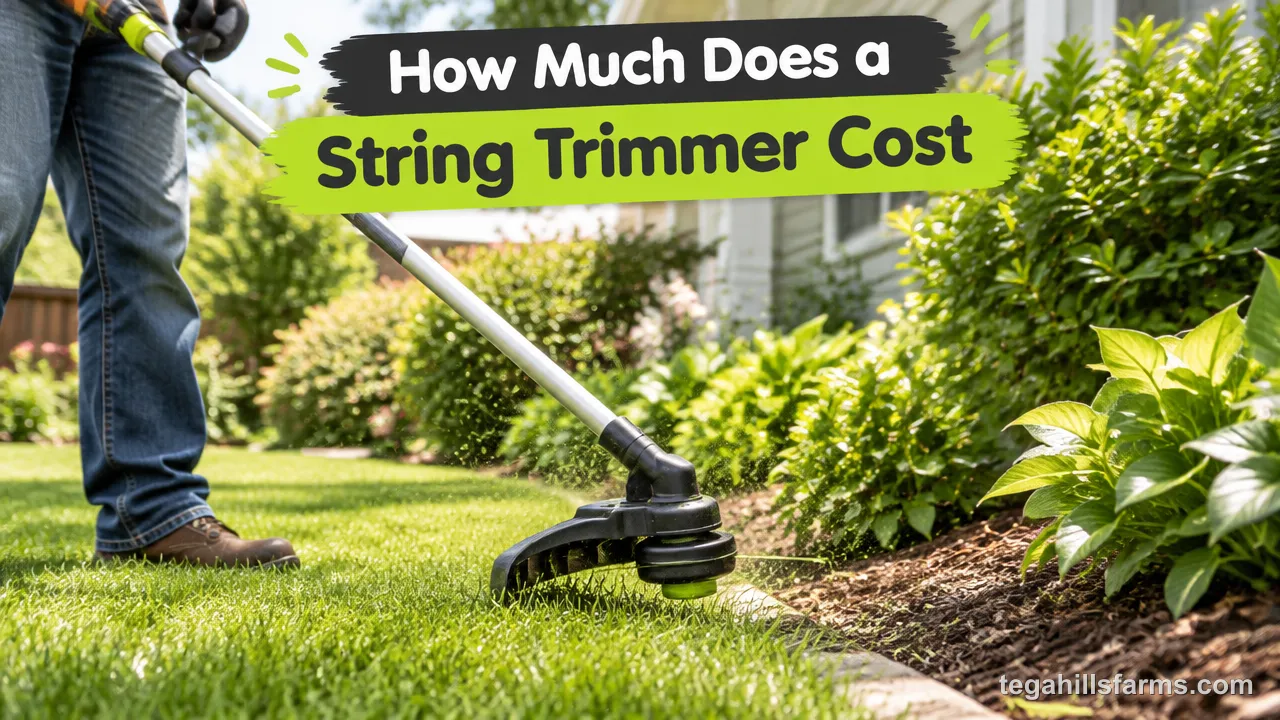
A string trimmer costs anywhere from around $30 for a basic corded model to roughly $700 for a high-end battery or professional gas unit. Corded electric trimmers are the cheapest way in. Battery models cover the widest spread because the pack and charger can make up a large part of the price. Gas trimmers start in the low-to-mid range and climb steeply once you move into commercial-grade engines.
Three things explain most of that spread: the power source, the shaft design, and the brand tier. Each one changes what you get for the money, including reach, runtime, attachment support, and the dealer network you can lean on when something breaks.
The sticker price is only part of the cost. A gas trimmer needs fuel, oil, and tune-up parts every season. A battery trimmer eventually needs a new pack. A trimmer that seemed cheap at checkout can end up costing more to own than one that cost more on day one.
If you already own cordless tools, check which battery platform they use before comparing prices. A tool-only trimmer on a battery you already have can cost a fraction of the full kit.
How Much Does a String Trimmer Cost by Power Source?
What drives the motor sets the price floor, because a cord, a battery pack, and a two-stroke engine each add very different hardware to the box. That hardware also decides how far from the house the trimmer can work and how much upkeep comes with it.
Power source is one of the first choices you’ll make when you figure out how to choose a string trimmer that matches your yard and how far you need to roam from an outlet. It also decides which price bracket you’re shopping in before shaft or brand enter the picture. A trimmer that fits your yard at the low end of its bracket is usually a better buy than an overbuilt one at the top of another.
Corded Electric String Trimmers
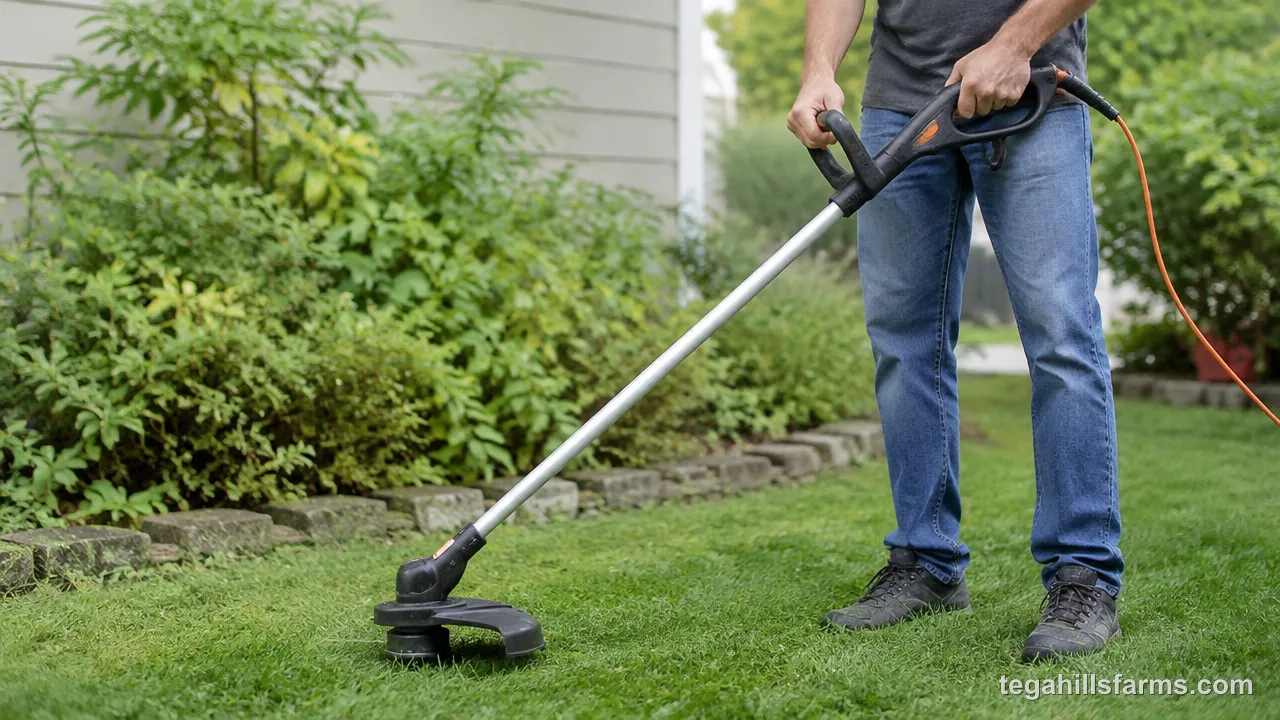
Corded electric trimmers run from about $30 for the cheapest models to around $130 at the expensive end. They sit at the bottom of the market because the build is simple: a small motor fed straight from the wall, with no battery, no charger, and no engine to tune.
That simplicity has real limits. Your working area ends where the extension cord ends, and dragging a cord around flower beds and fence posts slows the job down. On a compact lot where the edges are all within reach of an outdoor outlet, though, a corded trimmer does the same trimming work as a pricier machine. You’ll need an outdoor-rated extension cord, plugged into a GFCI-protected outlet, which adds a little to the startup cost.
Battery-Powered String Trimmers
Battery trimmers start around $70 and reach about $700 for high-end models. Much of that range comes from the battery. A kit with a large pack and a fast charger costs far more than a bare tool, and higher-voltage platforms carry motors and packs built for thicker growth and longer runs.
Platform matters as much as voltage. A trimmer sold “tool only” leaves out the most expensive component, which makes it the cheapest route if your garage already holds batteries from the same brand. Budget kits often pair a modest pack with a lighter motor. The WORX WG170 20V PowerShare, for example, weighs 6.19 lb with a 12-inch cutting width, a setup built for light edging rather than clearing heavy weeds. Premium kits put that money into runtime and torque instead.
Gas-Powered String Trimmers
Gas trimmers typically run from roughly $100 for basic homeowner models to $500 or more for professional-grade units. The engine is the reason: a consumer two-stroke with a curved shaft and a plastic housing costs a fraction of a commercial engine built for all-day use.
Professional models add features that matter to crews but rarely to homeowners. These include anti-vibration mounts, heavier straight shafts, better air filtration, and engines designed to run hard for hours every week. Consumer gas trimmers drop most of that to hit a lower price, which is fine for weekend edging and trimming. For a typical suburban yard, I’d lean toward the homeowner end of the gas range, because the extra build quality of pro models pays off only under daily workloads.
Does Shaft Design Affect String Trimmer Cost?
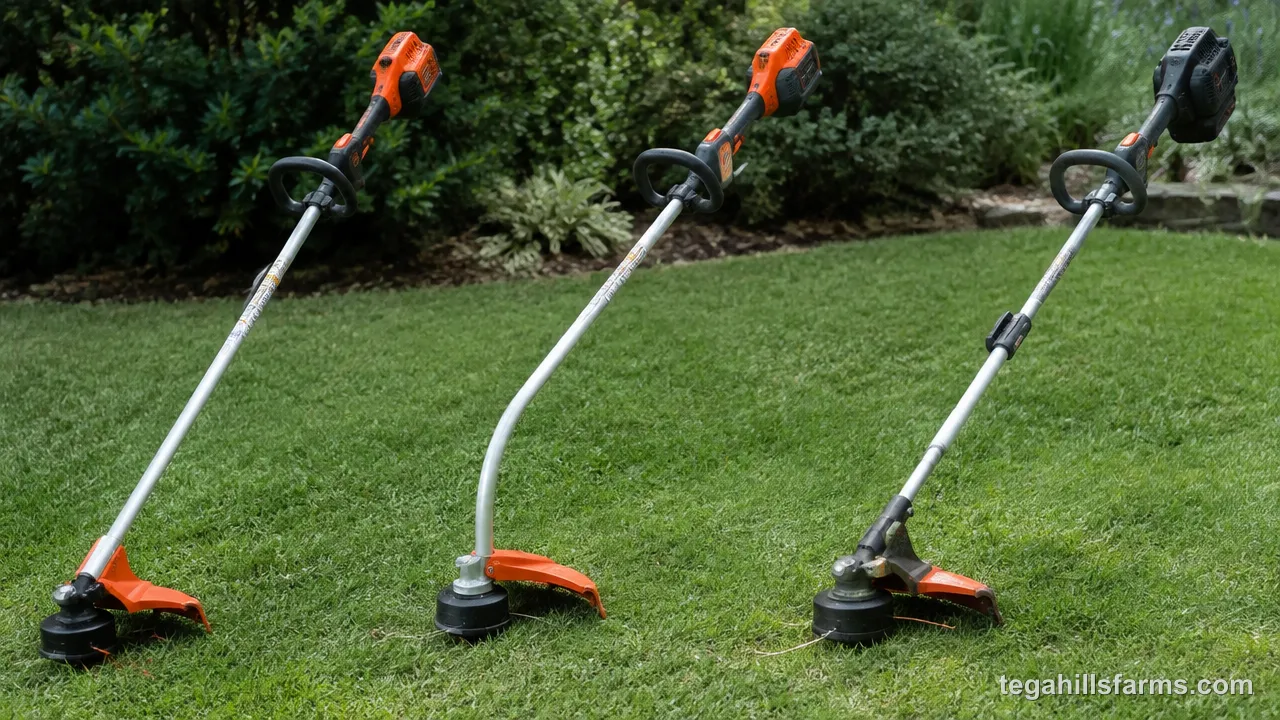
Yes, though less than power source does: shaft shape mostly reflects who a trimmer is built for, and reach and attachment support are what push the price up. The same power source can cost noticeably more in a straight-shaft version, because that design usually comes with a stronger build and a longer reach. For a homeowner, the decision comes down to whether the extra reach and versatility earn their cost in your yard.
Straight Shaft Trimmers
Straight shaft trimmers range from about $40 for cheap models to roughly $700, with an average of around $215. They cost more than curved models because they’re built for reach and toughness. The longer shaft gets under shrubs and decks without bending over, and the solid driveshaft inside handles more torque.
Many straight shaft trimmers also accept attachments or a blade, which overlaps with the job of a dedicated brush cutter. If your property has thick weeds or saplings, comparing a string trimmer vs a brush cutter is worth doing before you pay for a heavier straight shaft model.
Curved Shaft Trimmers
Curved shaft trimmers run from about $50 to around $240, which makes them the most affordable shaft design. The bend puts the cutting head closer to you, so the trimmer is shorter, lighter, and easier to steer around beds and mailbox posts.
These models are built for homeowners, not crews. A curved shaft uses a flexible cable inside rather than a solid driveshaft, which costs less to make but handles less torque. That’s why curved models rarely accept attachments. For edging a small or medium suburban lawn, that trade-off barely matters. Taller users may find the shorter shaft forces them to stoop, which is one reason to try a trimmer’s grip height before buying.
Telescopic Shaft Trimmers
Telescopic shaft trimmers range from about $55 to around $300, close to curved-shaft pricing even though the shaft adjusts in length. The adjustment mechanism is simple: a locking collar on a sliding tube. It adds little to the cost of manufacturing, so these models stay in the homeowner price band.
Their appeal is fit. A household where several people of different heights take turns trimming can set the length for each person instead of compromising. The trade-off is that a sliding joint can loosen or wobble over time. It also usually keeps the trimmer in the light-duty category rather than the attachment-capable, heavy-use class that straight shafts serve.
Which Brands Offer the Best Value at Each Price Point?
Brand tier follows build quality and service network more than cutting ability, so a budget name can trim a suburban lot about as well as a premium one. The difference shows up in durability under heavy use, warranty support, and where you can get parts and repairs. Value depends on matching the tier to how hard you’ll use the trimmer, not on chasing the most expensive label.
Budget Brands
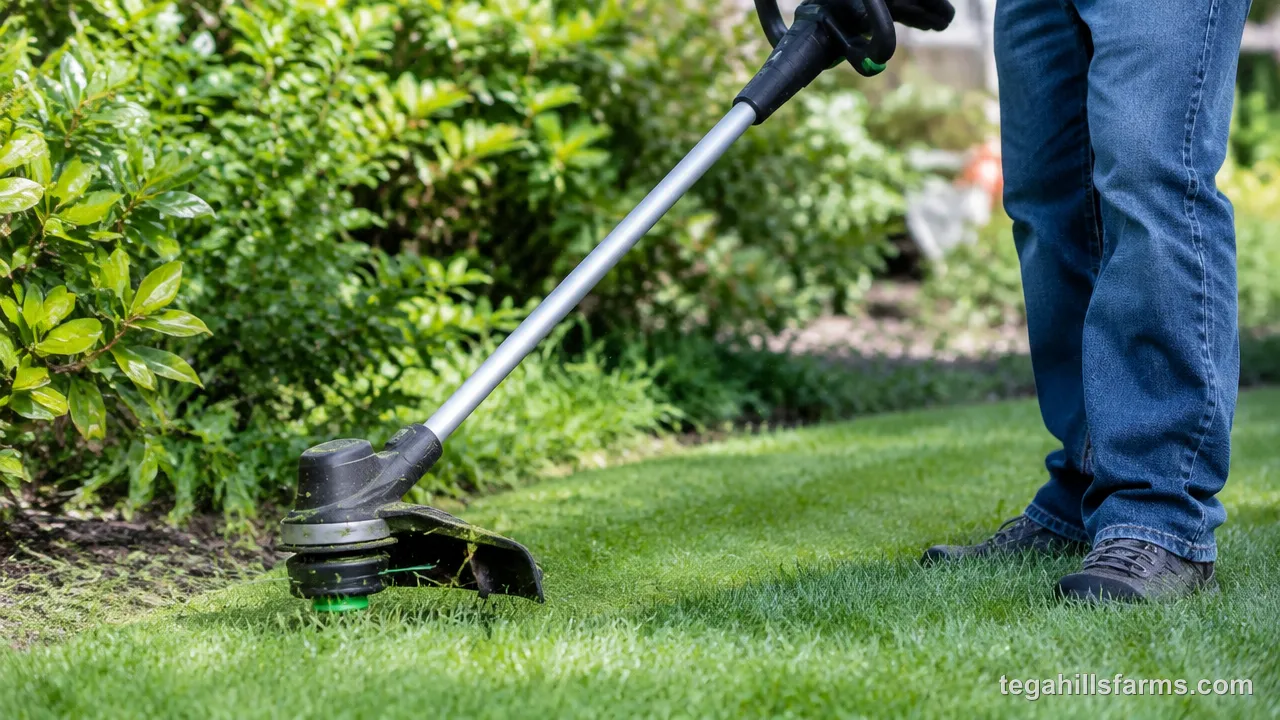
BLACK+DECKER, BAUER, and WORX dominate the budget tier. Most of their corded and entry-level battery trimmers land somewhere around $30 to $100. They keep costs down with plastic housings, smaller motors, and modest battery packs, which works for light trimming around a small lot.
The trade-offs show up in durability and power. Lighter motors struggle with thick, wet growth. Many budget trimmers use a feed system and spool that are built to a price, so they can tangle or wear faster. If you trim weekly on a compact lawn, these brands deliver a lot of usefulness for very little money. If you regularly clear overgrown fence lines, a budget model will feel underpowered.
Mid-Range Brands
RYOBI, CRAFTSMAN, DEWALT, and EGO make up much of the middle tier, with most of their trimmers falling roughly between $100 and $250. The step up gets you stronger motors, larger batteries, and better build quality. More important for many buyers, it gets you a large battery platform shared across dozens of tools.
That platform is the real value. A mid-range trimmer often shares batteries with a blower, a mower, and a hedge trimmer from the same brand, so each later purchase can be tool-only. EGO has built its reputation on high-voltage outdoor power equipment. DEWALT and RYOBI draw buyers who already own their drills and impact drivers. For most homeowners with a medium yard, this tier is where performance and price balance out.
Premium Brands
STIHL, Husqvarna, ECHO, Milwaukee, and Makita sit at the top, with many of their trimmers priced around $250 and up and professional models running much higher. The premium pays for commercial-grade engines and motors, heavier shafts, anti-vibration design, and parts made to survive daily use by landscape crews.
Dealer support is part of what you’re buying. STIHL, Husqvarna, and ECHO sell through networks of servicing dealers, so repairs, parts, and tune-ups are handled locally. Milwaukee and Makita bring professional battery platforms that contractors already rely on. The Husqvarna 110iL, with its 11.8-inch cutting width, shows that premium brands also make lighter battery models for homeowners who want that brand’s support at a smaller scale.
What Are the Long-Term Costs Beyond the Purchase Price?
Fuel and battery replacement, far more than trimmer line, decide what a trimmer costs over its life. That ongoing bill can narrow or widen the gap between a cheap machine and a pricier one. Upkeep also determines how long string trimmers last, which spreads the purchase price across more or fewer seasons. The power source you choose sets the pattern of these expenses, and they differ more than most buyers expect.

Gas Trimmer Running Costs
Gas trimmers carry the most recurring expenses. Most use two-stroke engines that run on gasoline mixed with two-stroke oil, typically at a 50:1 ratio, so every refill costs both fuel and oil. Premixed, ethanol-free canned fuel costs more per gallon than mixing your own, but it keeps the carburetor cleaner during storage.
Routine maintenance adds a spark plug and an air filter, usually replaced about once a season under normal homeowner use, plus a fuel filter now and then. Skipping these parts saves money only until the engine fouls. A gummed carburetor from stale fuel is the classic reason a string trimmer won’t start in spring, and a shop repair for that can cost more than a season’s worth of parts.
Battery Trimmer Running Costs
A battery trimmer costs very little week to week: some trimmer line and the electricity to recharge. Its one big recurring expense is the battery pack itself. Lithium-ion packs lose capacity with age and charge cycles, and a replacement pack can cost a large share of what a full kit did.
How you store the pack affects how soon you’ll pay for that replacement. Keeping batteries in a cool, dry spot over winter, rather than in a freezing shed or a hot garage, slows capacity loss. Shared platforms soften the cost too. When one battery runs your trimmer, blower, and mower, replacing a pack restores every tool at once instead of just one. That shared value is a big part of why I’d weigh platform heavily when buying battery equipment.
Corded Electric Trimmer Running Costs
Corded electric trimmers have the lowest running cost of any power source. The electricity they draw during a typical trimming session adds almost nothing to a household bill, and there’s no fuel, oil, spark plug, or battery to replace.
What remains is trimmer line and the occasional replacement spool or bump head. Check what size of trimmer line your model takes before buying in bulk, since the wrong diameter can jam the head or wear out the motor faster. Extension cords wear out too, especially when dragged over concrete or nicked by the line. A damaged outdoor cord should be replaced rather than taped, because it’s a shock hazard, not just a nuisance.
What Should You Consider When Setting Your Budget?
How often you trim and which batteries you already own shape the right budget more than the sticker price does, because a good match keeps you from buying twice. Spending at the low end makes sense when the job is light. Spending more pays off when the yard or the workload is demanding. Knowing what to look for in a string trimmer helps you put that money into the features your yard actually uses.
Matching Power Source to Yard Size
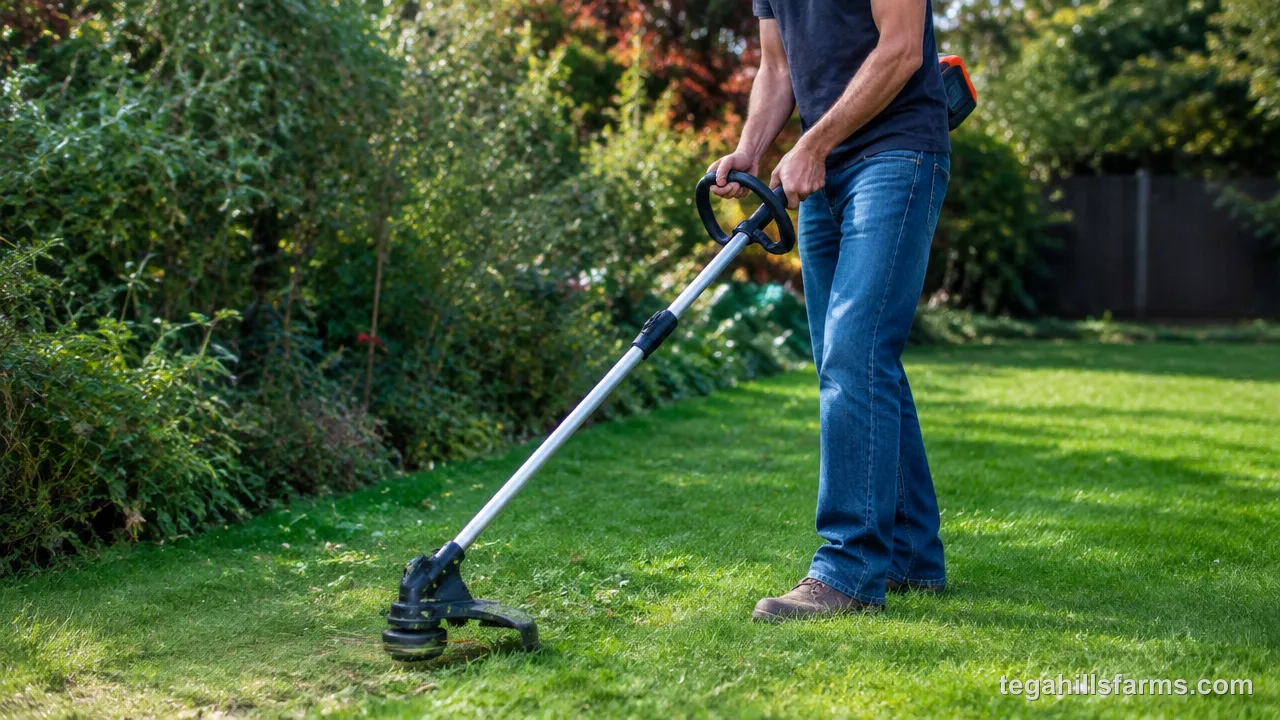
On a small lot where every edge is within easy reach of an outdoor outlet, a corded trimmer covers the job at the lowest cost, and spending more buys little you’ll notice. Once the edges stretch past cord range, a battery trimmer earns its higher price by removing the cord without adding gas upkeep.
For medium yards, battery runtime becomes the deciding spec. A larger pack or a spare battery costs more upfront, but it lets you finish the job in one session instead of waiting on a recharge. On large properties with long fence lines, ditches, or heavy weeds, gas power or a high-end battery model justifies the extra cost, since unlimited refueling and higher torque keep the work moving. Spending less on those big jobs usually means fighting the tool every weekend.
Battery Platform Compatibility
If you already own batteries from DEWALT, RYOBI, Milwaukee, or Makita, a tool-only trimmer on the same platform can cost far less than a full kit. You skip the battery and charger, which are often the most expensive parts of the package, and the trimmer runs on packs you’ve already paid for.
Starting a new platform works the other way. Your first purchase carries the full kit price, and every later tool in that system can then be bought bare. That makes the first platform choice a long-term commitment. If you plan to add a blower, a hedge trimmer, or a mower later, choosing the brand whose lineup covers those tools matters more than saving a little on the trimmer itself. Mixing platforms means more chargers, more batteries, and more money spent on the same job.
A trimmer that cost a few hundred dollars can turn into a money pit if its engine starts losing compression or its battery holds a charge for only half the job, and most owners can’t tell when a repair is still worth it. Pouring repair money into a trimmer that’s near the end of its life is how a budget purchase ends up costing as much as a premium one.
How Long Should a String Trimmer Last?
With good maintenance, a string trimmer usually lasts 5 to 10 years, and the power source decides how it wears out. Gas trimmers fail mostly through the engine and fuel system. Battery trimmers usually outlast their first pack, so the motor keeps running while the battery fades. Corded models have the fewest wearing parts and tend to fail at the switch, the cord, or the motor brushes.
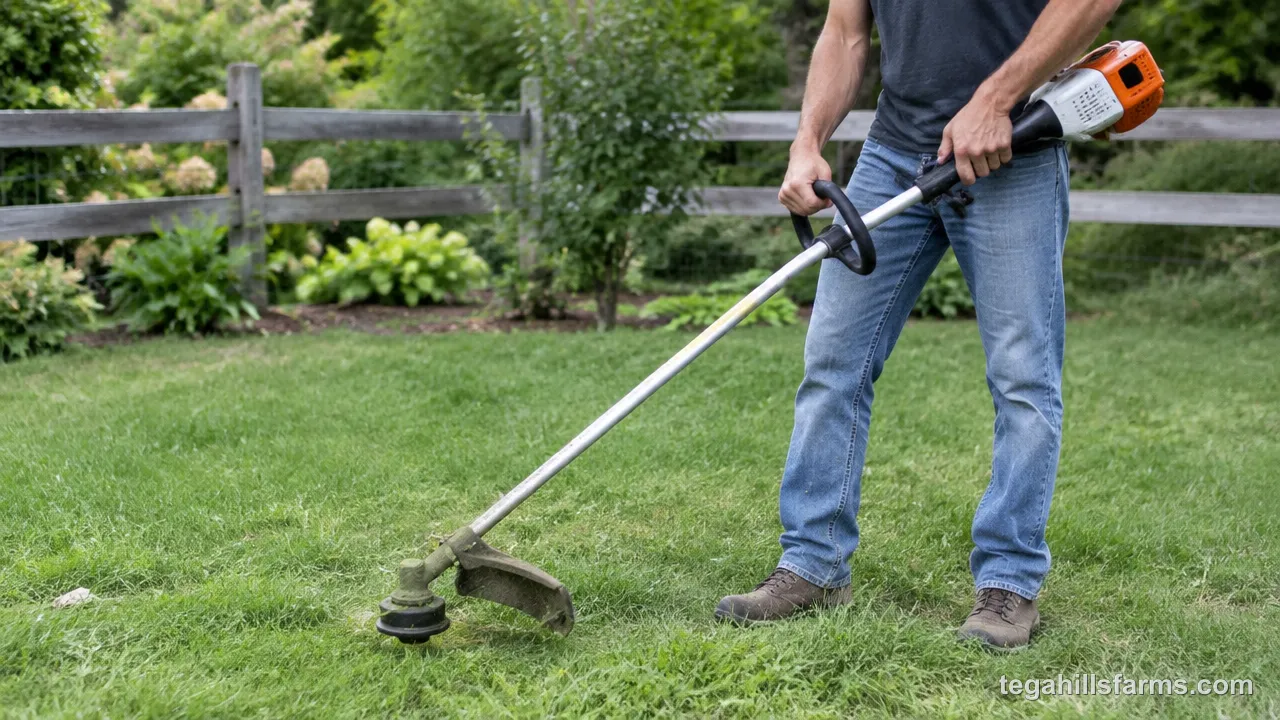
Watch for clear signs that replacement makes more sense than repair. On a gas model, that means hard starting even after a carburetor cleaning, power that drops under load, or heavy smoke from a worn engine. On a battery model, runtime that keeps shrinking points to a tired pack. In that case, the replacement battery’s cost compared with a new kit decides the next step. Cracked housings, a wobbling gear head, or a bent shaft affect every type.
The real repair-or-replace test is cost. If a fix runs close to the price of a comparable new trimmer, replacing it usually wins. The same comparison can also be a good time to revisit gas vs battery string trimmers for your next purchase, since your yard and tool collection may have changed since the last one.
Where Should You Buy a String Trimmer?
Big-box stores, online retailers, and servicing dealers each win on something different. Your best choice depends on whether you care most about price, convenience, or after-sale support.
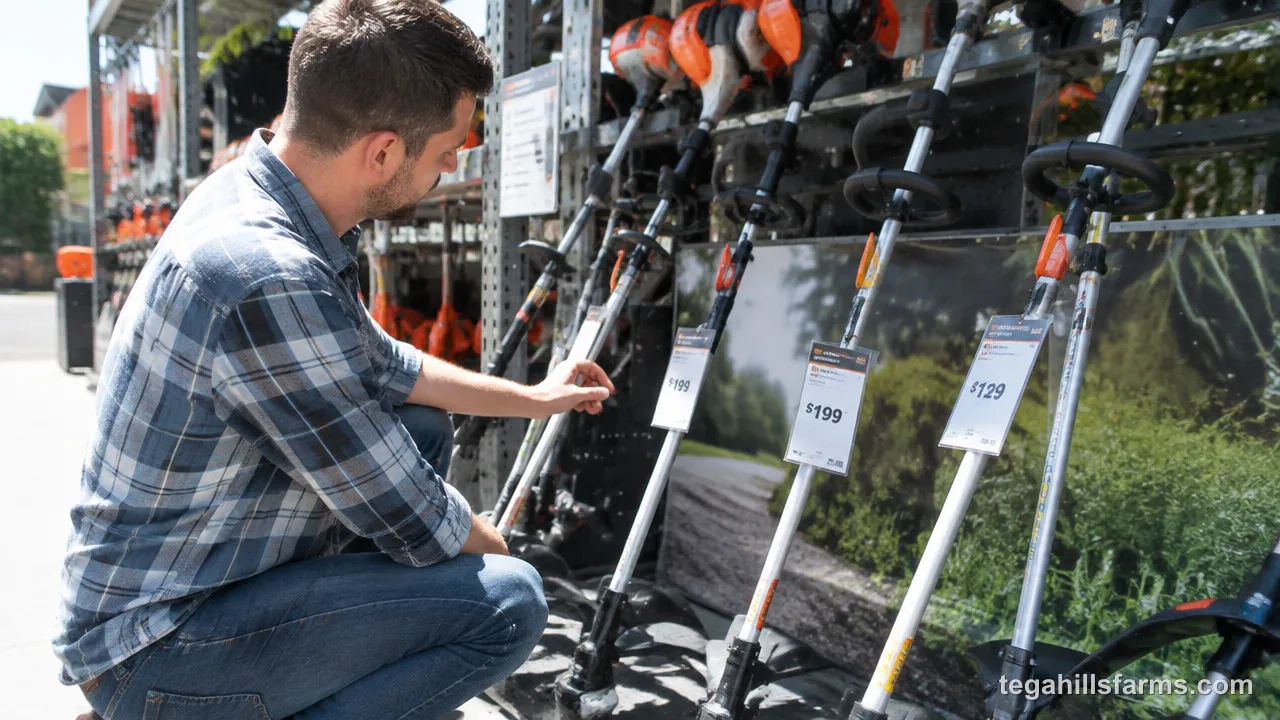
Home Depot and Lowe’s carry the mid-range battery platforms and plenty of corded and gas models, and you can pick up the trimmer the same day. Walk-in returns are easy if a unit arrives faulty. Prices on the same model can differ between them, so checking both before buying is worth the few minutes. Amazon offers the widest selection, including budget brands that big-box shelves may skip. Return shipping can be awkward for a long, bulky tool, though, and you’ll need to make sure you’re buying from an authorized seller.
Tractor Supply Co. suits rural buyers who want gas trimmers and supplies close by. Authorized dealers are the main channel for STIHL, ECHO, and much of the Husqvarna lineup. Dealer prices rarely undercut the big stores, but the dealer assembles the trimmer, explains startup, and handles warranty repairs locally. For a gas trimmer you plan to keep for years, that service support is often worth more than a small price difference.
Do Multi-Tool Systems Cost More Upfront?
Yes. An attachment-capable powerhead usually costs more than a comparable single-purpose trimmer, and each attachment adds to that bill. Systems like RYOBI Expand-It, EGO’s multi-head platform, STIHL’s KombiSystem, and Husqvarna’s FLXi line, including the 110iL FLXi, start with a motor unit that’s built for interchangeable heads. That design calls for a straight shaft and a sturdier coupling than a basic curved-shaft trimmer needs.
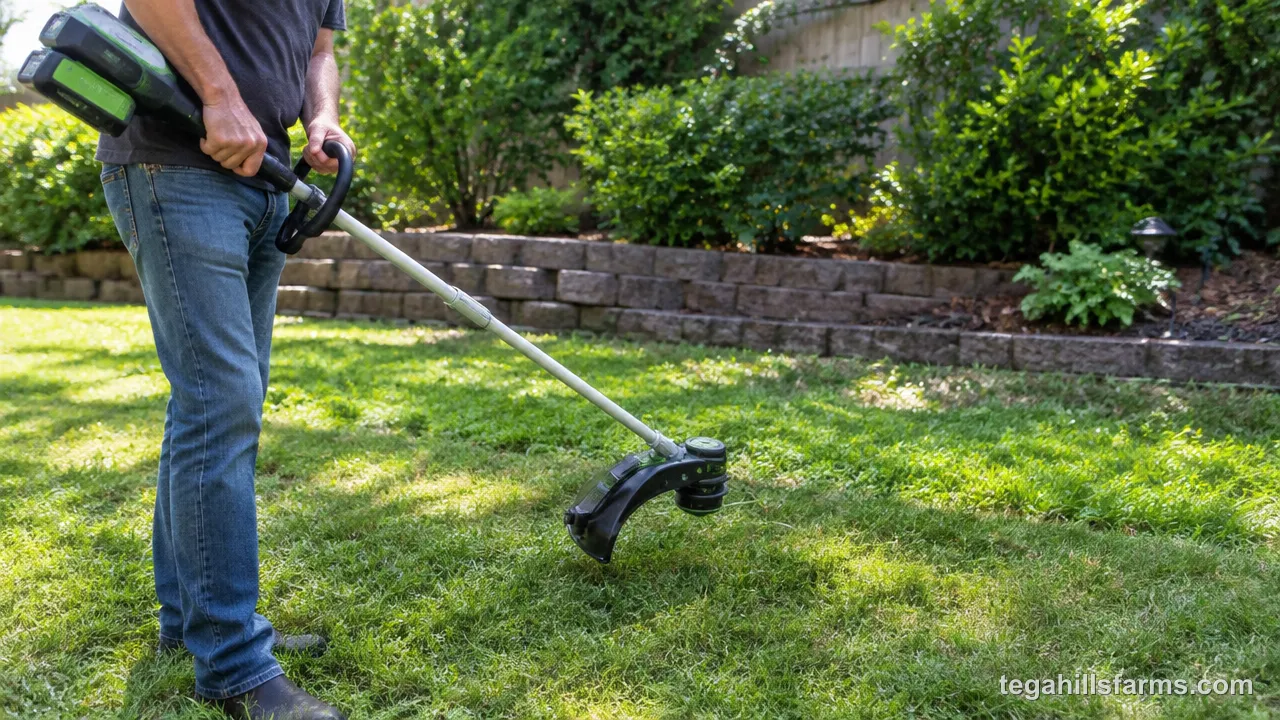
The investment pays off when you’d otherwise buy separate tools. A single powerhead with an edger, pole saw, or hedge trimmer attachment avoids paying for a separate motor, battery, or engine for each job. It also takes up less space in the garage. The savings grow with each attachment you actually use.
If you only trim and occasionally edge, a multi-tool system is money spent on versatility you won’t need. A dedicated trimmer will be lighter and simpler. There’s also a reliability trade-off: when the powerhead fails, every attachment stops working until it’s fixed. That makes the dealer support and parts availability of the system you choose more important.

Write Your Review
No reviews yet. Be the first to share your experience!