

A string trimmer lasts as long as the part that wears out first, and that part depends on the power source. Gas trimmers usually fail from engine and fuel-system wear. Battery trimmers are usually limited by a lithium-ion pack that gives out long before the motor. Corded trimmers usually end with a damaged cord or a tired motor after years of steady work.
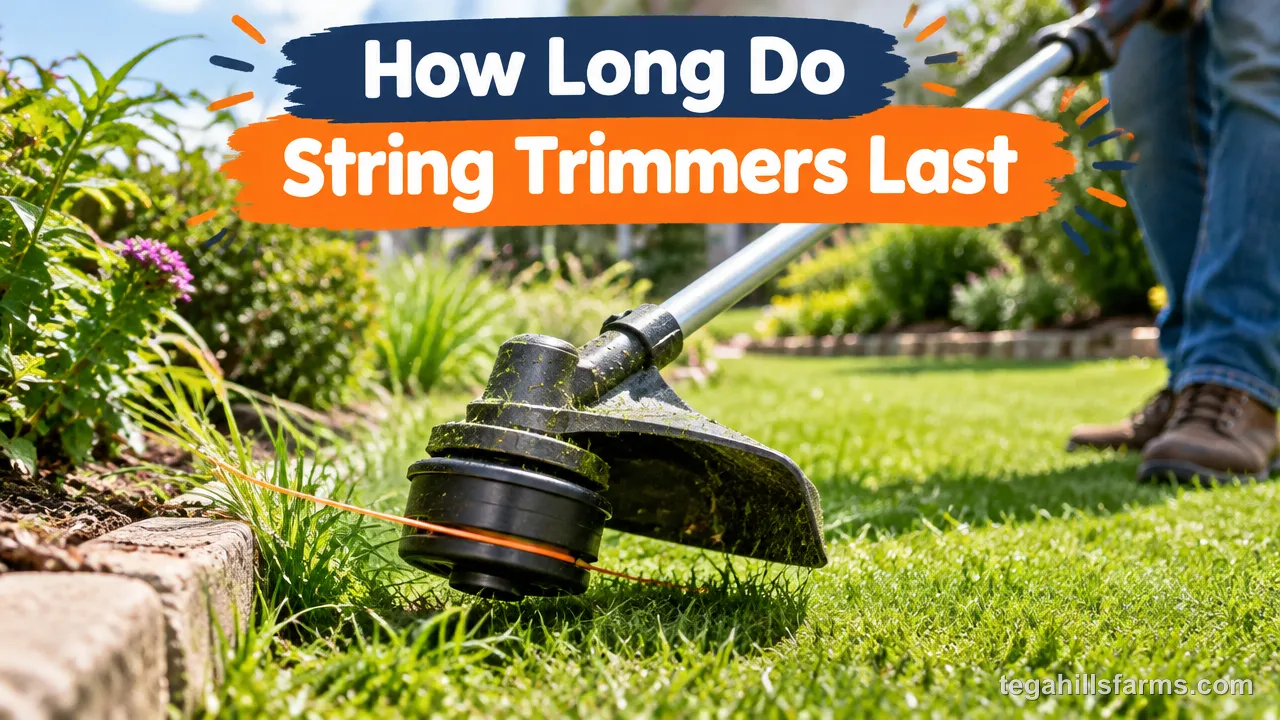
How long yours lasts comes down to three things you control: how many hours you put on it each season, what you ask it to cut, and how it spends the off-season. A trimmer that edges a small lot once a week ages differently from one that clears fence lines of thick brush every weekend.
What worries most owners is the day something goes wrong. If you know which failures are cheap fixes and which mean the machine is done, you won’t pour money into a worn-out engine or throw away a tool that only needed a new battery.
What Is the Average Lifespan of a String Trimmer?
There’s no single number, because lifespan follows the power source and the hours of use. A well-kept gas or corded trimmer can run for many seasons, while a battery model’s life is usually capped by its lithium-ion pack.
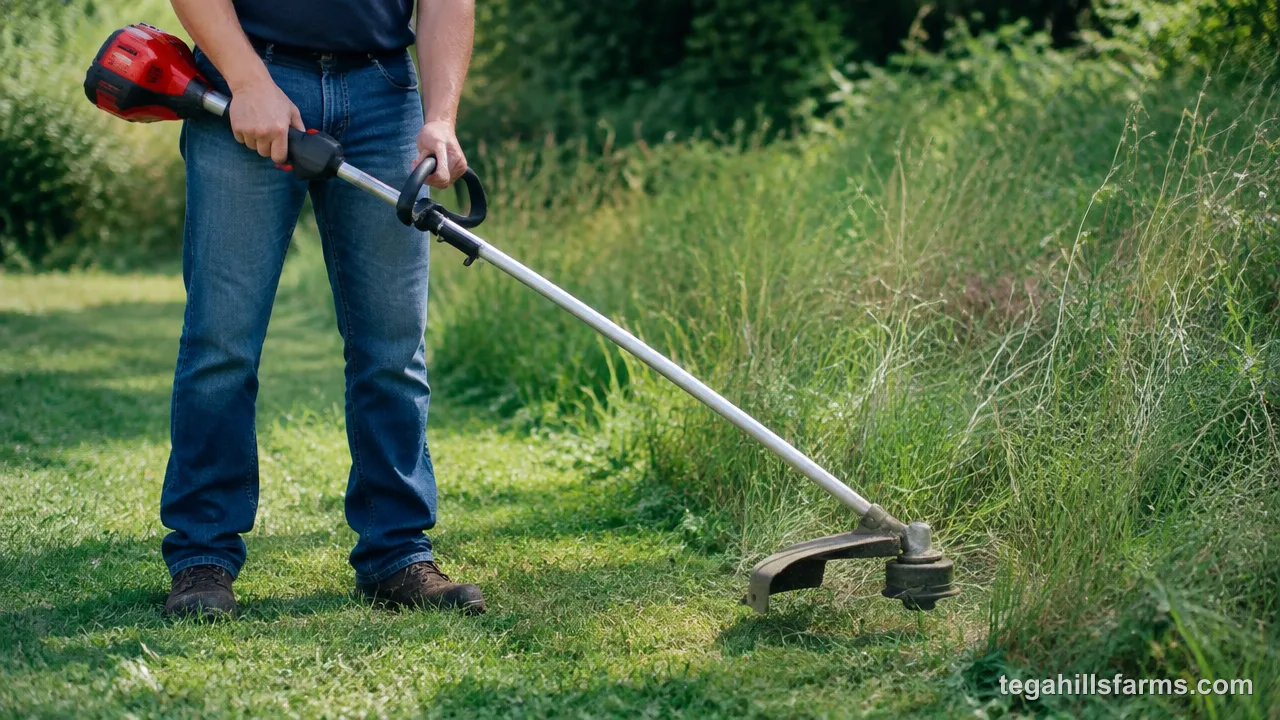
Gas-powered trimmers wear by the hour. Every tank sends heat and friction through the piston, cylinder and crankshaft, and the carburetor slowly gums up if fuel sits in it. A gas trimmer that gets light, regular use and clean fuel keeps running for years. One that’s run hard and stored with old gas can quit within a couple of seasons.
Battery-powered trimmers have two separate lifespans. The motor and housing see little wear. The battery pack loses capacity with every charge cycle and with age. Corded electric trimmers have the fewest wearing parts, so a corded model kept out of the rain often outlasts both.
Lifespan is one factor in deciding which type fits your yard. Knowing how to choose a string trimmer also means weighing runtime, maintenance and how often you’ll use it against what you’re willing to spend up front.
How Long Do Gas String Trimmers Last?
A gas trimmer lasts as long as its 2-stroke engine and carburetor stay healthy. Those parts wear through running hours, fuel quality and how the machine is stored between jobs.
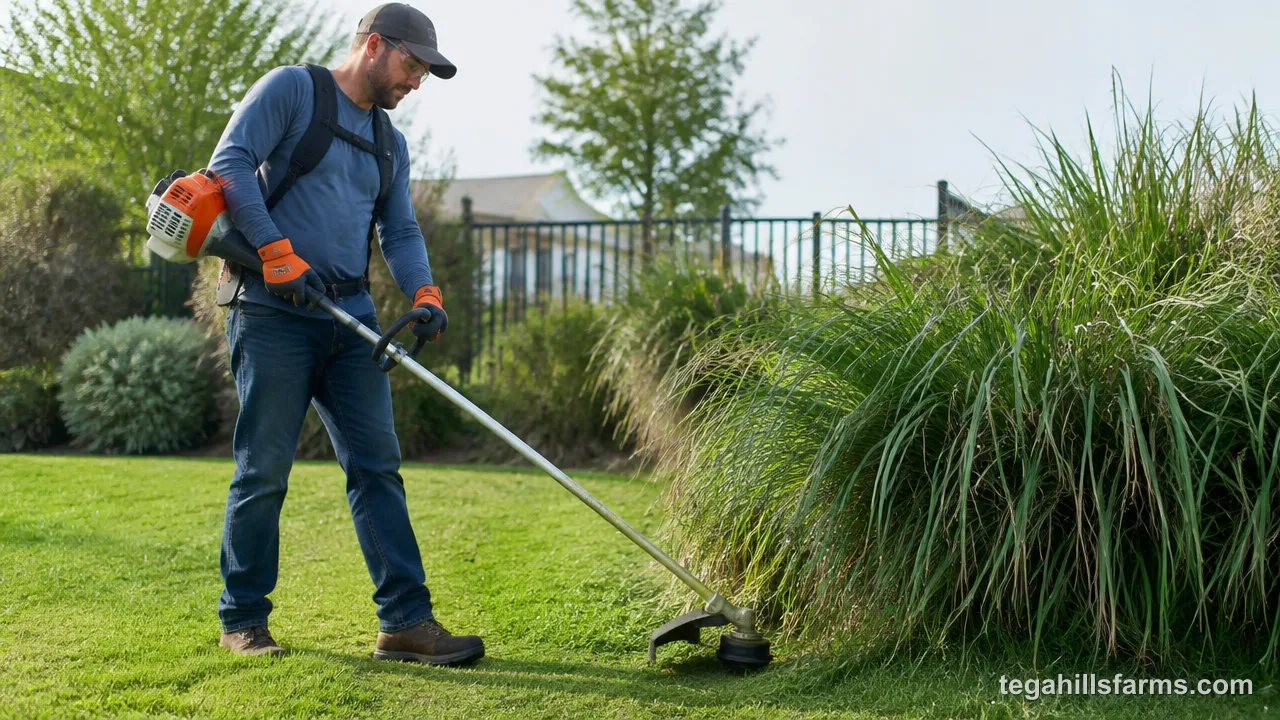
That makes a gas trimmer’s age a poor guide to its condition. Two Echo or Stihl machines bought the same year can end up in very different shape. One may have sat with fresh fuel and a clean air filter, while the other ran through dusty summers on stale gas. The first trouble usually shows up at the pull cord. When a string trimmer won’t start after a long break, the cause is far more often a varnished carburetor or a fouled spark plug than a worn-out engine, and both are fixable.
Residential Use
A homeowner who trims and edges once a week through the mowing season puts only a few hours on the engine each year. At that pace the piston and cylinder see little wear, so mechanical failure is rarely what ends a residential gas trimmer.
Time does more damage than hours. Fuel left in the tank breaks down, rubber fuel lines harden, and the primer bulb cracks after a few seasons in a hot shed. These parts are cheap to replace. If they’re ignored, gummed fuel passages starve the engine and make it hard to start. For a homeowner, storage habits affect lifespan far more than how much the trimmer is used.
Commercial Use
Landscaping crews run gas trimmers for hours every working day, so a season or two of that work equals years of residential wear. Constant heat cycles stress the piston and rings. Dust loads the air filter faster, and the clutch and drive shaft carry continuous load from thick growth.
Pro-grade trimmers are built for this, with heavier components and easier service access. Crews still treat them as working tools that get rebuilt or replaced on a schedule. If you’re shopping used, a former commercial trimmer may look solid while carrying far more engine hours than its age suggests.
How Long Do Battery String Trimmers Last?
The tool body usually keeps working long after the lithium-ion battery, which lasts about 5 years under normal use before its capacity drops enough to notice.
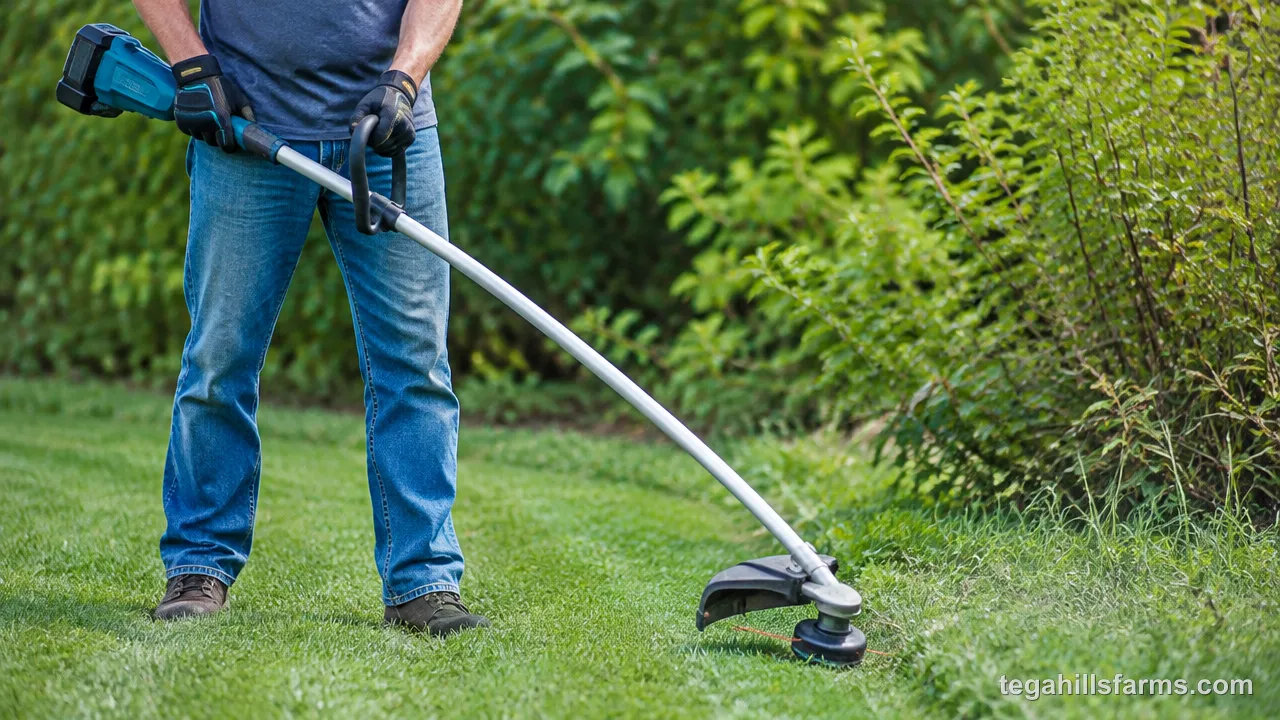
That pattern holds whether you run a Makita XRU15PT, a Milwaukee 3016-21ST or an Ego string trimmer. A battery trimmer has no fuel system, spark plug or carburetor to wear out, so the pack sets the schedule. In practice, a battery trimmer rarely fails all at once. It fades as runtime shrinks, and a new pack often restores it. The way you charge and store that pack directly affects how close it gets to its full life.
Tool Body vs Battery Pack
The motor housing, shaft and trimmer head on a battery trimmer have few moving parts, and brushless motors have no brushes to wear down. As long as the vents stay clear and the head isn’t cracked, the body can keep running through several battery packs.
The battery is a consumable. Lithium-ion cells lose capacity with each charge cycle and with age, even on the shelf. When runtime falls off, the fix is usually a replacement pack rather than a new trimmer, and that pack is the largest single repair cost a battery trimmer owner faces. It also ties you to the brand’s battery platform. A body is only worth keeping as long as compatible packs stay available.
How Charging Habits Affect Battery Life
The best battery trimmers run about 30 minutes per charge, or longer at a lower speed. That means a bigger yard can use up a full cycle every session, and the way you handle those cycles decides how fast the pack wears.
Habits that preserve the pack:
- Let a hot pack cool before charging it.
- Store it partially charged rather than full or empty.
- Charge and store it indoors, away from summer heat and freezing garages.
- Run the trimmer at a lower speed when the job allows, which stretches each charge.
Habits that speed up wear:
- Running the pack until the tool cuts out, over and over.
- Leaving a full pack on the charger in a hot shed for weeks.
- Storing an empty pack all winter.
How Long Do Corded Electric String Trimmers Last?
Corded trimmers often outlast battery models because they have no battery pack to replace and a simple electric motor with very few parts that wear.
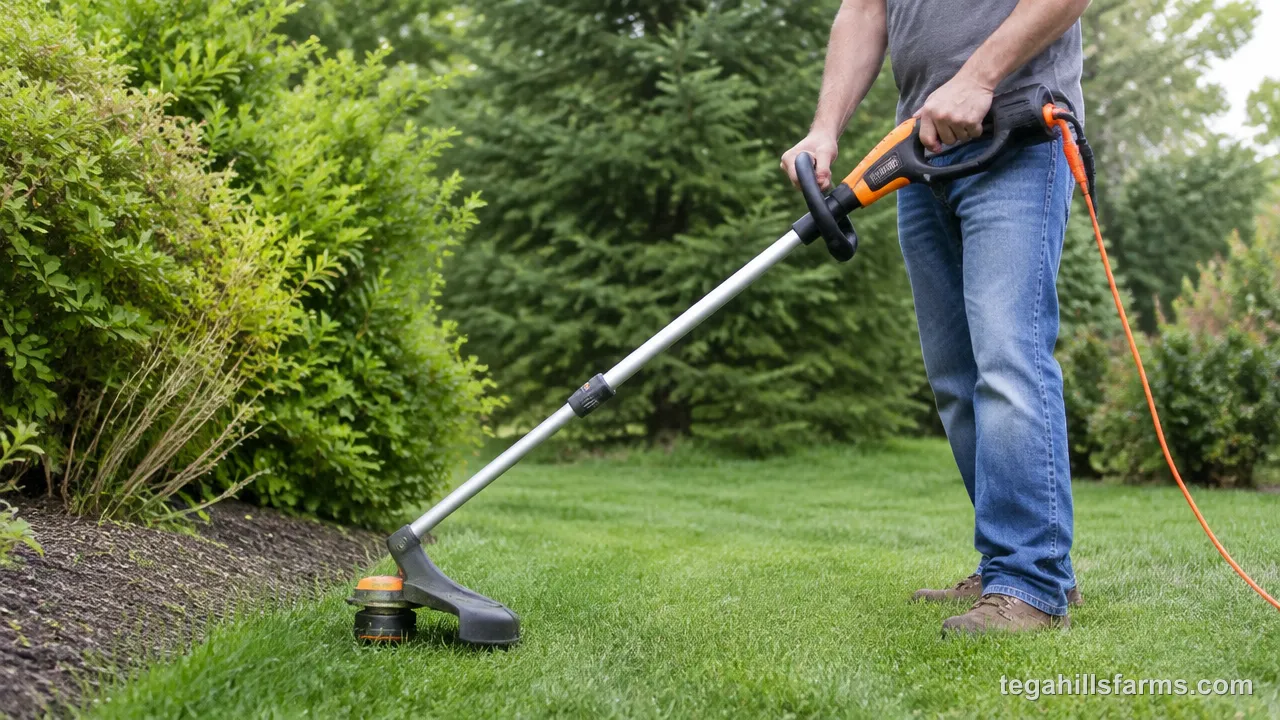
With no fuel system and no lithium-ion cells aging in the background, a corded trimmer’s life comes down to the motor, the switch and the cord. On brushed motors, the carbon brushes wear slowly and can sometimes be replaced. More often, the end comes from physical damage: a cord nicked by the line, a plug bent in a doorway, or a housing cracked in a fall.
The way you supply power also matters. A thin or overly long extension cord drops voltage, which makes the motor run hot under load and shortens its life. Use an outdoor-rated cord sized for the trimmer’s amp draw, and plug it into a GFCI outlet. Kept dry and stored indoors, a corded model is the lowest-maintenance trimmer you can own.
What Factors Affect String Trimmer Lifespan?
Lifespan depends on maintenance, how hard and how often the trimmer works, and how it’s stored. That’s why identical models can last very different lengths of time.
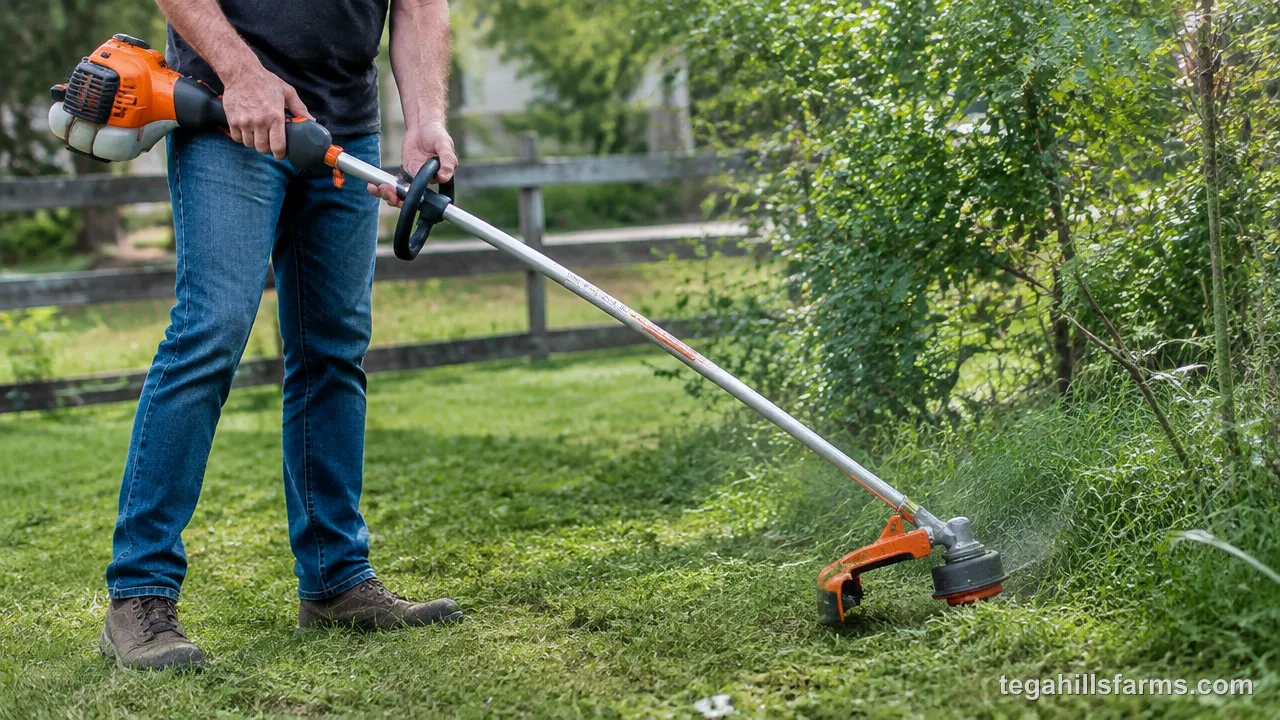
These factors decide whether a trimmer runs for years or needs a shop visit every spring, and most of them take only a few minutes after each use. Line choice plays a part too. Check what size of trimmer line your head is rated for, because line that’s too heavy forces the engine or motor to work harder on every pass.
Maintenance and Cleaning
On a gas trimmer, the air filter does the most to protect the engine. A clogged filter makes the engine run rich and can let fine dust past the seal, which scores the piston and cylinder. Cleaning or replacing the filter, checking the spark plug and keeping the carburetor free of varnish prevent the most common causes of early failure. Four-stroke models also need regular oil changes. 2-stroke engines skip that step because the oil is mixed into the fuel.
Every trimmer type benefits from clearing grass and sap off the trimmer head, cooling vents and shaft. Packed debris traps heat around the engine or motor. A gummed head binds the line, which loads the drive every time you trim.
Usage Frequency and Conditions
Hours of use and the material you cut set the wear rate. Trimming grass along a driveway on weekends barely loads the engine or motor. Cutting thick brush and woody weeds keeps the drive near full power for long stretches.
That heavy load heats the engine, strains the clutch and gearhead, and drains battery packs faster, which adds charge cycles. Commercial use stacks those effects every day, so a crew’s trimmer wears out much faster than a homeowner’s. If your yard has dense growth, choose a trimmer built for that work, or use a brush cutter for the toughest spots. Either will age better than a light-duty model pushed past its limits.
Fuel and Storage Practices
Ethanol-blended gas is hard on small engines. Ethanol absorbs moisture, and as the fuel ages it can separate and leave varnish in the carburetor’s small passages. It can also make rubber fuel lines and seals swell or crack.
The worst damage happens over winter. Fuel left in the carburetor for months evaporates into a sticky residue that blocks the jets, which is why so many gas trimmers refuse to start in spring. You can prevent this by adding fuel stabilizer, using ethanol-free premixed fuel, or running the tank dry before storage. Whether your off-season means months in an unheated shed or a short slow stretch in a warm region, store the trimmer clean and dry and bring battery packs indoors.
How to Extend Your String Trimmer’s Lifespan
The biggest gains come from routine maintenance, proper storage and matching the work to the tool. These steps take minutes, but they decide whether a trimmer lasts a few seasons or many.
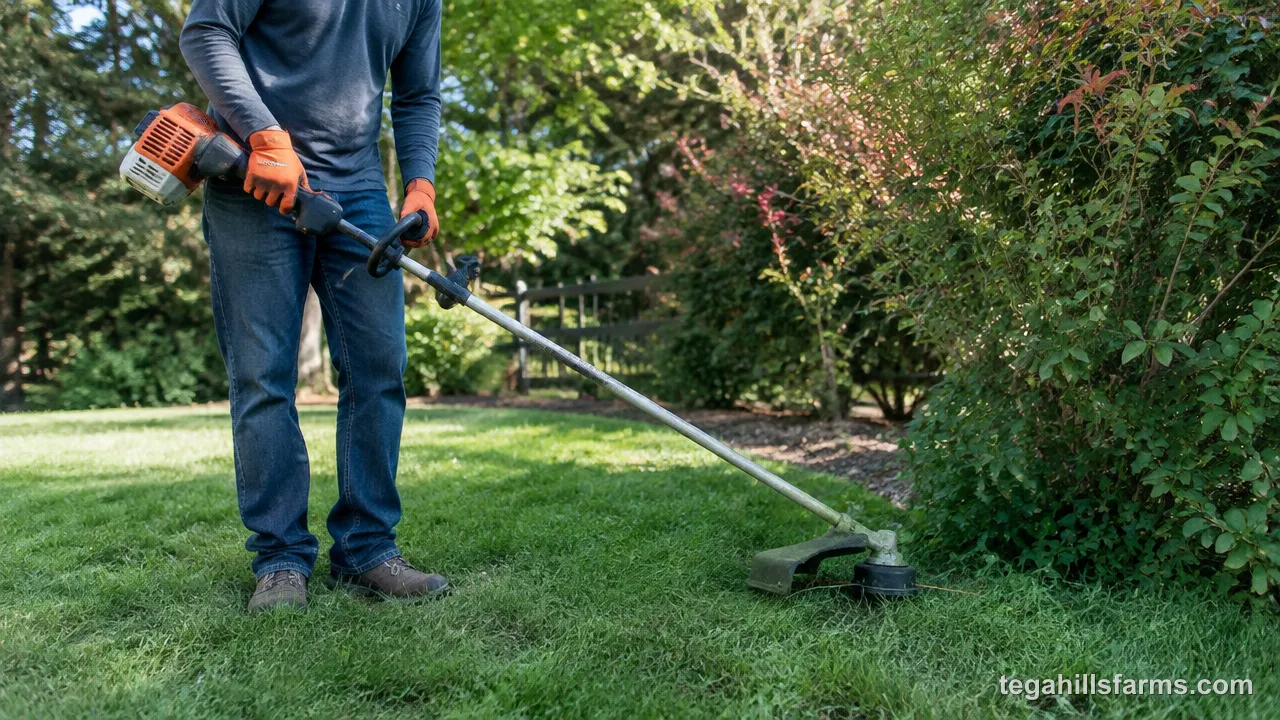
Technique counts as much as upkeep. Learning how to use a string trimmer at the right speed keeps load off the engine or motor, especially if you cut with the tip of the line instead of burying the head in growth. Knowing how to restring a weed eater with the correct line and winding direction prevents tangled spools, which strain the drive and wear the head unevenly.
Gas Trimmer Maintenance
Gas engines reward a short, regular routine:
- Clean the air filter often in dusty conditions, and replace it when it won’t come clean.
- Inspect the spark plug each season, and replace it if the electrode is worn or fouled.
- Use fresh fuel mixed at the ratio in your owner’s manual, with stabilizer if it will sit.
- Replace hardened fuel lines and a cracked primer bulb before they leak air.
- Before winter, run the carburetor dry or drain the tank, then clean the cooling fins and trimmer head.
These steps target the parts that fail first on a 2-stroke engine. Skipping them rarely kills the engine overnight. Instead, varnish, dust and a weak spark build up until starting gets hard and power drops, and by then the carburetor often needs more than a quick cleaning.
Battery Trimmer Maintenance
Battery trimmers need less work than gas models. Most of the attention goes to the pack and the connections:
- Before the off-season, charge packs partway and follow the manufacturer’s storage guidance.
- Keep packs and the charger in the house rather than in the garage or shed.
- Wipe the battery contacts and the tool’s terminals so dirt doesn’t cause a poor connection.
- Recharge after the pack cools instead of leaving it drained.
- Clear grass from the motor vents so the motor stays cool under load.
Dirty terminals deserve more attention than they usually get. A poor connection makes the tool cut out under load, which looks like a failing battery and can lead you to buy a pack you don’t need.
When Should You Replace Your String Trimmer?
Replace a trimmer when repair cost approaches the price of a comparable new model, or when the failure is in the engine’s core or the motor itself.
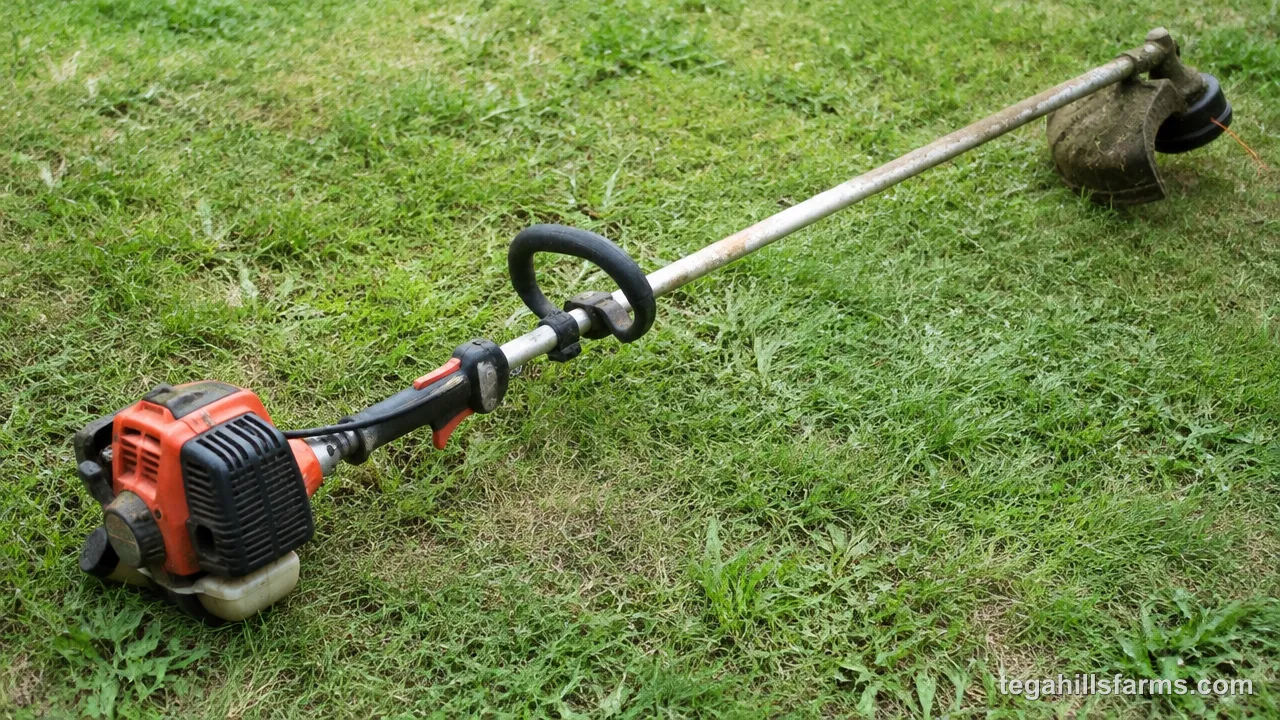
Some failures involve routine wear items that cost little to fix, so replacing the machine for them wastes money. Others mean the expensive internals are worn, and any repair only buys a short reprieve. The simplest test is to compare the repair quote with how much a string trimmer costs new in the same class, especially for an older homeowner model.
Gas Trimmer Failure Signs
Several common gas trimmer problems are worth fixing. A broken starter rope or recoil spring, a gummed or failing carburetor, cracked fuel lines and a bad spark plug are affordable repairs. A carburetor can often be cleaned or swapped as a unit.
Engine wear is different. Piston scoring, worn rings and crankshaft wear show up as low compression, heavy smoke, power loss under load or knocking noises. Fixing them means opening the engine, and on most homeowner trimmers that labor costs more than the machine is worth. If a gas trimmer still struggles after a new carburetor and spark plug, the problem is usually inside the engine, and replacement makes more sense.
Battery Trimmer Failure Signs
On a battery trimmer, first figure out whether the pack or the tool has failed. A sharp drop in runtime, a pack that won’t take a full charge, or a charger that flashes an error usually points to battery capacity loss, and a new pack fixes it.
Trouble in the tool itself looks different. If the motor stalls under light load with a fresh pack, smells hot or cuts out intermittently, the motor or its controller is likely failing. A damaged battery port or loose terminals can cause the same cutting out, and that can sometimes be repaired. Motor failure on a homeowner model usually means replacing the trimmer.
Battery packs lose capacity on the shelf as well as in the yard, so the brand you buy into decides whether you can easily find a fresh pack years later. If the platform has been dropped, you’re left with a working motor and no affordable way to power it.
Do Some Brands Last Longer Than Others?
Brand matters less than build tier and the support behind it. Echo, Stihl and Husqvarna sell gas trimmers with dealer service behind them, so parts, carburetor kits and repairs stay available for years, and that support is what keeps an older gas trimmer running. Their professional lines also use heavier components than their entry-level homeowner models.
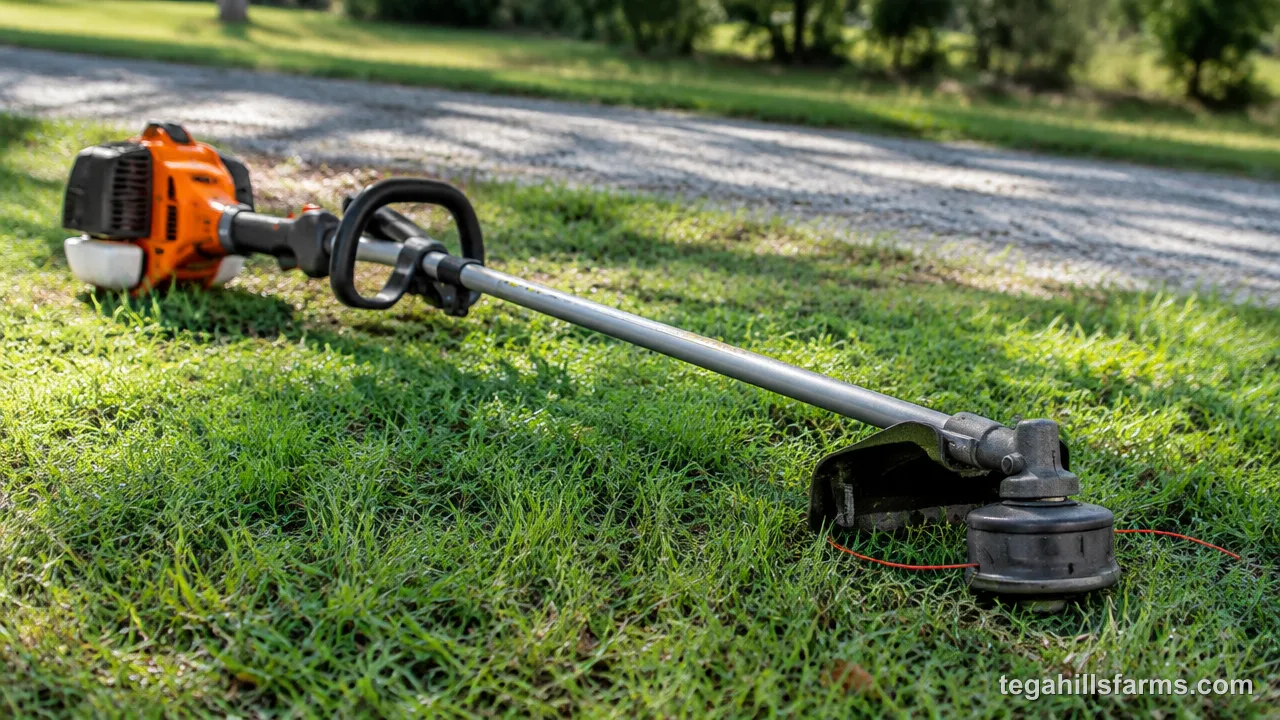
On the battery side, Ego, Makita and Milwaukee compete more on platforms than on individual trimmers. A well-built body from any of them holds up when kept clean. The bigger longevity question is whether the voltage platform you buy into keeps getting new packs. For gas, I’d put local dealer support ahead of the logo. For battery, the platform’s track record and the other tools you already own on it matter most.
Which Type Costs Less to Own Over Time?
Corded trimmers usually cost the least to own, since they need little beyond line and a good extension cord. Gas and battery models vary more depending on how long you keep them.
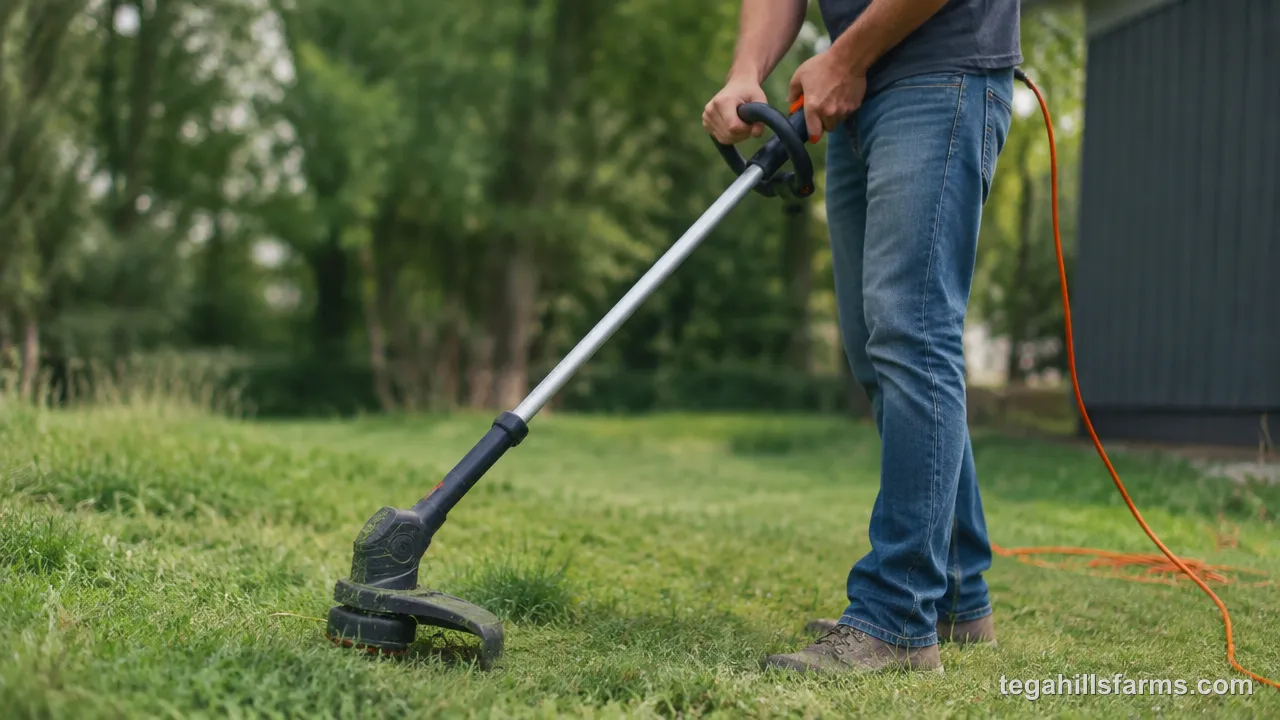
A gas trimmer brings steady small costs: fuel, 2-stroke oil or premixed fuel, air filters, spark plugs and occasional carburetor service, plus your time or a shop’s labor. None of these is large on its own, but they repeat every season.
A battery trimmer costs almost nothing to run beyond electricity and line, so it’s cheap to own from year to year. The exception is the pack. Once it wears out, the replacement is the biggest single expense, and you pay it all at once rather than spread over seasons. If you already own other tools on the same platform, shared batteries soften that cost because one pack serves several machines.
Common Questions About String Trimmer Lifespan
Is it worth fixing an old gas string trimmer?
Usually yes, when the problem is in the fuel system or starter. Cleaning or swapping the carburetor, new fuel lines, a spark plug and a recoil repair are affordable and restore most trimmers. When compression is low or the engine smokes and knocks, repairs tend to cost more than the trimmer is worth.
Can I put a new battery in an old battery trimmer?
Yes, as long as the brand still makes packs for that voltage platform. A new pack usually brings back full runtime, because the motor and housing wear far more slowly than the cells. If the platform has been discontinued, check for remaining stock before replacing the whole tool.
Does leaving the battery on the charger shorten its life?
A short stay on a modern charger does little harm, because charging stops once the pack is full. Long storage at full charge in a hot garage does speed up capacity loss. Take the pack off once it’s charged, and store it indoors partially charged between seasons.
Do string trimmers wear out faster in hot or dusty climates?
Yes. Heat speeds up lithium-ion wear and breaks down fuel faster, while dust clogs air filters and wears gas engine internals. In dry, dusty areas, clean the air filter more often. In hot areas, keep batteries and fuel out of direct sun and unventilated sheds.
What features help a trimmer last longer?
A solid drive shaft, a brushless motor on battery models, an easy-access air filter on gas models and strong parts support all add years of use. Before buying, go over what to look for in a string trimmer so you can match those durability features to your yard and how often you trim.

Write Your Review
No reviews yet. Be the first to share your experience!