

Nearly any vegetable or herb will grow in a raised garden bed as long as its roots fit the soil depth the bed holds. Lettuce, spinach, radishes, and most culinary herbs suit shallow beds. Beans, carrots, broccoli, and cucumbers want medium depth. Tomatoes, peppers, and winter squash need the deepest soil. Sprawling space hogs such as corn and full-size pumpkins are usually better grown in the ground.
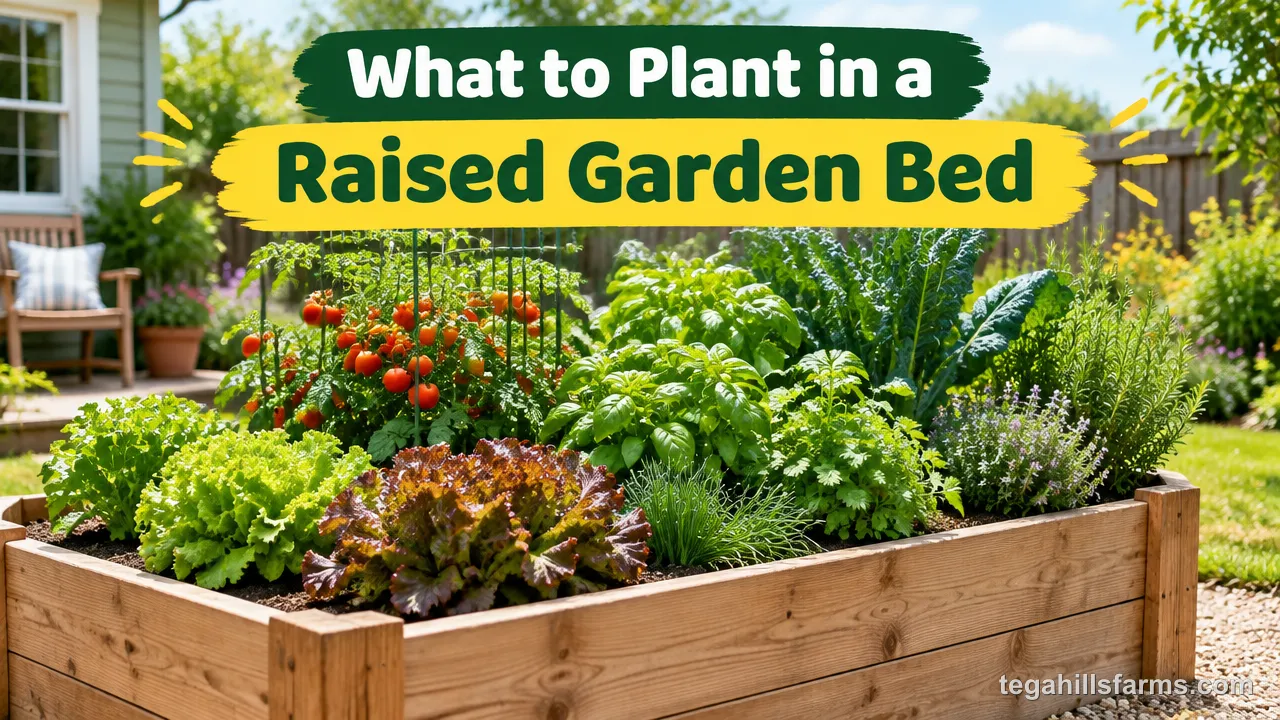
Three things should shape your crop list: how deep the roots grow, how much sun the bed gets, and where you garden. Your USDA Hardiness Zone sets how long your warm season runs, so it decides whether long-season crops like peppers and sweet potatoes have time to ripen.
The usual raised bed mistake is planting a crop the bed can’t support. A carrot that hits the bottom of a shallow bed forks or stays stubby. A tomato crammed beside zucchini shades its neighbor and fights it for water. Matching plants to depth and spacing prevents most of these first-season disappointments.
A practical first-season mix pairs a few fast crops, such as radishes and leaf lettuce, with one or two long-season crops like tomatoes. The quick crops give you early harvests while the slow ones are still flowering.
What Are the Best Vegetables to Grow in a Raised Garden Bed?
The crops that pay off most are the ones whose roots fit your bed’s soil depth and that respond well to loose, fast-draining soil that warms early in spring. A raised bed gives you control over soil texture, drainage, and spacing, which matters more for some vegetables than others. Fruiting crops, quick leafy crops, root crops, and climbers each use that control in a different way, so it helps to know what each group gains before you plan a layout. Before settling on crops, it pays to know how to choose a raised garden bed that fits your space and the plants you have in mind.
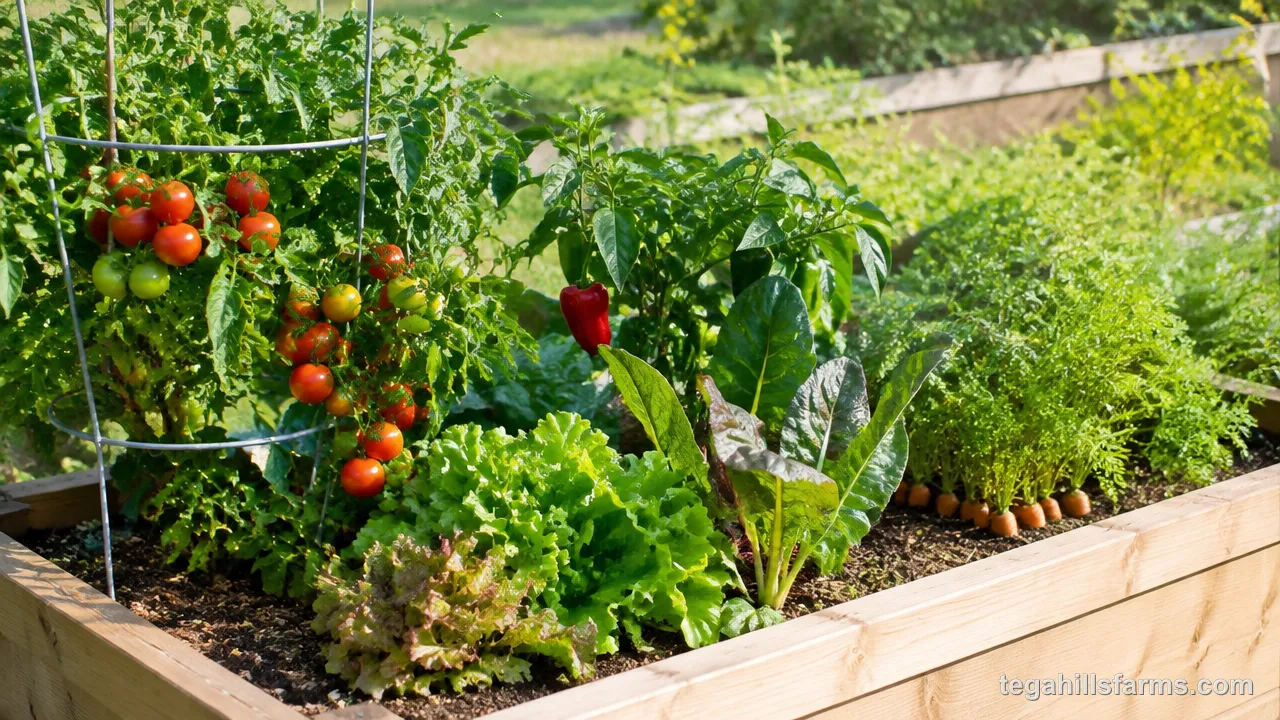
Tomatoes and Peppers
Tomatoes and peppers are among the most productive raised bed crops because they are warm-season plants, and raised soil warms faster in spring than ground-level soil. Warmer soil lets you transplant sooner and gets roots growing right away, which matters most in northern zones where the frost-free season is short.
Drainage is the second advantage. Both crops dislike sitting in soggy soil, and a raised bed sheds excess water after heavy rain instead of letting it pool around the roots. Waterlogged roots are prone to rot, and inconsistent moisture is a common cause of blossom-end rot in tomatoes.
These crops also root deeply, so they belong in your tallest bed. If you’re deciding how deep a raised garden bed should be for fruiting crops, plan for the deepest tier. Indeterminate tomatoes need a sturdy cage or stake set at planting time so the roots aren’t damaged later.
Leafy Greens
Lettuce, spinach, and kale suit raised beds because their roots stay near the surface and they mature quickly. That combination lets you harvest a row and replant the same spot within the season, which is called succession planting.
Lettuce and spinach grow happily in a bed’s top layer of soil, so they also fit in shallow beds, window boxes, and the edges of deeper beds where taller crops won’t shade them. Kale roots a little deeper and keeps producing for months if you pick the outer leaves and leave the center growing.
Greens are cool-season crops. They grow best in spring and fall and bolt, or go to seed, when summer heat arrives. A raised bed’s early-warming soil gives you a head start in spring. In warmer zones, tucking greens on the shaded side of tall crops can stretch the harvest into early summer.
Root Vegetables
Carrots, radishes, and beets thrive in raised beds because the soil stays loose. In-ground soil gets packed down by foot traffic and heavy rain, and compacted soil makes roots fork, twist, or stop short. In a raised bed you never step on the growing area, so roots push straight down with little resistance.
Soil texture matters as much as depth here. Rocks, clods, and chunks of undecomposed material deflect a carrot’s taproot, so the mix should be fine and crumbly. If you’re still working out how to fill a raised garden bed, a blend of quality topsoil and compost gives root crops the even texture they need.
Radishes are the most forgiving of the three, since their roots stay short. Carrots and beets need more room below. Short or round carrot varieties are a good match for beds on the shallower side.
Climbing Vegetables
Pole beans, peas, and cucumbers make the most of a raised bed because they grow up instead of out. A trellis along one edge turns a few square feet of soil into a tall wall of vines, leaving the rest of the bed open for other crops.
Vertical growing also keeps these crops healthier. Leaves held off the ground dry faster after rain or watering, which reduces fungal problems such as powdery mildew on cucumbers. Fruit hanging on a trellis stays clean, is easier to see at harvest, and is less exposed to slugs and soil-borne rot.
Set the trellis before planting so you don’t disturb young roots later, and anchor it firmly since a loaded cucumber vine gets heavy. Bush beans are an option if you’d rather skip support altogether, but they take up more bed space for a similar harvest.
Which Herbs Grow Best in Raised Garden Beds?
Most culinary herbs do well in raised beds because they share a need for good drainage, and the deciding factor is whether the herb is replanted each year or kept as a permanent fixture. That difference controls where each herb belongs in the bed. Short-lived herbs can move around and fill gaps between vegetables, while long-lived ones need a spot you won’t dig up each spring.
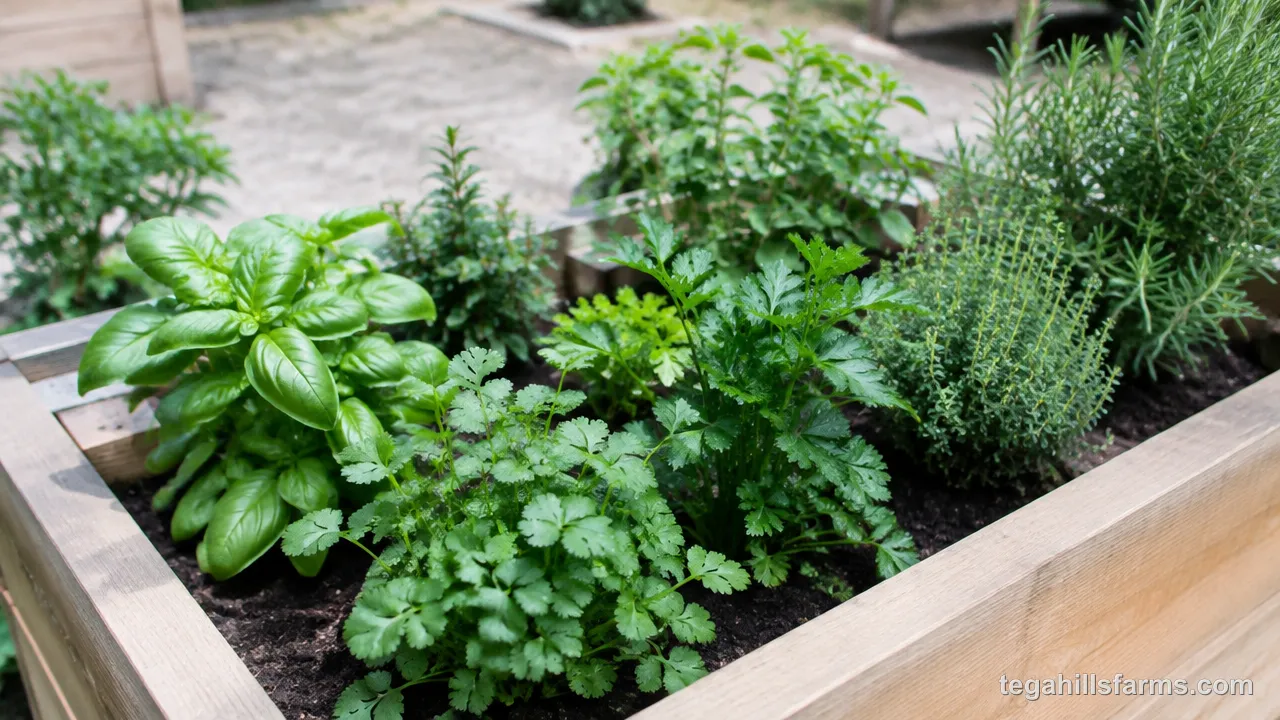
Annual Herbs
Basil, cilantro, and parsley are easy raised bed crops because they grow fast and keep producing as long as you harvest regularly. Pinching basil just above a pair of leaves makes it branch, so frequent picking gives you a bushier plant and more leaves.
Each one has a season. Basil is frost-tender and grows only once nights stay warm, so it pairs well with tomatoes in timing and spacing. Cilantro prefers cool weather and bolts quickly in heat, which makes spring and fall the best windows in most zones. Sowing small batches every few weeks keeps fresh cilantro coming. Parsley tolerates both cool and warm weather and often survives light frost.
All three have modest root systems, so they fit in shallow beds or along the front edge of a deeper bed. Dill fits the same pattern and attracts beneficial insects when it flowers.
Perennial Herbs
Rosemary, thyme, sage, and oregano need a permanent spot because they come back year after year where winters allow. Put them in a corner or along one end of the bed so seasonal digging for vegetables won’t disturb their roots.
Drainage matters most for this group. These Mediterranean herbs prefer lean, fast-draining soil, and roots that stay wet through winter often rot. A raised bed already drains better than ground soil. Keep heavy compost applications away from these herbs, since rich soil produces soft growth with weaker flavor.
Hardiness depends on your USDA zone. Thyme, sage, and oregano overwinter in many zones, while rosemary is less cold-hardy and may need to be grown as an annual or moved to a pot indoors in colder regions. Mint belongs in its own container, because its spreading roots will take over a shared bed.
How Deep Does the Soil Need to Be for Different Plants?
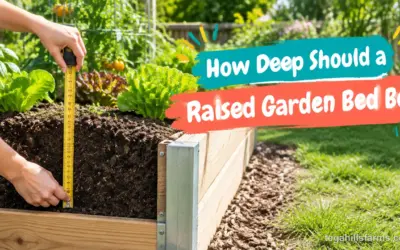
Soil depth should match the root depth of the crop, because roots that run out of loose soil stop short and the plant yields less. Raised bed crops fall into three depth tiers. Knowing which tier a crop belongs to tells you whether it fits the bed you already have or needs a taller one.
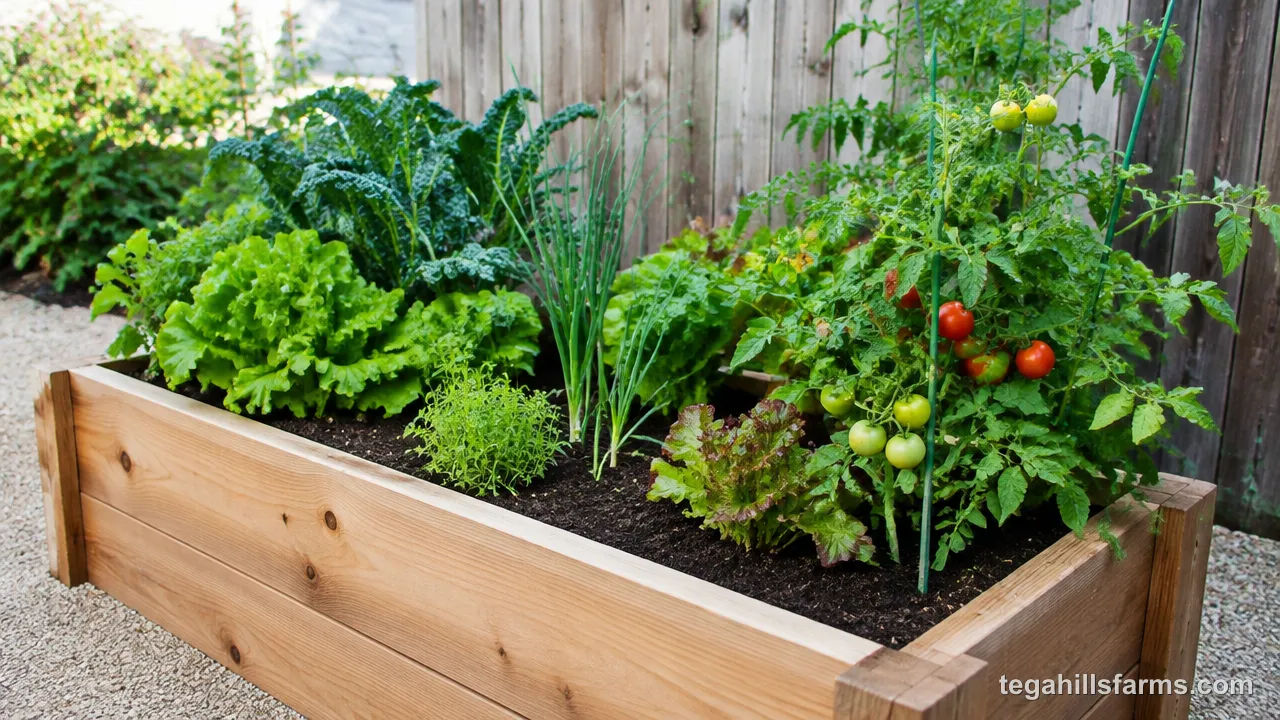
Shallow-Rooted Crops
A raised bed holding 6 inches of soil supports a long list of crops, and 6 inches is the minimum depth above ground for growing vegetables. Arugula, leeks, lettuce, onions, radishes, spinach, and strawberries all fit this tier.
Many favorite herbs belong here too: basil, chives, cilantro, dill, mint, oregano, parsley, and thyme. Marigolds and other annual flowers also grow well at this depth.
Shallow beds have a trade-off. Less soil holds less water, so these beds dry out quickly in summer heat and need more frequent watering. They also warm and cool faster than deep beds. That works well in spring for cool-season greens but can stress plants during a hot spell. A layer of mulch helps keep moisture and temperature steady.
Medium-Depth Crops
Beds with 12 inches of soil open up most of the vegetable garden. Beans, beets, broccoli, Brussels sprouts, cabbage, cantaloupe, carrots, cauliflower, collards, cucumbers, garlic, kale, summer squash such as zucchini, Swiss chard, and turnips all grow well at this depth.
Several woody herbs also prefer this tier, including lavender, rosemary, and sage. Flowers that pair well with vegetables, such as borage, calendula, cosmos, lantana, nasturtiums, snapdragons, and sweet alyssum, fit here as well.
This depth suits beginners because it covers the broadest range of crops while staying manageable to fill. Brassicas like broccoli and cauliflower are heavy feeders, so mix compost into the soil before planting. Carrots at this depth do best in finely textured soil free of stones.
Deep-Rooted Crops
The largest and longest-season crops need beds 18 inches deep or taller, and that much soil depth also produces the best harvests from herbs and vegetables in general. Artichokes, asparagus, eggplant, okra, parsnips, peppers, sweet potatoes, tomatoes, watermelon, and winter squash belong in this tier, along with pineapple sage.
Extra depth also gives long roots room to stretch. A daikon radish planted in late summer can grow as long as this bed is deep when the soil is loose all the way down.
Deep beds take a lot of soil. A 4 x 8 ft bed at this depth needs about 48 cubic feet to fill. The payoff is a bed that holds moisture longer and stays cooler in summer heat.
How Should You Arrange Plants in a Raised Bed?
A good raised bed layout places tall crops on the north side, groups plants with similar water and sun needs, and spaces them by mature size rather than in rows. Putting tomatoes, trellised beans, and cucumbers along the north edge keeps them from shading shorter crops like lettuce and herbs.
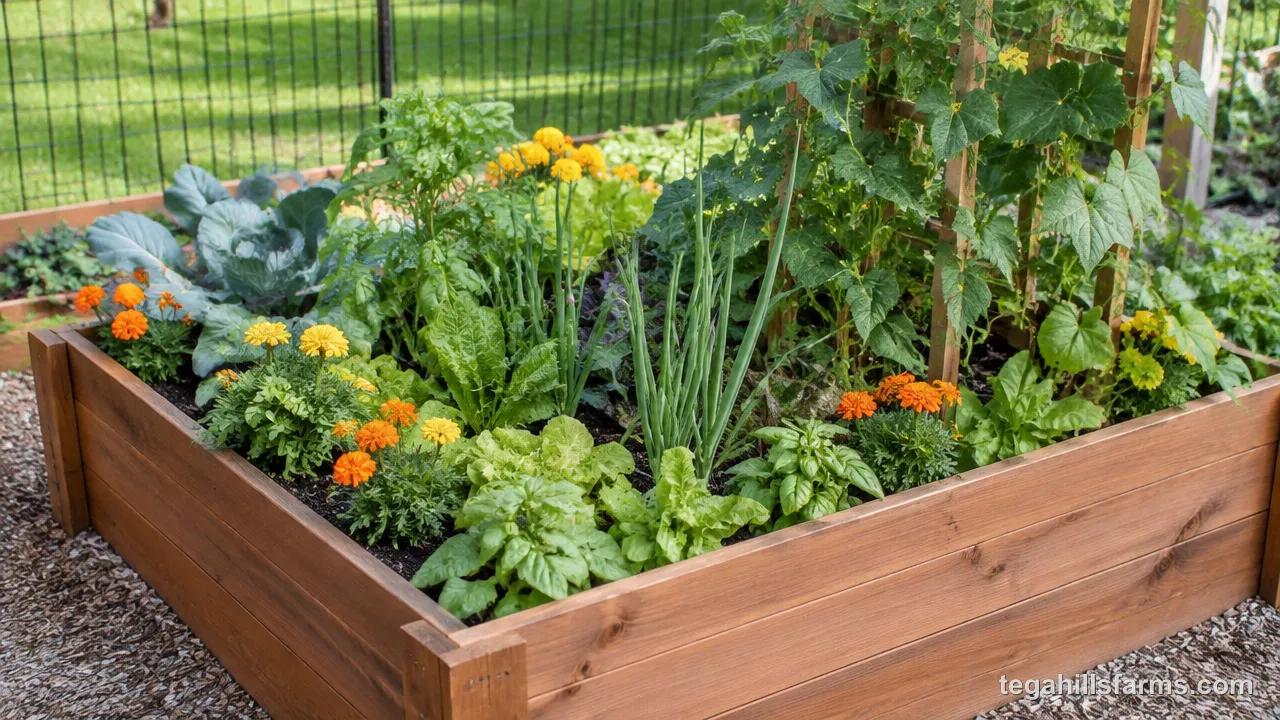
Raised beds don’t need walking paths between rows, so you can plant in a grid or blocks. Use the in-row spacing on the seed packet in every direction and ignore the wider row spacing. This dense planting shades out weeds and keeps soil moisture even, but crowding past the packet spacing invites disease and smaller harvests.
Companion planting adds another layer. Basil grows well alongside tomatoes, and marigolds or nasturtiums at the bed’s edges attract beneficial insects. Fast crops like radishes can fill gaps between slow crops and be harvested before the larger plants need the space.
Layout and bed dimensions go together. Your plant list helps decide what size raised garden bed you need, and keeping the bed narrow enough to reach the center from either side means you never step on the soil.
What Are the Easiest Vegetables to Grow in a Raised Bed for Beginners?
The most forgiving choices for a first raised bed are radishes, leaf lettuce, bush beans, and zucchini, because they grow quickly, tolerate small mistakes, and reward you with a harvest early in the season.
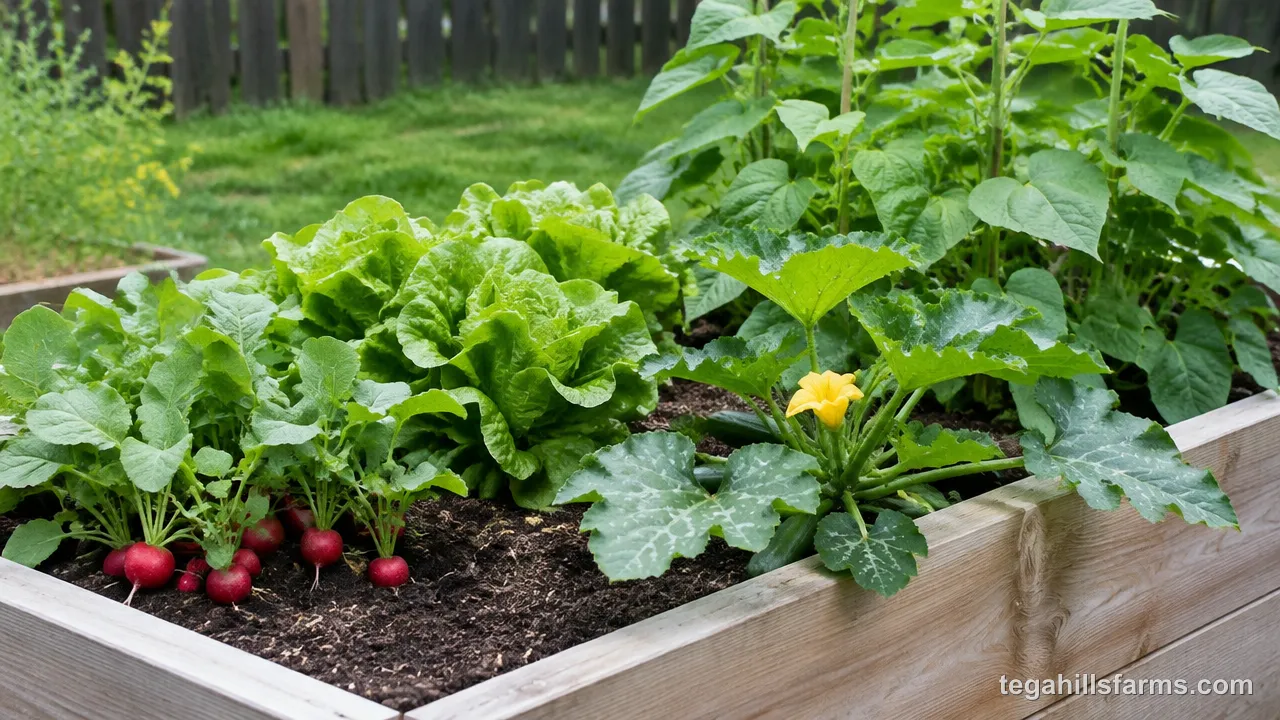
Radishes are ready within a few weeks of sowing, which makes them a fast confidence builder. Their main failure is getting woody when left in the ground too long, so pull them promptly. Leaf lettuce lets you cut outer leaves and keep harvesting from the same plants for weeks.
Bush beans sprout readily from direct-sown seed and need no trellis. They also add nitrogen to the soil through their roots. Zucchini is famously productive, and one or two plants usually feed a household. Give it plenty of space, since a single plant can cover a large part of a small bed.
If you’re also starting herbs, I’d add basil and chives. Both grow easily, and you’ll use them in the kitchen constantly. Starting with a handful of reliable crops makes it easier to notice what your bed’s sun and soil favor before you try harder plants.
How Can You Keep Your Raised Bed Producing All Season?
Continuous harvests come from succession planting, which means replanting each spot as soon as a crop finishes, combined with crop rotation across seasons to keep the soil healthy.
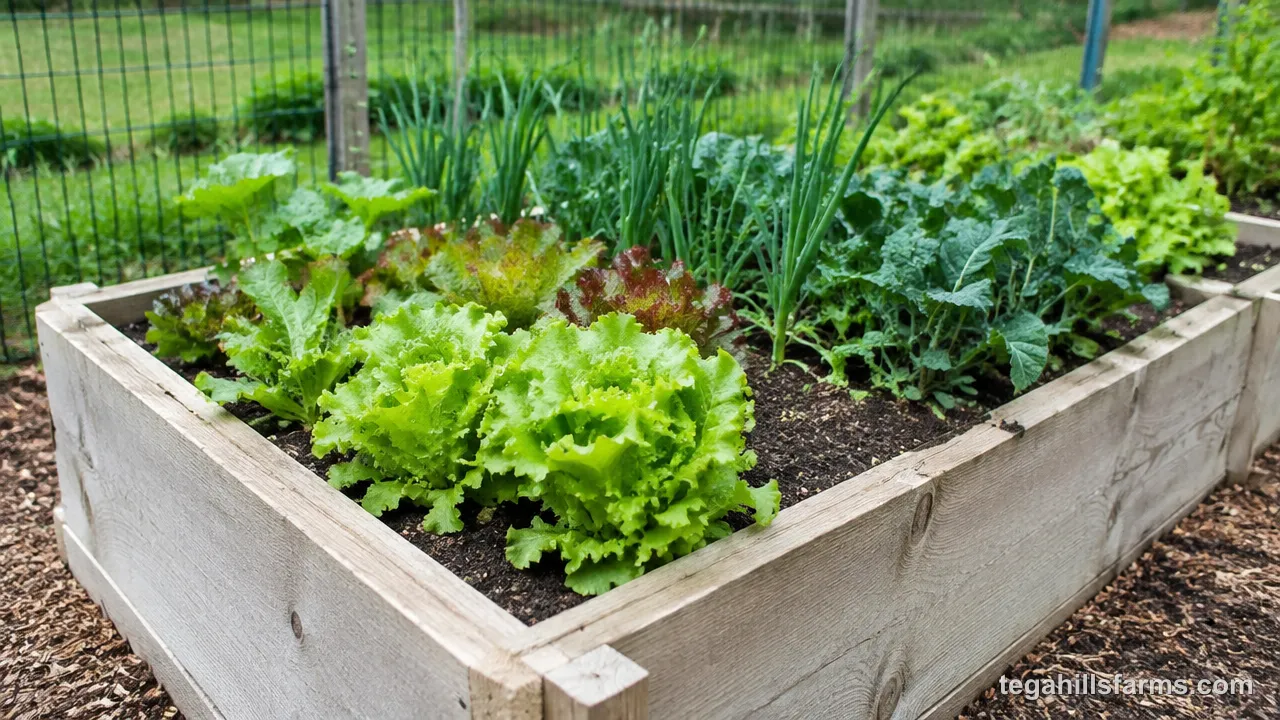
The season moves in waves. Cool-season crops like lettuce, spinach, peas, and radishes go in early, often before your last spring frost date. Once the soil warms, tomatoes, peppers, beans, and squash take over. As summer crops fade, sow a second round of greens, kale, and root crops for fall. Your USDA zone and local frost dates set the timing for each wave, so check them before planning.
Sowing small batches of quick crops every couple of weeks prevents a glut followed by nothing. Add a layer of compost each time you replant, since dense planting draws down nutrients fast.
Rotation keeps disease and pests from building up. Avoid planting the same crop family, such as tomatoes, peppers, and eggplant, in the same spot two years running. If you have only one bed, rotate crops between its ends.
What Should You Avoid Planting in a Raised Garden Bed?
A few crops are a poor fit: corn, pumpkins, and large vining winter squash take up too much space for the harvest they return in a typical raised bed.
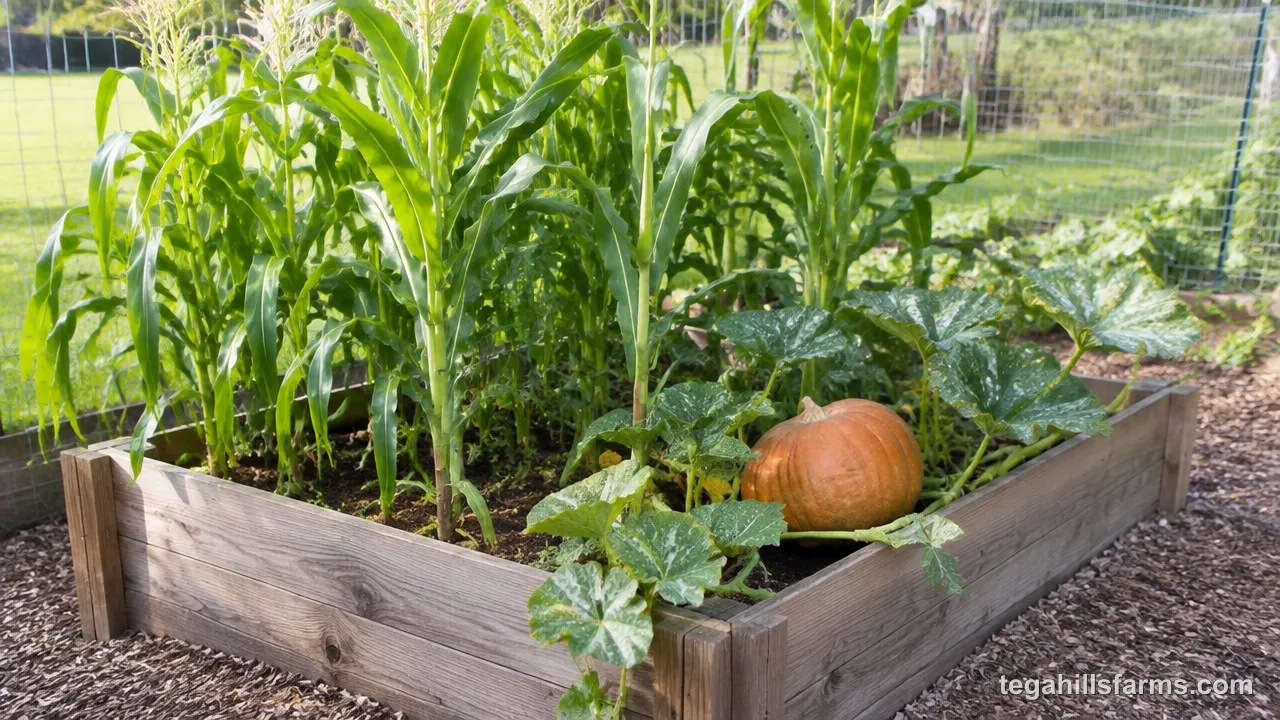
Corn is pollinated by wind, so it needs to be planted in a block of several rows for ears to fill out properly. A small bed can’t hold enough plants for good pollination, and the tall stalks shade everything around them.
Pumpkins and sprawling winter squash send vines far beyond the bed’s edges, and each plant produces only a few fruits. In a bed where every square foot counts, the same space could grow a steady supply of beans, greens, or tomatoes.
Large perennials need some thought too. Asparagus grows well in a deep bed, but it occupies that bed permanently, so give it its own space rather than mixing it with annual crops. If you love pumpkins or corn, grow them in an in-ground plot and keep the raised beds for intensive crops.
A raised bed sheds water faster than ground soil because its sides are exposed to sun and wind, so the top layer can go dry by afternoon on a hot day even after a morning soak. Tomatoes and cucumbers that cycle between soaked and parched soil crack their fruit and develop blossom-end rot, and the damage often appears just as the first harvest ripens.
How Often Should You Water a Raised Garden Bed?
Raised beds usually need watering more often than in-ground gardens, sometimes daily in midsummer heat. Their loose soil drains quickly and their exposed sides lose moisture, so a schedule that works for a ground-level plot often leaves raised bed crops thirsty.
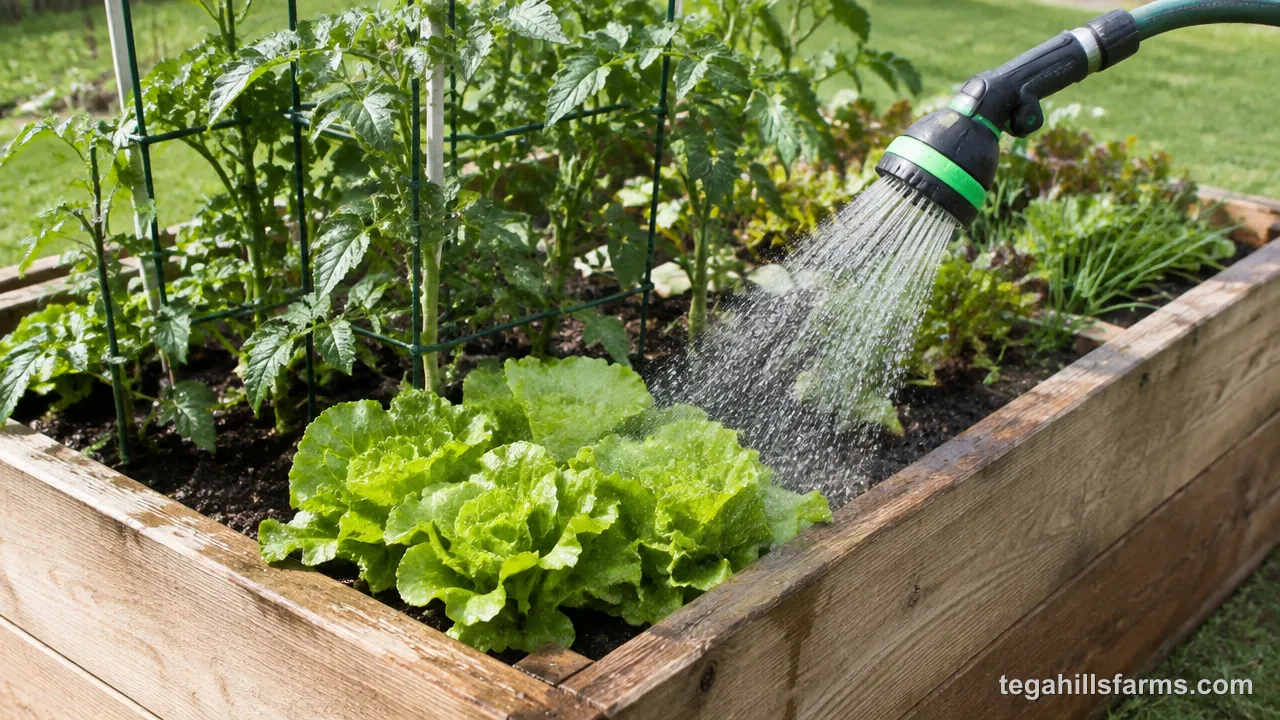
Water by soil moisture, not the calendar. Push a finger into the soil, and if it feels dry a couple of knuckles down, it’s time to water. Shallow beds dry out fastest, while deep beds hold moisture longer.
Deep, thorough watering is better than frequent sprinkles, because it pulls roots down instead of keeping them near the surface. Drip irrigation or a soaker hose delivers water straight to the soil, keeps foliage dry, and works well on a simple timer. Rain barrel water works well in drip lines too.
A layer of mulch such as straw or shredded leaves slows evaporation and keeps soil temperature steadier, which cuts how often you need to water.
How Do You Protect Raised Bed Crops from Pests?
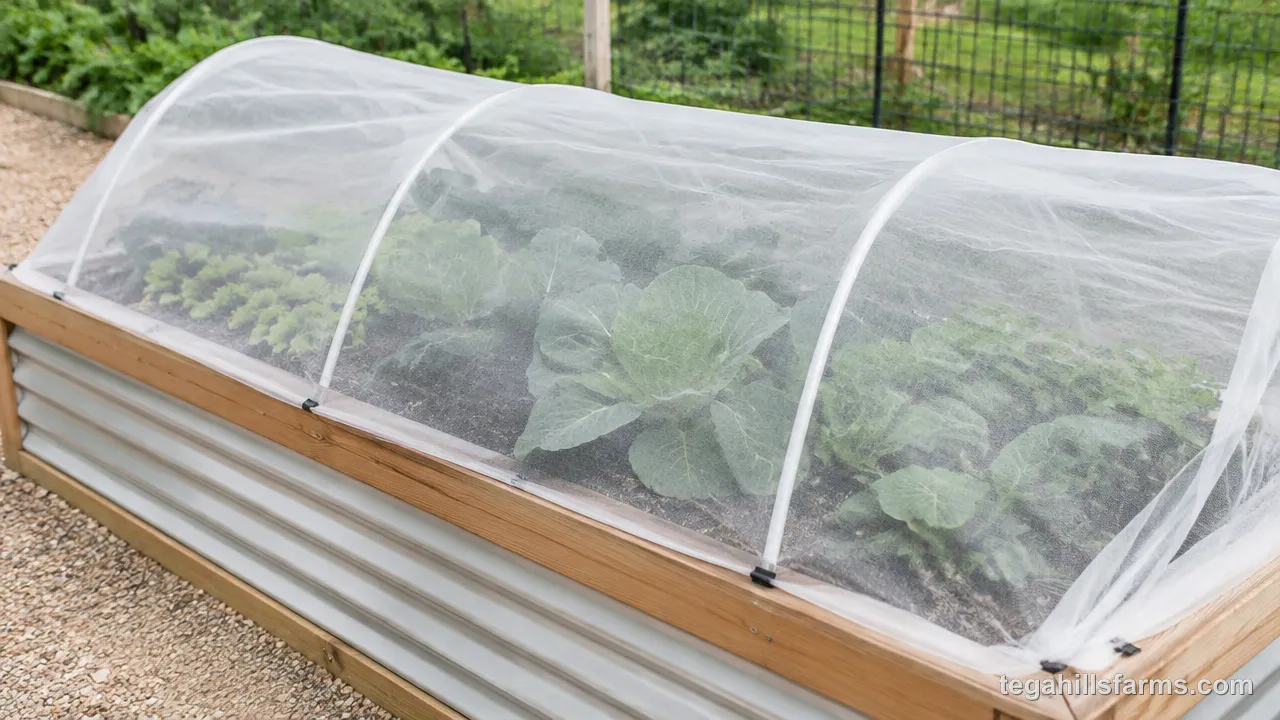
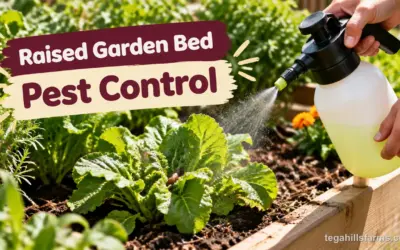
The most reliable defense is a physical barrier. Floating row covers keep cabbage worms, flea beetles, and squash vine borers off young plants, and hardware cloth laid across the bed bottom before filling stops gophers and voles from tunneling in from below.
Slugs are a common raised bed problem because the moist soil and wooden edges give them shelter. Copper tape along the top of the frame discourages them, and hand-picking at dusk removes those already inside.
Companion planting helps attract the insects that eat pests. Marigolds, nasturtiums, and sweet alyssum draw in ladybugs and hoverflies, which feed on aphids.
Regular checks catch problems early. Look under leaves for aphid clusters and eggs, and knock aphids off with a strong spray of water before they multiply. Each pest has its own fix, and raised garden bed pest control gets easier once you can name the culprit.
How Do You Keep Weeds Out of a Raised Garden Bed?
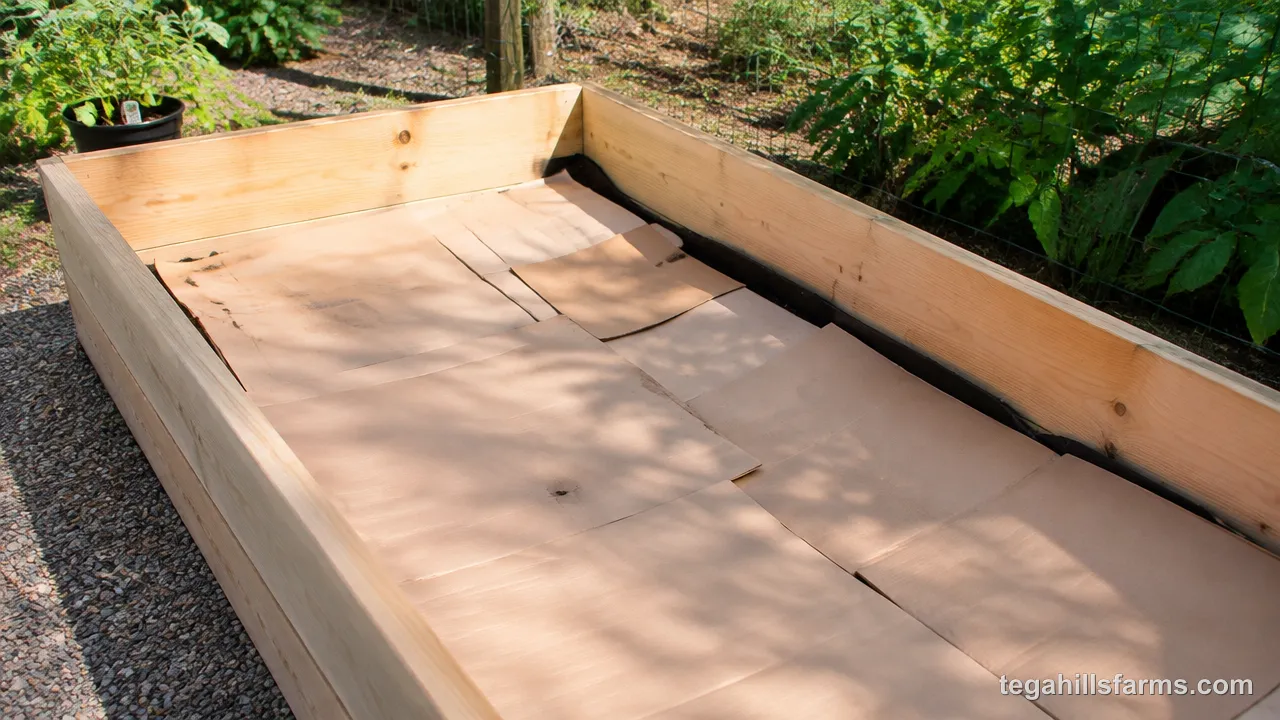
Weeds are easiest to stop before the bed is filled. Lay cardboard or landscape fabric across the ground inside the frame first to smother grass and existing weeds, then fill with a clean soil mix free of weed seeds.
After planting, mulch is your main tool. Straw, shredded leaves, or wood chips on the soil surface block light so weed seeds can’t sprout. Keep mulch slightly away from plant stems to avoid rot. Dense planting helps too, since crop leaves shade the soil.
Weeds that do appear come out easily from loose raised bed soil, especially when they’re small. A quick pass every few days prevents them from setting seed and restocking the bed. Seeds also blow in or arrive in compost, so learning how to stop weeds in raised garden beds is an ongoing habit rather than a one-time job.
Common Questions About Planting Raised Garden Beds
When should you plant a raised garden bed?
Timing depends on your USDA zone and local frost dates. Cool-season crops like lettuce, peas, and spinach can go in a few weeks before the last spring frost. Wait until after that date, once the soil has warmed, for tomatoes, peppers, beans, and squash. Fall crops are sown in late summer.
Can you grow strawberries in a raised garden bed?
Yes, strawberries are well suited to raised beds because their roots stay shallow and they need excellent drainage. Raised soil also keeps the berries cleaner and easier to pick. Most varieties are perennial, so give them a dedicated bed or section and replace older plants every few years as production drops.
Do you need to add new soil to a raised bed every year?
You don’t need to replace the soil, but you should top it off. Raised bed soil settles and loses organic matter each season. Spread a layer of compost over the surface in spring or fall to restore nutrients and bring the soil level back up before planting.
Can you plant vegetables and flowers in the same raised bed?
Yes, mixing them often improves the harvest. Marigolds, nasturtiums, calendula, and sweet alyssum attract pollinators and beneficial insects that feed on pests. Plant flowers along the edges or in gaps between crops so they don’t compete with vegetables for sun, and choose compact varieties that won’t sprawl.
How close together can you plant in a raised bed?
You can plant closer than in a traditional row garden because there are no walking paths. Use the in-row spacing on the seed packet in every direction. Going tighter than that crowds roots, reduces airflow, and leads to smaller plants and more disease.
Write Your Review
No reviews yet. Be the first to share your experience!