

Building a raised garden bed yourself is usually the cheapest way to get one. A ready-made kit costs a little more and saves you most of the cutting and planning. Hiring a landscaper or contractor costs the most, because you pay for their labor, site prep, and custom carpentry on top of the materials.
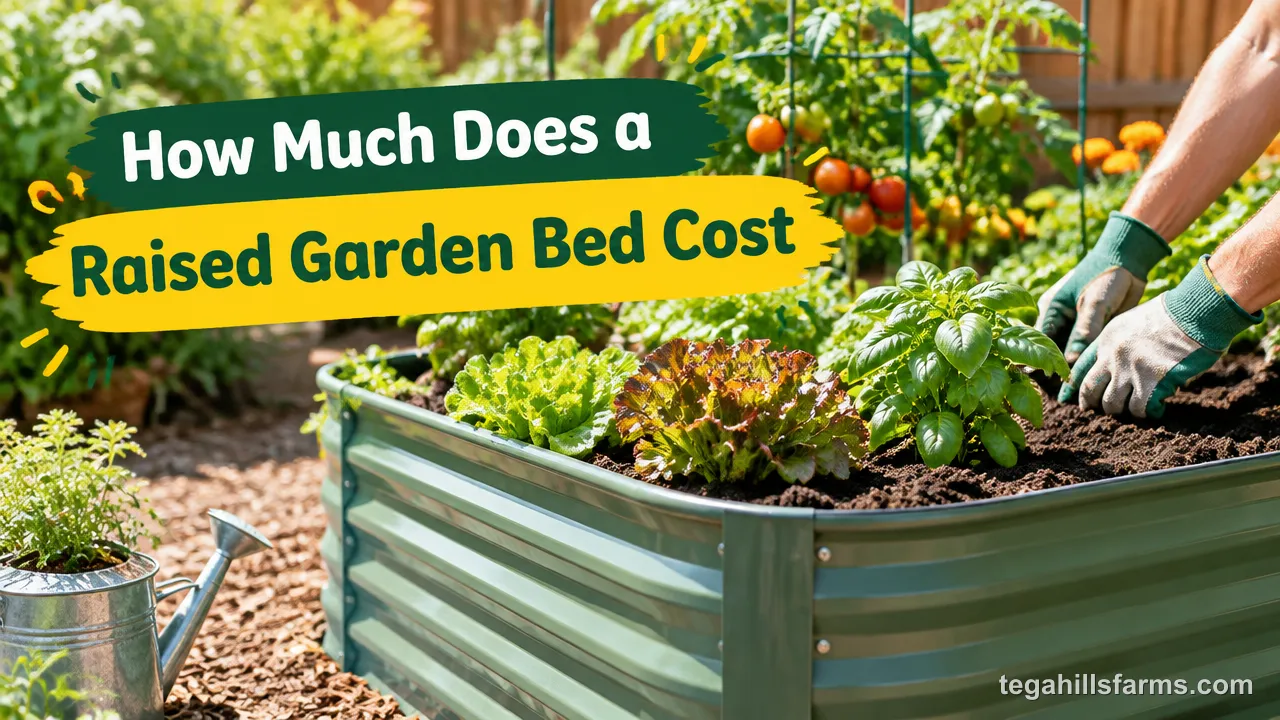
The price within each route depends on what the walls are made of, how big and deep the bed is, and how long you need it to last. Cedar, galvanized steel, corten steel, and stone all hold up differently through wet springs, hard frosts, and full summer sun. Those differences show up on the receipt and again when a bed needs replacing.
Soil is the expense first-time builders most often leave out. A deep bed holds more growing mix than most people expect, and depending on how you fill it, the soil can cost as much as the frame.
What Affects Raised Garden Bed Cost?
Wall material and bed size set most of the price, followed by who builds it and how much soil it holds. A small pine bed you assemble yourself and a large stone bed built by a crew are at opposite ends of the range.
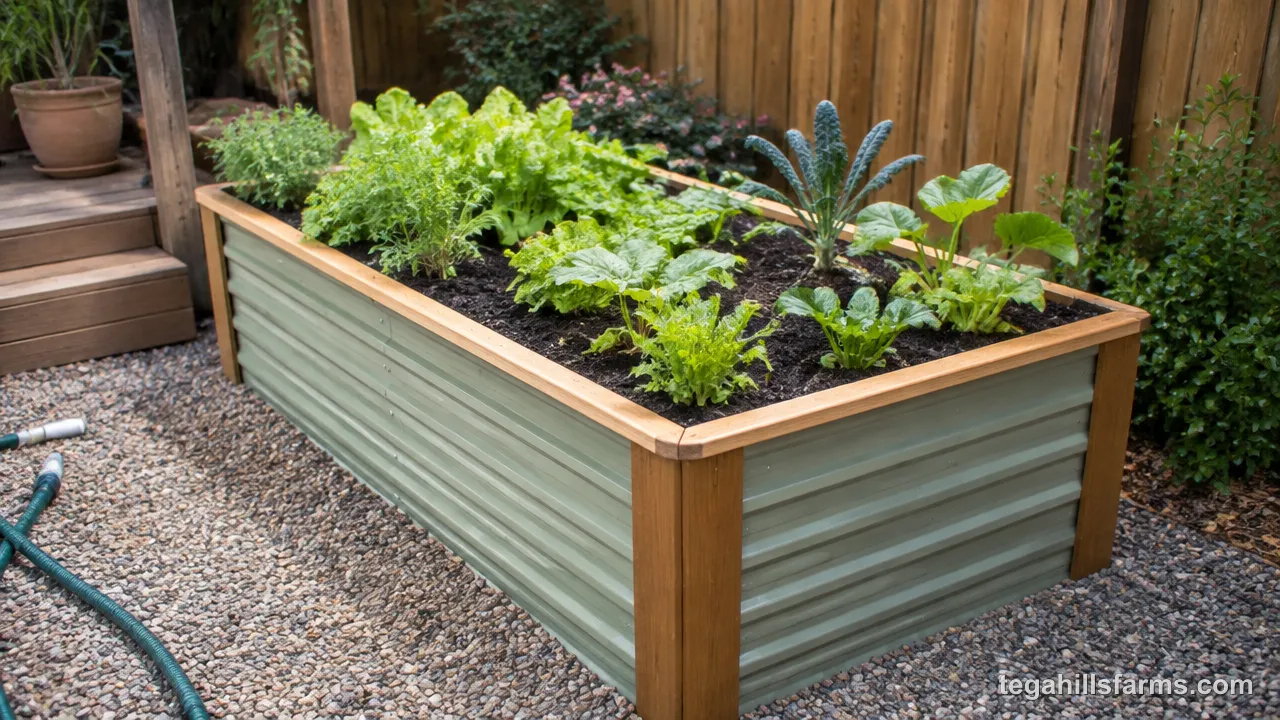
Material matters because cedar, steel, and masonry differ in purchase price and in how many seasons they survive outdoors. Size affects cost twice: a larger footprint needs more wall material, and every added inch of depth needs more soil. Construction method decides whether you pay only for materials or for materials plus labor. Installation complexity adds cost when the site is sloped, needs leveling, or calls for custom shapes instead of a simple rectangle.
Material, bed depth, and drainage are also the main factors when you work out how to choose a raised garden bed that fits your space and crops. If you settle those first, the cost estimate gets much narrower.
How Much Does DIY Cost by Material?
A wood bed you build yourself costs roughly $25 to $50 per square foot. Stone and steel usually cost more for the materials. Which material fits depends on how long the bed needs to last and how much work you want to put into building it.
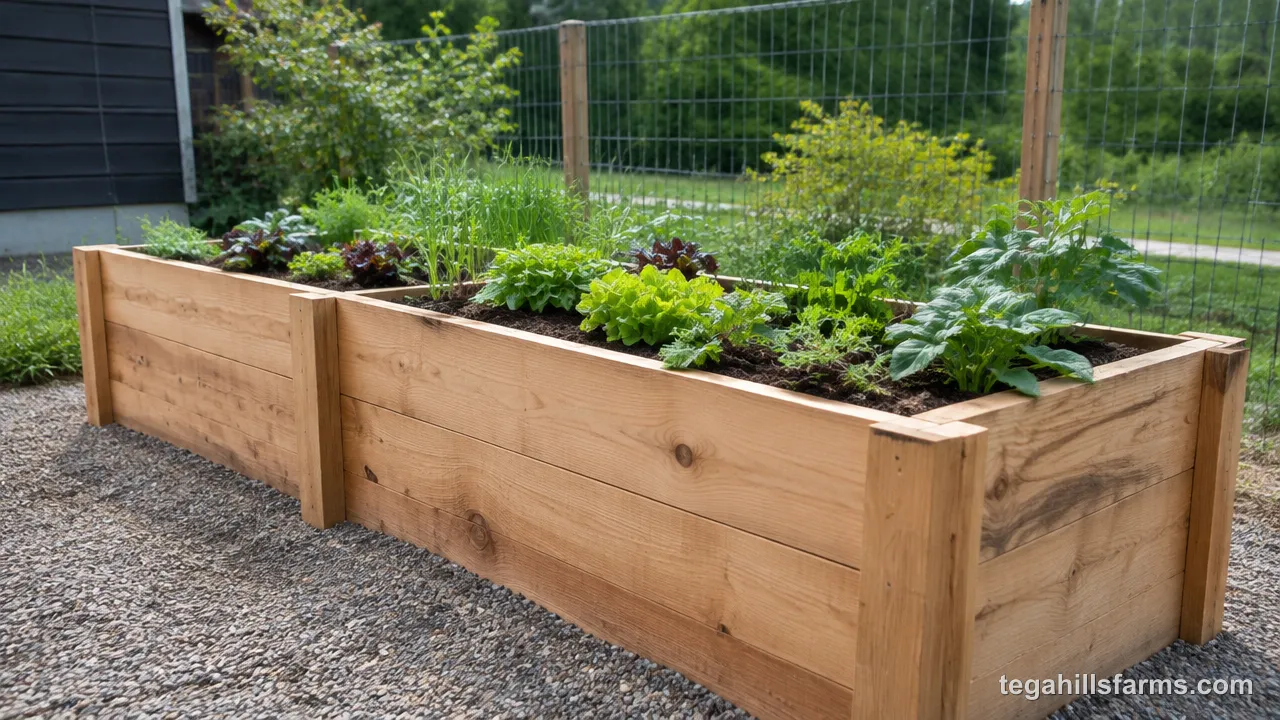
Your skills and tools count as part of the price. Wood needs a saw and a drill. Metal panels mostly bolt together. Masonry takes the most time and physical effort. If you’re new to building, the steps in how to build raised garden beds show how much work each material really involves before you buy anything.
Wood: Cedar vs. Pine
Untreated pine falls near the bottom of that wood price range, and cedar falls near the top. The gap comes from rot resistance. Cedar contains natural oils that slow decay where the boards stay in contact with damp soil. Untreated pine has no such protection, so it softens and breaks down much sooner, often within a few seasons in a wet climate.
Pressure-treated lumber lasts longer than plain pine and still costs less than cedar. Some gardeners don’t want treated wood touching soil that grows food. If that’s your concern, line the inside walls with a barrier or use cedar instead.
Pine makes sense for a trial bed or a tight first-season budget, as long as you accept that you’ll rebuild it. For a first bed you aren’t sure you’ll keep, I think pine is a reasonable test run. Once the bed has earned its spot in the yard, cedar’s longer life justifies its higher price.
Metal: Galvanized vs. Corten Steel
Galvanized steel walls for a DIY bed generally cost about $30 to $50 per square foot of bed, and corten steel costs noticeably more. Galvanized steel is protected by a zinc coating that resists rust. Corrugated galvanized panels screwed to a simple lumber frame are one of the cheapest ways to get tall metal walls.
Corten is a weathering steel. Its surface rusts into a stable, dark brown patina that seals out further corrosion. You pay extra for that self-protecting layer and for thicker sheet stock, and the walls need no paint or coating afterward. The one cost of the patina is that it can stain patio pavers or concrete next to the bed while it develops.
Heat is the trade-off that comes with any metal bed in full sun. Steel walls warm the soil along the edges. In a short northern season, that warmth helps beds wake up earlier in spring. In hot southern zones, it can stress shallow roots along the walls during midsummer.
Stone and Masonry
Stone materials alone cost about $42 per square foot, and labor and tools are extra. Concrete cinder blocks are the cheapest masonry option. Brick pavers and stone veneer sit in the middle, and natural stone blocks cost the most.
Masonry costs more than wood or metal in time as well as money. Each course has to sit on a level, compacted base, usually crushed gravel. Mortared walls need mixing, curing, and careful alignment so that soil pressure doesn’t push them out of line. Dry-stacked cinder blocks skip the mortar, but they still need a level first course.
What you get in return is a bed that won’t rot, rust, or warp. A well-built stone or block bed can outlast any wood frame. That durability matters most when the bed is a permanent part of your landscape rather than an experiment.
How Much Do Raised Garden Bed Kits Cost?
Kits range from under $100 for a small galvanized or composite bed to a few hundred dollars for thick-walled modular steel systems. Wall thickness, height, and the option to expand later account for most of the difference.
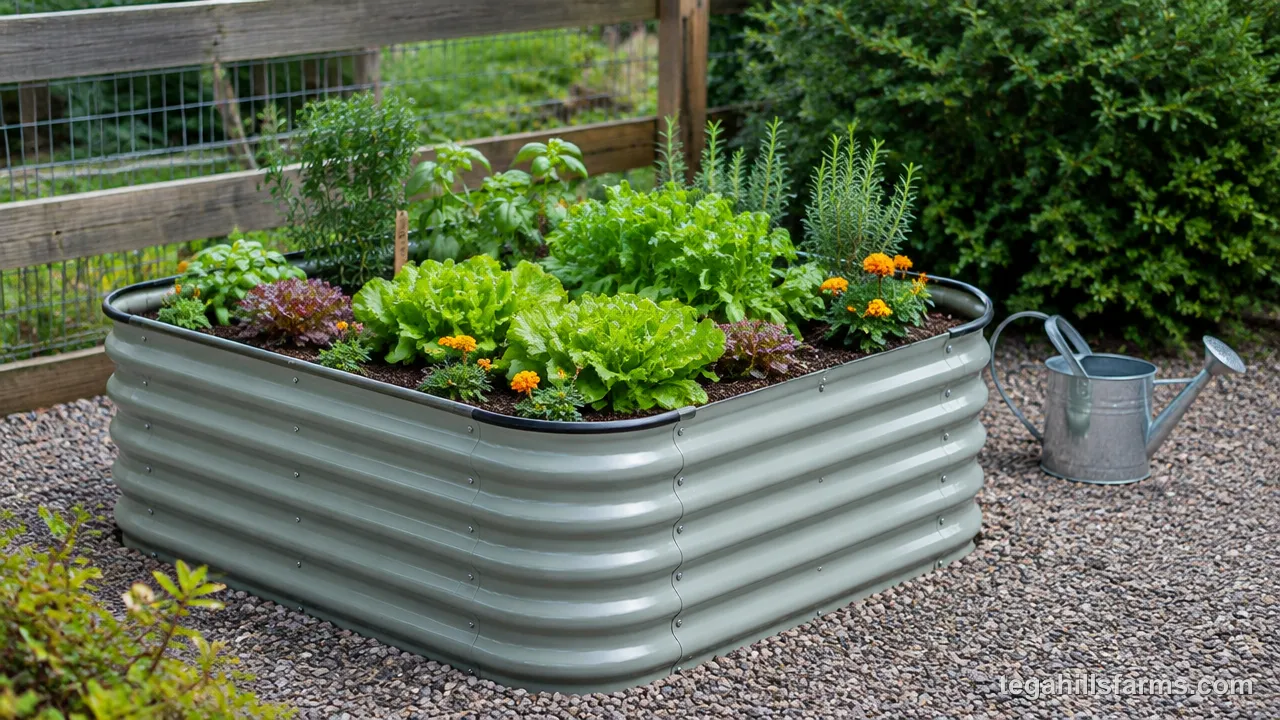
Kits cost more than raw materials because you’re paying for pre-cut parts, included hardware, and a design that has already been worked out. Assembly usually takes an afternoon instead of a weekend. The main decision is whether you want a bed for a few seasons or one that grows with your garden over many years.
Budget Kits Under $100
Budget kits keep their price low by using less material. Most are made from thin galvanized steel panels or composite boards. They tend to have small footprints and short walls, which works for herbs, lettuce, and other shallow-rooted crops.
Thin walls are the main compromise. When a budget steel bed is filled with damp soil, the long sides can bow outward unless you add a cross brace. Composite boards avoid rust and rot, but they flex more than solid wood over a long span. The hardware that comes with these kits is often light-duty, and the corner joints are usually the first parts to loosen after a few freeze-thaw cycles.
For a balcony, a patio corner, or a first bed you want to try out, a budget kit does its job. Plan to replace it sooner than a premium bed.
Premium Metal and Modular Kits
Premium kits charge for thicker steel, taller walls, and modular designs. Vego Garden’s 17-inch-tall, 9-in-1 large modular metal kit sells for about $180. That puts it at the entry end of the premium tier.
Taller walls change how you garden. A bed that is close to knee height reduces bending, and it gives carrots, potatoes, and tomatoes deep root room. Before you pay extra for height, check how deep a raised garden bed should be for the crops you actually plan to grow, because leafy greens won’t use the extra soil.
Modular kits let you rearrange the same panels into different shapes, such as a long rectangle, a square, or an L that fits along a fence. Some systems also let you add panels later so the bed can get bigger without starting over. Coated finishes, thicker steel, and longer warranties usually come with the higher price. Together they mean you’re buying a bed you expect to keep for many seasons.
How Much Does Professional Installation Cost?
Hiring a contractor or landscaper starts at at least $100 per square foot, because the price includes labor, site prep, and leveling on top of materials. Custom designs and difficult sites push the cost higher.
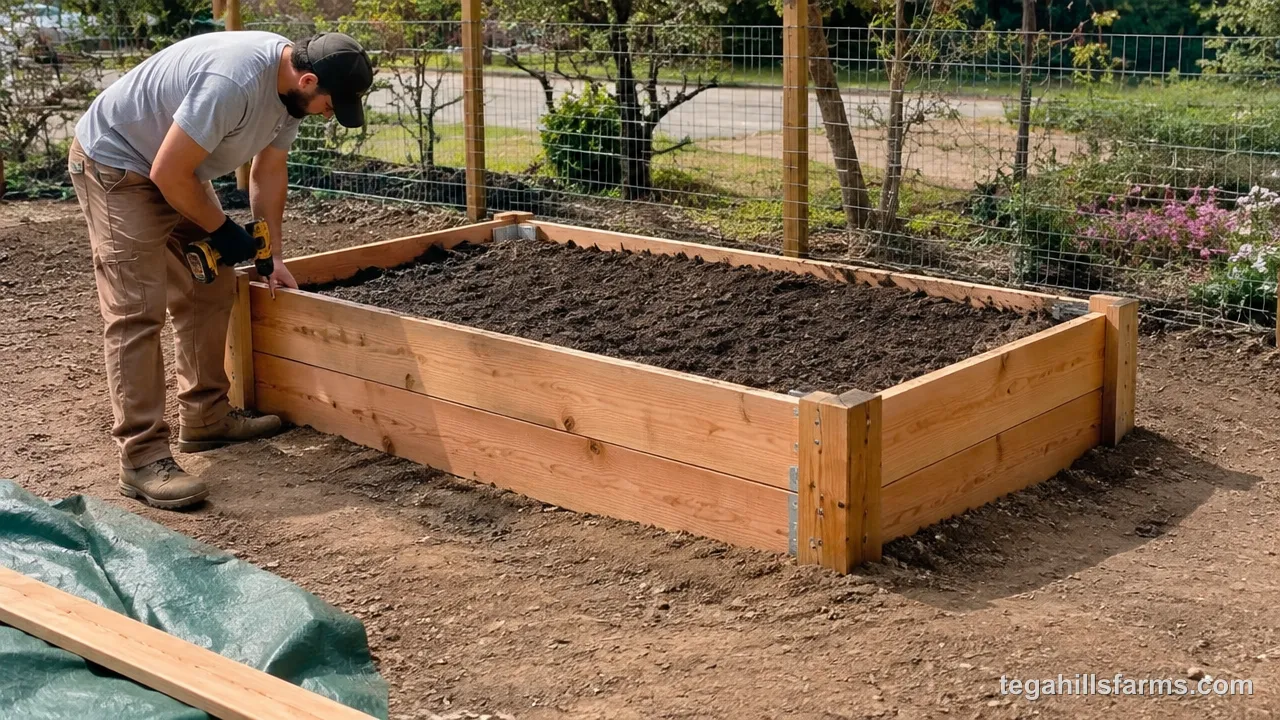
A professional quote usually covers clearing sod, leveling the ground, building the frame, and sometimes delivering soil or running drip lines. Custom carpentry, such as built-in benches, trellis mounts, or beds shaped to fit a curved path, adds hours, and labor is the largest part of the bill. Sloped yards cost more because the contractor has to step or terrace the bed so it holds soil evenly.
Labor rates vary by region and by season, so ask for an itemized quote that lists materials, labor, and soil separately. An itemized quote also shows you which jobs you could do yourself, like filling the bed, to bring the total down.
How Much Does It Cost to Fill a Raised Bed?
Bagged growing mix usually costs roughly $5 to $10 per cubic foot, and bulk delivery costs less per unit. That makes soil volume the number that drives the bill. The deeper and larger the bed, the more of your budget goes into what’s inside it.
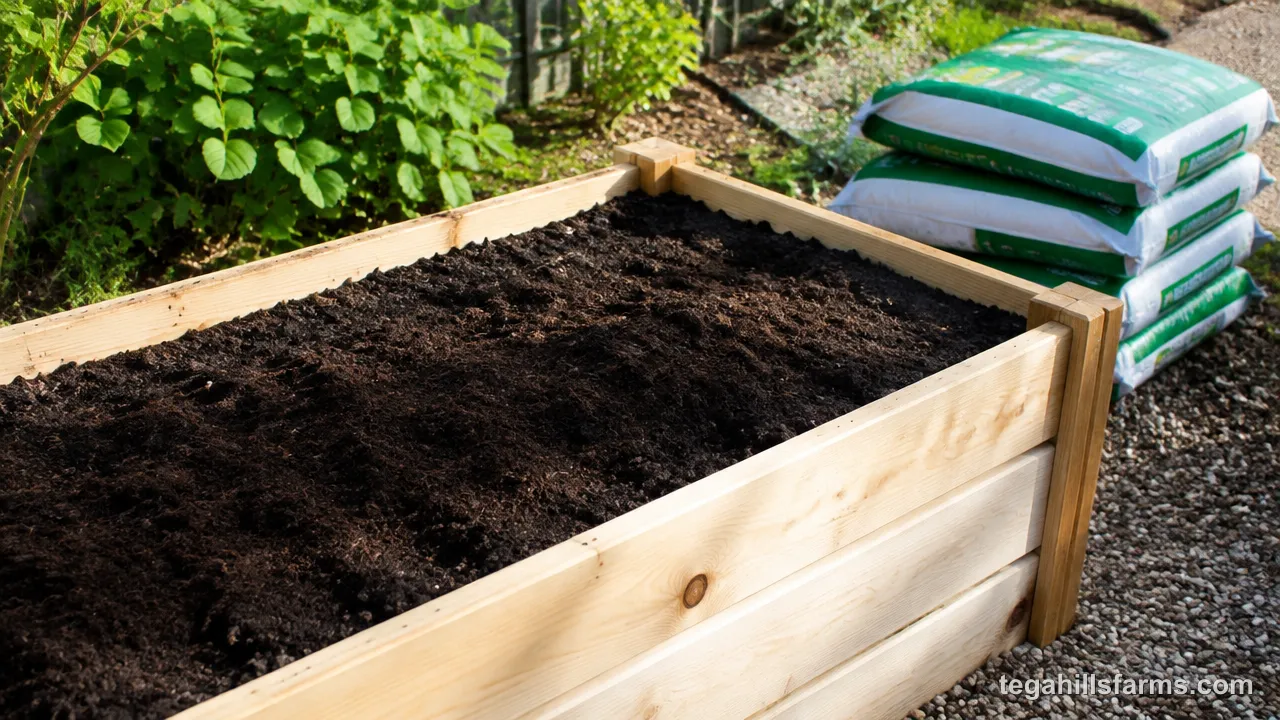
Bed dimensions decide how much soil you buy, so the footprint you pick affects the cost of the fill as much as the cost of the frame. If you’re still deciding on dimensions, working out what size raised garden bed you need comes before any soil math.
Soil Volume by Bed Size
To find soil volume, multiply length × width × depth, with every measurement in feet. Depth has the biggest effect on the total: going from 12 inches to 18 inches deep increases the soil you need by half.
Soil volume for the two most common bed footprints at two standard depths is shown here.
| Bed size | 12 in deep | 18 in deep |
|---|---|---|
| 4 ft × 4 ft | 16 cu ft | 24 cu ft |
| 4 ft × 8 ft | 32 cu ft | 48 cu ft |
Bagged soil is sold by the cubic foot, so you can divide your total by the bag size printed on the label. Bulk suppliers sell by the cubic yard, which equals 27 cubic feet.
Fresh mix also settles after the first few waterings. Plan on topping the bed off with a little extra rather than filling it to the rim on day one.
Soil Mix Options and Prices
For any bed larger than a small one, bulk delivery is usually the cheaper way to fill it. Bulk topsoil and compost generally run about $30 to $70 per cubic yard before the delivery fee. Bagged mix is convenient for a single small bed, but buying many bags adds up quickly once a bed holds more than a few dozen cubic feet.
Bulk suppliers often have a delivery minimum, so the per-yard savings show up most clearly when you’re filling one large bed or several beds at once. Premixed raised bed soil costs more per yard than plain topsoil because compost and drainage materials are already blended in.
Making your own mix from topsoil, compost, and amendments like peat moss or vermiculite lets you control both the quality and the cost. Vermiculite helps hold moisture but adds expense, so many homemade blends use it sparingly.
You can also cut the amount of soil you buy by loading the bottom of a deep bed with logs, leaves, or cardboard. The layering methods in how to fill a raised garden bed show how to do that without starving your plants’ roots.
A pine bed that costs very little in its first spring can start bowing and crumbling at the corners by its third. Rebuilding it means buying lumber again, emptying soil you already paid for, and losing part of a growing season. A gardener who compares beds only by what they cost upfront often ends up paying for the same bed twice.
Which Option Pays Off Over Five to Ten Years?
Over five to ten years, a cedar, corten, or stone bed usually costs less per year than cheap pine. The higher purchase price is spread over many more seasons, and you don’t pay to rebuild. To compare options, divide each bed’s price by the number of years you expect it to last, then add any maintenance and replacement costs.
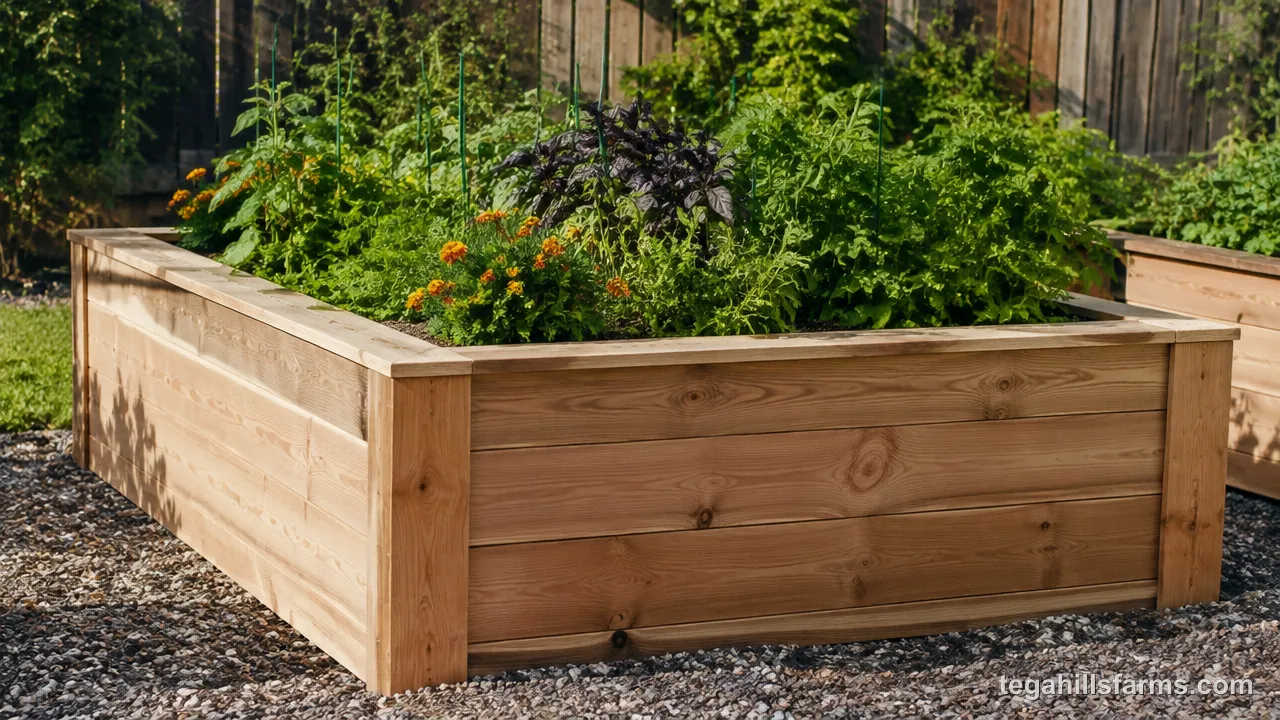
Untreated pine has a low starting price, but it may need replacing more than once in a decade. Each rebuild also means emptying and refilling the soil. Premium steel kits and well-built masonry need little upkeep beyond occasional top-ups of compost. A professionally built bed costs the most at the start but can be the least work over its life, which matters if your time is limited.
Harvest is the other side of the comparison. Raised beds can produce two to three times more than in-ground or small container plantings, so a bed that lasts longer gives you more productive seasons to earn back its cost. Choosing crops well makes each season count, and knowing what to plant in a raised garden bed helps you get the most from every square foot.
Hidden Costs New Gardeners Often Miss
Do I need landscape fabric under a raised bed?
Landscape fabric or cardboard at the base keeps grass and perennial weeds from growing up into new soil. A roll costs roughly $15 to $40, depending on size and weight. Fabric is only one part of how to stop weeds in raised garden beds, since mulch and regular hand-weeding still matter.
Why would I add hardware cloth to the bottom?
Galvanized hardware cloth stapled across the base stops gophers and voles from tunneling up into roots. A roll generally costs about $20 to $50. If burrowing animals live in your area, it’s the first layer of raised garden bed pest control and much easier to install before you add any soil.
Should I budget for drip irrigation?
A basic drip irrigation kit for one or two beds usually costs around $25 to $60. Raised beds drain faster than in-ground soil, so they dry out sooner in summer. Drip lines water the roots directly, which saves water and keeps leaves dry. Add a timer if your schedule makes daily watering difficult.
How much does shipping add to a raised bed?
Shipping can add a noticeable charge for heavy steel kits, stone, and bagged soil. Some sellers include free delivery, while others charge by weight or add freight fees for bulk orders. Check the final checkout total before comparing two kits, because a cheaper bed can end up costing more once shipping is added.
Will I need extra hardware like corner brackets or anchors?
DIY wood beds often need metal corner brackets, stakes, or anchors to keep the walls square as the soil pushes outward. A set of brackets typically costs about $20 to $40. Long beds may also need a cross brace in the middle to stop the sides from bowing once the bed is filled and watered.


Write Your Review
No reviews yet. Be the first to share your experience!