How to Choose a Raised Garden Bed by Size and Material Guide
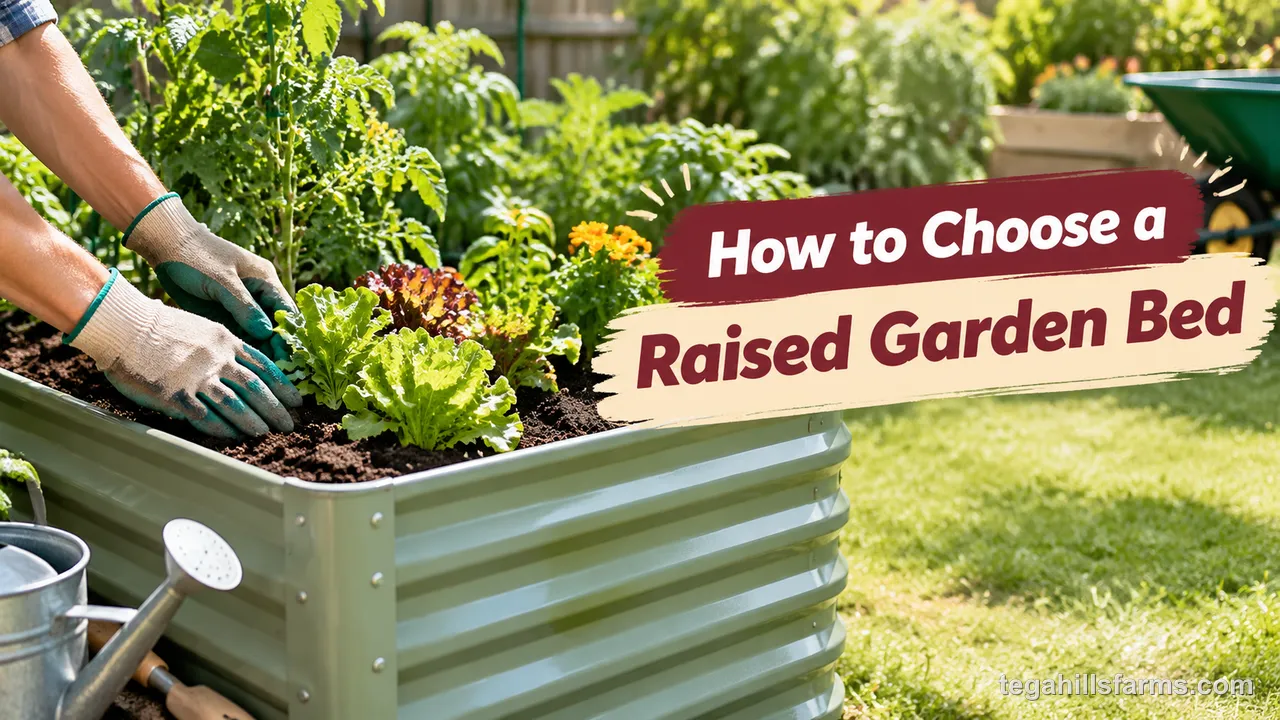
Choose a raised garden bed by matching three things. Its height should fit the roots of what you plan to grow and how far you can bend. Its width should fit how far you can reach. Its material should fit how long you want the bed to last and whether food will grow against its walls. Get those three right and the plants have room, you can tend every inch, and the frame holds up through the seasons.
Beyond the frame itself, two practical checks finish the decision. The first is length, which needs to fit your space and paths. The second is location: sun, water access, and what lies under the bed, which decides whether it needs a bottom.
Most regret comes from a few mistakes. Some beds are too shallow for tomatoes. Some are too wide to weed without stepping on the soil. Some have boards that soften at the corners after a few wet seasons. Others raise doubts about treated lumber sitting next to vegetables you plan to eat.
Start with your crop list before you look at kits. The crops set the depth, the depth sets how much soil you will buy, and the soil volume sets how strong the walls need to be.
What Makes a Raised Garden Bed the Right Fit for You?
The right bed matches soil depth to your crops’ roots, width to your reach, and wall material to your climate and your plans for food crops. These choices depend on one another.
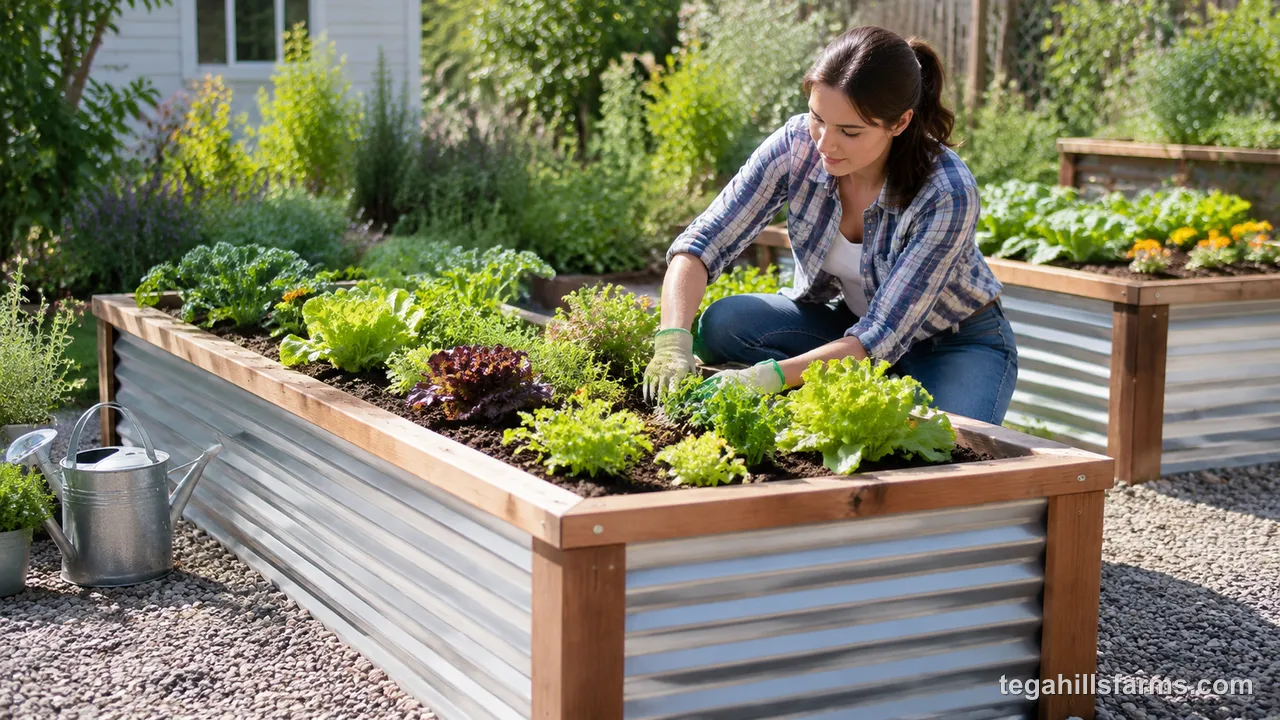
A deeper bed holds more damp soil, and that soil presses outward on the walls. Deep beds therefore need sturdier material and better corner bracing than shallow ones. A wider bed gives you more planting room, but only if you can reach the middle without kneeling on the soil.
Material decides how long the bed keeps its shape under that pressure. A bed that bows or rots loses both its depth and its tidy edges. Location and drainage come last, and they decide whether a well-built bed actually gets the sun and water your plants need.
If you are still weighing overall options, looking through the best raised garden beds shows how height, width and material come together in finished kits before you narrow to one size.
How Tall Should Your Raised Garden Bed Be?
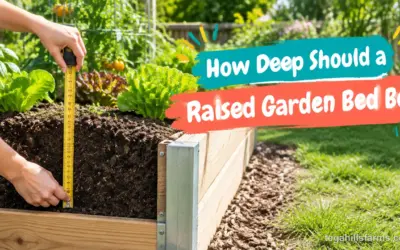
The root depth of your crops and how far you can comfortably bend set the height. Wall height decides both how much soil roots can explore and how much stooping each harvest takes.
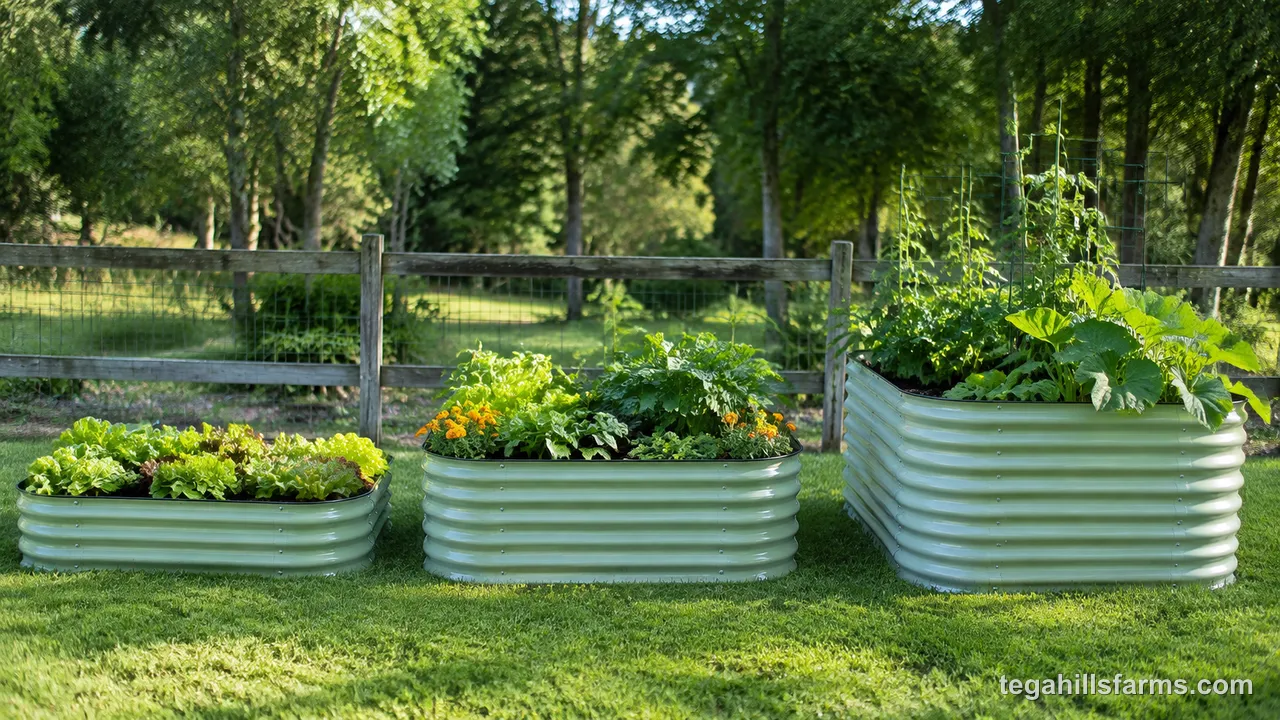
What sits under the bed also matters. An open-bottom bed over loosened native soil lets roots keep growing below the frame. A bed on heavy clay or pavement has to hold the entire root zone itself, which changes how deep a raised garden bed should be for the same crops.
Are 6 to 12 Inch High Beds Enough for Lettuce and Herbs?
Yes. Lettuce, spinach, radishes, green onions and most culinary herbs root shallowly, so a low bed handles them well.
It works best over loosened native soil, where roots can reach past the frame into the ground below. A bed at the bottom of this range, around 6 inches, does its job only when the ground underneath is not compacted. Go shallower and the bed stops working. A frame only 4 inches tall holds so little soil that it dries out quickly between waterings and leaves even lettuce cramped.
The limits show up with deeper-rooted crops. Carrots and parsnips fork or stay stubby when they hit hard ground. Tomatoes, potatoes and squash want more root room than a low bed provides, especially on a patio or over clay.
Shallow soil also warms and dries faster than deep soil. In hot southern zones, that means watering more often through midsummer.
When Does a 12 to 18 Inch Bed Make Sense?
This mid-height range is the all-purpose choice for a mixed vegetable garden. It gives tomatoes, peppers, carrots, potatoes, bush beans and squash enough root room even when the ground underneath is poor.
The extra depth lifts the root zone above heavy clay or soggy ground. After a storm, roots are not left sitting in standing water, which reduces root rot and yellowing leaves. A deeper soil mass also holds moisture longer between waterings, so the bed handles a hot week better than a shallow one.
A taller frame also slows lawn grass from creeping in at the edges. That means less edging and weeding along the walls.
The trade-off is soil and structure. A deeper bed takes noticeably more fill to top off, and the walls carry more outward pressure, so solid corner joints and bracing matter more. For a first bed meant to grow a little of everything, I’d start in this range.
Do You Need a Waist-High or Elevated Bed for Comfort?
You need one if bending or kneeling is hard on your back, knees or hips. The choice is really between two different designs.
A full-depth tall bed stands around 2 feet or higher and is filled with soil all the way to the ground. It cuts down on bending, can hold any crop including deep-rooted tomatoes and potatoes, and with a wide top cap you can sit on the edge while you work. The cost is a very large volume of fill and a heavy, permanent structure.
An elevated planter is a trough on legs set at standing or wheelchair height, often with knee clearance underneath. It holds shallow soil suited to herbs, salad greens and strawberries. It is light enough for patios, decks and balconies, but check that the surface can carry the weight of wet soil.
Elevated troughs dry out quickly. Their soil is also exposed to cold air on all sides, so perennials may not survive winter in colder zones.
If you want full growing depth without stooping, the best tall raised garden beds are the better fit. Choose an elevated planter for a patio herb garden or for wheelchair access.
How Wide and Long Should Your Raised Garden Bed Be?
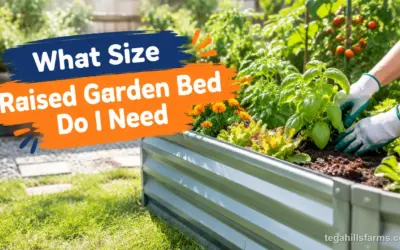
Your arm reach sets the width, and your space and walking paths set the length. Every part of the bed has to be planted, weeded and harvested without stepping on the soil.
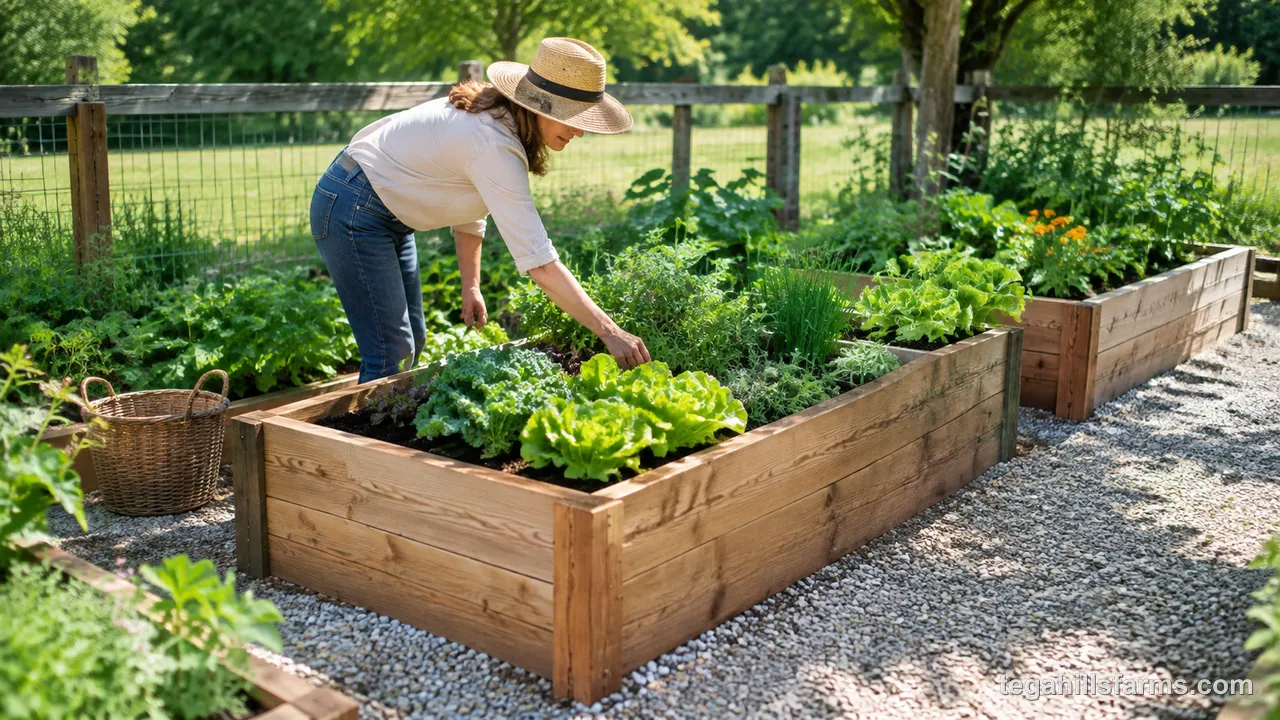
Stepping on the soil compacts it. Compaction collapses the air pockets that roots and water move through, which undoes the main advantage of growing in a raised bed.
Before choosing dimensions, sketch the area along with the paths around it. Working out what size raised garden bed you need starts with the ground you have, not with the measurements printed on a kit box.
How Wide Is Too Wide to Reach the Center?
A bed open on both sides tops out at 4 feet wide, because that is the width at which you can still reach the center from either edge. A bed against a fence, wall or garage, where you work from one side only, should stay at 2.5 feet so the back row stays within arm’s length.
Between those limits, a 3-foot width is easier on shorter arms, children and anyone with stiff shoulders. It works well even when the bed is open on both sides.
Going too wide creates the same problems in either layout. You end up leaning your weight on the frame or stepping into the bed, which compacts the soil and loosens the corners. The far row also gets neglected. Weeds go to seed there, ripe beans hang unpicked, and pests settle in where you rarely look.
The comparison comes down to access. A bed you can walk around can be wider than one pushed against a wall.
What Length Works Best for Your Space and Layout?
Length does not affect reach, so set it by the space you have and how you move around the garden. The 4×8 footprint is the default because lumber is sold in 8-foot lengths. That means 4×8 raised garden beds go together with few cuts and still leave room for a mixed vegetable plot.
A 2×4 bed fits a patio corner, a balcony edge or an herb strip by the kitchen door. A 4×10 bed suits a larger yard, but its long walls tend to bow outward under soil pressure unless they have a center brace.
Very long beds also mean a long walk around the end to reach the other side. Two shorter beds with a path between them are easier to work than one long bed.
Plan the paths along with the beds. Leave each path wide enough for a wheelbarrow or garden cart at its widest point, plus room to kneel. If lawn runs between the beds, make the paths wide enough for your mower.
Which Material Should You Choose for a Raised Garden Bed?
The choice comes down to how many seasons you want before rebuilding, whether food will grow against the walls, and how much upkeep you will give the bed.
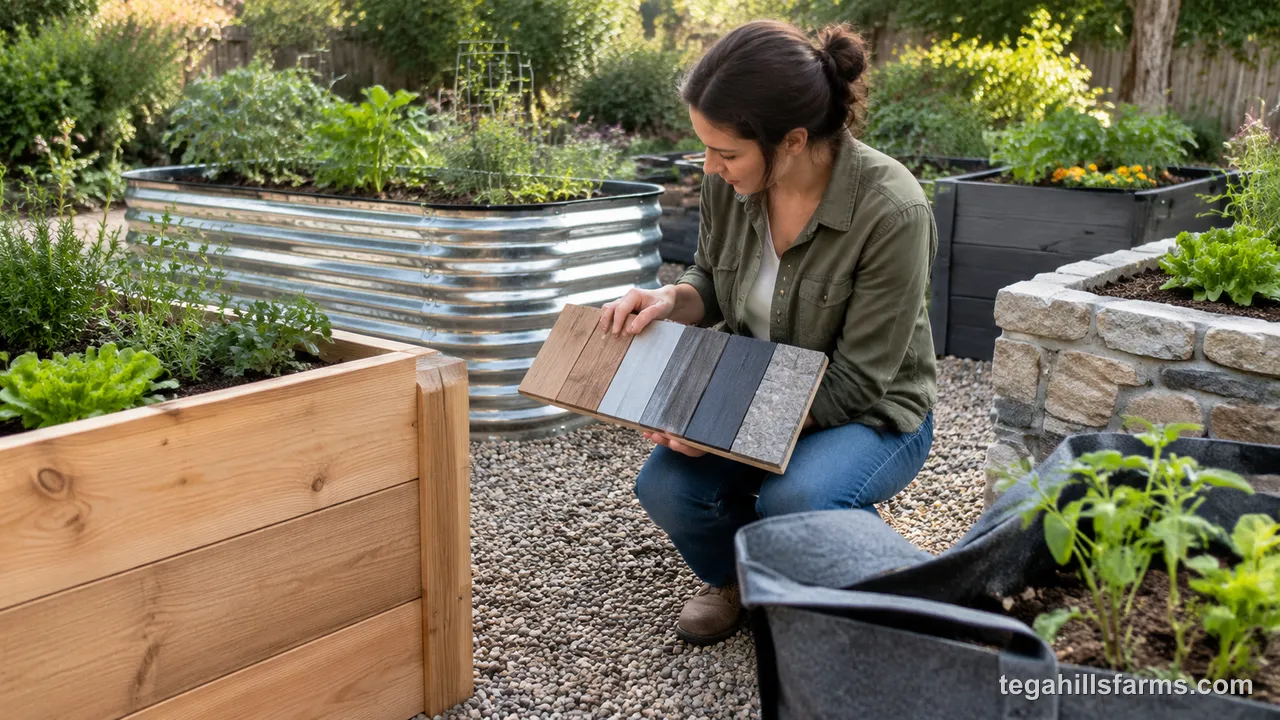
The walls sit against damp soil all year, so their weak points are rot, rust and anything that could leach from the material. Climate changes how fast those weak points show up. Warm, humid zones rot wood faster. Freeze-thaw cycles in cold zones stress brittle plastic and mortar. In hot zones with full sun, metal walls heat up.
Is Natural or Treated Wood Safe and Long-Lasting Enough?
Untreated wood is safe for food, and so is modern copper-treated lumber, but they last very different lengths of time.
Cedar contains natural oils that resist rot and insects. It outlasts untreated pine by several seasons without any chemical treatment, which makes it the easy choice for edibles if the budget allows. Redwood performs much the same. Untreated pine or fir costs the least but rots fastest where the boards touch soil, so it works best as a trial bed while you test a spot.
Modern residential pressure-treated lumber uses copper-based preservatives in place of the older arsenic formulas. A small amount of copper can move into the soil right next to the boards. If you want an extra margin, line the inside walls with heavy plastic sheeting or keep root crops slightly away from the edges.
Skip old treated lumber of unknown age, railroad ties and painted reclaimed boards, since their chemistry is unknown. Whatever wood you choose, thicker boards resist bowing and rot longer than thin ones.
Are Steel and Galvanized Metal Beds Worth It for Durability?
For longevity, yes. Galvanized or zinc-aluminum coated steel does not rot, termites cannot eat it, and the walls hold their shape for many seasons.
Corrugated modular kits in the Birdies style bolt together from panels, so you can pick the height and shape, including oval and round layouts. The coating is mainly zinc, which is a plant micronutrient, and galvanized steel is widely treated as safe for edible beds.
Heat is the main trade-off. Thin metal in full afternoon sun warms the soil along the walls and dries it faster. In hot southern zones, choose lighter colors, keep the bed full, mulch the surface, and expect to water more often. In short northern seasons, that same warmth helps spring transplants get going.
Before buying, look for rolled or capped top edges, because raw corrugated edges cut hands and forearms. When comparing the best steel raised bed planters, check the coating type and whether the kit includes cross braces for taller walls. Steel costs more upfront than untreated wood, but it needs replacing far less often.
When Do Composite, Fabric, Plastic, or Stone Make More Sense?
Each of these materials solves a specific problem, and each gives up something to do it.
Composite. Boards made from wood fiber and recycled plastic never rot or need sealing, and the panels usually slot together without tools. They can fade in strong sun, and long spans may sag in summer heat without support. That is worth checking when you compare the best composite raised bed kits.
Fabric. Fabric grow beds breathe, which air-prunes roots at the edges and prevents circling. They are inexpensive and fold flat for storage, which suits renters. They dry out quickly, though, and sunlight breaks the fabric down over a few seasons.
Plastic and resin. These beds are light, simple to move and tidy on a patio. Thin plastic can turn brittle after years of UV exposure and hard freezes.
Stone, brick and block. These are permanent beds that can last decades, but they take the most labor and cannot be moved. Mortared walls can crack where freeze-thaw cycles are frequent, and concrete block can nudge soil pH upward over time.
Where Should You Place Your Raised Bed and What Should You Check Before Buying?
Pick a level, sunny spot that sits within easy reach of a garden hose and a cart path. Then decide whether the bed needs a bottom based on what lies underneath it.
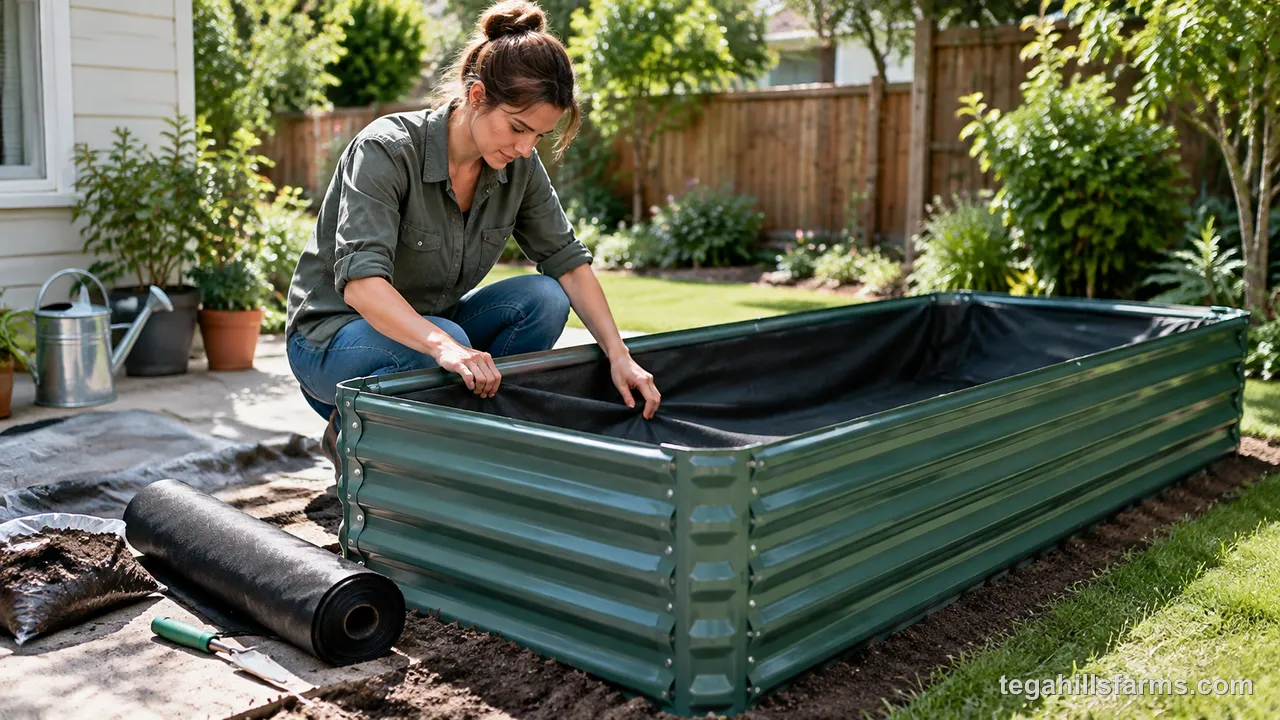
Location mistakes are close to permanent. A filled bed holds a heavy load of wet soil, and relocating it means emptying it by the shovelful. On a balcony or a narrow side yard, the best raised garden beds for small spaces make up for a small footprint with extra height or built-in bottoms.
Does Your Spot Get Enough Sun and Water Access?
Yes, if the spot gets six or more hours of direct sunlight per day. Tomatoes, peppers, squash, cucumbers and beans need that much sun to flower and set fruit. Lettuce, spinach, parsley and cilantro tolerate partial shade, and in hot southern zones, afternoon shade keeps them from bolting early.
Watch the spot across a full day before you build. Check it again once nearby trees leaf out, because early spring light can be misleading.
Level ground matters more than it seems. On a slope, water runs to the low end, so one side stays soggy while the other dries out. Level the frame itself rather than relying on the soil to even things out.
Place the bed close enough to a spigot that the hose reaches without dragging across your plants. Raised beds dry faster than in-ground rows, so a drip line or soaker hose on a timer saves a lot of hand watering. Leave a clear route for a wheelbarrow, too, since soil and compost arrive by the load.
Do You Need a Bottom, Liner, or Landscape Fabric?
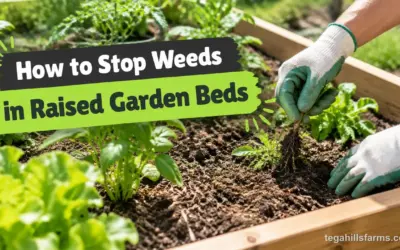
Over soil or lawn, no. An open bottom lets roots grow deeper, excess water drain away and earthworms move up into the bed.
To kill the grass underneath, lay plain cardboard over it before filling. The cardboard smothers the grass and breaks down within a season. Where gophers or voles tunnel, staple hardware cloth across the bottom before adding soil.
Landscape fabric adds little under a bed. It blocks deep roots and earthworms, and weed seeds that land on top still sprout, so cardboard handles the job better.
On a patio, deck or concrete, a bed does need a bottom or liner to hold the soil. It also needs drainage holes so water does not pool. Raise the bed slightly off the surface so trapped moisture does not stain the deck boards or rot them. Inside wooden walls, a liner along the sides can also slow rot where soil presses against the boards.
A deep bed that looks modest on the patio can swallow more bagged soil than will fit in a car trunk, and the soil often ends up the bigger purchase than the frame. A few summers later, cheap walls can start to bow, split or rust along the seams, and then you face shoveling all that settled, productive soil back out to rebuild.
What Hidden Costs and Longevity Traps Should You Watch Before You Fill Your Bed?
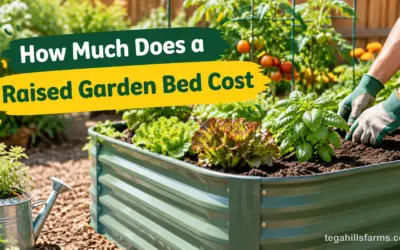
The two expenses that catch people off guard are soil and replacement. Deep beds take far more fill than the frame size suggests, and walls built from weak material fail just as the soil has settled into its most productive years.
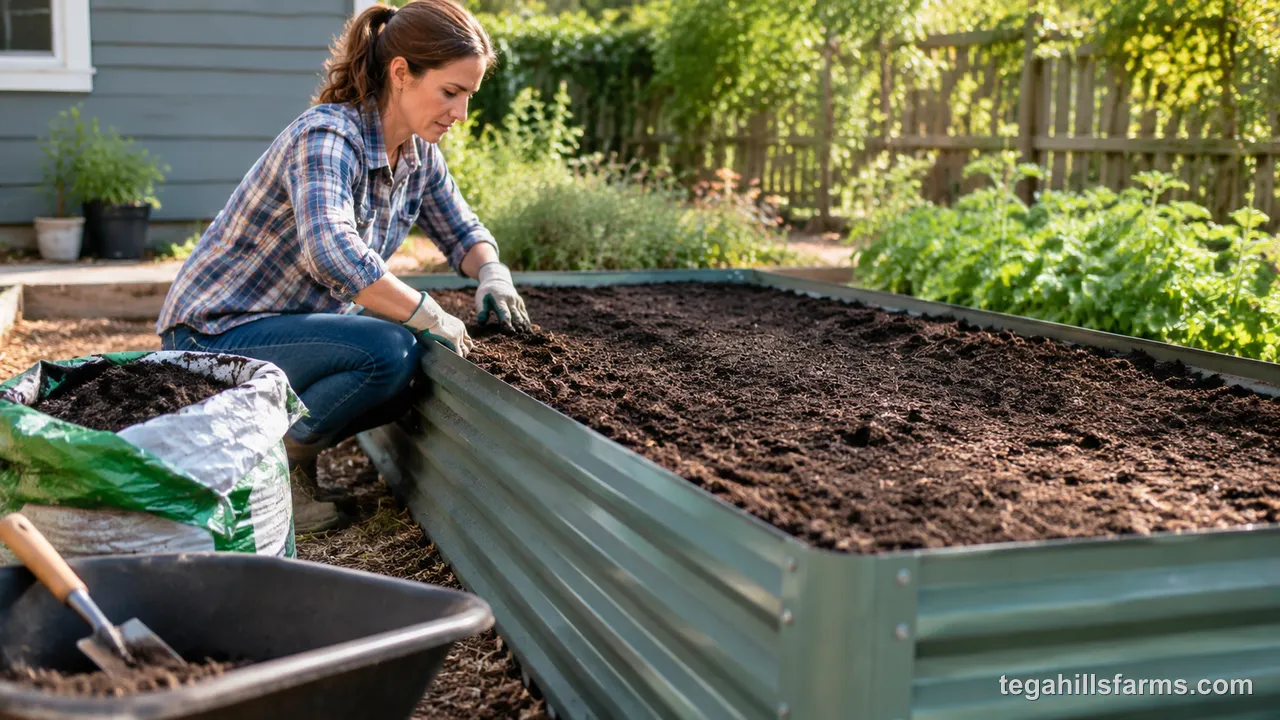
Both costs come after the purchase, so they rarely appear on a kit’s listing. Working out how much a raised garden bed costs means counting the fill, the corner hardware and the seasons before replacement, not only the frame.
Why Does an 18-Inch-Deep Bed Cost So Much More to Fill?
Soil volume is length times width times depth. Every added inch of depth adds another full layer across the entire footprint, so the amount of fill climbs directly with the height of the walls. Bagged soil and compost are sold by volume, which means a deep bed multiplies the bill even when its footprint stays the same.
Layered filling cuts that cost. With hugelkultur, you place logs and thick branches in the bottom of the bed. They break down slowly and hold moisture, though while they decay they tie up some nitrogen for a season or two. Avoid black walnut and any treated wood.
Lasagna layering alternates browns such as cardboard, leaves and straw with greens such as grass clippings and kitchen scraps. Only the top root zone needs to be quality soil and compost.
Either method settles as the layers break down, so plan to top off the bed each spring. The full process of how to fill a raised garden bed builds on these layering basics.
How Do You Spot a Bed That Will Last vs One That Will Rot or Rust Early?
Durable beds fail slowly and visibly. Fragile ones fail at the joints, often within a few seasons.
Wood. Probe the boards where they meet the soil. Soft, spongy spots, corners pulling apart and screws that spin loose all mean rot has started. Cedar turning silver-gray is only weathering.
Steel. Rust starts wherever the coating is broken: cut edges, bolt holes and seams. A white powdery film on galvanized steel is zinc oxide, which is normal and protective.
Composite. Fading is cosmetic. Sagging and bowing are structural problems.
When you buy, look for galvanized or stainless screws, metal corner brackets and mid-span braces on long sides. Plan to replace a bed once its walls bow outward enough to spill soil, or once the corners no longer hold square.
Quick Answers for Choosing Your Raised Garden Bed
What is the most common sizing mistake with a raised bed?
The most common mistake is building the bed too wide to reach the center. The gardener then steps into the bed and compacts the soil the frame was meant to protect. A close second is a frame so shallow that it dries out constantly and stunts deeper-rooted crops such as carrots and tomatoes.
Is pressure-treated lumber safe for growing vegetables?
Modern residential treated lumber uses copper-based preservatives instead of the older arsenic formulas, and it is generally considered acceptable for food gardens. For extra caution, line the inside walls with heavy plastic or choose untreated cedar. Avoid old treated boards, railroad ties and painted reclaimed wood, since their chemistry is unknown.
Can you put a raised bed on concrete or a patio?
Yes, as long as the bed has a bottom or liner to hold the soil and drainage holes so water can escape. Raise it slightly so trapped moisture does not stain the surface. A deeper bed helps here, because roots cannot grow into the ground below.
Do raised beds need full sun?
Fruiting crops such as tomatoes, peppers, squash and beans need full sun to flower and set fruit. Leafy greens and many herbs manage with partial shade, and in hot southern zones they often do better with shade in the afternoon. Observe the spot across a whole day before building.
What bed height works for someone who cannot bend or kneel?
A full-depth bed tall enough to work standing up, or seated on a wide top cap, lets you grow any crop without stooping. An elevated planter on legs gives wheelchair users knee clearance. Its shallow soil suits herbs, greens and strawberries better than deep-rooted vegetables.