

Most vegetable gardens grow well in a raised bed holding 10 to 12 inches of soil. Shallow crops like herbs, green onions and lettuce manage with less. Cucumbers, kale, tomatoes and carrots do better with more room below.
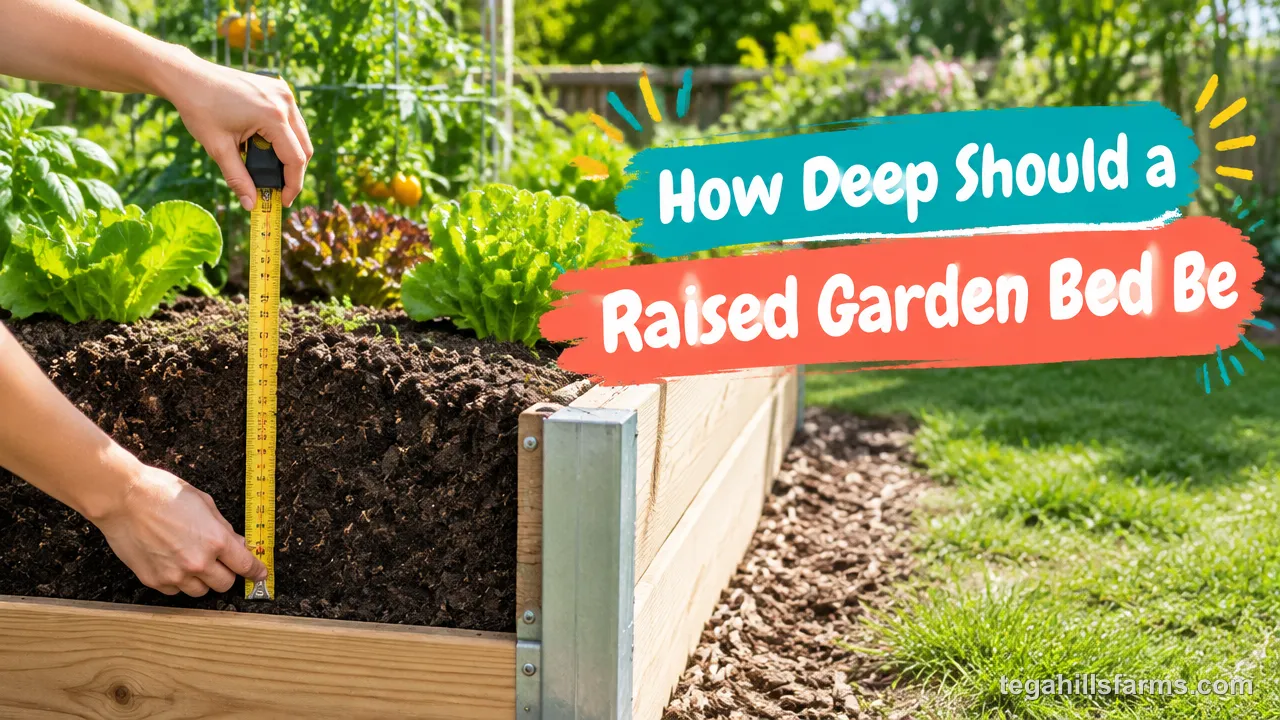
The right depth depends on what you plan to grow. Your deepest-rooted crop sets the minimum. The ground under the bed, your budget for soil and lumber, and how far you can comfortably bend also shape how tall the frame should be.
The common worry is building too shallow and watching plants stall by midsummer. When roots hit the bottom of the soil, they stop finding water and nutrients. That shows up as stunted growth, forked carrots and plants that wilt within a day of watering.
Start from the crop list and work backward to the bed. A few inches of extra depth costs less to plan for now than to add after the bed is filled and planted.
How Deep Should a Raised Garden Bed Be?
10 to 12 inches of soil suits most home vegetable gardens, as long as you separate a crop’s minimum root depth from the height of the bed frame itself.
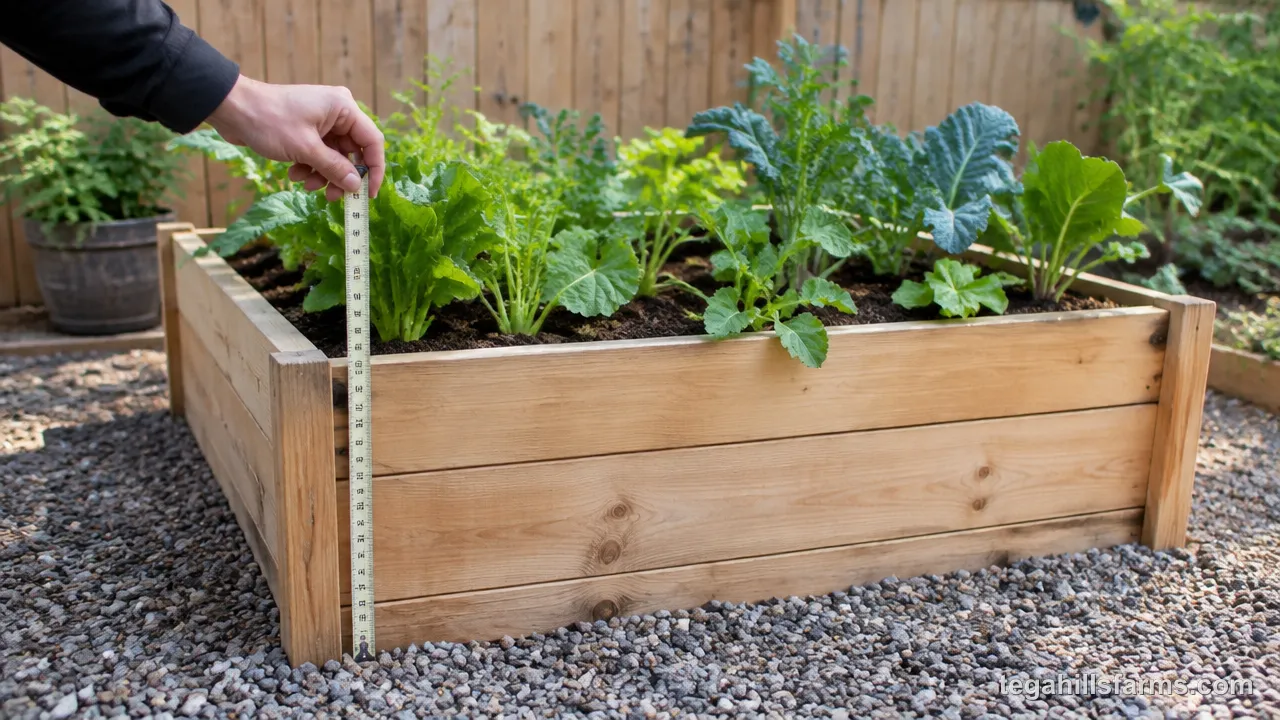
Depth is one of the first decisions when you’re figuring out how to choose a raised garden bed that will support what you want to grow. Minimum root depth is the least loose soil a crop needs to grow a full root system. Bed height is the height of the frame, and the two rarely match. Soil settles below the rim over the first season. An open-bottom bed placed on loosened ground also lets roots grow down into the native soil. That means the depth your plants can use is the soil in the frame plus whatever workable ground sits under it. A bed on a patio or on hard clay gets nothing extra from below.
What Depth Do Different Vegetables Need?
Your deepest-rooted crop sets the minimum soil depth, because roots that run out of room stop taking in water and nutrients long before the plant looks finished.
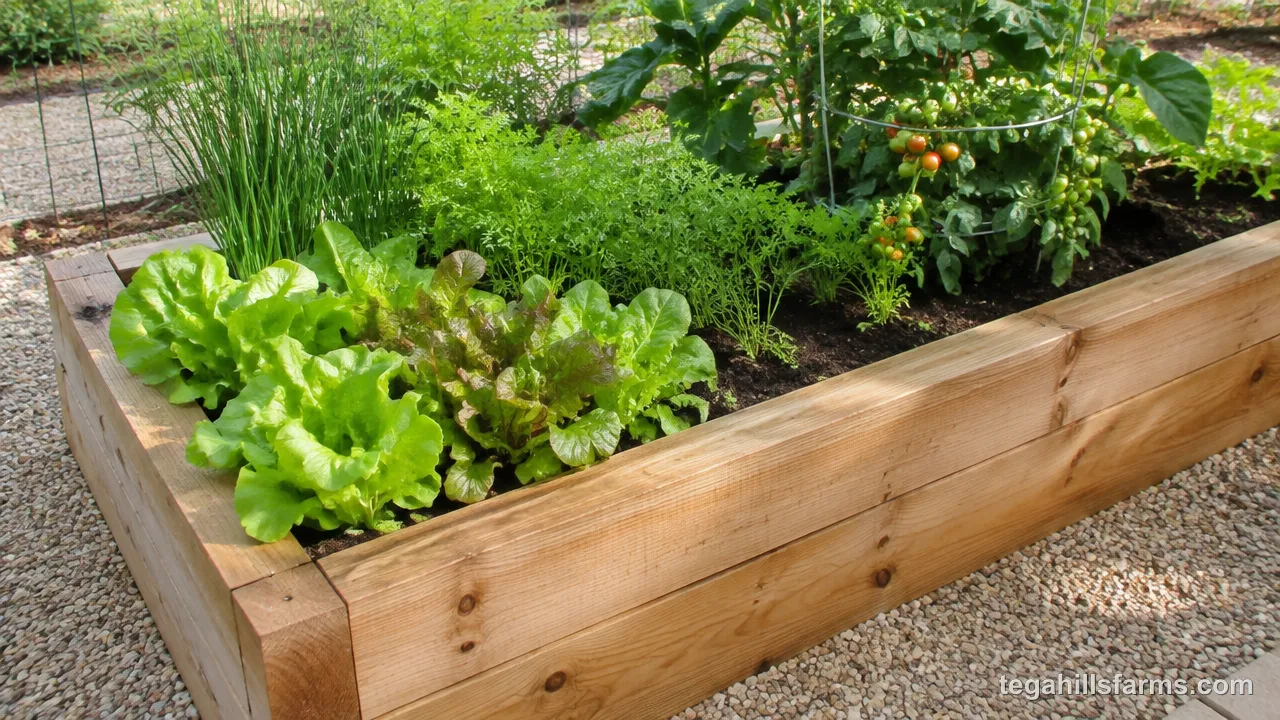
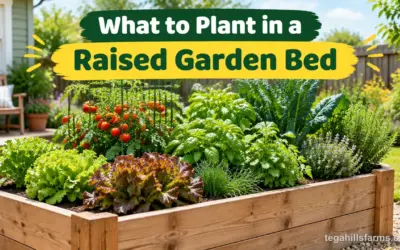
Sorting your crop list by root depth shows whether one bed height works for everything or whether deep growers need their own taller bed. If you’re still deciding what to plant in a raised garden bed, use root depth to narrow the list as much as sun and season. A bed planned for lettuce can disappoint the same gardener when tomatoes go in the following spring.
Shallow-Rooted Crops: 6 to 8 Inches
Lettuce, herbs, green onions, spinach and radishes all grow well in the shallowest beds. Herbs and green onions need a minimum of 6 inches. Spinach needs 8 inches.
Most of the roots on these crops spread sideways through the top layer of soil instead of driving straight down, so a wide, shallow bed gives them everything they use. Radishes form their edible root near the surface and are harvested before they grow deep. Lettuce is in the ground for only a few weeks.
The trade-off with shallow beds is moisture. Less soil holds less water, so these beds dry out faster in hot weather. Leafy greens bolt or turn bitter when they run short of water.
Medium-Rooted Crops: 8 to 12 Inches
Peppers, eggplant, beets, broccoli, cauliflower, cabbage and strawberries fit comfortably in a standard 10 to 12 inch bed. Eggplant and beets need at least 8 inches. Broccoli, cabbage and cauliflower need 10 inches.
Strawberries need 12 inches, which gives their shallow root system good room to spread and survive winter. The brassicas are heavy feeders and stand in the bed for months, so the extra soil volume does more for them than root length alone suggests. More soil holds more nutrients and buffers the plant through dry spells.
Peppers grow the same way as their eggplant relatives. They are happiest when the full bed depth is loose, rich soil rather than a thin layer of compost over compacted ground.
Deep-Rooted Crops: 12 to 24 Inches
Tomatoes, cucumbers, squash, zucchini, kale, carrots and potatoes need the tallest beds. Cucumbers and kale need a minimum of 18 inches.
Tomatoes and squash send roots far down to find water during summer heat. A shallow bed forces them to rely on frequent watering, and they wilt quickly in hot weather. Long carrot varieties fork or twist when the root tip hits compacted soil, so their usable depth matters more than the frame’s height. Potatoes need loose soil below the seed piece plus room above it to hill the growing stems, which is where the tubers form.
When depth falls short, these crops still grow but produce less. In a short northern season, roots that stall in thin soil can mean the plant never reaches full harvest before frost. If the bed sits on decent native soil, loosening the ground beneath can supply the extra depth without building a taller frame.
What Else Affects How Deep Your Bed Should Be?
The ground under the bed and the height you can comfortably work at can change the right depth as much as the crops do.
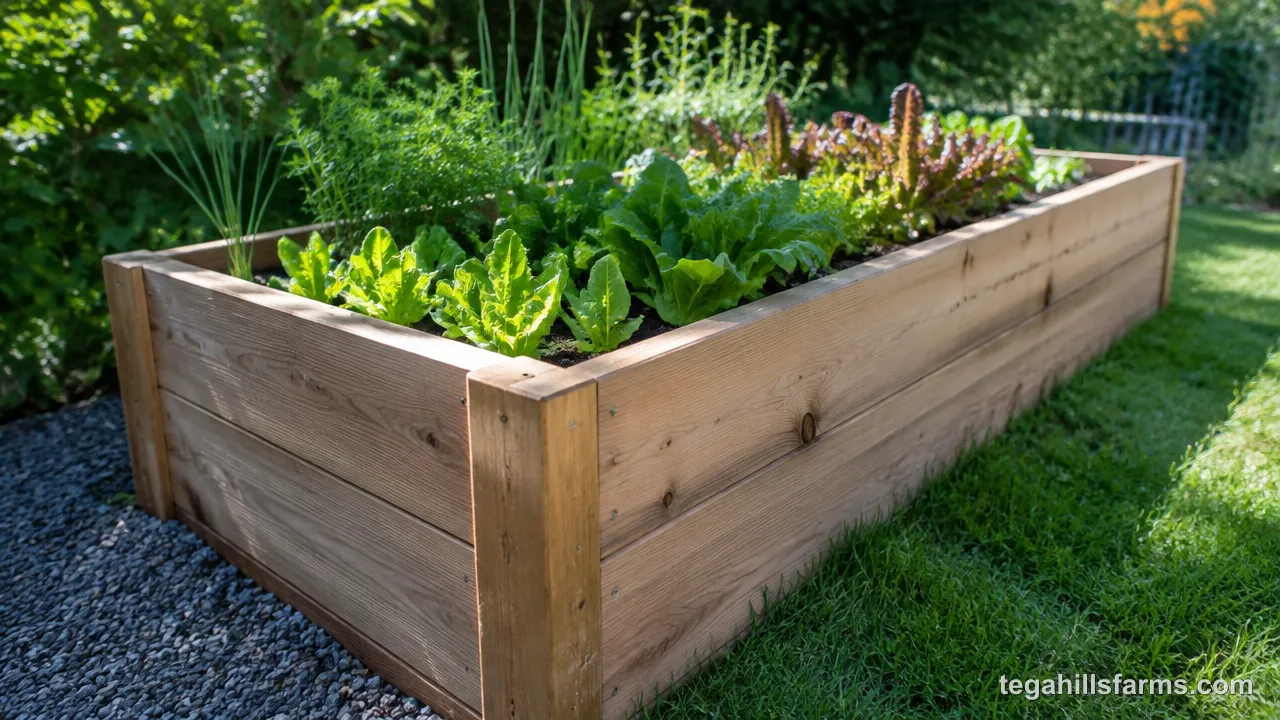
Two gardeners growing the same vegetables can end up with very different beds because one builds on loose loam and the other on a concrete patio. The same goes for someone who kneels easily and someone who can’t. These factors also affect footprint, so they belong in the same planning step as deciding what size raised garden bed you need.
Subsoil Quality and Drainage
A shorter bed works well when the native soil underneath is loose and drains well. Roots grow straight through the bottom of an open frame into the ground, so a modest bed over workable loam gives deep crops more room than its height suggests.
Compacted soil and hardpan change the picture. Roots that reach a dense layer spread sideways instead of down, and water pools at that boundary. The roots then sit wet after heavy rain. In that case the bed needs to hold the full root depth by itself, or you need to break up the ground with a garden fork before filling.
Heavy clay drains slowly enough that a taller bed is worth it, because it keeps the root zone above the soggiest layer. On a patio, driveway or deck, the bed is the only soil the roots will ever reach.
Accessibility and Working Height
A taller bed brings the soil closer to your hands. That cuts down on the bending and kneeling that make planting, weeding and harvesting hard on backs and knees.
For gardeners with limited mobility, height can matter more than any crop’s needs. A 24-inch bed lets many people sit on the edge or work from a stool. Beds built for wheelchair access are often designed with an open space underneath so the user can roll close to the soil.
These choices cost more soil and lumber than a bed sized for roots alone. I’d still make that trade for anyone who would otherwise give up gardening because of the physical strain, since a bed you can reach is one you’ll keep tending.
Which Bed Height Works Best for Your Garden?
A 10 to 12 inch bed covers most vegetable lists, while shorter frames suit herbs and greens and 15 inches or taller earns its extra cost for deep roots or easier reach.
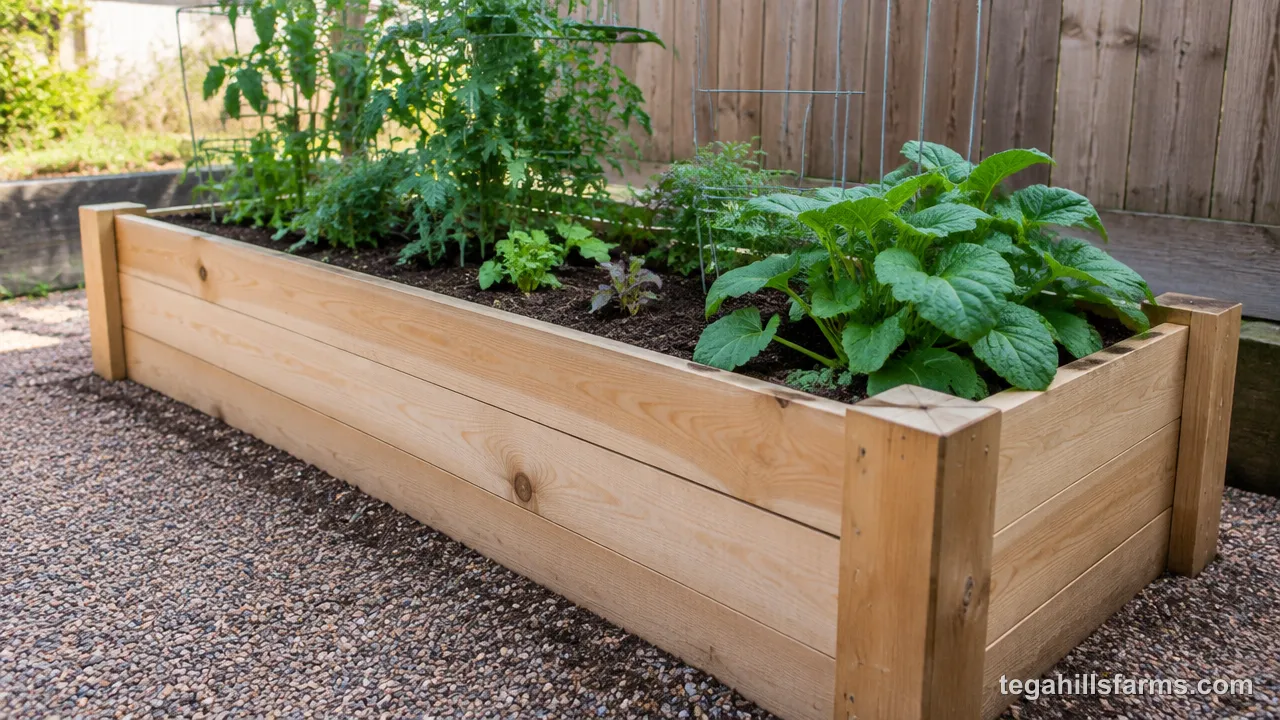
Each step up in height adds soil to buy, more lumber or metal for the frame, and more weight pressing outward on the sides. That cost has to be weighed against what you grow and how you garden. If you’re building your own, understanding how to build raised garden beds at each height helps you plan bracing, since taller sides bow more under the weight of wet soil.
6 to 8 Inches: Budget-Friendly and Simple
Shallow beds make sense when you’re mainly growing salad greens, herbs, green onions and radishes. They are also a good fit when the bed sits on loose native soil that roots can grow into.
They use the least soil and the least material, which makes them the cheapest beds to fill and the quickest to build. A single board on each side is often enough to make the frame.
The downside is limited soil volume. These beds dry out faster in summer and warm and cool quickly with the weather, so they need more watering attention in hot regions. On a hard surface or compacted ground, this height rules out most fruiting crops and root vegetables.
10 to 12 Inches: The Versatile Standard
This range handles the widest variety of vegetables. That’s why most gardeners build at this height.
It meets the needs of every crop in the shallow and medium groups, including brassicas, beets, eggplant, peppers and strawberries. It also holds enough soil to keep moisture steady between waterings. Deep growers like tomatoes still manage here when the bed sits on loosened native ground, because their roots continue into the soil below.
For a first bed, this is the height I’d point most beginners toward. It allows crop rotation from year to year without rebuilding, and it keeps soil and lumber costs reasonable. The one group it can shortchange is deep-rooted crops planted over a hard surface.
15 Inches and Taller: Maximum Depth and Comfort
Extra height is worth the added soil and material cost in two situations. The first is a garden built around deep-rooted crops on poor ground. The second is a gardener who needs to work without bending.
Beds of 15 to 18 inches give cucumbers, kale, tomatoes, squash and long carrots the full root zone even over clay, hardpan or pavement. At 24 inches, comfort becomes the main reason for the height.
The trade-off is volume. Tall beds hold far more soil than standard ones, so filling them takes a much larger delivery. The sides need stronger construction to resist outward pressure.
A tall bed set on a patio or on packed ground holds every bit of soil its roots will ever reach, and whatever lies at the very bottom decides whether that soil drains, stays free of grass and keeps burrowing animals out. Line it with the wrong material and you can trap water under the root zone, or smother the earthworms that would otherwise move up from the ground below.
What Should You Put at the Bottom of a Raised Bed?
Most open-bottom beds need only a layer of plain cardboard. Add hardware cloth where gophers, moles or voles are a problem.
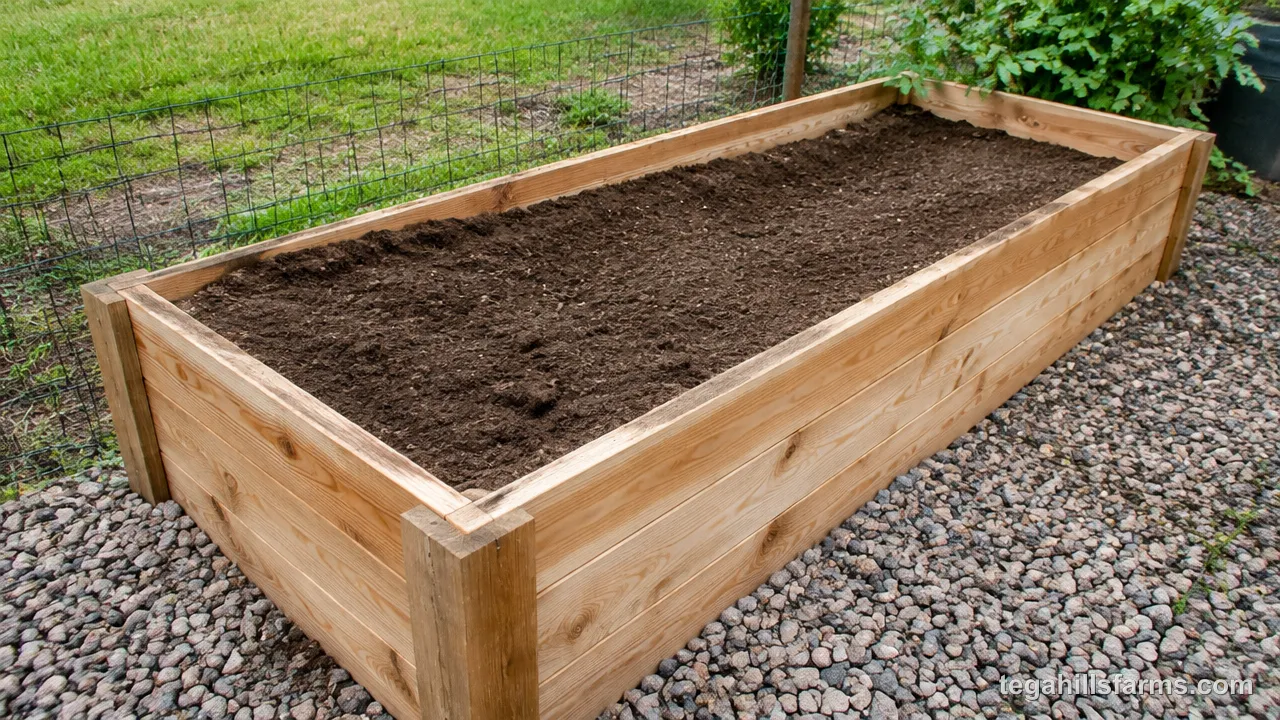
Cardboard smothers grass and weeds under the bed, then breaks down over a season or two. Roots and earthworms can then pass between the bed and the ground. Strip off tape and glossy labels first. Several layers of newspaper do the same job on a smaller bed. For persistent perennial weeds, the barrier is only the first step in learning how to stop weeds in raised garden beds.
Hardware cloth stapled across the base stops burrowing rodents from coming up through the soil. It’s one of the few permanent fixes in raised garden bed pest control.
Landscape fabric blocks weeds but also blocks roots and worms, and it can hold back drainage as fine soil clogs it. Skip gravel layers at the bottom. Water collects above the gravel instead of draining through it, which keeps the root zone wetter.
How Much Soil Do You Need to Fill a Raised Bed?
To estimate soil volume, multiply the bed’s length by its width by its depth, all in feet. The result is the number of cubic feet of soil you need.
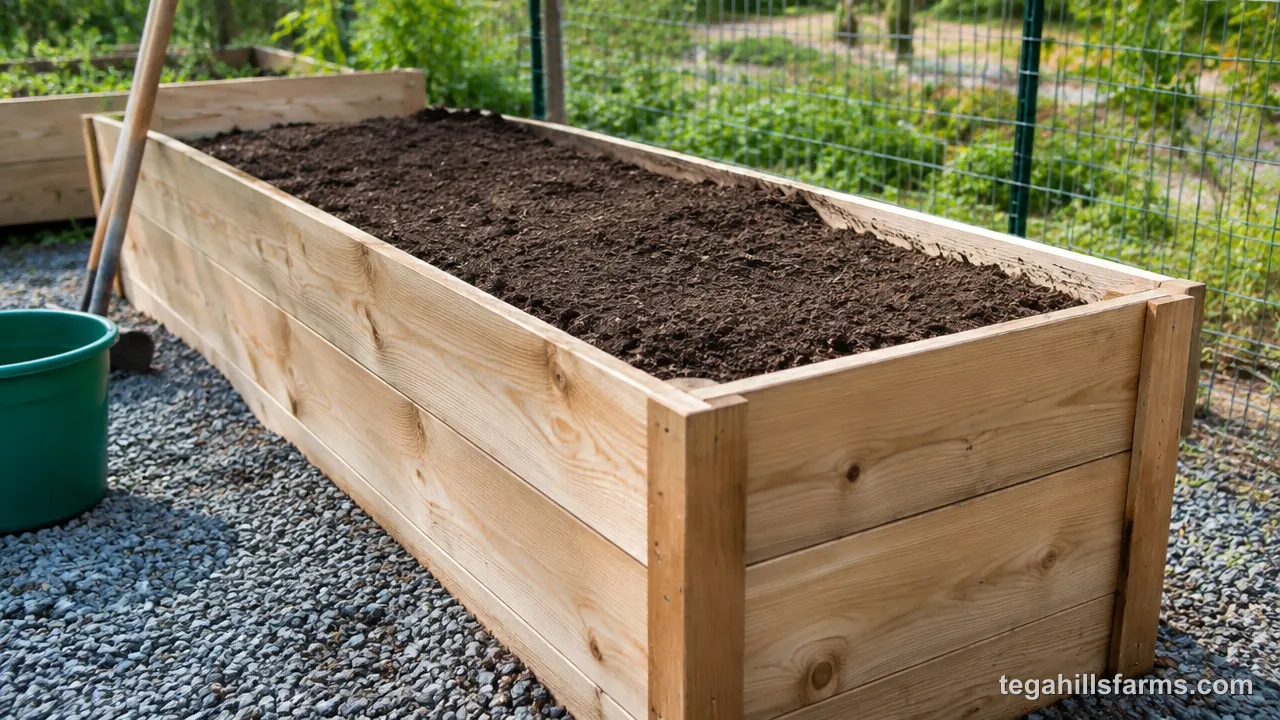
Convert any inch measurement to feet first by dividing by 12, so a depth given in inches matches the other two measurements. To buy in bags, divide the total cubic feet by the volume printed on the bag. Bag sizes vary by brand and product, so check the label before you count.
For bulk delivery, divide cubic feet by 27, since one cubic yard equals 27 cubic feet. Most landscape suppliers sell by the cubic yard. Bulk usually becomes the practical choice for tall beds or several beds at once.
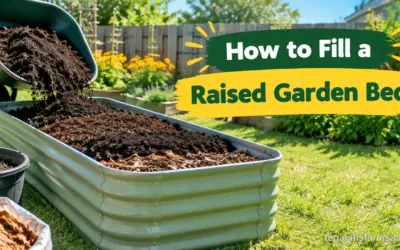
Order a little extra, because new soil settles noticeably during the first weeks after watering. The mix matters as much as the amount, so plan how to fill a raised garden bed before ordering.
Common Questions About Raised Bed Depth
Do deeper raised beds need more or less watering?
Deeper beds usually need less frequent watering because the larger soil volume stores more moisture. They still drain freely, so check by pushing a finger a few inches into the soil instead of relying on the surface. Shallow beds dry out faster and may need water daily during summer heat.
Does bed depth affect soil temperature?
Yes. Raised soil warms faster in spring than ground-level soil because it sits above cold ground and catches more sun, which lets you plant earlier in short northern seasons. The same exposure means it cools faster in fall, so frost-tender crops may need covering sooner than plants in the ground.
Can I make an old raised bed deeper?
Yes. You can add another tier of boards or a taller frame and fill the new space with compost and soil mix. Loosen the existing soil before adding the new layer so roots grow through both instead of stopping at a crust between them. Top up the bed each season, since organic matter breaks down and settles.
Do I need to replace the bottom liner in an older bed?
Cardboard and newspaper break down on their own and need no replacement. Weeds coming through after a season or two simply mean the barrier has done its job. Hardware cloth lasts for years, but if rodents are getting in, check for rusted or torn sections when you empty or rebuild the bed.
Write Your Review
No reviews yet. Be the first to share your experience!