

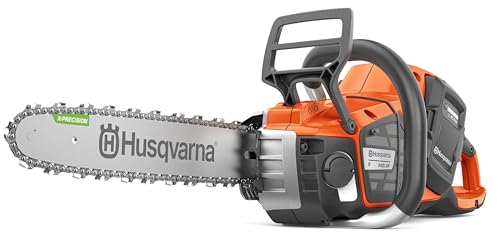
The 5 best chainsaws for arborists of 2026 are the V-MODEST Top Handle Gas Chainsaw 12 Inch 25cc (Best Overall), the V-MODEST Top Handle Gas Chainsaw 12 Inch (Best Lightweight), the NEO-TEC 12 Inch Top Handle Gas Chainsaw 25.4cc (Best Budget), the Husqvarna T435 12 in (Best Ergonomic Design), and the Husqvarna 542i XP 16 in (Best Cordless).
Weight, bar length and power source decide which of these fits your work. A saw that feels fine on the ground can feel very different when you hold it at arm’s length from a rope.
Most buyers worry about fatigue and control aloft. A heavy saw wears out your arm and shoulder, and a saw with poor handling or weak safety features raises the risk of a bad kickback.

Before you compare specs, decide whether most of your cutting happens in the tree or on the ground. That one choice rules out about half of these saws.
What Is an Arborist Chainsaw and How Does It Differ From a Standard Saw?
An arborist chainsaw is a compact top-handle saw built for climbing and working in the tree canopy, where light weight and balance matter more than raw power.
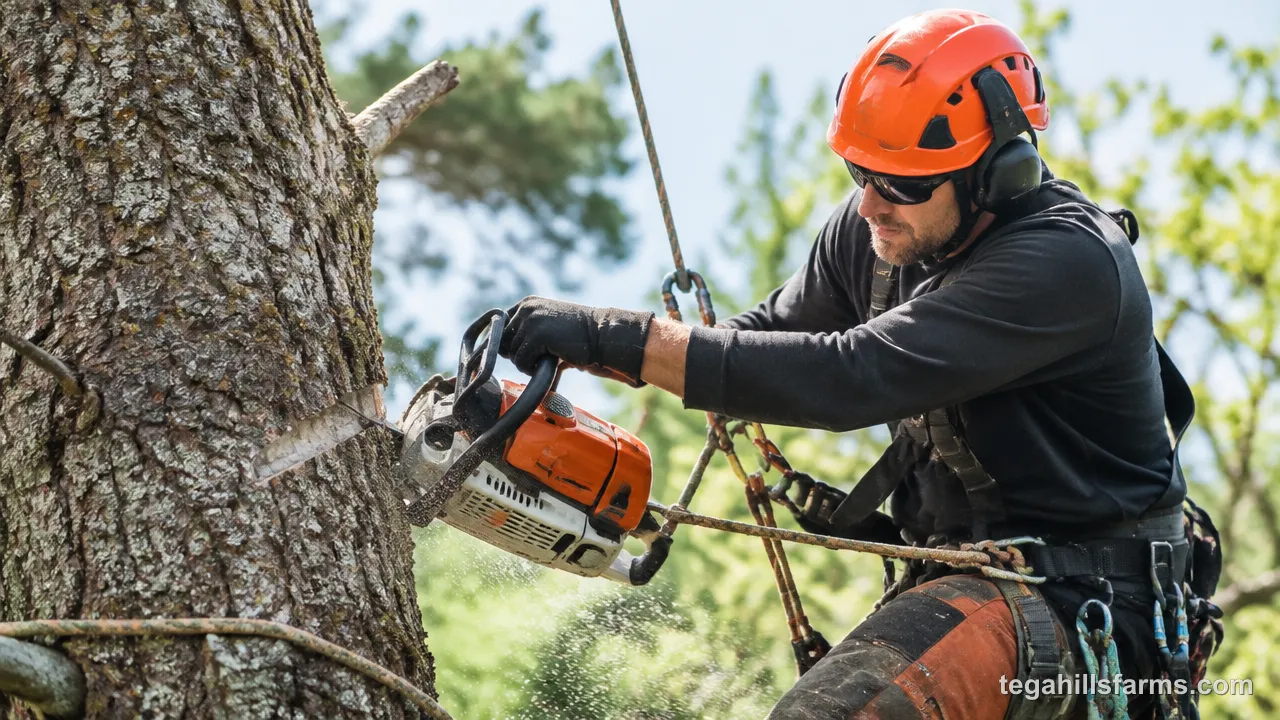
The handle sits on top of the powerhead instead of at the rear. That puts the weight over your hand, so the saw stays balanced when you reach out from a rope. Many climbing saws can be run one-handed in a pinch, though a two-handed grip is the safer default.
Rear-handle saws are the opposite. They are heavier and more powerful, and they work best on the ground for felling and bucking. A top-handle saw gives up some of that muscle in exchange for control and less fatigue. For a wider look at climbing-style saws, see the best top handle chainsaws.
Climbing saws are only one slice of the field, and our roundup of the best chainsaws shows where rear-handle and larger saws fit for ground work.
5 Best Top-Handle Chainsaws for Climbing and Pruning
The 5 best top-handle chainsaws for arborists of 2026 are the V-MODEST Top Handle Gas Chainsaw 12 Inch 25cc (Best Overall), the V-MODEST Top Handle Gas Chainsaw 12 Inch (Best Lightweight), the NEO-TEC 12 Inch Top Handle Gas Chainsaw 25.4cc (Best Budget), the Husqvarna T435 12 in (Best Ergonomic Design), and the Husqvarna 542i XP 16 in (Best Cordless).
Weight and power source separate them. The two V-MODEST saws are lighter than the rest, the Husqvarna T435 adds more power and comfort features at a moderate weight, and the 542i XP trades weight for battery power and a longer bar. The list covers climbers who want a light gas saw, buyers watching their spending, those who prefer a major dealer brand, and anyone weighing battery power.
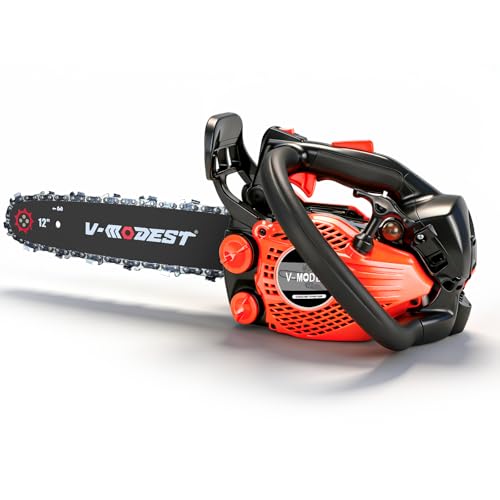
#1 V-MODEST Top Handle Gas Chainsaw 12 Inch 25cc — Best Overall
Built for climbers who prune and limb all day. At 5.5 lb dry with a 25cc two-stroke making up to 1.5 HP, it keeps the load light on your arm while still cutting limbs and branches cleanly.
Key Specs:
- Engine: 25cc 2-stroke, up to 1.5 HP
- Weight: 5.5 lb dry (6.9 lb fully assembled)
- Bar and chain: 12 in bar, 3/8 in LP chain, .050 in gauge, 44 drive links
- Fuel mix: 25:1 gasoline to oil
- Safety: chain brake and dual-screw bar mount
- Kit: bar cover, fuel bottle, funnel, gloves and tool kit
Detailed Review:
Weight is the reason to look at this saw. It comes in at 5.5 lb dry and 6.9 lb fully assembled, which keeps it manageable when you are reaching out from a rope at the end of a long day. The 25cc two-stroke makes up to 1.5 HP, so you get usable pruning and limbing power without a bigger powerhead.
The 12 in bar and 3/8 in low-profile chain give clean, controlled cuts on branches. A chain brake adds a safety layer, and the dual-screw bar mount keeps the bar seated through repeated cuts. Adjustable chain tensioning and an air filter that limits dust intake help the engine through routine use.
Fuel is the upkeep point to plan for. The saw runs on a 25:1 gasoline-to-oil mix, so mix fuel in the included bottle rather than pouring from the pump. When you order a replacement chain, match pitch, gauge and drive-link count to the bar and sprocket.
The kit includes a bar cover, fuel bottle, funnel, gloves and a tool kit. A 1-year warranty backs the saw.
Pros:
- Light dry weight eases fatigue during long pruning sessions
- Chain brake and dual-screw bar mount add security
- Easy-start system reduces pulling effort
- Kit includes fuel bottle, funnel, gloves and tools
Cons:
- Requires mixed two-stroke fuel for every refill
- Short bar limits it to limbs and smaller wood
Who It’s For:
Climbers and tree-care crews who prune and limb for long stretches and want a ready-to-run gas saw that doesn’t wear out the arm. It also suits anyone comfortable mixing fuel as a routine chore. Those planning to fell larger trees from the ground will want a rear-handle saw instead.
Editor’s Verdict:
This gas saw keeps weight low and bundles everything a new owner needs to start cutting.
#2 V-MODEST Top Handle Gas Chainsaw 12 Inch — Best Lightweight
A fine-trimming saw for careful work. Its 1/4 in LP chain with 64 drive links makes smooth, controlled cuts, and at 5.5 lb dry the saw stays steady for shaping branches late in the day.
Key Specs:
- Engine: 25cc 2-stroke, up to 1.5 HP, 12,000 RPM
- Weight: 5.5 lb dry
- Bar and chain: 12 in bar, 1/4 in LP chain, .043 in gauge, 64 drive links
- Fuel mix: 25:1
- Safety: dual-post chain brake and dual bar nuts
- Adjustments: top oil control and side chain tensioner
Detailed Review:
The chain is what sets this saw apart. A 1/4 in LP chain with 64 drive links makes finer, more controlled cuts than the 3/8 in LP chain on the 25cc V-MODEST, which takes bigger bites. For shaping cuts and detailed branch trimming, that is the better trade.
Everyday handling is straightforward. The dual-post chain brake and dual bar nuts add security, while the top oil control and side chain tensioner let you adjust quickly between cuts. The 25cc two-stroke makes up to 1.5 HP at 12,000 RPM and runs on a 25:1 mix.
At 5.5 lb dry, the saw stays easy to hold through a day in the tree, and the balanced top-handle body supports a secure two-handed grip. I’d choose it when the job is shaping a canopy rather than removing heavy limbs.
Both V-MODEST saws share the same dry weight, so the choice comes down to the chain. This one favors finesse, and the 25cc model favors speed through bigger wood.
Pros:
- Fine-pitch chain suits shaping and detailed branch work
- Dual-post chain brake adds a safety backstop
- Side chain tensioner makes adjustments quick
- Easy-start system cuts pulling effort
Cons:
- Narrow-pitch chain trades some cutting speed for finer control
- Needs mixed fuel for every refill
Who It’s For:
Orchard owners and fruit-tree pruners who spend their time shaping branches rather than removing heavy limbs will like the fine, controlled cut. Trained climbers who want quick adjustments between cuts also fit. It’s a poor match for anyone who mostly cuts thick wood and wants speed.
Editor’s Verdict:
Fine-pitch cutting and quick adjustments make it a dependable pick for detailed trimming aloft.
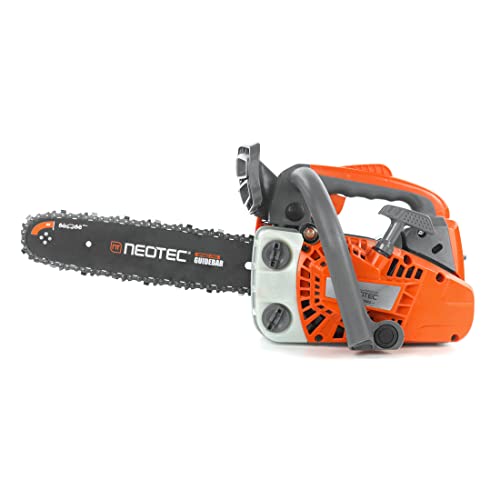
#3 NEO-TEC 12 Inch Top Handle Gas Chainsaw 25.4cc — Best Budget
An affordable way into climbing-saw work. The wrap-around handle and metal lanyard ring suit a climber who needs a secure grip and an attachment point, and the 25.4cc engine is enough for pruning and limbing.
Key Specs:
- Engine: 25.4cc 2-stroke, 1.2 HP, 12,000 RPM
- Weight: 8.2 lb with 12 in bar
- Chain: 3/8 in LP, .050 in gauge, 44 drive links
- Handle: wrap-around design with metal lanyard ring
- Start: spring-assisted one-pull ignition
Detailed Review:
The wrap-around handle is the main comfort feature. It minimizes vibration and gives you a stable grip, and the metal lanyard ring lets you secure the saw while you climb. The compact body allows one-handed operation when a branch demands it, though a two-handed grip is the safer default.
A spring-assisted ignition gives a one-pull start with less pulling effort, so getting going doesn’t cost you energy you need aloft. The 25.4cc two-stroke makes 1.2 HP at 12,000 RPM. The 12 in bar and 3/8 in LP chain handle pruning and limbing, plus light firewood work.
Next to the V-MODEST saws, the trade-off is clear. At 8.2 lb with the bar, this saw is heavier than either V-MODEST saw, which list 5.5 lb dry, and its 1.2 HP trails their rated output of up to 1.5 HP. You feel that extra weight in your shoulder over a long day aloft.
For an affordable saw that covers occasional climbing and yard work, those compromises are reasonable. Shoppers keeping a tight ceiling can also browse the best chainsaws under $200.
Pros:
- Wrap-around handle helps control and reduces vibration
- Metal lanyard ring gives a secure attachment point
- Spring-assisted start cuts pulling effort
- Handles pruning, limbing and light firewood work
Cons:
- Heavier than both V-MODEST saws
- Lower rated power than the V-MODEST saws
Who It’s For:
Weekend climbers and property owners who want a capable top-handle saw for pruning and the occasional firewood job will find it a practical entry point. A secure wrap-around grip appeals to anyone who dislikes buzzing hands. Climbers carrying a saw up the tree every day should look at the lighter V-MODEST models.
Editor’s Verdict:
Extra weight is the main compromise, and for occasional climbing it is an acceptable one.
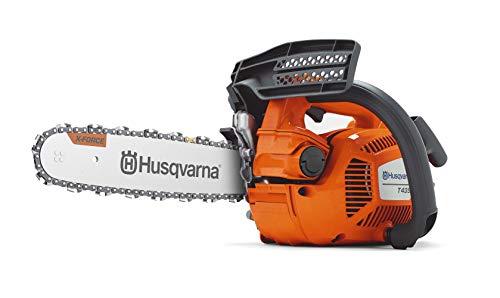
#4 Husqvarna T435 12 in — Best Ergonomic Design
Long days in the canopy are where this saw pays off. LowVib anti-vibration technology and multiple grip positions reduce hand fatigue, and the 35cc X-Torq engine delivers 2.01 HP at 7.5 lb.
Key Specs:
- Engine: 35cc X-Torq, 2.01 HP
- Weight: 7.5 lb
- Vibration control: LowVib anti-vibration technology
- Starting: Smart Start, up to 40% less cord-pull force
- Chain brake: inertia-activated
- Oiling: adjustable oil pump
Detailed Review:
Vibration and grip are where this saw earns its place. LowVib technology isolates engine vibration from your hands. The top-handle body supports multiple grip configurations, so you can change your hold as the cut moves from a trunk to an overhead limb.
Smart Start makes the saw start easily even with a cold engine, with up to 40% less force on the cord. Once you are ready to climb, the heavy-duty rope attachment point lets you hoist the saw into the tree instead of carrying it up, which frees your hands for the climb.
The 35cc X-Torq engine delivers 2.01 HP at 7.5 lb, a clear step up in power from the V-MODEST saws’ rated output of up to 1.5 HP. You pay for that in weight, since the V-MODEST saws are noticeably lighter. An inertia-activated chain brake reduces the likelihood of injury from kickback.
Upkeep is quick. The adjustable oil pump lets you set oil flow for the job and the weather. The quick-release air filter and cover, flip-up fuel tank caps and side-mounted chain tensioning keep routine work short.
Pros:
- LowVib system isolates engine vibration from your hands
- Multiple grip positions suit varied canopy work
- Heavy-duty rope attachment point helps hoist the saw
- Smart Start reduces starter-cord pull force
- Quick-release air filter and side tensioning speed upkeep
Cons:
- Heavier than the V-MODEST saws
- Gas engine still demands fuel and routine engine upkeep
Who It’s For:
Frequent climbers who value comfortable hands and quick routine maintenance over saving every ounce will appreciate this saw. Its rope point and adjustable oiler suit varied jobs and changing weather. Anyone who only prunes now and then probably doesn’t need this much saw.
Editor’s Verdict:
Reduced vibration, flexible grips and easy upkeep add up to a comfortable saw for regular canopy work.
#5 Husqvarna 542i XP 16 in — Best Cordless
Skip the fuel can and the pull cord. This 40V battery saw pairs a 16 in bar with a centrifugal clutch and a keypad whose savE function lets you choose between maximum runtime and maximum power.
Key Specs:
- Power: 40V battery platform (battery and charger sold separately)
- Weight: 9.02 lb
- Bar: 16 in
- Clutch: centrifugal
- Controls: keypad with savE function and chain oil indicator
- Drive: electronically controlled, no fuel
Detailed Review:
The centrifugal clutch gives you kick-start energy at the start of each cut and helps keep the chain from getting stuck in the wood. Combined with high chain speed, it makes cutting feel smooth and quick.
Controls are simple. The keypad starts and stops the saw and shows charge status, and the savE function lets you pick maximum runtime or maximum power for the job. A light in the keypad tells you when the chain needs oil, so you don’t have to guess.
Upkeep is the strongest argument for going cordless. There is no fuel to mix or refill, and the electronically controlled drive and fewer parts mean less downtime than a gas engine. You supply the battery and charger.
Weight and reach change what this saw suits. It weighs 9.02 lb and carries a 16 in bar, which gives it plenty of reach along with some heft in the hands. As a rear-handle saw, it is better for ground-level limbing and cleanup than for hanging from a harness.
Pros:
- No fuel mixing or refilling
- Fewer parts and electronic drive mean less downtime
- savE function lets you choose runtime or power
- Oil indicator lights up when chain oil is needed
- Centrifugal clutch helps keep the chain from sticking
Cons:
- Battery and charger must be bought separately
- Heavier rear-handle build is awkward for work aloft
Who It’s For:
Property owners and tree workers moving away from gas will find this most useful for ground-level limbing and cleanup. It’s an easy fit if you already own compatible 40V batteries and a charger. Climbers who need a compact saw to hold aloft should choose a top-handle model instead.
Editor’s Verdict:
Simpler upkeep and selectable power modes outweigh the extra weight for ground-level work.
What Should You Look for in an Arborist Chainsaw?
A good climbing saw comes down to powerhead weight, bar length, engine and chain setup, and handling and safety features, each judged by what it does for you in the tree. If you are still sorting out the basics, our guide on how to choose a chainsaw covers the wider decisions.
How Much Should a Climbing Saw Weigh?
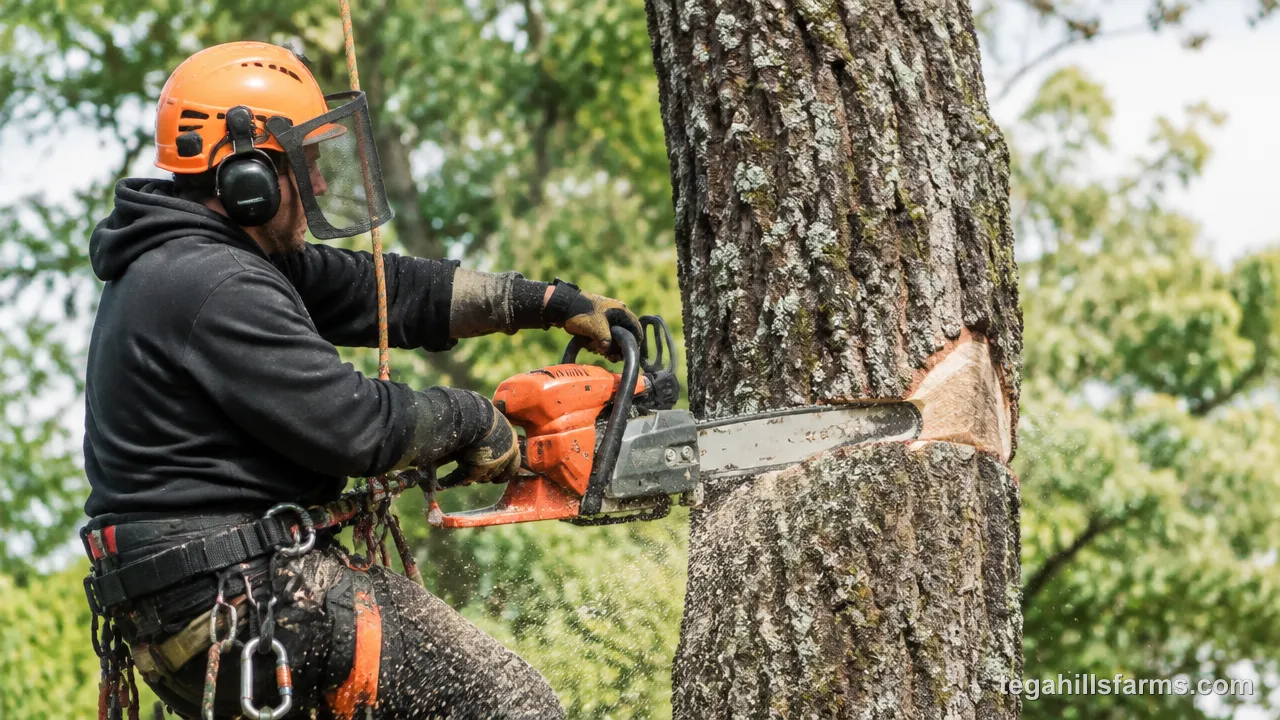
A climbing saw should be as light as its power allows, because the powerhead weight hangs from your arm and harness instead of resting on the ground.
Check what the listed weight includes. A dry weight leaves out fuel and bar oil, so a saw feels heavier once it is assembled and filled. The 25cc V-MODEST lists both a dry and a fully assembled figure, which is the comparison you want.
Balance matters as much as the number. A saw with its mass close to your hand tilts less when you reach, which means less hand fatigue and steadier control. If weight is your top priority, compare the best lightweight chainsaws.
Which Bar Length Fits Pruning Versus Small Felling?
A short bar keeps the saw nimble for limbing and pruning, while a longer bar reaches thicker wood but adds weight and kickback exposure.
With a short bar, there is less steel in the cut and less weight out front, so the saw is easier to place between branches. Four of these picks use a 12 in bar for exactly that reason.
A longer bar, like the 16 in bar on the Husqvarna 542i XP, reaches through bigger stems and suits small felling from the ground. The cost is weight at the nose and more bar tip exposed to a kickback. For a climber with limited footing, that is a real penalty.
What Engine Size and Chain Setup Matter Most?
Engine displacement trades cutting power for weight: a bigger engine cuts harder, but it makes the saw heavier to hold aloft.
The Husqvarna T435’s 35cc engine makes more power than the 25cc V-MODEST, and it weighs more. Pick the smallest engine that handles your typical limb.
The chain matters just as much. Pitch, gauge and drive-link count must match the bar and sprocket when you order replacements, so write those three figures down before you buy.
Two-stroke gas saws also run on mixed fuel. The ratio varies by saw, so follow the mix in your manual, and mix only what you will use soon.
Which Handling and Safety Features Are Worth Having?
The features worth having are a chain brake, anti-vibration design, a lanyard or rope attachment point, an adjustable oiler and easy access for routine upkeep.
A chain brake helps stop the chain after a kickback. Anti-vibration design, like the Husqvarna T435’s LowVib system, spares your hands over a long day.
A lanyard ring, such as the metal one on the NEO-TEC, or a rope attachment point lets you secure the saw or hoist it into the tree. An adjustable oil pump lets you set oil flow for the job and the weather. Quick-release air filters, flip-up fuel caps and side-mounted chain tensioning keep routine work short.
Gas or Battery: Which Works Better in the Canopy?
Light gas top-handle saws suit most canopy work, while battery saws fit ground work and crews already on one battery platform.
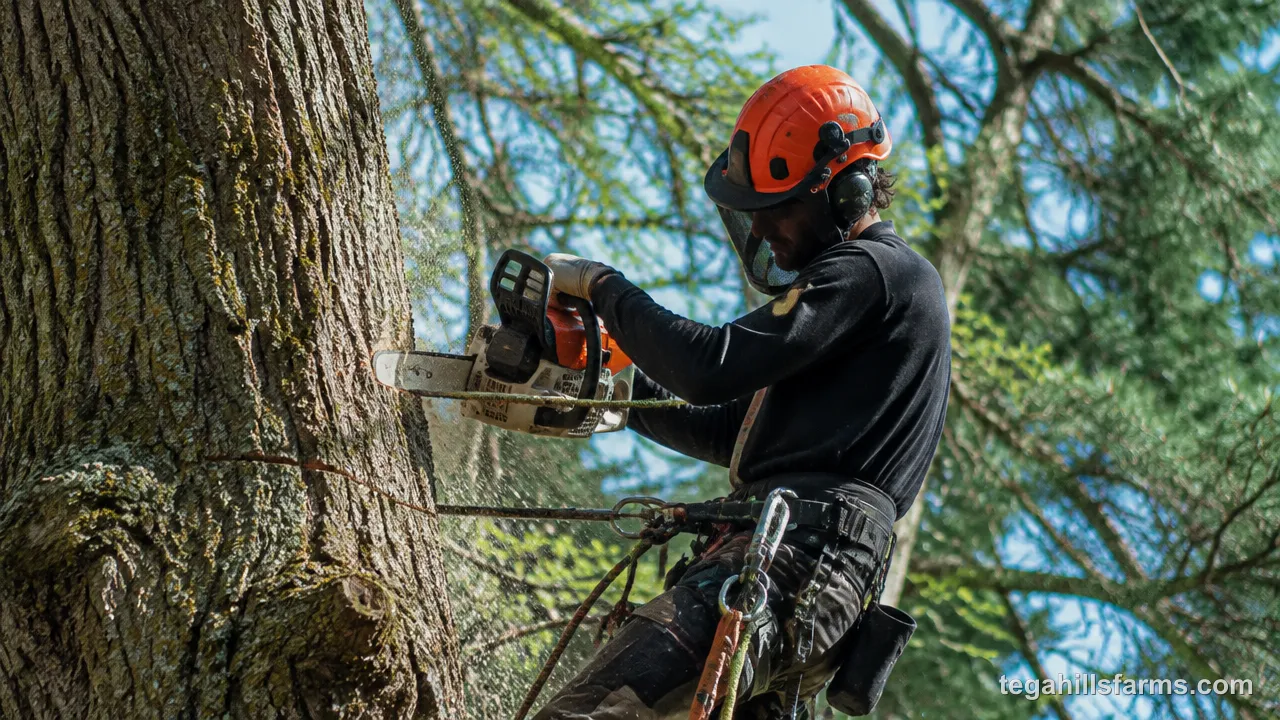
Weight is the biggest gap. The gas climbing saws here are lighter than the one battery pick, and that matters when the saw hangs from your arm. For gas options, see the best gas chainsaws.
Refueling takes a minute, and a fuel bottle in your pack keeps you cutting. Battery saws recharge instead, so sustained cutting means carrying spare batteries. Noise generally favors battery, which is a plus when you work near homes.
Upkeep favors battery too. There is no fuel to mix, and fewer parts mean less to maintain. Gas two-strokes need mixed fuel, air filter care and plug and carburetor attention over time.
If your crew already shares a battery platform, a battery saw makes sense for ground work, and the best battery chainsaws show what that field offers. For the person up the tree, I’d still pick a light gas top-handle saw.
Which Chainsaw Fits Which Tree Job?
The right saw follows the task: a light top-handle saw for canopy pruning and limbing, a rear-handle saw for felling and ground work, and a standardized set of saws for a crew. The job changes the tool far more than the brand does.
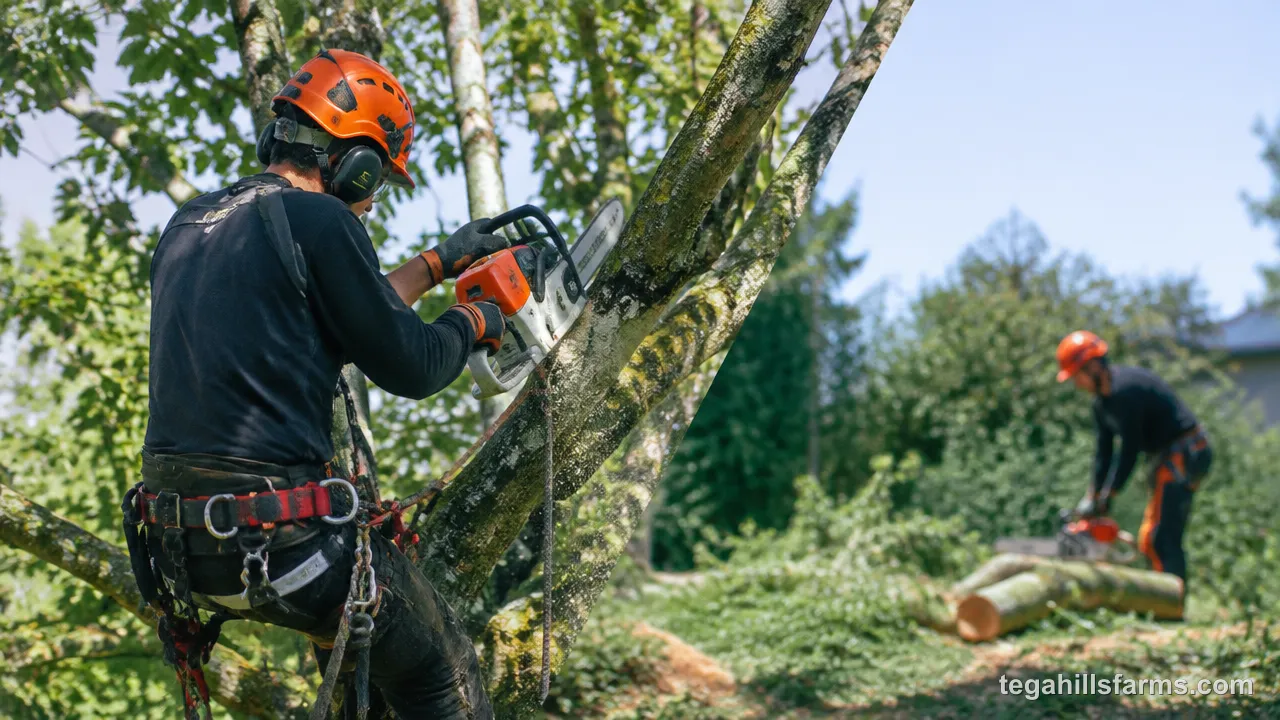
What Saw Suits Pruning and Limbing in the Canopy?
A light top-handle saw with a short bar suits pruning and limbing from a rope, since it stays controllable when your footing is limited.
Branch size and cut position decide how much saw you want. Small branches within easy reach need little power, so low weight wins. Cuts at the end of a long reach, or above your head, put the saw’s weight on your arm, which favors the lightest option.
Keep the bar short enough that you can place it between branches without bumping neighbors. For dedicated options, see the best pruning chainsaws.
When Do You Need a Rear-Handle Saw Instead?
Switch to a rear-handle saw for felling, bucking and storm cleanup from the ground, where a top-handle saw runs short on reach, power and stability.
A rear-handle saw is built to be gripped with two hands while your feet are planted. That gives you more control when the saw is working through thick wood, and it supports longer bars for bigger stems. The Husqvarna 542i XP in this list is a rear-handle battery saw for exactly that kind of work.
A top-handle saw is the wrong tool once the cut gets thick. It lacks the reach and stability for felling, and bucking logs from a bent-over stance strains your wrists. For more rear-handle choices, see the best rear handle chainsaws.
How Do You Equip a Whole Crew?
Standardize on a small set of saw models so spare chains and bars, fuel or battery handling and upkeep routines are shared across the crew.
When everyone runs the same chain, a single spare covers any saw. One fuel mix or one battery platform means fewer mistakes at the truck, and one maintenance routine means every saw gets the same care.
A mixed fleet can still make sense. Climbers may carry light gas top-handle saws, while ground crews use battery saws for cleanup. Keep each group on a single platform and the benefits carry over.
Hanging from a rope with one hand on the saw leaves no solid footing to absorb a kickback. If the saw jumps, the bar can swing toward your face, neck or the arm holding the rope. What you wear, and how the saw is tethered, decides whether that moment is a scare or an injury.
What Safety Gear Should Go With a Climbing Saw?
Safe climbing-saw use depends on protective gear plus consistent handling habits, applied on every cut.
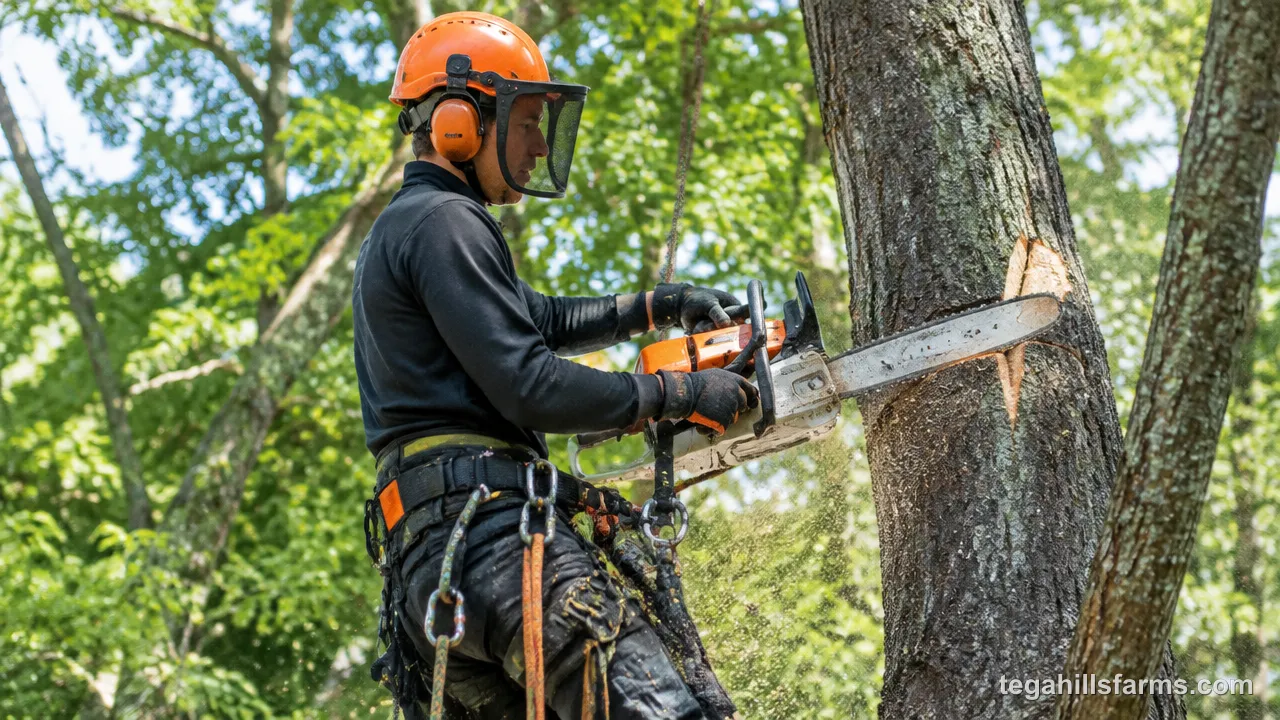
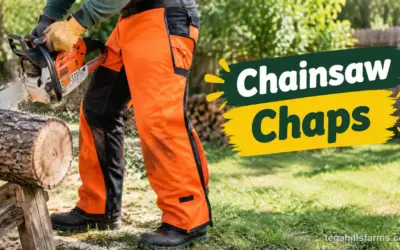
Start with cut-resistant chainsaw chaps, then add a helmet with eye and ear protection. Gloves help with grip and hand protection. In the US, ANSI Z133 is the arborist safety standard, and it is worth knowing by name.
A lanyard keeps the saw attached to you, so a slip doesn’t send it falling. Some saws include a lanyard ring or a rope attachment point, and those are worth using every time.
Treat a two-handed grip as the default, even on saws that can be run one-handed. Engage the chain brake when you reposition or move between cuts. Accessories like these are covered in the best chainsaw accessories.
When Does a Budget Climbing Saw Stop Being Enough?
A budget saw is enough for occasional pruning, and it stops being enough once climbing becomes daily work.
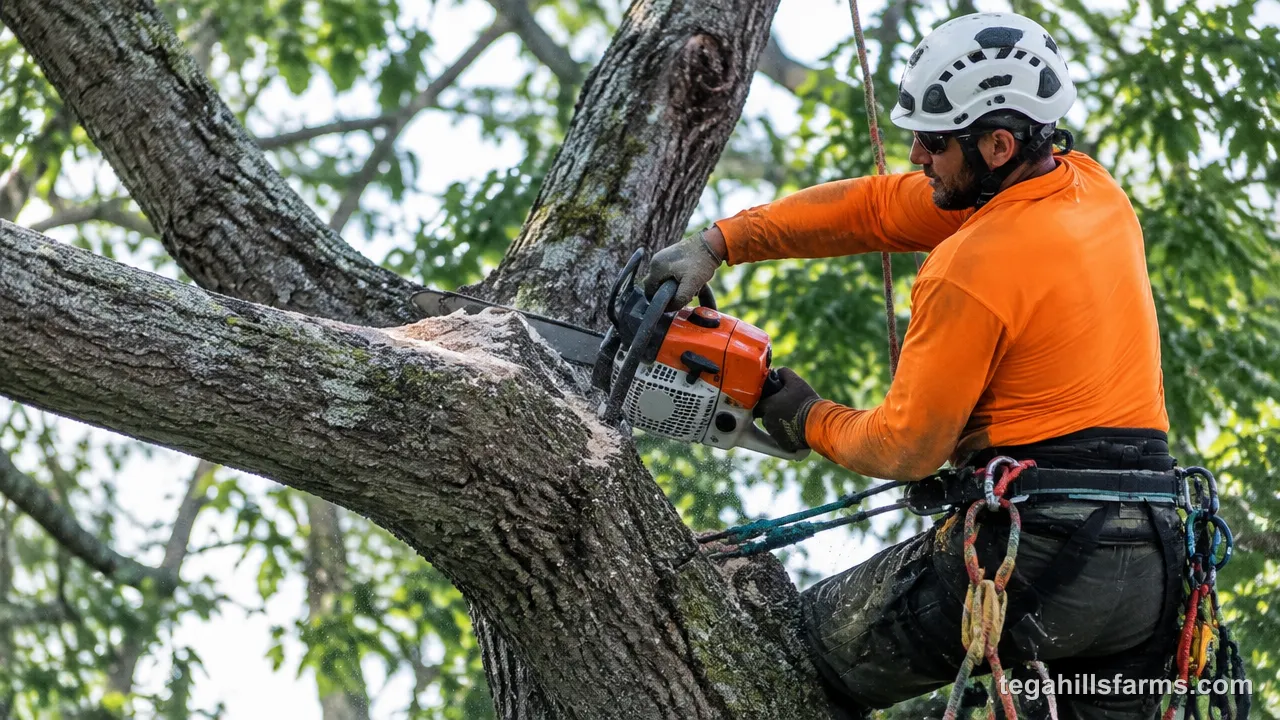
Occasional use asks little of a saw: a few cuts, then storage. The NEO-TEC and the V-MODEST saws suit that kind of work, and their listed features cover the basics, such as a chain brake, easy starting and the kit to get going.
Daily professional use asks for more. You want comfort features for long days, easy routine upkeep and dependable parts support. Saws like the Husqvarna T435 add LowVib, an adjustable oiler, quick-release maintenance points and a rope attachment point for that reason.
Established pro brands usually have dealer networks for service and parts, which matters when a saw is your livelihood. If you climb every day, look at the best professional chainsaws before you commit.
How Can You Tell a Climbing Saw Is Worn Out?
A climbing saw is worn out when routine fixes stop restoring its performance.
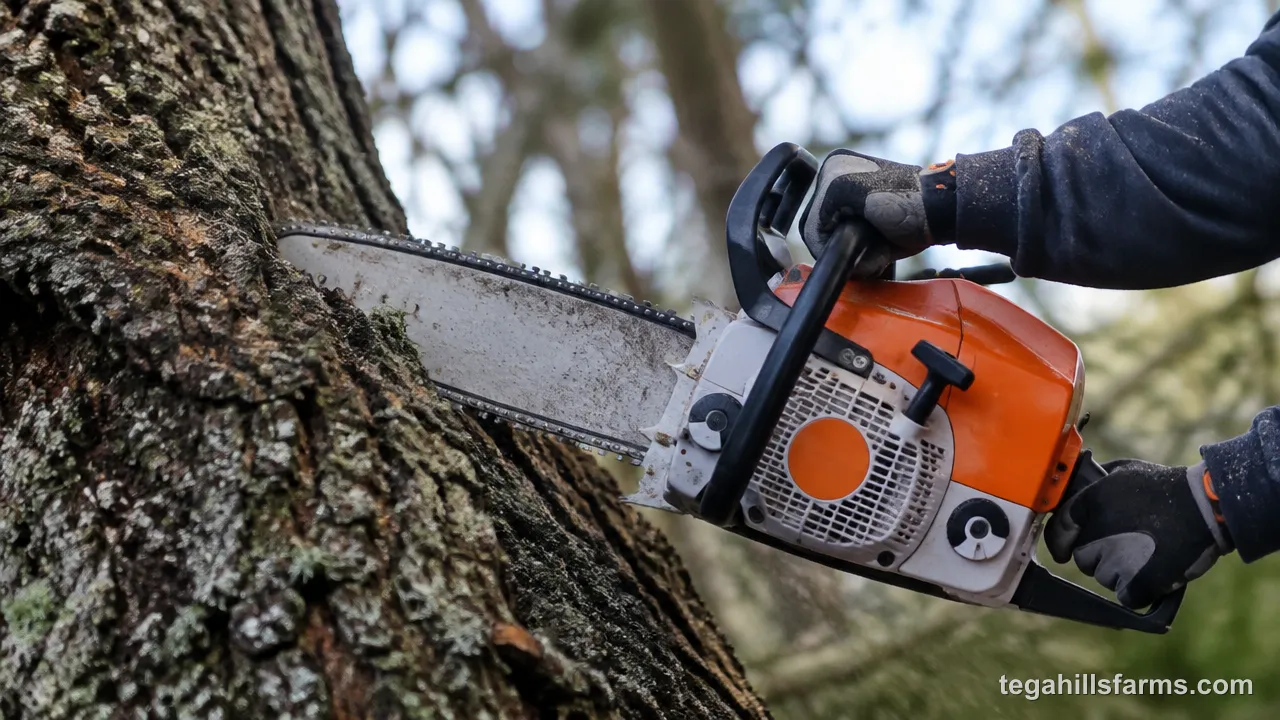
Hard starting, a dull or stretched chain, a worn bar and a slipping clutch are the main signs. Some are routine. A dull chain needs sharpening or replacement, and our guides to the best chainsaw chain and the best chainsaw sharpener cover both. A clogged air filter or a tired spark plug can cause hard starting, and cleaning or replacing them is cheap upkeep.
Other signs point to replacement. A bar with worn rails, a clutch that keeps slipping, or a starter that keeps failing means the saw is wearing out. When repairs start piling up, a new saw is usually the better choice.
Arborist Chainsaw FAQs
Do arborists use chainsaws?
Yes. Arborists use chainsaws for pruning, limbing, removals and cleanup. Climbers typically carry a compact top-handle saw aloft, while ground crews use rear-handle saws for felling and bucking. Many also run battery saws for lighter work. The task decides which saw comes out.
Do professionals prefer Husqvarna or Stihl?
Both are common on professional crews, alongside Echo, and preference usually comes down to local dealer support, parts access and how a saw feels in the hand. Loggers fell and buck large timber from the ground with rear-handle saws, while climbing arborists prefer light top-handle saws they can use in the canopy.
Can a top-handle saw be used from the ground?
Yes, for light work such as trimming low branches, cutting small limbs and tidying cleanup piles. Keep a two-handed grip and use the chain brake. For felling or bucking thicker wood, a rear-handle saw gives you more power, reach and stability from the ground.
What should a first climbing saw look like?
Look for a light top-handle saw with a short bar, a chain brake, an easy-starting engine and a lanyard or rope attachment point. Comfort in the hand matters as much as power. Keep your first saw simple, learn it well and pair it with proper protective gear.

Write Your Review
No reviews yet. Be the first to share your experience!