

A new lawn mower can cost under $100 for a manual reel mower or five figures for the largest zero-turn and robotic models. Gas and battery push mowers sit close together at the checkout. They split apart once fuel, oil, tune-up parts and replacement batteries become part of ownership.
Where you land in that range depends on yard size, terrain, power source and how much of the work you want the machine to do. A wider deck, a self-propelled drive or a seat each moves you up a price class. The right choice is the cheapest class that still gets your lawn mowed without wearing you out.
The sticker price is only the first bill. Gas engines need fuel, oil and a spark plug every season, and battery mowers eventually need a new pack. Many cordless models also leave the battery and charger out of the base price, so two mowers listed at the same figure can cost very different amounts by the time either one cuts grass.
How Much Does a Lawn Mower Cost on Average?
Walk-behind mowers average around $350, riding classes average roughly $2,500 to $4,700, and the full market runs from about $85 for a basic reel mower to past $17,000 for the largest robotic units.
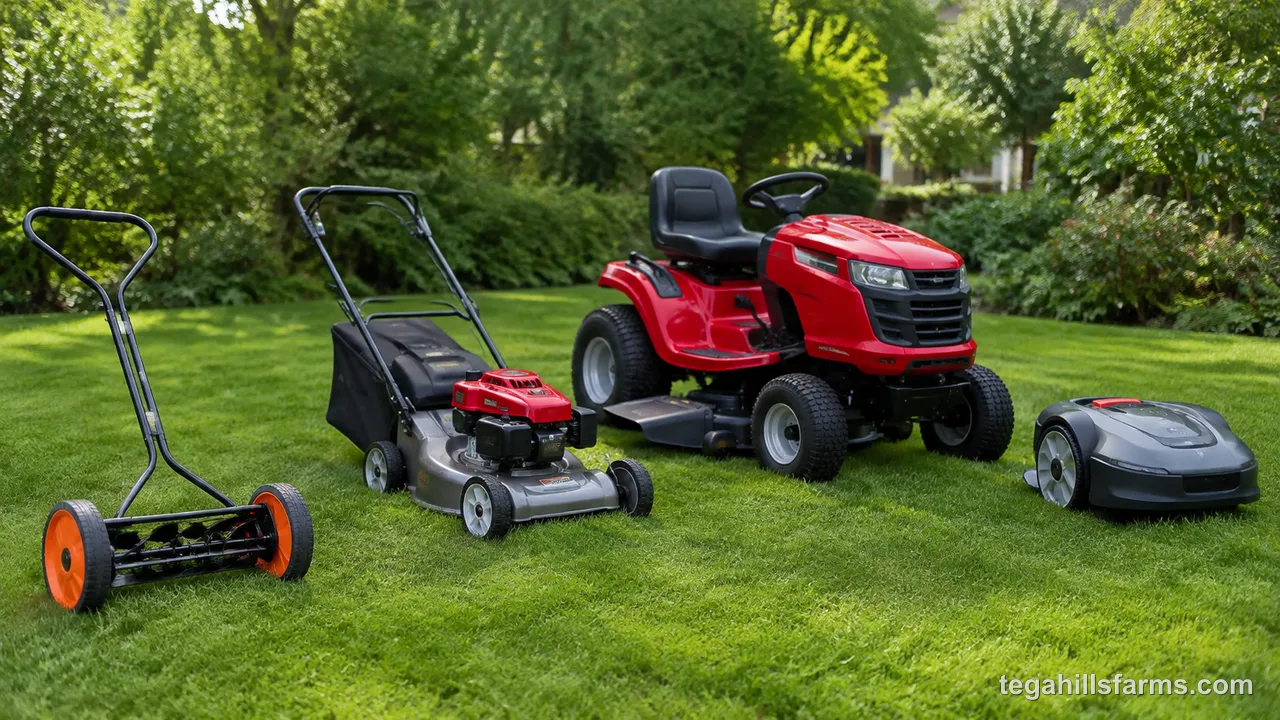
Four factors move a mower up or down that scale. The power source sets the baseline: a reel mower has no motor, while gas and battery models carry an engine or a pack. Cutting width decides how many passes your lawn takes, and a wider deck needs more power and a stiffer frame. The drive system adds cost at each step from push to self-propelled to riding. Brand tier separates machines that look alike on paper.
Treat any published range as approximate. Prices shift with the season, the seller and the region, so a quote from a local store can come in above or below these figures.
For the rest of the decision beyond price, the guide on how to choose a lawn mower covers yard fit, power source and features.
How Much Does Each Type of Lawn Mower Cost?
Price rises with the amount of work the machine does for you, from manual reel mowers at the low end to zero-turn riders and robotic units at the top. Each type has a range that runs from entry models to top trims. The average is the better guide to what a dependable mid-tier machine of that type costs.
Reel, Electric Push and Gas Push Mowers
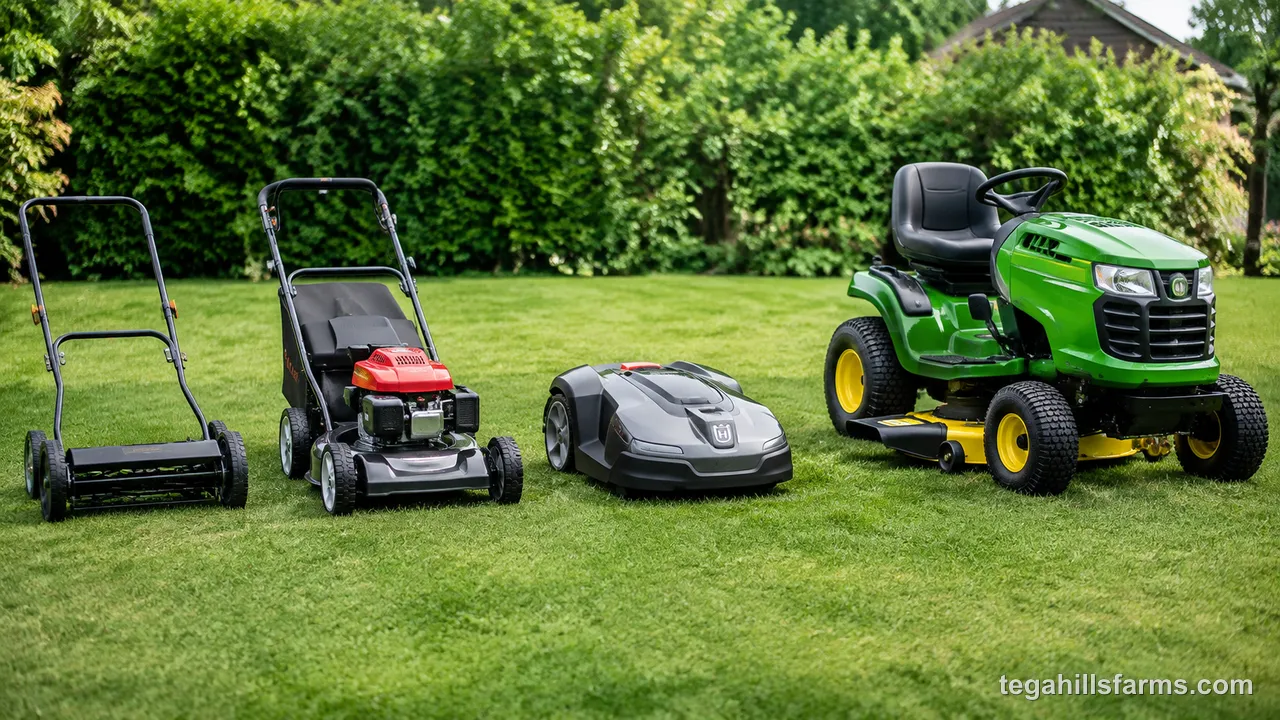
Reel mowers cost about $85 to $310 and average around $135. Electric push mowers run about $130 to $1,020, with an average near $285. Gas push mowers range from about $230 to $450 and average around $320. All three sit below the walk-behind average.
A reel mower has no motor, so its price depends on cutting width and build quality. Electric push prices climb with battery voltage and capacity. A higher-voltage platform holds blade speed in thick grass, and a bigger pack runs longer, so the top of the range usually means a stronger battery included in the box. Gas push prices rise with engine size and deck width. Brand adds to the price of all three.
A reel mower suits a small, flat lawn that gets mowed often. Electric push mowers fit small to moderate lots. Gas push mowers make sense where grass grows thick and a battery would run out first. The tradeoffs of a reel vs a rotary mower go beyond price, because a reel cuts cleanly but stalls on tall stems and twigs.
Electric and Gas Self-Propelled Mowers
Electric self-propelled mowers cost about $350 to $1,300 and average around $625. Gas self-propelled models start at the same $350 entry point, average near $695 and reach about $2,300 at the top. The two power sources stay close through the middle of the market, so purchase price rarely settles the choice between them.
The price rises with the quality of the drive system. Rear-wheel drive and variable speed control grip better on hills and match your walking pace. Battery voltage or engine size, deck width and brand tier add to the price from there.
What the extra money buys over a push mower is less effort. The drive wheels carry the machine up slopes and across a larger lawn, so you steer it instead of shoving it. On a small, flat lot that help counts for little. On a sloped or larger yard, it decides whether you finish mowing in one session or quit halfway.
Robotic Lawn Mowers
Robotic mowers cost about $600 at entry level and average near $1,490. The extreme top end goes past $17,000. That spread is wider than for any walk-behind type because the units are rated for very different lawn areas.
The rated mowing area pushes the price up the most, followed by slope capability. Boundary setup also matters: models that run on a perimeter wire usually cost less than wire-free units that navigate without one. App control, scheduling and obstacle detection add to the price, and brand is another factor, with names such as Robomow and RoboUP spread across different tiers.
A robotic mower suits owners who want the grass kept short without walking behind a machine every week, on a lawn the unit can cover within its rated area and slope limit. The price covers that automation, not a full lawn routine. Edges, tight corners and spots the mower can’t reach still need a string trimmer.
Rear-Engine Riders, Lawn Tractors and Zero-Turn Mowers
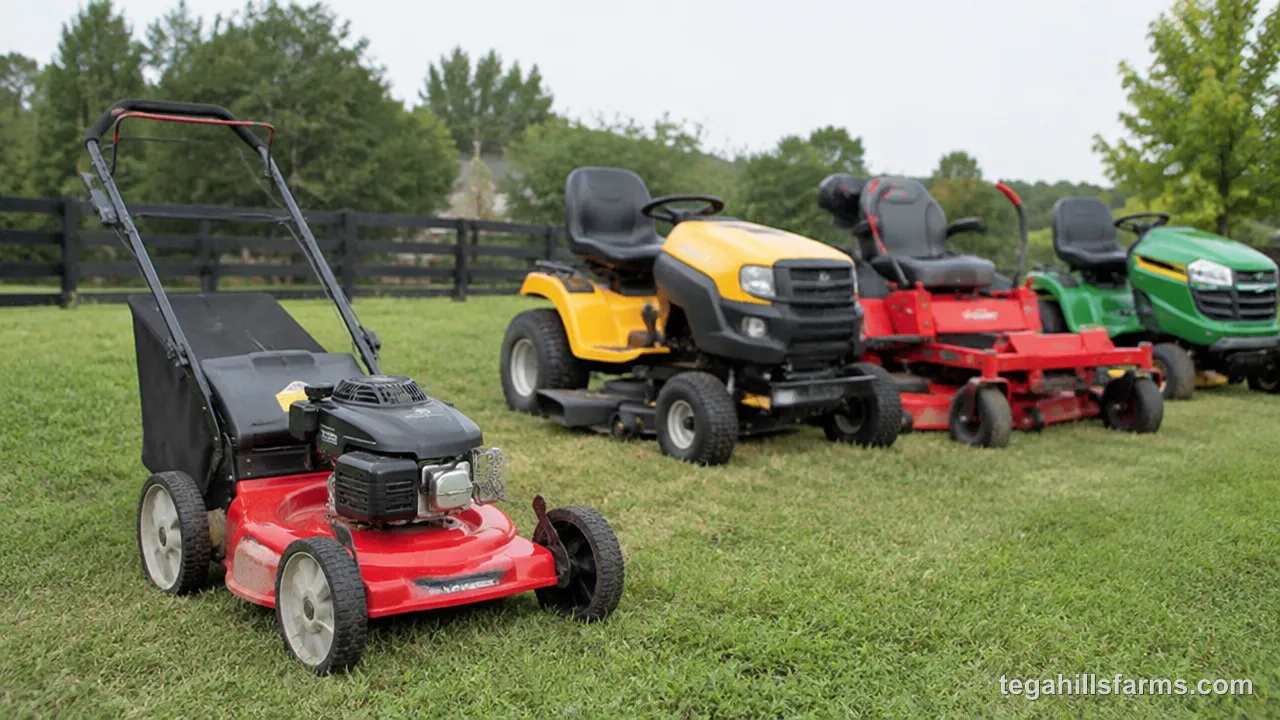
Rear-engine riding mowers cost about $1,800 to $3,600 and average near $2,555. Lawn tractors run about $2,000 to $5,000, with an average around $3,070. Zero-turn mowers start near $2,800, average about $4,700 and reach roughly $13,225.
The classes differ in deck width, engine and speed. Rear-engine riders usually carry 30- to 33-inch decks, which keeps them compact and affordable. Lawn tractors span decks from 30 to 60 inches. Zero-turns reach speeds up to 10 mph and pivot around trees in place, and that maneuverability is a large part of their price.
A single manufacturer’s lineup shows how far prices stretch. The S100 lists at $2,649 with a 42-inch deck. The S220 costs $3,099 with a 42-inch deck or $3,399 with a 48-inch deck, and the S180 costs $3,849 with a 54-inch deck. The X730 sits at $15,497 with a 54-inch Auto Connect deck and $15,987 with a 60-inch one. The S180 and the X730 share a deck width but sit far apart in price, so engine, frame and attachment capability drive the top tier more than deck size does.
This class is worth the money when your lawn is large and open enough that a walk-behind would take up most of an afternoon.
Why Do Prices Vary So Much Between Lawn Mowers?
Two mowers of the same type can sit far apart in price because the extra money buys capacity and durability, not a different kind of machine. Once you know what each step up delivers, you can stop paying at the point where your yard no longer benefits.
Engine Power and Battery Voltage
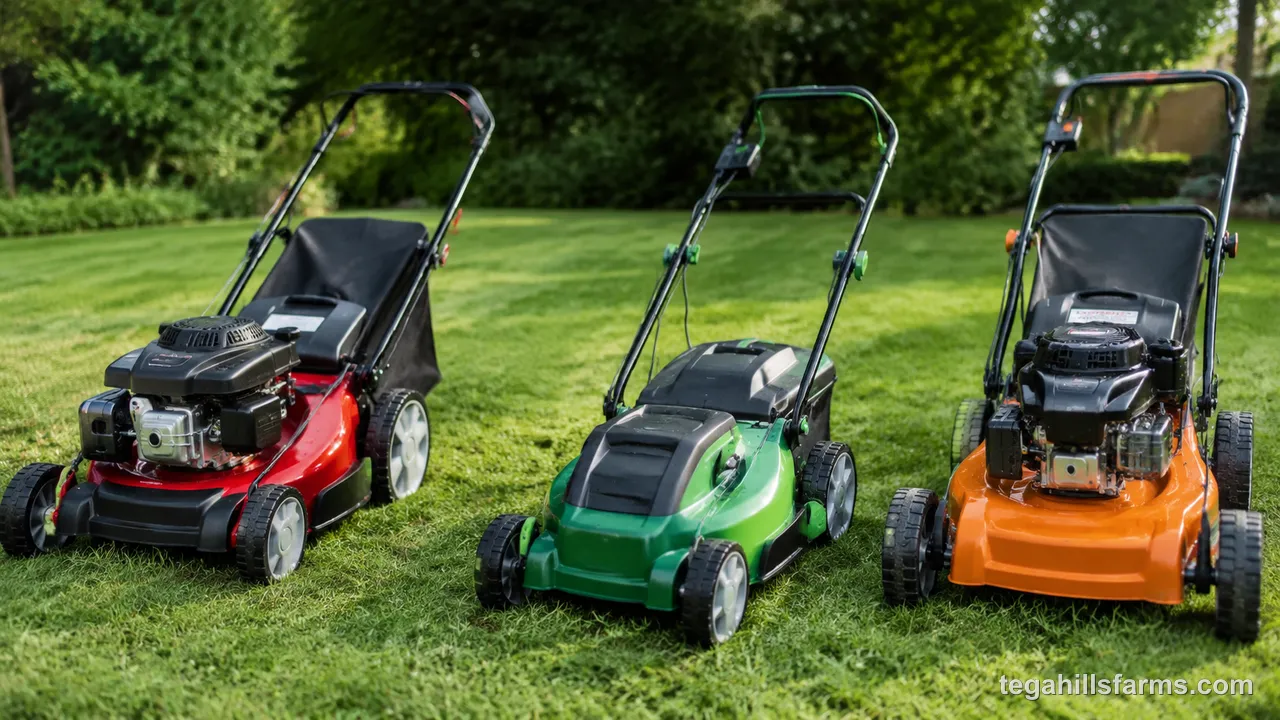
A bigger engine or a higher-voltage battery costs more because it keeps the blade spinning at full speed in thick, tall or wet grass, where a weaker mower bogs down and leaves ragged strips. On a cordless mower, battery capacity sets how long the mower runs. Most cordless push mowers run 45 to 90 minutes per charge, and amp-hour capacity decides where a given pack falls in that window.
Among gas push mowers, prices spread from roughly $230 for entry models to about $450 for higher-powered versions. Most of that gap comes from engine size and deck build.
The cheaper option is enough when you mow weekly through the season and the grass never gets ahead of you. A smaller engine or a lower-voltage mower cuts cleanly under those conditions, and a single charge covers a modest lot. Paying for more power makes sense when growth outpaces your schedule or the lawn takes longer than one pack lasts.
Cutting Width and Drive System
A wider deck covers more ground per pass, so the same lawn takes fewer trips and less time. The wider deck also needs more power, more steel and a stronger frame to hold the blade housing level, and that raises the price.
The drive system adds the next step. Push mowers average roughly $285 for electric and $320 for gas. Self-propelled models average around $625 for electric and $695 for gas, and riding mowers start near $1,800 with rear-engine riders. Each step buys more than speed, because the machine also takes over more of the physical work.
The self-propelled step pays off when pushing becomes the hard part, on slopes or on a lawn too large to push comfortably in one session. The riding step pays off when even a self-propelled walk-behind turns mowing into a half-day job. A wide deck only helps when your gates, paths and garage door are wide enough for it.
Brand and Feature Level
Premium brands such as Husqvarna, Toro, EGO and John Deere usually cost more than budget names like Ryobi, Greenworks and Craftsman for the same type of mower. Most of that difference shows up in build quality and support rather than in the headline specs. Gas self-propelled mowers alone span from about $350 to $2,300, and brand tier and features account for much of that spread.
A premium mower usually adds a sturdier deck, a smoother transmission, better wheels and bearings, and access to a dealer network for parts and repairs. A budget brand is easy to find at big-box stores, and its battery platform often powers a wide line of inexpensive tools. Electric start, blade-stop systems, folding handles and app connectivity add to the price at both tiers.
I’d put extra money toward a better drive and a sturdier deck before paying for convenience features. Those are the parts that decide whether the mower is still running well several seasons from now.
Which Type of Mower Fits Your Yard Size and Budget?
Lawn size and terrain set the smallest machine that does the job, and buying beyond that mostly adds cost without saving time. Knowing what to look for in a lawn mower beyond yard size, such as height adjustment and storage footprint, keeps your budget on features you will actually use.
Small Lots and Flat Lawns
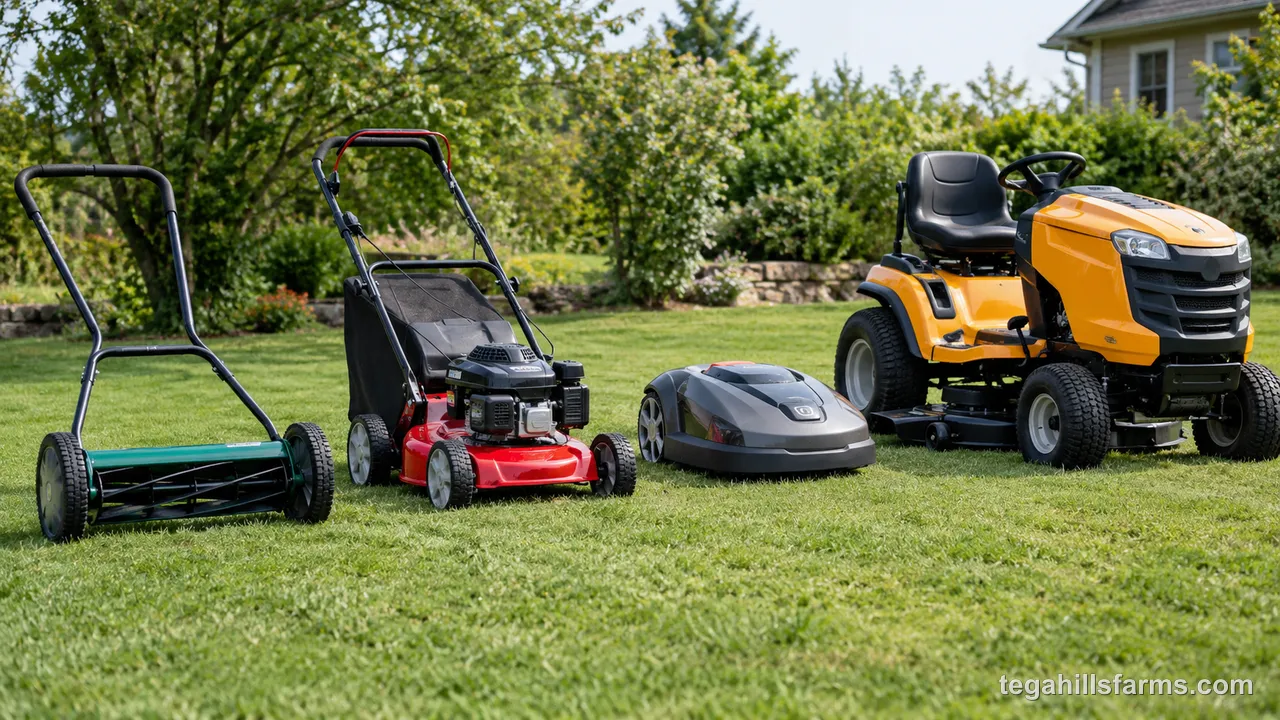
Reel, electric push and basic gas push mowers handle small, level yards for the least money. Reel mowers average around $135, electric push mowers about $285 and gas push mowers about $320.
Within this group, the price goes up with battery size, cutting width and self-propelled drive. None of those does much for a small, flat lot. A single charge finishes the job, a wider deck saves only a few passes, and with no slope, a drive system has nothing to help with. Spending more can even work against you, because a heavier mower is harder to steer around flower beds and harder to fit into a crowded garage or shed.
If you have an outlet nearby, a corded electric push mower avoids buying a replacement battery later.
Mid-Size Lawns and Mild Slopes
Self-propelled mowers are the usual fit for mid-size lawns, with electric models averaging around $625 and gas models about $695. A higher-capacity push mower can still work if the ground is gentle and open.
Slopes and thick grass push buyers toward self-propelled drive, because the wheels do the climbing that your legs would otherwise do. Long mowing sessions push buyers toward wider decks or bigger battery packs. Each of those upgrades moves the price toward the upper half of the self-propelled range.
A robotic mower becomes a realistic option at this size, with an average near $1,490. It works as long as the unit’s rated area and slope limit cover your lawn and the layout doesn’t have many narrow passages for it to get stuck in.
Large Lawns and Acreage
Riding mowers become the practical choice once a walk-behind would take up most of an afternoon. Rear-engine riders average around $2,555, lawn tractors about $3,070 and zero-turns about $4,700. Rear-engine riders are a common fit for lots under 2.5 acres, and basic riding mowers usually carry 30- to 42-inch decks.
Deck width, engine size, top speed and brand all raise the price within this class. A wide deck pays off mainly on open ground, where every pass removes a full stripe and the mower can run straight. On a tight yard broken up by trees and beds, a wide deck can’t fit through the gaps, and you end up trimming more by hand. Hills cut into the advantage too, because a zero-turn steered by its rear wheels loses grip on slopes. A lawn tractor’s steering wheel and front tires handle hills more predictably.
How Do Running Costs Compare for Gas and Battery Mowers?
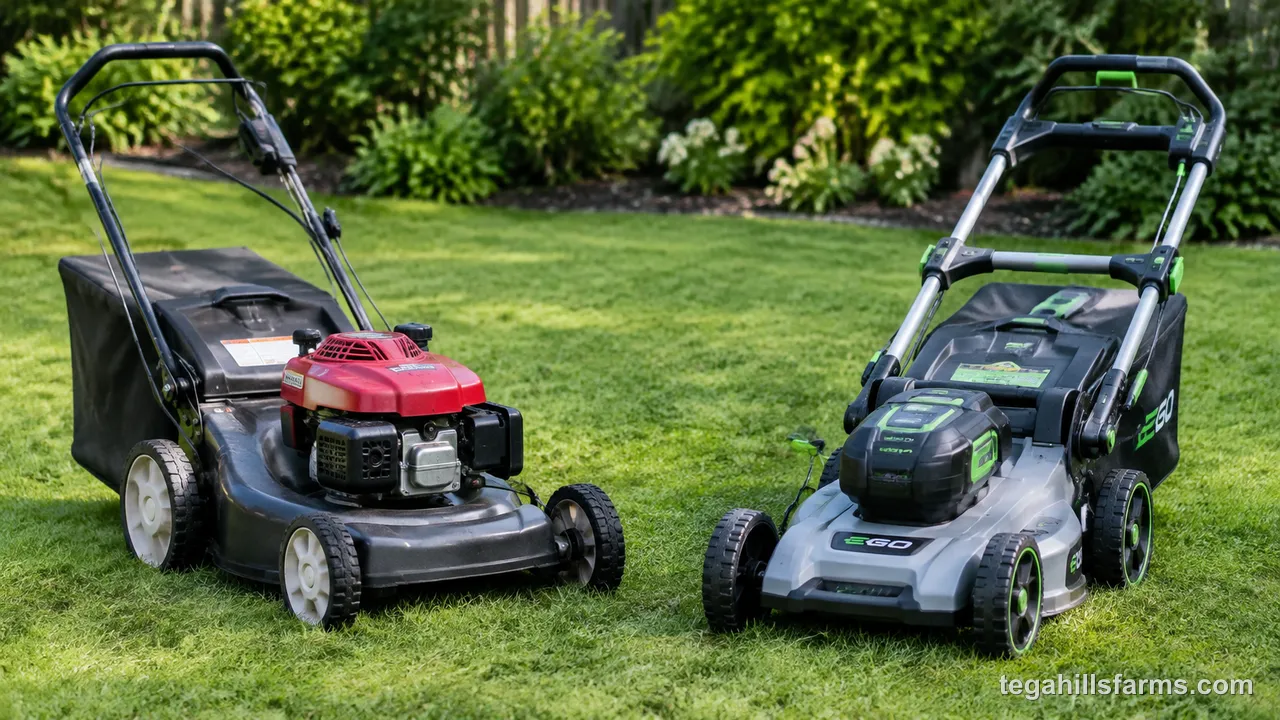
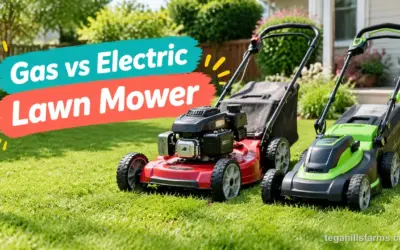
Gas mowers keep costing money through fuel, oil and tune-up parts, while battery mowers move most of their long-term cost into an eventual replacement pack. At purchase, comparable push models sit close together, with electric averaging around $285 and gas about $320. The choice between gas vs battery lawn mowers comes down to which kind of upkeep fits your habits.
Gas Mower Upkeep: Fuel, Oil and Blades
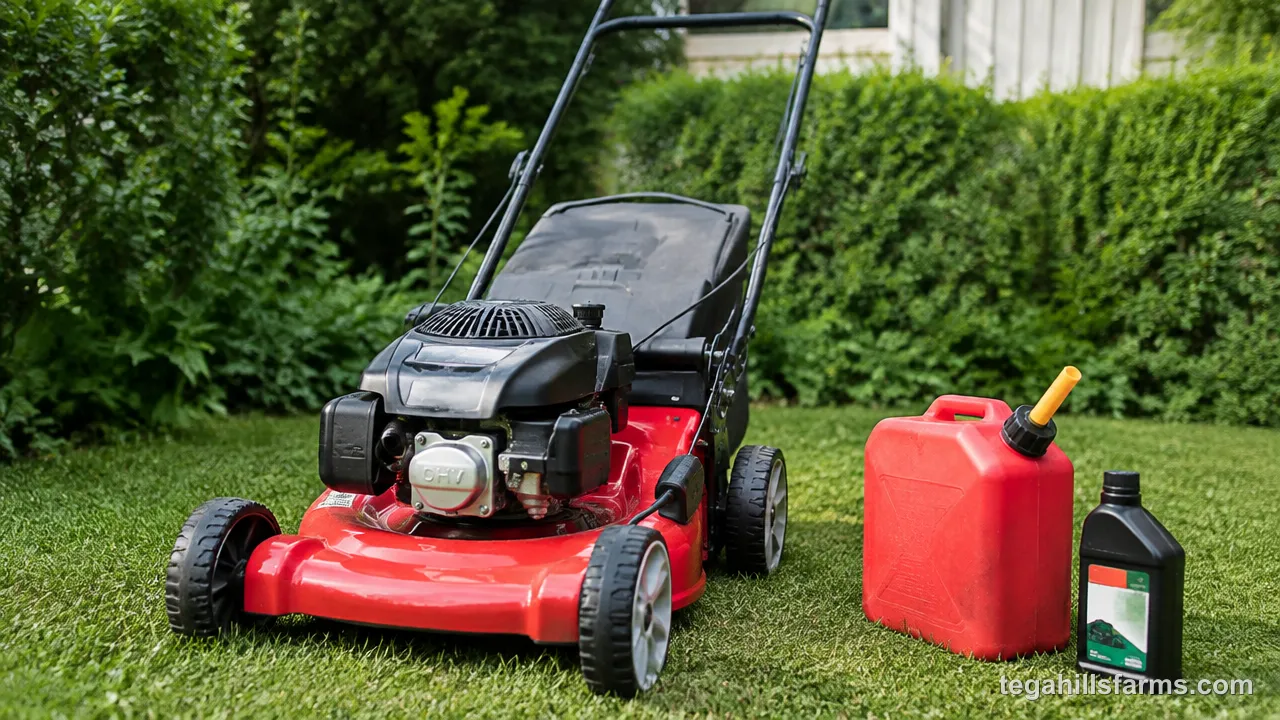
A gas mower needs fuel all season and a short list of parts at least once a year: an oil change, a new spark plug, a clean or new air filter, and sharp blades. Gas push mowers cost about $230 to $450, and gas self-propelled models about $350 to $2,300. That upkeep list is the same at both ends of those ranges.
Fuel goes stale over the winter and gums up the carburetor, so buying small cans of fresh gas and adding stabilizer before storage prevents a spring repair bill. Oil changes protect the engine. A fouled spark plug or a clogged air filter makes the mower hard to start and weak in thick grass.
Dull blades tear the grass instead of cutting it, which leaves brown, shredded tips. Learning how to sharpen lawn mower blades saves you a shop visit every season.
If routine maintenance is the part of ownership you dislike most, this recurring list is the strongest argument for going battery.
Battery Mower Upkeep: Charging, Packs and Storage
A battery mower drops fuel, oil, spark plugs and air filters, which leaves charging, blade care and eventual battery replacement as the main ongoing costs. Electric push models cost about $130 to $1,020 and electric self-propelled models about $350 to $1,300. Some of those models don’t include a battery or charger.
Runtime per charge decides whether you need a second pack. If one battery doesn’t finish your lawn, a spare adds to the cost right away. If you already own trimmers or blowers on the same battery platform, you may be able to share packs and skip that purchase.
Battery packs lose capacity over time, and cold or heat speeds that up. Bring the pack indoors for winter, keep it away from freezing temperatures and hot garages, and store it at the charge level the manufacturer recommends. The routine for how to store a lawn mower in the off-season covers the deck and blade too, since blades on a battery mower still dull just as gas mower blades do.
Where and When Can You Buy a Mower for Less?
The seller’s brand mix and service level, along with the time of year, both shift what you pay compared with a mower type’s typical range. A walk-behind that averages around $350 can sell for less on clearance or for more at a full-service dealer that includes setup.
Retailers Versus Dealers
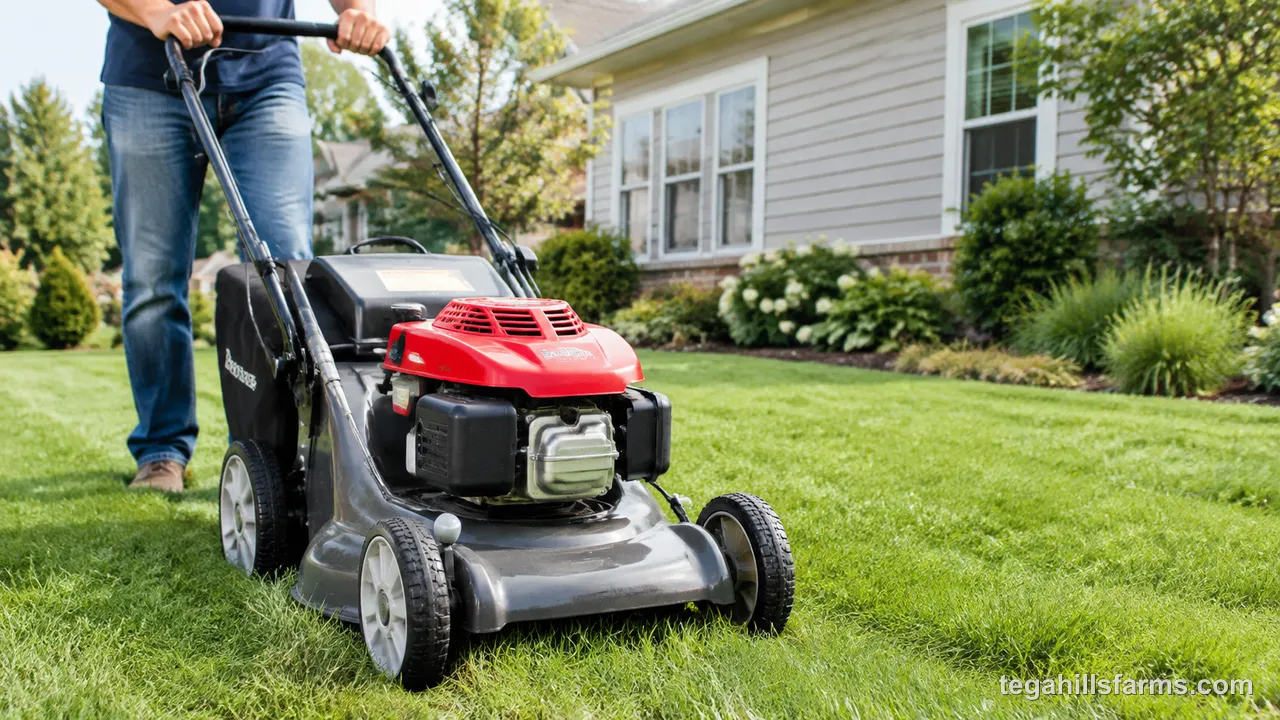
Big-box and online sellers such as Walmart, Home Depot, Lowe’s, Harbor Freight and Amazon carry mostly push and self-propelled mowers in the walk-behind price ranges, plus entry-level riding models. They compete on price and stock store brands and budget lines that keep the entry point low.
Dealers, such as John Deere dealers and United Ag & Turf, focus more on riding mowers, lawn tractors and zero-turns, where prices run into the thousands. Dealer-only brands, assembly, delivery and in-house warranty service push the price up. In return you get a machine that arrives set up, plus someone local who can repair it.
A buyer who can assemble a push mower and handle basic upkeep gets the best value from a retailer. A buyer spending thousands on a rider who wants repairs done close to home is better served by a dealer, even at a higher price.
What Is the Best Time of Year to Buy a Mower?
Early fall and early spring are the usual times to find lower prices. In fall, stores clear floor space for snow equipment with end-of-season clearance. Early spring promotions arrive before peak demand drives prices back up.
Riding mowers and lawn tractors are affected most, because stores don’t want to warehouse large machines through winter. Rear-engine riders run about $1,800 to $3,600 and lawn tractors about $2,000 to $5,000, so clearance pricing on those classes saves the most real money. Gas walk-behinds follow the same seasonal pattern.
Late spring and early summer keep prices high, because that is when everyone’s grass starts growing at once. Clearance stock is thin: you may find only last year’s model, a single deck width or a floor unit, so the mower you wanted may already be gone.
Plenty of cordless mowers leave the store as bare tools, with the battery and charger listed as separate purchases on the same shelf. Buy one without checking the box contents and you get home with a mower that cannot start until you make a second trip and pay a second bill.
What Extra Costs Show Up After You Choose a Mower?
The most common surprises are a battery and charger sold separately, delivery and assembly fees, extended warranties, and accessories such as bagging kits and mulching blades. Each one raises what the machine actually costs you, and most vary by seller.
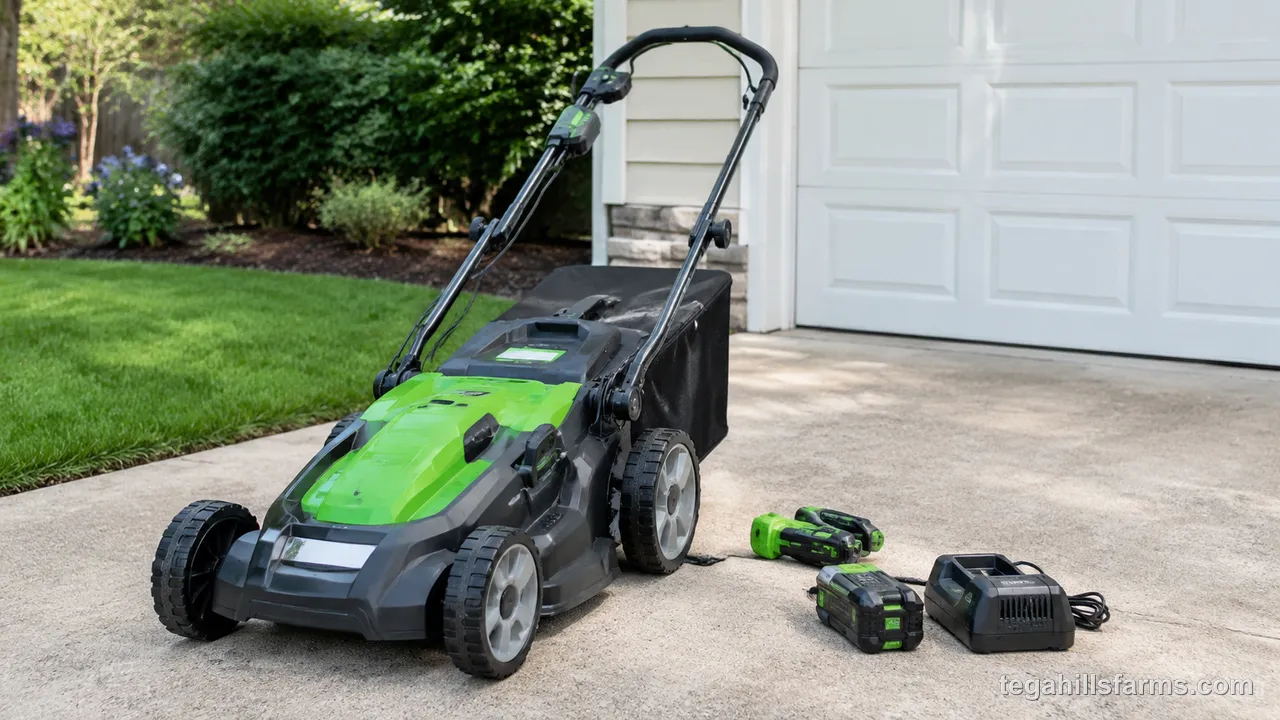
A bare-tool cordless mower can look like the cheapest option in the electric push range until you add the pack and charger. That extra matters less if you already own batteries on the same platform. Delivery and assembly fees mostly come up with riding mowers and lawn tractors, which already sit in the thousands. Some sellers include setup, while others charge for it separately.
An extended warranty adds cost up front. Compare it with the manufacturer’s own coverage before you buy one. Accessories finish the list: a rear bag, a mulch kit or a side-discharge chute may not come with your model. Deciding on mulching vs bagging before you buy tells you whether you need a bag at all.
Is It Cheaper to Buy a Mower or Hire a Lawn Service?
Buying is usually cheaper over several seasons if you have storage space and the time to mow. A walk-behind that averages around $350 is a one-time purchase, while a lawn service bills you for every visit all season. Hiring is the better value when your time, physical ability or lack of storage outweighs that savings.
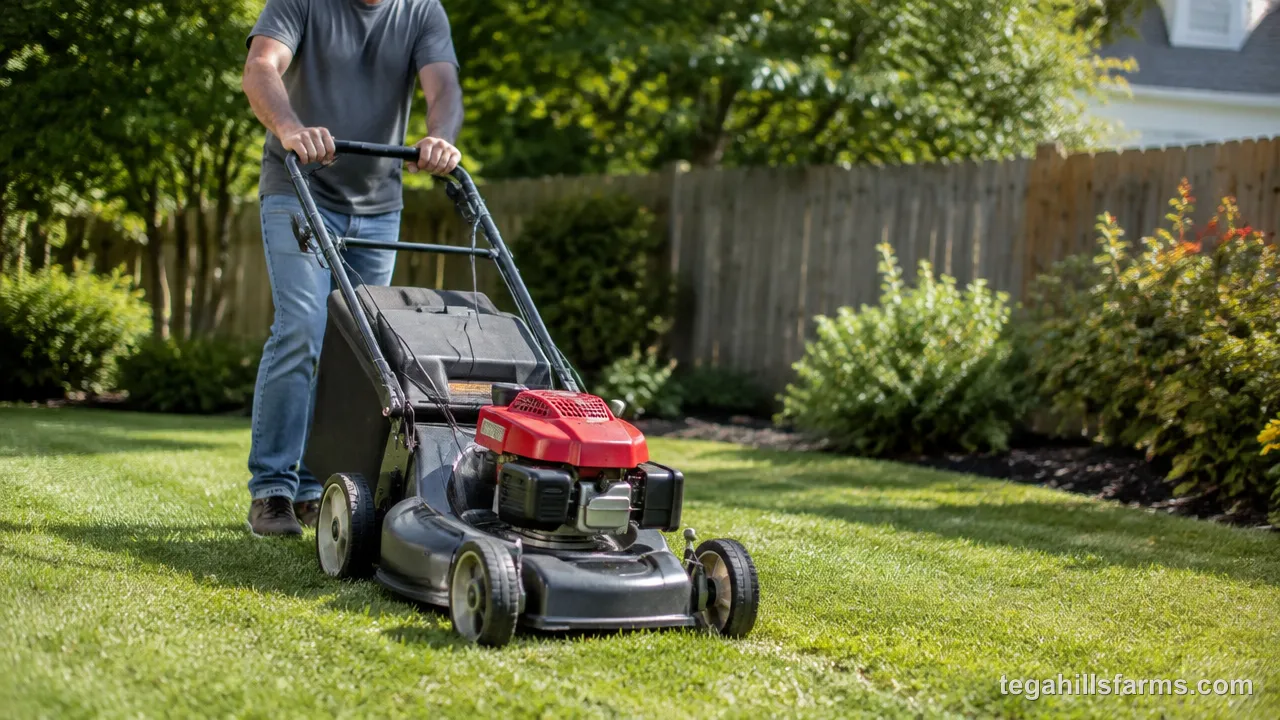
Service prices rise with lawn size, mowing frequency, terrain and region. A large, sloped lawn mowed every week in a high-cost area sits at the top of local rates. Knowing how often to mow the lawn in your climate helps you compare a weekly plan against a biweekly one and avoid paying for visits the grass doesn’t need. Local quotes are the only reliable way to put a number on it.
Ownership has its own costs: a dry place to store the mower, fuel or charging, blade care, and the hours you spend mowing. On acreage that calls for a riding mower in the thousands, the comparison gets closer. Get two or three service quotes before buying a rider.
Should You Buy Used, Rent or Finance a Mower?
A sound used mower or a short-term rental can lower what you pay up front. Financing only spreads the cost over time, and interest can make the same mower more expensive in the end. Each option saves money only if you check the right details first.
Used and Refurbished Mowers
A used mower is worth buying when the engine starts easily, runs without smoke and shows no oil leaks, and the deck is free of rust holes. Rust that has eaten through the deck means the housing is near the end of its life, whatever the engine sounds like. On a battery mower, an older pack may already hold less charge, and replacing it can erase the savings.
Use the new price of the same type as your baseline: a new gas push mower runs about $230 to $450, so a used one needs to sit clearly below that to be worth the risk. Used prices hold up for well-known brands with easy-to-find parts. They fall for rusted decks, discontinued models and brands with thin parts support.
Refurbished mowers sold by a manufacturer or retailer sometimes come with a limited warranty, which makes them a safer bet than a private sale. Coverage varies by seller.
Renting, Borrowing and Financing
Renting or borrowing makes sense when you need a mower only occasionally, or once to cut down a badly overgrown lawn before regular mowing starts. Equipment rental yards carry heavy-duty walk-behinds built for tall growth, and borrowing a neighbor’s mower costs nothing for a one-time job.
Financing is most common on riding mowers. Lawn tractors run about $2,000 to $5,000, and zero-turns run from about $2,800 to over $13,000. Store credit and payment plans let you buy a larger machine without paying the full amount at once. Promotional terms can come with deferred interest that charges you retroactively if you don’t pay off the balance in time.
Financing terms vary by seller, so confirm the rate, the promotional period and any fees in writing before you sign.
Why Do Published Mower Price Ranges Disagree?
Price ranges for the same mower type differ because types are defined differently, prices come from different sellers and figures are published at different times. Some lump lawn tractors, zero-turns and rear-engine riders into one riding mower category, which stretches the range. Others split them, which narrows it.
Seller mix matters too. A range built from big-box prices sits lower than one built from dealer pricing, which includes setup and service. Brand tier shifts the average, so a range that leans on premium models reads higher. Regional pricing and the date of publication move the numbers further. Pages sponsored by a single brand tend to anchor on that brand’s own lineup.
Treat every range as a starting point. Before you rely on a figure, check the current price of the exact model at two or three sellers, and confirm what the price includes: battery, charger, deck size and assembly.
Lawn Mower Cost FAQs
What is the cheapest type of lawn mower?
A manual reel mower is the cheapest type, at about $85 to $310 with an average near $135. Cutting width and build quality move the price within that range. Reel mowers work best on small, flat lawns of fine grass that you mow often, since they struggle with tall growth and debris.
Do battery mowers cost more than gas mowers to buy?
Not usually at the push and self-propelled level. Electric push mowers average around $285 against about $320 for gas, and electric self-propelled models average near $625 against roughly $695 for gas. The main factor is whether the battery and charger are included. A bare-tool listing looks cheaper than it really is.
Is a riding mower worth it for a larger yard?
Yes, once a walk-behind would take up most of an afternoon on your lawn. Rear-engine riders start around $1,800 and suit lots under 2.5 acres, while lawn tractors and zero-turns cost more. Deck width is the main factor in price, and it pays off most on open, fairly level ground.
How much does a lawn mowing service cost?
Service prices depend on lawn size, how often you need mowing, terrain and local labor rates, so the cost varies widely from one region to another. A large, sloped lawn mowed weekly costs the most. Get quotes from two or three local providers and compare a weekly plan against a biweekly one.
When is the best time of year to buy a lawn mower?
Early fall and early spring usually bring the lowest prices, with fall clearance clearing out riding mowers that run about $1,800 to $5,000 for rear-engine riders and lawn tractors. Gas walk-behinds follow the same pattern. Selection gets thin on clearance, so the exact model you want may already be sold out.





Write Your Review
No reviews yet. Be the first to share your experience!