

A safe generator setup needs three things: a code-compliant connection into your home’s wiring, such as a transfer switch or an interlock kit with a power inlet box, enough generator output for the circuits you want running, and an outdoor spot where exhaust can’t drift back inside. Once those are in place, an outage follows the same routine every time. You set up outside, connect through the inlet, start the engine, and move circuits over one at a time.
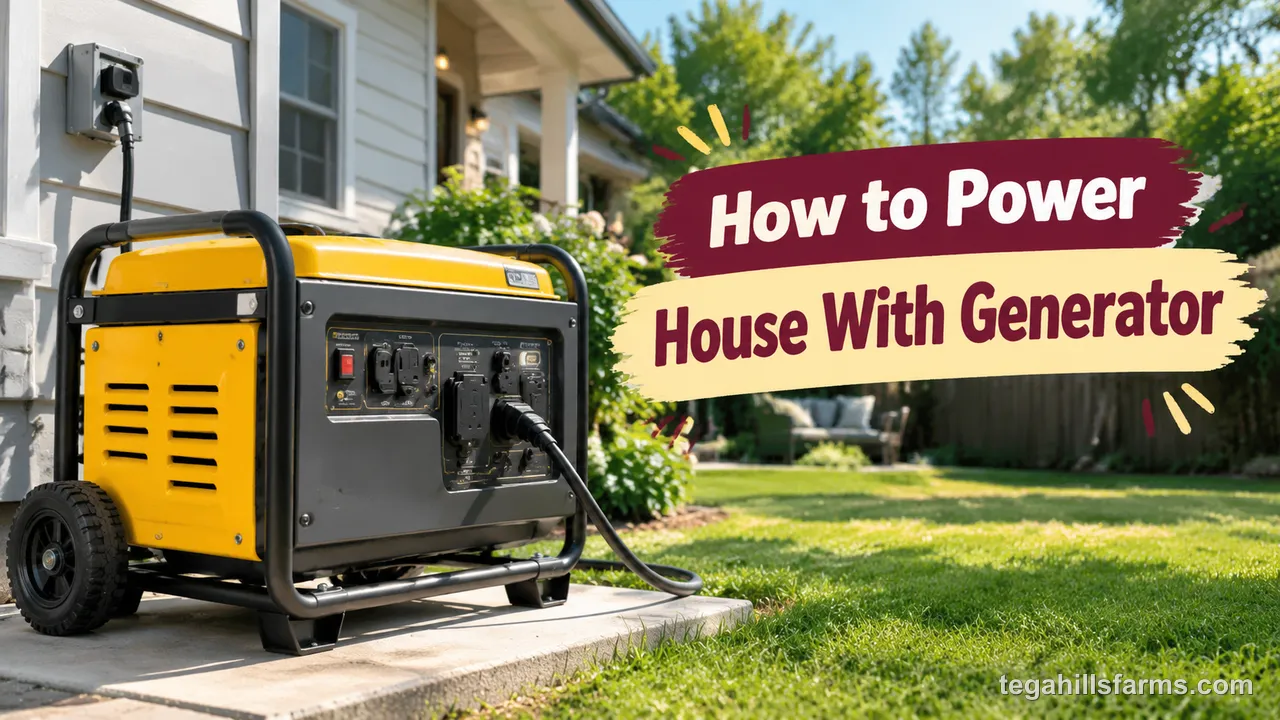
The right setup depends on how much of the house you want powered, how often your area loses power, and whether you’re willing to walk outside in a storm to start an engine. A manual connection keeps the refrigerator, furnace blower and a few lights going at a modest cost. An automatic system takes over on its own, but it needs more planning and a bigger budget.
Safety is the real concern. Carbon monoxide and backfeed are the two hazards that can turn a generator into an emergency. Backfeed is power flowing out through your panel into the utility lines. Both are prevented by choices you make long before the lights go out.
What Does It Take to Power a House With a Generator?
You need a safe connection into the home’s wiring, enough output for the loads you choose, and an outdoor location that keeps exhaust away from the house.
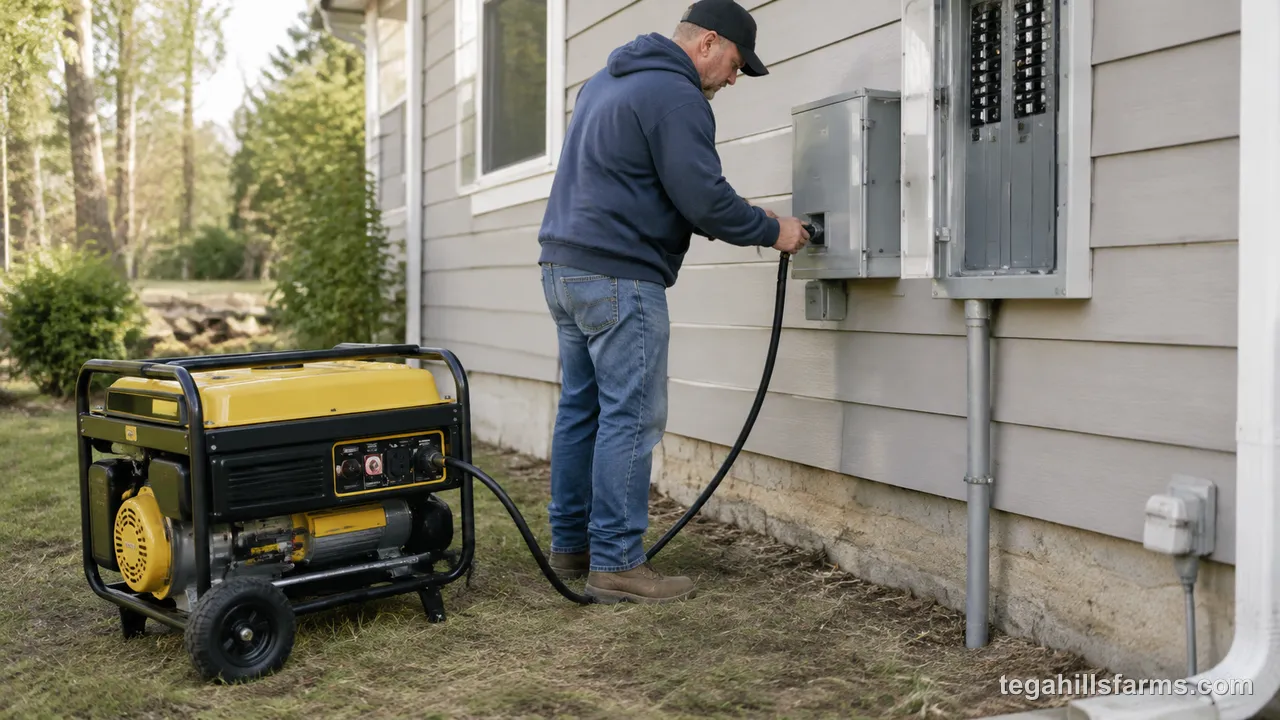
The connection is the part most people underestimate. A portable generator can only feed hardwired circuits like the furnace, well pump or ceiling lights through a device that disconnects the house from the grid first. That device is either a transfer switch or an interlock kit. Output decides how many of those circuits can run at once. Location decides whether the setup is safe to leave running overnight.
If you’re still deciding on a unit, the guide on how to choose a generator covers the features that affect how well it works with your home setup.
Which Method Should You Use to Connect a Generator to Your House?
The connection method decides how much of your panel the generator can reach, how much work each outage takes, and how safe the hookup is for your family and for utility crews. Running cords through a cracked window is workable for a short summer outage. A week without power in January, or someone at home who depends on powered medical equipment, calls for a setup you can trust without improvising.
Can You Power a House Without a Transfer Switch?
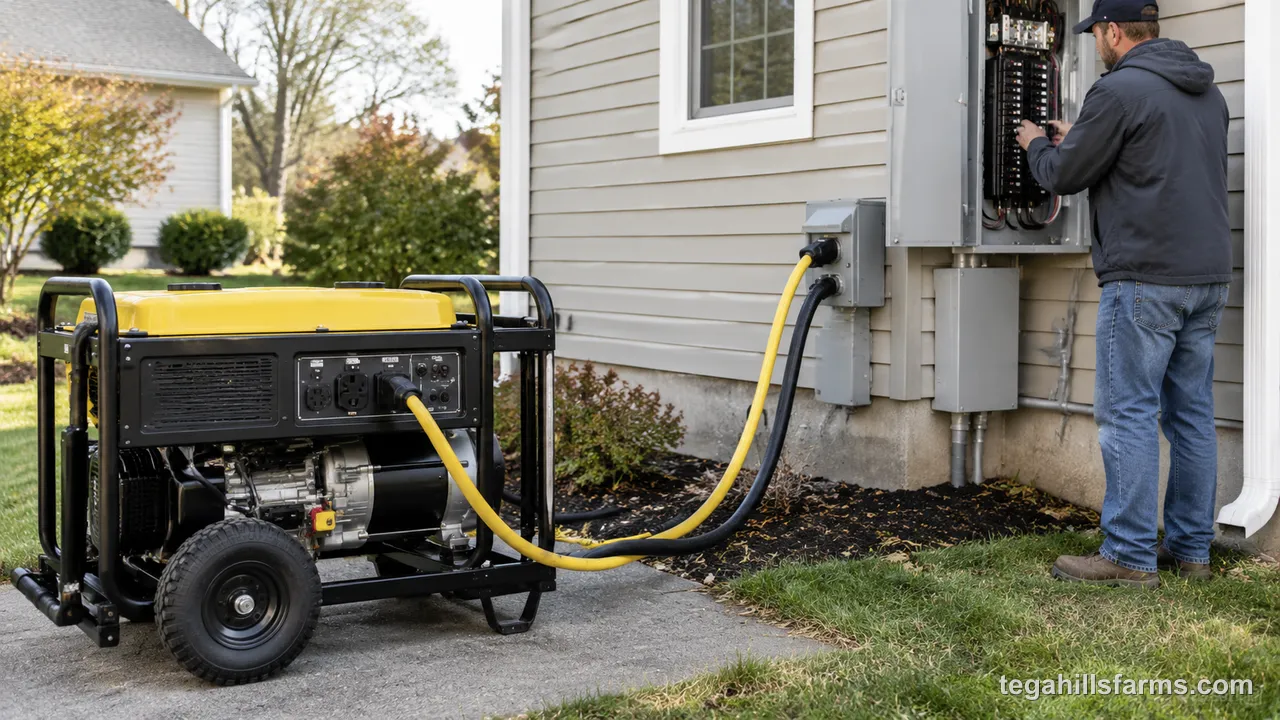
You can run individual appliances without a transfer switch by plugging them straight into the generator’s outlets with heavy-duty, outdoor-rated extension cords. You cannot safely feed the house wiring that way.
The cord method has real limits. Only appliances with plugs can run, so a hardwired furnace, well pump or ceiling light stays dark. The cords have to come in through a door or window, which leaves a gap for weather and exhaust to get in. Each cord also needs a gauge heavy enough for its load, or it heats up.
The danger starts when someone tries to reach the panel with an improvised cord plugged into a wall or dryer outlet. That energizes the house wiring with no barrier between the generator and the utility lines. A proper switching device puts that barrier in place, which is why it is the only safe way to power whole circuits.
How Does a Manual Transfer Switch Work?
A manual transfer switch is a small subpanel wired next to your main panel. Each of its switches moves one selected circuit from utility power to generator power. Because every switch breaks the utility connection before it makes the generator connection, power has no path back to the grid.
The generator connects through a cord and an outdoor inlet. The plug type has to match the generator’s receptacle: NEMA L14-30 for 30-amp units and NEMA 14-50 for 50-amp units. Circuit capacity matters just as much, because only the circuits wired into the switch can run. Expandable models handle up to 16 circuits, which is enough for most essential-load plans.
This method suits owners who want specific circuits, such as the furnace, refrigerator and well pump, powered without cords running through the house. A licensed electrician normally installs it.
What Is an Interlock Kit With a Power Inlet Box?
An interlock kit is a sliding plate mounted on the panel cover. It physically prevents the main breaker and a dedicated generator breaker from being on at the same time. The generator plugs into a power inlet box outside, which feeds that breaker. With the main breaker off, any circuit in the panel can run.
That gives an interlock more flexibility than a transfer switch. You aren’t limited to pre-wired circuits, and you can change which loads run during an outage. The tradeoff is that you manage the load yourself by flipping breakers, so it takes more attention.
A few conditions have to be met:
- The kit must be made for your specific panel brand and model.
- The generator breaker has to sit in the position the kit is designed for.
- The inlet and cord need to be rated for your generator’s output.
- A licensed electrician should install it, with a permit where required.
The main risk comes from skipping the sequence. Turning on too many breakers at once overloads the generator, and a removed or missing interlock plate opens the door to backfeed.
When Does an Automatic Transfer Switch or Standby System Make Sense?
Hands-off operation is worth the added complexity when outages are frequent or long, when someone in the house relies on a sump pump or medical equipment, or when nobody may be home to start a portable unit.
An automatic transfer switch senses when utility power drops, starts a permanently installed home standby generator, and moves the house over to it. When utility power returns, it reverses the process. Newer options narrow the gap between portable and standby setups. Remote and automatic start systems such as StartLINK reduce the trips outside. An Energy Storage System covers shorter outages on battery power. The Honda Universal Transfer Switch manages loads so a generator can handle demand that would normally call for a unit as much as 20% larger.
These systems sit in the highest cost tier once installation is included. Budget figures for each option are in the breakdown of how much a generator costs.
| Method | Safety for house wiring | Convenience | Load reach | Cost tier |
|---|---|---|---|---|
| Extension cords | Safe only for plug-in appliances | Low; cords through doors or windows | Plug-in appliances only | Lowest |
| Manual transfer switch | High when installed to code | Moderate; flip each circuit | Pre-selected circuits | Moderate |
| Interlock kit with inlet box | High when the sequence is followed | Moderate; manage breakers yourself | Any panel circuit, within generator output | Low to moderate |
| Automatic transfer switch or standby | High; isolation is automatic | Highest; no action needed | Selected circuits or whole house | Highest |
How Much Generator Power Does Your House Need?
Your load list, not the size of the house, sets the output you need, and start-up surges from motors matter as much as steady draw. Separating what must run from what can wait keeps the generator smaller, quieter and easier on fuel, and it is the step most often skipped when people buy first and plan later.
Which Circuits Should Run on the Generator?
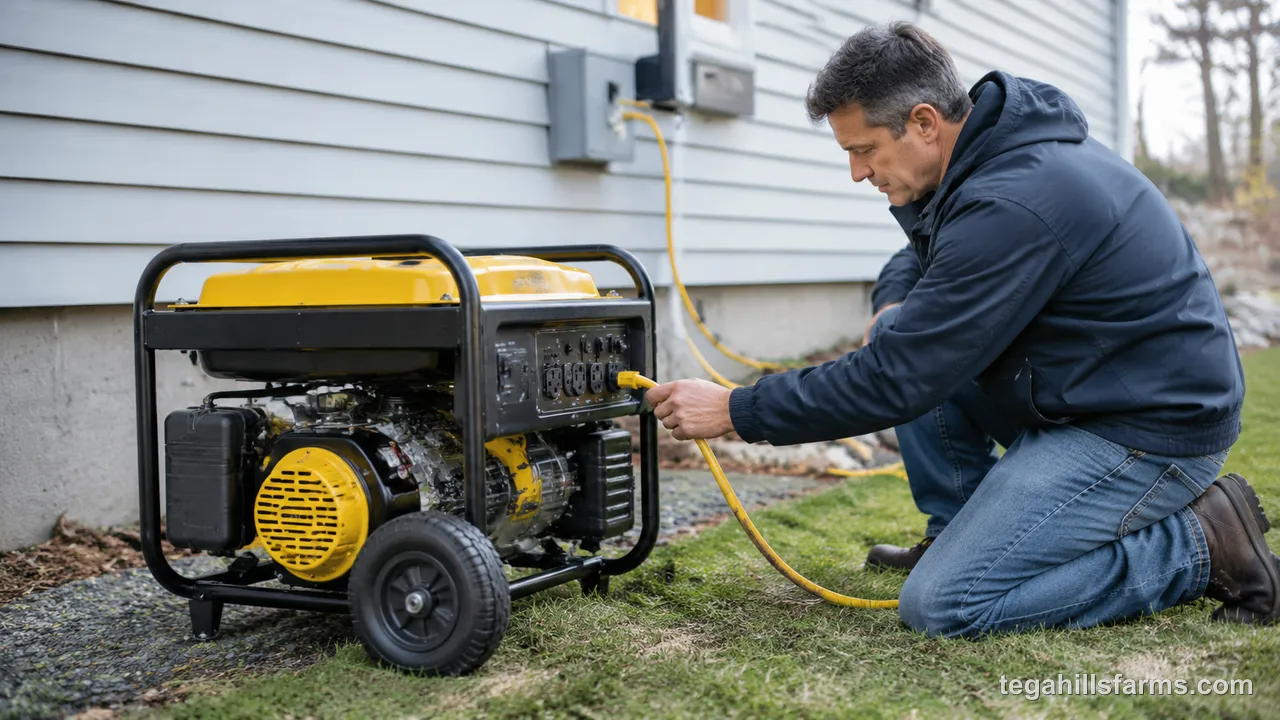
Essential circuits are the ones that protect your food, your house and your health. That means the refrigerator and freezer, a few lighting circuits, the furnace blower or heating controls, a well pump, a sump pump, and any medical equipment. Everything else can usually wait.
High-draw loads like an electric range, electric dryer, electric water heater or central air are the ones to hold back. Each can take a large share of a portable generator’s output on its own, and none of them is urgent during most outages.
Whole-house backup is a different project. Running every circuit at once calls for standby-class output and usually an automatic transfer switch. Deciding between essentials and whole-house coverage before you shop keeps you from paying for capacity you’ll never use. Once your list is set, working out how big a generator you need comes down to adding up those loads.
What Are Running Watts and Starting Watts?
Running watts are the steady power an appliance draws once it’s up to speed. Starting watts are the short surge it needs in the first moment it switches on. The gap between the two is what catches people out.
Motor-driven appliances cause the surge. A motor at rest draws heavy current to overcome inertia and build its magnetic field, and that draw drops once it reaches speed. Refrigerator and freezer compressors, well pumps, sump pumps and furnace blowers all behave this way. Lights and electronics barely surge at all.
To read a load list, add the running watts of everything that may run at the same time. Then add the starting-watt surge of the single largest motor, since motors rarely kick on at exactly the same moment. Compare that total against both of the generator’s ratings. If a compressor cycles on while the unit is already near its limit, the generator bogs down or trips its breaker.
The full step-by-step method is in the guide on how to size a generator.
How Do You Keep Generator Power Safe for Your Home and Family?
Every connection method carries the same core hazards, and they come from exhaust and electricity reaching places they shouldn’t. A transfer switch wired perfectly to code does nothing for a generator running beside an open window. A generator parked far from the house still needs a connection that keeps power from flowing back to the grid.
Where Should You Place the Generator?
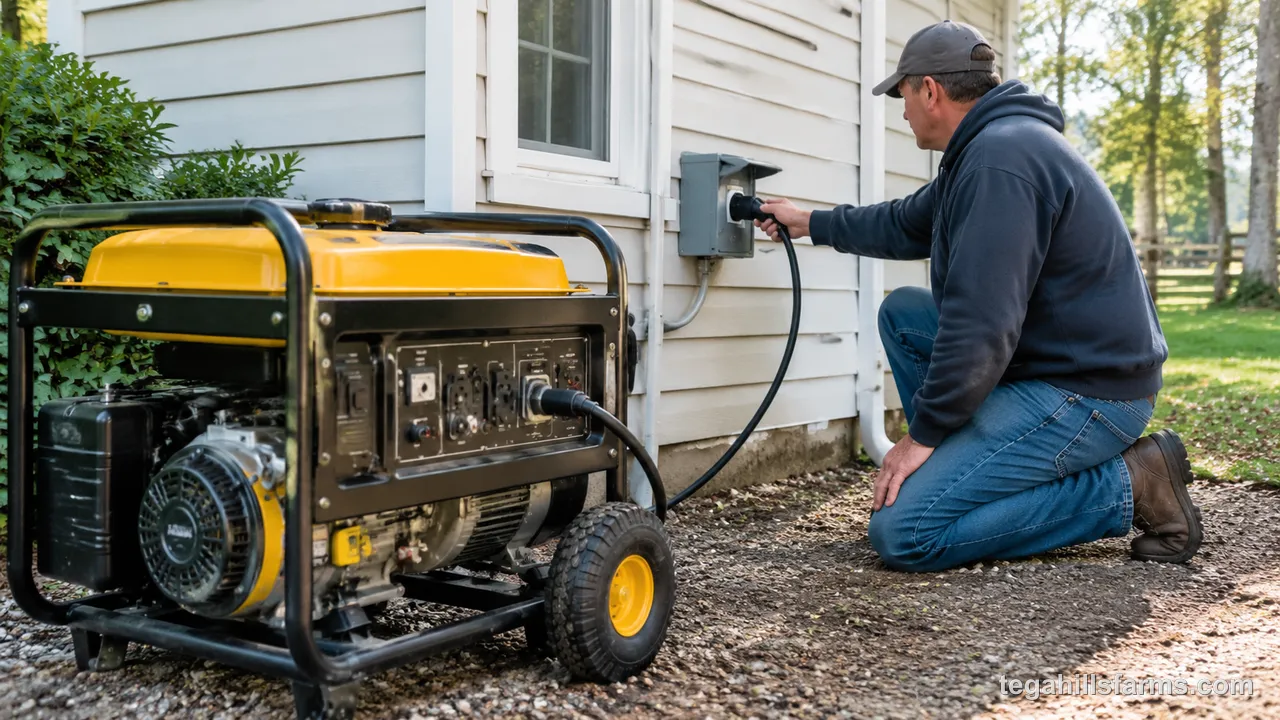
The generator belongs outdoors only. It should sit far enough from the house that exhaust can’t reach the living space, with the exhaust pointed away from the building. Never run it in a garage, basement, crawlspace or enclosed porch, even with doors open.
Keep the unit clear of windows, doors, vents and eaves. Exhaust drawn under an eave or through a soffit vent can work its way inside. Recommended distances vary between manufacturers and safety agencies, so follow your generator’s manual and your local code. Add extra distance when the wind blows toward the house.
Set the unit on dry, level ground. That keeps the oil reading accurate, keeps the unit from tipping, and keeps it out of standing water. Rain is a real problem for the outlets and controls, so use a cover or tent designed for running generators. It should shield the top and controls while leaving the sides open for airflow.
How Do You Prevent Carbon Monoxide Poisoning?
Generator exhaust contains carbon monoxide. You can’t see or smell it, and it can build to dangerous levels quickly when exhaust finds its way indoors. That makes a battery-backed CO alarm inside the home part of the setup, not an extra.
The symptoms are easy to miss. Headache, dizziness, nausea and fatigue feel like the flu or the stress of an outage, and people who are asleep may never notice them at all. A hardwired alarm without battery backup stops working when the power goes out, which is exactly when the generator is running. Place alarms near sleeping areas and on each level of the home, following the alarm maker’s instructions.
Never run a generator in a garage, even with the door open. If an alarm sounds or anyone feels sick, get everyone outside into fresh air and call 911.
What Is Backfeed and How Do You Prevent It?
Backfeed is generator power flowing out of your panel and into the utility lines. It is the most dangerous mistake in home generator setups because the harm reaches beyond your own house.
The transformer on your street steps that power up to high voltage. A line worker who believes the line is dead can be electrocuted. When grid power returns, it can also slam into the generator still connected to your wiring, damaging the unit and creating a fire risk inside the house.
A transfer switch prevents backfeed by disconnecting each circuit from the grid before connecting it to the generator. An interlock prevents it by making it physically impossible to turn on the generator breaker while the main breaker is on. Both depend on correct installation, which is why the work belongs to a licensed electrician following the electrical code your area enforces. Avoid any cord with plugs on both ends. It turns a wall or dryer outlet into an unprotected path to the grid.
What Are the Steps to Power Your House With a Generator?
The order of operations keeps a transfer switch or interlock setup safe: the house disconnects from the grid before the generator connects, and the generator stops only after the house is back on utility power. Following the same sequence every time also protects the generator from overload and makes the routine easy to repeat in the dark.
How Do You Prepare the Site and the Generator?
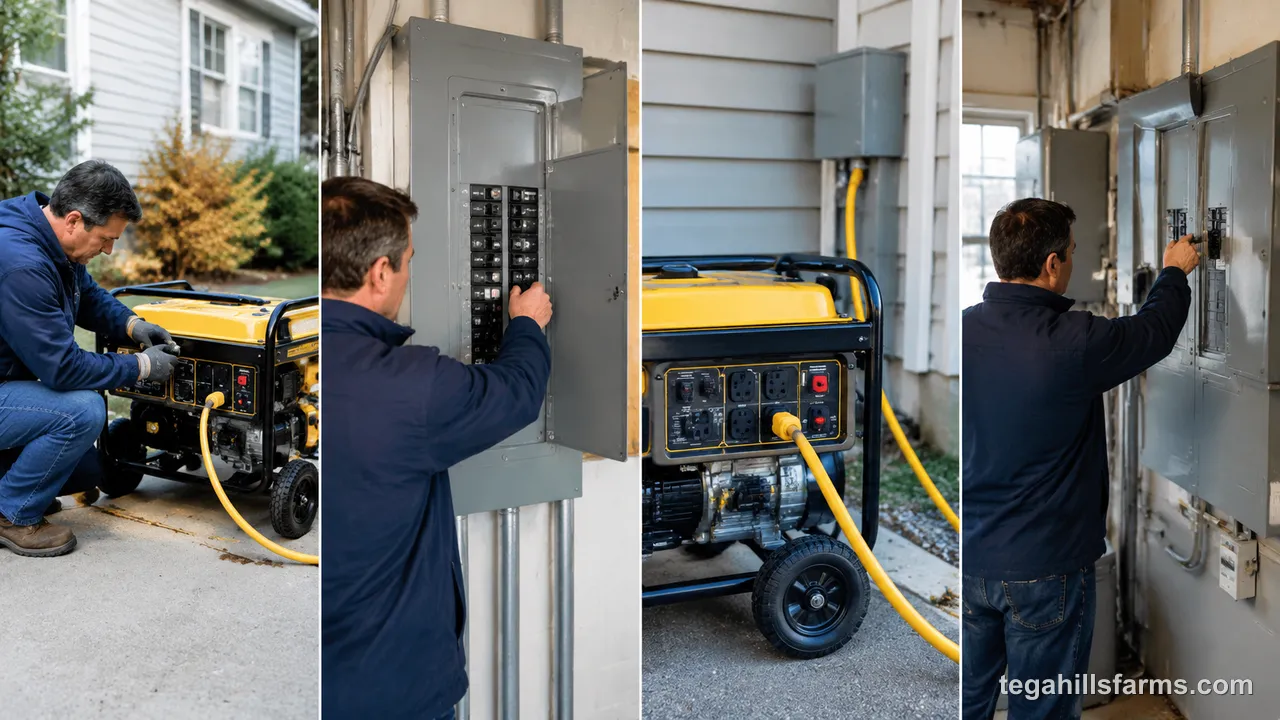
Preparation means getting the generator ready and the panel planned before anything is plugged in. Doing this ahead of time avoids troubleshooting in the rain.
Start with the generator:
- Roll it to its outdoor spot, away from windows, doors and vents.
- Check the oil with the unit on level ground.
- Fill the fuel tank while the engine is cold.
- Inspect the cord for cuts or crushed sections.
- Confirm the cord’s locking plugs match both the generator’s receptacle and your power inlet box.
Then get the house ready. Know which breakers feed your essential circuits, and label them if they aren’t marked. Turn off large appliances so they don’t all start at once later. Test your battery-powered CO alarm, and keep a flashlight at the panel. A few minutes spent here makes the connection step quick and orderly.
How Do You Connect the Generator to the Panel?
The connection follows one rule: the house is cut off from the grid before generator power can reach the panel. Do this with the generator off.
For an interlock kit:
- Turn off the individual branch circuits you plan to power.
- Turn off the main breaker.
- Slide the interlock plate into the generator position. This frees the generator breaker but leaves it off for now.
- Plug the cord into the power inlet box, then into the generator.
For a manual transfer switch, leave every circuit switch in the utility or off position. Then connect the cord to the inlet and the generator the same way. The switches move to the generator side only after the engine is running.
This order means there is never a moment when the panel is tied to both the grid and the generator. It also keeps loads off the generator until it’s ready for them.
Installing the inlet box, interlock, transfer switch and generator breaker is a job for a licensed electrician. The homeowner’s part is plugging in the cord and operating the switches in the correct sequence.
How Do You Start the Generator and Add Loads Safely?
Start the engine with nothing connected. Let it settle until the engine sound steadies, then add loads one at a time, beginning with the largest motor.
Once the engine is stable, turn on the generator breaker. That means the breaker held by the interlock, or the main breaker on the generator itself if you’re using a transfer switch. Then switch circuits over one by one. Start with the biggest motor loads, such as the well pump, refrigerator or furnace blower, and give each one a moment to come up to speed before adding the next.
Bringing the big motors on first means their start-up surge hits while the generator has the most headroom. Lights and electronics can follow without strain.
While it runs, watch and listen. A bogging engine, dimming lights or a tripped generator breaker means you’re near the limit, so shed a load right away. Keep an eye on the fuel level, and refuel only after shutting the engine down and letting it cool. Routine habits like load rotation and refueling are covered in more depth in how to use a generator.
How Do You Shut Down and Return to Utility Power?
Shutdown runs the connection sequence in reverse. The house leaves the generator before it rejoins the grid, and the engine stops only after the load is off.
- Turn off the branch circuits running on generator power.
- Turn off the generator breaker, or move each transfer switch back to the utility position.
- Slide the interlock back and turn the main breaker on.
- Stop the generator, let it cool, then unplug the cord from the generator and the inlet.
This order matters when grid power returns. It guarantees the panel is never connected to both sources at once. It also keeps the generator from being shut off under load, which is hard on its windings.
Before storage, let the engine cool fully before covering it. Coil the cord dry, and store fuel in approved containers away from the house.
Can You Run a Generator All Night?
Yes, if the unit has enough fuel for the hours you need and sits outdoors in a safe spot, with a working CO alarm inside the house. The engine is built to run continuously between refuels.
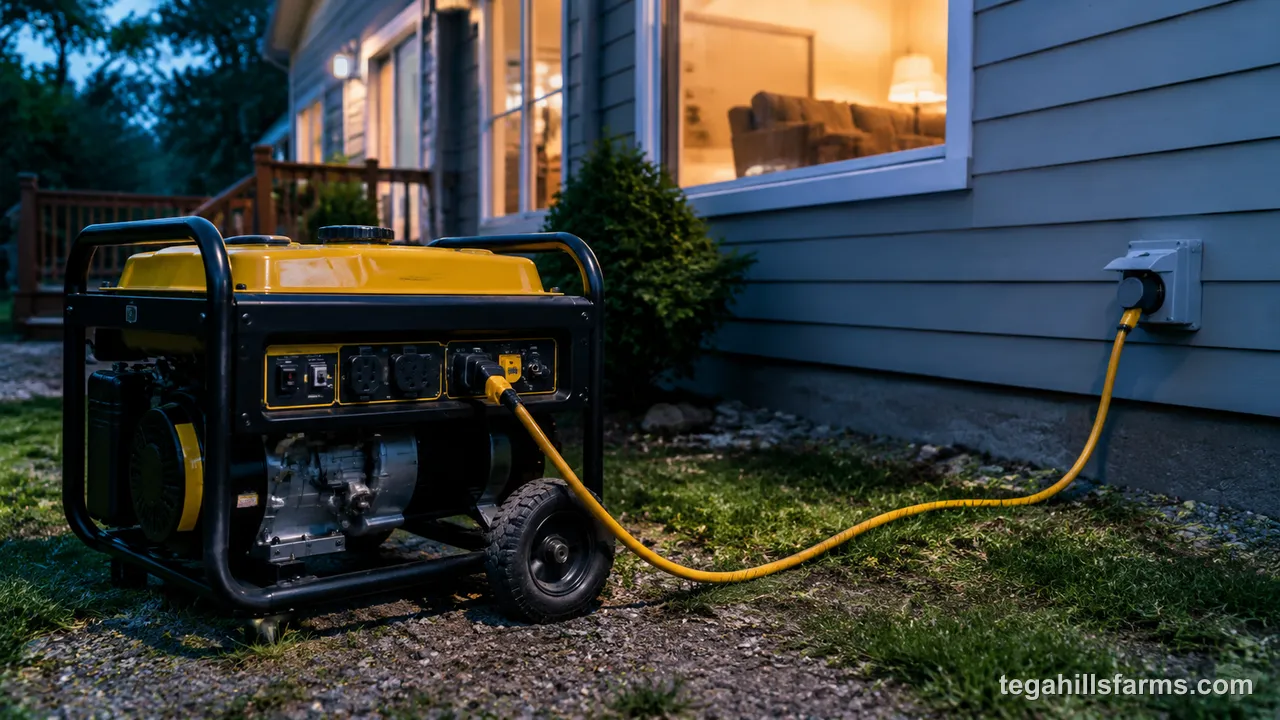
What limits overnight use is the fuel tank and the load, not the engine. A heavier load empties the tank faster, and refueling means shutting down and waiting for the engine to cool. Long runs also call for oil checks at the intervals in the manual. Some neighborhoods have noise rules that apply after dark.
For a smoother night, cut back to essentials before bed and top off the tank while the engine is cool. A fuel-efficient inverter or a dual-fuel unit can also stretch the runtime. The details of how long a generator can run depend on the model, and so does how much gas your generator will use at a given load.
A hardwired inlet box or transfer switch is permanent electrical work, and many towns and counties require a permit and inspection before it can be used. Skip that approval, and an insurer can push back on a fire or damage claim after the next outage, while the utility may flag the hookup once its crews come across it.
Do You Need a Permit or Utility Approval to Connect a Generator?
In many areas, yes. Installing an inlet box, interlock kit or transfer switch usually requires a permit and inspection, and some setups also need approval from your utility. Requirements vary by city, county and utility, so check with your local building department before any work starts.
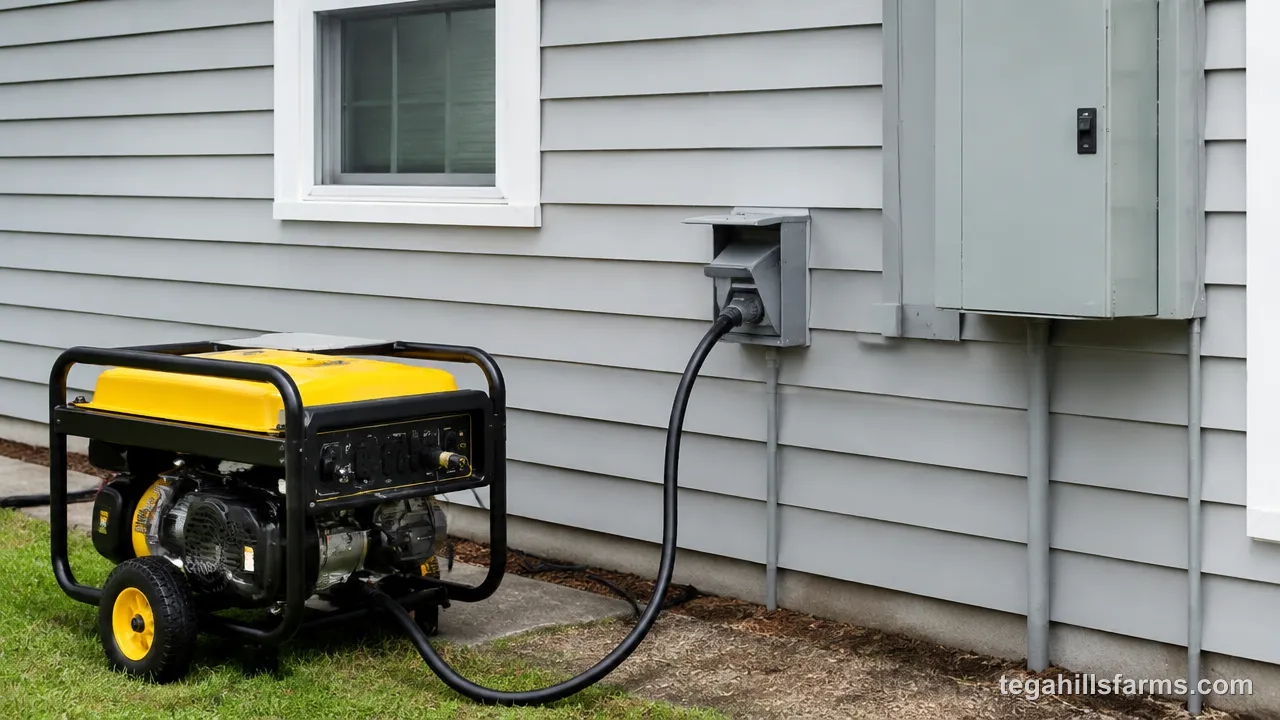
The National Electrical Code (NEC) is the common baseline. Most jurisdictions adopt it, sometimes with local amendments. A licensed electrician typically pulls the permit for hardwired generator work and schedules the inspection. The inspector then confirms the connection isolates the house from the grid and that the breaker, inlet and wiring are rated for the generator.
Approved, inspected work leaves a paper trail that protects you. Unpermitted shortcuts can lead to a denied insurance claim, a problem during a home sale inspection, or a utility disconnect if crews find an unsafe hookup. Plugging appliances directly into the generator with extension cords generally needs no permit because nothing touches the house wiring.
What Is a Generator Hookup at the Meter?
A meter collar, also called a meter socket adapter, fits between your electric meter and the meter socket. Generator power then enters the house at the meter instead of through an indoor panel. Because the collar disconnects the home from the utility side when the generator is in use, no interlock or transfer switch is needed inside.
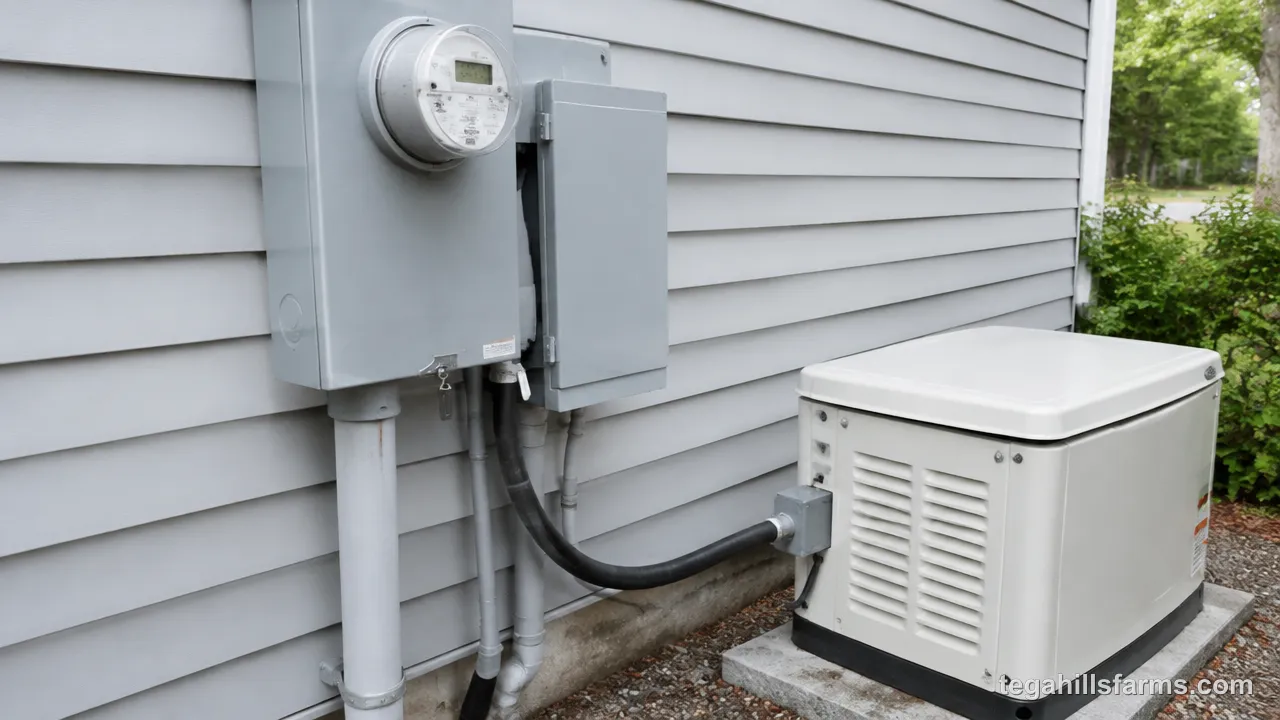
The catch is control. The utility owns the meter, so only collars your utility approves can be used, and many utilities don’t allow them at all. Where they are permitted, the utility or an approved electrician typically does the installation and handles the meter seal.
Compared with an inlet box, a meter collar can be simpler inside the house, but it depends entirely on your utility’s rules. It is not a do-it-yourself shortcut. Pulling a meter exposes live parts that stay energized from the street side, and doing it without authorization usually breaks the utility’s terms of service.
How Do You Make Sure the Generator Starts When the Lights Go Out?
A generator that sits untouched for months is the one that fails during a storm. Stale fuel gums up the carburetor, a weak battery won’t turn an electric-start engine over, old oil breaks down, and a connection nobody tested turns out to have a bad cord or a stuck switch.
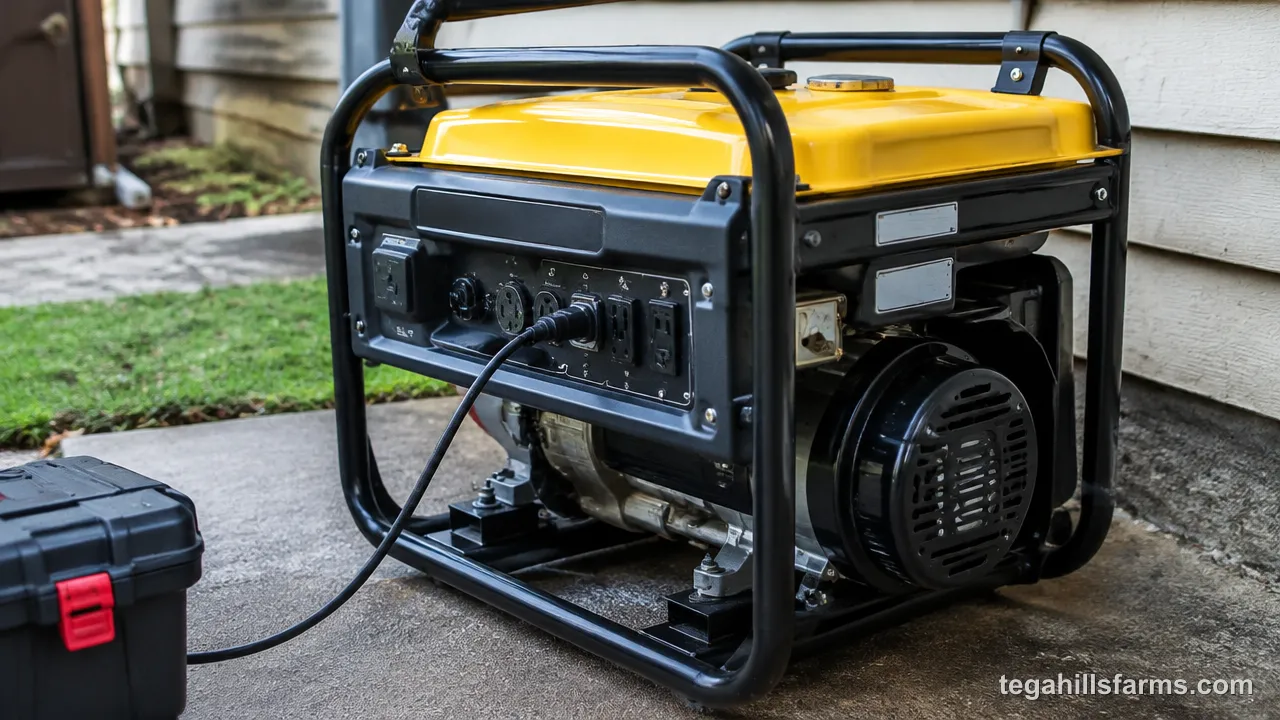
A short off-season routine prevents most of that:
- Add fuel stabilizer before storage, or run the carburetor dry if the manual recommends it.
- Change the oil on the schedule in the manual.
- Keep an electric-start battery on a maintainer.
- Start the generator periodically and run it under a light load so the engine and alternator stay in working order.
Before storm season, do a full dry run. Roll the unit out, plug into the inlet, and move a circuit or two over. Finding a cracked cord or a sticky interlock on a sunny afternoon beats finding it at midnight. A broader checklist is in the guide to generator hurricane preparation.
Of every maintenance step, fuel is the one I’d never skip. Most no-start problems trace back to it. If yours refuses anyway, the causes of a generator that won’t start are usually simple to work through.
Common Questions About Powering a House With a Generator
Can you run a generator in the rain?
Yes, but only under protection made for running generators, such as a vented tent or an open-sided cover that shields the outlets and controls. Water on the panel or connections creates a shock risk. Never pull the unit into a garage or under a closed porch to keep it dry, because that traps exhaust.
Is it safe to run a generator in a garage with the door open?
No. An open garage door does not clear exhaust fast enough, and carbon monoxide can build up and seep into the house through connecting doors and gaps in the walls. The generator has to run fully outdoors, away from windows, doors and vents, with a battery-backed CO alarm working inside the home.
Why is plugging a generator into a dryer or wall outlet dangerous?
A cord with plugs on both ends energizes the house wiring with nothing separating it from the utility lines. Power can backfeed to the grid and endanger line workers. The exposed prongs on a live cord can also shock whoever handles it. A transfer switch or interlock kit removes both hazards.
Which loads should you turn on first?
Start with the largest motor loads, such as the well pump, refrigerator or furnace blower, one at a time while the generator has the most spare capacity. Their start-up surge is the hardest moment for the engine. Lights, phone chargers and electronics draw little and can come on after the motors are running.
Is a covered shelter different from an enclosed space?
Yes. A shelter with a roof and open sides keeps rain off while letting exhaust disperse. An enclosed space, such as a shed, garage or walled porch, holds exhaust in and lets carbon monoxide build up. The difference is airflow on all sides, not whether there’s a roof overhead.
Write Your Review
No reviews yet. Be the first to share your experience!