How to Choose a Generator: Portable vs Standby Types Compared
A portable generator is the right choice when outages are short and occasional and you only need essentials running. A standby generator fits homes that lose power often or for days at a time, and that need whole-house coverage that starts on its own.
Four things narrow the choice quickly: the wattage you’ll run at the same time, the fuel you can store or pipe in, how much installation you’re willing to take on, and the budget tier that matches your coverage goal. Once you write them down, they usually point toward the same type.
The real worry is a generator that fails on the day you need it. That can mean a unit too small for the pump that keeps your basement dry, a setup that can’t connect safely to the panel, or an engine that won’t start after months in storage. Each of those failures traces back to a decision made at purchase, not to bad luck.
What Is the Difference Between Portable and Standby Generators?
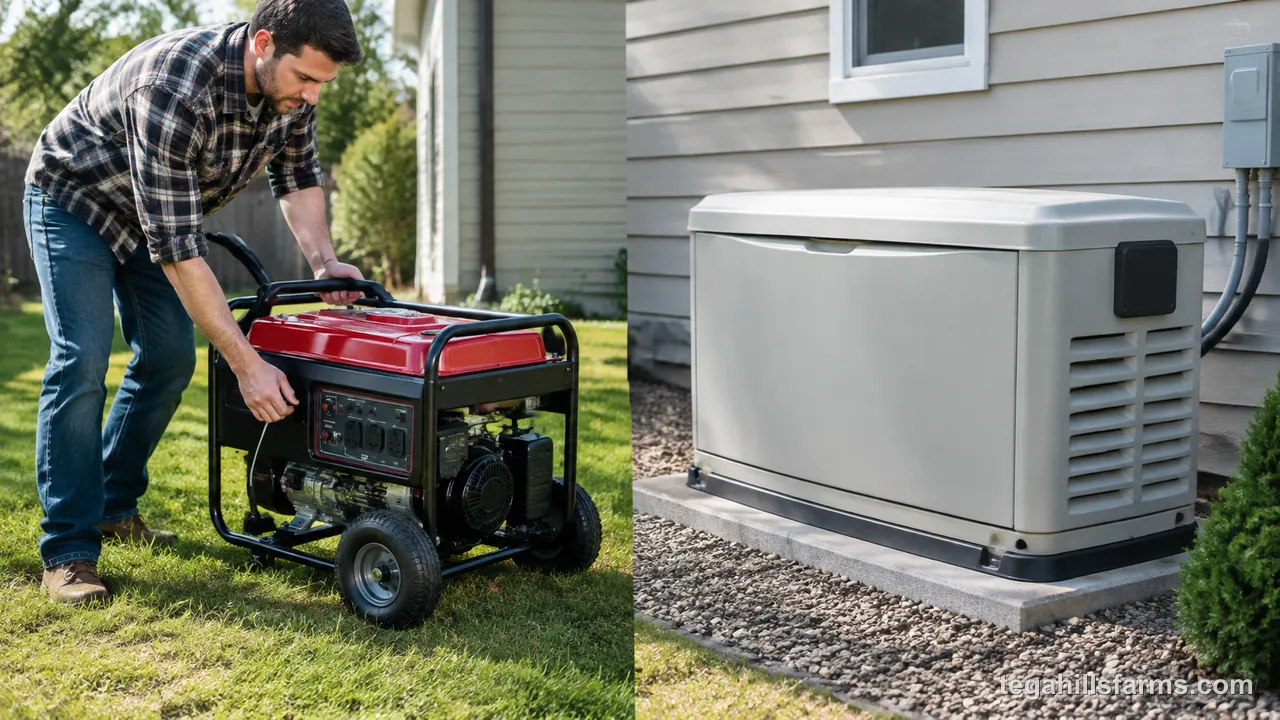
You wheel out, fuel, and connect a portable unit by hand, while a standby unit stays wired into your home and starts itself when the grid goes down. That difference in labor matters more than the spec sheet, because an outage in the middle of a freezing night tests whether you can actually do the setup. It also shapes cost and coverage. A hands-on machine keeps the price down and powers a chosen set of loads, while a permanent one carries more of the house without anyone stepping outside. If you’re still sorting through every option on the market, the best generators roundup puts portable and standby models side by side before you narrow things down.
What Does a Portable Generator Do?
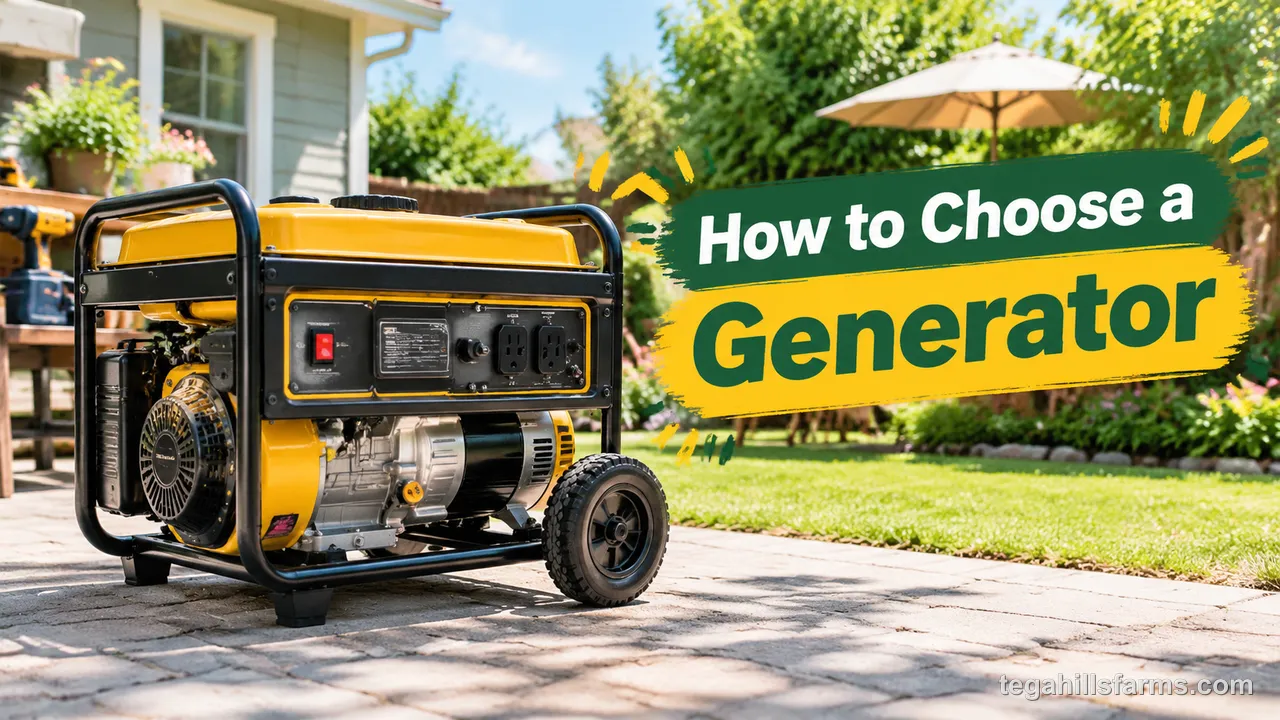
A portable generator is a self-contained engine and alternator on a frame or wheels. You store it in a garage or shed and set it up only when you need it. During an outage you roll it outdoors, add fuel, and start it with a pull cord or an electric-start button. Power reaches the house either through heavy-duty extension cords or through a transfer switch an electrician has installed.
That setup is the trade you make for a lower price and more flexibility. The same machine can run a camper, a job site, or a tailgate when the grid is fine.
Output spans a wide range. Small recreational units handle a few lights and chargers, while large inverter models reach roughly 5,000 to 7,500 watts, enough to carry several essential appliances at once. Because you refuel by hand, runtime is limited by the tank and by your willingness to go outside in bad weather.
What Does a Standby Generator Do?
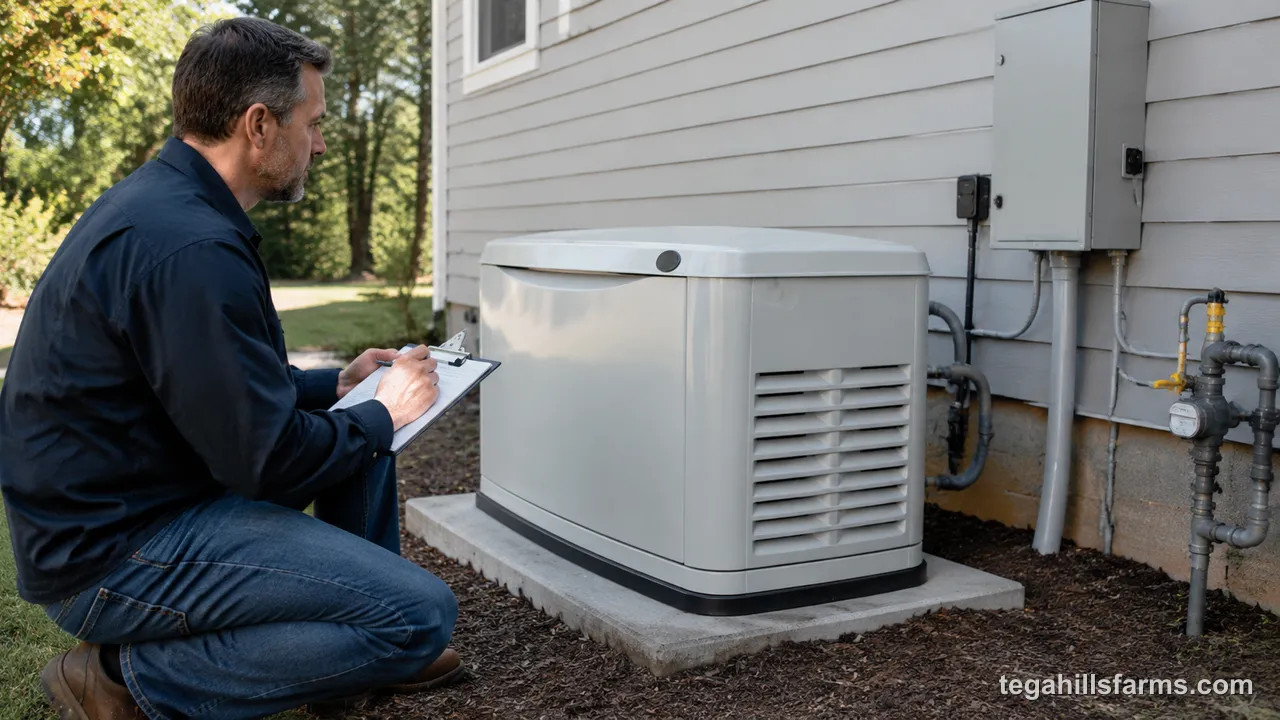
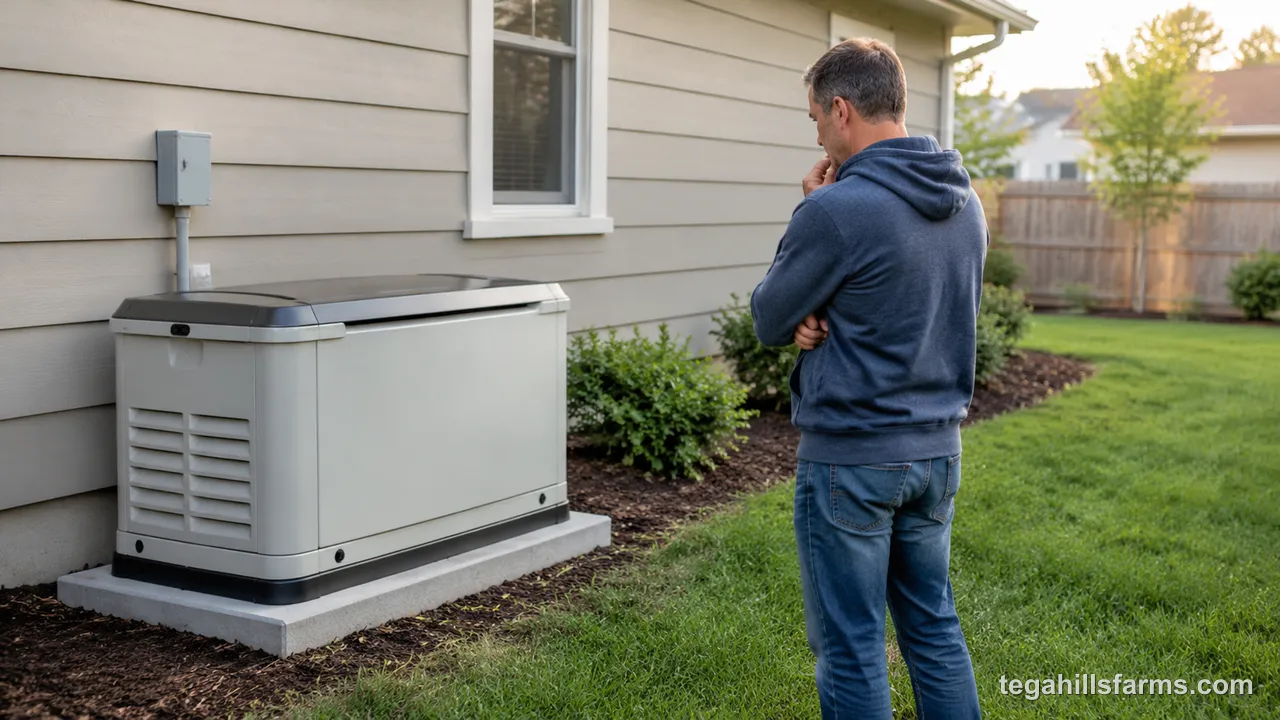
A home standby generator is a permanently installed unit that sits on a pad outside the house. It connects to your natural gas line or a propane tank and ties into the electrical panel through an automatic transfer switch. When utility power drops, the switch senses the loss, starts the engine, and moves the home’s circuits to generator power within seconds. When the grid returns, it switches back and shuts the engine down. Nobody has to be home for any of that to happen.
The unit draws from a fixed fuel supply and is sized at installation. That means a standby system can be built to carry the whole house, including central air and electric appliances, or just a selected group of circuits. It also runs a scheduled self-test, so problems tend to show up during a calm week instead of mid-storm. The best standby generators lineup shows how sizes and fuel options differ across models.
How Much Power Do You Need to Run Your Home?
You need enough capacity for the appliances that run at the same moment, not for every device in the house, because that simultaneous load is what the engine actually carries. Getting it wrong costs you either way. Too little capacity shuts the generator down mid-outage. Too much means a heavier machine, a bigger fuel bill, and an engine loafing well below its rating. Working the numbers on paper first is far cheaper than finding out during a storm, and the step-by-step on how to size a generator lays out the math with worked examples.
How Do Running Watts and Starting Watts Work?
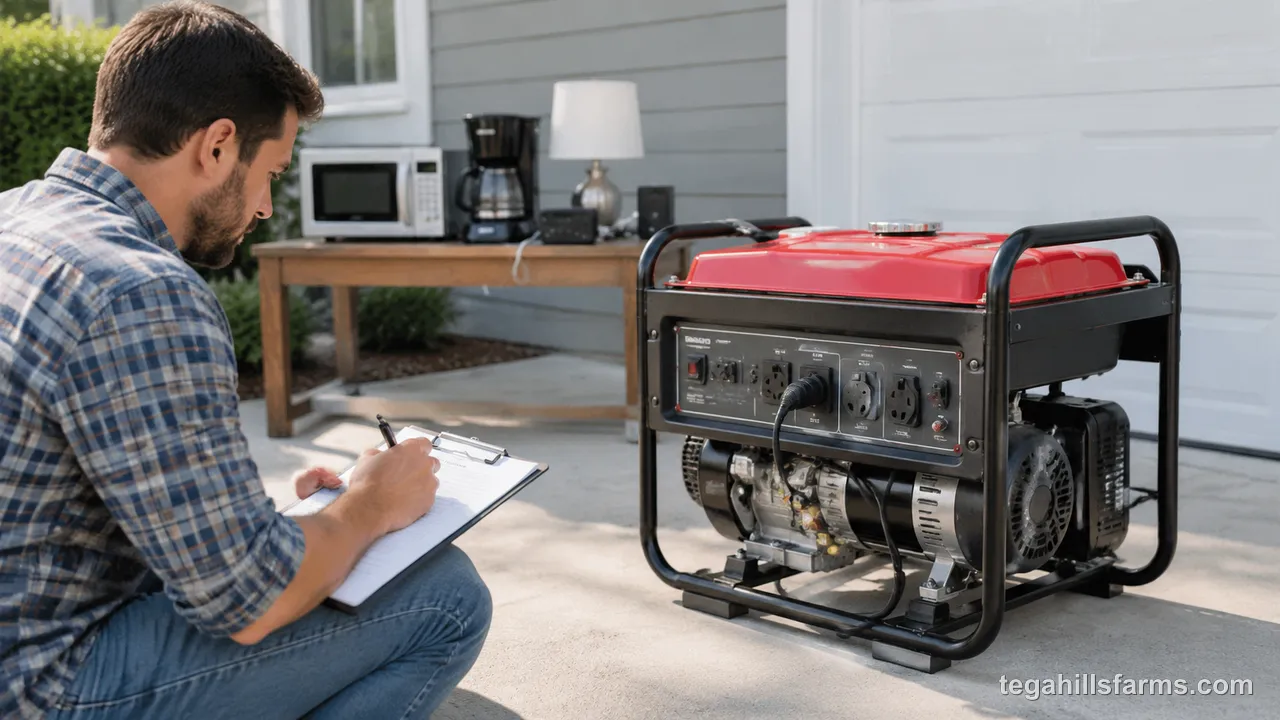
Running watts are the continuous power an appliance draws once it’s up and going. Starting watts are the brief surge it needs in the first moment after you switch it on. For lights, a TV, or a phone charger, the two numbers match, because nothing inside has to get moving.
Motors are different. A refrigerator compressor, a sump pump, a well pump, or an air conditioner has to overcome a stopped motor and pressure in the line. To do that, it pulls a spike of current, often two to three times its running watts, before settling down. If the generator can’t supply that spike, the motor stalls, the breaker trips, or the voltage sags enough to stress other devices on the circuit.
The practical method has two steps:
- Add up the running watts of everything that will run together.
- Add the single largest starting surge on the list. Motors rarely start at the exact same instant, so you only need room for one.
Generators list both a running (rated) figure and a starting (peak) figure. Your total should fit inside the running number.
Which Appliances Should You Add to Your Wattage List?
Build the list around what you can’t go without during an outage, then add comfort loads only if capacity and fuel allow. The list usually falls into three groups:
- Essentials: the refrigerator and freezer, a sump pump if the basement takes on water, a well pump if you’re not on city water, the furnace blower on a gas or oil furnace, lights, and chargers for phones and medical devices.
- Comfort loads: a window air conditioner, a microwave, the Wi-Fi router, and a TV.
- Heavy loads: central air, an electric water heater, an electric range, an electric dryer, and electric baseboard or heat-pump heating. These come last because they decide whether you need a standby system at all. Each one draws a large load on its own.
Take each wattage from the appliance’s nameplate or manual rather than guessing. Then mark which items will actually run at the same time. A space heater and a microwave you never use together don’t both belong in the total. For room-by-room examples, the breakdown of how big of a generator you need shows typical household combinations.
Why Should You Leave a 20% Safety Margin?
Keeping the load at no more than about 80% of the generator’s rated running watts stops it from tripping, overheating, and wearing out early. A generator is rated for its maximum output, but running at that maximum continuously leaves no room for surges. Every compressor cycle or pump start then pushes the unit past its limit, and the breaker cuts power exactly when you need it.
The margin also pays off at the fuel tank. An engine working at full load burns fuel faster and runs hotter, which shortens runtime per tank and adds wear to the bearings, windings, and governor. A comfortably loaded unit runs cooler and quieter, and inverter models throttle down even further, stretching each fill.
To apply the rule, divide your total running load by 0.8 and shop for a running-watt rating at or above that figure. I’d treat the margin as non-negotiable if a well pump or central air is on your list, since those surges are the ones that trip undersized units.
Portable vs Standby: Which Generator Type Fits Your Outage Pattern?
Short, infrequent outages favor a portable or inverter unit you set up by hand, while frequent or multi-day outages justify a standby system that runs without you. How often your power goes out, and for how long, matters more than the size of the house. That pattern decides how many times a year you’ll haul, fuel, and watch over a machine. If storms knock out your power every season, comparing the best generators for power outages narrows the field quickly.
When Is a Portable or Inverter Generator Enough?
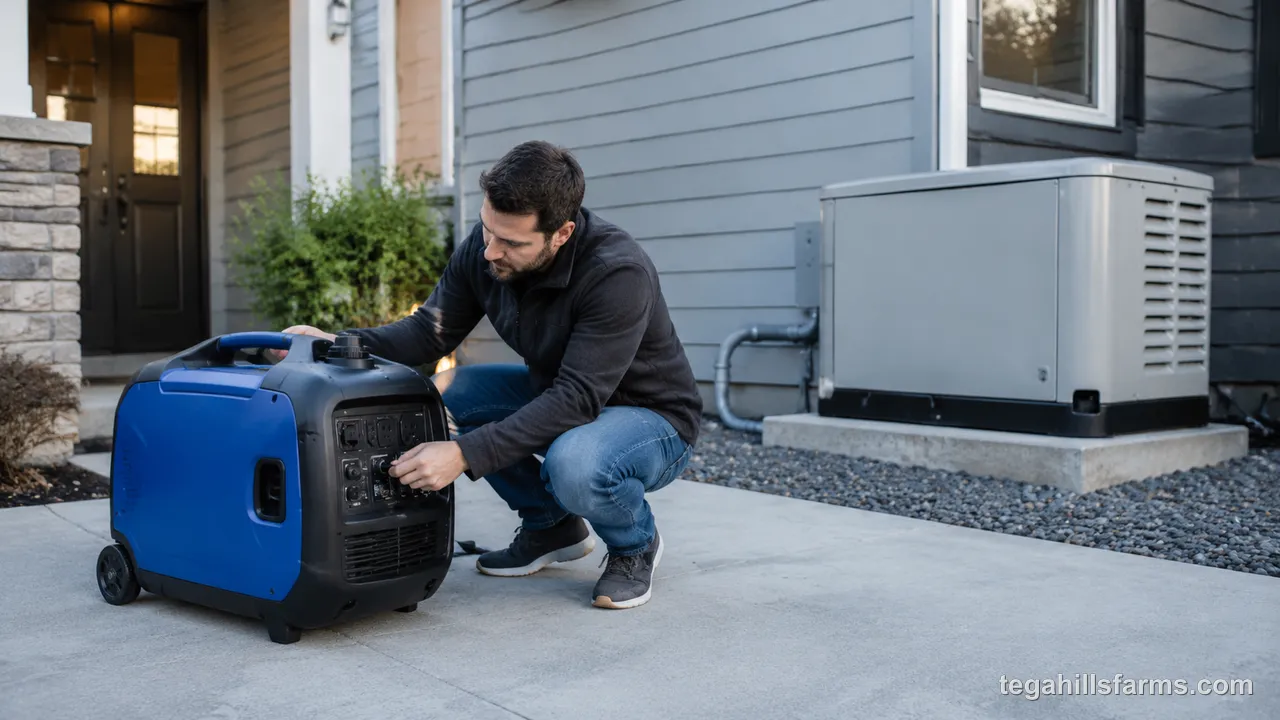
A portable or inverter generator covers you well when outages are rare and brief, you only need essentials running, and someone is home to set it up. In that pattern the machine spends most of its life in storage. A lower purchase price and no installation project make more sense than a permanent system you’d seldom call on.
Inverter models improve on open-frame portables in two ways. They throttle the engine to match the load, so they burn less fuel and run quieter at light loads. They also produce clean, stable power that’s safe for laptops, TVs, and furnace control boards. That makes an inverter the stronger pick if you’ll also take it camping or run it close to neighbors.
The limits show up in a long outage. You refuel by hand, move cords or flip a transfer switch, and keep the unit outdoors in whatever weather caused the outage. Renters and anyone planning to move soon also benefit from a portable, since it leaves with them.
When Does a Standby Generator Make Sense?
A whole-home generator earns its cost in three situations:
- Outages are frequent or stretch for days.
- Someone in the house depends on powered medical equipment.
- A sump pump or well pump can’t afford to stop.
In each case, even a short gap can mean a flooded basement or a house without water, and a standby system closes that gap automatically.
It also suits people who can’t or shouldn’t do the setup themselves. That includes anyone who travels often and leaves the house empty, older homeowners who would struggle to drag a heavy unit and fuel cans through snow, and households where nobody is comfortable handling fuel and cords. Because the unit runs on natural gas or a propane tank, there’s no trip to the gas station in the middle of a storm.
The trade-off is commitment. You pay for installation, permits, and yearly service on equipment that may sit idle through a calm year. I’d frame it as a question of what an interruption costs your household, not just a question of convenience.
How Do Noise, Runtime, and Power Quality Compare?
Inverter generators are usually the quietest option and open-frame portables the loudest. Standby units fall toward the quiet end because of their enclosures. Runtime favors standby, and power quality favors inverter and standby units over basic portables.
Noise matters because you’ll hear the generator through the night, and so will the people next door. Inverters stay quiet by slowing the engine at light loads, and standby units run inside a sound-dampening housing. An open-frame portable runs at full speed regardless of load. If houses sit close together on your street, look at the best quiet generators before you decide.
Runtime comes down to the fuel supply:
- A standby unit on natural gas runs as long as the utility line delivers.
- A propane model runs until the tank needs a refill.
- A portable runs until you refuel it by hand.
Power quality affects anything with a circuit board. Inverters and standby units produce stable voltage suited to computers and appliance controls. Some conventional portables deliver rougher power that’s fine for pumps and tools but less suited to sensitive electronics.
How Do Fuel Type and Installation Affect Your Choice?
Fuel supply sets how long you can ride out an outage, and installation sets how much work and cost land before the first one ever hits. A machine that’s sized right but runs dry on day two fails at the job you bought it for. So does a unit that can’t connect safely to the house. Both choices also lock you in. A standby unit is plumbed to its fuel at installation, and a portable’s connection method decides which circuits it can reach.
Which Fuel Type Is Most Reliable During an Outage?
Natural gas is the most dependable fuel for long outages because it arrives through a utility line and never needs refilling. It’s only an option for standby units at homes with gas service.
Propane comes next. It keeps indefinitely without going stale, so a filled tank is ready whenever the grid fails. Runtime ends when the tank runs low, though, and refills depend on delivery trucks reaching your road after a storm.
Gasoline is easy to buy and hard to keep. It degrades in storage unless you add a stabilizer, and stations may lose power in the same outage you’re dealing with. The volume adds up fast, too: larger portable generators can burn about 20 gallons of gasoline per day. Before stocking cans, work out how much gas your generator will use at your actual load.
A dual-fuel engine hedges against shortages by running on either gasoline or propane. The best dual fuel generators let you switch to whichever fuel is available after a storm.
What Does Installation Require for Each Type?
A portable generator needs the least work. Setup can be as simple as heavy-duty extension cords run to individual appliances. To power hardwired circuits such as a furnace or well pump, though, you need an electrician to install two things: a manual transfer switch or panel interlock, and an outdoor inlet box. You then plug one generator cord into the side of the house and choose which circuits to feed.
A standby generator is a full construction project:
- It sits on a concrete or composite pad, placed at the clearances the manufacturer and local code require.
- A licensed electrician wires an automatic transfer switch into the main panel.
- A plumber runs a gas line, or your fuel supplier sets a propane tank.
Permits and inspections are commonly required, so check with your local building department before you schedule anything.
Timing differs as well. A portable connection can be ready within a weekend, while standby installs often wait on permits and contractor schedules. That delay is worth planning around well before storm season.
How Much Should You Spend and What Should You Power?
Spend at the portable tier when keeping essentials running through occasional outages is the goal, and budget for a standby system when you want the whole house running on its own. Price and coverage move together. Every appliance you add to the must-run list pushes you toward a bigger machine, more fuel, and a more involved install. Deciding what you can live without during an outage is the fastest way to find your tier, and it keeps you from paying for capacity you’ll never use.
What Is the Real Cost Difference Between Portable and Standby?
The gap is wide at every stage:
- Portable: small recreational generators start around $450, and large inverter models run roughly $1,300 to $7,000.
- Standby: a home standby generator can cost as much as $7,000 for the unit alone. Total installed cost, including system equipment, materials, and labor, typically lands between about $8,000 and $16,000.
Installation is where the two split hardest. A portable needs a transfer switch or interlock if you want to feed hardwired circuits, and that electrician visit adds to the purchase price. A standby system adds a pad, panel work, gas plumbing, and permits, which is why the installed total sits well above the unit price.
Ongoing costs follow the same pattern. A portable costs you gasoline, oil changes, and fuel stabilizer. A standby unit needs fuel plus yearly professional service. For a line-by-line breakdown, see how much a generator costs.
Should You Power the Whole House or Just Essentials?
Essentials coverage fits a home heated by a gas or oil furnace. There, the generator only has to run the blower, the refrigerator, a sump or well pump, and some lights. That load stays modest, so a large portable or a smaller standby unit can carry it. You get a warm house and cold food rather than completely normal living.
Whole-house coverage becomes the realistic choice when the house runs on electric heat, a heat pump, or central air you can’t do without in summer heat, because those systems outweigh a typical essentials list on their own. A whole-home generator paired with load-management modules can carry the full house without oversizing. The modules cycle the big appliances so they don’t all start at once.
Who lives with you matters too. Medical equipment, infants, or older relatives push the decision toward full coverage. The best generators for home backup include options for both approaches.
A generator set a few steps from an open garage door can fill the house with carbon monoxide nobody smells, and a unit that hasn’t run since last winter can refuse to start the morning after a storm. Neither risk shows up in a wattage chart or a price comparison. Overlook them, and the machine you sized so carefully either endangers the people inside or sits dead in the driveway through the outage it was bought for.
Rare but Decisive Factors That Change Long-Term Satisfaction
Long-term satisfaction depends less on the model you buy than on habits that start the day it arrives. Two matter most: how you place and connect the generator, and how you treat it during the months it sits unused. Placement and connection protect the people inside the house and the line crews working outside it. Off-season care decides whether the engine turns over when the next storm hits.
How Do Carbon Monoxide and Backfeeding Risks Shape Placement?
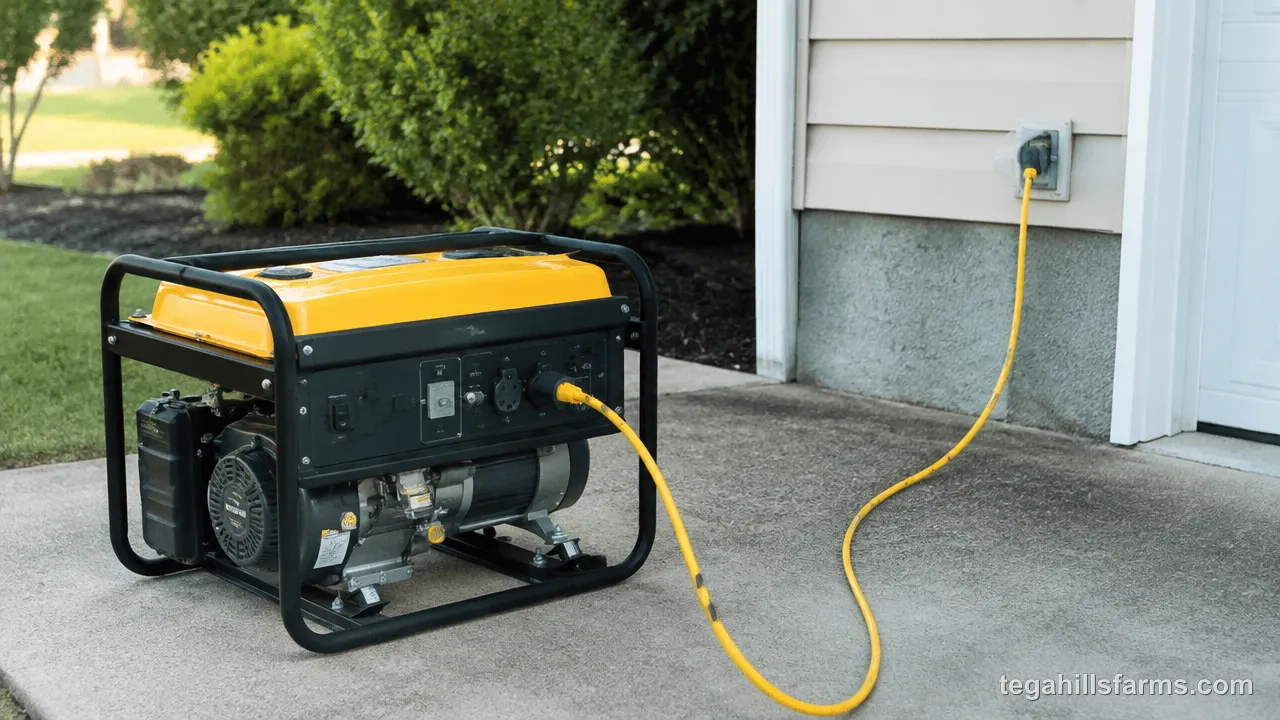
A portable generator belongs outdoors, at least 20 feet from the house, with the exhaust pointed away from doors, windows, and vents. Never run it in a garage, basement, or enclosed porch, even with the door open. Carbon monoxide is odorless and builds up quickly in enclosed or partly enclosed spaces, so install battery-powered CO alarms inside before the first outage. Standby units are sited by the installer at code-required clearances, which removes most of the guesswork.
Backfeeding is the second risk. Plugging a generator into a wall or dryer outlet with a double-ended cord sends power back through the panel and onto the utility lines. That can electrocute line workers and damage your equipment when the grid comes back. A transfer switch or interlock prevents this by isolating the house from the grid before generator power flows in. Knowing how to use a generator safely starts with these two rules.
How Do You Tell a Durable Generator From One Headed for Early Failure?
A durable generator starts within a few pulls, holds a steady engine speed under load, and keeps its oil clean between changes. One headed for trouble surges, smokes, or needs the choke and some coaxing every time. Watch for these warning signs:
- An engine that hunts up and down at a steady load, which usually points to a gummed carburetor or a failing governor.
- Blue smoke, or oil that disappears between changes, which signals worn piston rings.
- Rust on the frame, cracked fuel lines, and lights that flicker under a constant load.
Maintenance habits prevent most of these problems. Change the oil on the schedule in the manual. Before storage, add stabilizer or run the carburetor dry. Start the unit about once a month under a light load. Standby units handle their exercise runs automatically but still need yearly service. If your generator won’t start after months in storage, stale fuel is the first thing to check.
Quick Decisions: Choosing Between Portable and Standby
Can a portable generator power a whole house?
Only a large portable connected through a transfer switch comes close, and even then it usually covers selected circuits rather than everything at once. Central air, electric heat, and an electric water heater quickly exceed what a portable can carry, so true whole-house coverage generally calls for a standby system sized to the home.
Is an inverter generator worth it for home backup?
An inverter is worth it if quiet operation, fuel efficiency, and clean power for electronics matter to you. It throttles down at light loads, which stretches fuel through long nights of running just the refrigerator and lights. If you want the mechanics behind that, read how an inverter generator works before choosing.
Do standby generators need maintenance?
Yes. A standby unit runs automatic self-tests, but it still needs oil and filter changes, spark plug checks, and battery replacement, usually handled through a yearly service visit. Skipping service is how a system sits silently for months and then fails during the first long outage it faces.
Can I run a standby generator on propane?
Yes. Standby generators commonly run on either natural gas or propane, and homes without a gas line use a propane tank set on the property. Propane doesn’t go stale in storage, but runtime is tied to tank size, so keep the tank topped off and schedule refills before storm season.
When should I buy a generator before storm season?
Buy and test it well before storms are forecast, because demand jumps and installers book up once a hurricane is named. Get the transfer switch installed, stock fuel, and run the unit under load ahead of time as part of your generator hurricane preparation, so its first real start doesn’t happen mid-emergency.