

A generator’s gas use depends on its size and the load it carries. A 2,000 W inverter burns about 0.18 gallons per hour at 50% load, while a 6,500-7,500 W worksite portable burns about 0.55-0.7 gallons per hour at the same share. Push that larger unit to 75% load and it climbs to roughly 0.8-0.9 gallons per hour.
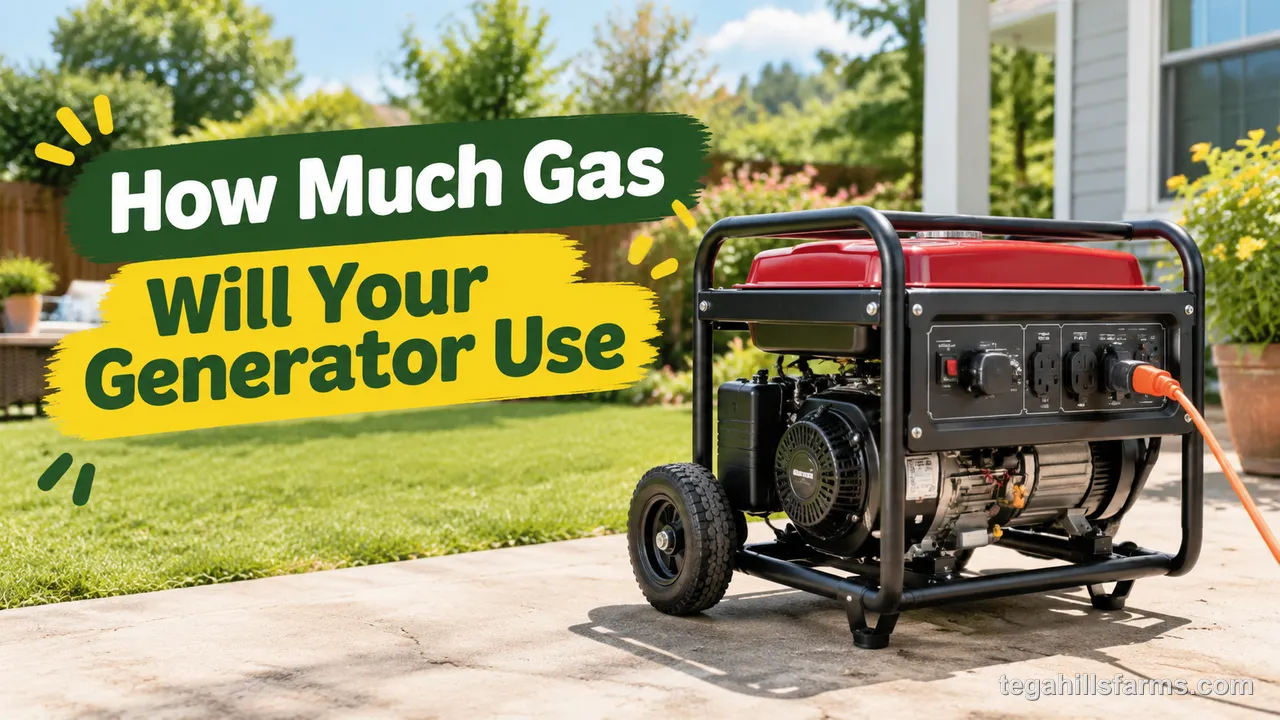
Three things set the number: engine size, how much of the rated output you actually draw, and engine design. Fuel type matters too, because gasoline, diesel, propane and natural gas are each measured differently.
The real worry is running dry in the middle of an outage. A gallon lasts anywhere from one hour to half a day, depending on the machine and what is plugged into it.
Before comparing any chart, add up what you plan to run. The load you draw, not the nameplate on the generator, decides how many gallons you will need.
What Affects How Much Gas a Generator Uses?
Generator fuel consumption depends mainly on how hard the engine works, not on the rated size printed on the label. Three things set that effort: engine size, load level and engine design.
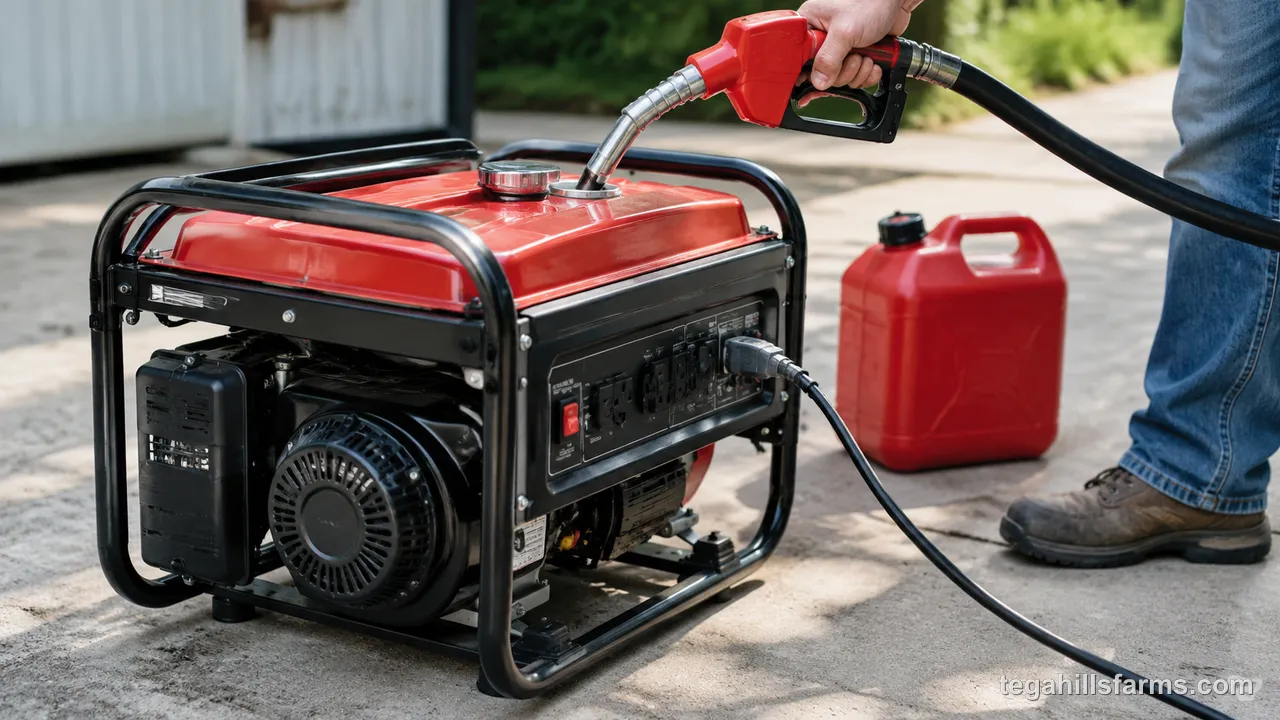
Engine size sets the ceiling. A 6,500-7,500 W worksite portable burns about 0.35-0.45 gallons per hour at 25% load, while a 2,000 W inverter burns about 0.1 gallons per hour at the same share. Load level is how much of the rating you pull at a given moment. Design matters because inverter units slow the engine for light jobs, while open-frame units hold one speed regardless.
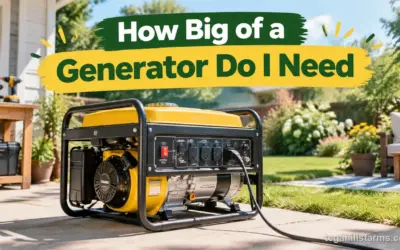
Fuel appetite is only one factor in a purchase, and the full buying picture is laid out in how to choose a generator. If you are still stuck on sizing and searching how big of a generator do i need, settle the watts first. Wattage drives every fuel figure below.
How Much Gas Does a Generator Use at Half Load vs Full Load?
Gas use depends on how much of the rating you draw, typical gallons per hour for each size, and which appliances push the load up. More output always costs more fuel per hour. The rise is gradual, though, not proportional.
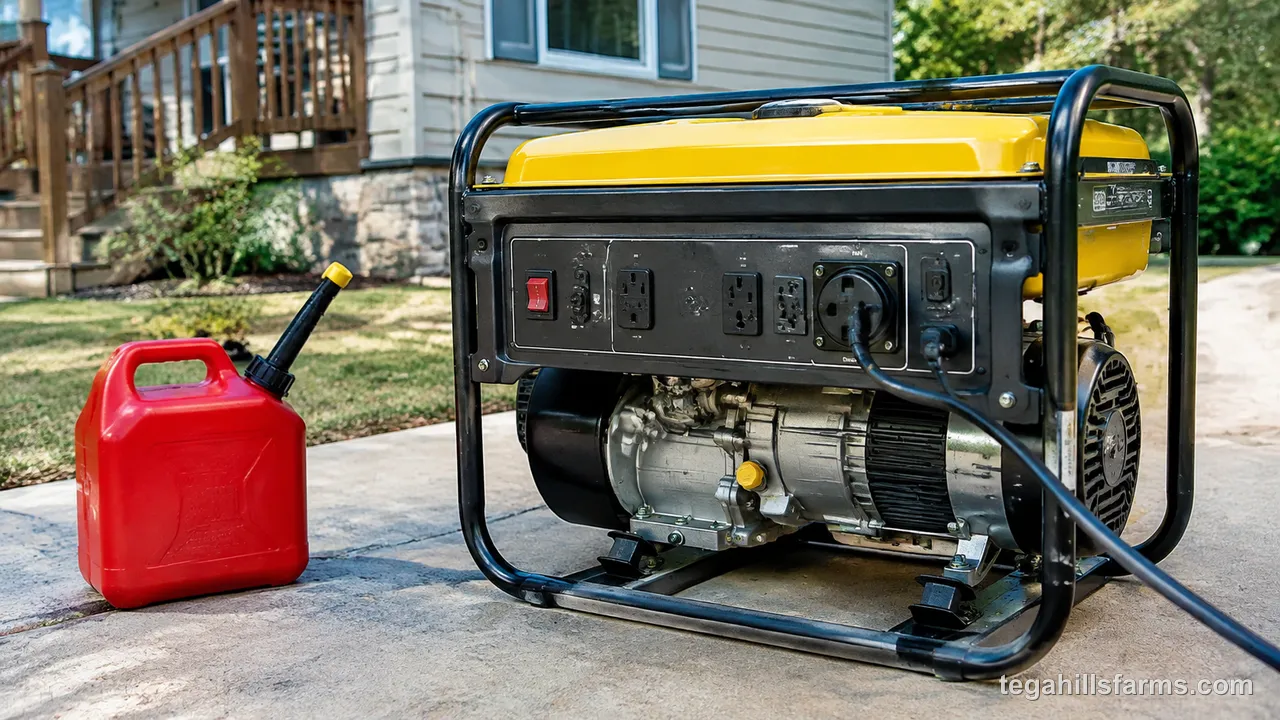
A small inverter at light load barely sips. A worksite unit pulling most of its rating drinks steadily. Where your house or yard lands on that curve depends on what you plug in.
What Do Half Load and Full Load Actually Mean?
Load is the share of rated output being drawn at a given moment, and what is plugged in sets it. A 4,000 W generator feeding 2,000 W of equipment is at half load.
Lighter loads burn less fuel per hour, but not in a straight line. The engine still has to spin itself, the alternator and the cooling fan whatever you ask of it. That overhead is why a 2,000 W inverter goes from about 0.1 gallons per hour at 25% load to about 0.18 at 50%, which is less than double.
Full load means running near the nameplate rating. Fuel draw is highest there and the engine has no margin left. At light load, each unit of power costs more fuel than it does in the middle of the range, because the overhead is spread over less output.
Typical Gas Use by Generator Size
Hourly gasoline use at half load is about 0.18 gal/hr for a 2,000 W inverter, 0.35-0.4 gal/hr for a 3,500-4,000 W mid-size portable, and 0.55-0.7 gal/hr for a 6,500-7,500 W worksite unit.
At a lighter 25% load, the same classes drop to about 0.1, 0.2 and 0.35-0.45 gallons per hour. The worksite class at 75% load reaches about 0.8-0.9 gallons per hour.
Larger units follow the same pattern:
- 5 kW gasoline generator: about 0.75-0.8 gallons per hour. That figure comes without a stated load level, so treat it as a general reference.
- 10,000 W portable: about 0.8 gallons per hour at 50% load. Running nonstop, that adds up to roughly 19.2 gallons per day.
Compare numbers only within the same load share. A figure quoted at 25% load tells you little about what you will burn at 75%.
Which Appliances Push a Generator Toward Full Load?
Air conditioners and well pumps push a generator toward full load, while lights, chargers and a router barely register. Motor-driven loads draw the most, and they pull an extra surge when they start.
A refrigerator sits in the middle. On a large unit it is a small slice of the rating, but on a compact inverter it takes a real share. A well pump or window air conditioner on that same inverter can take nearly all of it.
So the same appliance means a light load on one machine and a heavy one on another. List everything you want running at once, then see whether your generator sits comfortably below its rating. Our guide on how to size a generator walks through that list step by step.
How Long Will a Generator Run on 1, 5, or 12 Gallons of Gas?
How long gas lasts depends on run time per gallon, the fuel needed for a full day, and tank capacity between refills. Small inverters stretch a gallon the furthest. Big open-frame units go through one quickly.
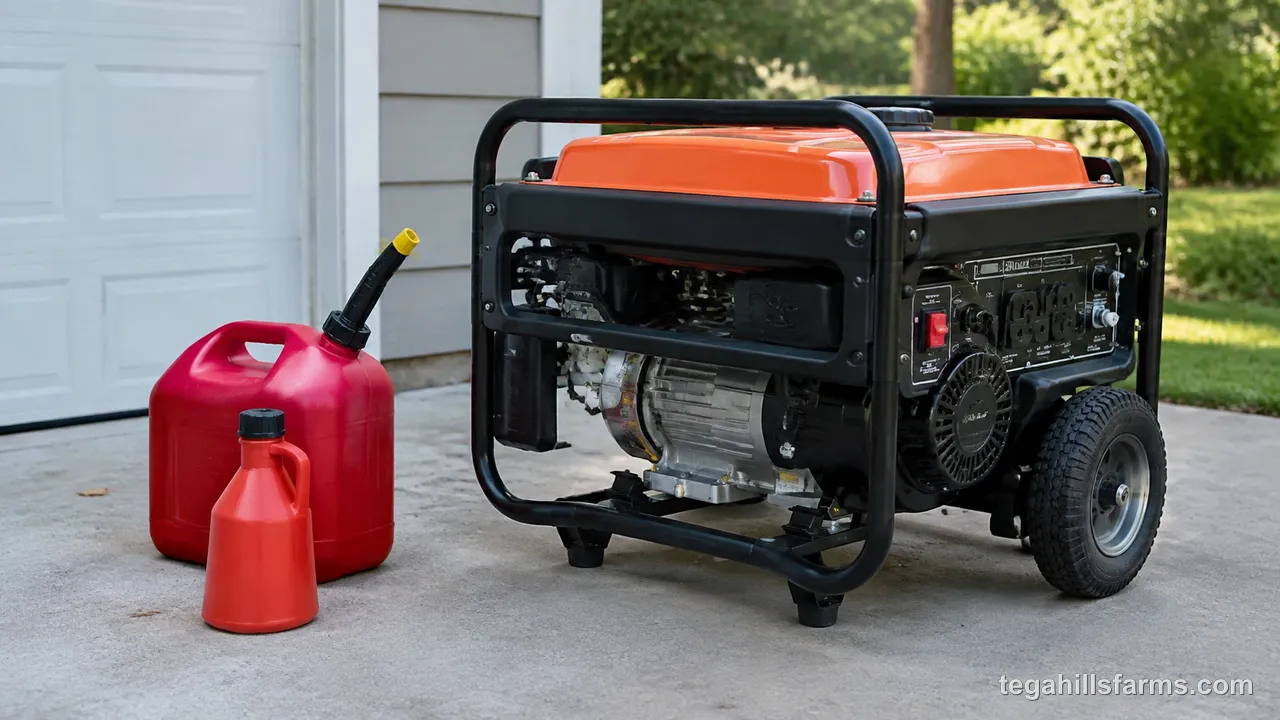
Tank size grows with engine size, so the gap between refills is narrower than the gap in hourly use. Each part below takes one of these questions in turn.
How Long Does 1, 5, or 12 Gallons of Gas Last?
A 2,000 W inverter runs 8-12 hours on 1 gallon at 25% load. A 3,500 W portable runs 2.5-4 hours at 30-40% load, and a 7,500 W open-frame runs 1-2 hours at 50% load.
Run time shrinks fast as rated output and load rise. The small inverter treats a gallon like an evening’s worth of fuel, while the open-frame unit treats it like a short job.
Larger supplies simply repeat the per-gallon figure. A typical five-gallon can gives a small inverter several days of light use. On a mid-size portable it covers a long stretch of moderate use. A twelve-gallon supply keeps a large open-frame unit going for a working day at half load, but heavier loads empty it sooner. Always match the supply to your load, not to the label.
How Much Gas Do You Need to Run a Generator for 24 Hours?
A 10,000 W portable gasoline generator needs about 19.2 gallons per day when it runs nonstop at 50% load, drawing 0.8 gallons per hour.
Plan toward the heavy end. Outages tend to push loads up, not down, as people add fans, heaters or pumps. Running continuously is also different from running in cycles. A unit that rests overnight or between meals uses far less than one that never stops.
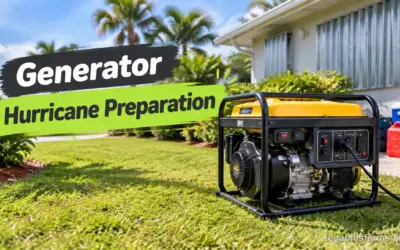
Storage limits and safety rules cap how much fuel most households can keep on hand, so work out your actual runtime before you buy cans. For a closer look at continuous operation, see how long can a generator run. If storms are your main concern, generator hurricane preparation covers stocking up before the forecast turns bad.
How Long Does a Full Tank Last Between Refills?
Built-in tanks hold 0.6-1.2 gallons on small inverters, 2.0-4.0 gallons on mid portables, 5.0-8.0 gallons on large open-frame units, and 7-10+ gallons on very large portables.
The Honda EU2200i shows how this plays out. Its tank holds around 0.95 gallon, and it runs about 8-10 hours at 25% load with eco mode on. At 50% load it manages about 4-6 hours, and at higher loads about 3-4 hours.
Bigger engines do not always mean fewer refills. A large tank on a hungry engine can empty about as fast as a small tank on a frugal one. Compare the tank size against the hourly draw at your expected load, not against the generator’s size class.
Which Fuel Burns Less: Gas, Diesel, Propane, or Natural Gas?
Diesel burns the fewest gallons per hour of the liquid fuels, while propane and natural gas use different units, so their raw numbers cannot be compared with gallons of gasoline or diesel.
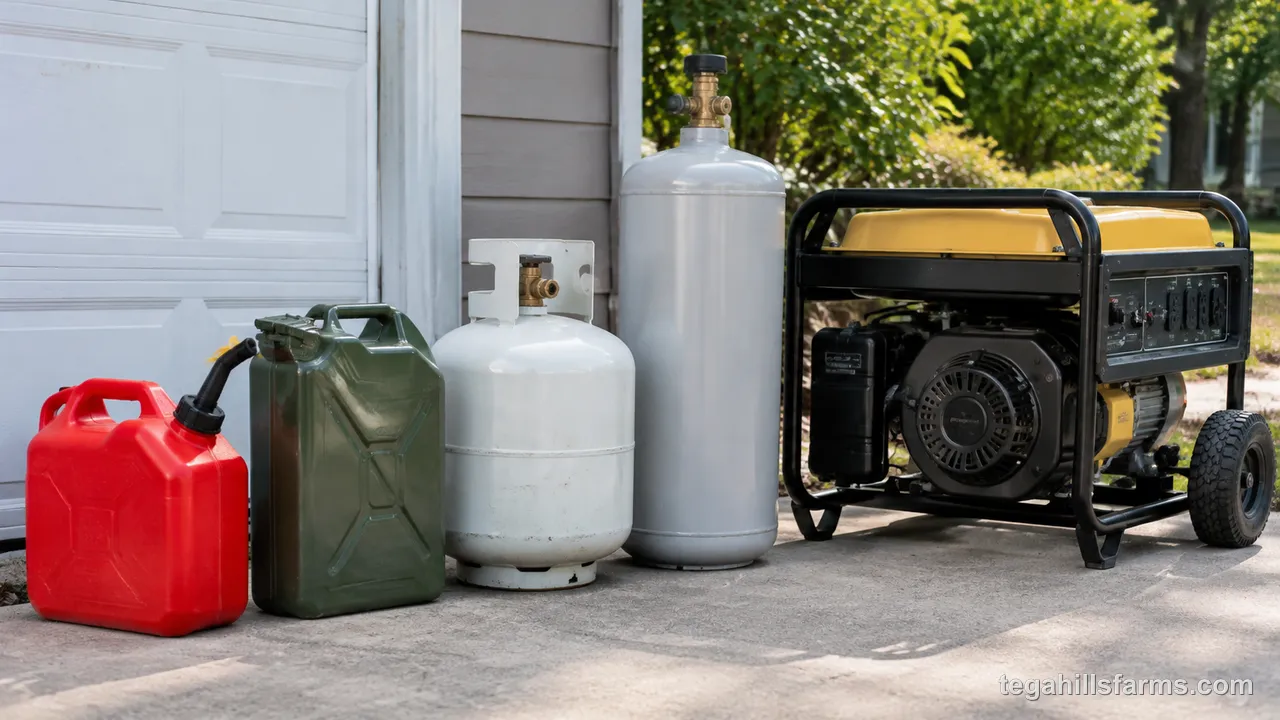
Each fuel carries a different amount of energy per unit. Gallons of gasoline, gallons of propane and cubic feet of natural gas describe different things. The parts below keep each fuel in its own units.
Gasoline vs Diesel: Why Diesel Sips Less
Diesel engines deliver more output per gallon. An 8 kW diesel generator burns about 0.5-0.6 gal/hr, while a 5 kW gasoline unit burns about 0.75-0.8 gal/hr.
The gap shows up in long runs, because the savings repeat every hour. Diesel use also scales gently as machines get bigger. A 20 kW diesel burns 0.6 gal/hr at 1/4 load, 0.9 at 1/2 load, 1.3 at 3/4 load and 1.6 at full load. A 100 kW diesel goes from 2.6 gal/hr at 1/4 load to 4.1, 5.8 and 7.4 gal/hr at full load.
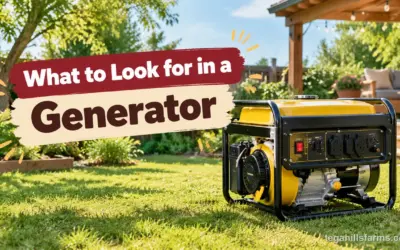
Those larger machines are built for standby and commercial duty. Most homeowners compare diesel only when planning long outages. If you are weighing fuel types, what to look for in a generator lists the other features worth checking alongside fuel draw.
Propane and Natural Gas: Different Units, Different Math
Propane draw is counted in gallons, about 1.4-1.5 gal/hr for a 5-6 kW portable. Natural gas is counted in cubic feet, about 115-118 ft³/hr for a 7 kW unit.
Do not set those side by side. Propane carries less energy per gallon than gasoline, which is why its gallon count looks high. Cubic feet of natural gas are a different measure entirely.
Home standby units show how natural gas scales. A 14 kW model draws about 195 ft³/hr at 50% load and about 256 ft³/hr at full load. A 20 kW natural gas generator goes from 157 ft³/hr at 1/4 load to 188, 247 and 289 ft³/hr at full load.
Running cost depends on your local rate per gallon or per cubic foot and on how many hours the unit runs. Purchase price is a separate question, covered in how much does a generator cost.
How Do Inverter, Open-Frame, and Standby Generators Compare on Fuel Use?
Fuel behavior differs by design. Inverter units adjust engine speed, open-frame units hold a steady speed, and standby units are built for long duty.
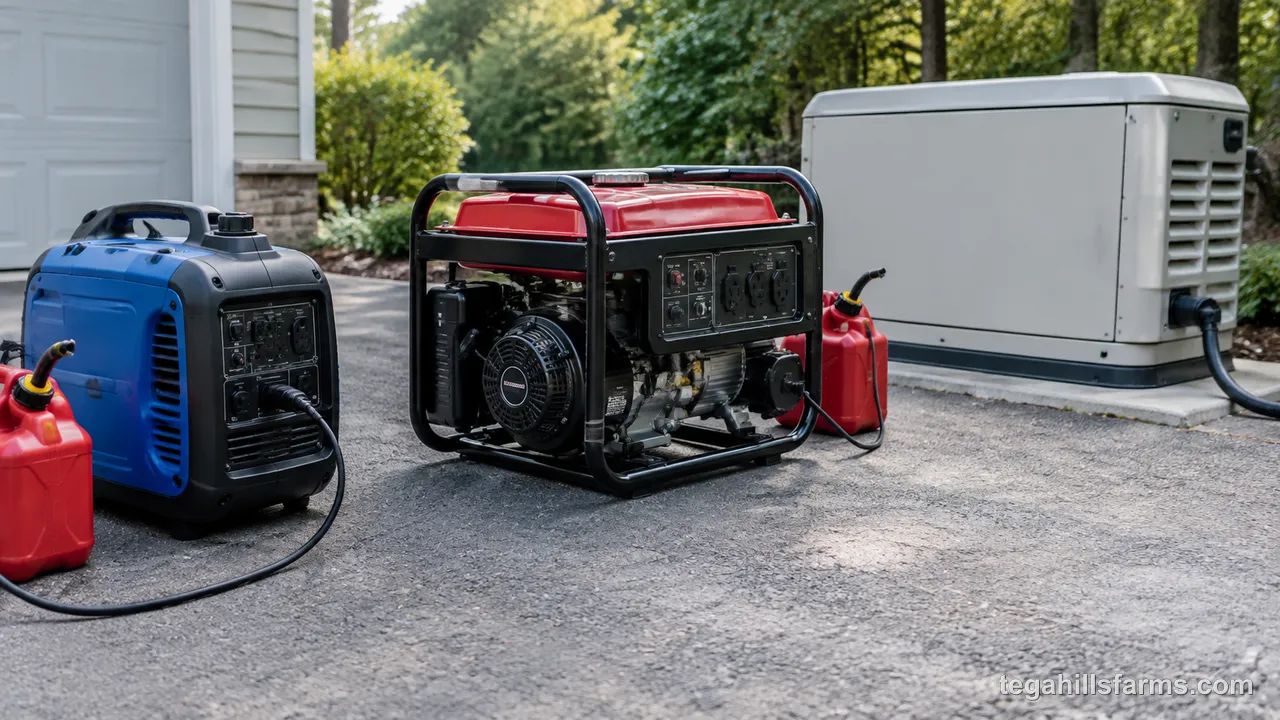
Your typical load decides which design wastes the least. Small, steady loads favor an inverter. Heavy, varied work suits an open frame. Whole-house backup that must run for days favors a standby unit.
Inverter Generators and Eco Mode
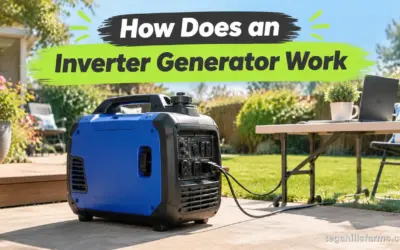
Inverter generators cut fuel draw at light load by varying engine speed, and eco mode lowers it further. The engine idles down when demand is low and speeds up when it rises.
The Honda EU2200i is a good example. Its tank holds around 0.95 gallon, and with eco on it runs about 8-10 hours at 25% load. That is a long stretch from under a gallon.
This is why inverters often stretch a tank furthest for small, steady loads like a refrigerator, lights and a laptop. Push them near their rating and the advantage fades. For the mechanics behind the speed control, see how does an inverter generator work.
Open-Frame Portables on Worksites and Backup Duty
Open-frame portables hold a steady engine speed, so a light load saves less fuel than it would on an inverter. They are built for output, not for sipping.
A 6,500-7,500 W worksite unit still climbs from about 0.35-0.45 gallons per hour at 25% load to about 0.8-0.9 at 75%. It just never gets as frugal at the bottom end as a variable-speed engine.
That trade-off suits jobs with varied demand, like saws, compressors and a pump running in turns. It suits backup duty when the load is high. It is a poor match if the generator will mostly feed a few small devices, because the engine runs at a speed the job does not need.
Home Standby Generators on Natural Gas or Propane
Home standby generators draw from your natural gas line or a propane tank, so there are no refill trips during an outage. Models such as the Generac Guardian Series are installed permanently and start on their own.
The draw is still steady and worth understanding. A 14 kW home standby unit on natural gas uses about 195 ft³/hr at 50% load and about 256 ft³/hr at full load.
The difference from a portable is logistics, not consumption. You never haul cans, but the unit keeps pulling gas for as long as the house demands. Portable setups for the same job are covered in how to power house with generator.
How Can You Check Your Own Generator’s Fuel Use?
The manufacturer’s runtime chart is the best starting point for your own unit’s fuel use. It shows hours of running at set load levels on a full tank.
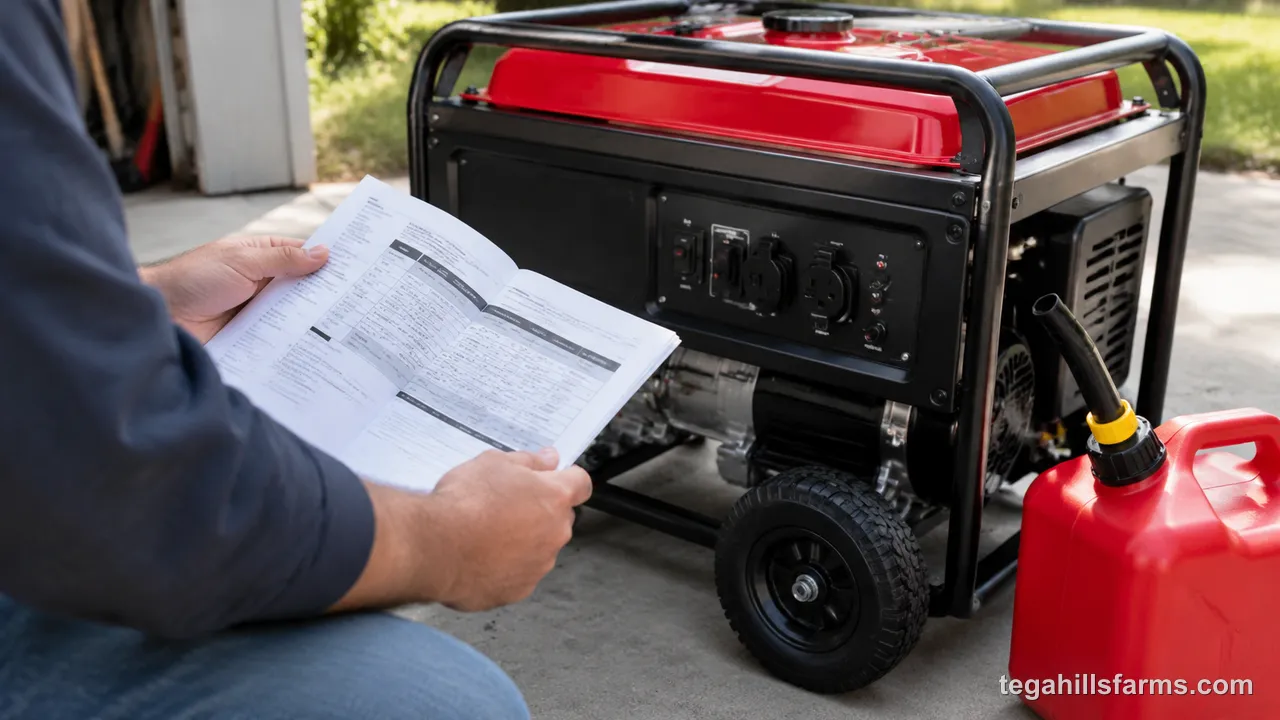
Pair it with two other details: the tank size and the rated output. Tank size divided by the chart’s hourly figure gives a rough refill interval. Rated output tells you what share of the machine your load will use.
Published figures assume steady conditions, though. Your own load shifts the result. Fill the tank, run the generator with your normal appliances, and note how long it takes to drop. That tells you more than any chart.
Keep a simple log for the first few outages or tests. Our guide on how to use a generator covers safe setup and operation while you do it.
Run a generator that sipped fuel at a coastal campsite up to a cabin on a cold mountain morning, and the same gallon can disappear faster than the chart promised. Thin air and chilled fuel change how the engine burns. What happens to your fuel plan when an outage hits there and the tank runs empty hours early?
Why Does Real-World Fuel Use Differ From the Spec Sheet?
Real-world fuel use drifts from the spec sheet because conditions change how efficiently the engine burns each gallon. Altitude, temperature, fuel quality and upkeep all play a part.
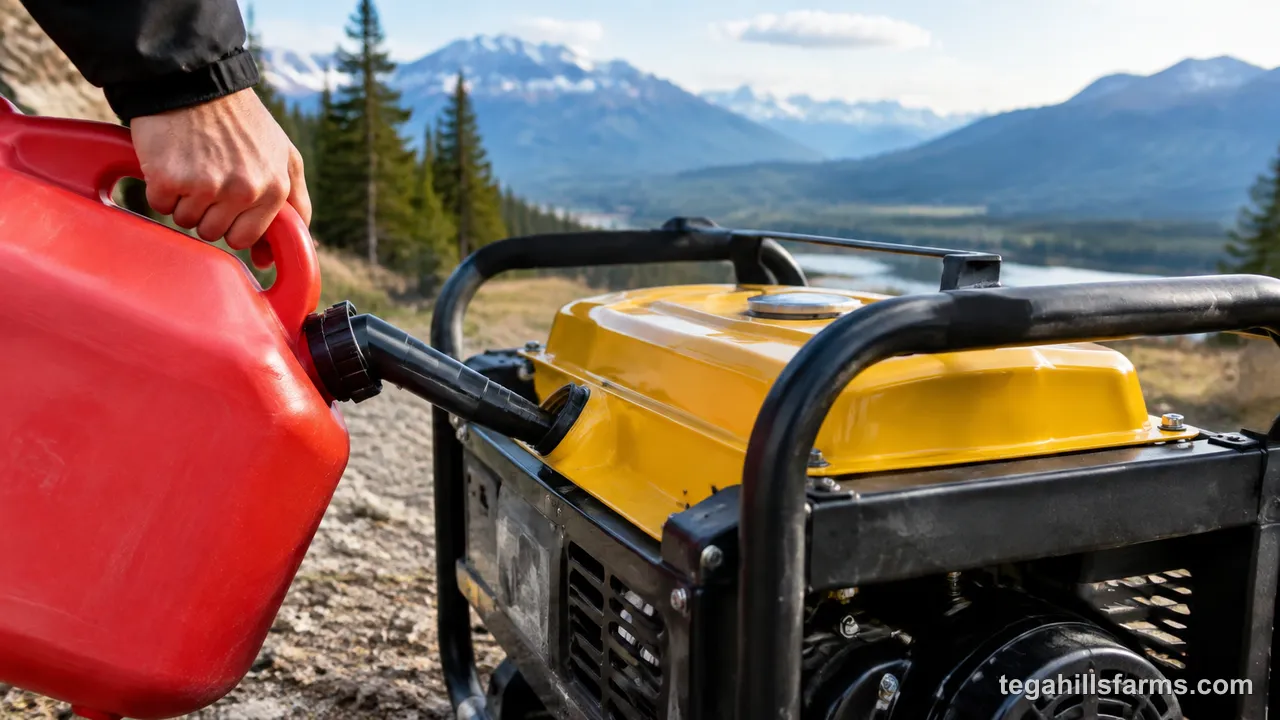
At altitude the air is thinner, so the engine takes in less oxygen and runs less efficiently for the same output. Cold weather makes starting harder and can raise consumption until the engine warms. Spec sheets are measured under steady, moderate conditions that few yards match.
Fuel matters too. Ethanol-blended gasoline absorbs moisture and goes stale in a tank or carburetor that sits for months. Stale fuel burns poorly and can clog jets.
Maintenance is the biggest difference you control. A well-kept engine with a clean air filter, fresh plugs and clean oil runs close to its published figures. A neglected one works harder for the same output and burns more. It may also refuse to start at the moment you need it, and a generator won’t start problem is often traced back to old fuel.
How Can You Stop Wasting Gas When Running a Generator?
You waste the least gas when you match the generator to the load instead of running a big unit for a small job. A few habits do the rest:
- Stagger heavy appliances. Start the well pump, then the air conditioner, not both at once, so the engine does not spike to full load.
- Use eco mode on an inverter whenever the load is light and steady.
- Avoid oversized machines for small jobs. A large open-frame unit feeding a fridge and a few lights burns far more than it needs to.
- Pair smaller units for light, steady demand when one big machine would idle inefficiently.
A more efficient design can pay back its extra upfront cost if you run often or for long stretches. For occasional use, it rarely does. Our look at are expensive generators worth it weighs that trade-off.
If you need more output than one compact unit offers, how to parallel generators shows how to link two small ones.
Quick Answers on Generator Gas Use
How long does a five-gallon can last on a mid-size generator?
Longer than one gallon by a wide margin. A 3,500 W portable runs about 2.5-4 hours per gallon at 30-40% load, so a five-gallon can covers a long stretch of light to moderate use. Heavier loads shorten it quickly, so check your own load first.
How long does a twelve-gallon supply last on a large generator?
A 7,500 W open-frame unit runs about 1-2 hours per gallon at 50% load. Twelve gallons stretches that across a working day or a long evening at half load. Run it harder and the supply empties sooner.
How long can a very large propane tank run a standby generator?
Divide the usable propane in the tank by the unit’s hourly draw. A 5-6 kW propane generator uses about 1.4-1.5 gallons per hour, so even big tanks drain faster than most people expect. Check your model’s draw at your expected load.
Does a bigger generator always burn more gas?
At the same load share, yes. A 2,000 W inverter draws about 0.18 gallons per hour at 50% load, versus about 0.55-0.7 for a 6,500-7,500 W unit. Fuel follows the watts you draw, though. A large unit under a light load burns far less than the same unit at full output.
Write Your Review
No reviews yet. Be the first to share your experience!