

Planter size comes down to three measurements: diameter, depth, and soil volume. The right combination depends on how deep your plant’s roots grow and how wide it spreads at maturity. A fruiting vegetable, a kitchen herb, and a dwarf citrus tree each need a different shape and amount of soil, even when the pots look similar on the shelf.
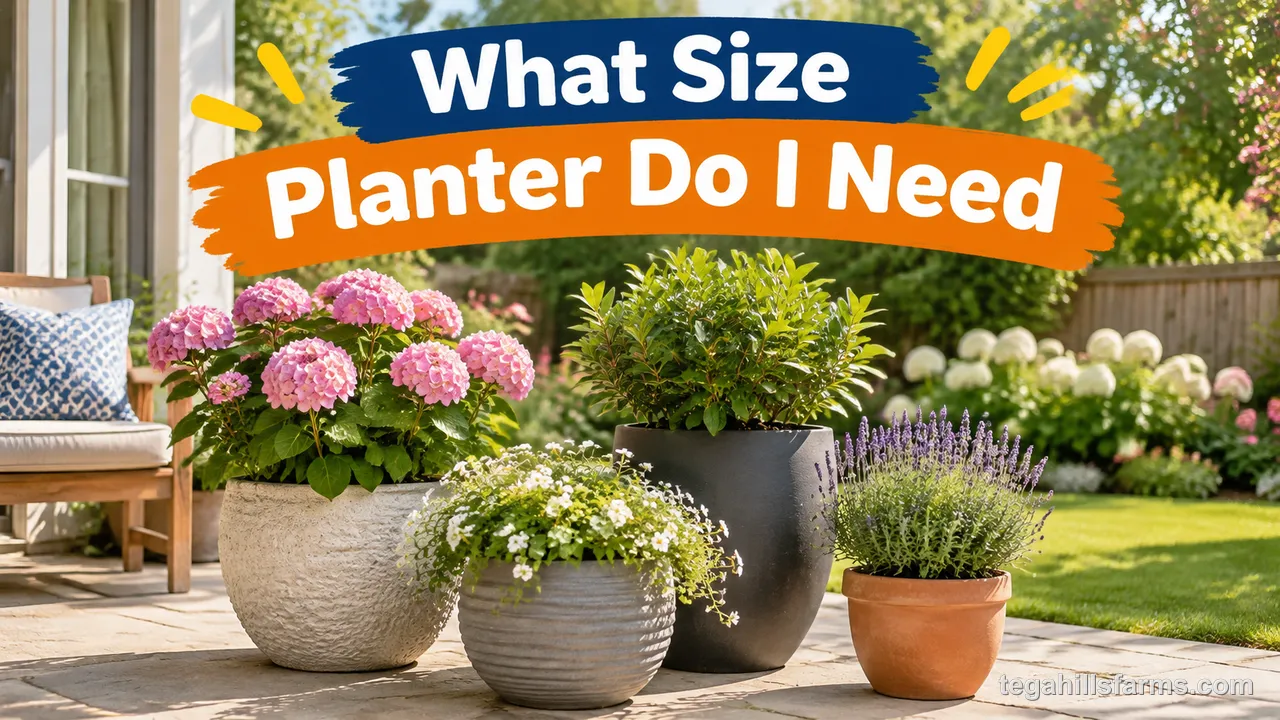
Matching a container to a plant starts with root habit. Taprooted and fruiting crops push downward and need depth. Clumping herbs and spreading greens use width more than depth. Trees and shrubs need both, along with enough soil mass to keep the pot from tipping in wind.
The most common sizing mistake runs in both directions. A cramped pot dries out faster than you can keep up with in midsummer. An oversized one holds water around roots that can’t use it yet, and that is how root rot starts. Getting the size close to right makes watering easier all season.
What Do Planter Size Numbers Mean?
Diameter is the width across the top, depth is the soil height from rim to base, and gallon volume is how much soil the container holds. Each number controls something different about how a plant grows.
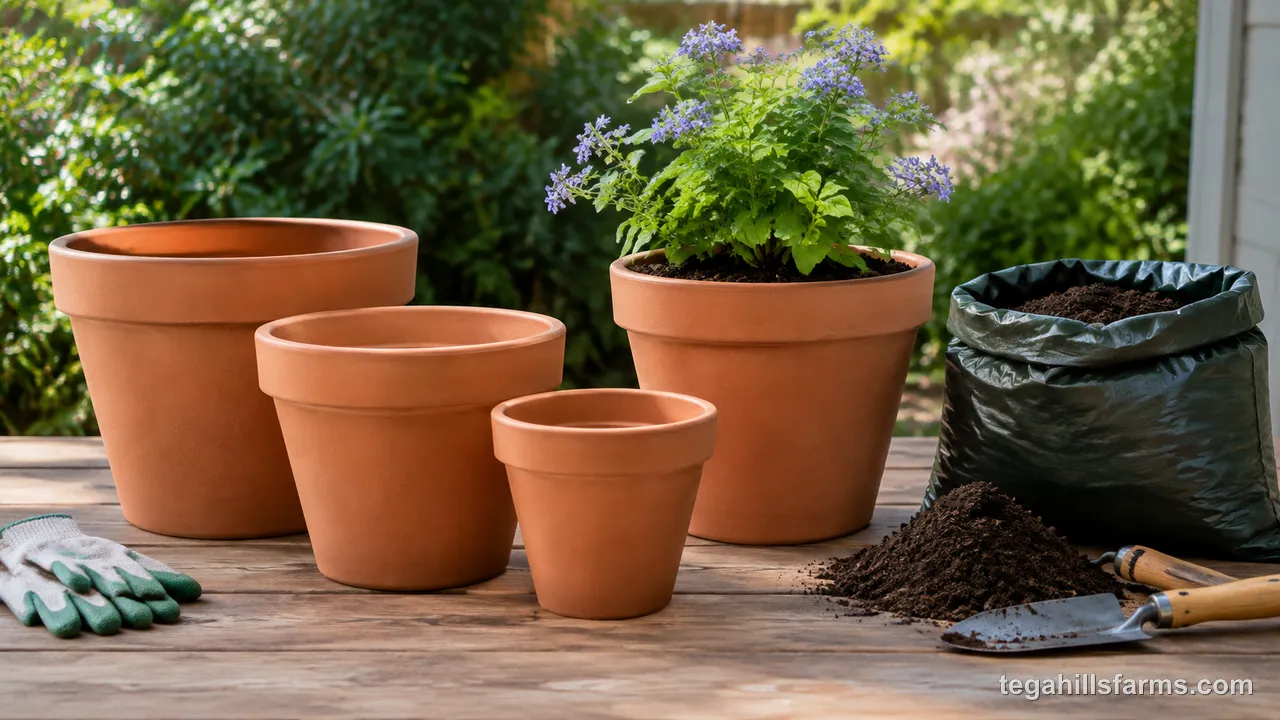
When a label lists only one of these figures, you have half the picture. A pot can be wide and shallow or narrow and tall at the same rated size, and a plant will grow very differently in each. Reading all three together tells you whether the container suits the roots you’re planting or only the space on your patio. Once you know what these measurements describe, you can work through how to choose a planter that gives your plants room to grow.
Diameter vs Depth: What Each One Controls
Diameter decides how far roots and foliage can spread sideways and how many plants share the soil. Depth decides how far roots can travel downward and how much water the soil can hold between waterings.
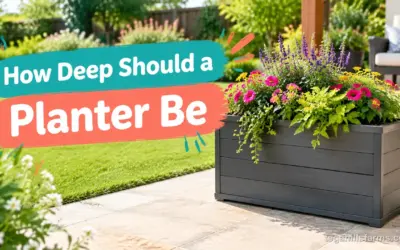
A wide pot suits plants with a broad canopy and shallow, fibrous roots, such as lettuce or creeping thyme. A deep pot suits crops that anchor themselves with long roots, such as tomatoes and carrots, because the lower soil stays moist after the top layer dries. Depth also steadies tall plants: more soil below the stem means less wobble in wind. For crop-by-crop numbers, the guide on how deep a planter should be goes further into root depth.
What Gallon Ratings Tell You
A gallon rating tells you the soil volume, not the shape. Two pots with the same rating can be squat and wide or tall and slim, so the rating tells you how much root mass the container can feed, not where those roots will grow.
Volume matters most for watering and feeding. More soil holds more moisture and nutrients, which means fewer emergency waterings during hot weeks. Nursery containers sold as “1-gallon” or “5-gallon” follow trade sizing and often hold somewhat less than a full gallon measure, so treat those labels as size classes rather than exact volumes. When you transplant out of a nursery pot, check the new container’s actual depth and width rather than matching gallon numbers.
How Big Should Your Planter Be for Different Plants?
Root depth and mature spread set the minimum size. Fruiting vegetables and dwarf trees need the deepest, widest containers, while compact herbs and slow-growing houseplants do well in noticeably smaller pots.
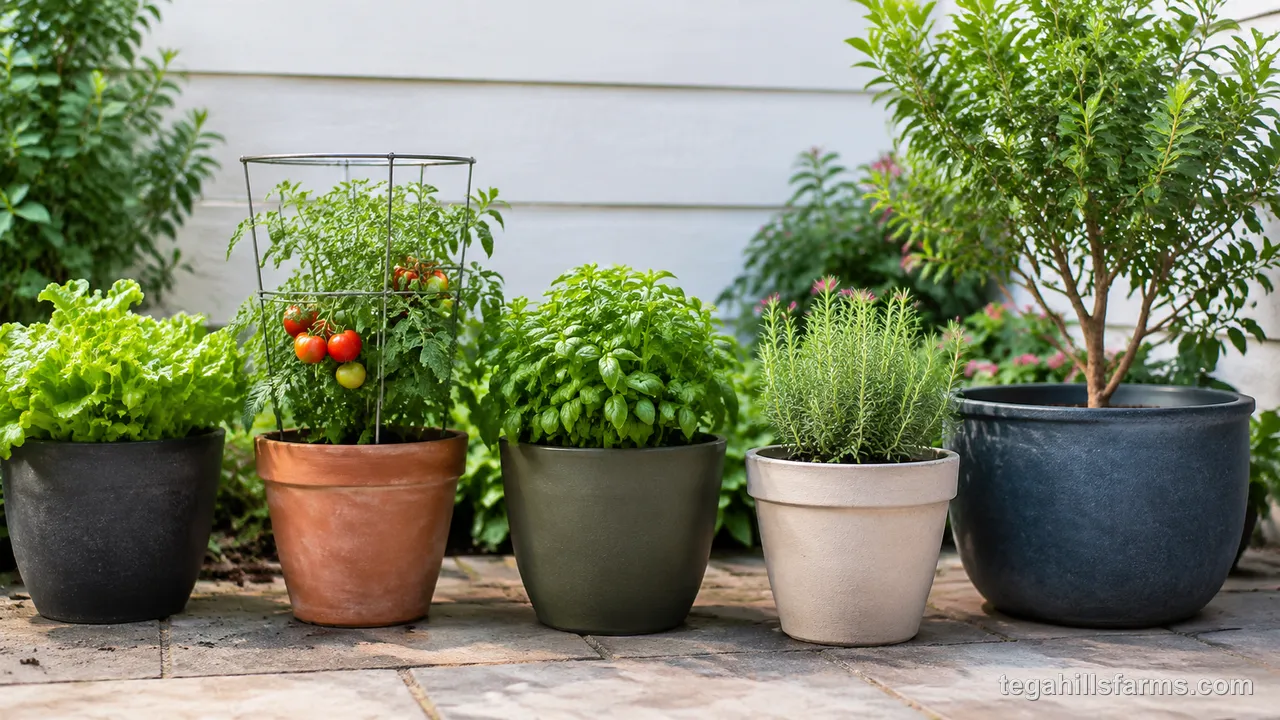
The plant group matters because roots behave differently from one group to the next. A vegetable plant packs a full season of growth into a few months and drinks heavily while it fruits. A houseplant grows slowly and can sit in the same pot for years. Sorting your plants into these groups first makes it easier to decide what to plant in a planter you already own, or which size to buy for the crop you want.
Vegetables
Bush cucumbers need a container at least 12 inches in diameter and 12 inches deep. That works as a baseline for other fruiting vegetables. Determinate tomatoes and peppers grow at least that much root, so give them equal or greater depth. Vining cucumbers and indeterminate tomatoes need more depth still, along with a trellis or cage.
Fruiting crops use a lot of water, and a pot near the minimum can dry out in a single hot afternoon. Choosing bush or compact varieties is the easiest way to fit vegetables into a smaller planter without stunting the harvest.
Herbs
Herbs divide by root habit. Shallow-rooted herbs such as chives, thyme, oregano, and mint spread sideways and grow well in wide, fairly shallow pots or window boxes. Basil also stays fairly shallow, though it grows bushy and appreciates more width as it fills out.
Parsley and dill grow taproots, and rosemary and sage develop woody, deep root systems over several seasons, so all of them need deeper containers. Perennial herbs also stay in the same pot year after year. A container with some extra room spares you from repotting a woody plant every spring.
Houseplants
Houseplants are sized by their current root ball and growth habit rather than by a fixed minimum. Snake plants prefer a snug pot, and their spreading rhizomes do better in a wide, shallow container than in a deep one.
Pothos tolerates a modest pot and trails over the edge, so the container only needs to hold the roots. Monsteras grow large and top-heavy, especially on a moss pole, so a heavier, deeper pot keeps them upright. Indoors, a pot that is too big is a more common problem than one that is too small, because household light dries soil slowly.
Trees and Shrubs
Dwarf fruit trees and ornamental shrubs need a container noticeably wider and deeper than their root ball, with room to grow for several years. Half-barrel-sized planters are a common choice for dwarf citrus, figs, and compact apples.
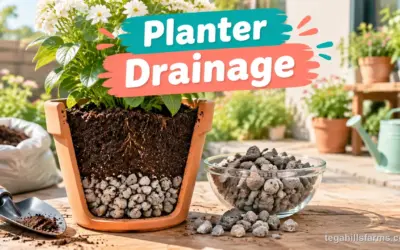
Soil mass matters here for two reasons. It keeps a tall plant from blowing over, and it insulates roots through winter. Container roots are more exposed to cold than roots in the ground, so in colder USDA zones a larger pot gives the tree a better chance of surviving. Good planter drainage is essential at this size, because a large pot of waterlogged soil can kill a tree over one wet spring.
Is Your Planter Too Small or Too Big?
How the soil dries and where the roots go tell you: a too-small pot dries out within a day and pushes roots out the bottom, while a too-big pot stays wet for days after watering.
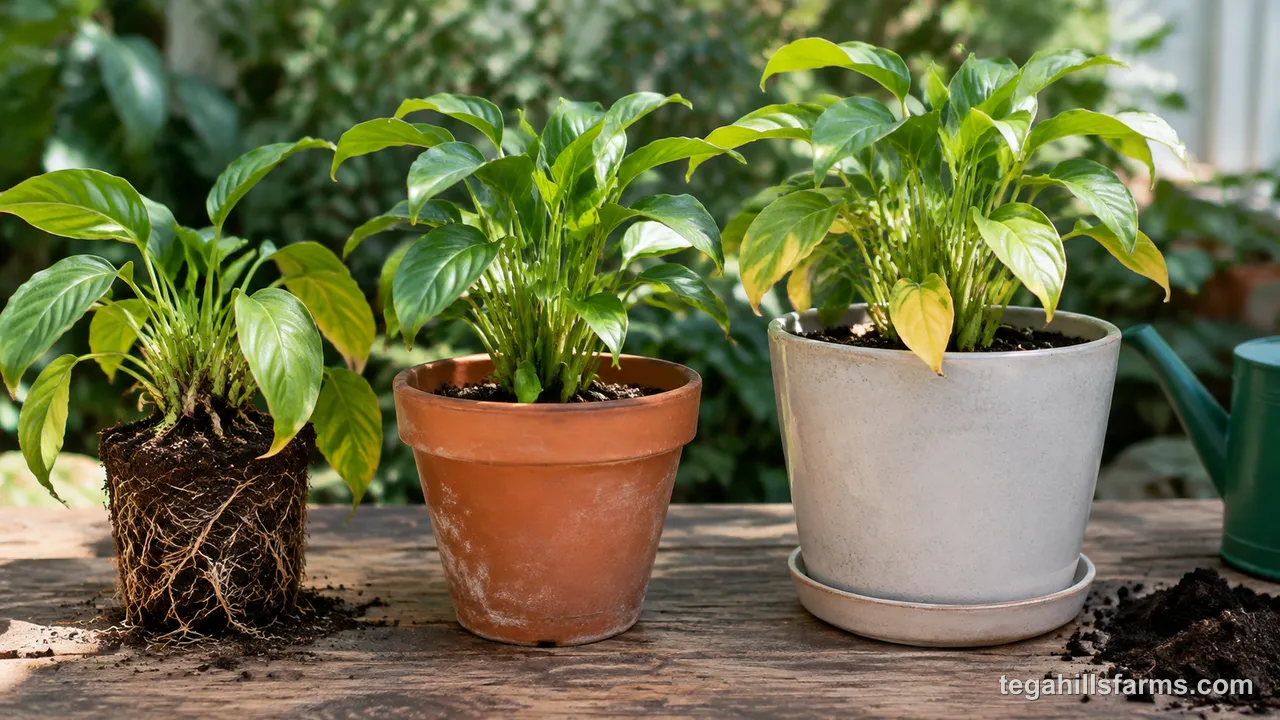
Both problems show up in your watering routine before the plant shows serious damage. Catching the signs early gives you time to move the plant to a better-sized container mid-season instead of losing it.
Signs a Pot Is Too Small
A plant has outgrown its pot when roots circle the inside wall, poke out of the drainage holes, or fill the container so tightly that you can barely see soil. Root-bound plants also wilt soon after watering, because there is too little soil left to hold moisture.
Watch how water behaves. If it runs straight through and out the bottom almost as fast as you pour, the root mass has displaced most of the soil. Other signs include a plant that tips over from top-heavy growth, leaves that yellow from the bottom up, and growth that stalls partway through the season even though you water and feed it.
Problems with Oversized Pots
An oversized pot holds more water than the roots can absorb, so the soil stays soggy and roots sit in airless, anaerobic conditions that lead to root rot. The cause is the perched water table, a saturated layer that forms at the bottom of every container no matter how good its drainage holes are.
In a well-sized pot, roots reach that wet layer and use it up. In an oversized pot, a large mass of wet soil sits beyond the roots’ reach and dries very slowly, especially indoors or in cool weather. Look for soil that is still damp several days after watering, a sour smell, fungus gnats, and yellowing leaves on a plant that never dries out.
How to Choose the Next Size When Repotting
Move up one size at a time, usually a pot 1 to 2 inches wider in diameter than the current one. That leaves fresh soil around the roots without creating a large wet zone they can’t use.
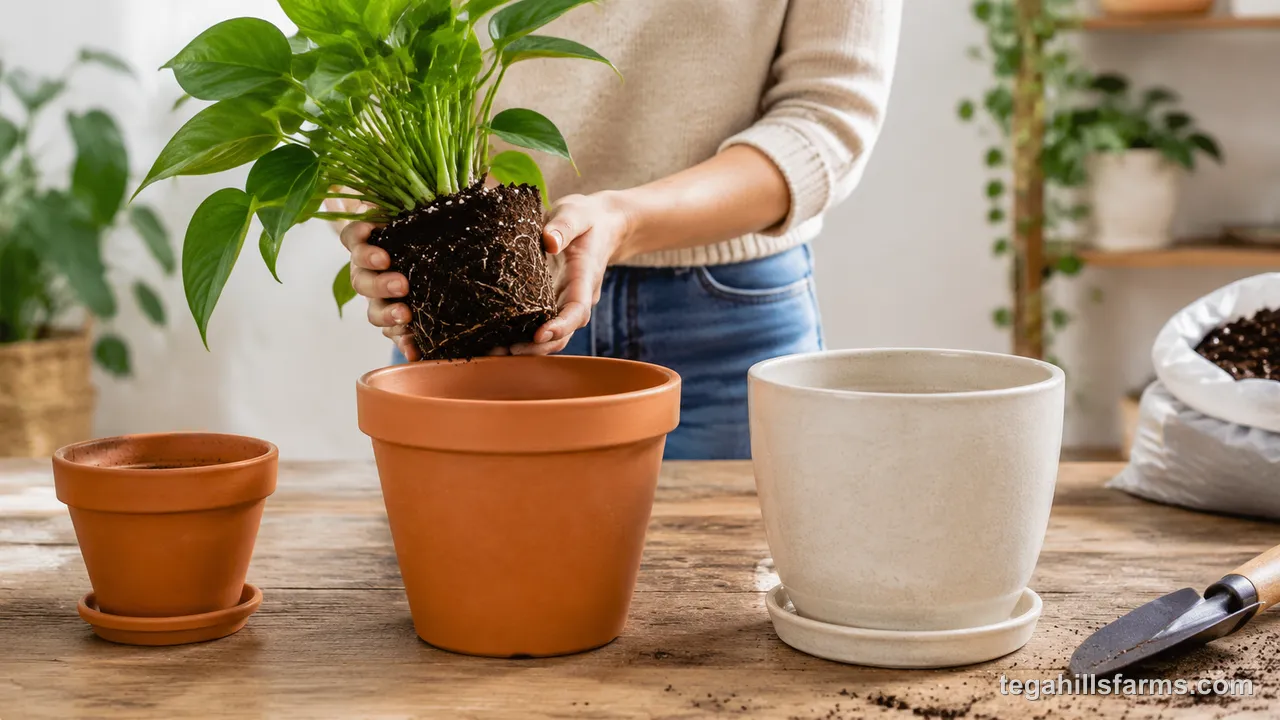
Measure the root ball, not the foliage. Slide the plant out, check how wide and deep the roots reach, and compare that with the inside dimensions of the new pot. Measure inside the rim, because thick walls on ceramic and concrete pots take up space the label doesn’t account for.
Small and young plants should always follow the one-size rule. They grow fast but can’t use extra soil yet, and stepping up gradually keeps their watering predictable. Mature, fast-growing plants such as vegetables headed for summer production, or a houseplant you don’t want to repot again soon, can take a slightly bigger jump as long as the soil mix drains freely. Deep-rooted plants should go up in depth as well as width. I’d rather repot a vigorous plant twice than drown it in a pot it won’t fill for two years.
Round and square pots sold under the same width rating hold different amounts of soil, because a square pot’s corners add growing room that a round pot of the same width lacks. If you buy by the width number alone, you can end up with a bed that crowds roots in one container and leaves spare soil in another, and the plant spacing you planned won’t work in either.
Does Pot Shape Change the Size You Need?
Shape changes how much usable soil a container offers at the same listed width. A square or rectangular pot holds more soil than a round pot of identical width, because its corners extend the growing area. Round pots lose that corner volume, and tapered round pots lose more toward the base, where roots need it most.
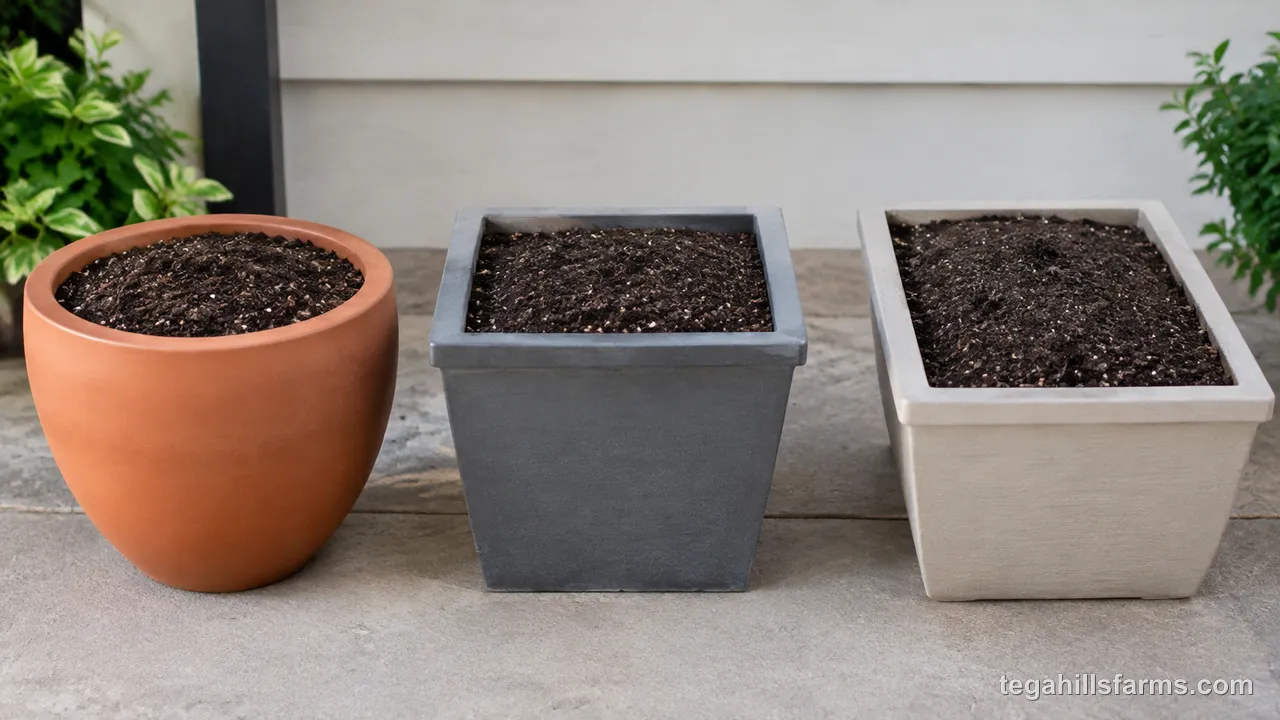
Footprint shape also affects layout. Rectangular planters let you set plants in a row with even spacing, which suits herbs, greens, and window boxes. Round pots work best for one central plant whose roots can spread evenly in all directions.
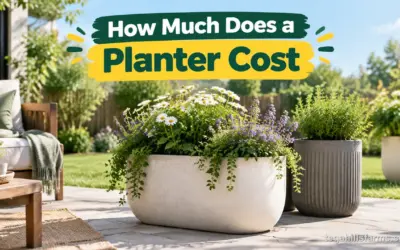
When you compare containers, look at depth and base width as well as the rim measurement, since a steep taper shrinks the usable root zone. Shape also affects how much a planter costs for the soil you actually get, so a slightly wider round pot is not always the better buy than a square one.
How Many Plants Fit in One Planter?
The count depends on each plant’s mature width plus the space between stems. A container that looks generous in spring can be crowded by midsummer.
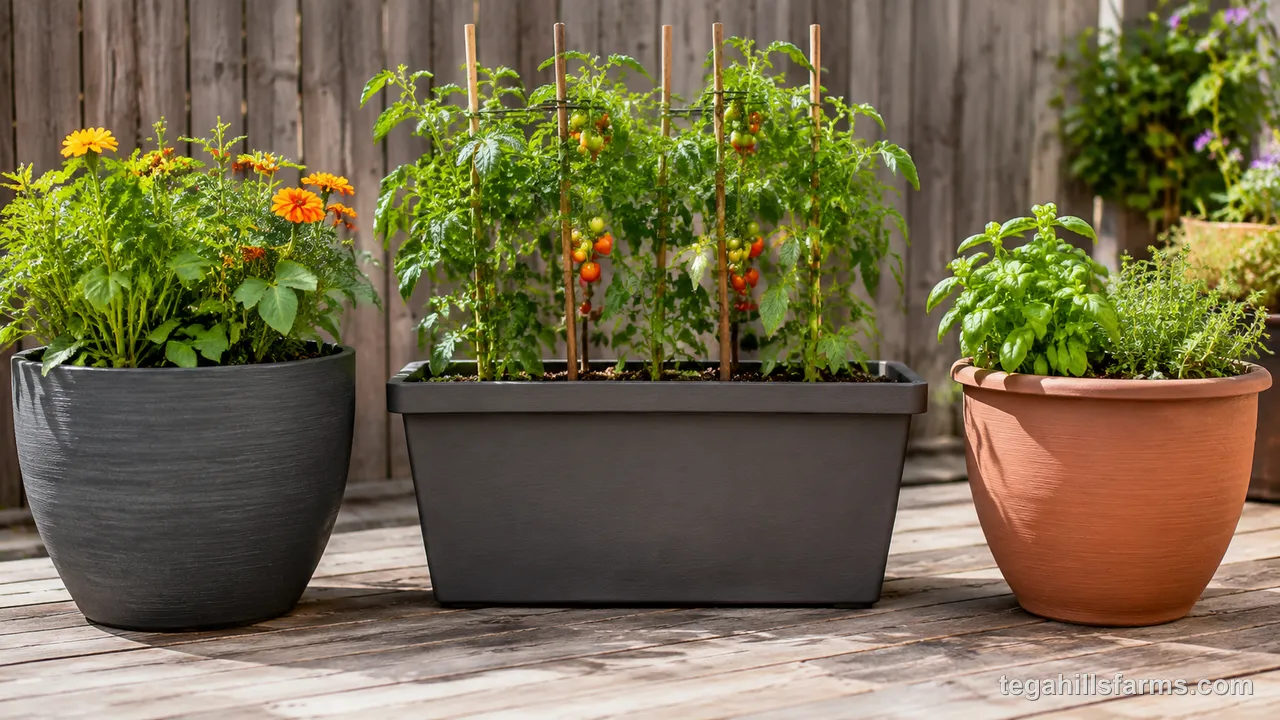
Combining plants changes how much the container has to supply. Several plants draw water and nutrients from the same soil, so a shared planter dries faster and needs feeding more often than a single-plant pot of the same size.
Spacing Between Plants in Containers
Space container plants by their mature spread, not their size at planting. Seed packet and nursery tag spacing is a reliable starting point.
Containers allow slightly closer spacing than garden beds, because you water and feed them directly and avoid competition from the surrounding ground. Leave enough room for air to move between stems, though. Crowded foliage stays damp after watering and rain, which favors fungal disease, and the strongest plant will take light and water from its neighbors.
Sizing Up for More Than One Plant
To find the container width for a group, add each plant’s mature spread to the spacing gaps between them. A row of herbs in a rectangular box adds up along its length, while a round pot needs enough diameter to fit a center plant with others around it.
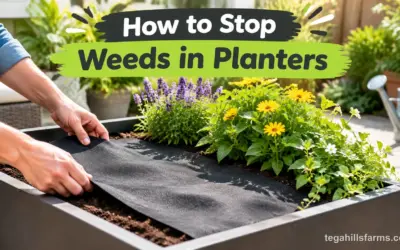
Combine plants with similar root depth and water needs, so a thirsty basil doesn’t share soil with a rosemary that prefers dry conditions. Fill the planter close to its intended capacity, because large patches of bare soil invite weed seeds. If you’ve had that problem before, read up on how to stop weeds in planters.
Common Questions About Planter Sizing
Is a bigger planter always better for plants?
No. Extra soil helps only when roots can reach it. In a pot far larger than the root ball, unused soil stays wet, airflow to the roots drops, and root rot becomes more likely. Size up to match the plant’s mature root system, and do it in steps for young or slow-growing plants.
How often should container plants be repotted?
Most houseplants need repotting every year or two, when roots start circling the pot or water drains straight through. Annual vegetables and herbs usually stay in their first container for the season. Perennial herbs, shrubs, and dwarf trees need a larger pot or a root trim every few years as they mature.
Should I measure a planter inside or outside the rim?
Measure the inside. Thick ceramic, concrete, and wood walls can take noticeable width out of the growing space, and a rolled rim makes the outside measurement look bigger than the soil area. Check inside depth as well, since raised bases and built-in water reservoirs reduce the usable soil height.
Can I set a plant’s nursery pot inside a larger decorative pot?
Yes. A decorative outer pot, often called a cachepot, lets the plant stay in a correctly sized grow pot while you use a container you like the look of. Empty any water collecting in the bottom after watering, because roots sitting in that runoff will rot.
Does a windy spot change the planter size I need?
It can. Tall plants such as tomatoes, dwarf trees, and large houseplants on a balcony need a heavier, wider base to resist tipping. A deeper or wider pot adds soil weight and steadies the plant. Wind also dries soil faster, which makes a slightly larger volume more forgiving between waterings.
Write Your Review
No reviews yet. Be the first to share your experience!