

Most planters cost between about $5 and $150. Small plastic and terracotta pots sit at the low end of that range. Large glazed ceramic, fiberglass and corten steel containers can run $200 to $800 or more. Raised garden beds have their own bracket, and most kits cost somewhere in the low hundreds.
Material sets the base price, and size raises it, because a wider and deeper container needs more material and weighs more to ship. Features add to the total, especially a built-in water reservoir or frost-proof firing. Where you shop matters too. The same 14-inch pot can carry very different price tags at a home center, an online marketplace and a local nursery.
The real worry for most gardeners runs in both directions. A cheap pot can split after its first hard freeze and take a plant’s roots with it. An expensive one can be wasted on petunias that only last a single summer.
My own rule is to spend on the containers that stay outdoors year-round and buy cheaply for anything seasonal. A pot that has to survive January in a northern zone does a different job from one that holds basil on a sunny porch until frost.
What Affects Planter Cost?
Material, size and built-in features set most of a planter’s price. That is why a 12-inch pot can cost around $10 in plastic and $80 or more in glazed ceramic. These factors matter for more than your budget, because the qualities that raise the price are often the same ones that decide whether a pot survives outdoors: thicker walls, frost-resistant firing and UV-stable material. Once you see what you are paying for, it becomes easier to work out how to choose a planter that suits both your plants and your budget.
Material and Manufacturing
Plastic planters usually cost about $5 to $40. Ceramic, fiberglass and metal planters of the same size often cost far more, because they take more labor and energy to make. Injection molding produces plastic pots quickly and in bulk, which keeps the price per pot low.
Ceramic has to be shaped, dried, kiln-fired and often glazed. Some pieces crack during firing, and the losses are built into the price of the ones that make it out of the kiln. Fiberglass is usually laid into molds by hand. Metal planters are cut, welded or folded and then coated against rust. Resin falls in the middle: it is molded like plastic but with thicker walls and fillers that make it look like stone.
Size, Features, and Brand
Moving up one diameter size within the same product line usually adds about $10 to $50. A self-watering reservoir typically adds roughly $10 to $40 compared with a plain pot. Size raises cost quickly because a pot grows in width and depth at the same time, so the material needed and the shipping weight both climb faster than the diameter number on the tag.
Features add parts and assembly steps. Examples include a reservoir and wicking insert, a built-in trellis, and casters for moving a heavy pot. Brand name and decorative finishes, such as hand-applied glazes or powder-coated colors, add markup without changing how well the plant grows. That spending makes sense for looks, but your tomatoes won’t notice it.
How Much Do Different Planter Materials Cost?
Prices range from a few dollars for basic plastic to several hundred dollars for corten steel and fiberglass, with terracotta, ceramic, resin and wood falling in between. Material also changes how water moves through the soil. Planter drainage works differently in unglazed clay, which lets moisture escape through its walls, than in sealed plastic or metal, which hold water until it leaves through the holes. That means your choice affects how often you water as well as what you pay.
Plastic and Resin Planters
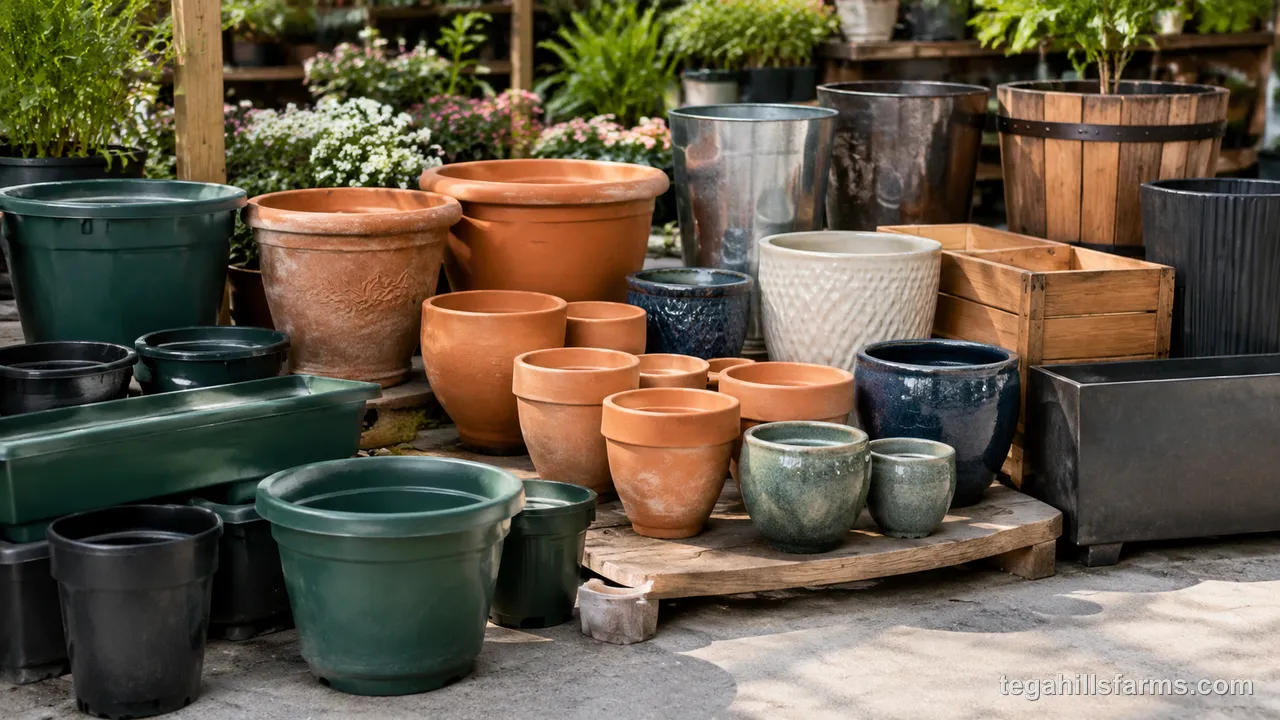
Plastic planters usually cost about $5 to $40, and resin or resin-composite planters run about $20 to $150. These are the most affordable materials for most sizes, and they are light enough to move once filled with soil.
Most of the price difference within this group comes from wall thickness and UV treatment. Thin, untreated plastic is cheap because it uses little material. In full sun it can fade and turn brittle within a few seasons, because ultraviolet light breaks down the plastic. UV-stabilized plastic and thicker resin cost more but hold their shape and color longer. Resin designed to look like stone or concrete carries the highest prices in this category, since the added fillers and texture take more material and finishing.
Ceramic and Terracotta Planters
Unglazed terracotta runs roughly $5 to $60 depending on size. Glazed ceramic usually costs about $25 to $200, and handmade or frost-resistant pieces can pass $300.
Glaze raises the price because it adds a second firing and more labor, and decorative colors and patterns often need hand application. Handmade studio pottery adds the potter’s time to all of that.
Terracotta is cheap and lets roots breathe because the clay wicks moisture out through its walls. That also means it dries out faster in summer and can absorb water that expands and cracks the pot when it freezes. Frost-resistant ceramic is fired so it absorbs very little water. That extra processing is why it costs more, and it is the main reason to pay up if your pots stay outside through winters in colder USDA zones.
Metal, Wood, and Fiberglass Planters
Galvanized metal planters typically cost about $20 to $150, and cedar planters run about $40 to $300. Fiberglass usually costs $100 to $600, and corten steel often runs $150 to $800 or more. These materials cost more because they are built to last outdoors for many seasons.
Galvanized steel has a zinc coating that slows rust, and powder-coated finishes add color and another layer of protection at a higher price. Corten steel forms a stable rust layer on its surface that protects the metal underneath, which suits permanent installations. Cedar resists rot naturally without chemical treatment, which matters if you grow vegetables in it. Fiberglass is light for its size, so it works well on balconies and rooftops where weight is a concern. Keep in mind that dark metal heats up in full sun, which can stress shallow roots in hot climates.
How Much Do Planters Cost by Size?
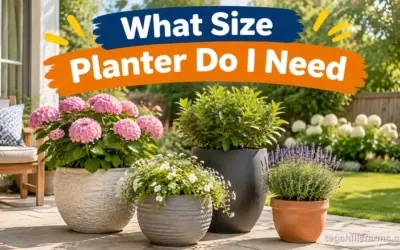
Small pots under about 10 inches often cost less than $20, while 24-inch and larger outdoor planters commonly run several hundred dollars, because material, weight and shipping all increase with diameter. For a sense of scale, a standard #1 nursery container holds about one gallon of soil on paper and closer to 3 quarts in practice. Knowing what size planter you need keeps you from paying for soil volume your plant will never use, and from buying a pot that leaves the roots cramped by midsummer.
Small to Medium Planters
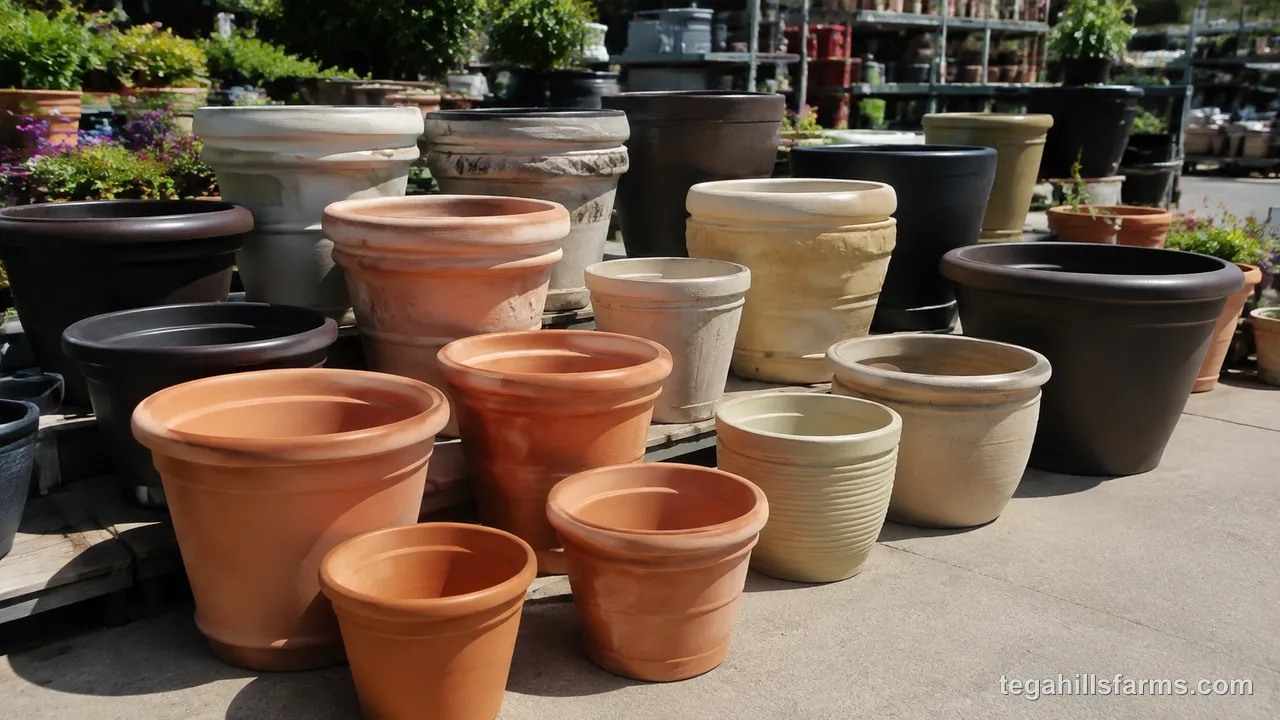
An 8- to 10-inch planter usually costs about $5 to $25 in plastic or terracotta and up to around $50 in glazed ceramic. Planters in the 12- to 14-inch range run roughly $15 to $60, and decorative ceramic in that size goes higher.
These are the most common sizes for indoor plants, tabletop herbs and patio containers. Because they are made in large numbers, prices stay competitive. At this size, material and wall thickness affect price more than diameter does. A thick-walled glazed pot can cost several times as much as a plastic pot of the same width. Shipping stays cheap at this size, which makes online buying practical even for ceramic.
Large and Extra Large Planters
Planters 16 to 20 inches across commonly cost about $40 to $150. Containers 24 inches and larger often run $100 to $500, and fiberglass and corten steel versions go well past that.
The jump happens because a larger pot needs more material in its walls and base, and in ceramic, large pieces are more likely to crack during firing. Weight also becomes a real expense. A big glazed pot can be costly to ship, so retailers either build freight into the price or charge it separately at checkout. Large planters are also made in smaller numbers, which removes much of the volume pricing that keeps small pots cheap.
Do Indoor and Outdoor Planters Cost the Same?
Outdoor planters usually cost more than indoor pots of the same size, because they need UV-stable material, frost resistance and drainage that indoor pots often skip. A 12-inch decorative indoor pot often costs about $15 to $50, while a frost-resistant outdoor pot of the same size commonly runs $30 to $100.
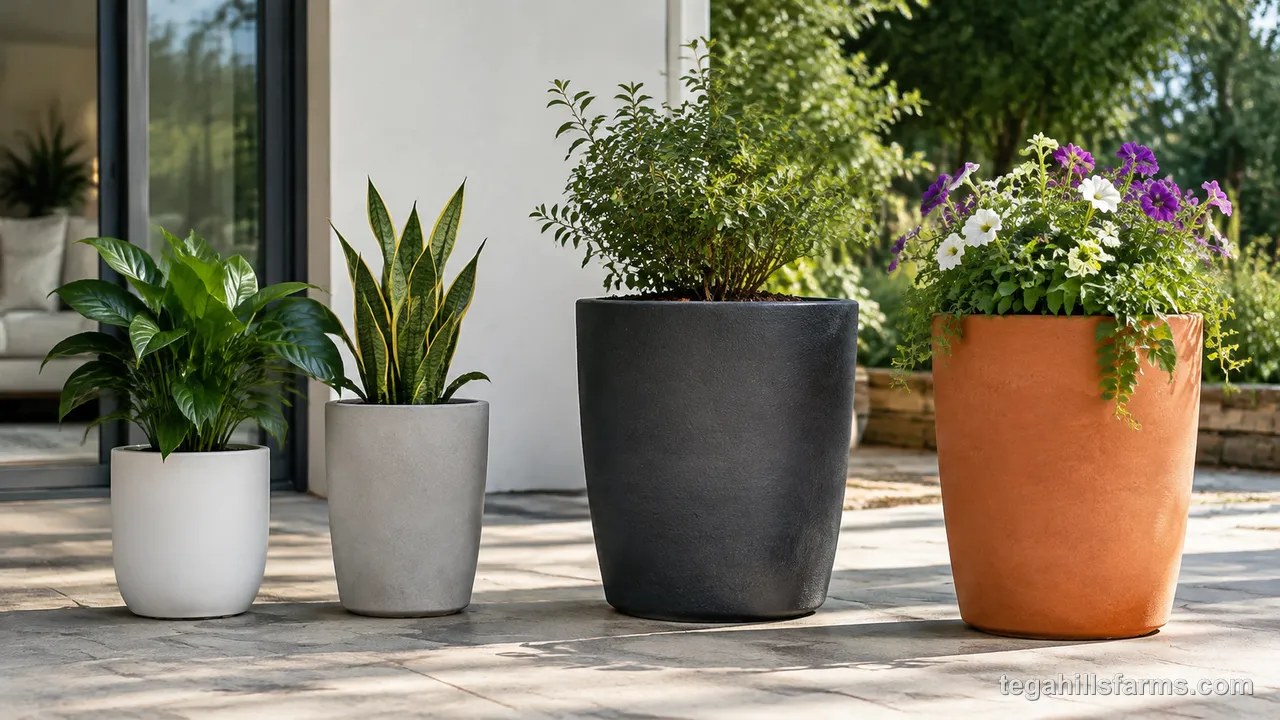
Many indoor planters are cachepots with no drainage hole. You set a plastic nursery pot inside them, so they don’t need to handle standing water or weather.
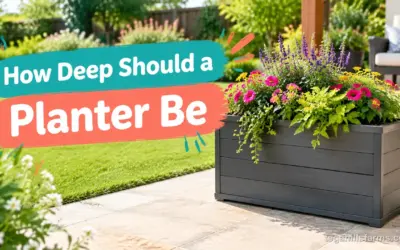
Outdoor planters face sun that breaks down cheap plastic and freeze-thaw cycles that crack porous clay, and each of those protections adds cost. How much they matter depends on your USDA zone. A pot left out in a northern winter needs frost-resistant material, while gardeners in mild southern zones can often use less expensive pots outdoors without trouble. Outdoor planters also tend to be larger, and how deep a planter should be depends on the crop, so a container sized for tomatoes or shrubs uses more material than a typical indoor pot.
How Much Do Self-Watering Planters Cost?
Self-watering planters usually cost about $15 to $40 in small sizes and $50 to $150 or more for large patio models, which is a clear step up from a plain pot of the same size.
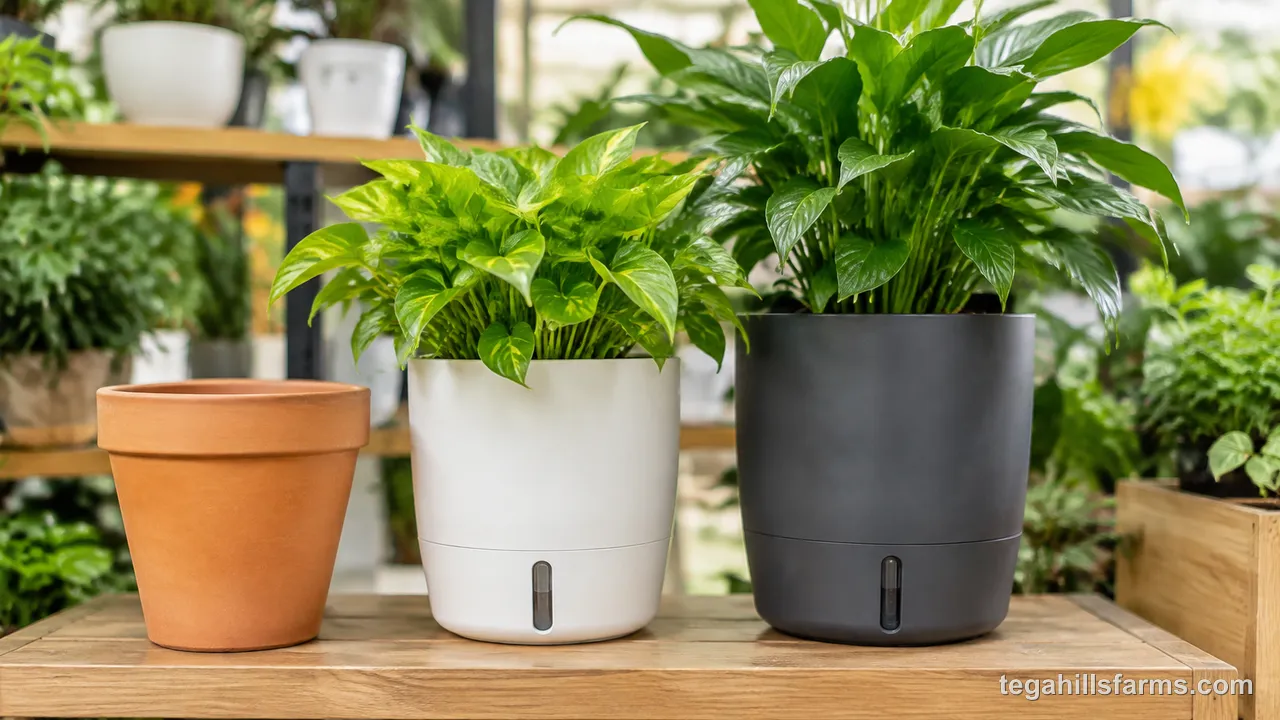
The extra cost covers a water reservoir in the base, a platform or insert that keeps the soil above the water, and a wicking system that draws moisture up to the roots. Most also have an overflow hole so rain doesn’t drown the plant. Some add a fill tube or a water-level indicator, and those parts raise the price further.
A standard pot depends on you to water it, while a self-watering pot holds a supply that the soil draws from as it dries. That evens out moisture, which helps thirsty container vegetables like tomatoes and peppers during hot spells and makes a weekend away less stressful. In a shaded spot, or for plants that like to dry out between waterings, a plain pot with good drainage does the job for less money.
How Much Do Raised Bed Planters Cost?
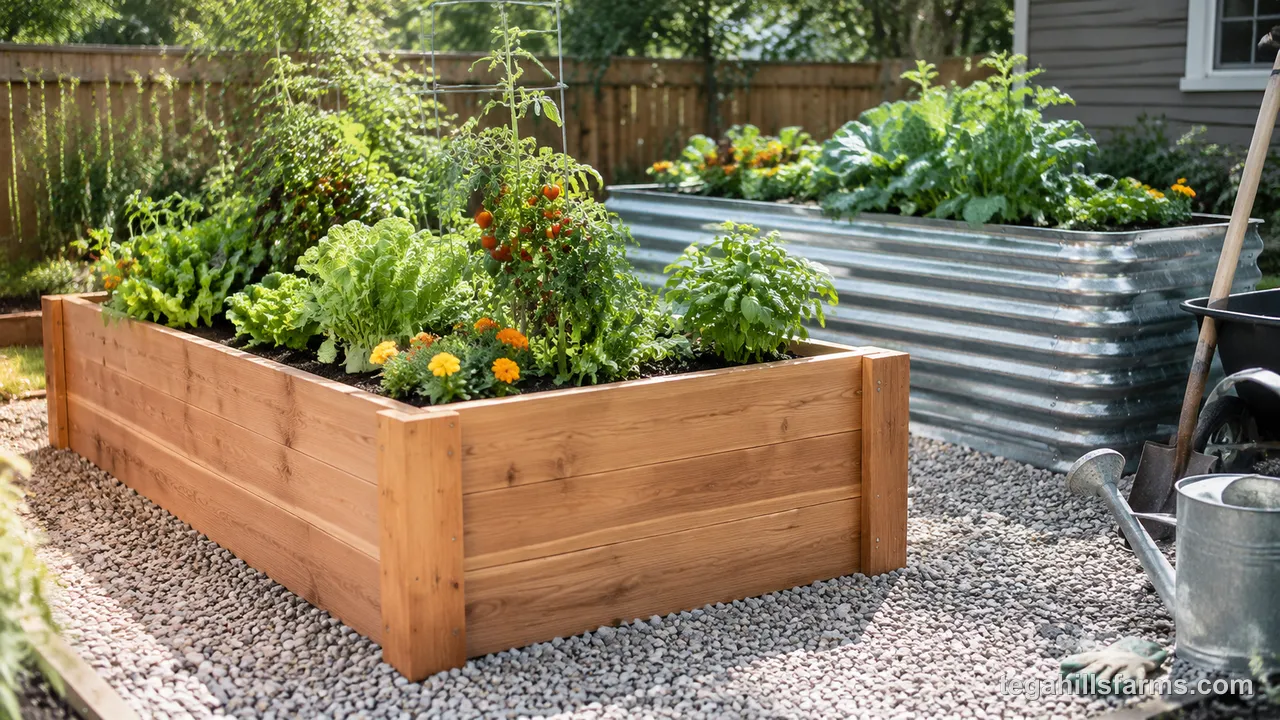
Raised bed kits typically run about $70 to $400, with cedar and galvanized steel covering most of that range. Corten steel, redwood and tall elevated beds cost more. Height affects price as much as material does. A taller bed uses more boards or panels, and it holds more soil, which is a separate purchase on top of the bed itself. That is worth knowing before you settle on a size, since a tall bed saves your back but takes a larger soil delivery to fill.
Wood Raised Bed Costs
A cedar raised bed kit commonly costs about $100 to $400. Untreated pine beds run about $50 to $150, and redwood or composite-board beds cost about $150 to $450.
Lumber type drives most of the price. Untreated pine is cheap, but it rots faster in contact with damp soil, so expect to replace boards sooner. Cedar and redwood contain natural oils that resist rot, which is why they cost more and why gardeners growing vegetables prefer them over chemically treated wood. Composite boards made from wood fiber and plastic won’t rot at all, though they cost more and some gardeners don’t like their look. Board thickness matters too, because thicker boards resist bowing once the bed is full of wet soil.
Metal Raised Bed Costs
Galvanized steel raised beds usually cost about $70 to $300, and aluminum beds run about $150 to $400. Corten steel beds often cost $300 to $800 or more.
Corrugated galvanized panels are the most affordable option because they are light and modular, and many kits let you rearrange them into different shapes. Price climbs with steel thickness and coating. Aluminum-zinc coatings and powder-coated finishes resist rust longer than basic galvanizing. Corten steel costs the most because thick plates form a protective rust layer and can last for many seasons with no maintenance. The trade-off for all metal beds is durability against price: a good metal bed costs more than pine up front but outlasts wood by many seasons.
Where Can You Find the Best Planter Prices?
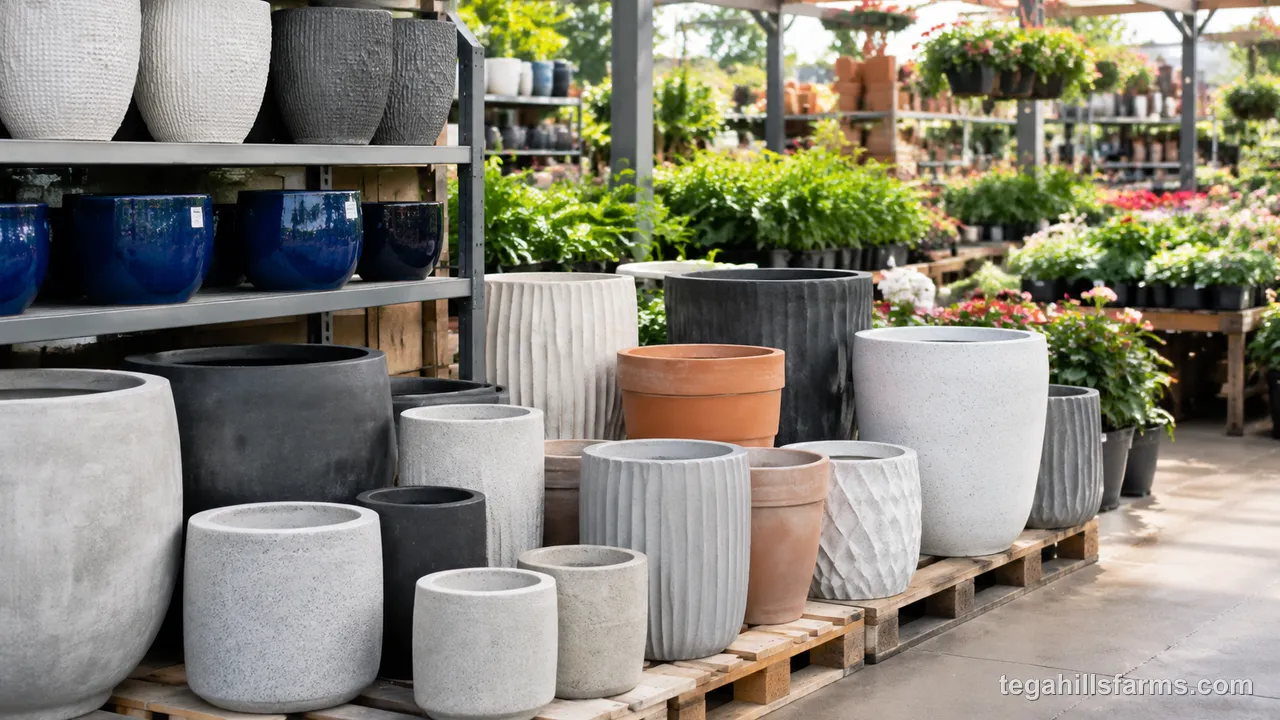
Home centers and online marketplaces usually have the lowest prices on standard pots, while local nurseries and specialty shops charge more for unusual designs, sturdier stock and advice. Timing matters as much as the store. Late summer and fall clearance sales often bring the best markdowns on outdoor pots that retailers don’t want to store over winter. The right store also depends partly on what to plant in a planter this season, since a nursery can sell you the container and the plant and match them correctly.
Home Centers and Online Retailers
IKEA’s outdoor pots start at about $4 and run past $200 for large statement pieces. On Amazon, planter boxes sell for a median of roughly $17 each, with offers ranging from under $1 to nearly $190 per count. Home Depot, Lowe’s and Walmart cover similar ground, with most common sizes priced in the $5 to $100 range.
These stores offer the widest selection of plastic, resin and basic ceramic, and their high volume keeps prices low. Shipping is the catch online. Heavy ceramic and large planters can cost a lot to ship, and they sometimes arrive chipped. For big glazed pots, buying in store lets you inspect the piece and skip freight charges.
Garden Centers and Specialty Shops
Local nurseries and independent garden centers often price comparable pots higher than big-box stores, with glazed ceramic and frost-resistant pieces commonly running $50 to $300. Some specialty sellers also offer planted seasonal arrangements by subscription. One planter delivery subscription starts at about $105 per delivery every three months, in sizes from 11 to 12 inches up to 26 inches.
The extra cost covers more than the pot. Independent garden centers tend to stock frost-resistant ceramic suited to local winters, and staff can tell you which pots have held up in your area. Specialty pot shops carry handmade and imported designs you won’t find at chain stores. You can also lift the pot, check its walls and drainage hole, and ask questions before you buy.
A plastic pot that turns chalky and brittle after one summer in full sun, or a clay pot that splits along its rim after the first hard freeze, sends you back to the store with a root-bound plant to rescue and a bag of spilled soil to replace. Pick the wrong bargain and the replacement cost shows up the following spring, along with a plant that lost its root zone partway through the season.
How to Spot a Cheap Planter That Won’t Last
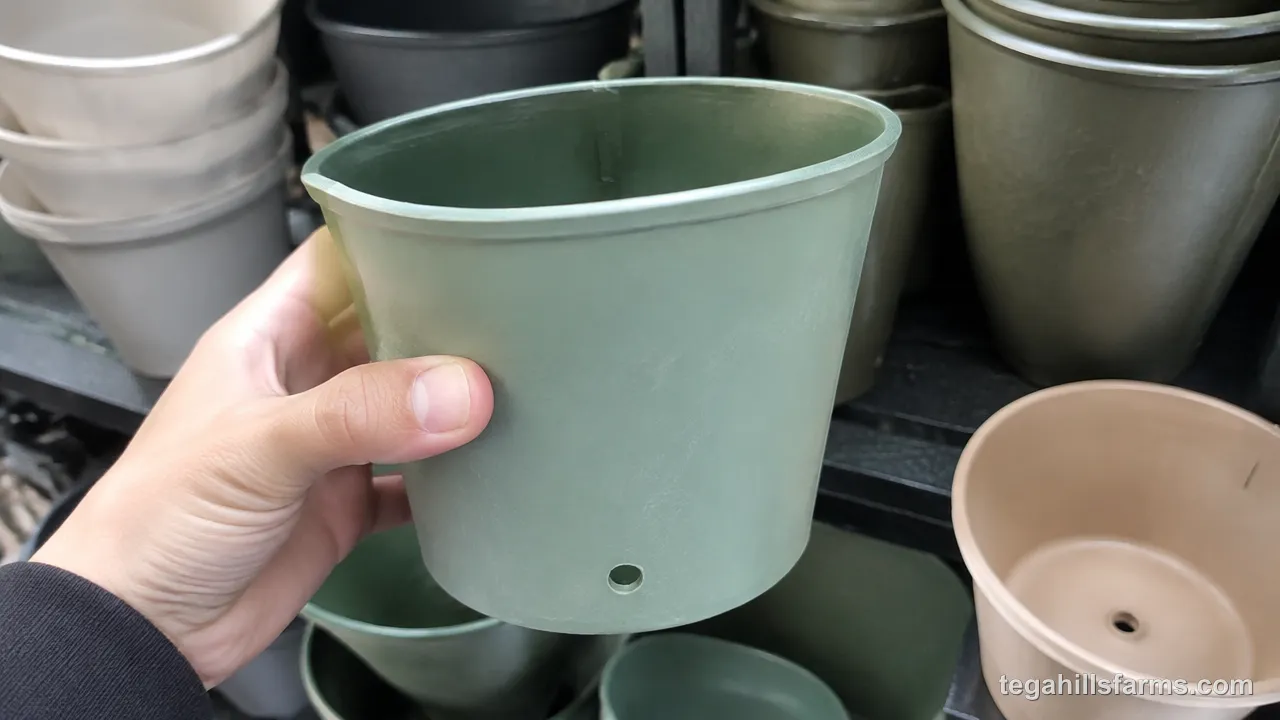
A planter that won’t last usually shows it in the store: thin walls that flex under thumb pressure, rough or uneven seams, and drainage holes that look like an afterthought. These flaws matter because they decide whether the pot holds up to sun, freezes and the weight of wet soil, or cracks within a couple of seasons. Splits and gaps also give slugs and earwigs places to hide, which makes planter pest control harder later on.
Material and Construction Red Flags
Most weak planters fail one of a few quick hands-on checks, and each flaw points to a specific way the pot will break down.
- Press the rim and sides: plastic that bends easily or turns white at the fold is likely to crack once sun makes it brittle.
- Run a finger along the seams: sharp mold lines or gaps show rushed manufacturing and are common weak points.
- Look closely at the glaze: pinholes, bare spots or fine crazing let water into the clay, where freezing can split it.
- Check the drainage hole: a ragged punched hole, or one still sealed with a knock-out plug, often leads to waterlogged roots.
- Set the pot on a flat surface: a wobbly or warped base will tip once it’s filled with wet soil and a top-heavy plant.
When a Budget Planter Is Actually Fine
A cheap planter works well when the job is short or the conditions are gentle. Annual flowers and herbs that only last one season don’t need a pot that survives a decade of winters.
Indoor plants are an easy case, since sun damage and freezing don’t apply, and an inexpensive plastic nursery pot inside a decorative cachepot works for years. Pots on a covered porch or in mild southern zones face less sun and frost, so budget materials hold up longer there. Temporary setups also justify cheap pots, such as a rental garden or a season of trying out container vegetables. In those cases, spending more only buys durability you won’t use.
When Does Paying More for a Planter Make Sense?
Paying more makes sense when a planter stays outdoors year-round in a zone with hard freezes, holds a perennial, shrub or small tree for years, or serves as a permanent focal point by the front door or on the patio. In those situations, frost-resistant material and thick walls protect the plant as well as the pot. Thicker walls insulate roots from summer heat and winter cold.
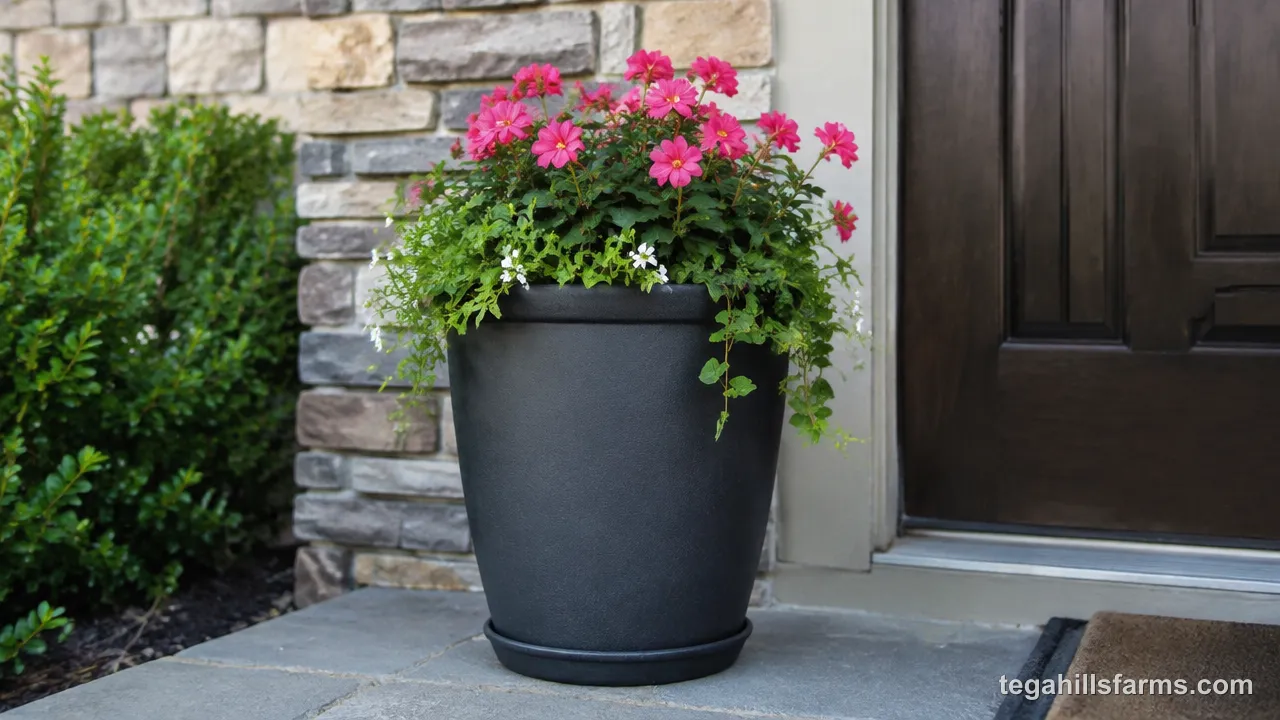
Root depth is another reason. Trees, shrubs and large perennials need wide, deep containers, and a well-made large pot keeps its shape under that weight where a thin one can bow or crack. Lower maintenance adds value over time too. A self-watering reservoir saves daily watering, and a sturdy container with a good base doesn’t need replacing every few years. Permanent plantings also stay neater over time, and working out how to stop weeds in planters is simpler in a container you plan to keep. I’d put the money into the pots that stay out all winter and save on the ones that only hold summer annuals.
Write Your Review
No reviews yet. Be the first to share your experience!