How to Choose a Planter Without Common Mistakes
A planter keeps plants healthy when it meets four needs. It gives the roots enough soil depth for the crop, lets extra water drain out fast, stands up to your summers and winters, and sits steady where you put it. Once those needs are covered, color and style are free choices.
Size and depth matter first because they set how much water and food the root zone holds between waterings. Material controls how quickly that moisture leaves the soil and how the walls handle hot sun and hard freezes in your USDA zone. Drainage and placement decide whether rain, wind and your watering can help the plant or hurt it.
The quietest way a planter hurts a plant is by holding water around its roots. Soggy soil starves roots of oxygen. The plant wilts even though the soil is wet and yellows from the lower leaves up. It often gets watered again because it looks thirsty.
When you’re shopping for vegetables or herbs, turn the planter over before you look at the finish. A drainage hole and enough depth for what you plan to grow will do more for your harvest than any glaze or color.
What does a healthy planter actually do for plants?
Roots need steady moisture, air in the soil and a fairly even temperature, and the planter’s depth, walls and drainage hole decide whether they get all three.
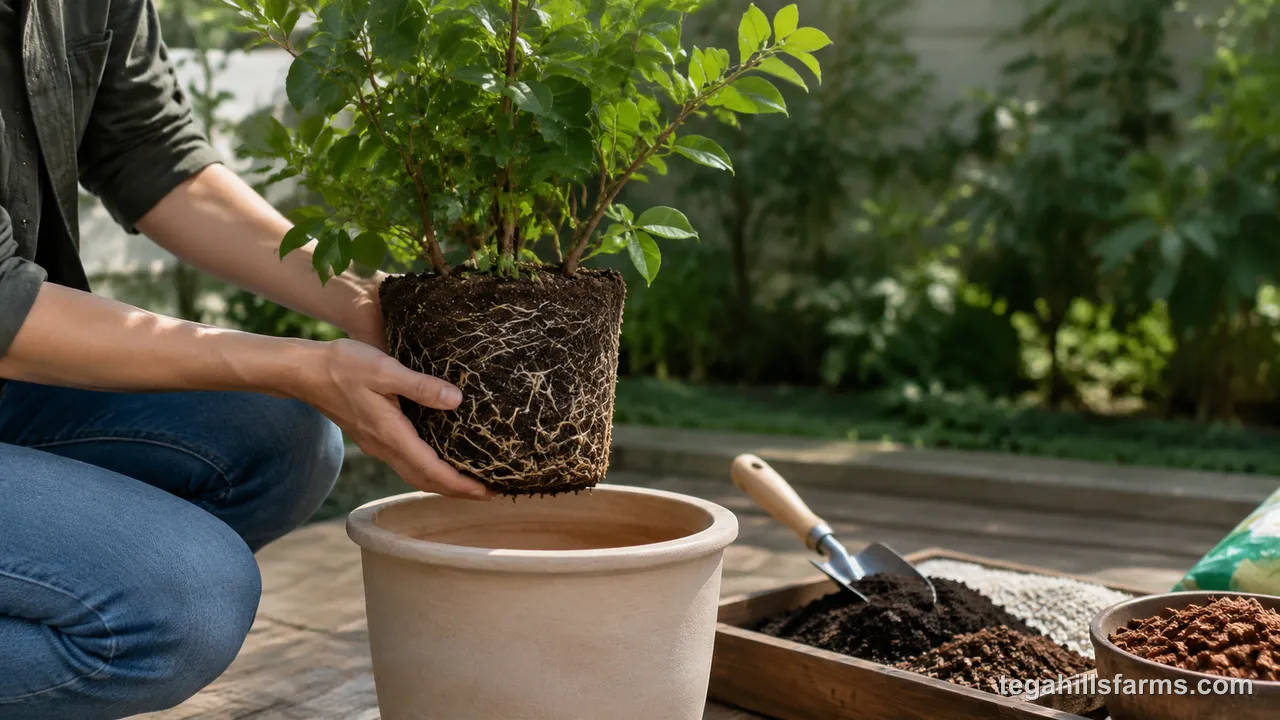
Roots breathe through the tiny air pockets between soil particles. When water can’t leave, those pockets stay flooded, the roots suffocate, and rot moves in. Soil volume works as a buffer. A generous amount of soil holds moisture through a hot afternoon, while a small amount swings from soaked to bone dry in a day.
The walls matter as much as the hole. Thin, dark sides heat up in full sun. In a cold zone, roots in a planter sit closer to freezing air than roots in a garden bed. A stable base completes the job, because a planter that blows over snaps stems and tears the root ball.
If you want a broader view of styles and materials once these health basics are clear, compare options side by side in our roundup of the best planters.
How do you choose the right size and depth to keep roots healthy?
Buy for the plant’s mature root system rather than the nursery pot it arrived in, because soil volume decides how long roots stay moist and fed between waterings. A planter that’s too small runs dry by midday and leaves the plant root-bound halfway through the season. One that’s far too big for a young plant holds a cold, wet mass of soil the roots can’t reach yet. Both mistakes show up as a sulking plant. Size for where the roots will be when the plant is full grown, then control how fast you get there.
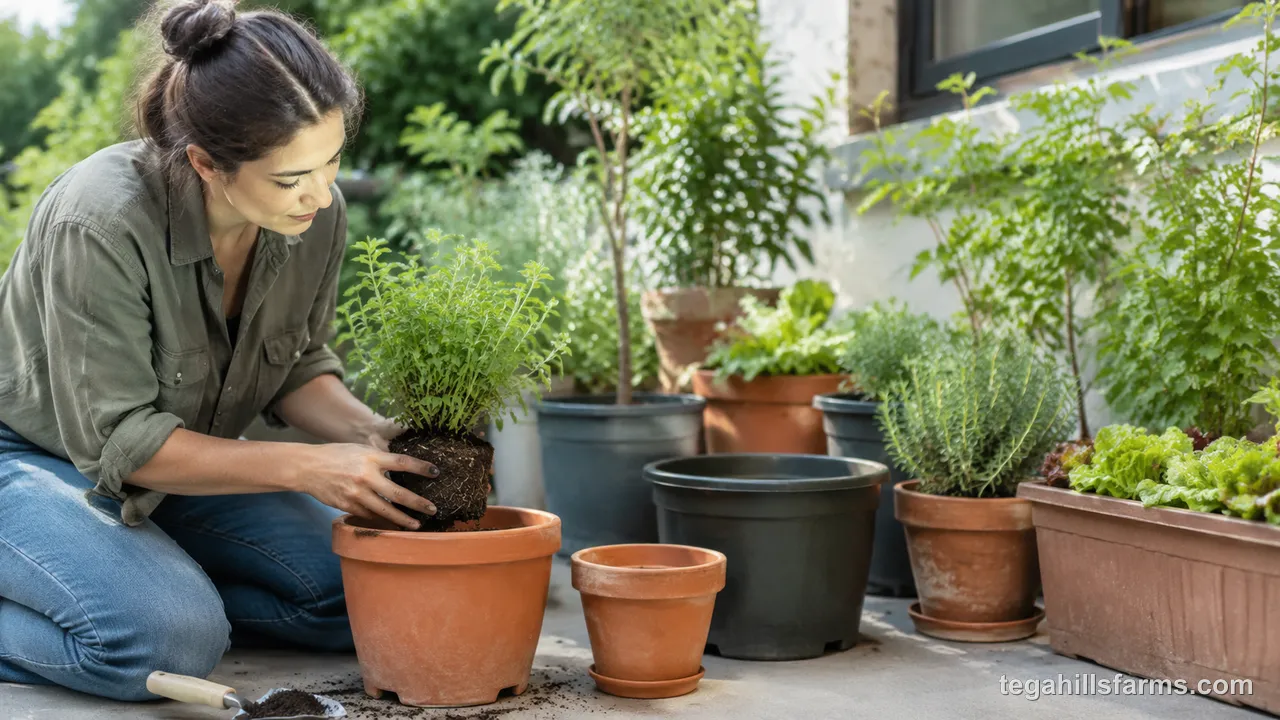
How much bigger should the next planter be?
When you move an established plant up, the standard step for most houseplants, herbs and perennials is a planter about 1 to 2 inches wider in diameter than the current one. Fast growers can take a little more. That modest jump gives roots fresh soil they can fill quickly.
A much bigger jump causes trouble because of the soil the roots can’t reach. Nothing draws water out of that soil, so it stays wet long after the root ball has dried. The soggy outer ring invites root rot and fungus gnats. The plant also spends weeks pushing roots instead of leaves, so top growth stalls.
Fast annuals are the exception. Tomatoes, peppers and squash grown from transplants fill their final planter within one season, so they can go straight into full size. For shrubs, dwarf fruit trees and other permanent plantings, the plant’s mature spread tells you what size planter you need.
How deep does a planter need to be for vegetables, herbs and small trees?
Depth should match how far the roots run. Shallow-rooted herbs, lettuce and other salad greens grow well in about 6 to 8 inches of soil. Fruiting crops such as tomatoes, peppers, eggplant and squash want 12 inches or more. Small trees and shrubs do best with 18 to 24 inches.
Shallow soil dries and heats faster than deep soil because there’s less of it between the sun-warmed surface and the roots. Root crops show the shortfall plainly. A carrot that hits the bottom forks or stunts. A tomato in a shallow planter wilts every afternoon no matter how often you water.
For small trees, depth does double duty. It holds enough moisture for a large canopy and anchors the trunk against wind. In northern zones, extra depth also gives perennial roots more insulating soil over winter. Varieties differ within each group, so check how deep a planter should be for the specific crop on your list before you buy.
Why does soil volume and plant spacing affect health more than pot look?
Every plant pulls water and nutrients from the soil around its roots. Three tomatoes crowded into a planter sized for one share a single reservoir, and all three run short by afternoon. The finish of a planter changes none of that. The amount of soil each plant gets does.
Root room pays off in growth, too. Doubling the pot size can raise growth by up to 40%. That gain comes from more soil holding more water and nutrients, so it only helps once the roots are large enough to use the extra space.
Spacing also affects what happens above the soil. Crowded leaves stay damp after watering or rain, which lets fungal diseases like powdery mildew spread from plant to plant. Follow the spacing on the seed packet or plant tag in a planter just as you would in the ground. Choose the planter by how much soil it holds before you choose it by how it looks.
Which planter material keeps plants healthiest in your conditions?
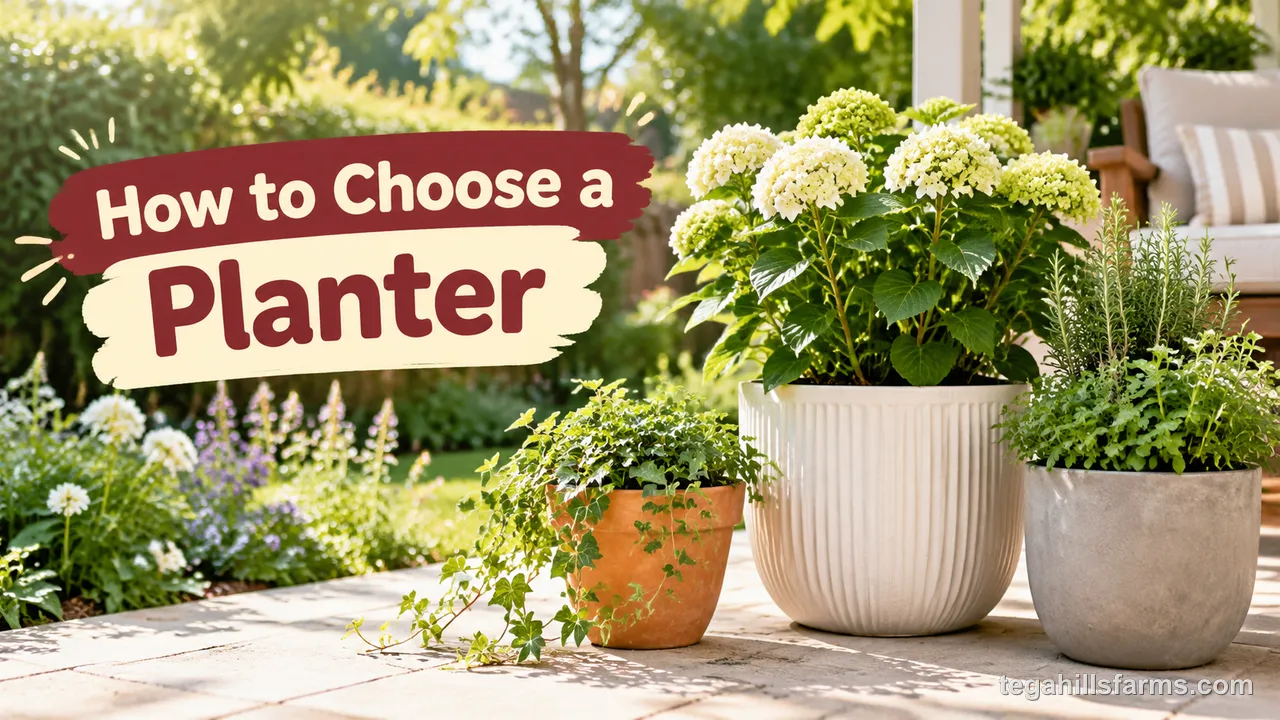
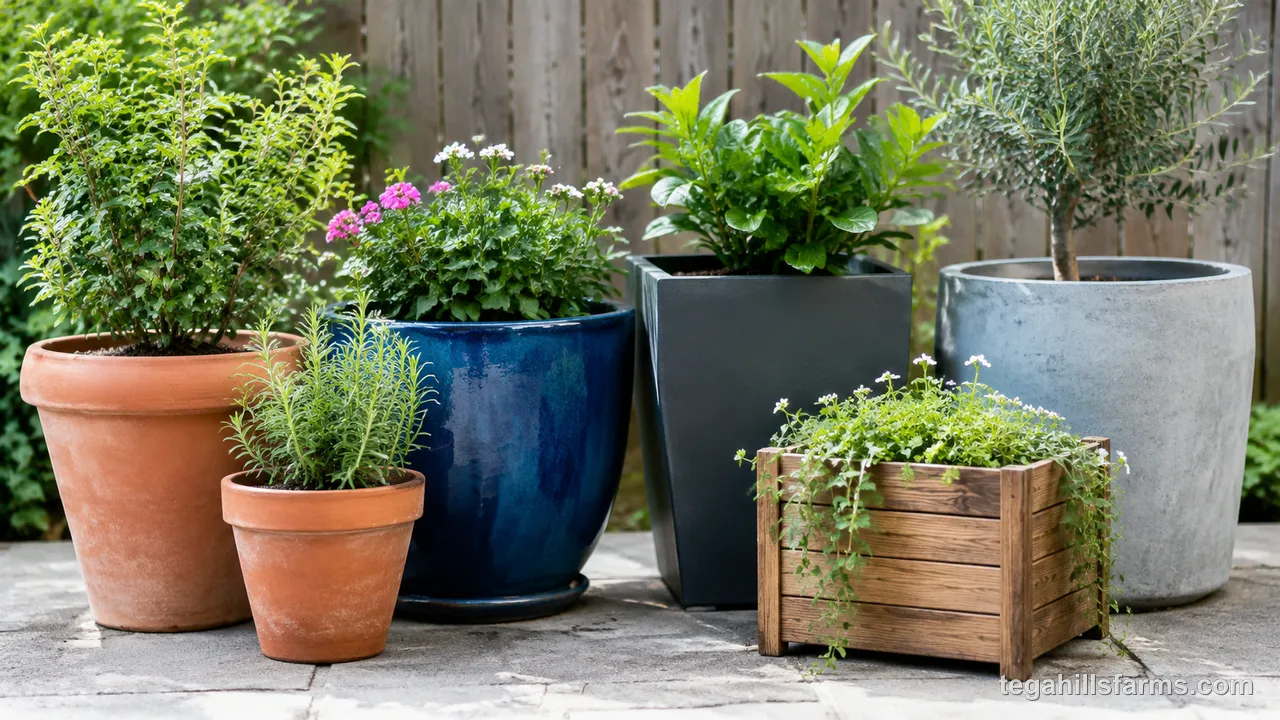
Porous terracotta and unsealed wood dry soil fastest, plastic, fiberglass and glazed ceramic hold moisture longest, and concrete and metal trade heavy weight or heat swings for durability, so the right pick depends on your watering habits and climate. If you water every day through a hot southern summer, walls that hold moisture protect the plant. If you tend to overwater, or you garden somewhere cool and damp, walls that breathe are safer. Winter matters too, because repeated freezing and thawing cracks some materials and barely touches others.
Do terracotta and ceramic help or hurt moisture balance?
Unglazed terracotta helps plants that like to dry out between waterings, such as succulents, rosemary, thyme and lavender. Its porous walls wick water out of the soil and let air in through the sides. Glazed ceramic does the opposite. The glaze seals the walls, so water leaves only through the surface and the drainage hole. That suits ferns, leafy greens and most tropical houseplants.
Terracotta’s breathing has costs in the wrong spot. In full sun and wind it can dry the soil out in a single day. The water it wicks also leaves fertilizer salts behind as a white crust on the outside. Both materials can crack in freeze-thaw winters. Unglazed clay is more prone to it because it soaks up water, and that water expands when it freezes.
Terracotta is the better choice for dry-loving plants and for anyone who tends to overwater. Glazed ceramic is better when the plant wants even moisture. If even moisture is your goal, the best ceramic planters combine a sealed glaze with a real drainage hole.
Are plastic and fiberglass better for large and portable plantings?
Yes. For a big planter you’ll move, or one headed for a balcony, plastic and fiberglass beat ceramic, concrete and terracotta because they stay light even when filled. Both also hold moisture well between waterings. Fiberglass is worth considering for any planter 8 inches or wider in diameter when weight is a concern, and it’s made in sizes up to 60 inches across.
The two differ on durability. Plastic is the lightest and simplest option, but thin, dark plastic heats up in full sun. It can also turn chalky and brittle after a few seasons of UV exposure. Fiberglass has thicker, UV-stable walls that resist fading and cracking, and it handles freezing winters better than clay.
Plastic is the better choice for seasonal vegetables and herbs you replant each year. For edibles, pick a food-safe plastic such as HDPE or polypropylene. Fiberglass is better for large, permanent patio plantings, especially in zones with hard winters.
When do wood, concrete and metal support long-term outdoor health?
All three can last for years outdoors when they suit the climate. Wood insulates roots best against both summer heat and winter cold. Concrete evens out temperature swings through its sheer mass. Metal carries the most risk of the three because it heats and chills fastest.
Wood’s weak point is rot where wet soil touches the boards. Rot-resistant cedar or a plastic liner extends its life. For vegetables and herbs, use untreated wood. Concrete suits windy, permanent spots, but it’s too heavy to move once planted. It can also crack in freeze-thaw zones if water collects in it, so a clear drainage hole is essential.
A metal planter in full afternoon sun in a hot southern zone can cook the roots along its walls. Metal does better in shade, in cooler zones, or with a liner. In cold northern zones, thick wood or concrete gives the most winter protection to perennials left outdoors.
Why is drainage the make-or-break feature for plant health?
Excess water that can’t escape fills the air spaces in the soil, the roots suffocate, and root rot takes hold long before the leaves show more than a mild wilt. You can make up for a planter that’s a little small, or a material that dries fast, by changing how often you water. Waterlogged soil is different. Watering less won’t fix a planter that traps rain or runoff. Getting planter drainage right matters most for edibles and perennials that stay in the same soil for months.
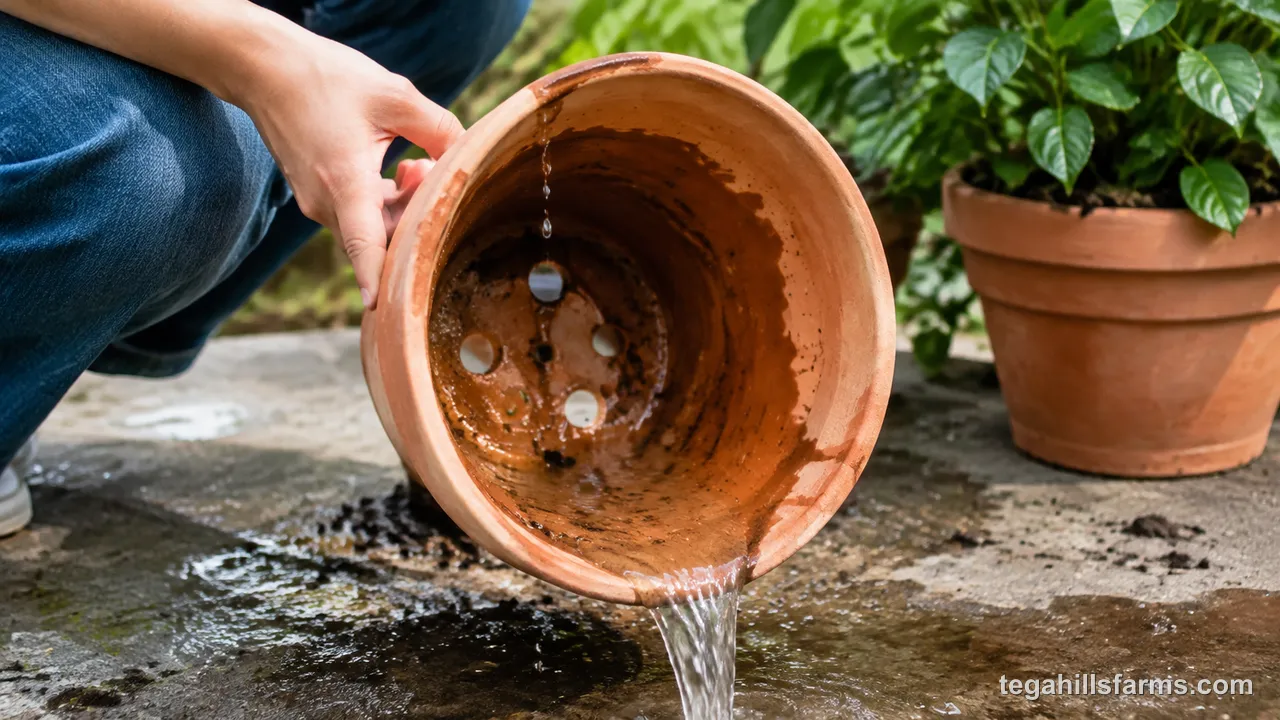
Do you need drainage holes and how many?
Yes. Any planter that lives outdoors or holds edibles needs at least one drainage hole. Wide planters drain more evenly with several holes spread across the base, so water doesn’t pool in one corner. Outdoors, holes are essential, because a single heavy rain can fill a sealed planter to the brim.
When you shop, check that the holes are actually open. Some planters ship with knock-out plugs, or only marked spots you have to drill yourself. The hole should be large enough that roots and soil won’t clog it within a season. Look at the base too. Small feet or a recessed bottom keep the hole from sitting flat against a patio or deck, which would block water as completely as having no hole.
Self-watering planters follow the same rule. Their reservoir is sealed by design, so the overflow hole above it is what keeps the root zone from flooding after a downpour.
How do you keep plants healthy in a planter without drainage?
Treat the decorative planter as a cachepot. Plant in a nursery pot with holes, set it inside the planter on a small riser, and pour out any water that collects after watering. The roots never sit in standing water, and you can lift the inner pot out to drain it or repot.
If you plant directly into a container without holes, keep it indoors where rain can’t reach it. Water sparingly, using no more than about one-third of the container’s volume at a time. Before watering again, push a finger into the soil and wait until it’s dry a couple of inches down. A moisture meter helps if you can’t reach the lower soil.
Plants that tolerate occasional drying, like snake plant and pothos, handle this setup far better than vegetables. Vegetables need steady, deep watering, and a sealed container has no way to let the excess out.
Can saucers, trays and risers improve drainage and protect surfaces?
They help in different ways. Saucers and trays catch runoff so floors, decks and windowsills stay dry. Risers, also called pot feet, lift the planter so water flows freely out of the hole and air moves underneath.
A saucer can hurt the plant if water sits in it, because the soil wicks that water back up. Empty saucers after watering, and remove them outdoors during rainy stretches. Indoors, a cork or felt pad under the saucer keeps condensation off wood floors. On a wooden deck, risers prevent the dark stains and soft spots that form under a planter sitting flat and wet.
How do shape, stability and placement keep plants healthy?
A wide, heavy base keeps a planter upright in wind, and matching it to the spot’s light, weight limit and winter exposure keeps roots from being battered, cooked or frozen. A plant that tips over loses soil, breaks stems and tears roots it then has to regrow. A plant in the wrong spot is stressed every day, whether by a dim corner, a scorching wall or freezing wind across a balcony. Shape and location work together, because proportions that suit a sheltered living room are rarely right for an exposed rooftop.
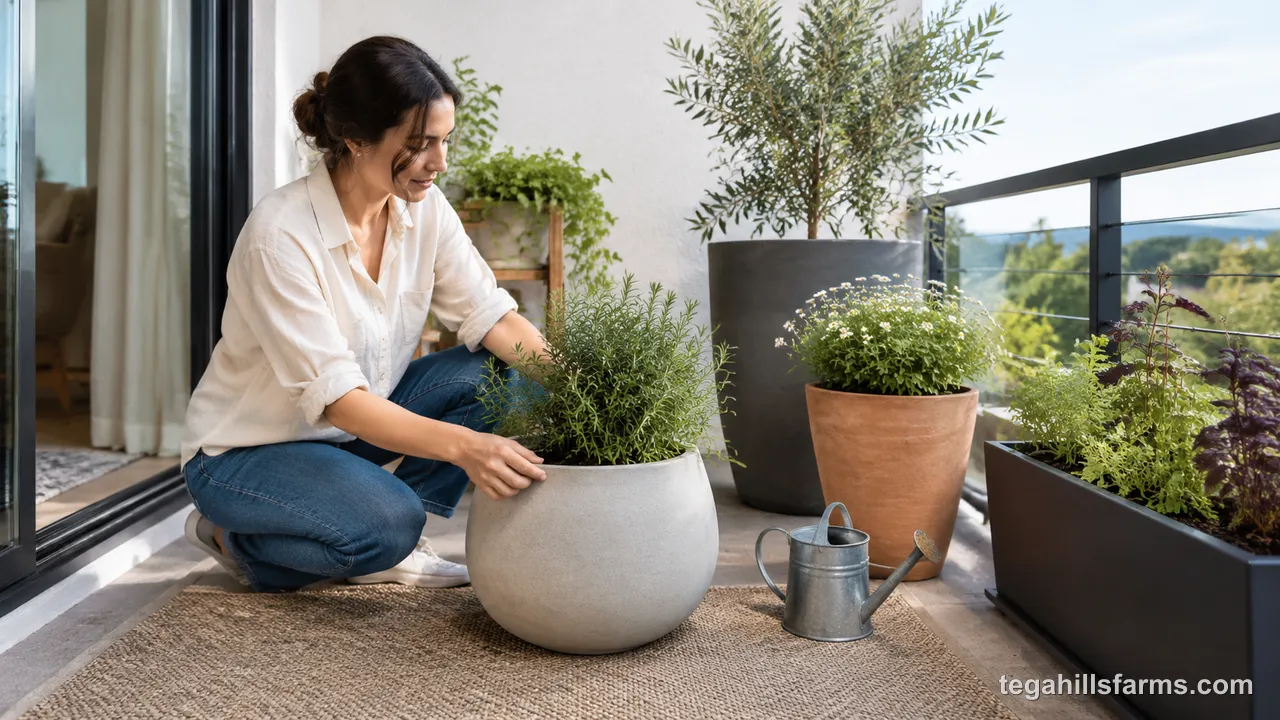
Should you choose tall, wide or tapered shapes for health and safety?
Wide, straight-sided planters are the safest all-around choice. A broad base resists tipping, and straight walls keep the full width available for roots from top to bottom. Tall planters suit deep-rooted plants, small trees and tall grasses. They need weight low in the base, or a heavy material, to stay upright once the plant grows top-heavy.
Tapered planters, narrow at the bottom and wide at the top, tip most easily and shrink the root zone at the bottom. Urn shapes with a rim that curves inward cause a different problem. The root ball grows wider than the opening, so repotting means breaking the planter or tearing roots. For a staked tomato or a small tree that catches wind, I’d always pick a wide base over a dramatic shape.
How does indoor vs patio and balcony placement change your choice?
Indoors, light and runoff drive the choice. Indoor light rarely supports a very large plant, so a moderate-size planter makes sense. It should have a drainage hole and a matching saucer that won’t leak onto floors, and those two traits are what set the best indoor planters apart.
A patio planter faces full sun, wind, rain and frost. UV-stable walls, a heavy base and frost resistance count for more than color when you compare the best patio planters, especially in zones with hard freezes.
Balconies combine patio wind with a weight limit. Check with your building manager or HOA before adding large planters, and lean toward fiberglass or plastic. Wind gets stronger higher up, so secure tall planters or choose low ones. In cold zones, decide in advance where frost-sensitive planters will spend the winter, such as a garage or an emptied, stacked corner.
A drainage hole slowly packing with roots, a hairline crack hiding under a glaze, and an old paint bucket repurposed for basil all look harmless while the plant inside slowly declines. Miss those signs and you’ll keep adjusting water and fertilizer for a plant whose real problem is the container, losing soil, time and starts in the process.
How to spot a planter that is quietly harming plants
The planter is usually the cause when a plant keeps struggling after you’ve adjusted watering, light and feeding, and the damage follows that container rather than the whole garden. Comparing plants in different planters under the same care makes this clear. If only one keeps failing, look at its pot before you blame the plant. Container problems build slowly, so catching them early can save the soil and roots before the damage is too far along.
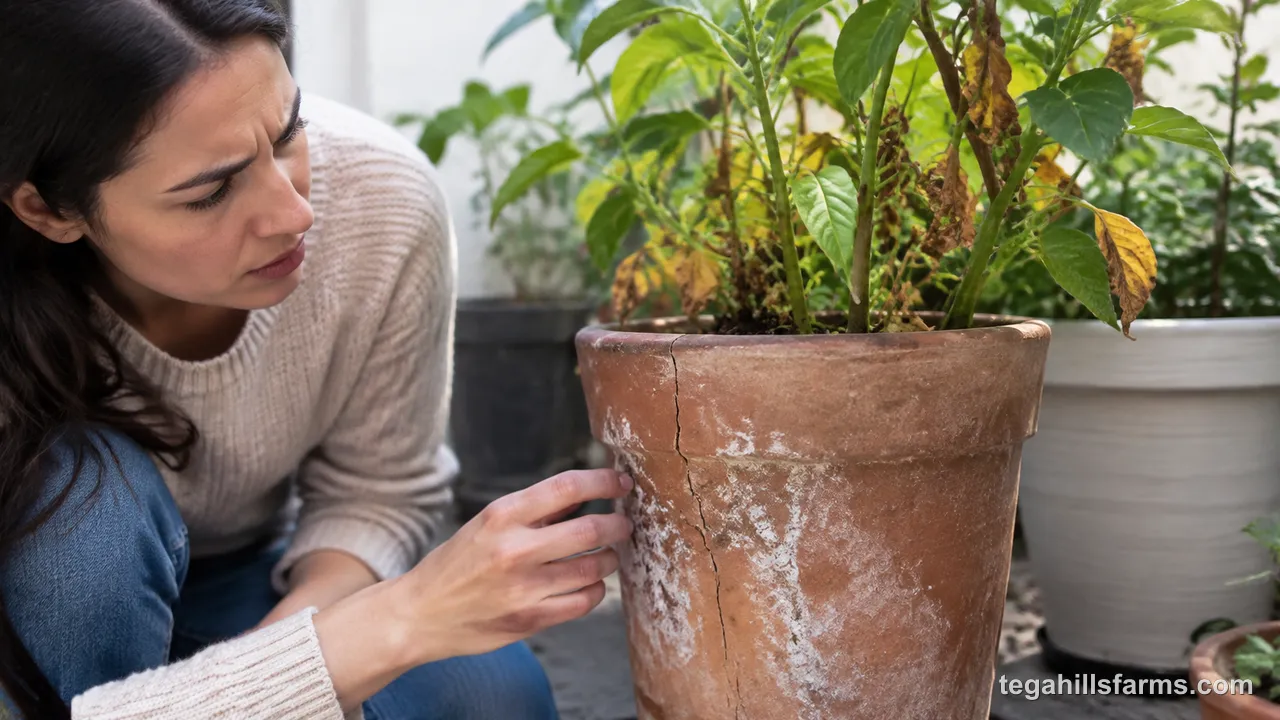
What early signs show the planter, not the plant, is the problem?
Several patterns point to the container rather than to disease or the plant itself, and each one ties to a specific fault you can fix:
- Soil stays soggy for days while leaves wilt or yellow from the bottom, which means the drainage hole is blocked or sealed against the ground.
- Soil dries out within a day in warm weather, which means the planter is too small or too porous for its spot.
- Roots circle the inside wall or push out of the drainage hole, so the plant has outgrown the space.
- A white crust forms on the rim or soil surface, which means salts are building up because water isn’t flushing through.
- Leaves scorch only on the side facing a hot wall, often in a dark or metal planter that heats up in the sun.
When does durability and food safety mean replacing the planter?
Replace a planter once a crack runs through the wall or base, the plastic turns chalky and brittle, or the wood goes soft at the bottom. A through-crack lets water escape sideways and widens with every freeze and thaw. Brittle plastic can split when you move it full of soil. Rotting wood holds water against the roots and keeps breaking down. Surface chips and fading are fine to live with. Damage that changes how the planter holds soil or water is not.
For vegetables and herbs, food safety comes before any repair. Skip containers that once held paint, fuel, pesticides or other chemicals, and skip treated lumber when you can’t identify the treatment. Untreated wood, food-safe plastic, glazed ceramic, terracotta and fiberglass are safer choices for edibles. When you don’t know a reused container’s history, keep it for flowers and buy new for the food garden.
Quick answers for choosing a planter that keeps plants healthy
Should you put rocks or gravel in the bottom of a planter?
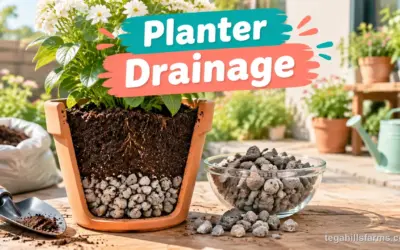
No. Water doesn’t move easily from fine soil into a coarse gravel layer, so it collects in the soil just above the rocks. That raises the soggy zone closer to the roots. Fill the planter with the same potting mix from top to bottom, and cover the hole with mesh or a coffee filter to keep soil in.
How often should you water a plant in a planter?
Water when the top inch or two of soil feels dry, not on a fixed schedule. Small, porous or sunny planters dry fastest and may need checking daily in midsummer heat. Large plastic or glazed planters in shade can go much longer. Water until it runs out of the drainage hole.
Are self-watering planters a good choice for vegetables?
Yes, they work well for thirsty crops like tomatoes, and for gardeners who travel or garden in hot zones. The reservoir feeds roots steadily by wicking. Choose one with an overflow hole, and flush it with plain water now and then so fertilizer salts don’t build up in the soil.
Can you use garden soil in a planter?
Use potting mix instead. Garden soil packs down in a container, drains slowly and leaves little air around the roots. That causes the same suffocation problems as a planter without drainage. Potting mix stays loose and drains freely, and you can blend in compost for extra nutrients.