

Collecting rainwater is legal in every US state. A few Western states still put conditions on it: Colorado caps storage, Utah requires registration for larger systems, and Nevada limits where the water can come from. If you garden anywhere else, a covered barrel under a downspout is a lawful way to water your beds.
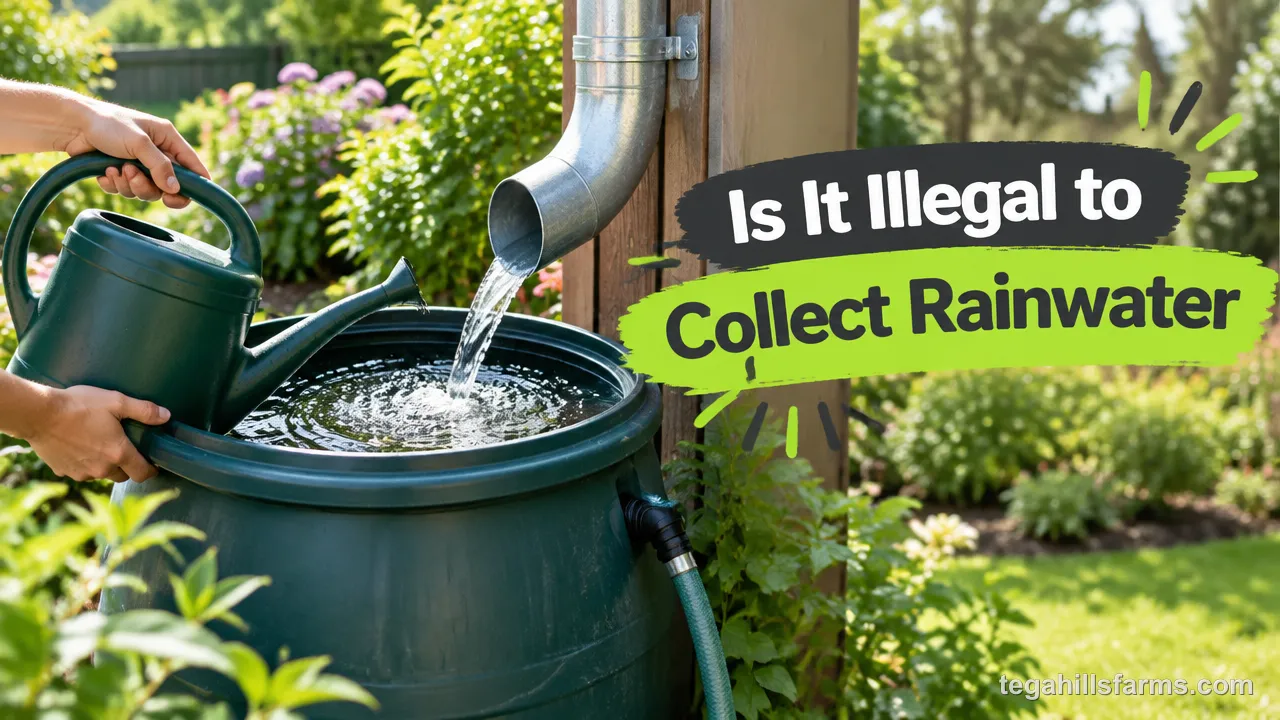
Three things decide which rules apply to you. The first is your state’s water rights system. The second is how much water you store. The third is where the water ends up: on your tomatoes, or in your kitchen tap.
Most gardeners worry about two things: getting fined for something they assumed was harmless, and finding out after installation that their setup breaks a local rule. Both risks are small for a simple garden barrel. They grow quickly once a system gets large, connects to household plumbing, or supplies drinking water.
A barrel that waters vegetables and flowers is the use nearly every state treats as low-impact. That makes it the safest place to start while you check how your state handles larger systems.
Is Rainwater Collection Illegal in the US?
No. Rainwater collection is legal in all US states, but each state sets its own limits on storage, registration and use.
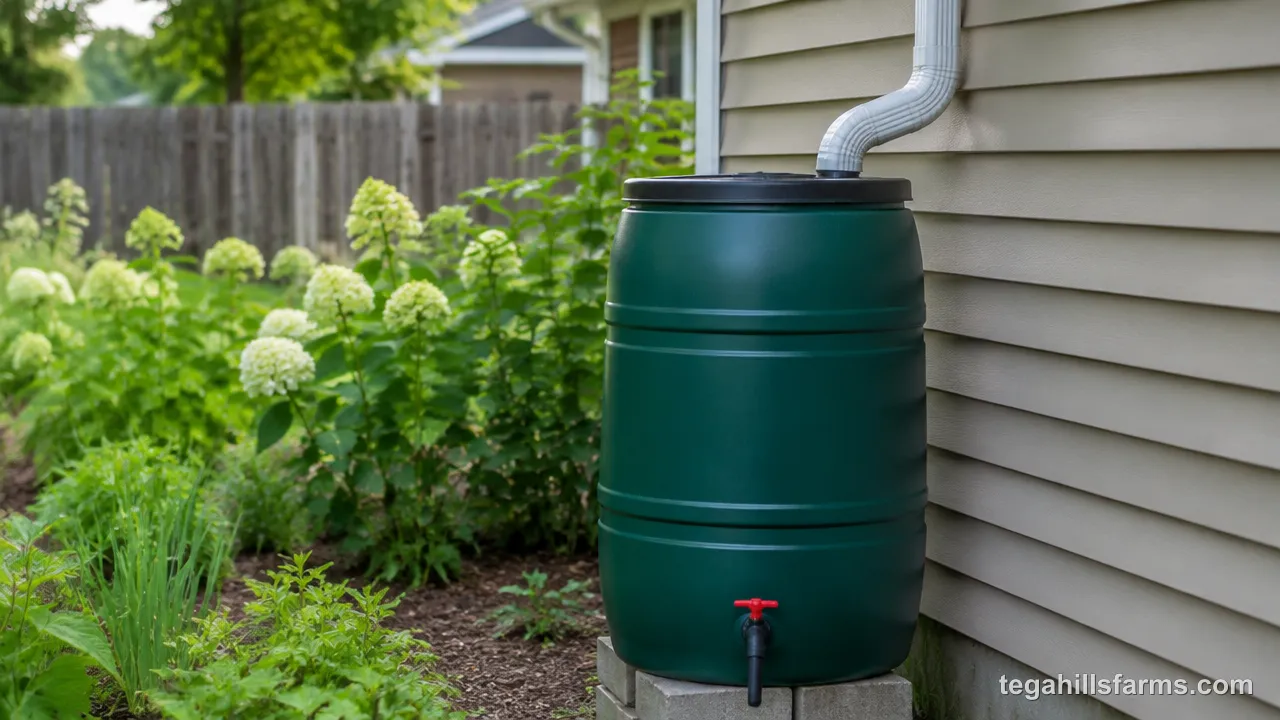
The differences come from water rights. Eastern states generally follow riparian law, where property owners share reasonable use of nearby water. Most of them place few limits on what falls on your roof. Several arid Western states treat precipitation as part of a supply that downstream users already hold rights to. Those states allow collection but control how much you keep and how you use it.
For a home gardener, this means the same barrel can be unrestricted in Ohio and capped in Colorado. Counties, cities and homeowner associations can add their own rules on top of state law, so checking local requirements is worth a phone call before you buy. Once you confirm that collection is allowed where you live, you can focus on how to choose a rain barrel that suits your property and local requirements.
Where Is Rainwater Collection Legal Without Restrictions?
Most states east of the Rockies, along with Pacific Northwest states with rooftop-friendly policies, let homeowners collect rainwater freely. Some go further and reward it.
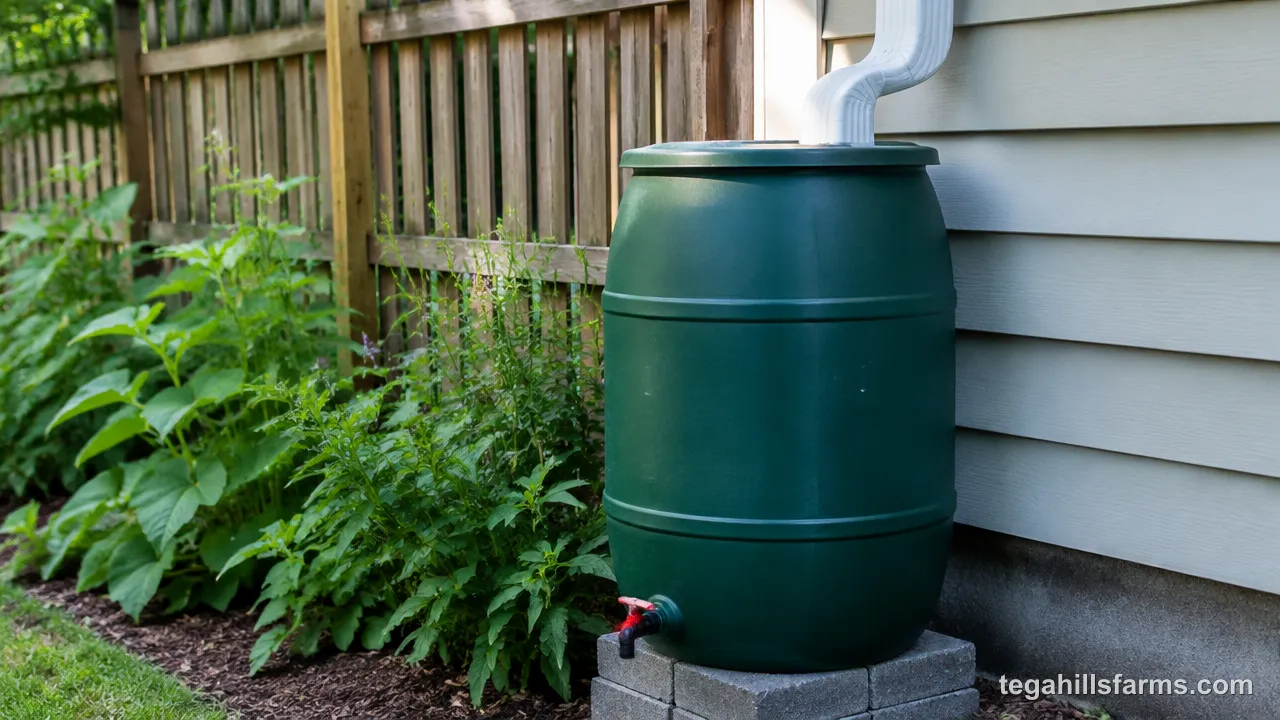
States in this group fall into two camps. Some treat harvesting as a tool for stretching water supplies or reducing stormwater runoff, so they back it with money or code provisions. Others simply never restricted it. For a gardener, the difference shows up in what a system ends up costing you.
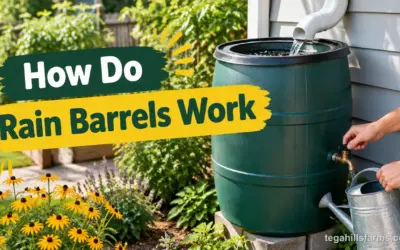
Lawmakers in these states regulate the water, not the container. Knowing how rain barrels work explains why they leave a single barrel alone: it captures roof runoff that would otherwise run into a storm drain, and it holds that water only until your garden uses it.
States That Actively Encourage Rainwater Harvesting
Texas, Arizona and Virginia go beyond permitting collection. Each one supports it through tax policy, local programs or building codes.
Texas exempts rainwater harvesting equipment from state sales tax and limits a homeowner association’s power to ban rain barrels outright. In Arizona, Tucson has run a rebate program for residential harvesting systems, and the city requires commercial landscapes to use harvested rainwater. Virginia covers rainwater harvesting systems in its statewide building and plumbing code, and several Virginia localities credit harvesting toward stormwater requirements.
Programs like these come and go with budgets. Check your city or water utility’s current offerings before you buy, because a rebate can noticeably change how much a rain barrel costs you once the purchase is done.
States With No Permit Requirements
Washington, Oregon, Georgia, Illinois and Ohio let homeowners collect rainwater for outdoor use without registration or approval. Arkansas allows it as well, with conditions on larger systems.
Washington and Oregon both allow rooftop collection without a water right, even though their water laws are otherwise strict. Georgia, Illinois and Ohio don’t regulate a barrel that waters a lawn or garden.
The paperwork in these states starts when a system moves past the garden. Arkansas requires rainwater systems tied into plumbing to be designed by a licensed professional engineer and to meet the plumbing code. Ohio regulates rainwater cisterns that supply drinking water as private water systems. For a vegetable bed or flower border, none of these rules apply.
Which States Restrict Rainwater Collection?
Colorado, Utah and Nevada set the tightest rules, through storage caps, registration requirements and limits on where water can be collected.
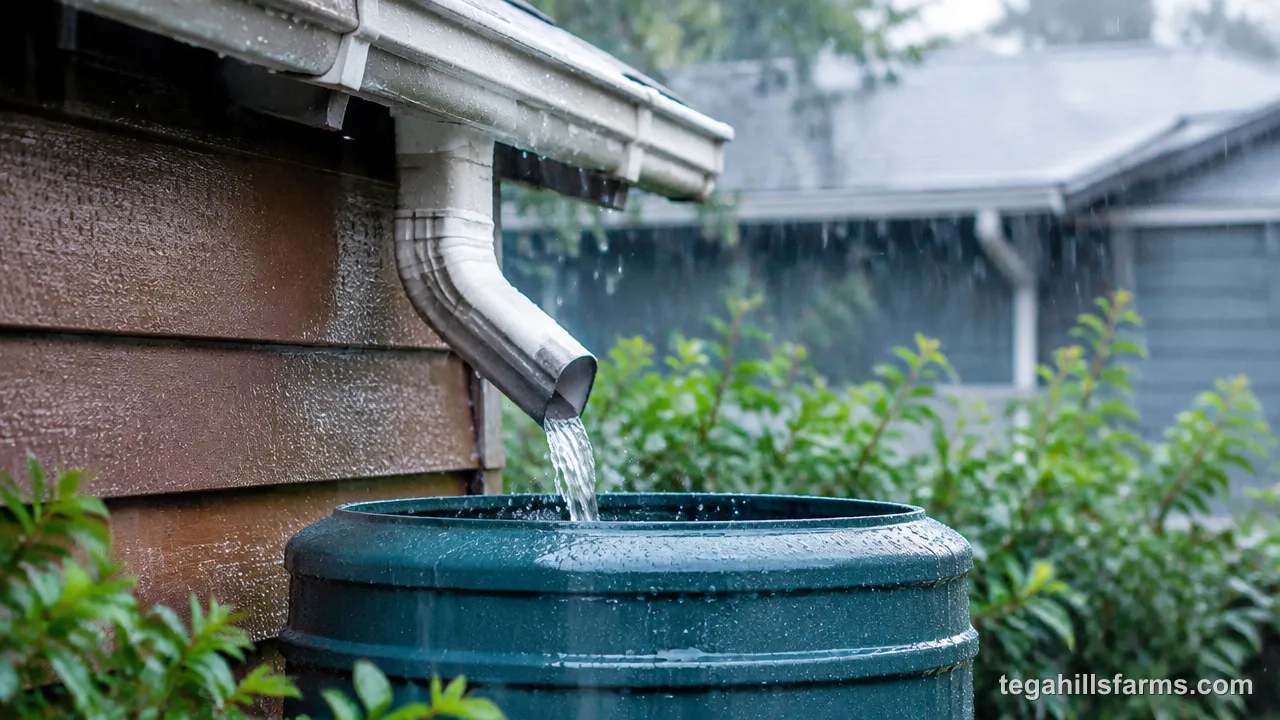
All three are arid states that run on prior appropriation, where the earliest users of a river or aquifer hold senior rights to its water. Each state balances home collection against those rights in its own way. Colorado caps volume, Utah sets a registration threshold, and Nevada restricts the source.
These limits change how you plan. In a restricted state, the legal ceiling can matter more than your roof area when you work out what size rain barrel you need. Holding less water and using it between storms usually serves a garden better than one oversized tank that would break the rules.
Colorado: 110-Gallon Maximum
Colorado lets households store up to 110 gallons of rainwater, in no more than two rain barrels. The water must be used outdoors on the same property where it was collected.
The cap comes from Colorado’s prior appropriation system. The state treats rain as part of the flow that eventually reaches rivers already claimed by senior water rights holders, including farms, cities and downstream states. Lawmakers legalized residential rain barrels only after a long debate over whether household collection would cut into those rights. They settled on a small storage limit that keeps the impact minor.
The rule covers rooftop collection at single-family homes and small multi-unit buildings. The water is meant for lawns and gardens, not for drinking or indoor use. If you garden in Colorado, choose barrels whose combined capacity stays within the cap, and drain them onto your beds between storms so the space is ready for the next rain.
Utah: Registration Required for Larger Systems
Utah lets residents collect rainwater without registering if they use small covered containers. Larger storage, such as an underground cistern, must be registered with the Utah Division of Water Rights, which is overseen by the state engineer.
Registration is free and done online, and it lets the state track how much water is being held back from the wider system. State law also sets a maximum total storage amount for registered collectors. Anything above that ceiling needs a formal water right, which is a different and much more involved process.
Utah also requires collection to happen on land you own or lease. If you’re planning a sizable cistern, register it before installation instead of afterward. The registration is simple, and an unregistered system is technically out of compliance.
Nevada: Restrictions on Rooftop Collection
Nevada allows rainwater collection only from the rooftop of a single-family home on property you own, and the water must be used for domestic purposes.
The state’s rule comes from its scarce water supply. Nearly every drop in Nevada is already claimed under existing water rights, so collecting from other surfaces, such as ground runoff, paved areas or a neighbor’s structure, can conflict with those claims.
The rooftop limit means a renter or a gardener on shared land has fewer options than a homeowner does. If your situation falls outside the single-family rooftop rule, contact the Nevada Division of Water Resources before you set anything up.
When Do You Need a Permit for Rainwater Collection?
You typically need a permit when a system connects to indoor plumbing, stores water in a large cistern, or supplies potable water. A simple garden barrel rarely needs one.
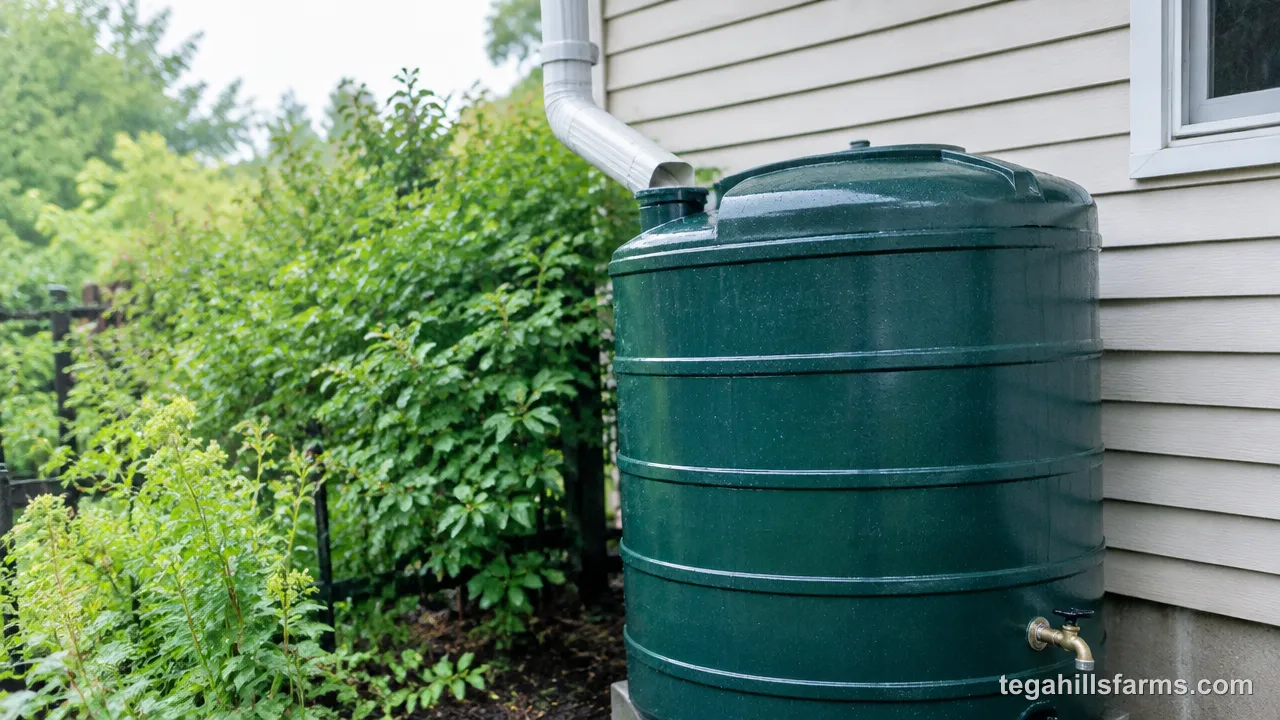
Permits follow risk. A barrel that overflows onto a flower bed endangers nothing. A buried tank, a pressurized line into the house, or a tap that someone might drink from all raise questions about structural safety, cross-contamination and public health. That’s when building and health officials get involved.
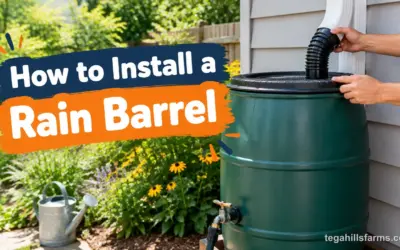
For most gardeners, a downspout barrel set on a stable base for outdoor watering needs no approval. That keeps the steps for how to install a rain barrel simple. Larger and plumbed systems are a separate category, and the requirements depend on your county and city.
Large-Scale Systems and Storage Capacity
Large cisterns and multi-tank setups often need a building permit, and sometimes an inspection, even in states that don’t regulate rainwater itself. Local building codes set the size thresholds, and those vary widely from one jurisdiction to the next.
Water is heavy. A full large tank puts real load on its base, so codes may require an engineered foundation or pad. A buried cistern adds excavation and the risk of hitting utility lines. Officials may also want to know where overflow goes, so that a full tank doesn’t send water toward your foundation or your neighbor’s yard.
If your plans go beyond a barrel or two, call your local building department before you buy anything. A system that has to be dug up or reworked after a failed inspection costs far more than a phone call.
Connecting Rainwater to Indoor Plumbing
Bringing rainwater indoors, even just to flush toilets or run a washing machine, generally requires a plumbing permit and a licensed installation that meets your local plumbing code.
The main concern is cross-connection. If rainwater can flow backward into the municipal supply, it can contaminate drinking water for the whole neighborhood. Codes therefore require an air gap or a backflow prevention device wherever city water tops up the rainwater tank. The Uniform Plumbing Code and the International Plumbing Code both include provisions for rainwater systems, and local adoptions usually call for labeled non-potable piping.
If the water will be used for drinking, cooking or bathing, many jurisdictions also bring in the health department, which adds treatment and testing requirements on top of the plumbing permit.
What’s the Difference Between Potable and Non-Potable Rainwater Use?
Non-potable use covers irrigation, washing and flushing and faces minimal regulation. Potable use means drinking, cooking or bathing, and it requires filtration, disinfection and testing to drinking water standards.
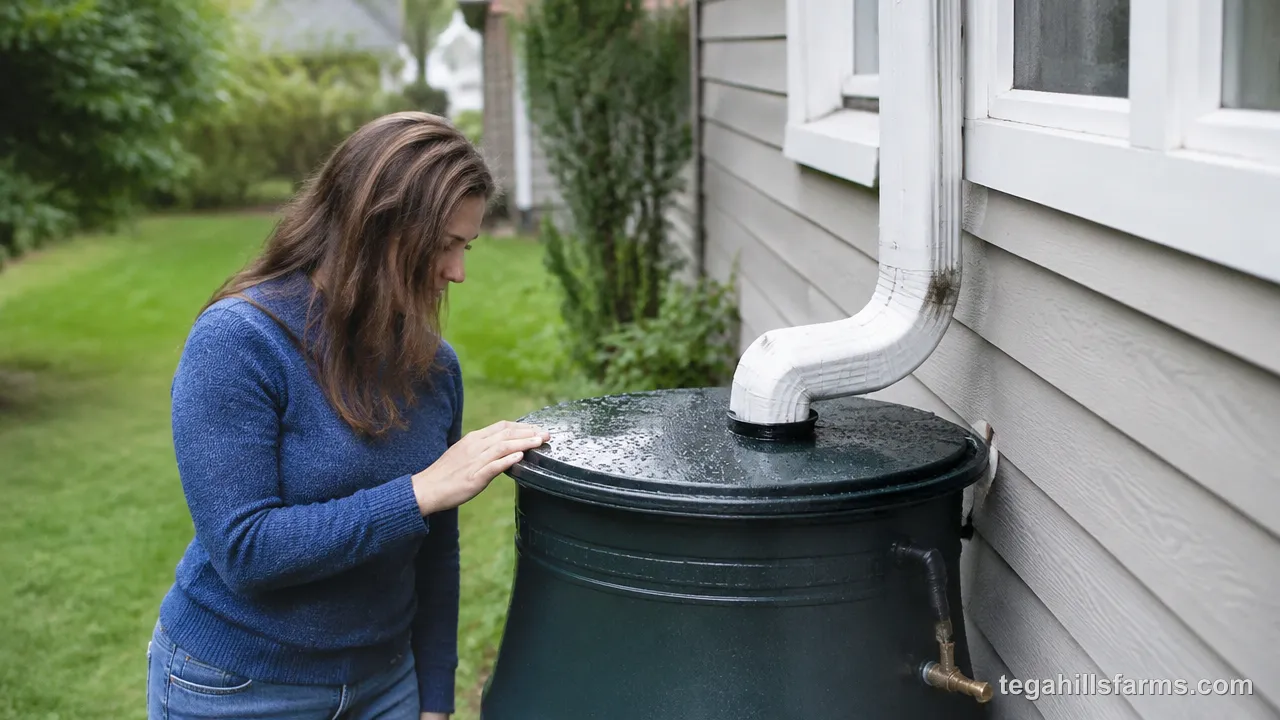
The divide follows what happens if something goes wrong. Roof runoff carries bird droppings, debris and whatever your roofing material sheds. On a vegetable bed, that matters little, because soil and sunlight take care of most of it. In a glass of water, the same contaminants can make you sick. That’s why regulators leave garden use alone and put health codes in charge of anything you drink.
Non-Potable Use: Irrigation and Outdoor Tasks
Watering gardens, lawns and houseplants, rinsing tools, and washing the car are allowed in nearly every state without any treatment. These are the uses most rain barrels are built for.
Plants generally do well with rainwater because it carries none of the chlorine or dissolved minerals found in many municipal and well supplies. Containers and raised beds benefit the most, since salts from tap water tend to build up in a confined soil volume. I’d steer beginners toward watering soil instead of foliage, especially on leafy greens you’ll eat raw.
The main upkeep is controlling standing water. Some local health departments enforce vector-control rules, which makes knowing how to keep mosquitoes out of rain barrel openings, with tight lids and fine mesh screens, part of staying compliant.
Potable Use: Drinking Water Standards and Treatment
Drinking rainwater requires treatment that brings it up to drinking water standards. That usually means filtration, disinfection and regular testing, and in many places, health department approval.
A typical potable system diverts the first, dirtiest flush of roof runoff away from the tank. It then filters out sediment and disinfects the water with ultraviolet light or chlorination before it reaches the tap. Ongoing testing for bacteria confirms the treatment is working. Your roofing material also matters, since some materials can leach compounds that filters don’t fully remove.
Requirements vary widely, and some states treat potable rainwater systems like private wells. If you’re considering it, talk to your local health department before you design anything.
In much of the West, the rain hitting your roof is already counted as part of a river that farms and cities have legal claims to. Those claims can be generations old. A barrel that looks harmless from your garden can run up against those rights the moment it holds more than the law allows.
Why Do Some States Restrict Rainwater Collection?
Western states restrict rainwater collection because their water law, called prior appropriation, gives the first legal user of a water source a senior right to it. Rain that never reaches a stream can count as water taken from someone with a prior claim.
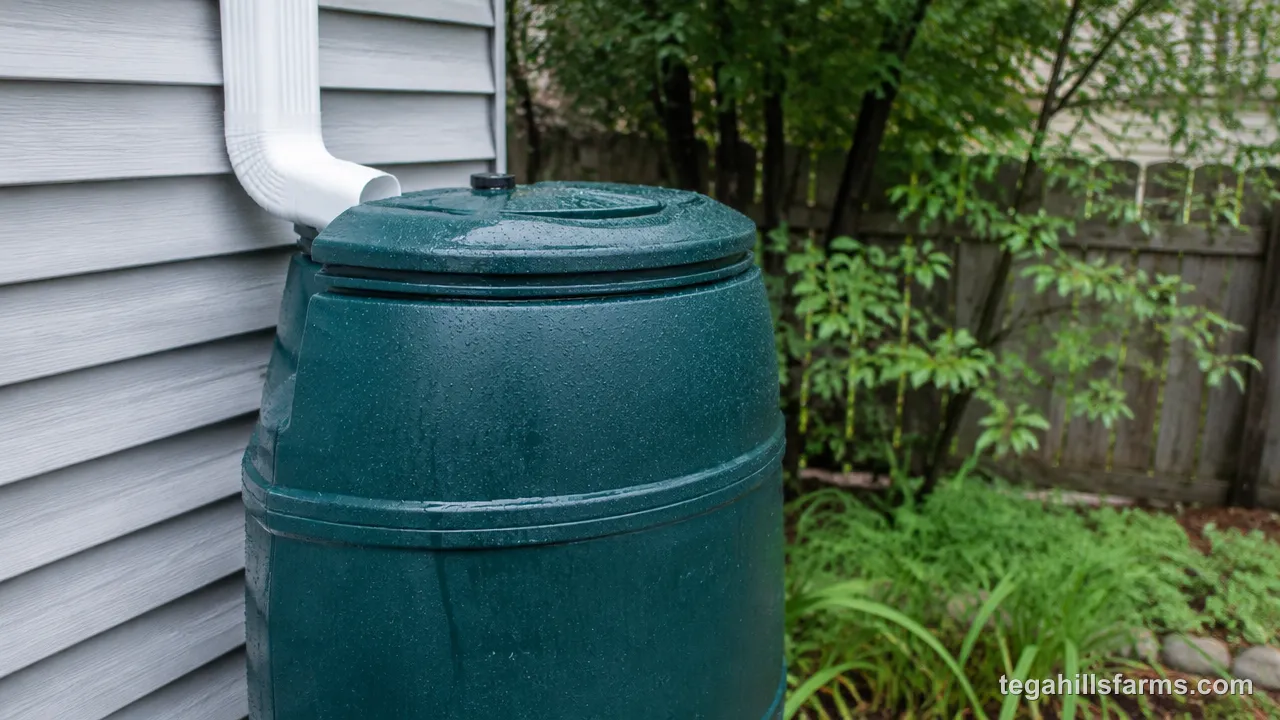
The system grew out of arid climates, where streams were scarce and farms, mines and towns had to divide limited flows. Under prior appropriation, later users get water only after senior rights holders are satisfied. Because precipitation feeds the streams and aquifers those rights depend on, some states treat capturing it as a form of diversion.
Eastern states mostly follow riparian rights instead, which give landowners along a waterway reasonable use of it. With more rainfall and fewer competing claims, these states have little reason to regulate what collects on a roof. That’s why restrictions cluster in the West, and why a few states, such as Washington and Oregon, have carved out exemptions for rooftop collection.
Can Your HOA Block Rainwater Collection?
Yes, in many states a homeowners association can restrict rain barrels through its covenants, conditions and restrictions (CC&Rs), even where state law fully allows collection. HOA rules are private contracts, so they apply on top of state law, not instead of it.
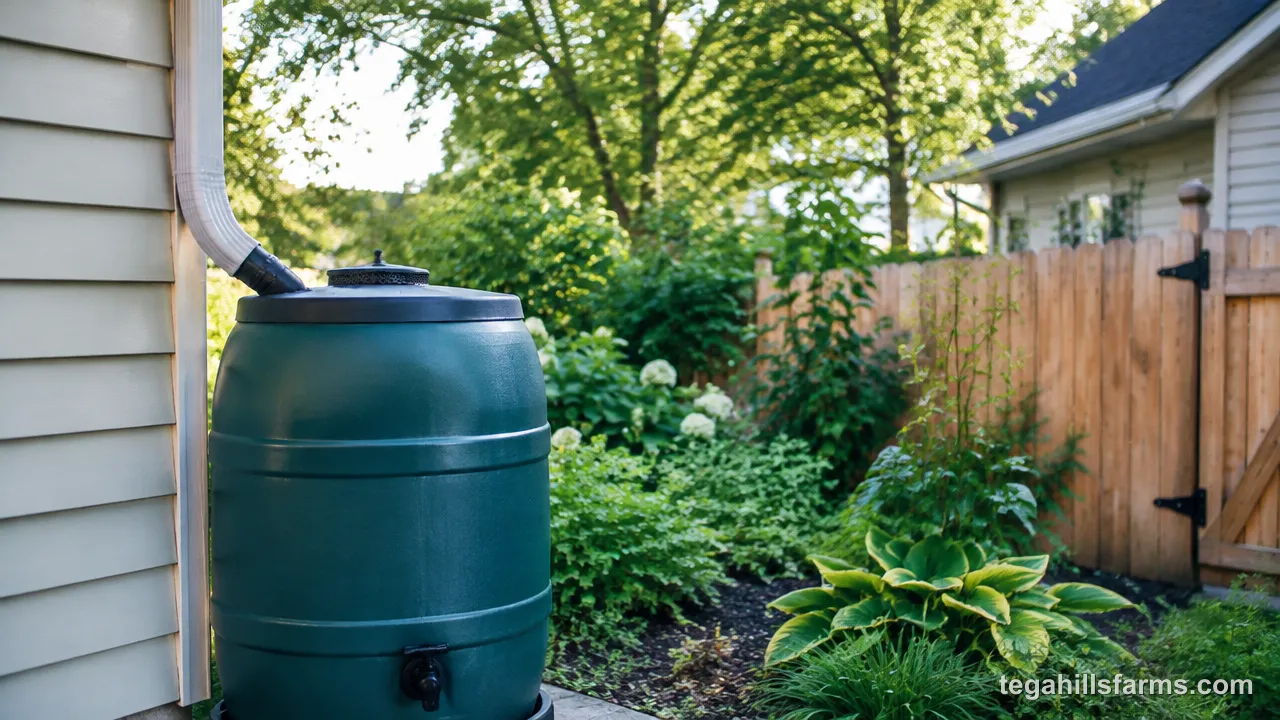
Most HOA restrictions are about appearance. Common ones include limits on barrels visible from the street, requirements for specific colors or screening, and rules about placement. Some states limit how far associations can go. Texas, for example, bars HOAs from banning rain barrels outright while still letting them regulate size, type and location.
Before you buy, read your CC&Rs and any architectural guidelines, and ask whether exterior additions need approval. Getting written permission first protects you if neighbors or board members change later. A barrel placed beside the house, behind shrubs or painted to match the siding often satisfies an association that would object to one by the front walk.
What Happens If You Violate Rainwater Collection Laws?
Violations usually lead to an order to remove or reduce the system. Fines are possible, and civil liability can follow in rare cases where collection interferes with someone’s water rights.
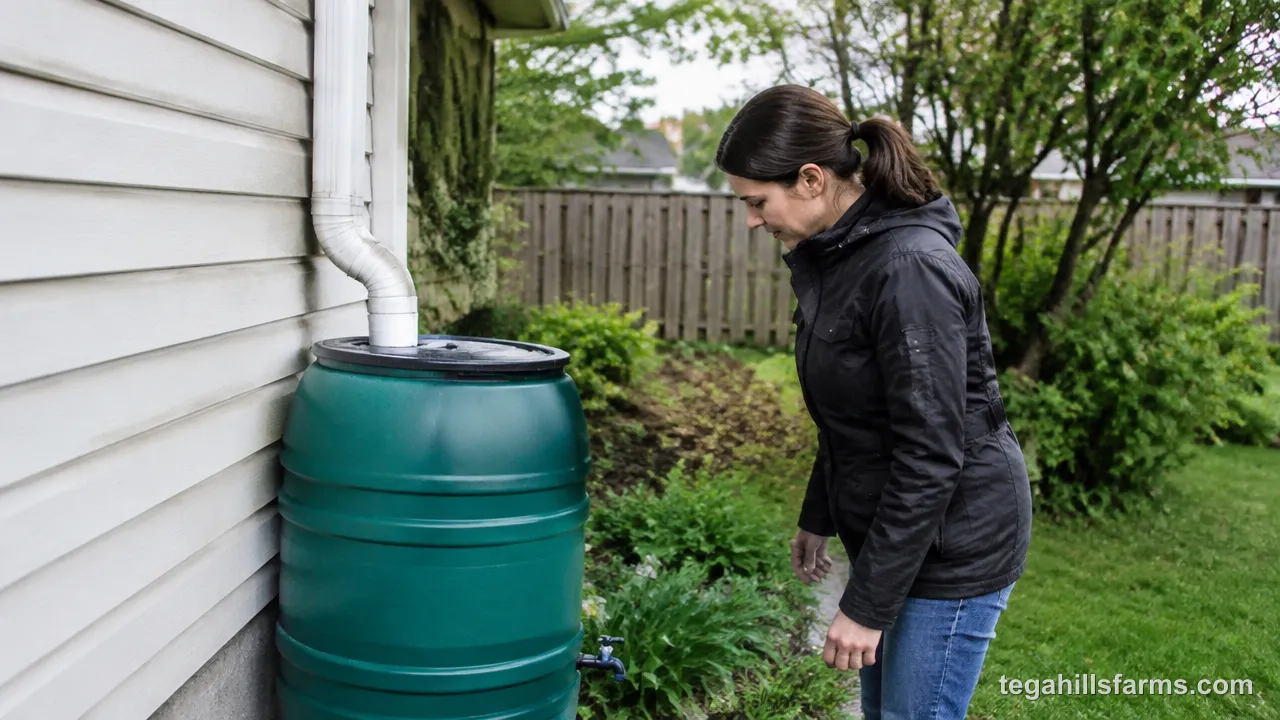
Enforcement tends to be driven by complaints. A state water agency, such as the division that administers water rights, typically gets involved after a neighbor or rights holder reports a problem, not through routine inspections. The usual first step is a notice asking you to bring the system into compliance, for example by reducing storage, registering it, or removing barrels above the legal limit.
Ignoring that notice can escalate to fines, and penalties set in state statutes vary widely. Plumbing violations follow a different path. An unpermitted connection to household plumbing can bring code enforcement action and trouble when you sell the home. A setup that follows your state’s limits from the start avoids all of this.
Write Your Review
No reviews yet. Be the first to share your experience!