

Most vegetables need 6 to 12 inches of soil depending on the crop. Leafy greens and herbs sit at the shallow end. Peppers and bush tomatoes need the middle of that range. Root crops and vining tomatoes do best in the deepest bed you can give them.
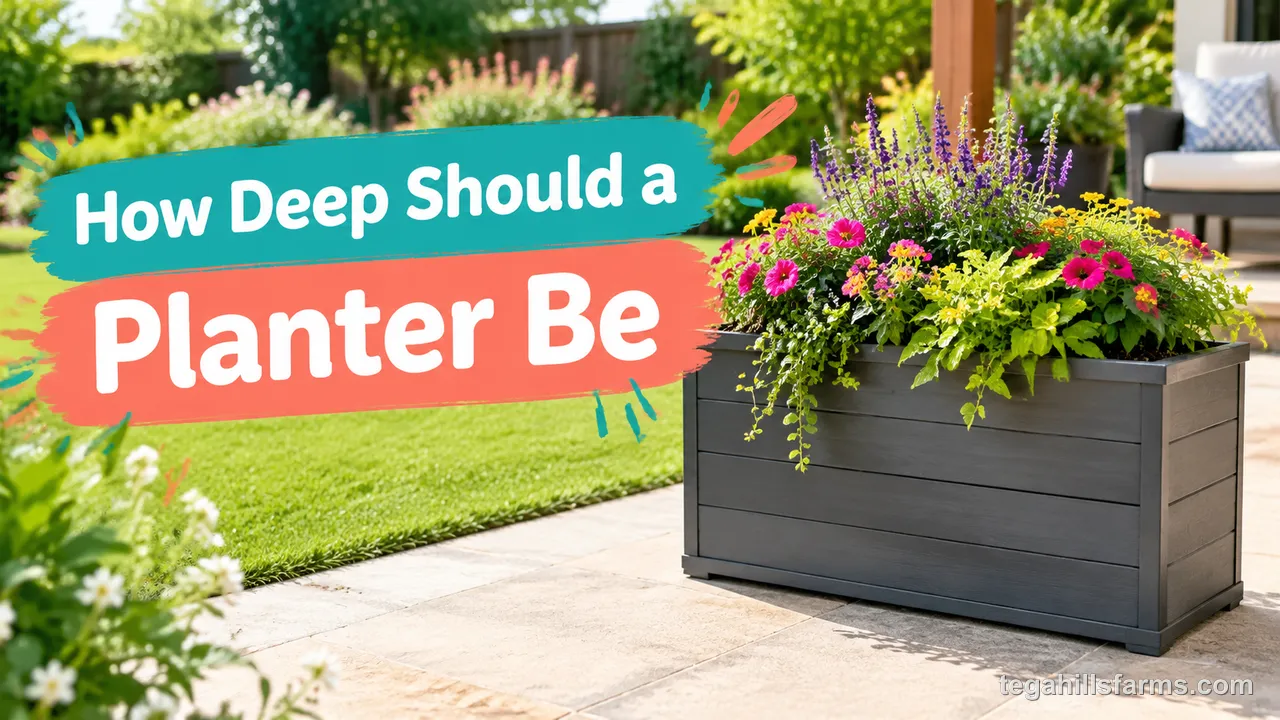
The right depth for your garden depends on three things. The first is how the crop roots: some spread sideways near the surface, while others drive straight down. The second is whether your bed has an open bottom that lets roots reach the ground below. The third is how quickly soil dries out where you live, since a long, hot summer in a southern USDA zone pulls moisture from shallow soil much faster than a short northern season does.
A planter that is too shallow rarely fails on the first day. Seedlings look fine for weeks. The trouble starts when fruit sets or roots reach the floor of the bed: growth stalls, plants wilt every afternoon, and carrots come up forked and stubby.
Choose the bed for the deepest-rooted crop you plan to grow in it, not for the average. A bed deep enough for your tomatoes will also suit the lettuce planted at their feet, but a lettuce-depth bed cannot be stretched to fit tomatoes.
What Is the Minimum Depth for a Planter?
Shallow-rooted vegetables need at least 6 inches of soil, and medium-rooted vegetables need at least 12 inches, so a few inches of soil cannot support any food crop through a full season.
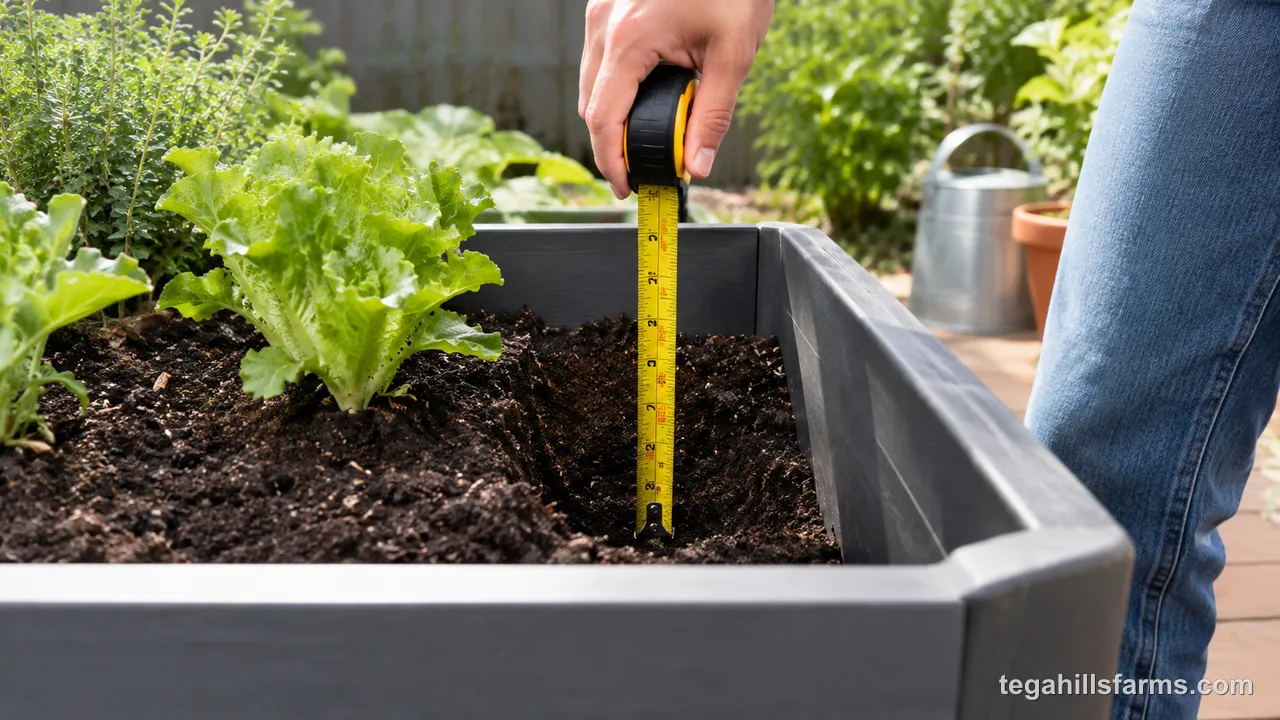
These minimums exist because roots do two jobs at once. They anchor the plant, and they pull water and nutrients from the soil around them. When the soil runs out, roots hit the bottom and circle, which leaves the plant short of water on the days it needs it most.
Soil volume also acts as a buffer. A deeper planter box holds more water between waterings, and its temperature changes more slowly when a heat wave or a cold night arrives. Shallow soil heats up, dries out and cools down quickly, and the plant feels every one of those swings.
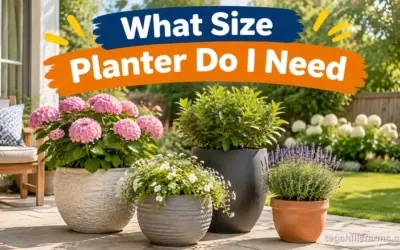
Depth follows the crop, though how to choose a planter also comes down to material, drainage and where the box will sit. A cedar box on a sunny patio and a plastic trough on a shaded balcony at the same depth will behave differently, because the material and the exposure change how fast the soil loses moisture.
Which Vegetables Grow Well in Shallow Planters?
Leafy greens, most culinary herbs, radishes and green onions grow well in shallow soil because their roots spread sideways near the surface instead of reaching down.
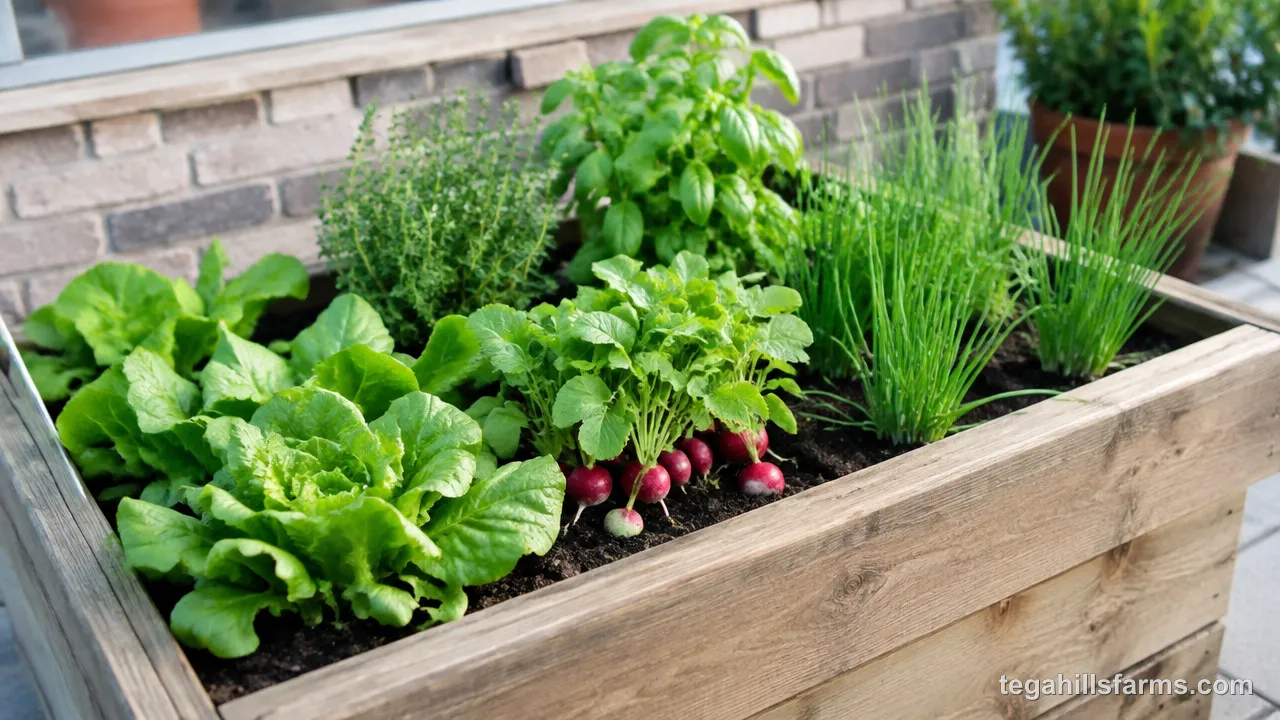
In practice, “shallow-rooted” means most of the plant’s feeding roots sit in the upper layer of soil and the harvest comes before the plant builds a large root system. That makes these crops the most forgiving choice for window boxes, rail planters and short patio containers. If you are still working out what to plant in a planter on a balcony or a narrow ledge, this group gives the most harvest for the least soil. Shallow beds still dry out quickly, so these crops depend on steady watering more than on extra depth.
Leafy Greens and Herbs
Lettuce, spinach, arugula, basil, cilantro, parsley and chives grow comfortably in shallow planters, and most herbs need about 6 inches of soil. You harvest their leaves rather than their roots or fruit, so they never have to support a heavy plant.
Their roots are fine and fibrous and stay close to the surface. That is also why they are thirsty. The top layer of soil is the first to dry, so a shallow bed of greens in full sun can wilt by afternoon even when the soil lower down is still damp.
Heat is the larger risk in warm zones. Lettuce, spinach and cilantro bolt quickly once shallow soil warms up, so spring and fall plantings usually outperform summer ones. Parsley forms a modest taproot and will appreciate any extra depth you can give it, but it still grows well at the shallow end.
Fast-Maturing Root Crops
Radishes and green onions fit shallow planters because they are ready to harvest before their roots need deep soil. Round radish varieties form their bulb near the surface and are often ready in a few weeks, well before root space becomes a limit.
Green onions, also sold as scallions, work the same way. You pull them young for their stems, so they never form the large bulb that would need more room below. Sowing a short row every couple of weeks keeps a planter producing all season.
The exception is long radish types such as daikon. Their roots push straight down and will split or stunt in a shallow box. If a seed packet describes a long or tapered root, plan for a deeper container rather than squeezing it into one built for greens.
What Vegetables Need 12 Inches of Soil?
Peppers, bush beans, compact bush tomatoes, eggplant and bush cucumbers need a full foot of soil because they carry fruit and draw much more water than leafy crops do.
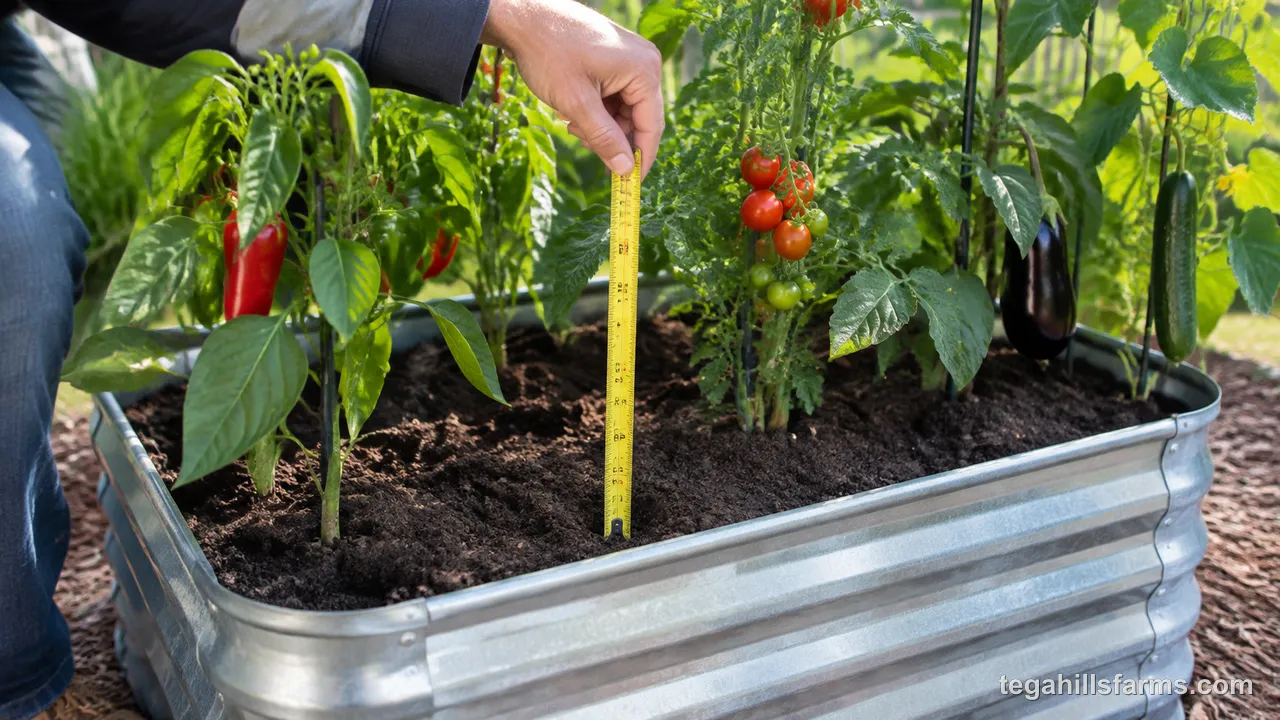
The difference from shallow crops shows up at flowering. Once a plant sets fruit, its water demand rises sharply and its top grows heavier. Roots then have to spread deeper and wider to hold the plant upright and keep it supplied through hot afternoons. Depth is only one dimension of what size planter you need, because width decides how many of these plants can share a bed without competing for the same water.
Peppers, Beans, and Bush Tomatoes
Peppers, bush beans and compact determinate tomatoes do well in a foot of soil because they reach a set height and stop, so their roots never have to support a tall, sprawling vine. That depth gives the roots enough room to anchor the plant once fruit begins to load the stems.
Anchoring matters more than many beginners expect. Pepper stems are brittle, and a plant full of fruit in shallow soil can lean or snap in a summer storm. Determinate tomatoes put on most of their fruit at once, which pulls hard on a shallow root system.
Steady moisture is the other reason these crops need depth. Uneven watering is linked to blossom drop in peppers and blossom end rot in tomatoes, and deeper soil smooths out the wet-dry swings that trigger both problems.
Eggplant and Cucumbers
Eggplant and bush cucumber varieties produce well in a foot of soil but tend to grow more slowly in shallower beds. Both are heavy feeders that need consistent moisture, and a shallow bed cannot hold enough water to keep up once fruit forms.
Eggplant loves heat but dislikes drought. In a shallow container, the soil warms quickly and dries quickly, so the plant often stalls through midsummer and sets fewer fruits. Cucumbers are mostly water, which means even a short dry spell shows up as bitter or misshapen fruit.
In a long southern season, eggplant in a slightly shallow bed may still produce eventually because it has more weeks to catch up. In a short northern season, that lost time is usually lost harvest, so full depth matters more where summers are brief.
Which Crops Need 18 Inches or More?
Indeterminate tomatoes, potatoes, parsnips and long carrots belong in your deepest beds, because their roots or the harvest itself grow straight down and stunt, fork or crowd when they hit a hard floor.
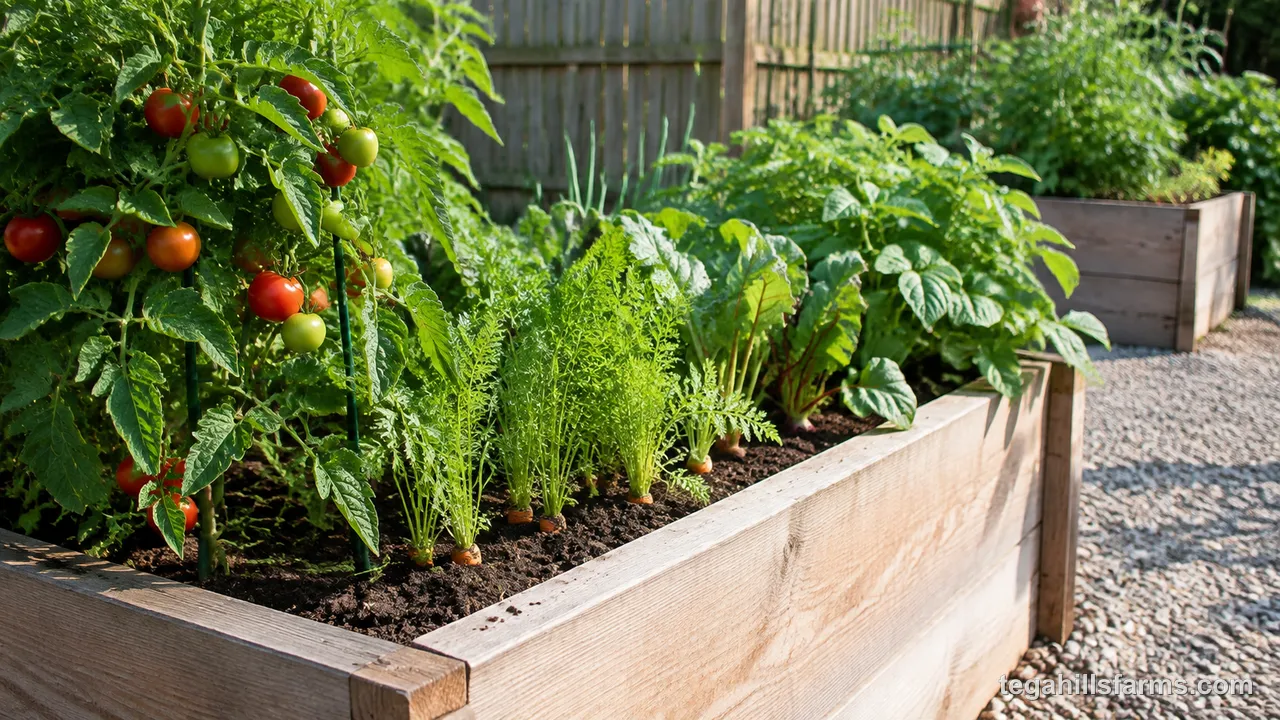
The results of a too-shallow bed show up differently in each crop. Tomato vines run short of water partway through summer. Root vegetables come up bent, split or small, because the edible part is the root that ran out of room. Potatoes form fewer tubers when their roots cannot spread below the seed piece.
Indeterminate Tomatoes
Indeterminate tomatoes need deep soil because their vines keep growing until frost, and the roots must keep pace with a canopy that can grow taller than the gardener. Vining varieties such as most heirlooms and many cherry types fall into this group.
A tall plant loses a great deal of water through its leaves on a hot day. Deep roots reach moisture that shallow soil cannot hold, and they anchor a heavy, staked vine against wind.
In a shallow elevated garden bed, the same plant wilts every afternoon, needs watering more than once a day in midsummer, and often drops blossoms during heat waves. I’d keep indeterminate tomatoes in the ground or in the deepest bed on the property, and save shallower boxes for determinate types.
Carrots, Parsnips, and Potatoes
Carrots need 8 to 10 inches of soil depending on the variety, parsnips need more than carrots, and potato roots extend at least 18 inches below the seed. For root crops, the depth of the bed directly shapes the harvest.
A carrot that reaches a hard floor or a stone forks or turns stubby. Short, round varieties such as Paris Market and Chantenay types handle less depth, while long Imperator-style carrots need every inch. Parsnips form even longer taproots, so they belong in the deepest, loosest soil you have.
Potatoes are planted 6 to 8 inches deep, and their roots continue well below that point. A bed that is too shallow limits both the roots and the space where new tubers form, which usually means a smaller harvest of smaller potatoes.
Loose soil matters as much as depth for all three crops. Roots push through crumbly, stone-free soil easily, but compacted soil acts like a floor even when the bed itself is deep enough.
Does Native Soil Beneath an Open-Bottom Bed Matter?
Yes — roots in an open-bottom raised bed keep growing into the native soil below, so the ground underneath counts toward usable depth as long as it drains well.
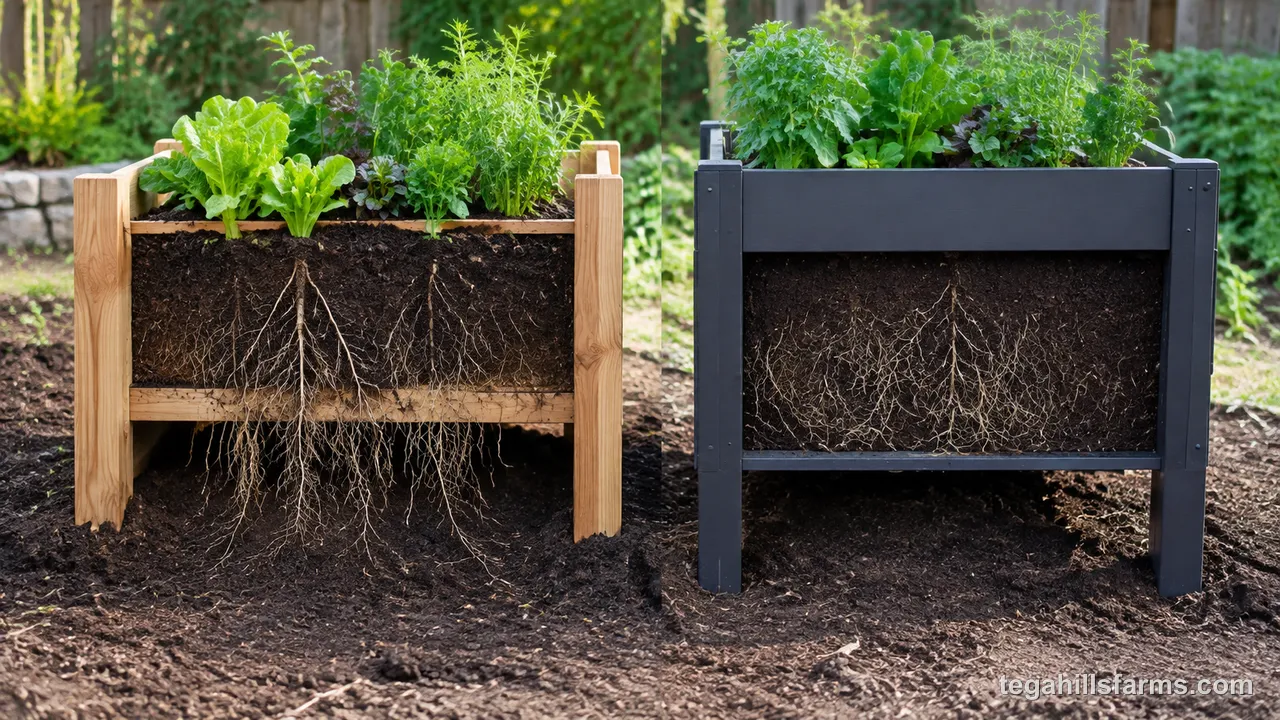
This changes how deep the bed walls need to be. An open-bottom bed set on decent ground can be shorter than the crop’s full root depth, because the roots finish the job below. A closed-bottom planter has no ground to borrow from, so the box itself must provide everything the crop needs.
How Open-Bottom Beds Extend Root Space
Roots in an open-bottom bed grow down through the bed soil and into the ground beneath it, which effectively adds depth beyond the walls. This works only when the native soil lets roots and water through.
Loose garden loam makes that extension easy. Heavy clay or compacted ground does not. Roots stall at the boundary, and water pools there after rain, so the bottom of the bed stays soggy while the top dries out.
Before filling a new bed, loosen the ground beneath it with a garden fork. Breaking up the top layer of native soil gives roots a path downward and gives water somewhere to go. Mixing a little bed soil into that loosened layer helps the two layers blend instead of forming a sharp line.
Closed-Bottom Planters and Depth Limits
Closed-bottom elevated planters, patio containers and deck boxes must provide all the depth a crop needs, because roots cannot grow past the base. The soil inside the container is all the root space the plant will ever have.
Measure soil depth rather than box height. Many elevated garden beds have a shallow trough sitting on tall legs, and some containers hide a water reservoir or a false bottom that takes up part of the interior.
The bottom of a closed container is also where water collects. Without good planter drainage, the lowest inches stay soggy and roots avoid that zone, which shrinks the usable depth further. A closed box that looks deep enough on paper can grow like a shallow one if water sits at the bottom.
Is Deeper Always Better for Planter Beds?
Not always — extra depth helps deep-rooted crops and steadies soil moisture, but beyond what your deepest crop uses, it mostly adds soil cost and weight.
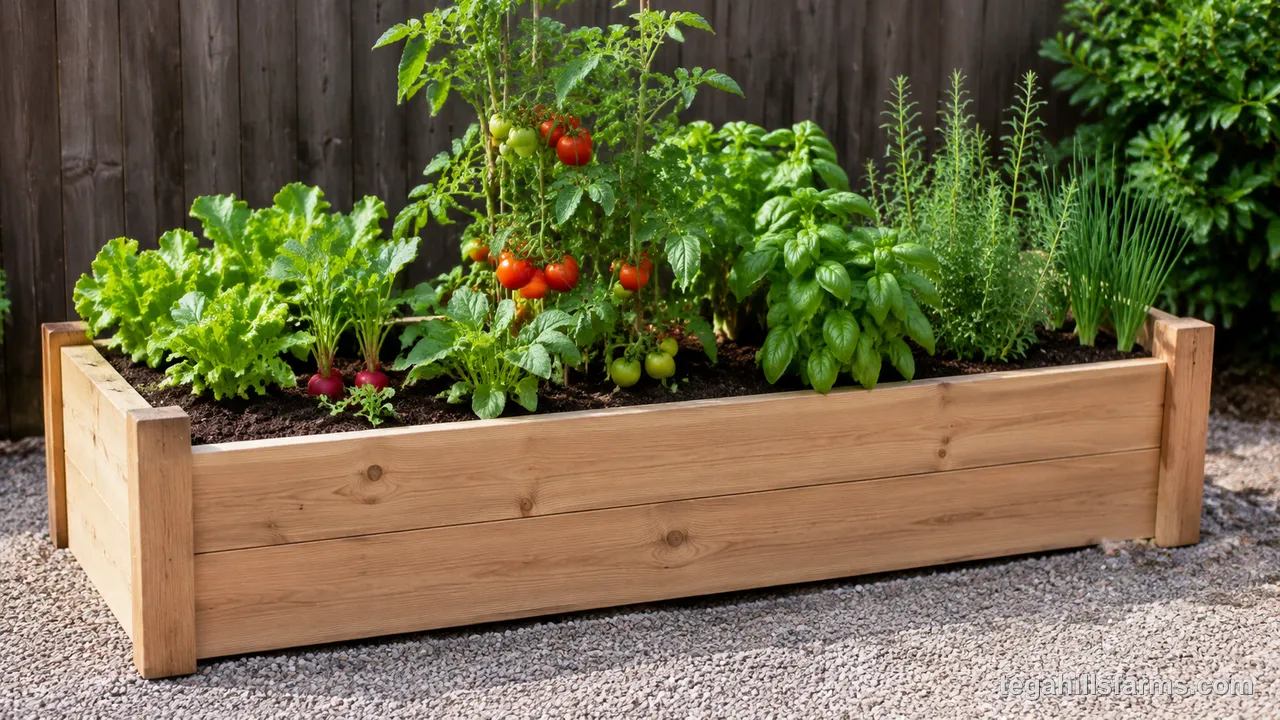
Deeper soil holds more water, so you can go longer between waterings and roots face smaller swings in temperature. That buffer matters most in hot USDA zones and in full-sun spots, where a shallow bed can dry out in a single afternoon. For gardeners who travel in summer or water by hand, a little extra depth is cheap insurance.
The costs are real, though. Every added inch means more soil to buy, and a deep bed is heavy when wet, which matters on decks, balconies and rooftops with load limits. In a closed-bottom container, the lowest layer of a very deep bed can stay wet and airless if drainage is poor, so roots never use it.
I’d size a bed to the deepest-rooted crop on your planting list, then add a modest margin if your summers run hot. Lettuce and herbs will not grow better in a bed built for potatoes.
A shallow bed that held moisture well in May can dry to the bottom by mid-afternoon in July, and the plants show it in their leaves well before most gardeners think to check the soil. Afternoon wilting, dropped blossoms and lettuce bolting early often trace back to roots that ran out of room, and feeding those plants more fertilizer only adds stress to a root system that cannot use it.
How to Tell If Your Planter Is Too Shallow
A planter is too shallow when plants wilt in the afternoon even after a morning watering, stay smaller than the seed packet describes, and produce little fruit. Those three signs together point to roots that have run out of soil.
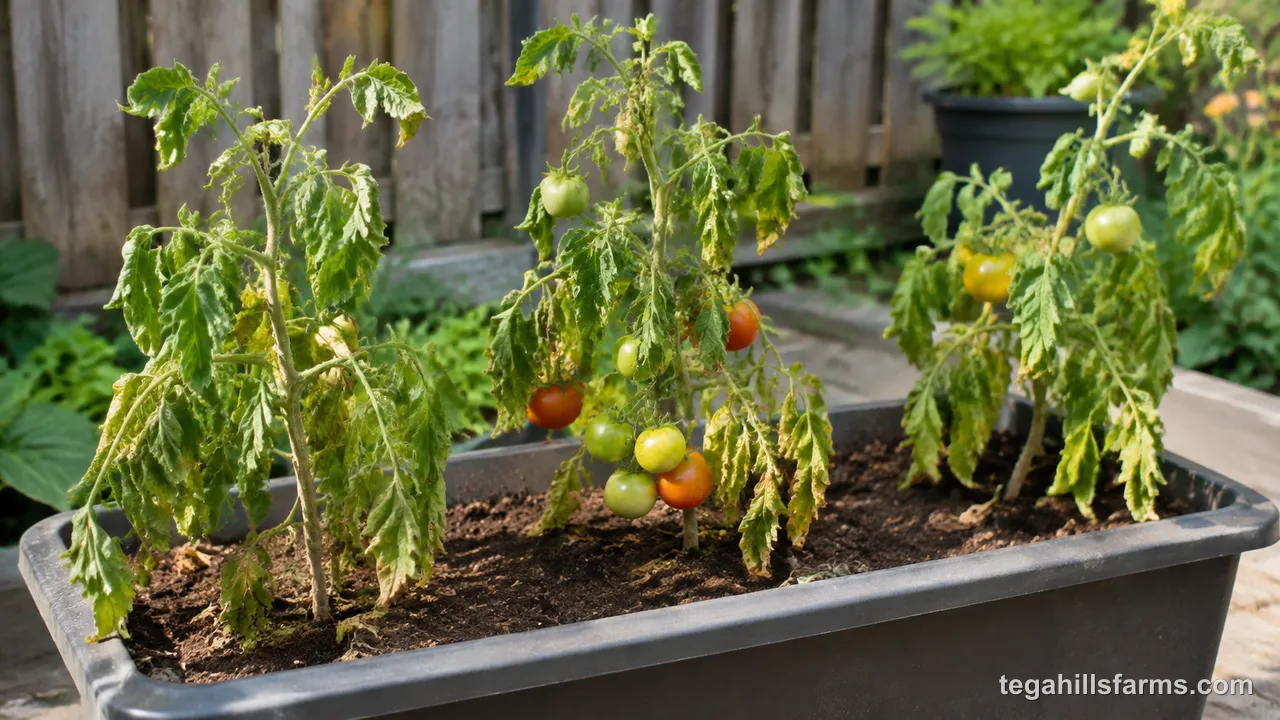
Look for more physical clues as well. Roots poking out of drainage holes, or a dense mat of roots circling the bottom when you lift a plant, mean the crop has filled the container. Tall plants that lean or tip have too little soil to anchor them. Root crops show the problem most clearly: forked, stubby carrots and small potatoes are a depth issue more often than a fertilizer issue.
Rule out other causes before you replant. Yellow lower leaves can also signal overwatering, and stressed plants attract pests, so check under leaves and around the stems. Good planter pest control habits make it easier to tell an insect problem from a depth problem.
Can You Mix Shallow and Deep-Rooted Plants in One Bed?
Yes, mixing shallow and deep-rooted plants works well as long as the bed is deep enough for the deepest crop. The two groups draw from different soil layers, so they compete less than two deep-rooted crops planted side by side.
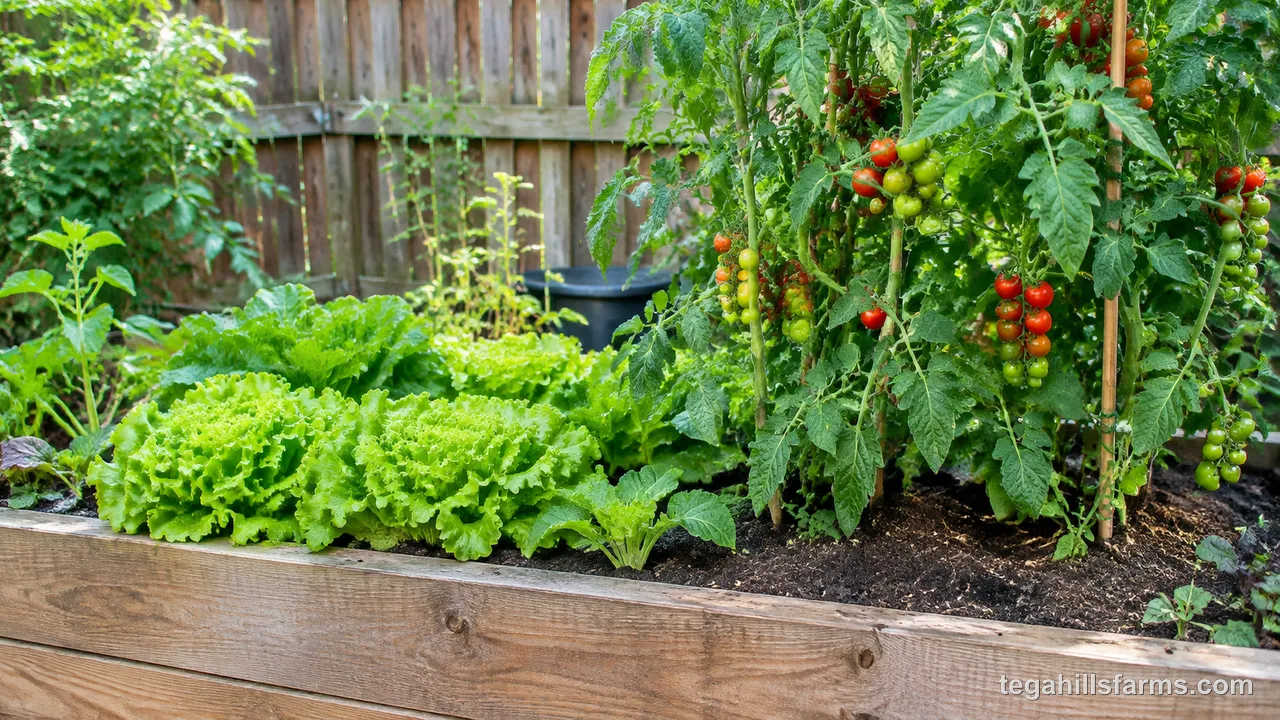
Lettuce, basil or radishes tucked around the base of tomatoes or peppers use the upper soil, while the larger plants send their roots lower. The taller crops also shade the greens through summer, which slows bolting in warm zones. Basil near tomatoes is a classic pairing that fits this pattern.
The problem comes when companion planting is used as a reason to put a deep crop in a shallow bed. Pairing tomatoes with basil does not change how much soil the tomato needs. Give the shallow crops enough elbow room as well, since a dense leafy layer can pull water from the surface before it reaches deeper roots.
How to Fill a Deep Planter Without Using Only Soil
You can fill the lower part of a deep planter with organic bulk such as untreated logs, branches, leaves, straw or plain cardboard, then add a full layer of growing soil on top. Roots still get the depth they need, and you buy far less soil.
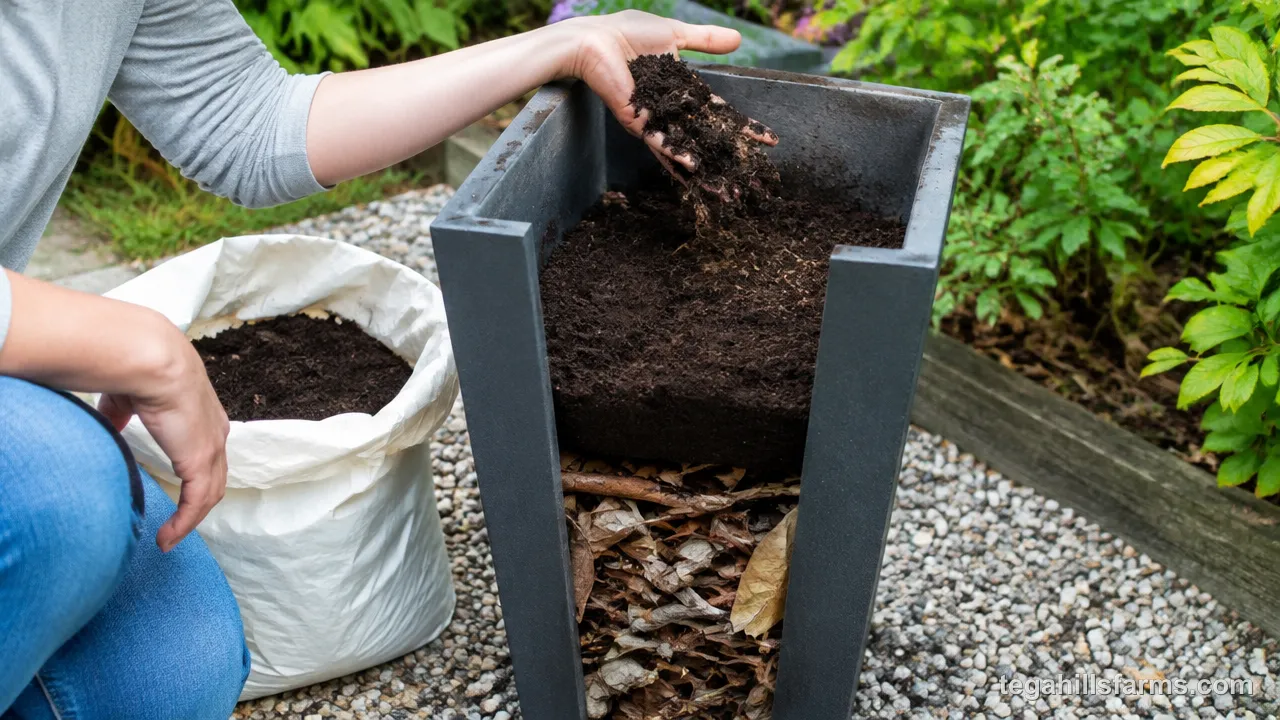
Soil volume adds up quickly, and in a tall bed it can rival how much a planter costs in the first place. Woody material at the bottom breaks down slowly and feeds the soil as it rots, a method often called hugelkultur. Avoid treated or painted wood under edible crops.
Keep the growing-soil layer at least as deep as your crop’s roots need, because filler does not count toward rooting depth. Expect the bed to settle as the organic matter decays, and top it up each spring. Skip a gravel layer at the bottom: it does not improve drainage and instead holds water in the soil just above it.
Common Questions About Planter Depth
How deep should a planter be for flowers?
Most flowering annuals need around 6 inches of root depth, which is why they thrive in window boxes and hanging baskets. Larger perennials, ornamental grasses and shrubs grow bigger root systems and need deeper containers. Check each plant’s tag for its mature size, and give spreading or long-lived plants more depth than a summer annual.
Can a window box grow vegetables?
Yes, a window box can grow leaf lettuce, arugula, chives, basil, round radishes and green onions as long as it meets the shallow-crop minimum. Window boxes dry out quickly in sun and wind, so check the soil daily in summer. Fruiting crops and root vegetables need deeper containers than a typical window box provides.
Do deep planters get more weeds?
Depth itself does not cause more weeds, but open-bottom beds can let perennial weeds grow up from the native soil below. Laying cardboard on the ground before filling helps smother them. Learning how to stop weeds in planters early, with mulch and regular hand-pulling, keeps them from competing with crop roots for water.
Should I measure planter depth from the rim?
Measure from the soil surface to the bottom of the soil, not from the rim. Leave a little headspace below the rim so water soaks in instead of running over the edge. In containers with reservoirs or false bottoms, measure only the soil above those features, since roots cannot use that space.
How often should I water a shallow planter?
Check shallow planters daily in summer by pushing a finger into the soil, and water when the top layer feels dry. Shallow soil holds little water, so full sun, wind or a heat wave can dry it within a day. Mulching the surface slows evaporation and reduces how often you need to water.
Write Your Review
No reviews yet. Be the first to share your experience!