

Tomatoes, peppers, lettuce, cucumbers, carrots and radishes all grow well in planters, along with herbs like basil, parsley, oregano and thyme, fruits such as strawberries and blueberries, and flowers including geraniums, petunias and marigolds. Melons and watermelons also work, but only if you have a large container and a very sunny spot.
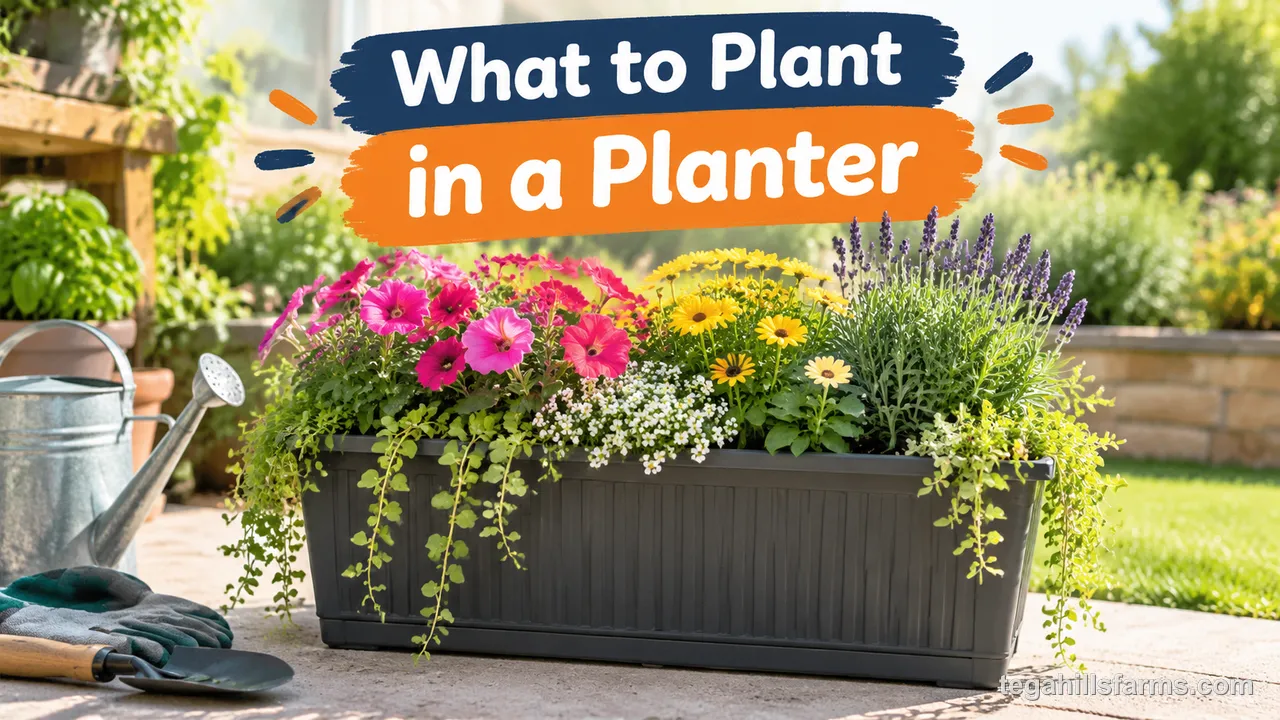
The right pick for your planter depends on three things: how deep the container is, how many hours of direct sun the spot gets, and how often you can water. A deep-rooted tomato in a shallow window box will struggle no matter how well you feed it. A pot of lettuce on a bright south-facing patio will bolt early in a hot southern summer.
Container plants depend on you for everything. Their roots can’t reach past the walls of the planter for moisture or nutrients, and the soil heats up and dries out faster than a garden bed. Matching each crop to its container and light gives you a real head start against those limits.
What Vegetables Grow Best in Planters?
Crops with compact or shallow roots, plus climbers you can train upward, adapt well to container life, as long as the pot’s depth and the spot’s daily sun match what each crop needs. Knowing how to choose a planter that matches a crop’s root depth and drainage needs sets plants up well before the first seed goes in.
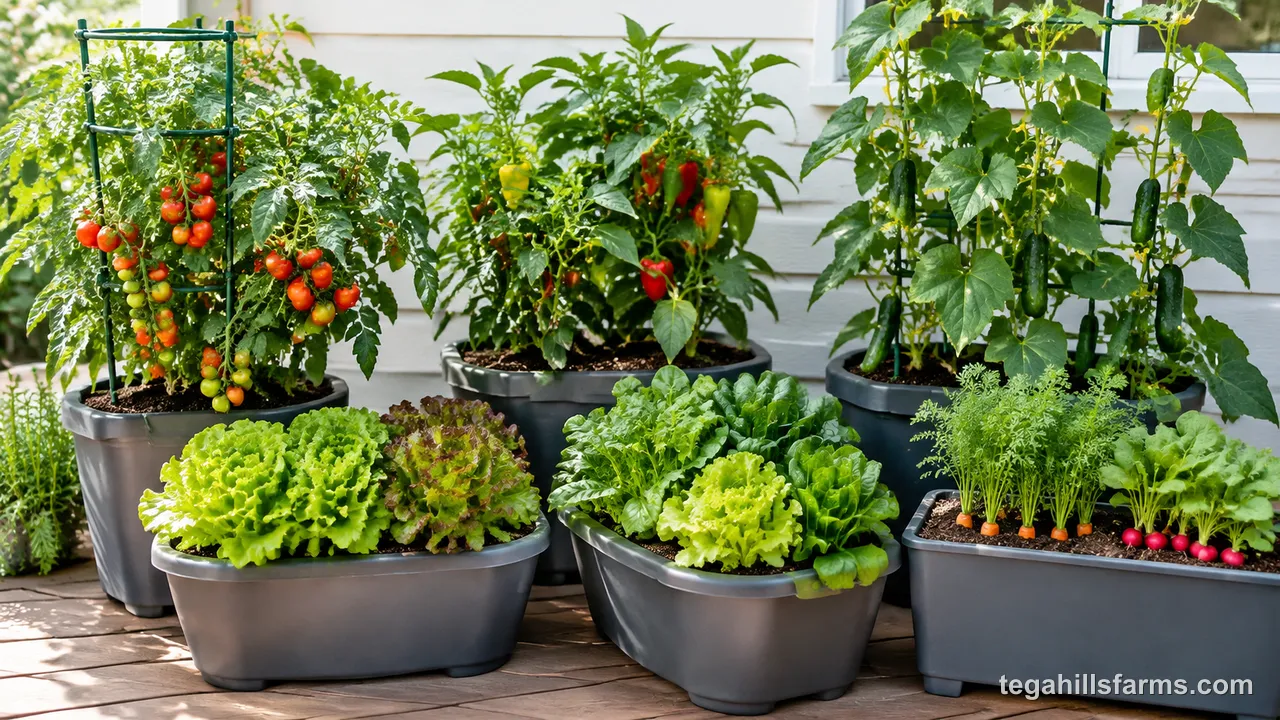
Root depth decides which container a vegetable needs, and sun decides where that container can sit. Kale and swiss chard sit near lettuce in their needs. Fruiting crops sit at the demanding end.
Tomatoes and Peppers
Tomatoes and peppers do best at one plant per container, in a pot deep and wide enough for a large root system. Each plant puts out roots that fill the whole container by midsummer. Two plants in one pot compete for the same water and nutrients, and both end up setting less fruit.
Depth matters as much as width. Deeper soil holds more water between waterings, which keeps fruit from splitting and helps prevent blossom end rot. Before buying a container, check how deep a planter should be for fruiting crops. Shallow pots dry out fastest, right when the plant is ripening fruit. Indeterminate tomatoes also need a stake or cage set in at planting time so you don’t damage roots later.
Lettuce and Leafy Greens
Lettuce, kale and swiss chard grow well in shallow planters because their roots stay near the surface. They also tolerate partial shade, so they suit the spots where fruiting crops would fail. That includes a balcony with afternoon shade or a window box on the east side of the house.
Partial shade is often an advantage for greens. Strong summer heat makes lettuce bolt and turn bitter, and a few hours of shade slows that down. In warmer USDA zones, spring and fall are the main seasons for container lettuce, while kale and swiss chard keep producing through more heat. You can harvest outer leaves and leave the center growing, so one planter gives several pickings.
Cucumbers
Cucumbers need a sturdy trellis and steady water to produce in a planter. Vining types climb several feet in a season. Without support, they sprawl over the rim, the leaves shade each other, and fruit sitting on damp surfaces rots.
Set the trellis in the planter at planting time so the roots aren’t damaged later, or place the container against a fence or railing the vines can grab. Bush varieties stay compact, but they still fruit better with a small cage.
Watering is the harder part. Cucumber fruit is mostly water, so the plant needs a constant supply, and a pot that dries out produces bitter, misshapen cucumbers. In hot weather, check the planter daily.
Carrots and Radishes
Carrots and radishes need loose, fine potting mix and soil that stays evenly moist. Any clump or stone in the mix forces the root to fork or twist. Heavy soil that crusts on top keeps seedlings from breaking through.
Radishes are the easier starting point. They size up quickly and need only modest depth, so a window box works. Carrots need depth that matches the variety’s root length. Short, round types like Paris Market fit shallower planters, while long varieties need a deeper container.
Uneven moisture causes cracked carrots and pithy, hot-tasting radishes. Keep the top of the mix damp while seeds germinate. Once the plants are up, water before the container dries all the way down.
Which Herbs Thrive in Planters?
Sunlight is what separates herbs once they’re in containers. Sun-loving Mediterranean herbs want the brightest spot you have, while leafy herbs handle a planter that loses direct sun for part of the day.
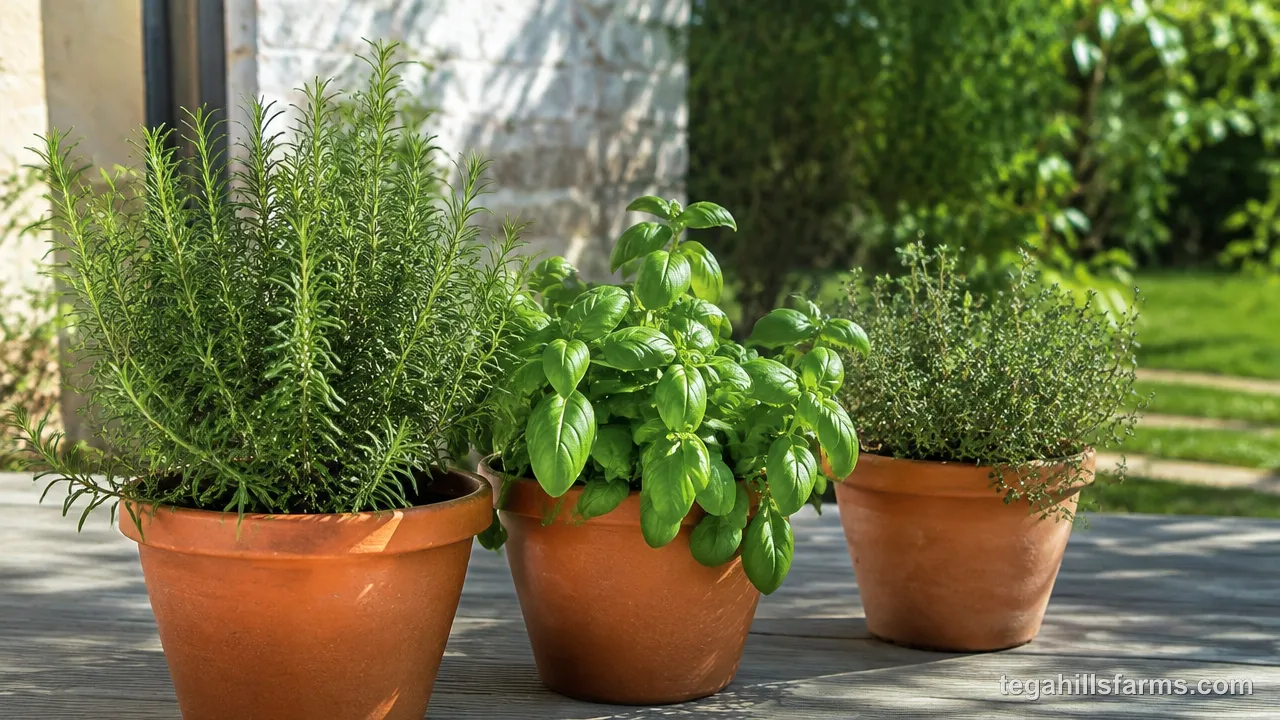
Most culinary herbs stay compact and are harvested often, so they suit pots and window boxes better than many vegetables. Chives and cilantro fall on the shade-tolerant side. Cilantro also prefers cool weather and bolts quickly once summer heat arrives. Herbs share containers well when grouped by light and water needs, which affects what size planter you need. A mixed herb box needs room for every plant, not just one.
Basil
Basil needs full sun, which means at least six hours of direct light, plus warm days and nights. It’s a heat-loving annual, so it stalls in cool weather and blackens at the first frost. Wait until nights stay warm before setting the planter outside. In northern zones, that can be well after the last frost date.
Containers help basil because dark pots warm up faster than garden soil in spring. Keep the mix evenly moist, since basil wilts quickly when the pot dries out in summer. Pinch off the top set of leaves and any flower buds as they form. That redirects the plant into new leafy growth instead of seed.
Parsley
Parsley grows well in partial sun and prefers cooler temperatures, so it fits planters that sit in shade for part of the day. That makes it one of the most practical herbs for an east-facing window box or a balcony that gets only morning light.
In full afternoon sun during a hot summer, parsley tends to slow down and can bolt. A shadier spot keeps it leafy longer. Its taproot runs deeper than most herbs, so give it a container with some depth rather than a shallow tray. Harvest the outer stems at the base and new growth will keep coming from the center.
Oregano and Thyme
Oregano and thyme need full sun and like dry conditions, so they’re the herbs to choose if you can’t water every day. Both evolved in lean, rocky Mediterranean soil, and they hold up well when the potting mix dries between waterings.
Overwatering is the most common way to lose them. Soggy mix rots their fine roots and makes stems leggy and weak. Let the top of the mix dry before watering, and avoid pairing them with thirsty herbs like basil in the same pot. A terracotta planter helps, because the porous clay lets moisture escape. Both are perennials in many USDA zones and can come back each spring.
What Fruits Can You Grow in Planters?
Container fruit depends on root space and hours of direct sun, two needs you can’t make up for with feeding or watering. Fruits that stay compact give a harvest from a modest pot. Sprawling vines only work for gardeners who have both room and a very bright spot.
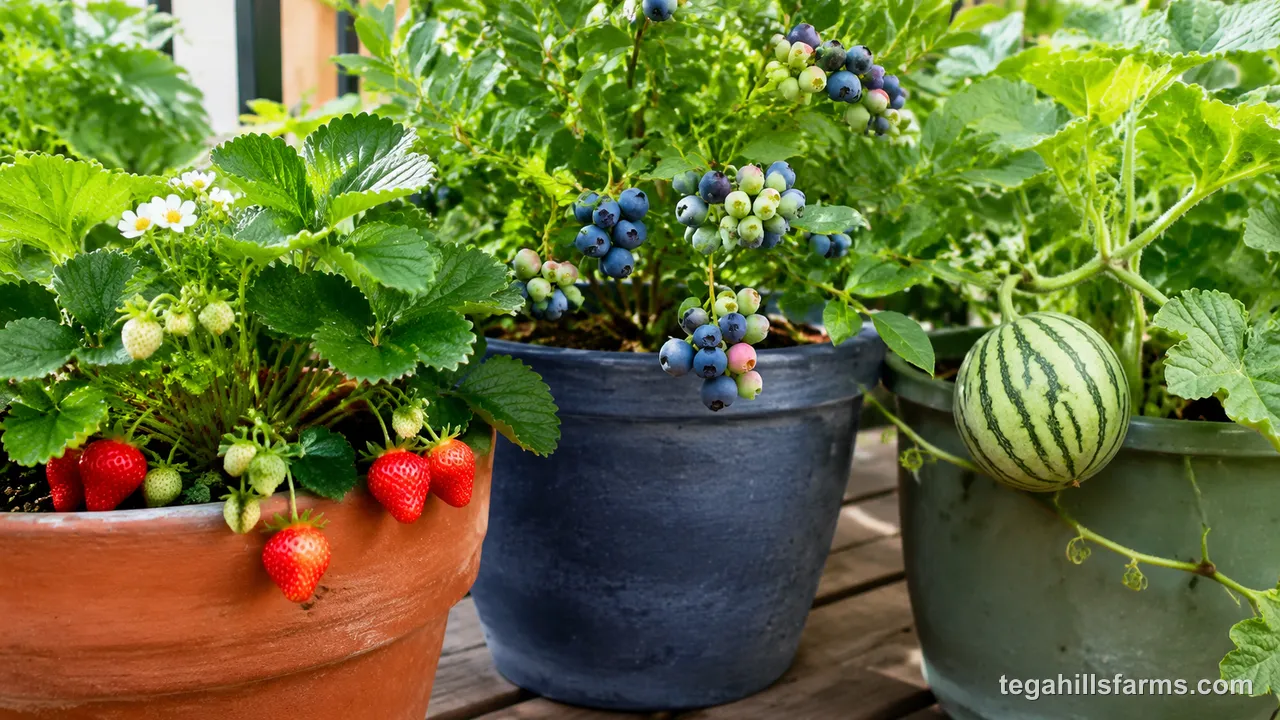
Fruit also takes longer to pay off than leafy crops. That makes the right first choice more important, especially in short northern seasons where a slow crop may not ripen before frost.
Strawberries
Strawberries suit smaller planters because their roots are compact and shallow. Everbearing and day-neutral types can produce fruit in their first season. That quick return makes them a good fruit to start with, especially in window boxes, hanging baskets and stacked strawberry pots.
Their shallow roots also mean they dry out quickly. Water consistently while fruit is forming, or the berries stay small. Raising the plants off the ground keeps fruit off damp soil, which cuts down on rot and makes slugs work harder to reach it. Runners will spill over the rim. Snip them off if you want the plant’s energy going into berries, or root them in a new pot to expand your patch.
Blueberries
Blueberries need acidic potting mix and full sun. A container is often the easiest way to grow them, because you control the soil completely. Most garden soil isn’t acidic enough. In soil that isn’t acidic enough, blueberries can’t take up iron, and the leaves turn yellow between the veins.
Use a mix made for acid-loving plants, aiming for a pH of around 4.5 to 5.5. Water with rainwater when you can, since hard tap water slowly raises the pH. Choose dwarf or half-high varieties bred for containers. Planting two varieties that bloom at the same time improves pollination and fruit set. Plants grown in containers need some winter protection in colder zones.
Melons and Watermelons
Melons and watermelons need a large planter and 8 or more hours of sun, plus warm nights to ripen sweet fruit. If your spot gets less light than that, or nights stay cool through summer, choose another crop for that container.
Their sprawling vines and heavy water use mean a small pot won’t support them. Pick compact or “personal-size” varieties. Grow them up a strong trellis and support each developing fruit with a sling made from cloth or netting. Short northern seasons are the main limit. Choose varieties with the shortest days to maturity, and set the planter in the warmest corner you have.
Which Flowers Look Best in Planters?
Long-blooming annuals matched to your planter’s sun exposure give the most color from spring until frost. Perennials come back each year but bloom for shorter windows, so annuals carry most container displays through summer.
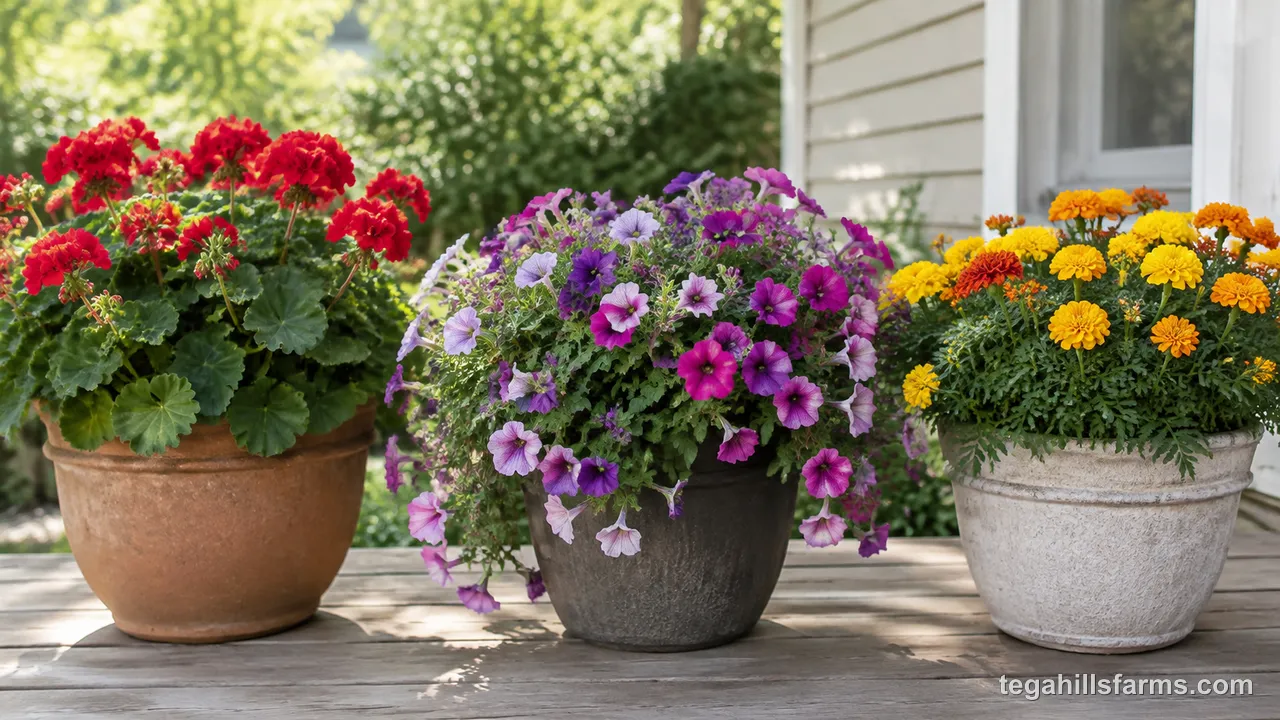
The planter’s location narrows the choice first. A sunny patio box, a hanging basket and a vegetable planter that needs companion flowers each call for a different habit and heat tolerance. Pick flowers by where the container sits, then by color.
Geraniums
Geraniums bloom through the whole summer in full sun, which makes them one of the most dependable choices for a sunny outdoor planter. They tolerate the quick drying of containers better than many flowers, because their thick stems and leaves hold some moisture. Clusters of red, pink, coral or white flowers keep forming as long as the plant gets enough light and food.
Let the top of the mix dry slightly between waterings, because geraniums rot in constantly wet soil. Snap off faded flower clusters at the base of the stem to keep new buds coming. In colder zones, you can bring the pot indoors before frost and grow it again next year.
Petunias
Petunias suit hanging planters and window boxes because many varieties trail and cascade over the edge. Spreading and trailing types grow sideways and downward, so a single basket can turn into a full ball of color hanging from a porch hook or railing.
That trailing habit comes with heavy demands. Petunias bloom constantly and need full sun, regular feeding and steady water. Hanging baskets dry out quickest of all, so in midsummer they may need water every day. If the plants get leggy by late summer, cut the stems back. They’ll fill in again and keep flowering until frost.
Marigolds
Marigolds handle heat well and have a long reputation as pest deterrents, which is why they often share planters with vegetables. French marigolds are the type most often linked to repelling certain soil nematodes. Their strong scent may also confuse some insects looking for nearby crops. The effect varies, so think of them as one tool in planter pest control, not a complete fix.
Heat tolerance is where marigolds reliably earn their space. They keep blooming through hot, dry stretches that stop many other annuals. They need full sun and fairly little care, and tucking a few along the edge of a tomato planter adds color without crowding the main crop.
What Potting Mix Should You Use?
Use a soilless potting mix built from peat moss or coir plus perlite or vermiculite, not garden soil. Its loose texture drains freely and still holds moisture inside a closed container.
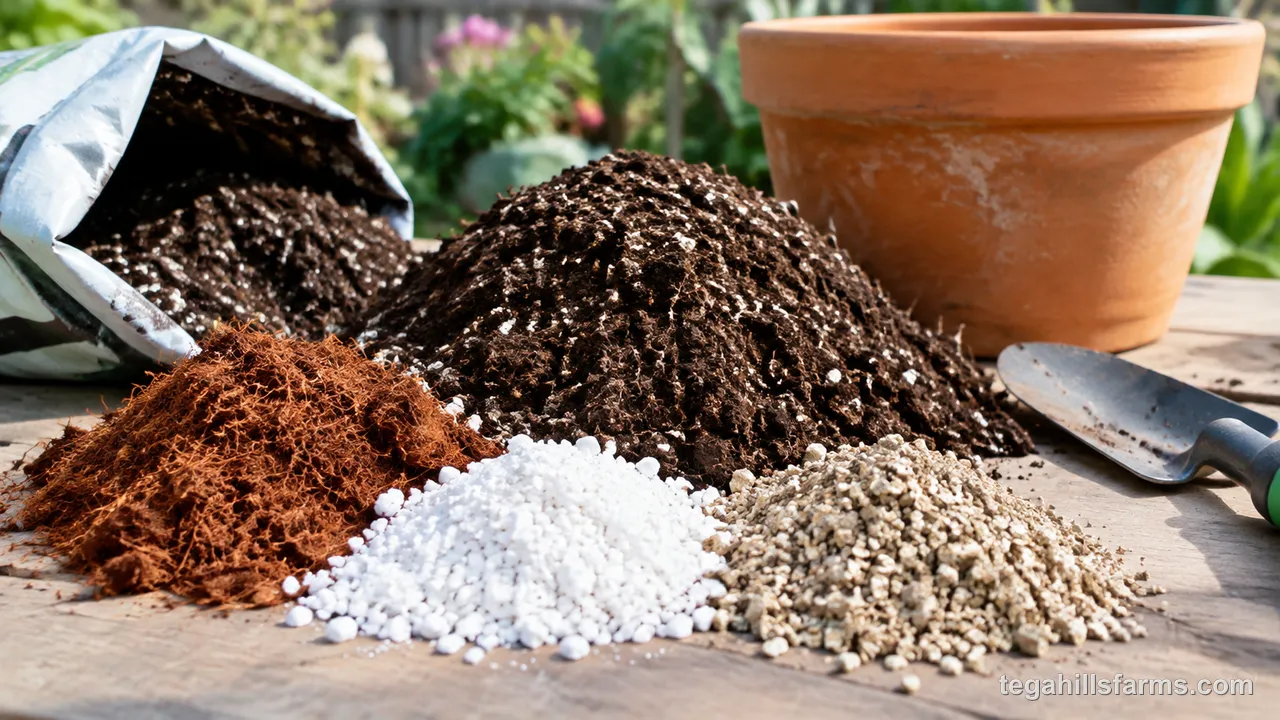
Garden soil works in the ground because water drains down into the subsoil. In a pot, the same soil packs down, stays waterlogged at the bottom and starves roots of air. Peat and coir hold water like a sponge. Coir is the renewable option and rewets more easily once dry. Perlite, the white granules in the mix, creates air pockets so excess water can escape. Vermiculite holds both water and nutrients, which helps plants that dry out quickly.
A good mix can only drain if water has somewhere to go, which is why good planter drainage matters just as much as the mix you choose. Replace or refresh potting mix every season or two. Over time it breaks down, compacts and loses its structure.
How Often Should You Water Planters?
Water when the top inch of mix feels dry to your finger. There’s no fixed schedule, because a planter can need water daily in summer heat and only every few days in cool weather.
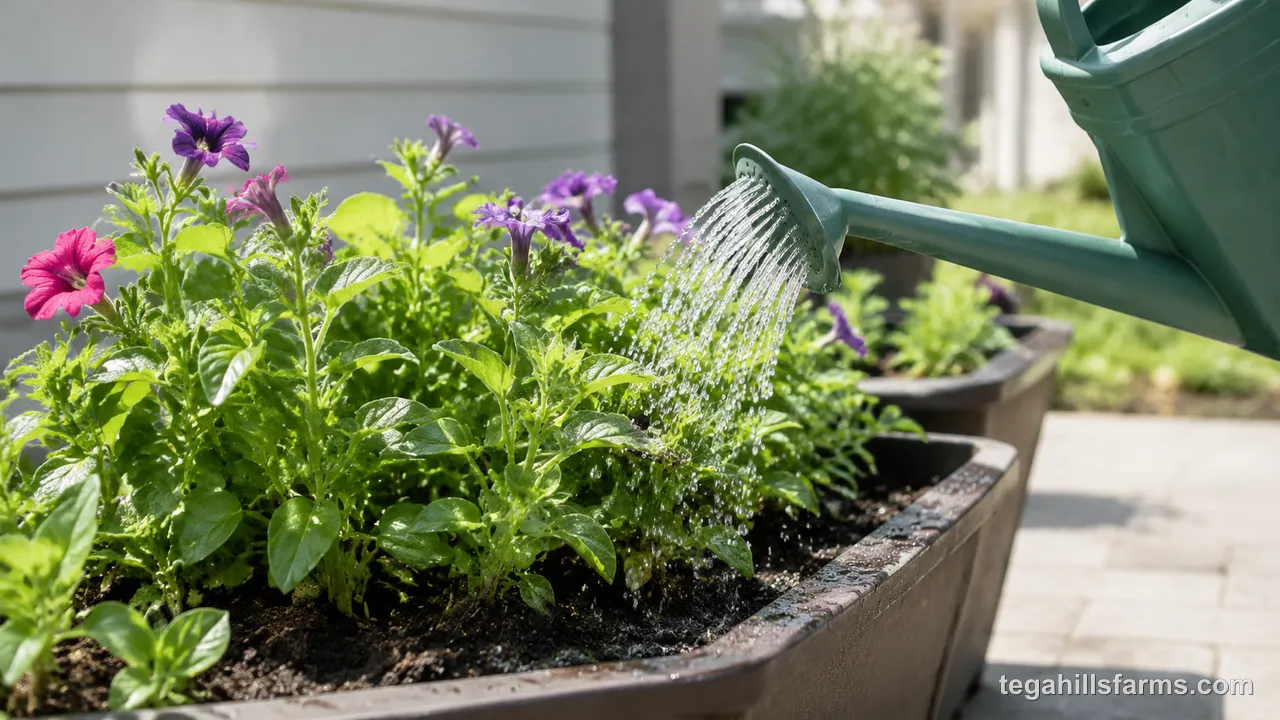
Containers dry faster than garden beds because soil in a pot is exposed to air and sun on every side, and roots can’t reach deeper moisture. Size matters too. Small pots, hanging baskets and terracotta lose water fastest, while large plastic planters hold it longer. Water slowly until it runs out of the drainage holes. That soaks the whole root zone and flushes out built-up salts.
Self-watering planters store water in a reservoir below the soil, which is useful for thirsty crops like tomatoes and cucumbers or for gardeners who travel. Check the soil anyway, since a full reservoir doesn’t help a plant whose roots haven’t reached it yet.
Every time you water a planter until it drains, some of the nutrients in the mix wash out the bottom along with the excess water, and in summer that happens almost daily. A tomato that looked lush in June can stall by July with pale leaves and few flowers even though it never once went dry, because the food in its pot ran out long before the season did.
How to Fertilize Plants in Planters
Container plants need fertilizer more often than plants in the ground, usually every one to two weeks with a diluted liquid fertilizer during the growing season. Frequent watering washes nutrients out through the drainage holes, and the plant has no surrounding soil to draw on once the potting mix runs out.
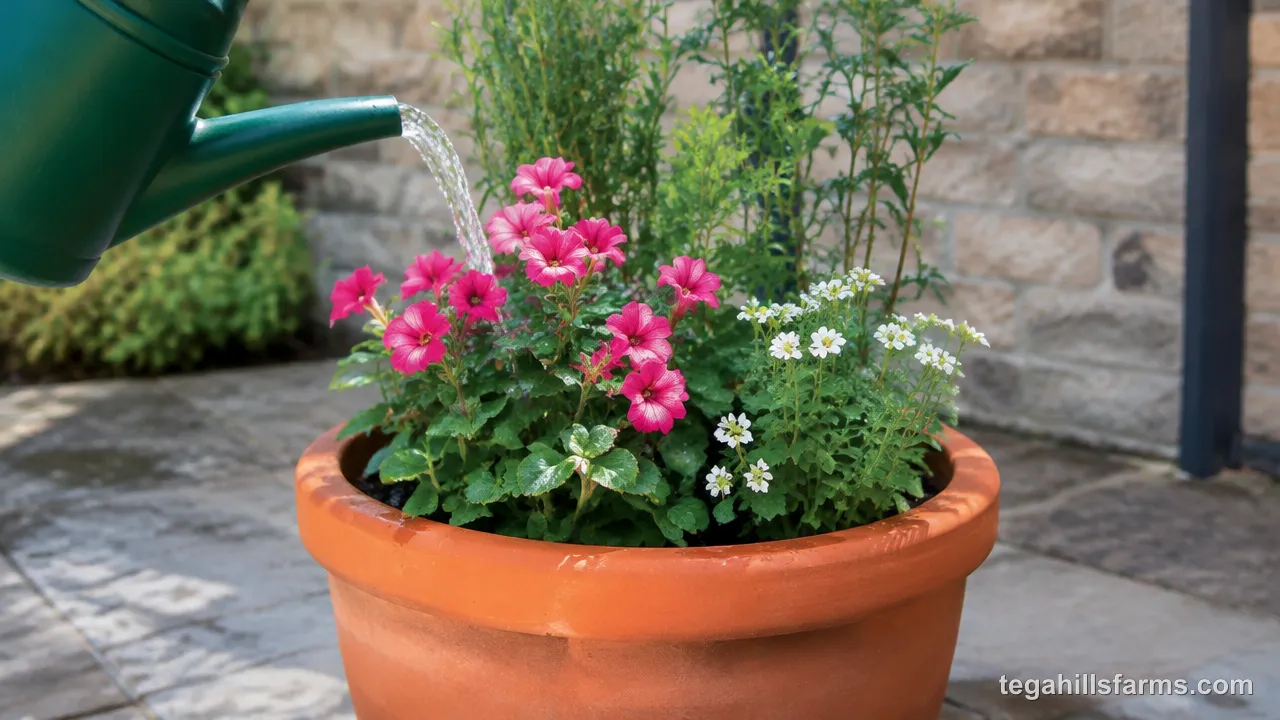
Most bagged potting mixes include some starter fertilizer, but it’s typically used up within the first several weeks. After that, feeding becomes your job. You have two main options:
- Liquid fertilizer acts quickly and lets you adjust the feeding as the plant’s needs change. That suits heavy feeders like tomatoes, peppers and petunias.
- Slow-release granules mixed into the soil at planting time feed steadily over weeks or months, which helps if you don’t want to keep a schedule.
Many gardeners combine both. They mix in granules at planting time and add liquid feed once fruiting crops start to flower. Organic options like fish emulsion and compost tea work well in containers. Whatever product you choose, follow the label rates. More fertilizer than the label calls for builds up salts in the pot and burns roots.
Common Planter Problems and Fixes
Most container problems come back to water and nutrients, because both run out or build up faster in a pot than in a garden bed. Reading the symptoms correctly matters, since the fix for one cause can make another worse. Weeds also show up less often in containers than in the ground, but seeds blow in. Learning how to stop weeds in planters early keeps them from competing with your crop for water and food.
Plants Wilt Even After Watering
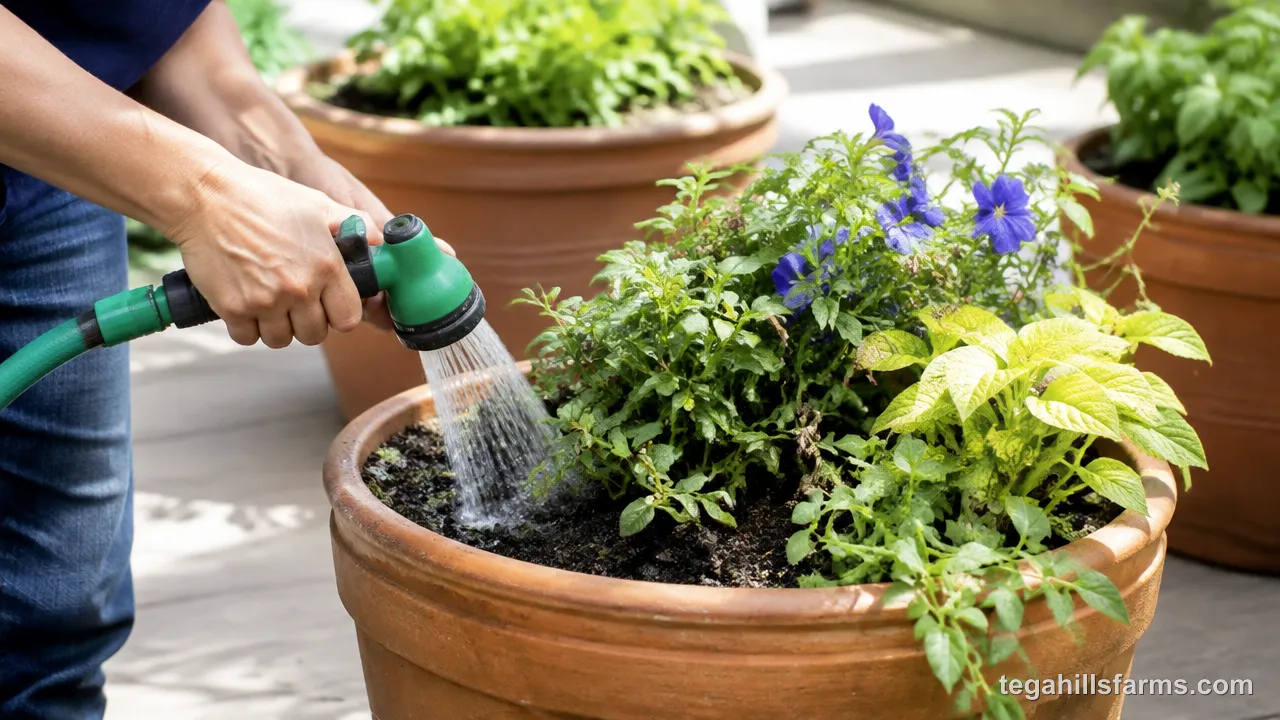
A plant that wilts even though the soil is wet is usually suffering from overwatering or poor drainage, not thirst. Roots need air as much as water. When the mix stays soggy, roots suffocate and begin to rot, and damaged roots can’t move water up to the leaves. The plant ends up looking exactly like one in a drought.
Feel the soil before you reach for the watering can. If it’s wet several inches down, stop watering. Check that the drainage holes aren’t blocked by roots or compacted mix. Make sure the container isn’t sitting in a saucer of standing water. If the roots are brown and mushy when you ease the plant out, trim off the rotted sections and repot in fresh, loose mix.
Lower Leaves Turn Yellow
Yellow lower leaves on container plants usually point to nitrogen deficiency. Nitrogen moves within the plant, so when supplies run low, the plant pulls it from older leaves to feed new growth at the top. That’s why yellowing starts at the bottom and works upward.
Containers run short of nitrogen faster than garden beds because watering washes it out steadily. Increase your feeding frequency, or switch to a liquid fertilizer that the plant can use right away. New growth should green up within a week or two. Leaves that have already yellowed won’t recover, so remove them once the plant starts growing again. If yellowing comes with soggy soil, overwatering is the more likely cause.
Write Your Review
No reviews yet. Be the first to share your experience!