

A snow blower that gets fresh fuel, a yearly service, and dry storage can run well past a decade. One that sits all summer with old gas in the tank often fails much sooner. How long a machine lasts depends less on the calendar and more on how it is treated between storms.
The main factors are the machine’s design (single-stage, two-stage, or three-stage), its power source (gas, corded electric, or battery), the kind of snow it moves, and the upkeep it gets. Each one wears the auger, belts, engine, or battery pack in a different way.
The harder call comes later, when an older machine starts acting up and you have to decide whether it needs one repair or has reached the end of its useful life. Knowing which parts wear out on schedule and which failures signal deeper trouble keeps you from paying to fix a machine that is finished, and from scrapping one that only needed a belt.
The cheapest step toward a longer life costs almost nothing. Run the tank dry or add stabilizer before spring. Stale gas varnishing the carburetor is behind more dead-in-December machines than any other single cause.
How Many Years Does a Snow Blower Usually Last?
A well-maintained snow blower typically lasts 15 to 20 years, an average-care machine 10 to 15 years, and a neglected one with old gas left in over summer less than 10 years. Other estimates put well-maintained machines at 15 to 25 years, average care at 12 to 18, and neglected units at about 10.
Those ranges disagree because “well maintained” means different things to different people. Some figures also lump small single-stage units together with heavy two-stage machines, which have very different service lives. Both sets still agree on the pattern that matters: fuel handling and dry storage move a machine from the low end of the range to the high end.
Years alone also leave out how hard the machine worked. A blower in a light-snow region might run a few hours a winter. The same model in a lake-effect snow belt can rack up several times that wear in a single season. Engine hours and the snow you move tell you more than the model year, and your owner’s manual service schedule is written around that use.
If you are shopping for a replacement and want a machine built for the long haul, our guide on how to choose a snow blower covers which features matter most for long-term durability.
Does the Type of Snow Blower Change How Long It Lasts?
Yes. Drivetrain design and power source both change what wears out first and how easily worn parts can be replaced. Heavier multi-stage machines carry more parts that can fail, but they are also built to be repaired. Battery machines remove the carburetor problems that hurt gas engines and add a battery pack that ages on its own timeline. Both comparisons matter, because a long-lived design only pays off if it suits the snow you actually get.
How Long Do Single-Stage, Two-Stage, and Three-Stage Snow Blowers Last?
Stage count affects lifespan mainly through how much load each part carries and how easily you can replace it. A single-stage machine uses one auger that scoops snow and throws it out the chute. The auger touches the pavement, so its paddles wear with every pass. These machines handle snowfalls of 8 inches or less best, and pushing one through deeper, heavier snow strains the auger and motor beyond their design.
Two-stage machines add an impeller behind the auger. The auger rides above the ground on skid shoes, so it doesn’t scrape pavement, but the gearbox, drive belt, and wheel drive add more parts to maintain. Three-stage models add an accelerator that chews through drifts as deep as 18 inches. When you’re comparing single stage vs two stage snow blowers for durability, the heavier build and serviceable parts of the larger machines usually favor long life, as long as the yearly upkeep happens.
How Do Gas, Corded Electric, and Cordless Snow Blowers Compare on Lifespan?
On a gas snow blower, the fuel system usually fails first. Ethanol-blended gas left in the tank breaks down and leaves varnish in the carburetor, and engine wear builds up from skipped oil changes. A corded electric machine has no fuel system or oil to manage, so its weak points are the motor brushes, the switch, and the extension cord, which can get chewed up on icy pavement.
Cordless machines carry a published average lifespan of 15-25 years, which reflects simple brushless motors with few moving parts. The battery pack is the exception. It loses capacity with every charge cycle and can wear out well before the motor and auger.
Runtime per session is a separate measure from total lifespan. A battery snow blower runs about 45 minutes on a full charge, while a gas machine runs about 1.5 hours of constant use on a full tank. That tells you how much driveway you can clear at once, not how many winters the machine will survive. Weighing gas vs electric snow blowers means looking at both measures separately.
Which Snow Blower Brands Are Known for Lasting?
Ariens, Toro, Honda, Husqvarna, and Cub Cadet have the longest track records in heavy gas machines. EGO Power+, Greenworks, Ryobi, and Snow Joe lead the cordless side, and PowerSmart competes mainly on value. The gas brands share one trait that helps lifespan: long-running two-stage lines sold through dealer networks, which keeps belts, shear pins, and scraper bars easy to find years after you buy. The cordless brands each build around a shared battery platform, so a worn pack can be replaced inside the same system instead of retiring the whole machine.
Consumer Reports’ predicted reliability ratings are worth checking before you buy, but they are based on the early years of ownership. They can flag a model with weak first-season build quality. They can’t tell you whether that machine will still throw snow in its second decade.
I’d weigh the upkeep you’re willing to do over the badge on the housing. A mid-tier machine that gets stabilized fuel and dry storage will usually outlast a premium one that sits with a tank of summer-old gas.
What Makes a Snow Blower Wear Out Faster or Last Longer?
How you use it, how you maintain it, and how you store it are the three factors you control. Usage determines how much load the auger, belts, and engine take each winter. Maintenance keeps that load from turning into permanent damage. Storage decides whether the machine starts cleanly after months of sitting. Neglecting any one of these can cancel out the other two, which is why two copies of the same model can end up with very different lifespans.
How Do Wet, Heavy Snow and Frequent Use Shorten a Snow Blower’s Life?
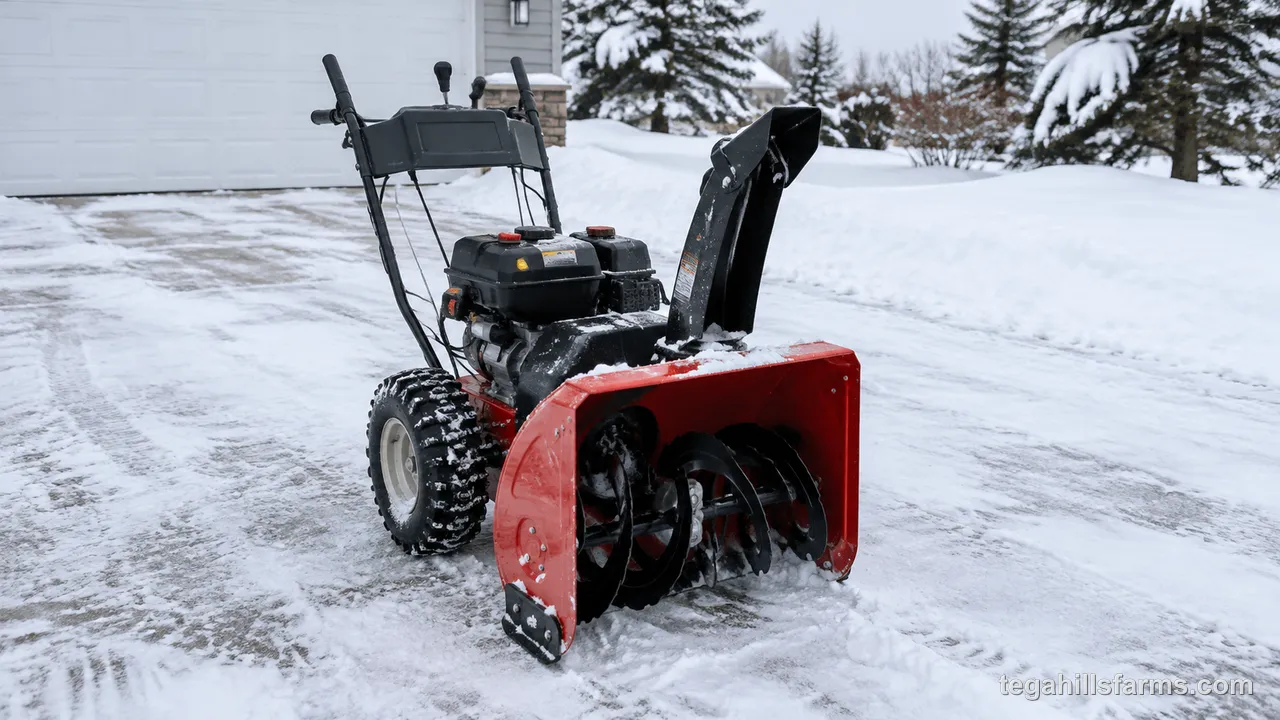
Wet, heavy snow shortens a machine’s life by forcing the auger, belts, and engine to work near their limit on every pass. Dense snow packs into the housing and resists the auger, so the belts slip and heat up and the engine runs under full load for longer. Ice-crusted plow piles at the end of a driveway are harder still, because the auger has to break chunks before it can throw them.
Gravel driveways add a different kind of wear. Stones get picked up and hit the auger, impeller, and chute from the inside, and a scraper blade set too low drags across the stone surface. Frequent use adds up all of this stress. A machine that clears several times a week through a long winter builds up belt, bearing, and skid-shoe wear far faster than one that comes out a few times a season. The fix is simple: take smaller bites in heavy snow and set the skid shoes higher on loose surfaces.
Which Maintenance Tasks Do the Most to Protect a Snow Blower?
For a gas machine, an oil change about once a year protects it most, according to general guidance. Check your owner’s manual for your model’s exact interval. Old oil collects combustion byproducts and loses its ability to protect bearings and cylinder walls, so a skipped change wears the engine every hour it runs.
The spark plug comes next. Replace it every couple seasons or 100 hours of use, whichever comes first, because a worn electrode causes hard starts and makes the engine run rough. Fuel handling matters just as much. Add fuel stabilizer to every can of gas you buy for the machine, and don’t let gas sit in the tank for months. Stabilizer slows the breakdown that leaves varnish in the carburetor’s small passages.
After each storm, knock packed snow off the housing and chute. Look over the belts, shear pins, and scraper blade while the machine is still in front of you. This takes a few minutes and catches a frayed belt or a missing pin before it fails in the middle of a storm.
How Should You Store a Snow Blower Between Winters?
Gas machines should be stored with either an empty fuel system or a full tank of stabilized fuel that has been run through the carburetor. Untreated gas left over summer turns gummy, clogs the carburetor jets, and is the main reason a machine that ran fine in March won’t start in December. Change the oil before storage so acidic used oil doesn’t sit against engine parts for months.
Store the machine in a dry spot under cover. Moisture under a tarp outdoors rusts the auger housing and controls. For cordless machines, take the battery off the blower and keep it indoors where it stays out of freezing temperatures and summer heat. Follow the manufacturer’s guidance on charge level for long storage. Lithium-ion packs age faster when they sit fully charged or fully drained.
How Long Do Belts, Shear Pins, and Other Wear Parts Last?
Wear parts are designed to fail before the expensive parts do, and they don’t follow a fixed calendar. Belts, scraper blades, and skid shoes wear with use and snow conditions. Shear pins break on impact by design. The spark plug is the one part with a reliable replacement interval. Knowing how each one fails, and what that failure looks like, lets you swap a cheap part before it damages the auger, gearbox, or housing.
How Long Do Snow Blower Belts Last?
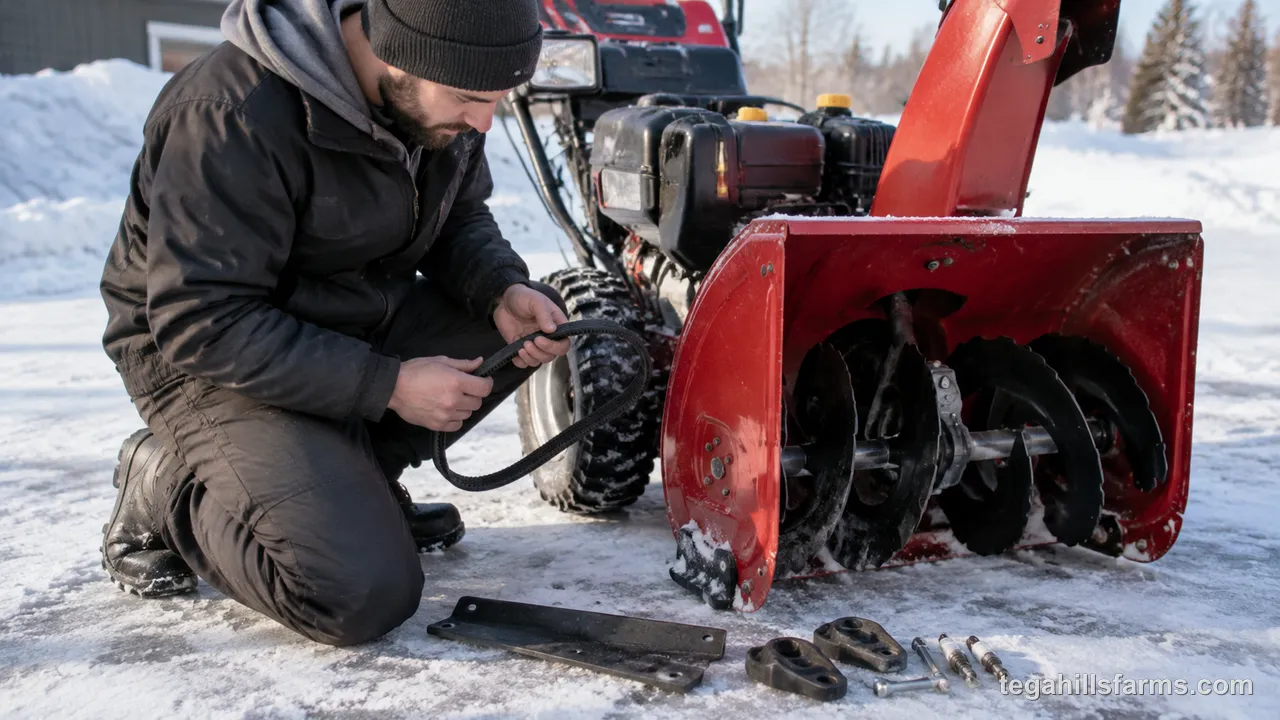
Belts don’t have a set replacement interval. Their life depends on how much heavy snow the machine moves and how often the belt slips under load. On a two-stage machine, the auger belt spins the auger and impeller, and the drive belt powers the wheels. Each time the auger stalls in dense snow while the engine keeps running, the belt slips, heats up, and glazes. Over time, it stretches and loses grip.
The warning signs show up before the belt snaps. The auger slows or stops in heavy snow while the engine still sounds normal. You may hear squealing or smell burning rubber, and the machine may hesitate to move forward. Inspect both belts each fall for cracks, fraying, and shiny glazed sides, and keep a spare on hand.
When Do Scraper Blades and Skid Shoes Need Replacing?
Replace scraper blades and skid shoes once they’re worn down enough that the housing sits low or the machine leaves a packed layer of snow behind. The scraper blade runs along the bottom edge of the housing and shaves snow off the pavement. Skid shoes hold the housing at the right height. Both wear down from contact with concrete and asphalt.
When a scraper blade wears through, the housing itself starts grinding on the pavement, which damages a part that costs far more to replace. Rough concrete wears these parts faster than smooth asphalt does. On gravel, raise the skid shoes so the scraper doesn’t dig into the stone. On a single-stage machine, the auger’s rubber paddles also contact the ground, so check them for wear along with the scraper.
Why Do Shear Pins and Spark Plugs Need Regular Attention?
Shear pins are meant to break. When the auger hits a rock, a frozen newspaper, or a hidden chunk of ice, the pin snaps so the shock doesn’t crack the auger gearbox. Replace broken pins only with the manufacturer’s shear pins, never a hardened bolt. A bolt won’t break, so the gearbox takes the damage the pin was supposed to absorb. Keep a few spares in a bag zip-tied to the handle, because pins almost always break in the middle of a storm. Walking the path for debris before you start is one of the basic habits in how to use a snow blower without snapping pins.
The spark plug needs attention because it wears gradually. Its gap widens and deposits build up, which leads to hard starting, misfires, and rough idling long before it fails completely. Replace it on schedule, even if the engine still starts.
How Can You Tell a Snow Blower Is Near the End of Its Life?
A machine nearing the end shows several problems at once that keep coming back after repairs, rather than one isolated failure. Warning signs fall into two groups: engine and starting trouble, and drivetrain and performance trouble. A single symptom from either group usually means a repair. When signs from both groups show up together, the machine as a whole is wearing out.
Which Engine and Starting Problems Point to Serious Wear?
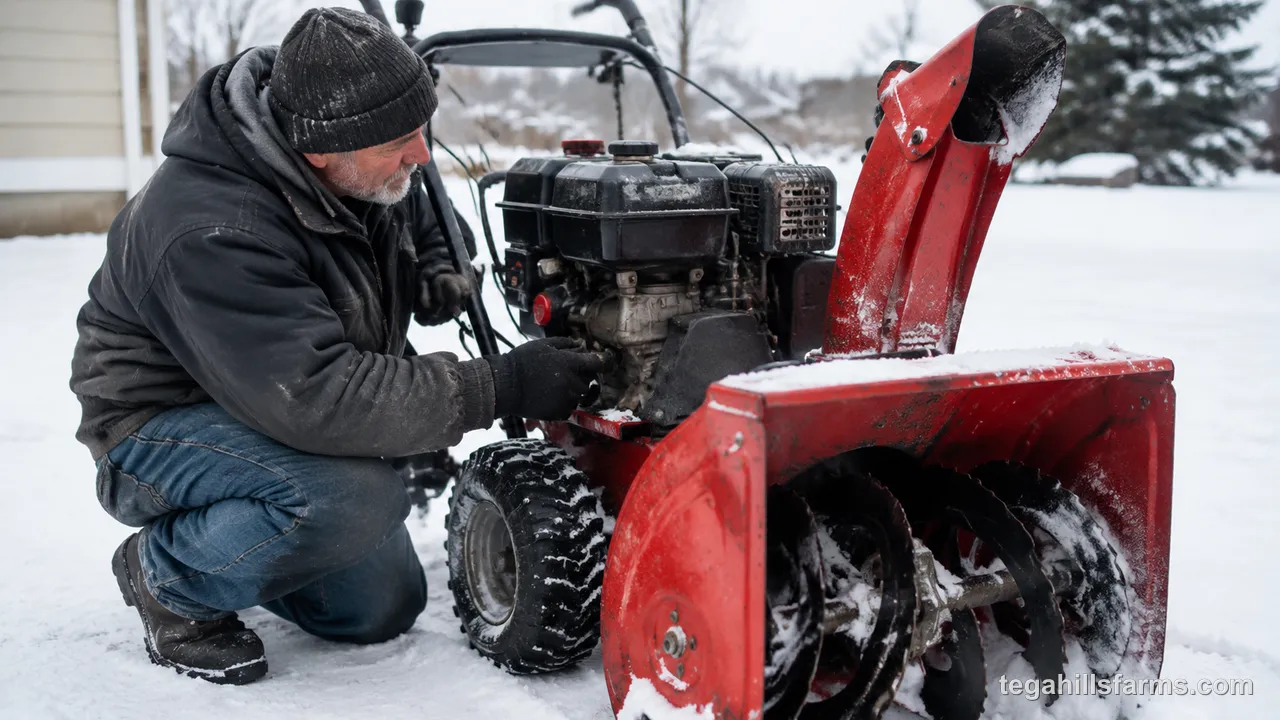
Most starting problems have simple fixes. When a snow blower won’t start after a summer in the shed, the cause is usually stale fuel, a fouled spark plug, or a carburetor clogged with varnish. Fresh gas, a new plug, and a carburetor cleaning will solve most of these, and they don’t mean the engine is worn out.
Signs of deeper wear look different. Blue or gray smoke means the engine is burning oil past worn piston rings or valve guides. Rough running that continues after a fresh plug and a clean carburetor points inside the engine. So does a knocking sound under load or oil leaking from the engine block. A carburetor that keeps clogging after repeated cleanings, even with stabilized fuel, usually means the fuel system has deteriorated beyond a simple fix. Any one of these on an older engine is a serious warning.
Which Performance and Mechanical Signs Mean the Machine Is Worn Out?
Snow throwing that stays weak after new belts is a key warning sign. Top models can throw snow over 30 feet with the chute set for distance. A machine that only dribbles snow a short way, even with fresh belts and a clear chute, usually has a worn impeller or a failing gearbox.
Drive slipping that continues after you replace the drive belt points to wear in the friction wheel or transmission. Grinding or whining from the auger gearbox means its gears or bearings are failing. Heavy rust that has eaten through the housing, along with cracks in the housing or frame, weakens the structure everything else bolts onto.
Any one of these problems can be repaired. When several appear together, each repair just keeps the machine going until the next failure, and that pattern means it’s near the end.
Should You Repair or Replace an Aging Snow Blower?
The decision depends on what failed, how old the machine is, and what the repair costs compared with a comparable new machine. A cheap, contained failure on a solid machine is worth fixing almost every time. A major failure on an old machine that already has other problems usually isn’t. Both situations are covered below, because the same repair quote can mean different things for a five-year-old machine and a twenty-year-old one.
When Does Repairing a Snow Blower Make Sense?
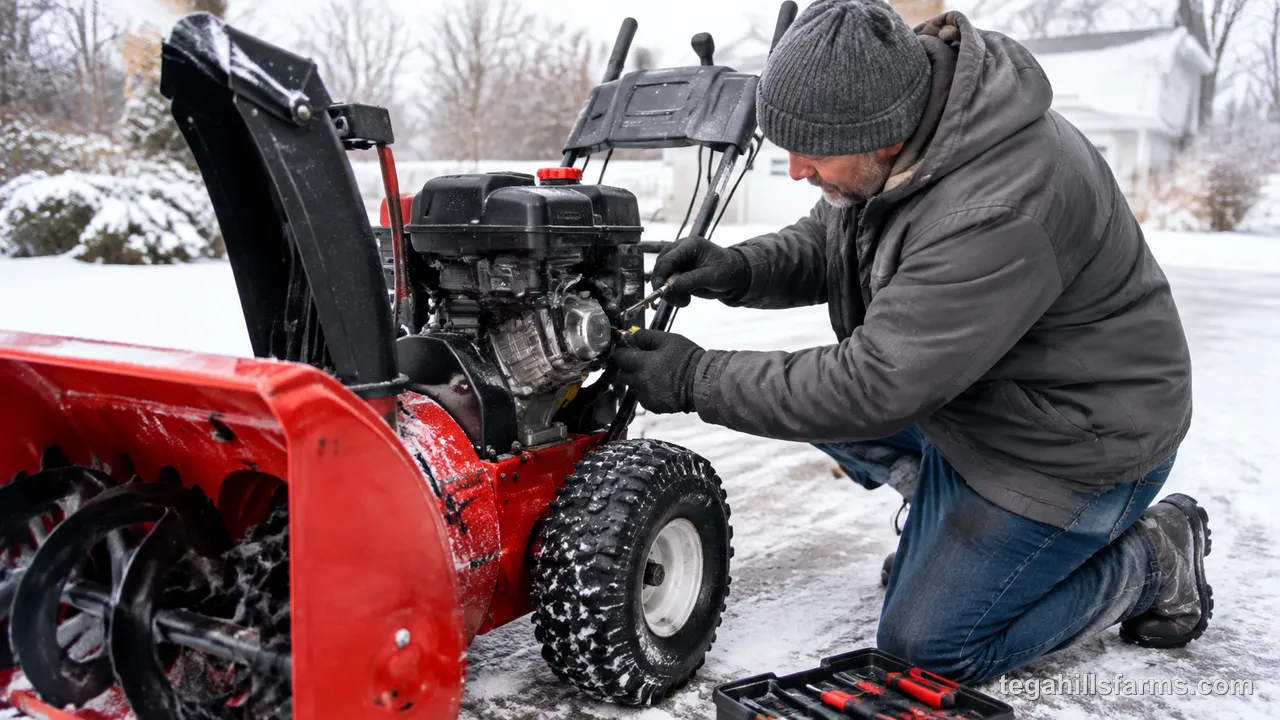
Repair makes sense when the failed part is a routine wear item and the rest of the machine is sound. Belts, spark plugs, shear pins, scraper blades, skid shoes, and carburetor cleaning are all inexpensive fixes. Each one restores the machine to full working order without touching the engine block or gearbox.
The condition of the whole machine matters more than any single fix. A blower with a solid housing, a quiet gearbox, and an engine that starts cleanly once it has fresh fuel has years left, and replacing its belt is simply normal maintenance. I’d fix that machine every time. A belt replacement on a blower that also smokes, grinds, and leaks oil is a different situation. That repair only gets you through the next storm.
When Is Replacing the Snow Blower the Smarter Move?
Replacement makes sense when a major failure, such as a cracked gearbox or a worn-out engine, hits an older machine whose repair quote is approaching the price of a new one. The common rule of thumb compares the repair cost to 50% of the price of a comparable new snow blower. Below that line, repairing is usually worth it. At or above that line, factor in the machine’s age, its overall condition, its repair history, and whether parts are still available. Checking how much a snow blower costs in the same class gives you the other side of that comparison.
The rule can mislead in both directions. An older, heavy-steel machine may be built better than a new one in the same class, so a larger repair on it can still be a good investment. On the other hand, a cheap repair on a machine that has needed something every winter is often money spent on the next breakdown.
Some of the longest lifespan figures you’ll see come from claims that can’t be traced to any original test, and they sit well above what most machines actually reach. An owner who plans around one of those numbers can keep paying for repairs on a blower that stopped being worth it years ago, then end up with a buried driveway when it finally quits mid-storm.
Can a Well-Kept Snow Blower Outlast the Typical Lifespan?
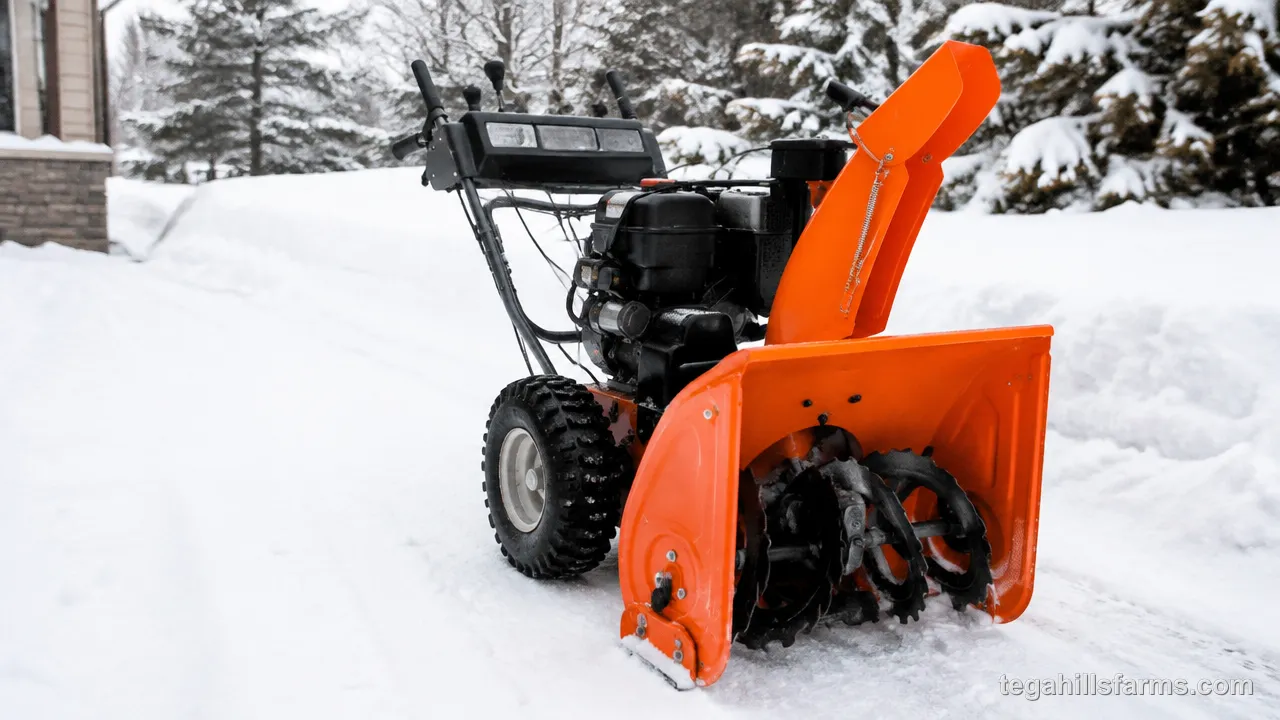
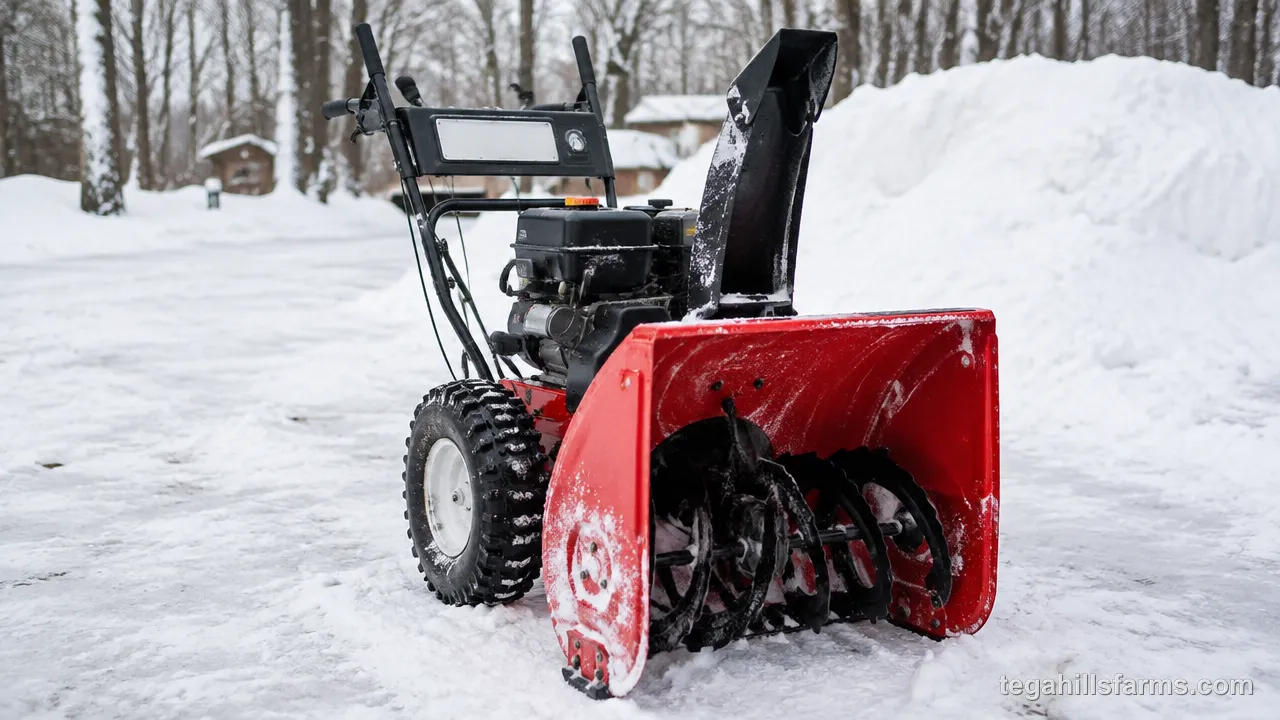
Yes. A machine that gets stabilized fuel, a yearly service, and dry storage can reach the top of the higher range and sometimes go beyond it. That’s most realistic for a heavy steel two-stage machine, the kind Ariens has built for decades. Its belts, pins, scraper bars, and even its engine can be replaced one at a time, so the frame and housing outlast every part bolted to them.
Be careful with dramatic lifespan figures credited to a well-known testing organization when no original report can be found. Treat those as unverified until you can trace the source. Different publications give different numbers for the same level of care, and the most optimistic one shouldn’t set your expectations.
Neglected machines show the other side. A blower stored outside with old gas in the tank can rust and clog its way to the scrap pile in a fraction of the time a cared-for twin would last. The difference comes down to habits, not the brand or the price paid.
How Long Does a Cordless Snow Blower Battery Last?
A cordless snow blower’s battery pack usually wears out before the machine does. The brushless motor and auger have few parts that wear, but a lithium-ion pack loses some capacity with every charge cycle. As capacity drops, the machine clears less driveway per charge, until one charge no longer covers the job.
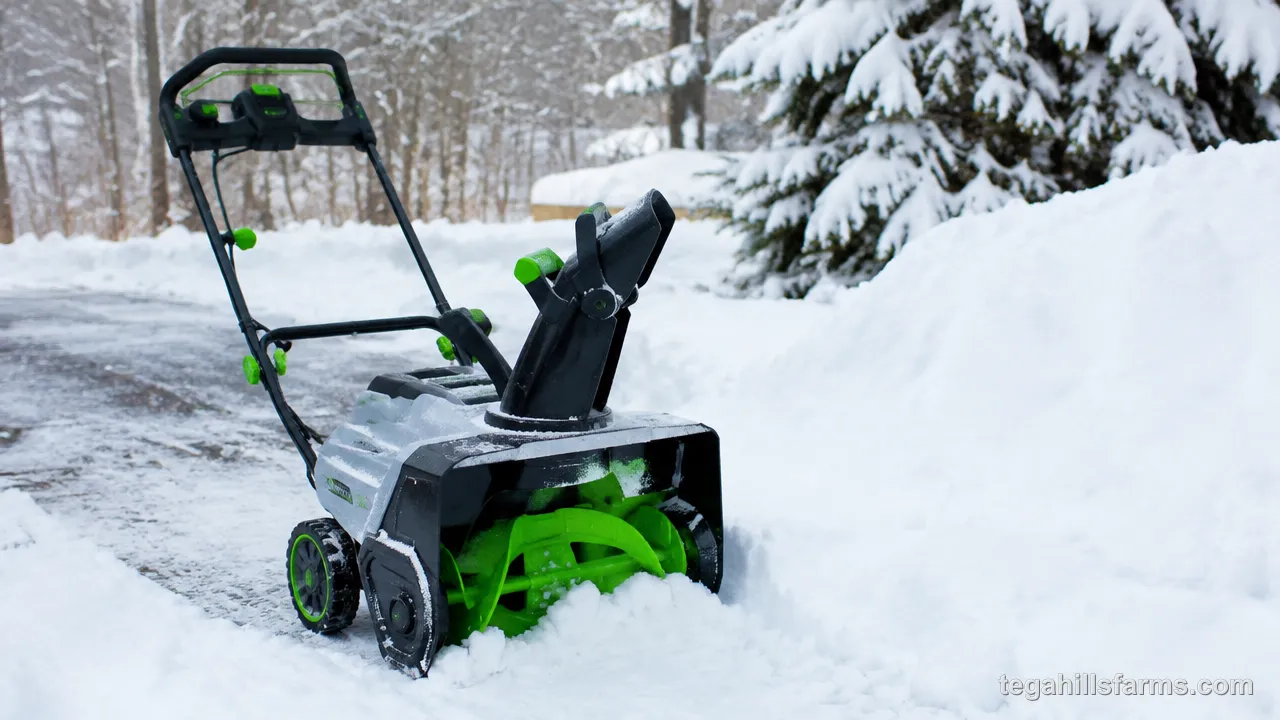
Storage speeds up or slows down that aging. Packs left in a freezing garage, a hot attic, or sitting fully charged or fully drained for months age faster than packs kept indoors at a moderate charge level. Runtime per charge and pack lifespan are separate measures. Runtime tells you how much you can clear today, while pack lifespan tells you how many winters the pack will keep delivering that runtime.
How long a pack lasts varies by platform. EGO Power+, Greenworks, and Ryobi each use their own cell designs and battery management. The upside of these platforms is that a worn pack can be replaced with a new one from the same system, so the blower itself stays in service.
What Should You Do With a Snow Blower You No Longer Use?
A working snow blower is worth selling or donating. Used snow blowers find buyers quickly once the first storm hits. Clean it, put fresh fuel in it, and let buyers watch it start. Habitat for Humanity ReStores and community groups often take working yard equipment too.
A dead machine should go to a scrap metal recycler, not the household trash. Before you haul it off, drain the gasoline and oil. Take the gas to a household hazardous waste collection site. Many auto parts stores accept used motor oil. Recyclers often refuse machines that still have fluids in them.
Lithium-ion battery packs need their own drop-off. Damaged or crushed cells can start fires in garbage trucks and landfills, so take packs to a battery recycling drop-off, which many home improvement stores offer. Disposal rules vary by town and county, so check with your local solid-waste office before you haul anything away.
Snow Blower Lifespan FAQs
Is engine hours a better measure than years?
Yes, for gas machines, engine hours describe wear more accurately than the calendar. A blower that runs a few hours each winter ages slowly, while one clearing a long driveway after every storm builds up engine and belt wear quickly. If your machine has an hour meter, plan service around it rather than the model year.
Does using a snow blower only occasionally make it last longer?
Light use reduces wear on the engine, belts, and auger, but long idle stretches bring their own problems. Fuel goes stale, seals dry out, and moisture causes rust. An occasionally used machine lasts longest when it’s started now and then during the season and stored properly the rest of the year.
Does leaving gas in the tank over summer damage a snow blower?
Yes. Untreated gas breaks down over the summer and leaves gummy varnish in the carburetor, which causes hard starts and rough running next winter. Neglected fuel is the habit most closely tied to shorter lifespans. Run the system dry or add fuel stabilizer to a full tank before storing the machine.
Is an old snow blower still worth servicing?
Usually, yes, if the housing, gearbox, and engine are still sound. Fresh fuel, a new plug, new belts, and a cleaned carburetor often bring an older machine back to reliable work. Servicing stops being worth it when major failures keep piling up or a single repair approaches the cost of a comparable new machine.
How often does a snow blower need routine service?
Plan on a full service each fall before the first storm: fresh oil, a spark plug check, a belt inspection, and a look at the scraper blade and shear pins. After each storm, clear packed snow off the machine. Your owner’s manual lists the exact intervals for your model and engine.
Write Your Review
No reviews yet. Be the first to share your experience!