

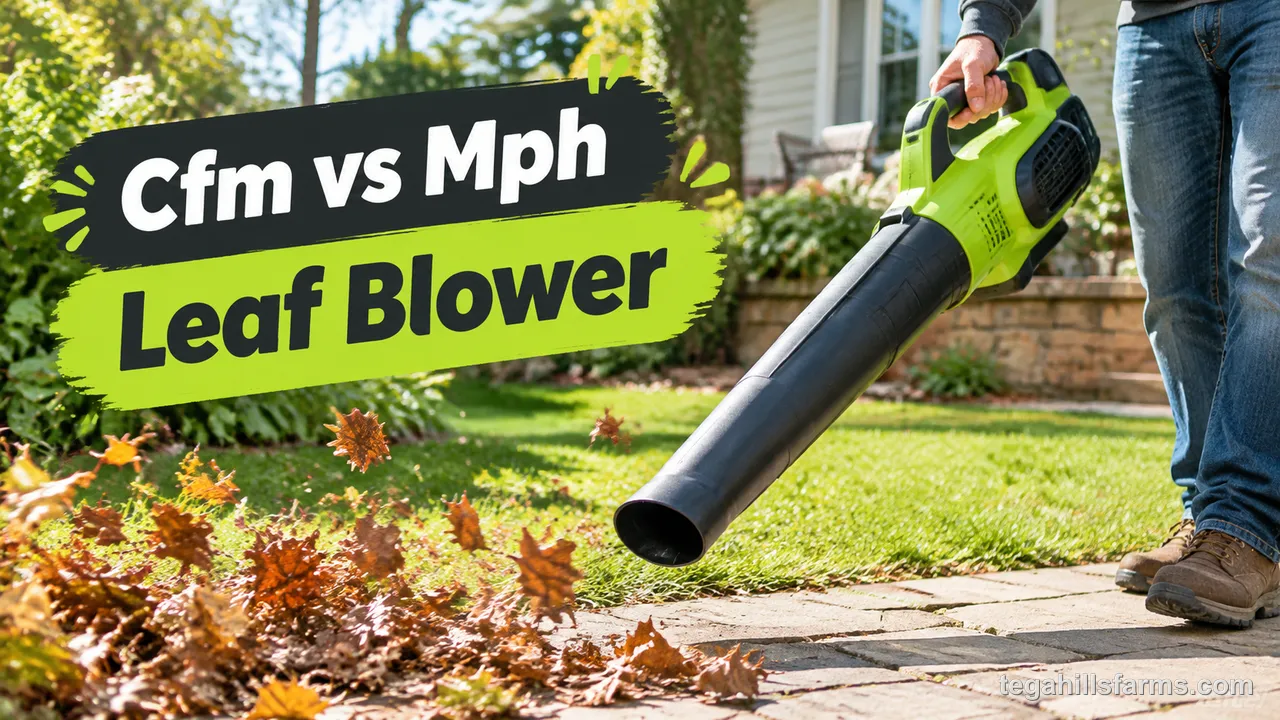
CFM tells you how much air a leaf blower moves each minute, and MPH tells you how fast that air leaves the tube. For most yard cleanup, CFM does more of the actual work, while MPH decides how well the blower handles wet, stuck or wedged-in debris.
Choosing the right balance depends on your lot size, the kind of debris it collects each fall, and whether you’re carrying a handheld or a backpack unit. The power source also matters, whether that’s gas, battery or a cord. Weight, noise and brand support sit alongside the airflow figures, because they decide how long you can work and what happens when something wears out.
The biggest problem with these two numbers is that a spec sheet can make either one look stronger than it is. A large MPH figure can come from a narrow tip that moves very little air. A CFM figure measured with one tube and power mode may not match how the machine performs once you swap attachments.
The practical order is to size CFM to your yard first and treat MPH as a second check for the jobs where speed earns its keep.
What Do CFM and MPH Mean on a Leaf Blower?
CFM (cubic feet per minute) measures the volume of air a blower pushes out each minute, while MPH (miles per hour) measures how fast that air travels as it leaves the nozzle.
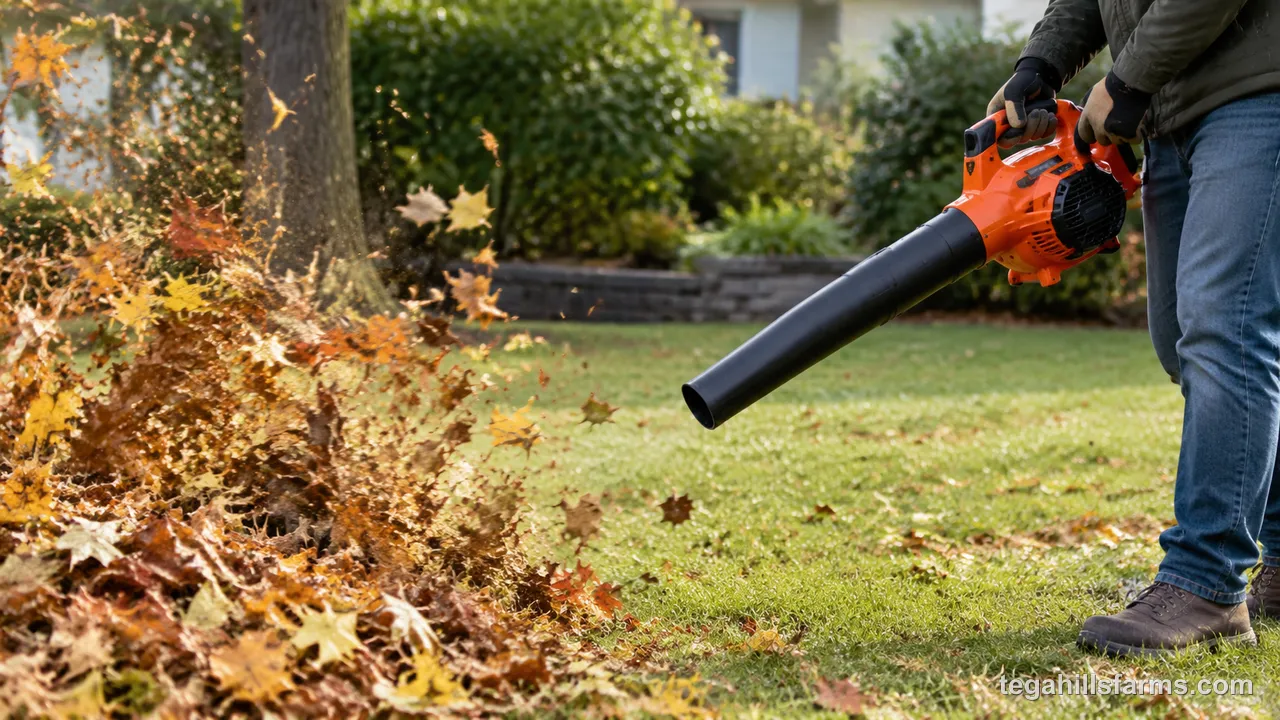
Volume behaves like a wide wall of moving air. It catches a large share of a pile at once and carries it across the lawn. Speed behaves more like a jet: it hits a small spot hard, so it peels leaves off damp grass and digs clippings out of driveway joints. However, it can’t carry much on its own.
The two specs line up like this on the points that affect a real yard:
| Criterion | CFM | MPH |
|---|---|---|
| What it measures | Volume of air per minute | Speed of air at the nozzle |
| What it does to debris | Carries and sweeps piles | Lifts and loosens stuck material |
| Best jobs | Open lawns, big dry piles | Wet leaves, cracks, corners |
| Weak spot | Struggles to pry up matted leaves alone | Scatters big piles instead of moving them |
| Role when shopping | Primary sizing spec | Secondary check |
If you’re still sorting out the bigger picture, our guide on how to choose a leaf blower covers the other factors that shape the right pick.
CFM vs MPH: Which Number Matters More?
The job decides it. Moving air in volume carries debris across open ground, while concentrated speed breaks loose whatever sticks. Getting the balance wrong shows up quickly in the yard. You either make extra passes over the same leaves, or you own a blower that can’t lift a wet mat off the lawn.
When Does CFM Matter More?
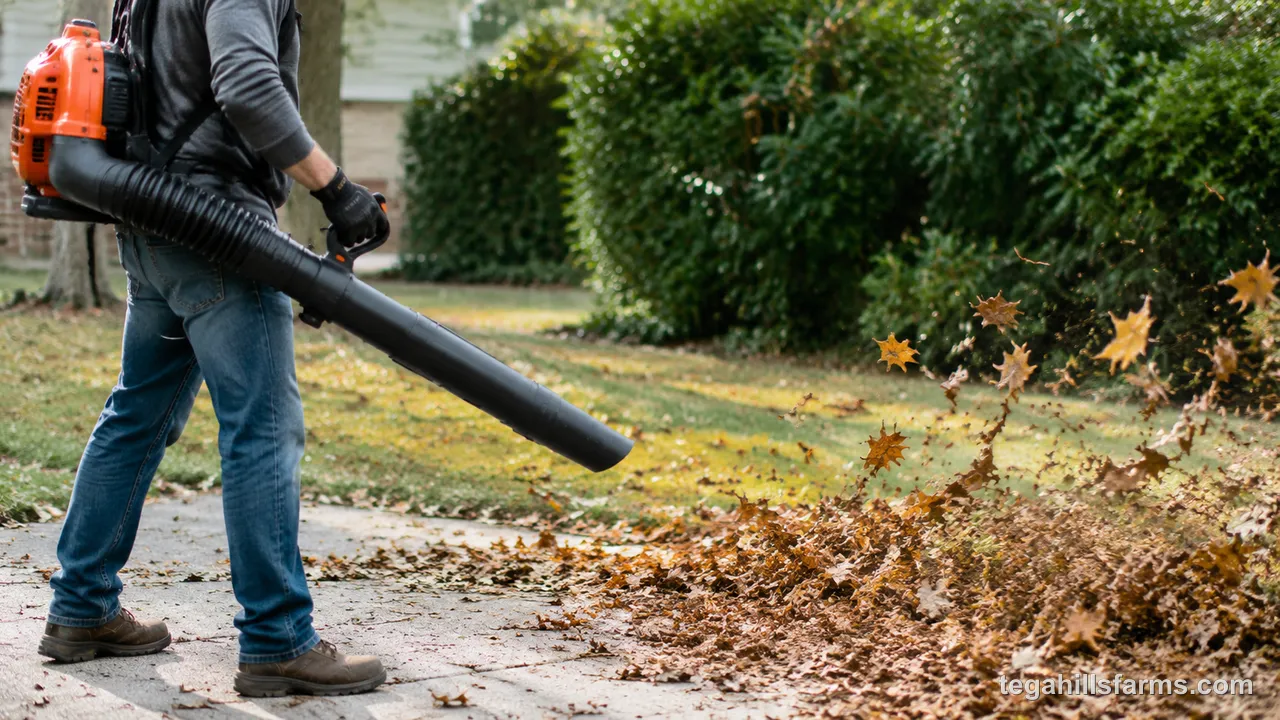
CFM does the heavy lifting when you’re pushing large, dry piles across open lawn, clearing a long driveway, or covering a wide area in as few passes as possible.
A high-volume blower throws a broad column of air, so each sweep catches the whole front edge of a pile and rolls it forward together. A narrow, fast stream only grabs the leaves directly in its path. The rest spill around the sides, and you end up herding the same leaves back into line over and over.
On a lawn with heavy fall drop, that difference shows up as time. More air per minute moves more leaves per pass, which shortens the job and keeps your windrow tight instead of scattered. Volume also helps when you’re clearing grass clippings off a wide patio, where the goal is to move a thin layer of debris over distance.
For sweeping open ground and moving big dry piles, CFM is the spec that wins.
When Does MPH Matter More?
MPH earns its place when debris won’t move on its own: wet leaves stuck to the lawn, clippings packed into sidewalk cracks, and leaves wedged along fences, corners and flower bed edges.
Fast air delivers a hard hit to a small area. That breaks the seal moisture creates between a leaf and the grass, and it reaches into gaps where a broad stream just washes over the top. Speed alone does little for a large pile, though. A thin jet pokes a hole through the leaves and scatters them because it lacks the volume to carry them anywhere.
How the air lands depends on more than the number on the box. A tapered round nozzle concentrates the stream for prying and edging, while a flat or wide tip spreads it out. Technique matters just as much, and the basics of how to use a leaf blower get more out of the speed you already have: hold the tube low and work in the same direction as the wind.
For stuck material and tight spaces, MPH is the spec that wins.
How Do CFM and MPH Combine Into Blowing Force?
Real blowing force comes from a mass of air moving at speed, so neither figure predicts performance alone. High volume at low speed drifts out of the tube and barely nudges damp leaves. High speed with little volume hits hard on a small spot but runs out of push a few feet from the nozzle.
When both are healthy, you get a stream that stays strong far enough out to carry a pile across the yard. That shows up as force at the nozzle, which is what you feel when the air pushes back against your hand. Some manufacturers also publish a blowing-force figure in newtons that folds both measurements into one number. It’s a useful tiebreaker when you see it.
When a spec sheet lists both CFM and MPH, start with the CFM figure and check it against your yard’s needs. Then look at MPH to make sure it isn’t lopsided. A blower with a modest CFM and an unusually high MPH usually gets that speed from a narrow tip. It works well for edges and weak on piles.
Compare models whose figures were taken with the same tube and power mode whenever possible. Volume and speed only predict cleanup power when they come from the same setup.
How Much CFM and MPH Does Your Yard Need?
Yard size sets the CFM you need, while debris type decides how much MPH matters on top of that. Sizing it wrong costs you either way. An oversized blower adds weight and noise you carry every session, and an undersized one turns a short job into repeated passes.
Small Lots and Light Cleanup
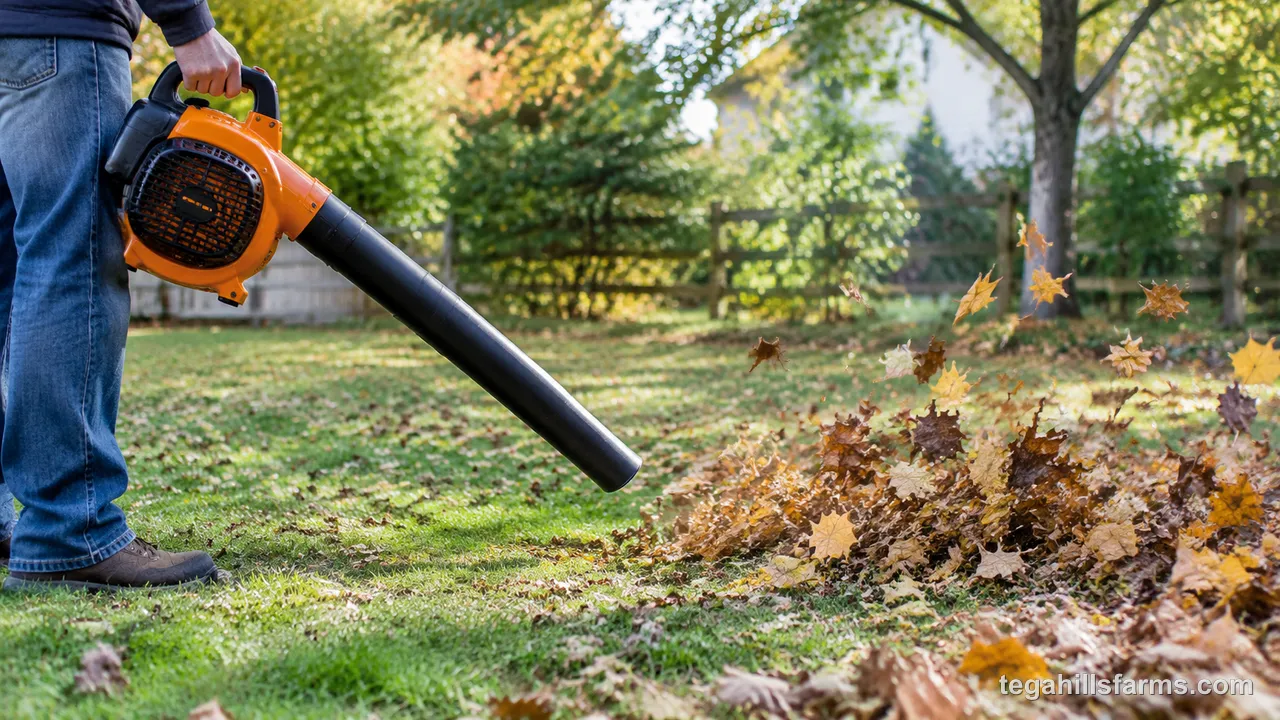
A modest suburban lot with dry leaves, grass clippings and light debris on the patio and sidewalk is well served by a blower in the 200 to 400 CFM range. That much air moves dry leaves and clippings easily over short distances, and short distances are all a small yard asks for.
Going bigger rarely pays off here. Higher-output machines tend to weigh more and run louder. On a lot where you’re sweeping a few dozen feet of walkway and one or two beds, the extra airflow mostly blows debris past where you meant it to stop.
MPH doesn’t need much attention at this size either. A moderate speed handles cleanup after mowing, and a tapered nozzle covers the occasional corner. For a small yard, I’d pick the lighter, quieter machine over a bigger spec, because it’s the one you’ll actually grab for a five-minute cleanup.
Large Yards and Heavy Leaf Piles
Bigger lots need more volume, and the jump shows up in time saved. A medium yard with moderate leaf buildup fits the 400 to 600 CFM range. Large properties, wooded lots and heavy fall drops with wet leaves call for 600+ CFM.
Volume matters most here because the work is mostly moving material over distance. Every pass with a high-CFM blower carries a wider swath of leaves, so you push a pile across the lawn with fewer trips back and forth. On a lot with mature trees, that adds up over a season of weekend cleanups.
Backpack-class output becomes worth considering once you’re consistently in the upper range and working long sessions. At that point, the airflow you need usually comes in a heavier machine. Carrying that weight on your shoulders and hips lets you keep working well after a handheld would have worn out your arm.
Wet Leaves and Stuck-On Debris
Wet leaves need concentrated speed to break them loose, backed by enough volume to carry them once they lift. Moisture makes leaves heavier and glues them to the grass, to each other and to pavement. A stream that rolls dry leaves easily can slide right over a soaked mat without moving it.
No single MPH figure works as a reliable target, because nozzle shape changes speed so much. On the same blower, a narrow tip can noticeably raise the speed while cutting volume. A more dependable approach is to buy toward the upper end of the CFM range your yard calls for and pair it with a tapered nozzle. That gives you speed for prying and volume for carrying.
Timing helps as much as specs. Leaves that dry for a day after rain move with far less effort. Packed debris in cracks responds best to working close, with the nozzle low and angled into the gap.
How Do Handheld, Backpack, Gas and Battery Blowers Compare?
Backpack and gas models generally sit at the high end of airflow, while handheld and battery models trade some output for lighter weight and less upkeep. Knowing where each category tends to land narrows the field before you compare individual models.
Handheld vs Backpack: What Do the Specs Show?
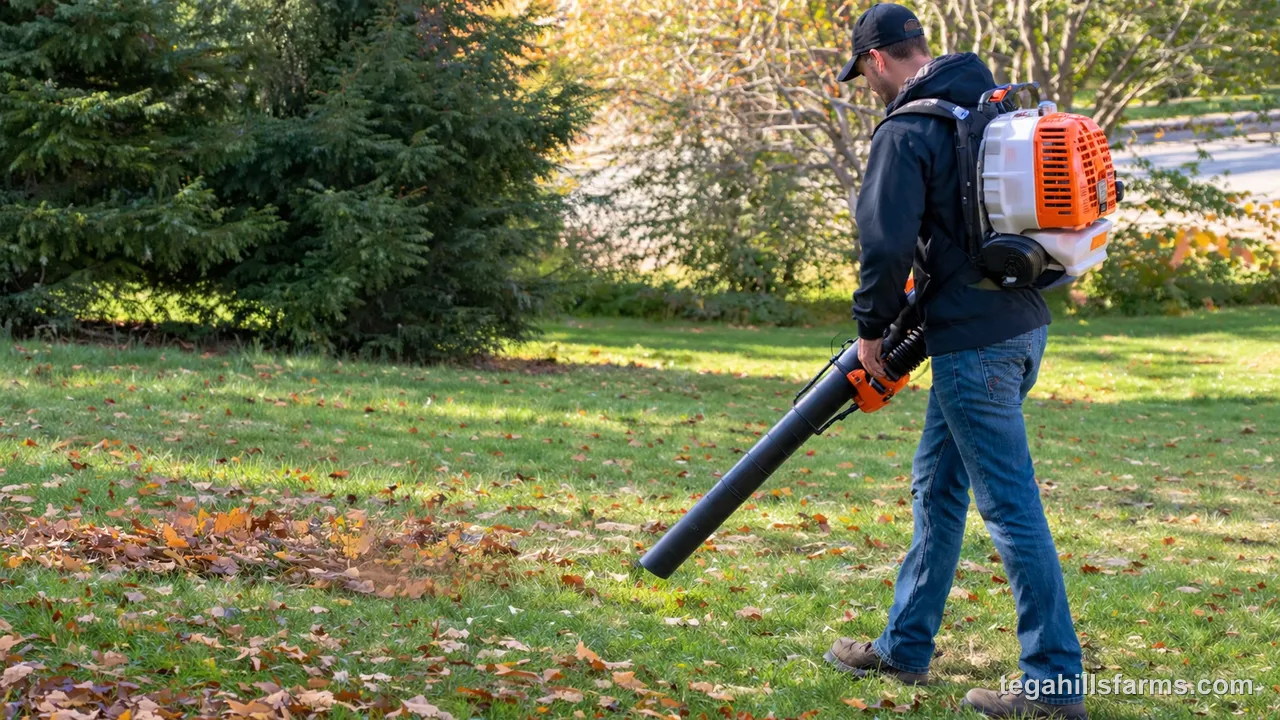
The same CFM number feels different on a handheld than on a backpack, because a handheld puts the whole machine and its reaction force on one arm. The stronger the stream, the harder you work to keep the tube pointed where you want it. That cuts into control long before it cuts into airflow.
A backpack moves the engine or battery onto your shoulders and hips, so your arm only guides a lightweight tube. That layout supports bigger motors and higher output, and it lets you hold an aim steady through long sessions on large lots.
Handhelds make sense on small to medium yards where jobs are short and you want something to grab off a hook. Backpacks earn their bulk on large properties and heavy leaf seasons. The full tradeoffs between backpack vs handheld leaf blowers go beyond airflow into storage, comfort and how often you’ll use the machine.
Gas vs Battery vs Corded: How Does CFM Compare?
Battery and corded blowers cover most residential cleanup, while gas models lean toward heavier work on large lots and long sessions.
Battery output depends largely on the platform’s voltage. Running a battery blower at its highest setting drains the pack much faster than a standard setting, so a big headline CFM figure may only hold for part of a session. Corded models deliver steady power without a runtime limit, but the extension cord ties you to an outlet and makes reaching the far corners of a bigger yard awkward.
Gas engines usually deliver the most sustained airflow. In exchange, they need fuel mixing, spark plug changes and proper winter storage, and they run louder. Comparing gas vs battery leaf blowers on more than airflow helps clarify the ownership side of that choice.
When you compare CFM across power sources, check that the figures come from comparable settings. A battery model’s boost-mode number and a gas model’s steady output aren’t measuring the same thing.
Is a Higher CFM or MPH Number Always Better?
No — a bigger number only helps when it fits your yard, and a high MPH paired with a narrow stream, or a figure measured under different conditions, can overstate real cleanup power.
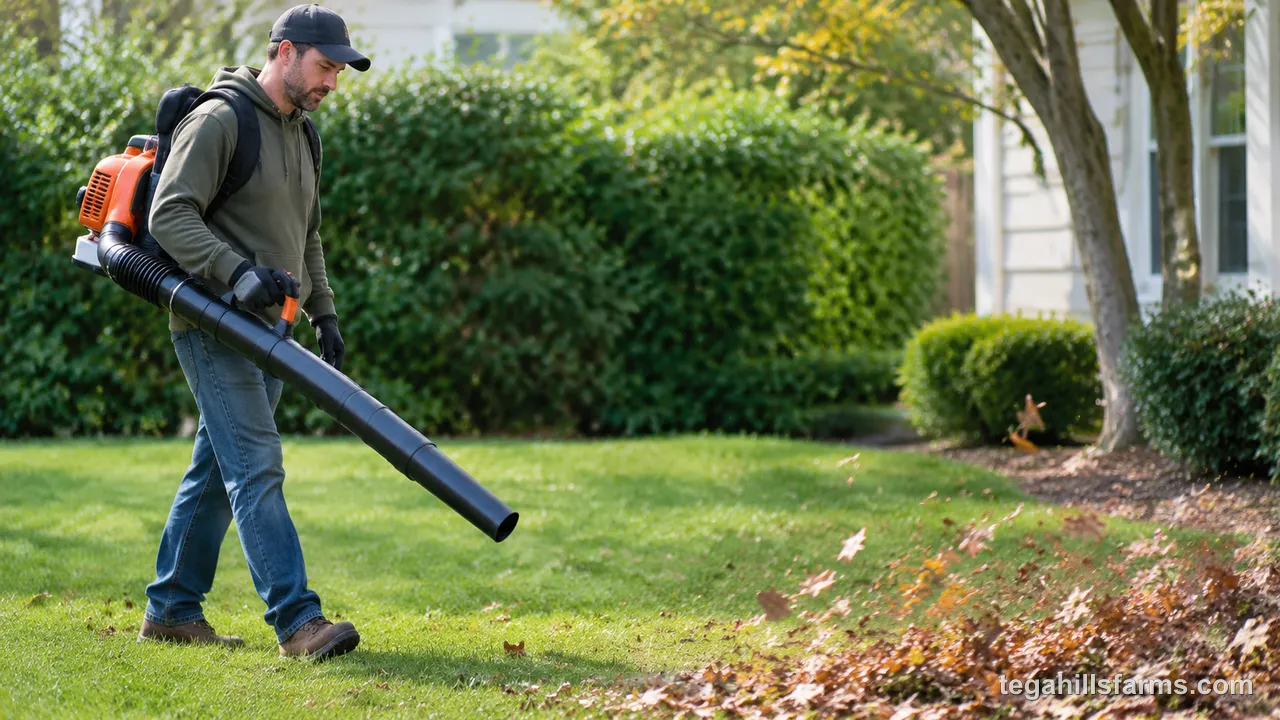
Speed is the easier number to inflate. Narrowing the nozzle raises air speed while cutting the volume that actually carries leaves. A blower marketed on its MPH figure can still struggle to move a pile across a lawn.
CFM can mislead too. A figure taken with the bare tube or in a short boost mode reflects the best case, not the output you’ll get through a full cleanup with your preferred nozzle attached.
Extra output also has a cost you live with every time you use the machine. More airflow usually means more weight, more noise and, on battery models, shorter runtime per charge. On a small lot, those drawbacks outweigh any gain from air you don’t need.
The better approach is to match the CFM range to your yard and debris. Then confirm the MPH figure comes from a sensible nozzle rather than the narrowest tip in the box.
Which Other Specs Should You Check Before You Buy?
How the blower fits your routine matters as much as its airflow. The strongest machine on paper does little good if you can’t use it comfortably, can only run it at limited times, or can’t get it serviced. These factors often decide between two models with similar airflow.
Weight and Comfort
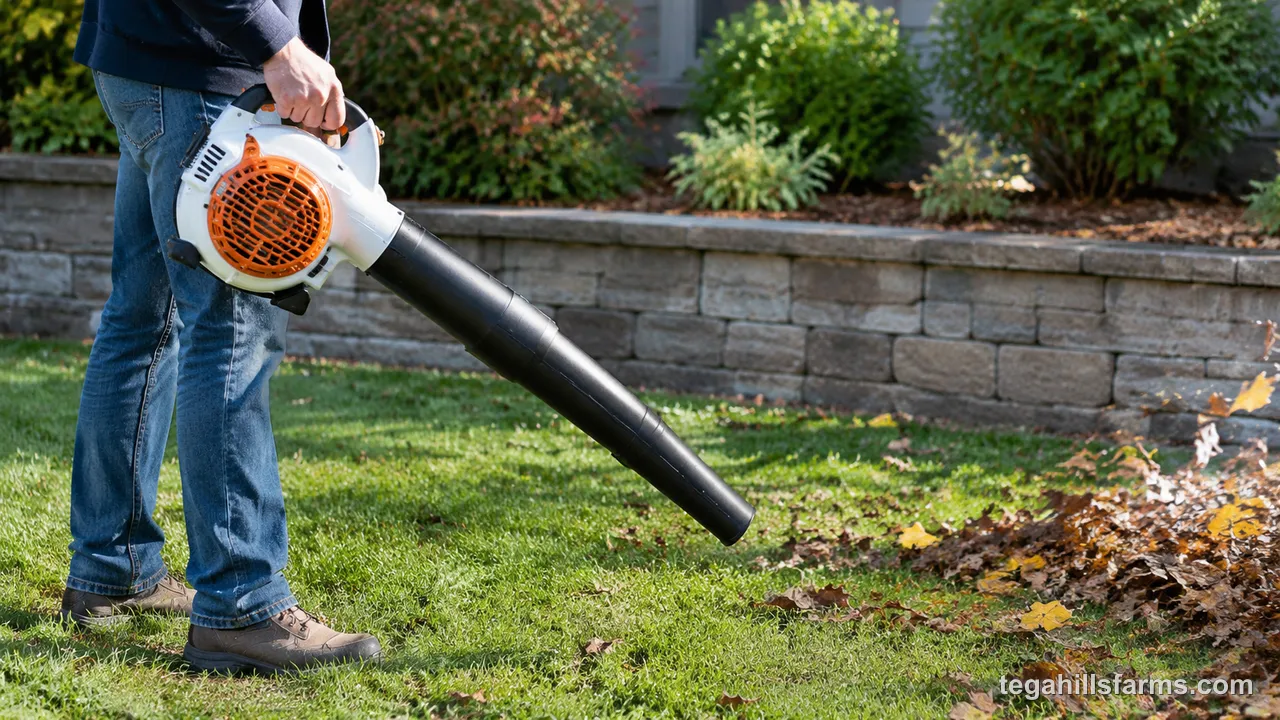
Weight and balance decide how long you can work before your arm or back calls a break. Higher-output machines tend to be heavier, and fatigue shortens sessions and makes your aim sloppy, which means more passes over the same ground.
A lighter blower you can run through the whole job often finishes sooner than a stronger one you keep setting down. On battery models, the pack adds noticeable weight, so check whether the listed weight includes it.
Balance matters as much as total weight. A handle positioned near the center of gravity keeps the nozzle from dipping and reduces wrist strain over a long cleanup.
Noise Level
Higher output and gas engines generally mean louder operation. That affects your neighbors, your own hearing comfort and the hours you can realistically run the machine. Many towns restrict blower hours or limit gas blowers, so check your local rules before deciding.
Battery models usually run quieter. That can let you clean up early in the morning or in tight neighborhoods where a gas blower would draw complaints. A louder, stronger machine may finish a big yard faster, though, so the tradeoff depends on lot size and where you live.
Hearing protection is a sensible habit with any gas blower, and it’s worth keeping on hand even for long battery sessions.
Brand and Support
A familiar brand matters most for parts, batteries and help when something fails. Greenworks, for example, builds its blowers around a battery platform, so one pack can run several tools you already own or plan to buy.
Lesser-known and generalist sellers such as Vevor can be appealing on price. Before buying one, check whether replacement parts, spare batteries and a reachable support contact actually exist, because a blower without a replacement battery available becomes scrap when its pack wears out.
Read the warranty terms on the manufacturer’s own page rather than assuming they match a competitor’s. The price gap between familiar and lesser-known names is a big part of how much a leaf blower costs, so weigh it against the support you’re giving up.
Wash day often ends with water sitting in mirror housings, door seams and grille gaps where a towel can’t reach, and the leaf blower in the garage looks like the obvious fix. A blower that spent the fall throwing dirt can push leftover grit across the clear coat and leave fine scratches that only show in direct sun.
Can You Use a Leaf Blower to Dry a Car?
A leaf blower can dry a car if it’s clean and you use broad, gentle airflow. For this job, CFM matters more than MPH. The goal is to sheet water off large panels and flush it out of seams. A wide stream does that without slamming air into the paint.
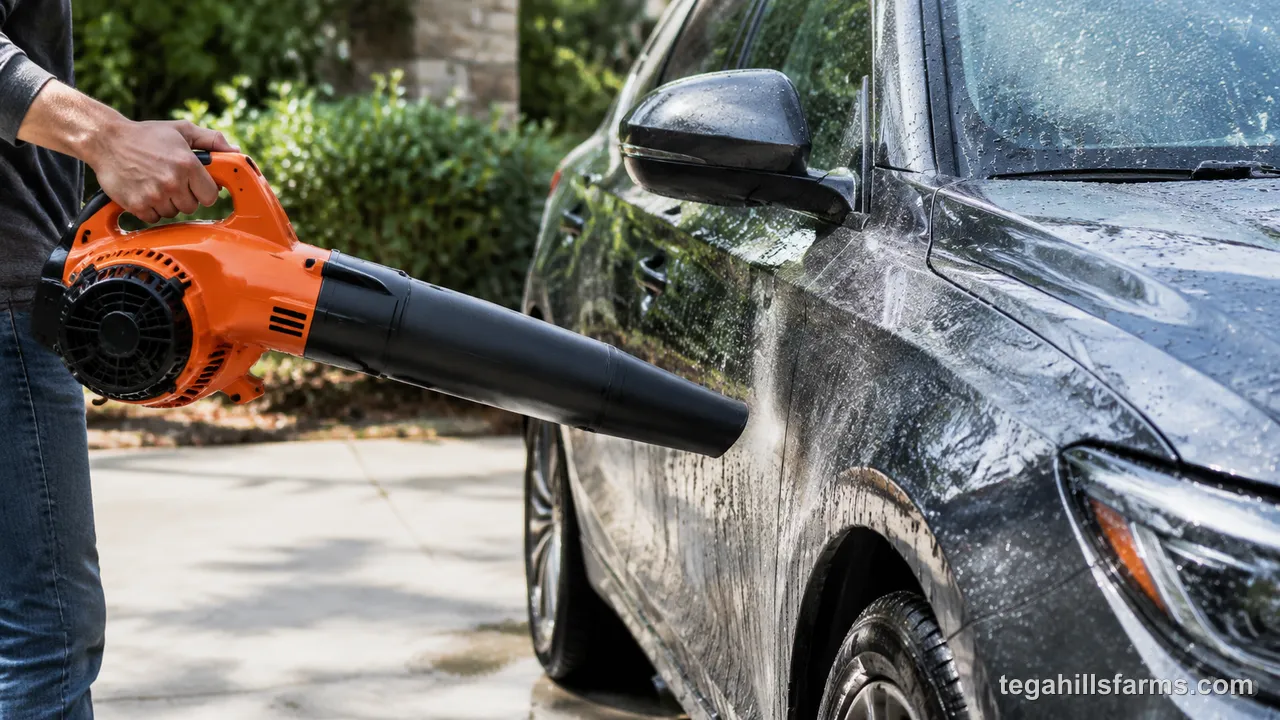
High speed through a narrow nozzle is the risky setup. It can drive any dust or sand trapped in the tube into the finish, and it’s hard to control near trim, badges and loose emblems.
Before you start, run the blower aimed away from the car for a moment to clear debris from the tube. Check the intake for leaves or dirt, and use a wide nozzle if you have one.
Keep the nozzle a comfortable distance from the surface and avoid blowing dust up from the driveway onto the wet paint. A battery blower is the better choice here, since a gas engine adds exhaust right next to the freshly washed car.
How Are CFM and MPH Measured, and Why Do Brands Differ?
Manufacturers don’t all measure airflow the same way, so a CFM or MPH figure from one brand may not compare directly with another.
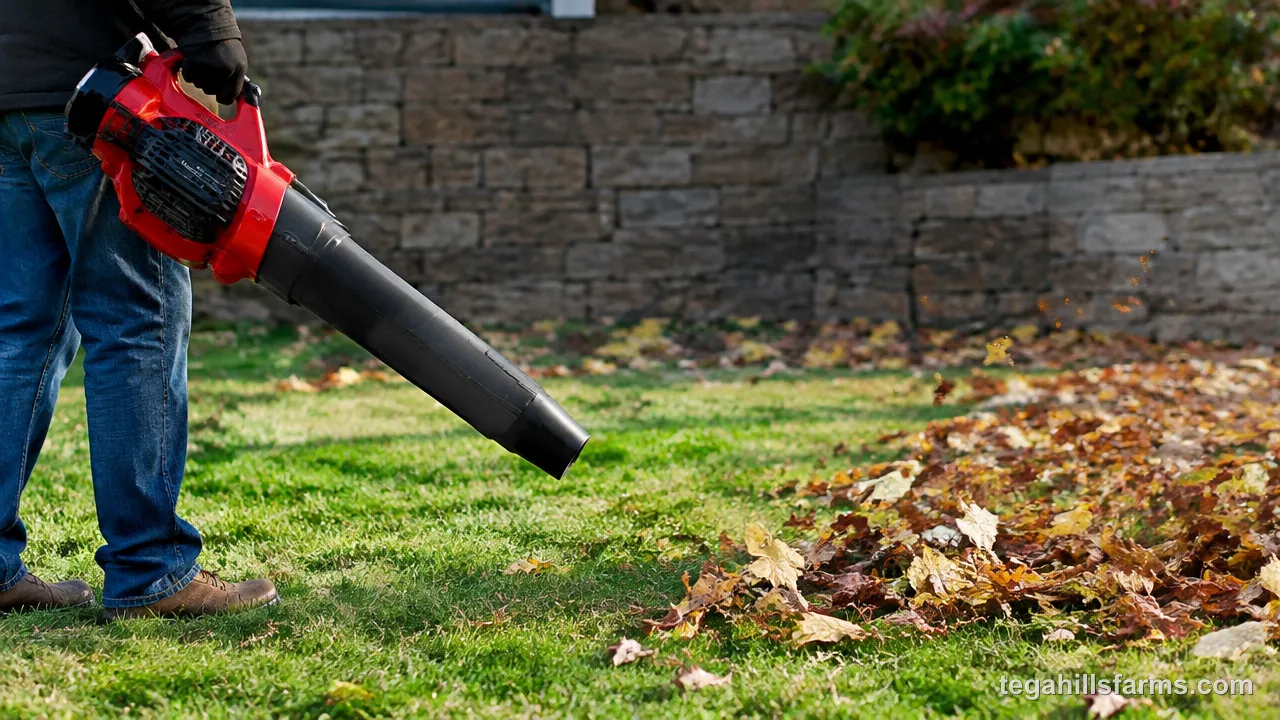
Figures can be taken at the nozzle tip with a specific tube, with or without attachments, and at either standard or boost settings. On battery models, the published number often reflects the top boost mode. That mode drains the pack fastest and isn’t how most people run the blower for a full cleanup.
The two numbers don’t always come from the same setup, either. The highest MPH usually comes from the narrowest nozzle, while the highest CFM comes from the widest opening. A spec sheet that lists both maximums can describe a combination the blower never delivers at once.
When comparing models, look in the manual or the manufacturer’s spec table for the nozzle and mode behind each figure. Comparisons are most reliable within one brand’s lineup, where the measurement method is likely consistent. Across brands, treat small gaps in CFM or MPH as a wash and let weight, noise and support decide.
Why Does a Leaf Blower Lose Power Over Time?
A leaf blower usually loses power because something is restricting the airflow or the power source has worn. Many of the causes are cheap to fix.
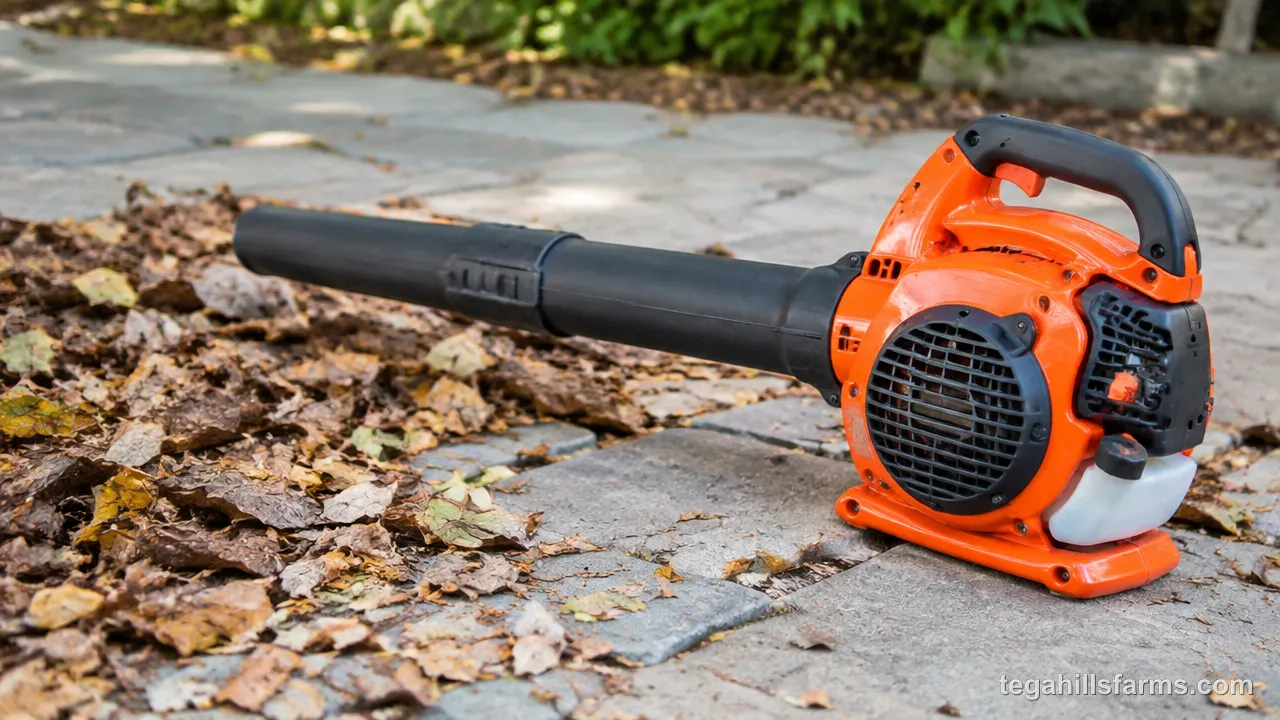
A clogged intake screen starves the fan of air, and that’s the first thing to check. On gas models, a dirty air filter, a fouled spark plug and stale fuel all cut engine output. A loose or cracked tube leaks air before it reaches the nozzle. On battery models, an aging pack sags under load, so the blower drops speed partway through a session even after a full charge.
A cleanup often brings performance back. Clear the intake, replace the filter and plug, drain old fuel, and reseat or replace a damaged tube.
Replacement makes more sense when the fan or impeller is chipped or cracked, the housing is damaged, the engine has lost compression, or a battery pack no longer holds a useful charge and a new one costs close to a new blower. Routine care has a large effect on how long leaf blowers last, especially for gas engines stored over winter.
CFM vs MPH Leaf Blower: Common Questions
Is 400 CFM enough for a leaf blower?
For a medium yard with moderate leaf buildup, yes. That sits at the start of the 400 to 600 CFM range suited to that workload. Small lots with light cleanup do fine at 200 to 400 CFM. Large wooded lots or heavy fall drops with wet leaves benefit from 600+ CFM.
Should I prioritize CFM or MPH?
Choose CFM if most of your work is clearing open lawn, long driveways and large dry piles, because volume carries leaves across distance. Choose MPH if your yard collects wet, matted leaves and debris packed into cracks, corners and fence lines, where a focused stream breaks material loose.
What is a good CFM and MPH combination?
No single pairing fits every yard. Start with the CFM range your lot size calls for, then check that the MPH figure comes from a sensible nozzle rather than the narrowest tip. Be cautious with models that advertise a very high MPH alongside a modest CFM, since they favor edging over moving piles.
Does a higher MPH help with wet leaves?
It helps break wet leaves free from grass and pavement, but speed alone won’t carry them far. Wet leaves are heavy, so the blower also needs enough CFM to move them once they lift. A tapered nozzle on a blower in the upper CFM range for your yard handles both jobs.
Can a leaf blower replace a leaf vacuum?
For moving leaves into a pile, a blower is faster. It doesn’t collect or shred them, though. The choice between a leaf blower vs a vacuum comes down to whether you want to clear debris into the woods or a bed, or bag it for disposal or mulching.





Write Your Review
No reviews yet. Be the first to share your experience!