

An expensive generator is worth it when long or frequent outages, medical or work-from-home needs, or costly losses make automatic whole-home backup valuable. For short, rare blackouts, a cheaper portable unit usually does the job.
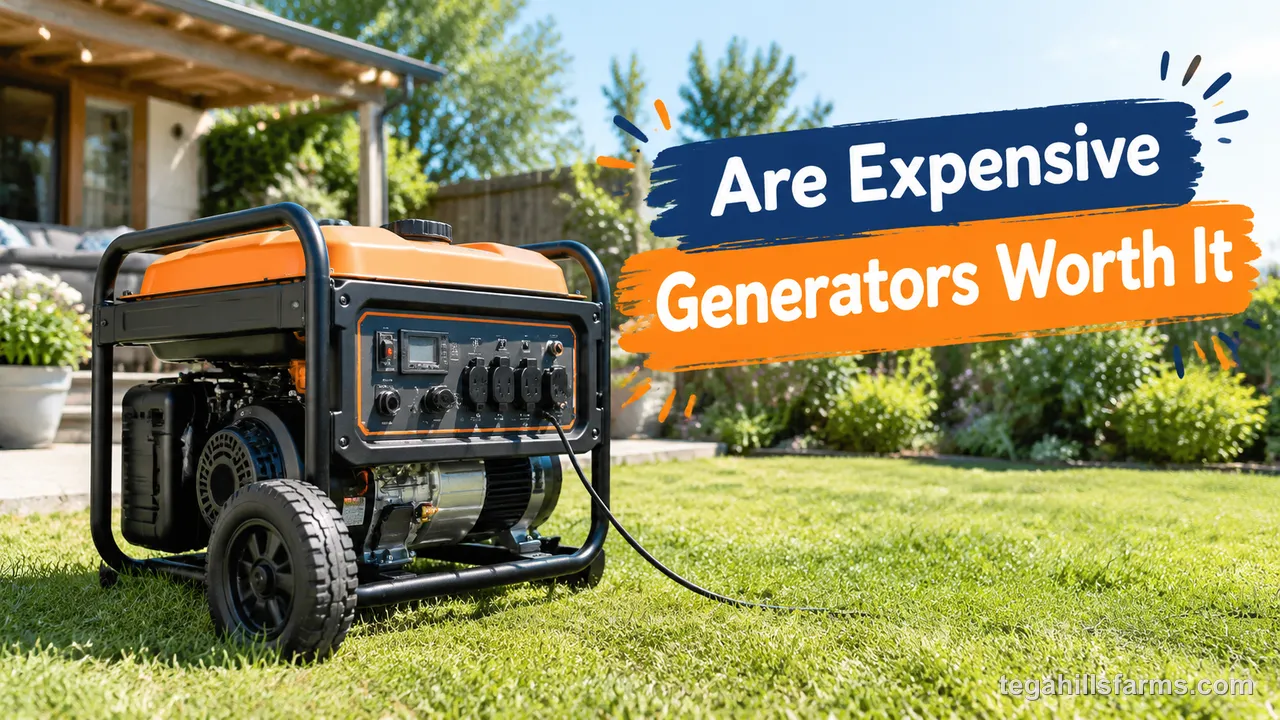
The deciding factors are how often your power fails, how long it stays out, and what you have to keep running. Unit type, fuel, output and installation then set what the extra spending buys.
Most owners worry about one of two mistakes. Either you pay thousands for a machine that sits idle for years, or you save money and find out mid-storm that the cheap unit can’t carry your fridge, furnace fan and sump pump.
Before you price anything, list the circuits you’d refuse to lose in an outage, such as the fridge, sump pump and furnace fan. That list tells you more about the right size and type than any price tag.
Are Expensive Generators Worth It for Most Homeowners?
An expensive generator is worth it when your outage exposure and what’s at risk in a blackout outweigh the extra cost. If they don’t, a cheaper unit is the smarter buy.
That test breaks into three questions. How often does the grid fail where you live? How long do those failures last? What would you lose while the power is out?
A household with a well pump, a sump pump and a medical device has far more on the line than one that can ride out a few hours with flashlights. Convenience counts too. A permanently installed unit starts itself, while a cheaper portable waits for you to haul it out, fuel it and run cords.
Most homeowners land somewhere in the middle. That’s why load, fuel and installation matter more than the price tag. For the wider picture on matching a machine to your home, see how to choose a generator before you narrow down a type.
What Makes One Generator Cost More Than Another?
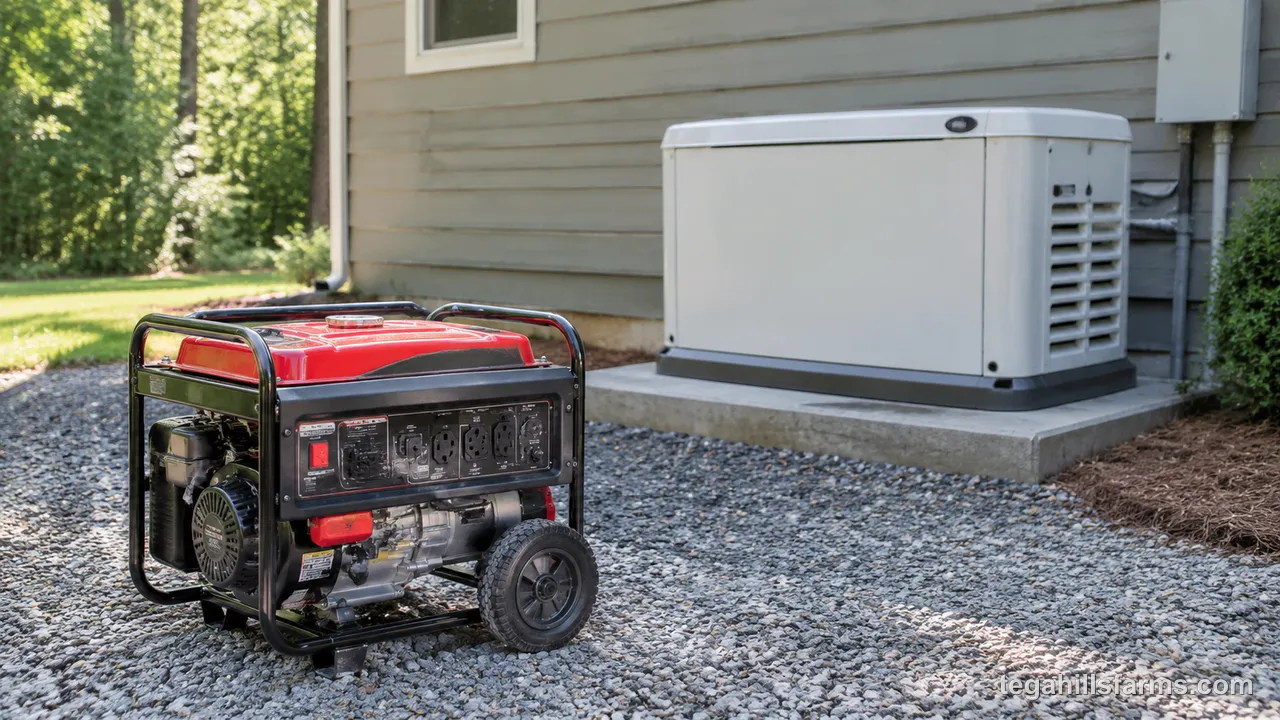
Price depends on a portable or standby design (roughly $400 to $2,700 versus $3,500 to $6,000 before installation), its output and fuel, and inverter technology. The gap comes from standby versus portable design, output and fuel type, and inverter technology.
Each of these changes the price in a different way, so it helps to take them one at a time.
How Do Standby and Portable Generators Differ?
Standby generators win on automatic, whole-house coverage, while portable generators win on lower cost and flexibility.
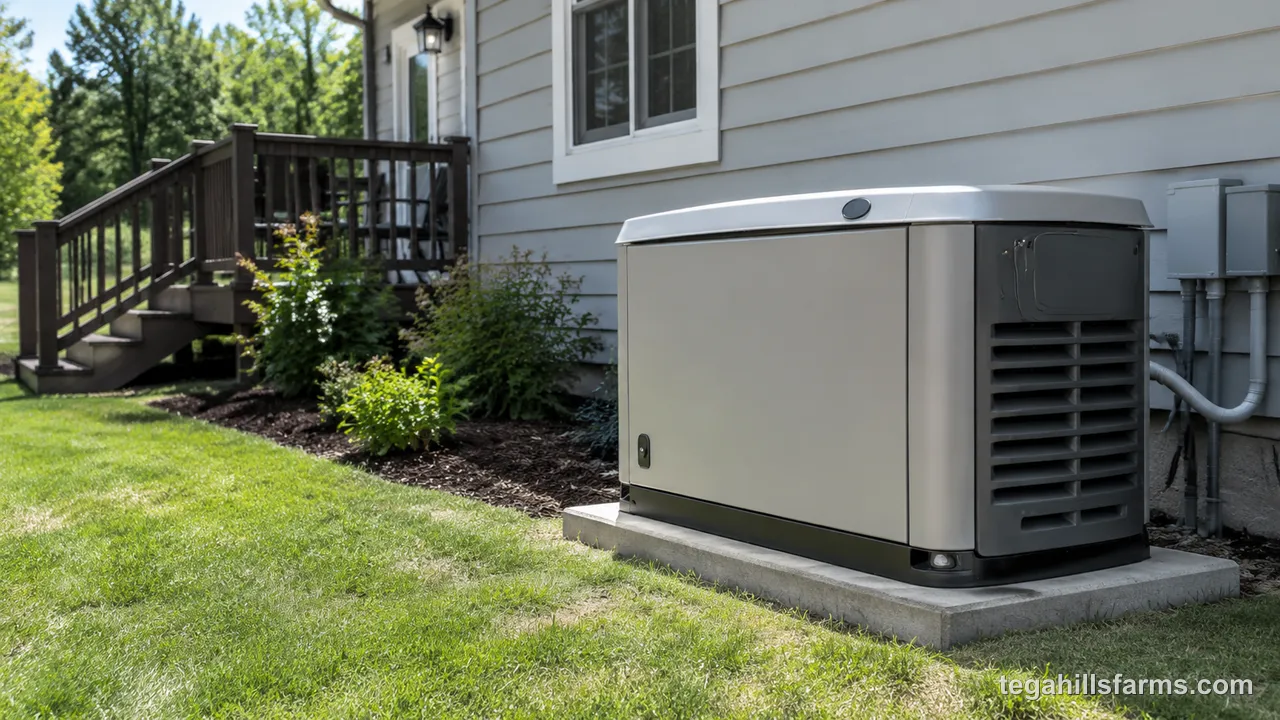
A standby unit is bolted to a pad outside, tied into your electrical panel and fed by a natural gas or propane line. When the grid drops, it senses the outage and starts on its own. A portable unit sits in the garage until you need it.
That convenience is where much of the price gap comes from. Standby models need a licensed electrician, a gas connection and a prepared site. Portables mostly need a safe spot outdoors and a fuel can.
Portables are also easier to move, lend out or take to a campsite. A standby unit stays put and serves one house. If your outages are rare and short, you may be paying for automation you’ll seldom use.
How Do Power Output and Fuel Type Change What You Get?
Output and fuel type set what a generator can run and for how long. Whole-house units span 8,000 to 22,000 watts, portables 2,500 to 8,500 watts, and fuels split into natural gas, propane, gasoline and diesel.
Higher output lets you run central air, an electric range and a water heater together. Lower output means choosing a few essentials.
Each fuel trades something for something else:
- Natural gas comes from the utility line, so there’s no refueling. It depends on the pipeline staying up.
- Propane stores in a tank and keeps well, but you have to track the level.
- Gasoline is easy to buy, but it goes stale in storage and needs hand refilling.
- Diesel suits large, long-running loads, though the units are heavier and usually cost more.
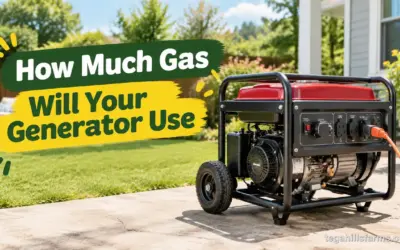
Fuel burn matters in a long outage, and how much gas will your generator use is covered in its own guide.
Is Inverter Technology Worth Paying For?
Yes, for households that value quiet operation, clean power for sensitive electronics and lighter portability.
An inverter generator converts its raw output through electronics, which gives a steady, stable current. That protects laptops, routers, TVs and other devices that dislike rough power. The engine also adjusts its speed to the load, which cuts noise and often saves fuel.
The catch is output. Inverter models tend to be smaller, so they suit essentials and camping better than whole-house loads. They pay off most for people with close neighbors, a home office or a lot of electronics.
Anyone wondering how does an inverter generator work will find the electronics explained in a separate guide.
What Does Owning an Expensive Generator Involve After You Buy It?
Ownership costs run well past the unit price through professional installation, daily fuel use and routine maintenance. Up front, that often adds several thousand dollars.
Published figures vary widely because installs, fuels and local rules differ so much from home to home. The wider question of how much does a generator cost depends on all three.
What Does Professional Installation Add?
Professional installation typically adds a few thousand dollars to $10,000 or more, depending on electrical, gas and foundation work.
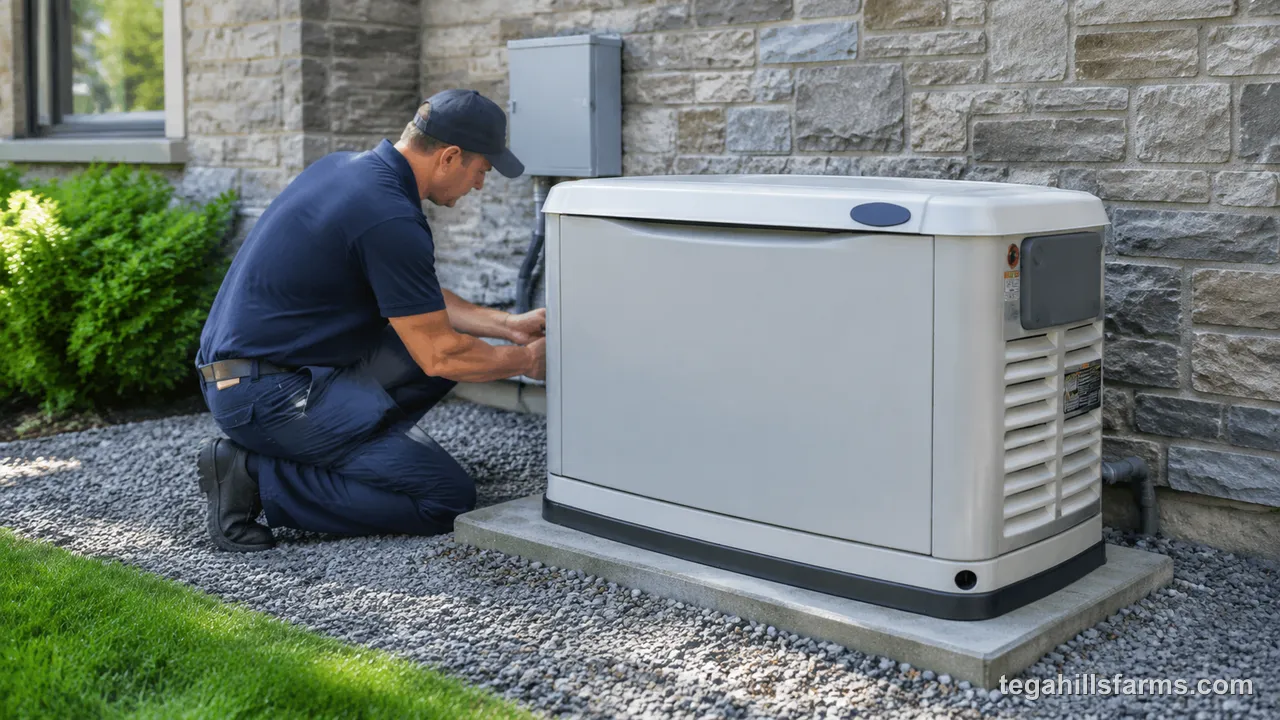
An electrician connects the unit to your panel, usually through a transfer switch. A plumber or gas fitter runs the natural gas or propane line. The unit also needs a level pad and a legal spot, and most towns require permits.
Quotes differ because every house is different. The distance from the panel to the pad, the length of the gas run, the ground conditions and local requirements all change the labor.
Homeowners curious about the wiring side can read how to install a generator transfer switch. It’s work for a licensed electrician, not a weekend project.
How Does Fuel Use Affect Day-to-Day Operating Costs?
A 20kW whole-house unit on diesel or propane costs about $200 per day to run, while a 5kW gasoline portable runs about $100 a day, depending on gas prices.
Standby units burn more because they carry more. They consume roughly 13 to 48 gallons per day of liquid propane or natural gas, against 12 to 20 gallons per day of gasoline for portables.
Electrical load drives those numbers. Running central air and an electric range burns far more fuel than running a fridge and a few lights.
A standby unit’s appetite makes sense once you see how much of the house it covers. In a short outage the difference is small, and in a long one fuel becomes a real line item.
How Much Maintenance Does an Expensive Generator Need?
An expensive generator needs routine upkeep, periodic inspections and scheduled exercise runs to stay ready for the day it’s needed.
Routine upkeep means oil and filter changes, a fresh battery and clean fuel, all on the schedule in the owner’s manual. A pre-season inspection by a technician runs about $80 to $300 and catches problems before a storm does.
Exercise runs matter more than people expect. A unit that starts and runs under its own schedule keeps its engine and fuel system healthy.
Lifespan depends on how hard the unit works, how well it’s kept and how clean its fuel is. Skip the upkeep and an expensive machine can fail just as easily as a cheap one.
What Do Expensive Generators Do Better Than Cheaper Ones?
Expensive generators beat budget models on automatic startup and whole-home coverage, on preventing outage damage and, to a lesser degree, on home appeal.
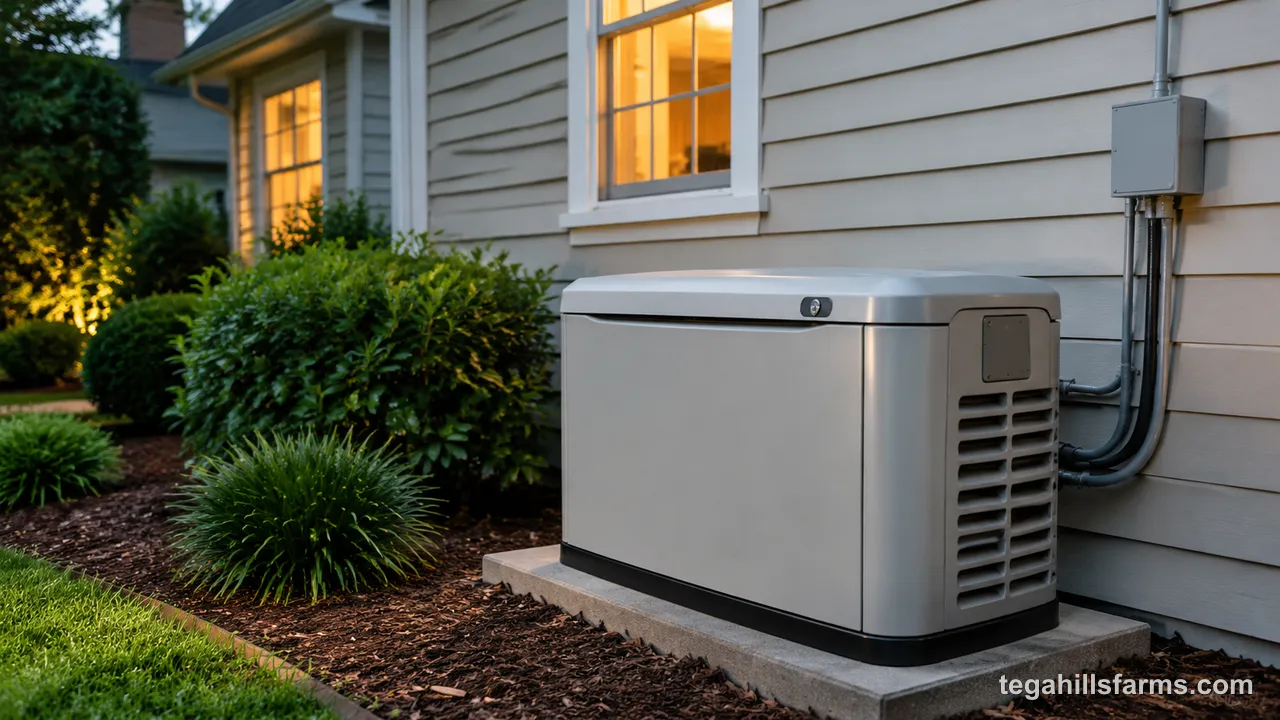
Each advantage matters only if it maps to a loss you’d otherwise take.
Why Do Automatic Startup and Whole-Home Coverage Matter?
Yes. An automatic transfer switch starts a standby unit without anyone’s help, so it works while you’re away, needs no extension cords and keeps the house running.
The switch senses the outage, starts the generator and moves your loads onto it. When the grid returns, it switches back. No one hauls out equipment in the rain.
Whole-house capacity is the other half. A large unit can carry central systems like air conditioning, a water heater and an electric range. A smaller unit or portable covers only a handful of essentials.
If you travel, work odd hours or care for someone at home, that hands-off behavior is the real product. The mechanics of how to power house with generator safely are worth learning before you commit to either route.
What Damage Can a Backup Generator Help You Avoid?
A backup source helps prevent spoiled food, frozen or burst pipes and surge damage to electronics. The benefit grows with outage length.
Food loss is the most familiar case. A fridge and freezer only hold their temperature for so long without power. Frozen pipes are the costly one in cold regions, since a house without heat can freeze quickly. A burst pipe causes damage far beyond the outage itself.
Power returning unevenly can also stress electronics. A clean, steady backup source and good surge protection reduce that risk.
None of this shows up in short outages. In a long one, the losses add up fast. How long can a generator run on a tank is a fair question for any fuel plan.
Does a Standby Generator Add Value to Your Home?
Possibly. A permanent backup system can appeal to buyers and add peace of mind, but hard evidence on the resale effect is limited.
A built-in generator signals that the house keeps running in a storm. In areas with frequent outages, that can matter to buyers. Elsewhere it may carry little weight.
Don’t count on getting your money back at sale. Treat it as a comfort and safety purchase first, and any resale benefit as a bonus.
When Does an Expensive Generator Actually Pay Off?
An expensive generator pays off when outage frequency and length, medical or work-from-home dependence and regional weather risk all point toward long, high-stakes blackouts.
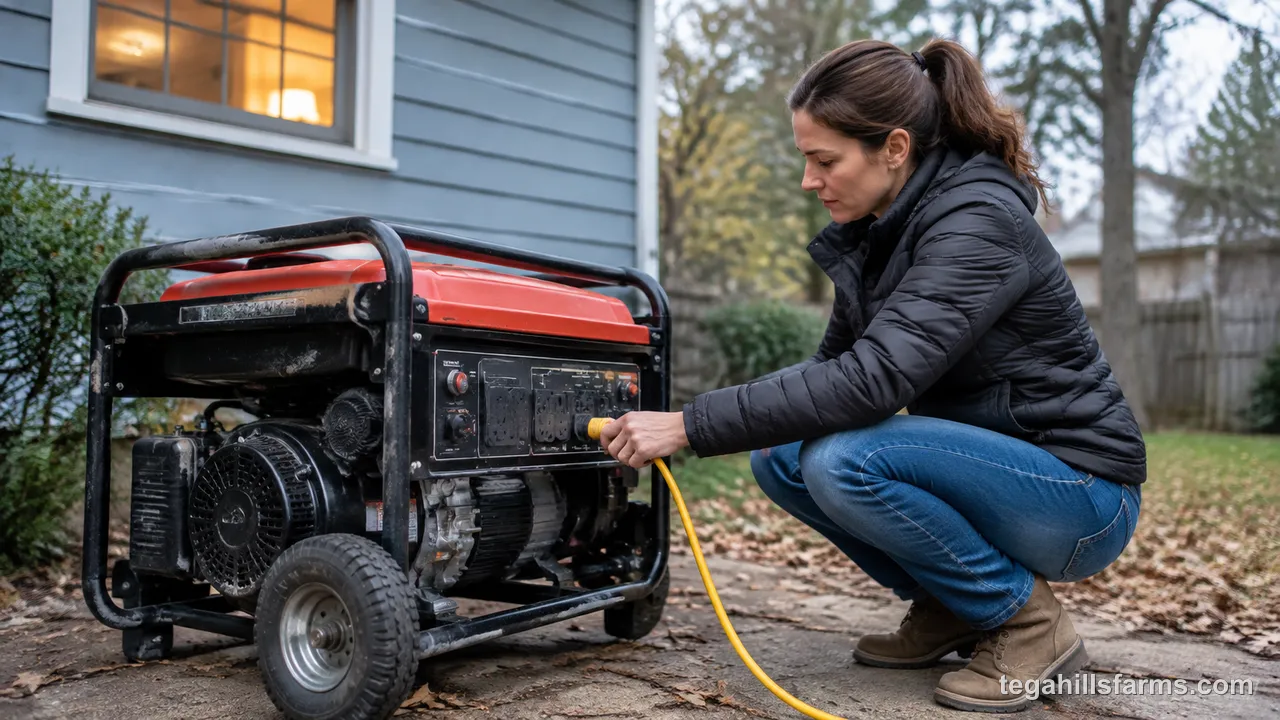
You rarely need all three. One strong factor can tip the decision, and weak ones across the board usually mean a cheaper option wins.
How Often and How Long Do Your Outages Last?
Outage frequency and duration are the core test of value. Rare, short outages favor cheaper options, while frequent, long ones favor permanent systems.
If the lights go out for an hour or two once a year, a portable unit or even a power station covers it. The extra cost of a standby system buys little.
If you lose power for days at a time, the picture flips. Hauling out a portable, refueling it and running cords gets old fast, and spoilage and heating risks climb.
Check your own history. Look at how many outages you’ve had and how long the longest lasted, then be honest about the pattern.
Do Medical Equipment or Remote Work Raise the Stakes?
Yes. Powered medical devices and income from working at home shift the balance toward reliable automatic backup.
Devices like oxygen concentrators or powered mobility equipment can’t wait for you to start a generator by hand. An automatic system closes that gap. Talk with your doctor or equipment provider about a backup plan as well.
Remote work raises a different risk. A lost workday costs real money, and your router and computer need steady power. Internet service may also go down in the same event, so check that part of your plan too.
When the cost of downtime is high, paying for reliability starts to make sense.
Does Where You Live Change the Answer?
Yes. Outage risk differs by region: hurricane coasts, ice-storm areas, wildfire shutoff zones and heat-wave regions each face different outage patterns.
Hurricane regions can see long outages after landfall. Ice storms bring down lines and leave homes cold for days. Wildfire-prone areas may face planned utility shutoffs, and heat waves can strain the grid when cooling is most needed.
Don’t assume one US climate. Your local weather and your utility’s record matter more than national averages. Ask neighbors how long past outages lasted.
For coastal owners, generator hurricane preparation is its own planning job.
How Big a Generator Do You Really Need?
Generator sizing is the process of matching output to your load, starting with essential circuits or whole-house coverage and then applying the 80% rule for capacity. Sizing often shows whether a large, expensive unit is necessary at all.
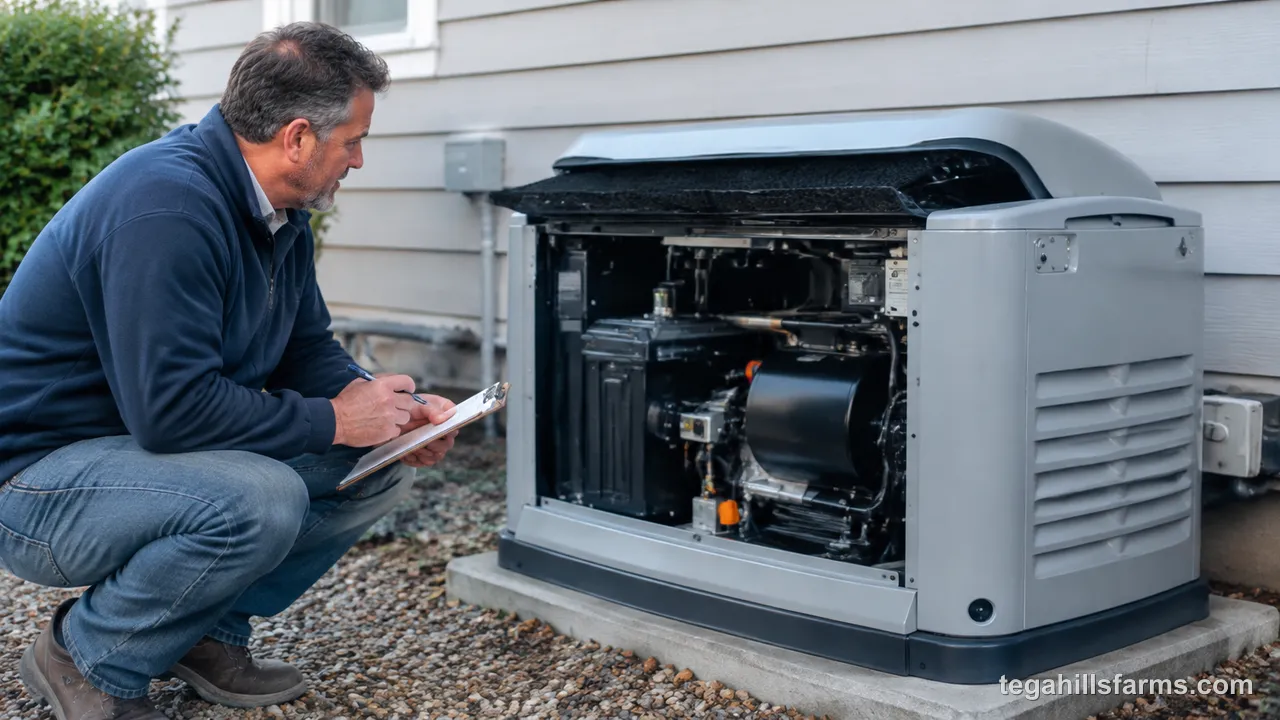
Separating must-have loads from nice-to-have ones usually shrinks the machine you need.
Should You Back Up Essential Circuits or the Whole House?
Backing up essential circuits needs a smaller, cheaper unit, while covering the whole house calls for a larger standby unit, commonly around 20kW.
Essentials usually mean the fridge, furnace blower, sump pump, a few lights and the router. A modest generator can carry those. Whole-house coverage adds central air, the electric range, the dryer and the water heater.
For scale, the average US household uses just short of 900 kilowatt-hours per month, about 30 kWh per day. A whole-house system has to be ready to meet that kind of demand.
Each choice changes both size and type. Essentials fit a portable or a smaller standby, while everything-on fits a large standby. If you’re still asking how big of a generator do I need, start with the essentials list.
What Is the 80% Rule for Generator Capacity?
The 80% rule means keeping your running load below about 80% of a generator’s rated output, which protects the engine and alternator from constant strain.
Running a unit at its limit for hours shortens its life and leaves no room for surprises. Motors in a fridge, well pump or air conditioner draw a burst of extra power when they start, and that burst needs headroom.
The rule changes what you buy. You size the unit to your load plus a margin, not to the load alone. That can push you up a size, but it also stops you from buying far more than you need.
Anyone working through the math should read how to size a generator before choosing a model.
Which Cheaper Alternatives Can Replace an Expensive Generator?
Three cheaper routes can stand in for a permanent system: a portable generator with a transfer switch, paired inverter generators and solar batteries or power stations. Each has a point where it falls short.
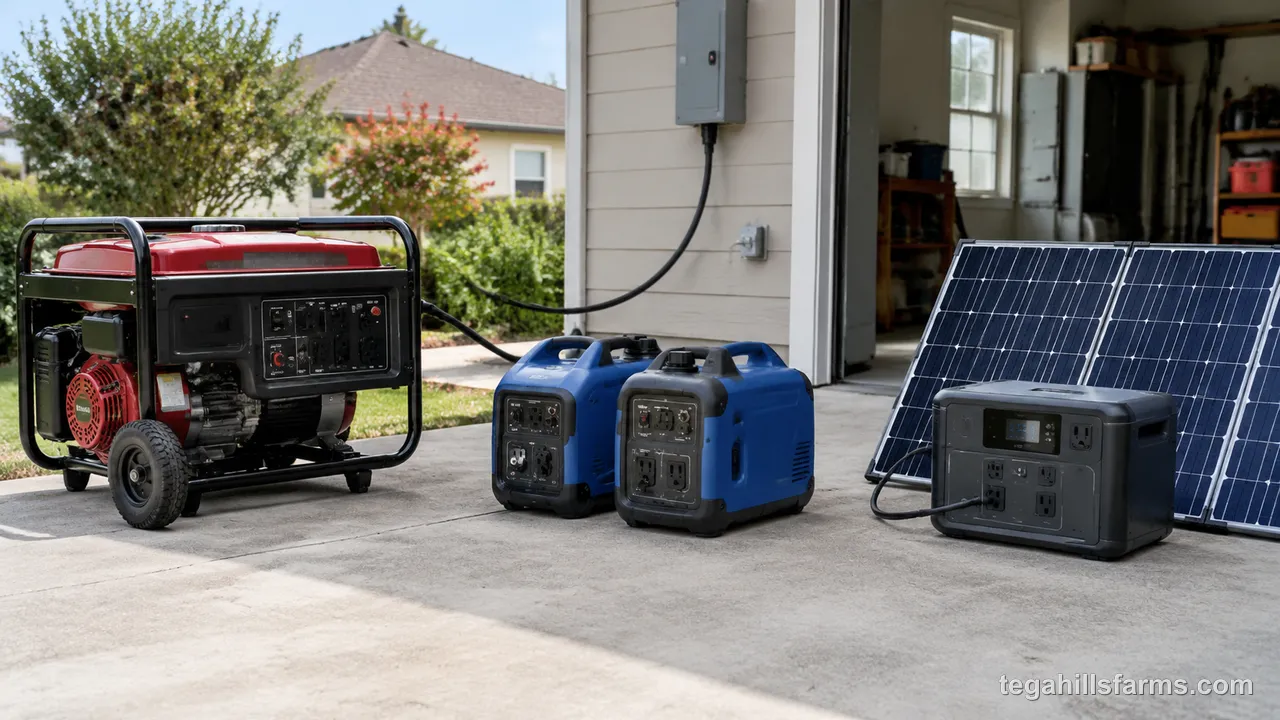
Is a Portable Generator With a Transfer Switch Enough?
Yes, for essentials. A portable generator on a transfer switch powers key circuits safely if it runs outdoors, away from the house and with working carbon monoxide detectors inside.
The transfer switch lets you feed chosen circuits without back-feeding the grid, which is dangerous for utility workers. It also avoids a tangle of extension cords through windows.
Placement matters. Keep the unit at least 20 feet from the house with its exhaust pointed away. Never run it in a garage or near an open window.
The tradeoff is manual effort. You wheel it out, fuel it, start it and refill it, often in bad weather. How to use a generator safely is worth learning before the first outage.
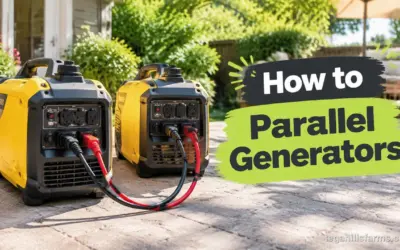
Can Smaller Inverter Generators Work Together?
Yes. Two compact inverter units linked together add output, keep quiet operation and stay portable, though the approach hits limits for whole-house loads.
Paired units share the work and can split apart for camping or light jobs. Each is easy to carry, and each keeps the clean power inverters are known for.
The limits are practical. Linking needs compatible models and a parallel kit, and the combined output still falls short of a big standby unit. You also refuel two machines instead of one.
It’s a smart middle path for essentials and small loads. For the hookup details, see how to parallel generators.
Do Solar Batteries and Power Stations Replace a Generator?
Batteries win on quiet, fume-free operation and fuel independence, while generators win on long-outage runtime.
A battery system runs silently, makes no exhaust and can recharge from solar or the grid. That makes it easy to use indoors-adjacent and in tight neighborhoods.
Runtime is the limit. Stored energy runs out, and heavy loads drain it faster. A generator keeps going as long as you can feed it fuel.
Short outages and light loads suit batteries well. Multi-day outages with heavy loads still favor fuel-powered units. Many homes end up wanting some of each.
Many owners buy a big standby unit and then rarely face an outage long enough to justify it. That leaves thousands of dollars tied up in a machine that sits idle, and an unused generator is exactly the kind that tends to fail on the one night it’s needed. How do you tell when the extra spending has stopped protecting you?
When Does Spending More on a Generator Turn Into Wasted Money?
Spending more turns into waste when capacity or features outrun your real outage risk. Oversized capacity, rare outages and neglected upkeep are the three usual causes.
Oversizing is the first sign. If your essentials fit a modest unit, a huge one just costs more to buy, install and fuel. Rare outages are the second. If your power rarely fails for more than a few hours, automatic startup and whole-house coverage deliver little.
Neglect is the third, and it’s the quietest. An expensive unit that never gets exercised or serviced can fail when finally needed. Stale fuel and a dead battery sit behind many generator won’t start complaints.
Look at your own pattern. If past outages were short, your needs are small and you’re not willing to maintain the machine, a cheaper option was the smarter buy.
How Can You Tell a Reliable Brand From an Overpriced Name?
A reliable brand backs its price with verifiable support: a nearby service network, readable warranty terms and a long owner track record.
A premium label alone proves nothing. Some of the price can be marketing and markup rather than durability. Start with service, because a unit is only as dependable as the technician who can reach it. A brand with no authorized dealer within driving distance can turn a minor repair into a long wait.
Read the warranty closely. Check what it covers, what it excludes and what you must do, such as scheduled maintenance, to keep it valid.
Then look at owner reports for the exact model, not just the brand. Patterns across many owners say more than any ad. Ranking brands beyond what the evidence supports would be guesswork, so judge the support behind the name. For a feature checklist, see what to look for in a generator.
Which Permits, Insurance, and Local Rules Apply Before Installation?
Most standby installations need local permits and inspections, and rules on noise, placement and gas connections vary by town. These items can change both cost and timeline.
Permits and inspections usually cover the electrical and gas work. Local codes may also limit how close the unit can sit to the house, property lines or windows, and some areas set noise limits. Your utility and gas provider may have their own connection requirements.
Insurance is worth a call. Ask your insurer whether a permanent generator affects your coverage or premium. Also check whether any local or utility incentives exist, since they come and go.
Rules differ by city, county and utility, so verify the details with your local building department and providers before signing a contract. A good installer will know the process, but you should still confirm it yourself.
What Else Do Homeowners Ask About Expensive Generators?
Why do generators cost so much?
Price follows output, build quality and features such as automatic startup, quiet inverter electronics and weather-resistant enclosures. Standby units also need installation labor, gas connections and a transfer switch, which can add several thousand dollars on top of the unit. Cheaper portables skip most of that but give up automatic, whole-house coverage.
Which brands do people trust?
No single brand fits every home, and a name alone doesn’t prove durability. Look for an authorized dealer within reach, clear warranty terms and a long run of owner reports on the exact model. A brand with no nearby technician can turn a minor repair into a long wait.
Does a battery system make a generator unnecessary?
Not always. A battery system handles short outages and light loads quietly, and it can recharge from solar. A long outage with heavy loads like central air or an electric range is where fuel-powered units still have the edge, since you can keep refueling.
Do you need a permit to install a standby generator?
Usually yes. Most towns require permits and inspections for the electrical and gas work, and some limit placement and noise. Rules vary by city, county and utility, so call your local building department before you sign a quote.
How often should a standby generator be serviced?
Follow the maintenance schedule in the owner’s manual, and have a technician inspect the unit before the season when outages are most likely. Many standby models also run a short self-test on a set schedule, which keeps the engine and battery ready between storms.
Write Your Review
No reviews yet. Be the first to share your experience!