

A generator costs about $500–$2,500 for a portable unit and $3,000–$10,000 for a standby unit before installation. Installation, add-ons, fuel and upkeep all land on top of that sticker price.
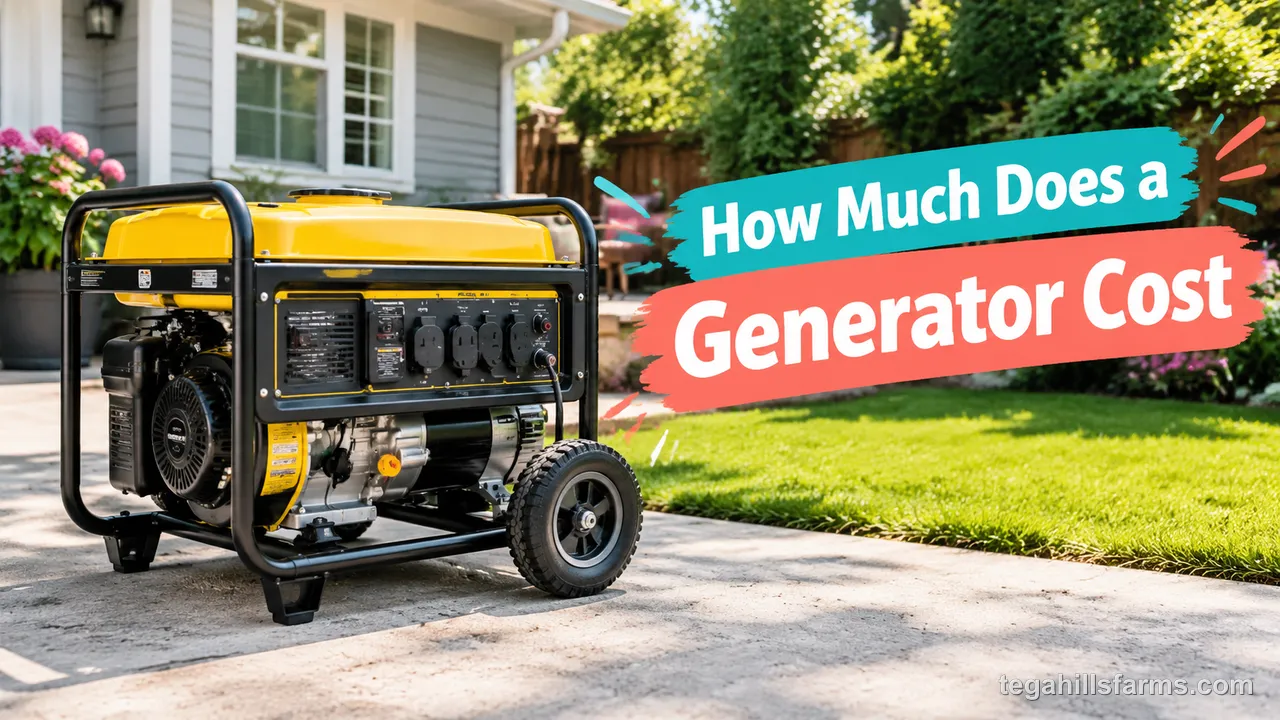
The number on your quote moves with three things: how much power you need, which fuel the unit burns, and how much of the house it has to run. A small portable for a fridge and a few lights sits in a different league from a unit that carries central air.
The real worry is the gap between the price tag and what you actually pay. Quotes often leave out the transfer switch, permits or gas line, and the bills that follow, like fuel and yearly service, rarely get budgeted at all.
Before you compare any two quotes, ask each dealer whether the figure includes installation, permit fees and a transfer switch. That one question separates a fair price from a surprise.
What Goes Into the Cost of a Generator?
A generator’s cost is the unit price plus everything needed to run it safely, from about $500–$2,500 for portable machines to $3,000–$10,000 for standby units before installation.
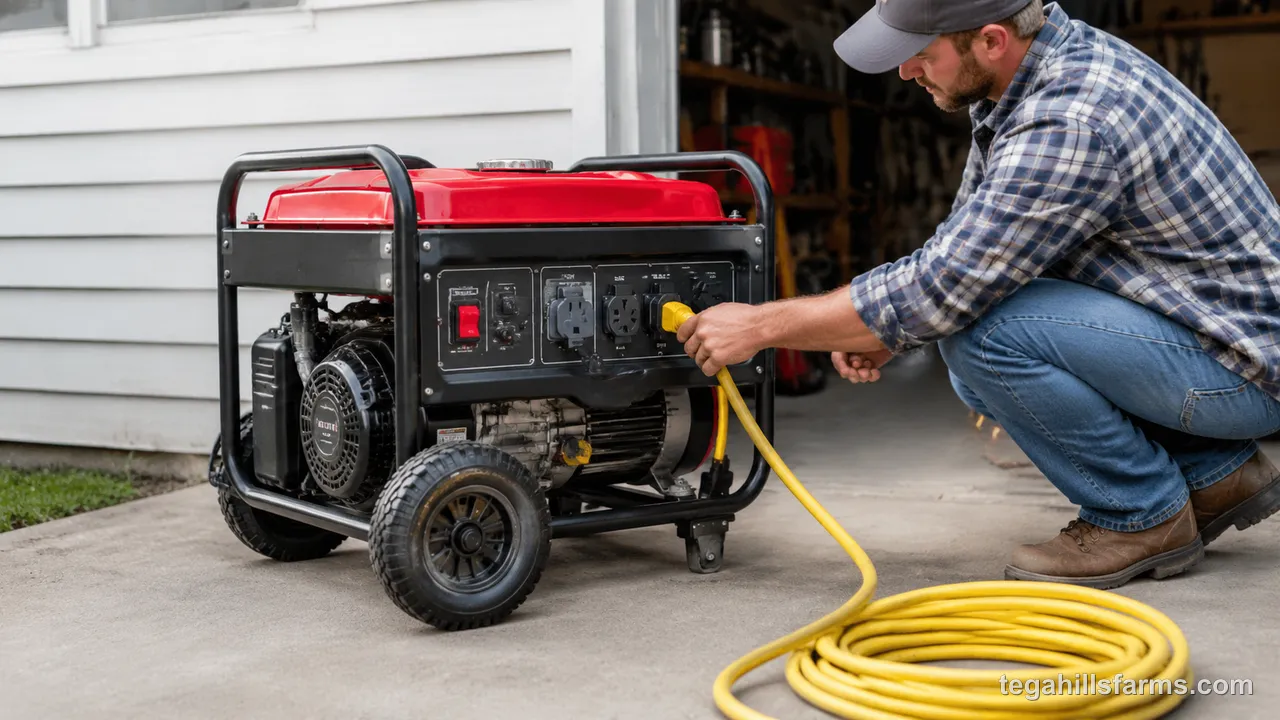
A standby setup adds professional installation, accessories such as a transfer switch, and ongoing fuel and upkeep. Portable machines skip the install but still burn fuel and need regular service.
Three factors move the price most. Power output sets the class. Fuel type changes the engine and tank setup. The share of the house you want to run decides whether a compact unit is enough. Backing up a fridge and a few lights costs far less than running central air.
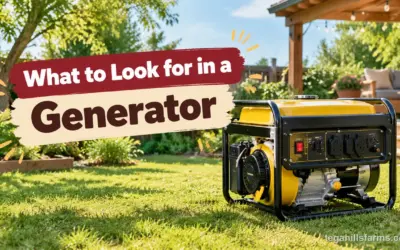
Once you know where the price ranges sit, the next step is learning how to choose a generator that fits your home, your fuel supply, and your budget.
How Much Does Each Type of Generator Cost?
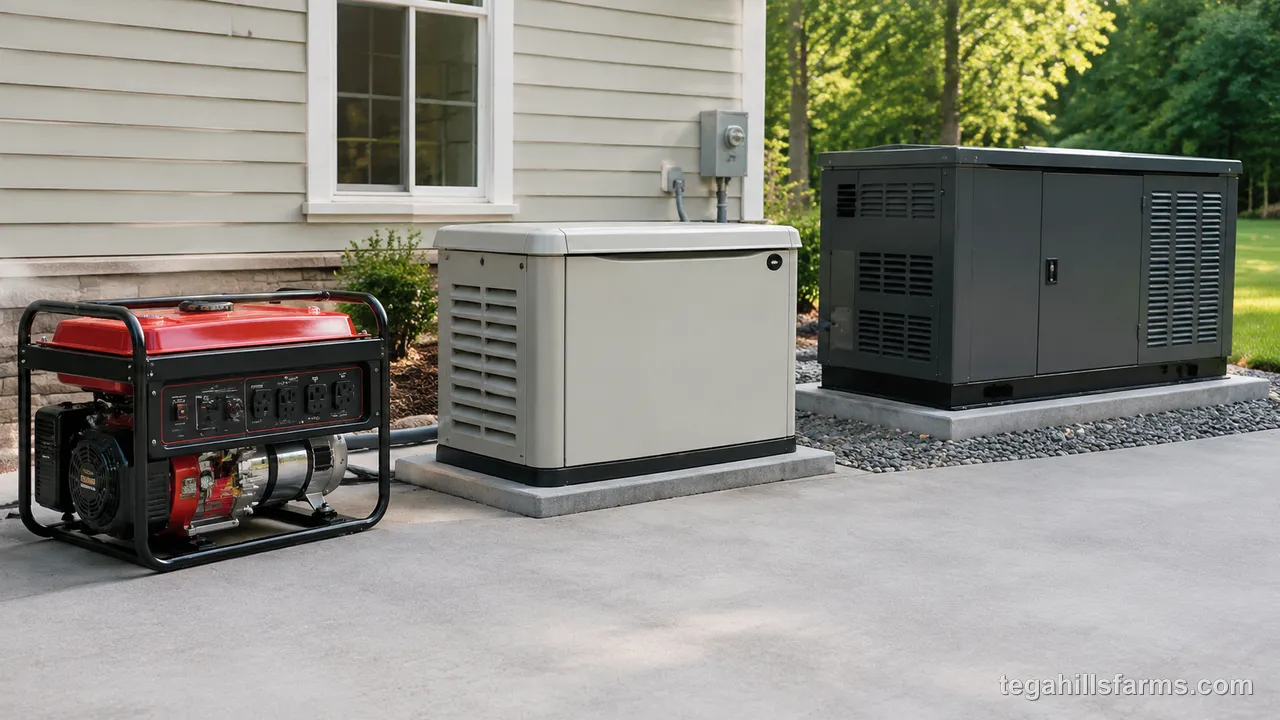
Generator prices climb across portable, standby and whole-house machines, from about $500–$2,500 for portables to $4,000–$15,000 for whole-house units. Output and how much of the home the unit backs up explain most of that gap. Each class below has its own price drivers.
How Much Does a Portable Generator Cost?
A portable generator costs about $500–$2,500, and inverter models sit above open-frame machines of similar output.
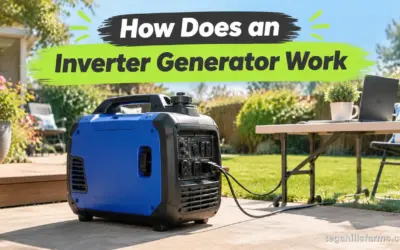
If you’ve ever wondered how does an inverter generator work, the short version is that it produces power electronically to hold a steady output. That suits phones, laptops and other sensitive electronics, and it runs quieter. That extra engineering is what you pay for.
Output matters too. A small unit for camping or a fridge and a few lights stays near the low end. Larger conventional models that carry more circuits push toward the top, and dual-fuel capability adds some cost for flexibility.
At the low end you get a louder, basic engine with fewer outlets. At the high end you get quiet operation, cleaner power and better fuel economy at light loads.
How Much Does a Standby Generator Cost?
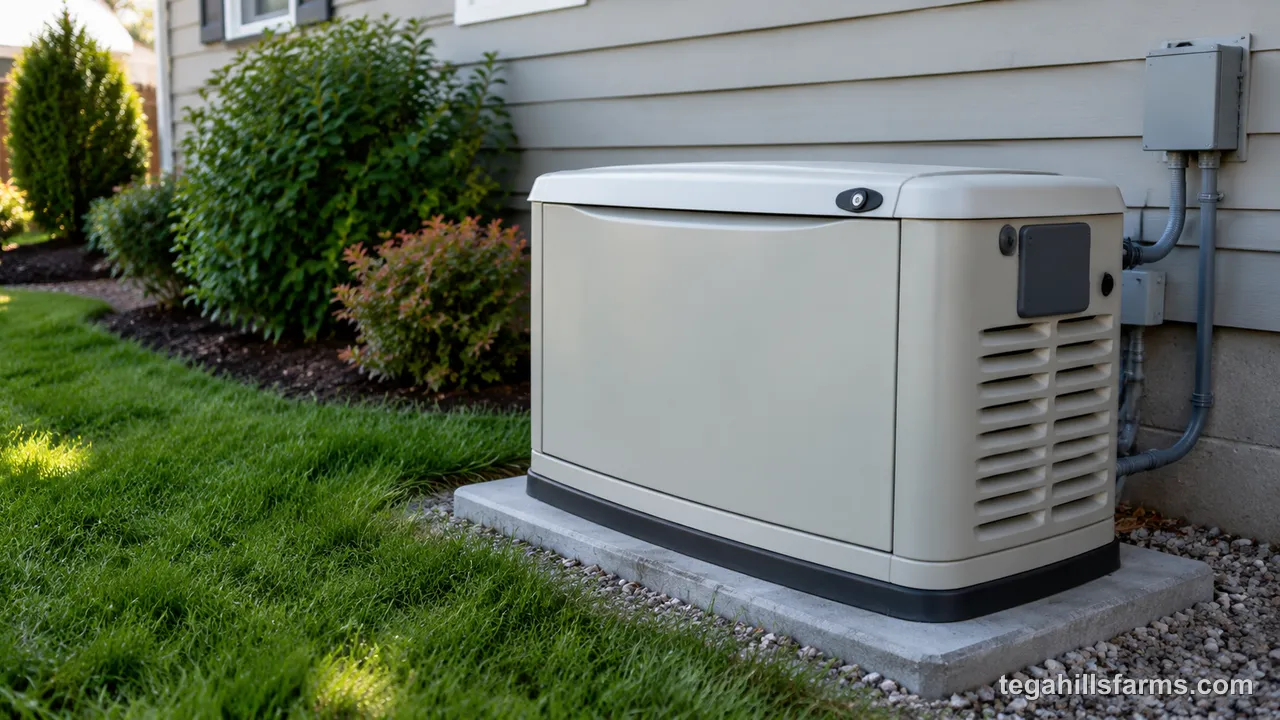
A standby generator costs about $3,000–$10,000 for the unit alone, before installation.
Output class, enclosure, fuel type and brand tier decide where a unit lands in that band. Natural gas and propane models run about $2,500–$10,000, and diesel models about $3,000–$10,000.
Unlike a portable, a standby unit sits outside permanently, connects to your fuel supply and starts on its own when the power drops. That suits homeowners who want backup without wheeling a machine out in a storm. It also costs more up front.
Keep the unit price and the install separate when you compare quotes. Installation is its own line, covered below. A quote that bundles both will look much higher than a unit-only price, even when the two are the same deal.
What Does a Whole-House Generator Cost?
A whole-house generator typically costs $4,000–$15,000 for the unit, rising with output class from 20–22 kW up to 30–50 kW.
House size, heavy loads like central air, and your fuel supply push a buyer up that range. A smaller standby unit backs up essential circuits only, such as the fridge, lights and furnace fan. A whole-house unit is sized so the whole home keeps running at once.
Check what each published figure covers. Many ranges quote the unit alone. The full project adds installation, and a comprehensive install with electrical work, permits and fuel line connection runs about $3,000–$5,000. Deciding which circuits the unit must carry comes first, and how to power house with generator setups is its own topic.
What Size Generator Do I Need, and How Does It Change the Price?
Price follows output, and output follows home size and starting loads, from about $2,000–$3,500 for 7–10 kW units up to $6,000–$15,000 at 30–50 kW. Home size and electrical load each push a buyer up or down that ladder.
How Does Home Size Translate Into Generator Size?
Smaller homes typically fit a 7–10 kW unit at about $2,000–$3,500, while medium to large homes need 20–22 kW at about $4,000–$5,500.
Very large homes step up to 30–50 kW, at about $6,000–$15,000. Square footage is only part of the picture. Central air, electric heat and a well pump can move a mid-sized house into a bigger class than its floor area suggests.
Bigger is not automatically better. An oversized unit costs more to buy and pays for capacity you will never use. The load math behind each class is covered in how to size a generator.
How Do Running and Starting Loads Change the Price Tier?
Running watts keep appliances going, starting watts cover the brief surge motors draw, and heavy motor loads can push you into the 20–22 kW class at about $4,000–$5,500.
Appliances that drive the required output include:
- Central air conditioner
- Well pump
- Sump pump
- Refrigerator and freezer
- Electric range or dryer
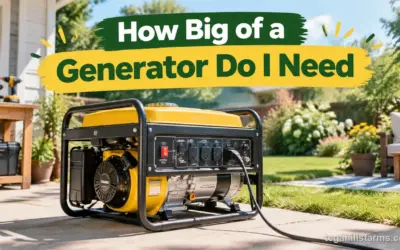
One big motor can raise the bill more than ten lights ever would. Skimping here is a poor saving. An undersized unit trips or stalls when the air conditioner kicks on, and then you replace it. If your real question is how big of a generator do I need, start by listing the few heavy appliances you refuse to lose.
How Much Does Generator Installation Cost?
Professionally installing a standby or whole-house unit costs $1,000–$2,500 for a basic hookup and $3,000–$5,000 for a full job, split between labor and permits and site prep.
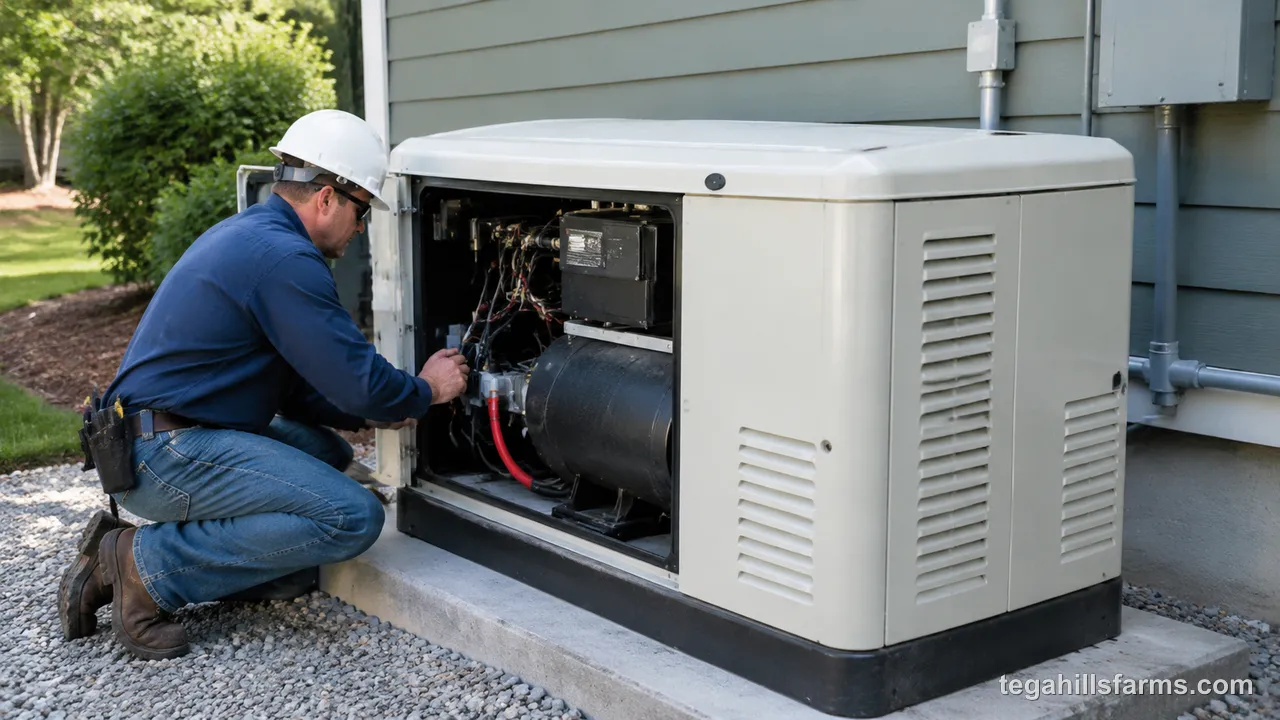
Published ranges disagree because some quote the install alone and others fold in the unit. Distance from the panel, gas line length and local permit rules push the cost up or down. Always ask which pieces a figure covers.
What Do Labor, Permits and Inspections Add?
Installer labor and electrical hookup sit inside the $1,000–$2,500 basic install range, and permits and inspections push a full job toward $3,000–$5,000.
A licensed electrician ties the unit into your panel, and your local authority usually requires a permit and an inspection before it goes live. That is part of the real price, not an optional extra.
Local labor rates move the figure the most. Permit rules vary by town and county, and some add review steps. Panel complexity matters as well. A crowded or older panel takes more time to work on than a clean, modern one.
What Do Gas Lines, Pads and Site Prep Add?
Gas piping, the mounting pad and site prep are covered by the $3,000–$5,000 comprehensive install range, which includes fuel line connection along with electrical and permit work.
Run length from the gas meter is the big variable. Short runs stay cheap, and long runs mean more pipe, more trenching and more labor. Ground conditions matter too, since rock or heavy clay slows digging and pad prep.
Clearance rules around the unit can force a different location than you pictured. Switching between natural gas and propane changes the fuel hardware as well. A quote that looks high may simply include a long trench, and one that looks low may leave the gas work out.
Which Add-Ons Raise the Price of a Generator?
Add-ons are priced separately, and the automatic transfer switch at $500–$1,500 is the one most standby buyers can’t skip.
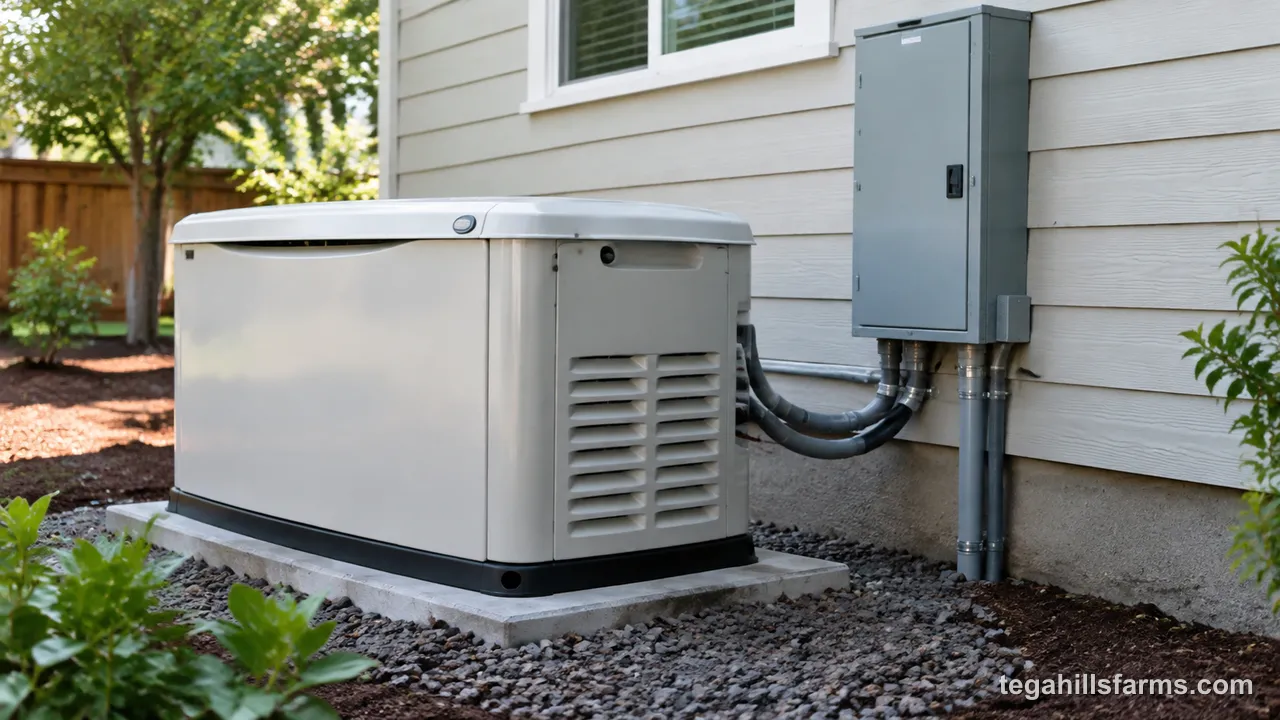
It moves your house between utility and generator power on its own, so the unit takes over when the lights go out and you don’t touch anything. Price climbs with the switch’s amperage rating and how many circuits it manages. Wiring one in is its own project, covered in how to install a generator transfer switch.
Remote monitoring costs about $200–$500 and sends status alerts to your phone. It’s a comfort upgrade, handy for a second home or long trips, not a must-have.
Noise reduction features add about $300–$1,000 to the total. They matter when the unit sits near a bedroom window or a property line. On a big lot with space between you and the neighbors, they matter less.
What Does It Cost to Run and Maintain a Generator?
Ongoing cost comes from fuel, tank run time and yearly upkeep: about $50–$100 per day of fuel for a 20 kW natural gas unit, and $200–$600 per year in maintenance. Load and fuel type push both up or down.
How Much Does Generator Fuel Cost?
Fuel for a 20 kW natural gas generator costs about $50–$100 per day of running during an outage.
Natural gas arrives through a pipe, so there is nothing to refill. Propane needs a tank that gets refilled or delivered. Gasoline has to be hauled and stored, and it goes stale if it sits too long. Diesel stores better than gasoline but means a fuel supplier.
Daily spend rises with load and with local fuel prices. A unit carrying central air burns more than one running a fridge and lights. For a closer look at how much gas will your generator use under different loads, check the engine’s consumption at half and full load.
How Long Does a Tank of Fuel Last?
A tank lasts from a few hours to a day or more, depending on load, fuel type and tank size.
A small gasoline tank on a portable unit runs a good part of a day at light load and far less near full output. That means refueling in the middle of the night during a long outage. Bigger tanks and piped natural gas cut that chore down.
Refueling frequency ties straight back to your daily fuel spend, since a heavier load drains the tank faster and costs more per day. Run time is its own question, and how long can a generator run depends on the same three factors plus the engine’s service limits.
How Much Does Yearly Maintenance Cost?
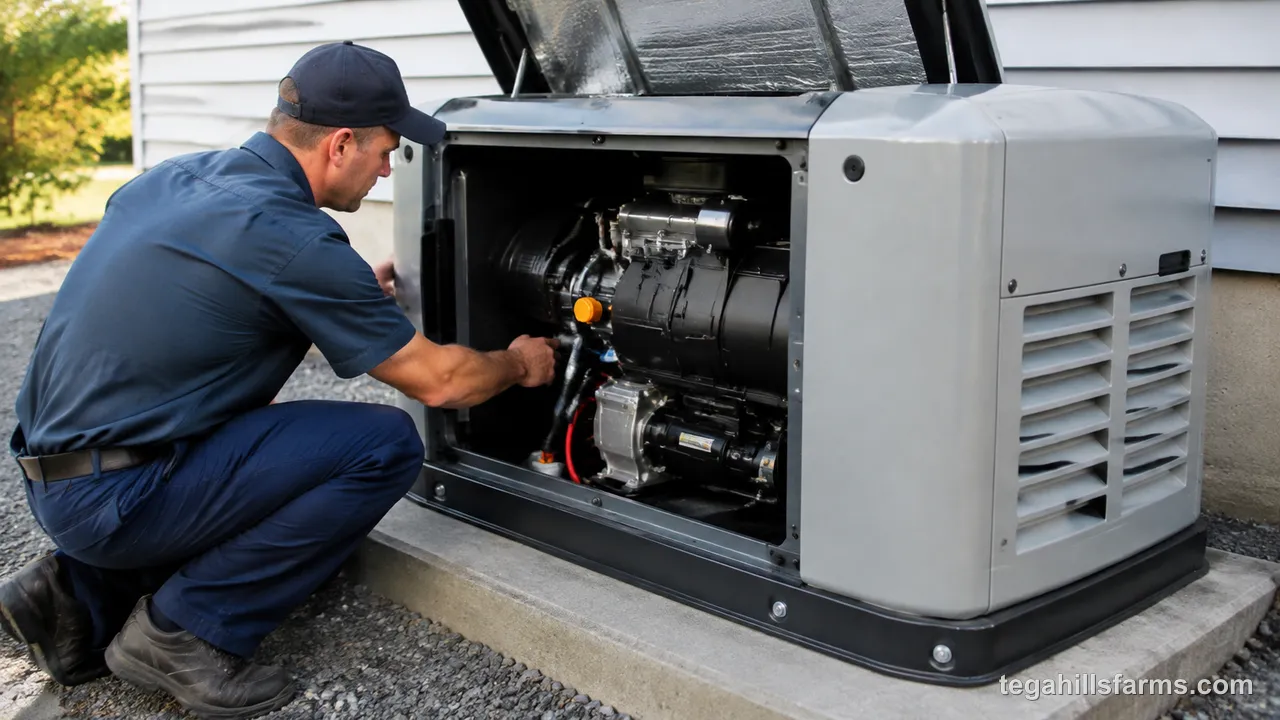
Yearly maintenance costs about $200–$600 and covers oil changes, filter changes and an inspection.
Routine upkeep also includes spark plugs, battery checks and a professional service visit. Doing the simple jobs yourself trims the bill. Dealer service sits at the upper end of the range. Engine type and size affect it too, since bigger engines hold more oil and take larger filters.
It’s a predictable annual cost. Skipping it tends to cost more later, usually as a unit that won’t start when you need it.
Which Generator Brands Cost More?
Premium brands cost more for stronger engine quality, quieter operation and a wider dealer network, though output class sets the price band before the badge does.
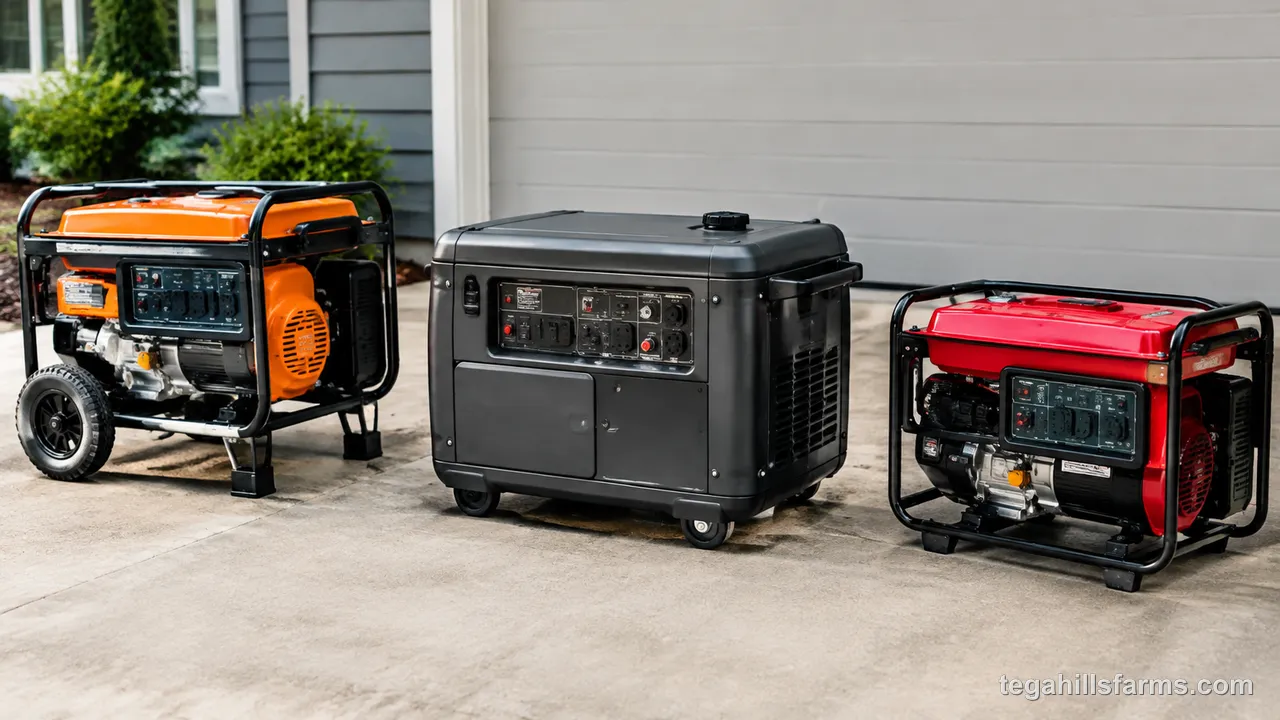
Generac, Kohler, Cummins and Briggs & Stratton all sell home standby units, which run about $3,000–$10,000 before installation. Honda and Champion are best known for portable and inverter models, which run about $500–$2,500.
Generac’s Guardian Series works as a standby reference. The 22 kW unit costs around $4,500, installation runs approximately $2,000, and the combined figure comes to about $6,500. On the portable side, Honda’s compact EU2200i inverter sells for around $1,200 and needs no professional installation.
What separates premium from value? Engine quality decides how reliably the unit keeps starting year after year. Noise matters if bedrooms or neighbors sit close. Dealer network and service access matter most when something breaks during a storm. I’d weigh local service access before a small price gap, because a cheaper brand with no nearby technician can leave you waiting days.
Is a Home Generator Worth the Money?
Yes, a home generator is worth it if you face frequent or long outages, rely on medical equipment or a sump pump, or work from home, and it’s harder to justify for rare, short outages.
A standby setup means a unit at $3,000–$10,000 plus installation from $1,000–$2,500 for a basic hookup up to $3,000–$5,000 for a full job. Weigh that against what an outage costs you. Spoiled food, a flooded basement and lost work hours add up fast. Some buyers also like that a house with automatic backup feels easier to live in and to sell.
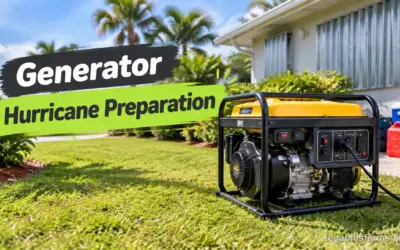
If you live where storms knock out power for days, add generator hurricane preparation to the plan. A unit that sits idle through a quiet decade still has to be maintained.
If outages last an hour or two a couple of times a year, a portable unit or a battery power station covers you for far less.
How Do You Get an Accurate Quote and Pay for a Generator?
Get comparable quotes by asking several authorized dealers to itemize the unit, installation and add-ons the same way.
Expect the unit price plus about $1,000–$5,000 for installation, depending on whether the job is basic or comprehensive. Region moves that number. Labor rates differ between metro areas and small towns, and permit rules vary by town. Gas line length and panel work change the total as well.
Same-scope quotes make the comparison fair. Ask each one to include the transfer switch, permit fees and any trenching.
Some dealers offer financing programs, including through Synchrony. Terms vary by dealer, so read the interest and fees before you sign. Don’t assume a tax credit or promotion applies unless the dealer puts it in writing.
A standby unit fires itself up on a schedule, even when the lights are on, and it burns fuel while it does. Add a propane delivery, a skipped oil change or a pad that needs reworking, and the money spent after the install can start to rival the bill for the machine. Which of those line items never made it onto your installer’s quote?
What Hidden Costs Catch Generator Owners Off Guard?
Hidden ownership costs are the expenses after the install that never show on a quote, and skipped upkeep is the easiest one to prevent.
Fuel delivery and storage come first. Propane has to be refilled, and stored gasoline or diesel goes stale if it sits. Automatic exercise cycles also burn a little fuel every time the unit runs itself, week after week. It’s small per cycle, but it never stops.
Deferred upkeep is the expensive one. When a generator won’t start mid-outage, the cause is usually old fuel, a weak battery or a missed service. A routine visit at $200–$600 a year is the cheaper side of that trade compared with an emergency repair.
Permit or pad rework can also surprise you. A unit placed too close to a wall or a pad that settles may need to be redone. Prices vary too much by job to put a fair range on those.
When Is a Cheap Generator a False Economy?
A cheap generator becomes a false economy when its output is too small for your loads, and the gap within one type runs from $500 to $2,500 for portables and $3,000 to $10,000 for standby units.
An undersized unit trips under motor loads, so you end up buying twice. Cheaper machines also tend to have shorter service lives, louder engines and higher fuel use per hour of running.
The opposite mistake wastes money too. Paying for remote monitoring, a heavy-duty enclosure or a bigger output class you never use adds cost without adding comfort. So are expensive generators worth it? Often only when you will actually use what the extra money buys, such as quiet operation near a bedroom or a larger output class for central air.
Match the level to your loads and outage pattern. The cheapest and the priciest options both miss the mark more often than the middle.
Do Battery Backup and Solar Cost Less Than a Generator?
Battery options undercut a generator only at the small end: portable power stations run roughly $300–$3,000, while home battery storage and solar with battery climb to $10,000 and well beyond.
A generator runs about $500–$2,500 for portables and $3,000–$10,000 for standby units before installation. Battery packs and solar push past those figures once you want whole-home coverage. Capacity and installation are what raise the price on that side.
The trade-offs differ. Batteries run silently and need no fuel, but they have limited run time before they need a recharge, and solar helps only when the sun cooperates. A generator keeps going as long as you can feed it, but it is loud and tied to a fuel supply.
For short outages and a few essentials, a power station is often enough. For multi-day outages or heavy loads, a generator still carries more weight per dollar.
Frequently Asked Questions About Generator Costs
How long does a small gasoline tank run a portable generator?
A small gasoline tank typically runs a portable unit for a good part of a day at light load, and noticeably less as the load climbs toward the rated output. Inverter models usually stretch a tank further than open-frame ones because the engine adjusts its speed to the load.
Can I install a standby generator myself?
Technically some owners try, but it is rarely wise. A standby unit ties into your gas line and your main panel, and most areas require licensed trades and inspections. A basic professional install runs about $1,000–$2,500, which is cheap insurance against a code violation or a gas leak.
Do I need a permit to install a generator?
Standby and whole-house units almost always need an electrical permit, and often a gas permit too, plus an inspection. Those fees sit inside the $3,000–$5,000 comprehensive install range. A portable generator that is not wired into the house usually needs no permit, but check your local rules.
Does fuel type change the yearly cost?
Yes, mostly through the outage fuel bill and the unit price. A 20 kW natural gas unit runs about $50–$100 per day of use, while propane, gasoline and diesel depend on local fuel prices. Maintenance of $200–$600 per year applies whatever the fuel.
Write Your Review
No reviews yet. Be the first to share your experience!