

A snow blower costs anywhere from the low hundreds of dollars for a small corded electric model to several thousand for a heavy three-stage gas machine. Most homeowners spend close to a thousand dollars. Where you land in that spread depends mostly on how many stages the machine has and what powers it.
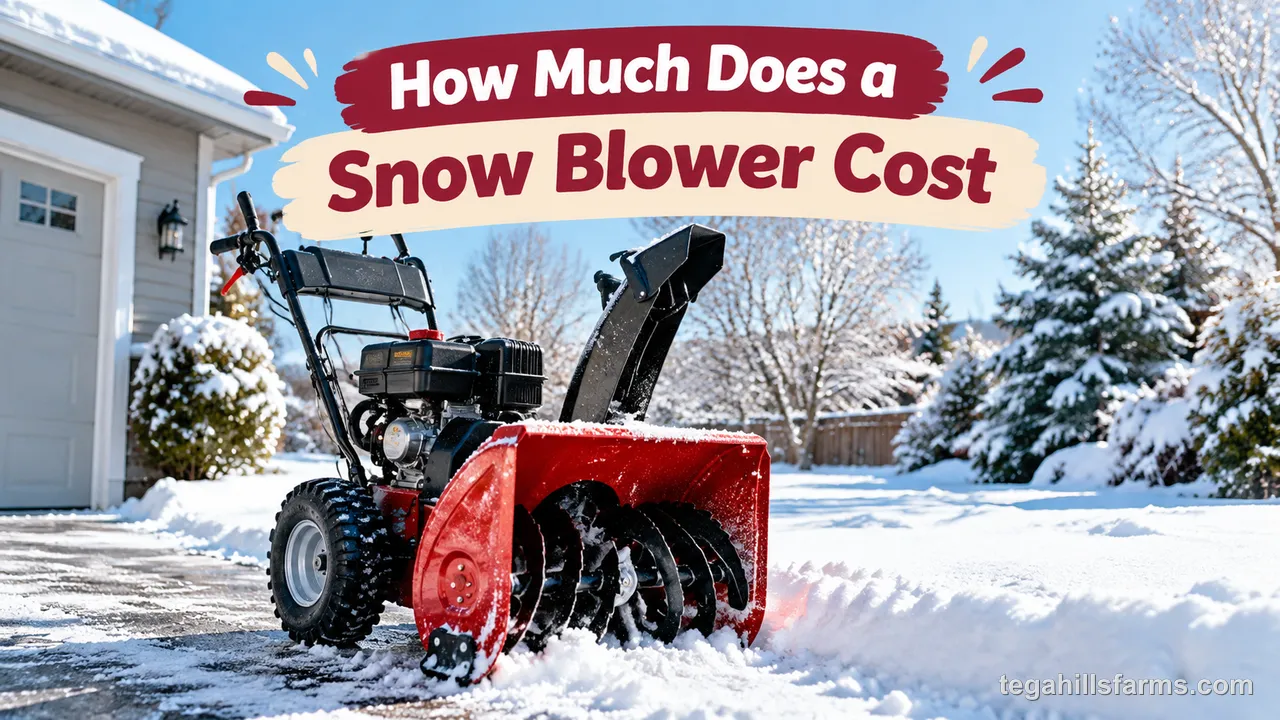
Clearing width, self-propelled drive, electric start and the battery platform all move the price within each type. These specs matter only as far as your driveway and your winters need them. A wide, track-driven machine is money well spent on a long gravel drive in a snow belt, and money wasted on a short paved one that sees a few light storms.
The sticker price is only part of what you pay. Battery packs wear out, gas engines need fuel and seasonal upkeep, and a machine sized wrong for your driveway costs you either money up front or time and effort every storm.
Before you compare models, measure your driveway, note whether it’s paved or gravel, and think about how deep a typical storm gets where you live. Those three facts narrow the right price range faster than any spec sheet.
How Much Does a Snow Blower Cost on Average?
Homeowners pay about $1,050 on average, and most machines sell for roughly $300 to $1,800. At the extremes, Consumer Reports’ ratings cover models from about $200 to more than $3,000, and the cheapest corded electric units start around $120.
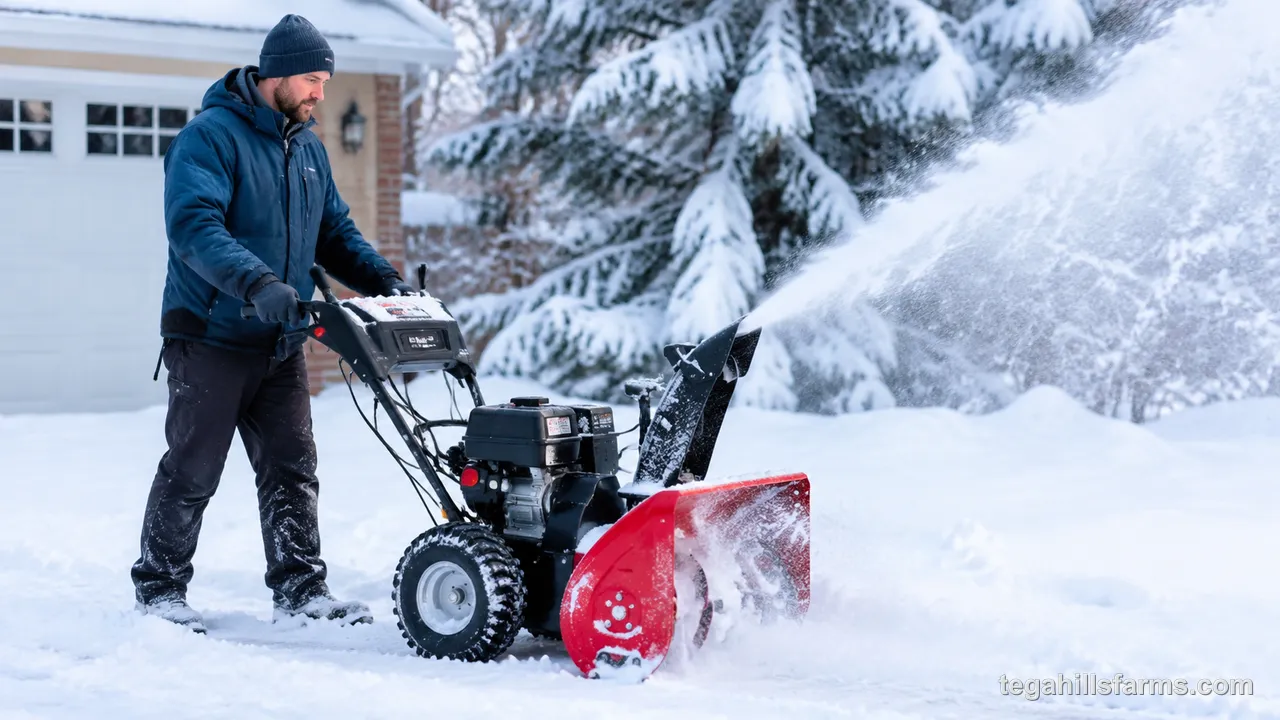
Price climbs with capability. A second or third stage adds an impeller, a heavier gearbox and a stronger frame. A gas engine or a large battery pack costs more than a corded motor, and a wider clearing width means a bigger housing and auger to build. Self-propelled drive adds a transmission, and electric start, headlights and heated grips stack on top of all that.
Two things keep the price down. Corded electric machines draw power from a household outlet, so there’s no engine, battery or charger in the price. Lighter single-stage builds use one auger that both scoops and throws the snow, which means fewer parts and less metal.
If you’re still weighing size, power source and features before you compare price tags, our guide on how to choose a snow blower walks through the full decision.
How Much Does Each Type of Snow Blower Cost by Stage?
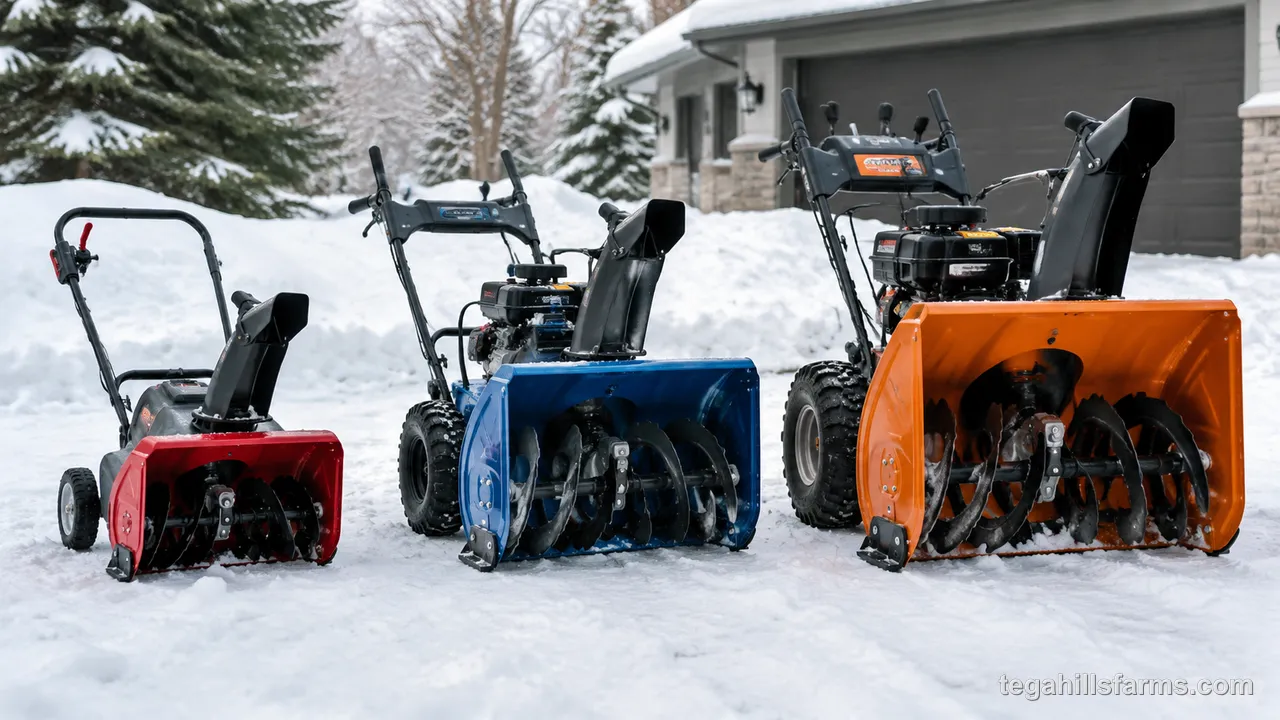
Stage count moves the price more than any other spec. Each added stage brings more moving parts, a heavier frame and a bigger engine or battery to drive them. Stage count also sets how deep and how heavy a snowfall the machine can move, so settle it against your winters first. The choice between single stage vs two stage snow blowers covers most residential driveways. Three-stage machines serve a narrower group of owners.
How Much Does a Single-Stage Snow Blower Cost?
Single-stage machines average about $525, and most cost roughly $200 to $725. Newer premium single-stage models with wider housings and larger battery systems run higher, at about $950 to $1,430.
The lower price reflects a simpler design. One rubber-edged auger lifts the snow and throws it out the chute, which keeps the machine light. Most models throw snow up to 25 feet and handle about 9 inches of depth. That suits paved driveways, sidewalks and regions where storms rarely pile up deeper.
The auger contacts the ground as it works. It scrapes pavement close to bare, but it will pick up stones from a gravel surface. Within the single-stage range, clearing width, power source and drive assistance set the price. A narrow corded unit sits at the bottom, and a wide battery model with a large pack sits near the top.
How Much Does a Two-Stage Snow Blower Cost?
Two-stage machines average about $1,400, and most fall between roughly $800 and $2,000. That puts them well above single-stage models.
The price jump comes from the second stage. A metal auger breaks up the snow and feeds it to a fast-spinning impeller that throws it out the chute. That setup needs a larger engine or battery, plus a geared drive system to move the heavier machine.
In real use, a two-stage typically throws snow up to 35 feet and handles up to about 16 inches of depth, including the packed ridge a plow leaves at the end of the driveway. The auger rides above the ground on adjustable skid shoes, so it clears gravel driveways without picking up rocks.
Track drive, electric start, wider housings and heated grips push a two-stage toward the top of its range. Tracks earn their cost on steep or icy slopes. On a flat paved driveway, wheels do the job for less.
How Much Does a Three-Stage Snow Blower Cost?
Residential three-stage machines mostly sell for about $1,800 to $3,650. Commercial models average around $2,700, and top commercial units reach $15,000 or more.
The third stage is an accelerator in front of the auger. It chops the snow and speeds it into the impeller, so the frame, gearbox and engine are built heavier to handle the extra load. The payoff is a throw of 40 feet or more and roughly 18 inches of clearing depth.
That capacity matters on long driveways in lake-effect snow belts and on open lots where wind builds drifts. If your storms rarely go past what a two-stage handles, a three-stage adds weight, storage bulk and cost for capacity you won’t use.
How Much Does a Snow Blower Cost by Power Source?
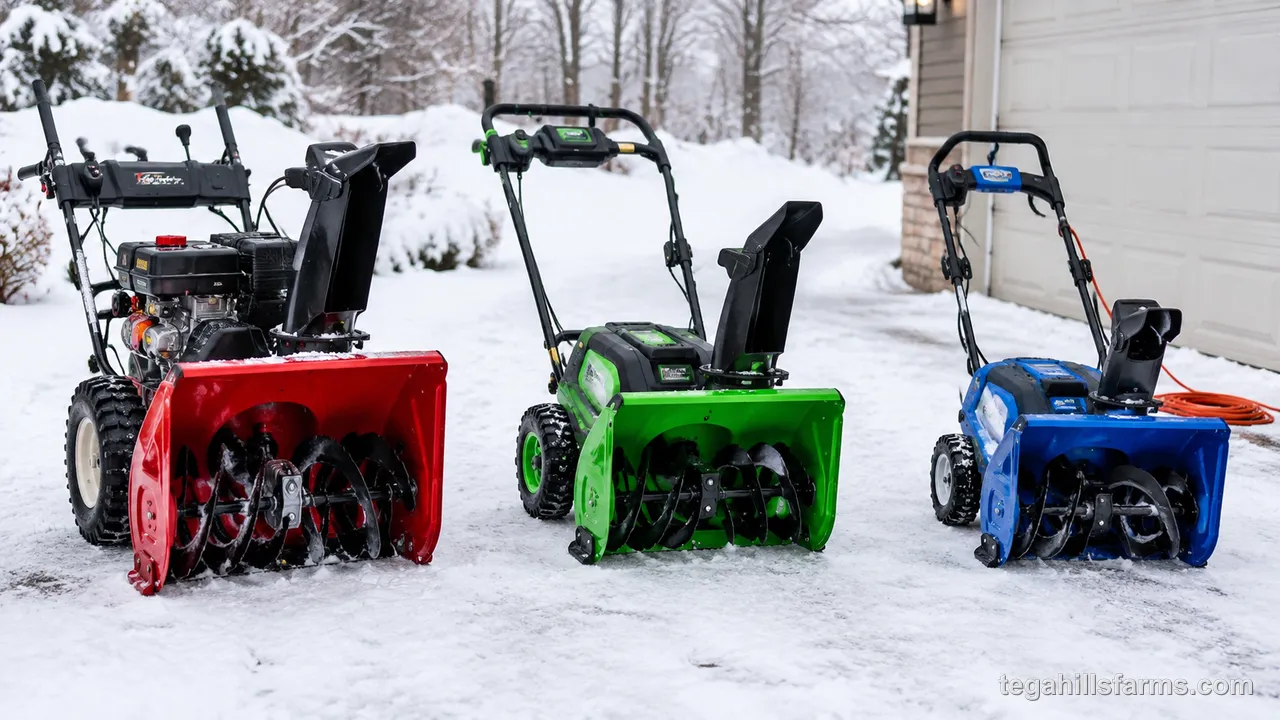
Power source and stage count overlap, which explains part of each group’s price. A gas machine often costs more because it’s usually a two-stage, and a corded unit is cheap partly because it’s always single-stage. The ranges below describe typical machines in each group, not identical builds. Comparing gas vs electric snow blowers also brings in noise, storage and upkeep, and those shift the real cost over the years you own the machine.
How Much Does a Gas Snow Blower Cost?
Gas machines average about $1,265 and usually cost roughly $450 to $2,100. That’s the widest spread of any power source.
Gas covers everything from small single-stage units to large two- and three-stage machines. Engine size, stage design, drive type and starter options all vary inside the same category. Self-propelled gas models can cost up to 60 percent more than comparable push models, because the transmission and drive wheels or tracks add parts and weight. Electric start adds a little more to the price, and it spares you the pull cord on a cold morning.
In return, you get unlimited runtime: refuel and keep going. A gas engine also has the torque to push through deep, wet, heavy snow, which is why gas still dominates the heavy-duty end of the market.
How Much Does a Battery Snow Blower Cost?
Battery machines average about $835, with most priced roughly $280 to $1,400 across single-stage and two-stage designs.
The sticker price may or may not include the battery and charger. A tool-only listing looks cheaper, but you have to buy the packs and charger separately, which raises the real entry price. The exception is when you already own batteries on the same platform.
At the lower end, single-stage battery models clear up to 21 inches per pass. Most handle about 6 inches of snow, and some reach 9 inches. Two-stage battery models sit near the top of the range. They clear up to 24 inches wide and can take up to 16 inches of snow, though they work most efficiently in 12 inches or less.
Battery capacity drives much of the price because capacity buys runtime. A larger pack lets you finish the driveway without stopping mid-storm to swap or recharge.
How Much Does a Corded Electric Snow Blower Cost?
Corded electric machines average about $190, with most priced around $145 to $235. That makes them the cheapest group by a wide margin.
They come only as single-stage designs, and the motor runs off a household outlet. The price includes no engine, battery or charger.
The trade-offs come with that low price. Your reach ends at the extension cord, up to about 100 feet from the house. The light single-stage build also handles only light snow.
A corded machine fits small patios, short walks, decks and steps near an outdoor outlet. On a longer driveway, you’d spend as much effort keeping the cord out of the auger as clearing snow.
Do Snow Blower Prices Differ by Brand and Retailer?
Yes. Brand reputation, dealer support and what comes in the box explain most price gaps between machines of the same type.
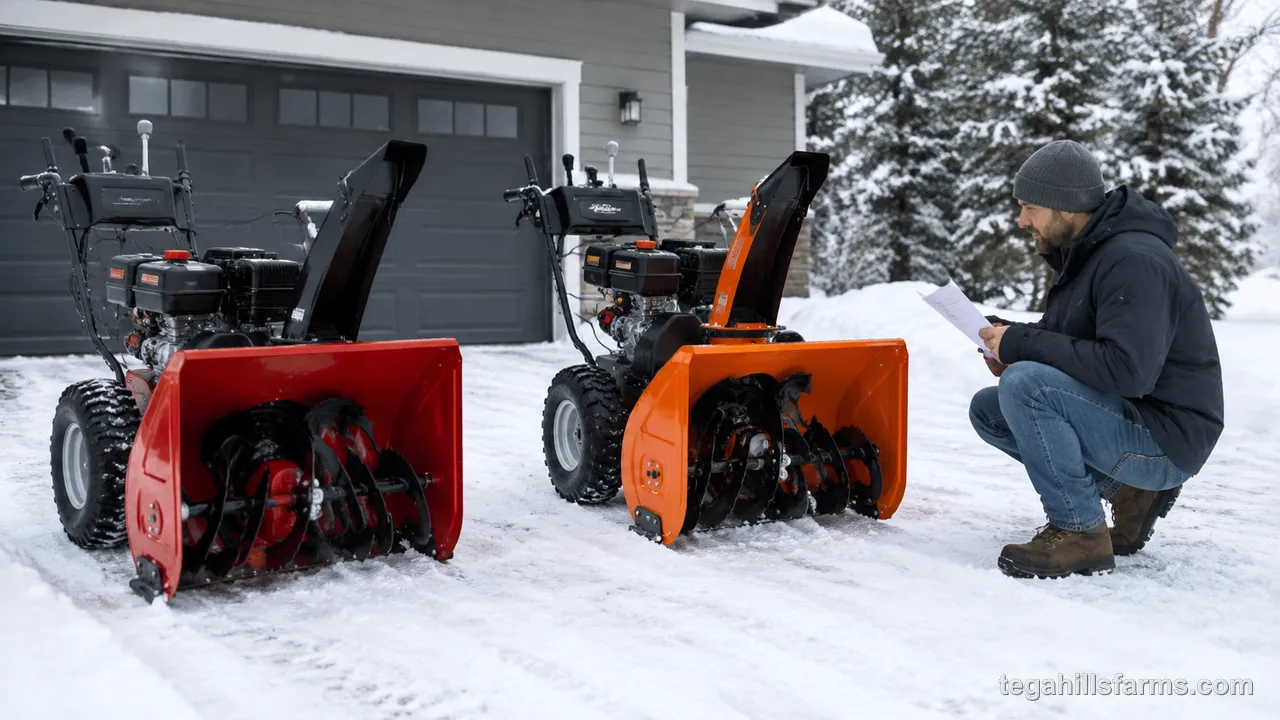
Long-established gas brands such as Toro, Ariens and Cub Cadet tend to sit at the higher end of each class. Part of that is build quality, and part is that many of their machines are sold and serviced through dealers. EGO is a battery-focused brand, so its prices track pack size and whether the battery and charger come bundled. Craftsman aims more at the mainstream buyer shopping big-box stores.
The same model can be priced differently depending on bundle contents, such as a kit with battery and charger versus tool-only. Model year also matters, because older stock gets marked down.
A local dealer may charge more, but dealers often assemble the machine, set it up and handle service. That support matters when something breaks in the middle of winter.
What Extra Costs Come With Owning a Snow Blower?
Power source decides the running costs, so two machines with the same sticker price can cost quite differently by their third or fourth winter. Count those costs before you buy, or the cheaper machine at the store can become the more expensive one to own.
What Do Batteries and Chargers Add to the Cost?
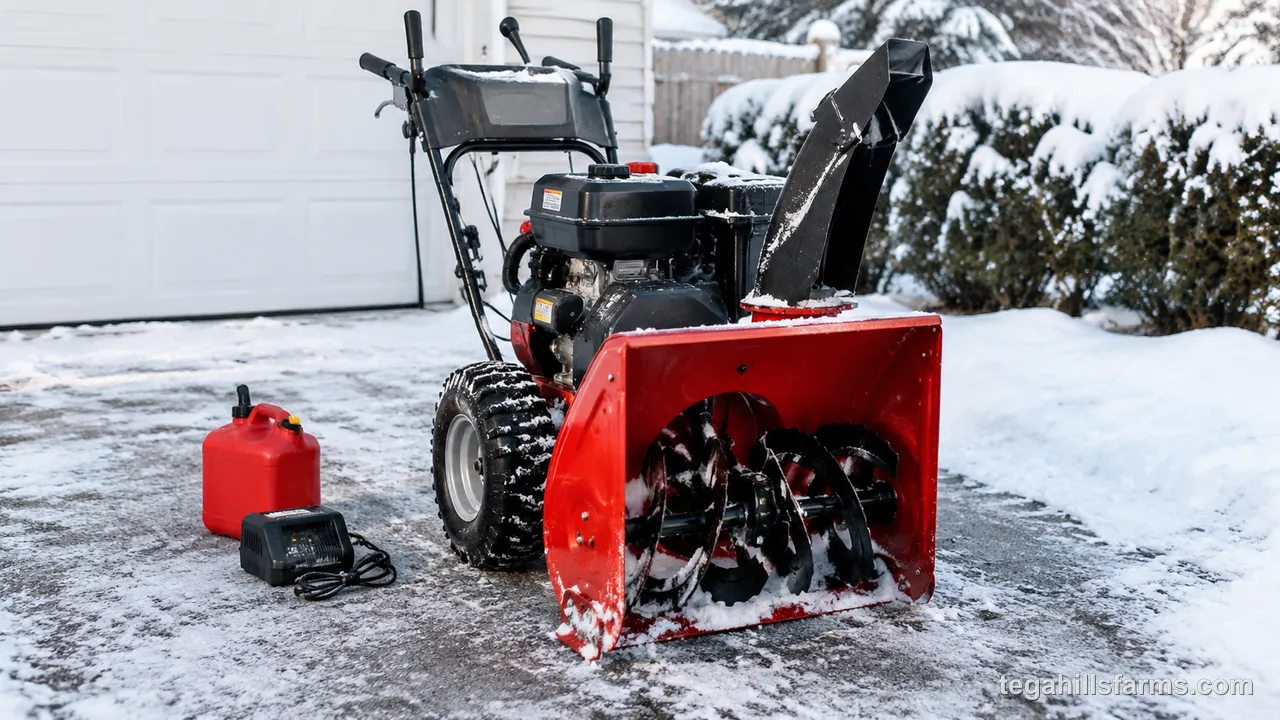
A charger typically costs about $60 to $200, so check whether one comes with the machine before you compare prices. Most lithium-ion packs need replacing every 2 to 5 years, depending on how hard they work and how they’re stored over the summer.
A second battery is worth buying when one pack can’t finish your driveway in a heavy storm. A standalone charger becomes necessary if you bought a tool-only machine or want to charge two packs at once.
That replacement cycle is the key point when you compare battery against gas. A well-maintained gas engine keeps running for years, while a battery machine needs a new pack every few winters. Keep in mind how long snow blowers last on each power source, since that puts the recurring cost in perspective.
What Do Fuel and Maintenance Cost on a Gas Model?
Owning a gas machine means buying fuel and oil each season. You’ll also replace the spark plug, shear pins and, every so often, a drive or auger belt as parts wear. Shear pins are designed to snap when the auger hits something hard, like a newspaper or a chunk of ice, so the machine fails at the pin instead of the gearbox.
Off-season prep is part of the job. Before summer, either treat the fuel with stabilizer or run the tank dry, because stale gas gums up the carburetor and causes hard starts next winter.
I’d treat routine upkeep as part of the purchase. Regular oil changes, and wiping off salt and slush after each use, protect the engine and housing from corrosion. A machine with a clean, documented maintenance history also holds its resale value far better than a neglected one.
Which Small Accessories Can Add to the Bill?
Corded models need an outdoor-rated extension cord, and it’s the one accessory that’s truly required. A cord that’s too thin starves the motor and runs hot. A cord that’s too short shrinks the area you can clear, since the machine’s reach ends at the cord’s maximum length. Match the gauge to the manufacturer’s recommendation for the length you need, and plug into a GFCI outlet.
The other add-ons are cheaper and mostly depend on the machine. Gas owners should keep fuel stabilizer and a few spare shear pins on hand. A cover is optional if the machine lives in a garage, but it’s useful if it sits under a carport or in an open shed.
How Much Should You Spend Based on Your Driveway and Snowfall?
Driveway length, surface, typical snow depth and storage space set the right spending level, not the biggest machine you can afford. Buy too small and you lose time every storm. Buy too big and you waste money and garage floor on capacity that rarely gets used.
What Should You Spend for a Small Driveway and Light Snow?
A short paved driveway with light snow needs only a corded electric machine or a single-stage battery or gas model. That keeps spending in the few-hundred-dollar range. Corded units sit at the bottom, and wide battery single-stages with a pack and charger included sit near the top.
Spending more here mostly buys capability you won’t use. A two-stage would handle the snow, but it costs far more, takes up more storage space, and its extra depth and throw sit idle on a small driveway.
The choice among entry-level options comes down to convenience:
- Corded is the cheapest to buy and quiet, but it ties you to an outlet.
- Battery is nearly as quiet and cordless, and it stores easily, but the pack needs replacing over time.
- Small gas single-stage runs as long as you have fuel, but it’s louder and needs seasonal upkeep.
For most small lots, I’d lean toward battery for the mix of quiet operation and easy storage.
What Should You Spend for a Long Driveway and Heavy Snow?
Long driveways, gravel surfaces and deep or wet snow call for a two-stage machine. In the heaviest snow belts, they call for a three-stage. Either way, expect a four-figure purchase. Track drive, a wider housing and electric start push the price higher still.
Under-buying costs more over a season than the savings at checkout. A single-stage has to chew through deep snow in shallow bites, and on gravel it either picks up stones or has to be raised until it leaves a layer of snow behind. Each storm takes longer, and the machine works near its limit every time.
A two-stage or three-stage pays off in daily use. The deeper depth rating handles the heavy plow ridge at the street, and the longer throw keeps snow clearing the banks along a long driveway as they grow through the winter. The machine also does more of the pushing, which spares your back over a season of storms.
Which Features Are Worth Paying Extra For?
Self-propelled drive, electric start, remote chute control and headlights earn their cost because they change how clearing actually goes:
- Self-propelled drive moves the machine’s weight for you, which matters most on slopes and with heavier two-stage models.
- Electric start ends the pull-cord struggle on frigid mornings.
- Remote chute control lets you redirect the throw without stopping.
- Headlights help when you clear before dawn or after work.
Heated grips, premium trim and a housing wider than your driveway needs are comforts rather than necessities, and they mostly raise the price.
For many buyers, ease of operation matters as much as raw power. A machine you can start, steer and turn without a fight gets used. Learning how to use a snow blower efficiently, such as overlapping passes and throwing with the wind, gets more out of whichever machine you buy.
When Is the Cheapest Time to Buy a Snow Blower?
Late winter through spring is usually the cheapest time, when retailers clear leftover stock and previous model-year machines get marked down.
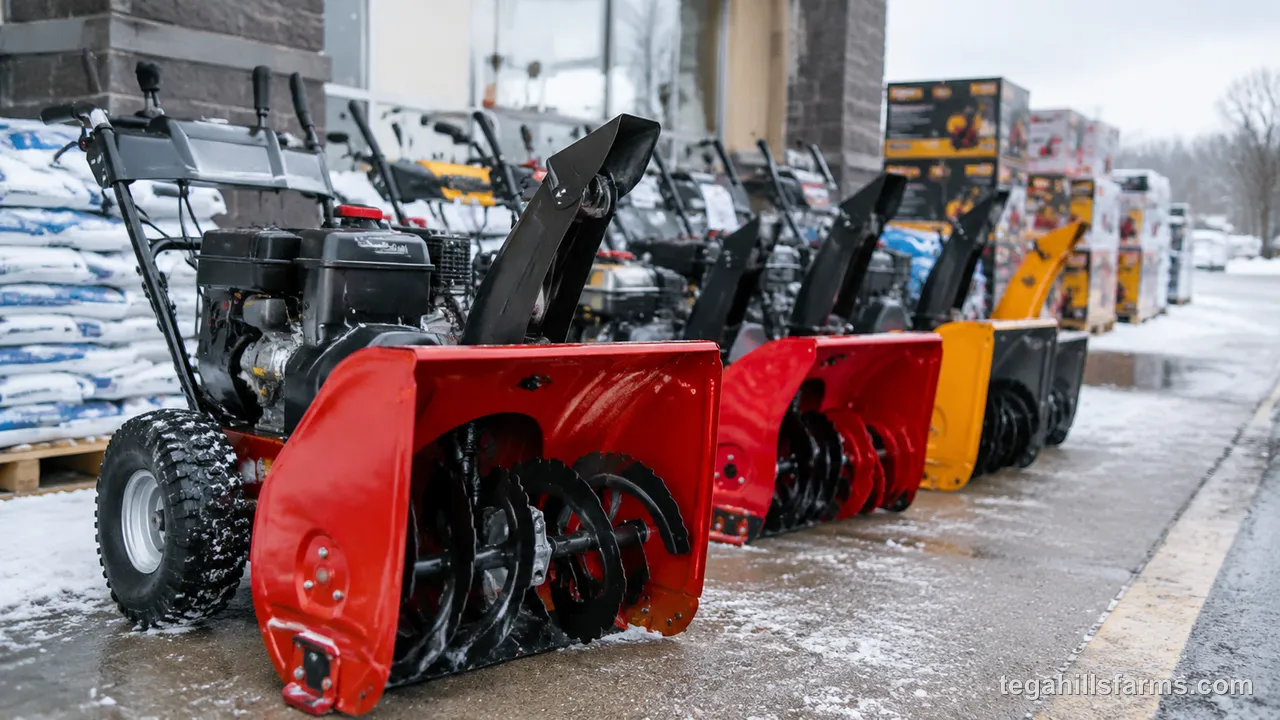
Demand peaks in fall, as the first big storm shows up in the forecast. Prices hold firm then, and popular sizes can sell out. Once the season winds down, stores would rather move remaining units than store them until next year.
Waiting has a cost. By spring the selection thins, the exact model or platform you want may be gone, and you’ll be storing a machine you can’t use for months.
Off-season shopping works best for buyers who know what they need and have room to keep it. If you want a specific track-drive two-stage or a particular battery platform, shopping early in fall gives you the widest choice.
A used two-stage priced at a fraction of new can still hide a worn auger, a stretched belt and an engine that takes many pulls to fire. Those problems rarely show up in a dry driveway in October, and they surface on the first storm night, when the repair bill or a replacement machine can cost more than the bargain saved.
Is a Cheap or Used Snow Blower Worth It?
A cheap or used snow blower is worth it when the machine is mechanically sound and sized for your driveway. It’s wasted money when the low price hides wear that costs more to fix than you saved.
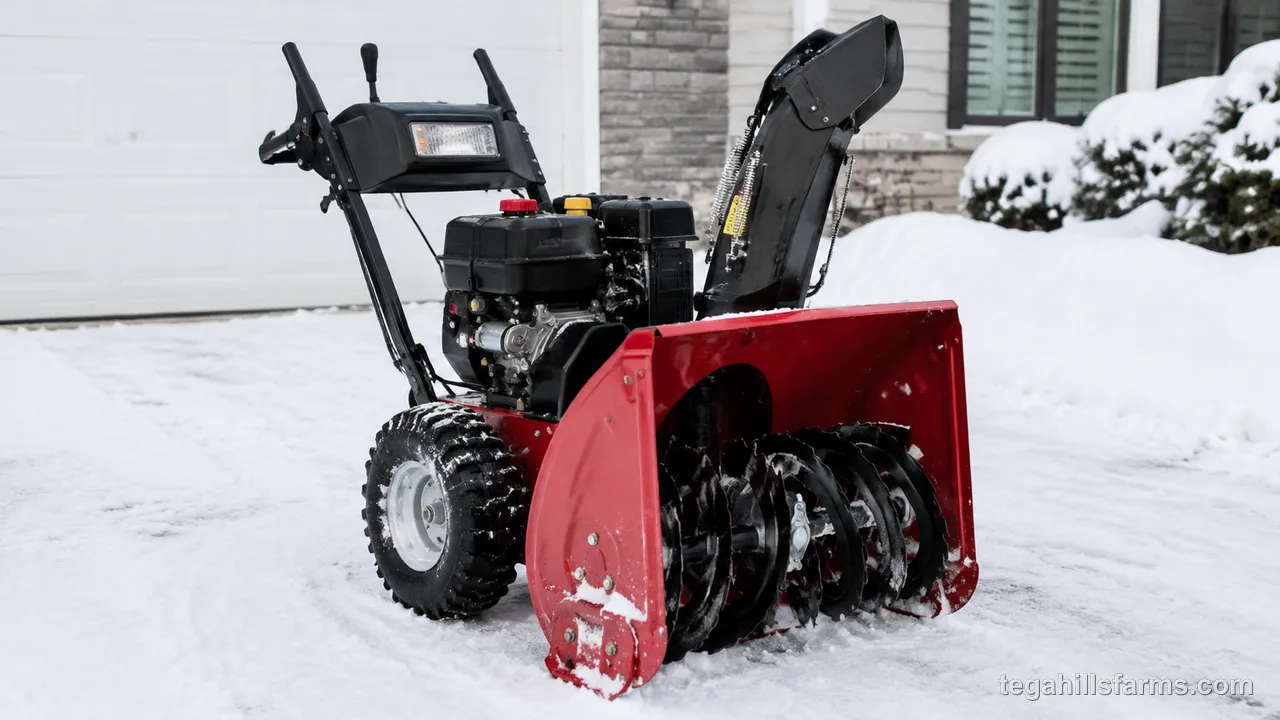
Check for these warning signs:
- Worn auger edges or scraper bar
- Cracked or glazed belts
- Rust through the housing
- Missing parts such as the chute crank or shear pins
Ask to start the engine cold. A seller who warmed it up before you arrived may be hiding a starting problem, and a snow blower won’t start reliably once varnish builds up in the carburetor.
Used machines usually sell well below new prices for the same type. Age, hours of use, brand and condition drive the size of that gap. A well-kept two-stage from an established brand holds its value better than a budget single-stage.
A used gas two-stage makes sense if you can handle basic maintenance yourself. A new entry-level model is the safer buy if you want a warranty and no surprises. The same goes for battery machines, since the age and health of a used pack are hard to judge.
Is Buying a Snow Blower Cheaper Than Hiring Snow Removal?
Owning usually comes out cheaper than hiring when snow falls often, your driveway is long, you can run a machine safely and you have room to store it. Hiring tends to win when storms are rare, physical effort is a concern or storage space is tight.
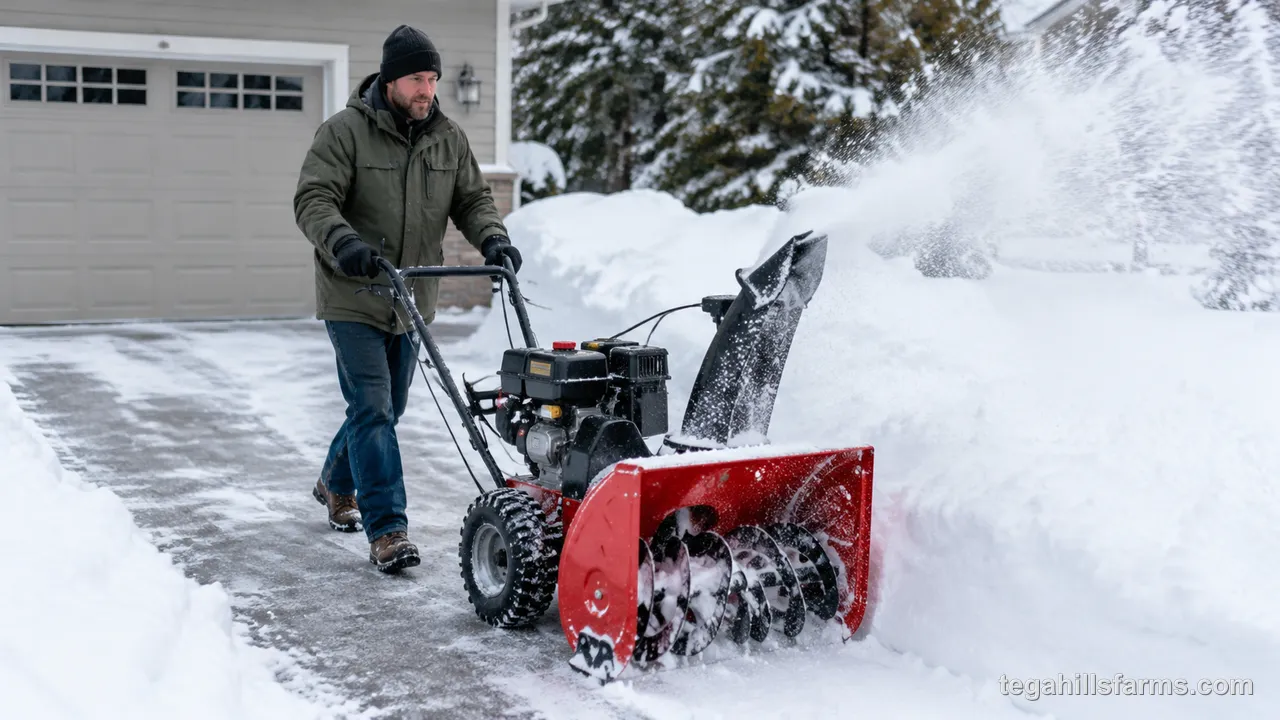
Frequency matters most. A service charges per visit or per season, so a snowy winter with frequent storms adds up. A machine is a one-time purchase plus upkeep, no matter how many times it snows. Driveway length points the same way, since a longer driveway costs more to have plowed.
Ownership also gives you control over timing. You clear when you need to: before work, after the city plow passes, or in two rounds during a long storm. With a service, you wait for your spot on the route.
Hiring has its own advantages. There’s no machine to maintain, fuel or charge, and nothing to store. It also takes the physical work off your plate, which can matter more than any price comparison.
Snow Blower Cost FAQs
What is the typical price of a snow blower?
Most homeowners pay close to a thousand dollars, though the realistic range runs from a few hundred dollars for a small electric single-stage to well over two thousand for a heavy two-stage or three-stage gas machine. Stage count and power source explain most of that difference, followed by clearing width and drive features.
Which type of snow blower is cheapest?
Corded electric single-stage machines are the least expensive, typically costing a couple hundred dollars or less. There’s no engine, battery or charger to pay for. The trade-off is limited reach tied to an extension cord and capacity for light snow only, which suits patios, decks and short walks near an outlet.
Do battery snow blowers include the battery and charger?
Not always. Many are sold either as a kit with a battery and charger or as a tool-only unit. A tool-only listing looks cheaper, but buying packs and a charger separately raises the real price, unless you already own batteries on the same platform. Check the listing carefully before comparing prices.
Does paying more get you a longer-lasting snow blower?
Not automatically. Higher-priced machines often have heavier frames, metal augers and stronger drive systems that hold up to hard use, but maintenance decides much of a machine’s lifespan. A neglected premium model can wear out sooner than a well-kept budget one, and battery packs need periodic replacement at any price level.
Is a two-stage snow blower worth the extra cost?
It is if your driveway is long or gravel, or your storms regularly leave deep, heavy snow and a dense plow ridge. A two-stage clears deeper snow, throws it farther and doesn’t touch the ground. On a short paved driveway with light snowfall, a single-stage does the job for much less.
Write Your Review
No reviews yet. Be the first to share your experience!