

The answer isn’t simple — it depends on how often you’ll use a chainsaw, what you’ll cut, and whether you can tolerate downtime when a cheaper model quits on you mid-job. Expensive chainsaws deliver professional-grade engines, machined components that hold tolerances longer, and dealer networks that keep them running for years. Budget saws work fine for occasional use but tend to fail in ways that cost more in the long run — either through repairs or premature replacement. Below is how to figure out which category makes sense for your property.
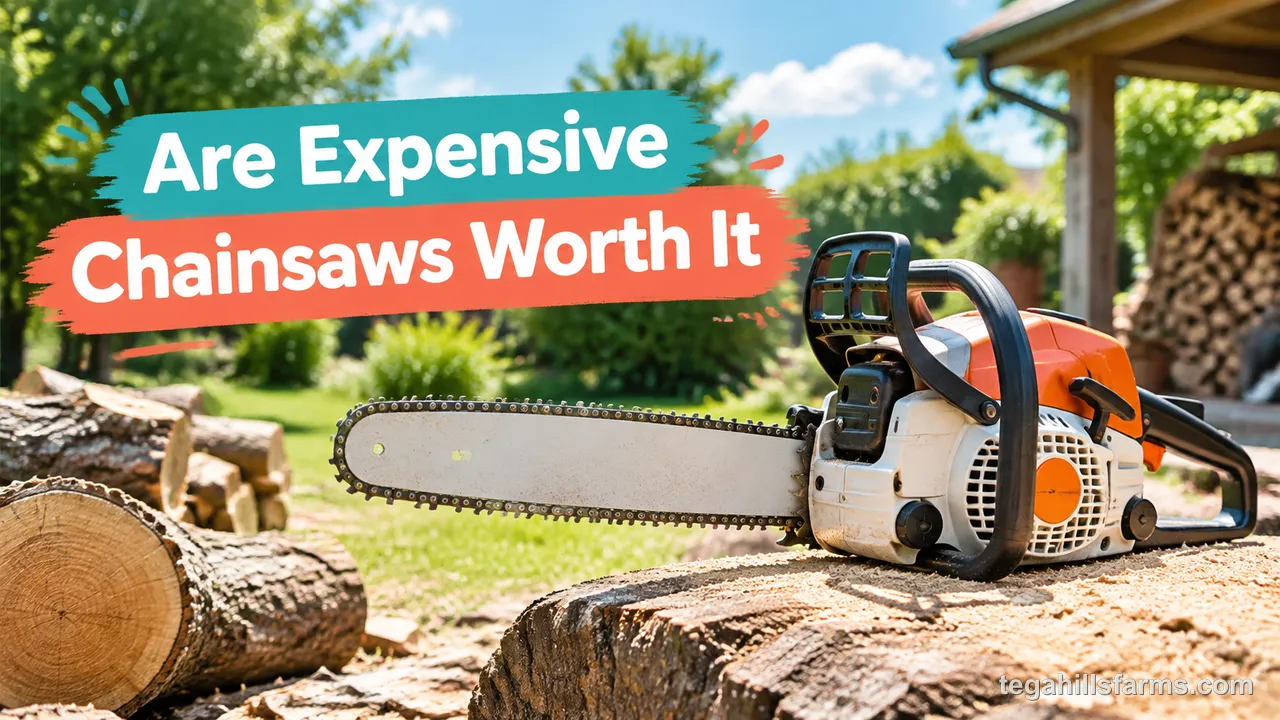
A few factors separate premium chainsaws from budget models: engine displacement and metallurgy, magnesium vs plastic components, and the density of the bar and chain. These aren’t marketing buzzwords — they directly affect how long the saw holds its cutting speed and how often it needs service. The sections below walk through each difference so you can decide whether the upfront cost actually pays back.
What Separates an Expensive Chainsaw from a Budget Model?
Build quality, engine design, and brand reputation separate expensive chainsaws from budget models — each adds cost but also durability, performance, or support that compounds over years of use. Three areas drive the gap: build quality, engine design, and the brand ecosystem behind the machine.
Why Build Quality Drives the Price Gap
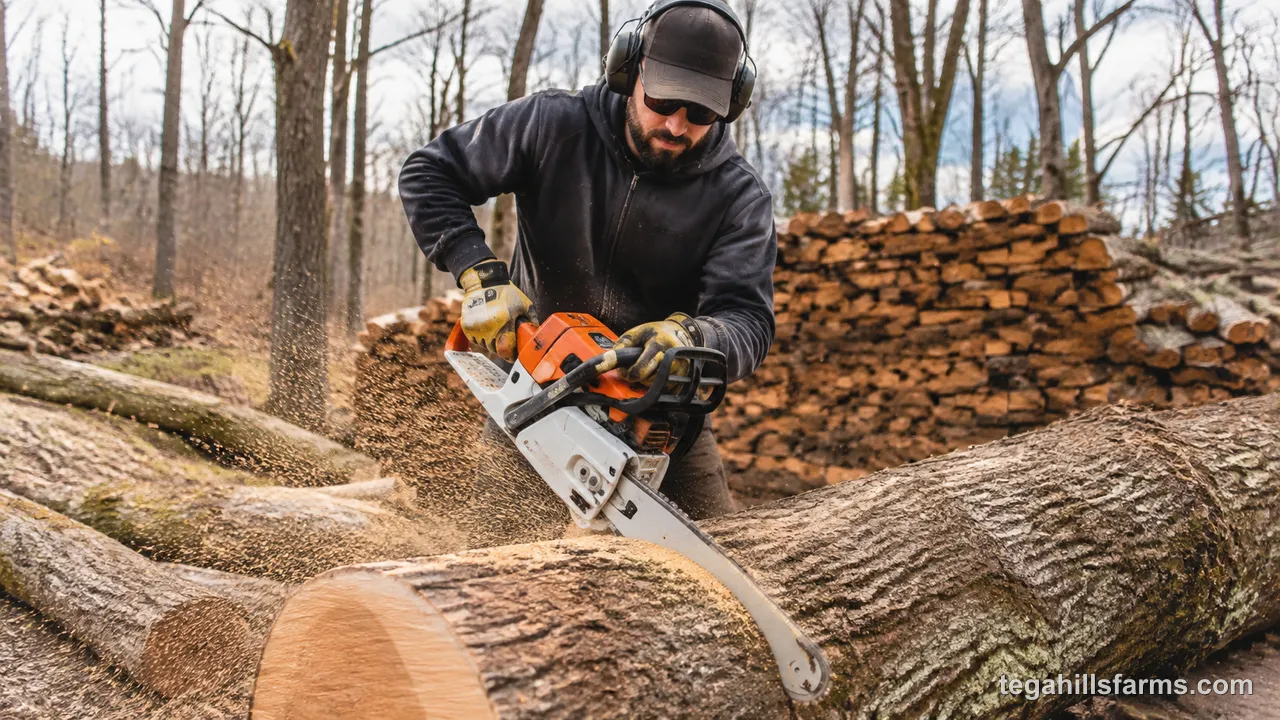
A chainsaw lives or dies by its crankcase and cylinder — the heart of the engine. Professional saws use die-cast magnesium for the crankcase, which resists cracking under sustained high RPM and dissipates heat better than plastic. Budget saws typically use injected nylon or polycarbonate, which can deform over time, especially if the saw runs hot during long sessions.
The bar tells the same story. A machined steel spur bar on a premium saw weighs more but stays straighter under load. A stamped bar on a budget saw flexes more, wears the chain faster, and can crack at the rivets after a season or two of heavy use. The difference shows up in cut quality — a flexing bar tears wood fibers instead of cutting clean, which matters when you’re bucking firewood or doing any kind of precision work.
Chain quality follows the same pattern. Premium chains use hardened steel with chrome-plated rivets and stay sharp longer. Budget chains dull faster and stretch under load, requiring more frequent tensioning and replacement. Over a year of regular use, the chain cost alone can narrow the price gap between tiers.
For a deeper walkthrough of these specs and how they affect real cutting, see our full guide on how to choose a chainsaw that fits your property.
Engine Design Differences That Affect Performance
The engine is where the cost gap becomes most obvious. Professional-grade chainsaws typically run 50–70cc engines producing 4–6 hp, while budget homeowner models sit in the 30–45cc range at 2–3 hp. That gap isn’t just about raw power — it affects how the saw handles real-world resistance.
A larger engine with more torque margin doesn’t have to work as hard to maintain cutting speed when the chain hits dense hardwood or encounters pitch. The engine stays in its efficient RPM band instead of bogging down and lugging. Budget engines compensate by revving harder, which increases fuel consumption, heat, and wear over time.
Beyond displacement, professional engines use better carburetion and ignition systems. A precision carburetor with diaphragm-style metering holds its tune across temperature swings and altitude changes — the same saw starts reliably in January or August. Budget carbs with simpler float bowls are more sensitive to temperature shifts, often requiring carb adjustments between seasons or after sitting.
Decompression valves on premium saws make pulling the starter rope significantly easier, especially on cold mornings. Budget saws skip this feature, which adds up when you’re starting the saw multiple times per day.
Brand Reputation and Service Network
The brand behind the saw matters more than most buyers realize — not for the logo, but for the dealer network, parts availability, and warranty support. Major professional brands like Stihl, Husqvarna, and Echo maintain nationwide dealer networks with certified technicians who can service a saw the same day in most regions. They stock common wear parts — bars, chains, filters, spark plugs — and can order anything else within a day or two.
Budget brands often rely on online-only sales with limited dealer support. When a part fails, you may wait a week or longer for a replacement, or find the part discontinued entirely. Some budget saws are built as “throwaway” machines — when a major component fails, the cost of parts exceeds the original purchase price, so replacement is the only economic option.
Warranty coverage reflects this difference. Professional saws typically come with 2–5 year warranties backed by actual service centers. Budget saws often have 1–2 year warranties that require shipping the saw back to a distributor for service — downtime that matters when you need the saw for a weekend project.
Where Budget Chainsaws Commonly Fail
Budget chainsaws work well for light, occasional use — cutting a fallen limb, limbing a few trees, or processing a small stack of firewood. The failures show up under heavier or more frequent use, where the components that were “good enough” for occasional work start to break down. Understanding where budget saws fail helps you decide whether the limitations are deal-breakers for your situation.
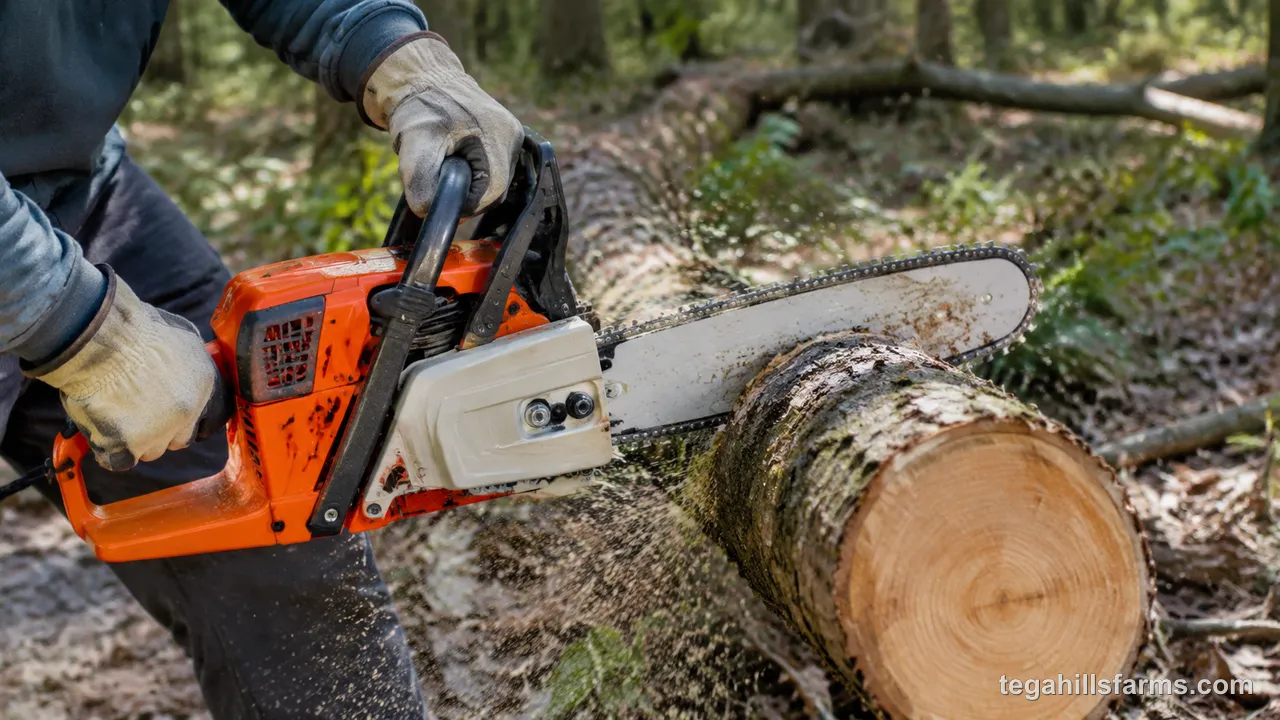
Budget chainsaws most commonly fail at three points: carburetor issues, plastic component breakage, and chain/bar wear that accelerates once tolerances slip. These aren’t random — they follow predictable patterns based on the materials and design choices that keep the price low.
Typical Component Failures in Budget Saws
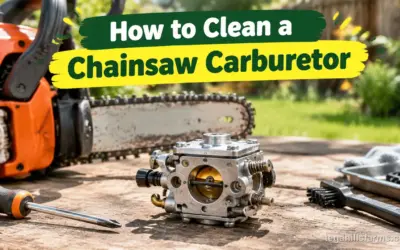
The carburetor is the most common failure point on budget chainsaws. Budget float-style carbs are sensitive to fuel quality and sitting time — a saw stored with ethanol fuel over winter often won’t start in spring without a carb clean or rebuild. Professional diaphragm carbs handle stale fuel better and are easier to service.
The plastic components that reduce cost also reduce durability. The starter cup — the part that engages when you pull the rope — is often made of thin nylon on budget saws. Under repeated hard pulls or if the recoil spring fails, the cup cracks or strips. Replacement requires a full starter assembly, which on some models costs nearly half the price of a new saw.
Oil pump failures show up on budget saws that sit for long periods. The plastic pump gears harden and crack, losing oil prime. The saw will run but won’t oil the bar, destroying the chain and bar nose in minutes. This failure is insidious because it happens silently — you don’t notice until the smoke starts.
For more on diagnosing starting problems, see our guide on chainsaw won’t start and chainsaw won’t stay running for common run issues.
Performance Restrictions Under Real Use
Even when budget saws don’t fail outright, they impose real performance limits that affect how you work. A smaller engine in a budget saw bogs down more easily in dense wood. When the chain meets resistance, the RPM drops and the saw chatters instead of cuts — you end up forcing the bar through, which wears the chain faster and strains the engine.
Heat buildup becomes an issue during extended sessions. Professional saws have larger cooling fins and oil cooling paths that keep temperatures manageable. Budget saws run hotter, which accelerates oil breakdown, increases fuel consumption, and can cause temporary power loss as the engine heat-soaks.
Vibration is another hidden limiter. Budget saws with lesser antivibration mounts transfer more vibration to your hands and arms during use. A few minutes of bucking cuts is manageable; an hour of limbing with a buzzy saw leads to fatigue and, over time, can contribute to hand-arm vibration syndrome. Professional saws use isolation mounts that genuinely reduce vibration — not just a marketing claim.
What Professional-Grade Chainsaws Deliver
Premium chainsaws cost more, but they deliver starting reliability and longer service life that justify the investment for demanding users. For property owners who rely on a chainsaw regularly — whether for storm cleanup, regular maintenance, or firewood production — that reliability has real dollar value over time.
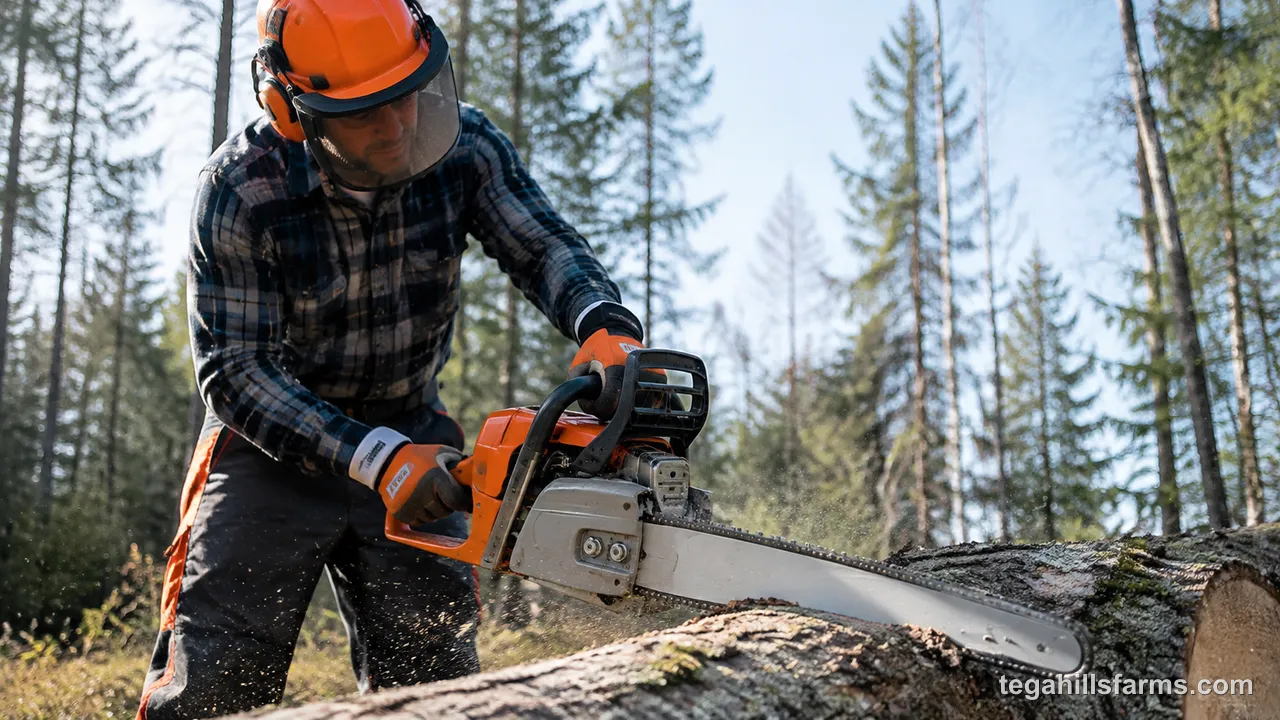
Professional-grade chainsaws deliver consistent starting, sustained power delivery, and component life measured in years instead of seasons. The benefits stack up across reliability, durability, and the overall ownership experience.
Starting Reliability and Consistent Power Delivery
The single biggest quality-of-life upgrade in a professional saw is starting reliability. Stihl’s ElastoStart system, Husqvarna’s X-Torq engine, and Echo’s purge primer bulbs all address the same problem: making sure the saw fires on the first or second pull, every time, regardless of temperature or how long it’s sat.
A professional saw with a properly tuned carburetor, fresh fuel, and a good spark plug starts within three pulls in normal conditions. That sounds minor until you’ve spent ten minutes yanking a budget saw that won’t catch, cussing while the bar oil drips on your boots.
Once running, power delivery stays consistent throughout the cut. The larger displacement and better-tuned carburetion mean the saw maintains cutting speed as the wood resists — you guide the saw rather than wrestle it. This matters most in hardwoods like oak or maple, where a budget saw’s bog-down becomes frustrating and slows you down noticeably.
Service Life and Component Durability
Professional saws are built for thousands of hours of operation over a decade or more of regular use. The crankcase, cylinder, and piston are machined to tighter tolerances, using materials that hold their dimensions under heat and load. A professional saw properly maintained with regular oil changes, air filter cleaning, and chain sharpening will run for years without major engine work.
The bar and chain last longer because the steel is denser and the hardening is more consistent. Professional bars stay straighter; professional chains stay sharper longer and stretch less. You’re not replacing the bar every season or the chain every few tanks of fuel — you’re doing scheduled maintenance that extends component life.
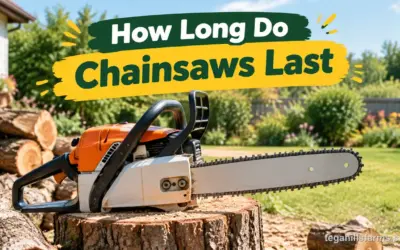
For specifics on what affects chainsaw longevity, see our guide on how long do chainsaws last to understand what service life looks like across different use patterns.
When Expensive Chainsaws Actually Make Sense
The value calculation isn’t the same for everyone. A property owner who cuts a dozen trees per year has a different break-even point than someone clearing a few acres of brush. Expensive chainsaws make sense when the cost of downtime or replacement over time exceeds the price premium — and the math depends heavily on how you use the saw.
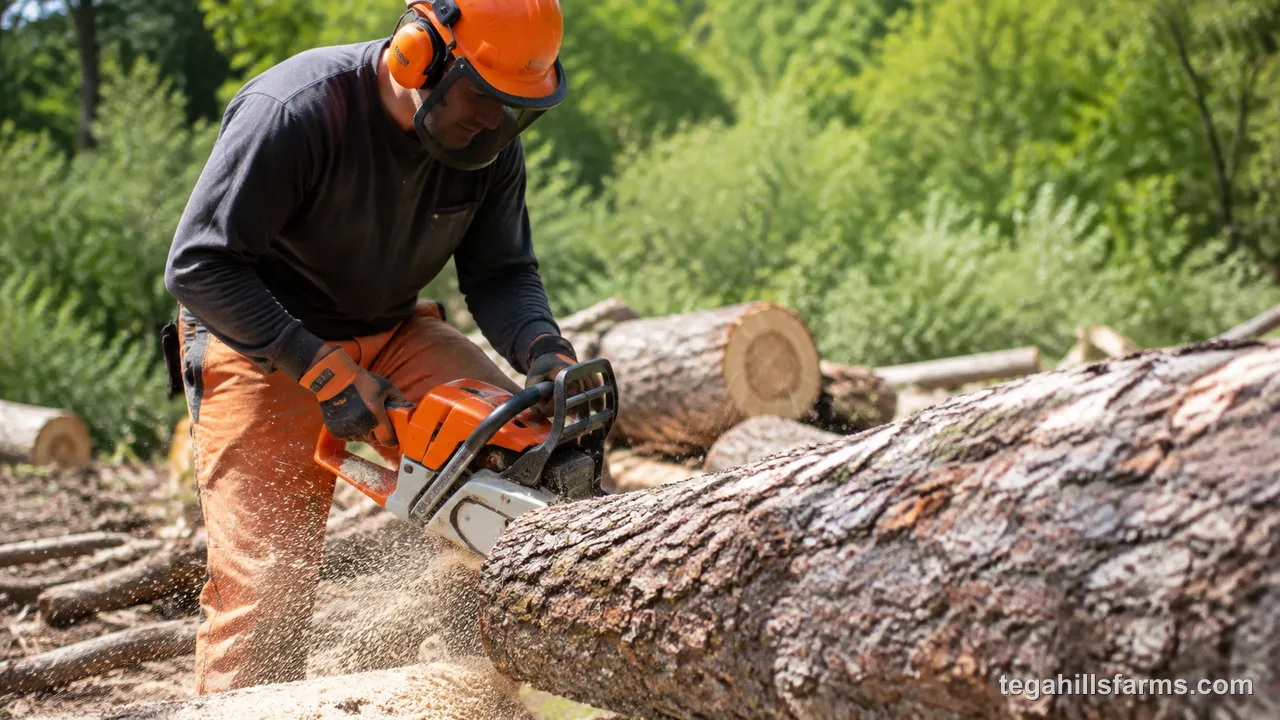
Expensive chainsaws make the most sense for regular users who depend on the saw for property maintenance, land clearing, or firewood production — the upfront cost spreads across years of reliable use. Occasional users with light needs can often justify a mid-range or budget model.
Signs You Need a Professional-Grade Saw
You likely need a professional-grade saw if you fall into one of these categories:
Land management or acreage owners who use a chainsaw monthly or more for clearing, bucking, or firewood processing. The saw isn’t a once-a-year tool — it’s part of regular property maintenance. Downtime costs you time and, in some cases, money if you’re processing wood for sale or heating.
Storm-prone regions where ice storms, hurricanes, or tornadoes bring down trees on a semi-regular basis. When a storm hits, you need a saw that starts and runs reliably in difficult conditions — cold, wet, with dirty fuel that may have sat in the tank for months. A professional saw tolerates these conditions better.
Firewood producers who cut hundreds of logs per season. The performance difference between a professional and budget saw becomes a productivity difference — faster cuts, less fatigue, fewer interruptions for maintenance.
Those who already own the brand ecosystem. If you already have a professional-grade string trimmer, blower, or hedge trimmer from Stihl or Husqvarna, the batteries and chargers are compatible across the line. A professional chainsaw fits into an existing investment.
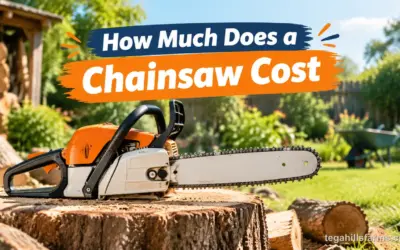
For more on what chainsaws actually cost at different tiers, see our guide on how much does a chainsaw cost and our comparison of gas vs battery chainsaw to understand the full ownership picture.
Where Occasional Users Can Skip the Premium
Occasional use cases where a mid-range or budget saw works fine:
Homeowners with a few mature trees who use a chainsaw once or twice per year for storm damage or occasional limbing. If you can tolerate occasional starting frustration and don’t mind a slower cut, a homeowner-grade saw handles these jobs adequately.
Infrequent property maintenance where the saw sits for most of the year. Budget saws work fine for infrequent use as long as you drain the fuel before storage and do basic maintenance. Just don’t expect the same reliability as a professional saw after three years of sitting.
Backup or secondary saws for occasional tasks that would be inconvenient to do with the primary saw — like limbing a few branches while doing other yard work. A budget saw for these tasks spares wear on a professional saw kept for heavier work.
The Hidden Costs Beyond the Purchase Price
The sticker price is only part of the chainsaw ownership cost. Over the life of the saw, maintenance, repairs, and downtime add up — and the difference between tiers can be substantial. Running the math on total cost of ownership changes the price comparison significantly.
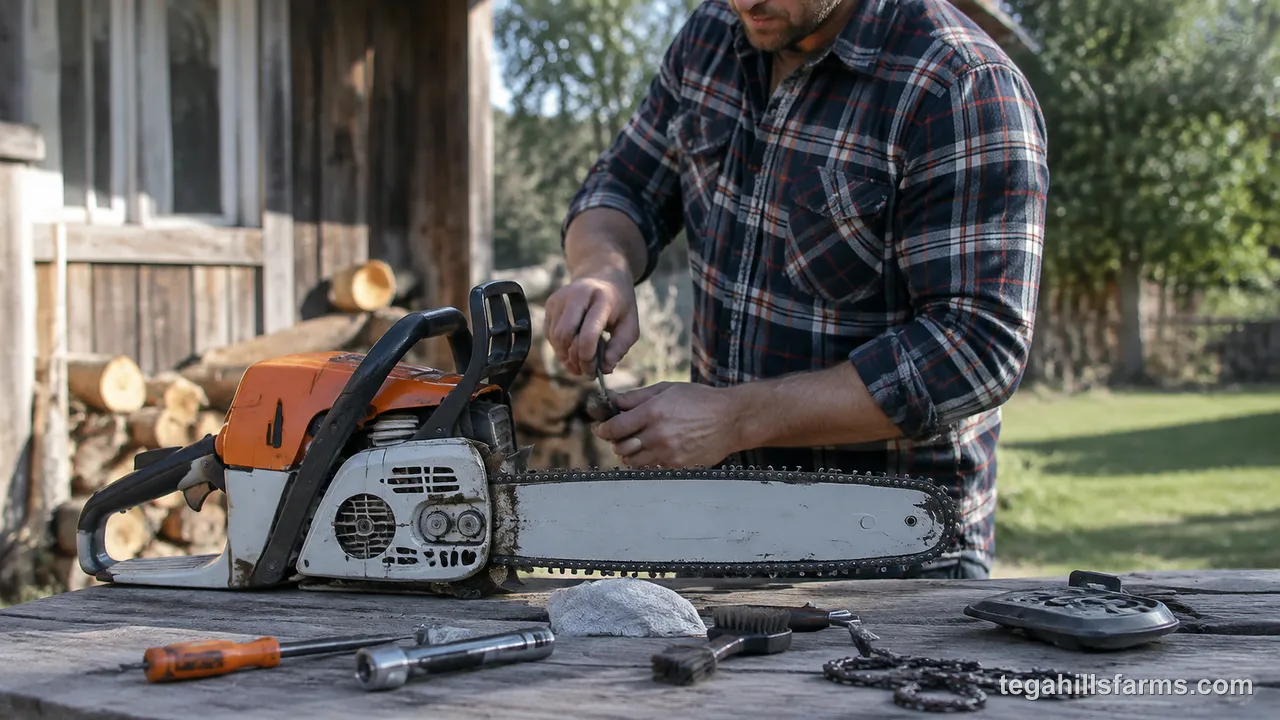
Total ownership cost includes ongoing maintenance (oil, filters, chain, bar), repair bills when things break, and the value of downtime when the saw isn’t running. These costs often narrow or eliminate the apparent savings of a budget saw over a 5–10 year period for regular users.
Ongoing Maintenance Differences Between Tiers
Professional saws and budget saws both need the same basic maintenance: bar oil, chain lubrication, air filter cleaning, and spark plug replacement. The difference is in how often and how expensive those maintenance tasks are.
Premium chains stay sharper longer — where a budget chain might need sharpening every 2–3 tanks of fuel, a professional chain handles 5–8 tanks before the edge dulls noticeably. Over a season, that compounds into real time savings.
Bar wear differs too. A professional bar with a hardened nose sprocket lasts for years with normal use. Budget bars with softer nose sprockets wear out faster, especially in dirty or sandy conditions. Replacement bars cost $30–60 for a budget bar versus $60–120 for a professional bar, but professional bars last two to three times as long in comparable conditions.
For maintenance specifics, see our guide on chainsaw tune up for a complete service checklist and our article on how to sharpen a chainsaw for chain maintenance.
Parts Availability and Repairability
This is where the cost difference becomes most stark. Professional brands maintain parts availability for 10+ years after a model is discontinued. When your Stihl MS 271 needs a new carburetor in year eight, Stihl still stocks it. When a budget saw’s carb fails in year three, you might find the part unavailable or selling for more than the saw originally cost.
The repair ecosystem also matters. A certified Stihl dealer can troubleshoot, service, and repair your saw quickly. Budget saws often have limited service infrastructure — you’re relying on online tutorials and whatever parts you can source yourself.
Some budget saws are designed as disposable products. When a major component fails — the crankcase, the piston, the carburetor — the repair cost approaches or exceeds the price of a new saw. In that case, you’re buying a new saw every few years instead of investing in something that lasts a decade.
Safety Features Don’t Always Scale with Price
Here’s something that surprises many buyers: core chainsaw safety features — chain brake, kickback protection, and anti-vibration mounts — are required on virtually all chainsaws sold in the US, regardless of price. The safety baseline is higher than most people assume. Where premium saws do add value is in the refinement and consistency of those safety systems.
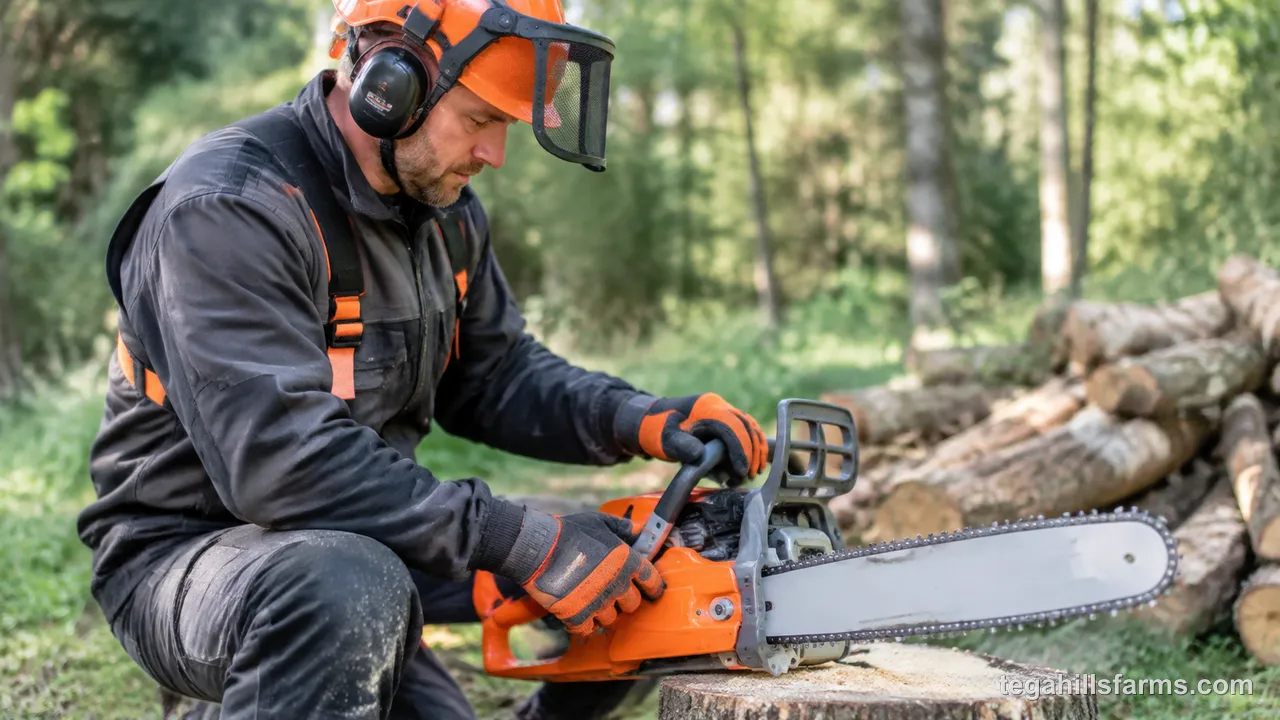
Understanding which safety features are standard versus which are premium helps you make a more complete buying decision.
Core Safety Features Present Across All Price Points
All chainsaws sold in the US must meet OSHA and ANSI safety standards, which mandate several features:
Chain brakes are required on all saws. The inertia-activated brake stops the chain within milliseconds if the bar tip hits something and kicks back. Both budget and professional saws have this feature — the difference is in the activation threshold and consistency.
Kickback protection on the bar nose — either a special nose guard or a nose sprocket design — is standard. This reduces the severity of a kickback event but doesn’t eliminate it.
Hand guards (front and rear) are required. The rear guard also serves as a kickplate to protect your left hand if the chain breaks.
Anti-vibration mounts are technically required, though the implementation varies widely. Both budget and professional saws have them; the performance difference is significant, but the feature itself is baseline.
Where Premium Models Add Extra Protection
Premium saws refine the standard features rather than add entirely new ones:
Chain brake refinement on professional saws means smoother, more consistent activation with less travel in the lever. The brake engages faster and releases more cleanly.
Throttle lockout is more robust on professional saws — the interlock is harder to accidentally disengage and less likely to fail over time.
Chains on professional saws are available in low-kickback designs (reduced kickback energy, slower cutting) for users who prioritize safety over maximum speed. These chains are available for budget saws too, but the chains that come in the box are typically standard.
Anti-vibration systems on professional saws genuinely reduce vibration transmission — often by 30–50% compared to budget models. This isn’t a safety feature per se, but it directly affects operator fatigue and long-term comfort during extended use.
For specific details on kickback mechanics and prevention, see our guide on chainsaw kickback and our overview of chainsaw safety tips for complete operational safety.
Proper Storage That Protects Any Chainsaw Investment
No matter what tier you buy, proper storage dramatically extends chainsaw life and reliability. The single biggest killer of chainsaws — budget and professional alike — is improper storage with fuel left in the tank. Ethanol-blended gasoline degrades within 30 days and leaves gummy deposits that clog carburetors.
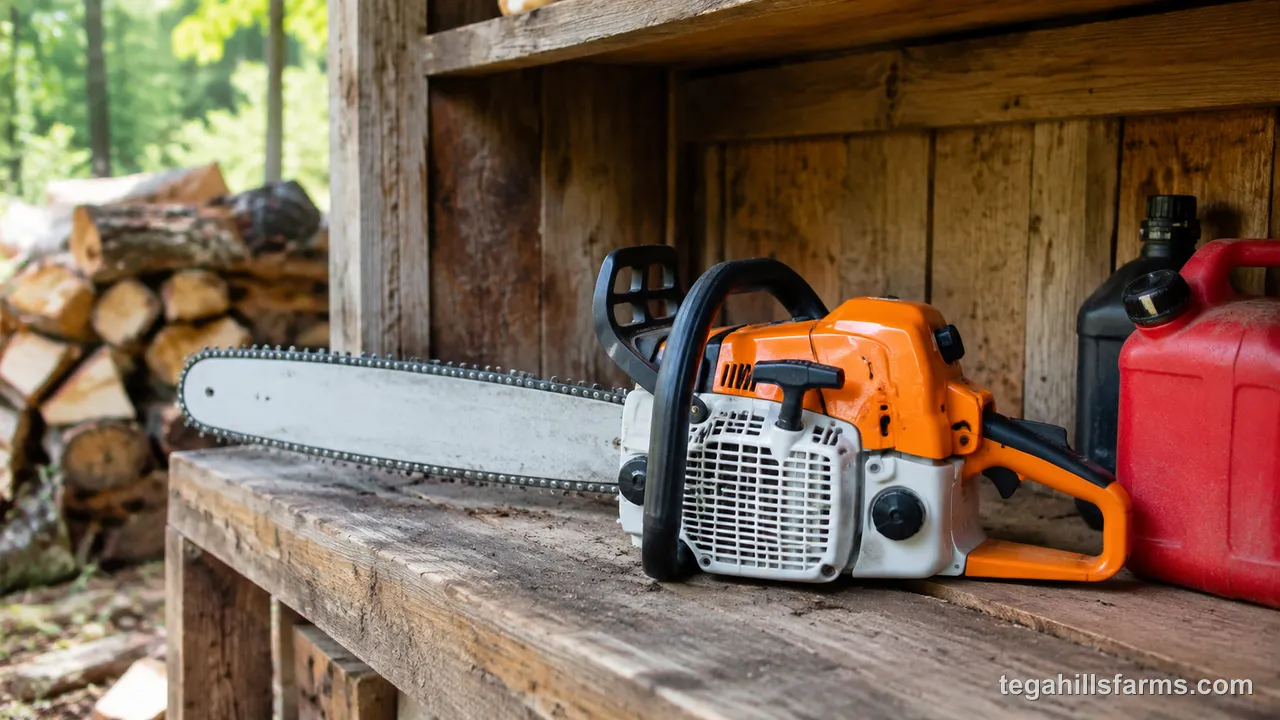
Proper storage practices apply regardless of price tier. A $1,000 professional saw left sitting with old fuel will have the same starting problems as a $150 budget saw under the same conditions.
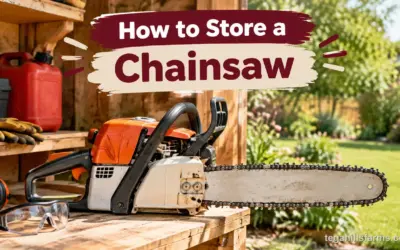
The key storage steps are straightforward: drain or run dry the fuel tank before long storage, clean the air filter and bar, and store the saw in a dry location. These steps take 15 minutes and cost nothing — the return is a saw that starts reliably after six months of sitting.
For complete storage guidance, see our guide on how to store a chainsaw for step-by-step winter or seasonal storage procedures and our article on how to winterize a chainsaw for cold-weather preparation.
Frequently Asked Questions About Expensive Chainsaws
Is a $300 chainsaw worth it?
A $300 saw sits in the mid-range — better than budget but not professional tier. It makes sense for homeowners who use a chainsaw several times per year and want reliable starting without the full professional price. The durability gap compared to budget saws is real; compared to $600+ professional saws, it narrows. If your use is light and occasional, $300 is a reasonable ceiling.
How long do expensive chainsaws last?
Professional saws from Stihl, Husqvarna, and Echo regularly run 10–15 years with proper maintenance. The engines hold tolerances longer, and parts availability stays strong. Budget saws typically last 3–5 years under regular use before major component failures. For occasional use, budget saws can last longer simply because they accumulate fewer hours.
Can a beginner use a professional chainsaw?
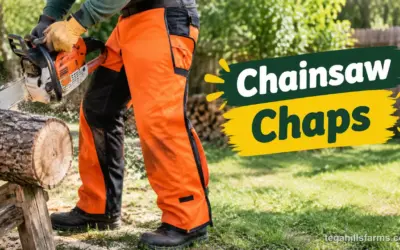
Yes, with proper training and protective equipment. Professional saws are more powerful, which means they cut faster but also kick back harder if mishandled. A first-time chainsaw user should take a safety course, wear proper PPE (chaps, helmet with face shield, hearing protection, gloves), and start with smaller-diameter cuts. The saw itself isn’t harder to operate — the consequences of mistakes are higher.
Do I really need a professional chainsaw for occasional use?
No. Occasional users — those cutting a few limbs per year or processing a small stack of firewood — don’t need the power, durability, or reliability of a professional saw. A mid-range homeowner saw handles these jobs adequately. The professional premium only makes sense if your use is frequent enough that the reliability and performance differences affect your productivity or frustration level.
Are battery chainsaws catching up to gas?
Battery chainsaws have improved significantly and work well for light-to-moderate use. For limbing, small-diameter bucking, and occasional firewood cutting, a quality battery saw like a Stihl MSA or EGO 56V handles the job cleanly and starts instantly every time. For heavy use — large-diameter cuts, extended sessions, cold weather — gas still leads on raw power and runtime. The gap is narrowing, but gas remains the choice for demanding professional work.
Write Your Review
No reviews yet. Be the first to share your experience!