

A chainsaw typically ranges from a budget corded electric for light pruning to a premium pro gas saw for felling, with most homeowners landing in a mid-range gas or battery saw in between.
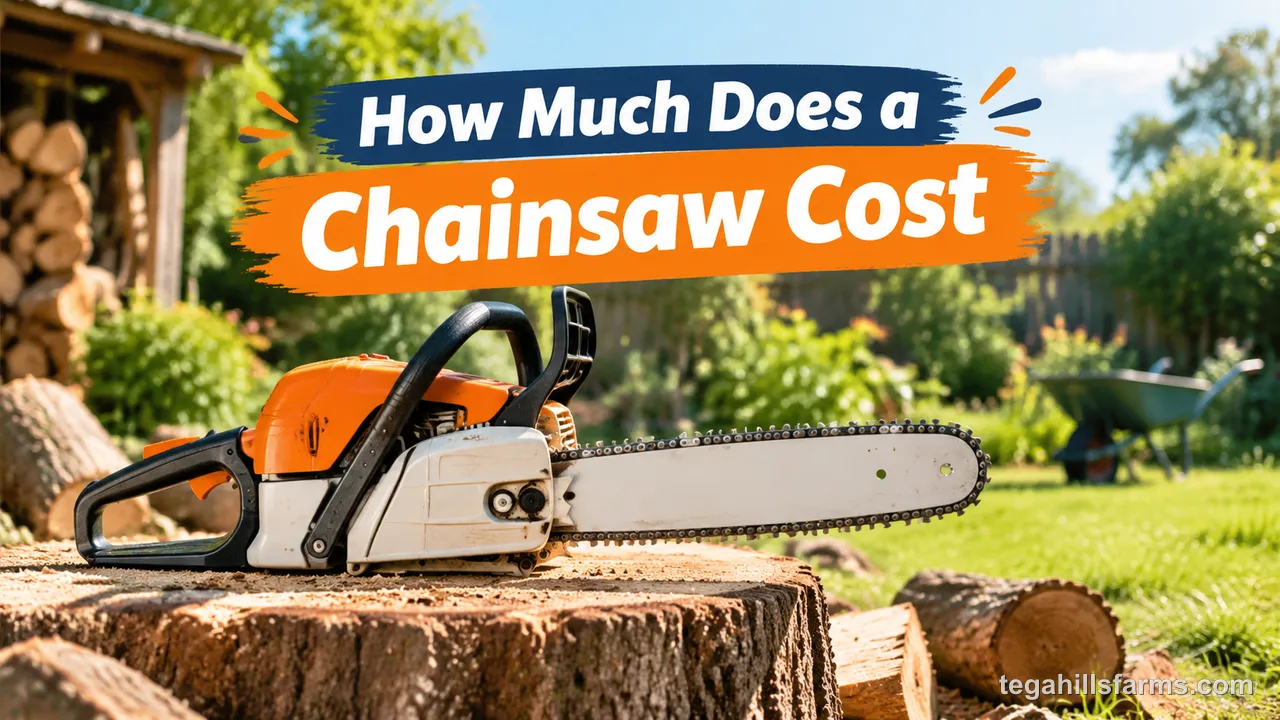
That spread is not just about power type. Bar length, engine size or voltage, and brand positioning move you up or down a tier as quickly as gas versus battery does. Knowing where each tier starts helps you match the saw to your yard, not the shelf.
The other part buyers miss is total ownership. Fuel, bar oil, chains, sharpening, and safety gear add to the sticker price over time, while battery platform choice locks you into future costs. If you are still deciding what size and power type fits your yard, see our guide on how to choose a chainsaw before you lock in a budget.
Below is how each type, size, and brand factors into what you will actually spend, and where you can save without buying too little saw.
What Is the Current Price Range for a Chainsaw?
A chainsaw spans budget corded electric, mid-range homeowner gas and battery, and premium farm and pro tiers based on power, bar length, and build quality.
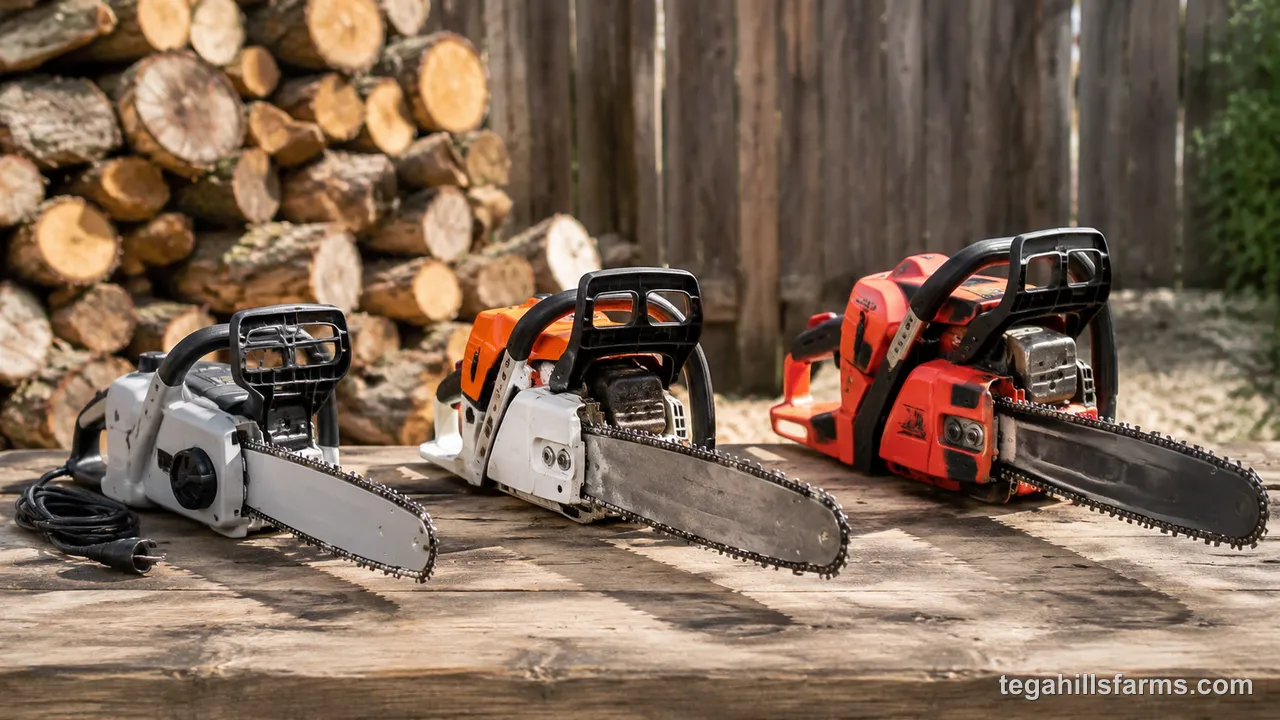
Think of the range as three bands rather than a single number. Corded electric sits at the entry tier for light, near-the-house pruning. Homeowner gas and battery saws cover the broad middle where most suburban and small-acreage owners shop — enough bar and power for limbing, storm cleanup, and cutting firewood rounds. Farm and pro gas saws with larger bars, higher displacement, and magnesium cases sit at the top. That stepwise jump is why two 16-inch saws can sit in very different tiers. To understand the features that justify moving up a tier, it helps to review what to look for in a chainsaw alongside raw bar length, and to ask early whether are expensive chainsaws worth it for your actual workload versus a well-matched mid-range model.
How Much Does Each Chainsaw Power Type Cost?
Chainsaw power types split into gas chainsaws, battery chainsaws, and corded electric chainsaws, with corded cheapest upfront, gas mid to premium, and battery often highest when you include batteries and charger.
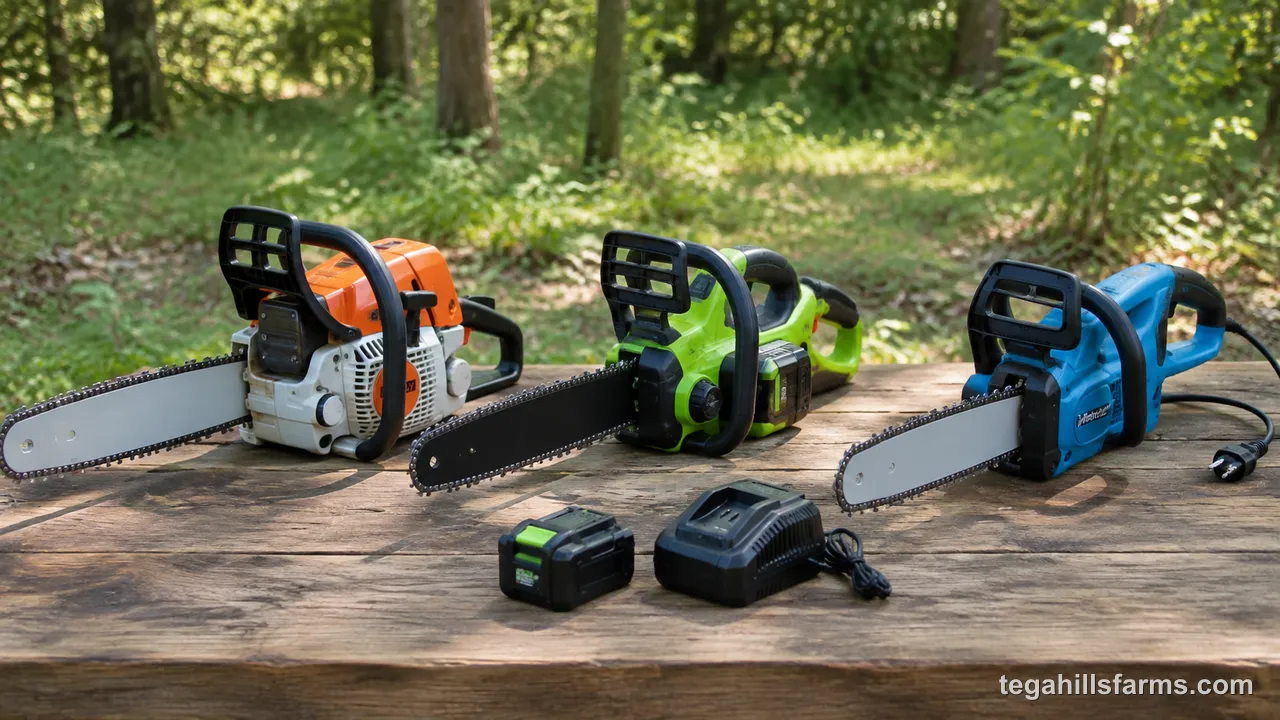
This comparison matters because upfront price and ownership cost point in different directions. Gas buys you the widest power and bar range but adds fuel and upkeep. Battery saves on fuel and pull-starts but shifts cost to the battery platform. Corded saves the most at purchase but needs an outlet and limits reach. Long-term value also hinges on how long do chainsaws last under your maintenance habits, and whether you plan for a periodic chainsaw tune up on a gas model versus battery care.
How Much Do Gas Chainsaws Cost?
Gas chainsaws range from budget homeowner models with small displacement to farm and pro models with larger displacement and longer bars, plus ongoing fuel, oil, and tune-up costs.
A small homeowner gas saw with a 12-inch to 14-inch bar lives in the entry to lower-mid tier and suits pruning and light cleanup. Step to a mid-range farm saw like the STIHL MS 251 or MS 271 class and you pay more for extra displacement and a 16-inch to 18-inch bar that handles firewood all day. Pro saws with 50cc+ engines and 20-inch-plus bars command the premium tier for felling and daily use. Beyond purchase, budget for mixed fuel, bar oil, and seasonal maintenance — costs that make gas more expensive over years than the sticker suggests.
How Much Do Battery Chainsaws Cost?
Battery chainsaws cost more upfront as a kit with battery and charger, but less in ongoing fuel and engine upkeep once you own the platform.
Tool-only prices look close to gas at the entry level, but a kit with a high-capacity battery and fast charger pushes battery into the mid-range. The real budget question is platform lock-in. If you already own that brand’s mower, trimmer, or blower batteries, adding a bare tool stays mid-range. If you start from zero, two batteries for runtime can lift you to the upper-mid tier quickly. Batteries also age, so factor replacement after several seasons of heavy use against gas fuel and tune-up savings.
How Much Do Corded Electric Chainsaws Cost?
Corded electric chainsaws sit in the lowest upfront tier but trade price for limited power and cord-tethered reach.
These saws skip batteries, fuel systems, and complex engines, which keeps them budget-friendly. For light pruning, trimming limbs within extension-cord distance, and occasional storm branches near the house, that is enough. They typically max out at shorter bars and lower chain speed than gas or high-voltage battery models, so they cut slower in hardwood or larger rounds. If your work moves beyond the driveway or into woods, the cord becomes the cost you pay in convenience.
How Do Bar Length and Intended Use Change the Cost?
Bar length pricing breaks into 12-inch to 14-inch compact saws, 16-inch to 18-inch all-around saws, and 20-inch to 24-inch pro saws, with cost rising as jobs move from pruning to firewood to felling and milling.
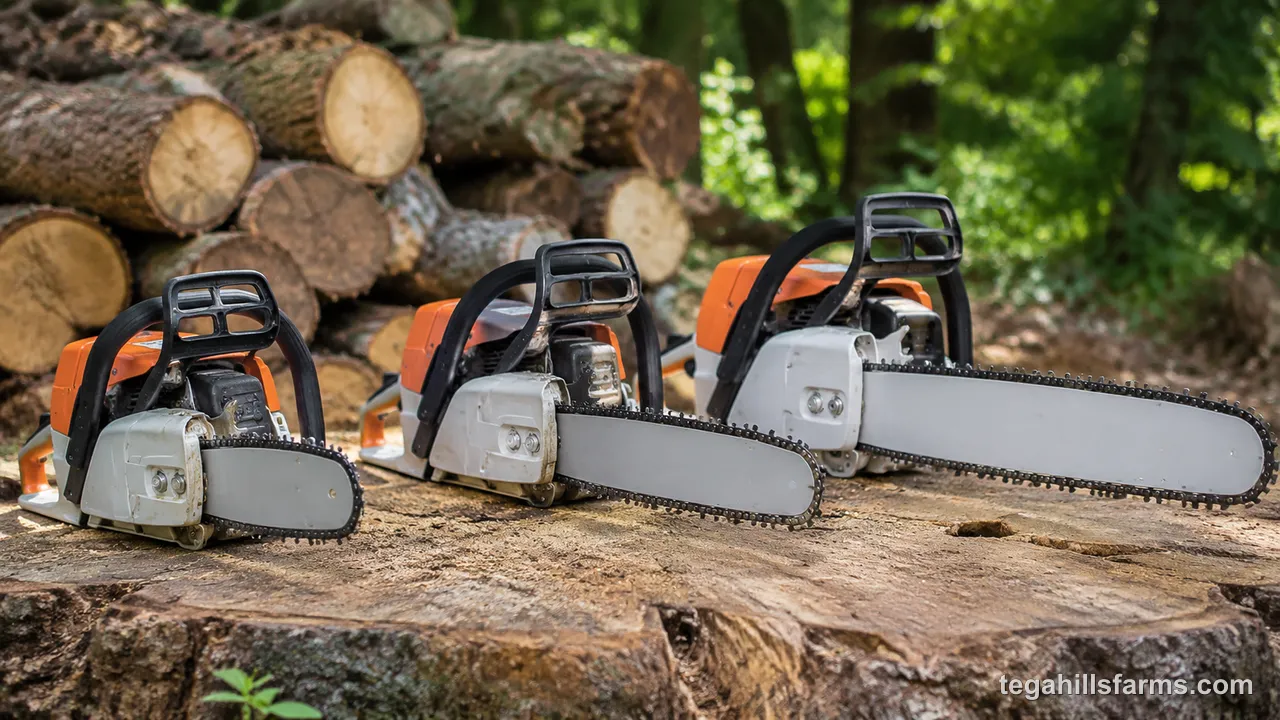
Longer bars need more power, stronger bars and chains, and heavier-duty chassis, so price climbs with both length and intended abuse. A saw built for occasional pruning does not need the same oiling, anti-vibration, or clutch as one built to buck hardwood or mill slabs. That is why job type predicts tier better than bar alone — a homeowner 18-inch and a pro 18-inch share length but not build class.
What Does a 12-Inch to 14-Inch Chainsaw Cost?
A 12-inch to 14-inch chainsaw sits in the budget to lower-mid tier for pruning, limbing, and light cleanup around a suburban lot.
These compact saws favor low weight and maneuverability over raw power. Most are corded electric or small battery models, with a few homeowner gas options. They handle branches, small trees, and brush piles well but stall or cut slowly on large hardwood rounds where you need longer bar reach and more displacement or voltage. If your yearly work is yard cleanup after storms and trimming overhangs near the house, this tier saves money without giving up much capability.
What Does a 16-Inch to 18-Inch Chainsaw Cost?
A 16-inch to 18-inch chainsaw occupies the mid-range sweet spot as the all-around firewood and farm saw most homeowners buy.
This is the most competitive tier, covering homeowner gas, mid-voltage battery, and a few higher-end corded models. A 16-inch bar manages most firewood bucking and property cleanup, while 18-inch adds reach for larger rounds without jumping to a heavy pro chassis. That versatility explains why models like the MS 251 and MS 271 class anchor this tier — enough power for hardwood, still light enough for overhead limbing. For owners heating with wood or maintaining a few acres, spending mid-range here avoids outgrowing a compact saw after one season.
What Does a 20-Inch to 24-Inch Pro Chainsaw Cost?
A 20-inch to 24-inch pro chainsaw sits in the premium tier for felling, big bucking, and milling where power and durability justify the jump.
Price rises sharply here because you buy larger displacement, pro-grade oiling, better filtration, and bars and chains built for sustained hardwood cutting. Weight and fuel use also rise, so these saws are overkill for light pruning. Owners who need this length for slabs will also want to understand how to mill with a chainsaw, since milling stresses bar, chain, and engine beyond standard crosscutting and accelerates wear on consumables.
How Much Do Top Brands and Retailers Charge?
Chainsaw pricing groups by brand tier positioning and retailer channel, with STIHL, Husqvarna and ECHO anchoring premium to mid-range and dealers versus big-box and online setting final tier.
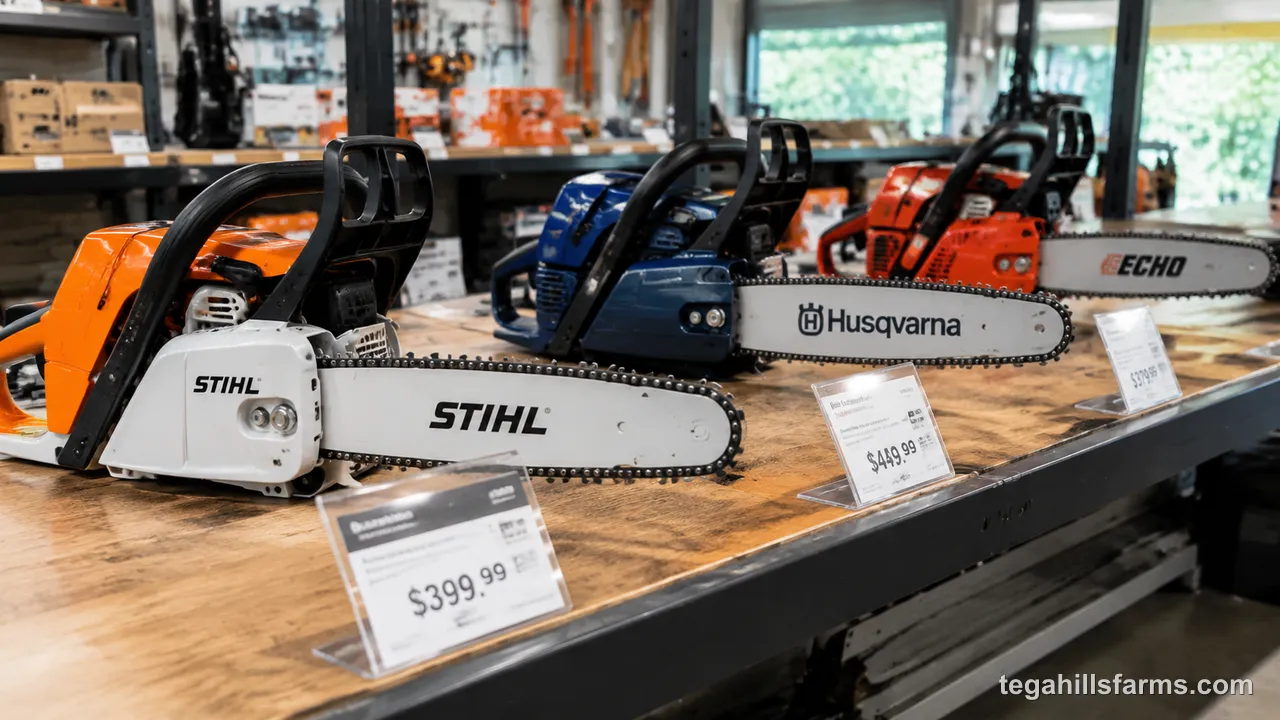
Brand and channel rarely change the tier by themselves, but they shift where within a tier you land. Pro-focused brands price durability and dealer support into the build, while value-focused brands compete on features per tier. Where you buy then determines service, assembly, and sale timing. Availability also matters — some brands sell only through dealers, which affects bundling and support versus a warehouse pallet.
How Do STIHL, Husqvarna and ECHO Prices Compare?
STIHL, Husqvarna and ECHO compare as STIHL premium with dealer support, Husqvarna premium to mid-range across wide bar options, and ECHO value-mid-range with strong homeowner coverage.
STIHL anchors the premium end with models from the entry MS 162 up through Farm Boss and pro lines, plus battery systems where kit versus tool-only pricing shifts the tier. Husqvarna mirrors that premium placement with broad gas and battery coverage, often competing feature-for-feature at each bar length. ECHO typically prices slightly lower within the same bar and power class, appealing to owners who want homeowner to farm capability without stepping to the top tier. Across all three, battery kits with high amp-hour batteries cost more than gas at the same bar length when you start outside the platform.
Where Is It Cheapest to Buy: Home Depot, Lowe’s, Ace, Menards or Amazon?
Home Depot, Lowe’s, Ace, Menards and Amazon differ by dealer service versus big-box and online convenience, with seasonal sales moving effective tier more than everyday list positioning.
Big-box stores like Home Depot and Lowe’s compete on entry to mid-range kits and frequent seasonal promotions around spring and fall. Ace and other dealers lean mid to premium but include assembly, chain setup, and after-sale support that online sellers do not. Menards follows big-box promotion patterns in its markets, while Amazon offers broad selection and fast shipping but limited hands-on service. Cheapest overall often means timing a sale and counting included accessories — bar, chain, battery count, charger speed — rather than chasing the lowest base listing.
What Hidden Costs Should You Budget Beyond the Purchase Price?
Total ownership adds fuel, batteries and bar oil, maintenance and upkeep, and safety gear, often equaling a meaningful step up from the saw alone.
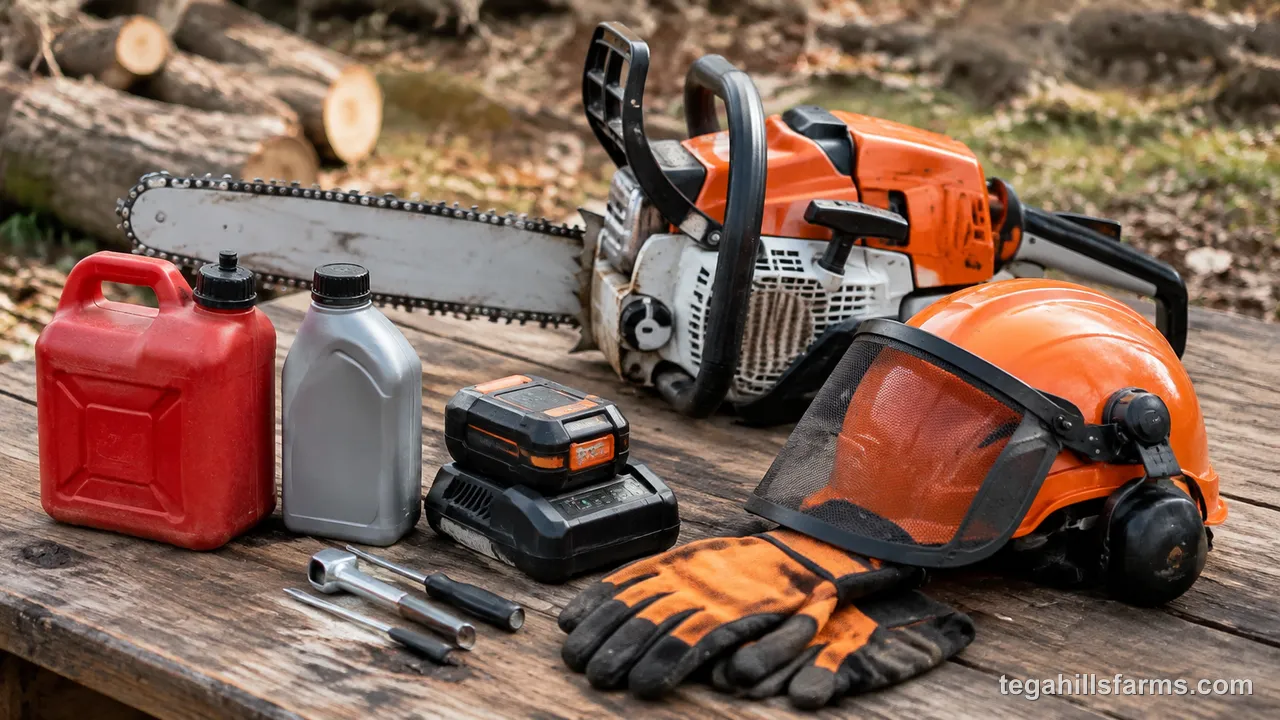
Buyers who budget only for the saw underestimate the first year. Consumables are recurring, chains and bars wear, and proper protection is not optional. Planning these line items up front keeps a budget pick from becoming the more expensive path.
How Much Do Fuel, Batteries and Bar Oil Add?
Fuel, batteries and bar oil add a steady recurring tier that favors corded lowest, gas moderate, and battery platform-dependent spending.
Gas needs pre-mixed fuel or separate gas and two-stroke oil plus bar oil every tank. Battery skips fuel but adds electricity and eventual battery replacement, and extra batteries for longer runtime raise upfront and replacement cost. Bar oil is universal — every chain needs it — and winter-grade oil may cost more in cold zones. Over several seasons, two gallons of bar oil and a spare chain can push a budget saw’s total into the next tier if not planned.
How Much Does Maintenance and Upkeep Cost?
Maintenance and upkeep add a low to moderate recurring tier for chain, bar, sharpening, and seasonal service that grows with use and wood type.
A chain is a wear item — sharpening extends life, but replacement is inevitable, and a bar wears with chain and oil habits. Learning how to sharpen a chainsaw saves repeated shop fees and keeps cutting speed up, while a neglected chain drives up fuel or battery use. Gas adds air filter, spark plug, and eventual chainsaw tune up costs, plus stabilizer and storage prep if the saw sits between seasons. Battery needs less engine work but still needs chain, bar, and battery care to avoid premature loss.
How Much Should You Budget for Safety Gear?
Safety gear adds a required upfront tier, not an optional add-on, covering head, eye, hearing, gloves, chaps and boots for every cut.
Think of PPE as part of the saw’s price. Chainsaw chaps or pants, a helmet with face screen and ear protection, gloves, and steel-toe boots form the baseline. A quality helmet system and chaps together often cost a noticeable fraction of a mid-range saw, and cheap substitutes wear faster or protect less. For a full checklist beyond the saw, review our guide on chainsaw safety equipment before you buy, so your first cut is not your first time pricing protection.
You have seen above how chainsaw prices scale from budget corded and small battery saws to mid-range farm saws like the MS 251 and MS 271 and premium pro models, plus the fuel, bar oil, and safety gear that add to total ownership.
While that breakdown covers what you pay upfront, the real savings or waste shows up in the small ownership choices most price guides skip.
The notes below zoom into those micro-decisions so you buy once and avoid paying twice.
How to Save Without Buying the Wrong Saw
Saving on a chainsaw without buying too little means matching platform, timing, and condition rather than chasing the lowest sticker.
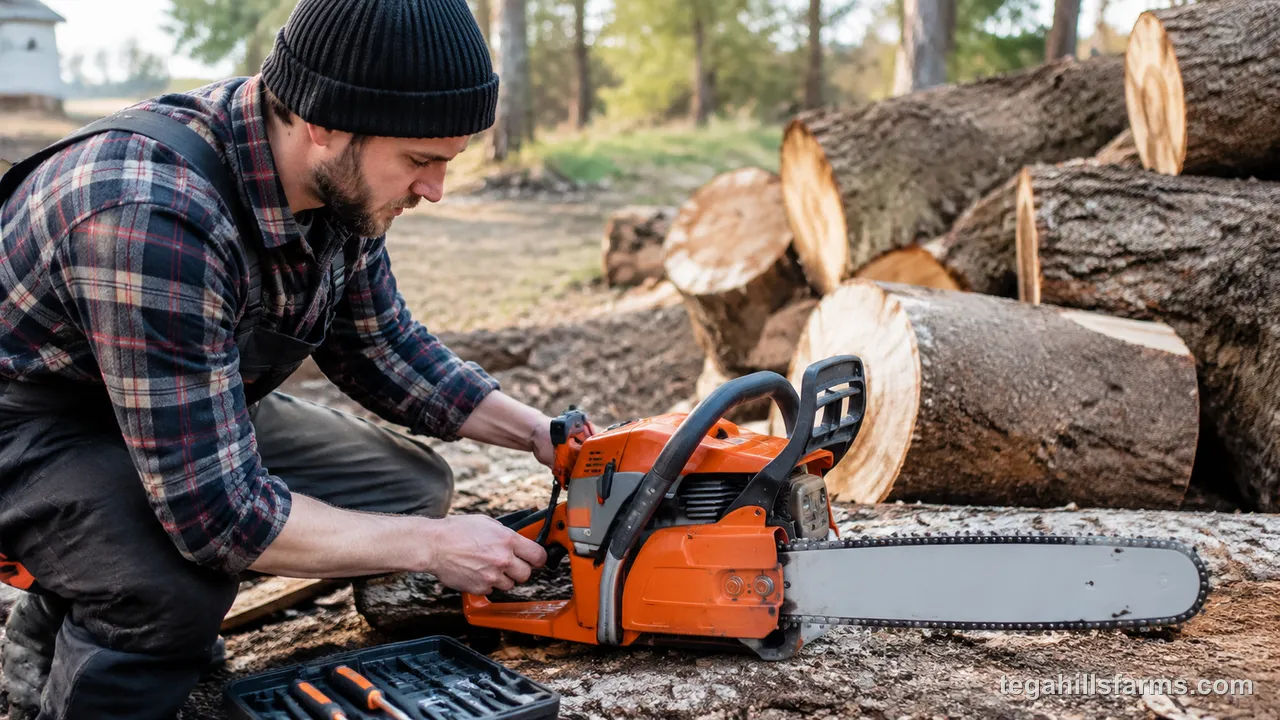
Start with your battery platform. If you already run a brand’s mower or trimmer, staying on that platform lets you buy tool-only and share batteries, which keeps you in a lower effective tier. Buying into a new platform for one saw often costs more than stepping up within your current system. Next, time the buy — late fall and early spring clearance often drops kits a tier without cutting features.
For used saws, inspect chain, bar, sprocket, and air filter before trusting the tier. A worn bar or stretched chain erases the savings, and how long do chainsaws last depends heavily on prior maintenance and storage. If a gas saw will sit months, plan how to winterize a chainsaw properly — stabilized fuel, clean bar and chain, and dry storage — so you do not pay for a tune-up before the first real job. I would lean toward a mid-range 16-inch to 18-inch saw for most homeowners; the small upfront step over compact saves a second purchase when firewood or storm cleanup gets serious.
Chainsaw Cost FAQs
What is the cheapest type of chainsaw?
The cheapest upfront type is corded electric, because it needs no battery or engine system. It suits light pruning near power but limits reach and power.
Are expensive chainsaws worth it for a homeowner?
An expensive saw is worth it only for heavy firewood, large trees, or daily use. For pruning and occasional cleanup, a mid-range homeowner saw cuts well for less total cost.
What drives chainsaw cost the most?
Cost is driven most by power type, bar length and build class, then brand and included accessories like batteries, charger, bar and chain.
Does a longer bar always cost more?
A longer bar usually costs more because it requires a stronger engine or motor, bar and chain. Pro-grade build at the same length costs more than homeowner build.
Do I need to budget for safety gear with a new saw?
Yes. Helmet, eye and hearing protection, chaps, gloves and boots are required costs to budget alongside the saw, not optional add-ons.


Write Your Review
No reviews yet. Be the first to share your experience!