

For the best snow blowers for heavy snow in 2026, the choices are Westinghouse WSnow20 20in (Best Overall), PowerSmart 24in 212cc 2-Stage Snow Blower (Runner Up), PowerSmart 26in 252cc Self-Propelled Blower (Best Performance), PowerSmart 24in 212cc Snow Blower (Best Budget), Husqvarna ST124 24in Snow Blower (Best Durability), AMERISUN 26in 212cc Two-Stage Snow Blower (Also Great), Husqvarna ST227 27in 252cc Snow Thrower (Best Ergonomic Design), BILT HARD 24in 212cc Snow Blower (Also Great), and Honda HSS928 28in HSS928AAWD (Best Premium).
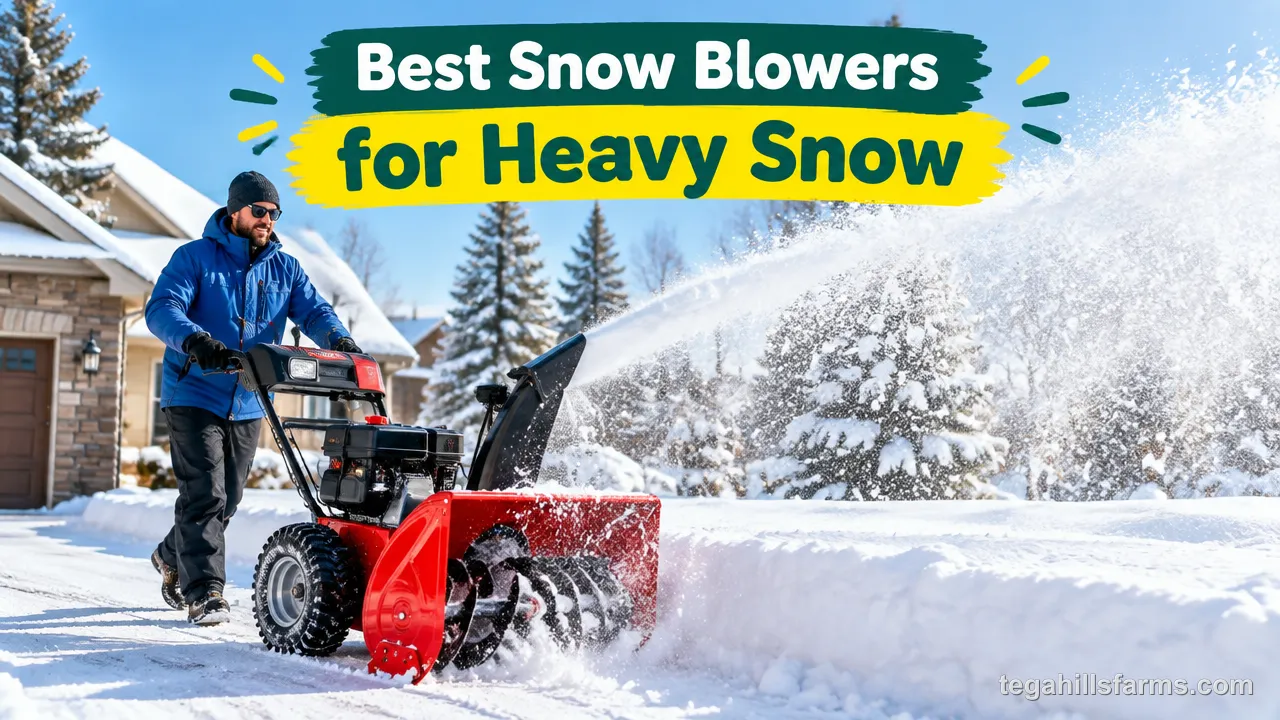
In dense, wet snow, these machines differ in the hardware that moves it. They have an auger and impeller pairing rather than a lone paddle, an engine with enough displacement to hold speed under load, and a housing wide and tall enough for your storms. They also need a drive that keeps traction while pushing a housing full of slush.
Wet snow exposes a weak machine in the same places every winter. The auger bogs on the first full-depth pass, the chute packs with slush, and the compacted ridge a plow leaves at the end of the drive stops lighter machines cold. A cold engine that refuses its pull cord on the morning you need it is the other common failure, and push-button or key starting removes it.

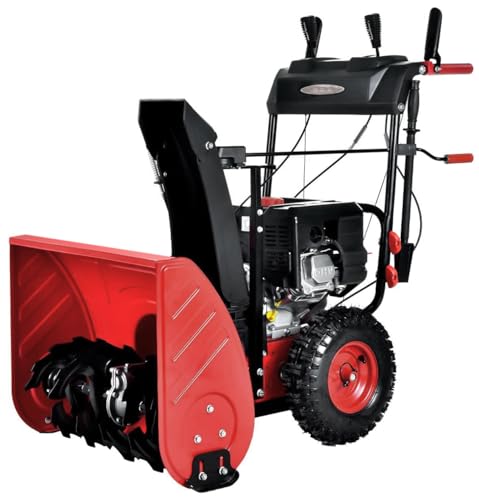


Measure the driveway and find your nearest outdoor outlet before you choose. The length of the drive decides how much width is worth storing, and the outlet decides whether a corded machine or a plug-in electric start is practical for you.
Can Snow Be Too Heavy for a Snow Blower?
Yes. Wet, dense accumulation can overpower a machine that handles dry powder with ease, because the same depth carries far more water and weight into the housing.
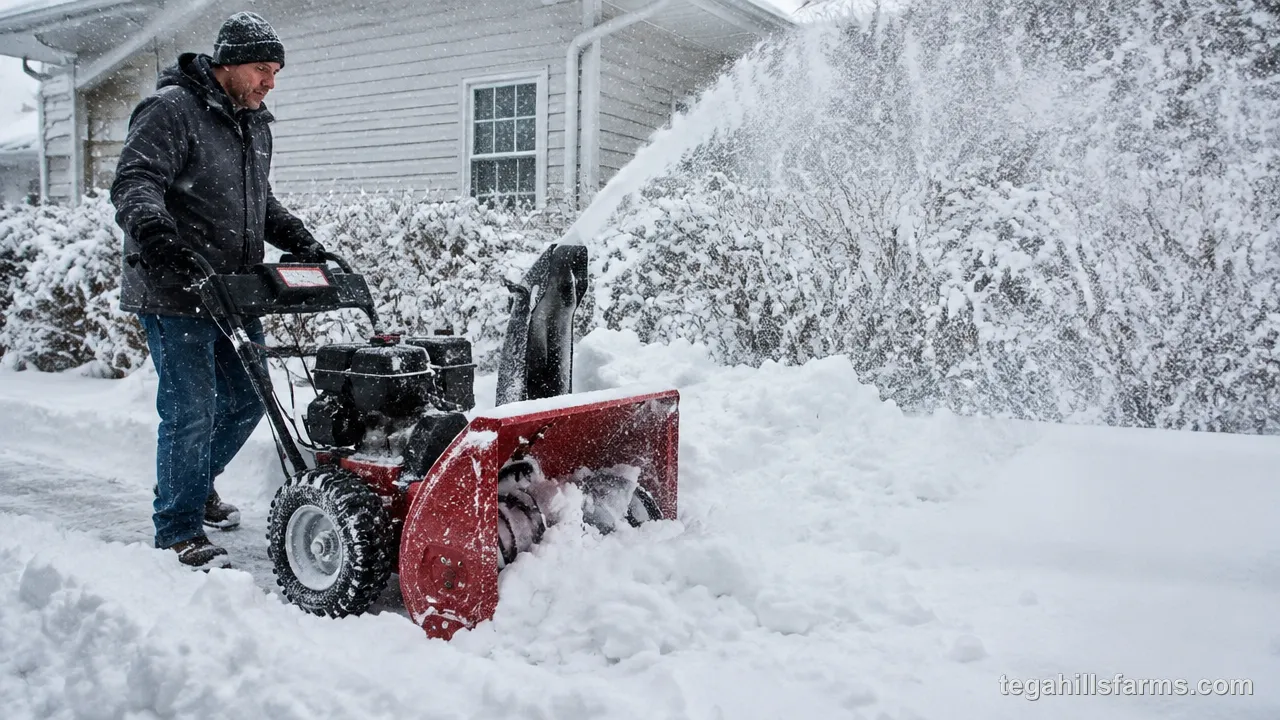
Wet snow falls when temperatures hover near freezing, so the flakes are partly melted and pack together instead of staying light and airy. A forecast reports depth, not weight. That is why the same number of inches can put a much heavier load on the auger and impeller than a dry storm of equal depth. Wet snow also sticks to the inside of the housing and the chute walls, so the load keeps building as you work.
Overload shows up in a few ways: a bogging engine and a slowing drive, an auger stalled against a packed bank, a shear pin that snaps to protect the gearbox, or a chute that fills with slush and stops throwing. Lighter and smaller-engine machines reach that point first. They have less weight to push into the snow and less torque to hold the impeller at the speed that keeps wet snow moving. When most of your storms arrive as slush, compare the best snow blowers for wet snow. To see where heavy-snow models sit among every type of machine, start with the best snow blowers.
The 9 Best Snow Blowers for Heavy Snow of 2026
The machines worth your garage space are Westinghouse WSnow20 20in, PowerSmart 24in 212cc 2-Stage Snow Blower, PowerSmart 26in 252cc Self-Propelled Blower, PowerSmart 24in 212cc Snow Blower, Husqvarna ST124 24in Snow Blower, AMERISUN 26in 212cc Two-Stage Snow Blower, Husqvarna ST227 27in 252cc Snow Thrower, BILT HARD 24in 212cc Snow Blower and Honda HSS928 28in HSS928AAWD. Engine class, clearing width and the drive and steering setup separate them far more than the name on the shell. The corded Westinghouse is a lighter-duty tool for walks and short drives, not a match for the gas two-stage machines around it. Between them, they cover small to mid-size driveways, long driveways, sloped or slippery surfaces, owners who keep a machine for years, tighter budgets and buyers who want a premium build. Once you know you want an engine, the best gas snow blowers narrow the field by fuel, and snow blowers under $1000 sort it by spending ceiling.
#1 Westinghouse WSnow20 20in — Best Overall
At 29.3 pounds, this corded thrower is easy to carry up porch steps and steer along walks, decks and short driveways where storms stay within its 10-inch path depth. It needs no fuel, only an outlet.
Key Specs:
- Motor: 120V, 15A, 1800W corded electric
- Clearing path: 20 in wide, 10 in deep
- Snow moved: up to 680 lb per minute
- Throw distance: up to 25 ft
- Chute: 180° adjustable
- Weight: 29.3 lb
Detailed Review:
The rubber-tipped steel auger decides where this machine works well. The steel gives it enough bite for packed snow on a walk. The rubber tips let it run against concrete and deck boards without gouging them, which matters around steps, porches and decks.
The corded motor runs on household current, so your working range is set by the extension cord rather than a tank or a battery. That suits a front walk, a deck and a driveway close to an outdoor outlet. On a long run, you end up dragging cord through snow you’ve already thrown, and you have to keep it behind you on every pass so the auger never catches it.
The shallow path depth is the real limit in heavy snow. Wet accumulation deeper than the housing has to be taken in layers, and the light build has little weight to push into a dense bank or a plow ridge.
The 7-inch snow-grabbing wheels and soft grip handle make it easy to turn at the end of a pass, and the dual LED headlights help on dark mornings. I’d treat it as the machine for walks and short drives, or as a second machine beside a gas blower.
Pros:
- Light enough to carry up porch steps or onto a deck.
- Rubber-tipped steel auger clears without gouging decks or concrete.
- No fuel, oil or spark plug to maintain.
- Dual LED headlights light the path on dark mornings.
- Adjustable chute aims snow away from doors and walks.
Cons:
- Shallow path depth forces layered passes in deep, wet snow.
- Extension cord limits reach and trails you on every pass.
- Light build has little push against dense banks.
Who It’s For:
Homeowners with a short driveway, a front walk and a deck near an outdoor outlet will get good use from it, especially if they want nothing to fuel or winterize. If your driveway is long, or a city plow buries its end in packed slush, a gas machine is the better match.
Editor’s Verdict:
Keep it for walks, decks and short drives within cord reach, where it clears snow with no engine upkeep at all.
#2 PowerSmart 24in 212cc 2-Stage Snow Blower — Runner Up
For a mid-size driveway hit by wet, dense storms, this machine pairs a 212cc engine with steel augers and a high-speed impeller that keep slush moving instead of packing the chute. A button and an extension cord start it.
Key Specs:
- Engine: 212cc 4-cycle OHV, electric start
- Clearing width / intake height: 24 in / 20 in
- Plowing capacity: 2,400 lb per minute
- Throw distance: up to 45 ft
- Drive: self-propelled, 6 forward and 2 reverse speeds
- Weight: 143 lb
Detailed Review:
The steel augers and high-speed impeller are built to resist clogging in heavy, wet snow, which is the failure that stops lighter machines halfway down a driveway. The machine is rated to work through up to 12 inches of snow per pass, so a deeper storm calls for a first cut from the top.
The drive’s spread of forward and reverse speeds gives you room to slow down. You can drop to a crawl for the heavy first pass, when the housing is full, and pick up the pace on cleanup passes, which keeps the engine from bogging. Reverse helps when you back out of a corner by the garage door.
The 13-inch snow tires grip packed snow, and the remote deflector control changes the throw angle from the handle while the LED light helps before sunrise.
The electric start runs from an outdoor extension cord: plug in, push the button and unplug once the engine is running. The machine’s weight keeps it planted in heavy snow, but plan on a garage spot where you won’t have to push it far with the engine stopped.
Pros:
- Steel augers and high-speed impeller resist clogging in wet snow.
- Forward speed range lets you crawl through heavy first passes.
- Push-button electric start skips pull starts on cold mornings.
- Long throw lands snow well past the cleared driveway.
- Remote deflector control adjusts the throw angle from the handle.
Cons:
- Electric start needs an outdoor outlet and extension cord.
- Heavy build is hard to push with the engine stopped.
- Deep storms beyond its rating need layered passes.
Who It’s For:
If you clear a typical suburban driveway through winters of wet, heavy storms and want a machine that keeps throwing slush instead of choking on it, this is a sound fit. Anyone who stores the machine far from an outlet should plan on a long extension cord for startup.
Editor’s Verdict:
Expect steady, clog-resistant clearing on wet storm days, with enough drive speeds to slow down when the snow turns dense.
#3 PowerSmart 26in 252cc Self-Propelled Blower — Best Performance
Long, open driveways that fill with wet snow suit this blower, because its 252cc engine has the extra muscle to keep a 26-inch housing turning through dense snow. You finish in fewer passes.
Key Specs:
- Engine: 252cc gas, push-button 120V electric start
- Clearing width / intake height: 26 in / 20 in
- Throwing capacity: 2,650 lb per minute
- Throw distance: up to 45 ft
- Drive: wheel drive, 6 forward and 2 reverse speeds
- Weight: 142 lb
Detailed Review:
Next to the PowerSmart 24in 212cc 2-Stage Snow Blower, this machine gets a wider housing, a larger engine and a higher rated capacity. Each pass covers more of a long driveway, and the engine has more in reserve when the snow is dense. In return, you store and steer a wider machine, which takes more room in the garage and at the end of each pass.
The all-steel auger cuts into icy, packed layers instead of riding over them, and the high-speed steel impeller throws that snow well past the driveway edge. It is rated for snow from 1 to 12 inches deep, so the ridge left by a plow still has to be taken in layers.
On a sloped driveway, wheel drive with its range of forward and reverse speeds lets you creep uphill under load and back away from a bank without wrestling the machine. The 13-inch rubber tires carry it over packed snow.
The one-hand chute control swings the discharge through 180° without stopping, and the adjustable steel skid shoes keep the housing from scratching pavers and stamped concrete. When the driveway is long and storms come wet, this is the machine I’d pick.
Pros:
- Larger engine keeps the wide housing turning in dense snow.
- All-steel auger cuts through icy, packed layers.
- One-hand chute control redirects snow without stopping.
- Adjustable steel skid shoes protect finished surfaces from scuffs.
- Reverse speeds help you back away from banks on slopes.
Cons:
- Wide housing needs more garage space and turning room.
- Electric start depends on an outlet near storage.
- Plow ridges still need to be cut in layers.
Who It’s For:
Owners of long or sloped driveways who deal with repeated wet storms will appreciate the wider cut and the extra engine muscle, since every pass covers more ground. A tight garage or a narrow side gate is the main reason to pass on it.
Editor’s Verdict:
Choose it when clearing time on a long driveway matters more to you than storage space; the wide cut and bigger engine earn their place in dense snow.
#4 PowerSmart 24in 212cc Snow Blower — Best Budget
Electric start that keeps working down to -20°F makes this a practical machine for northern winters, when a pull cord would be fighting thick, cold oil. It still brings an all-steel auger.
Key Specs:
- Engine: 212cc, 120V push-button electric start
- Cold-start rating: electric start works down to -20°F
- Clearing width / intake height: 24 in / 20 in
- Plowing capacity: 2,400 lb per minute
- Drive: 4 forward and 2 reverse speeds
- Weight: 146 lb
Detailed Review:
For the money, this machine keeps the hardware that matters in heavy snow: a full two-stage system with an all-steel auger and a throw of up to 45 feet, so cleared snow lands well past the driveway edge. It is rated for up to 12 inches of snow per pass, so a deeper storm has to be cut in layers.
The difference from the PowerSmart 24in 212cc 2-Stage Snow Blower is in the drive. This model has fewer forward speeds, so the steps between a crawl in a heavy first pass and walking pace on cleanup are bigger. In wet snow, that means choosing between a gear that is a bit too slow and one that loads the engine harder.
In cold regions, the electric start is the feature you’ll notice, since push-button starting in subzero weather skips the hardest part of a frozen morning. The 13-inch snow tires and remote deflector control keep the rest simple, though the machine’s weight makes it a lot to push around a garage with the engine stopped.
On a tighter budget, I’d give up drive speeds before I’d give up the steel auger or electric start, and that is the trade this machine makes.
Pros:
- Electric start keeps working in deep subzero cold.
- All-steel auger handles packed, wet snow.
- Long throw sends snow well clear of the driveway.
- Remote deflector control sets the throw angle without stopping.
- 13-inch snow tires grip on packed surfaces.
Cons:
- Fewer forward speeds leave bigger gaps between drive steps.
- Heavy build is a chore to move with the engine stopped.
- Starter needs an outdoor outlet within cord reach.
Who It’s For:
Buyers in cold northern states who want a steel auger and push-button starting without paying for extras will get plenty from it. If you want finer control over pace in dense, wet storms, a model with more drive speeds suits you better.
Editor’s Verdict:
Count on dependable cold starts and a steel auger, with fewer drive speeds as the trade for spending less.
#5 Husqvarna ST124 24in Snow Blower — Best Durability
If you plan to keep a machine for many winters, the all-steel chute and molded console are where this blower’s build earns its keep, since the chute is the part that takes ice chunks and deep cold. The engine carries 5 years of warranty coverage.
Key Specs:
- Engine: 212cc, two-stage
- Clearing width / intake height: 24 in / 21 in
- Auger: ribbon design
- Tires: 13 in snow tires
- Warranty: 3 years bumper-to-bumper, 5 years on the engine
- Weight: 173 lb
Detailed Review:
The ribbon auger mixes air into the snow as it feeds the impeller, which keeps wet snow from compacting into a plug inside the housing. With the tall intake, that lets the machine take a deep, heavy layer in a pass without the housing packing solid.
The all-steel chute takes hits from ice chunks without cracking the way plastic can in deep cold, and the molded console is built to the same standard. Bare spots on the steel will rust if the machine goes away wet, so a quick dry-down after each storm keeps it sound.
The warranty splits its coverage. Bumper-to-bumper protection covers the drive, auger and chute while the machine is new, and the engine stays covered well beyond that, which suits an owner who plans to keep the machine for a long time.
The snow tires grip packed surfaces, and the machine’s weight keeps it planted in heavy snow. That same weight takes effort to move around a tight garage, so measure your storage space before it arrives.
Pros:
- All-steel chute stands up to ice chunks and cold.
- Ribbon auger keeps wet snow from packing in the housing.
- Tall intake takes deep layers in a single pass.
- Bumper-to-bumper warranty covers the whole machine early on.
- Snow tires grip well on packed driveways.
Cons:
- Heavy build is hard to maneuver in a tight garage.
- Steel chute rusts if the machine is stored wet.
Who It’s For:
Homeowners who would rather maintain a machine for many winters than replace it every few seasons will value the steel chute and the long engine coverage. It suits a cramped garage or shed less well, since its heavy build is awkward to move around in close quarters.
Editor’s Verdict:
Buy it for the steel chute, the molded console and the long engine coverage; this is a machine built to be kept and maintained.
#6 AMERISUN 26in 212cc Two-Stage Snow Blower — Also Great
Gravel and paved driveways both suit this wide 26-inch blower, because its adjustable skid shoes let you raise the housing enough to ride over stones instead of scooping them. The engine is modest for that width.
Key Specs:
- Engine: 212cc 4-cycle OHV
- Clearing width / intake height: 26 in / 20 in
- Throw distance: up to 45 ft
- Rated depth: up to 12 in of snow
- Tires: 13 in snow tires
- Weight: 130 lb
Detailed Review:
It shares its width with the PowerSmart 26in 252cc Self-Propelled Blower but runs a smaller engine. In dense, wet snow, you’ll need to slow the drive more often to keep the auger and impeller at speed. In lighter storms, the wide housing still saves you passes.
The adjustable skid shoes work on paved and gravel driveways alike. Drop them for a clean scrape on concrete, or raise them so the auger stays clear of loose stones. The snow tires hold traction on slippery surfaces, which helps on a crowned or slightly sloped drive.
Self-propelled variable speed lets you pick a slow pace for dense snow, and electric start and the 180-degree deflector chute control handle the jobs you reach for on a storm morning. The long throw keeps snow from landing back on the cleared path.
It ships in two separate boxes that may arrive on different days, and you need both before you can assemble it. Order it well before the first storm, not the night before.
Pros:
- Wide housing cuts the pass count on broad driveways.
- Adjustable skid shoes suit both paved and gravel surfaces.
- Snow tires hold traction on slippery driveways.
- Long throw moves snow well beyond the cleared path.
- 180-degree chute rotation aims snow where you want it.
Cons:
- Smaller engine works harder to keep the wide housing turning.
- Ships in two boxes that may arrive separately.
- Assembly is required before the first storm.
Who It’s For:
A household with a broad paved or gravel driveway and mostly moderate storms will appreciate the wide cut and the adjustable skid shoes on every pass. When storms regularly bring dense, wet snow, a model with a larger engine handles that load with less strain.
Editor’s Verdict:
Pick it for wide, quick clearing on paved or gravel drives, and allow time for a two-box delivery and assembly.
#7 Husqvarna ST227 27in 252cc Snow Thrower — Best Ergonomic Design
Trigger controls and power steering are the reason to buy this machine if swinging a heavy blower around at the end of every pass wears you out, because a squeeze of the trigger lets it pivot with far less muscle. That matters on a machine this heavy.
Key Specs:
- Engine: 252cc, 7.75 HP, electric start
- Clearing width: 27 in
- Auger: heavy-duty ribbon auger
- Steering: trigger controls with power steering
- Tires: differential-locking X-trac tires with deep treads
- Weight: about 212 lb
Detailed Review:
Turning at the end of a pass with a housing full of wet snow is where a heavy machine wears on your arms and back. On this machine, a squeeze of the trigger lets it pivot under power instead of being dragged sideways, and you select from various speeds as you go.
The remote rotator and deflector change the chute’s direction and angle from the handles, so you can re-aim heavy, wet snow on the move. The LED headlight lights a larger area than an incandescent bulb, which helps on early mornings and late evenings.
Compared with the Husqvarna ST124 24in Snow Blower, it uses the same style of ribbon auger across a wider path and steps up to a larger engine, so it covers more ground per pass on a large driveway. It is also the heavier of the two by a wide margin, so it needs more storage room and leans on that power steering in a tight garage.
Differential-locking X-trac tires with deep treads keep traction in packed or loose snow. Adjustable auger height lifts the housing for extra protection on gravel or uneven ground, and the electric starter runs from a power outlet connection.
Pros:
- Trigger-controlled power steering pivots the machine with little effort.
- Remote rotator and deflector re-aim snow without stopping.
- Ribbon auger helps the impeller churn through frozen, wet snow.
- Deep-tread X-trac tires grip in all kinds of snow.
- Adjustable auger height protects gravel and uneven surfaces.
Cons:
- Heavy build demands a roomy garage or shed.
- Wide housing is awkward on narrow walks and paths.
- Electric start needs a power outlet near storage.
Who It’s For:
Anyone whose arms or back tire before the driveway is done will feel the difference the steering and remote chute controls make, especially on long drives after wet storms. If storage space is tight or you mostly clear narrow walks, a smaller, lighter machine is easier to live with.
Editor’s Verdict:
Its steering and remote chute controls take most of the physical strain out of clearing wet, heavy snow on a large driveway.
#8 BILT HARD 24in 212cc Snow Blower — Also Great
For routine winter clearing on a residential driveway, this machine offers both electric and recoil starting, so a missing outlet or a short cord never leaves you stuck on a storm morning. Its 190-degree chute aims snow clear of walks.
Key Specs:
- Engine: 212cc gas
- Clearing width / intake height: 24 in / 19 in
- Auger system: steel impeller and 4 steel blades
- Throw distance: up to 40 ft
- Drive: 6 forward and 2 reverse speeds
- Starting: 120V electric or recoil
Detailed Review:
The steel impeller and steel auger blades break up snow and move it through the machine, and the engine is sized for regular winter work across driveways, sidewalks and walkways. That makes it a steady machine for ordinary storms rather than a specialist for slush-heavy ones.
Next to the PowerSmart 26in 252cc Self-Propelled Blower, it has a smaller engine and a narrower housing. In deep, wet snow, you’ll take more passes and slow down sooner to keep the impeller at speed. In exchange, it is a narrower machine to store and steer.
A wide spread of forward speeds lets you match pace to the snow, crawling through a dense first pass and speeding up on cleanup. The recoil starter backs up the electric start, which matters when a storm knocks out power or the outlet is out of reach.
The built-in LED headlight lights the clearing path on dark mornings and evenings. The long throw keeps snow from landing back on the walkway you just cleared.
Pros:
- Electric and recoil starting give you a backup in outages.
- Steel impeller and blades handle routine residential clearing.
- Wide spread of forward speeds matches pace to conditions.
- Wide-swinging chute directs snow away from walks and entrances.
- LED headlight lights the path before sunrise.
Cons:
- Engine is sized for routine storms, not repeated dense, wet dumps.
- Recoil backup still means hard pulls in deep cold.
Who It’s For:
Households that clear an ordinary driveway and sidewalk through a typical winter, and want a backup way to start the engine, are well served here. If your storms are mostly dense, wet snow on a long driveway, a machine with a bigger engine and wider housing keeps pace better.
Editor’s Verdict:
Rely on it for steady, everyday clearing, with a recoil starter as insurance when the outlet is out of reach.
#9 Honda HSS928 28in HSS928AAWD — Best Premium
On a long driveway that sees frequent heavy storms, the hydrostatic drive sets this machine apart: you can slow the ground speed to a crawl in dense snow while the auger keeps spinning at the same rate. It arrives ready to run.
Key Specs:
- Engine: Honda GX270 commercial-grade OHV, DC electric key start
- Clearing width / clearing height: 28 in / 21.7 in
- Clearing capacity: up to 1,900 lb per minute
- Throw distance: up to 52 ft
- Drive: self-propelled hydrostatic transmission
- Tires: 14 in pneumatic Sure-Grip
Detailed Review:
The hydrostatic transmission replaces gear steps with a lever: push it forward or back to go in the direction and at the speed you want, with no shifting. Ground speed doesn’t change the auger’s rotation, so you can creep through a wet bank while the auger and impeller keep their pace. That steady pace is what keeps slush from packing.
The GX270 is a commercial-grade engine, and the automotive-style key start runs on DC power, so cold starts don’t depend on a household outlet. The wide path and tall clearing height let it take a broad, deep bite, and the long throw sends that snow well past the edge of a wide driveway.
The electric joystick moves the chute in four directions on the go, with up to 198 degrees of rotation, so you re-aim without stopping. The pneumatic Sure-Grip tires use an aggressive directional tread and don’t need chains in normal snow conditions.
It comes ready to use with no assembly, and the 3-year residential warranty covers the machine top to bottom. Before each use, you check the oil and fuel, and the owner’s manual lays out a full maintenance schedule. If I were clearing a long driveway through repeated heavy storms, this drive system is what I’d pay a premium for.
Pros:
- Hydrostatic drive changes speed without shifting or slowing the auger.
- Key start fires the GX270 without an outlet nearby.
- Joystick chute control re-aims snow on the go.
- Aggressive-tread pneumatic tires need no chains in normal snow.
- Arrives assembled and ready to run.
Cons:
- Wide housing needs generous storage and turning room.
- Pneumatic tires need pressure checks to keep their grip.
- Premium build comes with a premium price.
Who It’s For:
Where storms come often and wet and the driveway is long, the hydrostatic drive and joystick chute repay the premium on every pass. Buyers with a short, flat driveway and light winters will be paying for capability they rarely use and storage space they’d rather keep.
Editor’s Verdict:
For long driveways and frequent heavy storms, the hydrostatic drive and joystick chute make this a machine that handles dense, wet snow without strain.
What Should You Look for in a Snow Blower for Heavy Snow?
A machine keeps moving through dense, wet loads when it can feed material to a fast impeller without packing and hold traction under the weight it is pushing. Both come down to hardware you can see and check before buying, not horsepower claims or the color of the shell. When either falls short, the result on the driveway is the same: the machine slows to a crawl, the chute spits slush a few feet, and you finish the end of the drive with a shovel. For this kind of snow, the shopping usually runs through the best two stage snow blowers, while the best single stage snow blowers belong to lighter, drier winters.
How Do Two-Stage and Three-Stage Snow Blowers Differ for Heavy Snow?
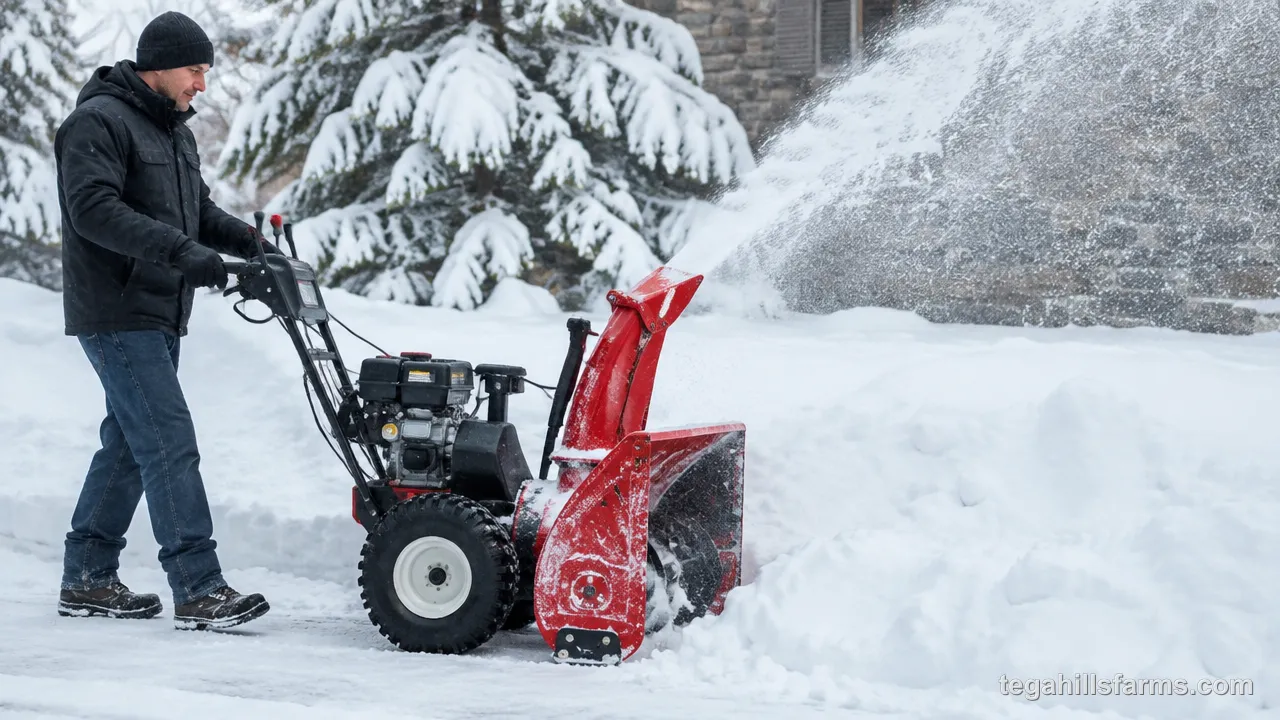
An accelerator is the part a three-stage machine adds. It spins fast in front of the impeller, chops packed snow and pushes it in faster than the main augers can, so the housing keeps emptying in dense, wet snow and the impeller stays full enough to throw consistently.
On a two-stage machine, the slow-turning auger breaks up snow and feeds it to a separate impeller, which spins much faster and throws it out the chute. That split is what lets a two-stage machine take a deep, wet pass at all. Throwing distance depends mainly on impeller speed, so both designs throw well when the impeller is fed steadily.
Single-stage machines use one fast auger to gather and throw in a single motion, usually with rubber paddles that touch the pavement. They are lighter and simpler, but dense snow overwhelms a lone auger, and wet snow leaves the chute in short, heavy arcs.
A three-stage machine is noticeably heavier and more complex than a comparable two-stage. On most residential driveways, a well-built two-stage already handles wet snow, so the accelerator earns its weight mainly where packed, icy snow and big plow ridges are routine.
How Do the Auger and Impeller Handle Wet, Packed Snow?
Serrated steel bites into the compacted layer at the bottom of a driveway and breaks it into pieces the impeller can take. A rubber-edged auger rides the surface and works best on softer snow and on decks or pavers it shouldn’t scratch. Ribbon augers are open spirals: they slice into wet snow and mix air into it, so it doesn’t compact into a solid plug before it reaches the impeller.
That design detail can matter more than width in wet snow. A wide auger that can’t break up a packed bank just shoves it forward, and the extra width only adds load. A narrower housing with a serrated or ribbon auger keeps material moving.
Impeller speed ties it together. A fast impeller empties the housing before slush has time to stick to the walls, which keeps the chute from clogging. The same speed throws the snow far enough to clear the edge of the driveway.
Is Track Drive Better Than Wheel Drive in Heavy Snow?
On a steep, icy or packed driveway, tracks hold better than wheels, because they spread the machine’s weight over a long strip of rubber that keeps biting when tires spin. On a flat, paved driveway, wheels are enough and easier to live with.
Tracks are slower and harder to turn, and without steering help you muscle a heavy machine sideways at the end of every pass. Pneumatic or deep-tread snow tires travel faster and pivot more easily. They still grip well on flat concrete or asphalt, and chains help on icy stretches.
Steering and speed controls close much of the gap. Trigger-controlled power steering lets you pivot a heavy machine without wrestling it, and low forward speeds let either drive creep through dense snow without spinning. Tracks earn their extra bulk on hills, long icy grades and properties where the machine climbs to the road. For a level suburban driveway, a wheeled machine with good tires does the job.
How Do Clearing Width and Intake Height Affect Heavy-Snow Work?
Every extra inch across the housing cuts the number of passes you walk. In dense snow, though, it also means more weight entering the auger with each step forward, so a wide machine needs an engine strong enough to carry that load or it slows to a crawl. Intake height sets how deep a layer the housing can take in one pass. Snow deeper than the opening spills over the top or has to be cut in layers from above.
Oversized width has its own costs. A wide machine needs more room in the garage or shed, is harder to turn at the end of a pass, and can be too wide for sidewalks, side yards and gates. On a short driveway, those costs outweigh the time saved by fewer passes.
Should You Choose Gas, Electric, or Battery for Heavy Snow?
A gas engine belongs in your main machine wherever storms regularly bring dense, wet accumulation, while corded and battery models fit shallow, lighter falls on short paths and decks.
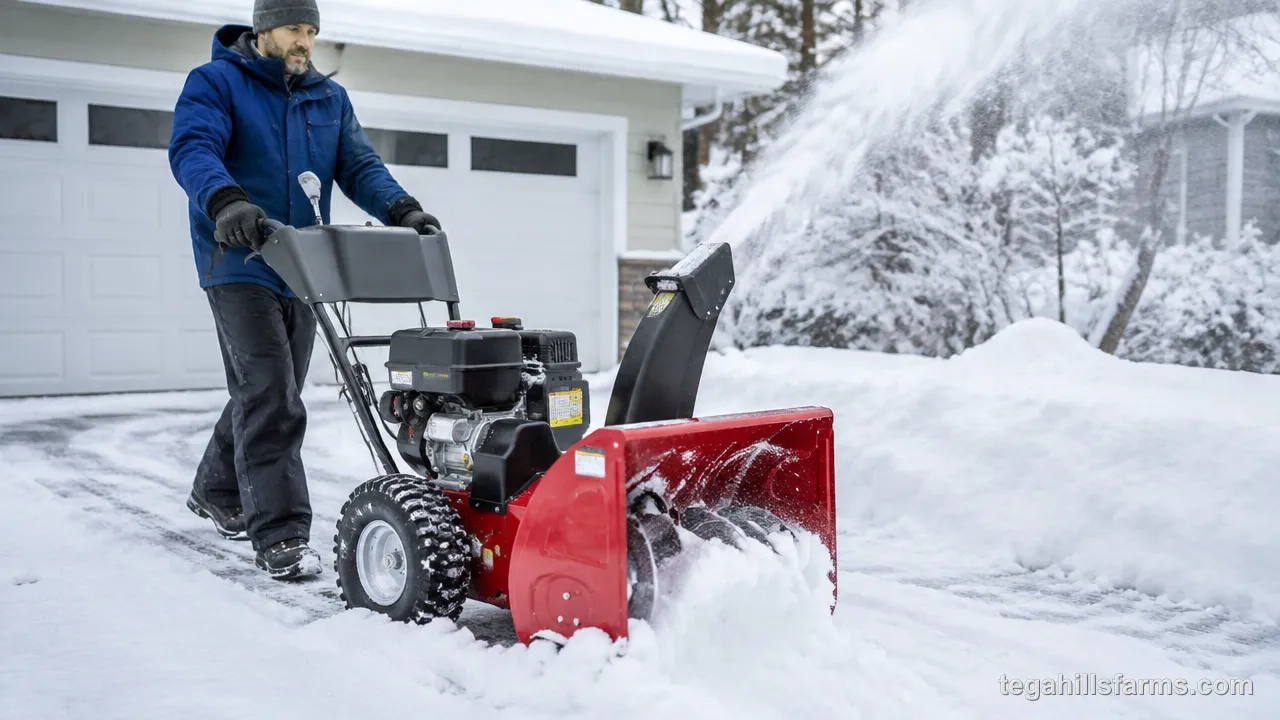
Among gas machines, more engine displacement (listed in cc) means more torque to keep the auger and impeller at working speed when the housing is full of slush. The machine slows less and clogs less on the first heavy pass. A larger engine also lets the maker drive a wider housing without the machine bogging.
Corded electric machines never run out of fuel, but your reach ends where the extension cord does. Every pass means managing a cord behind you, and on a long driveway that cord gets dragged through snow you’ve already thrown. Use an outdoor-rated cord on a GFCI outlet, and keep it clear of the auger.
Battery machines get rid of the cord but bring runtime into the decision. Dense snow makes the motor draw harder, so a battery drains faster in wet storms than in powder. Recharging usually takes longer than the battery lasted, so a long driveway may need a second battery to finish.
Electric and battery machines are normally single-stage designs with a shallow depth limit, which is why they bog in the same storms a gas two-stage handles. They make sense for decks, walks, short driveways and lighter winters, or as a second machine beside a gas blower. That is the ground the best electric snow blowers and the best battery snow blowers cover.
Features That Matter When Snow Is Heavy
Beyond clearing power, the controls you touch on every pass decide how long a storm morning takes and how safely you deal with a jam. Wet snow raises the stakes on both. Every restart, every stop to re-aim the chute and every clog happens with cold hands and a housing full of heavy slush, so a machine that makes those moments quick and safe saves real time and strain over a season.
Why Does Electric Start Matter in Deep Cold?
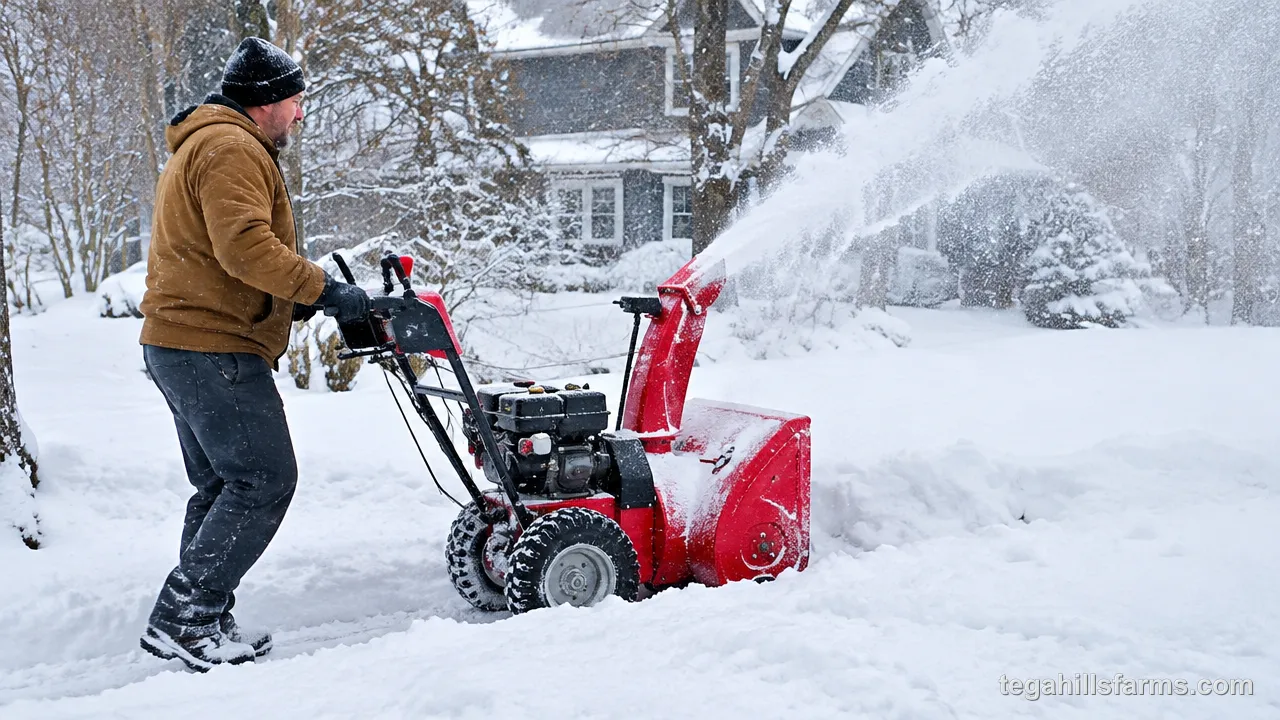
Cold oil thickens and drags on the engine’s moving parts, so a pull cord takes several hard yanks on a frigid morning. A push-button electric starter does that cranking for you on household current: you plug an extension cord into the starter, press the button and unplug once the engine runs.
That convenience depends on a working outdoor outlet and a cord long enough to reach where the machine is stored, ideally on a GFCI circuit. A machine that also keeps a recoil start gives you a backup when the power is out after a storm. Some premium machines use a battery-powered key start that drops the cord altogether.
How Do Chute and Deflector Controls Help When Snow Is Heavy?
Remote crank or joystick rotation, together with a deflector you angle from the handle, lets you swing and tilt the discharge without stopping the machine or reaching toward the chute with your hands. That matters with wet snow because it leaves the chute dense and heavy. It doesn’t carry as far as powder and lands in a tight pile close to the machine.
When the wind shifts or you turn at the end of a pass, slow manual adjustment means that heavy pile lands back on the path you just cleared, and you clear it twice. Quick redirection keeps every pass throwing toward the lawn, away from the garage door, the walk and the neighbor’s car.
Do Skid Shoes and Adjustable Auger Height Protect Your Driveway Surface?
Yes. They set the gap between the auger housing and the ground, so the scraper bar rides just above gravel, pavers or stamped concrete instead of digging in, picking up stones or scuffing the finish. Raise the skid shoes and the whole housing lifts, and adjustable auger height does the same job on machines that offer it.
On gravel, that gap keeps the auger from feeding rocks into the impeller, where they get thrown or bend parts. It is the first setting to check when you compare the best snow blowers for gravel driveways. The cost is a thin layer of snow left on the surface, which can pack and freeze if you leave it, so on smooth concrete you drop the shoes back down.
What Does a Dead Man’s Switch Do on a Snow Blower?
Release the handle bail and the auger and impeller stop, so the machine can’t keep throwing if you slip, step away or lose your balance. In dense, jam-prone snow, that matters because a clog stores tension in the auger and impeller, and when the packed slush breaks free they can spin suddenly.
When a clog happens, the routine starts with that bail. Let go, stop the engine, wait until every moving part has stopped, and clear the chute with a clearing tool or a broom handle, never your hands. Releasing the bail doesn’t replace stopping the engine, since the impeller can still hold stored tension.
How Do You Match a Snow Blower to Your Driveway and Winters?
Size the machine to the area you clear and how often big storms hit, not to the depth in a single forecast. Measure the driveway’s length and width, then compare the width to a machine’s clearing path. The number of widths it takes is the number of passes you walk, each one the full length of the drive. On a long, wide driveway, a few extra inches of housing remove whole passes. On a short one, they save little time and cost you storage room. If your property sits at the long end, the best snow blowers for large driveways are built around that kind of layout.
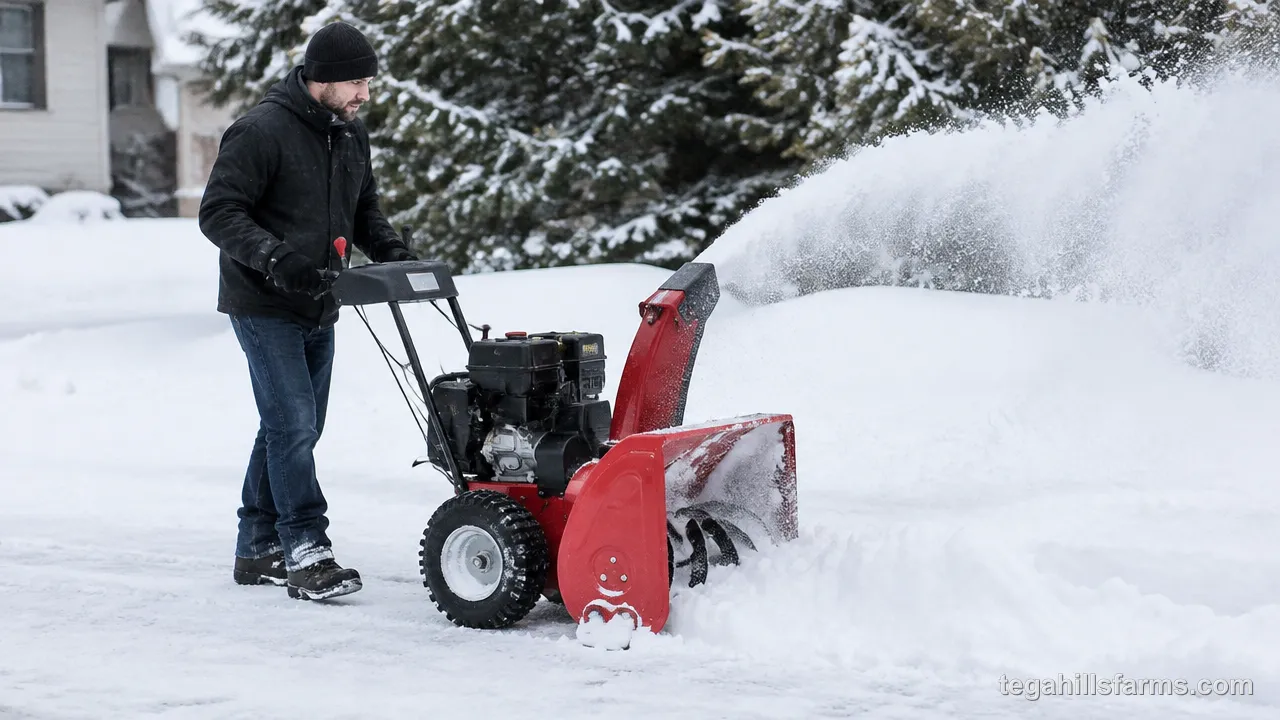
Your winter pattern matters more than any single storm. A machine that copes with one big snowfall a year can be lighter than one that faces repeated heavy, wet storms, because repeated loads wear belts, shear pins and engines faster. In the snowiest northern regions, around the Great Lakes, across the Upper Midwest and in northern New England, a single-stage machine shouldn’t be the main machine. It can stay on as a second machine for decks and walks.
Buying more machine than the property needs costs you in weight, storage space and handling on a narrow drive, with no gain on the days that count. Budget tiers line up with need. A basic two-stage gas machine covers most suburban driveways in snowy regions, while premium machines are worth their cost on long drives, slopes and frequent heavy storms because of their drive systems, controls and long-term build. If you’re still weighing fuel, stage and size together, work through how to choose a snow blower.
How Do You Stop a Snow Blower From Clogging in Wet Snow?
Slow, shallow passes keep the auger and impeller turning at full working speed, and that speed is what stops slush from packing into the housing and chute. Most clogs come from asking the machine to take more than it can throw at once, so the fix lies in how you feed it, not in the machine itself. The same habits also protect shear pins and belts on the days they work hardest.
How Should You Pace the Machine to Avoid Stalling in Wet Snow?
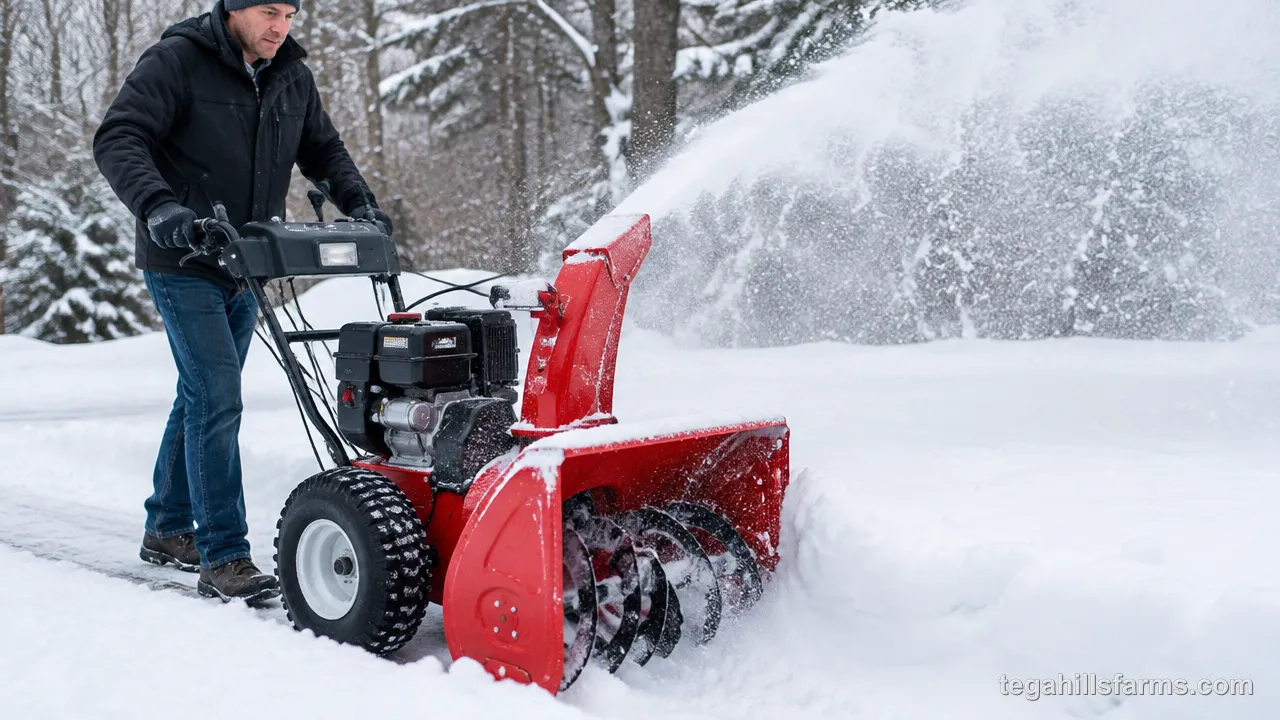
Drop to a lower ground speed and keep the throttle at full, so the engine holds the impeller at working speed while the auger takes in less snow per second. If the machine still labors, take thinner slices: a partial-width bite instead of the full housing, or the top of a deep layer first and the rest on a second pass.
The first pass is the hardest, because the machine faces the full depth with no cleared lane beside it, so run it at your slowest speed and let the machine set the pace. Later passes go faster because one side of the housing is already open.
When the engine note drops and the throw shortens, release the drive lever before the auger stalls and let the impeller clear what it is holding. If the chute packs anyway, stop the engine and let the auger and impeller come to a complete stop before you clear it with a tool.
How Do You Break Through the Plow Ridge at the Driveway End?
City plows leave a wall of compacted snow, slush and ice chunks at the end of the driveway. It is denser than anything on the drive itself and often refreezes overnight. Driving the auger straight into it at full width overloads the housing and is a common way to snap a shear pin.
Work it from the top in narrow cuts. Raise the housing a notch with the skid shoes or auger height, shave the top layer, then lower the housing and take the rest in small layers with a partial-width bite at a slow ground speed. If the ridge has frozen into a block, a light machine such as a single-stage or corded electric will only stall against it. Break it up with a shovel or ice chopper first, then let the machine clean up the loose pieces.
Two machines with the same width and engine size can come with very different warranty terms, engines built to different standards, and service access that ranges from a dealer across town to parts ordered by mail. The gap stays hidden until a drive belt or carburetor fails in midwinter, and then a machine with no nearby service sits in the garage through the next storm while the driveway fills.
What Makes a Snow Blower Reliable Beyond the Brand Name?
A blower keeps starting and moving snow for years when four things line up: its engine comes from an established small-engine line with parts on dealer shelves, its warranty covers the whole machine rather than the engine alone, its chute and console are steel or heavy molded material, and someone near you can fix it.
The engine is the part you maintain every season, and a well-known engine family has carburetors, plugs and gaskets that are easy to find years later. Warranty terms deserve a closer read than the headline number. Engine-only coverage leaves the auger gearbox, drive and chute to you, while bumper-to-bumper coverage protects the parts that take a beating in heavy snow. The Husqvarna ST124 24in Snow Blower splits its coverage between the two.
Plastic chutes and consoles turn brittle in deep cold and can crack when a chunk of ice hits them, while steel takes the impact and only needs rust protection. None of this helps without service behind it. A warranty claim on a heavy machine usually means a trip to an authorized dealer, so check that one is within reach before you buy.
How Can You Tell When a Snow Blower Needs Parts Replaced?
Watch for snow left on the pavement behind the housing, a throw that keeps getting shorter, a drive that slips under load and clogs that keep coming back. Each one points to a specific worn part, and catching it early keeps the machine working on the day of a big storm.
A thin film of snow or uneven scraping usually means a worn scraper bar, or skid shoes worn down on one side and tilting the housing. If the auger stops on one side while the engine runs, a shear pin has sheared. Keep spares, since that pin is designed to break before the gearbox does. A drive that slips on a slope, or an impeller that loses throw and clogs even at slow speed, points to a stretched or glazed drive belt or auger belt. Tires with cracked sidewalls, worn tread or low pressure lose grip on packed snow.
Wear parts cost little next to the gearbox, impeller or engine they protect. Replacing them in fall means you swap them in a dry garage, not at the end of the driveway mid-storm.
How Should You Store a Gas Snow Blower Between Seasons?
Stale fuel causes more cold-weather no-starts than anything else, so your storage routine starts at the tank. Either add fuel stabilizer and run the engine long enough for treated fuel to reach the carburetor, or drain the tank and run the engine until it stalls so the carburetor sits dry.
Untreated gasoline left over a summer breaks down and leaves varnish that clogs the carburetor’s small passages, and fuel blended with ethanol also draws in moisture. Change the oil before storage, because used oil holds acids and moisture that sit against engine parts for months. Wash away road salt and slush, dry the machine, and coat the auger, the inside of the housing and the chute with light oil or rust inhibitor where the paint has worn through.
Store the machine in a dry garage or shed, covered and raised from a damp floor if you can, and follow the maintenance schedule in the owner’s manual for anything specific to your model. Before the first forecast, fill up with fresh fuel and start it once, so a stale-fuel or battery problem shows up on a calm fall day and not on the morning of the first storm.







Write Your Review
No reviews yet. Be the first to share your experience!