

Most pressure washers last 3 to 7 years in typical homeowner use. Electric models fall at the shorter end of that range and gas models at the longer end. How many hours you run the machine matters more than its age, so a unit that only handles a few jobs each season can keep working well past that window.
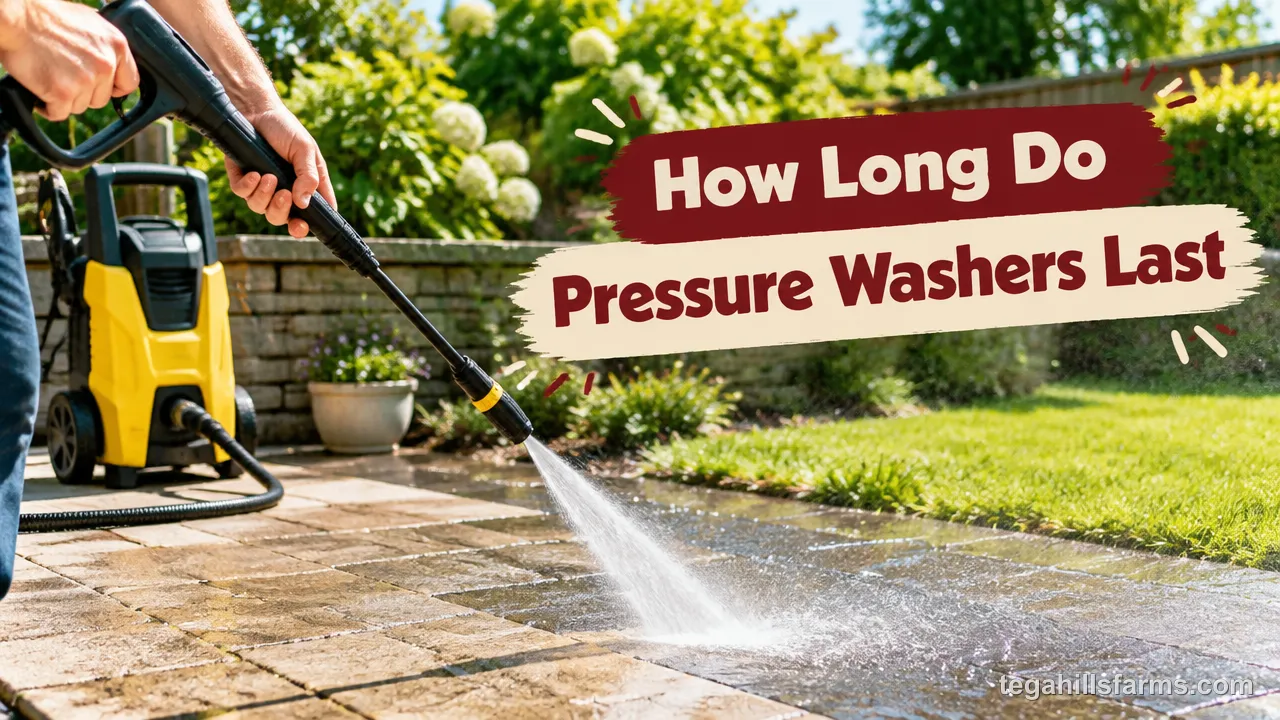
Three things decide where a particular machine lands. The first is pump design, since the pump is the part that wears out. The second is the rated hours the manufacturer builds the machine for. The third is how well the machine is stored once the cleaning season ends.
The pump is the part to watch. A single hard freeze with water trapped inside, or a few minutes of running it dry, can crack a pump housing or burn out its seals. That kind of damage ends a machine years before its rated hours would have.
How Long Does a Pressure Washer Typically Last?
Gas pressure washers outlast electric ones in most homes, mainly because gas models are more often built around a heavier, oil-lubricated pump that handles long run times. The gap matters most if you clean more than a few times a season, because that is when a lighter pump reaches the end of its design life. Lifespan is one factor in deciding how to choose a pressure washer that matches your cleaning frequency and budget.
Electric Pressure Washers
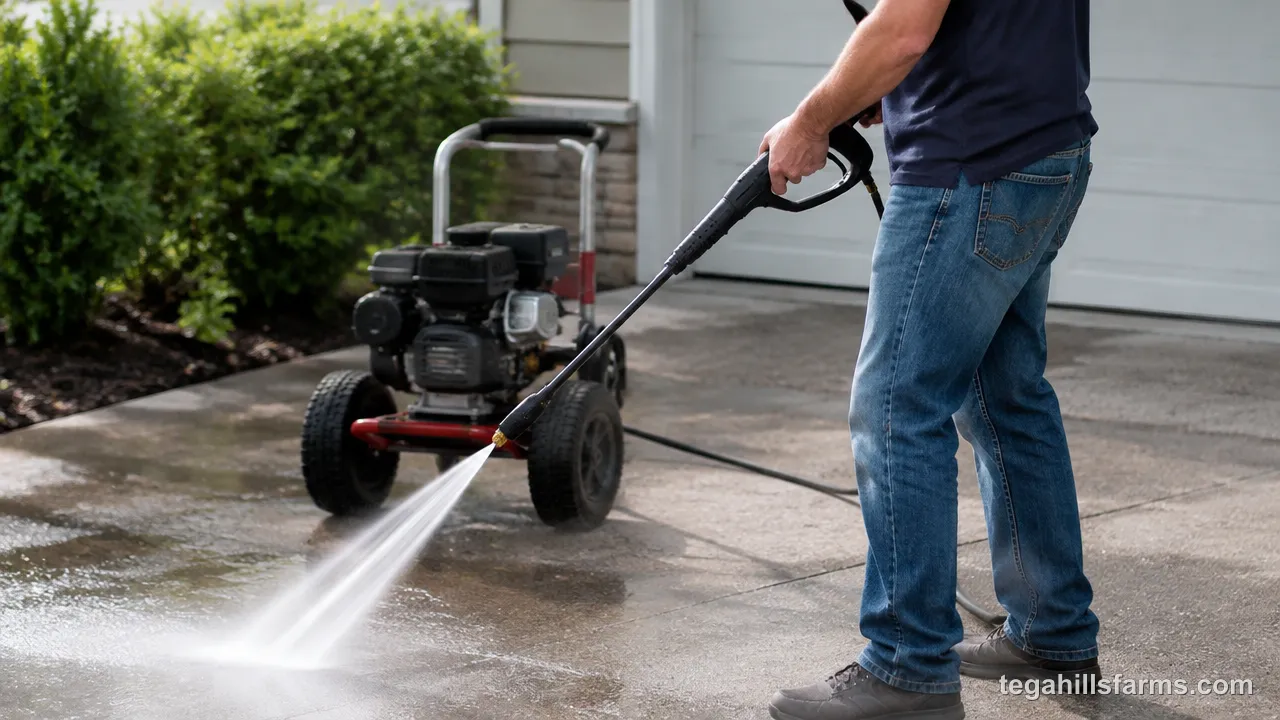
An electric pressure washer typically lasts 3 to 5 years. The motor is rarely what fails. The pump usually goes first. Most consumer electric units use a wobble pump, where a tilted plate pushes small pistons back and forth. That design keeps the machine light and compact. It also runs with less lubrication and a smaller margin for heat, so the seals wear faster under long sessions.
Many wobble pumps are sealed units that can’t be rebuilt. Once the seals or valves go, the fix is a new pump, and that often costs close to a new machine. Electric models also tend to carry lower rated hours than gas machines with heavier pumps.
On the plus side, an electric unit has no oil, carburetor or spark plug. A well-stored electric machine therefore has fewer ways to fail outside the pump.
Gas Pressure Washers
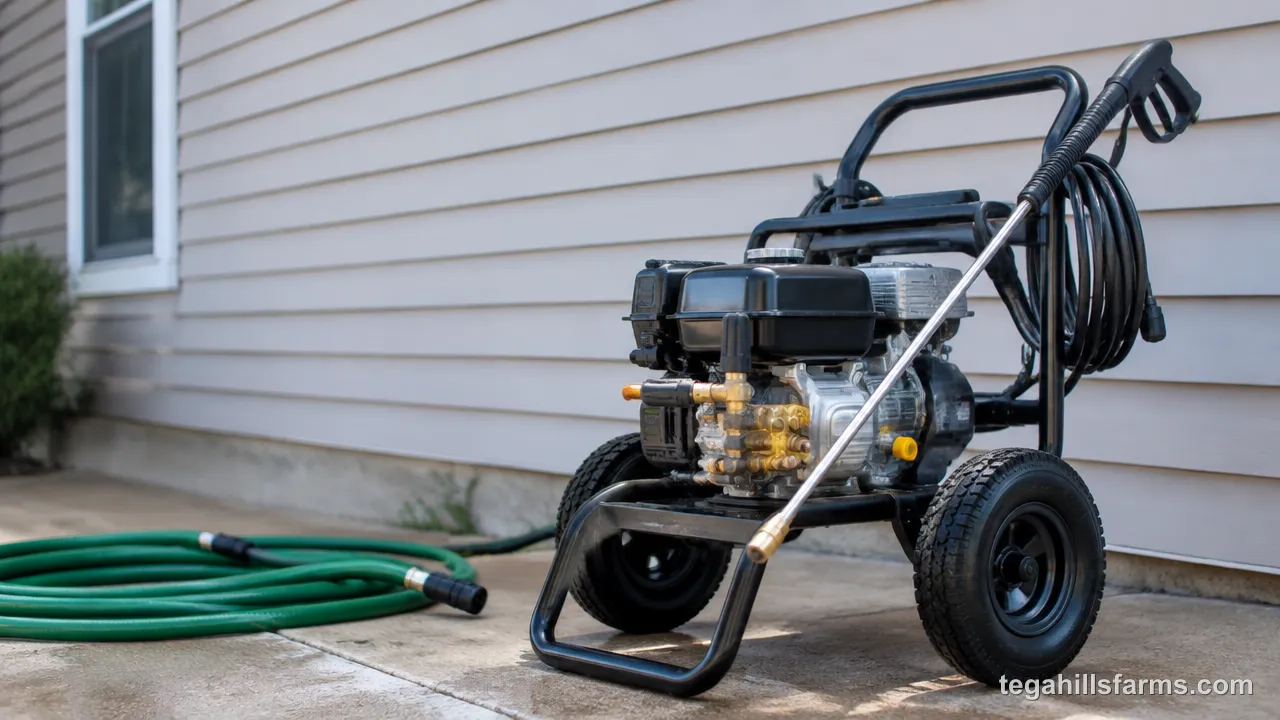
A gas pressure washer typically lasts 5 to 7 years. The longer life comes mostly from the pump. Mid-range and upper-tier gas models often use a crankshaft-driven pump, where a crankshaft moves plungers that sit in an oil bath. The oil carries heat away and reduces friction, so the pump tolerates longer sessions. Its seals and valves can usually be replaced with a rebuild kit instead of swapping the whole pump.
Not every gas model has this pump, because entry-level gas units often use the same wobble design as electric ones. If you’re still weighing gas vs electric pressure washers, the pump type on the spec sheet tells you more about lifespan than the power source does.
The gas engine adds upkeep: oil changes, a spark plug and fuel stabilizer before storage. A gummed-up carburetor from stale fuel is the most common reason a gas unit dies early.
What Do Rated Hours Tell You About Lifespan?
Rated hours tell you how much run time the pump or engine is designed for. That means the number of years you get depends on how many hours you actually log each season. Two owners with the same model can see very different lifespans for this reason. Someone who washes the driveway twice a year draws down the rating slowly, while someone cleaning every weekend uses it up fast.
Manufacturers also publish Cleaning Power Units (CPU), which is PSI multiplied by GPM. CPU measures cleaning output, not durability, so a high CPU figure says nothing about how long the pump will hold up. The tradeoff behind psi vs gpm for a pressure washer is a separate question from lifespan.
High-Quality Models
A high-quality pressure washer is typically rated for around 3,000 hours. That puts it in a different class from a homeowner machine. Commercial lines such as Hotsy and BE’s professional range are built for contractors who run machines for full workdays, with crankshaft-driven pumps and frames made for daily duty.
For a homeowner who cleans a driveway, deck and siding each season, a rating that high is far more than the pump will realistically use. In practice, accessories, the engine’s upkeep history and storage conditions decide when such a machine is retired, not the pump’s hours. That only pays off if you keep up with oil changes and winterization. A neglected commercial unit still fails early.
Budget and Mid-Range Models
A pressure washer rated for 500 hours can still last more than ten years if you use it fewer than 50 hours per year. The rating works like a pool of run time. Occasional homeowner jobs draw it down slowly, so a modest rating covers a lot of calendar years.
The rating only holds when the machine avoids sudden damage. Hours don’t protect a pump from water freezing inside it, from running dry, or from sitting in bypass mode with the trigger released until the water overheats. A budget machine that is drained and stored properly reaches its rated hours. One left in a cold garage with water in the pump may not survive its first winter.
What Factors Shorten or Extend Pressure Washer Life?
Most pressure washers fail early from neglect rather than age, and the pump is usually the part that gives out first. Some of what decides the outcome is fixed when you buy the machine. The rest depends on how you treat it every season, which is why the same model can last very different lengths of time in two garages.
Pump Design and Material
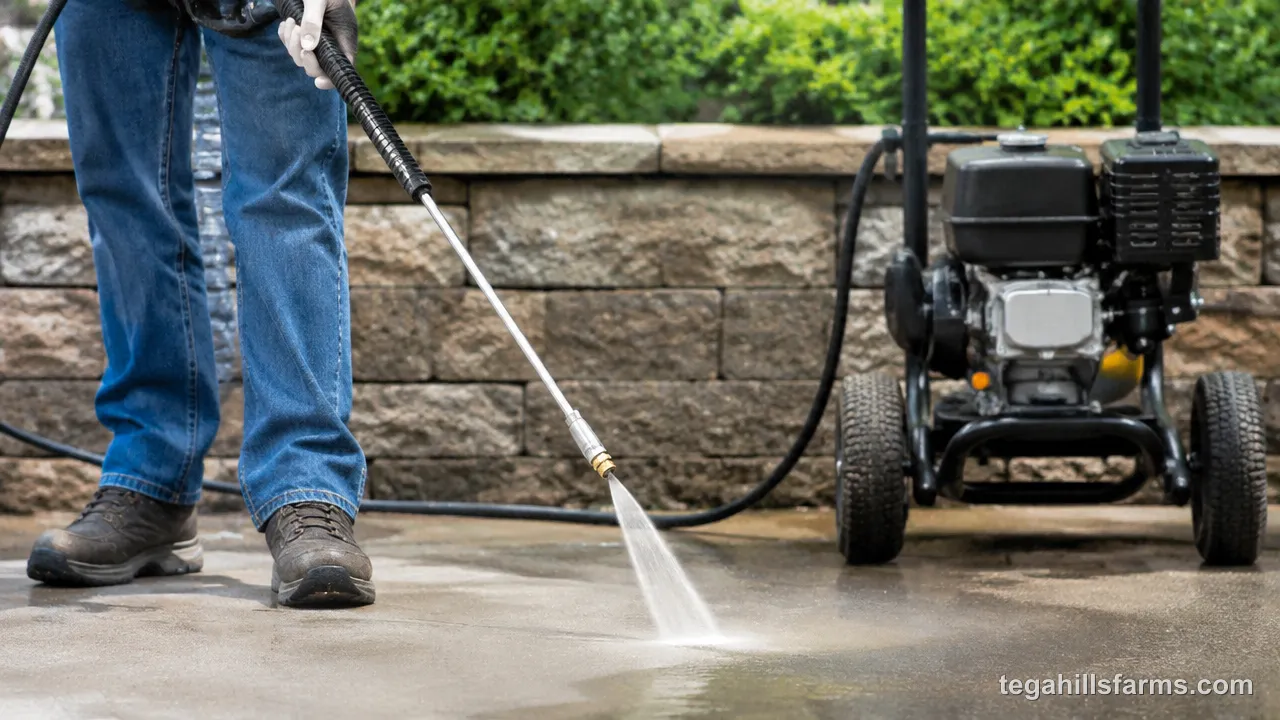
A crankshaft-driven pump generally outlasts a wobble pump. Its plungers run in an oil bath that cools and lubricates them, and its wear parts are made to be serviced. A wobble pump runs hotter under load and is often sealed. That makes it cheaper and lighter, but it can’t be rebuilt.
Materials matter too. A brass or forged pump head handles heat and pressure cycles better than an aluminum head, which can crack or corrode sooner. Ceramic plungers resist scoring better than plain metal ones.
When I compare two machines, I look at the pump type and head material before the pressure rating. Those two details predict how long the machine will keep that rating.
Maintenance and Winterization
Winterization prevents more early failures than any other habit. Water left in the pump expands when it freezes and can crack the housing or split the seals. Anywhere temperatures drop below 32°F, drain the pump and run pump antifreeze or a pump saver through it before storage.
For gas models, engine care matters just as much. Change the oil on the manufacturer’s schedule, check the oil level before every use, and add fuel stabilizer or run the tank dry before the machine sits for the off-season. Crankshaft pumps also have their own oil, which needs changing on its own schedule.
A few habits protect the pump during use as well:
- Turn the water supply on fully before starting the motor, so the pump never runs dry.
- Clean the inlet filter so debris from the garden hose doesn’t reach the valves.
- Don’t leave the machine running with the trigger released, because the recirculating water heats up and wears the seals.
Frequency and Duration of Use
Frequent, long sessions wear a pressure washer faster than occasional short ones, because every hour of run time draws down the rated hours. Long sessions also build heat in the pump, and seals wear faster when they run hot.
A homeowner who cleans a patio, a car and the siding a few times a season puts light wear on even a budget machine. Commercial-style use is different. Washing fleets, cleaning storefronts, or taking on neighbors’ driveways every weekend can use up a consumer machine’s rating in a season or two.
If your workload is closer to the second pattern, buy a machine rated for it instead of expecting a homeowner model to keep up.
When Should You Replace Instead of Repair?
Replace the pressure washer when a repair costs more than half the price of a comparable new machine, or when an older unit needs a new pump. This rule of thumb holds because a machine near the end of its life tends to need one repair after another. Paying for one fix often just postpones the next.
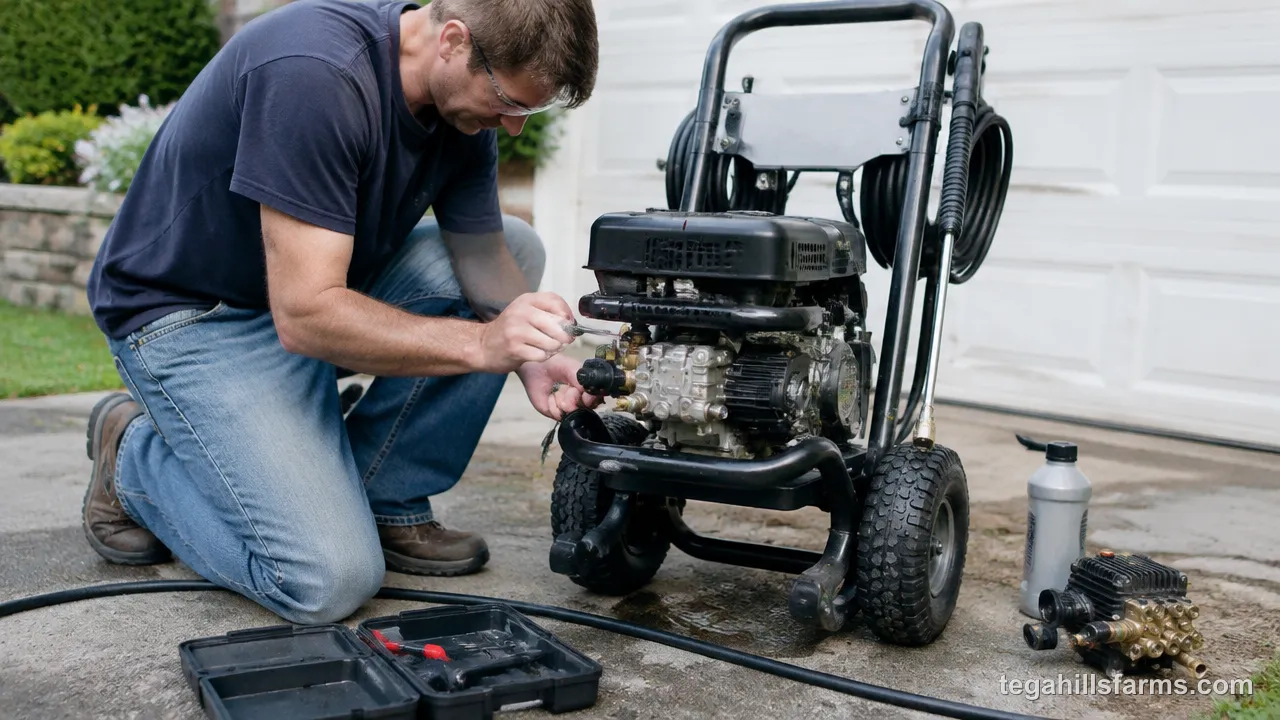
Many problems are cheap to fix, and they are worth fixing at any age. If a pressure washer won’t start after storage, the cause is usually stale fuel in the carburetor or a fouled spark plug. Both are low-cost fixes. Worn O-rings, a cracked hose or a damaged nozzle cost little to replace and don’t justify a new machine.
The calculation changes with the pump. A sealed wobble pump on an electric machine often costs close to a new unit. On a machine that’s already several years old, I’d put that money toward a replacement. A crankshaft-driven pump with a rebuild kit available is a different case, because rebuilding the seals and valves can restore it for a fraction of that cost. Before paying for a major repair, check the quote against how much a pressure washer costs in the same performance tier.
What Are the Signs Your Pressure Washer Is Failing?
A drop in cleaning pressure is usually the first warning, and it often shows up well before the machine stops working. Figuring out whether the pump or the engine is causing the problem tells you whether a repair is worth it. A tired engine is often repairable, while a worn pump on a consumer model may not be.
Pump Wear Indicators
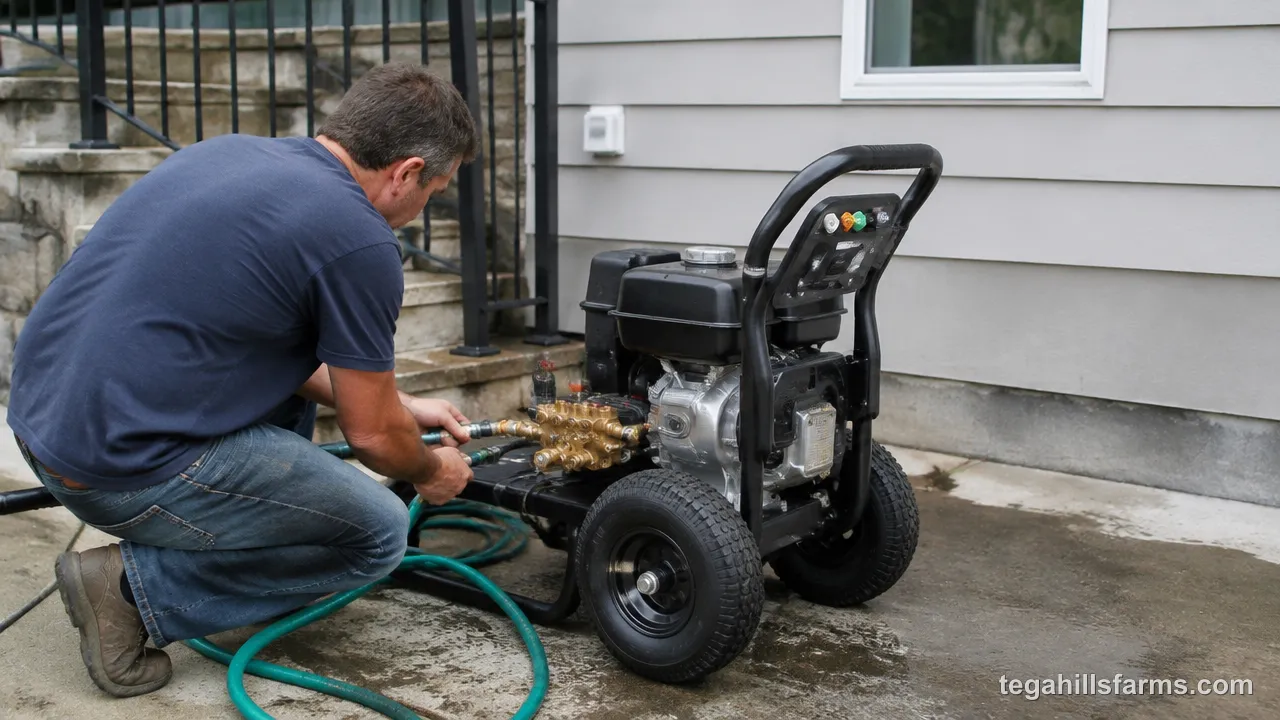
Pressure loss that doesn’t improve after you clean the nozzle and check the water supply usually points to worn pump seals or valves. Pulsation, where the spray surges and fades in a steady rhythm, often means a valve is sticking or air is entering the pump.
Water dripping from under the pump while the machine runs means the internal seals are leaking. On a crankshaft-driven pump, milky or cloudy oil is a sign that water is getting past the seals into the crankcase. Stop running the machine when you see this, because water in the oil damages the bearings quickly.
A grinding or knocking sound from the pump usually means internal wear has gone past a simple seal job.
Engine Deterioration Signs
Hard starting that keeps happening after you’ve replaced the fuel and spark plug points to deeper engine wear, such as low compression or a worn carburetor. An engine that starts but bogs down when you pull the trigger can’t hold its speed under load, and the pump’s output drops with it.
The color of the smoke helps narrow down the cause. Blue smoke means the engine is burning oil, which usually comes from worn rings or valve seals. Black smoke means the engine is running too rich, often because of a dirty air filter or a carburetor problem.
Power loss that develops gradually over a season, even with fresh fuel and clean filters, is a sign the engine is approaching the end of its life.
Two pressure washers with the same pressure rating can sit side by side on a store shelf and still be built for very different workloads, one meant for a few driveway cleanings a year and the other for daily contractor use. If you buy the homeowner-grade machine for a heavy schedule, its pump will run through its rated hours long before you expect it to, and the label on the box won’t warn you.
Do Certain Brands Last Longer Than Others?
Commercial-grade brands generally build machines that last longer, because they design for daily duty instead of occasional use. Hotsy and the commercial lines from BE pressure washers are aimed at contractors. Their machines use crankshaft-driven pumps, heavier frames and components meant to be serviced, and these are the machines that carry high rated hours.
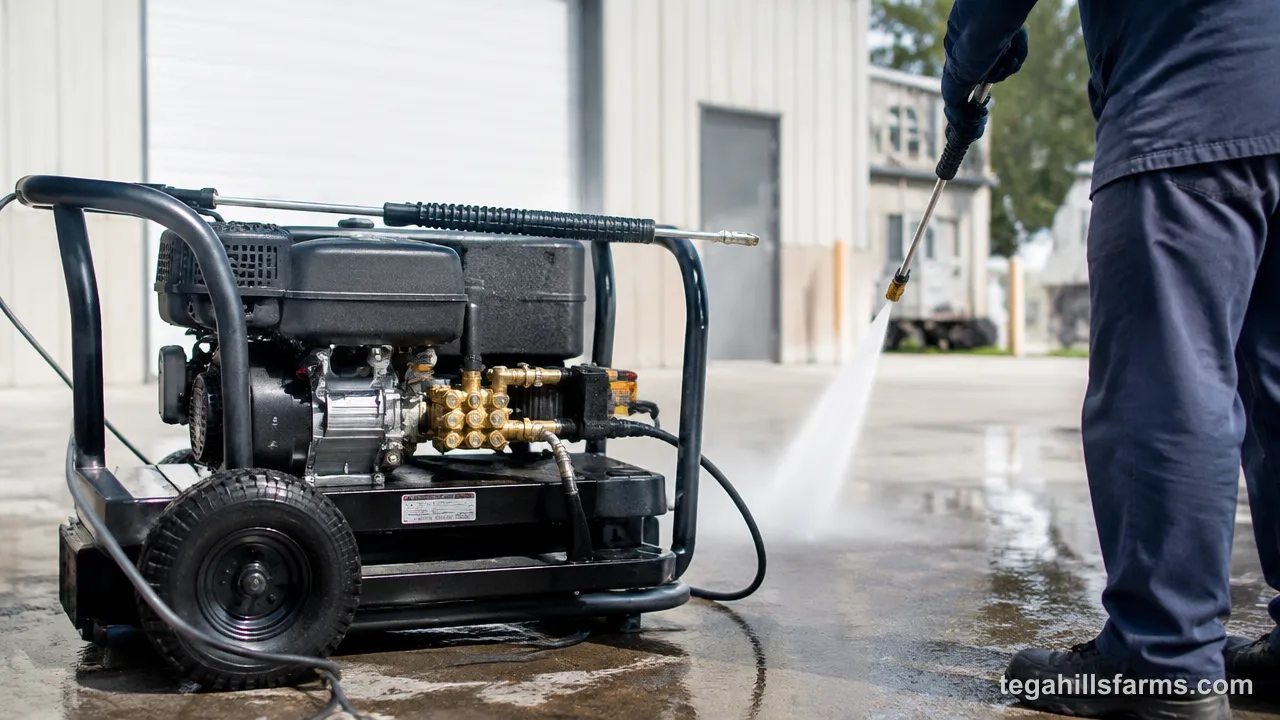
Consumer brands design for a different buyer. They keep weight and cost down, which often means a wobble pump, plastic housings and parts made to be replaced rather than rebuilt. That is a reasonable tradeoff for a homeowner who cleans a few times a season.
The brand name alone tells you less than the specific model does. Several manufacturers sell both homeowner and commercial tiers under the same name, and the pump type, pump head material and rated hours can differ a lot between them. Compare those specs on the exact model you’re considering.
Do Hot Water Pressure Washers Last as Long as Cold Water Models?
A hot water pressure washer can last as long as a cold water model, but it needs more upkeep to get there. The burner and heating coil add parts that wear out, and the extra heat puts more stress on the seals and hoses. Most hot water units are commercial machines with heavy-duty pumps, so the pump itself is rarely the weak point.
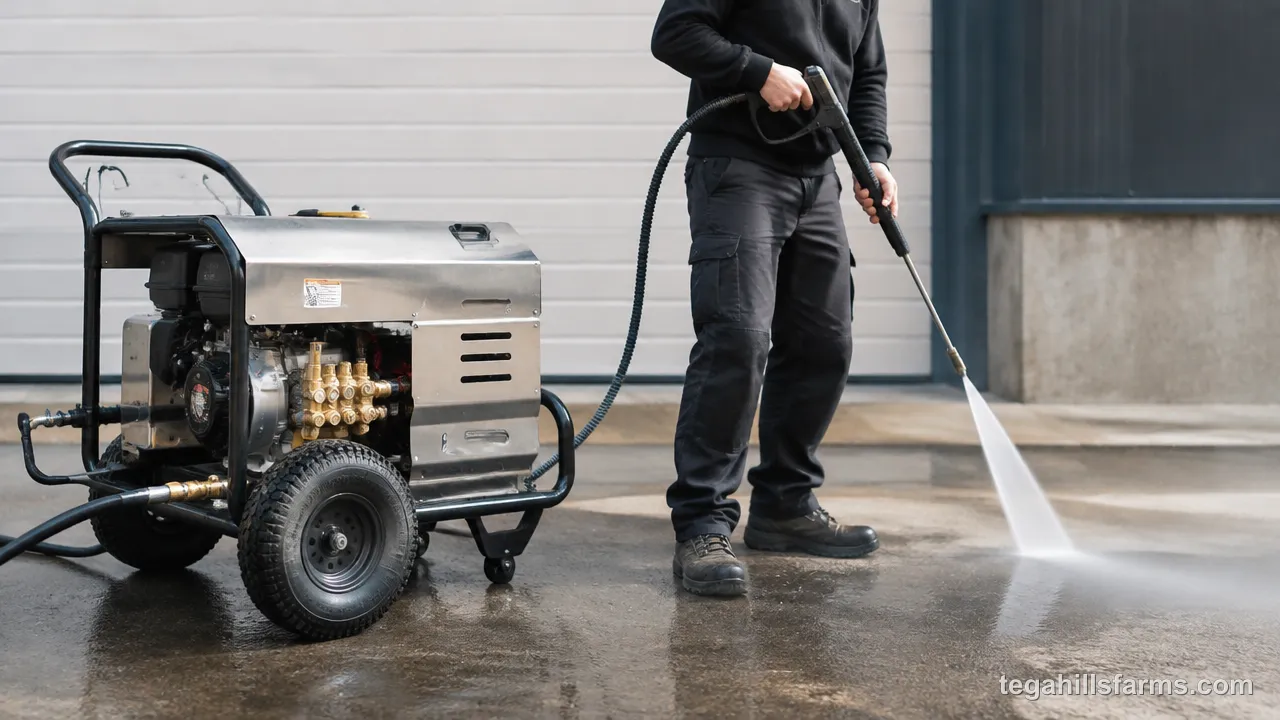
The heating coil is the part that fails most often. Hard water leaves mineral scale inside the coil, which restricts flow and forces the burner to work harder. Descaling on the manufacturer’s schedule keeps the coil working. The burner also collects soot and needs periodic cleaning.
Most of the basics of how to use a pressure washer apply to both types. A hot water unit adds one habit: run cold water through the system for a few minutes with the burner off before shutting down. This cools the coil and seals instead of leaving them sitting hot.
How Long Do Hoses, Nozzles, and Other Accessories Last?
Accessories wear out on their own schedule, and they usually need replacing before the machine does. A high-pressure hose cracks or bulges from kinks, sun exposure and being dragged across concrete. Store it coiled loosely and out of direct sunlight, and replace it at the first bulge, because a hose that bursts under pressure can cause injuries.
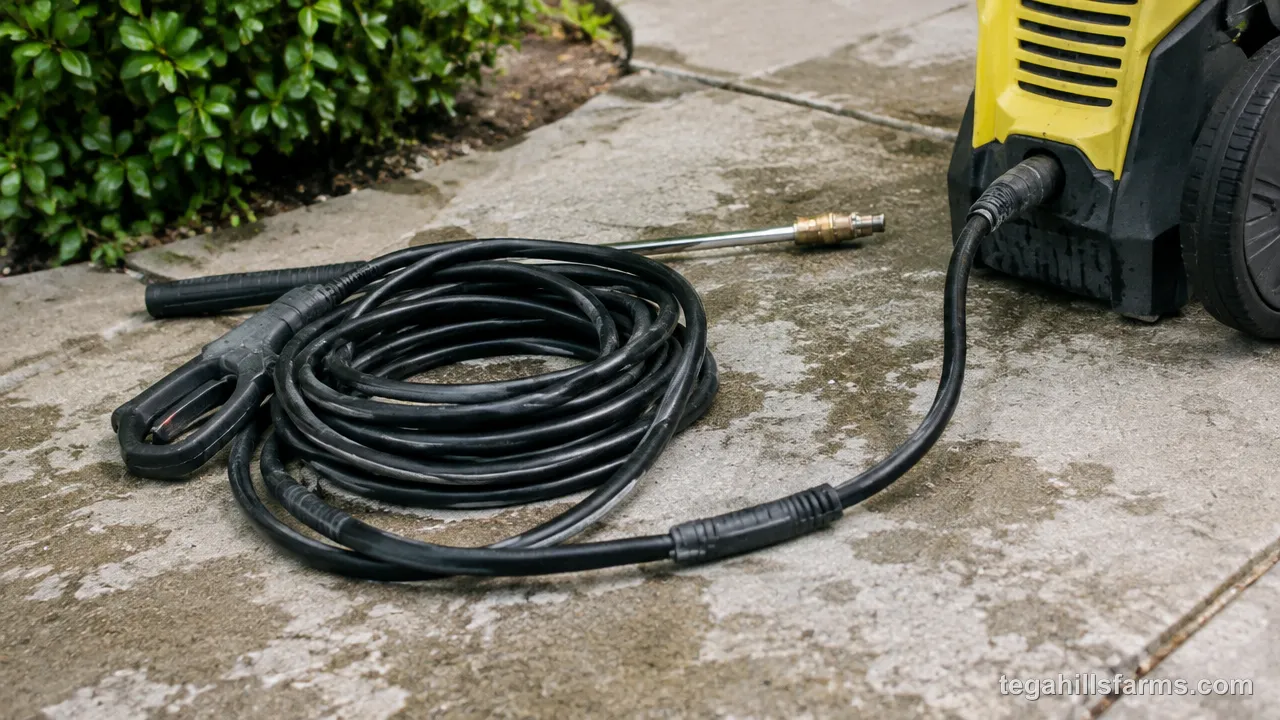
Nozzles wear slowly as water erodes the orifice. A worn nozzle sprays a wider, weaker pattern, which can look like pump trouble. Swapping in a new nozzle is the cheapest first check when pressure drops.
The O-rings at quick-connect fittings and wand joints dry out and start to leak, especially after winter storage. Keep spares on hand. A light coat of silicone grease when you connect parts helps them last longer.
Write Your Review
No reviews yet. Be the first to share your experience!