How to Choose a Lawn Edger: Power Sources Compared
Pick a lawn edger by matching the power source to how much hard edge you maintain. Gas suits big properties and overgrown borders. Battery handles quiet weekly upkeep on a typical suburban lot. Corded works for short runs near an outlet, and manual covers small yards and touch-ups.
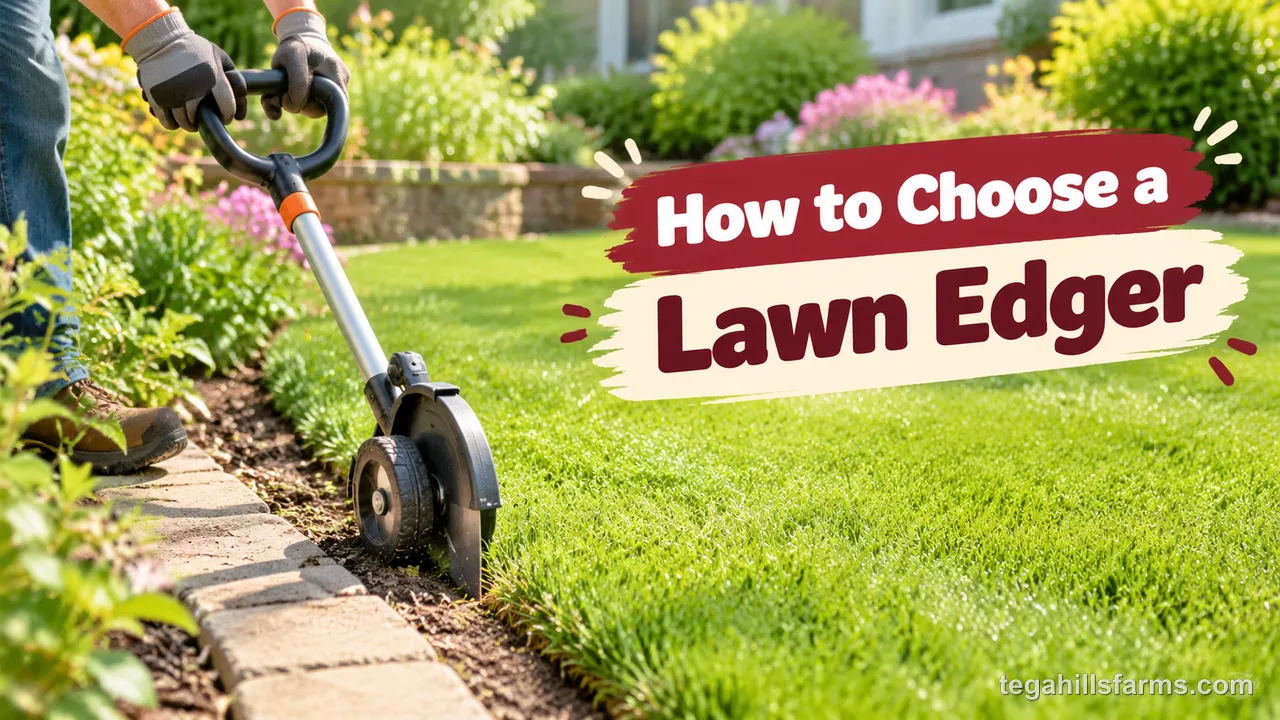
After power source, handle style decides how the machine copes with long straight runs and tight curves. Blade depth and the guide wheel control how clean the line comes out. The surfaces you edge matter as well, because driveway concrete and curved mulch beds reward different designs.
A machine that doesn’t fit your routine wastes more money than one that’s slightly underpowered. An edger that’s too heavy to haul out, too loud for a Saturday-morning start or too fussy after winter ends up parked behind the mower. Meanwhile, grass runners creep back over the sidewalk.
If you already own cordless tools, check which battery family they use before you shop. A bare edger that runs on batteries you already have changes both the cost and the runtime math.
What Does a Lawn Edger Do and Do You Actually Need One?
A spinning vertical blade slices a clean, straight trench where turf meets concrete or mulch, so a dedicated machine pays off once you have long runs of hard edge that a string trimmer leaves fuzzy.
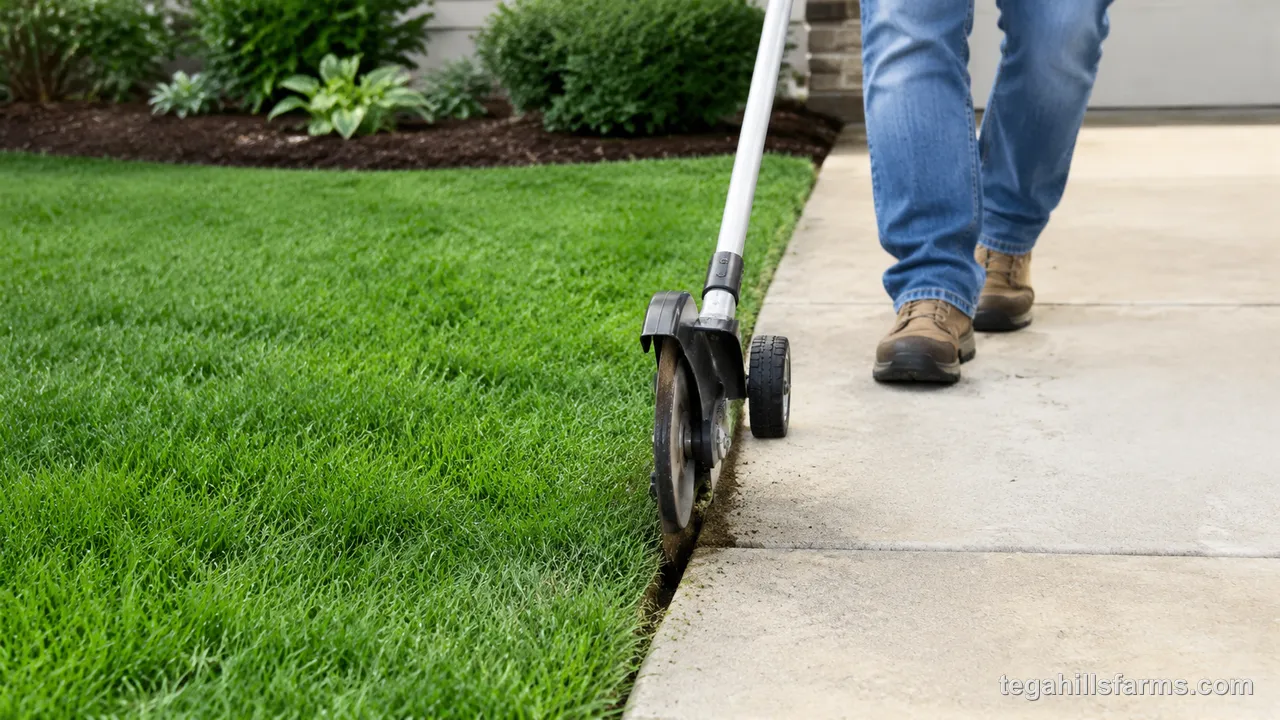
Whether you need one depends on how much sidewalk, driveway and bed border you keep tidy, and how sharp you want that line to stay between passes. A trimmer can fake an edge on a small lot, but it can’t hold a defined border through a season of fast-growing grass. If a dedicated edger makes sense for your yard, our roundup of the best lawn edgers breaks down the top options by power type and yard size.
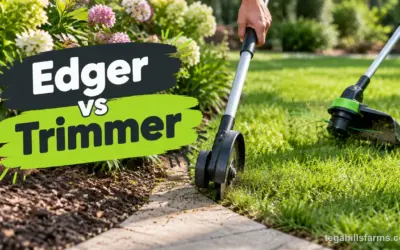
How Is an Edger Different From a String Trimmer?
Spinning nylon line cuts grass sideways. An edger’s steel blade drives straight down into the soil and severs roots along with the grass blades. That vertical cut leaves a small trench with a hard wall, which is why an edged sidewalk stays crisp for weeks while a trimmed one starts to blur within days.
You can tip a string trimmer on its side to edge, but the line wobbles as you walk and wears fast against concrete. It also shears the grass only at the surface, so roots and runners keep pushing over the slab. An edger locks its cutting depth and usually rides a guide wheel along the pavement, which keeps the line straight without relying on a steady hand. Once an edger has cut a defined border, the next pass is a quick cleanup instead of a rebuild.
Which Yards Benefit Most From a Dedicated Edger?
Corner lots, homes with long driveways and properties with several planting beds get the most from a dedicated edger. Every extra stretch of border multiplies the time a trimmer spends wobbling along it. A yard with little concrete, or with soft, natural borders around its beds, usually doesn’t justify one.
Grass type tips the decision too. Creeping warm-season grasses such as Bermuda, St. Augustine and zoysia spread by runners that crawl over pavement quickly, so they need a root-cutting blade to stay off the slab. Bunch-type grasses like tall fescue spread far less and can often be kept neat with a trimmer alone. A suburban lot with a driveway, a front walk and a couple of beds sits in the middle, and that is the territory the best edgers for homeowners are built for.
Which Power Source Fits You Best: Gas vs Battery vs Corded vs Manual?
Gas suits large properties and overgrown edges, battery fits most suburban lots that get regular upkeep, and corded or manual tools make sense when the edging is short and close to the house.
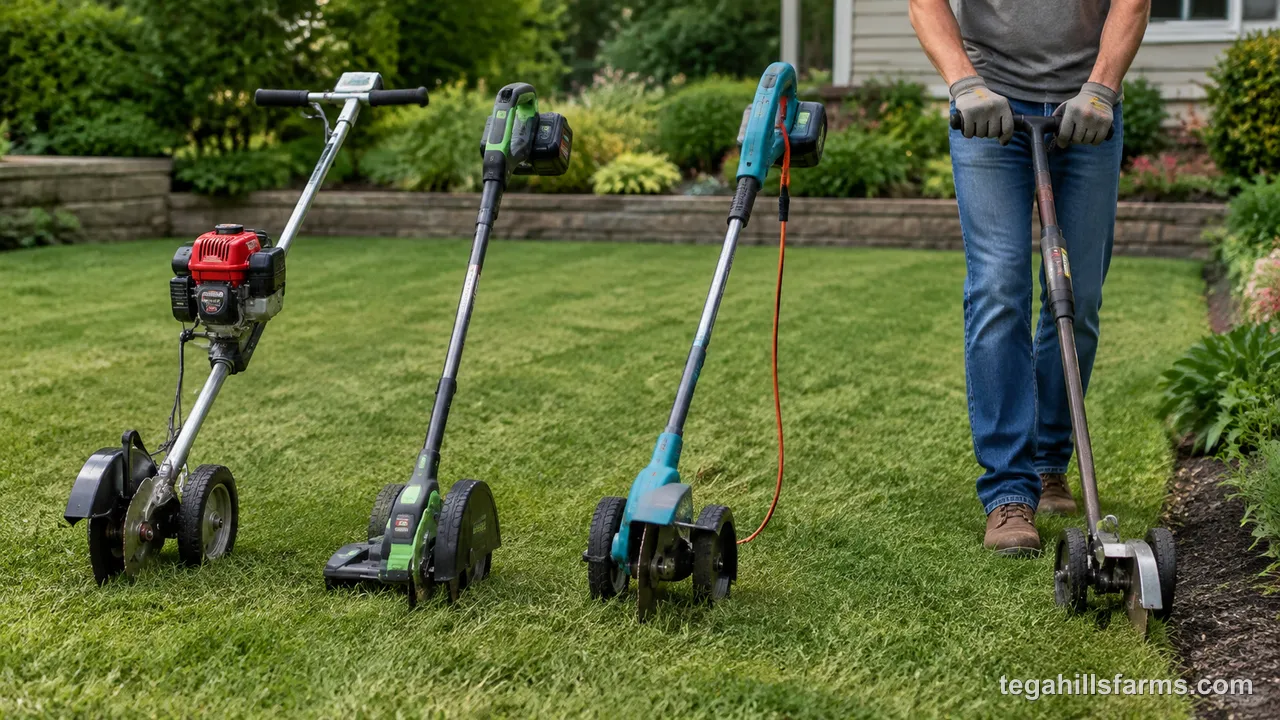
The deciding factors are how much edge you cut, how often you cut it, and how much noise, fuel and charging you’re willing to manage. The four types trade off across the traits that show up every time you edge:
| Trait | Gas | Battery | Corded | Manual |
|---|---|---|---|---|
| Cutting power | Strongest, handles overgrown edges | Enough for maintained edges | Steady for regular upkeep | Your own effort only |
| Noise | Loud | Quiet | Quiet | Near silent |
| Maintenance | Fuel, oil, spark plug, air filter | Charging and battery care | Minimal | Blade cleaning and sharpening |
| Range | Unlimited with fuel | Limited by runtime | Limited by cord length | Unlimited |
| Weight | Heaviest | Moderate | Lighter | Lightest |
When Is a Gas Edger the Right Choice?
A gas edger earns its place in three situations:
- Large properties with long runs of driveway and sidewalk.
- Edges neglected long enough to need deep re-cutting.
- Yards with no nearby outlet, where you’d rather not manage batteries.
The engine holds its torque through thick, root-bound sod. Runtime ends only when the tank does, and refueling is quick compared with waiting on a recharge.
The tradeoffs land on your ears, your arms and your weekends. Gas engines are loud enough to call for hearing protection, and the weight of the engine and fuel adds fatigue on a stick model. Upkeep includes fresh fuel, spark plugs, air filters and proper off-season storage. A pull start can also turn stubborn after a few weeks of sitting. I’d only take on that routine if your property truly needs the power. If it does, compare the best gas powered edgers by engine type and frame style.
How Do Battery and Corded Electric Edgers Compare?
Battery edgers win on freedom. They start with a trigger, go anywhere on the property and run quietly enough for an early start. Corded models win on endurance, since they run as long as the outlet supplies power. They also skip the cost of a battery pack, one of the costliest parts of any cordless tool.
Runtime is the main limit on the battery side. A single pack covers routine edging on a suburban lot, but long or overgrown borders can drain it before you finish, and cold weather cuts output further. If you already own batteries from the same brand, a bare tool lowers the cost, and a second pack lets you swap and keep going.
Corded edgers trade that limit for a cord you have to manage. Your reach depends on the extension cord, and the cord drags across freshly cut edges. You’ll also need an outdoor-rated extension cord plugged into a GFCI outlet. Both types need little upkeep beyond blade care. For cordless options, the best battery edgers line up by platform and runtime.
Is a Manual Edger Enough for a Small Yard?
A manual edger is enough for a small yard with short borders that you keep up regularly. It struggles once edges are overgrown or the runs get long, because every cut depends on your legs and back rather than a motor.
Small handheld manual tools fit yards with minimal areas to edge. A half-moon edger cuts as you step down on its blade, which suits redefining bed borders. A rotary edger rolls a toothed wheel along the sidewalk seam for quick maintenance passes. Neither needs fuel, charging or a cord, so it starts every time and makes no noise. The cost is effort. Re-cutting a season of runners along a long driveway by hand takes a full afternoon, so manual tools work best when the edge is already established.
What Size and Handle Style Matches Your Yard Size?
Large push-style walk-behind edgers suit properties with extensive landscaping, stick edgers cover the typical suburban lot, and small handheld or manual tools handle minimal edging and tight storage.
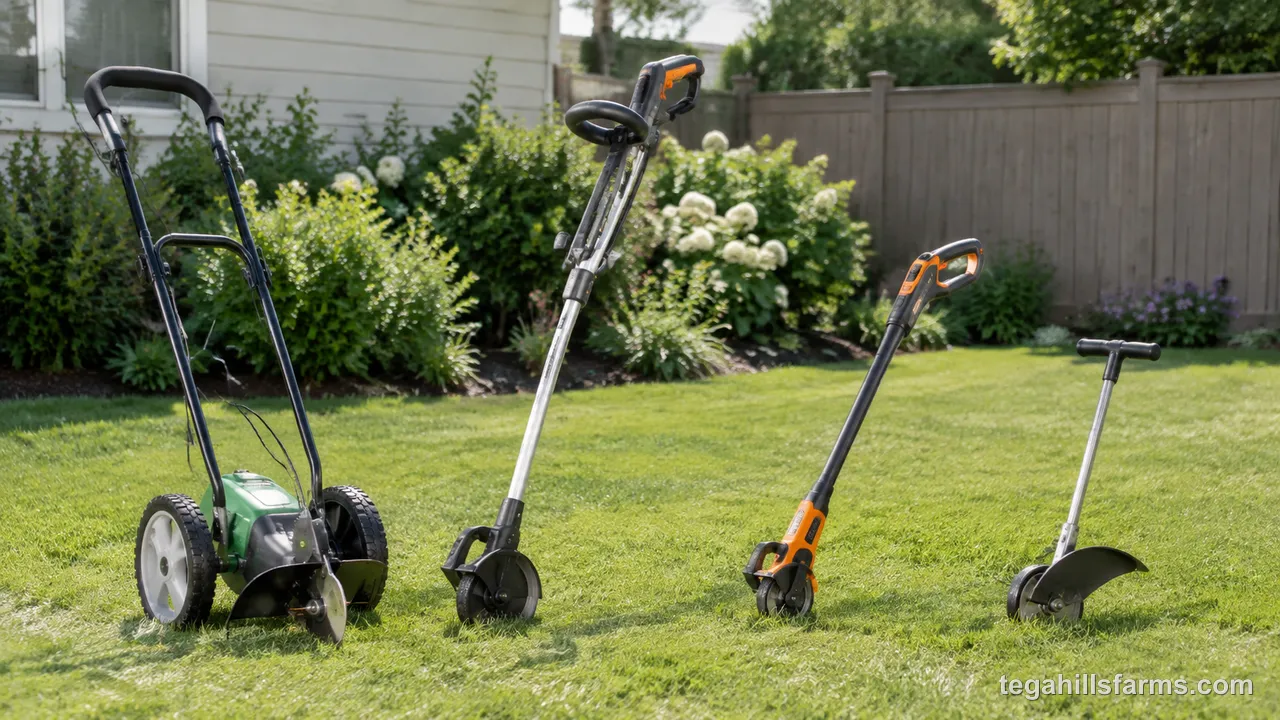
Size is a tradeoff between stability and convenience. A heavier frame cuts straighter with less effort on long runs, but it takes up garage floor space and is awkward on curves. A lighter tool goes anywhere and hangs on a wall, but it asks more of your arms. Storage space often settles the question before cutting performance does, especially in a crowded garage or shed.
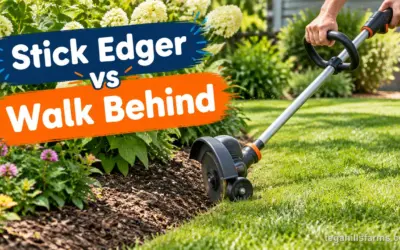
Should You Choose a Walk-Behind or a Stick Edger?
A walk-behind edger rides on wheels with the blade fixed to a frame. The machine’s weight holds the cut steady, so your job is mostly pushing in a straight line. That stability pays off on long driveways and sidewalks, and some walk-behind frames let you tilt the blade to bevel a bed edge. The downsides are bulk in storage and clumsy handling around tight curves and obstacles.
A stick edger looks like a string trimmer with a blade head and a small guide wheel, and you hold the line with your arms. It turns easily around curved beds, mailbox posts and tree rings, and it stores on a hook. On some cordless platforms it shares a power head with a trimmer through an attachment system. Over long straight runs, though, steering it takes more concentration and more shoulder work. If straight concrete makes up most of your edging, the best walk behind edgers deserve a close look.
When Do Handheld and Manual Edgers Make Sense?
Handheld and manual edgers make sense for compact suburban lots, townhouse yards and detail work around posts, tight corners and short garden paths. When the total edging is small, carrying a light tool beats wheeling out a machine that takes longer to set up than the job takes to finish.
Manual half-moon and rotary edgers cover short sidewalks and bed borders without any power. Cordless grass shears handle trimming around stepping stones and narrow gaps where a full-size blade can’t fit. Both store in a drawer or on a wall hook, which matters when the mower already claims the garage space. They also make a good second tool on a bigger property for touch-ups a larger edger can’t reach. If you want the least strain, compare the best lightweight edgers by weight and balance.
What Blade, Depth and Guide Features Should You Check?
Adjustable cutting depth, a guide wheel that tracks the pavement edge and a replaceable steel blade decide how straight and clean your line comes out.
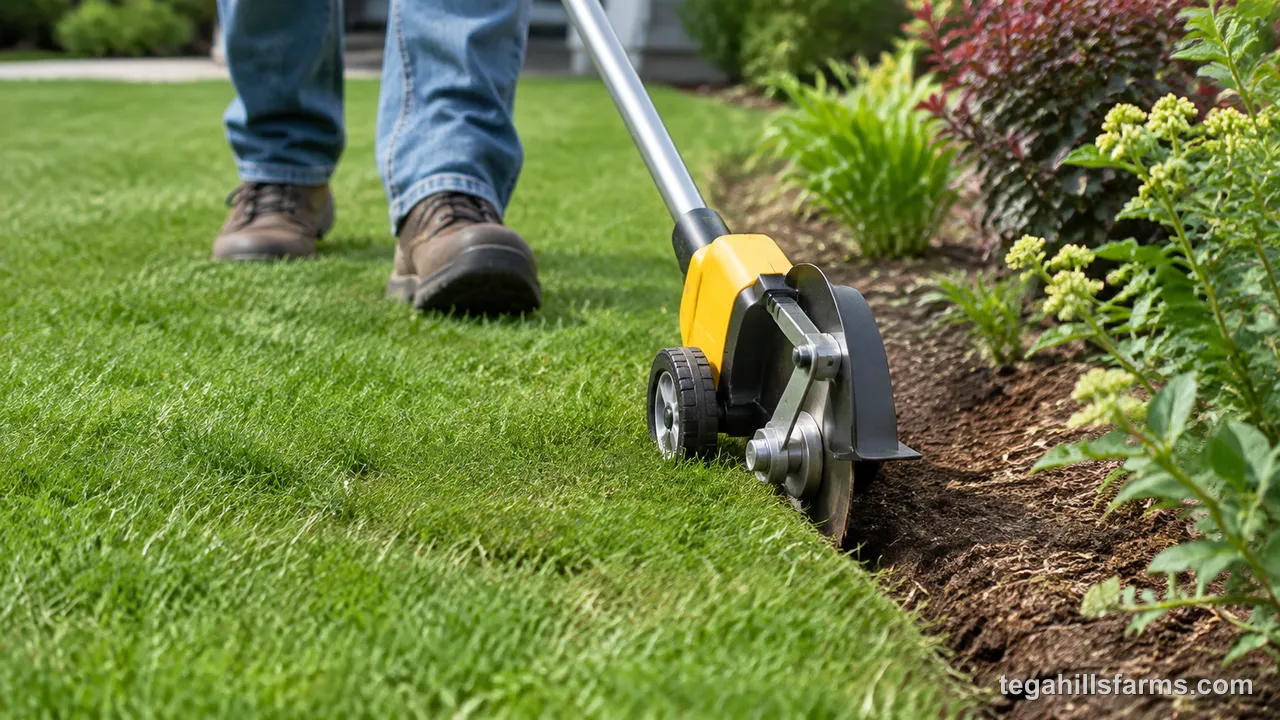
These features matter more than a small difference in power, because they control whether the blade cuts where you aim it and at the depth the edge needs. A strong motor with a crude depth setting still scalps turf and wanders off the seam. A modest one with good adjustments leaves a crisp border.
Why Does Adjustable Cutting Depth Matter?
A blade locked at a single depth either scalps turf on routine passes or skims overgrown runners. Being able to set a shallow cut for maintenance and a deeper one for re-cutting decides whether an edger cleans a border or damages it.
Set too deep for routine work, the blade gouges soil, throws dirt across the sidewalk and tears into the turf beside the cut. Set too shallow for an overgrown edge, it rides over the runners and leaves roots that grow back over the slab within weeks. Matching depth to the job keeps maintenance passes light and re-cuts thorough.
Depth control also protects the machine. Cutting a neglected edge in stages, deepening each pass, keeps the motor or engine from bogging down and the blade from bouncing out of the cut. On walk-behind edgers, a bevel adjustment angles the blade for a sloped bed edge.
How Do Guide Wheels and Blade Shape Improve Accuracy?
A guide wheel rides along the pavement, so the blade tracks parallel to the slab instead of following your steering. That reference point keeps a long sidewalk edge straight even when you’re tired. On many walk-behind edgers, a curb wheel can be lowered so the machine steps down the curb along a street.
Blade shape matters in a smaller way. Straight steel blades suit the standard vertical cut along concrete. Bed work benefits from a blade you can angle, or from a manual half-moon shape that follows curves. Every blade wears, and a rounded tip tears grass instead of slicing it, leaving a ragged line no guide wheel can fix. Check that replacement blades are easy to find for any model you consider. When the time comes, the best edger blades are the ones that match your machine’s mounting pattern.
How Do You Pick an Edger for Driveways, Sidewalks and Garden Beds?
Straight concrete runs favor a wheeled edger that rides a guide wheel along the slab, while curved beds and paver patios call for a lighter, more maneuverable tool that makes shallower, controlled cuts.
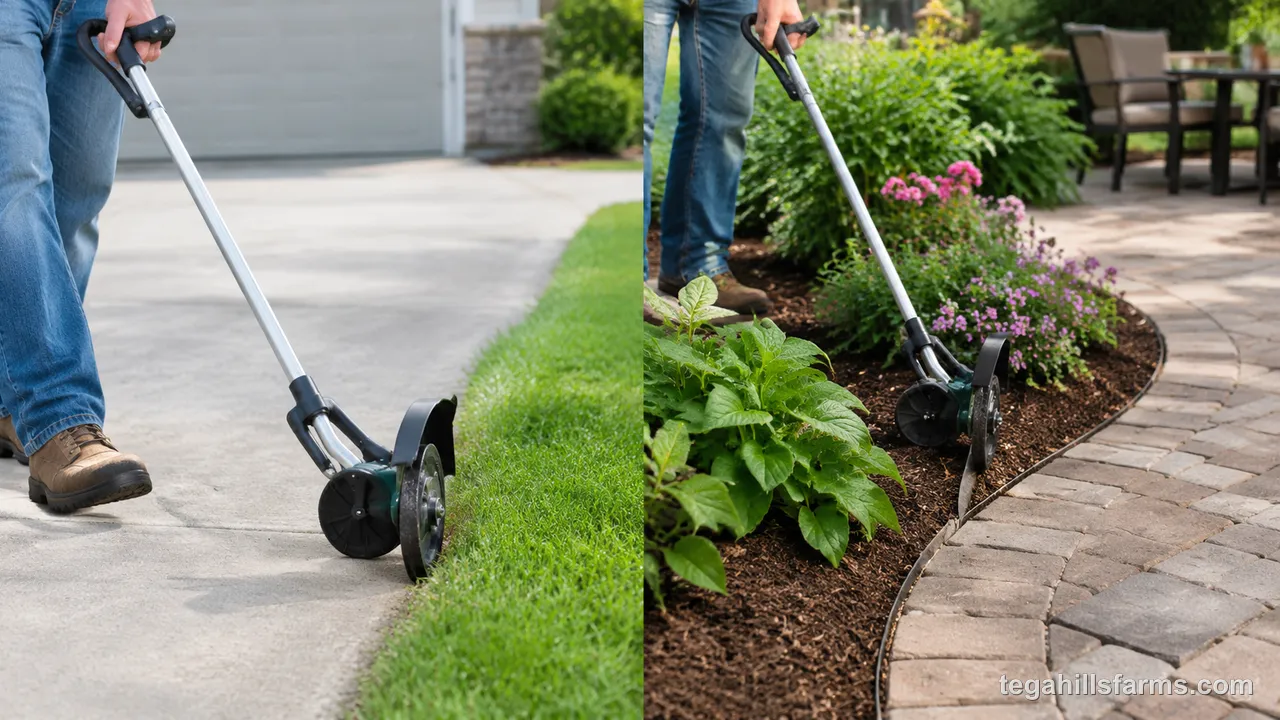
Surface and obstacle density decide which design fits. Concrete gives the guide wheel something firm to follow and rewards stability. Beds full of curves, edging stones and plant roots punish a heavy machine and reward precision. Most yards include both, so let your longest edging surface drive the main purchase.
What Works Best Along Driveways and Sidewalks?
Long, straight concrete edges call for a walk-behind or stick edger with a sturdy guide wheel and enough power to cut through runners that have crept over the slab. The guide wheel does the steering, so the line stays parallel to the pavement from the garage to the street.
Power matters here because driveway edges can build thick mats of runners between passes. A strong edger cuts through that mat in one pass instead of bouncing over it. Concrete also throws debris. The blade kicks out stones, dirt and chips from expansion joints, so aim the discharge away from cars, windows and people. Sidewalk edging asks for the same traits, which is why the best edgers for sidewalks overlap heavily with driveway models.
What Should You Use Around Flower Beds and Patios?
Curved beds and paver patios suit a stick edger with adjustable depth or a manual half-moon edger. Both follow curves closely and let you control exactly where the blade bites. A walk-behind frame is too long to turn tight curves and tends to straighten the ones you meant to keep.
Bed edging also cuts deeper than sidewalk edging, since the goal is a trench that keeps mulch in and grass out. Around pavers and edging stones, keep the blade off the stone, because a strike chips both the blade and the paver. Sprinkler lines and low-voltage landscape lighting cables often run close to the surface in beds, so probe suspect spots before cutting deep. When curves dominate your yard, compare the best edgers for flower beds on maneuverability and depth range rather than raw power.
How Do Weight, Noise, Maintenance and Budget Affect Your Choice?
Lighter, quieter battery tools suit frequent short sessions, gas justifies its upkeep only when the job is large, and what you spend mostly sets how much power and runtime you get within each type.
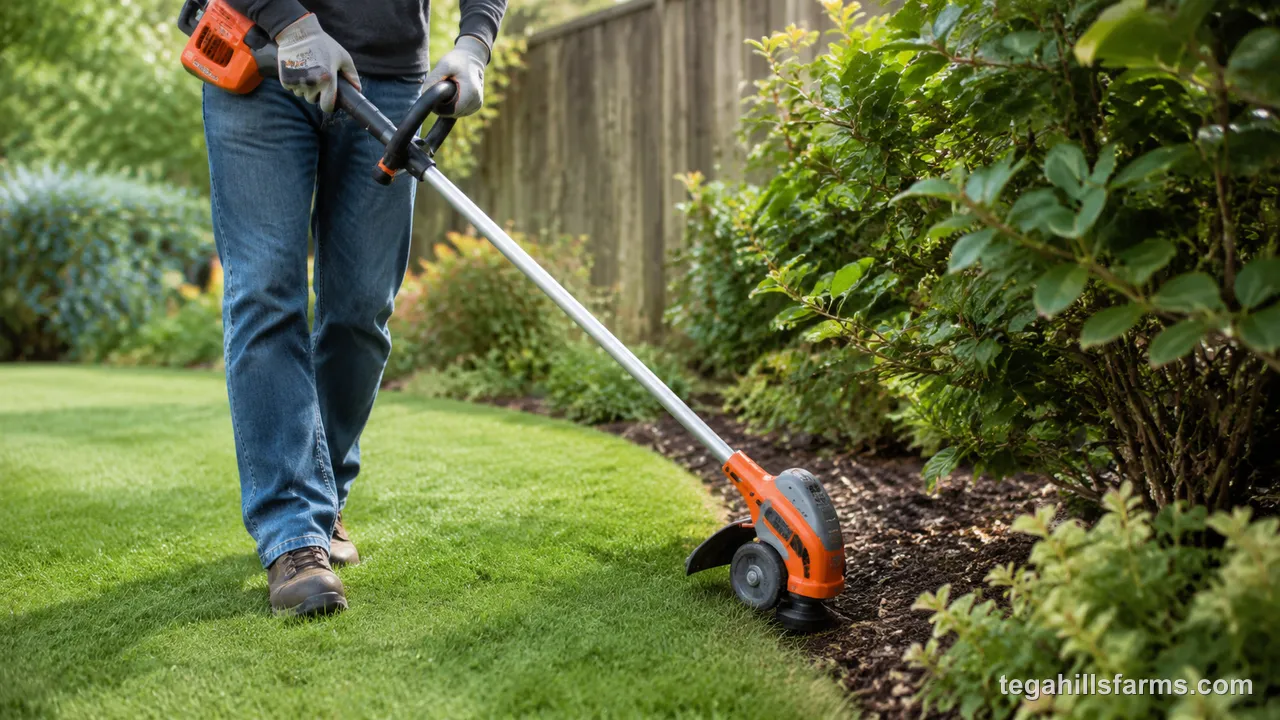
Comfort and upkeep compound over a season in a way price doesn’t. A tool that’s pleasant to carry and easy to start gets used on schedule. One that’s heavy, loud or fussy gets put off until the edges need a full re-cut. Weighing these traits against your budget tier keeps you from paying for power you won’t use.
How Important Are Weight and Noise for Weekly Use?
Lawn care can take about four hours a week, roughly 208 hours over a year, so the weight and noise of each tool add up fast when edging is part of that routine. A few extra pounds on a stick edger turn into shoulder and back fatigue over a long driveway. A walk-behind moves that weight onto its wheels.
Noise shapes when you can work. Gas edgers are loud enough to draw attention early on a weekend, and some towns limit the hours power equipment can run, so check your local noise rules. Battery and corded models run far quieter. That makes it easier to edge before the heat of the day or squeeze in a pass after work. For weekly upkeep on a suburban lot, a light cordless edger usually makes edging a task you keep up with.
What Maintenance Are You Signing Up For?
Gas edgers bring the most upkeep. They need fresh fuel, periodic spark plug and air filter changes, and either oil changes or fuel mixing depending on the engine. Skipping those steps usually shows up as hard starts and rough running when you need the machine most.
Battery edgers shift the work to the pack. You keep batteries charged during the season, store them in a protected spot, and eventually replace packs as they lose capacity with age. Corded models need little more than a check of the cord and plug for cuts or cracks.
Manual edgers ask the least. Clean off soil after use, sharpen the blade occasionally and wipe on a little oil to keep rust away. Every type shares one recurring job, which is keeping the blade sharp or replacing it once it wears.
How Should Budget Shape Your Pick?
What you spend mostly sets which power type and frame you can choose. At the entry level, the best lawn hand edgers and corded stick edgers cover small lots for a modest outlay. Manual tools ask only for effort, and corded ones need an outlet nearby.
Battery stick edgers sit in the middle tier. That tier shifts in your favor if you already own a compatible battery, since a bare tool skips the cost of a pack and charger. Corded walk-behind edgers also land here, giving you wheeled stability without fuel.
The upper tier holds gas walk-behind edgers and battery kits with larger packs. They buy power for long or overgrown borders and runtime for big properties. Spending at this level makes sense only if your edging volume calls for it. Before setting a number, check how much a lawn edger costs across these power types so you know where each tier begins.
A two-cycle edger filled from the wrong can, with straight gas instead of an oil mix, can score its cylinder before the first driveway is finished. A battery edger bought outside your existing tool family means a second charger and a separate set of packs that fit nothing else in the garage, and that cost returns every time a pack wears out.
Rarely Mentioned Details That Decide Long-Term Satisfaction
Two choices made at checkout shape years of ownership more than any power rating does: the engine cycle on a gas edger and the voltage family on a battery model. Neither shows up as a headline feature, yet each one decides what you buy, mix, charge and replace every season afterward. Both are hard to undo, since switching means replacing the machine or a set of batteries rather than changing a setting.
Does Two-Cycle vs Four-Cycle Change Ownership?
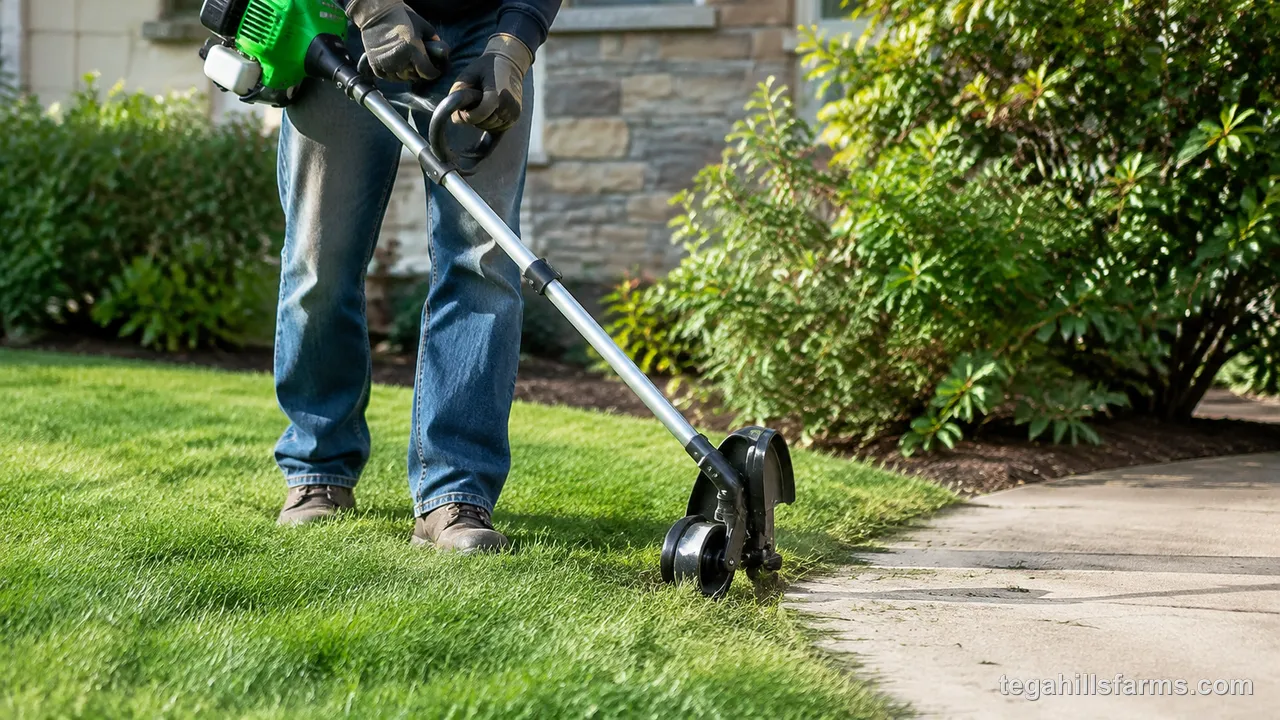
It does, mainly in what you put in the tank and what you maintain. A two-cycle engine burns oil mixed into the gasoline at the ratio the manufacturer specifies. A four-cycle engine runs on straight gas and keeps its oil in a separate crankcase that needs periodic changes.
Two-cycle edgers are lighter and simpler, with fewer moving parts and a high-revving engine. The cost is that every fill means mixing fuel or buying premixed cans, and they run smokier with a stronger exhaust smell. Four-cycle edgers deliver more torque at lower engine speeds, run smoother and quieter, and skip fuel mixing. In exchange, they add weight and an oil change routine.
The deciding detail is often what’s already in your garage. If you keep mixed fuel for a two-cycle trimmer or blower, a two-cycle edger can share that can. If you’d rather never mix fuel, a four-cycle model avoids the chore entirely.
Why Does Your Battery Voltage Family Matter More Than Peak Power?
Batteries fit only the tools in the same brand’s voltage family. That makes the platform you choose more important than any peak power figure in deciding what you spend and how long you can edge. Staying in one family lets you share packs across your edger, trimmer and blower. You can swap in a charged pack when one runs down and buy future tools as cheaper bare units.
Peak voltage numbers also don’t compare cleanly across brands, and a higher-voltage pack usually adds weight to a stick edger you carry by hand. A family that already matches your other tools often delivers more usable runtime than a stronger edger stranded on a lone battery.
Platform longevity matters too, because packs wear out and you’ll want replacements available years from now. Comparing lawn edger brands by the breadth of their tool lineup on a single battery says more about long-term value than any one spec. I’d choose the platform first and the edger second.
Quick Answers Before You Buy
How long does a lawn edger last?
Care decides how long lawn edgers last more than power type does. A gas model that gets fresh fuel, clean filters and proper off-season storage keeps running for many seasons. A battery edger’s motor typically outlasts its packs, and a manual edger lasts as long as you keep its blade sharp and dry.
What safety gear should you wear when edging?
Wear safety glasses, because the blade throws stones and concrete chips at high speed. Add closed-toe boots and long pants. Wear hearing protection when running a gas edger, keep kids and pets well clear of the work area, and stop the blade completely before clearing debris from the guard.
How should you store an edger over winter?
For a gas edger, add fuel stabilizer and run the engine to circulate it, or run the tank dry, following your owner’s manual. Bring battery packs indoors, away from freezing temperatures, at the charge level the manufacturer recommends. Clean soil off every blade and wipe on a light coat of oil to prevent rust.
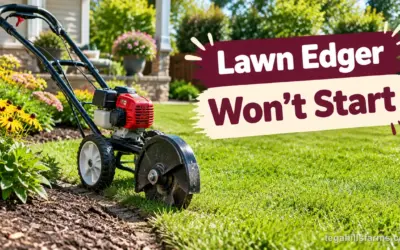
What should you check first when a lawn edger won’t start?
On a gas model, start with the fuel, since gas left sitting for weeks goes stale and is the usual culprit after storage. Then check the spark plug, air filter and choke position. On a battery model, confirm the pack is charged, seated firmly and clean at the contacts, and that the safety lock-off is released.
How often should you edge your lawn?
Edge whenever grass starts creeping over concrete or into beds. During peak growth, that can mean edging most times you mow. Once a crisp trench is established, routine passes take far less time and effort than re-cutting an overgrown border, so frequent light edging beats occasional heavy work.